

טייק אווי מפתח
-
Plastic extruders transform raw plastic pellets into finished products through a step-by-step process.
-
Key functions of a plastic extruder include heating, עִרבּוּב, pressurizing, shaping, and cooling the material.
-
Selecting the right thermoplastic is crucial for achieving desired product properties and applications.
-
Proper monitoring of temperature and pressure during extrusion ensures consistent quality and prevents defects.
-
Cooling methods significantly affect the final product's strength and appearance; choose the right method for each application.
-
Downstream processing steps like cutting and shaping enhance the value and usability of extruded products.
-
Regular maintenance of components like the die and hopper is essential for efficient operation and product quality.
-
Understanding the advantages and challenges of שחול פלסטיק helps optimize production and meet industry demands.
Plastic Extruder Basics
What Is a Plastic Extruder
I rely on a plastic extruder every day in my manufacturing process. This machine plays a central role in transforming raw plastic into usable products. I feed plastic pellets into the extruder, which heats and melts them. The machine then pushes the molten plastic through a die, creating a continuous shape. This process allows me to produce pipes, סדינים, סרטים, and other items efficiently.
A plastic extruder stands out as a crucial piece of equipment in industrial manufacturing. It operates by forcing melted plastic through a fixed outlet, shaping it into a desired form. I see how this method ensures consistency and quality in every batch. The extrusion process uses high pressure to move the material, שלאחר מכן מתקרר ומתמצק. גישה זו מדגישה את היעילות והמעשיות של האקסטרודר בעבודה היומיומית שלי.
עֵצָה: אני תמיד בודק את הגדרות הטמפרטורה והלחץ על מכבש הפלסטיק שלי כדי לשמור על איכות המוצר.
פונקציות מפתח
אני מתמקד במספר פונקציות מפתח כאשר אני מפעיל מכבש פלסטיק. כל פונקציה חשובה ליישומים תעשייתיים מכיוון שהיא משפיעה על האיכות והביצועים של המוצר הסופי.
-
חימום והתכה: אני משתמש באקסטרודר כדי לחמם כדורי פלסטיק עד שהם נמסים. שלב זה חיוני ליצירת חומר אחיד.
-
עִרבּוּב: המכונה מערבבת את הפלסטיק המותך, הבטחת הפצה אחידה של תוספים וחומרי צבע.
-
הפעלת לחץ: אני סומך על המכבש שיפעיל לחץ, מה שעוזר לעצב את החומר ולהסיר בועות אוויר.
-
עיצוב: התבנית מעניקה לפלסטיק את צורתו הסופית, אם אני צריך צינורות, סרטים, פרופילים, או כיסויי כבלים.
-
הִתקָרְרוּת: לאחר עיצוב, אני מקרר את המוצר כדי להמצק אותו ולנעול את צורתו.
אני משתמש בתרמופלסטיים שונים במכבש שלי, בהתאם ליישום. לְדוּגמָה, פוליאתילן עובד היטב עבור סרטים ואריזה בגלל הגמישות והחוזק שלה. פוליפרופילן מתאים לחלקי רכב בשל נקודת ההתכה הגבוהה שלו. פוליוויניל כלוריד אידיאלי לבניית צינורות ופרופילים מכיוון שהוא עמיד. פוליסטירן מושלם עבור מוצרי צריכה מכיוון שהוא נוקשה וצלול.
אני רואה את ההשפעה של פונקציות אלה על פני תעשיות רבות:
-
בְּנִיָה
-
אריזה
-
מוצרי אלקטרוניקה וחשמל
-
רכב
-
טיפול רפואי
אני מייצר א מגוון מוצרים עם מכבש הפלסטיק שלי, כְּגוֹן:
-
צינורות
-
מסגרת אקסטרודר סיטונאי אלומיניום שחול באנודיז סרטים
-
פרופילים
-
נדני כבלים
-
חומרים מתכלים רפואיים
אני מבין ששליטה בפונקציות האלה עוזרת לי לספק תוצאות אמינות ללקוחות תעשייתיים. אני תמיד עוקב אחר כל שלב כדי להבטיח יעילות ועקביות.
כיצד פועל מכבש פלסטיק
חומר האכלה
אני תמיד מתחיל את תהליך שחול הפלסטיק על ידי הזנת חומר גלם לתוך האקסטרודר. אני משתמש בכדורי פלסטיק או גרגירים, אותו אני שופך לתוך ההופר בחלק העליון של המכונה. ההופר משמש כפח אחסון ומבטיח זרימה קבועה של חומר לתוך החבית. אני בוחר את סוג הפלסטיק המתאים בהתאם למוצר שאני רוצה לייצר. לְדוּגמָה, אולי אבחר פוליוויניל כלוריד עבור צינורות או פוליאתילן עבור סרטים וצינורות. הטבלה למטה מציגה כמה חומרים נפוצים שבהם אני משתמש ואת המאפיינים העיקריים שלהם:
|
סוג חומר |
מאפיינים ויישומים |
|---|---|
|
פוליוויניל כלוריד (PVC) |
חָזָק, רַב צְדָדִי, resistant to moisture, כימיקלים, and UV radiation; used in construction and industrial settings. |
|
פוליאתילן (פ) |
Lightweight, גָמִישׁ, excellent impact resistance; used for films, plastic bags, מיכלים, and flexible tubing. |
|
ASA (Acrylonitrile Styrene Acrylate) |
Superior UV and chemical resistance; used in outdoor applications like roofing and façade panels. |
|
Lightweight, גָמִישׁ; suitable for food packaging, medical products, and hollow formwork systems. |
I make sure the material is clean and dry before I load it. Moisture or contaminants can cause defects in the final product. Once the pellets enter the barrel, the plastic extrusion process begins in earnest.
Melting and Mixing
After feeding, I focus on melting the plastic and mixing it thoroughly. The barrel contains a rotating screw that pushes the pellets forward. כשהחומר זז, heaters along the barrel raise the temperature. אני עוקב אחר הטמפרטורה מקרוב כי כל סוג של פלסטיק נמס בטווח אחר. לְדוּגמָה, כיוונתי את החבית ל-160-200°C עבור LDPE, 180-230°C עבור HDPE, ו-150-185°C עבור PVC. הטבלה שלהלן מציגה אופייני טמפרטורות התכה עבור תרמופלסטיים נפוצים:
|
תרמופלסטי |
טמפרטורת התכה (°ג) |
|---|---|
|
LDPE |
160-200 |
|
HDPE |
180-230 |
|
עמ' |
200-260 |
|
PVC |
150-185 |
|
ניילון |
230-290 |
כשהבורג מסתובב, הוא דוחס והומוגג את הפלסטיק המותך. אני סומך על ערבוב אלמנטים בתוך הבורג כדי לשבור אשכולות ולהפיץ תוספים באופן שווה. שלב זה הוא קריטי לתהליך שחול הפרופיל מכיוון שהוא מבטיח למוצר הסופי צבע ומרקם אחידים. ערבוב נכון מונע גם בזבוז חומרים ופגמים. אני תמיד בודק שהטמפרטורה והלחץ נשארים יציבים בשלב זה. אם החומר לא נמס באופן שווה, תהליך האקסטרוזיה יכול לייצר מוצרים חלשים או לא עקביים.
עֵצָה: I always use the right screw design and mixing elements for each material to achieve the best results in the plastic extrusion process.
Shaping with the Die
Once the plastic is fully melted and mixed, I move to the shaping stage. The molten plastic passes through screens and breaker plates that filter out contaminants and create back pressure. This step helps me maintain a smooth and consistent flow. הַבָּא, the material enters the die, which is the final shaping tool in the extrusion process.
The die determines the cross-sectional shape of the extruded product. I select the die based on the product I want to make. לְדוּגמָה, I use flat or sheet dies for films and sheets, annular or ring dies for pipes and tubing, and custom profile dies for window frames or weatherstripping. The table below lists common die types and the products they create:
|
Die Type |
תֵאוּר |
Products Created |
|---|---|---|
|
Flat/sheet dies |
Coat-hanger design distributes melt across a wide slot. |
דַף, סֶרֶט, and coating applications |
|
Annular/ring dies |
Melt flows around a mandrel, forming a hollow profile. |
Pipe and tubing |
|
Profile dies |
Custom-designed for specific cross-sections. |
Window frames, weatherstripping, חיתוך קצה |
|
Blown film dies |
Annular dies with air injection to inflate the melt into a bubble. |
Thin film production |
I pay close attention to die design because it affects the thickness, width, and surface quality of the final product. In the profile extrusion process, the die must create a uniform flow to avoid warping or internal stresses. I often adjust the die temperature and pressure to fine-tune the shaping. כשאני רואה את הפלסטיק המותך משתלח דרך התבנית, אני יודע שהמוצר מקבל את הצורה הסופית שלו.
ספק Masterbatch Extruder פֶּתֶק: התבנית היא הלב של תהליך האקסטרוזיה הפלסטית. תבנית מעוצבת היטב מבטיחה איכות עקבית וממדים מדויקים. אקסטרודר שומר על חימום
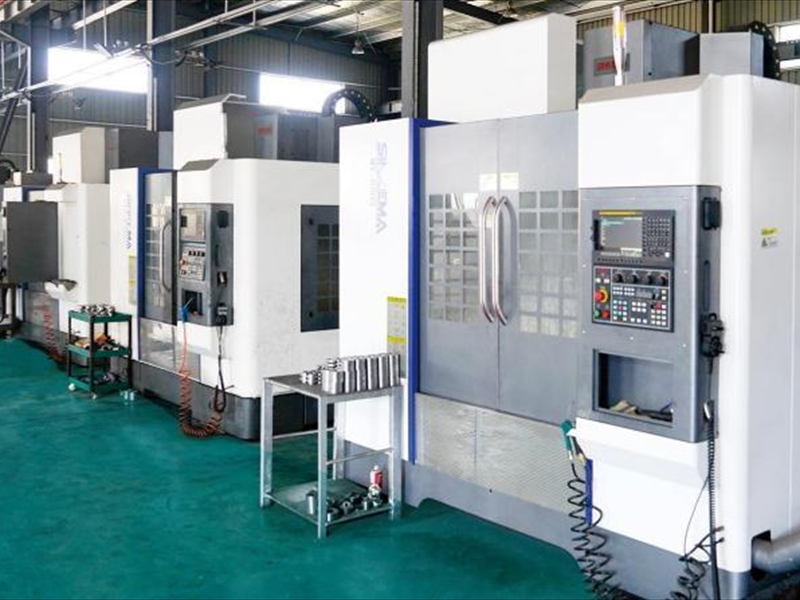
על ידי ביצוע שלבים אלה—חומר האכלה, להמיס את הפלסטיק, עִרבּוּב, ועיצוב—אני הופך כדורי גלם למוצרים מוגמרים. מכבש הפלסטיק מאפשר לי לשלוט בכל שלב בתהליך, מבחירת החומר ועד לעיצוב סופי. גישה שלב אחר שלב זו חיונית לייצור פריטים באיכות גבוהה בכל סביבה תעשייתית.
קירור והתמצקות
אחרי שהפלסטיק עוזב את הקוביה, אני מתמקד בקירור האקסטרוד כדי לנעול בצורתו ולמנוע פגמים. שלב זה הוא קריטי כי הדרך בה אני מקררת את המוצר משפיעה על החוזק והמראה שלו. אני משתמש במספר שיטות כדי לקרר ולמצק את הפלסטיק, בהתאם למוצר ולמהירות הייצור.
-
מכייל
-
קירור אוויר
-
קירור סופי
-
טכניקות מתקדמות (רולים צוננים, קירור ואקום)
לעתים קרובות אני מתחיל עם מרווה. שיטה זו מקררת במהירות את השכבה החיצונית של הפלסטיק כשהיא יוצאת מראש האקסטרוזיה. אני משתמש בתרסיסי אוויר או מים לשלב זה. קירור מהיר עוזר לקבוע את הצורה הראשונית ומונע מהמוצר להתעוות. לפרופילים וצינורות רבים, אני משתמש בכיילים. מכשירים אלו מייצבים את הצורה וכוללים מיכלים מלאים במים לקירור מבוקר. מכיילים עוזרים לי להימנע ממתחים פנימיים ומבטיחים שהמוצר יישאר ישר.
כשאני צריך בקרת טמפרטורה מדויקת, אני פונה לטכניקות מתקדמות. רולים צוננים וקירור ואקום נותנים לי קירור מהיר ואחיד, which is important for high-speed production or special applications. I always choose the method that matches the product’s requirements.
עֵצָה: I monitor the cooling rate closely. If I cool the plastic too fast, I can trap internal stresses. If I cool it too slowly, I risk warping or uneven surfaces.
The cooling method I choose affects the final properties of the product. הטבלה למטה shows how different cooling rates change the mechanical properties:
|
Cooling Method |
Effect on Mechanical Properties |
|---|---|
|
Rapid Water Cooling |
Can trap internal stresses, weakening thicker products over time. |
|
Slower Air Screw Extruder Factory הִתקָרְרוּת Parallel Twin Screw Factory |
Promotes uniform crystallization, enhancing strength and reducing warping risks. |
I always balance speed and quality to get the best results for my industrial clients.
Downstream Processing
Once the product is solid, I move to downstream processing. This stage adds value and prepares the product for its final use. I follow a series of steps to finish the extruded plastic:
-
Cutting: I use a high-speed cutter to slice the continuous strand into set lengths. Accurate cutting is important for assembly and appearance.
-
עיצוב: I may run the product through a shaping machine. This step improves the look and ensures the dimensions are correct.
-
יִבּוּשׁ: I use industrial dryers, such as multi-layer belt dryers or microwave dryers, to remove any moisture from the product.
After these main steps, I often add finishing touches. I might print information or branding on the product. לִפְעָמִים, I punch holes, bell the ends, or coil the product for easier transport. These extra steps help me meet specific customer needs and make the product more useful.
פֶּתֶק: Downstream processes like cutting and printing improve the value of extruded plastic products. They ensure the right size, better appearance, and readiness for market.
By carefully managing cooling and downstream processing, I deliver high-quality, reliable products for a wide range of industrial applications.
Plastic Extruder Components
קוֹטֵף
I always start my work at the hopper. This component sits at the top of the plastic extruder and stores the raw plastic pellets or granules. The hopper feeds material into the barrel at a steady rate. I check the hopper regularly to make sure it stays clean and dry. Some models include drying functions, which help me maintain the quality of the plastic. Moisture can cause defects, אז אני סומך על ההופר כדי לשמור על החומר במצב טוב. אני בוחר את גודל ההופר הנכון על סמך נפח הייצור. לעבודות עם תפוקה גבוהה, אני משתמש במיכלים גדולים יותר כדי למנוע מילוי תכוף.
עֵצָה: אני בודק את המיכל לפני כל משמרת. חומר נקי ויבש מבטיח שחול חלק ומונע סתימות.
חבית ובורג
ה חבית ובורג מהווים את הליבה של המכבש. החבית מספקת חלל מחומם לכדורי הפלסטיק. אני עוקב אחר טמפרטורת החבית כדי להתאים לנקודת ההתכה של החומר. הבורג יושב בתוך הקנה ומסתובב כדי להזיז את הפלסטיק קדימה. כשהבורג מסתובב, זה מעביר, נמס, ומערבבת את החומר. אני מכוון את מהירות הבורג כדי לשלוט בקצב הפלט. מהירויות מהירות יותר מגדילות את הייצור אך עלולות לגרום להתחממות יתר. אני בוחר את עיצוב הברגים לפי סוג הפלסטיק ודרישות המוצר.
עיצוב הקנה והבורג משפיע על היעילות. אני מסתכל על פרמטרים כמו יחס L/D (אורך לקוטר), יחס דחיסה, עומק טיסה, ומהירות בורג. לרוב העבודות, אני משתמש בבורג עם א 30:1 יחס L/D. זה נותן לי מספיק זמן להתכה ולערבוב. יחסי דחיסה בין 3:1 ו 3.5:1 עובד היטב עבור פוליאתילן. ערוצי טיסה עמוקים יותר מאפשרים תפוקה גבוהה יותר, אבל אני מאזן את זה עם יעילות התכה. אני נמנע מלהפעיל את הבורג מהר מדי, מכיוון שמהירות מופרזת עלולה לבזות את הפולימר.
|
רְכִיב |
פוּנקצִיָה |
|---|---|
|
לִדפּוֹק |
מעביר, מתפלסטיק, ומלחיץ חומרי גלם. |
|
חָבִית |
מספק שטח אחסון וחימום, הבטחת עמידות ויציבות. |
אני בוחר ברגי מחסום לעבודות שזקוקות לעקביות התכה טובה יותר. This choice helps me achieve uniform mixing before the material reaches the die.
תנורי חימום
Heaters play a vital role in the plastic extruder. I rely on them to melt the plastic pellets as they move through the barrel. The heaters wrap around the barrel and provide precise temperature control. I set the temperature based on the type of plastic. לְדוּגמָה, I use lower temperatures for PVC and higher settings for nylon. Consistent heating prevents defects and ensures uniform plasticization.
I monitor the heaters throughout the process. If the temperature fluctuates, I risk uneven melting or overheating. I use temperature control systems to manage heating and cooling. These systems help me maintain the right balance, so the plastic flows smoothly toward the die. Proper heater management improves product quality and reduces waste.
פֶּתֶק: Reliable heaters and temperature control systems keep the extrusion process stable. I always check these components to avoid production issues.
Die
I always pay close attention to the die when I operate my plastic extruder. The die shapes the molten plastic into the final product. I know that choosing the right die is essential for producing pipes, סדינים, פרופילים, or films with accurate dimensions.
I start by inspecting the die before every production run. I look for any signs of wear, buildup, or damage. A clean die ensures a smooth flow of plastic and prevents defects. I use specialized tools to clean the die channels and surfaces. If I see any scratches or blockages, I address them immediately.
When I set up the extruder, I align the die carefully with the barrel. Proper alignment prevents uneven flow and reduces the risk of warping. I tighten the bolts evenly to avoid leaks. I also check the die temperature settings. Each type of plastic requires a specific temperature range for optimal flow. I adjust the die heaters to match the material I am using.
During production, I monitor the pressure at the die. If the pressure rises too high, I know there may be a blockage or contamination. I stop the machine and inspect the die if I notice any irregularities in the extruded product. Consistent pressure helps me maintain uniform thickness and surface quality.
I often switch between different dies depending on the product. לְדוּגמָה, I use a flat die for making sheets and a ring die for pipes. I store each die in a clean, dry place to prevent rust and damage. I label each die clearly so I can find the right one quickly.
עֵצָה: I always preheat the die before starting production. This step prevents cold spots and ensures a steady flow of molten plastic.
Here is a quick checklist I follow for die maintenance:
-
Inspect for wear and buildup before each run.
-
Clean channels and surfaces with proper tools.
-
Align and secure the die to the barrel.
-
Set the correct temperature for the material.
-
Monitor pressure and product quality during operation.
-
Store dies properly after use.
על ידי ביצוע שלבים אלה, I keep my extrusion process efficient and my products consistent. The die is a critical component that directly affects the quality of everything I produce.
Types of Plastic Extruders
מכבש עם בורג אחד
I often use a single-screw extruder for straightforward plastic processing jobs. This machine has one rotating screw inside the barrel. I find it reliable for melting, עִרבּוּב, and shaping most thermoplastics. When I want to produce pipes, סרטים, or sheets with consistent quality, I choose this type. I adjust the screw speed and temperature to match the material. The single-screw design gives me basic mixing and steady output. I use it when I do not need to blend many additives or handle complex recipes.
מכבש כפול ברגים
When I need better mixing and more control, I switch to a twin-screw extruder. This machine uses two screws that rotate together. I can process materials with fillers, חומרי צבע, or even reactive chemicals. The twin-screw design lets me blend, תִרכּוֹבֶת, and even carry out chemical reactions during extrusion. I use it for advanced applications, כגון ייצור תרכובות מיוחדות או פלסטיק בעל ביצועים גבוהים. הטבלה שלהלן מציגה את ההשוואה בין מכבשים עם בורג בודד ותאום בורג בביצועים תעשייתיים:
|
תכונה |
מחלצים עם בורג אחד |
מחלצים עם שני ברגים |
|---|---|---|
|
קוטר בורג |
20 מ"מ ל 300 מ"מ |
16 מ"מ ל 245 מ"מ |
|
יחס L/D |
20:1 אֶל 30:1 |
25:1 אֶל 48:1 |
|
מהירות בורג |
20 אֶל 250 סל"ד |
50 אֶל 1,200 סל"ד |
|
קצב פלט |
10 ק"ג/שעה עד 1,000 ק"ג לשעה |
1 ק"ג/שעה עד 15,000 ק"ג לשעה |
|
טמפרטורת החבית |
20°C עד 300°ג |
אווירה עד 400°ג |
|
יכולות ערבוב |
ערבוב בסיסי |
ערבוב מעולה |
|
קיבולת מומנט |
לא |
200 נמ ל 10,000 נ"מ |
|
יישומים |
עיבוד פולימר פשוט |
הַרכָּבָה, הִתמַזְגוּת, שחול תגובתי |
אני מסתכל על הטבלה הזו כשאני מחליט באיזה אקסטרודר להשתמש לפרויקט. אם אני צריך תפוקה גבוהה או ערבוב מתקדם, אני בוחר את הדגם עם צמד הברגים.
מחלצים מיוחדים
לִפְעָמִים, הלקוחות שלי צריכים צורות ייחודיות או חומרים מיוחדים. אני משתמש במחלצים מיוחדים לעבודות האלה. מכונות אלו מציעות מספר יתרונות:
-
גמישות עיצובית: אני יכול ליצור צורות מורכבות וממדים מדויקים עבור יישומים מותאמים אישית.
-
צדדיות חומרית: I use different plastics and additives to improve durability and performance.
-
Enhanced performance: I tailor the machine for specific environments to ensure the best results.
-
Cost efficiency: I reduce waste and avoid extra machining, מה שמוזיל את עלויות הייצור.
-
Aesthetic options: I match colors and finishes to meet branding needs.
I choose a specialty extruder when standard machines cannot meet the requirements. This approach helps me deliver custom solutions for challenging projects.
Plastic Extrusion Materials
Common Thermoplastics
When I select materials for plastic extrusion, I always start with thermoplastics. These materials soften when heated and harden when cooled, which makes them ideal for repeated processing. I choose the right thermoplastic based on the product’s requirements, such as strength, גְמִישׁוּת, or chemical resistance.
Here are the most common thermoplastics I use in industrial extrusion and their key properties:
-
פוליוויניל כלוריד (PVC): I rely on PVC for its strength and versatility. It resists moisture, כימיקלים, and UV radiation, so I use it for pipes, window profiles, and cable insulation.
-
פוליאתילן (פ): I choose PE when I need a lightweight and flexible material. It offers excellent impact resistance and chemical stability, making it perfect for films, מיכלים, and tubing.
-
פוליפרופילן (עמ'): I use PP for products that need toughness and fatigue resistance. It stands up to chemicals and stress, so I often select it for automotive parts and reusable containers.
-
פוליסטירן (נ.ב): I turn to PS for its rigidity and clarity. It molds easily and works well for packaging, disposable cutlery, and laboratory ware.
-
ניילון: I pick nylon when I need a high strength-to-weight ratio. הוא מתפקד היטב בסביבות בטמפרטורה גבוהה ומציע עמידות כימית הוגנת. אני משתמש בו עבור הילוכים, מיסבים, וחלקים תעשייתיים.
-
ABS (אקרילוניטריל בוטאדיאן סטירן): אני בוחר ב-ABS בגלל הקשיחות ועמידות הפגיעה שלו. זה קשה יותר מפוליסטירן טהור ועובד היטב עבור קישוט רכב, מארזים, ומוצרי צריכה.
-
PLA (חומצה פולילקטית): אני משתמש ב-PLA עבור יישומים הדורשים אפשרות מתכלה. הוא מגיע ממשאבים מתחדשים כמו עמילן תירס ויש לו נקודת התכה נמוכה, שמתאים לאריזות ולמוצרים חד פעמיים.
-
PETG (פוליאתילן טרפתלאט גליקול): אני בוחר ב-PETG כשאני צריך איזון של כוח וקלות עיבוד. הוא עמיד בפני כימיקלים ועיוותים, אז אני משתמש בו לבקבוקים, מכשור רפואי, ומכלי מזון.
עֵצָה: אני תמיד מתאים את תכונות התרמופלסטי לשימוש הסופי של המוצר. שלב זה מבטיח עמידות וביצועים.
תוספים וחומרי מילוי
לעתים קרובות אני צריך לשנות את המאפיינים של מוצרי הפלסטיק שלי. כדי לעשות זאת, אני משתלב תוספים וחומרי מילוי במהלך תהליך האקסטרוזיה. מרכיבים אלה עוזרים לי לעמוד בתקנים ספציפיים בתעשייה ובדרישות הלקוח.
-
מייצבים: אני מוסיף מייצבים כדי לשפר את עמידות החום ו-UV. זה מונע ממוצרים להתקלקל בסביבות קשות.
-
צבע פיגמנטים: אני משתמש בפיגמנטים כדי להשיג את הצבע המדויק שהלקוח שלי רוצה. שלב זה מסייע גם במיתוג וזיהוי המוצר.
-
מעכבי בעירה: אני כולל מעכבי בעירה למוצרים שחייבים לעמוד בתקנות בטיחות אש, כגון רכיבים חשמליים או חומרי בניין.
-
חומרי מילוי: אני מוסיפה חומרי מילוי כמו סידן פחמתי או סיבי זכוכית כדי לשפר את החוזק המכני, להפחית עלות, או לשנות את משקל המוצר.
השילוב המוקפד של התוספים וחומרי המילוי הללו מאפשר לי לייעל את תהליך האקסטרוזיה. אני יכול לשפר תכונות מכניות, להתאים את המראה, ולהבטיח שהמוצר הסופי עומד בכל המפרטים.
פֶּתֶק: אני תמיד בודק ניסוחים חדשים לפני ייצור בקנה מידה מלא. תרגול זה עוזר לי להימנע מפגמים ומבטיח איכות עקבית.
על ידי הבנת הן את התרמופלסטיות הבסיסיות והן את תפקידם של התוספים, אני יכול לייצר מוצרים שחולפים בעלי ביצועים אמינים בכל יישום תעשייתי.
יישומי אקסטרוזיה בתעשייה
שימושים תעשייתיים
אני משתמש שחול פלסטיק כל יום לעמוד בדרישות של תעשיות רבות. תהליך זה נותן לי את הגמישות ליצור מוצרים הפותרים בעיות בעולם האמיתי. אני מתחיל בבחירת החומר המתאים והתאמת המכונה שלי לעבודה. אני יודע שכל יישום דורש גישה ספציפית, אז אני תמיד מתאים את תהליך האקסטרוזיה לשימוש הסופי.
הנה טבלה שמראה כיצד אני מיישם שחול פנימה מגזרי תעשייה שונים:
|
סוג יישום |
תֵאוּר |
|---|---|
|
צינורות וצינורות |
אני מייצר קווי אספקת מים, צינורות ביוב, וצינורות השקיה באמצעות חומרים כמו PVC ו-HDPE. |
|
פרופילים ורכיבים מבניים |
אני מייצר מסגרות ואטמי דלתות המשפרים את היעילות האנרגטית והעמידות בבנייה. |
|
סרטים ויריעות פלסטיק |
אני יוצר סרטי אריזה וכיסויים חקלאיים המציעים גמישות והגנת UV. |
|
רכיבי חשמל ורכב |
אני מייצרת ציפויי חוטים ודיפונים לרכב המשפרים את הבטיחות ויעילות הדלק. |
|
שימושים מיוחדים אחרים |
אני מוציא צינורות רפואיים וחוטי הדפסת תלת מימד עבור יישומים מיוחדים בתחום הבריאות והייצור. |
I always adjust the extrusion process to fit the requirements of each industry. לְדוּגמָה, I use tighter tolerances for medical tubing and focus on durability for construction profiles. I monitor every step to ensure the final product meets strict standards.
עֵצָה: I keep detailed records of each extrusion run. This helps me troubleshoot issues and improve quality for future projects.
מוצרים אופייניים
I see the results of plastic extrusion in many products I use and produce. The process allows me to create items with consistent quality and precise dimensions. Here are some of the most common products I make using extrusion:
-
Pipes and tubing for plumbing, irrigation, and industrial systems
-
Plastic films and sheets for packaging, חַקלָאוּת, and protective covers
-
Electrical and automotive components such as wire insulation and dashboard trims
-
Medical tubing for fluid delivery and surgical devices
-
3D printing filaments for rapid prototyping and manufacturing
-
Furniture edges that protect surfaces and add style
-
Decorative strips for appliances, vehicles, and building interiors
I follow a step-by-step process for each product. I start by choosing the right thermoplastic and setting up the extruder. I monitor the temperature, לַחַץ, and speed throughout the extrusion. I use the correct die to shape the product and select the best cooling method to lock in the form. I finish with downstream processing, such as cutting, הַדפָּסָה, or coiling, to prepare the product for use.
Plastic extrusion gives me the ability to respond quickly to new market demands. I can switch between products by changing the die and adjusting the process parameters. הגמישות הזו עוזרת לי לשרת מגוון רחב של תעשיות ולספק פתרונות אמינים.
פֶּתֶק: אני תמיד בודק מוצרים חדשים לפני ייצור מלא. זה מבטיח שתהליך האקסטרוזיה מייצר תוצאות עקביות ואיכותיות.
יתרונות ומגבלות
יתרונות מרכזיים
כאשר אני משתמש באקסטרוזיה פלסטית בעבודה היומיומית שלי, אני רואה יתרונות רבים שעוזרים לי לספק מוצרים איכותיים ביעילות. אני סומך על התהליך הזה כי הוא תומך ייצור רציף וניתן להרחבה. אני יכול להפעיל את המכבש שלי לתקופות ארוכות עם זמן השבתה מינימלי, שהוא מושלם עבור הזמנות גדולות. גישה זו שומרת על זרימת העבודה שלי יציבה וצפויה.
אני גם מעריך את יעילות העלות של שחול פלסטיק. אני ממחזרת שאריות חומרים ומפחיתה פסולת, מה שמוזיל את עלויות הייצור שלי. I optimize the use of raw materials and keep expenses under control. Design flexibility stands out as another major benefit. I can create a wide range of shapes and sizes, from simple tubes to complex profiles. This flexibility lets me meet different customer needs without changing my core equipment.
Consistent quality is important in my work. The extrusion process gives me uniform material flow and precise dimensions. I can meet tight tolerances, which is essential for industries like automotive and medical. I also value the compatibility with many thermoplastics. I switch between materials like PVC, פ, and PP to match the requirements of each project. Modern extruders allow me to integrate automation and smart systems. I use sensors and controls to improve accuracy and efficiency.
Here is a table that summarizes the main benefits I experience with plastic extrusion:
|
תוֹעֶלֶת |
תֵאוּר |
|---|---|
|
Continuous and Scalable Production |
High output rates with minimal downtime, ideal for large-volume jobs. |
|
Less waste and lower costs by recycling leftover materials. |
|
|
Design Flexibility |
Wide range of shapes and dimensions for various needs. |
|
Consistent Quality and Repeatability |
Uniform material flow and exact specifications for tight tolerances. |
|
Compatibility with Many Materials |
Handles various thermoplastics for better performance and durability. |
|
Integration with Automation |
Improved accuracy and efficiency through smart technology. |
עֵצָה: I always monitor my process parameters to maintain these benefits and avoid unexpected issues.
Common Challenges
While I enjoy many advantages, I also face challenges with plastic extrusion. Selecting the right material is critical. Each plastic has unique properties that affect how it melts and flows. If I choose the wrong material, I risk poor extrudability and product defects.
Quality control requires constant attention. I watch for variations in dimensions and surface defects, which can result from changes in temperature or pressure. Environmental concerns also play a role in my work. The extrusion process uses a lot of energy and can generate waste. I focus on recycling and energy efficiency to reduce my impact.
Achieving tight dimensional tolerances is not always easy. Plastics shrink as they cool, which can cause warping if I do not manage the cooling process carefully. Startup waste is another issue. When I begin a new run, לעתים קרובות אני מייצר גרוטאות עד שזרימת ההיתוך מתייצבת והתבנית מתיישרת כראוי.
תאימות חומרים עלולה לגרום לבעיות, במיוחד כאשר אני מערבב פולימרים שונים. חלק מהחומרים לא מתערבבים היטב, מה שמוביל לנקודות תורפה או הפרדת פאזות. תחזוקת ציוד חיונית. פעולה מתמשכת שוחקת ברגים ומתים, אז אני מתזמן בדיקות סדירות כדי למנוע זיהום והצטברות.
עיצוב המות משפיע על היציבות של תהליך האקסטרוזיה. צמיגות התכה לא אחידה עלולה להוביל לפגמים כמו התנפחות או משטחים מחוספסים. תרמופלסטיים רגישים לשינויי טמפרטורה. אני משתמש בבקרה תרמית מדויקת כדי למנוע השפלה או זרימה לקויה.
להלן האתגרים העיקריים שבהם אני מתמודד בעבודה היומיומית שלי:
-
מגבלות חומריות: אני חייב לבחור פלסטיק עם המאפיינים הנכונים לכל עבודה.
-
בעיות בקרת איכות: אני עוקב אחר פגמים ומתאים פרמטרים לפי הצורך.
-
דאגות סביבתיות: אני ממחזר ומשתמש בשיטות חסכוניות באנרגיה.
-
סובלנות מידות: אני מצליח לקרר כדי למנוע עיוות.
-
בזבוז הפעלה: אני ממזער גרוטאות במהלך ההגדרה.
-
תאימות חומרים: אני בודק תערובות לפני ייצור מלא.
-
תחזוקת ציוד: אני מנקה ובודק את המכבש שלי באופן קבוע.
-
עיצוב למות: אני מכוון את הקובייה לזרימה יציבה.
-
רגישות תרמית: אני שולט בטמפרטורה כדי להגן על החומר.
פֶּתֶק: אני שומר רישומים מפורטים ועוקב אחר לוח זמנים תחזוקה קפדני כדי להתגבר על האתגרים הללו ולשמור על קו האקסטרוזיה שלי פועל בצורה חלקה.
אני עוקב אחר תהליך ברור עם מכבש הפלסטיק שלי: לְהַאֲכִיל, לְהַמִיס, צוּרָה, לְהִתְקַרֵר, ולסיים. אני בודק כל רכיב כדי לשמור על יעילות הייצור. אני יודע שבחירה במכבש ובחומר הנכונים משפיעה על המרקם, עֲקֵבִיוּת, ואיכות המוצר. חומרים שונים מקיימים אינטראקציה עם לחות, טֶמפֶּרָטוּרָה, וגזירה מכנית בדרכים ייחודיות.
-
הבחירה של מכבש וחומר משפיע על מרקם המוצר ואיכותו.
-
רמות לחות, אזורי חבית, וסל"ד של בורג הם המפתח לתוצאות הרצויות.
אני רואה הרבה יתרונות, אבל אני תמיד לוקח בחשבון פרמטרים של תהליך. למי שמוכן לייעל את האקסטרוזיה, אני ממליץ על השלבים האלה:
|
תֵאוּר |
|
|---|---|
|
התחל עם שכבת החיישן |
התקן מחדש קווי אקסטרוזיה עם ניטור טמפרטורה ולחץ לתגובת מפעיל טובה יותר. |
|
הערכת ציוד חסכוני באנרגיה |
שקול מערכות הנעה, ניטור, ואחזקה כהחלטה הונית מאוחדת. |
|
צור קשר עם ספקים מוקדם |
דון בבדיקות חומר והסמכה לפני סיום מפרטים עבור פולימרים מהונדסים. |
שאלות נפוצות
באילו חומרים אני יכול להשתמש באקסטרודר פלסטיק?
אני בוחר בתרמופלסטיים כמו PVC, פ, עמ', ו-ABS. I choose the material based on the product’s requirements. I always check compatibility and melting points before starting the extrusion process.
How do I maintain consistent product quality?
I monitor temperature, לַחַץ, ומהירות בורג. I inspect the die and clean the hopper regularly. I keep detailed records of each run. Consistent settings help me achieve reliable results.
Can I recycle leftover plastic during extrusion?
I recycle scrap material by feeding it back into the hopper. I check for contamination and dryness. Recycling helps me reduce waste and lower production costs.
What are the main steps in plastic extrusion?
I follow these steps: feed raw material, melt and mix, shape with the die, cool and solidify, and finish with downstream processing. Each step requires careful monitoring.
How do I choose the right extruder for my application?
I consider the material, product shape, and production volume. I select single-screw extruders for basic jobs and twin-screw models for advanced mixing. Specialty extruders suit custom shapes.
What should I look for in plastic extrusion services?
I look for expertise, reliable equipment, and quality control. I check if the provider offers material testing and custom die design. I value clear communication and support throughout the project.
How can I troubleshoot defects in extruded products?
I inspect the material for moisture or contamination. I adjust temperature and pressure settings. I check the die for blockages. I review process records to find the cause of defects.
Is plastic extrusion suitable for medical products?
אני משתמש בשיחול פלסטיק לייצור צינורות רפואיים וחומרים מתכלים. אני בוחר חומרים ברמה רפואית ועוקב אחר תקני איכות מחמירים. אני עוקב אחר כל שלב כדי להבטיח בטיחות וביצועים.


Filler Masterbatch Extruder: מדריך סחר B2B מלא עבור Manuf… · מכונת מילוי מאסטרבאץ': מדריך סחר B2B מלא עבור Manu… · מילוי מאסטרבאץ' מכונות שחול: מדריך סחר B2B מלא לגבר…