Hale Hana Hana Mālua Screw Extruder Kina: ʻO ke kumu kūʻai ʻo B2B & Kalepa alakai no
No nā mea kūʻai honua e ʻimi nei i kahi hilinaʻi māhoe screw extruder Kina hale hana, hōʻike ka ʻāina i ka manawa kūpono ʻole a me ka paʻakikī. China remains the world's largest producer and exporter of plastic and polymer processing machinery, me nā māhoe māhoe māhoe e hōʻike ana i kekahi o nā ʻāpana ulu wikiwiki loa. Wahi a ka China Plastics Machinery Industry Association (CPMIA), Ua lawe aku ʻo Kina ma luna o USD 4.2 biliona waiwai o nā mīkini plastik i loko 2024, me nā ʻōnaehana extruder māhoe māhoe e helu ana 18% o ia huina. Nānā kēia alakaʻi i ke ʻano kālepa o kēia manawa, ʻike i nā mea hana extruder māhoe māhoe alakaʻi a me nā mea hoʻolako, kālailai i nā hoʻolālā kūʻai B2B, a me nā wānana i nā ʻano wā kokoke e hoʻokumu i kēia ʻāpana ʻoihana koʻikoʻi no nā mea kūʻai aku ma ʻEulopa, ʻAmelika ʻĀkau, Asia Hikina Hema, a ma o aku.
ʻO ka papahele hale hana ʻenehana me nā mīkini kaumaha a me nā lako extrusion i ka hana
ʻO ke kūlana o kēia manawa o Twin Screw Extruder Manufacturing ma Kina
China's plastics machinery sector has undergone a dramatic transformation over the past decade. ʻO ka mea iʻike muaʻia he kumu kūʻai haʻahaʻa, ʻO nā lako haʻahaʻa haʻahaʻa ua oʻo i loko o kahi kaiaola hana hoʻokūkū honua. ʻO ka māhele extruder māhoe māhoe, i ke ʻano wae, ua pōmaikaʻi ʻo R&D hoʻokomo kālā, nā papahana hoʻomaikaʻi ʻoihana i kākoʻo ʻia e ke aupuni (notably "Made in China "), a me ka ulu ʻana o ka noi home no ka hoʻohuihui polymer kiʻekiʻe.
Ma ke kakahiaka, ʻO Kina ka home o nā mea ʻoi aku 200 nā hui e hana ana i nā extruder māhoe māhoe, ka mea nui ma Jiangsu Province (Nanjing, Suzhou), ʻĀpana ʻo Zhejiang (Ningbo, Taizhou), ʻĀpana ʻo Guangdong (Dongguan, Foshana), a me Shandong. ʻO ka hui ʻo Nanjing wale nō ka helu no 35–40% o ka mokuahi twin screw extruder pukana, earning it the informal title of "China's extrusion capital." ʻO nā wahi ʻoihana nui e like me ka Nanjing Jiangning Economic and Technological Development Zone a me ka Ningbo Zhenhai Petrochemical Economic and Technological Development Zone e hoʻokipa nei i nā haneli o nā mea hana kūikawā..
ʻIkepili mai ka Hooponopono Nui o na Dute o Kina hōʻike i ka māhuahua ʻana o nā extruder extruder māhoe 12% makahiki-ma-makahiki ma 2024, alakaʻi ʻia e ka koi ikaika mai Asia Hema, ka Hikina Waena, ʻApelika, ame Amerika Latina. ʻEulopa a me ʻAmelika ʻAmelika, ʻoiai ʻoi aku ka makaʻala ma muli o ka noʻonoʻo ʻana i ka uku, e hoʻomau i ke kumu mai Kina no nā kumu hoʻokūkū kūʻai kūʻai a me ka hoʻonui ʻana no nā hoʻonohonoho waena a hiki i ke kiʻekiʻe.
ʻO ka International Trade Administration (ITA) o ka U.S. Keena Kalepa i ʻike ʻia ma kāna 2024 hōʻike ʻoihana ua ulu ka mīkini palaki Kina i lawe mai i ʻAmelika Hui Pū ʻIa 8.3% ma ke ano waiwai, e hōʻike ana i ka piʻi ʻana o ka leo ʻelua a me ka neʻe ʻana i nā lako kikoʻī kiʻekiʻe. The European Commission's trade data portal (DG Kalepa) like hoʻopaʻa ʻia a 6.7% ka hoʻonui ʻana i nā mīkini plastik mai Kina i ka EU-27 i ka manawa like.
Nā ʻano o Twin Screw Extruders i hana ʻia e nā hale hana Kina
Pono ka hoʻomaopopo ʻana i ka laulā huahana no ka poʻe kūʻai B2B e loiloi a māhoe screw extruder Kina hale hana. Hoʻopuka nā mea hana Kina i ke kiko piha o nā hoʻonohonoho extruder twin screw:
- Nā Mea Hoʻokuʻu ʻia ʻO Twin Screw Extruders: ʻO ke ʻano hana nui loa, hoʻohana ʻia no ka hoʻohui ʻana i ka polymer, hana hakubatch, hoʻokuʻi ʻia, a me ka devolatilization. ʻO nā anawaena o ka wili mai 20 mm (unahi hoʻokolohua) i 180 mm (kiʻekiʻe-puka ʻoihana pālākiō). Hāʻawi nā hale hana Kina alakaʻi i nā ratio L/D mai 32:1 i 64:1, me nā mana throughput mai 5 kg/h a oi 3,000 kg/h.
- Nā mea hoʻoheheʻe māhoe māhoe hoʻololi ʻana: Hoʻohana mua ʻia no ka paipu PVC, profile, a me ka extrusion pepa. Hoʻokūkū koʻikoʻi nā mea hana Kina i kēia māhele, ka hāʻawi ʻana i ka hapa nui o nā laina hana PVC i ka hoʻomohala ʻana i nā mākeke.
- Conical Twin Screw Extruders: ʻO kahi hoʻolālā counter-rotating kūikawā no ka hana PVC, hana nui ʻia ma Zhejiang a me Guangdong.
- Kiʻekiʻe-Tarque / Nā Hoʻohālike Kiʻekiʻe: ʻO nā mīkini hana hou me nā waiwai torque kikoʻī i ʻoi aku ka nui 11.3 Nm/cm³, e hoʻokokoke ana a pili paha i nā pae ʻEulopa. Ke hāʻawi nei kekahi mau mea hana ma Nanjing i nā hiʻohiʻona me nā helu torque e hoʻohālikelike ʻia me nā hōʻailona Kelemania a me Italia..
- Ke Keʻena Hana Hana a me ka Pilot-Scale Extruders: Ke kaulana nei ma waena o nā keʻena noiʻi kulanui a me R&D mau kikowaena honua, me nā hale hana Kina e hāʻawi ana i nā ʻāpana ma 30–50% o ke kumukuai o na mea like o Europa.
Hoʻopili ʻia o nā wili ʻenehana i hana ʻia a me nā mea metala i hoʻohana ʻia i nā mīkini extrusion
Nā palapala hōʻoia a me nā kūlana koʻikoʻi no nā mea kūʻai B2B
ʻO kekahi o nā mea koʻikoʻi koʻikoʻi i ke koho ʻana i kahi twin screw extruder China mea hoʻolako hale hana ʻo ia ka palapala hōʻoia a me ka hōʻoia ʻana i ka maikaʻi.. ʻO nā mea hana Kina kaulana i kēia manawa e paʻa i nā ʻano palapala hōʻoia honua:
- Hoailona CE: Pono ʻia no ka hoʻokuʻu ʻana aku i ka ʻĀina ʻElepa. Loaʻa ka hapa nui o nā hale hana extruder māhoe māhoe Kina i hoʻokuʻu aku i ka CE e uhi ana i ka Directive Machinery (2006/42/EC) a me ke Kuhikuhi Haʻahaʻa Voltage (2014/35/EU).
- ISO 9001:2015: ʻO ka palapala hōʻoia ʻōnaehana hoʻokele waiwai kumu. Loaʻa i nā mea hana extruder Kina a pau e paʻa i kēia palapala hōʻoia.
- ISO 14001: Palapala hoʻokele kaiapuni, Ua noi nui ʻia e nā mea kūʻai mai ʻEulopa me nā koi kūʻai ESG.
- UL / CSA: Pono a makemake ʻia no nā mākeke ʻAmelika ʻĀkau. ʻO kahi helu liʻiliʻi o nā hale hana Kina e paʻa i ka palapala UL no nā ʻāpana uila.
- ATEX: No nā extruders i hoʻohana ʻia i nā lewa hiki ke pahū (e.g., ka hana ʻana i kekahi mau mea hoʻohui kemika). Ua loaʻa i kahi lima o nā mea hana Kina kiʻekiʻe i ka palapala ATEX.
ʻO ka International Organization for Standardization (ISO) a me ka European Parliament's product safety directives e hoʻolako i ke kaʻina hoʻoponopono e pono ai ka poʻe kūʻai aku Kina. Pono nā mea kūʻai e noi i nā kope o nā palapala hōʻoia, hōʻoia iā lākou me nā kino hoʻopuka, a hana maikaʻi i nā loiloi hale hana—ma ke kino a ma o nā lawelawe nānā ʻaoʻao ʻekolu e like me SGS, TÜV, a i ʻole Bureau Veritas.
Kūlana Kūʻai Kūʻai: ʻO nā kumukūʻai, Nā hana, a me na noonoo hooponopono
ʻO ke kaiapuni kālepa B2B no nā twin screw extruders i hoʻokumu ʻia mai Kina e hana ʻia e kahi pūnaewele paʻakikī o ka papa kuhikuhi., ʻaelike kalepa, a me nā koi hoʻoponopono e ʻokoʻa e ka mākeke huakaʻi.
ʻAmelika Hui Pū ʻIa
ʻO nā extruders māhoe māhoe i lawe ʻia mai Kina i ka US. Hoʻonohonoho ʻia ma lalo o ka Harmonized Tariff Schedule (HTS) code 8477.20, covering "extruders for working rubber or plastics." E like me ka, ua pili kēia mau huahana i kahi lāhui i makemake nui ʻia (MFN) uku dute o 3.1%, me ka pauku hou aku 301 uku o 25% i kau ʻia i ka wā o ka hoʻopaʻapaʻa kālepa US-China. ʻO ka uku kumukūʻai kūpono o kahi kokoke 28.1% ua koi aku i kekahi U.S. nā mea kūʻai aku e ʻimi i nā hoʻolālā hoʻēmi kālā, me ka lawe ʻana mai ma o nā ʻāpana kalepa kūʻokoʻa, e ʻimi ana i nā haʻalele, a i ʻole ka hoʻokaʻawale ʻana i nā ʻāpana no ka hui kūloko. ʻO ka U.S. Komisina Kalepa International (USITC) hāʻawi i ka papa kuhikuhi kikoʻī kikoʻī.
Hui ʻEulopa
Hoʻohana ka EU i kahi dute MFN maʻamau o 1.7% ma nā māhoe māhoe māhoe ma lalo o Combined Nomenclature (CN) code 8477 20 00. ʻAʻole like me ka US., ʻAʻole i kau ka EU i nā uku hoʻopaʻi hou ma nā mīkini plastics Kina. Eia naʻe, the EU's Carbon Border Adjustment Mechanism (CBAM), i komo i kona wā hoʻololi i ʻOkakopa 2023, hiki i ka hopena ke hoʻopili i ka helu kumukūʻai no ka lawe ʻana mai i nā mīkini hoʻoikaika ikaika. ʻO ka Ke alakaʻi o ka EU Taxation and Customs Union mālama i nā uku dute o kēia manawa.
Hikina Hema a me na Makeke e ae
Hoʻohana maʻamau nā mokuʻāina ʻo ASEAN i nā uku haʻahaʻa ma luna o nā mīkini lawe Kina, e pōmaikaʻi ana mai ka Regional Comprehensive Economic Partnership (RCEP) ʻaelike i komo i loko o Ianuali 2022. ʻO nā uku dute kūpono no nā extruder māhoe māhoe ma nā mākeke RCEP mai 0% i 5%, ka hana ʻana i kēia mau mākeke i mea nani loa no nā mea kūʻai aku Kina a me ka hāʻawi ʻana i ka hoʻomohala wikiwiki ʻana o ka hiki ke hoʻololi i nā plastics ma Vietnam., ʻInidonesia, Tailani, a me ka Pilipine.

ʻO ka moku ukana pahu nui ma ke awa puni honua paʻa me nā cranes e hoʻouka ana i nā ipu hoʻouna no ke kālepa honua
ʻO nā manawa kālepa B2B: No ke aha e koho ai nā mea kūʻai honua i nā hale hana ʻo Twin Screw Extruder China
Kūʻai nui ʻia ʻo Parallel Twin-Screw Extruder Hale Hana Kikokiko ʻO ka ulu mau ʻana o nā māhoe māhoe extruder Kina e alakaʻi ʻia e kekahi mau pono hoʻolālā e pili ana me nā mea hoʻoholo kūʻai B2B.: ʻO China Lab Extruder Factory
Kūʻai hoʻokūkū
He 40 ke kumu kūʻai maʻamau o nā extruder māhoe māhoe Kina–65% emi iho i ka like o Europa (Alemania, Ikalia) nā hiʻohiʻona a me 30–50% emi iho i na mea like o Iapana. He extruder māhoe māhoe wili pū me ka 65 mm anawaena wiliwili a 40:1 Hiki ke kūʻai ʻia ka ratio L/D mai kahi hale hana Kina kaulana ma USD 45,000–80,000, hoʻohālikelike ʻia me USD 120,000–200,000 no ka mīkini Kelemania like. ʻO kēia ʻokoʻa kumu kūʻai ke kumu hoʻokahi i ʻōlelo ʻia ma nā noiʻi kūʻai i mālama ʻia e nā paʻi ʻoihana e like me ʻO nā Plastics i kēia lā a ʻenehana plastik.
Hoʻomaikaʻi i ka maikaʻi a me ka ʻenehana
ʻO ka ʻokoʻa maikaʻi ma waena o nā extruder māhoe māhoe Kina a me ʻEulopa ua hōʻemi nui ʻia. Ke hoʻohana nei nā mea hana Kina kiʻekiʻe i nā pahu pahu i hoʻolālā ʻia e Kelemania (a i ʻole nā mea like i hana ʻia e ka laikini), Nā mea hoʻoheheʻe kumu Iapana, a me nā ʻāpana uila maʻamau o ʻEulopa (ʻO Siemens, Hoʻokuke keleawe ABB, ʻO Schneider). Ua hoʻopukapuka ʻia kekahi mau hale hana i ka lako polokalamu hoʻolālā mea hoʻokele waiwai a me ka noiʻi metallurgical, ka hana ʻana i nā mea pale lole (e.g., pauda metallurgy kila, tungsten carbide uhi) e pili ana i ka hana o na hoa Europa.
Hoʻopilikino a me ka maʻalahi
ʻOi aku ka makemake o nā hale hana Kina e hana i nā hoʻonohonoho mīkini i nā kikoʻī o ka mea kūʻai aku, me ka lōʻihi o ka barela maʻamau, nā ʻaoʻao o nā mea hoʻokalakupua, ka hoʻohui ʻana o nā mea hana i lalo (nā pelletizers, ʻōnaehana hoʻoluʻu, laina hōʻailona), a me ka hoʻololi ʻana i nā kūlana uila kūloko. Ka nui kauoha liʻiliʻi (MOQ) ʻo ka maʻamau 1 ʻāpana no nā hiʻohiʻona maʻamau, e hoʻolako i nā mea hoʻolako Kina i hiki ke loaʻa i nā ʻoihana liʻiliʻi a liʻiliʻi (Nā SME) a me nā hui ʻoihana nui.
Hui Hoolako Hoohui
China's manufacturing ecosystem provides a unique advantage: hiki i nā mea kūʻai ke kumu i ka laina extrusion piha—extruder, mea hānai, poʻo make, nā pelletizers, ʻauʻau ʻauʻau, nā mea lawe, a me nā ʻōnaehana hoʻomalu—mai kahi hale hana hoʻokahi a i ʻole kahi hui pū ʻana o nā mea hoʻolako. Hoʻemi kēia i ka paʻakikī o ka hoʻonohonoho ʻana a hiki ke hoʻohaʻahaʻa i ka nui o nā kumukūʻai pae ʻāina e 10–20% hoʻohālikelike ʻia me ka hui ʻana i kahi laina mai nā mea hoʻolako honua lehulehu.
ʻO nā pilikia a me ka hoʻohaʻahaʻa ʻana i ka pilikia ma ka ʻimi ʻana mai Kina
ʻOiai nā pōmaikaʻi koʻikoʻi, Pono nā mea kūʻai B2B e hoʻokele i kekahi mau pilikia Kina Lab Extruder Manufacturer i ka wā e hana ana me ka māhoe screw extruder Kina mea hana hale hana:
Kūlike Kūlike
ʻO ka laulā o nā mea hana—mai nā hana papa honua a i nā hale hana liʻiliʻi—'o ia ho'i, 'oko'a loa ka maika'i. Pono nā mea kūʻai aku e hoʻokō pono, me nā kipa hale hana (a i ʻole nā loiloi hoʻokolo), nā hōʻike kuhikuhi me nā mea kūʻai aku, a me ka nānā ʻana ma mua o ka hoʻouna ʻana. ʻO nā ʻoihana hōʻoia maikaʻi o nā ʻaoʻao ʻekolu me ka loea Kina (SGS, TÜV Rheinland, Intertek) hāʻawi i nā lawelawe loiloi hale hana a me ka nānā ʻana no nā mīkini.
Pilikia Waiwai Naauao
Ke hoʻomau nei ka palekana IP i kahi hopohopo, no nā mea kūʻai aku e kaʻana like i nā hoʻolālā hoʻolālā waiwai a i ʻole kaʻina hana me nā mea hana Kina. Nā ʻaelike hōʻike ʻole (Nā NDA) hiki ke hoʻokō ʻia ma lalo o ke kānāwai Kina, hui pū ʻia me ke koho mea hoʻolako akahele, hiki ke hoʻemi i kēia pilikia. ʻO ka Hui Waiwai Naauao o ka Honua (WIPO) hāʻawi i ke alakaʻi i nā hoʻolālā pale IP no ke kālepa honua.
Ma hope o ke kūʻai aku a me nā ʻāpana ʻāpana
Ma ka mōʻaukala, ʻO ke kākoʻo ma hope o ke kūʻai aku he nāwaliwali ia o nā mea kūʻai aku i nā mīkini Kina. Eia naʻe, ua hoʻokumu nā mea hana nui i nā kikowaena lawelawe ma waho, mālama i nā ʻāpana ʻāpana i nā mākeke koʻikoʻi (ma ka Hikina Hema a me ka Hikina Hikina), a hāʻawi i nā diagnostics mamao ma o nā ʻōnaehana hoʻokele IoT. Pono nā mea kūʻai e kūkākūkā i nā ʻōlelo hoʻokō piha (maʻamau 12–24 mahina) a hōʻoia i ka loaʻa ʻana o nā ʻāpana ʻāpana a me nā manawa alakaʻi ma mua o ke kau ʻana i nā kauoha.
Logistics a me nā manawa alakaʻi
ʻO nā manawa alakaʻi maʻamau no nā extruder māhoe māhoe mai nā hale hana Kina mai 45 i 120 nā lā ma muli o ka nui o ka mīkini a me ka pae hoʻoponopono. Ka ukana moana mai na awa nui o Kina (Shanghai, Ningbo, Shenzhen) i na awa o Europa (Rotterdam, Hamburg, Antwerp) lawe ma kahi o 25–35 lā; i U.S. Nā awa o ke Komohana (Los Angeles, Kahakai lōʻihi) ma kahi o 14–20 lā; a iā U.S. Na awa hikina (Nu Ioka/New Jersey, Savana) ma kahi o 30–40 lā. Pono nā mea kūʻai e hoʻopili i ka manawa hoʻomaʻemaʻe dute, hiki ke hoʻonui i 3–10 nā lā ʻoihana e pili ana i ka ʻāina huakaʻi.
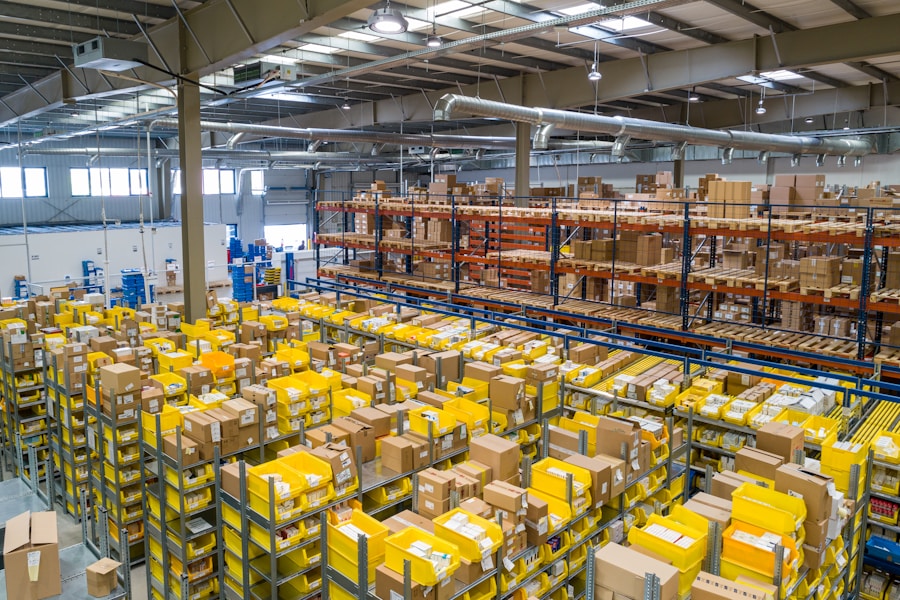
ʻO ke kikowaena logistics hale kūʻai me nā pallet i hoʻonohonoho ʻia a me nā pahu hoʻouna i mākaukau no ka hoʻoili ukana honua
Nā Pōmaikaʻi Geographic a me nā Kulekele: How China's Industrial Ecosystem Enables B2B Export
Helu Extruder Throughput China's dominance in twin screw extruder manufacturing is not accidental—ʻo ia ka huahana Extruder Makine o ka hooponopono hana noonoo, nā pono ʻāina, a me nā hopena kaiaola e hui pū ana i kahi kūlana hoʻokūkū weliweli.
Mea Hoʻopau Hana Hou ʻO ka manaʻo o nā mea hana i nā hui ʻoihana kūikawā (Nanjing, Ningbo, Dongguan) hoʻokumu i nā ʻoihana hoʻohuihui: nā mea hoʻolako ʻāpana kūikawā, nā loko hana akamai, nā kulanui ʻenehana, a ʻo nā keʻena hoʻāʻo a pau ma kahi kokoke. ʻO ke Kulanui o ʻenehana ʻo Nanjing a me ke Kulanui o ʻenehana ʻenehana ʻo Beijing, ʻo kahi laʻana, have dedicated polymer processing research centers that collaborate with local manufacturers on screw design optimization, ʻepekema waiwai, and process simulation. Paint Mixer Liquid
Government policy supports the sector through multiple channels. Export tax rebates for machinery (i kēia manawa 13% VAT rebate for most plastics machinery categories) effectively reduce the FOB price for international buyers. Special economic zones and free trade zones (such as the China (Shanghai) Pilot Free Trade Zone) offer streamlined customs procedures and reduced administrative burdens for exporters. ʻO ka Belt and Road Initiative (BRI) has also facilitated infrastructure development—particularly port capacity and rail connections—that reduces logistics costs for machinery exports to participating countries.
China's participation in RCEP further enhances its position as a machinery export hub for the Asia-Pacific region. Under RCEP rules of origin, twin screw extruders manufactured in China can enter ASEAN markets, Nuhōlani, Aotearoa, Iapana, and South Korea at preferential tariff rates, making Chinese factories the natural sourcing choice for buyers in these markets.
Case Studies Enterprises Successfully Sourcing Twin Screw Extruders from China
Nānā Hiʻohiʻona 1: European Masterbatch Producer
A mid-sized masterbatch manufacturer based in Northern Italy faced margin pressure from rising energy costs and competition from Turkish producers. In 2023, the company sourced two co-rotating twin screw extruders (75 mm, 44:1 L/D) from a Nanjing-based factory, replacing aging Italian-made machines. The total investment, me ka ukana moana, CE certification verification, installation supervision by the Chinese factory's engineers, a me ke kauoha, was approximately EUR 160,000—ʻākeʻakeʻa 45% of the cost of equivalent new Italian machines. Ma hope 18 mahina o ka hana, ua hōʻike ka hui i ka hana throughput i loko 5% o na mikini i paniia, me ka hoohana ikehu ma kahi o 12% haʻahaʻa ma muli o ka ʻenehana hou a me ka ʻenehana hoʻomehana. Ua kauoha ka hui i kahi mīkini ʻekolu no kahi laina hana hou.
Nānā Hiʻohiʻona 2: Hoʻomaka Hoʻohui Hui Pū ʻIa Hema
ʻO kahi plastics Vietnamese e hui pū ana i ka hoʻomaka, kukuluia ma 2023 e lawelawe i ka ulu ʻana o nā ʻoihana kaʻa a me nā mea hana uila, hoʻokumu i kāna laina hana holoʻokoʻa—me ekolu māhoe wiliwili extruders (52 mm a 65 mm), strand pelletizers, a me nā mea hānai gravimetric—mai kahi hui hale hana Kina ma Nanjing. ʻO ka huina kālā o nā lako hana ma kahi o USD 280,000. Hāʻawi ka mea hoʻolako Kina i ka hoʻonohonoho ʻana a me ka hoʻomaʻamaʻa ʻana, me ʻelua mau ʻenekini e hoʻolimalima ana i ʻekolu pule ma ka hale Vietnamese. Ua hoʻokō ka hoʻomaka ʻana i ka hana pāʻoihana i loko o ʻehā mahina o ka hāʻawi ʻana i nā lako, he manawa lōʻihi loa me nā mea hoʻolako ʻEulopa ma muli o nā manawa alakaʻi lōʻihi a me nā kumukūʻai kiʻekiʻe no ke kākoʻo hoʻonohonoho.
Nānā Hiʻohiʻona 3: U.S. Mea Hoolaha Lako Hana Hou
Kino 4D Extrude Kauoha Ua hoʻomaka kahi mea hoʻolaha ma US i loea i nā lako hana hoʻoheheʻe ʻana i nā plastics e hoʻomaka i ka ʻimi ʻana i nā extruder māhoe māhoe mai kahi mea hana Kina ma Guangdong. 2022. ʻOiai ka 25% Māhele 301 uku, ua like ke kumukūʻai pae ʻana o nā mīkini Kina 25% ma lalo o ka hoʻohālikelike U.S. a i ʻole nā ʻāpana ʻEulopa. Ua hana pū ka mea hoʻolaha me ka hale hana Kina e hoʻopilikino i nā mīkini no nā noi hana hou—me nā barela i hoʻoikaika ʻia no ka hoʻoponopono ʻana i nā ʻōpala ma hope o ka mea kūʻai aku a me nā hoʻonohonoho hoʻokuʻu kūikawā no ka devolatilization. Ke kūʻai aku nei ka mea hoʻolaha ma kahi o 15 ʻO nā extruder māhoe māhoe i hana ʻia e Kina i kēlā me kēia makahiki i ka US. mākeke hana hou, with a warranty claim rate of less than 3%.

Business professionals in a meeting room discussing international trade strategy and B2B procurement plans
Nānā Hiʻohiʻona 4: Middle Eastern Pipe Manufacturer
A Saudi Arabian PVC pipe manufacturer expanded its production capacity in 2024 by purchasing four counter-rotating twin screw extruders from a Zhejiang-based Chinese factory. The machines were specified for high-output PVC pipe extrusion (110 mm i 400 mm anawaena) and included complete downstream equipment. The Chinese factory provided turnkey installation, including electrical integration with the buyer's existing plant infrastructure. ʻO ka huina kālā o ka papahana ma kahi o USD 520,000, delivered CIF Jeddah. The manufacturer reported that the Chinese machines achieved rated output within the first week of commissioning, with pipe quality meeting Saudi Standards, Metrology and Quality Organization (ʻO kā mākou) koi.
ʻO ka wanana ʻana o ke kālepa ʻoihana kokoke i ka wā: Iune–ʻAukake
Ma muli o nā hōʻailona mākeke o kēia manawa, nā hoʻomohala kulekele kālepa, a me ka ʻikepili ʻoihana, the following trends are expected to shape the twin screw extruder China factory export market over the next one to two months:
Continued Strong Demand from Emerging Markets
Asia Hikina Hema, ka Hikina Waena, and Africa will continue to drive volume growth for Chinese twin screw extruder exports. The industrialization of plastics processing in Vietnam, ʻInidonesia, a me Inia—supported by foreign direct investment in automotive, kāʻei ʻana, a me na oihana kukulu—creates sustained demand for affordable, reliable extrusion equipment. RCEP tariff reductions will further accelerate this trend.
Tariff Uncertainty in the U.S. Makeke
ʻO ka ʻAmelika Hui Pū ʻIa. market remains subject to policy uncertainty. Ma ka waena o-, there is no indication that Section 301 tariffs on Chinese machinery will be reduced. Eia naʻe, ka U.S. administration's focus on reshoring manufacturing may create indirect demand for Chinese extruders used in recycling and sustainable materials processing, sectors that enjoy bipartisan policy support. Buyers should monitor announcements from the Keena o ka Lunamakaainana Kalepa o Amerika Huipuia (USTR) for any tariff review developments.
Makeke EU: Steady Growth with ESG Emphasis
European buyers are expected to maintain steady procurement from China, with increasing emphasis on ESG compliance. Chinese factories that can demonstrate low-carbon manufacturing processes, responsible sourcing of raw materials, and compliance with the EU's Corporate Sustainability Due Diligence Directive (CSDDD) e loaʻa ka lanakila hoʻokūkū. ʻO ka European Commission's Directorate-General for Environment is the authoritative source for evolving ESG requirements.
Technology Upgrading and Smart Manufacturing
Chinese twin screw extruder manufacturers are rapidly integrating Industry 4.0 technologies—Nā mea ʻike IoT, cloud-based monitoring, nā algorithms mālama wānana, a me ka hoʻohālike māhoe kikohoʻe—into their product offerings. This trend is expected to accelerate in the near term as factories compete for higher-value orders from European and North American buyers who increasingly require smart manufacturing capabilities. Hale Hana Mīkini Twin Screw Extruder
Currency and Pricing Dynamics
The Chinese yuan (CNY) has remained relatively stable against the U.S. dollar and euro in early, with the People's Bank of China maintaining a managed float. Nā kumu kūʻai kumu no ka hana extruder—particularly specialty steels, copper, and rare earth elements used in motors—have shown moderate increases. Buyers placing orders in the June–August window should expect stable to slightly higher pricing compared to Q1, with lead times potentially extending due to seasonal demand peaks.
ʻenehana kikohoʻe a me ka ʻikepili ʻikepili dashboard e hōʻike ana i ka ʻOihana 4.0 hana akamai a me ka hoʻohui ʻana o IoT
Palekana B2B Wahi Hana: ʻO ke kuleana koʻikoʻi o nā kāmaʻa palekana ma nā hale hana Extrusion
ʻO ka ʻoihana twin screw extruder—inā ma ka hana ʻana i nā mea kanu ma Kina a i ʻole nā mea hana i hana ʻia e nā mea kūʻai B2B ma ka honua holoʻokoʻa—ʻO ia kahi ʻoihana ʻenehana kahi e pono ai ka palekana o kahi hana. ʻO kekahi o nā hiʻohiʻona koʻikoʻi akā hoʻohaʻahaʻa pinepine ʻia o ka palekana ʻoihana i nā hale hana extrusion ʻo ka pale wāwae. Ke nānā nei kēia ʻāpana i ke kumu e pono ai nā kāmaʻa palekana i ka pōʻaiapili o nā mea hana extrusion B2B a pehea e pale ai i nā limahana' nā manamana wāwae a me nā wāwae mai nā pōʻino kūikawā i kēia mau kaiapuni.
Nā pōʻino i loko o nā Kaiapuni Hana Twin Screw Extruder
Extrusion factories present a unique combination of foot-related hazards that make safety footwear not just advisable but legally required in most jurisdictions:
- Kaumaha Mea Kaumaha: Twin screw extruder components—barela, nā mea hoʻoheheʻe, nā hale pahu pahu, papa make—are heavy metal objects that are regularly handled during assembly, mālama, a me nā hana hoʻololi. A single screw element can weigh 2–15 kg; a complete barrel section can weigh 50–200 kg. Dropping any of these components onto an unprotected foot can cause fractures, ʻeha ʻeha, a ʻoki ʻia paha.
- Nā pōʻino hoʻoemi: During machine installation and maintenance, workers may be exposed to compression risks from hydraulic equipment, nā forklifts, overhead cranes, and rolling heavy components on factory floors.
- Hot Material Splashes: Twin screw extruders process polymers at temperatures typically ranging from 150°C i 350°C. ʻO nā polimer hoʻoheheʻe ʻia, ili metala wela, and heated barrel sections pose burn risks to feet and lower legs.
- Nā pōʻino pahee: Extrusion factory floors may be contaminated with polymer pellets, lubricants, wai hydraulic, or cooling water, all of which create slip hazards.
- Pilikia Puncture: ʻO nā koʻi metala, nā ʻāpana uea, nā ʻōlelo aʻoaʻo o nā ʻāpana wiliwili, and other sharp debris on factory floors can penetrate ordinary footwear.
- Poino Uila: Workers involved in electrical installation and maintenance of extruder control systems may be exposed to electrical shock risks, requiring electrically insulating footwear.
Nā Kūlana a me nā palapala hōʻoia no nā kāmaʻa palekana
International standards govern the performance requirements for safety footwear used in industrial environments like extrusion factories:
- I ISO 20345:2022 (ʻEulopa): The primary European standard for safety footwear, requiring a toe cap tested to withstand 200 joules o ka ikehu hopena a me 15 kN o ka ikaika hooemi. This standard defines safety classes from SB (kumu) to S5 (full protection including waterproofing and sole penetration resistance).
- ASTM F2413-18 (ʻAmelika Hui Pū ʻIa): ʻO ke kūlanaʻAmelika no nā kāmaʻa pale, e wehewehe ana i ke kū'ē hopena (I/75 = 75 wāwae-paona), hoʻopaʻa paʻa (C/75 = 2,500 paona), a me nā helu koho no ka pale metatarsal (Mt), conductive (Cd), pōʻino uila (EH), static dissipative (SD), a me ke kuʻe ʻana o ka puncture (PR).
- GB 21148-2020 (Kina): China's national standard for safety footwear, largely harmonized with ISO 20345, requiring toe cap impact resistance of 200 J and compression resistance of 15 kN.
ʻO ka U.S. Ka Hooponopono Ola a me ka Maluhia o ka Hana (OSHA) mandates that employers provide appropriate foot protection under 29 CFR 1910.136 when employees are exposed to foot injuries from falling or rolling objects, nā mea e hou ana i ka wāwae, a i ʻole nā pōʻino uila. Pēlā nō, ka ʻOihana ʻEulopa no ka palekana a me ke olakino ma ka hana (EU-OSHA) enforces workplace safety directives that require employers to conduct risk assessments and provide appropriate personal protective equipment (PPE), me nā kāmaʻa palekana.
Types of Safety Footwear for Extrusion Factory Environments
B2B buyers of twin screw extruders should ensure that their factory workers are equipped with appropriate safety footwear. The following types are most relevant to extrusion environments: Non-Intermeshing Twin Screw Extruder
- Steel Toe Cap Boots (S3 / ASTM I/75 C/75): ʻO ke koho kuʻuna, hāʻawi i ka hopena maikaʻi loa a me ka pale hoʻopiʻi. Hiki i nā pāpale wāwae kila ke kū i ka hopena o a 20 kg mea i haule mai 1 mika. He kūpono no ka hana papahele hale hana maʻamau, hana mīkini, a me ka malama ana.
- Nā kāmaʻa pāpale wāwae wāwae: Hana ʻia mai ka plastic i hoʻoikaika ʻia, kalapona kalapona, a ʻo Kevlar paha, hāʻawi kēia i ka pale like me ke kila akā ʻoi aku ka māmā (e hoemi ana i ka luhi o ka limahana i ka manawa loihi) a mai hana i ka wela a me ka uila. Hoʻonui nui ʻia i nā hale extrusion hou.
- Na Kamaa Kiai Metatarsal: Hāʻawi i ka pale hou aku i nā iwi metatarsal (ka piko o ka wāwae ma waena o nā manamana wāwae a me nā kuʻekuʻe wāwae), he mea palupalu i ka hopena mai ka hāʻule ʻana o nā ʻāpana screw a me nā ʻāpana barela. Manaʻo ʻia no nā limahana i komo i ka hui mīkini a me ka mālama koʻikoʻi.
- Nā kāmaʻa pale wela: Loaʻa nā kapuaʻi i helu ʻia no ka pili ʻana me nā ʻili a hiki i 300°C and uppers made from heat-resistant leather or synthetic materials. Essential for workers operating near extruder die heads and downstream hot processing equipment.
- Anti-Slip Boots: Featuring soles with SRC (slip resistance on ceramic tile with dilute soap solution and on steel with glycerol) helu helu. Critical for extrusion factory environments where polymer pellets and lubricants create slip hazards.
- Puncture-Resistant Boots: Incorporating a steel or composite midsole plate that prevents sharp objects from penetrating through the sole. Important in factories where metal debris may be present on the floor.
ʻO ka hihia pāʻoihana no nā kāmaʻa palekana ma nā hana B2B
Ma waho aʻe o ka hoʻokō hoʻoponopono, there is a compelling business case for investing in high-quality safety footwear for extrusion factory workers:
- Reduced Workplace Injuries: ʻO ka ʻAmelika Hui Pū ʻIa. Keena o ka Helu Hana (BLS) hōʻike e pili ana nā ʻeha wāwae 10% o na poino a pau ma ka hana hana, me ka awelika kumu kūʻai no kēlā me kēia hanana o USD 9,000–12,000 me na lilo lapaau, nalowale ka hana, a me na limahana' uku uku. Proper safety footwear can prevent an estimated 60–70% of these injuries.
- Hoʻonui i ka Huahana: Modern safety footwear is designed for comfort during extended wear. Ergonomic insoles, breathable materials, and lightweight composite toe caps reduce worker fatigue, contributing to higher productivity and lower absenteeism.
- Hoʻokō hoʻoponopono: Non-compliance with workplace safety regulations can result in significant fines. OSHA penalties for serious violations can reach USD 16,131 no ka uhaki ( uku), while EU member states impose comparable penalties under national implementations of the Framework Directive 89/391/EEC.
- Insurance and Liability: Adequate PPE provision, me nā kāmaʻa palekana, is typically a condition of workplace liability insurance. Failure to provide appropriate footwear can void insurance coverage and expose the business to direct liability for injury costs.
- Worker Retention: In competitive labor markets, providing high-quality safety equipment—including comfortable, well-fitting safety boots—is a tangible demonstration of employer commitment to worker welfare, supporting recruitment and retention.
Sourcing Safety Footwear: A B2B Perspective
No nā mea kūʻai B2B e hana ana i nā keʻena extrusion, safety footwear procurement should be integrated into the overall equipment and supplies sourcing strategy. China is also a major manufacturer of safety footwear, with factories in Fujian, Zhejiang, and Guangdong provinces producing boots that meet EN ISO 20345, ASTM F2413, and other international standards. B2B buyers sourcing twin screw extruders from China may find it efficient to source safety footwear from the same trade ecosystem, potentially through the same trading companies or procurement agents.
Key considerations for B2B safety footwear procurement include: hōʻoia hōʻoia (request test reports from accredited laboratories), sizing accuracy (particularly important when sourcing from Asian manufacturers for European or American workers), maikaʻi waiwai (genuine leather vs. synthetic, sole durability), and minimum order quantities (typically 100–500 pairs for custom orders from Chinese factories).