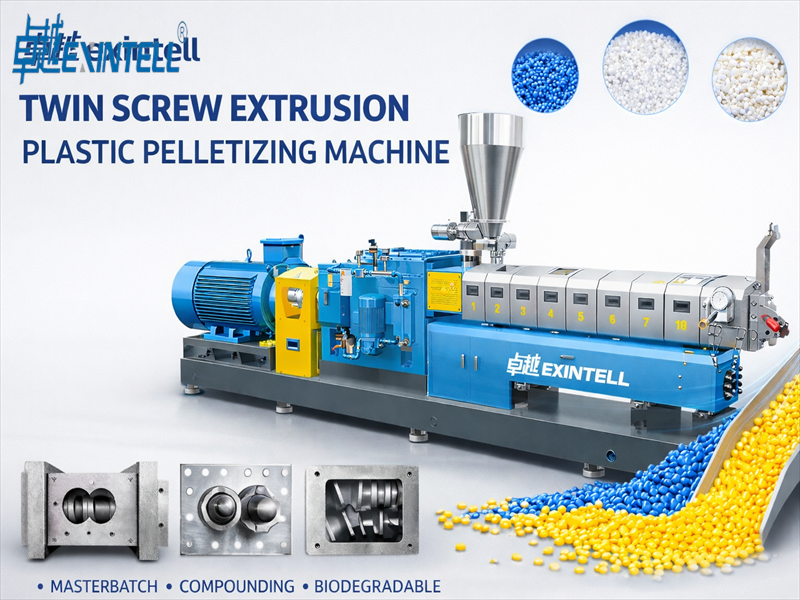
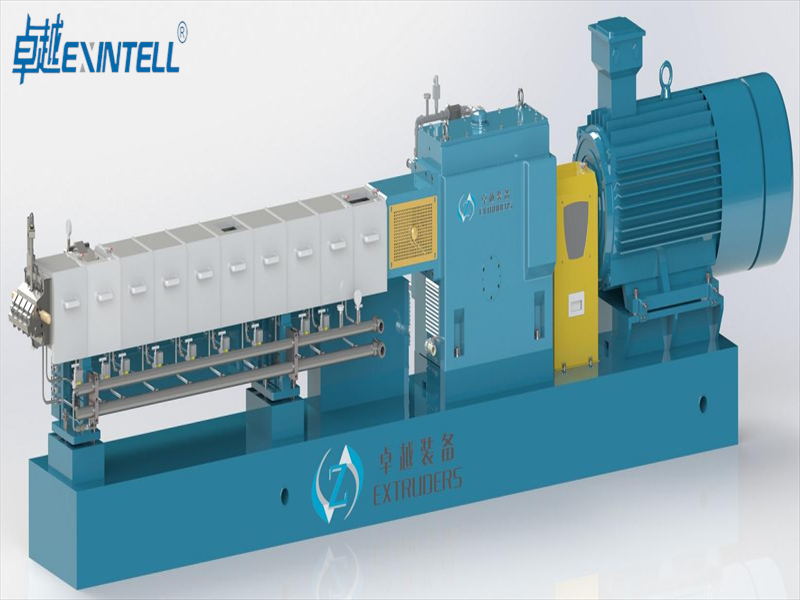
A mea hoʻokuke māhoe māhoehas two screws that spin together inside a barrel. Each screw hassliding parts on its shaftthat fit just right. This helps the screws move smoothly and gives good control. This design lets you mix and process things well. Many businesses, like plastics and food, use this machine to make products. If you want to use an extruder, you should learn the basics. People new to this often havetrouble with temperatureand telling single and twin screw types apart.
Nā mea lawe nui
A mea hoʻokuke māhoe māhoeuses two screws that turn together. These screws mix and process materials very well. This makes the machine great for plastics and food industries.
This machine mixes better and controls heat more than amea hoʻokuke hoʻokahi screw. It helps make better products and saves energy.
Knowing the parts, like screws and barrels, kōkua iā ʻoe e hoʻololi a hoʻomaikaʻi i ka extruder. ʻAe kēia iā ʻoe e hoʻohana iā ia no nā mea like ʻole a me nā hana.
Hiki iā ʻoe ke hoʻololi i ka wikiwiki o kāu hānai ʻana i nā mea a hoʻonohonoho i nā ʻāpana wela. ʻOi aku ka maikaʻi o ka hana ʻana o ka twin screw extruder a mālama i ka maikaʻi o ka huahana.
Ke koho ʻana i ka extruder māhoe māhoe kūpono, e like me ka huli ʻana a i ʻole ka hoʻohuli ʻana, mea nui. Hiki iā ia ke hoʻololi i ka maikaʻi o ka hui ʻana o ka mīkini a inā hana ia no kekahi mau mea.
He aha ka Twin Screw Extruder
Wehewehe kumu
A mea hoʻokuke māhoe māhoe he mīkini me ʻelua wili e huli ana i loko o ka pahu. Hoʻokomo ʻoe i nā mea maka i loko o ka pahu. Hoʻokuʻu ʻia nā mea i mua o nā ʻūlū. Ke neʻe nei nā mea, hui ka wili, hehee, a hana ia lakou. Hāʻawi kēia hoʻolālā iā ʻoe e hoʻomalu maikaʻi i ka hui ʻana a me ka mahana. Hiki iā ʻoe ke hoʻohana i kahi mea hoʻokuke māhoe māhoe no na hana he nui, e like me ka hana ʻana i nā plastic, meaʻai, a i ʻole kemika.
ʻO nā manaʻo mechanical nui o a mea hoʻokuke māhoe māhoe kōkua iā ʻoe e loaʻa nā hopena maikaʻi. Here is a table that explains these ideas:
Principle
wehewehe
Starve-fed mechanism
Lets you feed materials at your own speed without changing the output.
Positive forwarding
Moves materials smoothly, so you do not get blockages or slips.
Low shear rate
Gives you better control of heat and stress on the material.
Dimensional control
Keeps the flow steady, which improves the quality of the final product.
Efficient mixing
Mixes materials well without overheating them.
Energy efficiency
Uses less power, so you save energy.
You will see that amea hoʻokuke māhoe māhoekeeps materials inside for a short and even time. This helps stop damage to the material. The machine also mixes and melts materials very well. This is important if you want to change or improve plastics. Unlike single screw machines, māhoe māhoe wiliwiliuse intermeshing screws. This means the screws work together to move materials forward. They do not just use friction.
Twin Screw vs. Hoʻokahi Screw
You might ask how amea hoʻokuke māhoe māhoeis different from a single screw extruder. The main difference is how each machine mixes and moves materials. A single screw extruder has only one screw inside the barrel. It is simple and easy to use. But it cannot mix materials as well as amea hoʻokuke māhoe māhoe.
Here are some main differences between the two types:
You can control how much force the screws use, so you do not hurt the material.
The intermeshing screws in amea hoʻokuke māhoe māhoemake strong mixing and kneading. This helps you blend additives and fillers better.
Single screw extruders are good for basic mixing, but they have trouble with harder blends.
Hōʻike ka papa ma lalo i ka ʻokoʻa o nā mīkini ʻelua i nā ʻano koʻikoʻi:
Hiʻona
Mālua Screw Extruder
Hookahi Screw Extruder
Ka pono
ʻOi aku ka kiʻekiʻe o ka hoʻopuka a me ka hana wikiwiki
ʻO ka hana haʻahaʻa
Hiki ke huikau
Hoʻohui ikaika a me ka plasticizing
Huihui kumu wale no
Hoʻohana i ka ikehu
E emi iho ka ikehu no kēlā me kēia ʻāpana o ka huahana
ʻOi aku ka ikehu o kēlā me kēia ʻāpana o ka huahana
Laulā noi
Hana no nā ʻano huahana he nui
Ua kaupalena ʻia i nā noi maʻalahi
E ʻike ʻoe i kēlā a mea hoʻokuke māhoe māhoeʻoi aku ka maikaʻi a mālama i ka ikehu. ʻo kahi laʻana, hoʻokahi mea hoʻoheheʻe wiliwili hoʻohana e pili ana 900-1500 kJ o ka ikehu no kēlā me kēia kilokani mea. A mea hoʻokuke māhoe māhoe pono wale no 400-600 kJ no ka huina like. ʻO ia ke ʻano hiki iā ʻoe ke hana i nā mea hou aʻe a hoʻemi liʻiliʻi i ka ikehu.
Manaʻo kōkua: Inā pono ʻoe e hoʻohui i nā mea like ʻole a hoʻohui i nā mea hoʻopihapiha, a mea hoʻokuke māhoe māhoe e hāʻawi iā ʻoe i nā hopena maikaʻi aʻe a me nā huahana kiʻekiʻe.
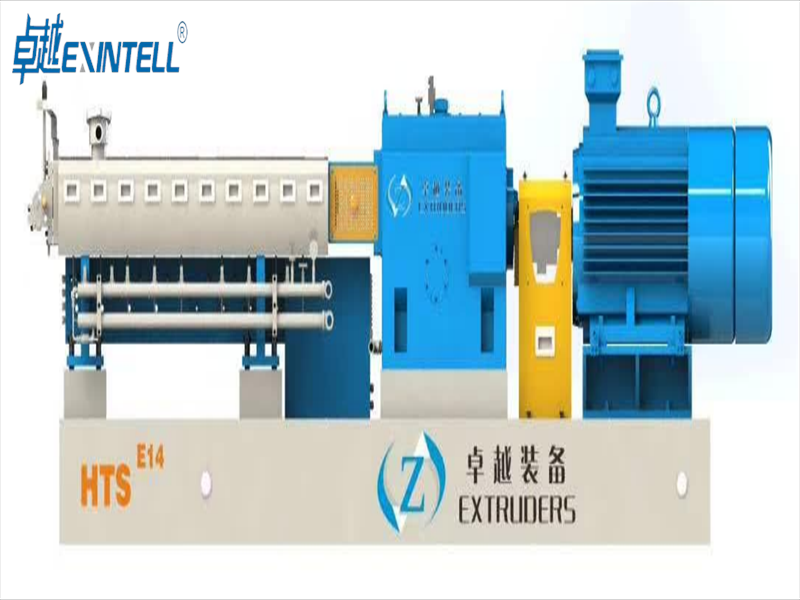
Nā ʻāpana Mīkini Mālua Screw Extruder
He nui nā ʻāpana koʻikoʻi o ka mīkini twin screw extruder. These parts work together to process materials. You should know these parts to understand how the machine works. Knowing them helps you change the machine for different jobs.
Screws and Barrel
The screws are the main part of the twin screw extruder machine. They mix materials and move them forward. You can pick differentscrew designs, e like me ka huli ʻana a i ʻole ka hoʻohuli ʻana. This lets you match the screws to the materials you want to use. The barrel goes around the screws and holds them in place. It protects the screws from damage and helps control the temperature. Most screws and barrels are made fromstrong steel. This steel can handle high heat and tough materials.
ʻāpana
Hana
Hoʻolālā Screw
Mixes and moves materials; can be customized for different processes.
Barela
Holds screws, controls temperature, and protects against wear.
Manaʻo kōkua: Hiki iā ʻoe ke hoʻololi i ka hoʻonohonoho ʻana a me ke ʻano o ka pahu i loko o kahi mīkini twin screw extruder. He mea maʻalahi kēia i ka hana ʻana i nā mea he nui a hana i nā huahana like ʻole.
ʻO ka hānaiʻana a me ka hoʻokuʻuʻana
ʻO ka ʻōnaehana hānai lawe mai i nā mea maka i loko o ka mīkini twin screw extruder. Hiki iāʻoe ke hoʻohana i nā mea hānai kūikawā, e like me nā ʻano volumetric a i ʻole gravimetric. Kōkua kēia mau mea hānai iā ʻoe e hoʻoholo i ka nui o nā mea i komo i loko. ʻO nā ʻōnaehana hānai maikaʻi e hoʻomau i ke kahe ʻana a hoʻopau i nā poloka. Lawe ka ʻōnaehana hoʻokuʻu i ka huahana i hoʻopau ʻia mai ka mīkini. Inā hoʻonohonoho ʻoe i ka hānai a hoʻokuʻu maikaʻi, hiki iā ʻoe ke loaʻa i nā huahana hou aʻe a mālama i ka ikehu.
Hanai mau ho'ōki i ka piʻi ʻana a mālama pono i ka mīkini twin screw extruder e hana maikaʻi.
ʻO nā mea hānai vibratory e emi iho ka walaʻau a maʻalahi ka hoʻomaʻemaʻe.
The shape and speed of the screws in the feed zone help you control how much material goes in.
Heating, Cooling, and Venting
You need to control the temperature inside the twin screw extruder machine. Heaters, like barrel heaters or ceramic heaters, heat up the machine fast and evenly. Cooling jacketsor water systems keep the machine from getting too hot. You can change the heating and cooling zones to fit your materials.
Venting is important too. It removes moisture and gases as materials melt. This step keeps the final product strong and free from defects. If you use sensitive materials, venting stops problems like weak spots or bubbles.
Heating Method
Nā pono
Barrel heater
Fast heating, precise temperature control
Ceramic heater
Durable, good for high temperatures
Electromagnetic induction heater
Saves energy, prevents local overheating
A twin screw extruder machine is special because you can change its parts. You can swap screws, barela, and feeders to handle new materials or make better products. This makes the machine useful for many industries.
How the Extruder Works
When you know how amea hoʻokuke māhoe māhoeworks, you can use it better. The process has a few main steps. Each step does something important. Every part of the machine helps turn raw materials into finished products.
Hanai mea
Ka mua, you add raw materials like plastic pellets or powders. The hopper is at the top and holds these materials. Gravity pulls the material down into the barrel. The screws start to spin and grab the material. They pull it forward through the barrel.
Put the raw material in the hopper.
The material falls into the barrel.
The screws pick up the material and move it ahead.
Manaʻo kōkua:Feeding the material at a steady rate keeps things running well. Special feeders help you control how much material goes in.
Mixing and Melting
Ke neʻe nei ka mea, the screws squeeze and mix it. The screws fit together closely. This helps mix everything well, even if you add fillers. The barrel gets hot, and the screws make friction. Heat and pressure melt the material.
The screws mix the material strongly. This makes the blend even, even with tough additives.
Nānā:You can change the temperature in different parts of the barrel. This helps you keep the material safe from too much heat.
Product Formation
After melting and mixing, the screws push the material to the end. The melted material goes through a die. The die shapes it into rods, pepa, or pellets. When the material leaves the die, it cools and gets hard.
The screws push the melted material to the die.
The material goes through the die and takes its shape.
The product cools down and becomes solid.
You can see what makes amea hoʻokuke māhoe māhoespecial here. The screws keep the flow steady, so the product is always the same. You can change the screw parts fast. This lets you make new products or use new materials quickly.
Here is a table that shows some special controls you get with amea hoʻokuke māhoe māhoe:
Hiʻona
Pōmaikaʻi
Enhanced temperature regulation
Keeps material at the right temperature throughout
Modular screw and barrel design
Lets you adjust for different materials and products
Intensive mixing and pumping mechanism
Gives you even blends and smooth flow
Fast reconfiguration for new products
Saves time and increases flexibility
Manaʻo kōkua:Changing screw parts and controlling temperature in zones gives you more control. This is why many people choose amea hoʻokuke māhoe māhoefor material processing.
Now you can see how the process goes from feeding to finished product. Each step uses the special features of themea hoʻokuke māhoe māhoeto give you good results.
Advantages and Applications
Key Benefits
If you use a twin screw extruder, you get many good things. The screwsmix materials together very well. This helps make plastic products strong and even. You can add fillers or colors, and they will mix in nicely.
ʻOi aku ka maikaʻi o ka hui ʻana: Ke hana nei nā wili ma ke ʻano he hui. Hoʻohui maikaʻi lākou i nā mea a me ka wikiwiki.
Hoʻomaʻemaʻe iā ia iho: Hoʻomaʻemaʻe ka mīkini iā ia iho i ka wā e holo ana. ʻAʻole pono ʻoe e hoʻomaha pinepine e hoʻomaʻemaʻe a hoʻololi i nā mea.
Hoʻokuʻu maikaʻi: Nui nā puka makani e lawe i ka wai a me nā kinoea. ʻo kahi laʻana, Hiki i nā puka makani ʻekolu ke ʻoki i nā mea i makemake ʻole ʻia 50% i emi mai 0.1%. Mālama kēia i kāu huahana a kāpae i nā hemahema.
Hoʻopuka kiʻekiʻe: Hiki iā ʻoe ke hana i nā mea hou aku i ka manawa liʻiliʻi. Kōkua kēia i kāu hana e holo wikiwiki.
Hoʻolālā maʻalahi: Hiki iā ʻoe ke hoʻololi i nā ʻāpana wili no nā hana a i ʻole nā mea like ʻole.
Nānā: Pono pono nā sila. Inā ʻoi aku ka paʻa o ke sila a i ʻole ka wikiwiki o ke kahe, hiki i ka mea ke ālai i ka puka makani. E nānā mau i kāu mau hoʻonohonoho no ka loaʻa ʻana o nā hopena maikaʻi loa.
Nā noi maʻamau
Hoʻohana ʻia nā twin screw extruders i nā ʻoihana he nui. Hoʻohui maikaʻi lākou i nā mea a hana wikiwiki. He maikaʻi kēia mau mīkini no ka hana ʻana i nā plastik a me nā meaʻai. Hōʻike ka papa ma lalo i kekahi mau hoʻohana maʻamau:
Wahi noi
wehewehe
Hana Paa
Hana i nā kaʻa a me ka lāʻau me ka hui ikaika.
ʻO nā hui polimer
Hoʻohui i nā polymers like ʻole a me nā mea hoʻopihapiha no nā hopena like.
Hoʻololi Resin
Hoʻohui i nā mea e hoʻololi i ka hana o nā polymers.
Ka Hana Meaʻai
Hoʻomoʻa a hana i nā meaʻai i hana ʻia mai ka mākiko.
Hana hou
Hoʻoheheʻe a hoʻololi hou i nā plastik no ka hoʻohana hou ʻana.
Huahana Huahana
Hoʻokumu i nā ʻāpana paʻakikī no nā kaʻa a me nā mea hana lapaʻau.
Palahalaha & Huahana Hua
Hana ʻia ka ʻeke a me nā waiwai maʻalahi mai ka plastic.
Hiki iā ʻoe ke hoʻohana i kēia mau mīkini no ka hana ʻana i ka lāʻau lapaʻau, ka hui ʻana i nā polymers, a hana i na mea i na manawa a pau. ʻO kā lākou hui ikaika a me ka hana wikiwiki e lilo lākou i koho akamai no nā hana he nui.
Nā ʻano o nā māhoe māhoe
Aia nā ʻokoʻa nā ʻano hoʻolālā māhoe māhoe. Maikaʻi kēlā me kēia ʻano no kekahi mau hana. You need to know how each one works to pick the right extruder.
Co-rotating
In aco-rotating extruder, both screws spin the same way. This makes the screws mix materials really well. The screws touch and move stuff from one to the other. This helps break up clumps and mix things like fillers or additives.
The co-rotating type mixes better because the screws work together more.
High shear in the middle breaks up big chunks.
You can add kneading blocks to mix even better.
This setup gives steady flow and lots of output.
It works for plastics, meaʻai, a me ka pulupulu.
You can use it with many kinds of materials.
Manaʻo kōkua: Pick a co-rotating extruder if you want strong mixing and fast work.
Counter-rotating
Counter-rotating extruders have screws that turn in opposite ways. This type pushes material forward and handles it gently. He maikaʻi ia no nā mea hiki ʻole ke lawe i ka ikaika nui, e like me ka PVC a i ʻole nā uhi kelepona.
Hiki iā ʻoe ke hana i nā kaʻina hana ʻoi aku ma mua o hoʻokahi, e like me ka extrusion a me ka injection.
Hoʻohana ʻia nā hoʻonohonoho maʻamau i ka lāʻau lapaʻau, kaʻa, a me ka hana uila.
Pōmaikaʻi
wehewehe
Hoʻonui i ka hui ʻana a me ka hui ʻana
Kōkua nā ʻāpana wili kūikawā e hui like a hana i nā huahana maikaʻi.
Hoʻonui i ka maʻalahi o ka hana
You can use the extruder in labs or big factories.
Adapt to Market Demands
You can change your setup when the industry changes.
Nānā: Modular designs help you keep up with new materials and products. You can change your extruder fast without buying a new one.
Each twin screw design has its own special benefits. If you pick the right type, you get the best results for your job.
You now know how a twin screw extruder works. It mixes things well, keeps them safe, and makes a lot of product. The machine is made from strong materials like 420 stainless steel. This helps it last a long time. You can use the machine all the time and save money. Many businesses use this machine for recycling, meaʻai, a me na palaka. If you want to learn more, look at these links:
Hiki iā ʻoe ke heluhelu i nā ʻatikala kula a i ʻole ka noiʻi ʻana e ʻike i ke kōkua ʻana o nā twin screw extruders i ka hana hou ʻana a me ka hana ʻana i nā mea hou.
FAQ
He aha nā mea hiki iā ʻoe ke hana me kahi extruder screw māhoe?
Hiki iā ʻoe ke hana i nā plastics, meaʻai, kemika, a me nā mea hana hou. Hana ka mīkini me nā pauka, pellets, a me nā paʻi. Hiki iā ʻoe ke hoʻohui i nā mea hoʻopihapiha, kala kala, a i ʻole nā mea hoʻohui.
Pehea ʻoe e hoʻomaʻemaʻe ai i kahi extruder screw māhoe?
ʻO ka hapa nui o nā extruder māhoe māhoe he hana hoʻomaʻemaʻe iā ia iho. Hiki iā ʻoe ke holo i kahi mea hoʻomaʻemaʻe ma o ka mīkini. No ka hoʻomaʻemaʻe hohonu, hiki iā ʻoe ke wehe i nā ʻuala a me ka pahu.
No ke aha ʻoe e koho ai i kahi extruder māhoe māhoe ma luna o kahi extruder screw hoʻokahi?
ʻOi aku ka maikaʻi o ka hui ʻana, ʻoi aku ka wikiwiki o ka hana, a ʻoi aku ka mana. Twin screw extruders handle tough blends and sensitive materials. You can also change parts for different jobs.
Can you adjust the output of a twin screw extruder?
ʻAe! You can change the screw speed, mahana wela, and feeding rate. This lets you control how much product you make and its quality.