

Hoʻohālikelike ʻia ʻo Plastic Compounding a me Pelletizing no ka Hana Hana Hou
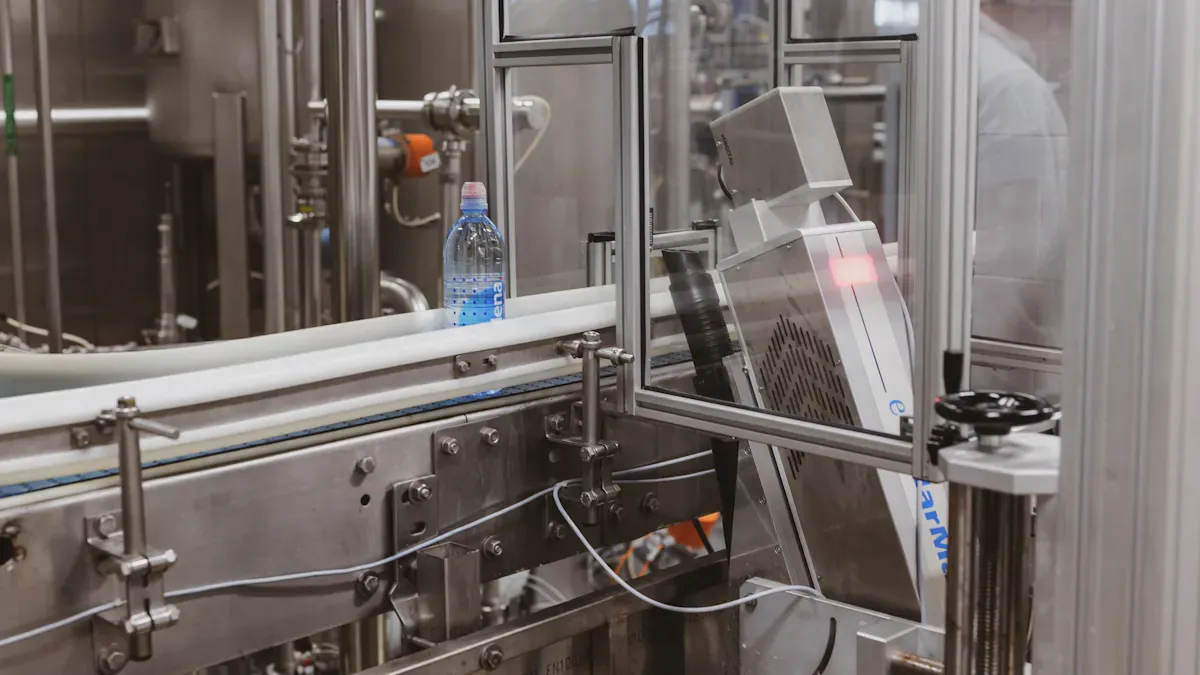
Hoʻopilikino ʻo Plastic Compound i nā resins kumu me nā mea hoʻohui, ka hana ʻana i nā mea i hana ʻia no nā noi kikoʻī. Hoʻololi ka Pelletizing i kēia mau mea i hoʻohui ʻia i mau pellet like ʻole, mākaukau no ka hoʻohana pono ʻana i lalo. Hiki i nā mea hana a me nā ʻenekinia i hoʻomaopopo i ka ʻokoʻa ma waena o kēlā me kēia kaʻina hana e hoʻonui i ka pono a hōʻoia i ka maikaʻi o ka huahana.
Hōʻike ka ʻikepili mākeke hou e hiki mai ana ka waiwai mākeke honua no kēia mau ʻenehana $82 piliona e 2025 a $182 piliona e 2035, alakaʻi ʻia e ka ulu ʻana i nā ʻāpana automotive a me nā ʻāpana.
| Kaʻina hana | Ka hopena maikaʻi | Ka hopena maikaʻi o ka huahana |
|---|---|---|
| Huihui | Mea hana lole lole, hoʻonui i ka hana, hoemi ke kumukuai | Hiki i ka mana maikaʻi maikaʻi |
| Pelletizing | Hāʻawi i ke ʻano mea maʻamau no ka hana ʻana | E hōʻoia i ka kūlike i ka maikaʻi o ka huahana hope |
Nā mea lawe nui
- Hoʻopilikino ka hoʻohuihui palaki i nā resins kumu me nā mea hoʻohui e hana i nā mea no nā hoʻohana kikoʻī.
- Hoʻololi ka Pelletizing i nā mea i hoʻohui ʻia i nā pellet ʻaʻahu no ka hana maʻalahi a me ka lawelawe ʻana.
- ʻO ka hoʻomaopopo ʻana i ka ʻokoʻa ma waena o ka hui ʻana a me ka pelletizing e kōkua i nā mea hana e hoʻomaikaʻi i ka maikaʻi a me ka maikaʻi o ka huahana.
- Hoʻohui ʻia ka hui ʻana, hehee ana, a me nā mea extruding e hoʻokō i nā waiwai i makemake ʻia.
- Hoʻopili ka Pelletizing i ka hana ʻana i nā nui pellet kūlike, he mea koʻikoʻi ia no ka hana pono.
- Pono ka mana maikaʻi ma nā kaʻina ʻelua e hōʻoia i ka hoʻokō ʻana o nā huahana hope i nā kūlana ʻoihana.
- Pāʻani koʻikoʻi ka hui ʻana a me ka pelletizing i nā ʻāpana e like me ka automotive, mea uila, a me ka mālama ola kino.
- ʻO ke kohoʻana i ke kaʻina hana kūpono e pili ana i nāʻano waiwai, pono hana, a me nā kumu kūʻai.
Nā wehewehe a me nā ʻokoʻa
Hoʻohui ʻia ʻo Plastic Compounded
ʻO ka hoʻohui ʻana i ka plastik e pili ana i ke kaʻina hana o ka hui ʻana o nā polymers me nā mea hoʻohui, nā mea hoʻopiha, a me nā mea hoʻoikaika e hoʻololi a hoʻonui i nā waiwai kino a me nā mea kemika o ka mea. ʻO nā kūlana o ka ʻoihana e wehewehe i kēia kaʻina hana ma ke ʻano he ala e hoʻopili ai i kahi polymer i loaʻa i nā hiʻohiʻona āpau i makemake ʻia i loko o kahi mea hoʻokahi.. Hoʻohana nā mea hana i ka hui plastik e hoʻomaikaʻi i ka maikaʻi o ka huahana, e hoemi i na koina, a hoʻonui i ka huahana. Hoʻoheheʻe ʻia ka hana maʻamau, huikau ana, and extrusion to achieve a uniform dispersion of components.
A wide range of ingredients and additives play a role in plastic compounding:
- Masterbatch: A concentrated mix of pigments and additives within a carrier resin, ensuring even dispersion.
- ʻO nā antioxidants: Prevent polymer degradation from heat and oxygen, maintaining strength and flexibility.
- UV Stabilizers: Protect polymers used outdoors by absorbing or dissipating harmful ultraviolet radiation.
- Nā mea hoʻopaʻa ahi: Inhibit or delay flame production, especially important in electronics and construction.
- Nā mea kala: Allow for color selection in compounded plastics.
- Strength and Flexibility Modifiers: Achieve specific mechanical properties.
- Antimicrobial Additives: Inhibit germ growth, important for medical products.
- Nā mea hoʻopiha: Such as talc, kīʻaha aniani, and calcium carbonate, improve strength, e hoemi i na koina, and enhance heat resistance.
- Performance Enhancers: Tailor properties like thermal stability, hoʻopaʻa ahi, a me ka pale ʻana o UV.
Hiki i kēia kaʻina hana ke hana i nā mea hana me nā ʻano kikoʻī no nā noi koi.
Hoʻoholo ʻia ka Pelletizing Plastic
ʻO ka pelletizing plastik kahi hana ia hoʻololi i ka plastic maka a hana hou ʻia i ka liilii, pellets like. Pono kēia hoʻololi no ka hana ʻana a me ka hana hou ʻana. ʻO ka pelletizer plastic hoʻololi i hoʻomaʻemaʻe ʻia a ʻoki pinepine ʻia a i ʻole i hoʻoheheʻe ʻia i loko o nā pellets like ʻole, a laila hoʻokomo hou ʻia i nā kaʻina hana. Hoʻoponopono ka Pelletization i nā pilikia e like me ka hānai pono ʻole a me ka mālama ʻana i nā mea, hana ia i mea koʻikoʻi i nā ʻāpana e like me ka automotive a me ka hoʻopili ʻana kahi mea koʻikoʻi ka maikaʻi o ka huahana.
| ʻAno Hōʻike | Nā kikoʻī |
|---|---|
| Mea Maka | ʻO nā ʻano plastik like ʻole, me ka polyethylene (PE) a me ka polypropylene (PP) |
| Nā mea hoʻopuka | ʻO nā pellet plastik i hana ʻia ma o ka hoʻoheheʻe ʻana, hooluolu, a me nā hana ʻoki |
Pelletization enhances the efficiency of plastic production and allows for the creation of specialized plastics while maintaining ease of handling.
Key Differences Overview
Papa Hoʻohālikelike
| Aspect | Plastic Compounding | Plastic Pelletizing |
|---|---|---|
| Main Purpose | Modifies composition and properties of the polymer | Converts material into uniform pellet form |
| Key Steps | Huihui, hehee ana, huikau ana, extrusion | hehee, hooluolu, ʻoki ʻoki |
| Typical Additives | Nā mea hoʻopiha, mea kala, mea hoʻopaʻa, performance enhancers | Not typically added during pelletizing |
| Hoʻopuka | Customized plastic material (can be in various forms) | Uniform pellets |
| Palapala noi | Direct use in products or further processing | Used for molding, extrusion, or transport |
Summary Points
- Plastic compounding focuses on altering the composition of the plastic by blending various ingredients, which affects its physical properties.
- Plastic pelletizing converts compounded plastic into uniform pellets, primarily concerned with the physical form for ease of use in manufacturing.
- Compounded plastics can be directly shaped into products, while pelletized plastics are typically used for further processing.
- Both processes play a critical role in modern manufacturing, but they address different needs within the production chain.
Manaʻo kōkua: Understanding the distinction between these processes helps manufacturers select the right approach for their specific application, ensuring optimal performance and efficiency.
Plastic Compounding Process

Process Steps
Plastic compounding transforms raw materials into high-performance plastics through a series of precise steps. Manufacturers begin by storing raw materials such as resin, mea hoʻohui, and fillers in bags, big bags, or silos. Pneumatic or mechanical systems then convey these materials to the processing area. Operators feed the materials into the press barrel, either continuously or in batches. Ke hoʻomau nei ke kaʻina hana me ka hoʻoheheʻe ʻana a me ka hui ʻana, kahi e hui ai ka polymer a me nā mea hoʻohui e hoʻokō i ka lokahi. ʻO ka pae hope loa e pili ana i ka hana ʻana, hooluolu, a ʻoki i ka huahana, ukali ʻia e ka hoʻomalu maikaʻi ʻana.
| ʻanuʻu | wehewehe |
|---|---|
| 1 | Hoʻopaʻa ʻia nā mea maka i loko o nā ʻeke, big bags, a me nā silo |
| 2 | Pneumatic a mechanical conveying system |
| 3 | Mea hānai meaʻai i ka pahu paʻi (hoʻopiha mau / hoʻopau) |
| 4 | Māhele heheʻe a hui pū |
| 5 | Hua hope a me ka mana |
Nānā: Hoʻohana ʻo Insight Polymers i ka huli wikiwiki ʻana a me ka hoʻohuihui kūikawā no ka hoʻopuka ʻana i nā hoʻonā hoʻohuihui plastic maʻamau, ka hoʻonui ʻana i kēlā me kēia ʻanuʻu no ka maikaʻi a me ka maikaʻi.
Lako i Hoohanaia
Ke hilinaʻi nei nā keʻena hoʻohui plastik i nā mea hana kiʻekiʻe e hōʻoia i nā hopena kūlike. Hoʻonohonoho nā Extruders i ka wikiwiki no ka hana a hoʻokani i kahi hana nui i ka hoʻoheheʻe ʻana a me ka hui ʻana. Hana pū nā mea hui pū me nā extruders e mālama i nā mea like me nā acrylics, nā nilon, a me PVC. Hoʻomākaukau nā ʻōnaehana hoʻohui i nā mea hoʻohui mua, ʻoiai ʻo nā ʻōnaehana dosing e hōʻoiaʻiʻo i nā lakio hoʻohui pono. Nā ʻenehana mālama waiwai, e like me nā mea hānai rotary a me nā kiwi hoʻohuli, kākoʻo i ka hāʻawi maʻalahi a me ka hoʻopaʻa ʻana i nā mea nui. Hoʻohui nā laina hoʻohuihui i kēia mau ʻōnaehana, e ʻae ana i nā uku hana maʻalahi a me nā hoʻonohonoho. Hoʻohana ʻo Insight Polymers i nā waiwai pilote twin-screw extrusion pilot e hana i nā hoʻokolohua liʻiliʻi., hiki ke nānā pono i nā ʻāpana huahana a me ka hana ʻana.
ʻAno Huihui
Hoʻopili ʻia ka hoʻohuihui plastik i kekahi mau ala, ua hoʻopili ʻia kēlā me kēia i nā pono noi kikoʻī. Hiki i nā mea hana ke hoʻohui i nā kala e hoʻomaikaʻi i ke ʻano a i ʻole nā stabilizers e hoʻomaikaʻi i ka wela a me ka pale UV. Hoʻonui ka pale ahi i ka palekana, ʻoi aku ma ke kūkulu ʻana a me ka uila. Hoʻonui nā mea hoʻololi i ka paʻakikī, ʻoiai nā mea hoʻopihapiha a me nā mea hoʻoikaika e hoʻoponopono i ke kumukūʻai, ʻoʻoleʻa, a i ʻole ka ikaika. Hiki i nā pūhui i hoʻonohonoho ponoʻia ke hoʻokomo pū i nā mea antimicrobial no nā huahana lapaʻau a i ʻole nā mea hoʻonui UV no ka hoʻohana ʻana i waho. Hoʻokumu ka Insight Polymers i nā mea hoʻonā polymer compounding e hoʻoponopono i nā pahuhopu hana kūikawā, ka hāʻawi ʻana i nā konsenti masterbatch a me ka hoʻohuihui plastik maʻamau no ka hoʻoheheʻe ʻana, nā pulupulu, nā kiʻiʻoniʻoni, a me ka hana hoʻohui.
- Koho kala no ka nani
- ʻO nā meaʻai-palekana no ka hoʻopili ʻana
- Nā mea pale ahi no ke kūkulu ʻana
- ʻO ka hoʻoponopono ikaika a me ka maʻalahi no nā pono kikoʻī huahana
- Nā waiwai antimicrobial no ka mālama ola kino
- Hoʻonui i ka hoʻomanawanui UV no ka lōʻihi o waho
Hoʻomaopopo kēia ʻano kikoʻī i kēlā me kēia hopena polymer compounding e hoʻokō i nā koi o ka hana hana hou.
Mokuʻāina Material
ʻO ka hoʻohuihui ʻana i ka plastik e pili ana i kekahi mau ʻano mea ʻoiai e hoʻololi ʻia nā mea maka i loko o nā pūhui hana kiʻekiʻe. Hoʻomaka ka hana me nā resins paʻa, mea hoʻohui, a me na mea hoopiha. Hāpai nā mea hana i kēia mau mea i loko o ka ʻōnaehana hoʻohui, kahi e noho ai i loko o kahi ʻano granular a pauda paha. Ke holomua nei ka hana, ka extruder wela a hoohehee i ka hui, ka hoohuli ana i mea viscous, ʻano hoʻoheheʻe. ʻO kēia huila hoʻoheheʻeʻia e hiki ai ke hui pono a me ka hoʻopuehuʻana o nā mea a pau.
Ke pau ka homogenization, puka ka mea i ka extruder. I kēia pae, hiki ke lawe i kekahi mau ʻano ma muli o ka noi. Hoʻomaʻalili kekahi mau mea hana a ʻoki i ka extrudate i loko o nā pellets, ʻoiai nā mea ʻē aʻe e hana i nā kaula, pepa, a i ʻole nā ʻano i hoʻoheheʻe ʻia. ʻO ke kūlana hope loa - inā paha ka pellet, kaulahao, a i ʻole pepa—e pili ana i nā koi o ka hoʻoili ʻana i lalo. ʻo kahi laʻana, Hāʻawi pinepine ʻo Insight Polymers i ka hoʻohuihui plastik maʻamau i ke ʻano pellet no ka maʻalahi o ka lawelawe ʻana a me ka hānai mau ʻana i ka hoʻoheheʻe ʻana a i ʻole nā laina extrusion..
ʻO ka hiki ke hoʻomalu i nā kūlana waiwai i loko o ke kaʻina hana e hōʻoia i ka hoʻokō ʻana o ka huahana hope i nā pae hoʻokō koʻikoʻi. Kākoʻo kēia ʻano maʻalahi i kahi ākea o nā noi, mai nā ʻāpana kaʻa a hiki i nā mea lapaʻau, a hiki ke hoʻololi wikiwiki i nā pono o ka mea kūʻai.
Ka Mana Mana
ʻO ka mana o ka maikaʻi ke kumu o kēlā me kēia hana hoʻohui plastik holomua. Ke hilinaʻi nei nā mea hana i nā ʻōnaehana hoʻokele otometi holomua e mālama mau hiʻohiʻona pellet i ka wā extrusion. Mālama kēia mau ʻōnaehana a hoʻoponopono i nā ʻāpana hana i ka manawa maoli, e hōʻoia i ka hoʻoheheʻe ʻia ʻana o ka homogenized. Ma ka hopena, ʻO nā puaʻa a me nā mea hoʻohui e hoʻopuehu like, e hana ana i ka hui masterbatch like.
Hoʻohana nā mea hoʻohana i nā ʻano hana kūpono e hōʻoia i ka kūlike o ka huahana. ʻO ka ʻano hoʻoneʻe wai hāʻawi i kahi ala hilinaʻi e ana i ka nui ma ka papahele hale kūʻai. Hoʻopili kēia ʻenehana i ke ana ʻana i ka pae wai mua, ke kaupaona ʻana i ka hāpana, a me ka helu ʻana i ka nui ma muli o ka nui i hoʻoneʻe ʻia. Hoʻomaikaʻi ia i ka pololei o ka hana ʻana, pale i ka hoopau waiwai, a e hōʻoia i ke kaumaha o ka huahana. Kākoʻo kēia mau pōmaikaʻi i ka hoʻokele waiwai maikaʻi a hōʻemi i nā pilikia o ka hana ʻana.
Loaʻa i kahi papahana hoʻomalu maikaʻi piha i nā hoʻokolohua:
- Hoʻohana nā hoʻāʻo hoʻohālikelike kala i nā spectrophotometers e loiloi i nā ʻokoʻa kala a hōʻoia i ka kūlike ʻike.
- Thermal stability tests validate pigment endurance at molding temperatures.
- Dispersion tests confirm even additive distribution through microscopic observation.
- Mechanical performance tests review tensile strength and impact resistance.
Insight Polymers integrates these quality control measures into every batch, ensuring that their polymer compounding solutions deliver reliable performance. This commitment to quality supports industries that demand precision, such as automotive, mea uila, a me ka mālama ola kino.
Manaʻo kōkua: Consistent quality control not only enhances product reliability but also strengthens customer trust in custom plastic compounding services.
Plastic Pelletizing Process

Process Steps
Plastic pelletizing transforms raw or recycled resin into uniform pellets through a series of well-defined steps. Operators begin by sorting plastic waste according to polymer type, kala kala, a me ka pae haumia. A laila ʻoki lākou i nā plastic i hoʻokaʻawale ʻia i ʻāpana liʻiliʻi, ka mea e hoʻomaikaʻi ai i ka holoi ʻana. Ma hope o ka holoi ʻana, neʻe nā ʻōpala maʻemaʻe i ka pae hoʻoheheʻe, kahi i wela a hoʻokuʻu ʻia. Hele ka ʻilika hoʻoheheʻe ʻia i loko o kahi kānana no ka wehe ʻana i nā mea haumia i koe. I ka puka ʻana o ka mea hoʻoheheʻe i kānana ʻia ma o kahi papa make, hana ia i nā kaula mau. Hoʻomaʻalili wikiwiki kēia mau kaula i ka ʻauʻau wai a i ʻole ka ʻōnaehana hoʻoluʻu ea, hoʻopaʻa i ko lākou kūkulu. ʻO ka hope loa, ʻokiʻoki ʻia nā kaula i hoʻoluʻu ʻia i ʻōpala, i mākaukau no ka hana ʻana i lalo.
ʻO ka pelletizing kūpono e hōʻoia i ka nui a me ka maikaʻi o ka pellet, He mea koʻikoʻi ia no ka hoʻoponopono pono ʻana i ka hoʻoheheʻe ʻana a me nā noi extrusion.
Lako i Hoohanaia
Ke hilinaʻi nei nā hana pelletizing i nā mīkini kūikawā e hoʻokō i nā hopena kiʻekiʻe a me nā hopena kūlike. Hoʻohana nā Strand pelletizers i ka extrusion o ka palaka i hooheheeia i mau kaula a oki ia i mau pellets. ʻOki ʻia nā pelletizer ma lalo o ka wai i ka plastic i hoʻoheheʻe ʻia ma lalo pono o ka wai, ʻo ia ka mea e maʻalili koke a paʻa i nā pellets. Hoʻopuka nā pelletizers i nā pellets mai ka extrudate wela me ka hoʻohana ʻole ʻana i ka wai hoʻoluʻu. Kākoʻo kēlā me kēia ʻano mīkini i nā koi kaʻina hana like ʻole a me nā ʻano waiwai. Koho nā mea hana i nā mea hana ma muli o ke ʻano o ka resin, ka noho ana o na mea hoohui, a me nā waiwai pellet i makemake ʻia.
- Strand pelletizers: E ʻoki i nā kaula i hoʻokuʻu ʻia i loko o nā pellets like.
- Nā pelletizer ma lalo o ka wai: E ʻoki a hoʻoluʻu i nā pellets i ka manawa like i loko o kahi keʻena wai.
- Pelletizers anu: E hana i nā pellet me ka wai ʻole, kūpono no nā mea wela.
Nā ʻano ʻenehana pelletizing
Hoʻohana nā mea hana i nā ʻenehana pelletizing, hāʻawi kēlā me kēia i nā pono kūʻokoʻa i ka maikaʻi a me ka maikaʻi o ka huahana. ʻOi aku ka maikaʻi o ka strand pelletizing no ka maʻemaʻe, nā mea paʻa a hāʻawi i ke kūlana kiʻekiʻe. ʻOki ʻia ka pelletizing apo wai i ka plastic i hoʻoheheʻe ʻia ma ke alo make a hoʻomāalili i loko o ke apo wai kaʻapuni, ka mea e hoʻonui ai i ka pono. ʻO ka pelletizing ma lalo o ka wai e ʻoki i nā pellets i loko o kahi keʻena wai, e hōʻoiaʻiʻo ana i ka hoʻoluʻu ʻaʻahu a me ke kūlana kiʻekiʻe loa.
| ʻenehana Pelletizing | wehewehe | Ka pono | ʻAno Huakaʻi |
|---|---|---|---|
| Strand Pelletizers | ʻOki i nā pellets i nā kaula a kūpono i nā mea maʻemaʻe. | Kaumaha | Kiʻekiʻe |
| Nā Pelletizer Maka Maka | Hoʻohui i lalo o ka wai a me nā ʻōnaehana apo wai, hāʻawi ʻana i ka hoʻoluʻu wikiwiki. | Kiʻekiʻe | Kiekie loa |
Koho nā mea hana i ka ʻenehana kūpono e pili ana i ke ʻano o ka resin, ka noho ana o na mea hoohui, a me nā ʻano pellet i makemake ʻia. ʻO ke koho kūpono e hōʻoia i ka hoʻokō ʻana o nā pellets i nā kūlana koʻikoʻi koʻikoʻi no ka hana ʻana i lalo.
Mokuʻāina Material
Hoʻololi ʻo Pelletizing i nā plastics ma o nā ʻano mea ʻokoʻa. Hoʻomaka ke kaʻina hana me ka meaʻai plastik paʻa, hiki ke komo i ka resin puʻupaʻa, nā ʻōpala i hana hou ʻia, a hoʻihoʻi hou. Hoʻouka nā mea hana i kēia mau mea i loko o nā hoppers a i ʻole nā mea hānai. A laila komo ka mea i ka extruder, kahi e hoʻololi ai ka wela a me ka ikaika mechanical i nā ʻāpana paʻa i loko o kahi kūlana hoʻoheheʻe. Ke kahe nei kēia plastic i hoʻoheheʻe ʻia ma o ka pahu extruder, e hōʻoia i ka hui ʻana a me ka homogenization.
I ka puka ʻana o ka mea hoʻoheheʻe i ka extruder, hele ia ma kahi papa make. I kēia pae, hana ka mea i nā kaula mau a i ʻole nā kulu, ma muli o ka ʻenehana pelletizing. I ka strand pelletizing, puka mai ka ilikai hehee e like me ka loihi, nā kaula e like me ka spaghetti. Ke neʻe nei kēia mau kaula ma kahi ʻōnaehana hoʻomaha, ʻauʻau wai pinepine, e hoʻopaʻa koke i ka mea. I ka manawa i maalili, komo nā kaula paʻa i ke keʻena ʻoki, kahi e ʻoki ai nā pahi ʻōwili iā lākou i loko o nā pellet like ʻole.
ʻO nā ʻano hana pelletizing ʻē aʻe, e like me nā ʻōnaehana ma lalo o ka wai a i ʻole nā pola wai, ʻoki koke i ka ʻilika hoʻoheheʻe i kona puka ʻana i ka make. ʻO nā pellets e maʻalili a paʻa kokoke koke i ka wai. ʻO ka huahana hope loa he liʻiliʻi, nā pellets me ka nui a me ke ʻano like. He maʻalahi kēia mau pellets e mālama, halihali, a hānai i nā kaʻina hana o lalo.
Manaʻo kōkua: ʻO ka mālama ʻana i kēlā me kēia kūlana waiwai i ka wā o ka pelletizing e hōʻoia i ka hoʻokō ʻana o nā pellets hope i nā kūlana koʻikoʻi a me nā kūlana hana.
Ka Mana Mana
ʻO ka mana maikaʻi i ka pelletizing ke kuleana koʻikoʻi i ka mālama ʻana i ka like ʻana o ka pellet a me ka maʻemaʻe. Hoʻokō nā mea hoʻohana i nā protocols i loko o ke kaʻina hana e hōʻoia i ka hopena kiʻekiʻe:
- Hoʻokaʻawale mua a holoi wehe i nā mea hoʻohaumia a me nā mea i hoʻopaʻa ʻole ʻia. ʻO nā ʻōnaehana hoʻokaʻina ʻakomi a me nā laina holoi e kōkua i ka loaʻa ʻana o kahi meaʻai maʻemaʻe.
- ʻO ka hoʻomaloʻo a me ka decontamination e hoʻopau i ka makū a me nā haumia. ʻO ka maloʻo maloʻo kiʻekiʻe a me ka hoʻomaʻemaʻeʻeleʻele e hoʻomākaukau i ka mea no ka extrusion.
- Extrusion and pelletization melt purified flakes or resin into uniform pellets. Twin-screw extruders provide excellent mixing and consistency.
- Vacuum degassing removes gases and volatile compounds under high vacuum conditions. This step prevents defects and improves pellet quality.
- Crystallization and solid-state polymerization (SSP) enhance the intrinsic viscosity of certain polymers, such as PET. These steps ensure that the pellets meet application-specific requirements.
Operators monitor pellet size, kinona, and color throughout the process. They use sieves, visual inspection, and automated sensors to detect any deviations. Consistent quality control reduces waste, improves process efficiency, and guarantees that the pellets perform reliably in molding, extrusion, or other applications.
Nānā: ʻO ka mana kūpono i ka pelletizing e kākoʻo i nā mea hana i ka hana ʻana i nā huahana kiʻekiʻe no nā ʻoihana koi..
Nā noi
Nā mea hoʻohuihui
Hiki i nā mea hana ke hana i nā mea me nā waiwai i hoʻohālikelike ʻia no nā ʻāpana koi. Hōʻike ka papaʻaina ma lalo nei hoʻohana ʻoihana maʻamau:
| ʻĀpana | Nā noi |
|---|---|
| Kaʻa kaʻa | Nā mea māmā, nā plastik pale wela, nā polimer kū i ka hopena |
| Mea uila | Nā mea hoʻopaʻa ahi, nā ʻilika hoʻoheheʻe wela, mea kūʻokoʻa |
| Nā mea kūʻai aku | ʻO nā mea ʻilika kūpaʻa, meaʻai-palekana, ʻO nā pūhui pale UV |
| Noi Hana Hana | ʻO nā polymers kūpaʻa kemika, nā plastic i hoʻoikaika ʻia, mea kū i ka abrasion |
Kaʻa kaʻa
Ke hilinaʻi nei nā mea hana kaʻa i nā pūhui holomua no ka māmā māmā a me ka pololei o ka hale. ʻO nā hui plastik hana kiʻekiʻe pani i ka metala i loko o nā panela, nā pale pale, a me nā mea ma lalo o ka puʻupuʻu. Hāʻawi kēia mau mea i ka ikaika like a me ka hana wela, which improves fuel efficiency and safety. Insight Polymers delivers custom compounding for injection molding, enabling rapid prototyping and production of automotive parts that meet strict industry standards.
Mea uila
Electronics producers use specialty compounds for housings, nā mea hoʻohui, and insulators. Flame-retardant and thermally conductive plastics protect sensitive components from heat and electrical hazards. Anti-static materials prevent damage from static discharge. Insight Polymers supports electronics manufacturers with masterbatch concentrates that enhance safety and performance in consumer devices and renewable energy systems.
Lapaau
Medical device manufacturers require compounds with precise mechanical and chemical properties. Custom formulations provide antimicrobial protection and biocompatibility for diagnostic equipment and surgical tools. Insight Polymers develops specialty compounds for fibers and films used in medical packaging and devices, ensuring compliance with healthcare regulations.
Pelletizing Applications
Pelletizing transforms raw or recycled plastics into uniform pellets, supporting a wide range of manufacturing processes.
Molding & Extrusion
Pellets serve as the standard feedstock for molding and extrusion. Their consistent size and shape ensure reliable machine operation and product quality. Manufacturers use pellets to produce daily-use products such as trash bins, hangers, and flower pots, as well as industrial items like pallets and automotive interior base materials.
Hana hou
Pelletizing plays a vital role in recycling. Operators sort, shred, and melt plastic waste, then re-extrude and pelletize it into high-quality, nā pellets hiki ke hoʻohana hou. This process closes the loop in the plastic lifecycle, ʻae i nā mea hana e hoʻokomo hou i nā mea hana hou i nā huahana hou. Loaʻa nā noi i nā mea hana e like me ka lāʻau plastik a me nā uhi kūloko.
Ma ka hoʻololi ʻana i ka ʻōpala palaka i mea ʻano like ʻole, kōkua ka pelletizing pani i ka loop i loko o ka plastic lifecycle.
Hoʻohana nui
Loaʻa nā mea hana nui i ka pelletizing i ka lawelawe nui a me ka logistic. Loaʻa i ke kaʻina hana ka lawe ʻana i nā mea, hoʻokaʻawale, ʻoki ʻoki, extrusion, pelletizing, a me ka paʻi ʻana. Hoʻomaʻamaʻa nā pellets i ka mālama ʻana, halihali, a hoʻihoʻi i ka moku, ke kākoʻo ʻana i nā kaulahao lako pono. Hiki i nā mea hana ke hoʻihoʻi i nā pellets no ka hoʻohana hou ʻana a i ʻole e hoʻouna iā lākou i nā ʻaoʻao ʻekolu no nā noi huahana hou.
Kākoʻo ka ʻike ʻo Insight Polymers i ka hui ʻana a me ka pelletizing i nā noi like ʻole, mai ka hoʻoheheʻe ʻia ʻana a me ka hana hoʻohui ʻana i nā hana hoʻopōmaikaʻi hoʻomau.
Kaʻina koho
Nā mea e noʻonoʻo ai
Manufacturers must evaluate several factors when selecting the right process for their production needs. These considerations help ensure that the chosen method aligns with both operational goals and product requirements:
- Material characteristics play a central role. Understanding the physical and chemical properties of input materials determines compatibility with custom plastic compounding or pelletizing.
- Throughput requirements must match the capacity of the pelletizer and the upstream extrusion system. This alignment prevents bottlenecks and maximizes efficiency.
- Pellet quality requirements depend on end-user specifications. Precision in pellet size and shape supports consistent downstream processing.
- Operational environment and available utilities influence system selection. Facilities must support the demands of the chosen process.
- Maintenance and ease of use affect long-term productivity. Machines that require less maintenance and offer higher availability reduce downtime.
- Cost considerations and return on investment guide decision-making. Evaluating total ownership costs, including operating expenses and potential product loss, ensures financial sustainability.
- Companies often require components with exceptional durability. Design flexibility remains essential for meeting unique application needs. Cost efficiency continues to influence the choice of manufacturing methods.
Understanding the unique mechanical properties, pale kemika, and processing characteristics of different plastics is vital. These factors directly impact durability, cost efficiency, and compliance with industry standards.
Haʻawina Hana
| Wahi noi | Evidence of Success | Outcome Description |
|---|---|---|
| Resin Manufacturing and Polymerization | Increased output by 40% with underwater pelletizing system. | Effective for continuous production of consistent pellets. |
| Compounding and Masterbatch Production | Improved color pellet performance in customer processes using underwater systems. | Ideal for color concentrates and filled compounds. |
| Recycling and Reclaim Operations | Customized system for PET bottle recycling to handle changing materials. | Strand systems for consistent scrap; underwater for mixed materials. |
Manufacturers in the medical sector have achieved low extractables profiles in blood set tubing by selecting TPE or DEHP-free PVC. Autoclavable device components benefit from TPE compounds, which resist embrittlement during repeated sterilization. Full batch genealogy ensures traceability of all components, supporting quality assurance in medical device manufacturing.
Nā pilikia & Solutions
Manufacturers often encounter challenges during implementation. Addressing these issues quickly ensures consistent quality and operational efficiency:
- Irregular pellet size and shape can occur. Operators adjust die temperature, inspect cutting blades, and set the correct blade gap to resolve this.
- Reduced throughput or machine jamming may disrupt production. Purging die holes, ensuring consistent material flow, and monitoring feed section components help maintain steady operation.
- Overheating of the machine or motor poses risks. Checking cooling systems, inspecting for excessive friction, and ensuring proper cutter speed prevent damage.
- Poor pellet quality affects downstream performance. Verifying temperature profiles, implementing strict material handling, and pre-drying hygroscopic materials improve results.
By applying these solutions, companies can optimize their polymer compounding solutions and maintain high standards in custom plastic compounding and extrusion processes.
Pelletizing Technology Trends
Advances in Compounding
Recent advances in compounding have transformed how manufacturers approach material design and production. Companies now use recycled resins and bio-based polymers to e hoemi i ka palau and support sustainability. They rejuvenate old plastic streams, restoring their properties and extending their lifecycle. Advanced compounding techniques allow plastics to replace metals and ceramics in many applications, improving efficiency and reducing costs.
Manufacturers benefit from several key developments:
- Flexibility in creating components without traditional dies or tooling.
- Cost-effective solutions for prototyping and short-run production.
- Hoʻonui i ka ikaika mechanical a me ka lōʻihi i nā ʻāpana i hoʻopau ʻia.
- Hoʻohui i ka nanotechnology e hoʻomaikaʻi i nā waiwai waiwai.
- ʻO ka lawe ʻana i ka ʻoihana 4.0 ʻenehana no ka ʻoi aku ka maikaʻi o ka hoʻomalu ʻana a me ka hana maʻamau.
ʻO kēia mau mea hou e hiki ai ke hoʻohana i kahi ākea o nā mea hoʻohui, me nā mea e hoʻomaikaʻi i ka conductivity, pale ahi, a me ka ikaika hana. Ke hoʻomau nei ka nānā ʻana i nā mea hoʻomau a me ka hana hou ʻana i ka ulu ʻana o nā kaʻina hana hoʻohui.
Nā mea hou i ka Pelletizing
Ua ʻike ka ʻenehana pelletizing i nā hoʻomaikaʻi nui, ʻoi aku ka maikaʻi o ka hoʻomalu a me ka hana pono. Ua hoʻohana nā mea hana koʻikoʻi i nā ʻōnaehana kānana holomua e hoʻohana ana i nā pae kānana he nui me ka nui o ka mesh. Hoʻopau kēia ala i nā mea haumia a hōʻoia i ka maikaʻi o ka pellet, pale ʻana i nā mea hana i lalo.
| ʻAno Hou | wehewehe |
|---|---|
| Nā ʻōnaehana kānana kiʻekiʻe | Nā papa kānana he nui no nā pellet maʻemaʻe a me ka pale ʻana i nā lako. |
| Pūnaehana Mana Manaʻo | ʻO ka nānā ʻana i ka manawa maoli a me ka mālama ʻana i ka wānana ma o nā loulou touchscreen. |
| Huina hoʻonaʻauao mua | ʻO ka hoʻomākaukau ʻana o nā plastics no ka extrusion, ka mālama ʻana i nā waiwai waiwai. |
| ʻO IoT a me AI Integration | ʻO ka mālama wānana a me nā hoʻoponopono manawa maoli no ka hoʻomaikaʻi maikaʻi ʻana a me nā kumukūʻai haʻahaʻa. |
Hoʻohui nā ʻāpana preconditioning dinamis i kekahi mau ʻanuʻu i hoʻokahi, ka hoʻomākaukau ʻana i nā plastics no ka extrusion me ka mālama ʻana i ka maikaʻi o ka huahana kiʻekiʻe. Hāʻawi nā ʻōnaehana naʻauao i nā mea hoʻohana me ka ʻikepili manawa maoli, e ʻae ana i nā hoʻololi wikiwiki i ke kaʻina hana. ʻO ka hoʻohui ʻana o IoT a me AI e hoʻomaikaʻi hou i ka pelletizing ma o ka ʻae ʻana i ka mālama wānana a me ka hōʻemi ʻana i ka downtime.
Hoʻomau
Sustainability initiatives have become central to the development of both compounding and pelletizing technology. Companies like LyondellBasell focus on improving the quality of mechanical plastic recycling through research and development. Their efforts ensure that recycled materials meet strict safety and performance standards. Primex demonstrates a commitment to sustainability by operating an in-house recycling facility. This facility processes post-industrial and post-consumer materials through collection, hoʻokaʻawale, ʻoki ʻoki, washing, and pelletizing. The result is high-quality recycled resin suitable for manufacturing.
Manufacturers now prioritize the use of sustainable additives and recyclable materials in their processes. They design pelletizing systems to handle a variety of recycled plastics, supporting closed-loop recycling and reducing environmental impact. These trends reflect a broader industry shift toward responsible production and resource conservation.
Manaʻo kōkua: Embracing new pelletizing technology and sustainable practices helps manufacturers stay competitive while meeting environmental goals.
Manufacturers rely on both processes for different application needs. Plastic compounding creates materials with specific properties, while pelletizing prepares those materials for efficient use. Selecting the right process ensures each application meets quality and performance goals.
- Evaluate the requirements of each application before choosing a process.
- Consult industry experts for guidance on complex applications.
For more information on custom solutions, manufacturers can contact Insight Polymers or review technical resources.
FAQ
What is the main difference between plastic compounding and pelletizing?
Plastic compounding changes the properties of plastics by mixing resins with additives. Pelletizing shapes these materials into uniform pellets for easy processing. Each process serves a unique role in manufacturing.
When should a manufacturer choose custom plastic compounding?
Manufacturers select custom plastic compounding when they need materials with specific properties, such as flame resistance or enhanced strength. Insight Polymers offers rapid, tailored solutions for these requirements.
Can pelletizing improve recycled plastic quality?
ʻAe. Pelletizing cleans, hehee, and reforms recycled plastics into uniform pellets. This process removes contaminants and improves consistency, making recycled materials suitable for new products.
What equipment does Insight Polymers use for compounding?
Insight Polymers uses twin-screw extruders, advanced mixers, and precise dosing systems. These tools allow for efficient blending and rapid development of custom compounds.
How do manufacturers ensure quality during compounding?
Manufacturers use real-time monitoring, color matching, and mechanical testing. They check density and dispersion to guarantee consistent results. Quality control remains essential for reliable performance.
Are compounded pellets ready for injection molding?
ʻAe. Compounded pellets from Insight Polymers are designed for direct use in injection molding, extrusion, a me ka hana hoʻohui. Their uniformity ensures smooth processing and high-quality finished parts.
What industries benefit most from these processes?
Kaʻa kaʻa, mea uila, lāʻau lapaʻau, and packaging industries rely on compounding and pelletizing. These sectors demand materials with precise properties and consistent quality.