

Ke alakaʻi piha no ka hana hou ʻana a me ka hoʻoheheʻe ʻana i nā plastik a me ka Sulfur
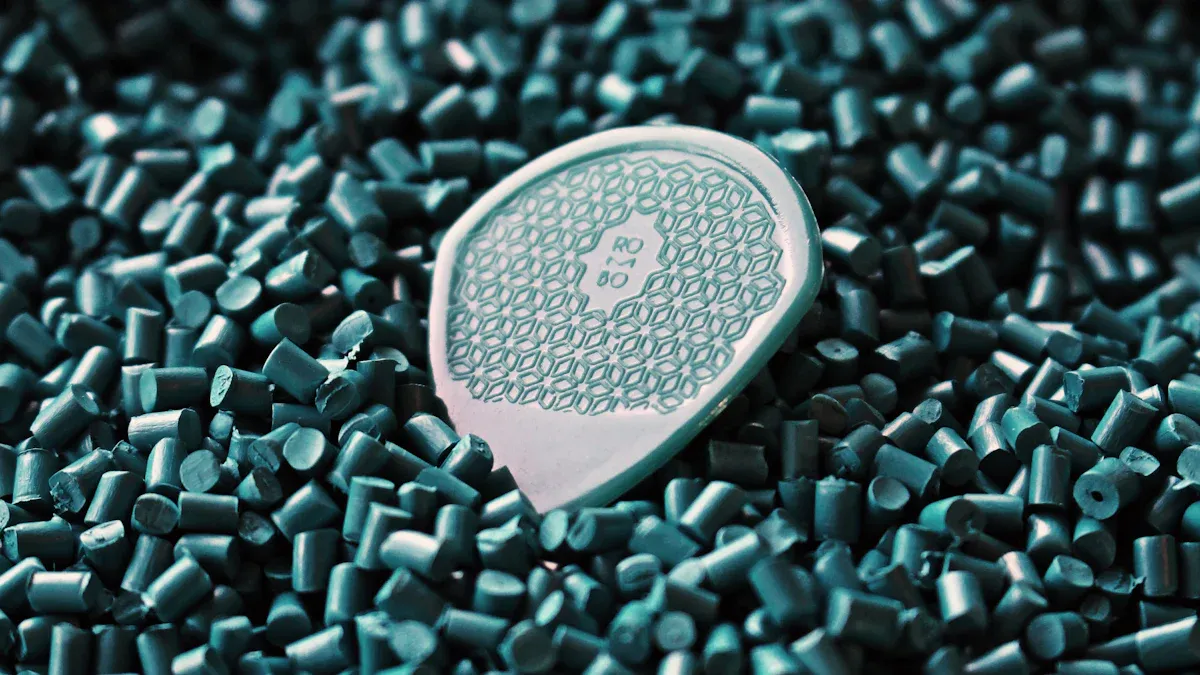
ʻIke au e hoʻomaka ka hana hou ʻana me ka palekana a me ka maikaʻi me ka hoʻomaopopo ʻana i nā waiwai kūʻokoʻa o ka plastics a me ka sulfur. He mea nui ka hoʻokō ʻana i nā kemika, ʻoi aku ka nui o ka hui ʻana o nā aila me nā plastics. Hoʻohana hou ʻia ka hapa nui o nā ʻōpala plastik ʻoihana i ka nui o pili ana 9%, e hōʻike ana i ka pono o nā hoʻonā maikaʻi. Ke hilinaʻi nei au i nā mea hana holomua e like me ka IPG Pelletizing Machine Plastic e hoʻomaikaʻi i nā hopena hana hou. I loko o ka Plastic and Sulfur Industrial Processing, ʻO nā hana maikaʻi loa no ka sulfur granulation a me ka lawe ʻana i ke kōkua e hōʻemi i nā pilikia a hoʻonui i ka maikaʻi.
- Ka nui o ka hoʻoheheʻe ʻia ʻana o ka ʻōpala plastik honua: pili ana 9%
Nā mea lawe nui
- He mea nui ka hoʻomaopopo ʻana i ka hoʻohālikelike kemika ma waena o nā plastic a me nā aila e pale aku ai i ka pōʻino i ka wā o ka hana hou ʻana.
- ʻO ka ʻohi ʻana i nā plastics e hōʻemi i ka nui a hoʻomaikaʻi i ka maikaʻi, ʻoi aku ka maikaʻi o ka hana hou ʻana a me ke kumu kūʻai.
- ʻOi aku ka maikaʻi o ka hana hou ʻana me ka mīkini no ka maʻemaʻe, ʻano plastics, ʻoiai ke hoʻohana hou ʻia ke kemika i nā mea i hui ʻia a i haumia paha.
- Using resistance charts and immersion tests helps ensure safe recycling of plastics exposed to different oils.
- Granulating sulphur improves safety by reducing dust and making handling easier, while advanced cooling ensures strong granules.
- Selecting the right equipment and materials for sulphur conveying prevents corrosion, dust hazards, and equipment failures.
- Mālama mau, dust control, and system integration boost efficiency and safety in both plastic recycling and sulphur handling.
- Sustainable practices, including energy-efficient equipment and biocarbon-based additives, support a safer and greener industry.
Chemical Compatibility of Plastics and Oils
Key Variables
Polymer Types
I always start by identifying the polymer type before recycling plastics. Each polymer reacts differently to oils. Polyethylene (PE) a me ka polypropylene (PP) show strong resistance to many oils. Polystyrene (PS) a me ka polyethylene terephthalate (PET) e wāwahi pinepine i ka wā e ʻike ai i kekahi mau ʻaila. Polycarbonate (PC) a me ka acrylonitrile butadiene styrene (ABS) hiki ke pohā a lilo paha ma hope o ka hoʻopili ʻana i ka ʻaila. Kūlana ʻo Nylon no kona kūpaʻa kūʻē i ka ʻaila. Nānā au i ke ʻano polymer e wānana i ke ʻano o ka hana ʻana i ka wā hana hou.
ʻAno ʻaila & Nā wela
Pāʻani nui ke ʻano ʻaila a me ka mahana i ka hoʻohālikelike. ʻO nā aila kuke e like me ka ʻoliva a me ka canola ʻO ka maʻamau ka hopena maʻalahi i ka PE a me ka PP. ʻAila nui, e like me ka lemon a i ʻole eucalyptus, Loaʻa i nā pūhui e hoʻouka i nā plastics e like me PS a me PET ʻoiai ma ka lumi wela. Hiki i nā aila kaʻa a me nā lubricants synthetic ke hoʻoheheʻe i ka PE a hoʻoulu i ke kaumaha ma PC a me ABS. ʻAila hydraulic, me kā lākou mau mea hoʻohui, hiki ke alakaʻi i ka palupalu a me ka pehu i loko o nā plastics ʻaʻole i helu ʻia no ka hoʻohana hydraulic. Ke noʻonoʻo mau nei au i ka hana kemika a me ka mahana o ka ʻaila i ka wā o ka hana hou ʻana.
Manaʻo kōkua: Manaʻo wau e nānā i ke ʻano ʻaila a me ka mahana ma mua o ka hui ʻana i nā plastik a me nā ʻaila i kekahi kaʻina hana hou.
Thermal vs. Nā hopena kemika
Lae hehee
Ke nānā pono nei au i nā helu heheʻe. Hoʻoheheʻe ʻia ka PE ma kahi o 120°C, PP ma 160°C, a me PET ma 250°C. Inā hoʻonui ka ʻaila i ka mahana ma kahi kokoke i kēia mau wahi heheʻe, hiki ke ho'ohehe'e a hehe'e paha ka plastic. Hiki koke mai paha nā ʻano hana kemika ma nā wela kiʻekiʻe. Nānā au i ka mahana no ka pale ʻana i nā loli makemake ʻole.
Kaulana wela o ka aila
Hoʻopilikia ka mahana aila i ka pane ʻana o nā plastic. ʻAʻole hiki ke hoʻopōʻino koke nā aila anu. Hiki i nā ʻaila wela ke hoʻoikaika i nā hopena kemika a hiki ke hoʻopalupalu a hoʻopalupalu paha i nā plastik. ʻo kahi laʻana, Hiki i ka aila kaʻa wela ke hoʻopau koke i ka PE a me ka PC. Mālama au i nā mahana aila haʻahaʻa i ka wā o ka hana hou ʻana no ka pale ʻana i ka maikaʻi o ka plastic.
Kū'ē vs. Nā Paʻi Paʻi Pilikino
ʻO nā ʻano ʻaila-pale
Ke pale maikaʻi nei kekahi mau plastic i ka ʻike ʻana i ka ʻaila:
- Polypropylene (PP)
- Nylon
- Polyethylene (PE)
Mālama kēia mau mea i nā aila kaʻa, ʻaila hydraulic, a me ka aila kuke me ka poino iki.
ʻAno ʻAila-Vulnerable
Hōʻike nā plastics ʻē aʻe i ka nāwaliwali:
- Polystyrene (PS)
- Polyethylene terephthalate (PET)
- Polycarbonate (PC)
- Acrylonitrile butadiene styrene (ABS)
Hiki ke hoʻoheheʻe kēia mau plastic, māhā, a i ʻole ma hope o ka hoʻopili ʻana i ka ʻaila, ʻoi aku ka nui me nā aila pono a i ʻole nā lubricants wela.
| ʻAno Palaki | ʻAila Kūʻē | Pane maʻamau |
|---|---|---|
| PE, PP, Nylon | Kiʻekiʻe | Hoʻololi liʻiliʻi |
| PS, PET, PC, ABS | Haʻahaʻa | Māhā, hoʻopaʻapaʻa, ka hemo ana |
Hoʻopili mau wau i nā plastic a me nā aila me ka akahele e pale aku i ka hana hou ʻana a hōʻoia i ka hana palekana.
Ho'āʻo Hoʻohālikelike
Nā Palapala Kūʻē
E nānā mau au i nā palapala kūʻē ma mua o ka hana hou ʻana i nā plastik i ʻike ʻia i ka ʻaila. Hōʻike kēia mau pakuhi i ka hana ʻana o nā plastik like ʻole i nā ʻaila a me nā kemika. Loaʻa iaʻu he mea pono lākou no ka mea hāʻawi lākou i nā pane wikiwiki e pili ana i ka hoʻohālikelike. ʻo kahi laʻana, Hiki i kahi palapala kū'ē ke helu i ka polyethylene e like me “maikaʻi loa” kūʻē i ka ʻaila kaʻa, ʻoiai e hōʻike ana ka polystyrene “ʻilihune” kūʻē. Hoʻohana au i kēia mau pakuhi e pale aku i nā hewa a koho i nā mea pono no ka hana hou ʻana.
| ʻAno Palaki | Aila Kaʻa | Aila Kuke | ʻAila Pono |
|---|---|---|---|
| PE | Maikaʻi | Maikaʻi | Maikaʻi loa |
| PP | Maikaʻi | Maikaʻi | Maikaʻi loa |
| PS | ʻilihune | Pono | ʻilihune |
| PET | Pono | Maikaʻi loa | ʻilihune |
| Nylon | Maikaʻi loa | Maikaʻi loa | Maikaʻi loa |
Manaʻo kōkua: Paipai au i ka mālama ʻana i nā palapala kūʻē kūʻē hou ma ka wahi hana hou. Kōkua kēia i nā mea a pau e hana wikiwiki i nā koho palekana.
Ka hoao ana
I kekahi manawa, ʻAʻole uhi nā palapala kūʻē i kēlā me kēia ʻano ʻaila a i ʻole ʻano plastik. Hoʻohana au i ka hoʻāʻo kaiapuni e nānā i ka hoʻokō ʻana i kēia mau hihia. ʻOki au i kahi laʻana liʻiliʻi o ka plastic a waiho i loko o ka ʻaila. Waiho au ia no ka manawa i hoonohoia, maʻa mau 24 i 48 hola. Ma hope o ka ho'āʻo, ʻImi au i nā loli e like me ka pehu, māhā, a i ʻole nā kala kala. Inā hoʻololi ʻole ka plastic, ʻIke au he palekana no ka hana hou ʻana me kēlā ʻaila. Ina ike au i ka poino, Ke pale nei au i ka hui ʻana i kēlā mau mea.
Hoʻopaʻa wau i kaʻu hopena ma kahi puke. Kōkua kēia iaʻu e kūkulu i kahi alakaʻi hoʻohālikelike maʻamau no kaʻu hale. Hāʻawi ka hoʻāʻo immersion iaʻu i ka hilinaʻi inā maopopo ʻole a nalo paha nā palapala kūʻē.
Manaʻo kuhihewa maʻamau
Thermal vs. Poino Kemika
Manaʻo ka poʻe he nui i ka wela wale nō ke kumu o ka pōʻino plastik. Ua aʻo au he hiki ke hoʻopōʻino like nā hopena kemika. Hiki i nā ʻaila ke wāwahi i nā plastics ʻoiai ma ka lumi wela. Hoʻoikaika ka wela i kēia mau hopena, akā hiki ke poino kemika me ka ʻole o ka wela kiʻekiʻe. E nānā mau au i nā pilikia wela a me nā kemika ma mua o ka hana hou ʻana.
Nānā: ʻAʻole wau e hilinaʻi wale i ka heluhelu wela. He mea nui ka hoʻolaha kemika e like me ka wela.
Nā pilikia o ka hōʻike lōʻihi
Ua hala pinepine nā ho'āʻo wā pōkole i nā pilikia lōʻihi. Manaʻo wau ua palekana nā plastics inā ua hele lākou i nā hoʻokolohua kaiapuni wikiwiki. Ua holo ʻoi aʻe ka manawa, I saw plastics crack or weaken after months of oil exposure. Long-term contact can cause slow but serious damage. I now monitor plastics for extended periods and review old samples regularly.
I advise others to consider both immediate and delayed effects. This prevents unexpected failures and keeps recycling safe.
Plastic Crushing & Recycling Methods
Why Crushing Matters
Crushing plastic is the first step I take in any recycling process. This step shapes everything that follows. When I crush plastic waste, I make it easier to handle, sort, a me ka hana. The benefits go beyond just making pieces smaller.
Volume Reduction
I notice that raw plastic waste takes up a lot of space. Crushing reduces the volume, making storage and transport much more efficient. Smaller pieces fit better into bins and hoppers, e kōkua ana i nā mea hana o lalo e hana mālie. Ke hilinaʻi nei au i kēia ʻanuʻu no ka mālama ʻana i kaʻu hale hana i hoʻonohonoho ʻia a maikaʻi hoʻi.
| Lae Hōʻike | wehewehe |
|---|---|
| Volume Reduction | ʻO ka ʻohi ʻana e hōʻemi i ka wahi i lawe ʻia e ka ʻōpala palaka maka, hiki ke hoʻohana ʻia no nā lako o lalo. |
| Hoʻomaikaʻi maikaʻi o nā mea waiwai | Hoʻonui ka nui like o ka plastic i ʻoki ʻia i ka holoi holoi ʻana a hoʻemi i ka haumia. |
| Pono i ka hana hou | ʻO nā hoʻoholo i hana ʻia i ka wā e ʻoki ai ka hopena i ka maikaʻi o ka huahana hana hou, pili i nā kaʻina hana a pau. |
Hoʻomaikaʻi maikaʻi
Hoʻomaikaʻi ʻia ka maikaʻi o ka mea i hoʻohana hou ʻia i ka plastic plastic i ʻoki ʻia. Ke ʻoki au i nā plastic i ka nui like, Hoʻomaʻamaʻa au i ka holoi ʻana a me ka hoʻokaʻawale ʻana. Hoʻemi kēia ʻanuʻu i ka haumia a hoʻonui i ka pono o kēlā me kēia kaʻina hana. ʻIke wau ʻo ka ʻoki ʻana i ke kūlana kiʻekiʻe e alakaʻi i nā pellets recycled kiʻekiʻe.
Manaʻo kōkua: E nānā mau au i ka nui a me ke ʻano o ka plastic i paʻi ʻia ma mua o ka neʻe ʻana i ka pae aʻe. ʻO ke kūpaʻa ma ʻaneʻi e mālama i ka manawa a me ke kālā ma hope.
- Hoʻopili ka ʻohi ʻana i ka hoʻokaʻawale ʻana o nā mea i hui ʻia, hiki ke paʻakikī i ka hana hou ʻana inā ʻaʻole mālama pono ʻia.
- Pono ka ʻenehana hoʻokaʻawale kiʻekiʻe no ka hoʻoponopono ʻana i nā pilikia e kū mai ana mai nā mea i ʻoki ʻia.
- He mea koʻikoʻi ka hoʻoponopono ʻana i nā kaʻina hana a me nā loiloi hana no ka mālama ʻana i nā kūlana kiʻekiʻe i nā huahana recycled.
Mechanical Recycling
ʻO ka hana hou ʻana i ka mīkini ka iwi kuamoʻo o kaʻu kaʻina hana hana ʻili. Hoʻohana wau ia mea e hoʻololi i nā palaka ʻōpala i mau mea maka hou me ka hoʻololi ʻole ʻana i kā lākou hana kemika. ʻO kēia ʻano hana ka ikehu a me ke kumu kūʻai, ʻoi aku ka nui o nā plastics ʻano hoʻokahi.
Nā ʻano Crusher
Ke koho nei au i nā crushers ma muli o ke ʻano a me ke ʻano o ka ʻōpala plastic. For thin films, I use granulators with sharp blades. For bulky items like bottles or crates, I rely on heavy-duty shredders. Some plastics need specialized crushers to handle their toughness or brittleness. The right crusher ensures efficient size reduction and prepares the material for further processing.
Manual vs. Mechanical
Manual crushing works for small batches or when I need to separate materials by hand. Eia naʻe, mechanical crushers handle large volumes quickly and consistently. I prefer mechanical methods for most operations because they save labor and deliver uniform results. Mechanical recycling dominates the industry, especially in regions like Europe, where it accounts for over 99% of recycled plastics.
Mechanical recycling physically reprocesses plastics, producing materials with properties close to virgin plastics. It works best with homogeneous plastics, so I sort and clean materials thoroughly before crushing. I know that repeated recycling can degrade polymer properties, so I monitor the quality of each batch.
Pre-Shredding
Pre-shredding is a step I never skip when dealing with large or mixed plastic waste. I use shredders to break down bulky items into manageable pieces before final crushing. This step protects my main crusher from jams and wear. Pre-shredding also helps me spot contaminants or non-plastic materials early, which keeps the recycling process clean and efficient.
Key Performance Factors
Several factors influence how well my crushing and recycling equipment performs. I pay close attention to these details to maximize efficiency and output quality.
| Performance Factor | wehewehe |
|---|---|
| Material Type and Form | Pono nā plastics ʻokoʻa i nā pūʻali ʻoki kikoʻī a me nā ʻano lau no ka ʻoki pono ʻana. |
| ʻAha Blade | ʻO ka wehe ʻana ma waena o nā lau e pili ana i ka maikaʻi ʻoki; ʻoi aku ka maikaʻi o nā ʻoki maʻemaʻe akā e hoʻonui i ka lole. |
| Ka nui o ka maka | E hoʻoholo ana i ka nui o nā ʻāpana puka; liʻiliʻi liʻiliʻi e hōʻemi i ka throughput ma muli o ka recirculation. |
| Ka wikiwiki o ka Rotor | Hoʻopilikia i ka throughput a me ka hana wela; ʻoi aku ka wikiwiki o ka hoʻonui ʻana akā hiki ke hana i nā ʻāpana maikaʻi. |
| Laki Hanai | He mea nui ka hānai pono ʻana; hiki ke hoʻopōʻino i nā lako hana nui, ʻoiai ʻo ka underfeeding e hōʻemi ana i ka pono. |
| Mālamalama | He mea nui ka mālama mau ʻana i ka lau e pale ai i ka hāʻule ʻana o ka maikaʻi a me ke kaumaha o nā mea hana. |
| Hoʻoponopono Hoʻohaumia | Pono pono ka lepo a me ka hoʻokele ʻana o ka ea e pale i ka wela a me ka hemahema o nā lako. |
Koho Lahi
Koho au i nā lau e pili ana i ke ʻano o ka plastic a me ka nui o ka puka i makemake ʻia. Hard plastics need tougher blades, while softer plastics require sharper edges. I check the blade gap regularly because tighter gaps give cleaner cuts but wear out faster. I replace or sharpen blades often to maintain high performance.
Screen Mesh
The screen mesh controls the size of the crushed plastic pieces. Smaller mesh sizes produce finer particles but slow down the process because material recirculates until it fits through the mesh. I balance mesh size with throughput to meet my production goals. Consistent particle size improves washing and pelletizing later.
Ka wikiwiki o ka Rotor & Laki Hanai
Rotor speed affects how quickly I can process plastic waste. Higher speeds boost output but can create more fine particles and heat. I adjust the speed to match the plastic type and desired output. Feed rate matters, pū kekahi. Overfeeding can jam the machine, while underfeeding wastes energy. I monitor both to keep my operation running smoothly.
Nānā: Regular maintenance and dust control keep my equipment running efficiently and prevent unexpected breakdowns.
Integrating Advanced Solutions
I rely on the Exintellmach IPG Pelletizing Machine Plastic to streamline my recycling process. This machine combines crushing, compacting, hehee ana, and pelletizing in one system. Its customizable screw extruder and advanced pelletizing options let me process a wide range of plastics. The IPG Pelletizing Machine uses precise temperature control and advanced filtration to produce uniform, nā pellets kūlana kiʻekiʻe. Automation features reduce labor and ensure consistent output. I find that this technology not only boosts efficiency but also improves the quality and value of my recycled plastics.
Chemical Recycling
Hana hou ʻana i nā kemika gives me a way to break down plastics beyond mechanical methods. I use this process when mechanical recycling cannot produce high-quality material. Chemical recycling relies on solvents and chemical reactions to transform plastics into their basic building blocks. I find this method useful for mixed or contaminated plastics that mechanical recycling cannot handle.
Solvent-Based Methods
Solvent-based recycling uses chemicals to dissolve plastics. I select solvents like acetone, dichloromethane, or tetrahydrofuran (THF) based on the polymer type. I place shredded plastic in a solvent bath. The solvent breaks down the polymer chains, separating impurities and dyes. After dissolution, Ke kānana nei au i nā mea haumia a hoʻihoʻi hou i ka polymer maʻemaʻe. A laila, hoʻokahe au i ka polymer ma ka hoʻohui ʻana i kekahi mea kemika a i ʻole ka hoʻoluʻu ʻana i ka hopena. ʻO kēia kaʻina hana maʻemaʻe, mākaukau kiʻekiʻe no ka hoʻohana hou ʻana.
Nānā mau au i ka hoʻohana ʻana i ka solvent. Hiki i nā mea hoʻoheheʻe ke hana i nā ʻōpala pōʻino a pono e hoʻolei pono. Hoʻohana au i nā mea pale a hahai i nā alakaʻi palekana e pale aku i ka ʻike. ʻOi aku ka maikaʻi o nā ʻano hana hoʻoheheʻe no nā plastik e like me ka polystyrene, polyvinyl chloride, a me PET.
Depolymerization
Hoʻonui ka depolymerization i ka hana hou ʻana i ke kemika. Hoʻohana au i ka wela, nā mea hoʻoikaika, aiʻole nā enzymes e wāwahi i nā plastics i loko o nā monomers. Hana kēia mau monomers i mea maka no ka hana ʻana i ka plastic hou. Hoʻopili wau i ka depolymerization i nā plastics e like me PET a me ka nylon. ʻO ke kaʻina hana ka hoʻomehana ʻana i ka plastic i loko o kahi reactor, i kekahi manawa me nā waikawa a me nā kumu. Wehe ʻia ka plastic i loko o kona mau ʻāpana kemika mua.
Makemake au i ka depolymerization no ka hana ʻana i nā mea maʻemaʻe kiʻekiʻe. Hāʻawi kēia ʻano iaʻu e hana hou i nā plastics ʻaʻole hiki i nā ʻano mechanical ke hoʻihoʻi i ko lākou ʻano kumu. ʻO ka depolymerization kekahi e kōkua iaʻu e pani i ka loop i ka pōʻai pōʻai.
Manaʻo kōkua: Hoʻohālikelike mau au i ka hana hou ʻana i ke kemika a me ka mīkini ma mua o ke koho ʻana i kahi ala. ʻO ka hana hou ʻana i ke kemika e hoʻopuka i nā huahana maʻemaʻe akā pono e mālama pono i nā kemika.
| Aspect | Chemical Recycling | Mechanical Recycling |
|---|---|---|
| Kaʻina hana | Hoʻohana i nā waikawa a me nā mea hoʻoheheʻe e hoʻoheheʻe i nā plastic, hoopuka ana i na mea kemika. | Hoʻopili i ka wāwahi kino ʻana i nā plastic, hiki ke hoʻonāwaliwali i ko lākou kūkulu. |
| Hoʻopuka | Hoʻopuka i ka maikaʻi kiʻekiʻe, ʻO ka plastik maʻemaʻe kūpono no nā noi like ʻole. | Loaʻa i ka maikaʻi ʻoi aku ka maikaʻi o ka plastic recycled i hōʻino ʻia i ka wā. |
| Ka hopena o ke kaiapuni | Hoʻopuka i nā hoʻokuʻu CO2 kiʻekiʻe a me nā ʻōpala pōʻino ma muli o nā kemika i hoʻohana ʻia. | Uses more fossil fuels but generally produces less hazardous waste. |
Nā hewa maʻamau
I see many mistakes in plastic crushing and recycling. These errors reduce efficiency and create safety risks. I always review my process to avoid common pitfalls.
Equipment Mismatch
I notice that using the wrong equipment causes frequent interruptions. Recycling machinery can jam 3–8 times per shift, cutting processing capacity by a hiki i 25%. I match my crusher and pelletizer to the plastic type and batch size. I check feed systems for compatibility and adjust settings to prevent jams.
Contamination
Contamination remains a major challenge. E pili ana 75% of contaminants in recycling facilities come from plastic bags and films. These materials clog machinery and lower product quality. I sort and clean plastics before crushing. I remove plastic bags, nā kiʻiʻoniʻoni, and other non-recyclable items. Emily Malik, a conservation coordinator, points out that contamination complicates recycling. I agree and make contamination control a priority.
Maintenance Issues
Neglecting maintenance leads to downtime and costly repairs. I implement preventive maintenance programs to keep my machines running smoothly. Regular maintenance reduces unplanned downtime by up to 75%. I schedule blade sharpening, screen cleaning, and lubrication. I inspect equipment daily and fix problems before they escalate.
Ka Lehu
Dust buildup creates hazards and damages equipment. I install dust extraction systems and use enclosed crushers. I clean dust filters regularly. Proper dust control protects workers and extends machine life.
Nui Hua
Inconsistent output size affects downstream processing. Hoʻoponopono au i ka mesh pale a me ka wikiwiki rotor e hana i nā ʻāpana like ʻole. Nānā au i ka nui o ka puka ma hope o kēlā me kēia pūʻulu. Hoʻomaikaʻi nā pellets like ʻole i ka holoi ʻana, hehee ana, a me ka maikaʻi o ka huahana hope.
- Hoʻemi nā lako lako i ka hiki ke hana a hiki i 25%.
- Hoʻopau ka mālama pale ʻana i ka manawa hoʻomaha a hiki i 75%.
- ʻO nā ʻeke plastik a me nā kiʻiʻoniʻoni ke kumu o ka hoʻohaumia ʻana i nā hale hana hou.
- ʻO ka mālama ʻana i ka lepo a me ka hoʻokele nui ʻana e hoʻomaikaʻi i ka palekana a me ka maikaʻi o ka huahana.
Nānā: Nānā mau au i kaʻu kaʻina hana no kēia mau hewa. ʻO ka hoʻopuka ʻana iā lākou e hoʻonui i ka pono a hōʻoia i nā plastic recycled kiʻekiʻe.
Hoʻoheheʻe Paʻa & Hoʻohaʻahaʻa
No ke aha e pale ai i ka hoʻoheheʻe ʻana o nā plastik
Hoʻokumu Molecular
Ke noʻonoʻo pinepine nei au no ke aha e hemo ʻole ai ka hapa nui o nā plastics i nā solvents maʻamau. Aia ka pane ma ko lākou ʻano molekala. He mau kaulahao polymer lōʻihi nā plastik me nā kaula kalapona-a-carbon ikaika. These bonds resist breaking in everyday environments. Conventional plastics, like polyethylene and polypropylene, show remarkable durability because of these bonds. Semi-crystalline plastics have a tight structure that blocks solvents from penetrating. Amorphous plastics are more vulnerable to certain organic solvents, but they still resist water.
| ʻAno Palaki | Nā hiʻohiʻona |
|---|---|
| Conventional Plastics | Long polymer chains with strong carbon-to-carbon bonds that resist breaking in common environments. |
| Semi-crystalline Plastics | Tight structure that prevents solvents from penetrating. |
| Amorphous Plastics | More vulnerable to certain organic solvents but still resistant to water. |
I always check the structure of the plastic before choosing a recycling method. The molecular arrangement determines how the material reacts to solvents.
Solvent Compatibility
He kuleana nui ka hoʻokō ʻana o ka solvent i ka hoʻoheheʻe plastic. ʻIke au i ka pale ʻana o nā plastics i ka hoʻoheheʻe ʻana ke ʻole ke kūlike ka mea hoʻoheheʻe i ko lākou ʻano kemika. ʻO nā plastic polar ʻole, e like me ka polyethylene, mai hoʻoheheʻe ʻia i ka wai a i ʻole ka waiʻona. Polar plastics, e like me ka polyvinyl alcohol, hoʻoheheʻe i ka wai. Koho au i nā solvents e pili ana i ka polarity a me ke ʻano o ka plastic. Kōkua kēia ʻanuʻu iaʻu e pale i ka hoʻopau ʻana i ka manawa a me nā kumuwaiwai.
Nā mea hoʻoheheʻe e hoʻoheheʻe i nā plastik
THF
Tetrahydrofuran (THF) He mea hoʻoheheʻe ikaika no nā plastics e like me polyvinyl chloride (PVC) a me ka polystyrene. Hoʻohana au i ka THF i nā hoʻonohonoho hoʻokolohua e hoʻopau i kēia mau plastics no ka nānā ʻana a i ʻole ka hana hou ʻana. Hana maikaʻi ʻo THF no ka mea pili i ka polarity o nā polymers.
Acetone
Hoʻopau ka Acetone i nā plastics e like me ka polystyrene a me kekahi mau acrylics. Hoʻohana au i ka acetone e hoʻomaʻemaʻe i nā mea hana a i ʻole e wehe i nā koena. ʻAʻole pili ka Acetone i ka hapa nui o nā plastik maʻamau, akā hiki iā ia ke wāwahi koke i kekahi mau ʻano.
Dichloromethane
Hoʻopau ʻo Dichloromethane i nā plastic e like me polycarbonate a me PVC. Hoʻohana wau ia no nā noi ʻoihana kahi e pono ai ka hoʻopau wikiwiki. ʻOi aku ka maikaʻi o ka hana ʻana o Dichloromethane me nā plastic me ka liʻiliʻi o ke ʻano crystalline.
| ʻAno Solvent | Ka pono | Nā memo |
|---|---|---|
| Toluene | Kiʻekiʻe | ʻO ka hana holoʻokoʻa maikaʻi loa i nā hoʻokolohua solubility |
| Xylene | Kiʻekiʻe | ʻOi aku ka maikaʻi o nā solvents ʻē aʻe |
| Cyclohexane | Kaumaha | Hiki i ka hui ʻana me cyclohexanol a me xylene |
| Cyclohexanol | Kaumaha | Hoʻonui i ka solubility i nā hui |
| Waiʻona | Haʻahaʻa | ʻO nā mea hoʻoheheʻe maʻamau no nā plastik non-polar |
| Ketones | Haʻahaʻa | ʻAʻole pono wale nō, akā hiki i nā hui ke hoʻomaikaʻi i ka solubility |
| Esters | Haʻahaʻa | ʻAʻole pono wale nō, akā hiki i nā hui ke hoʻomaikaʻi i ka solubility |
ʻIke au i ka hoʻoheheʻe ʻana i ka mea hoʻoheheʻe e mālama i ke ʻano kemika o nā polymers. Hoʻemi kēia ʻano hana i ka hoʻokuʻu ʻana a me ka hoʻohana ʻana i ka ikehu ke hoʻohālikelike ʻia me nā ʻano hana hana hou. Hoʻonui ia i ke ʻano hana hou no nā plastics, no ka polypropylene a me ka polystyrene. Hoʻohana nā ʻoihana e like me Purecycle a me Polystyvert i kēia mau mea hoʻoheheʻe e hana hou i nā plastic i hiki ʻole ke hana hou ʻia.
Hiki ia'u ke ho'iho'i hou i nā polymers ma'ema'e me ka uhaki 'ole i ko lākou mau mea pa'a. Mālama kēia ala i ka ikehu a kākoʻo i ka hoʻomau.
Hiki ke hoʻoheheʻe & Nā Pīkīpika hiki ke hoʻoheheʻe ʻia
PVA & Nā ʻano wai-soluble
Hoʻohana au i ka waiʻona polyvinyl (PVA) i ka wā e pono ai au i ka plastic e hoʻoheheʻe i ka wai. Hoʻopau koke nā kiʻiʻoniʻoni PVA a waiho ʻole i ke koena. ʻO nā plastic soluble wai e kōkua iaʻu e hana i ka ʻeke e nalowale ma hope o ka hoʻohana ʻana. Hana maikaʻi kēia mau mea no nā mea hoʻohana hoʻokahi a hoʻemi i ka ʻōpala.
Bioplastics
Hāʻawi nā plastic biodegradable i kahi hopena ʻē aʻe. Ke hilinai nei au nā polyesters pili i ka aila e like me ka polycaprolactone (PCL) a me ka poli(butylene succinate) (PBS) no ka mea hiki i nā microorganisms a me nā enzymes ke hoʻohaʻahaʻa iā lākou. Bio-based plastics, such as poly(hydroxybutyrate) (PHB), poly(lactide) (PLA), and starch blends, come from renewable resources and are also biodegradable. Their degradation rates depend on chemical structure, melting point, and crystallinity. ʻO kekahi mau plastic, like polyethylene and Nylon 11, may be bio-based but remain non-biodegradable. Acetyl cellulose can be biodegradable or not, depending on its acetylation.
I choose biodegradable plastics for applications where environmental impact matters. These materials break down through enzymatic and microbial action. Their rates of degradation vary based on composition and environmental conditions.
I always match the plastic type to the intended use and disposal method. This practice helps me support sustainability and reduce pollution.
Degradation Pathways
UV & Wela
I see plastics degrade through several pathways. ʻO ka pāhawewe UV a me ka wela ka mea nui i ka wāwahi ʻana i nā polymers. Ke pā ka lā i ka plastic, ʻO nā hihi UV ke kumu paʻi kiʻi. Na kēia hana e wāwahi i nā kaulahao polymer i mau ʻāpana liʻiliʻi. Hoʻoikaika ka wela i kēia pane. ʻO ka oxygen i loko o ke kaiapuni kekahi e hoʻolalelale i ka hoʻohaʻahaʻa. ʻIke au e hiki i nā wela kiʻekiʻe ke hoʻoulu i nā hopena depolymerization i nā polymers synthetic. Hoʻokaʻawale kēia mau hopena i nā plastics i loko o kā lākou mau ʻāpana kemika.
I ka wā hana hou ʻana me ka mīkini, ke alo o ka plastic i ka wela a me ka ikaika shear. Ke alakaʻi nei kēia mau kūlana i ka thermo-oxidative a me ka thermo-mechanical degradation. Hoʻomaka ka hopena o ke kaulahao, ka haki ʻana i nā kaulahao polymer lōʻihi. Ke nānā nei au i nā pae wela a me ka oxygen i koʻu hale e hoʻomalu i kēia mau hopena. Hoʻoemi kemika, e like me ka hydrolysis a i ʻole ka oxidation, hiki mai ma kahi kokoke-ambient wela. ʻO nā mea kaiapuni e like me ka mahana a me ka hele ʻana o ka oxygen e hoʻololi i ka wikiwiki o ka hoʻohaʻahaʻa ʻana o nā plastic.
- Hoʻopau ke kiʻi paʻi kiʻi i nā kaulahao polymer me ka radiation UV.
- ʻO ka wela a me ka oxygen e wikiwiki i ka hana hoʻohaʻahaʻa.
- ʻO nā wela kiʻekiʻe ke kumu o ka depolymerization i nā polymers synthetic.
- Hoʻokomo ka hana ʻana i ka mechanical i ka wela a me ka shear, e alakaʻi ana i nā hopena ʻoki kaulahao.
- ʻO ka hoʻohaʻahaʻa kemika e pili ana i ka hydrolysis a i ʻole oxidation, pinepine i nā mahana haʻahaʻa.
Ke nānā mau nei au i nā hōʻailona o ka hōʻino ʻana i nā plastic plastic recycled. Hoʻololi kala, palupalu, a i ʻole ka hōʻailona kikokikona ua hoʻopilikia ʻia ka UV a me ka wela i ka mea.
Microplastics
Hoʻokumu ʻia nā microplastics i ka wā e wāwahi ʻia ai nā ʻāpana plastik nui i mau ʻāpana liʻiliʻi. ʻIke au i ka hana ʻana i ka wā photodegradation a me ka hana hou ʻana. kukui UV, wela, a ʻo ka oxygen ke kumu i ka ʻāpana plastic. ʻAʻole hemo kēia mau ʻāpana liʻiliʻi. aka, hoomau lakou i ke kaiapuni.
Hiki i nā microbes ke hoʻohaʻahaʻa i nā plastic. Hoʻohana wau i nā ʻano like Kocuria palustris M16, Bacillus pumilus M27, a ʻO Bacillus subtilis H1584 e hoʻonui i ka haki ʻana o nā kiʻiʻoniʻoni polyethylene. ʻO ke kānana ʻO Brevibacillus borstelensis ka hoʻokē ʻai ʻana o ka polyethylene haʻahaʻa haʻahaʻa i mālama ʻia e UV ma nā wela kiʻekiʻe. Hiki i nā enzyme hydrolytic e like me cutinase ke hoʻohaʻahaʻa loa i ka PET i nā monomers i loko 24 hola ma lalo o nā kūlana kūikawā.
- ʻO nā microbes a me nā enzymes e wikiwiki i ka hoʻohaʻahaʻa i ka plastic.
- ʻO ka microplastics ka hopena mai ka ʻāpana, aole hemo.
- Hoʻomau ka microplastics a hoʻopilikia i ke kaiapuni.
ʻIke au i ka hoʻokumu ʻana o ka microplastic i kaʻu kaʻina hana hou. Hoʻohana au i nā ala olaola e hōʻemi i ko lākou hele ʻana a kākoʻo i ka hana hou ʻana maʻemaʻe.
Kuhihewa
Dissolution vs. Hoʻohaʻahaʻa
Manaʻo ka poʻe he nui nā plastics e hoʻoheheʻe e like me ke kō i ka wai. I learned that conventional plastics do not dissolve. They degrade through photodegradation, where UV radiation breaks them into smaller pieces. Plastics do not vanish; they fragment and remain in the environment. This misconception leads to improper disposal and recycling practices.
- Plastics do not dissolve; they break into smaller fragments.
- Photodegradation causes fragmentation, not disappearance.
I explain this difference to my team. Understanding the distinction helps us manage plastic waste responsibly.
Environmental Risks
Some believe plastics break down on their own. I know this is not true. Most plastics persist for decades unless exposed to specific degradation pathways. Microplastics pose serious environmental risks. They accumulate in soil and water, affecting wildlife and human health. I use controlled recycling methods to minimize microplastic release.
Manaʻo kōkua: I always educate others about the persistence of plastics and the importance of proper recycling. Awareness reduces environmental harm and supports sustainability.
Sulphur Granulation Processes
Why Granulate Sulphur
Palekana & Handling
I granulate sulphur to make it safer to handle in industrial environments. Granulated sulphur reduces the risk of dust explosions. The larger, uniform granules do not create airborne particles as easily as powdered sulphur. Workers face fewer hazards when moving granulated sulphur. I notice that granules flow smoothly through conveyors and storage bins. This reduces spills and minimizes contact with skin or eyes. I always prioritize safety by choosing granulation methods that produce strong, dust-free granules.
Granulated sulphur improves workplace safety by lowering dust levels and making handling easier.
Pono Kaiapuni
Granulating sulphur helps protect the environment. I see that granules release less dust into the air, which means cleaner facilities and reduced air pollution. The uniform size of granules prevents accidental spills and makes cleanup simpler. I use advanced cooling systems to create granules with a strong crystalline structure. These granules resist breaking apart during transport. This reduces the risk of sulphur entering soil or water. I believe that granulation supports sustainability by minimizing waste and preventing environmental contamination.
Granulation Steps
hehee
I start the granulation process by melting sulphur at controlled temperatures. Sulphur melts at about 115°C. I use specialized heaters to keep the temperature steady. If the temperature rises too high, sulphur can decompose or release harmful gases. I monitor the melting stage closely to ensure safety and product quality.
Seed Generation
Ma hope o ka hoʻoheheʻe ʻana, I generate small sulphur seeds. I freeze droplets of molten sulphur to create these seeds. Pressure control is important during this step. The seeds act as nuclei for granule formation. I make sure the seeds are uniform in size to produce consistent granules later.
Granule Formation
I form granules by rotating the seeds in a drum. The drum rotates at a set speed, causing the seeds to roll and pick up layers of molten sulphur. This builds up the granules to the desired size. Drum rotation is a key factor. If the drum spins too fast, granules become uneven. If it spins too slowly, production slows down. I adjust the rotation speed to balance quality and efficiency.
Hoʻoluʻu
I cool and solidify the granules to ensure proper crystallization. Cooling rate affects the strength and structure of the granules. I use air or water cooling systems to control the process. Rapid cooling can cause cracks, while slow cooling produces strong, uniform granules. I monitor the cooling stage to prevent defects and maintain product quality.
| ʻanuʻu | wehewehe | Ke kumu nui |
|---|---|---|
| 1 | Melting sulphur at controlled temperatures | Hoʻomalu wela |
| 2 | Generating small sulphur seeds through freezing | Pressure Control |
| 3 | Forming granules by rotating in a drum | Drum Rotation |
| 4 | Cooling and solidifying to ensure crystallization | Cooling Rate |
- Granulation improves product quality by ensuring uniform granule sizes.
- Dust reduction during handling enhances workplace safety.
- Advanced cooling systems lead to better crystalline structure and stronger granules.
Granulation Techniques
Drum Systems
I use drum systems for large-scale sulphur granulation. ʻO ka rotary drum method pours molten sulphur into a rotating drum. Granules form as the seeds roll and pick up layers of sulphur. This technique produces uniform granule sizes and handles high throughput. I rely on drum systems when I need consistent quality and efficient production.
Prilling Towers
Prilling towers spray molten sulphur droplets through a nozzle into a tall tower. The droplets cool and solidify as they fall, forming spherical granules. Air cooling in the tower creates smooth, round granules. I choose prilling towers for applications that require perfectly spherical granules. This method works well for moderate production volumes.
- Prilling Tower Method: Sprays molten sulphur droplets through a nozzle into a tower where they cool and solidify into spherical granules.
- Rotary Drum Granulation: Pours molten sulphur into a rotating drum where it forms granules by rolling and cooling on the drum surface.
The rotary drum granulation method stands out for its efficiency in large-scale production. It delivers high throughput and uniform granule size. The prilling tower method excels at producing spherical granules through air cooling.
Fluid Beds
Fluid bed granulation suspends sulphur particles in a stream of air. I inject molten sulphur into the fluidized bed. The particles mix and cool rapidly, forming granules. Fluid beds allow precise control over granule size and cooling rate. I use this technique when I need flexibility and fast cooling.
Steel Belt
Steel belt granulation spreads molten sulphur onto a moving steel belt. The belt cools the sulphur as it travels, forming solid granules. This method produces flat, uniform granules and works well for continuous production. I select steel belt systems for applications that require gentle cooling and minimal dust.
Each granulation technique offers unique advantages. I match the method to my production needs and quality requirements.
Process Controls
I pay close attention to process controls when granulating sulphur. These controls help me produce high-quality granules and maintain safety in my facility. Each stage of the process requires careful monitoring and adjustment.
Mahana & Paʻi
Temperature control stands out as the most important factor during sulphur melting. I set the temperature just above sulphur’s melting point, usually around 115°C. If the temperature rises too high, sulphur can decompose or release harmful gases. I use precise heaters and sensors to keep the temperature steady. Pressure control becomes critical during seed generation. I adjust the pressure to create uniform sulphur seeds. Stable pressure ensures that the seeds form consistently, which leads to better granule quality.
I rely on a table to track key factors at each step:
| ʻanuʻu | wehewehe | Ke kumu nui |
|---|---|---|
| Sulphur Melting | Heating sulphur to liquid state | Hoʻomalu wela |
| Seed Generation | Creating small sulphur seeds | Pressure Control |
| Granule Formation | Building up granules in drum | Drum Rotation |
| Cooling and Solidification | Hardening granules | Cooling Rate |
I check these factors every day. This routine helps me prevent defects and maintain consistent quality.
Cooling Rate
Cooling rate affects the strength and structure of sulphur granules. I use air or water cooling systems to control how quickly the granules solidify. Rapid cooling can cause cracks or weak spots. Slow cooling produces strong, uniform granules. I adjust the cooling rate based on the size and shape of the granules I want. I monitor the cooling process with sensors and visual checks. This practice helps me avoid defects and ensures that the granules meet industry standards.
I always remind my team that careful cooling leads to safer, more reliable sulphur products.
Modern Technology Benefits
Modern sulphur granulation technology offers several advantages. I see improvements in product quality, dust reduction, and energy efficiency every day.
ʻAno Huahana
Advanced granulation systems produce sulphur granules with uniform size and shape. Prilled sulphur stands out for its superior physical qualities. The round shape and consistent size make the granules flow smoothly and predictably. This uniformity helps me plan storage and transport more efficiently. I notice that high-quality granules reduce waste and improve performance in downstream applications.
| Benefit Type | wehewehe |
|---|---|
| ʻAno Huahana | Prilled sulfur exhibits superior physical qualities, including better flowability and less dust. Its uniform size and round shape enhance predictability in use. |
Dust Reduction
Dust reduction remains a top priority in my facility. Modern air treatment systems capture and remove dust during the granulation process. These systems keep the workplace cleaner and safer. I see fewer airborne particles, which lowers the risk of dust explosions and respiratory hazards. Cleaner air also means less contamination in the final product.
| Benefit Type | wehewehe |
|---|---|
| Dust Reduction | Air treatment systems are employed to significantly reduce dust generation during the granulation process. |
Cleaner air and less dust make my facility safer for everyone.
Hoʻoikaika ikaika
Energy efficiency helps me lower costs and reduce environmental impact. Indirect heat transfer methods optimize temperature control. These methods use less energy and minimize thermal waste. I track energy use with sensors and adjust settings to avoid excess consumption. Efficient systems help me meet sustainability goals and keep production costs down.
| Benefit Type | wehewehe |
|---|---|
| Hoʻoikaika ikaika | Indirect heat transfer methods optimize temperature control, reducing excessive energy consumption and thermal waste during production. |
- Uniform granule size improves product quality.
- Air treatment systems reduce dust and enhance safety.
- Indirect heat transfer methods save energy and support sustainability.
I believe that investing in modern technology pays off with better products, safer workplaces, a emi iho na koina hana.
Sulphur Conveying Best Practices
Sulphur Properties
Forms & Densities
I handle sulphur in several forms, including granules, pauda, and molten liquid. Each form has its own density and flow characteristics. Granulated sulphur flows easily and packs tightly, making it ideal for bulk transport. Powdered sulphur creates more dust and requires careful handling to prevent airborne particles. Molten sulphur moves through pipelines and needs precise temperature control to stay liquid. I always check the bulk density before selecting conveyor systems. ʻo kahi laʻana, granules have higher density than powder, so I adjust conveyor capacity accordingly.
| Sulphur Form | Typical Density (kg/m³) | Handling Notes |
|---|---|---|
| Nā ʻāpana | 1,200–1,400 | Flows easily, emi ka lepo |
| Pauda | 800–1,000 | High dust risk, needs control |
| Molten | 1,800 | Requires heated pipelines |
Corrosiveness
Sulphur can corrode metal surfaces, especially when wet or exposed to moisture. I prefer stainless steel or corrosion-resistant alloys for conveyor parts. Wet sulphur accelerates corrosion, so I avoid using carbon steel. I inspect equipment regularly for signs of rust or pitting. Choosing the right materials prevents costly repairs and extends equipment life.
Equipment Selection
Bucket Conveyors
I use bucket conveyors to move granulated sulphur vertically or horizontally. These conveyors handle bulk material efficiently and minimize spillage. I select buckets made from abrasion-resistant materials to withstand sulphur’s rough texture. Enclosed bucket conveyors reduce dust emissions and improve workplace safety.
Heated Pipelines
For molten sulphur, I rely on heated pipelines. These pipelines maintain sulphur above its melting point, usually around 120°C. I install insulation and heating elements to prevent solidification. Heated pipelines must use corrosion-resistant materials to avoid leaks and breakdowns. I monitor temperature closely to keep sulphur flowing smoothly.
Material Choices
Selecting the right materials is crucial. I choose stainless steel for most conveyor parts because it resists corrosion and abrasion. For areas exposed to high temperatures or moisture, I use special alloys. I avoid plastics and carbon steel, which degrade quickly in sulphur environments. I also consider the bulk density and flowability of sulphur when sizing conveyors.
I always match conveyor design to sulphur’s physical properties. This practice ensures reliable operation and reduces maintenance needs.
Factors I consider when selecting equipment:
- Operational requirements—scope and scale of sulphur handling.
- Efficiency and performance—energy use, puka komo, dust suppression.
- Materials and durability—corrosion-resistant alloys.
- Safety features—explosion-proof components, emergency shutdowns.
- Maintenance and serviceability—easy access for repairs.
- Cost and total ownership—purchase, ikehu, and maintenance expenses.
Dust & Explosion Control
Enclosed Systems
Sulphur dust poses explosion risks. Hoʻohana wau fully enclosed and sealed conveying systems to prevent dust emissions. These systems comply with ATEX or NFPA standards, which set safety requirements for explosive atmospheres. Enclosed conveyors keep dust contained and protect workers from inhalation hazards.
Nā Kūlana Hoʻokō
I follow strict compliance standards for sulphur conveying. ATEX and NFPA guidelines require explosion-proof motors and grounded equipment. I install safety alarms and video monitoring to detect dust fires early. Regular inspections help me spot hazards before they escalate.
Grounding
Grounding all equipment is essential. I connect conveyors, nā motika, and pipelines to earth ground to prevent static buildup. Static electricity can ignite sulphur dust, so grounding reduces explosion risks. I check grounding connections during maintenance and replace worn cables promptly.
- I maintain dust suppression sprays on silos and conveyors.
- I conduct emergency drills and train personnel in fire response.
- I use atomizing water cannons instead of direct water jets for fire control.
Early detection and proper equipment keep my facility safe from dust and explosion hazards.
Mālamalama & Hoʻohui
Hoomaemae
I always make cleaning a top priority in my sulphur conveying systems. Sulphur dust and residue can build up quickly, leading to blockages or even equipment failure. I schedule regular cleaning routines for all conveyors, chutes, and storage bins. I use industrial vacuums and brushes to remove dust from hard-to-reach areas. For sticky sulphur deposits, I sometimes use steam or warm water, but I make sure to dry all surfaces thoroughly to prevent corrosion. I check for residue after every cleaning session. This habit helps me catch problems early and keeps my system running smoothly.
I learned from industry presentations that integrated surface protection and reliability-based maintenance can boost plant uptime, palekana, and asset longevity. I see the benefits every time I stick to my cleaning schedule and use the right protective coatings.
Anti-Stick Coatings
Sulphur tends to stick to metal surfaces, especially in humid conditions. I apply anti-stick coatings to key areas of my conveying system. These coatings create a smooth barrier that prevents sulphur from clinging to chutes, hoppers, a me nā kāʻei lawe. I choose coatings that resist both abrasion and corrosion. I inspect coated surfaces regularly for signs of wear or peeling. When I spot damage, I reapply the coating right away. This practice reduces downtime and helps me avoid costly repairs. Anti-stick coatings also make cleaning much easier, saving me time and effort.
System Integration
I believe that integrating all parts of the sulphur conveying system leads to better performance and fewer breakdowns. I connect my conveyors, storage bins, and control panels into a single automated network. This setup lets me monitor the entire process from one location. I use sensors to track material flow, mahana wela, and equipment status. When a problem arises, the system alerts me immediately. I can then respond quickly and prevent bigger issues. I also link my maintenance schedule to the control system. Automated reminders help me stay on track with inspections and repairs.
- I always coordinate with my team to ensure everyone understands the integrated system.
- I train new staff on how to use the monitoring tools and respond to alerts.
- I update my integration plan as new technology becomes available.
By focusing on cleaning, using anti-stick coatings, and integrating my systems, I keep my sulphur conveying operations safe, pono, a hilinaʻi.
Plastic and Sulphur Industrial Processing Overview
Integrated Challenges
I see that Plastic and Sulphur Industrial Processing brings unique challenges to every facility. Plastics often arrive mixed, contaminated, or degraded. Sorting and purification require careful attention to detail. Sulphur presents risks like dust explosions and corrosion. I must balance safety, pono, a me ke kuleana kaiapuni. Handling both materials demands specialized equipment and strict process controls. I notice that integrating these processes can strain resources and increase maintenance needs. Managing waste streams and preventing harmful emissions remain top priorities for me.
Safety always comes first. I monitor dust levels, check for leaks, and train my team to handle emergencies. Regular inspections help me catch problems early.
Advanced Solutions
I rely on advanced machinery and technology to overcome these challenges. Hoʻopili ka IPG Pelletizing Machine Plastic i ka hana hou ʻana ma o ka hui ʻana i ka ʻohi ʻana, compacting, hehee ana, and pelletizing in one system. Hoʻopuka kēia mīkini i nā pellets kiʻekiʻe a hoʻopau pono i nā haumia. No ka sulfur, Hoʻohana au i nā conveyors i hoʻopaʻa ʻia a me nā ʻōnaehana kiaʻi ʻokoʻa e hōʻemi i ka lepo a pale i nā pahū. Nā ʻenehana granulation hou, e like me nā ʻōnaehana pahu a me nā hale kiaʻi prilling, hoʻomaikaʻi i ka maikaʻi o ka huahana a hōʻemi i ka ʻōpala.
ʻO ka ka hoʻololi ʻana o ka ʻōpala plastik hui ʻia pili i ka hoʻokaʻawale, ka hoomaemae ana, pyrolysis, a me ka wehe ʻana o ka heteroatom. Hoʻopuka kēia mau ʻanuʻu i nā meaʻai hydrocarbon i kūpono i nā ʻenehana hoʻomaʻemaʻe e kū nei. Kōkua nā ʻenehana hana hou iaʻu e hoʻokō i ka makemake e ulu nei no nā plastic recycled. Hoʻolilo lākou i ka ʻōpala i mea waiwai a kākoʻo i ka hoʻokele waiwai.
- EVERCYCLE™ kākoʻo i nā hāʻina pōʻai me nā mea hoʻohui hoʻomau.
- NAUGARD BIO-XL offers a biocarbon-based accelerator for sulfur curing, avoiding harmful nitrosamines.
- Hoʻohana wau biocarbon-based accelerators and PFAS-free additives to minimize emissions.
- Strategies like nonylphenol-free additives further reduce environmental risks.
Automation and smart controls make my operations safer and more efficient. I track material flow, mahana wela, and equipment status from a central control panel.
Ka Manaʻo Hoʻomau
Sustainability guides every decision I make in Plastic and Sulphur Industrial Processing. I choose technologies that reduce waste and energy use. Advanced recycling methods let me recover pure polymers and integrate them into new products. I select additives and accelerators that support circular solutions and avoid harmful chemicals. Minimizing emissions and dust protects both workers and the environment.
I believe that integrating sustainable practices improves product quality and lowers costs. Cleaner air, safer workplaces, and reliable equipment help me meet industry standards. I always look for new ways to enhance sustainability, from biocarbon-based additives to energy-efficient granulation systems.
| Sustainability Practice | Pōmaikaʻi |
|---|---|
| Advanced recycling technologies | Reduces waste, supports circular economy |
| Biocarbon-based additives | Lowers harmful emissions |
| Energy-efficient equipment | Cuts costs, protects environment |
| Dust and emission controls | Improves safety and air quality |
I encourage others to invest in sustainable solutions. These practices build a stronger, safer, and more responsible industry.
I learned that safe recycling and granulation depend on understanding material properties and using the right equipment. Chemical compatibility guides my choices in Plastic and Sulphur Industrial Processing. I rely on advanced machines like the IPG Pelletizing Machine Plastic and follow best practices for sulphur handling. Regular maintenance and system integration keep my operations efficient. I always consult specialists for tailored solutions. I encourage everyone to adopt sustainable practices for a safer industry.
FAQ
What plastics can I recycle with the IPG Pelletizing Machine Plastic?
I recycle polyethylene, polypropylene, nylon, polystyrene, PET, a me ABS. The machine handles most common plastics. I check compatibility charts before processing new materials.
How do I prevent contamination in recycled plastics?
I sort and clean plastics before crushing. I remove films, ʻeke, and non-recyclable items. Regular maintenance and dust control help me keep the process clean.
Is sulphur granulation safe for workers?
I use enclosed systems and dust suppression to protect workers. Granulated sulphur reduces explosion risks. I train my team on safety procedures and monitor air quality.
What is the best way to test plastic-oil compatibility?
I use resistance charts for quick checks. When charts are unclear, I run immersion tests by soaking plastic samples in oil and observing changes.
How does the IPG Pelletizing Machine improve recycling efficiency?
The machine combines crushing, compacting, hehee ana, and pelletizing. Automation reduces labor. Precise temperature control and impurity removal produce high-quality pellets.
Can I recycle plastics exposed to oils?
I check the type of oil and plastic. Some plastics resist oils, while others crack or dissolve. I test samples and consult compatibility charts before recycling.
What are the environmental benefits of sulphur granulation?
Granulated sulphur releases less dust. It reduces air pollution and makes cleanup easier. I use advanced cooling systems to create strong, uniform granules.