

Cikakken Jagora zuwa Sake yin amfani da Filastik da Granulating da Sulfur
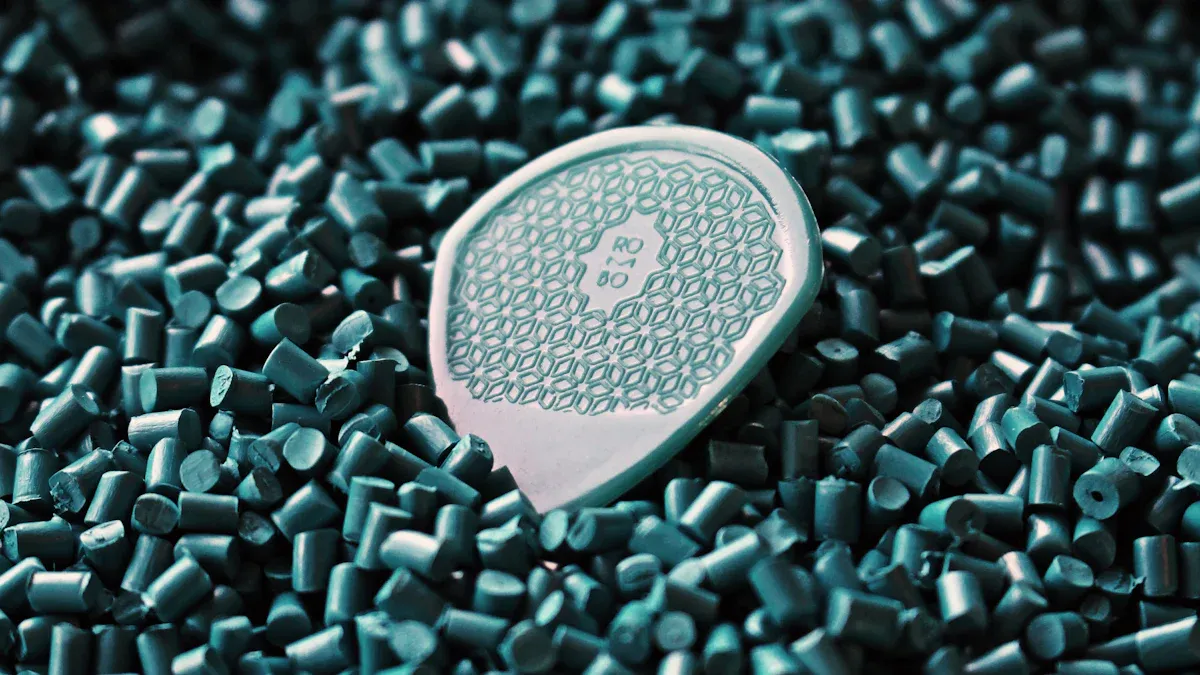
Na ga cewa aminci da ingantaccen sake amfani yana farawa da fahimtar keɓaɓɓen kaddarorin robobi da sulfur. Abubuwan dacewa da sinadarai, musamman idan mai yana hulɗa da robobi. Yawancin sharar filastik masana'antu ana sake yin fa'ida a cikin adadin game da 9%, wanda ke nuna bukatar ingantacciyar mafita. Na dogara da na'urori masu ci gaba kamar IPG Pelletizing Machine Plastic don inganta sakamakon sake amfani da su. A cikin Aikin Filastik da Sulfur Masana'antu, mafi kyawun ayyuka don sulfur granulation da isarwa suna taimakawa rage haɗari da haɓaka inganci.
- Adadin sake amfani da sharar filastik masana'antu na duniya: game da 9%
Key Takeaways
- Fahimtar daidaiton sinadarai tsakanin robobi da mai yana da mahimmanci don guje wa lalacewa yayin sake yin amfani da su.
- Murkushe robobi yana rage girma kuma yana inganta inganci, sa sake yin amfani da su ya fi dacewa da tsada.
- Maimaita injina yana aiki mafi kyau don tsabta, robobi da aka jera, yayin da sake yin amfani da sinadarai ke rike gauraye ko gurbatattun kayan.
- Yin amfani da sigogin juriya da gwaje-gwajen nutsewa suna taimakawa tabbatar da amintaccen sake yin amfani da robobi da aka fallasa ga mai daban-daban.
- Sulfur granulating yana inganta aminci ta hanyar rage ƙura da sauƙaƙe kulawa, yayin da ci-gaba sanyaya tabbatar da karfi granules.
- Zaɓin kayan aiki masu dacewa da kayan aiki don isar da sulfur yana hana lalata, kurakurai, da gazawar kayan aiki.
- Kulawa na yau da kullun, sarrafa ƙura, da tsarin haɗin kai yana haɓaka inganci da aminci a cikin sake amfani da filastik da sarrafa sulfur.
- Ayyuka masu dorewa, ciki har da kayan aiki masu amfani da makamashi da abubuwan da ke tushen biocarbon, goyi bayan masana'antu mafi aminci da kore.
Dacewar Sinadari na Filastik da Mai
Maɓallin Maɓalli
Nau'in polymer
A koyaushe ina farawa da gano nau'in polymer kafin in sake amfani da robobi. Kowane polymer yana mayar da martani daban-daban ga mai. Polyethylene (PE) da kuma polypropylene (PP) nuna juriya mai ƙarfi ga mai da yawa. Polystyrene (PS) da polyethylene terephthalate (PET) sau da yawa yakan rushe lokacin da aka fallasa wasu mai. Polycarbonate (PC) da kuma acrylonitrile butadiene styrene (ABS) zai iya fashe ko kuma ya zama gagaru bayan tuntuɓar mai. Naylon ya yi fice don karkowar mai. Ina duba nau'in polymer don hasashen yadda zai kasance yayin sake yin amfani da shi.
Nau'in Mai & Yanayin zafi
Nau'in mai da zafin jiki suna taka muhimmiyar rawa wajen daidaitawa. Dafa abinci mai kamar zaitun da canola yawanci yana haifar da tasiri mai sauƙi akan PE da PP. Mahimman mai, kamar lemo ko eucalyptus, sun ƙunshi mahadi waɗanda ke kai hari kan robobi kamar PS da PET ko da a cikin ɗaki. Man fetur da kayan shafawa na roba na iya haifar da PE kuma suna haifar da fashewar damuwa a cikin PC da ABS. Ruwan mai, tare da additives, may lead to brittleness and swelling in plastics not rated for hydraulic use. I always consider the oil’s chemical makeup and temperature during recycling.
Tukwici: I recommend checking both the oil type and the temperature before mixing plastics and oils in any recycling process.
Thermal vs. Chemical Effects
Melting Points
I pay close attention to melting points. PE melts at about 120°C, PP at 160°C, and PET at 250°C. If oil exposure raises the temperature near these melting points, plastics can deform or melt. Chemical reactions may occur faster at higher temperatures. I monitor temperature to prevent unwanted changes.
Oil Temperature Ranges
Oil temperature affects how plastics respond. Cold oils rarely cause immediate damage. Hot oils speed up chemical reactions and can soften or warp plastics. Misali, mai zafi mai zafi na iya lalata PE da PC da sauri. Ina rage zafin mai yayin sake yin amfani da shi don kare ingancin filastik.
Resistant vs. Filastik masu rauni
Nau'in Juriya na Mai
Wasu robobi suna tsayayya da bayyanar mai da kyau:
- Polypropylene (PP)
- Nailan
- Polyethylene (PE)
Waɗannan kayan suna sarrafa mai, na'ura mai aiki da karfin ruwa mai, da mai dafa abinci tare da ƙarancin lalacewa.
Nau'o'in Mai Rauni
Sauran robobi suna nuna rauni:
- Polystyrene (PS)
- Polyethylene terephthalate (PET)
- Polycarbonate (PC)
- Acrylonitrile butadiene styrene (ABS)
Wadannan robobi na iya narkewa, fasa, ko kuma yawo bayan cudanya mai, musamman tare da muhimman mai ko mai zafi mai zafi.
| Nau'in Filastik | Juriya mai | Maganganun Hannu |
|---|---|---|
| PE, PP, Nailan | Babban | Karamin canji |
| PS, PET, PC, ABS | Ƙananan | Fatsawa, warping, rushewa |
A koyaushe ina daidaita robobi da mai a hankali don guje wa gazawar sake amfani da kuma tabbatar da sarrafa lafiya.
Daidaituwar Gwaji
Charts Juriya
A koyaushe ina duba sigogin juriya kafin in sake yin amfani da robobin da aka fallasa ga mai. Waɗannan ginshiƙi suna nuna yadda robobi daban-daban ke ɗaukar mai da sinadarai daban-daban. Na same su da amfani saboda suna ba da amsoshi masu sauri game da dacewa. Misali, ginshiƙi na juriya na iya lissafa polyethylene azaman “m” da man mota, yayin da polystyrene ya nuna “matalauci” juriya. Ina amfani da waɗannan ginshiƙi don guje wa kurakurai da zaɓar kayan da suka dace don sake amfani da su.
| Nau'in Filastik | Man Motoci | Mai dafa abinci | Man Fetur |
|---|---|---|---|
| PE | Madalla | Madalla | Yayi kyau |
| PP | Madalla | Madalla | Yayi kyau |
| PS | Talakawa | Gaskiya | Talakawa |
| PET | Gaskiya | Yayi kyau | Talakawa |
| Nailan | Yayi kyau | Yayi kyau | Yayi kyau |
Tukwici: Ina ba da shawarar kiyaye sabbin sigogin juriya a yankin sake amfani da su. Wannan yana taimaka wa kowa ya yi zaɓin aminci cikin sauri.
Gwajin nutsewa
Wani lokaci, Taswirar juriya ba su rufe kowane nau'in mai ko filastik ba. Ina amfani da gwajin nutsewa don duba dacewa a cikin waɗannan lokuta. Na yanke karamin samfurin filastik kuma na sanya shi a cikin mai. Na bar shi don ƙayyadadden lokaci, yawanci 24 ku 48 hours. Bayan gwajin, Ina neman canje-canje kamar kumburi, fasa, ko canza launi. Idan filastik ya tsaya baya canzawa, Na san yana da lafiya don sake amfani da wannan man. Idan na ga lalacewa, Na guji hada waɗannan kayan.
Ina rikodin sakamako na a cikin littafin rubutu. Wannan yana taimaka mini gina jagorar dacewa ta al'ada don wurin aiki na. Gwajin nutsewa yana ba ni kwarin gwiwa lokacin da sigogin juriya ba su da tabbas ko sun ɓace.
Rashin fahimta gama gari
Thermal vs. Lalacewar sinadarai
Mutane da yawa suna tunanin zafi kadai yana haifar da lalacewar filastik. Na koyi cewa halayen sunadarai na iya zama kamar cutarwa. Mai zai iya karya robobi ko da a yanayin zafi. Zafi yana hanzarta waɗannan halayen, amma lalacewar sinadarai na iya faruwa ba tare da yanayin zafi ba. A koyaushe ina bincika haɗarin zafi da sinadarai kafin sake amfani da su.
Lura: Ba na dogara ga karatun zafin jiki kawai. Bayyanar sinadarai yana da mahimmanci kamar zafi.
Hatsarin Bayyanar Tsawon Lokaci
Gwaje-gwaje na gajeren lokaci sukan rasa haɗari na dogon lokaci. Na yi imani cewa robobi ba su da lafiya idan sun wuce gwajin nutsewa cikin sauri. Tsawon lokaci, Na ga robobi suna fashe ko raunana bayan watanni na fallasa mai. Tuntuɓar dogon lokaci na iya haifar da sannu a hankali amma munanan lalacewa. Yanzu ina lura da robobi na tsawon lokaci kuma ina duba tsoffin samfuran akai-akai.
Ina ba da shawara ga wasu suyi la'akari da tasirin gaggawa da jinkiri. Wannan yana hana gazawar da ba zato ba tsammani kuma yana kiyaye sake yin amfani da shi lafiya.
Crushing Filastik & Hanyoyin sake yin amfani da su
Me Yasa Murkushe Al'amura
Murkushe robobi shine mataki na farko da na ɗauka a kowane tsari na sake amfani da su. Wannan mataki yana siffanta duk abin da ke biyo baya. Lokacin da na murkushe sharar filastik, Ina sauƙaƙa sarrafa, iri, da tsari. Amfanin ya wuce yin ƙarami kawai.
Rage girma
Na lura cewa danyen filastik datti yana ɗaukar sarari da yawa. Murkushewa yana rage ƙara, yin ajiya da jigilar kaya da inganci sosai. Ƙananan ɓangarorin sun dace da kyau a cikin kwanuka da hoppers, wanda ke taimakawa kayan aiki na ƙasa suyi aiki lafiya. Na dogara da wannan matakin don ci gaba da tsara kayana da kuma tasiri mai tsada.
| Bayanin Shaida | Bayani |
|---|---|
| Rage girma | Murkushewa yana rage sararin da ɗanyen robobi ke ɗauka, yin shi don sarrafa kayan aiki na ƙasa. |
| Inganta Ingantattun Kayan Abu | Girman Uniform na muƙaƙƙen filastik yana haɓaka aikin wankewa kuma yana rage gurɓatawa. |
| Inganci a sake yin amfani da su | Hukunce-hukuncen da aka yanke yayin murkushe su suna tasiri ingancin samfurin sake fa'ida na ƙarshe, shafi duk matakai masu zuwa. |
Ingantacciyar inganci
Filastik da aka niƙa ɗaya ɗaya yana inganta ingancin kayan da aka sake fa'ida. Lokacin da na murkushe robobi zuwa daidaitaccen girman, Ina sauƙaƙe wanki da rarrabuwa. Wannan matakin yana rage gurɓatawa kuma yana haɓaka ingancin kowane tsari da ya biyo baya. Na gano cewa murkushe masu inganci yana haifar da ingantattun pellet ɗin da aka sake sarrafa su.
Tukwici: A koyaushe ina duba girman da siffar dakakken filastik kafin in matsa zuwa mataki na gaba. Daidaitawa a nan yana adana lokaci da kuɗi daga baya.
- Murkushewa yana rinjayar rabuwa da kayan hade, wanda zai iya rikitar da sake yin amfani da su idan ba a gudanar da su yadda ya kamata ba.
- Fasahar rarrabuwa ta ci gaba tana da mahimmanci don magance ƙalubalen da ke tasowa daga kayan da aka murkushe.
- Ci gaba da gyare-gyaren tsari da sake dubawa na ayyuka suna da mahimmanci don kiyaye ma'auni masu inganci a cikin abubuwan da aka sake yin fa'ida.
Sake yin amfani da injina
Sake amfani da injina shine ƙashin bayan aikin sarrafa filastik na. Ina amfani da shi don juyar da robobin datti zuwa sabbin albarkatun ƙasa ba tare da canza tsarin sinadarai ba. Wannan hanyar tana da amfani mai ƙarfi kuma mai tsada, musamman na robobi guda ɗaya.
Nau'in Crusher
Na zabi crushers bisa nau'in da nau'in sharar filastik. Don fina-finai na bakin ciki, Ina amfani da granulators masu kaifi. Don manyan abubuwa kamar kwalabe ko akwatuna, Na dogara ga masu tsinke masu nauyi. Wasu robobi suna buƙatar ƙwararrun ƙwanƙwasa don magance taurinsu ko ɓarna. Madaidaicin madaidaicin yana tabbatar da ingantaccen rage girman girman kuma yana shirya kayan don ƙarin aiki.
Manual vs. Makanikai
Murkushewa da hannu yana aiki don ƙananan batches ko lokacin da nake buƙatar raba kayan da hannu. Duk da haka, injin murkushewa suna ɗaukar manyan kundin sauri da tsayin daka. Na fi son hanyoyin inji don yawancin ayyuka saboda suna adana aiki kuma suna ba da sakamako iri ɗaya. Sake amfani da injina ya mamaye masana'antar, musamman a yankuna kamar Turai, inda aka yi la’akari da shi 99% na robobi da aka sake yin fa'ida.
Maimaita injina yana sake sarrafa robobi a zahiri, samar da kayan da kaddarorin kusa da budurwa robobi. Yana aiki mafi kyau tare da robobi masu kama da juna, don haka sai in jera kuma in tsaftace kayan sosai kafin a murkushe su. Na san cewa maimaita sake yin amfani da su na iya lalata kaddarorin polymer, don haka ina lura da ingancin kowane batch.
Pre-Shredding
Pre-shredding mataki ne da ban taɓa tsallakewa ba lokacin da ake mu'amala da sharar filastik babba ko gauraye. Ina amfani da shredders don tarwatsa manyan abubuwa zuwa guda da za a iya sarrafa su kafin murkushe su. Wannan matakin yana kare babban injina daga matsi da lalacewa. Pre-shredding shima yana taimaka min gano gurɓataccen abu ko kayan da ba na roba da wuri ba, wanda ke kiyaye tsarin sake yin amfani da tsabta da inganci.
Mabuɗin Abubuwan Aiki
Abubuwa da yawa suna tasiri yadda kayan murkushewa da sake yin amfani da su ke aiki. Ina mai da hankali sosai ga waɗannan cikakkun bayanai don haɓaka inganci da ingancin fitarwa.
| Factor Performance | Bayani |
|---|---|
| Nau'in Material da Form | Robobi daban-daban suna buƙatar takamaiman sojojin yankewa da nau'ikan ruwa don murkushe tasiri mai tasiri. |
| Tazarar Ruwa | Tsare-tsare tsakanin ruwan wukake yana shafar ingancin yanke; matsatsun giɓi suna haifar da yanke tsafta amma ƙara lalacewa. |
| Girman Rukunin allo | Yana ƙayyade girman kayan fitarwa; ƙananan masu girma suna rage kayan aiki saboda sake zagayawa. |
| Gudun Rotor | Yana shafar kayan sarrafawa da samar da zafi; maɗaukakin gudu yana haɓaka fitarwa amma yana iya haifar da ɓangarorin lafiya. |
| Yawan ciyarwa | Ciyarwar da ta dace tana da mahimmanci; wuce gona da iri na iya lalata kayan aiki, yayin da rashin ciyarwa yana rage yawan aiki. |
| Kulawa | Kula da ruwa na yau da kullun yana da mahimmanci don hana faɗuwar ingancin inganci da nau'in kayan aiki. |
| Gudanar da gurɓatawa | Kyakkyawan ƙura da sarrafa iska ya zama dole don guje wa zafi da gazawar kayan aiki. |
Zaɓin Ruwa
Ina zaɓar ruwan wukake bisa nau'in filastik da girman fitarwa da ake so. Robobi masu wuya suna buƙatar mafi tsauri, yayin da robobi masu laushi suna buƙatar fitattun gefuna. Ina duba tazarar ruwa akai-akai saboda ƙunƙun giɓin yana ba da mafi tsafta amma yana ƙarewa da sauri. Ina maye ko kaifi sau da yawa don kiyaye babban aiki.
Kan allo
Ramin allo yana sarrafa girman dakataccen kayan filastik. Ƙananan raga masu girma suna samar da ɓangarorin ƙwararru amma rage saurin aiki saboda abu yana sake kewayawa har sai ya dace ta cikin raga.. Ina daidaita girman raga tare da kayan aiki don cimma burin samarwa na. Daidaitaccen girman barbashi yana inganta wankewa da pelletizing daga baya.
Gudun Rotor & Yawan ciyarwa
Gudun rotor yana shafar yadda sauri zan iya sarrafa sharar filastik. Maɗaukakin gudu yana haɓaka fitarwa amma yana iya haifar da ƙarin ƙaƙƙarfan barbashi da zafi. Ina daidaita saurin don dacewa da nau'in filastik da fitarwar da ake so. Yawan ciyarwa yana da mahimmanci, kuma. Cin abinci fiye da kima na iya matse injin, yayin da rashin ciyar da abinci yana lalata makamashi. Ina sa ido akan duka biyun don ci gaba da gudanar da aikina cikin kwanciyar hankali.
Lura: Kulawa na yau da kullun da sarrafa ƙura yana sa kayana suyi aiki da kyau kuma suna hana ɓarna ba zata.
Haɗa Haɓaka Magani
Na dogara ga Exintelmach IPG Pelletizing Machine Plastics don daidaita tsarin sake amfani da ni. Wannan na'ura tana haɗawa da murkushewa, m, narkewa, da pelletizing a cikin tsarin daya. Abubuwan da za a iya daidaita su da sukurori da zaɓuɓɓukan pelletizing na ci gaba sun ba ni damar sarrafa kewayon robobi. Injin Pelletizing na IPG yana amfani da madaidaicin sarrafa zafin jiki da tacewa na ci gaba don samar da uniform, pellets masu inganci. Fasalolin sarrafa kansa suna rage aiki kuma suna tabbatar da ingantaccen fitarwa. Na gano cewa wannan fasaha ba kawai tana haɓaka inganci ba har ma tana inganta inganci da ƙimar robobin da na sake sarrafa su..
Sake amfani da sinadarai
Sake amfani da sinadarai yana ba ni hanya don karya robobi fiye da hanyoyin injiniya. Ina amfani da wannan tsari lokacin da injin sake yin amfani da injin ba zai iya samar da abu mai inganci ba. Sake yin amfani da sinadarai ya dogara da kaushi da halayen sinadaran don canza robobi zuwa ainihin tubalan ginin su. Na sami wannan hanyar tana da amfani ga gauraye ko gurɓatattun robobi waɗanda sake yin amfani da injin ba zai iya ɗauka ba.
Hanyoyi Tushen Magani
Sake amfani da ƙorafi yana amfani da sinadarai don narkar da robobi. Na zaɓi abubuwan kaushi kamar acetone, dichloromethane, ko tetrahydrofuran (THF) dangane da nau'in polymer. Ina sanya robobi shredded a cikin wanka mai ƙarfi. Mai ƙarfi yana rushe sarƙoƙi na polymer, raba ƙazanta da rini. Bayan rushewa, Ina tace abubuwan da suke gurbatawa kuma na dawo da polymer mai tsabta. Daga nan sai in hado polymer ta ƙara wani sinadari ko sanyaya maganin. This process produces clean, high-quality plastic ready for reuse.
I always monitor solvent use carefully. Solvents can generate hazardous waste and require proper disposal. I use protective equipment and follow safety guidelines to prevent exposure. Solvent-based methods work best for plastics like polystyrene, polyvinyl chloride, da PET.
Depolymerization
Depolymerization takes chemical recycling a step further. I use heat, catalysts, or enzymes to break plastics down into monomers. These monomers serve as raw materials for new plastic production. I apply depolymerization to plastics like PET and nylon. The process involves heating the plastic in a reactor, sometimes with acids or bases. The plastic breaks apart into its original chemical units.
I prefer depolymerization for producing high-purity materials. This method allows me to recycle plastics that mechanical methods cannot restore to their original quality. Depolymerization also helps me close the loop in the circular economy.
Tukwici: I always compare chemical and mechanical recycling before choosing a method. Chemical recycling produces purer output but requires careful handling of chemicals.
| Al'amari | Sake amfani da sinadarai | Sake yin amfani da injina |
|---|---|---|
| Tsari | Uses acids and solvents to dissolve plastics, generating toxic chemicals. | Involves physically breaking down plastics, which can weaken their structure. |
| Fitowa | Produces high-quality, pure plastic suitable for various applications. | Results in lower quality recycled plastic that deteriorates over time. |
| Tasirin Muhalli | Generates higher CO2 emissions and hazardous waste due to chemicals used. | Uses more fossil fuels but generally produces less hazardous waste. |
Kuskuren gama gari
I see many mistakes in plastic crushing and recycling. These errors reduce efficiency and create safety risks. I always review my process to avoid common pitfalls.
Equipment Mismatch
I notice that using the wrong equipment causes frequent interruptions. Recycling machinery can jam 3–8 times per shift, cutting processing capacity by har zuwa 25%. I match my crusher and pelletizer to the plastic type and batch size. I check feed systems for compatibility and adjust settings to prevent jams.
Contamination
Contamination remains a major challenge. Game da 75% of contaminants in recycling facilities come from plastic bags and films. These materials clog machinery and lower product quality. I sort and clean plastics before crushing. I remove plastic bags, fina-finai, and other non-recyclable items. Emily Malik, a conservation coordinator, points out that contamination complicates recycling. Na yarda kuma na sanya sarrafa gurɓataccen abu fifiko.
Abubuwan Kulawa
Yin watsi da kulawa yana haifar da raguwa da gyare-gyare masu tsada. Ina aiwatar da shirye-shiryen gyare-gyare na rigakafi don ci gaba da gudanar da injina su yi aiki yadda ya kamata. Kulawa na yau da kullun yana rage lokacin da ba a shirya ba har zuwa 75%. Ina tsara tsarar ruwa, allon tsaftacewa, da lubrication. Ina duba kayan aiki yau da kullun kuma in gyara matsalolin kafin su ta'azzara.
Kula da kura
Ƙura yana haifar da haɗari kuma yana lalata kayan aiki. Ina shigar da tsarin hakar ƙura kuma ina amfani da injin murkushewa. Ina tsaftace matatun kura akai-akai. Kula da kura mai kyau yana kare ma'aikata kuma yana tsawaita rayuwar injin.
Girman fitarwa
Girman fitarwa mara daidaituwa yana rinjayar aiki na ƙasa. Ina daidaita ragar allo da saurin rotor don samar da ɓangarorin iri ɗaya. Ina duba girman fitarwa bayan kowane tsari. Pellets na Uniform suna inganta wankewa, narkewa, da ingancin samfurin ƙarshe.
- Cunkushe kayan aiki yana rage ƙarfin sarrafawa har zuwa 25%.
- Kulawa na rigakafi yana yanke lokacin raguwa har zuwa 75%.
- Jakunkuna na filastik da fina-finai suna haifar da mafi yawan gurɓatawa a wuraren sake yin amfani da su.
- Sarrafa ƙura da sarrafa girman fitarwa suna haɓaka aminci da ingancin samfur.
Lura: A koyaushe ina duba tsarina don waɗannan kurakuran. Magance su yana haɓaka inganci kuma yana tabbatar da ingancin robobin da aka sake sarrafa su.
Rushewar Filastik & Lalacewa
Me Yasa Filastik Ke Jure Warware
Tsarin Kwayoyin Halitta
Sau da yawa ina mamakin dalilin da yasa yawancin robobi ba sa narkewa cikin sauƙi a cikin kaushi na gama gari. Amsar tana cikin tsarin kwayoyin halittarsu. Filastik suna da dogayen sarƙoƙi na polymer tare da ƙaƙƙarfan haɗin carbon-to-carbon. Waɗannan sharuɗɗan suna ƙin karyewa a cikin yanayin yau da kullun. Robobi na al'ada, kamar polyethylene da polypropylene, nuna dorewa na ban mamaki saboda waɗannan shaidu. Semi-crystalline plastics have a tight structure that blocks solvents from penetrating. Amorphous plastics are more vulnerable to certain organic solvents, but they still resist water.
| Nau'in Filastik | Halaye |
|---|---|
| Conventional Plastics | Long polymer chains with strong carbon-to-carbon bonds that resist breaking in common environments. |
| Semi-crystalline Plastics | Tight structure that prevents solvents from penetrating. |
| Amorphous Plastics | More vulnerable to certain organic solvents but still resistant to water. |
I always check the structure of the plastic before choosing a recycling method. The molecular arrangement determines how the material reacts to solvents.
Solvent Compatibility
Solvent compatibility plays a big role in plastic dissolution. I notice that plastics resist dissolving unless the solvent matches their chemical nature. Non-polar plastics, like polyethylene, do not dissolve in water or alcohols. Polar plastics, such as polyvinyl alcohol, dissolve in water. I select solvents based on the plastic’s polarity and structure. This step helps me avoid wasting time and resources.
Solvents That Dissolve Plastics
THF
Tetrahydrofuran (THF) stands out as a powerful solvent for plastics like polyvinyl chloride (PVC) da kuma polystyrene. I use THF in laboratory settings to dissolve these plastics for analysis or recycling. THF works well because it matches the polarity of the polymers.
Acetone
Acetone dissolves plastics such as polystyrene and some acrylics. I use acetone to clean equipment or remove residues. Acetone does not affect most conventional plastics, but it can break down certain types quickly.
Dichloromethane
Dichloromethane dissolves plastics like polycarbonate and PVC. I use it for industrial applications where rapid dissolution is needed. Dichloromethane works best with plastics that have less crystalline structure.
| Solvent Type | Tasiri | Bayanan kula |
|---|---|---|
| Toluene | Babban | Best overall performance in solubility tests |
| Xylene | Babban | Outperformed other solvents |
| Cyclohexane | Matsakaici | Effective in blends with cyclohexanol and xylene |
| Cyclohexanol | Matsakaici | Enhances solubility in mixtures |
| Alcohols | Ƙananan | Generally poor solvents for non-polar plastics |
| Ketones | Ƙananan | Not effective alone, but mixtures may improve solubility |
| Esters | Ƙananan | Not effective alone, but mixtures may improve solubility |
I find that solvent dissolution retains the chemical structure of polymers. This method reduces emissions and energy use compared to other recycling methods. It broadens the recycling scope for plastics, especially for polypropylene and polystyrene. Companies like Purecycle and Polystyvert use these solvents to recycle plastics that were once unrecyclable.
Sake amfani da ƙorafi yana ba ni damar dawo da zallar polymers ba tare da karya haɗin sinadarai ba. Wannan hanya tana adana makamashi kuma tana tallafawa dorewa.
Mai narkewa & Filastik masu lalacewa
PVA & Nau'in Masu Soluble Ruwa
Ina amfani da barasa na polyvinyl (PVA) lokacin da nake buƙatar filastik da ke narkewa cikin ruwa. Fina-finan PVA sun rushe da sauri kuma ba su bar sauran ba. Robobi masu narkewar ruwa suna taimaka mini ƙirƙirar marufi da ke ɓacewa bayan amfani. Waɗannan kayan suna aiki da kyau don abubuwan amfani guda ɗaya kuma suna rage sharar gida.
Bioplastics
Robobin da za a iya lalata su suna ba da wani bayani. Na dogara polyesters na tushen mai kamar polycaprolactone (PCL) da poly(butylene succinate) (PBS) saboda microorganisms da enzymes na iya lalata su. Filastik na tushen halittu, kamar poly(hydroxybutyrate) (PHB), poly(lactide) (PLA), da sitaci blends, sun fito ne daga albarkatun da za a iya sabunta su kuma su ma ba za su iya lalacewa ba. Adadin lalacewar su ya dogara ne akan tsarin sinadarai, wurin narkewa, da crystallinity. Wasu robobi, like polyethylene and Nylon 11, may be bio-based but remain non-biodegradable. Acetyl cellulose can be biodegradable or not, depending on its acetylation.
I choose biodegradable plastics for applications where environmental impact matters. These materials break down through enzymatic and microbial action. Their rates of degradation vary based on composition and environmental conditions.
I always match the plastic type to the intended use and disposal method. This practice helps me support sustainability and reduce pollution.
Degradation Pathways
UV & Zafi
I see plastics degrade through several pathways. UV radiation and heat play major roles in breaking down polymers. When sunlight hits plastic, UV rays cause photodegradation. This process breaks polymer chains into smaller fragments. Heat speeds up this reaction. Oxygen in the environment also accelerates degradation. I notice that high temperatures can trigger depolymerization reactions in synthetic polymers. These reactions break plastics into their basic chemical units.
During sake amfani da inji, plastics face heat and shear forces. These conditions lead to thermo-oxidative and thermo-mechanical degradation. Chain-scission reactions start, breaking the long polymer chains. I monitor temperature and oxygen levels in my facility to control these effects. Chemical degradation, such as hydrolysis or oxidation, happens at near-ambient temperatures. Environmental factors like temperature and oxygen presence influence how fast plastics degrade.
- Photodegradation breaks down polymer chains with UV radiation.
- Heat and oxygen speed up the degradation process.
- Babban yanayin zafi yana haifar da depolymerization a cikin polymers na roba.
- Sake yin amfani da injina yana gabatar da zafi da ƙarfi, haifar da sarkar-scission halayen.
- Lalacewar sinadarai ya haɗa da hydrolysis ko oxidation, sau da yawa a ƙananan yanayin zafi.
A koyaushe ina bincika alamun lalacewa a cikin robobin da aka sake sarrafa su. Canje-canje a launi, brittleness, ko siginar rubutu cewa UV da zafi sun shafi kayan.
Microplastics
Microplastics suna samuwa ne lokacin da manyan ɓangarorin filastik suka rushe zuwa ƙananan guntu. Ina ganin hakan yana faruwa a lokacin ɓarkewar hoto da sake amfani da injina. Hasken UV, zafi, kuma iskar oxygen yana haifar da robobi zuwa gutsuttsura. Waɗannan ƙananan guda ba sa narke. A maimakon haka, sun dage a cikin muhalli.
Microbes na iya taimakawa wajen lalata robobi. Ina amfani da iri kamar Kocuria palustris M16, Bacillus pumilus M27, kuma Bacillus subtilis H1584 don haɓaka lalacewar fina-finai na polyethylene. Da iri Brevibacillus borstelensis accelerates degradation of UV-treated low-density polyethylene at higher temperatures. Hydrolytic enzymes such as cutinase can completely degrade PET into monomers within 24 hours under specific conditions.
- Microbes and enzymes speed up plastic degradation.
- Microplastics result from fragmentation, not dissolution.
- Microplastics persist and pose environmental risks.
I track microplastic formation in my recycling process. I use biological methods to reduce their presence and support cleaner recycling.
Misconceptions
Dissolution vs. Lalacewa
Many people think plastics dissolve like sugar in water. I learned that conventional plastics do not dissolve. They degrade through photodegradation, where UV radiation breaks them into smaller pieces. Plastics do not vanish; they fragment and remain in the environment. This misconception leads to improper disposal and recycling practices.
- Plastics do not dissolve; they break into smaller fragments.
- Photodegradation causes fragmentation, not disappearance.
I explain this difference to my team. Understanding the distinction helps us manage plastic waste responsibly.
Environmental Risks
Some believe plastics break down on their own. I know this is not true. Most plastics persist for decades unless exposed to specific degradation pathways. Microplastics pose serious environmental risks. They accumulate in soil and water, affecting wildlife and human health. I use controlled recycling methods to minimize microplastic release.
Tukwici: I always educate others about the persistence of plastics and the importance of proper recycling. Awareness reduces environmental harm and supports sustainability.
Sulphur Granulation Processes
Why Granulate Sulphur
Tsaro & Handling
I granulate sulphur to make it safer to handle in industrial environments. Granulated sulphur reduces the risk of dust explosions. The larger, uniform granules do not create airborne particles as easily as powdered sulphur. Workers face fewer hazards when moving granulated sulphur. I notice that granules flow smoothly through conveyors and storage bins. This reduces spills and minimizes contact with skin or eyes. I always prioritize safety by choosing granulation methods that produce strong, dust-free granules.
Granulated sulphur improves workplace safety by lowering dust levels and making handling easier.
Amfanin Muhalli
Granulating sulphur helps protect the environment. I see that granules release less dust into the air, which means cleaner facilities and reduced air pollution. The uniform size of granules prevents accidental spills and makes cleanup simpler. I use advanced cooling systems to create granules with a strong crystalline structure. These granules resist breaking apart during transport. This reduces the risk of sulphur entering soil or water. I believe that granulation supports sustainability by minimizing waste and preventing environmental contamination.
Granulation Steps
Narkewa
I start the granulation process by melting sulphur at controlled temperatures. Sulphur melts at about 115°C. I use specialized heaters to keep the temperature steady. If the temperature rises too high, sulphur can decompose or release harmful gases. I monitor the melting stage closely to ensure safety and product quality.
Seed Generation
Bayan narkewa, I generate small sulphur seeds. I freeze droplets of molten sulphur to create these seeds. Pressure control is important during this step. The seeds act as nuclei for granule formation. I make sure the seeds are uniform in size to produce consistent granules later.
Granule Formation
I form granules by rotating the seeds in a drum. The drum rotates at a set speed, causing the seeds to roll and pick up layers of molten sulphur. This builds up the granules to the desired size. Drum rotation is a key factor. If the drum spins too fast, granules become uneven. If it spins too slowly, production slows down. I adjust the rotation speed to balance quality and efficiency.
Sanyi
I cool and solidify the granules to ensure proper crystallization. Cooling rate affects the strength and structure of the granules. I use air or water cooling systems to control the process. Rapid cooling can cause cracks, while slow cooling produces strong, uniform granules. I monitor the cooling stage to prevent defects and maintain product quality.
| Mataki | Bayani | Mabuɗin Factor |
|---|---|---|
| 1 | Melting sulphur at controlled temperatures | Kula da Zazzabi |
| 2 | Generating small sulphur seeds through freezing | Pressure Control |
| 3 | Forming granules by rotating in a drum | Drum Rotation |
| 4 | Cooling and solidifying to ensure crystallization | Cooling Rate |
- Granulation improves product quality by ensuring uniform granule sizes.
- Dust reduction during handling enhances workplace safety.
- Advanced cooling systems lead to better crystalline structure and stronger granules.
Granulation Techniques
Drum Systems
I use drum systems for large-scale sulphur granulation. The rotary drum method pours molten sulphur into a rotating drum. Granules form as the seeds roll and pick up layers of sulphur. This technique produces uniform granule sizes and handles high throughput. I rely on drum systems when I need consistent quality and efficient production.
Prilling Towers
Prilling towers spray molten sulphur droplets through a nozzle into a tall tower. The droplets cool and solidify as they fall, forming spherical granules. Air cooling in the tower creates smooth, round granules. I choose prilling towers for applications that require perfectly spherical granules. This method works well for moderate production volumes.
- Prilling Tower Method: Sprays molten sulphur droplets through a nozzle into a tower where they cool and solidify into spherical granules.
- Rotary Drum Granulation: Pours molten sulphur into a rotating drum where it forms granules by rolling and cooling on the drum surface.
The rotary drum granulation method stands out for its efficiency in large-scale production. It delivers high throughput and uniform granule size. The prilling tower method excels at producing spherical granules through air cooling.
Fluid Beds
Fluid bed granulation suspends sulphur particles in a stream of air. I inject molten sulphur into the fluidized bed. The particles mix and cool rapidly, forming granules. Fluid beds allow precise control over granule size and cooling rate. I use this technique when I need flexibility and fast cooling.
Steel Belt
Steel belt granulation spreads molten sulphur onto a moving steel belt. The belt cools the sulphur as it travels, forming solid granules. This method produces flat, uniform granules and works well for continuous production. I select steel belt systems for applications that require gentle cooling and minimal dust.
Each granulation technique offers unique advantages. I match the method to my production needs and quality requirements.
Process Controls
I pay close attention to process controls when granulating sulphur. These controls help me produce high-quality granules and maintain safety in my facility. Each stage of the process requires careful monitoring and adjustment.
Zazzabi & Matsin lamba
Temperature control stands out as the most important factor during sulphur melting. I set the temperature just above sulphur’s melting point, usually around 115°C. If the temperature rises too high, sulphur can decompose or release harmful gases. I use precise heaters and sensors to keep the temperature steady. Pressure control becomes critical during seed generation. I adjust the pressure to create uniform sulphur seeds. Stable pressure ensures that the seeds form consistently, which leads to better granule quality.
I rely on a table to track key factors at each step:
| Mataki | Bayani | Mabuɗin Factor |
|---|---|---|
| Sulphur Melting | Heating sulphur to liquid state | Kula da Zazzabi |
| Seed Generation | Creating small sulphur seeds | Pressure Control |
| Granule Formation | Building up granules in drum | Drum Rotation |
| Cooling and Solidification | Hardening granules | Cooling Rate |
I check these factors every day. This routine helps me prevent defects and maintain consistent quality.
Cooling Rate
Cooling rate affects the strength and structure of sulphur granules. I use air or water cooling systems to control how quickly the granules solidify. Rapid cooling can cause cracks or weak spots. Slow cooling produces strong, uniform granules. I adjust the cooling rate based on the size and shape of the granules I want. I monitor the cooling process with sensors and visual checks. This practice helps me avoid defects and ensures that the granules meet industry standards.
I always remind my team that careful cooling leads to safer, more reliable sulphur products.
Modern Technology Benefits
Modern sulphur granulation technology offers several advantages. I see improvements in product quality, dust reduction, and energy efficiency every day.
Ingancin samfur
Advanced granulation systems produce sulphur granules with uniform size and shape. Prilled sulphur stands out for its superior physical qualities. The round shape and consistent size make the granules flow smoothly and predictably. This uniformity helps me plan storage and transport more efficiently. I notice that high-quality granules reduce waste and improve performance in downstream applications.
| Benefit Type | Bayani |
|---|---|
| Ingancin samfur | Prilled sulfur exhibits superior physical qualities, including better flowability and less dust. Its uniform size and round shape enhance predictability in use. |
Dust Reduction
Dust reduction remains a top priority in my facility. Modern air treatment systems capture and remove dust during the granulation process. These systems keep the workplace cleaner and safer. I see fewer airborne particles, which lowers the risk of dust explosions and respiratory hazards. Cleaner air also means less contamination in the final product.
| Benefit Type | Bayani |
|---|---|
| Dust Reduction | Air treatment systems are employed to significantly reduce dust generation during the granulation process. |
Cleaner air and less dust make my facility safer for everyone.
Ingantaccen Makamashi
Energy efficiency helps me lower costs and reduce environmental impact. Indirect heat transfer methods optimize temperature control. These methods use less energy and minimize thermal waste. I track energy use with sensors and adjust settings to avoid excess consumption. Efficient systems help me meet sustainability goals and keep production costs down.
| Benefit Type | Bayani |
|---|---|
| Ingantaccen Makamashi | Indirect heat transfer methods optimize temperature control, reducing excessive energy consumption and thermal waste during production. |
- Uniform granule size improves product quality.
- Air treatment systems reduce dust and enhance safety.
- Indirect heat transfer methods save energy and support sustainability.
I believe that investing in modern technology pays off with better products, safer workplaces, da rage farashin aiki.
Sulphur Conveying Best Practices
Sulphur Properties
Forms & Densities
I handle sulphur in several forms, including granules, foda, and molten liquid. Each form has its own density and flow characteristics. Granulated sulphur flows easily and packs tightly, making it ideal for bulk transport. Powdered sulphur creates more dust and requires careful handling to prevent airborne particles. Molten sulphur moves through pipelines and needs precise temperature control to stay liquid. I always check the bulk density before selecting conveyor systems. Misali, granules have higher density than powder, so I adjust conveyor capacity accordingly.
| Sulphur Form | Typical Density (kg/m³) | Handling Notes |
|---|---|---|
| Granules | 1,200–1,400 | Flows easily, kasa kura |
| Foda | 800– 1,000 | High dust risk, needs control |
| Molten | 1,800 | Requires heated pipelines |
Corrosiveness
Sulphur can corrode metal surfaces, especially when wet or exposed to moisture. I prefer stainless steel or corrosion-resistant alloys for conveyor parts. Wet sulphur accelerates corrosion, so I avoid using carbon steel. I inspect equipment regularly for signs of rust or pitting. Choosing the right materials prevents costly repairs and extends equipment life.
Equipment Selection
Bucket Conveyors
I use bucket conveyors to move granulated sulphur vertically or horizontally. These conveyors handle bulk material efficiently and minimize spillage. I select buckets made from abrasion-resistant materials to withstand sulphur’s rough texture. Enclosed bucket conveyors reduce dust emissions and improve workplace safety.
Heated Pipelines
For molten sulphur, I rely on heated pipelines. These pipelines maintain sulphur above its melting point, usually around 120°C. I install insulation and heating elements to prevent solidification. Heated pipelines must use corrosion-resistant materials to avoid leaks and breakdowns. I monitor temperature closely to keep sulphur flowing smoothly.
Material Choices
Selecting the right materials is crucial. I choose stainless steel for most conveyor parts because it resists corrosion and abrasion. For areas exposed to high temperatures or moisture, I use special alloys. I avoid plastics and carbon steel, which degrade quickly in sulphur environments. I also consider the bulk density and flowability of sulphur when sizing conveyors.
I always match conveyor design to sulphur’s physical properties. This practice ensures reliable operation and reduces maintenance needs.
Factors I consider when selecting equipment:
- Operational requirements—scope and scale of sulphur handling.
- Efficiency and performance—energy use, kayan aiki, dust suppression.
- Materials and durability—corrosion-resistant alloys.
- Safety features—explosion-proof components, emergency shutdowns.
- Maintenance and serviceability—easy access for repairs.
- Cost and total ownership—purchase, makamashi, and maintenance expenses.
Dust & Explosion Control
Enclosed Systems
Sulphur dust poses explosion risks. Ina amfani fully enclosed and sealed conveying systems to prevent dust emissions. These systems comply with ATEX or NFPA standards, which set safety requirements for explosive atmospheres. Enclosed conveyors keep dust contained and protect workers from inhalation hazards.
Ka'idojin Biyayya
I follow strict compliance standards for sulphur conveying. ATEX and NFPA guidelines require explosion-proof motors and grounded equipment. I install safety alarms and video monitoring to detect dust fires early. Regular inspections help me spot hazards before they escalate.
Grounding
Grounding all equipment is essential. I connect conveyors, motoci, and pipelines to earth ground to prevent static buildup. Static electricity can ignite sulphur dust, so grounding reduces explosion risks. I check grounding connections during maintenance and replace worn cables promptly.
- I maintain dust suppression sprays on silos and conveyors.
- I conduct emergency drills and train personnel in fire response.
- I use atomizing water cannons instead of direct water jets for fire control.
Early detection and proper equipment keep my facility safe from dust and explosion hazards.
Kulawa & Haɗin kai
Tsaftacewa
I always make cleaning a top priority in my sulphur conveying systems. Sulphur dust and residue can build up quickly, leading to blockages or even equipment failure. I schedule regular cleaning routines for all conveyors, chutes, and storage bins. I use industrial vacuums and brushes to remove dust from hard-to-reach areas. For sticky sulphur deposits, I sometimes use steam or warm water, but I make sure to dry all surfaces thoroughly to prevent corrosion. I check for residue after every cleaning session. This habit helps me catch problems early and keeps my system running smoothly.
I learned from industry presentations that integrated surface protection and reliability-based maintenance can boost plant uptime, aminci, and asset longevity. I see the benefits every time I stick to my cleaning schedule and use the right protective coatings.
Anti-Stick Coatings
Sulphur tends to stick to metal surfaces, especially in humid conditions. I apply anti-stick coatings to key areas of my conveying system. These coatings create a smooth barrier that prevents sulphur from clinging to chutes, hoppers, da bel na jigilar kaya. I choose coatings that resist both abrasion and corrosion. I inspect coated surfaces regularly for signs of wear or peeling. When I spot damage, I reapply the coating right away. This practice reduces downtime and helps me avoid costly repairs. Anti-stick coatings also make cleaning much easier, saving me time and effort.
System Integration
I believe that integrating all parts of the sulphur conveying system leads to better performance and fewer breakdowns. I connect my conveyors, storage bins, and control panels into a single automated network. This setup lets me monitor the entire process from one location. I use sensors to track material flow, zafin jiki, and equipment status. When a problem arises, tsarin ya sanar da ni nan da nan. I can then respond quickly and prevent bigger issues. I also link my maintenance schedule to the control system. Automated reminders help me stay on track with inspections and repairs.
- I always coordinate with my team to ensure everyone understands the integrated system.
- I train new staff on how to use the monitoring tools and respond to alerts.
- I update my integration plan as new technology becomes available.
By focusing on cleaning, using anti-stick coatings, and integrating my systems, I keep my sulphur conveying operations safe, m, kuma abin dogara.
Plastic and Sulphur Industrial Processing Overview
Integrated Challenges
I see that Plastic and Sulphur Industrial Processing brings unique challenges to every facility. Plastics often arrive mixed, contaminated, or degraded. Sorting and purification require careful attention to detail. Sulphur presents risks like dust explosions and corrosion. I must balance safety, inganci, da alhakin muhalli. Handling both materials demands specialized equipment and strict process controls. I notice that integrating these processes can strain resources and increase maintenance needs. Managing waste streams and preventing harmful emissions remain top priorities for me.
Safety always comes first. I monitor dust levels, check for leaks, and train my team to handle emergencies. Regular inspections help me catch problems early.
Advanced Solutions
I rely on advanced machinery and technology to overcome these challenges. The IPG Pelletizing Machine Plastic streamlines recycling by combining crushing, m, narkewa, da pelletizing a cikin tsarin daya. This machine produces high-quality pellets and removes impurities efficiently. For sulphur, Ina amfani da masu jigilar kaya da tsarin sa ido na atomatik don rage ƙura da hana fashewa. Modern granulation dabaru, kamar tsarin ganga da hasumiya mai rugujewa, inganta ingancin samfur kuma rage sharar gida.
The canji na cakuda filastik sharar gida ya ƙunshi rarrabuwa, tsarkakewa, pyrolysis, da cirewar heteroatom. Waɗannan matakan suna samar da kayan abinci na hydrocarbon waɗanda suka dace da fasahar matatar da ake da su. Nagartattun fasahohin sake amfani da su na taimaka mani biyan buƙatun robobin da aka sake sarrafa su. Suna juya sharar gida kayan aiki masu mahimmanci kuma suna tallafawa tattalin arzikin madauwari.
- EVERCYCLE™ yana goyan bayan hanyoyin madauwari tare da additives masu ɗorewa.
- NAUGARD BIO-XL yana ba da na'ura mai ƙarfi na tushen biocarbon don maganin sulfur, guje wa nitrosamines masu cutarwa.
- Ina amfani accelerators na tushen biocarbon da abubuwan da ba su da PFAS don rage hayaki.
- Strategies like nonylphenol-free additives further reduce environmental risks.
Automation and smart controls make my operations safer and more efficient. I track material flow, zafin jiki, and equipment status from a central control panel.
Dorewa Mayar da hankali
Sustainability guides every decision I make in Plastic and Sulphur Industrial Processing. I choose technologies that reduce waste and energy use. Advanced recycling methods let me recover pure polymers and integrate them into new products. I select additives and accelerators that support circular solutions and avoid harmful chemicals. Minimizing emissions and dust protects both workers and the environment.
I believe that integrating sustainable practices improves product quality and lowers costs. Cleaner air, safer workplaces, and reliable equipment help me meet industry standards. I always look for new ways to enhance sustainability, from biocarbon-based additives to energy-efficient granulation systems.
| Sustainability Practice | Amfani |
|---|---|
| Nagartattun fasahohin sake yin amfani da su | Reduces waste, supports circular economy |
| Biocarbon-based additives | Lowers harmful emissions |
| Energy-efficient equipment | Cuts costs, protects environment |
| Dust and emission controls | Improves safety and air quality |
I encourage others to invest in sustainable solutions. These practices build a stronger, safer, and more responsible industry.
I learned that safe recycling and granulation depend on understanding material properties and using the right equipment. Chemical compatibility guides my choices in Plastic and Sulphur Industrial Processing. I rely on advanced machines like the IPG Pelletizing Machine Plastic and follow best practices for sulphur handling. Regular maintenance and system integration keep my operations efficient. I always consult specialists for tailored solutions. I encourage everyone to adopt sustainable practices for a safer industry.
FAQ
What plastics can I recycle with the IPG Pelletizing Machine Plastic?
I recycle polyethylene, polypropylene, nailan, polystyrene, PET, da ABS. The machine handles most common plastics. I check compatibility charts before processing new materials.
How do I prevent contamination in recycled plastics?
I sort and clean plastics before crushing. I remove films, jakunkuna, and non-recyclable items. Regular maintenance and dust control help me keep the process clean.
Is sulphur granulation safe for workers?
I use enclosed systems and dust suppression to protect workers. Granulated sulphur reduces explosion risks. I train my team on safety procedures and monitor air quality.
What is the best way to test plastic-oil compatibility?
I use resistance charts for quick checks. When charts are unclear, I run immersion tests by soaking plastic samples in oil and observing changes.
How does the IPG Pelletizing Machine improve recycling efficiency?
The machine combines crushing, m, narkewa, da pelletizing. Automation reduces labor. Precise temperature control and impurity removal produce high-quality pellets.
Can I recycle plastics exposed to oils?
I check the type of oil and plastic. Some plastics resist oils, while others crack or dissolve. I test samples and consult compatibility charts before recycling.
What are the environmental benefits of sulphur granulation?
Granulated sulphur releases less dust. It reduces air pollution and makes cleanup easier. I use advanced cooling systems to create strong, uniform granules.