

Key Takeaways
- Lokacin da na kimanta a masterbatch inji factory, Ina ɗaukar shawarar a matsayin babban jarin babban jari wanda ke siffanta abubuwan da ake samarwa, amfani da makamashi, da mahadi ingancin shekaru, ba sayan lokaci ɗaya ba (Sama 15 Jagorar Mai Siye Twin Screw Extruder Manufacturers, 2026).
- The twin dunƙule extruder ne zuciyar kusan kowane masterbatch samar line na ƙayyade, kuma daidaitawar haɗin gwiwa yana mamaye launi, baki, da filler masterbatch aiki saboda yana daidaita haɗakar ƙarfi tare da a hankali kula da guduro mai ɗaukar nauyi da ƙari mai yawa..
- Yi tsammanin band ɗin farashi mai faɗi: Cikakken injina na injina da layin samarwa suna gudana kusan $ 10,000- $ 100,000, tare da wasu layukan dunƙule SJP akan $10,000-$40,000 da MOQs ƙasa da saiti ɗaya. (Jerin kasuwannin Accio, 2026).
- Bayanan kanun labarai suna da mahimmanci kawai da zarar kun warware su. A cikin kwarewata, karfin juyi yawa (Jerin U+ na USEON ya kai har zuwa 15 Nm/cm³) da rabon L/D suna ba ku ƙarin bayani game da iyawar haɓakawa na gaske fiye da ikon farantin suna kaɗai (AMFANIN, 2026).
- A koyaushe ina ɗaure zaɓin na'ura zuwa tsarin masana'anta da kanta - auna nauyi, ciyarwa, narke hadawa, degassing, da pelletizing-saboda rata a kowane mataki, kamar ƙarancin ƙima don sake amfani da PET, a natse ya rufe fitar da ku (Polyfill, 2024).
- Tabbatar da rikodin waƙa ya doke kwafin tallace-tallace. Ina auna shaida kamar na USEON 2,500+ samar Lines a fadin 70+ kasashe da da'awar UET Machine na +/-0.5% extrusion daidaito da kuma 1,500+ an kawo raka'a, sa'an nan kuma inganta a kan nassoshi da aka bincika (AMFANIN, 2026; Injin UET, 2026).
- Takaddun shaida kamar CE, Farashin SGS, BV, da ISO 9001 su ne tebur gungumen azaba na kayan aikin fitarwa, amma na tabbatar da su ta hanyar takardu maimakon karɓar tambura a darajar fuska (UDTECH, 2025).
- Ga masu siyan Amurka, Ina ba da gudummawa wajen fallasa jadawalin jadawalin kuɗin fito da ƙimar biyan kuɗi waɗanda microsites na Asiya ba safai suke ambaton su ba, kuma na tsara jimlar farashin rayuwa—makamashi, sa sassa, dunƙule da ganga abubuwa-maimakon sitika farashin kadai.
- Daidaita mai ɗaukar kaya da filler zuwa kayan aikin: abrasive CaCO3 filler da carbon baƙar fata buƙatun juriya juzu'i geometry, yayin da aikin launi na PP da PE ya ba da fifiko ga watsawar pigment, don haka ban taba zaton layi daya ya dace da kowane aiki ba.
Menene Masana'antar Injin Masterbatch?
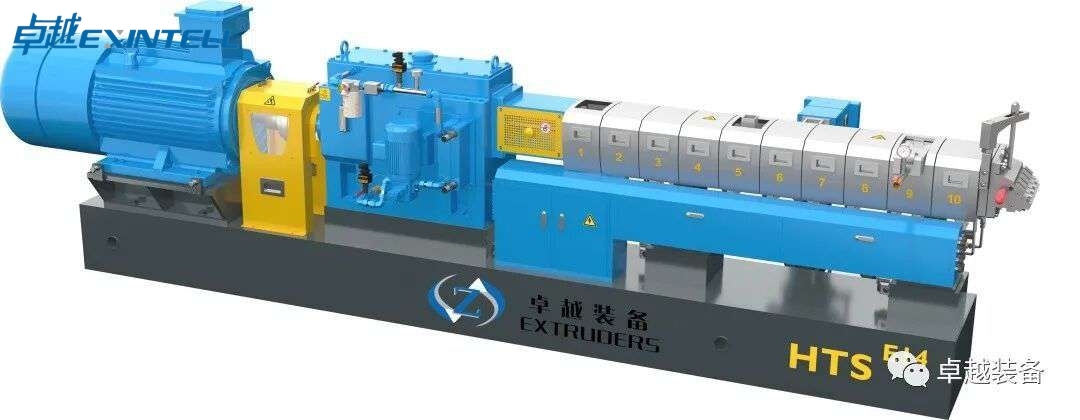
Lokacin da na yi magana da ƙungiyoyi masu tasowa waɗanda suke sababbi ga wannan kasuwa, abu na farko da na fayyace shi ne bambancin cewa shafukan tallace-tallace suna yin blur. Masana'antar injin batch ba kamfanin da ke samar da masterbatch ba. Kayan aiki ne da ke tsarawa, injiniyoyi, taruwa, kuma yana gwada tsarin extrusion da ake amfani dashi don yin masterbatch. Watau, yana gina kayan aikin da masterbatch ke saya da sarrafa su. A cewar wani tagwayen dunƙule extruder masana'anta na kansa buga tsari, Wannan aikin ya ƙunshi cikakken aikin injiniya na tsarin rayuwa na extrusion da ke ba da robobi, abinci, da masana'antun sinadarai (Jagorar Mai Bayar da Filastik Filastik B2B, 2025).
Factory Versus the Masterbatch Producer
Ina ganin yana da amfani don hoton kasuwanci daban-daban guda biyu a cikin sarkar samarwa. A gefe guda na zama babban furodusan, wanda ke narkar da guduro mai ɗaukar hoto tare da pigment ko filler kuma ya sayar da ƙãre mai da hankali ga masu yin fim da masu yin fim.. A daya gefen yana zaune masana'antar injin, wanda samfurin shine layin samar da masterbatch kanta. Mai samarwa abokin ciniki ne na masana'anta. rikitar da su biyun shine kuskure guda ɗaya da na fi kowa gani a cikin matakan farko, saboda yana jagorantar masu siye don kimanta ƙayyadaddun ƙayyadaddun da ba daidai ba kuma suna buƙatar samfuran da ba daidai ba.
Mahimmin fitarwa: Layin Twin Screw Extruder Lines
Ma'anar fitowar babban masana'anta na injina shine layin tagwayen dunƙule extruder. An tsara waɗannan layukan don iyalai na samfuran farko guda uku: launi masterbatch, baki masterbatch, da filler masterbatch. The co-juyawa tagwaye dunƙule extruder mamaye compounding saboda intermeshing dunƙule da ganga abubuwa isar da rarraba da tarwatsa hadawa cewa pigment tarwatsa yana bukatar.. Ƙirar-juyawa da ƙira, a cikin kunkuntar lokuta, Sau uku dunƙule extruders suna bayyana don takamaiman shear ko bayanin martaba na lokacin zama, amma layin haɗin haɗin haɗin gwiwa shine dokin aiki. Sikeli yana gudana daga lab tagwayen dunƙule ƙwanƙwasa a 25 mm dunƙule diamita, a 7.5 kW motor, kuma kusan 50 kg/h fitarwa (Jerin samfuran kasuwa, 2026) har zuwa high-torque masana'antu tsarin.
Iyawa a saman ƙarshen yana da darajar fahimta kafin ku yi shawarwari. AMFANIN, misali, rahotanni fiye da 2,500 layukan samarwa da ke gudana a cikin ƙasashe 70-plus, tare da jerin U+ ɗin sa yana kaiwa ga ƙarfin ƙarfi har zuwa 15 Nm/cm³ don haɓaka aiki mai girma (AMFANIN, 2026). Yawan karfin juyi shine kawai nawa karkatar da injin ke amfani da kowace naúrar ƙarar dunƙule; manyan lambobi suna ba ku damar tura ƙarin kayan aiki ko ƙaƙƙarfan ƙira ta sawun iri ɗaya. Injin UET, wani mai kaya, talla +/-0.5% extrusion daidaito, 20% tanadin makamashi, da kuma raka'a 1,500 da aka kawo (Injin UET, 2026). Ina ɗaukar lambobi kamar waɗannan azaman da'awar tabbatarwa yayin tantancewa, ba kamar yadda tabbatattun bayanai ba.
Me yasa Factory Type Siffofin Farashin da Tallafi
Maɓalli ɗaya yana canza kusan komai a ƙasa: ko kuna siye daga ainihin masana'anta ko daga kamfanin ciniki. An tabbatar, masana'anta da aka bincika sun mallaki injiniyan, da dunƙule da ganga element machining, da filin gwaji, wanda ke nufin goyan bayan lissafi da kuma farashin masana'anta-kai tsaye. Kamfanin ciniki ya sake sayar da kayan aikin wani kuma yana ƙara gefe yayin da sau da yawa ba shi da zurfin fasaha mai zurfi. Sabbin Injinan Filastik, misali, matsayi da kanta a matsayin masterbatch shuka masana'anta jaddada makamashi-inganci, m yi (Sabbin Injinan Filastik, 2025) - nau'in ingantaccen labari mai inganci wanda zaku iya tabbatarwa kawai a wurin samarwa na gaske. A koyaushe ina tabbatar da matsayin masana'anta kafin in tattauna farashin, saboda layi daya na iya ɗaukar jimlar farashin rayuwa daban-daban dangane da wanda ke tsaye bayan garanti da kayan gyara.
Yadda Aka Yi Masterbatch: Tsarin Bayan Injin
Ba zan iya kimanta injin kera na'ura ba tare da fahimtar abin da ya kamata ya cim ma ba, kuma bai kamata ku ba. Jerin masana'anta yana da rubuce sosai: masterbatch samarwa yana biye da awo, ciyarwa, narke hadawa, degassing, da pelletizing matakai (Polyfill, 2024). Kowane taswirorin mataki zuwa wani yanki na zahiri na extruder, don haka karanta zance zai zama mafi sauƙi da zarar kun haɗa tsarin zuwa kayan aikin.
Raw Material Auna, Dosing, da Ciyarwa
Layin yana farawa da gravimetric ko masu ciyarwa masu ƙarfi waɗanda ke mitar guduro mai ɗaukar nauyi, launi, da additives a cikin makogwaro na extruder. Daidaiton sayayya a nan yana sarrafa daidaiton kowane tsari da ya biyo baya. Wannan shi ne ainihin dalilin da ya sa da'awar +/-0.5% extrusion daidaito (Injin UET, 2026) al'amura a aikace: Feeder mai jan hankali yana samar da hankali na musamman wanda babu wani matakin ƙasa da zai iya daidaitawa.
Narke Cakuda, Watsewa, da Rarrabawa
Kamfanonin Extrusion Cikin ganga, screws masu jujjuya haɗin gwiwa suna isar da gauraya ta yankuna masu ƙarfi na ƙarfi da zafin jiki. Aiki sau biyu ne. Haɗin rarrabu yana bazuwar ƙari a ko'ina ta cikin matrix polymer, yayin da tarwatsa hadawa karya pigment ko filler agglomerates saukar zuwa aikin barbashi size. Tsarin abubuwan dunƙule da ganga, hade da samuwan karfin juyi, yana ƙayyade yadda layin ke samun nasara duka biyu lokaci guda. Polymer yana haɓaka ingancin rayuwa ko ya mutu a wannan sashe.
Degassing da Cire Danshi
Kamar yadda narke ya ci gaba, Tashar jiragen ruwa mara motsi suna cire volatiles, intrained iska, da danshi. Tsallakewa ko rage girman wannan matakin yana barin ɓarna da lahani a saman pellet na ƙarshe. Don masu dako na hygroscopic, degassing iya aiki ba na zaɓi, kuma yana ɗaya daga cikin abubuwan farko da nake dubawa lokacin da zance yayi kama da arha.
Pelletizing, Sanyi, da Packaging
A ƙarshe ana tilasta narkewar ta hanyar mutuwa kuma an yanke shi ta injin pelletizing na filastik - zaren-yanke ta hanyar wankan ruwa ko yankan fuska mai zafi., dangane da samfurin. Ana sanyaya fitar da granulator filastik, bushewa, kuma an haɗa su cikin ƙwanƙolin masterbatch da aka gama shirya don ƙirar. Layin extrusion na maɓalli yana haɗa duk waɗannan matakan, daga feeder zuwa tashar jaka, ƙarƙashin kunshin sarrafawa guda ɗaya.
Nau'o'in Masterbatch da Injinan Da Ke Kera Su
Ba kowane layin samarwa na masterbatch an gina shi iri ɗaya bane, kuma daidaita na'ura da samfurin shine inda ake yanke shawara mai kyau. A cikin kwarewata, Iyalai hudu da ke ƙasa kowannensu suna gabatar da buƙatu daban-daban akan mai fafutukar, kuma masana'antar da ta yi fice a ɗayan ba ta dace da wani ba kai tsaye.
Layin Masterbatch Launi
Launi Masterbatch shine samfurin mafi tarwatsawa. Dole ne a ruguza pigments na halitta da na halitta kuma a rarraba su daidai, ko mai ƙirƙira yana ganin ɗimbin ramuka da bambancin inuwa. Waɗannan layukan sun fi son ingantaccen juzu'i mai jujjuyawa juzu'i da sarrafa zafin jiki. Canje-canjen launi akai-akai kuma yana tura masana'antu zuwa ƙirar ganga mai sauƙi don iyakance ƙetare tsakanin gudu..
Black Masterbatch da Carbon Black Handling
Black masterbatch yana gudana a babban nauyin baƙar fata na carbon, kuma carbon baki ne abrasive, kura, da wuya a jika. Wannan yana buƙatar ingantaccen ciyarwar gefe don foda, taurare lalacewa saman akan dunƙule da abubuwan ganga, da kuma haɗakarwa mai ƙarfi don kawar da grit. Tsare ƙura a wurin ciyarwa shine aminci da inganci wanda ban taɓa mantawa da shi ba.
Filler Masterbatch (CaCO3) Layi don PP da PE
Filler masterbatch wanda aka gina akan filler CaCO3 yana mamaye manyan lodi - galibi yana sama 70% - a cikin nau'i na polypropylene (PP) ko polyethylene (PE). Jagorar Injin Filler Masterbatch yana nuna yadda wannan sashin ya ƙware, tare da keɓaɓɓun layukan da aka ƙera don yin lodi da kayan aiki waɗannan hanyoyin suna buƙata (Jagorar Mai Bayar da Filastik Filastik B2B, 2025). Babban abun ciki na filler yana haɓaka lalacewa, don haka waɗannan layukan suna jaddada abubuwan da ke jurewa abrasion da ƙarfin kayan aiki mai girma akan rarrabuwar launi mai kyau.
Ƙari da Farin Bambancin Masterbatch
Abubuwan da ake ƙarawa - UV stabilizers, anti-blocks, zamewa jamiái - da farin masterbatch dangane da titanium dioxide zaune tsakanin matsananci. Layukan ƙari galibi suna ba da fifiko a hankali, ƙwaƙƙwaran ƙarancin ƙarfi don kare sinadarai masu zafin zafi, yayin da farin masterbatch ya raba tsarin tarwatsa launi amma a mafi girman kayan kwalliya. Gane waɗannan bambance-bambancen yana hana ku siyan siyar da layin filler mai nauyi lokacin da layin ƙari zai yi aiki., ko ƙasa da ƙayyadaddun samfur don lalata.
Daidaita Samfur da Injin da Farashin
Kwatankwacin da ke ƙasa yana taƙaita yadda nau'in samfurin ke tafiyar da daidaitawa da farashi mai nuni. Kayan aiki a cikin wannan kasuwa an jera su gabaɗaya akan $10,000-$100,000 tare da MOQ ƙasa da saiti ɗaya. (Aiki / Jerin kasuwannin da aka yi-a-China, 2026), da Wanrooe Machinery's SJP biyu dunƙule masterbatch Lines an jera su a $10,000- $40,000 tare da rahoton. 67% sake yin oda (Aiki, 2026). Ina ɗaukar waɗannan azaman wuraren tunani, ba na ƙarshe ba.
|
Nau'in Masterbatch |
Mai ɗaukar nauyi na yau da kullun |
Bukatar inji mai mahimmanci |
Farashin layi mai nuni (dalar Amurka) |
|---|---|---|---|
|
Launi masterbatch |
PE, PP, PET, PS |
Fine pigment watsawa, ganga masu tsabta |
$30,000– $100,000 |
|
Bakar masterbatch |
PE, PP |
Carbon baki ciyarwar gefe, abubuwa masu jurewa lalacewa |
$25,000- $80,000 |
|
Filler masterbatch (CaCO3) |
PP, PE |
Babban lodi, juriya abrasion, babban kayan aiki |
$10,000– $40,000 |
|
Ƙara / farin masterbatch |
PE, PP, EVA |
Low-shear ko babban-TiO2 sarrafa watsawa |
$20,000– $70,000 |
|
Nau'in Masterbatch |
Mai ɗaukar nauyi na yau da kullun |
Bukatar inji mai mahimmanci |
Farashin layi mai nuni (dalar Amurka) |
|---|---|---|---|
|
Launi masterbatch |
PE, PP, PET, PS |
Fine pigment watsawa, ganga masu tsabta |
$30,000– $100,000 |
|
Bakar masterbatch |
PE, PP |
Carbon baki ciyarwar gefe, abubuwa masu jurewa lalacewa |
$25,000- $80,000 |
|
Filler masterbatch (CaCO3) |
PP, PE |
Babban lodi, juriya abrasion, babban kayan aiki |
$10,000– $40,000 |
|
Ƙara / farin masterbatch |
PE, PP, EVA |
Low-shear ko babban-TiO2 sarrafa watsawa |
$20,000– $70,000 |
Matsakaicin farashin da aka haɗa daga jeri na kasuwa (Aiki / Made-in-China, 2026); tabbatar a kan ingantattun ƙididdiga masu kaya don ainihin ƙirar ku da kayan aikin ku. Don faɗaɗa mahallin kasuwa, da Accio masterbatch masana'antu directory kuma filler masterbatch inji masana'anta shafukan kwatanta yadda daidaitawa da farashi ke canzawa ta dangin samfur.
Twin Screw Extruders: Zuciyar masana'anta
Lokacin da nake tafiya da mai siye ta kowace masana'antar injin batch, Kullum ina farawa a wuri guda: da twin dunƙule extruder. Duk sauran abubuwan da ke ƙasa akwai don ciyar da shi, goyi bayan shi, ko gama abin da yake samarwa. Idan extruder yayi kuskure don girke-girke, babu adadin pelletizing premium ko slick PLC iko da zai ceci layin. Don haka a nan ne ya kamata himmarku ta fara maida hankali.
Me yasa Juyawa Twin Screws mamaye Masterbatch Compounding
A cikin kwarewata, da co-juyawa tagwaye dunƙule extruder ne tsoho ga launi masterbatch, baki masterbatch, da ƙari mai da hankali aiki don dalili ɗaya: hadawa da rarrabawa. A intermeshing, screws masu shafan kai suna motsa abu a hanya ta takwas wanda ke wargaza agglomerates kuma ya yada pigment a ko'ina ta hanyar guduro mai ɗaukar hoto.. Wannan yana da mahimmanci ga rarraba pigment, inda baƙar fata baƙar fata ko titanium dioxide da ba ta da kyau ta bayyana a matsayin ƙofa a ɓangaren gamawar abokin ciniki.
Juyawa mai jujjuya juzu'i shima yana ba ku iko akan juzu'i da lokacin zama ba tare da dafa abubuwan da ke da zafi ba. Wannan sassaucin shine yasa USEON, wani tagwaye dunƙule extruder manufacturer da fiye da 2,500 layukan samarwa da ke gudana a cikin ƙasashe 70-plus, yana gina babban fayil ɗin sa mai haɗawa a kusa da dandamali masu jujjuyawa (AMFANIN, 2026, https://www.useon.com).
Haɗin Juyawa vs Halayen Haɗin Juyawa
Bambancin yana da amfani, ba ilimi ba. Anan ga yadda zan tsara shi don abokan ciniki waɗanda ke yanke shawara tsakanin daidaitawa.
- Co-juyawa extruder: sukurori juya hanya guda, kayan canja wuri tsakanin su, high rarraba hadawa, m ga polymer hadaddun da high-fitarwa masterbatch samar. Wannan shine dokin aiki don yawancin layukan haɗaɗɗiya.
- Mai jujjuyawa extruder: sukurori suna juya gaba da gaba, ƙirƙirar aikin kalanda a cikin nip. Isarwa mai ƙarfi mai ƙarfi da haɓakar matsa lamba, galibi ana fifita su don bayanan martaba na PVC masu zafi da wasu tsayayyen ayyukan gyare-gyaren extrusion, kasa na kowa don masterbatch.
- Sau uku dunƙule extruder: wani alkuki wani zaɓi cewa ƙara na uku dunƙule domin na musamman degassing ko surface sabuntawa. Ba kasafai nake ba da shawarar shi don samar da kayan aikin gabaɗaya ba sai dai idan mai siyarwa zai iya nuna muku tabbataccen hujjar tsari.
Kusan kowane launi, baki, da kuma filler masterbatch shirin na scoped, amsar ta sauka akan na'ura mai jujjuyawa. Juyawa-juyawa kawai yana samun wurin sa lokacin da ke da takamaiman PVC ko aikace-aikacen matsi mai matsi da ke jagorantar yanke shawara.
Modular Screw and Barrel Elements don Sauƙin girke-girke
Siffar mafi mahimmanci guda ɗaya a cikin madaidaicin extruder na zamani shine modularity. Abubuwan dunƙule da ganga waɗanda ke zamewa a kan madaidaicin sandar ya ba ku damar sake saita bayanin martaba lokacin da girke-girkenku ya canza.. Abubuwan da ke isarwa suna motsa abu, ɓangarorin cuku-cuku suna tarwatsa filaye kamar CaCO3, da hadawa abubuwa homogenize da narkewa.
Ina gaya wa masu siye su ɗauki wannan a matsayin tabbacin gaba. Idan kun fara da a 40% CaCO3 filler masterbatch a yau amma shirin turawa zuwa 70% lodawa ko ƙara mai da hankali kan harshen wuta a shekara mai zuwa, madaidaicin dunƙulewa yana ba ku damar daidaitawa ba tare da siyan sabon injin ba. Tambayi kowace masana'anta ta nuna muku kasidar abubuwan da kuma tabbatar da cewa abubuwan ba su da tushe maimakon fage guda ɗaya waɗanda ke kulle ku cikin farashin kayayyakin kayayyakinsu na rayuwar layin..
Ƙididdigar Ƙirar Maɓalli na Injin
Takaddun bayanai daga masana'antar injin batch suna yin binne lambobi waɗanda ke ƙarƙashin harshen talla. Anan zan fassara ƙayyadaddun ƙayyadaddun da ke hasashen aiki a zahiri, don haka za ku iya kwatanta da'awar masana'anta mai fitar da kaya akan kimiyyar lissafi maimakon kasida.
Parallel vs Conical Configuration da Inda Kowa Yayi Daidai
Geometries ganga biyu sun mamaye. Daidaitacce tagwaye sukurori suna kiyaye diamita akai-akai tare da tsayi kuma suna ɗaukar babban kayan aiki tare da daidaitaccen ƙarfi, wanda shine dalilin da ya sa suke kafa mafi yawan layin samar da masterbatch. Matsakaicin tagwayen sukurori suna matsa daga faffadan abinci zuwa kunkuntar fitarwa, tattara ƙarin juzu'i a cikin ƙaramin sawun ƙafa a ƙarshen ciyarwa. Injunan mazugi suna nunawa galibi a cikin PVC da aikace-aikacen ƙananan fitarwa. Don layi mai haɗawa da nufin launi ko filler masterbatch, a layi daya kusan koyaushe shine kiran da ya dace.
Ƙwaƙwalwar Torque da Haɗin sa zuwa Fitarwa da Haɗuwa
Yawan karfin juyi, an bayyana a cikin nm/cm³, shine bayanin da na fara dubawa. Yana auna ƙarfin karkatar da injin zai iya amfani da shi dangane da ƙarar dunƙulewa, kuma kai tsaye yana sarrafa yadda za ku iya haɗawa da ƙarfi da nawa fitarwa za ku iya ja a wani ingancin da aka bayar. Maɗaukakin juzu'i yana nufin zaku iya gudanar da manyan lodin filler da haɓakar polymer mai ƙarfi ba tare da dakatar da sukurori ba..
Don mahallin, USEON's U+ Series yana ba da juzu'i har zuwa 15 Nm/cm³, wanda ke zaune a babban aiki na ƙarshen kasuwa mai haɗawa (AMFANIN, 2026, https://www.useon.com). Lokacin da mai siyarwa ya faɗi ƙaramin ƙarfin juyi da babban fitarwa a cikin numfashi ɗaya, wannan tuta ce da ta cancanci bincike, saboda dole ne a daidaita su da dokokin na'ura, ba kwafin talla ba.
Matsakaicin Diamita da Girman Ma'aunin L/D don Ƙaddamar da Target
Fitar ma'auni na diamita na dunƙule. Lab tagwayen dunƙule extruder na iya gudanar da dunƙule 25mm akan injin 7.5kW yana samar da kusan. 50 kg/h (jeri samfurin kasuwa, 2026, https://www.made-in-china.com), yayin da injunan samarwa suka tashi ta hanyar 50mm, 65mm, 75mm kuma bayan zuwa layukan sa'o'i da yawa.
rabon L/D, tsayin dunƙule ya raba ta diamita, saita nawa sarrafa dukiya da kuke da shi. L/D mai tsayi yana ba da ƙarin ɗaki don narkewa, hadawa, ciyarwar gefe, da degassing a jere. Yawancin ƙasashen haɗin gwiwar masterbatch a cikin 36:1 ku 48:1 iyaka. Shorter L/D yana iyakance matakan tsari nawa zaku iya ɗauka tare da ganga; idan kana buƙatar mai ba da abinci na gefe da injin motsa jiki da famfo mai narkewa, kuna buƙatar tsawon lokacin da za ku karbi bakuncin su.
Ƙarfin Fitar da Sahihancin Da'awar Tabbatarwa
Fitowa ta zarce iyaka mai yawa, daga rukunin lab a ƴan kilogiram/h zuwa layukan masana'antu wanda ya wuce tan a awa ɗaya. Daidaita na'ura zuwa ainihin buƙatarku tare da tazarar haɓaka mai ma'ana, ba zuwa mafi girman lambar da mai siyarwa zai iya faɗi ba.
Gaskiya da da'awar inganci sun cancanci bincike. Injin UET, misali, talla +/-0.5% extrusion daidaito da kuma 20% tanadin makamashi sama da 1,500 isar da raka'a (Injin UET, 2026, https://www.uetmachine.com). Wadancan alkaluma ne masu sahihanci, amma koyaushe ina neman yanayin gwajin bayansu. Ƙimar tanadin makamashi da aka auna akan girke-girke ɗaya a cikin kayan aiki ɗaya bazai iya canzawa zuwa naka ba. Nemi takardar bayanan, da reference girke-girke, kuma da kyau a gwada shaida akan kayan ku kafin ku karɓi kowane ingantaccen da'awar azaman shigar da kasafin kuɗi.
Kayayyakin Tallafawa a cikin Cikakkun Layin Samar da Samfura
Injin ƙera masterbatch shine kawai tsakiya. Kayan aikin tallafi yana ƙayyade ko kuna samun layin extrusion na turnkey wanda ke aiki mai tsabta tsawon shekaru ko tarin abubuwan da ba su dace da juna ba waɗanda ke yaƙi da juna.. Tsarin masana'anta na masterbatch yana motsawa ta hanyar aunawa, ciyarwa, narke hadawa, degassing, da pelletizing (Polyfill, 2024, https://polyfill.com.vn/tsarin-manufacturing-na-masterbatch-yadda-aka-yi/), kuma kowane taswirorin mataki zuwa wani kayan aikin da kuke buƙatar tantancewa.
Ciyarwa, Gefe Feeders, da Loading High Filler
Guduro mai ɗaukar nauyin mitoci na Gravimetric, launi, da additives ta nauyi, wanda shine abin da ke kiyaye hankalin ku akan buƙatun manufa bayan tsari. Don filler masterbatch tare da nauyi CaCO3 ko baƙar fata na carbon, mai ciyar da gefe yana da mahimmanci. Yana gabatar da filler a ƙasa na farkon yankin narke don haka polymer ya riga ya narke kuma yana iya karɓar manyan lodi, wani lokacin 70% da sama, ba tare da mamaye babban abincin makogwaro ba. Idan kuna aiwatar da PP ko PE filler masterbatch a babban lodi, tabbatar da girman mai ciyarwar gefen kuma an sanya shi daidai akan ganga.
Vacuum Degassing da Narke Pumps
Tsarukan zubar da ruwa suna fitar da danshi da rashin ƙarfi daga narke, wanda ke da mahimmanci don samar da madaidaicin madaidaicin kuma ga kowane aikace-aikacen sake amfani da PET na extruder inda ragowar danshi ya lalata polymer.. Narke famfo, saka tsakanin extruder da mutu, yana ginawa kuma yana daidaita matsi don haka fitarwa ya tsaya tsayin daka ba tare da la'akari da ƙaramar hawa da sauka ba. Don aikin juriya, narkakken famfo ɗaya ne daga cikin ƙarin abubuwan da nake ba da shawara.
Zaɓuɓɓukan Pelletizing
Yadda kuke juya narke zuwa pellets suna siffan duka ingancin samfur da farashin aiki. Hanyoyi guda uku na gama-gari kowanne ya dace da bayanin martaba daban-daban.
| Nau'in pelletizer | Yadda yake aiki | Mafi dacewa | Ciniki-offs |
|---|---|---|---|
| Strand | Narke da aka zana a cikin madauri, mai sanyaya ruwa, sai a yanka | Launi da ƙari masterbatch, m girke-girke canje-canje | Mai aiki da hankali ga zaren zaren; babban sawun wankan ruwa |
| Karkashin ruwa | Yanke-fuska ya nutse cikin ruwa | Babban fitarwa, ci gaba da baki da filler masterbatch | Mafi girman farashi; ƙarin hadaddun farawa da canji |
| sanyaya iska | Mutuwar fuska tare da isar da iska, babu ruwa | Danshi-m ko kayan yankan zafi, ƙananan kayan aiki | Iyakar sanyaya iya aiki a babban fitarwa |
Don aiki mai mahimmanci na masterbatch yana tafiyar da canje-canje masu yawa, Yawancin lokaci ina nuna masu siye zuwa ga pelletizing strand don sauƙin sa. Layukan baƙar fata mai girma-ɗaya ko filler galibi suna tabbatar da injin pelletizing na ruwa na ƙarƙashin ruwa don ci gaba da fitar da shi..
Masu Canza allo, Dosing, da PLC Control
Mai canza allo yana tace gurɓatattun abubuwa da ƙazantattun abubuwa daga narke; mai ci gaba ko mai canza ruwa yana ba ku damar musanya fuska ba tare da dakatar da layin ba, wanda ke kare lokacin aiki. Raka'a na allurai, kamar yadda aka gani, mulkin girke-girke daidaito. Daure duka tare, tsarin kula da PLC na zamani yana daidaita farashin ciyarwa, yanayin zafi ganga, dunƙule gudun, fanko, da pelletizer, kuma yana yin rajistar bayanan da kuke buƙata don ingantaccen ganowa. Lokacin da na duba masana'anta, Ina neman tsarin sarrafawa wanda ke fallasa bayanan tsari maimakon ɓoye shi a bayan kwamiti mai kulle, saboda gaskiyar ita ce ke ba ku damar yin matsala da haɓaka da zarar layin ya kasance naku.
Wani bayanin kula cewa jerin kasuwanni ba safai suke fitowa ba: farashin ya faɗi ko'ina tare da iyawa. An jera cikakkun layin masterbatch daga kusan $10,000 ku $100,000 tare da mafi ƙanƙantar oda yawa ƙasa da saiti ɗaya (Aiki / Jerin kasuwannin da aka yi-a-China, 2026, Aiki), kuma Wanrooe Machinery's SJP layukan dunƙule biyu suna zaune a cikin $10,000 ku $40,000 band tare da sanarwa 67% sake yin oda (Aiki, 2026). Ina ɗaukar ƙimar sake yin oda azaman sigina mai amfani na gamsuwar mai siye, amma ban taba barin farashin kanun labarai ya tsaya ba don cikakken kimanta kayan aikin tallafi da aka kwatanta a sama, tunda a nan ne hakikanin rayuwa ta kashe rayuka.
Lab-Scale vs Samar da-Scale Machines
Ɗaya daga cikin tambayoyin farko da na tambayi kowane abokin ciniki shine ko suna buƙatar cikakken layin samarwa na masterbatch a rana ɗaya, ko kuma su fara kadan. Bambance-bambancen tsakanin ma'auni-lab-lab da layin haɗakarwa-ma'auni ba kawai girman girman ba ne. Yana canza bayyanar babban birnin ku, gudun ku zuwa kasuwa, da kuma yadda da ƙarfin gwiwa za ku iya ba da girke-girke ga ma'aikatan ku. A cikin kwarewata, samun wannan shawarar daidai yana adana ƙarin kuɗi fiye da kowane adadin haggling farashin daga baya.
Matsayin Lab da na gwaji a cikin ci gaban girke-girke
Lab tagwaye dunƙule extruder kayan aiki ne na farko da kuma samar da kadari na biyu. Lokacin da nake bugawa a cikin sabon nau'in launi mai launi ko gwada babban caco3 filler loading, Ina son kasawa da arha da sauri. Karamin mai jujjuyawa mai jujjuyawa yana ba ni damar daidaita abubuwan dunƙule da abubuwan ganga, dunƙule gudun, da farashin ciyarwa a cikin ɗimbin gwaji yana gudana ba tare da ƙone ta hanyar guduro mai tsada ba ko ɗaure babban layin da ya kamata ya kasance yana samun kudaden shiga.
Wannan yana da mahimmanci saboda ingantacciyar rayuwa ta masterbatch ko ta mutu akan tarwatsewar pigment. Ko kuna aiki tare da baƙar fata na carbon don baƙar fata masterbatch ko kayan kwalliyar halitta don launi, Layin lab shine inda zaku tabbatar da cewa abubuwan da kuke ƙarawa suna watsewa a ko'ina cikin polypropylene (PP) ko polyethylene (PE) mai ɗaukar nauyi kafin ku ƙaddamar da ƙara. Jerin masana'anta kanta, yin awo, ciyarwa, narke hadawa, degassing, da pelletizing, iri ɗaya ne a ma'auni biyu, wanda shine ainihin dalilin da yasa aikin lab ke fassara zuwa sama (Polyfill, 2024).
La'akari da sikelin daga matukin jirgi zuwa samarwa
Scale-up shine inda na ga masu siye suna tuntuɓe. Girke-girke wanda yayi kama da cikakke akan mai extruder na 25mm ba ya yin haifuwa ta atomatik akan injin samarwa 75mm, saboda zafi canja wuri, lokacin zama, kuma juzu'i na yin daban yayin da ƙarar ganga ke girma. Ka'idar da ke kiyaye sakamako daidai gwargwado ita ce kamanni na geometric da juzu'i: daidai L/D rabo da, mai zargi, karfin juyi tsakanin dakin gwaje-gwaje da sassan samarwa.
Yawan karfin juyi, an bayyana a cikin nm/cm³, shine ma'aunin yare a sarari na nawa haɗakar kuzarin dunƙule zai iya amfani da kowace naúrar ƙara. Layukan ayyuka masu girma kamar USEON's U+ Series suna kaiwa ga ƙarfi har zuwa 15 Nm/cm³ don buƙatar haɗawa (AMFANIN, 2026). Lokacin da na'urar extruder ɗin ku da abin fitar da ku ke raba madaidaicin magudanar ƙarfi, Math ɗin ku na sikelin ya fi dogaro sosai. Idan ba su yi ba, yi tsammanin sake haɓaka girke-girke akan na'ura mafi girma, wanda ya karya manufar shari'ar. A koyaushe ina tambayar masana'antar Injin Masterbatch mai zuwa ko an tsara dakin gwaje-gwaje da dandamalin samarwa don daidaitawa tare.
Ƙirar farashin rukunin dakin gwaje-gwaje da ƙayyadaddun bayanai
Lab da gwaji extruders sun mamaye wani matakin farashin daban fiye da layin samarwa. A representative lab twin screw extruder runs around 25mm screw diameter, Motar 7.5kW, and roughly 50kg/h output (marketplace listing, 2026), which is enough for meaningful trials but modest for commercial volume. Production masterbatch making machines and full lines, da bambanci, are listed broadly at $10,000 ku $100,000 with MOQ as low as one set across marketplace catalogs (Aiki / Made-in-China, 2026), and specialized double screw lines such as Wanrooe’s SJP series sit in the $10,000 ku $40,000 band with a 67% sake yin oda (Aiki, 2026).
| Siffa | Lab / experimental | Production scale |
|---|---|---|
| Manufar farko | Ci gaban girke-girke, pigment dispersion trials | Fitowar kasuwanci ta ci gaba |
| Typical screw diameter | ~25mm | 50–75mm and up |
| Typical output | ~50kg/h | Hundreds of kg/h to multiple tons/h |
| Farashin mai nuni | Lower capital tier (small motor, single line) | $10,000–$100,000 per line (Aiki / Made-in-China, 2026) |
| Material cost per trial | Ƙananan | Babban |
| Key buying criterion | Flexibility and matched torque density | Throughput capacity and uptime |
Lokacin da za a saka hannun jari a layin lab tare da gwaji na waje
Ƙa'idar babban yatsa na kai tsaye. Idan kun gudanar da canje-canjen girke-girke akai-akai, ci gaba na mallaka formulations, ko gasa akan launi na al'ada da filler masterbatch, Mallakar layin lab yana biya don kansa ta hanyar kare dukiyar ku ta hankali da rage yanayin ci gaban ku. Idan kewayon samfurin ku yana da ƙarfi kuma kuna ƙirƙira lokaci-lokaci kawai, gwajin fitar da kayayyaki zuwa wurin matukin jirgi shine mafi wayo na amfani da jari, muddin kun tabbatar da cewa kayan aikin lab na mai kaya sun raba karfin juzu'i da halayen L/D na layin samarwa da kuke son siye.. Zaɓin hanyar da ba ta dace ba a nan babban yanke shawara ne na babban abin dogaro wanda ke ruɗar da kayan aiki, amfani da makamashi, da mahadi ingancin shekaru (Jagoran Mai siye, 2026).
Yadda Ake Faɗi Gaskiyar Masana'anta Daga Kamfanin Kasuwanci
Filastik Manufacturer Manufacturer Wannan shine sashin da nake fatan ƙarin masu siye su karanta kafin saka ajiya. Babban rabo na “masana'anta” Lissafi akan layi kamfanoni ne na kasuwanci waɗanda ke sake siyar da wasu bita’ inji. Babu wani abu da ba daidai ba tare da kyakkyawan abokin ciniki, amma kuna biya musu riba, kuma ba za su iya gyara layinku da karfe uku na safe ba. Lokacin da na gwada Masana'antar Injin Masterbatch, Ina neman shaida cewa kamfanin ke tsarawa, injiniyoyi, taruwa, da kuma gwada nata extrusion tsarin (Jagorar Mai Bayar da Filastik Filastik B2B, 2025). Anan ga tsarin tsaka-tsakin mai siyarwa da nake amfani dashi.
Ingantattun siginonin masu kaya da tantance masu sana'a
Fara da alamar dandamali, amma kar a tsaya nan. A “mai tabbatarwa” ko “wanda aka duba masana'anta” alama akan kasuwa yana nufin wani ɓangare na uku ya ziyarci adireshi, ba wai adreshin yana samar da ainihin samarwa ba. I treat these as a starting filter and then demand corroborating evidence. Genuine factories can produce a business license that matches their manufacturing scope, export records, and serial-numbered delivery history. Installed-base claims are a useful signal when they are specific: USEON cites 2,500+ production lines running in 70+ kasashe (AMFANIN, 2026), and UET Machine advertises 1,500+ units delivered alongside ±0.5% extrusion accuracy and 20% tanadin makamashi (Injin UET, 2026). Specific, verifiable numbers beat vague superlatives every time.
Reviewing R&D capacity, OEM/ODM ability, and own-brand status
A real factory carries its own engineering. I ask to see the R&D tawaga, CAD and simulation capability, and the in-house ability to cut screw and barrel elements rather than buy them in. OEM/ODM capability is the clearest tell: a true manufacturer can modify screw configuration, tsayin ganga, and L/D ratio to suit your color, baki, ko aikace-aikacen filler masterbatch. Kamfanin kasuwanci zai yi shakka, jinkirta, ko kuma a faɗi lokutan jagorar da ba su da tabbas saboda baya sarrafa taron bita.
Matsayin alamar kansa wani alama ne. Masu kera kamar Sabbin Injinan Filastik suna sanya kansu a kusa da na mallakar su, makamashi mai inganci, m yi (Sabbin Injinan Filastik, 2025), wanda kawai yana da ma'ana lokacin da kuka gina kayan aikin da kanku. Idan mai sayarwa ba zai iya bayyana falsafar ƙira ta kansa a cikin fasaha ba, Na zama mai hankali.
Neman sararin bene na masana'anta da shaidar iya samarwa
Nemi hujja, ba sifa ba. Ina buƙatar takaddun yanki na ƙasa, hotuna da bidiyo kai-tsaye na wuraren taro, kayan aikin injin, da jerin gwano na aiki a halin yanzu. Maginin layin haɗin gwiwa na gaske zai nuna muku juzu'in tagwayen dunƙule tagwaye da jujjuyawar juyi a ƙasa tare da lambobi. I also ask for throughput capacity records: how many lines they ship per month and the lead time at current load. The reorder rate is a quiet but powerful indicator; Wanrooe’s 67% reorder rate on its SJP lines (Aiki, 2026) signals repeat-customer trust that a pure reseller rarely earns.
A quick live-audit checklist
- Request a real-time video call from the production floor, not a pre-recorded reel.
- Match the business license scope to actual manufacturing activity.
- Ask to see machining of screw and barrel elements in-house.
- Confirm a test bay where finished lines run trial pelletizing before shipment.
- Cross-check installed-base and export claims against named references.
Why direct factory sourcing affects price and after-sales
Factory direct sale changes two things that matter for years. Na farko, farashin: saya daga magini yana kawar da gefen ciniki, kuma mai kera kayan fitar da kaya na iya yin magana akan tsarin farashi na gaskiya. Na biyu, kuma mafi mahimmanci, bayan-tallace-tallace. Lokacin da injiniyoyi iri ɗaya waɗanda suka ƙera injin pelleting ɗinku na filastik suna kula da kayan gyaran ku da kuma magance matsalar nesa, downtime shrins. Dole ne mai shiga tsakani na ciniki ya miyar da kowace tambaya ta fasaha zuwa farkon bita, wanda ya kara kwanakin da ba za ku iya biya ba lokacin da layin samarwa ba shi da aiki. Wannan rayuwar rayuwa ta tsadar gaske, jeri na kasuwa kusan ba a ƙididdige su ba, shine ainihin dalilin da yasa na tura abokan ciniki zuwa ga tabbatarwa, dangantaka kai tsaye daga masana'anta.
Takaddun shaida da Matsayin Inganci da ake buƙata
Takaddun shaida sune inda amana ta hadu da takarda, kuma takarda za a iya karya. Kamfanonin kasar Sin suna yin misali da CE, Farashin SGS, BV, da ISO9001 (UDTECH, 2025), kuma duk hudun suna da ma'ana idan na gaske. Aiki na, da naku, shine buƙatar waɗanda suka dace don kasuwar ku sannan ku tabbatar da su maimakon karɓar tambari akan PDF. Wannan yana da mahimmanci musamman ga masu siyan Amurka, wanda kuma ke buƙatar sanya jadawalin kuɗin fito da bitar yarda da shigo da kaya akan takaddun takaddun da ke ƙasa, gibin da microsites na Asiya ba kasafai suke magance shi ba.
Alamar CE don injuna ana siyar da su zuwa kasuwannin da aka tsara
Idan ana shigo da ku zuwa yankin tattalin arzikin Turai, Alamar CE ba zaɓi bane. Yana bayyana daidaituwa tare da amincin injin EU da umarnin dacewa da lantarki, sutura mai gadi, gaggawa ta tsaya, da amincin lantarki akan mai fitar da ku na masterbatch. Ina ɗaukar CE azaman ƙofar aminci ta tushe: ba tare da shi ba, layin da aka sayar a cikin kayyade kasuwa ba ya bin ka'ida ba tare da la'akari da yadda yake aiki ba. Don tura sojojin Amurka, CE is reassuring but not sufficient; I separately confirm that electrical components meet local code and that the relevant safety standards are satisfied.
ISO 9001 tsarin gudanarwa mai inganci
ISO 9001 certifies the factory’s quality management system, not any single machine. It tells me the manufacturer has documented, audited processes for design, sayayya, taro, and inspection. A aikace, da ISO 9001 factory is more likely to deliver consistent screw geometry and repeatable build quality across a batch of lines, which is what you want when you are scaling a masterbatch production line. I read it as evidence of process discipline rather than a product guarantee.
SGS and BV third-party inspection roles
SGS and Bureau Veritas (BV) are independent inspection bodies. Their value is that they are not the seller. A pre-shipment inspection by SGS or BV can verify that the machine you ordered, with the agreed screw diameter, motor rating, da kuma iya aiki, is the machine being crated. I routinely recommend commissioning a third-party inspection for first-time orders or high-value turnkey extrusion lines. The inspection report becomes your objective record if a dispute arises, and it costs a fraction of a single day of unplanned downtime.
How to verify certificates rather than take them at face value
A certificate image proves nothing on its own. Here is the verification routine I follow, in order:
- Read the certificate number, jiki mai bayarwa, iyaka, and expiry date directly from the document.
- Verify the number on the issuing body’s own database. ISO certificates can be checked against the accredited registrar; SGS and BV reports can be confirmed by contacting the issuer with the report reference.
- Tabbatar da iyakar haƙiƙa ya ƙunshi kera injina, ba wani aiki mara alaƙa ba. Iyakar da ba ta dace ba tuta ce ta gama gari.
- Daidaita sunan mahaɗan doka akan takaddun shaida ga mahaɗan akan daftarin ku da kwangilar ku. Kamfanonin ciniki akai-akai suna gabatar da takardar shaidar masana'anta da ba nasu ba.
- Tilas CE, nemi Bayanin Daidaitawa da fayil ɗin fasaha mai goyan baya, ba kawai alamar ba, tunda CE ta fi yawan ayyana kanta kuma fayil ɗin shine inda abun yake rayuwa.
Lokacin da mai sayarwa ya ba da cikakken haɗin kai tare da wannan tsari, Amincina ya tashi sosai. Lokacin da suka ƙi ko ba da hotuna marasa ƙarfi kawai, Na dauki hakan a matsayin amsar. Haɗa takaddun shaida na gaske tare da tsarin tantance masana'anta a sama shine, a cikin kwarewata, the most reliable way to source a masterbatch making machine that performs as promised across its full service life, whether you are running a PET recycling extruder, a triple screw extruder, or a standard co-rotating compounding line.
Understanding Masterbatch Machine Pricing
When buyers first ask me what a masterbatch making machine “should” farashi, Ina gaya musu amsar gaskiya: there is no single number, only bands that map to scale and capability. Marketplace listings put complete masterbatch manufacturing plants anywhere from $10,000 ku $100,000, with minimum order quantities sometimes as low as a single set (Aiki / Jerin kasuwannin da aka yi-a-China, 2026). That spread is enormous, and understanding what moves you from one end to the other is the difference between a confident purchase and an expensive guess. Eu Plastics Recycling Ambassador
The Three Price Bands I Use to Frame a Quote
A aikace, I group masterbatch extruder offers into three working bands. They are not rigid, but they give a buyer a fast reality check against any quote that lands in the inbox.
- Lab and pilot units (karkashin $10,000): A typical lab twin screw extruder specs out at a 25 mm dunƙule diamita, a 7.5 kW motor, kuma kusan 50 kg/h fitarwa (Jerin samfuran kasuwa, 2026). These are for recipe development, pigment dispersion trials, and small-batch additive concentrate work, not continuous commercial production.
- Mid-range production lines ($10,000-$40,000): This is where most filler and color masterbatch buyers actually shop. Wanrooe Machinery, misali, lists SJP double screw masterbatch lines in the $10,000-$40,000 iyaka (Aiki, 2026). A line in this band usually pairs a co-rotating extruder with a feeding system, a water-bath or air-cooled plastic pelletizing machine, and a basic control package.
- Full and turnkey lines ($50,000-$100,000+): Once you specify high-torque compounding, gravimetric feeding, automated screen changers, and a complete compounding line with integrated material handling, you are in turnkey territory. The price reflects engineering, not just steel.
What Actually Drives the Cost
Three variables explain most of the gap between a $15,000 line and a $90,000 one, and I weigh all three before I trust any quote.
Torque Class and Screw Geometry
Torque density is the single biggest cost lever in a twin screw extruder. Higher torque per unit of volume lets you push more filler, run higher throughput, and protect output quality under load. USEON’s U+ Series, misali, delivers torque up to 15 Nm/cm³ don haɓaka aiki mai girma (AMFANIN, 2026). High-torque gearboxes and hardened screw and barrel elements cost real money, but they are what separate a machine that handles 70% CaCO3 filler masterbatch from one that stalls on it.
Automation and Process Control
Sarrafa hannu tare da rufaffiyar madauki gravimetric dosing yana canza duka farashi da tattalin arziƙi a ƙasa. Injin UET yana talla +/-0.5% daidaito extrusion tare da kusan 20% tanadin makamashi akan layin sa (Injin UET, 2026). Wannan daidaiton siffa ce ta atomatik da kuke biya don gaba kuma ku dawo daga baya a cikin ƙarancin girke-girke da kuka ƙi.
Cikakken Layi
Mai fitar da dandali da layin extrusion na turnkey sayayya daban-daban ne. Masana'antar Masterbatch tana bin ƙayyadadden jeri na awo, ciyarwa, narke hadawa, degassing, da pelletizing Twin Screw Extruder Barrel (Polyfill, 2024). Kowane mataki ka nemi masana'anta don samarwa da haɗawa, maimakon tushen kanka, yana ƙara wa adadi da aka ambata amma yana cire haɗarin haɗin kai daga gefen ku.
Gaskiyar MOQ da Factory-Direct vs. Farashin Wurin Kasuwa
Labari ɗaya da nake gyara sau da yawa shine cewa dole ne ku yi oda da yawa. Don babban kayan aiki, MOQ akai-akai saiti ɗaya ne (Aiki / Jerin kasuwannin da aka yi-a-China, 2026), which means a growing compounder can buy one masterbatch production line at a time and scale deliberately.
On pricing channels, the dynamic is worth understanding. A marketplace listing often reflects a reseller margin or a lead-generation markup, while a factory-direct sale from an audited manufacturer can be both cheaper and more configurable. The tradeoff is that a verified supplier on a marketplace gives you a paper trail and dispute mechanisms, whereas factory-direct depends on your own diligence. I generally use marketplaces to benchmark price and shortlist, then negotiate directly with the factory once I have identified a credible wholesale extruder manufacturer.
| Mataki | Farashin Nuni | Typical Capability | Mafi dacewa |
|---|---|---|---|
| Lab / naúrar matukin jirgi | Under $10,000 | 25 mm dunƙule, 7.5 kW, ~ 50 kg/h | Recipe trials, pigment dispersion R&D |
| Mid-range line | $10,000-$40,000 | Twin dunƙule + pelletizer + asali controls | Launi, baki, and filler masterbatch SMEs |
| Full / turnkey line | $50,000-$100,000+ | High torque, gravimetric feed, sarrafa kansa | Babban girma, high-spec compounding |
Figures synthesized from Accio / Jerin kasuwannin da aka yi-a-China (2026) and a marketplace lab-unit listing (2026).
Total Lifecycle Cost Beyond the Purchase Price
The sticker price is the part of the decision I trust least, because it is the smallest cost over a machine’s life. A masterbatch extruder that runs 24/7 accumulates energy, wear-part, and quality costs that can dwarf the original invoice within a couple of years. This total lifecycle view is precisely what marketplace listings leave out, and it is where a disciplined buyer wins.
Specific Energy Consumption and Round-the-Clock Running Cost
Takamammen amfani da makamashi, the kilowatt-hours required per kilogram of compound, is the metric I model first. On a line running continuously, even a modest efficiency edge compounds quickly. UET Machine cites roughly 20% energy savings on its extrusion lines (Injin UET, 2026); on a 24/7 schedule, a difference of that magnitude can shift annual electricity spend by a meaningful share of the original purchase price. I ask every factory for kWh/kg figures at my expected throughput, not just installed motor power, because installed power tells you the ceiling, not the operating reality.
Sauya Sashe-Sashe don Skru da Ganga
Screw and barrel elements are consumables in any honest accounting, especially when you process abrasive fillers. Carbon black for black masterbatch and CaCO3 for filler masterbatch are both hard on flights and liners. I budget for periodic replacement of these elements and confirm two things before purchase: that the manufacturer uses wear-resistant alloys, and that spares are stocked and shippable without long lead times. A machine positioned around durable, energy-efficient construction, as New Plast Machinery describes its masterbatch plants (Sabbin Injinan Filastik, 2025), only delivers on that promise if replacement parts remain available years later.
Downtime Cost From Mismatched or Torque-Limited Machines
The most painful lifecycle cost I see is downtime created by buying under-specified. A torque-limited co-rotating extruder asked to run a high-filler recipe will trip, overheat, or simply cap your output below the line’s rated capacity. Choosing the right twin screw extruder supplier is a high-leverage capital decision precisely because it affects throughput, amfani da makamashi, and compound quality together (Sama 15 Jagorar Mai Siye Twin Screw Extruder Manufacturers, 2026). Every hour a mismatched line sits idle is lost margin, and that loss never appears on the quote you compared.
Recipe-Reject and Quality-Consistency Economics
Consistency is money. When dosing accuracy drifts, you produce off-spec additive concentrate that gets downgraded or scrapped, and you consume carrier resin and pigment for product you cannot sell at full value. This is why I value the +/-0.5% extrusion accuracy that UET Machine advertises (Injin UET, 2026): tighter control means fewer recipe rejects, steadier polymer compounding, and a lower effective cost per saleable kilogram. Over a machine’s life, reject economics often matter more than the few thousand dollars separating two comparable quotes.
Evaluating Supplier Experience and Track Record
Specs and price get you a shortlist; track record tells you who will still answer the phone when a barrel needs replacing in year three. A twin screw extruder factory that designs, injiniyoyi, taruwa, and tests its own systems for the plastics, abinci, da masana'antun sinadarai (Jagorar Mai Bayar da Filastik Filastik B2B, 2025) is a different counterparty from a trading house reselling unbranded equipment. Here is how I read the signals.
Years in Operation and Installed-Base Claims
Installed base is the most credible proxy for reliability, because it represents machines that customers actually bought and kept running. USEON reports 2,500+ production lines operating across 70+ kasashe (AMFANIN, 2026), and UET Machine cites 1,500+ an kawo raka'a (Injin UET, 2026). I treat these as starting points to verify, not endpoints to trust blindly. A large installed base across many countries suggests a manufacturer has navigated diverse voltages, climates, and service expectations, which is exactly what you want from a long-term partner.
Reorder Rate as a Repeat-Customer Trust Signal
If I could see only one metric, I would often choose reorder rate. It is hard to fake, because repeat purchases mean prior customers were satisfied enough to spend again. Wanrooe Machinery, misali, lists a 67% reorder rate on its masterbatch line listings (Aiki, 2026). A high reorder rate tells me the after-sales relationship, not just the first sale, holds up. I weigh it more heavily than star ratings, which are easier to inflate.
Reference Projects and Countries Served
I always ask for reference projects in my own region or industry, ideally with the ability to contact a past buyer. Countries served is useful context, but a named project that resembles my application, similar throughput capacity, similar carrier resin, similar recipe, is far more persuasive. A factory confident in its work will share references; reluctance is itself a data point.
Interpreting Interested-Customer and Rating Metrics on Marketplaces
Marketplaces surface vanity metrics, and I read them carefully rather than literally. “Interested customer” counts and inquiry volumes measure listing visibility and promotion budget, not product quality. Ratings can be thin or selectively curated. I cross-check any marketplace profile against independent signals: verified or audited supplier status, the certifications a factory holds, and the depth of technical documentation it provides. Common certifications cited by Chinese factories include CE, Farashin SGS, BV, da ISO9001 (UDTECH, 2025); I confirm those are current and issued for the specific equipment, not a different product line. When marketplace metrics and verifiable track record point the same direction, I have confidence. When they diverge, I trust the harder evidence, installed base, sake yin oda, and references, every time.
China, Turai, da Indiya: Comparing Sourcing Regions
When I help clients shortlist a Masterbatch Machine Factory, labarin kasa yana daya daga cikin masu canji na farko da nake aunawa. Where a twin screw extruder is engineered and assembled shapes its price, its support model, and the total cost you carry over a decade of operation. The three regions I source from most often each solve a different part of the equation, and the right answer usually depends less on the country than on the recipe, kayan aiki, and support expectations you bring to the table.
China: dense clusters and aggressive pricing
China remains the volume engine for masterbatch making machines, and the reason is structural. Manufacturing concentrates in clusters such as Zhangjiagang in Jiangsu and the Guangdong corridor, where extruder builders, screw and barrel element machinists, gearbox suppliers, and pelletizing specialists sit within short driving distance of each other. That density compresses lead times for components and keeps capital costs low. Marketplace listings put complete masterbatch production lines in a broad $10,000 ku $100,000 band, with minimum order quantities as low as a single set (Aiki / Jerin kasuwannin da aka yi-a-China, 2026).
The established Chinese names back the price story with deployment scale. USEON reports more than 2,500 layukan samarwa da ke gudana a cikin ƙasashe 70-plus, with its U+ Series twin screw extruders rated to torque up to 15 Nm/cm³ for demanding compounding work (AMFANIN, 2026). UET Machine advertises ±0.5% extrusion accuracy, kusan 20% tanadin makamashi, and over 1,500 an kawo raka'a (Injin UET, 2026). Wanrooe Machinery lists SJP double screw masterbatch lines at $10,000 ku $40,000 and reports a 67% sake yin oda, which I read as a useful proxy for repeat-buyer satisfaction (Aiki, 2026). A cikin kwarewata, the price advantage is real, but it widens the spread between a verified supplier and a marginal one, so factory vetting matters more here than anywhere else.
Turai: engineering depth and energy efficiency
European builders compete on a different axis. Rather than headline price, they lead on process engineering, ƙarfe, da ingantaccen makamashi, which is where high-value color masterbatch, engineering-polymer compounding, and tightly specified additive concentrate work tends to gravitate. When a client needs guaranteed pigment dispersion at high loadings or documented energy performance for a corporate sustainability target, I steer them toward European engineering first. The premium is meaningful, often a multiple of comparable Chinese capital cost, but for sensitive formulations the lower scrap rate and tighter process window can repay it.
Indiya: cost-effective regional supply
India has matured into a credible third option, especially for buyers serving South Asian, Gabas ta Tsakiya, and African markets where proximity trims freight and simplifies after-sales logistics. Sabbin Injinan Filastik, misali, positions itself as a masterbatch plant manufacturer focused on energy-efficient, m yi (Sabbin Injinan Filastik, 2025). Indian factory-direct pricing typically lands between Chinese and European levels, and for filler masterbatch lines running CaCO3 filler into polypropylene (PP) ko polyethylene (PE) guduro mai ɗaukar nauyi, the value proposition is strong. I find Indian suppliers most compelling when regional service coverage outweighs the last increment of process precision.
Reading the tradeoffs together
No region wins on every dimension. China gives you the lowest entry price and the deepest cluster of plastic pelletizing machine and granulator specialists, but support quality varies and warranty enforcement across borders takes diligence. Europe gives you engineering certainty and energy performance at a premium with longer queues. India splits the difference and adds regional logistics advantages for nearby markets. The comparison below summarizes how I frame those choices for clients.
| Factor | China | Turai | Indiya |
|---|---|---|---|
| Typical capital cost | $10,000–$100,000 per line (Aiki, 2026) | Premium, often 2–4× comparable China spec | Tsakanin zango, between China and Europe |
| Ƙarfin farko | Farashin, cluster density, scale of deployment | Process engineering, makamashi yadda ya dace | Regional supply, balanced value |
| Manufacturing clusters | Zhangjiagang, Guangdong | Distributed specialist builders | Growing domestic base |
| Mafi dacewa | Cost-sensitive volume, standard recipes | High-value compounding, m haƙuri | South Asia / MEA regional demand |
| Support consideration | Mai canzawa; vet warranty and remote support | Strong but distance and cost add up | Closer service for regional buyers |
Marketplace breadth is easy to confirm for yourself on the major China masterbatch making machine listings, which I treat as a starting reference rather than a vetting tool.
Keɓancewa, OEM, and ODM Options
A masterbatch extruder is rarely a true off-the-shelf purchase. The reason I emphasize customization early is that the masterbatch manufacturing process itself dictates the machine. Production follows a defined sequence of weighing, ciyarwa, narke hadawa, degassing, da pelletizing (Polyfill, 2024), and each recipe stresses those stages differently. A black masterbatch line loading carbon black behaves nothing like a filler masterbatch line packing CaCO3 into PE, which in turn differs from a fine color masterbatch line chasing pigment dispersion. The factory configures the screw and barrel elements, masu ciyar da abinci, yankunan zafi, and pelletizer to match your specific formulation and target throughput capacity.
Configuring lines to recipe and throughput
The core engineering decision is co-rotating versus counter-rotating geometry, and occasionally a triple screw extruder for specialized dispersion. Co-rotating twin screw extruders dominate masterbatch compounding because their modular elements give you control over shear and residence time. When I scope a line, I push for a throughput target with a realistic recipe attached, because a vendor cannot size the motor, gearbox, or pelletizer honestly without both. A small lab-scale reference makes the point: a 25mm screw, 7.5kW motor unit might output around 50kg/h (jeri samfurin kasuwa, 2026), whereas a production line for the same recipe could be an order of magnitude larger. Sizing to your actual carrier resin and additive load avoids the two most expensive mistakes I see, which are buying surplus capacity you never use and buying a line that throttles your output the day you scale.
Wutar lantarki, launi, marufi, and branding
Beyond process engineering, several practical customizations are routine and worth specifying in writing. Electrical configuration should match your local supply, so confirm voltage, lokaci, and frequency rather than assuming. Control HMI language, machine paint color, crate and packaging specifications for your freight route, and logo or nameplate branding are all standard requests that a competent factory accommodates without drama. None of these are exotic, but pinning them down in the purchase order prevents the small surprises that delay commissioning.
OEM versus ODM scope and IP
It helps to be precise about which arrangement you are buying.
OEM: your brand, their proven design
Under an OEM arrangement, the factory manufactures an established design and applies your branding. Kuna samun isarwa da sauri da ƙananan haɗarin injiniya saboda ƙirar ta riga ta inganta, amma ba ku mallaki dukiyar ilimi ba. Wannan ya dace da masu siyarwa da masu haɗawa waɗanda ke son ingantacciyar injin yin masterbatch a ƙarƙashin lakabin nasu.
ODM: haɗin gwiwa ko ƙirar ƙira
Karkashin ODM, masana'anta suna haɓaka zane don ƙayyadaddun ku, wanda zai iya haɗawa da tsarin mallakar mallaka san-yadda kuke ba da gudummawa. Anan nace abokan ciniki suna magance ikon mallakar IP a sarari a cikin kwangilar, rufe wanda ya mallaki sakamakon zane, ko masana'anta na iya sayar da ita ga wasu, da kuma yadda ake kare bayanan tsararrun ku. Shakku a kan waɗannan abubuwan shine inda rigima ke farawa, don haka ina ɗaukar bayyanannun IP da ƙayyadaddun bayanan sirri a matsayin waɗanda ba za a iya sasantawa ba.
Yadda keɓancewa ke shafar lokacin jagora da farashin
Keɓancewa ba kyauta ba ne a cikin lokaci ko kuɗi. Standard or lightly modified lines ship fastest because the factory builds from a known bill of materials. Each bespoke element, whether a non-standard degassing arrangement, an unusual feeder configuration, or a fully ODM screw profile, adds engineering hours, may introduce long-lead components, and raises the price. In my experience the practical rule is simple: standardize everything that does not affect your competitive process, and customize only what genuinely does. That discipline keeps both budget and schedule under control.
Lokacin Jagoranci, Dabaru, and Commissioning
Choosing the right twin screw extruder supplier is a high-leverage capital decision affecting throughput, amfani da makamashi, and compound quality (Sama 15 Jagorar Mai Siye Twin Screw Extruder Manufacturers, 2026), and the period between signing and steady-state production is where that decision either pays off or unravels. A twin screw extruder factory designs, injiniyoyi, taruwa, and tests extrusion systems before they ever leave the floor (Jagorar Mai Bayar da Filastik Filastik B2B, 2025), so I plan the whole timeline backward from your production start date rather than forward from the order.
Typical manufacturing and delivery timelines
Timelines vary with complexity, but I work from a few reliable anchors. A standard or lightly configured masterbatch production line commonly takes a couple of months to manufacture and factory-test; a heavily customized or ODM line can run materially longer once you add engineering and long-lead components. Ocean freight from Asia to North America or Europe typically adds several more weeks door to port, plus inland transport and customs clearance. For US buyers I always fold tariff and compliance review into this window, because duty classification and import documentation are not covered on most Asian supplier pages and can stall a shipment that was otherwise on schedule. Build the schedule with realistic buffers at each handoff and you avoid the cascade where one slip pushes your launch by a quarter.
Jirgin ruwa, shigarwa, and commissioning planning
Logistics planning starts before the line is even crated. I confirm container type and dimensions against the machine footprint, define Incoterms so responsibility for freight, inshora, and customs is unambiguous, and verify that your site is ready, meaning foundations, electrical supply matched to the agreed voltage, compressed air, ruwan sanyi, and material handling access. Commissioning is the structured sequence of uncrating, sakawa, connecting utilities, running mechanical and electrical checks, and then trialing the actual recipe to confirm output and quality against the contract. I treat a documented factory acceptance test before shipment as the gate that makes on-site commissioning predictable rather than improvised.
Operator training and documentation
A line only delivers its rated performance if the people running it understand it. I require operator training as part of commissioning, covering startup and shutdown procedures, recipe changeovers, routine maintenance of screw and barrel elements, and basic troubleshooting. Equally important is complete documentation in a language your team reads: operating manuals, electrical and mechanical drawings, a spare parts list with part numbers, and maintenance schedules. Insist on these as deliverables in the contract. When documentation is thin, every future fault becomes a long-distance support ticket, which is exactly the dependency you want to minimize.
Coordinating overseas factory support during startup
Distance is the real challenge during the first weeks of production, so I plan support deliberately rather than hoping for the best. Options range from on-site commissioning engineers, which I recommend for complex or high-value lines, to scheduled remote support over video with agreed response times across time zones. I confirm warranty terms, spare parts availability and shipping lead times, and a clear escalation path before the machine ships. Verified credentials reduce risk here, and Chinese factories commonly cite CE, Farashin SGS, BV, and ISO9001 certifications (UDTECH, 2025); I treat those as table stakes to confirm, not as a substitute for a concrete support agreement. You can scan representative regional offerings such as New Plast Machinery’s masterbatch plant page to compare how different factories frame their support, then hold your chosen supplier to specifics in writing. Get the support model right and the total lifecycle cost of your masterbatch extruder stays close to plan; get it wrong and even a well-priced line becomes expensive to keep running.
After-Sales Service and Spare Parts Strategy
A cikin kwarewata, the line item that decides whether a masterbatch machine factory becomes a long-term partner or a regrettable purchase is not the headline price. It is the service infrastructure behind the equipment. A twin screw extruder running color masterbatch or filler masterbatch will eventually wear its screw and barrel elements, and when that day arrives, the question is no longer “what did I pay?” amma “how fast can I run again?” I treat after-sales capability as a first-order selection criterion, weighted nearly as heavily as the spec sheet.
Wear Parts Across a Long Supply Chain
Compounding is abrasive work. CaCO3 filler grinds at flow paths, carbon black loads the mixing zone, and high-torque processing of PP and PE stresses the kneading blocks. The wear components — screw elements, ganga masu linzami, mutuwar faranti, and screen changers — are consumables, not permanent fixtures. When the factory sits across an ocean, a single replacement screw element can mean four to eight weeks of transit on top of manufacturing lead time. That gap is where uptime goes to die.
Kafin in aikata, I ask the manufacturer three direct questions: Do you stock my model’s wear parts as standard inventory, or build them to order? What is your typical air-freight lead time for a critical element? And will you supply the engineering drawings so a domestic machine shop can fabricate a compatible part in an emergency? A supplier who hesitates on the third question is telling me something about lock-in.
Remote Support, Warranty Terms, and Response Times
Modern masterbatch production lines are PLC-controlled, and a surprising share of “broken machine” calls turn out to be configuration or sensor faults that a technician can resolve over a video link. I look for a documented remote-support channel with a stated response window — ideally same business day — and I read the warranty terms line by line. The clauses that matter are duration (12 versus 24 months is common), what counts as a covered failure versus operator error, and whether wear parts are explicitly excluded, which they almost always are.
AMFANIN, misali, rahotanni fiye da 2,500 production lines running in over 70 kasashe (AMFANIN, 2026, useon.com), and that installed base is itself a service signal: a manufacturer with global deployments has usually built the field-support muscle to match. I treat a large, verifiable installed base as indirect evidence of a functioning service network, then confirm it with references.
Stocking Critical Spares to Protect Uptime
The cleanest defense against supply-chain lag is a recommended spare-parts package purchased with the machine. Ee, it raises the upfront capital cost. But for a plastic pelletizing machine that anchors a production schedule, a few weeks of avoided downtime pays for the kit many times over. I categorize spares by failure consequence rather than by price.
| Bangaren | Downtime if unavailable | Recommended on-site stock |
|---|---|---|
| Screw and kneading elements (high-wear zones) | Severe — line stops | One full set of high-wear segments |
| Barrel liners / segments | Severe — line stops | Liners for the abrasive mixing section |
| Die plate and pelletizer knives | High — quality and output drop | One spare set |
| Heater bands and thermocouples | Moderate — zone instability | Two to three of each common size |
| Screen packs / filter elements | Low individually, frequent use | Bulk consumable stock |
| PLC modules and key sensors | High — control failure | Critical modules only |
I size the screw and barrel stock to the abrasiveness of the recipe. A line dedicated to high-loading CaCO3 filler masterbatch wears far faster than one running low-pigment color masterbatch, and the stocking plan should reflect that reality rather than a generic template.
Pre-Sales Service as a Leading Indicator
Here is a pattern I trust: the quality of pre-sales engineering predicts the quality of after-sales support. A factory that runs a trial on your actual recipe, shares the resulting throughput and torque data, and asks about your carrier resin and additive concentrate before quoting is a factory that intends to stay involved. One that quotes a price within an hour without a single technical question is selling a commodity, and it will service the machine like a commodity too.
US Market Considerations: Tariffs and Compliance
Ga masu siyan Amurka, the FOB price on a masterbatch making machine is the beginning of the cost conversation, not the end. I have watched buyers anchor on an attractive ex-works figure only to discover that duties, kaya, compliance retrofits, and customs handling added 20 ku 35 percent before the line ever produced a pellet. The discipline that protects margin is landed-cost thinking applied from the first quote.
Import Duties and Tariff Exposure on Plastic Machinery
Plastics processing machinery imported into the US is classified under the Harmonized Tariff Schedule, and extrusion equipment generally falls within Chapter 84 (injiniyoyi). The base duty rate is one layer; the more volatile layer is supplemental tariffs tied to country of origin, which have shifted repeatedly in recent years. Because rates and exclusions change, I treat any number I carry in my head as provisional and confirm the current classification and rate with a licensed customs broker before signing. I also ask the manufacturer to confirm the correct HTS heading in writing, since misclassification creates liability that lands on the importer of record — you — not the factory.
Country of origin matters strategically. Equivalent twin screw extruder lines are built in China, Indiya, and elsewhere, and the tariff differential between origins can exceed the price differential between vendors. Sabbin Injinan Filastik, misali, positions itself as an India-based masterbatch plant manufacturer (Sabbin Injinan Filastik, 2025), which is the kind of origin variable worth modeling rather than assuming.
Electrical and Safety Compliance for US Installation
This is the compliance gap that surprises buyers most often. Many factory-direct machines ship with electrical systems built to 380V/50Hz and to IEC conventions, while US plants run 480V/60Hz and operate under NEC wiring rules, OSHA machine-guarding requirements, and — depending on the jurisdiction and insurer — a demand for UL or NRTL-listed control panels. A CE mark is a European conformity declaration; it is not a substitute for US electrical listing. I make the voltage, mita, and panel-listing requirements explicit in the purchase agreement and clarify in writing whether the factory builds a US-spec panel or whether I will need a domestic integrator to rebuild the control cabinet on arrival. That retrofit, if unplanned, can cost five figures and weeks of delay.
Landed Cost Versus FOB Pricing
Marketplace listings quote masterbatch making machines and production lines across a wide band — roughly $10,000 ku $100,000 with MOQ as low as one set (Aiki / Made-in-China listings, 2026, accio.com) — and those figures are almost always FOB. The table below shows how I expand an FOB number into a defensible landed cost for budgeting. The percentages are planning placeholders; your broker’s actual figures should replace them before you commit capital.
| Cost layer | Basis | Planning estimate |
|---|---|---|
| FOB machine price | Quoted by factory | $40,000 |
| Jirgin ruwan teku + inshora | Container + cargo cover | $3,000–$6,000 |
| Import duty + m jadawalin kuɗin fito | % of customs value (confirm with broker) | Variable — model per HTS code |
| Dillalan kwastam + bond + fees | Entry processing | $500–$1,500 |
| Inland trucking + rigingimu | Port to plant, offload | $1,500–$4,000 |
| US electrical/control retrofit | If panel not US-listed | $0–$15,000+ |
| Recommended spare-parts kit | Uptime protection | 5–10% of machine price |
The discipline here is simple: never compare two FOB quotes head to head. Compare landed costs, because a “mai rahusa” machine from a higher-tariff origin with no US-spec panel can finish well above a pricier turnkey extrusion line that ships compliant.
Documentation and Customs Planning for Capital Equipment
Capital equipment imports move smoothly or stall on the same thing: paperwork. I require a complete commercial invoice with accurate value and HTS classification, a detailed packing list, the bill of lading, a certificate of origin, and — for the compliance file — the CE, ISO 9001, and any test certificates the factory holds. Factories commonly cite CE, Farashin SGS, BV, da ISO 9001 (UDTECH, 2025), and I ask for the actual certificate documents, not logos on a brochure. I also align Incoterms explicitly in the contract so there is no ambiguity about who owns the goods, and the risk, at each leg of the journey.
A 12-Point Factory Vetting Checklist
Choosing a twin screw extruder supplier is a high-leverage capital decision that shapes throughput, amfani da makamashi, and compound quality for a decade (Sama 15 Jagorar Mai Siye Twin Screw Extruder Manufacturers, 2026, usextruder.com). The vendor microsites and marketplace pages you will browse during sourcing are, understandably, not neutral. So I run every candidate through the same vendor-neutral framework. Below are the twelve checks I apply, grouped by what they protect.
Verification and Capability (Points 1–4)
- Manufacturer verification. Confirm you are dealing with the factory, not a trading intermediary reselling under its own name. Ask for the business license, factory address, and a live video walkthrough of the assembly floor where co-rotating and counter-rotating extruders are built and tested.
- Certification review. Request the actual CE, ISO 9001, Farashin SGS, or BV documents and verify validity dates. A verified supplier produces certificates on request; a thin one offers excuses.
- Audited capacity. Establish whether the factory designs, injiniyoyi, taruwa, and tests in-house, as a genuine twin screw extruder factory does across plastics, abinci, da aikace-aikacen sinadarai (Jagorar Mai Bayar da Filastik Filastik B2B, 2025). A third-party or self-declared audit of annual output tells you whether they can meet your timeline without subcontracting quality away.
- Installed base and track record. Volume is a proxy for maturity. UET Machine reports 1,500-plus units delivered (Injin UET, 2026, uetmachine.com), and USEON cites 2,500-plus production lines across 70-plus countries (AMFANIN, 2026). Use these claims as a starting point, then verify them through references.
Technical Fit (Points 5–8)
- Spec match to throughput. Map the machine’s rated output to your real production target, not a marketing peak. A lab-scale unit at 25mm screw diameter, 7.5kW, and 50kg/h (marketplace listing, 2026) is a development tool, not a commercial line — be honest about which you need.
- Torque density and L/D ratio. In plain language, karfin juyi yawa (expressed as Nm/cm³) measures how hard the screws can work the melt, and a higher figure supports tougher, higher-filler compounding; USEON’s U+ Series cites up to 15 Nm/cm³ (AMFANIN, 2026). The L/D ratio — barrel length divided by screw diameter — governs residence time and mixing quality. Match both to your recipe, whether that is high-load CaCO3 filler masterbatch or pigment-dispersion-sensitive color masterbatch.
- Recipe and material fit. Confirm the line is configured for your carrier resin and additive concentrate chemistry — PP, PE, or a PET recycling extruder application each impose different demands on screw geometry, degassing, da pelletizing.
- Process integration. Verify the line covers the full masterbatch sequence — weighing, ciyarwa, narke hadawa, degassing, da pelletizing (Polyfill, 2024, polyfill.com.vn) — and that the plastic granulator and downstream sections are matched to the extruder’s output rather than bolted on as an afterthought.
Commercial Confidence (Points 9–12)
- References and reorder rate. Ask for two or three customers in a comparable application and call them. A published reorder rate is a useful signal — Wanrooe Machinery lists a 67% reorder rate on its SJP double-screw masterbatch lines (Aiki, 2026) — because repeat buyers are the most credible endorsement a factory can have.
- Transparent quote. Insist on an itemized quotation that separates the extruder, kayan aiki na ƙasa, ceto, shigarwa, da kuma ƙaddamarwa. A single lump-sum number hides where the value, and the cuts, actually are.
- Documented lead time. Get manufacturing and shipping lead times in writing with milestone dates, and ask what happens contractually if they slip. Vague timelines are the most common source of project overruns I see.
- Explicit after-sales commitments. Confirm warranty duration, samuwan kayayyakin gyara, remote-support response windows, and on-site commissioning support — and get them in the contract, not just the sales email. Pre-sales and after-sales service belong in the decision, ba a matsayin bayan tunani ba.
No single factory will score perfectly on all twelve, and that is fine. The value of the framework is forcing an apples-to-apples comparison across candidates, so that a polished website and an aggressive factory-direct-sale price never substitute for verified capability, technical fit, and a credible commitment to keep your line running.
Common Red Flags to Avoid When Vetting a Masterbatch Machine Factory
After running enough sourcing cycles for compounding equipment, I have learned that the most expensive mistakes reveal themselves early, in the language a supplier uses before any contract exists. A polished microsite tells me little. What tells me everything is how a factory behaves when I ask pointed questions about specifications, evidence, and accountability. Below are the warning signs I treat as deal-breakers, or at minimum as triggers for deeper due diligence, when I evaluate a Masterbatch Machine Factory supplier.
Vague Specifications or Reluctance to Share Factory Evidence
When I request screw diameter, rabon L/D, installed motor power, and torque density and receive marketing adjectives instead of numbers, I slow down. A credible masterbatch making machine listing reads more like a lab twin screw extruder spec sheet: 25mm dunƙule diamita, 7.5kW motor, 50kg/h fitarwa (Jerin samfuran kasuwa, 2026). A serious manufacturer will also share live video Indianapolis Plastic Cap Recycling of the production line, factory acceptance test footage, and reference installations. A twin screw extruder factory that designs, injiniyoyi, taruwa, and tests its own extrusion systems should have no trouble showing that work (Jagorar Mai Bayar da Filastik Filastik B2B, 2025). Unwillingness to provide it usually signals trading-company resale rather than genuine in-house production.
Prices Far Below Realistic Class Benchmarks
Marketplace data anchors a useful reference range. Masterbatch making machines and production lines list at $10,000 ku $100,000, with MOQ as low as one set (Aiki / Jerin kasuwannin da aka yi-a-China, 2026), and SJP double screw masterbatch lines from one verified supplier sit at $10,000 ku $40,000 alongside a 67% sake yin oda (Aiki, 2026). When a quote lands dramatically beneath the bottom of its class, I assume the savings come from somewhere I will pay for later: thinner barrels, uncertified gearboxes, downgraded screw and barrel elements, or absent commissioning support. A cikin kwarewata, a price that defies physics is not a discount. It is deferred cost.
No Verifiable Certifications or Third-Party Inspection
Certification claims must be checkable, not decorative. Common machine certifications cited by Chinese factories include CE, Farashin SGS, BV, da ISO9001 (UDTECH, 2025). I ask for the certificate number, the issuing body, and the scope, then I verify directly with the certifier. I also insist on third-party pre-shipment inspection for any audited manufacturer I have not personally visited. A genuinely verified supplier welcomes inspection; a reluctant one tells me what I need to know.
Poor Responsiveness During the Quoting Stage
The quoting stage is the best behavior I will ever see from a vendor, because they are courting the order. If technical replies take a week, if questions about pigment dispersion or carrier resin compatibility get deflected, or if I am handed a generic PDF instead of an engineered proposal, after-sales support will be worse. Choosing the right twin screw extruder supplier is a high-leverage capital decision affecting throughput, amfani da makamashi, and compound quality (Sama 15 Jagorar Mai Siye Twin Screw Extruder Manufacturers, 2026), and responsiveness during sales is my cheapest available proxy for the support I will receive across the machine’s life.
Tambayoyin da ake yawan yi
How much does a masterbatch machine cost?
Realistic budgeting starts with class, not a single sticker price. Across current marketplace listings, masterbatch making machines and complete production lines range from $10,000 ku $100,000 (Aiki / Jerin kasuwannin da aka yi-a-China, 2026), with SJP double screw masterbatch lines from a verified supplier listed at $10,000 ku $40,000 (Aiki, 2026). Where a machine lands within that band depends on throughput capacity, dunƙule sanyi, sarrafa kansa, and whether you are buying a single masterbatch extruder or a turnkey extrusion line. I always model total lifecycle cost, including energy draw, spare screw and barrel elements, da downtime, rather than the purchase price alone.
Menene mafi ƙarancin oda?
Don babban kayan aiki, MOQ can be as low as one set (Aiki / Jerin kasuwannin da aka yi-a-China, 2026), which is normal because each masterbatch production line is a discrete capital purchase rather than a consumable. I treat a low MOQ as an opportunity to negotiate a single-unit pilot before committing to a multi-line rollout, and I confirm that single-unit pricing does not strip out commissioning or training.
How long is delivery and commissioning?
Lead times vary with customization, but the structure is consistent: manufacturing and factory acceptance testing, then shipping, then on-site installation and commissioning. I ask every Masterbatch Machine Factory manufacturer to commit timelines in writing for each stage, and I require a factory acceptance test before shipment so that mechanical and control issues surface in their plant, not mine. Ga masu siyan Amurka, I add customs clearance and any applicable tariff handling into the schedule, since these are routinely omitted from Asian supplier pages.
How do triple screw and twin screw extruders compare for masterbatch?
The twin screw extruder is the workhorse of polymer compounding because its intermeshing screws deliver the distributive and dispersive mixing that color masterbatch, baki masterbatch, and filler masterbatch demand. Co-rotating designs dominate compounding for their mixing efficiency, while counter-rotating designs are chosen for specific shear and conveying profiles. Triple screw extruders extend mixing capability and surface area for niche high-dispersion tasks, but they add mechanical and cost complexity that most masterbatch operations do not need. For context on scale and capability, USEON reports torque up to 15 Nm/cm³ on its U+ Series and more than 2,500 production lines running in over 70 kasashe (AMFANIN, 2026).
| Factor | Twin dunƙule extruder (tare-juyawa) | Sau uku dunƙule extruder |
|---|---|---|
| Mafi dacewa | Launi, baki, da filler masterbatch; general polymer compounding | Niche high-dispersion or specialized mixing tasks |
| Mixing performance | Strong distributive and dispersive mixing for pigment dispersion | Greater mixing surface area for difficult additive concentrates |
| Mechanical complexity | Mature, widely supported design | Mafi girma; more components to maintain |
| Cost and parts availability | Broad supply of screw and barrel elements | Specialized, less common, often costlier |
| Typical recommendation | Default choice for most masterbatch lines | Consider only for specific dispersion challenges |
What Is a Masterbatch Machine Factory and Why It Matters for B2B Buyers
Ma'anarsa
A Masterbatch Machine Factory is a manufacturer that designs, injiniyoyi, taruwa, and tests the extrusion systems used to produce masterbatch, the concentrated pellets of pigment or additive dispersed in a carrier resin that downstream processors blend into base polymers. A aikace, that means a twin screw extruder factory building equipment for plastics, abinci, da masana'antun sinadarai (Jagorar Mai Bayar da Filastik Filastik B2B, 2025). The core of any masterbatch production line is the masterbatch extruder, supported by feeders, melt mixing and degassing sections, and a plastic pelletizing machine or plastic granulator at the discharge end.
Market Context
The supplier landscape spans marketplace resellers and dedicated manufacturers, which is exactly why a vendor-neutral vetting framework matters. On the manufacturer side, USEON operates as a twin screw extruder manufacturer with more than 2,500 production lines running in over 70 countries and U+ Series torque up to 15 Nm/cm³ (AMFANIN, 2026), while UET Machine advertises +/-0.5% extrusion daidaito, 20% tanadin makamashi, da kuma raka'a 1,500 da aka kawo (Injin UET, 2026). Regional players such as New Plast Machinery position themselves around energy-efficient, m yi (Sabbin Injinan Filastik, 2025). Pricing transparency lives largely on marketplaces, where lines list from $10,000 ku $100,000 (Aiki / Jerin kasuwannin da aka yi-a-China, 2026). The gap I consistently see is that no single source ties the masterbatch manufacturing process to factory selection, decodes specs like torque density and L/D ratio in plain language, or addresses US-specific tariff and compliance realities. That gap is what informed buying has to close.
Maɓallin Aikace-aikace
Matching factory capability to application is where the purchase succeeds or fails, and the masterbatch manufacturing process itself, which follows weighing, ciyarwa, narke hadawa, degassing, da pelletizing matakai (Polyfill, 2024), is the lens I use to evaluate any compounding line.
- Launi masterbatch: demands precise pigment dispersion and tight metering, favoring co-rotating twin screw configurations.
- Bakar masterbatch: requires high loading and consistent dispersion of carbon black, which stresses mixing and venting capacity.
- Filler masterbatch: handles high CaCO3 filler loads in polypropylene (PP) da kuma polyethylene (PE), where throughput and wear-resistant screw and barrel elements matter most.
- Recycling and specialty streams: applications such as a PET recycling extruder add devolatilization demands that not every factory’s extrusion molding and degassing design can meet.
My practical takeaway is straightforward: define the application first, derive the required machine specifications from the masterbatch manufacturing process, and only then shortlist an audited manufacturer whose factory-direct evidence, takaddun shaida, and responsiveness all hold up to scrutiny. For broader market scanning, I cross-reference listings like those aggregated on Accio’s masterbatch manufacturing plant directory and the supplier pages on Made-in-China, then verify everything independently before I commit capital.
How to Choose the Right Masterbatch Machine Factory Supplier
By the time I reach the supplier-selection stage of a sourcing project, I have usually narrowed the technical requirements: the carrier resin, the target throughput, whether I need a co-rotating extruder for color masterbatch dispersion or a counter-rotating configuration for shear-sensitive PVC work. What remains is the harder question, the one that manufacturer microsites rarely answer honestly. Which masterbatch machine factory can I actually trust with a capital commitment that will run for the next decade? A cikin kwarewata, this decision is less about who builds the most impressive demo machine and more about who survives a structured vetting process without flinching.
The buyer’s guidance from the extrusion trade is blunt on this point: choosing the right twin screw extruder supplier is a high-leverage capital decision that shapes throughput, amfani da makamashi, da mahadi ingancin shekaru (Sama 15 Jagorar Mai Siye Twin Screw Extruder Manufacturers, 2026). I treat it accordingly. Below is the framework I use, the red flags that end conversations early, and the due-diligence checklist I run before any deposit leaves the account.
A vendor-neutral evaluation framework
Most evaluation advice online is published by the factories themselves, which means it is engineered to make that factory look like the obvious choice. I score every candidate against the same criteria instead, so no single supplier sets the rules. I weight five categories.
Manufacturing depth and installed base
I want evidence that a factory designs, injiniyoyi, taruwa, and tests its own extrusion systems rather than rebadging someone else’s frames. A genuine twin screw extruder factory handles the full build cycle for plastics, abinci, and chemical applications in-house (Jagorar Mai Bayar da Filastik Filastik B2B, 2025). Installed base is the cleanest proxy for this. When USEON cites 2,500-plus production lines running across 70-plus countries, that is field data I can verify through references, not a marketing slogan (AMFANIN, 2026). Delivery counts matter too: UET Machine claims 1,500-plus units delivered alongside +/-0.5% extrusion daidaito da kuma 20% tanadin makamashi (Injin UET, 2026). I ask for the math behind every such number before I let it influence my scoring.
Technical specification transparency
A supplier confident in its engineering will explain its specs in plain language. I push them to decode torque density and L/D ratio for me, because those two numbers govern how much work the screw and barrel elements can do per pass. USEON’s U+ Series, misali, delivers torque up to 15 Nm/cm³, which signals headroom for high-filler-loading compounding such as CaCO3 filler masterbatch or carbon black dispersion in black masterbatch (AMFANIN, 2026). If a sales engineer cannot tell me why higher torque density changes my achievable throughput capacity, I treat that as a knowledge gap, not a translation problem.
Certification and audit status
Certifications are table stakes, not differentiators, but their absence is disqualifying. Kamfanonin kasar Sin suna yin misali da CE, Farashin SGS, BV, da ISO9001 (UDTECH, 2025). I verify the certificate numbers directly with the issuing bodies rather than accepting a PDF. A verified supplier or audited manufacturer designation on a marketplace is a starting filter, never the final word.
Lifecycle cost, ba farashin sitika ba
Marketplace listings show a wide spread. Complete masterbatch making machines and production lines run from $10,000 ku $100,000, with MOQ as low as one set (Aiki / Jerin kasuwannin da aka yi-a-China, 2026). Wanrooe Machinery lists its SJP double screw masterbatch lines at $10,000 ku $40,000 and reports a 67% sake yin oda, which I read as a signal of post-sale satisfaction rather than just a price point (Aiki, 2026). I model total lifecycle cost instead of the headline figure, since energy draw, maye-bangare, and downtime dominate the ten-year number.
Service reach and spare-parts logistics
A masterbatch extruder is only as available as its replacement screw and barrel elements. I ask where parts ship from, what the typical lead time is, and whether the factory keeps wear components in stock. Sabbin Injinan Filastik, misali, positions its masterbatch plant offering around energy-efficient, m yi (Sabbin Injinan Filastik, 2025), but durability claims mean little without a parts pipeline I can rely on when a barrel scores at 2 a.m.
Kwatanta: representative factory profiles
The table below consolidates the public data points referenced across this guide so I can scan capability against price posture at a glance. I built it from cited sources only; I do not fill blanks with assumptions, and neither should you when running your own version.
| Mai bayarwa | Headline technical claim | Installed base / proof point | Price posture | Source |
|---|---|---|---|---|
| AMFANIN | U+ Series torque up to 15 Nm/cm³ | 2,500+ lines in 70+ kasashe | Premium / engineered | AMFANIN, 2026 |
| Injin UET | +/-0.5% extrusion daidaito, 20% tanadin makamashi | 1,500+ an kawo raka'a | Mid–premium | Injin UET, 2026 |
| Wanrooe Machinery | SJP double screw masterbatch lines | 67% sake yin oda | $10,000– $40,000 | Aiki, 2026 |
| Sabbin Injinan Filastik | Ingantaccen makamashi, m yi | Positioned as masterbatch plant manufacturer | Not disclosed | Sabbin Injinan Filastik, 2025 |
| Marketplace baseline | Lab unit: 25mm dunƙule, 7.5kW, 50kg/h | MOQ a matsayin ƙasa 1 saita | $10,000– $100,000 | Made-in-China / Aiki, 2026 |
Reading the table the way I do: a lab-scale twin screw extruder at 25mm screw diameter, Motar 7.5kW, and 50kg/h output is a development tool, not a production compounding line (Jerin samfuran kasuwa, 2026). If a quote pairs a lab spec with a production price, that mismatch alone warrants a conversation.
Red flags that end the conversation
I keep a short list of disqualifiers, and I apply them without sentiment because each one has cost a buyer somewhere real money.
- Specs without provenance. A factory that quotes throughput capacity or energy savings but cannot produce the test conditions behind the figure is selling a brochure, not a machine.
- Unverifiable certifications. If I cannot confirm a CE or ISO9001 number with the issuing body, I treat the badge as decorative.
- No factory-direct relationship. Layers of trading-company intermediaries inflate price and erode accountability. I want a factory direct sale or a clearly disclosed authorized channel.
- Evasiveness on spare parts. Vague answers about screw and barrel element lead times predict expensive downtime.
- One-size-fits-all process claims. A supplier that proposes the identical line for color masterbatch, filler masterbatch, and PET recycling has not engaged with my pigment dispersion and additive concentrate requirements.
- Reluctance to allow an audit or video walkthrough. Legitimate factories expect scrutiny and accommodate it.
Due-diligence checklist
Kafin aikatawa, I work through a fixed sequence. Skipping steps is how avoidable problems become expensive ones.
- Confirm the factory builds in-house: request the assembly and test footage, not just product photos.
- Validate every certification number with the issuing authority.
- Contact at least two reference customers operating the same configuration I intend to buy.
- Match the proposed screw geometry and torque density to my carrier resin and filler loading, whether that is PP, PE, or a recycling stream.
- Obtain a written spare-parts price list and lead-time commitment.
- Model total lifecycle cost across a realistic ten-year run, including energy and wear parts.
- Clarify warranty terms, bayar da tallafi, and operator training scope in writing.
- For US imports, confirm tariff classification and compliance documentation up front, since Asian supplier pages rarely address this and the cost surprise lands at customs.
Practical tips from the sourcing trenches
A few habits have saved me repeatedly. I tie the machine choice back to the manufacturing process itself: masterbatch samarwa yana biye da awo, ciyarwa, narke hadawa, degassing, da pelletizing (Polyfill, 2024), so I ask each supplier to walk me through how their compounding line handles every stage for my specific compound. Degassing capacity, misali, is easy to overlook until a moisture-sensitive additive concentrate forces a redesign. I also request a trial run on my actual formulation rather than a generic demo, because a plastic pelletizing machine that performs beautifully on a house recipe can struggle with my pigment dispersion targets.
When comparing a wholesale extruder manufacturer against an engineered-to-order shop, I am explicit about which tradeoff I am buying. A turnkey extrusion line from a high-volume builder lowers price and lead time; a bespoke compounding line buys precision for difficult chemistries. Neither is universally correct, and a supplier who pretends otherwise is steering me toward their inventory rather than my requirement.
mahallin masana'antu
The masterbatch machine market sits in an unusually buyer-favorable position right now. Low MOQs, a dense field of Chinese manufacturers, and transparent marketplace pricing have compressed the information asymmetry that once protected weak suppliers. That same abundance is the trap, ko da yake. The volume of near-identical listings makes a structured framework essential, because the differences that matter, build quality, service reach, and spec honesty, are precisely the ones a marketplace tile cannot show. I lean on independent buyer’s guidance such as the extrusion trade’s manufacturer rankings (Sama 15 Jagorar Mai Siye Twin Screw Extruder Manufacturers, 2026) to triangulate, then verify everything myself. The factory that welcomes that verification is, more often than not, the one worth buying from.
For starting points on supplier discovery, I cross-reference broad marketplace inventories such as Made-in-China’s masterbatch making machine listings and curated supplier directories like Accio’s masterbatch manufacturing plant index, then apply the vetting framework above before any of them earn a deposit.
Compare masterbatch machine factory prices and quotes
When I review quotes from a masterbatch machine factory, abu na farko da nake yi shine raba sitika daga jimlar farashin rayuwa. Ba kasafai su biyun suke ba da labari iri daya ba. Lissafin kasuwanni suna sanya injina na Masterbatch da cikakkun layin samarwa a ko'ina daga $10,000 ku $100,000, tare da mafi ƙanƙantar oda yawa ƙasa da saiti ɗaya (Aiki / Jerin kasuwannin da aka yi-a-China, 2026). Wannan shimfidawa ya isa ya rikitar da kowa, Don haka na daidaita kwatance na akan abin da kowane matakin ke bayarwa a zahiri a cikin iyawar kayan aiki, sarrafa daidaito, da ingancin bangaren.
Mahimmin la'akari yayin kwatanta ƙididdiga
Kalmomin da ke kama da arha akan takarda galibi suna fitar da abubuwan da ke fitar da farashi na dogon lokaci. Kafin in ba da matsayi na masu kaya, Ina tabbatar da cewa kowace shawara tana da fa'ida iri ɗaya: dunƙule da ganga abubuwa, tsarin ciyarwa da aunawa, mataki na degassing, injin pelletizing na filastik, da kuma ƙaddamarwa. Idan wata masana'anta ta faɗi abin da ba a taɓa gani ba, wani kuma ya faɗi layin extrusion maɓalli, Ba na kwatanta kamar don son.
I weigh three cost drivers in particular:
- Extrusion accuracy and energy use. Injin UET yana talla +/-0.5% extrusion accuracy and roughly 20% energy savings across its delivered base of 1,500+ raka'a (Injin UET, 2026). Over a multi-year run, energy efficiency of that order can outweigh a higher purchase price.
- Yawan karfin juyi. This is the workhorse spec for polymer compounding. USEON’s U+ Series twin screw extruders reach torque up to 15 Nm/cm³ (AMFANIN, 2026), which matters most when you are running highly filled compounds like CaCO3 filler masterbatch or high-loading carbon black for black masterbatch.
- Reorder and reliability signals. Wanrooe Machinery lists SJP double screw masterbatch lines at $10,000 ku $40,000 alongside a 67% sake yin oda (Aiki, 2026). A reorder rate is one of the few publicly visible proxies for whether buyers were satisfied enough to return.
A side-by-side view of price tiers
To make the tradeoffs concrete, here is how I bracket the market based on the evidence I track. Treat these as planning ranges, not fixed prices, since configuration changes the figure quickly.
| Mataki | Indicative price range | Typical configuration | Representative source |
|---|---|---|---|
| Entry / lab | ~$10,000 | 25mm dunƙule diamita, 7.5kW motor, ~50kg/h output; R&D and small batches | Jerin samfuran kasuwa (2026) |
| Mid-range production | $10,000– $40,000 | SJP double screw masterbatch lines; filler and color masterbatch runs | Wanrooe via Accio (2026) |
| Full / premium line | har zuwa $100,000 | Turnkey compounding line, babban karfin juyi yawa, hadedde controls | Aiki / Made-in-China listings (2026) |
Practical tips for normalizing every quote
I ask each vendor to quote the same target output in kg/h rather than the same screw diameter, because diameter alone does not fix throughput. I also request the energy draw at rated output, the country of origin for the gearbox and screw elements, and a written scope of what is excluded. Ga masu siyan Amurka, I add a line item that estimates landed cost: sufurin teku, shigo da haraji, and any Section 301 tariff exposure on Chinese-origin machinery. That single adjustment has flipped more than one of my “cheapest” quotes into the most expensive once it cleared customs.
mahallin masana'antu
Choosing a twin screw extruder supplier is a high-leverage capital decision that shapes throughput, amfani da makamashi, da mahadi ingancin shekaru (Sama 15 Jagorar Mai Siye Twin Screw Extruder Manufacturers, 2026). I treat the quote stage not as a price hunt but as the first real audit of how transparent a factory is willing to be.
Understand what a masterbatch machine factory produces
Before I can vet a supplier, I need to be clear on what a masterbatch machine factory actually builds, because the term covers more ground than most listings admit. A gindinsa, a twin screw extruder factory designs, injiniyoyi, taruwa, and tests extrusion systems for the plastics, abinci, da masana'antun sinadarai (Jagorar Mai Bayar da Filastik Filastik B2B, 2025). The masterbatch machine is one application of that broader extrusion competence.
The product families on the floor
A cikin kwarewata, a capable factory will offer several extruder architectures, and each suits a different compounding job:
- Twin dunƙule extruder, tare-juyawa. The default for masterbatch. The intermeshing co-rotating screws give the distributive and dispersive mixing needed for clean pigment dispersion and even additive concentrate loading.
- Mai jujjuyawa extruder. Used where high shear in a defined zone or specific feeding behavior is required, often in certain filler or rigid PVC contexts.
- Sau uku dunƙule extruder. A niche configuration for specialized mixing or surface area demands.
- PET recycling extruder. A distinct line built around devolatilization and moisture management for recycled polyester streams.
The same factory typically configures these around the masterbatch type you intend to make: launi masterbatch, black masterbatch built on carbon black, or filler masterbatch built on CaCO3 in a polypropylene (PP) ko polyethylene (PE) guduro mai ɗaukar nauyi.
How the manufacturing process maps to the machine
This is the link that manufacturer microsites tend to skip, and it is the one I rely on most. Masterbatch manufacturing follows a sequence of weighing, ciyarwa, narke hadawa, degassing, da pelletizing (Polyfill, 2024). Each stage corresponds to a physical subsystem the factory must supply and integrate:
- Weighing and feeding determine dosing accuracy for pigment and additive concentrate.
- Melt mixing happens in the screw and barrel elements, where torque density and L/D ratio govern how well a high-loading compound disperses.
- Degassing removes volatiles and moisture, protecting compound quality.
- Pelletizing on the plastic granulator or pelletizing head sets the final pellet geometry.
When I read a spec sheet, I am really checking whether the factory understands this chain or just sells boxes. A lab-scale example, specified at 25mm screw diameter, Motar 7.5kW, and 50kg/h output (Jerin samfuran kasuwa, 2026), is a complete miniature of that same chain, which makes it useful for trials before scaling.
Decoding the specs in plain language
Two numbers carry most of the meaning. Yawan karfin juyi, an bayyana a cikin nm/cm³, tells you how much mixing energy the machine can apply per unit of volume; higher figures handle heavily filled or high-viscosity compounds without stalling. rabon L/D, tsayin dunƙule ya raba ta diamita, tells you how much processing room the melt has; a longer barrel gives more residence time for mixing and degassing. I keep these front of mind because a factory that quotes a high output but a low torque density is often optimistic about what its line can really compound.
mahallin masana'antu
Vendors like New Plast Machinery position themselves explicitly as masterbatch plant manufacturers focused on energy-efficient, m yi (Sabbin Injinan Filastik, 2025), which signals that the market increasingly competes on lifecycle performance, not just headline output. Understanding what the factory produces, and how those products map to your compound, is what lets me read those claims critically rather than accepting them at face value.
Source masterbatch extruder production lines wholesale
Sourcing at wholesale changes the calculus. When I am buying one line, I optimize for fit. When I am sourcing multiple lines or buying to resell, I optimize for supplier reliability, maimaitawa, and documentation, because a single weak link now multiplies across every unit. Marketplaces make the catalog easy to find; the discipline is in vetting who actually stands behind the equipment.
Build a vendor-neutral vetting framework
Ina gudanar da kowane masana'anta mai fa'ida ta hanyar jeri iri ɗaya, ba tare da la'akari da yadda aka goge microsite ɗin su ba:
- Installed base. Sikeli shaida ce ta tsira. USEON reports 2,500+ samar Lines gudana a fadin 70+ kasashe (AMFANIN, 2026), and UET Machine cites 1,500+ an kawo raka'a (Injin UET, 2026). Lambobi irin waɗannan suna gaya mani an aika masana'anta, goyon baya, da kuma maimaita a volume.
- Takaddun shaida. Kamfanonin kasar Sin suna yin misali da CE, Farashin SGS, BV, da ISO9001 (UDTECH, 2025). Ina ɗaukar CE azaman tushen tushen shigo da kaya, ISO9001 azaman siginar ingancin tsari, da rahoton binciken SGS ko BV a matsayin tabbaci na ainihin buƙatar kwafin maimakon ɗaukar amana.
- Tabbatarwa ko tantance matsayin. Tabbataccen alamar mai siyarwa akan kasuwa shine wurin farawa, ba gamawa ba. Ina neman duban masana'anta na ɓangare na uku, kuma ga manyan umarni na ba da umarni ɗaya.
- Alamomin kasuwanci. A 67% sake yin oda, kamar yadda aka ruwaito don layin SJP na Wanrooe (Aiki, 2026), wakili ne mai ma'ana don maimaita gamsuwa a cikin nau'in da masu siye ba sa dawowa a hankali.
Practical tips for wholesale orders
For multi-unit purchases I structure the deal to protect throughput capacity and timeline. I tie payment milestones to a factory acceptance test that demonstrates rated output on my actual compound, not a demo material. I require spare screw and barrel elements in the first shipment, since those wear parts drive uptime. I confirm the carrier resin and pigment compatibility the line is tuned for, because a line dialed in for PE color masterbatch will not automatically run high-load CaCO3 filler without adjustment. And I get the warranty terms and remote-support response time in writing before issuing a purchase order.
US-specific compliance and tariff guidance
This is where I see buyers get surprised. For factory-direct sale from Asian suppliers into the US, the quoted FOB price is only the starting figure. I budget for import duties, applicable Section 301 haraji kan injinan asalin kasar Sin, dillalin kwastam, and the cost of ensuring the electrical and safety configuration meets US requirements such as NEC-compliant wiring and appropriate voltage. Factoring these in early keeps a wholesale order from eroding its own margin at the port.
mahallin masana'antu
Sourcing a turnkey extrusion line at wholesale is ultimately a capital decision that affects throughput, amfani da makamashi, and compound quality for the life of the asset (Sama 15 Jagorar Mai Siye Twin Screw Extruder Manufacturers, 2026). I treat marketplace platforms such as Made-in-China and Accio as discovery tools, then move the relationship off the listing and into direct, documented due diligence before any money changes hands. You can browse representative catalogs on Made-in-China and supplier directories like Aiki, but I always treat the catalog as the beginning of the conversation, not the end of it.
Evaluate OEM vs ODM masterbatch machine suppliers
One of the first forks I hit when sourcing a masterbatch production line is whether to engage an OEM or an ODM supplier. The labels get used loosely in this market, so I always pin down what each actually delivers before I request a quote. An OEM (asali kayan aiki manufacturer) builds to my design and specification, which suits buyers who already hold proprietary screw and barrel geometries or who must match an existing compounding line. An ODM (original design manufacturer) supplies its own engineered platform that I rebrand or adopt as-is, which shortens lead time and lowers engineering risk for first-time buyers.
Key considerations when choosing the model
The decision is rarely about price alone. It hinges on how much control I need over the screw and barrel elements, the torque profile, and the downstream plastic pelletizing machine. If my throughput targets or my carrier resin chemistry are unusual, OEM gives me the latitude to specify. If I am scaling a proven black masterbatch or filler masterbatch recipe, an ODM platform that already runs in the field is often the safer bet.
| Factor | OEM (build to your spec) | ODM (vendor-designed platform) |
|---|---|---|
| Design control | High — you own the specification | Low to moderate — vendor controls core design |
| Engineering risk | Higher — unproven configurations | Lower — field-validated platform |
| Lokacin jagora | Longer — custom engineering cycle | Shorter — standardized assembly |
| Unit cost | Often higher per set | Often lower at volume |
| Mafi dacewa | Proprietary compounds, unusual throughput | Daidaitaccen launi, baki, or CaCO3 filler lines |
Practical tips for vetting either route
Regardless of model, I run the same factory-vetting checklist that manufacturer microsites rarely publish. I confirm installed base and field history first. AMFANIN, misali, rahotanni fiye da 2,500 layukan samarwa da ke gudana a cikin ƙasashe 70-plus, with its U+ Series twin screw extruder torque reaching up to 15 Nm/cm³ (AMFANIN, 2026). Injin UET yana talla +/-0.5% extrusion daidaito, kusan 20% tanadin makamashi, and over 1,500 an kawo raka'a (Injin UET, 2026). Numbers like these are starting points, not proof, so I treat them as claims to verify against references and audits.
My short list of verification steps:
- Request an audited supplier report (SGS or BV) and ISO9001 certification rather than self-declared quality claims.
- Nemi shigarwar bayanai guda uku da ke gudanar da girke-girke kusa da nawa - masterbatch launi, baki masterbatch, ko filler masterbatch.
- Nace a kan gwajin karbuwar masana'anta wanda ke nuna iyawar kayan aiki da tarwatsa pigment akan guduro mai ɗaukar hoto na..
- Bayyana ko goyon bayan tallace-tallace yana rufe dunƙule da maye gurbin abubuwan ganga, tunda kayan sawa suna tafiyar da mafi yawan farashin rayuwa.
mahallin masana'antu
Zaɓin madaidaicin madaidaicin tagwayen dunƙule extruder maroki babban yanke shawara ne mai girma wanda ke siffata kayan aiki, amfani da makamashi, and compound quality for the life of the asset (Sama 15 Jagorar Mai Siye Twin Screw Extruder Manufacturers, 2026). A cikin kwarewata, Tambayar OEM-versus-ODM ita ce ainihin tambaya game da inda nake son ɗaukar haɗari: a cikin zane ko a dogara. Masu sayayya waɗanda suka tsallake wannan ƙira suna son keɓance layin kayayyaki fiye da ƙima ko ƙayyadaddun ƙayyadaddun ƙayyadaddun ƙaya.. Jerin wuraren kasuwa sun fito daga $10,000 ku $100,000 kowane saiti tare da MOQs ƙasa da raka'a ɗaya (Aiki, 2026), don haka samfurin da na zaɓa yana da yawa zuwa jimlar farashi kamar yadda farashin sitika ya yi.
Find masterbatch machine factories serving the US market
Sourcing a masterbatch extruder for a US operation adds a layer that Asian supplier pages almost never address: import logistics, jadawalin kuɗin fito, and domestic compliance. I have learned to factor these in early, because they can swing the landed cost of a turnkey extrusion line by double digits.
Key considerations for US buyers
Tariffs and landed cost
The quoted factory-direct price is only the floor. I build a landed-cost model that adds ocean freight, dillalin kwastam, applicable Section 301 duties on Chinese-origin plastics machinery, and inland trucking to my plant. A line listed at $40,000 — Wanrooe Machinery’s SJP double screw masterbatch lines fall in the $10,000 ku $40,000 band with a 67% sake yin oda (Aiki, 2026) — can land meaningfully higher once duties and freight clear. This total lifecycle view is exactly what marketplace listings omit.
Compliance and electrical standards
A machine built to CE often needs adaptation for the US. I confirm that control panels can be configured for UL listing or, a kalla, NRTL field evaluation, and that motors run on 480V/60Hz rather than 380V/50Hz. Skipping this step has stalled commissioning for buyers I have advised.
Practical tips for locating verified suppliers
I start with verified-supplier and audited-manufacturer filters on B2B marketplaces, then move off-platform to confirm. New Plast Machinery positions itself as a masterbatch plant manufacturer focused on energy-efficient, m yi (Sabbin Injinan Filastik, 2025), and similar factory-direct sellers list filler masterbatch machines through aggregator channels. My approach:
- Filter marketplace results to factories that hold CE, Farashin SGS, BV, da ISO9001 (UDTECH, 2025), then request the actual certificate numbers.
- Prioritize suppliers with a US-based service partner or spare-parts depot to cut downtime on screw and barrel wear.
- Tambayi ko mai siyar ya aika da wani layi mai kama da haɗakarwa zuwa tashar jiragen ruwa na Amurka kuma zai iya raba bayanin lissafin kaya..
- Tabbatar da Incoterms a rubuce - Na fi son DAP ko DDP don umarni na farko don haka mai siyarwa ya raba haɗarin sharewa..
Kuna iya fara nunawa akan kundin adireshi kamar su Accio's masterbatch shuka index maroki ko Made-in-China’s masterbatch making machine listings, sannan a tabbatar da kowane dan takara da kansa.
mahallin masana'antu
Yawancin ƙarfin yin injina yana zaune a China da Indiya, kuma ana amfani da kasuwar Amurka ta hanyar fitarwa. Wannan gaskiyar tana nufin tsarin tantance tsaka-tsakin mai siyarwa yana da mahimmanci a nan fiye da ko'ina, saboda shafin mai kaya ba zai ba da alamar bayyanar jadawalin kuɗin fito ko canjin lantarki da za ku fuskanta ba. A cikin kwarewata, the factories worth shortlisting for the US are the ones that answer the compliance and landed-cost questions before I ask them.
Learn how masterbatch is manufactured on industrial machines
Understanding how masterbatch is actually made changes how I read a spec sheet. Each stage of the process maps to a machine subsystem, so when I know the process, I know which parts of the factory’s offering deserve scrutiny. Masterbatch manufacturing follows five core stages — weighing, ciyarwa, narke hadawa, degassing, da pelletizing (Polyfill, 2024).
The five stages and the machines behind them
Weighing and feeding
Gravimetric feeders dose carrier resin, pigment or additive concentrate, and fillers such as CaCO3 or carbon black to recipe. Feed accuracy here governs the consistency of every downstream batch, which is why I weigh the +/-0.5% accuracy claims from suppliers like UET Machine (2026) against my own tolerance needs.
Melt mixing
This is the heart of polymer compounding and where the twin screw extruder earns its keep. A co-rotating extruder is the workhorse for dispersive and distributive mixing of pigments into PP or PE; a counter-rotating extruder suits shear-sensitive or heat-sensitive formulations; and a triple screw extruder appears in specialized high-output or high-fill applications. Torque density — expressed in Nm/cm³, like USEON’s 15 Nm/cm³ U+ Series (AMFANIN, 2026) — tells me how aggressively a machine can compound at a given screw diameter. Higher torque density generally means more throughput or higher filler loading without stalling.
Degassing
Vacuum vents pull moisture and volatiles out of the melt. This stage is critical for filler masterbatch and for any PET recycling extruder, where residual moisture degrades the polymer. I check that the barrel includes adequate vent zones for my formulation.
Pelletizing
A plastic granulator or pelletizing system cuts the strand or melt into uniform pellets. Strand, zoben ruwa, and underwater pelletizing each suit different output rates and pellet geometries, so I match the pelletizing method to my throughput capacity target.
Decoding two specs that matter most
Two numbers carry outsized weight, and I find they trip up first-time buyers:
- Yawan karfin juyi (Nm/cm³): the rotational force available per unit of screw volume. It sets the ceiling on how much filler or how much throughput a machine can handle. Treat it as the practical horsepower of a compounding line.
- rabon L/D: screw length divided by diameter. A longer L/D gives more residence time for thorough melt mixing and degassing, which helps difficult dispersions; a shorter L/D favors heat-sensitive compounds.
A representative lab-scale twin screw extruder lists a 25mm screw diameter, Motar 7.5kW, and roughly 50kg/h output (Made-in-China marketplace listing, 2026) — useful for trials, but I scale these figures carefully before assuming production-line performance.
mahallin masana'antu
A twin screw extruder factory typically designs, injiniyoyi, taruwa, and tests complete extrusion systems for the plastics, abinci, da masana'antun sinadarai (Jagorar Mai Bayar da Filastik Filastik B2B, 2025). When I connect that capability back to the five-stage process, the factory selection question gets clearer: I am not buying a single machine, I am buying integrated control over weighing, hadawa, degassing, da pelletizing. The suppliers worth my capital are the ones whose machines reflect a genuine command of the process — not just a catalog of components. For a deeper walk-through of the production sequence, Polyfill’s process overview is a solid reference.
Bringing It All Together: My Final Take on Sourcing a Masterbatch Machine Factory
After working through factory vetting, ƙayyadaddun bayanai, farashin, and compliance across this guide, I keep returning to one conviction: selecting a masterbatch machine factory is less a purchasing transaction than a multi-year manufacturing partnership. The machine you commission today will shape your throughput capacity, energy bill, and compound quality for the next decade. As the team behind the Sama 15 Jagorar Mai Siye Twin Screw Extruder Manufacturers (2026) puts it, zabar madaidaicin tagwayen dunƙule extruder maroki babban yanke shawara ne mai girma wanda ke shafar kayan aiki, amfani da makamashi, and compound quality. Na ga masu saye suna nadama suna gaggawar wannan zaɓi fiye da yadda na gan su suna yin nadama saboda himma.
Abin da ke raba sayayya mai aminci daga caca mai tsada, a cikin kwarewata, yana haɗa dige tsakanin tsari da hardware. Lokacin da kuka fahimci cewa masana'antar masterbatch tana motsawa ta hanyar aunawa, ciyarwa, narke hadawa, degassing, da pelletizing matakai (Polyfill, 2024), za ku iya yi wa masana'anta tambayoyi kan takamaiman abubuwan da suka shafi tsarin ku, ko shi ne pigment watsawa ga launi masterbatch, karfin guduro mai ɗaukar nauyi don baƙar fata masterbatch tare da baƙar carbon, ko lodin filler don CaCO3-nauyin filler masterbatch akan mai ɗaukar PP ko PE. Wannan dabarar ta shafi ko kuna buƙatar mai jujjuyawa mai jujjuyawa don haɗawa mai ƙarfi, a counter-rotating extruder for shear-sensitive work, or a specialized PET recycling extruder.
Specifications deserve the same scrutiny. A factory like USEON, which reports 2,500+ production lines running in 70+ countries and U+ Series torque up to 15 Nm/cm³ (AMFANIN, 2026), is signaling proven throughput at the high-performance end. A vendor advertising +/-0.5% extrusion daidaito, 20% tanadin makamashi, kuma 1,500+ an kawo raka'a, as UET Machine does (Injin UET, 2026), is competing on precision and lifecycle cost. Neither claim means much until you decode it against your own production targets, which is exactly the plain-language translation of torque density and L/D ratio that most manufacturer microsites skip.
Daga karshe, I urge every B2B buyer to keep the full lifecycle in view rather than fixating on the sticker price. Masterbatch making machines and complete production lines range from roughly $10,000 ku $100,000 with MOQs as low as one set (Aiki / Jerin kasuwannin da aka yi-a-China, 2026), and entry-level SJP double screw lines from suppliers like Wanrooe Machinery start near $10,000-$40,000 da a 67% sake yin oda (Aiki, 2026). Those numbers are a starting point, not the whole story. Spare parts, screw and barrel element replacement, amfani da makamashi, US tariff exposure, and after-sales support all compound over years of operation. Treat the verified, audited factory and the turnkey extrusion line as one integrated decision, and the rest of your compounding operation becomes far easier to run.
Ƙwararrun Ƙwararru
| Mabuɗin Maɓalli | Bayani |
|---|---|
| Process drives machine selection | Masterbatch manufacturing follows weighing, ciyarwa, narke hadawa, degassing, da pelletizing (Polyfill, 2024). Match your factory’s machine configuration to the stage your formulation stresses most, whether that is pigment dispersion, degassing for fillers, or melt mixing for high additive concentrate loads. |
| Specs are claims until decoded | Yawan karfin juyi na 15 Nm/cm³ (AMFANIN, 2026) ko +/-0.5% daidaito (Injin UET, 2026) only matter when translated against your throughput and tolerance targets. Ask factories to map each spec to your production output, not to a generic benchmark. |
| Lifecycle cost beats sticker price | Lines listed at $10,000-$100,000 (Aiki, 2026) tell you nothing about spare parts, amfani da makamashi, jadawalin kuɗin fito, ko goyon bayan tallace-tallace. Mafi girman farashin gaba wanda aka haɗa tare da 20% tanadin makamashi (Injin UET, 2026) kuma adadin mai ƙarfi mai ƙarfi yakan yi nasara akan mafi arha zance. |
Nasihu masu Mahimmanci don Masu Siyayya B2B
- Tabbatar da masana'anta, ba kawai lissafin ba. Tabbatar cewa mai siyarwar masana'anta ne da aka tantance maimakon matsakaitan ciniki, kuma nemi ingantaccen ɓangare na uku kamar CE, Farashin SGS, BV, and ISO9001 certifications, wanda masana'antun kasar Sin suka saba ambato (UDTECH, 2025). Nemi hujja, ba tambura ba.
- Daidaita gine-ginen extruder zuwa mahallin ku. Ƙayyade ko kuna buƙatar haɗin jujjuyawar extruder don launi mai zurfi ko tarwatsewar masterbatch baki, mai jujjuyawa ko juzu'i uku don bayanan martaba na musamman mai ƙarfi, ko PET recycling extruder, sannan ka nemi masana'anta su ba da hujjar shawararta akan guduro mai ɗaukar hoto da ƙari mai yawa.
- Gina jimillar ƙirar farashi ta rayuwa. Duba bayan da $10,000-$100,000 band price (Aiki, 2026) da kuma ƙididdige yawan amfani da makamashi, screw and barrel element replacement intervals, spare-parts lead times, and projected uptime over a five-to-ten-year horizon.
- Pressure-test every specification. Have the factory demonstrate throughput capacity and accuracy claims, ideally on your own formulation, before committing. Proven scale, such as USEON’s 2,500+ production lines worldwide (AMFANIN, 2026), is a useful credibility signal but never a substitute for a sample run.
- Account for US tariffs and compliance early. Asian supplier pages rarely address import duties or US regulatory requirements, so factor tariff exposure and documentation into your landed-cost calculation from the first quote, not after the deposit.
- Use reorder rates and references as a trust filter. Indicators like Wanrooe Machinery’s 67% sake yin oda (Aiki, 2026) and reachable customer references reveal more about long-term reliability than any single marketing claim, so prioritize factories that can connect you with existing operators.
FAQ
What is a triple screw extruder, and when does it make sense?
A cikin kwarewata, a triple screw extruder is a niche tool rather than a default choice. It adds a third screw to increase surface area for venting and devolatilization, which helps with highly filled compounds or moisture-sensitive resins like a PET recycling extruder feed. Cewar, most masterbatch production line work, including color masterbatch and filler masterbatch with CaCO3 filler, runs perfectly well on a co-rotating twin screw extruder. I only steer clients toward triple screw configurations when degassing demands or specialized pigment dispersion targets justify the added mechanical complexity and maintenance load.
Do I need a lab-scale twin screw extruder before buying a full line?
If you are developing new additive concentrate formulations or qualifying a new carrier resin, yes. A lab-scale twin screw extruder lets you validate screw and barrel elements and throughput behavior before committing to a turnkey extrusion line. A representative lab unit specs at roughly 25 mm dunƙule diamita, a 7.5 kW motor, kuma 50 kg/h fitarwa (Jerin samfuran kasuwa, 2026), which is enough to prove a recipe while keeping material waste low. I treat the lab machine as insurance: the cost is trivial next to scrapping a mis-specified compounding line.
How do I choose a reliable masterbatch machine supplier?
I vet on four axes: installed base, engineering depth, verifiable certifications, and after-sales reach. A credible audited manufacturer should design, injiniya, assemble, and test its extrusion systems in-house rather than reselling (Jagorar Mai Bayar da Filastik Filastik B2B, 2025). Track record matters too. AMFANIN, misali, cites 2,500+ production lines running in 70+ kasashe (AMFANIN, 2026), and UET Machine claims 1,500+ an kawo raka'a (Injin UET, 2026). Choosing the right twin screw extruder supplier is a high-leverage capital decision that affects throughput, amfani da makamashi, da mahadi ingancin shekaru (Sama 15 Jagorar Mai Siye Twin Screw Extruder Manufacturers, 2026), so I always request references in my own polymer and region before signing.
What is the cost vs quality tradeoff in masterbatch machinery?
The honest answer is that the cheapest masterbatch extruder rarely wins on total lifecycle cost. Low-bid machines often skimp on screw and barrel metallurgy, drive torque density, and process control, which shows up as inconsistent pigment dispersion and higher energy bills. Injin UET, da bambanci, talla +/-0.5% extrusion daidaito da kuma 20% tanadin makamashi (Injin UET, 2026), and higher torque density (Jerin U+ na USEON ya kai har zuwa 15 Nm/cm³, AMFANIN 2026) lets you push output without overdriving the motor. Mulkina: weigh purchase price against energy draw, wear-part replacement intervals, and uptime over a five-year horizon, not the quote alone.
How much does a masterbatch production line cost?
Pricing spans a wide range depending on capacity and automation. Marketplace listings put masterbatch making machines and full production lines at roughly $10,000 ku $100,000, sometimes with a minimum order as low as one set (Aiki / Jerin kasuwannin da aka yi-a-China, 2026). At the entry end, Wanrooe Machinery lists SJP double screw masterbatch lines at $10,000 ku $40,000 (Aiki, 2026). For a true factory-direct-sale turnkey extrusion line with feeders, plastic granulator, da pelletizing, I budget toward the upper half of that band, then add installation, ceto, da kuma ƙaddamarwa.
What is the difference between twin screw and triple screw extruders?
Twin sukurori extruder yana amfani da sukurori biyu masu tsaka-tsaki, most commonly in a co-rotating extruder layout for strong distributive mixing, with counter-rotating extruder designs reserved for high-shear or specific dispersive needs. It handles the bulk of polymer compounding for color masterbatch, black masterbatch with carbon black, and filler grades in PP and PE. A triple screw extruder adds a third screw mainly to expand venting and devolatilization capacity. A aikace, twin screw is the workhorse for most masterbatch making machines, while triple screw addresses edge cases where degassing throughput is the bottleneck.
What certifications should a masterbatch machine factory have?
A kalla, Ina neman ISO 9001 quality management plus CE marking for any line destined for regulated markets. Common certifications cited by established factories include CE, Farashin SGS, BV, da ISO 9001 (UDTECH, 2025). I treat third-party audit marks like SGS or BV as confirmation that a verified supplier’s claims have been independently checked rather than self-asserted. Ga masu siyan Amurka, I also confirm electrical and safety compliance against local standards early, since retrofitting controls after delivery is costly and slow.
Should I buy from China, Turai, or India?
Each region trades off price, lokacin jagora, and support differently. Chinese factories like USEON dominate on installed base and value (AMFANIN, 2026); Indian builders such as New Plast Machinery position around energy-efficient, m yi (Sabbin Injinan Filastik, 2025); and European suppliers typically command a premium for process control and proximity-based service. Ga masu siyan Amurka, the decision is not just sticker price. I factor in tariffs, compliance documentation, and the realistic cost of getting an engineer on-site, which can erode the savings on a lower headline quote. Delivery and commissioning of a full masterbatch production line typically runs from several weeks for stock configurations to three or more months for custom turnkey lines, so I confirm lead times in writing before ordering. You can cross-check current listings on Made-in-China kuma Accio’s supplier directory to benchmark price and MOQ before committing.
Magana
- USEON is a twin screw extruder manufacturer with 2,500+ production lines running in 70+ countries and U+ Series torque up to 15 Nm/cm3 - AMFANIN (2026)
- Injin UET yana talla +/-0.5% extrusion daidaito, 20% tanadin makamashi, kuma 1,500+ an kawo raka'a - Injin UET (2026)
- Masterbatch making machines and production lines are listed at $10,000-$100,000 with MOQ as low as 1 saita - Aiki / Jerin kasuwannin da aka yi-a-China (2026)
- Masterbatch manufacturing follows weighing, ciyarwa, narke hadawa, degassing, da pelletizing matakai - Polyfill (2024)
- A twin screw extruder factory designs, injiniyoyi, taruwa, and tests extrusion systems for plastics, abinci, da masana'antun sinadarai - Jagorar Mai Bayar da Filastik Filastik B2B (2025)
- Choosing the right twin screw extruder supplier is a high-leverage capital decision affecting throughput, amfani da makamashi, and compound quality - Sama 15 Twin Screw Extruder Manufacturers Buyer's Guide (2026)
- Wanrooe Machinery lists SJP double screw masterbatch lines at $10,000-$40,000 da a 67% sake yin oda - Aiki (2026)
- Common machine certifications cited by Chinese factories include CE, Farashin SGS, BV, da ISO9001 - UDTECH (2025)
- New Plast Machinery positions itself as a masterbatch plant manufacturer focused on energy-efficient, m yi - Sabbin Injinan Filastik (2025)
- A lab twin screw extruder example specs at 25mm screw diameter, 7.5kW motor, and 50kg/h output - Jerin samfuran kasuwa (2026)