

Strand Pelletizer or Underwater Pelletizer Which Is Right for Your Process
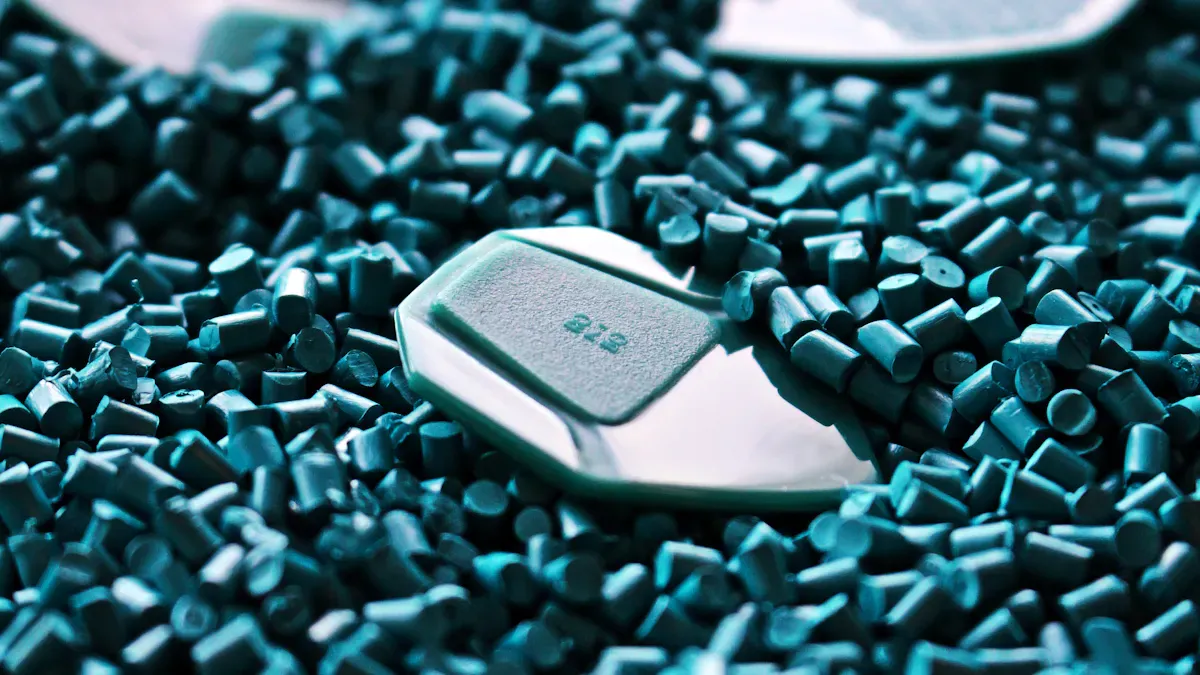
Strand and Underwater Pelletizer systems differ in cooling and cutting methods, production scale, and pellet quality. Strand pelletizers cool polymer strands in a water trough, while Underwater Pelletizer units cut pellets fully submerged, producing highly uniform pellets and handling higher throughputs.
For high-viscosity polymers, Underwater Pelletizer systems accommodate ata 70,000 lb/hr and most polymer types, como se mostra a continuación:
| System Type | Volume de Produción | Compatibilidade de materiais |
|---|---|---|
| Underwater Pelletizing | Ata 70,000 lb/hr | Most polymers |
| Strand Pelletizing | Ata 44,000 lb/hr | Variable, challenges with low-viscosity materials |
Consider material type, contamination, rendemento, and pellet quality when choosing a pelletizer.
Claves para levar
- Strand pelletizers cool polymer strands in water, while underwater pelletizers cut pellets submerged in water, affecting pellet quality and production scale.
- Underwater pelletizers can handle up to 70,000 lb/hr, making them ideal for high-viscosity polymers and large-scale production.
- Choose underwater pelletizers for applications needing uniform, spherical pellets with minimal dust; strand pelletizers produce cylindrical pellets but generate more dust.
- Maintenance is simpler for strand pelletizers due to their dry design, while underwater systems require more complex cleaning due to water exposure.
- Consider material compatibility: underwater systems work with a wider range of polymers, including high-viscosity and contaminated materials.
- Evaluate production needs: strand pelletizers are better for frequent material changes, while underwater systems excel in continuous, high-output operations.
- Assess costs carefully: underwater pelletizers have higher initial and operating expenses, but may offer long-term savings in high-volume environments.
- Use the selection checklist to align your pelletizer choice with your specific material, rendemento, and budget requirements.
Pelletizer Comparison Overview
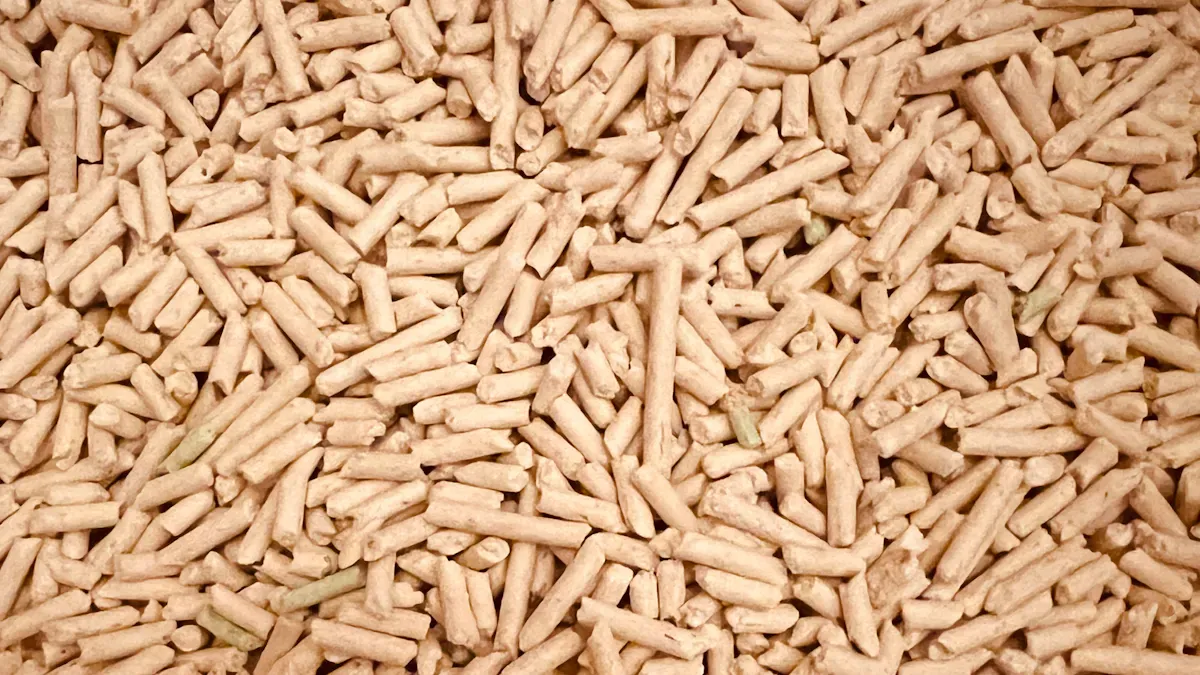
Strand vs Underwater Pelletizer Table
Selecting the right pelletizer for your process requires a clear understanding of how each system performs across critical metrics. The table below provides a side-by-side comparison of strand and underwater pelletizers, focusing on pellet shape, size variation, dust generation, volume de produción, and material compatibility.
| Métrica | Underwater Pelletizing | Strand Pelletizing |
|---|---|---|
| Forma de pellet | Esférico | Cilíndrico |
| Variación de tamaño | < ±5 % | < ± 10-15 % |
| Dust Generation | Less | More |
| Volume de Produción | Ata 70,000 lb/hr | Ata 44,000 lb/hr |
| Compatibilidade de materiais | Most polymers | Variable, challenges with low-viscosity materials |
Consello: For applications demanding highly uniform pellets and minimal dust, underwater pelletizer systems often deliver superior results.
Key Metrics Compared
When evaluating pelletizer options, manufacturers should consider several key aspects:
- Calidade de pellets: Underwater pelletizer units produce highly uniform, spherical pellets with minimal dust due to rapid water cooling. Strand pelletizer systems generate cylindrical pellets, but tend to create more dust and fines, which can impact downstream processing.
- Requisitos de mantemento: Underwater pelletizer equipment involves more complex components and water exposure, leading to higher maintenance needs. Strand pelletizer machines feature a simpler, dry design, making them easier and faster to maintain.
- Compatibilidade de materiais: Underwater pelletizer technology handles a wide range of polymers, including high-viscosity and specialty materials. Strand pelletizer systems work well with most plastics, but may struggle with low-viscosity or sticky polymers.
- Eficiencia da produción: Underwater pelletizer lines support continuous, high-output operation, making them ideal for large-scale production. Strand pelletizer setups often operate in batches and typically offer lower throughput.
- Cost Considerations: Underwater pelletizer systems require a higher initial investment and ongoing maintenance costs. Strand pelletizer solutions are generally more cost-effective for smaller operations or frequent material changes.
Manufacturers in industries such as automotive, embalaxe, and electronics should match their process requirements to the strengths of each pelletizer type. The right choice depends on the desired pellet quality, material type, volume de produción, and operational budget.
How Each Pelletizer Works
Strand Pelletizer Process
Refrixeración e Corte
Strand pelletizer systems operate by transforming molten polymer into cylindrical pellets. The process begins with feeding material into the compactor using a belt conveyor. The feeding speed can be adjusted, and metal detection is often included to prevent contamination. Rotary blades inside the compactor shred and heat the material, densifying it before it enters the extruder screw. The extruder melts the polymer, and a vacuum system removes impurities. Once the polymer is fully melted, it moves to the die head. Aquí, the molten strands are cut and cooled in a water ring, which eliminates the need for manual strand handling. The water ring ensures rapid cooling and helps maintain pellet shape.
Nota: The water ring cooling method in strand pelletizer systems is efficient for most engineering plastics, but may struggle with sticky or low-viscosity polymers.
Equipment Layout
The equipment layout for a strand pelletizer typically includes several key components:
- Compactor with adjustable feeding and metal detection
- Single-screw extruder with vacuum degassing
- Die head for strand formation
- Water ring for cooling and pelletizing
- Conveyor system for pellet collection
This layout supports straightforward maintenance and quick material changeovers. The dry design reduces downtime and simplifies cleaning. Operators can easily access the compactor and extruder for routine inspections.
Underwater Pelletizer Process
In-Water Cutting and Cooling
The underwater pelletizer process is designed for high-volume and high-viscosity polymer production. The operation starts with sorting materials to separate recyclable plastics from non-recyclables. Despois de clasificar, the materials are washed to remove contaminants and then dried to prepare them for melting. The dried plastics are melted to form a homogeneous polymer melt. The molten polymer is then fed directly into a water chamber. Inside this chamber, the pelletizer cuts the polymer into pellets while fully submerged. The underwater environment provides rapid cooling, resulting in highly uniform, spherical pellets. This method minimizes dust and fines, making it ideal for applications requiring strict pellet quality.
Consello: Underwater pelletizer systems excel in processing contaminated feedstocks and specialty polymers due to their robust cooling and cutting capabilities.
System Setup
The typical underwater pelletizer setup includes:
- Sorting and washing units for material preparation
- Drying equipment to ensure optimal melt quality
- Extruder for melting and homogenizing the polymer
- Water chamber with integrated cutting head
- Pellet collection and drying system
This configuration supports continuous processing and high throughput. The underwater cutting head operates within the water chamber, allowing for precise pellet formation and rapid cooling. Maintenance is more complex due to water exposure and system integration, but the benefits in pellet quality and production volume are significant.
Key Differences in Pelletizer Selection
Process Suitability
Throughput and Flexibility
Pelletizer selection depends heavily on throughput requirements and operational flexibility. Manufacturers must evaluate the scale of their processing needs and the types of polymers involved. A seguinte táboa resúmese capacidade de rendemento for different pelletizer types:
| Pelletizer Type | Throughput Capacity |
|---|---|
| Strand Pelletizer | Baixo a Medio |
| Water-Ring Pelletizer | Medium to High |
| Underwater Pelletizer | High to Very High |
Strand pelletizers handle low to medium throughput and offer versatility for various polymers, including heat-sensitive materials. Water-ring pelletizers support medium to high throughput, reaching sobre 11,000 pounds per hour. Underwater pelletizer systems excel in high to very high throughput scenarios, processing up to 70,000 pounds per hour. These systems are ideal for challenging polymers such as PET, PA, TPU, and bioplastics.
Nota: For large-scale production and demanding polymers, underwater pelletizer units provide unmatched throughput and continuous operation.
Material Changeover
Frequent material changeover is a critical consideration for many processors. Strand pelletizer systems feature a straightforward, dry design that allows for rapid cleaning and quick changeovers. Operators can switch between materials with minimal downtime, making strand pelletizers suitable for facilities that process multiple polymer types or require frequent batch changes.
Underwater pelletizer systems, while offering superior throughput, involve more complex cleaning procedures due to water exposure and integrated cutting heads. Material changeover takes longer, and specialized cleaning protocols are necessary to prevent contamination, especially when switching between polymers with different properties.
Compatibilidade de materiais
Viscosity and Contamination
Material compatibility influences pelletizer performance and maintenance. Strand pelletizers work well with most plastics but may struggle with sticky or low-viscosity polymers. Underwater pelletizer systems handle a broader range of viscosities, including high-viscosity and specialty polymers.
Contamination management is essential in both systems. Proper die-to-blade alignment prevents contamination from fines and dust. Contaminated materials can degrade die surfaces, increasing maintenance needs. Underwater pelletizer units are robust against contamination, especially when processing recycled or specialty feedstocks. Cleaning protocols for polymers like PVC and TPEs must be followed to maintain pellet quality and prevent system degradation.
Polymer Types
The compatibility of pelletizer systems with various polymer types is outlined below:
| Tipo de material | Compatibilidade |
|---|---|
| Polyolefins | PP, PE |
| Enxeñaría Plástica | ABS, TPU, TPE, PA |
| Biodegradable Plastics | PLA, PBAT, PHA, starch-based polymers |
| Masterbatch Production | Color masterbatch, filler masterbatch, aditivos |
| Chemical and Resin Prod. | Hot-melt adhesives, elastomers, reactive polymers |
| High-MFI Materials | Suitable for underwater pelletizer systems |
Strand pelletizers are versatile for polyolefins and engineering plastics. Underwater pelletizer systems accommodate a wider range, including biodegradable plastics, produción de masterbatch, and high-MFI materials that cannot be pelletized using strand or water-ring systems.
Calidade de pellets
Size and Shape Uniformity
Pellet quality impacts downstream processing and final product performance. Underwater pelletizer systems produce highly uniform, spherical pellets with size variation typically less than ±5%. Strand pelletizers generate cylindrical pellets with size variation up to ±10-15%. Uniformity is crucial for applications requiring consistent pellet flow and minimal dust.
Consello: Choose underwater pelletizer systems for applications demanding strict pellet size and shape uniformity.
Downstream Processing Impact
Pellet shape and quality affect downstream processing efficiency. Spherical pellets from underwater systems flow smoothly in pneumatic conveying and feeding equipment. Reduced dust generation minimizes contamination and wear in downstream machinery. Cylindrical pellets from strand pelletizers may produce more fines, impacting filtration and compounding processes.
Manufacturers must assess how pellet quality influences subsequent steps, such as extrusion, moldura, or blending. Selecting the right pelletizer ensures optimal performance throughout the production chain.
Maintenance and Operation
Cleaning and Downtime
Routine cleaning and minimizing downtime are critical factors in pelletizer selection. Strand pelletizer systems feature a straightforward, dry design. Operators can access key components quickly, which allows for fast cleaning between production runs. This design reduces the risk of cross-contamination when switching materials. Most strand pelletizer units require only basic disassembly for cleaning, and the absence of water in the cutting area simplifies maintenance.
Underwater pelletizer systems present a different scenario. The integration of water in the cutting chamber introduces additional cleaning requirements. Water exposure can lead to mineral buildup, corrosión, or microbial growth if not managed properly. Operators must follow strict cleaning protocols to maintain system hygiene and prevent contamination of pellets. Cleaning the underwater cutting head and water circulation system often takes more time and may require specialized tools or chemicals. Downtime for maintenance is typically longer with underwater pelletizer equipment, especially during material changeovers or when processing sticky polymers.
Nota: Facilities that require frequent material changes or rapid cleaning cycles often prefer strand pelletizer systems due to their ease of maintenance and reduced downtime.
System Complexity
System complexity directly impacts operator training, resolución de problemas, e fiabilidade a longo prazo. Strand pelletizer machines use a simple mechanical layout. Most operators can learn to run and maintain these systems with minimal training. Fewer moving parts and a dry environment reduce the likelihood of mechanical failure.
Underwater pelletizer systems are more complex. These units combine extrusion, water management, and in-water cutting in a single integrated process. Operators must monitor water temperature, flow rate, and pelletizer blade condition. Automated controls and sensors are common, but they add to the learning curve. Troubleshooting underwater pelletizer systems often requires specialized knowledge and technical support. The complexity of these systems can increase the risk of unplanned downtime if not managed by experienced personnel.
Consello: Simpler strand pelletizer systems are ideal for facilities with limited technical staff or where ease of operation is a priority.
Cost Factors
Investimento Inicial
The initial investment for a pelletizer system varies significantly based on technology and production requirements. Strand pelletizer units generally have a lower upfront cost. Their simple design, fewer components, and minimal water management needs make them accessible for small to medium-sized operations. Installation is straightforward, and most facilities can integrate strand pelletizer equipment without major infrastructure changes.
Underwater pelletizer systems require a higher initial investment. These systems include advanced water handling, automated controls, and robust cutting mechanisms. The need for specialized installation and integration with existing processing lines can further increase costs. Porén, the higher investment often pays off in large-scale operations where throughput and pellet quality are critical.
| Pelletizer Type | Typical Initial Investment | Complexidade da instalación |
|---|---|---|
| Strand Pelletizer | Low to Moderate | Simple |
| Underwater Pelletizer | Alto | Complexo |
Nota: Consider both current and future production needs when evaluating initial investment. A higher upfront cost may deliver long-term savings in high-volume environments.
Operating Expenses
Operating expenses include maintenance, energy consumption, water usage, and spare parts. Strand pelletizer systems offer lower ongoing costs. Their dry operation reduces water and energy consumption. Maintenance is less intensive, and spare parts are typically less expensive.
Underwater pelletizer systems incur higher operating expenses. Continuous water circulation, filtration, and drying increase utility costs. Maintenance is more frequent due to water exposure and the complexity of the cutting mechanism. Replacement parts for underwater pelletizer units can be costly, especially for specialized blades or seals. Facilities must also account for water treatment and disposal, which adds to the total cost of ownership.
Consello: Calculate total cost of ownership, not just initial price, when selecting a pelletizer. Higher operating expenses can offset the benefits of increased throughput if not managed carefully.
Underwater Pelletizer and Strand Pelletizer Applications
Strand Pelletizer Applications
Strand pelletizer systems serve a wide range of industries due to their versatility and straightforward operation. These machines are especially valuable in environments where frequent material changes and easy maintenance are priorities.
Enxeñaría Plástica
Strand pelletizers are widely used for engineering plastics. They process materials such as polypropylene, polietileno, and glass fiber reinforced compounds. These plastics are common in automotive, eléctrica, e fabricación de bens de consumo.
| Engineering Plastic Type | Descrición |
|---|---|
| Polipropileno (PP) | Widely used in dry strand pelletizers for processing. |
| Polietileno (PE) | Commonly processed using strand pelletizers. |
| Glass Fiber Reinforced | Frequently processed with strand pelletizers. |
Strand pelletizers maintain pellet quality for these materials, supporting consistent downstream processing.
Recycled Materials
Plastic recycling plants rely on strand pelletizer systems for converting post-consumer and post-industrial waste into reusable pellets. These systems handle a variety of recycled plastics, making them essential for waste recycling operations. The dry design of strand pelletizers allows for efficient cleaning, which is important when switching between different recycled materials.
Compounding
Compounding facilities use strand pelletizers to blend polymers with additives, recheos, ou colorantes. The resulting pellets are used in film, folla, and fiber processing, as well as in injection and blow molding operations.
| Application Type |
|---|
| Plastic recycling plants |
| Plastic compounding and manufacturing |
| Película, folla, and fiber processing |
| Injection and blow molding operations |
Strand pelletizers offer flexibility for compounding lines that require frequent formulation changes.
Underwater Pelletizer Applications
Underwater pelletizer systems are designed for high-performance environments. These machines excel in applications where pellet uniformity, alto rendemento, and the ability to handle challenging materials are critical.
High-Viscosity Polymers
Underwater pelletizer technology produces highly uniform pellets with minimal size and shape variation. This capability is especially important for high-viscosity polymers, where traditional strand pelletizing may struggle with consistency and strand breakage. The underwater cutting and cooling process ensures reliable pellet formation, even with demanding materials.
- Underwater pelletizing produces highly uniform pellets with minimal size and shape variation, making it advantageous for high-viscosity materials.
- Strand pelletizing may face challenges in maintaining consistency and quality when processing high-viscosity polymers due to its manual start-up process and potential for strand breakage.
Contaminated Feedstocks
Underwater pelletizer systems are robust against contamination. They process recycled and specialty feedstocks with high impurity levels. The integrated water chamber and cutting head help manage contaminants, reducing the risk of fines and improving pellet quality. This makes underwater pelletizers suitable for waste recycling and biodegradable plastic pelletizing applications.
Produción de gran volumen
Manufacturers choose underwater pelletizer systems for high-volume production lines. These machines support continuous operation and can process up to 70,000 pounds per hour. The underwater environment enables rapid cooling, which is essential for maintaining pellet quality at large scales.
Exemplos industriais
Pelletizer selection depends on the specific needs of each industry. Both strand and underwater pelletizer systems play important roles in modern manufacturing.
Automoción
Automotive suppliers use strand pelletizers for engineering plastics and glass fiber reinforced compounds. These pellets are used in interior components, under-the-hood parts, and exterior trim. Underwater pelletizer systems support the production of specialty polymers and recycled materials for lightweight and sustainable automotive parts.
Embalaxe
O packaging industry is the leading sector for underwater pelletizer systems. These machines produce high-quality, consistent pellets for both flexible and rigid packaging materials. Underwater pelletizers enable the recycling of plastics into uniform pellets, supporting sustainable packaging and circular economy initiatives. They are used to produce recycled plastic pellets for injection molding, extrusión, and blow molding—processes that are crucial for creating new packaging products.
Recycled plastic pellets from underwater pelletizer systems are also used in the manufacturing of packaging materials, pezas de automóbiles, and everyday items. This versatility highlights the importance of underwater pelletizers in the packaging sector.
Electrónica
Electronics manufacturers require precise pellet quality for components such as housings, conectores, and insulation. Strand pelletizers process engineering plastics for these applications. Underwater pelletizer systems handle specialty polymers and high-volume production, supporting the electronics industry’s demand for consistent and reliable materials.
Nota: The choice between strand and underwater pelletizer systems depends on material type, contamination level, and production scale. Manufacturers should evaluate their process requirements to select the most suitable pelletizer for their application.
Pelletizer Selection Guide
Choosing the right pelletizer for your operation requires a structured approach. This guide provides a practical checklist and a decision flowchart to help you align your equipment selection with your production goals.
Selection Checklist
A systematic evaluation ensures that your pelletizer matches your material and operational needs. Use the following checklist to guide your decision:
Material Assessment
- Identify the type of polymer you plan to process (p.ex., PET, HDPE, LDPE, plásticos de enxeñería).
- Assess contamination levels in your feedstock. High contamination may require robust cleaning or specialized configurations.
- Consider if your application involves specialty materials, such as those used in biodegradable plastic pelletizing.
Volume de Produción
- Estimate your required throughput. High-volume operations often benefit from underwater systems due to their continuous operation and capacity.
- Determine if your production is batch-based or continuous. Underwater pelletizers excel in continuous, large-scale environments.
Pellet Quality Needs
- Define the desired pellet shape and size uniformity. Spherical pellets from underwater systems offer superior consistency.
- Evaluate the importance of dust and fines control for your downstream processing.
- Review blade design and material, as sharp and durable blades improve cutting precision and pellet quality.
Orzamento
- Calculate your available budget for initial investment and ongoing operating expenses.
- Factor in maintenance, enerxía, and water usage. Underwater systems typically have higher costs but deliver greater throughput and pellet quality.
Consello: Maintenance and ease of use are critical for facilities with frequent material changes or limited technical staff.
Decision Flowchart
The following tables summarize the main decision points when selecting between strand and underwater pelletizer systems:
| Pelletizer Type | Mellor para | Forma de pellet | Custo relativo |
|---|---|---|---|
| Strand pelletizer | PE, PP, PS — clean feedstock | Cilíndrico | Baixo |
| Underwater pelletizer | PET, PA, plásticos de enxeñería | Esférico | Alto |
| Factor | Descrición |
|---|---|
| Tipo de material | Different materials (PET, HDPE, LDPE) have unique challenges and needs regarding processing. |
| Contamination Level | Contamination control is crucial for maintaining processing stability and quality of pellets. |
| Configuration Requirements | Specific configurations are needed based on the type of material and contamination present. |
Nota: Underwater pelletizer systems are preferred for high-viscosity polymers, contaminated feedstocks, and applications requiring strict pellet uniformity. Strand pelletizers remain a cost-effective choice for clean, standard materials and frequent changeovers.
By following this checklist and reviewing the decision tables, you can confidently select the pelletizer that aligns with your processing requirements, whether you focus on high-volume underwater production or flexible strand operations.
Choosing between strand and underwater systems depends on your process needs. Underwater solutions deliver high throughput, uniform pellets, and handle challenging materials. Strand systems offer easier maintenance and faster changeovers. Use the táboa de comparación below to evaluate brands and capacities:
| Brand/Model | Maximum capacity (kg/h) | Poder (kW) | Applicable Materials | Reference price (USD) |
|---|---|---|---|---|
| Coperion ZSK Series | 2000 | 250 | Engineering plastics, PE/PP | 150,000-300,000 |
| Wintech | 800 | 90 | PE film, agricultural waste | 45,000-65,000 |
| Domestic economic granulator | 300 | 55 | PVC, ABS | 15,000-25,000 |
Consider these factors:
- Type of plastic
- Required throughput
- Desired pellet quality
- Operational needs
For complex underwater applications, consult suppliers or technical experts to ensure the right pelletizer choice.
FAQ
What is the main difference between strand and underwater pelletizers?
Strand pelletizers cut and cool polymer strands outside the die, while underwater pelletizers cut pellets directly in water. Underwater systems deliver more uniform pellets and higher throughput.
Which pelletizer is better for frequent material changes?
Strand pelletizers allow faster cleaning and easier material changeovers. Their dry design reduces downtime, making them ideal for operations that switch materials often.
Can underwater pelletizers handle recycled or contaminated materials?
Si. Underwater pelletizers process contaminated or recycled feedstocks efficiently. Their robust water-based system manages impurities and maintains pellet quality.
How does pellet shape affect downstream processing?
Spherical pellets from underwater systems flow smoothly in pneumatic conveyors and feeders. Cylindrical pellets from strand systems may generate more dust, which can impact equipment and product quality.
Are underwater pelletizers more expensive to operate?
Operating costs for underwater pelletizers are higher. These systems require more water, enerxía, e mantemento. Facilities must also manage water treatment and specialized spare parts.
What types of polymers work best with strand pelletizers?
Strand pelletizers perform well with polyolefins, plásticos de enxeñería, and clean feedstocks. They may struggle with sticky or low-viscosity polymers.
How do I choose the right pelletizer for my process?
Assess your material type, required throughput, pellet quality needs, e orzamento. Use the selection checklist and consult with suppliers for complex requirements.