

Mar a tha Pelletizer Plastaig ag obair ann 2026
Bidh pelletizer plastaig ag atharrachadh sgudal plastaig no stuth amh gu cruinneagan èideadh tro shreath de cheumannan air an deagh mhìneachadh. Bidh thu a 'tòiseachadh le bhith a' biathadh, far a bheil plastaig a 'dol a-steach don inneal. Bidh an siostam a 'leaghadh an stuth, a’ sìoladh a-mach neo-chunbhalachd, agus ga phutadh tro bhàs gus iallan leantainneach a chruthachadh. Bidh fuarachadh a 'daingneachadh na sreathan, agus an uairsin bidh sgian rothlach gan gearradh gu cruinneagan mionaideach. Bidh gach ìre a’ cumadh càileachd agus cunbhalachd deireannach.
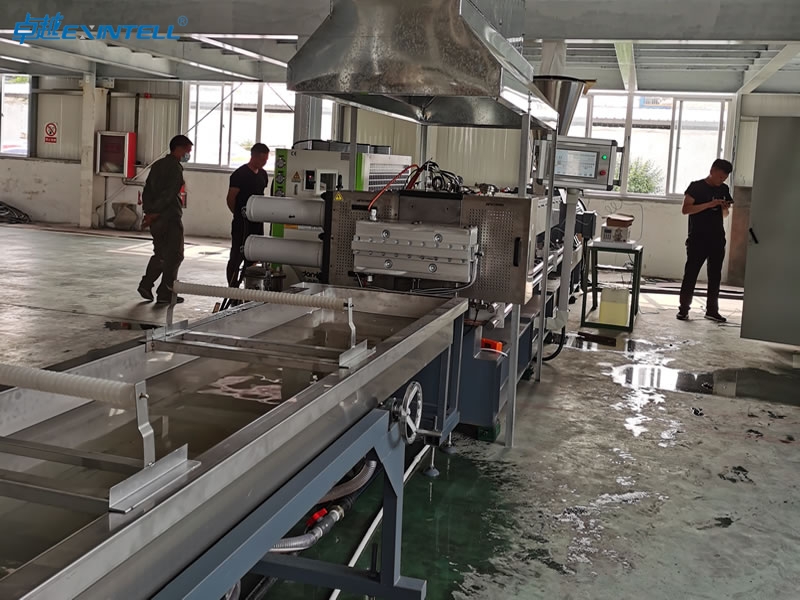
|
Ceum |
Tuairisgeul |
|---|---|
|
A 'biathadh |
Tha sgudal plastaig air a thoirt a-steach don inneal tro hopair, a tha a 'gabhail a-steach diofar sheòrsaichean de phlastaig. |
|
A' leaghadh |
Tha am plastag air a theasachadh agus air a leaghadh gu co-ionnan anns an extruder, ga ullachadh airson an ath ìre. |
|
Extruding |
Tha am plastag leaghte air a sparradh tro bhàs gus iallan a chruthachadh, co-dhùnadh air cumadh agus meud a 'pheile. |
|
Fuarachadh |
Tha na sreathan air fhuarachadh, gan daingneachadh airson a ghearradh. |
|
Buain |
Bidh iallan fuarach air an gearradh ann am cruinneagan èideadh le sgian rothlach, a ghabhas atharrachadh airson tagraidhean sònraichte. |
Prìomh Takeaways
-
Bidh pelletizers plastaig ag atharrachadh sgudal a-steach do pheilearan èideadh tro shreath de cheumannan: a 'biathadh, leaghadh, criathradh, extruding, fuarachadh, agus buain.
-
Tha biadhadh cunbhalach agus smachd teothachd mionaideach deatamach airson cruinneagan àrd-inbhe a choileanadh agus casg a chuir air lochdan.
-
Diofar sheòrsan pelletizers, leithid iallan agus fon uisge, frithealadh air diofar stuthan agus feumalachdan toraidh, toirt buaidh air cumadh agus càileachd pellet.
-
Bidh sìoladh èifeachdach de phlastaig leaghte a’ toirt air falbh neo-chunbhalachd, a’ dèanamh cinnteach à cruinneagan rèidh agus èideadh fhad ‘s a tha iad a’ dìon uidheamachd.
-
Dòighean fuarachaidh, gabhail a-steach fàinne uisge agus fuarachadh fon uisge, buaidh mhòr air càileachd pellet agus èifeachdas toraidh.
-
Bidh cumail suas agus sgrùdadh cunbhalach air uidheamachd a’ cuideachadh le casg a chuir air cùisean cumanta leithid biadhadh neo-chòmhnard agus sìoltachain clogged.
-
Ceumannan smachd càileachd, gabhail a-steach samplachadh agus sgrìonadh ceart, dèanamh cinnteach gun coinnich na peilearan inbhean gnìomhachais agus cumail suas cunbhalachd.
-
Bidh pacadh ceart agus stòradh cruinneagan gan dìon bho taiseachd agus truailleadh, dèanamh cinnteach gum fuirich iad de chàileachd àrd airson an cleachdadh san àm ri teachd.
Sealladh farsaing air pròiseas Pelletizer Plastaig
Dè a th 'ann am Pelletizer Plastaig
Bidh thu a’ cleachdadh pelletizer plastaig gus plastaig amh no stuth ath-chuartaichte a thionndadh gu gràinneagan le meudan agus cumaidhean mionaideach. Bidh an inneal seo a’ cumail smachd air teòthachd, cuideam, agus astar cuairteachaidh gus toraidhean cunbhalach a thoirt gu buil. An inneal pelletizing plastaig a 'gearradh plastaig eas-chruthach gu gràinneagan fa leth, a’ toirt seachad meud àbhaisteach airson tuilleadh giollachd. Tha thu an urra ris an uidheamachd seo gus ionracas a riaghladh, feartan uachdar, agus meud gach pìos. Tha prionnsapal obrach granulator plastaig a’ toirt a-steach a bhith a ’leaghadh plastaig, sìoladh neo-chunbhalachd, agus a' cruthachadh cruinneagan èideadh tro riaghladh cùramach air suidheachaidhean taobh a-staigh an aonaid.
-
A 'gearradh plastaig eas-chruthach gu gràinneagan fa leth.
-
A’ toirt seachad meud cunbhalach airson tuilleadh giollachd ann an saothrachadh.
-
Ag atharrachadh iallan leantainneach de phlastaig leaghte gu gràinneagan de mheud èideadh.
-
A’ frithealadh mar stuth amh àbhaisteach airson cumadh stealladh agus às-tharraing film.
Prìomh cheumannan ann an pelletizing
Bidh thu a’ leantainn sreath de ceumannan nuair a bhios tu ag obrachadh pelletizer plastaig. Bidh gach ìre a’ cumadh càileachd agus cunbhalachd an toraidh dheireannaich. Seo sruth-obrach àbhaisteach:
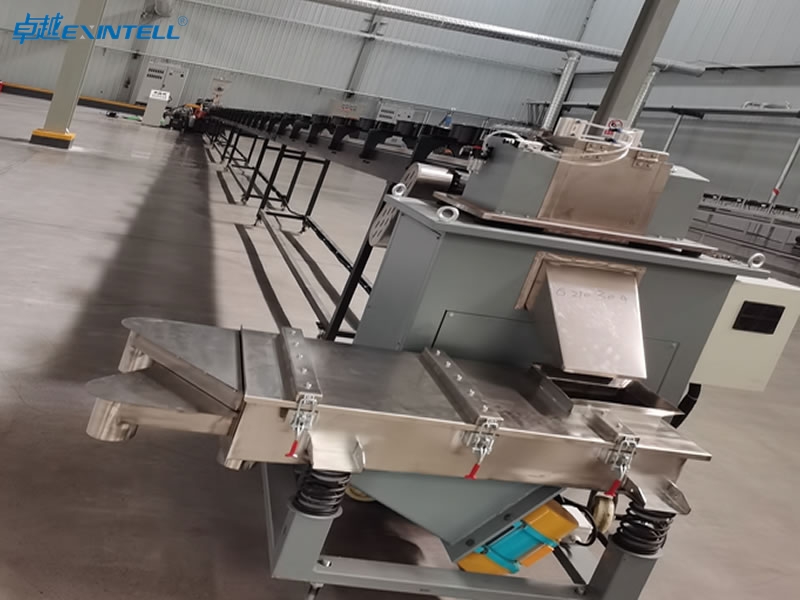
-
A 'biathadh & ro-làimhseachadh: Bheir thu a-steach stuthan amh tro hopair no inneal-biadhaidh. Bidh ro-làimhseachadh a 'meudachadh dùmhlachd mòr agus ag ullachadh an stuth airson a leaghadh.
-
A' leaghadh & cruthachadh plastaig: Bidh thu a’ cur a-steach teas agus rùsgadh le bhith a’ cleachdadh extruder. Bidh an ceum seo a’ coileanadh flux èideadh agus ag ullachadh a’ phlastaig airson sìoladh.
-
Leaghaidh sìoltachain: Bidh thu a’ sìoladh a’ phlastaig leaghte gus truaillearan a thoirt air falbh. Bidh stuth glan a’ dèanamh cinnteach à cruinneagan àrd-inbhe.
-
Die extrusion & buain: Bidh thu a’ cruthachadh an leaghadh sìoltaichte gu cruinneagan a’ cleachdadh inneal bàsachadh is gearraidh.
-
Fuarachadh & biadhadh: Bidh thu a’ fuarachadh na cruinneagan agus an uairsin gan tiormachadh no gan stòradh airson an cleachdadh san àm ri teachd.
Gliocas: Cuidichidh biadhadh cunbhalach agus smachd teothachd mionaideach thu gus meud pellet èideadh a choileanadh agus casg a chuir air uireasbhaidhean.
Faodaidh tu taghadh bho ghrunn sheòrsan uidheamachd pelletizing, gach fear freagarrach airson diofar stuthan agus chumaidhean. Tha an clàr gu h-ìosal a’ sealltainn roghainnean cumanta:
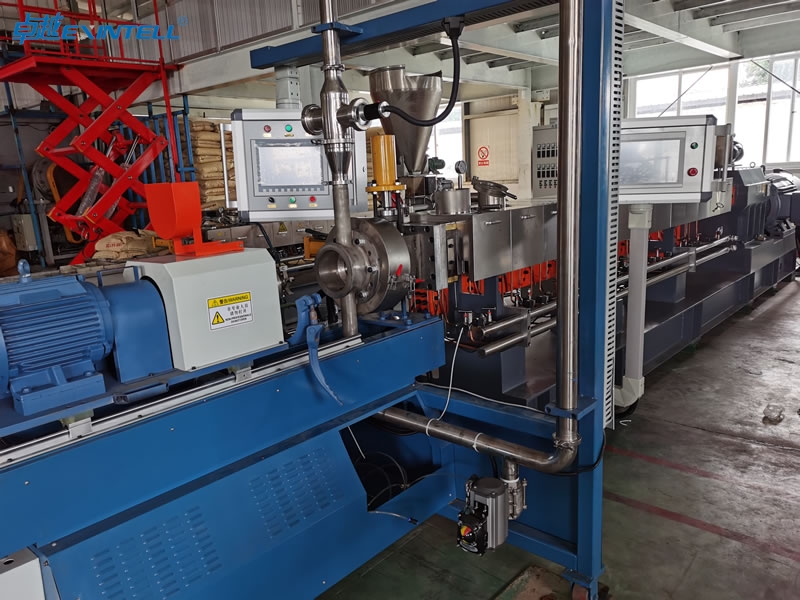
|
Seòrsa Pelletizer |
As Fheàrr airson |
Cruth Pellet |
Cosgais Coibhneil |
|---|---|---|---|
|
PE, PP, PS - stuth glan |
Siolandarach |
Ìosal |
|
|
Peata, PA, plastaig innleadaireachd |
Spherical |
Àrd |
|
|
Pilletizer fàinne uisge |
PE, PP - truailleadh meadhanach |
Lenticular/spherical |
Meadhanach |
Carson a tha Pelletizing cudromach
Tha àite deatamach aig pelletizing ann an ath-chuairteachadh agus saothrachadh. Bidh thu a’ tionndadh plastaig leaghte ath-chuartaichte gu cruinneagan èideadh, as urrainn dhut a stòradh, còmhdhail, agus ath-ghiollaich mar roisinn òigh. Tha an cruth-atharrachadh seo a’ leigeil le stuthan ath-chuairtichte a dhol a-steach don chearcall saothrachaidh gu h-èifeachdach. Gheibh thu buannachd bho làimhseachadh nas fhasa agus measgachadh nas fheàrr rè cinneasachadh. Bidh an toradh deireannach a’ toirt taic don eaconamaidh chearcallach airson plastaic le bhith a’ toirt seachad stuthan a chaidh fhaighinn air ais.
-
Peileachadh a’ dèanamh stocan beathachaidh plastaig nas fhasa agus nas èifeachdaiche a làimhseachadh.
-
Bidh e a 'dèanamh cinnteach à toraidhean cunbhalach rè measgachadh agus cruthachadh.
-
Bidh am pròiseas a’ toirt stuth air ais don eaconamaidh chearcallach gu lèir airson plastaigean.
Bidh grunn dhùbhlain agad ri linn pelletizing. Faodaidh susbaint àrd taiseachd ann am cruinneagan leantainn gu droch choileanadh meacanaigeach agus call stuthan. Feumaidh tu siostaman tiormachaidh èifeachdach agus taghadh ceart uidheamachd gus taiseachd a lughdachadh. Gu tric bidh meud cruinneagan neo-chunbhalach mar thoradh air dòighean beathachaidh neo-iomchaidh. Bidh thu a’ fuasgladh seo le bhith a’ cleachdadh siostaman beathachaidh mionaideach. Roghainn innealan, leithid granulator le lannan innleadaireachd mionaideach, a’ toirt buaidh dhìreach air càileachd nam peilearan a thèid a thoirt a-mach.
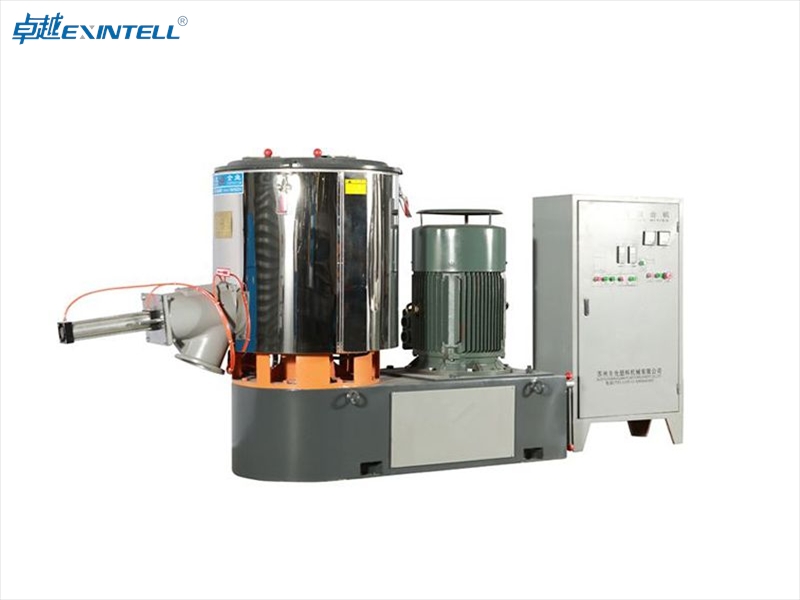
Chì thu cuideachd adhartasan teicneòlais ann an 2026. Extruders aon-sgriubha le co-mheasan L / D eadar 32:1 agus 38:1 cumanta. Bidh rèiteachaidhean tandem a’ meudachadh degassing agus sìoladh. Bidh luchd-atharrachaidh sgrion leantainneach a’ ceadachadh atharrachaidhean sìoltachain gun stad a chuir air cinneasachadh. Bidh teicneòlas bimetallic a 'meudachadh seasmhachd, agus bidh extruders sgriubha càraid co-shìnte a’ toirt air falbh truailleadh èifeachdach. Bidh pelletizers fon uisge a’ toirt a-mach èideadh, cruinneagan gun duslach agus ag òrdachadh prìsean ath-reic nas àirde.
|
Teicneòlas |
Tuairisgeul |
Sochairean |
|---|---|---|
|
Teicneòlas bimetallic |
Bidh stuthan adhartach ag àrdachadh seasmhachd |
A 'meudachadh seasmhachd le 3-5 amannan |
|
Sgriubha Twin Parallel Co-chuairteachaidh |
Gluasad adhartach, gnìomhan fèin-ghlanadh |
Thoir air falbh stuthan truaillidh gu h-èifeachdach |
|
Pelletizer fon uisge |
A 'dèanamh èideadh, peilearan gun dust |
Prìs ath-reic nas àirde, air leth freagarrach airson plastaic innleadaireachd |
Faodaidh tu comasan throughput a choileanadh bho 80 kg/uair gu còrr 1,000 kg/uair, a rèir an t-seòrsa inneal agus rèiteachadh. Bidh loidhnichean lùth-èifeachdach a’ sàbhaladh eadar $30,000-$80,000 gach bliadhna an taca ri modalan nach eil cho èifeachdach. Anns 2026, Tha caitheamh lùtha sònraichte airson pelletizers plastaig a’ dol bho 0.25-0.35 kWh/kg, le rèiteachaidhean as fheàrr sa chlas a’ coileanadh cho ìosal ri 0.20-0.30 kWh/kg.
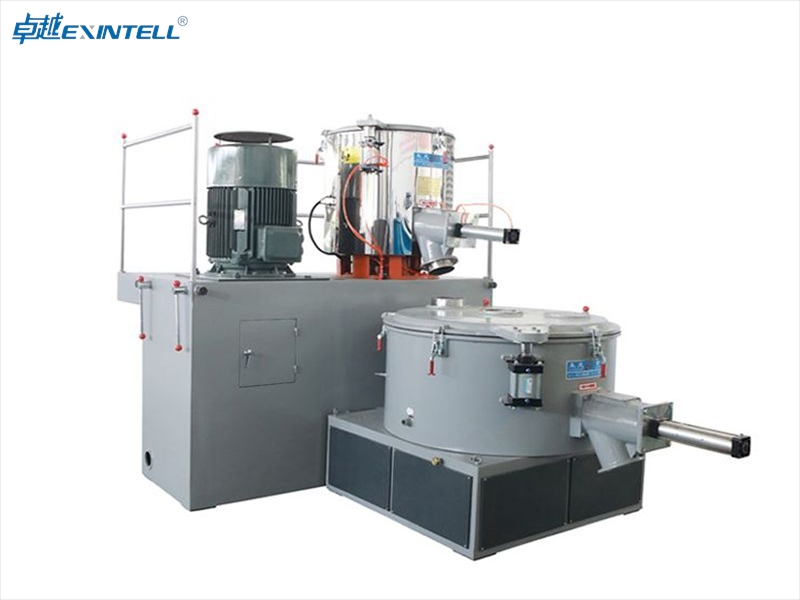
Thoir an aire: Bidh cunbhalachadh ioma-fhilleadh agus dealbhadh sgriubha ùr gad chuideachadh le bhith a’ làimhseachadh bith-phlastaig agus pròifilean neo-èiginneach ann an dòigh nas èifeachdaiche.
Tha thu an urra ris an teicneòlas granulator plastaig agus granulator gus cruinneagan èideadh a dhèanamh a choinnicheas ri inbhean gnìomhachais. Bidh am pròiseas a’ dèanamh cinnteach gu bheil stoc-stuth earbsach agad airson saothrachadh agus ath-chuairteachadh, taic an dà chuid èifeachdas agus seasmhachd.
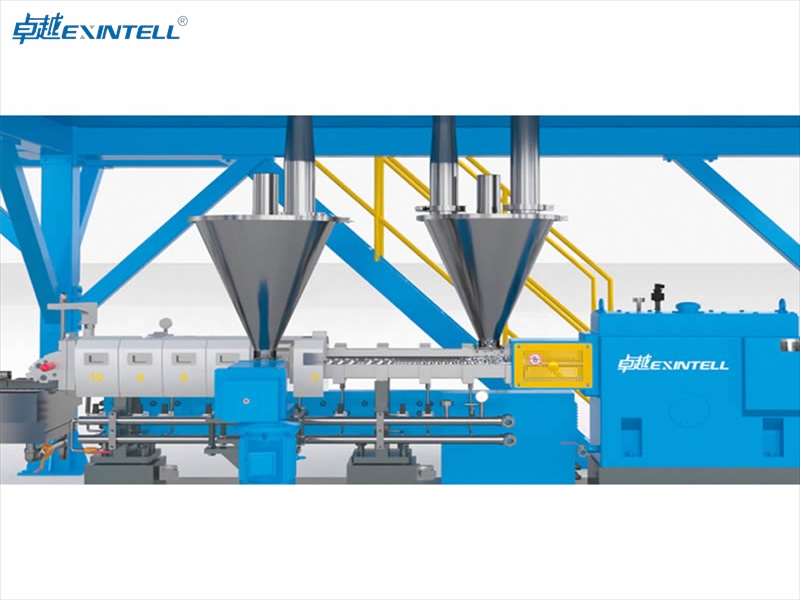
Biadhadh plastaig
Stuthan a-steach
Tòisichidh tu an pròiseas pelletizing le bhith a’ taghadh na stuthan cur a-steach ceart. Faodaidh tu sgudal plastaig a chleachdadh, plastaig maighdeann, no measgachadh den dà chuid. Mus cuir thu na stuthan sin a-steach don pelletizer plastaig, feumaidh tu an ullachadh gu faiceallach. Seo sruth-obrach ullachaidh àbhaisteach:
-
Ullachadh plastaig: Bidh thu a’ nighe agus a’ rùsgadh plastaig ath-chuartaichte gus salachar is truaillearan a thoirt air falbh. Faodaidh tu cuideachd an stuth a leaghadh ma tha feum air. Bidh plastaig Virgin gu tric a 'tighinn mar flakes no gràinneagan, deiseil airson a ghiullachd.
-
Leaghadh agus eas-tharraing: Bidh thu a’ teasachadh a’ phlastaig ullaichte anns an inneal pelletizing plastaig. Bidh an extruder a’ leaghadh an stuth agus ga phutadh air adhart.
-
Buain: Bidh tu a’ cleachdadh lannan rothlach no granulator gus am plastag leaghte a ghearradh na phìosan beaga.
-
Fuarachadh: Bidh thu a’ fuarachadh nam peilearan le bhith a’ cleachdadh èadhar, uisge, no an dà chuid.
-
A 'tiormachadh agus a' sgrìonadh: Bidh thu a’ tiormachadh na cruinneagan fuarach agus gan sgrìonadh gus dèanamh cinnteach à meud agus càileachd èideadh.
Feumaidh tu aire a thoirt do ghlainead agus meud nan stuthan cuir a-steach. Glan, Bidh sgudal plastaig air a dheagh ullachadh gad chuideachadh gus uireasbhaidhean a sheachnadh agus a’ leasachadh càileachd nam cruinneagan.
Innealan Biadhaidh
Tha thu an urra ri dòighean beathachaidh èifeachdach gus plastaig a ghluasad a-steach don t-siostam pelletizing. Cuidichidh dà phrìomh dhòigh thu gus biadhadh seasmhach agus fo smachd fhaighinn.
Hopper
Bidh tu a’ cleachdadh hopair gus sgudal plastaig no stuth òigh a luchdachadh a-steach don pelletizer plastaig. Bidh an hopair a’ cumail an stuth agus ga leigeil ma sgaoil aig ìre fo smachd. Faodaidh tu an sruth atharrachadh gus a bhith co-ionnan ri comas an inneal pelletizing plastaig. Bidh hopairean gu tric a’ toirt a-steach mothachairean a bhios a’ cumail sùil air ìrean stuthan agus a chuireas casg air bacadh.
Luchd-giùlain
Bidh thu a’ cleachdadh innealan-giùlain gus plastaig a ghiùlan bhon stòradh chun hopair no gu dìreach a-steach don pelletizer. Bidh luchd-giùlain a 'toirt seachad sruth cunbhalach de stuth agus a' lùghdachadh làimhseachadh làimhe. Faodaidh tu crios a thaghadh, sgread, no crathadh giùlain stèidhichte air an t-seòrsa agus meud plastaig. Bidh luchd-giùlain gad chuideachadh gus ìre beathachaidh cunbhalach a chumail agus a’ lughdachadh brisidhean.
Gliocas: Bu chòir dhut sùil a chumail air an t-siostam beathachaidh gu cunbhalach gus casg a chuir air tagaichean agus gus dèanamh cinnteach à obrachadh rèidh.
Cudromach beathachaidh cunbhalach
Feumaidh tu beathachadh cunbhalach gus peilearan àrd-inbhe a dhèanamh. Bidh biadhadh seasmhach a’ dèanamh cinnteach à meud èideadh, cumadh, agus susbaint taiseachd. Ma cheadaicheas tu atharrachaidhean ann am biadhadh, tha cunnart ann gun cruthaich thu cruinneagan le uireasbhaidhean uachdar no beàrnan. Faodaidh atharrachadh taiseachd call neart meacanaigeach agus eadhon fàilligeadh uidheamachd. Tha càileachd pellet neo-sheasmhach ga dhèanamh nas duilghe dhut na cruinneagan a reic no a chleachdadh ann an tagraidhean malairteach.
-
Faodaidh meud pellet neo-chunbhalach leantainn gu lochdan uachdar agus beàrnan.
-
Faodaidh eadar-dhealachaidhean ann an susbaint taiseachd call neart meacanaigeach agus fàilligeadh uidheamachd.
-
Faodaidh càileachd pellet neo-sheasmhach bacadh a chuir air gabhail ri tagraidhean malairteach.
Bidh thu a 'cumail smachd air susbaint taiseachd le bhith a' cumail suas biadhadh cunbhalach. Tha an ceum seo riatanach airson coileanadh càileachd toraidh as àirde. Ma dhìochuimhnicheas tu cunbhalachd beathachaidh, faodaidh tu aghaidh a thoirt air duilgheadasan giullachd sìos an abhainn, leithid uireasbhaidhean uachdar agus easbhaidhean structarail. Tha thu an urra ris an teicneòlas granulator plastaig agus granulator gus do chuideachadh le bhith a’ coileanadh càileachd beathachaidh is pellet èideadh.
A 'leaghadh agus a' sìoladh
Baraille Extruder agus sgriubha
Tha thu an urra ris a’ bharaille agus an sgriubha extruder gus sgudal plastaig no stuth amh a thionndadh gu bhith na rèidh, leaghadh èideadh. Bidh an sgriubha a 'cuairteachadh taobh a-staigh a' bharaille teasachaidh, a 'putadh a' phlastaig air adhart. Mar a thionndaidheas an sgriubha, bidh e a’ cruthachadh gnìomh meacanaigeach agus a’ rùsgadh teas. Bidh am pròiseas seo a 'leaghadh a' phlastaig gu h-èifeachdach. Bidh teasadairean taobh a-muigh air a 'bharaille a' cur barrachd teas ris, dèanamh cinnteach gu bheil an stuth a’ ruighinn an teòthachd cheart airson pelletizing. Shear heat from the screw often supplies a significant part of the energy needed for melting.
Here is a quick overview of how these components work together:
|
Comh-phàirt |
Gnìomh |
|---|---|
|
Sgriubha |
Transforms plastic into a uniform melt through mechanical action and shear heat. |
|
Baraille |
Heats and compacts the plastic, ensuring thorough melting and feeding to the die head. |
You need both the screw and barrel to work in harmony. If either part fails, the plastic pelletizer cannot produce consistent pellets.
Smachd Teòthachd
You must control the temperature carefully during the melting stage. Temperature directly affects how well the plastic melts and flows through the extrusion system. Proper temperature settings help you achieve smooth material flow and stable, high-yield extrusion. If you set the temperature too low, the plastic may not melt evenly. Bidh seo a’ leantainn gu cus slaodachd agus droch phlastaig. Ma shuidhicheas tu an teòthachd ro àrd, faodaidh am plastaig crìonadh. Bidh seo ag adhbhrachadh peilearan brisg agus a’ lughdachadh an neart meacanaigeach.
-
Bidh teòthachd a 'toirt buaidh air plastadh plastaig, sileadh, agus feartan nam peilearan deireannach.
-
Bidh teòthachd ceart a ’dèanamh cinnteach à obrachadh seasmhach agus toradh àrd-inbhe.
-
Bidh teòthachd ìosal ag adhbhrachadh leaghadh neo-chòmhnard agus slaodachd àrd.
-
Bidh teòthachd àrd ann an cunnart truailleadh teirmeach agus cruinneagan lag.
Gliocas: Cum sùil an-còmhnaidh air na sònaichean teòthachd air feadh a’ bharaille gus na suidheachaidhean leaghaidh as fheàrr a chumail suas.
Filter mus tèid pelletizing
Mus gluais thu chun ìre eas-tharraing, feumaidh tu criathraich am plastaig leaghte. Bidh sìoladh a’ toirt air falbh neo-chunbhalaidhean leithid salachar, mìrean meatailt, no mìrean gun leaghadh. Tha leaghadh glan deatamach airson cruinneagan àrd-inbhe a dhèanamh. Bidh tu a’ cleachdadh scrionaichean mogal grinn no pacaidean sìoltachain anns an inneal pelletizing plastaig gus truaillearan a ghlacadh. Bidh an ceum seo a’ dìon an t-siostam bàsachadh is gearraidh bho mhilleadh. Bidh e cuideachd a’ dèanamh cinnteach gu bheil uachdar rèidh agus structar èideadh aig na cruinneagan.
Bu chòir dhut sìoltachain a sgrùdadh agus a chuir nan àite gu cunbhalach. Faodaidh sìoltachain clogged sruthadh a lughdachadh agus togail cuideam adhbhrachadh san t-siostam eas-tharraing. Bidh sìoladh cunbhalach a ’toirt taic do èifeachdas iomlan a’ phròiseas pelletizing. Gheibh thu toraidhean nas fheàrr agus nas lugha de lochdan anns na cruinneagan crìochnaichte agad.
Thoir an aire: Bidh sìoladh èifeachdach a’ leudachadh beatha do ghranulator plastaig agus lannan granulator.
Às-tharraing tro Die Plate
Gnìomh Die Plate
Bidh thu a’ ruighinn ìre èiginneach anns a’ phròiseas pelletizer plastaig nuair a ruigeas am plastag leaghte a’ phlàta bàsachadh. Bidh an truinnsear die ag obair mar inneal mionaideach a bhios a’ cumadh an stuth leaghte gu iallan. Bidh thu an urra ris a’ phàirt seo gus meud agus cumadh tùsail gach dualan a mhìneachadh, a thig gu bhith na pellet às deidh sin. Bidh dealbhadh a ’phlàta die a’ toirt buaidh dhìreach air càileachd agus cunbhalachd an toraidh agad.
Seo sealladh farsaing air prìomh fheartan plàta die:
|
Feart |
Tuairisgeul |
|---|---|
|
Gnìomh |
Extrudes polymer leaghte tro thuill gus tomhasan pellet a mhìneachadh |
|
Raon meud toll |
Mar as trice a 'dol bho 2.5 gu 4 mm ann an trast-thomhas |
|
Àireamh nan Tuill |
Mar as trice eadar 200 gu 800 tuill |
|
Buaidh air Càileachd |
Bidh dealbhadh a’ toirt buaidh air feartan pellet deireannach, gabhail a-steach meud agus cumadh |
Faodaidh tu trast-thomhas an tuill agus an rèiteachadh atharrachadh gus smachd a chumail air tiugh an t-sreang. Bidh tuill nas lugha a 'toirt a-mach iallan nas taine agus cruinneagan nas lugha. Bidh tuill nas motha a 'toirt sreathan nas doimhne agus cruinneagan nas motha. Bidh a’ phlàta die a’ dèanamh cinnteach gu bheil a h-uile dual a tha a’ fàgail an t-siostam eas-tharraing a’ freagairt ris na sònrachaidhean a tha thu ag iarraidh.
Bruthadh agus Cruth Pellet
Feumaidh tu an cuideam ceart a chumail fhad ‘s a bhios am plastag leaghte a’ dol tron phlàta die. Bidh an siostam eas-tharraing a’ cleachdadh cuideam gus an stuth a phutadh gu cothromach tro gach toll. Bidh cuideam cunbhalach a ’cur casg air neo-riaghailteachdan ann an tiugh dualan agus gad chuideachadh gus meud pellet èideadh a choileanadh. Ma tha an cuideam a 'tuiteam no a' snìomh, is dòcha gum faic thu lochdan leithid cumaidhean neo-chòmhnard no pòcaidean adhair anns na cruinneagan.
Tha cumadh gach pellet an urra ri dealbhadh truinnsear die agus an cuideam a chuirear an sàs rè eas-tharraing. Faodaidh tu diofar chumaidhean tuill agus rèiteachaidhean a thaghadh gus siolandair a chruthachadh, spherical, no peilearan lenticular. Bheir an cothlamadh ceart de chuideam agus dealbhadh truinnsear bàsachadh smachd dhut air coltas agus coileanadh deireannach an toraidh agad.
A' cumadh nan dualan
Tha grunn dhòighean agad airson iallan plastaig a chumadh mus gearradh iad nam cruinneagan. Bidh gach dòigh a’ tabhann buannachdan sònraichte airson diofar thagraidhean. Tha an roghainn dòigh a 'toirt buaidh air càileachd, cosgais, agus cunbhalachd nam peilearan agad.
|
Dòigh-obrach |
Tuairisgeul |
Buaidh air Càileachd Pellet |
|---|---|---|
|
A 'toirt a-mach plastaig gu sreathan, an uairsin gearraidh e iad ann am poitean. |
Èifeachdach a thaobh cosgais airson pìosan beaga, ach faodaidh iad a bhith eadar-dhealaichte ann an càileachd. |
|
|
A 'gearradh sreathan fon uisge, a tha a 'fuarachadh agus a' cumail suas càileachd. |
A 'dèanamh cruinneagan àrd-inbhe mar thoradh air fuarachadh èifeachdach. |
|
|
Siostaman Cearcall-uisge |
A’ cleachdadh fàinne uisge airson iallan fhuarachadh agus a ghearradh. |
A’ dèanamh cinnteach à càileachd math fhad ‘s a tha e cosg-èifeachdach. |
Dh’ fhaodadh tu pelletizing dualan a chleachdadh airson pìosan beaga de sgudal plastaig, oir tha e a’ tabhann dòigh-obrach shìmplidh agus aig prìs reusanta. Underwater hot-face cutting works well when you need high-quality pellets with smooth surfaces. Water-ring systems balance cost and quality, making them suitable for many types of plastics.
You depend on the plastic granulator and granulator technology to finish the process. After shaping and cooling, the system cuts the strands into uniform pellets. This step completes the transformation from melting to finished product, ready for packaging or further processing.
Gliocas: Always monitor the extrusion system for stable pressure and temperature. This helps you maintain consistent pellet quality and reduces downtime.
Dòighean fuarachaidh
After the extrusion stage, feumaidh tu cool the hot strands quickly to form solid pellets. The cooling method you choose affects pellet quality, cleachdadh lùtha, and production speed. You can select from water ring cooling, underwater cooling, or air cooling, depending on your material and production needs.
Water Ring Cooling
You often use water ring cooling for polyolefins and polystyrene. Anns a 'mhodh seo, you direct a ring of water around the die face. The water cools and solidifies the strands as they exit, then a cutter chops them into pellets. This system works well for many standard plastics and offers a compact design.
Here is a summary of the main advantages and disadvantages:
|
Buannachdan |
Eas-bhuannachdan |
|---|---|
|
Not suitable for sticky or thick materials |
|
|
Produces visually appealing pellets |
Requires close monitoring of water |
|
Compact system with lower costs |
Limited material compatibility |
|
Handles changes in melt temperature and pressure well |
Lower production capacity compared to underwater systems |
|
Space-efficient and easy to control |
Limited to specific materials |
|
Cost-effective for budget-conscious companies |
Not effective for materials that heat up or stick together |
|
Cannot handle high production demands |
|
|
Good for budget management |
Limited to certain materials like polyolefins and polystyrene |
You should choose water ring cooling if you want a space-saving, budget-friendly solution for standard materials. You must monitor the water system closely to prevent issues with sticky or thick plastics.
Underwater Cooling
You can achieve high-quality pellets with underwater cooling. Anns a 'mhodh seo, you cut the strands directly in a water chamber. The water cools and solidifies the pellets instantly, which leads to a smooth surface and uniform size. You benefit from continuous operation and high output rates.
-
Underwater pelletizers produce uniform pellets with minimal fines and dust.
-
The rapid solidification process ensures consistent shape and size.
-
You can reach high production rates due to efficient cooling and solidification.
-
Compared to air-cooled systems, underwater cooling uses less energy because water transfers heat more efficiently.
You should consider underwater cooling if you need top-quality pellets and high production capacity. This method works well for demanding applications and advanced materials.
Fuarachadh Adhair
You may select air cooling for materials that react poorly to moisture, such as biodegradable plastics like PLA or PBAT. Air cooling uses fans or blowers to cool the strands as they exit the die. This method eliminates the need for drying systems, which can simplify your process.
|
Iarrtasan |
Cuingeachaidhean |
|---|---|
|
Not suitable for all types of materials |
|
|
Used for biodegradable materials (PLA, PBAT) |
Limited cooling efficiency compared to water cooling |
|
Eliminates the need for drying systems |
Potentially higher energy costs |
You should use air cooling if you process moisture-sensitive materials or want to avoid extra drying steps. You may face higher energy costs and slower cooling compared to water-based methods.
Gliocas: Always match your cooling method to your material and production goals. The right choice helps you avoid defects and maintain the quality of your pellets.
You rely on the granulator to complete the process after cooling. The granulator cuts the solidified strands into uniform pellets, ready for packaging or further use. Efficient cooling ensures that the melting and cutting stages produce high-quality pellets from your plastic waste.
Pelletizing and Cutting
Knife Cutting Mechanism
You rely on the knife cutting mechanism to transform cooled plastic strands into finished pellets. The system positions specialized knives close to the die face, where the strands exit. Tha an Melt-to-Cut window plays a crucial role here. If you allow too little time between the die and the blade, you may see misshapen pellets. Too much time can cause fractures and fines, which lowers overall quality. Pelletizing knives come in different shapes, such as straight, slanted, or V-shaped, and each suits a specific type of pelletizer. Manufacturers use high-carbon steel or tool steel for these knives, which increases durability. Precision in cutting is essential, so many knives are CNC-machined for tight tolerances. Heat treatments and coatings further extend blade life and improve performance.
-
The Melt-to-Cut window determines pellet shape and quality.
-
Knife material and shape affect durability and cutting precision.
-
Proper timing prevents defects and ensures consistent results.
Achieving Uniform Pellets
You want every pellet to have the same size and shape. To achieve this, you must control several process variables during cutting. Adjusting the feed rate, disc angle, and disc speed lets you fine-tune pellet size. For smaller pellets, you increase the feed rate and disc angle, feed closer to the three or four o’clock position, and raise the disc speed. For larger pellets, you decrease the feed rate and disc angle, feed closer to the seven o’clock position, and lower the disc speed. These adjustments help you maintain uniformity and avoid defects.
Gliocas: Monitor your process controls closely. Small changes in feed or speed can make a big difference in pellet quality.
You also need to ensure that the granulator operates smoothly. Consistent operation helps you cut into pellets with minimal variation, supporting high-quality output.
Types of Pelletizer Cutters
You can choose from several types of pelletizer cutters, each designed for specific materials and production needs. The cutter type affects pellet shape, trochur, agus susbaint taiseachd. Seo a coimeas:
|
Seòrsa |
Cruth Pellet |
Stuthan freagarrach |
Trochur (kg/uair) |
Residual Moisture (%) |
|---|---|---|---|---|
|
Strand |
Siolandarach |
Teirmplastaig (PP, PE, ABS, PS) |
100–2,000 |
<1% |
|
Fo uisge |
Spherical |
All Polymers |
500–3,000+ |
<0.05% |
|
Water Ring |
Lenticular |
PE, PP, PC, PS |
200-1,500 |
<0.5% |
Strand pelletizing uses a water bath for cooling and works well for continuous strands. Underwater pelletizers cut molten plastic directly into pellets with rapid cooling, giving you better control over size and shape. Water ring systems offer a balance between cost and quality, producing lenticular pellets suitable for many applications.
You select the right cutter based on your material, desired pellet characteristics, agus amasan toraidh. This choice ensures your pellets meet industry standards and customer requirements.
Pellet Collection and Finishing
A 'tiormachadh agus a' sgrìonadh
You must ensure that pellets are dry and free from unwanted materials before packaging. Moisture control is critical because wet pellets can lead to product degradation and issues during storage. An dèidh fuarachadh, you monitor moisture content to optimize the process. You use screening equipment to separate well-formed pellets from fines and debris. Screening also removes stones, plastaig, meatailtean, and other hard materials that could damage your equipment. A stone trap helps you eliminate hard materials, while magnets pick up metals. You rely on these steps to maintain pellet quality and protect your machinery.
-
Monitor moisture content after cooling.
-
Use screening equipment to remove fines and debris.
-
Employ stone traps and magnets to eliminate hard materials and metals.
-
Separate well-formed pellets from defective ones before packaging.
Gliocas: Regular screening and drying help you avoid packaging low-quality products and extend the lifespan of your granulator.
Smachd Càileachd
You need to implement quality control measures to ensure product consistency. Sampling plays a crucial role in achieving good pellet quality. You must use proper procedures and equipment to minimize sampling errors. Samples should represent the entire batch, so you avoid skewed results. You process samples correctly before laboratory analysis to get accurate data.
Here is a step-by-step checklist for quality control:
-
Verify assay accuracy by rechecking with the lab.
-
Ensure the sample taken is representative.
-
Investigate if multiple nutrient levels are out of control.
-
Confirm the regular crew operated the mill during production.
-
Check for discrepancies in inventory records.
-
Ensure scales and metering devices are correctly adjusted.
-
Inspect ingredient and finished-feed bins for issues.
-
Reassess mixing times for correctness.
-
Review ingredient assay values for deficiencies.
Finished-feed assays provide a final assessment of how well you controlled quality during production. You should sample regularly, such as once per week or per 100 tons of production, to maintain consistent quality.
Thoir an aire: Consistent sampling and accurate processing help you deliver pellets that meet industry standards.
Pacadh
You prepare pellets for shipment or storage by packaging them efficiently. You use automated systems to fill bags, bins, or containers. Packaging protects pellets from moisture, truailleadh, and mechanical damage. You label each package with batch information, production date, and quality data. This step helps you track inventory and ensures traceability. You store packaged pellets in a dry, clean area to preserve their quality until use.
-
Use automated packaging systems for efficiency.
-
Label packages for traceability and quality assurance.
-
Store pellets in dry, clean conditions to prevent degradation.
Glaodh: Proper packaging and storage guarantee that your pellets remain high-quality and ready for manufacturing or recycling.
You transform plastic into pellets by following each stage: a 'biathadh, leaghadh, criathradh, extruding, fuarachadh, agus buain. This process gives you uniform pellets for manufacturing and recycling.
-
Modern pelletizers help you sàbhail suas gu 30% on materials and reduce the need for new plastic.
-
You support a circular economy by using a granulator to recycle waste and keep plastics out of landfills.
-
Na h-innealan sin lower environmental impact and conserve resources for the future.
Appreciate how this technology makes plastics more sustainable and efficient for everyone.
Ceistean Cumanta
What types of plastics can you process in a pelletizer?
You can process most thermoplastics, gabhail a-steach polyethylene (PE), polypropylene (PP), polystyrene (PS), agus PET. Some machines also handle engineering plastics and biodegradable materials. Always check your pelletizer’s compatibility before starting.
How do you maintain pellet size consistency?
You control pellet size by adjusting feed rate, die plate design, and cutting speed. Regular monitoring and equipment calibration help you achieve uniform pellets. Consistent input material also improves results.
Why do you need to filter the melted plastic?
Filtration removes contaminants like dirt, metal, no mìrean gun leaghadh. Clean melt protects your equipment and ensures high-quality pellets. You should replace filters regularly to maintain efficiency.
What is the difference between strand and underwater pelletizing?
Strand pelletizing cuts cooled strands after they exit the die. Underwater pelletizing cuts molten plastic directly in water, producing smoother, more uniform pellets. Underwater systems suit high-output and specialty plastics.
How do you reduce moisture in finished pellets?
You use drying systems after cooling. Air knives, centrifugal dryers, or fluidized bed dryers remove surface moisture. Proper drying prevents pellet degradation and improves storage life.
Can you recycle mixed plastic waste in a pelletizer?
You can process mixed plastics, but you may see lower pellet quality. Sorting and pre-treating materials improve results. Some advanced pelletizers handle blends better than others.
How do you troubleshoot common pelletizer problems?
Gliocas: Check for uneven feeding, clogged filters, or incorrect temperature settings. Inspect knives for wear. Regular maintenance and monitoring help you solve most issues quickly.