

Comhdhúile Plaisteacha agus Pelletizing i gcomparáid le Déantúsaíocht Nua-Aimseartha
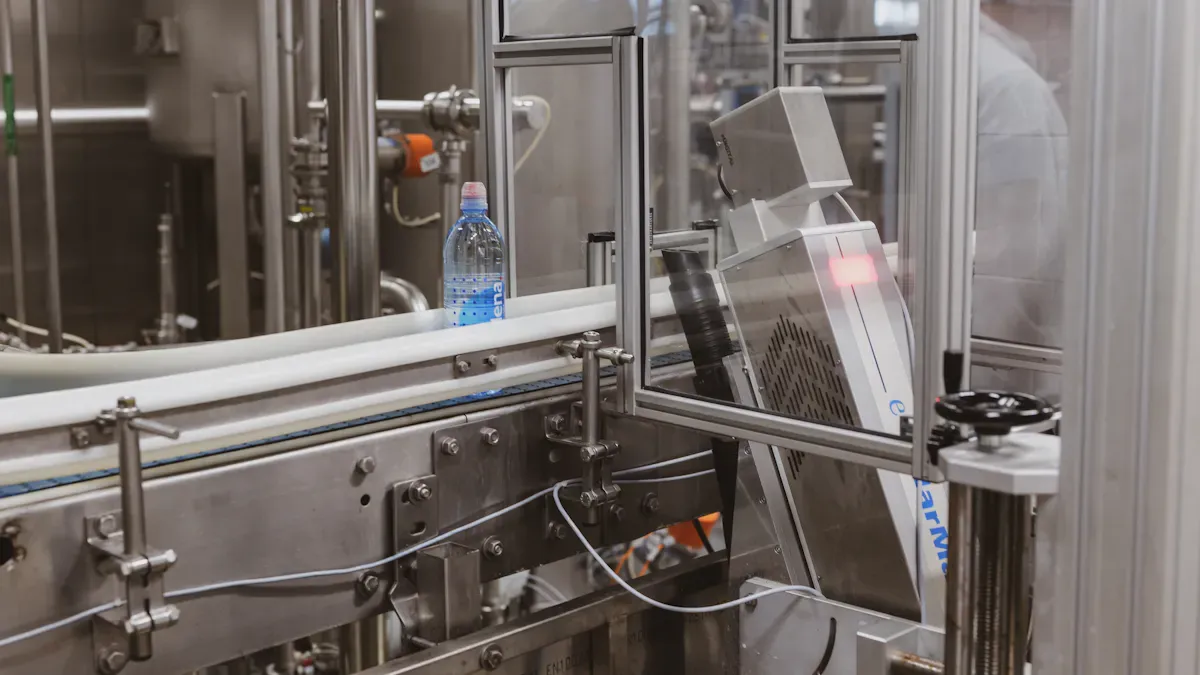
Saincheapann Comhdhúile Plaisteacha roisíní bonn le breiseáin, ábhair a chruthú atá oiriúnaithe d’fheidhmchláir shonracha. Athraíonn pelletizing na hábhair chomhdhúile seo ina millíní aonfhoirmeacha, réidh le húsáid éifeachtach iartheachtacha. Is féidir le monaróirí agus innealtóirí a thuigeann an t-idirdhealú idir gach próiseas éifeachtúlacht a threisiú agus cáilíocht an táirge a chinntiú.
Léiríonn sonraí margaidh le déanaí go sroichfidh luach margaidh domhanda na dteicneolaíochtaí seo $82 billiún ag 2025 agus $182 billiún ag 2035, á thiomáint ag an bhfás in earnálacha na ngluaisteán agus na pacáistithe.
| Próiseas | Tionchar Éifeachtúlachta | Tionchar Cáilíochta Táirge |
|---|---|---|
| Comhdhéanta | Ábhair táilliúirí, feabhsaíonn feidhmíocht, laghdaíonn costas | Cumasaíonn sé rialú cáilíochta níos fearr |
| Peiléadú | Soláthraíonn foirm ábhar comhsheasmhach le haghaidh próiseála | Cinntíonn sé aonfhoirmeacht i gcáilíocht an táirge deiridh |
Siopaí Bealaí Eochair
- Plastic compounding customizes base resins with additives to create materials for specific uses.
- Pelletizing transforms compounded materials into uniform pellets for easy processing and handling.
- Understanding the differences between compounding and pelletizing helps manufacturers improve efficiency and product quality.
- Compounding involves mixing, leá, and extruding materials to achieve desired properties.
- Pelletizing focuses on creating consistent pellet sizes, which is crucial for reliable manufacturing.
- Quality control is essential in both processes to ensure that the final products meet industry standards.
- Both compounding and pelletizing play vital roles in sectors like automotive, leictreonaic, agus cúram sláinte.
- Choosing the right process depends on material characteristics, production needs, and cost considerations.
Definitions and Differences
Plastic Compounding Defined
Plastic compounding refers to the process of mixing polymers with additives, líontóirí, and reinforcements to modify and enhance the physical and chemical properties of the material. Industry standards define this process as a method to tailor a polymer so that it includes all desired features in a single material. Manufacturers use plastic compounding to improve product quality, costais a laghdú, and increase productivity. The process typically involves melting, chumasc, and extrusion to achieve a uniform dispersion of components.
A wide range of ingredients and additives play a role in plastic compounding:
- Masterbatch: A concentrated mix of pigments and additives within a carrier resin, ensuring even dispersion.
- Frithocsaídeoirí: Prevent polymer degradation from heat and oxygen, maintaining strength and flexibility.
- UV Stabilizers: Cosain polaiméirí a úsáidtear lasmuigh trí radaíocht ultraivialait dhochrach a ionsú nó a scaipeadh.
- Retardants lasair: Cosc nó moill a chur ar tháirgeadh lasair, tábhachtach go háirithe i leictreonaic agus tógáil.
- Datháin: Ceadaigh roghnú dathanna i bplaisteacha casta.
- Mionathraitheoirí Neart agus Solúbthachta: Airíonna meicniúla sonracha a bhaint amach.
- Breiseáin Fhrithmhiocróbacha: Cosc a chur ar fhás frídíní, tábhachtach do tháirgí leighis.
- Líontóirí: Den sórt sin mar talc, snáithín gloine, agus carbónáit chailciam, feabhas a chur ar neart, costais a laghdú, agus friotaíocht teasa a fheabhsú.
- Feabhsóirí Feidhmíochta: Airíonna oiriúint cosúil le cobhsaíocht theirmeach, retardancy lasair, agus friotaíocht UV.
Cuireann an próiseas seo ar chumas na monaróirí ábhair a chruthú le tréithe beachta d'iarratais éilitheacha.
Pelletizing Plaisteacha Sainithe
Is próiseas é pelletizing plaisteach a athraíonn plaisteach amh nó athchúrsáilte isteach beag, millíní aonfhoirmeacha. Tá an claochlú seo riachtanach le haghaidh déantúsaíochta agus athchúrsáil éifeachtach. An pelletizer plaisteach athraíonn glanadh agus is minic a shredded nó plaisteach leáite ina millíní aonfhoirmeacha, a thugtar isteach arís i bpróisis déantúsaíochta ansin. Tugann pelletization aghaidh ar dhúshláin amhail beathú míchothrom agus láimhseáil ábhair, rud a fhágann go bhfuil sé ríthábhachtach in earnálacha cosúil le gluaisteán agus pacáistiú ina bhfuil cáilíocht táirgí ríthábhachtach.
| Cineál Fianaise | Sonraí |
|---|---|
| Amhábhair | Cineálacha éagsúla plaistigh, lena n-áirítear poileitiléin (Corpoideachas) agus polapróipiléine (PP) |
| Aschuir | Millíní plaisteacha a tháirgtear trí leá, fuaraithe, agus próisis ghearrtha |
Feabhsaíonn pelletization éifeachtacht táirgeadh plaisteach agus ceadaíonn sé plaistigh speisialaithe a chruthú agus éascaíocht láimhseála á chothabháil.
Príomhdhifríochtaí Forbhreathnú
Tábla Comparáide
| Gné | Comhdhúile Plaisteacha | Pelletizing Plaisteacha |
|---|---|---|
| Príomhchuspóir | Athraíonn comhdhéanamh agus airíonna an pholaiméir | Athraíonn sé ábhar go foirm aonfhoirmeach millíní |
| Príomhchéimeanna | Meascadh, leá, chumasc, easbhrúite | Leá, fuaraithe, gearradh |
| Typical Additives | Líontóirí, datháin, cobhsaitheoirí, performance enhancers | Not typically added during pelletizing |
| Aschur | Customized plastic material (can be in various forms) | Uniform pellets |
| Iarratas | Direct use in products or further processing | Used for molding, easbhrúite, or transport |
Summary Points
- Plastic compounding focuses on altering the composition of the plastic by blending various ingredients, which affects its physical properties.
- Plastic pelletizing converts compounded plastic into uniform pellets, primarily concerned with the physical form for ease of use in manufacturing.
- Compounded plastics can be directly shaped into products, while pelletized plastics are typically used for further processing.
- Both processes play a critical role in modern manufacturing, but they address different needs within the production chain.
Leid: Cuidíonn tuiscint ar an idirdhealú idir na próisis seo le monaróirí an cur chuige ceart a roghnú dá gcur i bhfeidhm sonrach, ag cinntiú an fheidhmíocht agus an éifeachtúlacht is fearr.
Próiseas Comhdhúile Plaisteacha
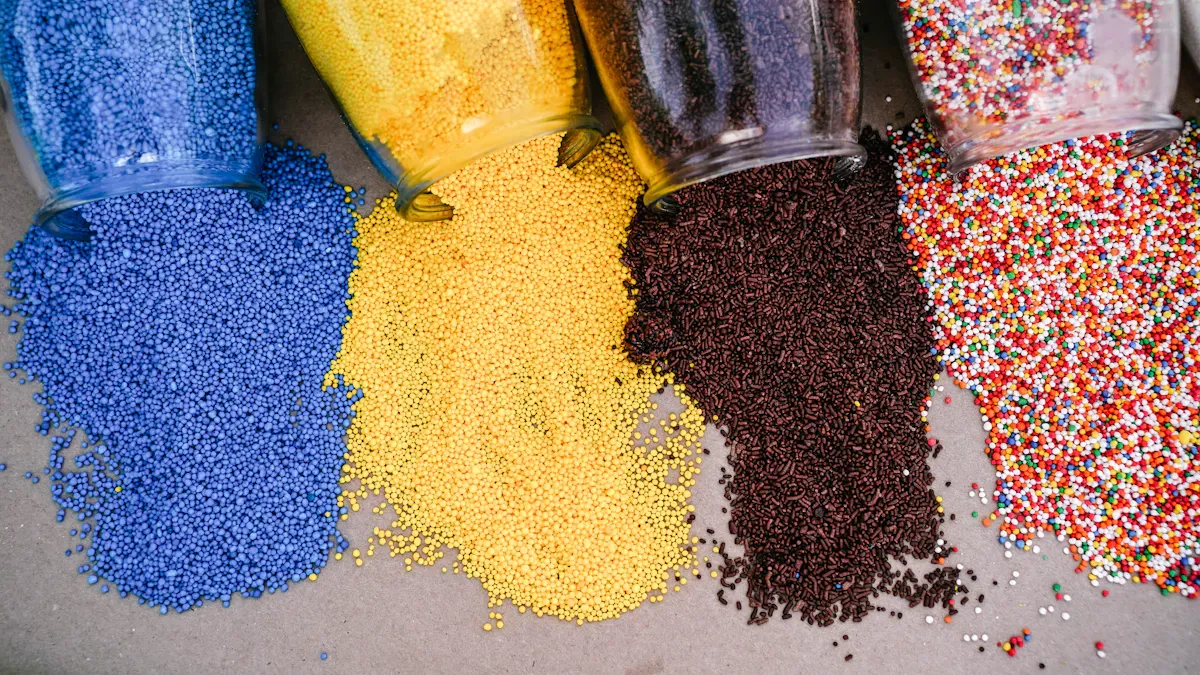
Céimeanna Próisis
Athraíonn cumaisc phlaisteacha amhábhair go plaistigh ardfheidhmíochta trí shraith céimeanna beachta. Tosaíonn monaróirí trí amhábhair a stóráil mar roisín, breiseáin, agus líontóirí i málaí, málaí móra, nó silos. Tugann córais aeroibrithe nó mheicniúla na hábhair seo chuig an limistéar próiseála. Cothaíonn oibreoirí na hábhair isteach sa bairille preas, go leanúnach nó i mbaisceanna. Leanann an próiseas cumaisc le leá agus le meascadh, ina meascann an polaiméir agus na breiseáin chun aonfhoirmeacht a bhaint amach. Is éard atá i gceist leis an gcéim dheireanach ná múnlú, fuaraithe, agus an táirge a ghearradh, ina dhiaidh sin rialú cáilíochta dian.
| Céim | Cur síos |
|---|---|
| 1 | Stóráil amhábhar i málaí, málaí móra, and silos |
| 2 | Pneumatic or mechanical material conveying system |
| 3 | Material feed to the press barrel (continuous/discontinuous filling) |
| 4 | Melting and mixing phase |
| 5 | Final product and control |
Nóta: Insight Polymers leverages rapid turnaround and specialty compounding to deliver custom plastic compounding solutions, optimizing each step for efficiency and quality.
Equipment Used
Plastic compounding facilities rely on advanced equipment to ensure consistent results. Extruders set the pace for processing and play a central role in melting and mixing. Continuous mixers work alongside extruders to handle materials like acrylics, nylons, agus PVC. Mixing systems prepare additive pre-blends, while dosing systems guarantee precise ingredient ratios. Material handling technologies, such as rotary feeders and diverter valves, support the smooth distribution and dosing of bulk materials. Integrated compounding lines combine these systems, allowing for flexible production rates and configurations. Insight Polymers utilizes internal twin-screw extrusion pilot assets to conduct small development batch trials, enabling efficient screening of product and processing parameters.
Types of Compounding
Plastic compounding encompasses several approaches, gach ceann acu in oiriúint do riachtanais iarratais ar leith. Manufacturers may add colorants to enhance appearance or stabilizers to improve heat and UV resistance. Flame retardants increase safety, especially in construction and electronics. Impact modifiers boost toughness, while fillers and reinforcements adjust cost, righneas, or strength. Custom formulated compounds can also include antimicrobial agents for medical products or UV enhancers for outdoor use. Insight Polymers specializes in polymer compounding solutions that address unique performance objectives, offering masterbatch concentrates and custom plastic compounding for injection molding, fibers, scannáin, and additive manufacturing.
- Color selection for aesthetics
- Food-safe formulations for packaging
- Fire retardants for construction
- Strength and flexibility adjustments for product-specific needs
- Antimicrobial properties for healthcare
- Enhanced UV tolerance for outdoor durability
This comprehensive approach ensures that every polymer compounding solution meets the demands of modern manufacturing.
Material States
Plastic compounding involves several material states as raw ingredients transform into high-performance compounds. The process begins with solid resins, breiseáin, agus líontóirí. Operators feed these materials into the compounding system, where they remain in a granular or powder form. As the process advances, the extruder heats and melts the mixture, converting it into a viscous, molten state. This molten blend allows for thorough mixing and dispersion of all components.
Once homogenization is complete, the material exits the extruder. At this stage, it can take several forms depending on the application. Some manufacturers cool and cut the extrudate into pellets, while others may produce strands, leatháin, or directly molded shapes. The final state—whether pellet, snáithe, or sheet—depends on downstream processing requirements. Mar shampla, Insight Polymers often delivers custom plastic compounding in pellet form for easy handling and consistent feeding in injection molding or extrusion lines.
The ability to control material states throughout the process ensures that the final product meets strict performance criteria. This flexibility supports a wide range of applications, from automotive parts to medical devices, and enables rapid adaptation to customer needs.
Rialú Cáilíochta
Quality control stands at the core of every successful plastic compounding operation. Manufacturers rely on advanced automatic control systems to maintain consistent pellet characteristics during extrusion. These systems monitor and adjust processing parameters in real time, ensuring that the molten mixture remains homogenized. Mar thoradh air sin, pigments and additives disperse evenly, producing a uniform masterbatch compound.
Operators use several practical methods to verify product consistency. Tá an water displacement method provides a reliable way to measure density on the shop floor. This technique involves measuring the initial water level, weighing the sample, and calculating density based on the displaced volume. It improves formulation accuracy, prevents material wastage, and ensures consistent product weight. These benefits support better cost control and reduce production quality issues.
A comprehensive quality control program includes a series of tests:
- Color matching tests use spectrophotometers to evaluate color differences and ensure visual consistency.
- Thermal stability tests validate pigment endurance at molding temperatures.
- Dispersion tests confirm even additive distribution through microscopic observation.
- Déanann tástálacha feidhmíochta meicniúla athbhreithniú ar neart teanntachta agus friotaíocht tionchair.
Comhtháthaíonn Insight Polymers na bearta rialaithe cáilíochta seo i ngach baisc, ag cinntiú go seachadann a réitigh cumaisc polaiméire feidhmíocht iontaofa. Tacaíonn an tiomantas seo do cháilíocht le tionscail a éilíonn beachtas, mar shampla feithicleach, leictreonaic, agus cúram sláinte.
Leid: Ní hamháin go bhfeabhsaíonn rialú cáilíochta comhsheasmhach iontaofacht an táirge ach freisin neartaíonn sé muinín an chustaiméara i seirbhísí cumaisc plaisteacha saincheaptha.
Próiseas Pelletizing Plaisteacha
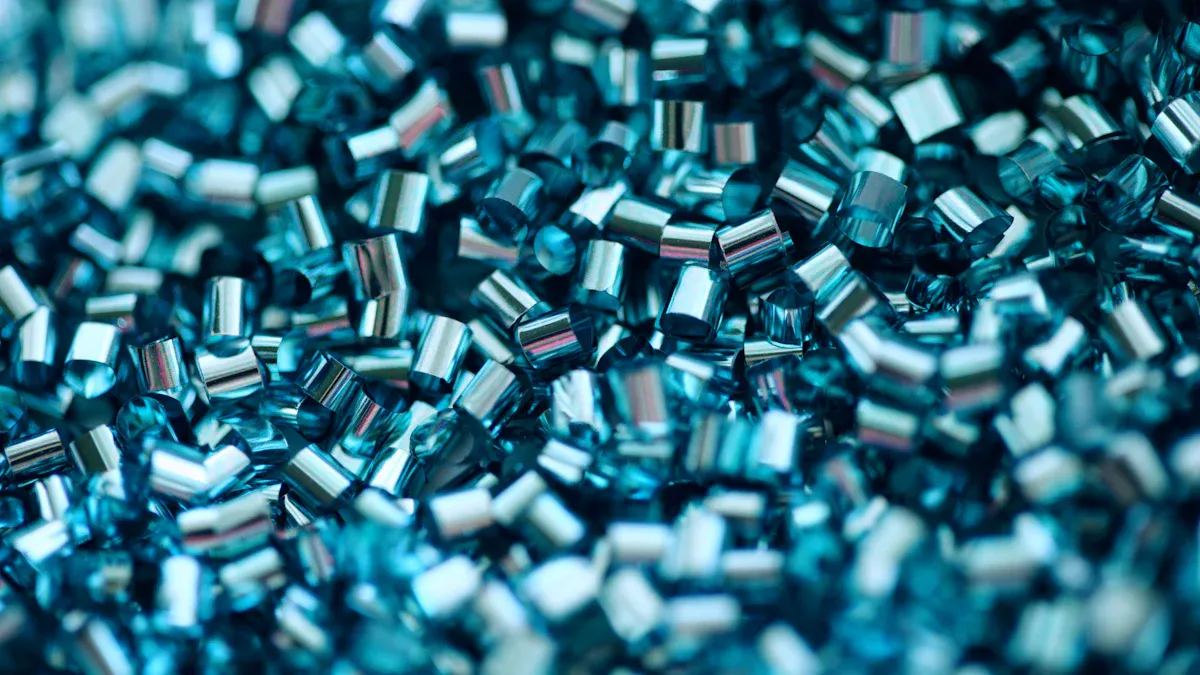
Céimeanna Próisis
Athraíonn pelletizing plaisteach roisín amh nó athchúrsáilte ina millíní aonfhoirmeacha trí shraith céimeanna dea-shainithe. Tosaíonn oibreoirí trí dhramhaíl plaisteach a shórtáil de réir cineál polaiméire, dath, agus leibhéal éillithe. Ansin ghearr siad na plaistigh sórtáilte ina gcaológa níos lú, a fheabhsaíonn éifeachtacht níocháin. Tar éis níocháin, bogann na calóga glan go dtí an chéim leá, áit a bhfuil siad téite agus easbhrúite. Téann an plaisteach leáite trí scagaire chun aon eisíontais atá fágtha a bhaint. De réir mar a théann an leá scagtha amach trí phláta dísle, foirmíonn sé snáitheanna leanúnacha. Déantar na snáitheanna seo a fhuarú go tapa i ndabhach uisce nó i gcóras aerfhuaraithe, a struchtúr a chobhsú. Ar deireadh, gearrtar na snáitheanna fuaraithe i millíní, atá réidh le haghaidh déantúsaíochta iartheachtacha.
Cinntíonn pelletizing éifeachtach méid agus cáilíocht millíní comhsheasmhach, atá ríthábhachtach le haghaidh próiseála iontaofa in iarratais mhúnlú agus easbhrúite.
Equipment Used
Braitheann oibríochtaí pelletizing ar innealra speisialaithe chun tréchur ard agus torthaí comhsheasmhacha a bhaint amach. Láimhseálann pelletizers snáithe an easbhrúite déanta as plaisteach leáite ina snáitheanna agus gearrtha ina millíní iad. Underwater pelletizers cut the molten plastic directly under water, which instantly cools and solidifies the pellets. Cold pelletizers produce pellets from hot extrudate without using water cooling. Each machine type supports different process requirements and material characteristics. Operators select equipment based on the type of resin, the presence of additives, and the desired pellet properties.
- Peileadóirí snáithe: Cut extruded strands into uniform pellets.
- Peileadóirí faoi uisce: Cut and cool pellets simultaneously in a water chamber.
- Cold pelletizers: Produce pellets without water, suitable for heat-sensitive materials.
Pelletizing Technology Types
Manufacturers use several pelletizing technologies, each offering unique advantages in efficiency and output quality. Strand pelletizing works best for clean, stable materials and delivers high output quality. Water-ring pelletizing cuts the molten plastic at the die face and cools it in a circulating water ring, which enhances efficiency. Underwater pelletizing cuts pellets in a water chamber, ensuring uniform cooling and very high output quality.
| Teicneolaíocht Pelletizing | Cur síos | Éifeachtúlacht | Cáilíocht Aschuir |
|---|---|---|---|
| Pelletizers Snáithe | Cut pellets in strands and are suitable for clean materials. | Measartha | Ard |
| Pelletizers Die-Aghaidh | Include underwater and water-ring systems, providing rapid cooling. | Ard | An-Ard |
Operators choose the appropriate technology based on the type of resin, the presence of additives, and the required pellet characteristics. The right selection ensures that pellets meet strict quality standards for downstream processing.
Material States
Pelletizing transforms plastics through several distinct material states. Tosaíonn an próiseas le stoc cothaithe plaisteach soladach, is féidir roisín maighdean a áireamh, calóga athchúrsáilte, nó regrind. Luchtaíonn oibreoirí na hábhair seo isteach i dríodair nó i bhfriothálaithe. Téann an t-ábhar isteach san easbhrúiteoir ansin, áit a ndéanann teas agus fórsa meicniúil na cáithníní soladacha a thiontú ina stát leáite. Sreabhann an plaisteach leáite seo tríd an mbairille easbhrúiteora, ag cinntiú meascadh críochnúil agus homogenization.
De réir mar a théann an mhais leáite amach as an easbhrúiteoir, téann sé trí phláta dísle. At this stage, foirmíonn an t-ábhar snáitheanna leanúnacha nó braoiníní, ag brath ar an teicneolaíocht pelletizing. I pelletizing snáithe, tagann an plaisteach leáite chun cinn chomh fada, snáitheanna cosúil le spaghetti. Gluaiseann na snáitheanna seo trí chóras fuaraithe, folctha uisce go minic, a solidifies an t-ábhar go tapa. Chomh luath agus fuaraithe, téann na snáitheanna soladacha isteach i seomra gearrtha, nuair a ghearrann sceana rothlach iad ina millíní aonfhoirmeacha.
Other pelletizing methods, such as underwater or water-ring systems, cut the molten plastic immediately as it exits the die. The pellets cool and solidify almost instantly in the water environment. The final product consists of small, dense pellets with consistent size and shape. Tá na millíní seo éasca le láimhseáil, iompar, and feed into downstream manufacturing processes.
Leid: Controlling each material state during pelletizing ensures that the final pellets meet strict quality and performance standards.
Rialú Cáilíochta
Quality control in pelletizing plays a critical role in maintaining pellet uniformity and purity. Operators implement several protocols throughout the process to ensure high-quality output:
- Pre-sorting and washing remove contaminants and non-target materials. Automated sorting systems and washing lines help achieve a clean feedstock.
- Cuireann triomú agus dí-éilliú deireadh le taise agus neamhíonachtaí. Ullmhaíonn triomú ardteochta agus íonú folúis an t-ábhar le haghaidh easbhrúite.
- Leánn easbhrúite agus millíní calóga nó roisín íonaithe ina millíní aonfhoirmeacha. Soláthraíonn easbhrúiteoirí dhá-scriú meascadh agus comhsheasmhacht den scoth.
- Baineann díghású folúis gáis agus comhdhúile so-ghalaithe faoi choinníollacha folúsacha arda. Coscann an chéim seo lochtanna agus feabhsaíonn sé cáilíocht millíní.
- Criostalú agus polaiméiriú soladach-stáit (SSP) feabhas a chur ar shlaodacht intreach polaiméirí áirithe, mar PET. Cinntíonn na céimeanna seo go gcomhlíonann na millíní ceanglais a bhaineann go sonrach le hiarratais.
Déanann oibreoirí monatóireacht ar mhéid millíní, cruth, agus dath ar feadh an phróisis. Úsáideann siad rilleáin, iniúchadh amhairc, agus braiteoirí uathoibrithe chun aon diallais a bhrath. Laghdaíonn rialú cáilíochta comhsheasmhach dramhaíl, feabhsaíonn éifeachtúlacht próisis, agus ráthaíonn sé go bhfeidhmíonn na millíní go hiontaofa i múnlú, easbhrúite, nó iarratais eile.
Nóta: Tacaíonn rialú cáilíochta iontaofa maidir le pelletizing le monaróirí táirgí ardfheidhmíochta a tháirgeadh do thionscail éilitheacha.
Feidhmchláir
Feidhmchláir Chomhdhéanta
Cuireann cumaisc phlaisteacha ar chumas déantúsóirí ábhair a chruthú le hairíonna atá oiriúnaithe d'earnálacha éilitheacha. Léiríonn an tábla seo a leanas úsáidí coitianta tionscail:
| Earnáil | Feidhmchláir |
|---|---|
| Feithicleach | Ábhair éadroma, plaistigh teas-resistant, polaiméirí tionchair-resistant |
| Leictreonaic | Comhdhúile lasair-retardant, plaistigh seoltacha teirmeacha, ábhair frith-statacha |
| Táirgí Tomhaltóirí | Plaistigh durable, ábhair atá sábháilte ó thaobh bia de, Comhdhúile UV-resistant |
| Feidhmchláir Thionsclaíoch | Polaiméirí ceimiceach-resistant, plaistigh threisithe, ábhair abrasion-resistant |
Feithicleach
Braitheann monaróirí feithicleacha ar chomhdhúile chun cinn le haghaidh éadromú agus sláine struchtúrach. Comhdhúile plaisteacha ardfheidhmíochta ionad miotail i painéil taobh istigh, tuairteoirí, agus comhpháirteanna faoin gcochall. Tairgeann na hábhair seo neart inchomparáide agus feidhmíocht theirmeach, a fheabhsaíonn éifeachtúlacht agus sábháilteacht breosla. Seachadann Insight Polymers cumaisc saincheaptha le haghaidh múnlú insteallta, ag cur ar chumas fréamhshamhlú tapa agus táirgeadh páirteanna feithicleacha a chomhlíonann caighdeáin dhian an tionscail.
Leictreonaic
Úsáideann táirgeoirí leictreonaice comhdhúile speisialtachta le haghaidh tithe, chónaisc, agus inslitheoirí. Cosnaíonn plaistigh lasair-retardant agus seoltacha go teirmeach comhpháirteanna íogaire ó ghuaiseacha teasa agus leictreacha. Coscann ábhair fhrithstatacha damáiste ó urscaoileadh statach. Tacaíonn Insight Polymers le monaróirí leictreonaic le comhchruinnithe masterbatch a fheabhsaíonn sábháilteacht agus feidhmíocht i bhfeistí tomhaltóra agus i gcórais fuinnimh in-athnuaite.
Leighis
Éilíonn monaróirí feistí leighis comhdhúile a bhfuil airíonna meicniúla agus ceimiceacha beachta acu. Soláthraíonn foirmlithe saincheaptha cosaint frithmhiocróbach agus bith-chomhoiriúnacht do threalamh diagnóiseach agus uirlisí máinliachta. Forbraíonn Insight Polymers comhdhúile speisialtachta le haghaidh snáithíní agus scannáin a úsáidtear i bpacáistiú agus i bhfeistí leighis, comhlíonadh rialacháin cúram sláinte a chinntiú.
Feidhmchláir Pelletizing
Athraíonn pelletizing plaistigh amh nó athchúrsáilte ina millíní aonfhoirmeacha, ag tacú le raon leathan de phróisis déantúsaíochta.
Mhúnlú & Easbhrúite
Feidhmíonn millíní mar an stoc cothaithe caighdeánach do mhúnlú agus easbhrúite. Cinntíonn a méid agus a gcruth comhsheasmhach oibriú meaisín iontaofa agus cáilíocht an táirge. Úsáideann monaróirí millíní lena dtáirgeadh táirgí a úsáidtear go laethúil ar nós boscaí bruscair, crochairí, agus potaí bláthanna, as well as industrial items like pallets and automotive interior base materials.
Athchúrsáil
Pelletizing plays a vital role in recycling. Operators sort, shred, and melt plastic waste, then re-extrude and pelletize it into high-quality, reusable pellets. This process closes the loop in the plastic lifecycle, allowing manufacturers to reintroduce recycled material into new products. Applications include construction materials like plastic lumber and municipal covers.
By turning plastic waste into a consistent raw material, pelletizing helps close the loop in the plastic lifecycle.
Bulk Handling
Large-scale manufacturers benefit from pelletizing in bulk handling and logistics. The process includes material intake, sorting, shredding, easbhrúite, pelletizing, agus pacáistiú. Uniform pellets simplify storage, iompar, and return shipping, supporting efficient supply chains. Is féidir le monaróirí millíní a sheoladh ar ais lena n-athúsáid nó iad a sheoladh chuig tríú páirtithe le haghaidh feidhmchlár táirgí nua.
Tacaíonn saineolas Insight Polymers maidir le cumaisc agus millíní saincheaptha le feidhmchláir éagsúla, ó mhúnlú insteallta agus déantúsaíocht breiseán go tionscnaimh athchúrsála inbhuanaithe.
Roghnú Próisis
Fachtóirí le Breathnú
Ní mór do mhonaróirí roinnt fachtóirí a mheas agus an próiseas ceart á roghnú acu dá riachtanais táirgthe. Cuidíonn na breithnithe seo lena chinntiú go bhfuil an modh roghnaithe ar aon dul leis na spriocanna oibríochtúla agus le ceanglais an táirge araon:
- Saintréithe ábhar ról lárnach a imirt. Cinneann tuiscint ar airíonna fisiceacha agus ceimiceacha na n-ábhar ionchuir comhoiriúnacht le cumaisc nó millíní plaisteach saincheaptha.
- Throughput requirements must match the capacity of the pelletizer and the upstream extrusion system. This alignment prevents bottlenecks and maximizes efficiency.
- Pellet quality requirements depend on end-user specifications. Precision in pellet size and shape supports consistent downstream processing.
- Operational environment and available utilities influence system selection. Facilities must support the demands of the chosen process.
- Maintenance and ease of use affect long-term productivity. Machines that require less maintenance and offer higher availability reduce downtime.
- Cost considerations and return on investment guide decision-making. Evaluating total ownership costs, including operating expenses and potential product loss, ensures financial sustainability.
- Companies often require components with exceptional durability. Design flexibility remains essential for meeting unique application needs. Cost efficiency continues to influence the choice of manufacturing methods.
Understanding the unique mechanical properties, friotaíocht ceimiceach, and processing characteristics of different plastics is vital. These factors directly impact durability, éifeachtúlacht costais, and compliance with industry standards.
Cás-Staidéir
| Application Area | Evidence of Success | Outcome Description |
|---|---|---|
| Resin Manufacturing and Polymerization | Increased output by 40% with underwater pelletizing system. | Effective for continuous production of consistent pellets. |
| Compounding and Masterbatch Production | Improved color pellet performance in customer processes using underwater systems. | Ideal for color concentrates and filled compounds. |
| Recycling and Reclaim Operations | Customized system for PET bottle recycling to handle changing materials. | Córais snáithe le haghaidh fuíoll comhsheasmhach; faoi uisce le haghaidh ábhar measctha. |
Tá bainte amach ag monaróirí san earnáil leighis próifílí íseal insleachta i bhfeadánra fola trí TPE nó PVC saor ó DEHP a roghnú. Baineann comhpháirteanna feiste autoclavable leas as comhdhúile TPE, a chuireann in aghaidh breabú le linn steiriliú arís agus arís eile. Cinntíonn ginealas baisc iomlán inrianaitheacht na gcomhpháirteanna go léir, tacú le dearbhú cáilíochta i ndéantúsaíocht feistí leighis.
Dúshláin & Réitigh
Is minic a bhíonn dúshláin le sárú ag monaróirí le linn cur i bhfeidhm. Cinntíonn dul i ngleic leis na saincheisteanna seo go tapa cáilíocht chomhsheasmhach agus éifeachtúlacht oibriúcháin:
- Méid agus cruth millíní neamhrialta is féidir tarlú. Coigeartóidh oibreoirí teocht bás, iniúchadh a dhéanamh ar lanna gearrtha, agus socraigh an bhearna lann ceart chun é seo a réiteach.
- D'fhéadfadh tréchur laghdaithe nó jamming meaisín cur isteach ar tháirgeadh. Glanadh poill bás, ag cinntiú sreabhadh ábhar comhsheasmhach, and monitoring feed section components help maintain steady operation.
- Overheating of the machine or motor poses risks. Checking cooling systems, inspecting for excessive friction, and ensuring proper cutter speed prevent damage.
- Poor pellet quality affects downstream performance. Verifying temperature profiles, implementing strict material handling, and pre-drying hygroscopic materials improve results.
By applying these solutions, companies can optimize their polymer compounding solutions and maintain high standards in custom plastic compounding and extrusion processes.
Pelletizing Technology Trends
Advances in Compounding
Recent advances in compounding have transformed how manufacturers approach material design and production. Companies now use recycled resins and bio-based polymers to dramhaíl a laghdú and support sustainability. They rejuvenate old plastic streams, restoring their properties and extending their lifecycle. Advanced compounding techniques allow plastics to replace metals and ceramics in many applications, improving efficiency and reducing costs.
Manufacturers benefit from several key developments:
- Flexibility in creating components without traditional dies or tooling.
- Cost-effective solutions for prototyping and short-run production.
- Enhanced mechanical strength and durability in finished parts.
- Integration of nanotechnology to improve material properties.
- Adoption of Industry 4.0 technologies for better process control and customization.
These innovations enable the use of a wide range of additives, including those that improve conductivity, flame retardance, and structural strength. The focus on sustainable and recyclable materials continues to drive the evolution of compounding processes.
Nuálaíochtaí i Pelletizing
Tá feabhsuithe suntasacha tagtha ar theicneolaíocht pelletizing, go háirithe maidir le rialú cáilíochta agus éifeachtúlacht oibriúcháin. Tá ardchórais scagacháin glactha ag monaróirí tosaigh a úsáideann céimeanna scagacháin iolracha le méideanna mogaill níos míne. Baineann an cur chuige seo amach ábhar salaithe agus cinntíonn sé cáilíocht millíní níos fearr, trealamh le sruth a chosaint.
| Cineál Nuálaíochta | Cur síos |
|---|---|
| Ardchórais Scagacháin | Céimeanna scagacháin iolracha le haghaidh millíní níos glaine agus cosaint trealaimh. |
| Córais Chliste Rialaithe | Monatóireacht fíor-ama agus cothabháil thuarthach trí chomhéadain scáileáin tadhaill. |
| Aonad Réamhchoinníollach Dinimiciúla | Ullmhúchán aonchéime de phlaistigh le haghaidh easbhrúite, airíonna ábhar a chaomhnú. |
| Comhtháthú IoT agus AI | Cothabháil thuarthach agus coigeartuithe fíor-ama le haghaidh éifeachtúlacht fheabhsaithe agus costais níos ísle. |
Nascann aonaid réamhchoinníollacha dinimiciúla roinnt céimeanna i gceann amháin, preparing plastics for extrusion while maintaining high end-product quality. Intelligent control systems provide operators with real-time data, allowing quick adjustments to the process. IoT and AI integration further enhance pelletizing by enabling predictive maintenance and reducing downtime.
Inbhuanaitheacht
Sustainability initiatives have become central to the development of both compounding and pelletizing technology. Companies like LyondellBasell focus on improving the quality of mechanical plastic recycling through research and development. Their efforts ensure that recycled materials meet strict safety and performance standards. Primex demonstrates a commitment to sustainability by operating an in-house recycling facility. This facility processes post-industrial and post-consumer materials through collection, sorting, shredding, washing, and pelletizing. The result is high-quality recycled resin suitable for manufacturing.
Manufacturers now prioritize the use of sustainable additives and recyclable materials in their processes. They design pelletizing systems to handle a variety of recycled plastics, supporting closed-loop recycling and reducing environmental impact. These trends reflect a broader industry shift toward responsible production and resource conservation.
Leid: Embracing new pelletizing technology and sustainable practices helps manufacturers stay competitive while meeting environmental goals.
Manufacturers rely on both processes for different application needs. Plastic compounding creates materials with specific properties, while pelletizing prepares those materials for efficient use. Selecting the right process ensures each application meets quality and performance goals.
- Evaluate the requirements of each application before choosing a process.
- Consult industry experts for guidance on complex applications.
For more information on custom solutions, manufacturers can contact Insight Polymers or review technical resources.
CCanna
What is the main difference between plastic compounding and pelletizing?
Plastic compounding changes the properties of plastics by mixing resins with additives. Pelletizing shapes these materials into uniform pellets for easy processing. Each process serves a unique role in manufacturing.
When should a manufacturer choose custom plastic compounding?
Manufacturers select custom plastic compounding when they need materials with specific properties, such as flame resistance or enhanced strength. Insight Polymers offers rapid, tailored solutions for these requirements.
An féidir le pelletizing cáilíocht plaisteach athchúrsáilte a fheabhsú?
Tá. Glanann pelletizing, leáigh, agus déanann sé plaistigh athchúrsáilte a athchóiriú ina millíní aonfhoirmeacha. Baineann an próiseas seo ábhair shalaithe amach agus feabhsaíonn sé comhsheasmhacht, ag déanamh ábhair athchúrsáilte oiriúnach do tháirgí nua.
Cén trealamh a úsáideann Polaiméirí Insight chun cumaisc a dhéanamh?
Úsáideann Insight Polymers easbhrúiteoirí cúpla-scriú, meascthóir chun cinn, agus córais dosála beachta. Ceadaíonn na huirlisí seo do chumasc éifeachtach agus forbairt tapa ar chomhdhúile saincheaptha.
Conas a chinntíonn monaróirí cáilíocht le linn cumaisc?
Úsáideann monaróirí monatóireacht fíor-ama, meaitseáil dathanna, agus tástáil mheicniúil. Seiceálann siad dlús agus scaipeadh chun torthaí comhsheasmhacha a ráthú. Tá rialú cáilíochta riachtanach i gcónaí le haghaidh feidhmíochta iontaofa.
An bhfuil millíní cumaisc réidh le haghaidh múnlú insteallta?
Tá. Compounded pellets from Insight Polymers are designed for direct use in injection molding, easbhrúite, and additive manufacturing. Their uniformity ensures smooth processing and high-quality finished parts.
What industries benefit most from these processes?
Feithicleach, leictreonaic, leighis, and packaging industries rely on compounding and pelletizing. These sectors demand materials with precise properties and consistent quality.