

Plastic Extrusion Factory: Wiidweidige B2B-hannelsanalyse foar merken yn
De wrâldwide plestik extrusion-yndustry stiet op in pivotal krúspunt yn. Wurdearre op mear as USD 230 miljard en projekteare om USD te berikken 300 miljard by 2030, de plestik extrusionsektor is ien fan 'e meast krityske segminten fan' e wrâldwide produksjeekonomy. Plastic extrusion fabryken — foarsjenningen dy't rûch plestik smelte en it foarmje yn trochgeande profilen lykas buizen, buizen, finster frames, Wetterstriid, en yndustriële komponinten — tsjinje as de rêchbonke fan de bou, automotive, ferpakking, medysk, en elektroanika-yndustry oan beide kanten fan 'e Atlantyske Oseaan. As hannelsdynamyk tusken de Feriene Steaten en de Jeropeeske Uny trochgiet te evoluearjen ûnder nije tariefregimen, duorsumens mandaten, en reshoring strategyen, begripe it B2B lânskip foar plestik extrusion fabryk fabrikanten, leveransiers, en gruthannels hat nea west wichtiger.
Extruded Aluminium Design Software Dit artikel jout in yngeande analyze fan 'e yndustry foar plestik extrusion fabryk yn' e kontekst fan hannel. Wy ûndersiikje aktuele hannelsbelied, merk kânsen en útdagings, Clay Extruder Joann geografyske en beliedsfoardielen, echte wrâld case studies, trendprognoses op koarte termyn, en de swiere yndustry foarútsjoch foarmje de takomst fan plestik extrusion manufacturing. L / D ferhâlding extruder
Yndustriële manufacturing fabryk flier mei plestik extrusion masines en produksje linen dy't fertsjintwurdigje moderne plestik extr
1. De hjoeddeistige steat fan hannelsbelied en de ynfloed dêrfan op plestikekstrusiefabriken
De hannelsrelaasje tusken de Feriene Steaten en de Jeropeeske Uny is it grutste bilaterale ekonomyske partnerskip yn 'e wrâld, mei guod en tsjinsten hannel boppe USD 1.3 trillion jierliks neffens de International Trade Administration (ITA). Binnen dit ramt, produsearre plestik en plestik produkten fertsjintwurdigje in wichtige en groeiende kategory. De plestik extrusion fabryk segment — omfiemet fabrikanten, leveransiers, en gruthannel distributeurs — wurdt direkt beynfloede troch de evoluearjende tarifstrukturen, regeljouwing harmonisaasje ynspannings, en duorsumens-oandreaune hannelsbelied dat it lânskip definiearret.
Yn betiid, de Amerikaanske administraasje ymplementearre in nije ronde fan tariven dy't ynfloed hawwe op in breed skala oan ymporteare guod, ynklusyf bepaalde plestik produkten en rauwe polymer materialen. Neffens rapportaazje fan de Journal of Commerce, de basisline taryf op EU-oarsprong produsearre guod waard ferhege nei 20%, mei spesifike plestikproduktkategoryen dy't ekstra plichten hawwe. Dit hat sawol útdagings as kânsen makke foar operators fan plestik extrusion fabryk. Oan de iene kant, US-basearre plestik extrusion fabrikanten profitearje fan fermindere ymportkompetysje, as Europeeske extruded profilen en klear plastic komponinten wurde djoerder yn 'e Amerikaanske merk. Oan de oare kant, US plastic extrusion fabriken dy't fertrouwe op ymportearre Europeeske-grade engineering harsen — lykas spesjaliteit polyamides, PEEK, en hege-optreden PVC ferbiningen — face ferhege ynput kosten.
De Europeeske Uny hat reagearre mei in eigen set fan tsjinmaatregels. De European Commission's Directorate-General for Trade oankundige ferjildingstariven op selekteare Amerikaanske plestikprodukten, wylst tagelyk hannelsûnderhannelingen mei oare partners fersnelle om leveringsketens te diversifiëren. The EU's Carbon Border Adjustment Mechanism (CBAM), dy't syn oergongsfaze yngie yn 2024 en beweecht nei folsleine ymplemintaasje yn 2026, foeget in oare laach fan kompleksiteit foar plastic extrusion fabriken dwaande mei transatlantyske hannel. CBAM fereasket ymporteurs om sertifikaten te keapjen dy't oerienkomme mei de koalstofpriis dy't soe west hawwe betelle as it guod waard produsearre ûnder EU-koalstofpriisregels. Foar enerzjy-yntinsive plestik extrusion prosessen, dit kin tafoegje 3-8% oan de lânkosten fan ymportearre ekstrudearre produkten.
Nettsjinsteande dizze tsjinwind, de Trade and Technology Council (TTC) bliuwt te wurkjen oan regeljouwing ôfstimming yn gebieten dy't relevant binne foar plestik extrusion, ynklusyf noarmen foar recycled ynhâld yn plestik produkten, ûnderlinge erkenning fan kwaliteitssertifikaten (lykas ISO 9001 en ISO 14001), en harmonisearre testprotokollen foar ekstrudearre plestikkomponinten brûkt yn bou- en automobilapplikaasjes. De Amerikaanske Keamer fan Keaphannel en Eurochambres hawwe beide pleite foar sektorspesifike ûntheffingen foar ynputen foar plestikproduksje, mei it argumint dat tariven op rau polymeren úteinlik skea oan streamôfwerts fabrikanten skealje en konsumintprizen ferheegje.
Foar plestik extrusion fabryk fabrikanten en leveransiers dy't operearje yn 'e B2B romte, de beliedsomjouwing freget om soarchfâldige navigaasje. Bedriuwen moatte tarifskema's kontrolearje, begripe regels fan oarsprong easken, en ynvestearje yn ynfrastruktuer foar neilibjen om konkurrearjende prizen oer de Atlantyske Oseaan te behâlden. Dejingen dy't duorsume produksjepraktiken kinne demonstrearje — lege koalstoffoetôfdruk, hege recycled ynhâld, enerzjysunige extrusion prosessen — sille fine harsels better gepositioneerd te navigearjen sawol Amerikaanske en EU regeljouwing kaders.
2. Begryp fan 'e yndustry foar plastysk extrusionfabryk: Key prosessen en produkten
In plestik extrusion fabryk is in fabrikaazje foarsjenning dêr't thermoplastic grûnstoffen wurde smolten en kontinu foarme troch in die te meitsjen produkten mei in fêste dwerstrochsneed profyl. It ekstruderingsproses is ien fan 'e produksjemetoaden mei it heechste folume yn' e plestikyndustry, alles produsearje fan ienfâldige buizen en film oant komplekse medyske katheters mei meardere lumen en presysûntwerpe autodichtingen.
De kearnprosessen binnen in plastic extrusion fabryk omfetsje:
- Profile Extrusion: Oanpaste foarmen meitsje lykas finsterframes, doar sealen, râne trimmen, en strukturele kanalen. Dit is it grutste segmint foar B2B-hannel tusken de FS en de EU.
- Pipe en Tubing Extrusion: Produksje fan PVC, HDPE, en PP pipen foar bou, lânbou, en yndustriële fluid ôfhanneling.
- Sheet en Film Extrusion: Produsearje platte plestik lekkens en tinne films foar ferpakking, paadwizers, en thermoforming applikaasjes.
- Co-Extrusion: Kombinearjen fan meardere materialen yn ien extrusion run te berikken spesifike prestaasjes skaaimerken, lykas UV-resistinte bûtenste lagen mei strukturele ynderlike kearnen.
- Wire en Kabel Coating: It tapassen fan plestik isolaasje oan elektryske diriginten, in krityske applikaasje foar de elektroanika- en enerzjysektor.
De materialen ferwurke yn plestik extrusion fabriken span it folsleine oanbod fan thermoplastics: PVC (polyvinyl chloride), PE (polyetyleen), PP (polypropylene), ABS (acrylonitril butadien styreen), PC (polycarbonate), PMMA (acryl), TPE (thermoplastyske elastomers), en technyk-grade harsen lykas nylon en PEEK. De kar fan materiaal hat direkt ynfloed op hannelsdynamyk, as bepaalde spesjaliteit harsen wurde foaral produsearre yn itsij de FS of EU, it meitsjen fan natuerlike hannelsstreamen tusken de twa merken.
Ferstjoerkonteners by in grutte ynternasjonale haven dy't wrâldwide logistyk en operaasjeketen foar plestik extru fertsjintwurdiget
3. B2B hannelskânsen foar plestik extrusionfabriken yn merken
De B2B hannelsmooglikheden foar fabrikanten fan plestik extrusion fabryk, leveransiers, en gruthannels dy't operearje tusken de FS en de EU binne substansjeel en mannichfâldich. Ferskate wichtige sjauffeurs meitsje nije fraach en iepenje merktagong foar bedriuwen dy't kwaliteit kinne leverje, neilibjen, en konkurrearjende prizen.
3.1 Bou en Ynfrastruktuer Boom
Sawol de Feriene Steaten as de Jeropeeske Uny binne yn 'e midden fan grutte ynvestearringssyklusen foar ynfrastruktuer. De US Infrastructure Investment and Jobs Act (IIIA) hat tawiisd oer USD 550 miljard foar diken, brêgen, wetter systemen, en breedbân — allegear fereaskje wichtige folumes fan extruded plestik produkten ynklusyf PVC pipen, HDPE lieding, kabel trays, en Wetterproofing profilen. Yn Europa, the EU's NextGenerationEU recovery fund and the European Green Deal are driving similar investments, mei in bysûndere klam op enerzjysunige bouferbouwing dy't sterk fertrout op ekstruderde PVC-finsterprofilen, isolaasje kanalen, en dichtingssystemen. Neffens gegevens fan de Plastic Europa yndustry feriening, de bou en bou sektor goed foar likernôch 36% fan alle plestik fraach yn Europa, mei extrusion as de primêre ferwurkingsmetoade.
3.2 Automotive Lightweighting
The automotive industry's push toward electric vehicles (EVs) en noarmen foar brânstof effisjinsje driuwt fraach nei lichtgewicht ekstrudearre plestik komponinten. Plastic extrusion fabriken dy't kinne produsearje hege-precision profilen foar batterij húsfesting, kabel behear systemen, ynterieur trim, en strukturele fersterkingen fine groeiende B2B fraach fan sawol Amerikaanske as Jeropeeske automakers. De ITA's automotive trade division meldt dat auto-ûnderdielen hannel boppe USD 40 miljard yn 2024, mei plestik komponinten dy't in tanimmend oandiel fertsjintwurdigje.
3.3 Medyske en farmaseutyske applikaasjes
Extrudearre Psta Medyske-grade plastic extrusion is in niche fan hege wearde wêr't Amerikaanske en EU-fabrikanten komplementêre sterke punten hawwe. Jeropeeske plastic extrusion fabriken, benammen yn Dútslân, Eastenryk, en Switserlân, binne erkende lieders yn presys medyske buizen en katheter-ekstrusion. Amerikaanske fabrikanten blinke út yn produksje mei hege folume fan komponinten foar wegwerp medyske apparaten. De B2B-hannel yn medyske ekstrudearre plestik profiteart fan relatyf legere tarivenbarriêres fanwegen wjersidige belangstelling foar feiligens foar sûnenssoarch., en de FDA-EU MDR (Regeljouwing foar medyske apparaten) alignment ynspannings ferminderje regeljouwing wriuwing foar cross-grins hannel yn dit segmint.
3.4 Duorsume en Recycled-ynhâld Extrusion
The EU's Circular Economy Action Plan and the US EPA's emerging recycled content mandates are creating a new market for extruded plastic products made from post-consumer recycled (PCR) en post-yndustriële recycled (PIR) materialen. Leveransiers fan plestik extrusionfabryk dy't persintaazjes fan recycled ynhâld kinne sertifisearje en folsleine materiaal traceability dokumintaasje leverje krije foarkar tagong ta oerheidsoankeapkontrakten en duorsumensbewuste B2B-keapers oan beide kanten fan 'e Atlantyske Oseaan.
4. Útdagings Facing Plastic Extrusion Factory Operators yn Transatlantic B2B Trade
Extruder Fabrikant Wylst kânsen binne oerfloedich, fabrikanten en leveransiers fan plastic extrusion fabryk steane foar wichtige útdagings yn 'e hjoeddeistige hannelsomjouwing. Kuhne extruder
4.1 Tarif Unwissichheid en Kosten Volatility
De tarifeskalaasje hat wichtige ûnwissichheid yntrodusearre yn priismodellen foar transatlantyske hannel yn plastykekstrudering. In leveransier fan plestik extrusion fabryk dy't in 12-moanne leveringskontrakt oanhellet, moat no potinsjele tarifwizigingen yn rekken brocht dy't lânkosten kinne feroarje troch 10-25%. Dizze ûnwissichheid is benammen skealik foar gruthanneldistributeurs dy't op tinne marzjes operearje. De BBC Business rapportearre yn april dat meardere Jeropeeske plestikfabrikanten plannen foar útwreiding fan 'e Amerikaanske merk hawwe ûnderbrutsen fanwegen ûnfoarspelberens fan tariven. Plastic Extruder Fabrikanten Fabrikant
4.2 Regulatory Divergence
Nettsjinsteande harmonisaasje ynspannings, wichtige regeljouwing ferskillen bliuwe tusken de Amerikaanske en EU merken. BERIKKE (Ynskriuwing, Evaluaasje, Autorisaasje en beheining fan gemikaliën) neilibjen yn de EU stelt strangere easken oan bepaalde weekmakers, flammefertragers, en stabilisatoren faak brûkt yn PVC extrusion. Amerikaanske plestik extrusionfabriken dy't eksportearje nei Jeropa moatte produkten herformuleare of aparte produksjelinen behâlde foar EU-konforme materialen, tafoegjen fan kosten en kompleksiteit. Oarsom, Jeropeeske fabrikanten moatte regeljouwing op Amerikaanske steatnivo navigearje (such as California's Proposition 65) dat kin gâns fariearje fan federale noarmen.
4.3 Supply Chain en Logistics Kosten
Transatlantyske ferstjoerkosten foar ekstrudearre plestikprodukten bliuwe ferheven yn ferliking mei pre-pandemy-nivo's. Ekstruderde profilen binne faak bulk relatyf oan har wearde, it meitsjen fan frachtkosten in signifikant persintaazje fan 'e totale lânpriis. Tariven foar kontenerferstjoering tusken grutte Amerikaanske en EU-havens — lykas de haven fan Los Angeles, Haven fan Rotterdam, en de haven fan Hamburg — hawwe stabilisearre mar bliuwe 40-60% boppe 2019 nivo's neffens de Freightos Baltic Index. Dizze premium foar logistykkosten begunstigt pleatslike fabrikaazje en driuwt guon operators fan plestik extrusionfabryk om produksjefoarsjenningen oan beide kanten fan 'e Atlantyske Oseaan te fêstigjen ynstee fan allinich te fertrouwe op eksport.
4.4 Tekoart oan arbeid en feardichheden
Sawol de FS as de EU-yndustry foar plestik extrusion hawwe te krijen mei oanhâldende tekoart oan arbeid, benammen foar betûfte extrusion technici, die ûntwerpers, en proses yngenieurs. De Plastic Industry Association skat dat de Amerikaanske plestik sektor hat likernôch 80,000 unfilled posysjes, wylst Europeeske yndustry groepen melde ferlykbere útdagings. Dizze arbeidsbeheining beheint útwreiding fan produksjekapasiteit en kin de foltôging fan bestelling foar B2B-klanten fertrage.
Sakeprofessionals yn in hannelsûnderhannelingsgearkomste dy't B2B-partnerskippen fertsjintwurdigje tusken fabrikaazje fan plestik extrusionfabryk
5. Geografyske en beliedsfoardielen ynskeakelje Plastic Extrusion B2B Trade
Nettsjinsteande de útdagings, ferskate geografyske en beliedsfaktoaren jouwe strukturele foardielen foar operators fan plestik extrusion fabryk dy't dwaande binne mei hannel.
Strategyske havenynfrastruktuer: De FS en EU hawwe havenynfrastruktuer fan wrâldklasse dy't effisjinte beweging fan plestik-ekstrusjeprodukten fasilitearret. De haven fan Rotterdam, Europe's largest, hantearret oer 14 miljoen TEU jierliks en biedt tawijde foarsjennings foar gemyske en plestik logistyk. Oan de Amerikaanske kant, de havens fan Los Angeles / Long Beach, Savannah, en Newark jouwe effisjinte tagong ta grutte produksje- en distribúsjehubs. Dizze havens ynvestearje hieltyd mear yn digitale ynklaringsystemen dy't de ferbliuwstiden ferminderje foar konforme ferstjoeringen, profitearje fan fêstige leveransiers fan plestik extrusion fabryk mei sterke neilibjen records.
Free Trade Zone and Foreign Trade Zone Programs: Sawol de US Foreign Trade Zone (FTZ) program and EU free zone facilities allow plastic extrusion factory operators to import raw materials, process them, and re-export finished products with reduced or deferred duty obligations. A US-based plastic extrusion factory operating within an FTZ can import European specialty resins, extrude them into finished profiles, and either sell domestically (paying duty only on the raw material value) or re-export to third markets duty-free. This mechanism is particularly valuable in the current high-tariff environment.
Bilateral Standards Recognition: De oerienkomst foar wjersidige erkenning (MRA) for conformity assessment covers certain categories of industrial equipment and materials testing. While not all plastic extrusion products fall under the MRA, those that do benefit from streamlined certification processes. Dêrneist, both markets recognize ISO standards for quality management (ISO 9001), miljeu behear (ISO 14001), and plastics testing (ISO 527, ISO 1133), ferminderjen fan de needsaak foar dûbele testen en sertifisearring.
Ynnovaasje ekosystemen: The US and EU are home to the world's leading polymer science research institutions, extrusion equipment manufacturers (such as Germany's KraussMaffei, Battenfeld-Cincinnati, and US-based Davis-Standard), and plastics trade organizations. This innovation ecosystem supports continuous improvement in extrusion technology, materials science, and process efficiency, giving plastic extrusion factories a competitive edge over manufacturers in other regions.
6. Case Study: European Plastic Extrusion Factory Expanding into the US B2B Market
To illustrate the practical realities of plastic extrusion B2B trade, consider the experience of a mid-sized German plastic extrusion factory — representative of a composite of real industry cases reported by the VDMA (German Mechanical Engineering Industry Association) and trade press.
Company Profile: A family-owned plastic extrusion factory based in North Rhine-Westphalia, Dútslân, specializing in high-precision PVC and TPE profiles for the European construction and automotive industries. Annual revenue of approximately EUR 45 miljoen, mei 200 employees operating 12 extrusion rigels. The company holds ISO 9001, ISO 14001, en IATF 16949 (automotive quality) sertifikaten.
Market Entry Strategy: Yn 2023, the company identified growing demand from US construction firms for energy-efficient window and door sealing profiles that met both ENERGY STAR and Passive House standards. Leaver as it eksportearjen fan klear profilen út Dútslân — which would have been cost-prohibitive due to shipping volume and tariff exposure — the company established a joint venture with a Texas-based plastic extrusion factory. The German partner contributed proprietary die designs, material formulations, and process know-how, while the US partner provided manufacturing facilities, local market knowledge, and an established distribution network.
Útdagings Encountered: The joint venture faced several hurdles during its first 18 moannen:
- Materiaal sourcing: The specific PVC compound formulations used in Germany were not readily available from US resin suppliers. The company had to qualify alternative US-sourced compounds and adjust extrusion parameters accordingly, a process that took six months.
- Regeljouwing neilibjen: US building codes vary by state and municipality. The company invested in UL certification and ICC-ES (International Code Council Evaluation Service) reports for its profiles, a process unfamiliar to the German engineering team.
- Cultural and business practice differences: The German company's expectation of long-term framework agreements clashed with the US market's preference for shorter-term purchase orders and more flexible pricing structures.
Results: Mids 2024, de joint venture wie generearjen USD 8 miljoen yn jierlikse ynkomsten fan US B2B klanten, benammen kommersjele bou oannimmers en finster fabrikanten. De operaasje berikte profitabiliteit binnen 14 moannen, flugger dan de oarspronklike 24-moanne projeksje. Key success factors included the German partner's technical expertise in multi-chamber profile extrusion and the US partner's established relationships with major construction distributors.
Moderne yndustriële pakhús mei organisearre ynventarisaasje en logistyk operaasjes fertsjintwurdigje plestik extrusion fabryk gruthannel
7. Case Study: US Plastic Extrusion Factory Supplier Serving European Automotive OEMs
A complementary case involves a US-based plastic extrusion factory in Michigan that has built a significant B2B export business serving European automotive OEMs and Tier 1 leveransiers.
Company Profile: A privately held plastic extrusion manufacturer with 150 meiwurkers, specializing in engineering-grade thermoplastic profiles for automotive applications including battery pack sealing systems, cable management channels, and interior trim components. The company operates six co-extrusion lines capable of processing PA6, PA66, PBT, and TPV materials.
Export Strategy: The company began exporting to European automotive customers in 2021, initially supplying prototype and low-volume production parts for EV platforms under development by German and French automakers. The company leveraged its IATF 16949 certification and its proximity to Detroit's automotive engineering ecosystem as competitive advantages. Troch 2024, European automotive exports accounted for 22% of the company's revenue.
Navigating Trade Barriers: The company addressed tariff exposure by utilizing the US Foreign Trade Zone program for imported European specialty additives and by negotiating DDP (Levere Duty Paid) terms with its European customers, providing price certainty. The company also invested in REACH compliance for all materials used in EU-destined products, working with a specialized regulatory consultancy in Brussels. To mitigate logistics costs, the company consolidated shipments through the Port of Newark and established a bonded warehouse near Rotterdam for just-in-time delivery to European assembly plants.
Key Takeaway: Both case studies demonstrate that successful trade in plastic extrusion requires a combination of technical excellence, regulatory investment, local partnerships, and creative logistics solutions. Pure export models are increasingly difficult to sustain given tariff and shipping cost pressures; hybrid models involving local production, joint ventures, or strategic warehousing are becoming the norm for plastic extrusion factory operators targeting transatlantic markets.
8. Near-Term Forecast: Plastic Extrusion Factory Trade Trends for Mid-to-Late
Looking ahead to the next one to two months and the broader second half of, several trends will shape the B2B trade environment for plastic extrusion factory manufacturers, leveransiers, en gruthannels.
Tariff Negotiations and Potential Relief: Industry lobbying efforts by organizations including the Plastic Industry Association, de National Manufacturers Association, and European counterparts are pushing for sector-specific tariff exemptions on plastic raw materials and semi-finished extrusion products. Der binne oanwizings fan Reuters en Financial Times rapportearje dat de FS en EU in beheind tarifreduksjepakket kinne oankundigje foar yndustriële ynputs troch Q3, dat soe direkt profitearje fan plestik extrusion fabryk operators troch it ferminderjen fan grûnstofkosten.
Accelerated Reshoring en Nearshoring: De kombinaasje fan tariefdruk, oanbod keten feiligens soargen, en oerheidsstimulearrings fersnelt de trend fan reshoring fan plestik extrusion fabryk. Amerikaanske fabrikanten wreidzje binnenlânske kapasiteit út, wylst Jeropeeske bedriuwen ynvestearje yn East-Jeropeeske produksjefoarsjenningen om de EU-merk te tsjinjen tsjin legere kosten. Foar B2B keapers, dit betsjut mear lokale oanbodopsjes, mar mooglik langere leadtiden as nije kapasiteit online komt. De Guardian Business section has reported on multiple European plastics manufacturers announcing new facility investments in Poland, Tsjechje, and Romania during Q1.
Sustainability as a Trade Differentiator: The implementation timeline for the EU's CBAM and the growing adoption of Environmental Product Declarations (EPDs) in US green building standards mean that plastic extrusion factory suppliers with strong sustainability credentials will gain preferential market access. Companies that can document low-carbon extrusion processes, hege recycled ynhâld, and responsible end-of-life management will command premium pricing and win contracts from sustainability-focused B2B buyers. Extruder
Digital Trade and E-Commerce Platforms: B2B digital platforms for industrial plastics — such as Alibaba's industrial marketplace, ThomasNet, and specialized European platforms like Europages — are becoming increasingly important channels for plastic extrusion factory wholesale and supplier discovery. The trend toward digital procurement is reducing the advantage of geographic proximity and enabling smaller plastic extrusion factories to access international B2B customers that were previously reachable only through trade shows and direct sales forces.
Raw Material Price Outlook: Polymer hars prizen, which are the primary input cost for plastic extrusion factories, are expected to remain relatively stable through mid- based on current crude oil price forecasts and petrochemical capacity additions. Lykwols, specialty engineering resins may see price increases due to supply constraints and growing demand from EV and electronics applications. Plastic extrusion factory operators should consider forward purchasing or index-based pricing agreements to manage material cost risk.
Aerial view of a major European commercial port with cargo ships and container terminals representing transatlantic trade rou
9. Heavy Industry Development Trends in the Plastic Extrusion Factory Sector
The plastic extrusion factory industry is undergoing a fundamental transformation driven by technological innovation, miljeu regeljouwing, en it feroarjen fan globale hannelspatroanen. Understanding these heavy industry development trends is essential for B2B stakeholders — fabrikanten, leveransiers, wholesalers, en keapers — seeking to position themselves for long-term success.
9.1 Yndustry 4.0 and Smart Extrusion Manufacturing
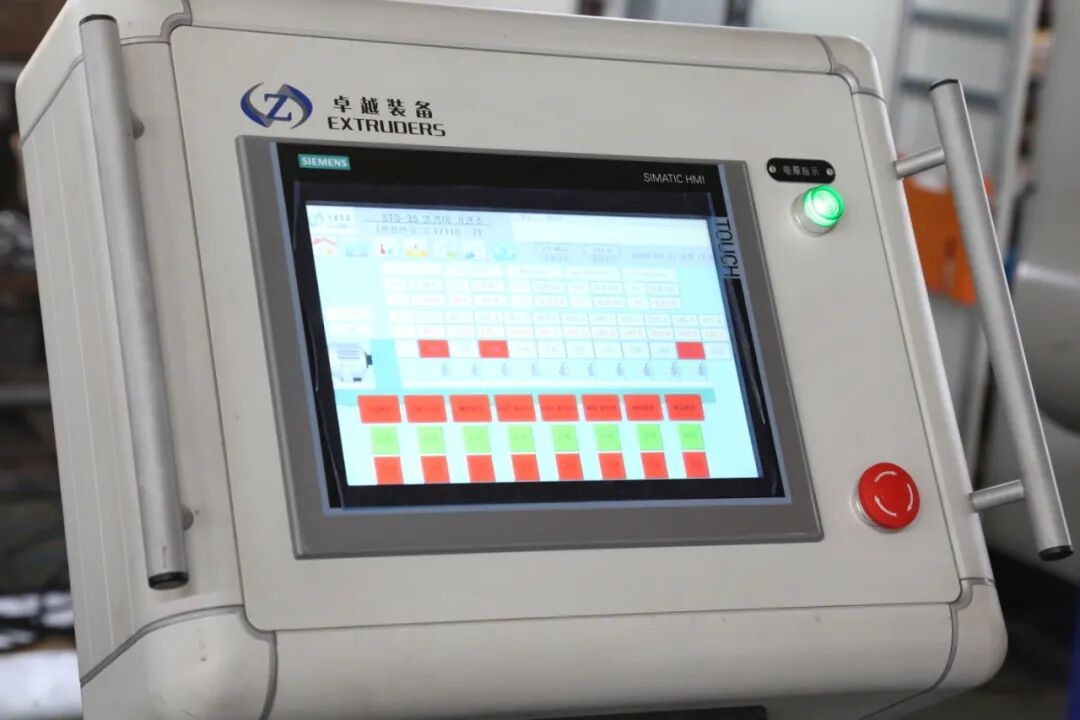
De yntegraasje fan yndustry 4.0 technologies into plastic extrusion factory operations represents the most significant operational transformation in the sector's history. Modern extrusion lines are increasingly equipped with IoT sensors that monitor melt temperature, druk, Extruded Plastic Cord screw snelheid, haul-off rate, and dimensional accuracy in real time. This data feeds into machine learning algorithms that optimize process parameters automatically, ferminderjen scrap tariven troch 15-30% and energy consumption by 10-20% compared to manually controlled lines.
German extrusion equipment manufacturers, including KraussMaffei and Battenfeld-Cincinnati, have introduced digital twin technology that allows plastic extrusion factory operators to simulate new product runs virtually before committing to physical production. This reduces setup time, materiaal ôffal, and the risk of quality failures on new product launches. US equipment manufacturers, led by Davis-Standard and Milacron, are offering similar capabilities with cloud-based analytics platforms that enable remote monitoring and optimization of extrusion lines across multiple factory locations.
Foar B2B hannel, smart manufacturing capabilities are becoming a qualification criterion. Major automotive and construction OEMs increasingly require their plastic extrusion factory suppliers to demonstrate digital process control, statistical process capability (Cpk) dokumintaasje, and real-time quality data sharing. Suppliers that cannot meet these requirements risk being excluded from preferred supplier lists.
9.2 Advanced Materials and Multi-Material Extrusion
The materials landscape for plastic extrusion is expanding rapidly. Traditional commodity resins (PVC, PE, PP) remain the volume backbone of the industry, but growth is concentrated in advanced materials:
- Polymeren mei hege prestaasjes: PEEK, PEI (Ultimate), and fluoropolymers are finding increasing application in aerospace, medysk, and electronics extrusion. These materials require specialized extrusion equipment capable of processing at temperatures above 350°C and maintaining extremely tight dimensional tolerances.
- Bio-based and biodegradable plastics: PLA, PHA, and bio-PE are being extruded into packaging films, agricultural mulch films, and disposable consumer products. The EU's Single-Use Plastics Directive is driving demand for biodegradable extruded alternatives, creating a new market segment for plastic extrusion factory manufacturers with bio-plastics processing capability.
- Fiber-reinforced thermoplastics: Long-fiber reinforced PP and PA profiles, produced through pultrusion and extrusion-pultrusion hybrid processes, are replacing metal components in automotive and construction applications. This trend is creating new B2B trade flows as European composite technology leaders partner with US plastic extrusion factories to commercialize these materials.
- Recycled and upcycled materials: Processing post-consumer recycled plastics through extrusion presents unique challenges — fersmoarging, inkonsistente melt flow, and color variation — that require specialized equipment and expertise. Plastic extrusion factories that have invested in advanced filtration, ûntgassen, and blending systems for recycled materials are commanding premium pricing in both US and EU markets.
9.3 Energy Transition and Carbon Reduction in Extrusion Manufacturing
Plastic extrusion is in enerzjy-yntinsyf proses, with electricity for barrel heating and screw drive motors representing 60-70% of total production energy consumption. The industry's carbon footprint is under increasing scrutiny from regulators, klanten, and investors. Several trends are reshaping energy use in plastic extrusion factories:
The transition from hydraulic to all-electric extrusion drives has reduced energy consumption per kilogram of output by 30-50% in new installations. European plastic extrusion factories have been early adopters of all-electric technology, driven by higher electricity costs and stricter emissions regulations. US manufacturers are following, with the energy cost savings providing attractive payback periods even without regulatory mandates.
On-site renewable energy generation — particularly rooftop solar installations — is becoming standard for new plastic extrusion factory construction in both the US and EU. The US Inflation Reduction Act's manufacturing tax credits and the EU's REPowerEU plan both provide financial incentives for industrial renewable energy adoption. A mid-sized plastic extrusion factory with 500kW of rooftop solar can offset 20-30% of its electricity consumption, reducing both costs and carbon footprint.
Heat recovery systems that capture waste heat from extrusion barrels and cooling systems for space heating or pre-heating incoming raw materials are being retrofitted into existing plastic Plastic Extrusion Machine Fabrikant extrusion factories. These systems can reduce total energy consumption by an additional 10-15% and are increasingly required for compliance with EU Energy Efficiency Directive targets. Pelletizing Supplier
Advanced industrial technology and automation systems representing Industry 4.0 smart manufacturing in plastic extrusion fact
9.4 Consolidation and Vertical Integration Trends
The plastic extrusion factory sector is experiencing significant consolidation, driven by several factors:
Scale economics: Larger plastic extrusion factory operations can negotiate better resin pricing, invest in advanced equipment, and spread compliance costs across higher volumes. Private equity firms have been active acquirers of mid-sized plastic extrusion businesses in both the US and EU, creating platform companies that consolidate regional players into national or continental operations.
Vertical integration: Some plastic extrusion factory manufacturers are integrating upstream into compounding (custom resin blending) and downstream into fabrication and assembly. This vertical integration allows them to offer B2B customers complete solutions — from material development through finished component delivery — rather than competing solely on extrusion processing. European companies have been particularly active in this strategy, with several German and Austrian plastic extrusion groups acquiring compounding operations and tooling workshops.
Cross-border M&IN: The tariff environment is paradoxically driving cross-border acquisitions, as companies seek to establish manufacturing presence on both sides of the Atlantic to serve local markets without tariff exposure. Several notable transactions in 2024- involved European plastic extrusion factory groups acquiring US operations, en oarsom, to create tariff-resilient transatlantic manufacturing networks.
9.5 Workforce Development and Automation
The labor challenge in plastic extrusion manufacturing is driving investment in automation and workforce development. Gearwurkjende robots (cobots) are being deployed for downstream operations such as cutting, boarjen, gearkomste, and packaging of extruded profiles. Automated guided vehicles (AGVs) handle material transport within factories. Vision inspection systems provide 100% quality checking of extruded products, replacing manual inspection.
Compounding Machine Plastic Wholesale Lykwols, automation cannot fully replace the need for skilled extrusion technicians and process engineers. Both the US and EU are investing in vocational training programs for plastics manufacturing. De Plastic Industry Association yn 'e FS en Plastic Europa in the EU have launched apprenticeship and certification programs specifically for extrusion technology. Companies that invest in workforce development are finding it easier to attract and retain talent, giving them a competitive advantage in B2B markets where reliable delivery and consistent quality depend on skilled operators.
10. Opportunities in the Evolving Plastic Extrusion Factory Landscape
The convergence of technological, regeljouwing, and market trends creates several distinct opportunities for plastic extrusion factory operators in the B2B space:
- Circular economy services: Plastic extrusion factories that offer take-back programs, recycling services, and closed-loop material management for their B2B customers are creating sticky, long-term relationships and new revenue streams. The EU's Extended Producer Responsibility (EPR) regulations are making these services increasingly valuable.