

Key Takeaways
- As ik evaluearje Plastic Extrusion Bedriuwen Wholesale leveransiers, Ik behannelje de totale eigendomskosten as it echte nûmer, net de oanhelle kosten per foet. Tooling amortisaasje, minimum bestelling kwantiteit, trochrintiid, en fuortset operaasjes faak ferskowe de lân kosten mear as de basis priis per foet.
- De eftergrûn fan 'e merk favors keapers dy't foarút planne: de wrâldwide plestik extrusion merk siet tichtby USD 6.9 miljard yn 2023 en wurdt projekteare om te groeien op in mid-single-digit CAGR troch de iere 2030's (Grand View Undersyk, 2024, grandviewresearch.com), sadat kapasiteit en priis ûnderhannelings beleanje lange-termyn ferplichtings.
- Materiaal seleksje driuwt alles streamôfwerts. Yn myn ûnderfining, it yn kaart bringen fan de applikaasje nei de rjochter polymeer foarop-PVC foar bouprofilen, ABS en polycarbonate foar slachbestindige dielen, HDPE en LDPE foar gemyske ferset, polypropylene, PETG, acryl (PMMA), TPE, TPU, of PEEK foar spesjaliteit behoeften-foarkomt kostbere requalification letter.
- Sertifikaasjes binne in fluch filter foar in serieuze plestik profyl fabrikant. Ik sykje in ISO 9001 sertifisearre extruder (ISO, 2015, iso.org), plus UL feiligens sertifisearring (UL Solutions, 2024), RoHS neilibjen (Europeeske Kommisje, 2023), en PPAP-mooglikheid (AIAG, 2023) doe't de dielen feed regulearre of automotive supply keatlingen.
- Tooling en dies binne wêr't gruthannel ekonomy wurde wûn of ferlern. Ik freegje elke ferkeaper foar in transparante ferdieling fan oanpaste die design, extrusion tooling kosten, en hoe't dy wurde amortisearre oer de minimale bestelhoeveelheid, dus ik kin wiere kosten per ienheid modellearje oer it folsleine programma.
- Ko-ekstrusje en oanpaste plestik extrusion ûntsluten echte besparrings. It kombinearjen fan meardere materialen en prosessen yn ien pas kin de montagekosten ferminderje en dielfunksjonaliteit útwreidzje (Omega Plastics, 2024, omegaplastics.com), dy't ik faktorje yn ûntwerpbeslissingen foardat ik offertes oanfreegje.
- Geografy makket mear út dan de lokaasje fan ien leveransier. Mei fernijde reshoring en nearshoring belangstelling (Reshoring Initiative, 2023), Ik weagje in ynlânske plestikfabrikant tsjin offshore-opsjes mei in folsleine kostenanalyse yn stee fan ienheidspriis allinich.
- Extrusion belonnet folume. Omdat thermoplastic extrusion is in trochgeande, hege-throughput proses geskikt foar lange runen fan konsekwint plastic extrusion profilen (Plastic Industry Association, 2023), Ik konsolidearje fraach en standardisearje profilen om bettere prizen foar gruthannel te fertsjinjen.
- Ik vet leveransiers mei in vendor-neutraal ramt: extrusion prototyping kapasiteit, kleur matching en gearsetting, oanhelle lead tiid, MOQ fleksibiliteit, en kwaliteit dokumintaasje. It fergelykjen fan ekstrudearre plestik dielen op dizze assen - net allinich koppriis - is hoe't ik in leveransier foar bulk plestik extrusie kieze wêrmei ik kin skaalje.
Wat Wholesale Plastic Extrusion betsjut foar B2B Buyers
As ik praat mei sourcing teams oer keapjen op gruthannel, it earste wat ik ferdúdlikje is dat “gruthannel” hjir is gjin koarting bin. It is in oankeapmodel boud om folume, repeatability, en in wurkjende leveransier relaasje. Extrusion is in trochgeande, hege-trochput proses goed geskikt foar lange produksje rint fan konsekwinte profilen (Plastic Industry Association, 2023), sa makket de ekonomy allinich sin as jo ynsette foar fêste folume ynstee fan ienmalige oankeapen. Yn myn ûnderfining, keapers dy't begripe dat ûnderskied ûnderhannelje folle bettere kontrakten as dyjingen dy't jage in inkele lege offerte.
It definiearjen fan it trochgeande ekstruderingsproses en fêste trochsneedprofilen
Extrusion produsearret plestik dielen mei in fêste, unifoarme trochsneed oer de hiele lingte. Tink oan finster frame kanalen, râne trim, buizen, en pakkingen. Molten thermoplastic wurdt twongen troch in shaped die, dan ôfkuolle en snije oan lingte. Want de trochsneed feroaret noait, kinne jo rinne de line oerenlang en produsearje tûzenen fuotten fan identike plastic extrusion profilen. That consistency is exactly why extrusion dominates high-volume thermoplastic conversion alongside injection molding, and it is the reason wholesale pricing is expressed as a cost per foot rather than per piece.
How wholesale differs from one-off or retail purchasing
Retail or one-off purchasing treats each order as isolated: you pay a premium, accept whatever stock is available, and absorb setup costs on every run. Wholesale flips that. You lock in a minimum order quantity, amortize extrusion tooling and dies across large volumes, and secure predictable lead time. A bulk plastic extrusion supplier prices work assuming you will return, which is why per-foot rates drop sharply once you cross MOQ thresholds. The tradeoff is commitment. You are buying a relationship and a production schedule, not a shelf item.
Wa keapet op gruthannel
De keapers mei wa't ik wurkje, falle yn fjouwer groepen, en elk hat in oare prioriteit:
- OEM's yntegrearjen fan ekstrudearre plestik dielen yn in klear produkt, dêr't profyl tolerânsje beynfloedet finale gearkomste.
- Fabricators dy snije, weld, of laminate profilen yn gruttere gearkomsten en nedich dimensionale gearhing batch oan batch.
- Distributeurs trochferkeapje standert profilen dy't soarch oer stock beskikberens en fill tariven.
- Ynkeap teams beheare multi-SKU besteging, dêr't in inkele ISO sertifisearre extruder dat kin konsolidearje dielen ferminderet ferkeaper overhead.
Wêrom repeatability slacht in inkele lege sitaat
Dit is it punt dat ik it hurdst druk. In lege kosten per foet op ien oankeapbestelling betsjut net folle as de folgjende batch út tolerânsje driuwt of trije wiken te let komt. Oer in produksjejier, fariaasje driuwt scrap, line stopjes, en rework, allegearre dy't dwerch in pear sinten per foet. De wrâldwide merk foar plestik extrusion waard wurdearre op rûchwei USD 6.9 miljard yn 2023 en wurdt projekteare om te groeien op in mid-single-digit CAGR troch de iere 2030's (Grand View Undersyk, 2024), en in protte fan dy groei komt fan keapers standardisearjen op betroubere partners ynstee fan rotearjen tusken de goedkeapste offertes. Ik evaluearje gruthannel leveransiers op proses kontrôle en op-tiid levering earst, dan priis.
Hoe't it Plastic Extrusion Proses wurket
It begripen fan it proses helpt jo skerper fragen te stellen by it kontrolearjen fan leveransiers en te spotten wêr't kwaliteitsrisiko's wirklik libbet. Ik sil troch in thermoplastyske extrusionline mei ien schroef rinne lykas ik it soe útlizze op in planttoer, dan cover wêr co-extrusion feroaret de foto.
Resin feeding, smelten, en stjerfoarming
De line begjint by de hopper, dêr't pellets fan de keazen hars feed yn in ferwaarme barrel. Algemiene harsens omfetsje PVC, ABS, polycarbonate, HDPE, LDPE, polypropylene, PETG, acryl (PMMA), en spesjaliteit engineering polymers lykas PEEK. In rotearjende skroef bringt it materiaal nei foaren, wylst barrelheaters en skuorre fan 'e skroef it smelte yn in homogeen, viskeuze stream. PVC is ien fan 'e meast brûkte polymers yn bou- en bouproduktprofilen (Plastic Industry Association, 2023), dat is wêrom safolle extruded finster, trim, en fencing profilen rinne op PVC-optimalisearre linen. De melt wurdt dan troch in die dy't de fêste dwerstrochsneed foarmet. Oanpast die-ûntwerp is it hert fan in maatwurk profyl, en lytse die geometry karren bepale muorre dikte, hoek radii, en hoe't it materiaal streamt.
Cooling, sizing, kalibraasje, en snije-to-lingte
Fris út 'e die, it profyl is sêft en moat syn foarm hâlde. It giet yn in kuoltank of wetterbad, faak troch in fakuüm kalibraasje tafel dy't lûkt it profyl tsjin sizing dies te slot ôfmjittings. Stive profilen fertrouwe swier op kalibraasje; fleksibele lykas TPE- as TPU-pakkingen brûke sêftere koeling om ferfoarming te foarkommen. In puller behâldt konsekwint line snelheid, en in seage of cutter docht cut-to-lingte. Elke strakkere tolerânsjes as tafoege funksjes komme fan sekundêre operaasjes lykas ponsen, boarjen, of downstream.
Single extrusion vs co-extrusion en multi-materiaal profilen
Single extrusion rint ien materiaal troch ien die. Co-extrusion feeds twa of mear materialen troch in dielde die tagelyk, bonding se yn ien profyl. Dit is hoe't jo in stive PVC-strukturele kearn krije mei in sêfte TPE-dichtlip, of in UV-resistant capstock oer in legere kosten substraat. Tsjinsten foar co-extrusion litte jo djoer of spesjalisearre materiaal allinich pleatse wêr't it nedich is, en kombinearje eigenskippen dy't in inkele hars kin net leverje. Kleur oerienkomst en gearstalling komme hjir ek faak foar, sa in ûnderskate show oerflak pearen mei in ekonomyske lichem.
Hoe proses karren beynfloedzje kosten en funksjonaliteit
Elke kar hjirboppe hat in priis en in payoff. Co-extrusion foeget arkkompleksiteit en opset ta, mar it kin elimineren in sekundêre bonding of gearkomste stap hielendal. Strangere kalibraasje ferheget it risiko fan skrot by it opstarten, mar leveret dielen dy't yn gearstalling falle sûnder werwurking. Yn 'e praktyk bring ik elk prosesbeslút ta in funksjonele eask, omdat beteljen foar co-extrusion of precision sizing allinnich makket sin doe't de ôfmakke diel eins nedich it.
Oanpaste vs Stock Plastic Extrusion Profilen
It beslút oer oanpaste-fersus-stock driuwt mear fan jo lânkosten dan hast elke oare kar, dus ik behannelje it as in opsetlike analyze as in standert. It goede antwurd hinget ôf fan folume, funksjonele easken, en hoe't it profyl past yn jo bredere gearkomste.
Wannear't stock profilen binne de kosten-effektive kar
Stock profilen drage gjin tooling kosten, skip flugger, en lit jo MOQ-ferplichtingen foarkomme keppele oan in tawijd die. Foar standert foarmen lykas fjouwerkante buis, hoeke, U-kanaal, of gewoane trim, in stock profyl fan in plastic profyl fabrikant is meastal de tûke oprop. As in katalogus diel foldocht oan jo fit en funksje binnen tolerânsje, Ik advisearje net te beteljen foar oanpaste stjerûntwerp gewoan om in millimeter te skeeren. Leech oant matig folume programma's en prototypes lean stock, en extrusion prototyping mei near-stock profilen hâldt iere kosten del.
As oanpaste tooling betellet troch dielkonsolidaasje
Oanpaste ark fertsjinnet syn behâld as in ienich oanmakke profyl ferskate aparte dielen ferfangt. Oanpaste plastic extrusion kin kombinearje meardere materialen en prosessen te ferminderjen gearkomste kosten en útwreidzje funksjonaliteit (Omega Plastics, 2024). Wannear't ik kin konsolidearje trije fêstmakke komponinten yn ien co-extruded profyl, de tooling amortizes fluch oer in produksje run, en de besparring gearstalde alle jierren it diel skippen. De break-even wiskunde is ienfâldich: diele toolingkosten troch de besparring per diel, dan ferlykje mei jierlikse folume.
|
Faktor |
Stock profilen |
Oanpaste profilen |
|---|---|---|
|
Upfront tooling kosten |
Gjin |
Die en kalibraasje ark nedich |
|
Minimum bestelling kwantiteit |
Leech of gjin |
Heger, ferbûn oan ark amortisaasje |
|
Lead tiid nei earste dielen |
Fluch (yn stock) |
Langer (tooling bouwe + earste artikel) |
|
Kosten per foet by folume |
Matich |
Leger ien kear tooling wurdt amortisearre |
|
Fit en funksjonaliteit |
Best-beskikbere wedstriid |
Konstruearre foar krekte eask |
|
Potinsjeel foar dielkonsolidaasje |
Limited |
Heech (co-extrusion, yntegrearre funksjes) |
|
Best fit |
Prototypes, leech folume, standert foarmen |
Heech folume, spesjalisearre mjitkunde, gearkomste reduksje |
|
Faktor |
Stock profilen |
Oanpaste profilen |
|---|---|---|
|
Upfront tooling kosten |
Gjin |
Die en kalibraasje ark nedich |
|
Minimum bestelling kwantiteit |
Leech of gjin |
Heger, ferbûn oan ark amortisaasje |
|
Lead tiid nei earste dielen |
Fluch (yn stock) |
Langer (tooling bouwe + earste artikel) |
|
Kosten per foet by folume |
Matich |
Leger ien kear tooling wurdt amortisearre |
|
Fit en funksjonaliteit |
Best-beskikbere wedstriid |
Konstruearre foar krekte eask |
|
Potinsjeel foar dielkonsolidaasje |
Limited |
Heech (co-extrusion, yntegrearre funksjes) |
|
Best fit |
Prototypes, leech folume, standert foarmen |
Heech folume, spesjalisearre mjitkunde, gearkomste reduksje |
Noat: wearden binne rjochting en fariearje troch hars, profyl kompleksiteit, en leveransier; befêstigje specifics tidens quoting.
Hoe oanpaste extrusion ferleget gearkomste kosten en wreidet funksjonaliteit
De grutste winst ik sjoch binne net yn it profyl sels mar yn wat bart streamôfwerts. In oanpast profyl mei yntegreare snapfunksjes, hinge mjitkunde, of in co-extruded segel verwijdert Fasteners, adhesives, en arbeid út 'e gearkomste line. It útwreidzjen fan funksjonaliteit wurket op deselde manier: in co-extruded sêfte lippe sealen sûnder in aparte pakking, en in capstock foeget waarberens ta sûnder in coating stap. Elke elimineare operaasje ferwideret kosten, ynventarisaasje, en in potinsjele flaterpunt.
Untwerp-foar-ekstrusje-basys dy't ôffal en kosten ferleegje
Goed profylûntwerp begjint foardat tooling, en in pear prinsipes út myn ûntwerpbeurzen snije konsekwint ôffal en kosten:
- Hâld muorre dikte unifoarm. Unjildiche muorren koelje op ferskate tariven, wêrtroch warping en hegere ôfwizing tariven.
- Foegje romhertich radii ta. Skerpe ynterne hoeken konsintrearje stress en komplisearje die flow; rûne hoeken extrude skjinner.
- Foarkom net-stipe tinne seksjes. Lang, tinne flanges sakje foar kalibraasje en drive dimensional fariaasje.
- Untwerp symmetry wêr mooglik. Balansearre dwerstrochsneed koele evenredich en hâld tolerânsje mei minder kalibraasje ynspannings.
- Selektearje materiaal betiid. Match de hars oan 'e applikaasje foarôf, sûnt materiaal seleksje feroaret berikbere muorre dikte, tolerânsje, en die design.
As jo dizze fûneminten bringe nei it sitaatstadium, leveransiers kinne ienfâldiger ark bouwe, rinne op hegere opbringst, en jou dy effisjinsjes werom nei jo yn 'e priis per foet. Foar in djipper blik op it kombinearjen fan materialen en prosessen yn ien profyl, it oersjoch fan Omega Plastics op oanpaste plastic extrusions is in nuttige referinsje.
Plastic Extrusion Manufacturers vs Distributors: Fan wa te keapjen

Doe't ik earst begûn sourcing extruded plestik dielen op folume, Ik ferlear wiken oannommen dat elk bedriuw mei in gepolijst webside eins in extrusion line rûn. In protte net. Understanding the difference between a true plastic profile manufacturer and a distributor reselling someone else’s output is the single most useful filter I apply before I request a quote.
What a True Manufacturer Controls That a Distributor Does Not
A manufacturer owns the process from raw resin to finished profile. That means they control the extruder screws and dies, the cooling and pulling equipment, kleur matching en gearsetting, and the secondary operations like cutting, punching, en printsjen. Because extrusion is a continuous, hege-trochput proses goed geskikt foar lange produksje rint fan konsekwinte profilen (Plastic Industry Association, 2023), that direct control translates into repeatable tolerances and the ability to adjust a run mid-stream.
A distributor, tsjinstelling, typically holds inventory of standard shapes or brokers your order to a third-party plant. They can be responsive and convenient, but they do not control extrusion tooling and dies, se kinne net altyd garandearje de ferbining brûkt, en se foegje in marzjelaach ta sûnder prosesmooglikheden ta te foegjen. Foar oanpaste die design, co-extrusion, of in spesifike materiaalklasse, dat gat makket ta.
Tradeoffs yn Priis, Trochrintiid, en Oanpassing
Yn myn ûnderfining komt it beslút del op trije assen. Fabrikanten winne meastentiids op oanpaste plestik extrusion, ienheid ekonomy by folume, en kontrôle oer materiaal seleksje om't jo gjin tuskenpersoan betelje en jo ark direkt kinne amortisearje. Distributeurs kinne winne op snelheid foar standert plestik extrusieprofilen dy't se al opslaan en op lytsere oarders dy't falle ûnder de minimale bestellingskwantiteit fan in plant.
| Faktor | Echte fabrikant | Distributeur / Reseller |
|---|---|---|
| Oanpaste die design | Folsleine kontrôle; besit tooling | Limited; útbesteegje oan in plant |
| Kosten per foet by folume | Leger (gjin middenmarzje) | Heger (tafoege markup) |
| Lead tiid op stock profilen | Langer as it plannen fan in run | Sneller fan besteande ynventaris |
| Materiaal en gearstalde kontrôle | Direkt (PVC, ABS, HDPE, TPE, ensfh.) | Hinget ôf fan boarne plant |
| Co-extrusion tsjinsten | Beskikber yn eigen hûs | Selden direkt oanbean |
| Best fit | Oanpast, hege folume, strakke tolerânsjes | Standert profilen, leech folume, snelle beurt |
As in distributeur sin makket foar standertprofilen
Ik behannelje net “fabrikant” as automatysk better. As ik nedich in mienskiplike PVC- of HDPE profyl yn in beskieden kwantiteit nije wike, in distributeur mei stock is faaks de rasjonele kar. De tooling bestiet al earne, de mjitkunde is standert, en ik keapje beskikberens ynstee fan engineering. Oanpaste plastic extrusion kin kombinearje meardere materialen en prosessen te ferminderjen gearkomste kosten en útwreidzje funksjonaliteit (Omega Plastics, 2024), mar dat foardiel betellet allinich as jo diel it eins nedich hat.
Hoe kinne jo ferifiearje wa't de extrusionline eins rint
Myn kontrolelist foar ferifikaasje is koart en bot. Ik freegje om de plant te sjen, itsij persoanlik as troch fideo-walkthrough. Ik freegje hoefolle extrusion linen se operearje en hokker screw diameters se rinne. Ik freegje oft se har eigen dies snije en bouwe of se útbesteegje. Ik freegje om har ISO 9001 sertifikaat direkt, sûnt ISO 9001 definiearret de standert foar kwaliteitsbehearsysteem breed oannommen troch fabrikanten (Ynternasjonale Organisaasje foar Standerdisearring, 2015). In echte extruder beantwurdet dizze sûnder wifkjen. In reseller hat de neiging om nei brosjueres en “partner netwurk” taal, dat is myn oanwizing om troch te freegjen.
Hoe kinne jo plestik extrusionbedriuwen yn jo buert fine
Proximity wurdt ûnderskatte oant it earste kwaliteitsprobleem op jo dock komt. In leveransier trije oeren fuort is ien dy't jo kinne besykje; in leveransier trije tiidsônes fuort is ien dy't jo e-post en hoopje. Ik weagje geografy serieus, mar ik nea lit it oerskriuwe capability. Hjir is hoe't ik de twa balansearje.
Foardielen fan Domestic Proximity: Fracht, Kommunikaasje, en tafersjoch
In tichteby lizzende ynlânske plestikfabrikant ferkoart jo frachtwei, dy't ferleget lân kosten en ferleget skea risiko op lange, tinne extruded plestik dielen dy't flex yn transit. It komprimearret ek de kommunikaasjeloop. As ik yn deselde wurktiden belje kin en by de earste poging in yngenieur berikke dy't myn taal sprekt, problemen wurde oplost yn oeren ynstee fan dagen. De tichtby makket ek tafersjoch op it plak praktysk, dus ik kin sjen nei in útfiering fan it earste artikel of in korrigearjende aksje kontrolearje ynstee fan in foto te fertrouwen.
It brûken fan mappen, Hannelsferienings, en ferwizings
Ik begjin mei trije kanalen. Yndustry hannelsferienings lykas de Plastics Industry Association ûnderhâlde lidlisten dy't skew nei legitime, ynvestearre fabrikanten. Referrals from peers in adjacent industries are my highest-signal source because they carry accountability. General directories help fill the map, but I treat them as a starting list, gjin shortlist. I avoid leaning on generic listing sites alone because they mix true extruders with brokers indiscriminately.
What to Ask a Referral
When a colleague recommends a supplier, I ask what they actually bought, whether it was custom or standard, how the extrusion prototyping phase went, and how the supplier handled a problem. The last question is the most revealing.
How to Validate Local Capacity and Capabilities
Being nearby means nothing if the plant cannot run your material or hit your volume. I confirm the specific polymers they process, whether that is PVC extrusion, ABS, polycarbonate, HDPE, LDPE, polypropylene, PETG, TPE, TPU, acryl (PMMA), or an engineering resin like PEEK. I confirm they offer co-extrusion if my part needs a dual-durometer or dual-color profile. I ask about line count and shift capacity to gauge whether my order competes with larger customers for schedule time.
Balancing Proximity Against Specialization
Sometimes the right extruder is not the closest one. If my part demands PEEK or a tight-tolerance medical profile, I will accept longer freight to reach a specialist rather than force a generalist to learn on my dime. Myn regel fan thumb: for standard, high-volume PVC or polypropylene profiles, prioritize proximity; for specialized materials or demanding tolerances, prioritize the capability and treat distance as a solvable logistics problem.
Wholesale Plastic Extrusion Companies in the USA
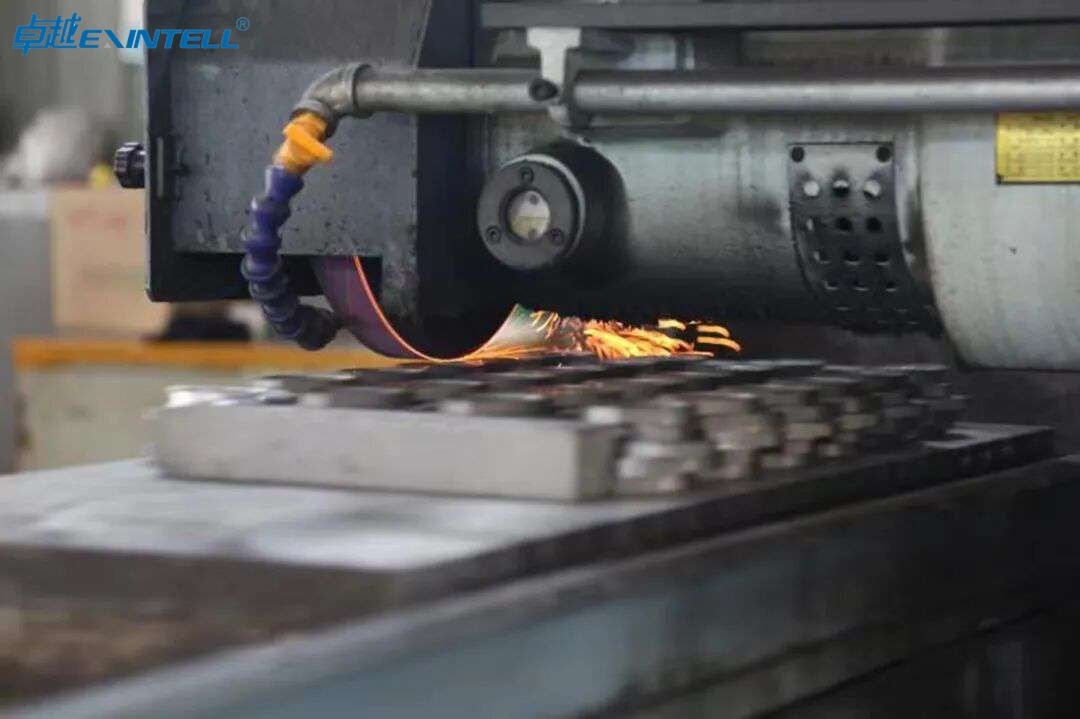
Foar gruthannel folumes, US-based sourcing has grown from a patriotic preference into a defensible cost and risk decision. De wrâldwide merk foar plestik extrusion waard wurdearre op rûchwei USD 6.9 miljard yn 2023 en wurdt projekteare om te groeien op in mid-single-digit CAGR troch de iere 2030's (Grand View Undersyk, 2024), and a meaningful share of that capacity sits inside the United States, where the plastics industry employs hundreds of thousands of workers (Plastic Industry Association, 2023).
Advantages of US-Based Sourcing for Wholesale Volumes
At wholesale scale, the numbers that once favored offshore sourcing have narrowed. Domestic suppliers give me shorter, more predictable lead times, lower inventory carrying costs because I can order closer to demand, and far simpler communication when a tooling revision or color match needs a fast turn. On a full landed cost analysis, ynklusyf fracht, plichten, kwaliteit risiko, and working capital tied up in transit, a domestic bulk plastic extrusion supplier is frequently competitive on long production runs even before intangibles.
Regional Manufacturing Hubs and Their Strengths
US extrusion capacity clusters in recognizable ways. The Great Lakes and Upper Midwest carry deep automotive and industrial roots, which pairs well with disciplined supplier processes. The Northeast and Mid-Atlantic host many precision and medical-oriented shops. The Southeast has grown quickly with newer plants and competitive labor, and the West Coast serves consumer and technology-adjacent demand. I choose a hub based on which specialization aligns with my application and which lane minimizes my freight.
Compliance and Quality Expectations for Domestic Suppliers
Wholesale buyers should hold domestic suppliers to explicit standards, and reputable US extruders expect it. Ik sykje ISO 9001 quality management as a baseline (Ynternasjonale Organisaasje foar Standerdisearring, 2015). Depending on the market, I add UL safety certification for electrical and building components (UL Solutions, 2024), RoHS compliance where hazardous-substance restrictions apply (Europeeske Kommisje, 2023), and PPAP documentation for automotive parts, since PPAP is a standardized supplier part-approval process originating in the automotive industry (Automotive Industry Action Group, 2023). Material-specific traceability matters too, especially for regulated PVC building profiles, since PVC is among the most widely used polymers in construction and building-product profiles (Plastic Industry Association, 2023).
How Reshoring Affects Lead Times and Cost Stability
Reshoring and nearshoring trends have increased interest in domestic US manufacturing sourcing (Reshoring Initiative, 2023), and I have felt the practical effects. As more capacity comes back onshore, I have seen lead times stabilize and become easier to forecast, which lets me run leaner inventory with less safety stock. Domestic sourcing also insulates my pricing from ocean-freight volatility and currency swings, giving me steadier cost per foot across a multi-year program. For a wholesale buyer planning capacity and tooling amortization over several years, that predictability is worth as much as the headline unit price. For a broader primer on how custom profiles are engineered, I point teams to resources such as this overview of custom plastic extrusions.
Sourcing Plastic Extrusion Companies in California
When buyers ask me where to source extruded plastic parts on the West Coast, California is almost always the first market I examine. The state combines dense demand, a deep supplier base, and proximity to major ports, which makes it a logical anchor for anyone building a regional supply chain. Dat sei, sourcing here is not automatically the cheapest option, and in my experience the right decision depends on how you weigh landed cost against lead time, regulatory fit, and engineering support.
California market characteristics and industry demand
California pulls demand from several industries at once: construction and building products, medyske apparaten, consumer electronics enclosures, lânbou, and transportation. That diversity matters because it keeps a broad roster of plastic profile manufacturers active and specialized. The underlying market is substantial and growing. De wrâldwide merk foar plestik extrusion waard wurdearre op rûchwei USD 6.9 miljard yn 2023 en wurdt projekteare om te groeien op in mid-single-digit CAGR troch de iere 2030's, neffens Grand View Research (2024). California’s share of that activity is disproportionately large relative to its geography because so many downstream OEMs are headquartered or assembled here.
Regulatory and environmental considerations in the state
California layers state-level environmental rules on top of federal and international requirements, so I always verify compliance capability early. If your product ships into consumer or electronics channels, you will likely need suppliers who can document RoHS conformity, which restricts hazardous substances in applicable products (Europeeske Kommisje, 2023). Beyond that, California’s air-quality and waste regulations affect how extruders handle compounding, purge, and regrind. A supplier that already operates cleanly under these constraints removes a compliance burden from your side, and that is worth paying a modest premium for.
Serving West Coast supply chains efficiently
The strongest case for a California extruder is logistics. Extrusion is in trochgeande, hege-trochput proses goed geskikt foar lange produksje rint fan konsekwinte profilen (Plastic Industry Association, 2023), which means freight, not tooling, often dominates the recurring cost of bulky profiles. Sourcing within the region shortens transit for high-volume, low-density parts where shipping quickly erodes any unit-price savings from a distant plant. For a West Coast assembler running just-in-time inventory, a same-day or next-day truck lane frequently justifies the choice on its own.
Evaluating California suppliers vs shipping from elsewhere
I resist treating “California vs elsewhere” as a binary. The honest comparison is landed cost analysis: unit price plus tooling amortization plus freight plus inventory carrying cost plus the risk cost of longer lead times. Reshoring and nearshoring trends have increased interest in domestic US manufacturing sourcing (Reshoring Initiative, 2023), and a domestic plastic manufacturer in a neighboring state may beat a California quote once you factor everything in. Myn regel fan thumb: get at least one in-state quote and one out-of-state quote, then normalize both to fully landed cost per foot before deciding.
How to Identify the Best Wholesale Extrusion Companies
Once I have a geographic shortlist, the harder work begins: separating a capable bulk plastic extrusion supplier from one that merely quotes low. I use a vendor-neutral framework built on four pillars — capability, track record, financial stability, and an objective score — so that comparisons stay honest across very different companies.
Capability breadth, engineering stipe, and quality systems
Capability is more than “can you extrude this profile.” I look for design-for-manufacturability input, custom die design experience, en co-extrusion tsjinsten, because custom plastic extrusion can combine multiple materials and processes to reduce assembly cost and extend functionality (Omega Plastics, 2024). Quality systems are non-negotiable at wholesale volumes. An ISO certified extruder operating under ISO 9001, the widely adopted quality management system standard (Ynternasjonale Organisaasje foar Standerdisearring, 2015), gives me documented process control. For regulated end markets, I also check for UL safety certification relevant to many extruded plastic components (UL Solutions, 2024) en, in automotive programs, PPAP capability — the standardized supplier part-approval process originating in the automotive industry (Automotive Industry Action Group, 2023).
Track record, ferwizings, and industry specialization
A supplier’s history tells me whether they can repeat quality across thousands of feet. I ask for references in my specific industry, not just any customer, because a firm that excels at rigid PVC extrusion for construction may struggle with tight-tolerance medical tubing. Specialization signals depth: dialed-in tooling, proven resin recipes, and color matching and compounding routines they have run before. I weight a relevant three-year track record more heavily than a broad but shallow customer list.
Financial stability and capacity to scale with you
The US plastics industry is a major manufacturing sector employing hundreds of thousands of workers (Plastic Industry Association, 2023), and within it sit firms of very different financial health. Before I commit tooling to a vendor, I confirm they can survive a slow quarter and expand with my forecast. I ask about extruder line count, shift patterns, and available capacity headroom. A supplier running at 95% utilization cannot absorb your growth without pushing out lead time, so capacity to scale is a selection criterion, gjin neitocht.
Objective scoring criteria for building a shortlist
To keep decisions defensible, I score each candidate on weighted criteria rather than gut feel. The table below shows the framework I hand to procurement teams.
| Kriterium | Gewicht | What I look for | Reade flagge |
|---|---|---|---|
| Quality systems | 25% | ISO 9001, PPAP, UL where relevant | Gjin dokumintearre QMS |
| Engineering stipe | 20% | DFM, oanpaste die design, co-extrusion | Quote-only, no design input |
| Landed cost | 20% | Transparent cost per foot plus tooling amortization | Vague MOQ or hidden freight |
| Kapasiteit & trochrintiid | 15% | Headroom, realistic lead time | Running near full utilization |
| Track record | 10% | Industry-specific references | No comparable projects |
| Finansjele stabiliteit | 10% | Ability to scale with forecast | Opaque financials |
I score each supplier 1–5 per row, multiply by the weight, and shortlist only those clearing a threshold. This turns a subjective choice into a repeatable one your whole team can audit.
Understanding Materials: Choosing the Right Resin
No sourcing decision survives a wrong material choice. Yn myn ûnderfining, resin selection drives more of the final cost, ferskining, and field performance than any other early decision, so I treat material selection as a design step rather than a procurement detail.
Common resins and where they fit
Most wholesale programs land on one of a handful of thermoplastics. PVC is ien fan 'e meast brûkte polymers yn bou- en bouproduktprofilen (Plastic Industry Association, 2023), prized for rigidity, waarberens, en lege kosten. ABS delivers toughness and a clean finish for housings and trim. Polycarbonate offers impact resistance and optical clarity where PETG or acrylic (PMMA) might not survive. On the polyolefin side, polypropylene (PP) resists chemicals and fatigue, HDPE brings stiffness and moisture resistance, and LDPE stays flexible for softer profiles. PETG bridges clarity and formability for retail and signage.
High-performance options: PEEK and TPE/TPU
When the environment turns hostile, Ik gean de ljedder op. PEEK handles high temperature and aggressive chemistry for aerospace and medical work, though at a steep price. For soft-touch grips, sealen, en fleksibele buizen, TPE and TPU give rubber-like elasticity while remaining thermoplastic, which keeps them compatible with continuous extrusion and co-extrusion onto rigid substrates. I specify these only when a commodity resin genuinely cannot meet the spec, because the material premium is significant.
Matching material properties to the application environment
My selection method starts with the operating environment, not the datasheet. I map four questions to candidate resins: temperatuer berik, gemyske bleatstelling, UV and outdoor exposure, and mechanical load. The comparison below shows how I narrow choices quickly.
| Resin | Key sterkte | Watch-out | Typical use | Relative kosten |
|---|---|---|---|---|
| PVC | Weatherable, stive, lege kosten | Limited heat range | Building profiles, trim | Leech |
| ABS | Taai, good finish | Poor UV resistance | Bylagen, trim | Leech-medium |
| Polycarbonate | Impact + dúdlikens | Scratches, notch-sensitive | Glazing, linzen | Medium - heech |
| PP | Gemysk + fatigue resistance | Lower stiffness | Libjende hinges, chemical parts | Leech |
| HDPE / LDPE | Focht ferset, fleksibiliteit | Low temp resistance | Tubing, liners | Leech |
| PETG | Dúdlikens + formability | Moderate heat range | Signage, detailhannel | Medium |
| TPE / TPU | Elastic, soft-touch | Hegere kosten, careful drying | Sealen, grips, flexible tube | Medium - heech |
| PEEK | Extreme heat + gemysk | Very high cost | Aerospace, medysk | Hiel heech |
How material choice drives cost and processability
Resin selection ripples straight into your quote. Commodity polyolefins and PVC run fast, tolerate regrind, and forgive tooling variation, which keeps cost per foot down. Engineering resins like polycarbonate and PEEK demand tighter drying, higher melt temperatures, and slower line speeds, so processability falls and price rises. Color matching and compounding add cost too, but choosing a naturally suitable base resin usually saves more than any downstream tweak. My guidance to buyers is simple: specify the least expensive resin that meets every environmental requirement, then let your extruder validate it against their proven processing window before committing tooling.
Matching Extrusions to Your Industry and Application
When I evaluate plastic extrusion companies wholesale, I start from the application rather than the material. The end use dictates the polymer, the tolerances, the certifications, and ultimately which suppliers even belong on my shortlist. A profile destined for a hospital corridor and one destined for a fence rail may look similar on a spec sheet, but the regulatory and performance demands behind them push me toward entirely different plastic profile manufacturers.
Konstruksje, Fenestration, and Building Products
Construction is where extrusion volume concentrates. Finster- en doarprofilen (fenestration), Wetterstriid, trim, decking, and edge protection all lend themselves to the continuous, high-throughput nature of the process. Extrusion is well suited to long production runs of consistent profiles, which is exactly what building products demand (Plastic Industry Association, 2023). For these parts I usually specify PVC, which remains among the most widely used polymers in construction and building-product profiles (Plastic Industry Association, 2023). Rigid PVC extrusion handles structural fenestration well, while co-extrusion lets me pair a weatherable capstock over a lower-cost substrate. When I need UV stability without PVC, I look at HDPE and acrylic (PMMA) for lighting and glazing accents.
Automotive, Appliance, and Consumer Goods
Automotive and appliance work raises the bar on approval documentation. Here I expect suppliers to run PPAP, the standardized supplier part-approval process that originated in the automotive industry (Automotive Industry Action Group, 2023). Materials shift accordingly: ABS and polypropylene for interior trim and housings, TPE and TPU for flexible seals and grommets, and polycarbonate where impact resistance and clarity matter. Consumer goods sit in a similar band, though the emphasis moves toward color matching and compounding and cosmetic surface quality. RoHS compliance frequently applies, restricting hazardous substances in applicable products (Europeeske Kommisje, 2023), so I confirm it early rather than discovering a gap during qualification.
Medical and FDA-Regulated Applications
Medical extrusion is the most demanding tier I source. Tubing, katheters, and fluid-path components require material traceability, cleanroom capability, and biocompatible resins such as medical-grade PETG, polypropylene, TPU, or PEEK for high-performance instrument components. Ik behannelje ISO 9001 as in basisline kwaliteitsbehearsysteem (Ynternasjonale Organisaasje foar Standerdisearring, 2015) and then layer medical-specific requirements on top. For any electrically adjacent component, UL safety certification is often relevant to extruded plastic parts (UL Solutions, 2024).
How Application Requirements Shape Supplier Selection
The practical takeaway from my experience is that requirements filter suppliers before price ever enters the conversation. A construction buyer can cast a wide net; a medical buyer cannot. I map each application to its non-negotiables (sertifisearring, material capability, sekundêre operaasjes, dokumintaasje) and only request quotes from extruders that clear those gates. That discipline keeps me from comparing a low-cost general extruder against a regulated specialist as if they were interchangeable.
How Wholesale Extrusion Pricing Works
Wholesale extrusion pricing confuses buyers because the headline number, cost per foot, tells only part of the story. In my experience the cheapest quoted foot regularly becomes the most expensive delivered part once tooling, fracht, skrap, and quality risk are folded in. To buy well I separate the unit price from the total cost of ownership and evaluate both.
Cost per Foot vs Total Cost of Ownership
Cost per foot is the resin, machine time, and margin for a single linear unit. Total cost of ownership adds tooling amortization, minimum bestelling kwantiteit, ynventarisaasje draachkosten, fracht, sekundêre operaasjes, scrap allowances, and the cost of quality failures. A landed cost analysis that captures all of these is the only fair way I have found to compare a domestic plastic manufacturer against an offshore quote.
How Resin Cost, Run Length, and Scrap Affect Price
Three levers move the per-foot price most. Resin is the largest variable input, so commodity polymers like PVC, HDPE, LDPE, and polypropylene price lower than engineering resins such as polycarbonate, PEEK, or acrylic (PMMA). Run length spreads fixed setup across more feet, so longer runs lower the unit cost. Scrap, especially the purge and startup waste at the beginning of every run, is a real cost the extruder recovers somewhere. Short runs carry disproportionately high scrap ratios, which is one reason small orders feel expensive per foot.
Volume Discount Thresholds and Blanket Order Pricing
Wholesale pricing is tiered. As annual volume crosses defined thresholds, the price per foot steps down. I often negotiate a blanket order: a committed annual quantity released in scheduled shipments. This gives the extruder production predictability and gives me tier pricing without taking delivery of a year of inventory at once. The table below shows how these dynamics typically stack up across order sizes.
| Order Tier | Annual Volume | Relative Cost per Foot | Tooling Amortization Impact | Typical Pricing Structure |
|---|---|---|---|---|
| Prototype / Pilot | Ûnder 5,000 ft | Heechste | Tooling dominates unit cost | Per-run with separate tooling charge |
| Low Volume | 5,000–25,000 ft | Heech | Significant per-foot loading | Standard tiered pricing |
| Mid Volume | 25,000–150,000 ft | Matich | Amortization spreads thin | Volume-discount tiers |
| High Volume | 150,000+ ft | Leechste | Negligible per foot | Blanket order with scheduled releases |
Why the Lowest Quote Is Not Always the Cheapest
A low quote can hide short lead times that force expedited freight, thin scrap allowances that surface as rejected lots, or omitted secondary operations that you end up paying for separately. De wrâldwide merk foar plestik extrusion waard wurdearre op rûchwei USD 6.9 miljard yn 2023 en wurdt projekteare om te groeien op in mid-single-digit CAGR troch de iere 2030's (Grand View Undersyk, 2024), and that healthy demand means reputable extruders rarely need to buy business with unsustainable pricing. When a quote is dramatically below the field, I treat it as a signal to ask what was left out rather than a bargain to grab.
Tooling, Dies, and Minimum Order Quantities
Extrusion tooling and dies sit at the center of every wholesale negotiation because they are where the upfront money and the long-term leverage live. Understanding how a custom die is quoted, amortized, and owned has saved me more money over a program’s life than shaving a few cents off the per-foot rate ever did.
How Custom Die Costs Are Quoted and Amortized
A custom die design is quoted as a one-time charge that reflects profile complexity, wall-thickness transitions, and the number of chambers or co-extrusion streams. I see two common treatments. The extruder either bills the die as a separate line item you pay upfront, or amortizes it into the per-foot price across an agreed quantity. Amortization eases cash flow but ties you to a volume commitment, so I always ask what happens to the remaining balance if the program ends early.
Typical MOQ Ranges and Why They Exist
Minimum order quantity exists because extrusion has real setup cost. Threading a die, stabilizing the melt, and dialing in dimensions consume material and machine time before the first saleable foot emerges. MOQs typically run from a few hundred to several thousand pounds or linear feet depending on profile size and resin. That floor lets the extruder recover startup scrap and setup labor. Custom plastic extrusion can also combine multiple materials and processes to reduce assembly cost and extend functionality (Omega Plastics, 2024), but each added process can raise the practical MOQ.
Negotiating Tooling Ownership and Reuse
This is the clause I read most carefully. If I pay for the die, I want the contract to state that I own it, that it can be transferred, and that the extruder will store and maintain it. Ownership protects my ability to re-source if service or pricing degrades. Some suppliers propose shared or amortized tooling they retain; that can lower my upfront cost but reduces my leverage later. Reshoring and nearshoring trends have increased interest in domestic US manufacturing sourcing (Reshoring Initiative, 2023), and clear tooling ownership is what makes moving a program between domestic extruders realistic rather than theoretical. For a broader view of how these processes combine, Omega Plastics offers a useful overview of custom plastic extrusions.
Balancing MOQ Against Inventory Carrying Cost
A large MOQ lowers the per-foot price but converts cash into shelf inventory that ties up capital, occupies space, and risks obsolescence. I model this trade-off directly: the savings from a bigger run against the carrying cost of holding the surplus until I consume it. When the math is close, a blanket order usually wins, because it captures volume pricing while letting me draw down stock on a schedule that matches actual demand. That balance, not the lowest sticker price, is what makes a wholesale extrusion relationship sustainable.
Lead Times, Kapasiteit, and Production Scheduling
Yn myn ûnderfining, lead time is the single variable that derails otherwise well-priced sourcing decisions. When I evaluate plastic extrusion companies wholesale, I treat the schedule as a first-class negotiation item, not a footnote on the quote. A great cost per foot means little if the material arrives three weeks after your assembly line needs it.
What Drives Typical Wholesale Lead Times
Several factors compound to set a realistic delivery window. The biggest is whether tooling already exists. A new custom die design adds weeks before the first pound of resin runs. Beyond tooling, I look at resin availability (specialty grades like PEEK or medical-grade polycarbonate carry longer procurement cycles than commodity PVC or polypropylene), the extruder’s current backlog, and any downstream secondary operations. Because extrusion is a continuous, hege-trochput proses goed geskikt foar lange produksje rint fan konsekwinte profilen (Plastic Industry Association, 2023), the actual run time is often the shortest part of the timeline. Opsette, omwikseling, and queue position usually dominate.
Prototype and First-Article Timelines vs Production Runs
I separate the schedule into three phases, because conflating them leads to unrealistic expectations.
- Tooling and die fabrication: typysk 3 nei 8 weeks for a custom profile die, longer for co-extrusion tooling that must balance two or more polymer streams.
- Prototype and first-article inspection (FAI): another 1 nei 3 weeks to run samples, verify dimensional tolerances, and adjust the die. Extrusion prototyping is iterative; profiles rarely hit spec on the first pull, and pullers, cooling baden, and haul-off speed all get tuned here.
- Production runs: once the process is dialed in, repeat orders of extruded plastic parts can ship in 1 nei 4 weeks depending on volume and the plastic profile manufacturer’s capacity.
The lesson I share with buyers new to custom plastic extrusion: your first order is a project, your fifth order is a transaction. Budget accordingly.
Just-in-Time, Blanket Orders, and Safety Stock
How you structure the purchase order shapes both price and reliability. Three models come up repeatedly:
- Blanket orders: I commit to an annual quantity and schedule releases against it. This lets the manufacturer amortize tooling and setup across the commitment, usually improving cost per foot, while I hold less inventory.
- Just-in-time (JIT): tight, frequent deliveries that minimize my carrying cost. JIT only works with a supplier whose capacity and quality are proven, because there is no buffer to absorb a missed shipment.
- Safety stock: for critical profiles, I keep a calculated buffer sized to lead time times average demand, plus a variance cushion. It is cheap insurance against a resin shortage or a line outage.
How to Build Lead Time Into Your Planning
I work backward from the required in-hand date and add explicit contingency. A practical formula I use: total lead time = tooling + FAI + produksje + transit + in 15 nei 20 percent buffer. I confirm each number in writing on the quote, and I ask the extruder how their schedule shifts during peak construction season, since PVC extrusion for building-product profiles spikes demand and PVC is among the most widely used polymers in construction (Plastic Industry Association, 2023). Sourcing from a domestic plastic manufacturer typically compresses transit and simplifies communication, which is one reason reshoring and nearshoring trends have increased interest in domestic US sourcing (Reshoring Initiative, 2023).
Kwaliteit, Tolerances, and Certifications to Require
Price and lead time get the headlines, but quality is where I have seen supplier relationships succeed or fail. A disciplined quality conversation up front prevents disputes later, and it separates a capable ISO certified extruder from a shop that simply owns an extruder.
Dimensional Tolerances and Inspection Methods
Extrusion tolerances are inherently looser than machined parts because the profile is formed while molten and shrinks as it cools. I specify tolerances only where the application demands them rather than blanket-tightening every dimension, which drives up cost. Common inspection methods I expect a plastic profile manufacturer to run include:
- Calipers and pin gauges for wall thickness and openings
- Optical comparators or vision systems for complex profile cross-sections
- Go/no-go fixtures for high-volume parts
- Statistyske proses kontrôle (SPC) charts on key dimensions across the run
For material that must mate with another component, I provide a drawing with datum references and call out critical dimensions explicitly. Ambiguous drawings are the most common root cause of tolerance disputes I encounter.
ISO 9001, FDA, UL, and RoHS Relevance
Which certifications matter depends entirely on your end market, so I map them to the application.
- ISO 9001: the baseline quality management system standard widely adopted by manufacturers (Ynternasjonale Organisaasje foar Standerdisearring, 2015). I treat it as table stakes for any serious wholesale supplier.
- FDA: required for food-contact and medical profiles, which often use PETG, specific polypropylene grades, or medical polycarbonate.
- UL: UL provides safety certification relevant to many extruded plastic components (UL Solutions, 2024), especially profiles used in electrical and appliance applications where flame rating matters.
- RoHS: RoHS restricts hazardous substances in applicable products and is a common compliance requirement (Europeeske Kommisje, 2023), particularly for anything entering electronics supply chains.
Documentation to Request: CoC, Material Certs, and PPAP
I ask for documentation proportional to risk. At minimum I request a Certificate of Conformance (CoC) confirming the shipment meets the agreed spec. For regulated or structural applications I add material certifications tracing the exact resin lot, whether that is HDPE, ABS, TPU, or acrylic (PMMA). For automotive and other high-stakes programs I require PPAP, the standardized supplier part-approval process originating in the automotive industry (Automotive Industry Action Group, 2023). PPAP bundles the FAI, control plan, and process documentation into one submission, which is why I lean on it whenever traceability is non-negotiable.
How to Audit a Supplier’s Quality System
Certificates prove a system existed on paper on a given day; an audit shows whether it lives on the floor. When I audit, I trace one real order end to end: incoming resin inspection, process parameters logged during the run, yn-proses kontrôles, and final inspection records. I ask to see the corrective action log, because how a supplier handles a past nonconformance tells me more than a clean record does. I also confirm calibration schedules on measuring equipment. A vendor-neutral scorecard across these dimensions lets me compare candidates on the same footing rather than on sales polish.
Sekundêre operaasjes en tsjinsten mei tafoege wearde
The extruded profile is rarely the finished product. Yn myn ûnderfining, the value-added services wrapped around the extrusion often determine whether a supplier saves me money or simply shifts work elsewhere in my supply chain. Oanpaste plastic extrusion kin kombinearje meardere materialen en prosessen te ferminderjen gearkomste kosten en útwreidzje funksjonaliteit (Omega Plastics, 2024), and the best plastic extrusion companies wholesale lean into that.
Cutting, Boarjen, Punching, and Notching
These fabrication steps convert continuous stock into ready-to-use extruded plastic parts. In-line cutting to length is standard, but I confirm cut tolerance and whether the supplier deburrs. Boarjen, punching, and notching add features the die cannot produce, and doing them at the extruder avoids a second vendor handoff. I always request a first-article sample of any fabricated feature before releasing full production.
Printsjen, Kleur Matching, and Custom Compounding
For branded or coded profiles, I evaluate printing and color capability closely. Color matching and compounding is where quality varies most across suppliers: matching a target Pantone or spec in PVC behaves differently than in TPE or polycarbonate, and metamerism under different lighting can trip up an inexperienced shop. Custom compounding lets me specify additives, UV stabilisatoren, or flame retardants dialed to my application. Co-extrusion extends this further, bonding a rigid substrate to a soft TPU or TPE seal in a single pass, which eliminates a separate assembly step.
Gearkomste, Ferpakking, and Kitting
Downstream services shorten my internal handling. Sub-assembly, custom packaging that protects long profiles in transit, and kitting (grouping related parts into a single SKU for the point of use) all reduce the labor I would otherwise absorb. When I run a landed cost analysis, these services frequently move the decision, because they replace internal headcount and inbound freight complexity.
How Value-Added Services Consolidate Your Supply Chain
The strategic payoff is consolidation. Every operation I move to the extruder is one fewer vendor to qualify, one fewer shipment to track, and one fewer quality interface to manage. The table below shows how I weigh a base extruder against a full-service value-added supplier on total cost of ownership rather than piece price alone.
| Faktor | Base Extruder Only | Full-Service Value-Added Supplier |
|---|---|---|
| Piece price (cost per foot) | Lowest quoted | Higher per foot; bundles operations |
| Secondary operations | Handled by separate vendor(s) | Cutting, boarjen, notching in-house |
| Ferkeapers om te behearjen | Mearfâldich | Single point of accountability |
| Freight and handling | Multiple inbound legs | Consolidated shipment |
| Quality traceability | Split across suppliers | One CoC / PPAP owner |
| Lead time risk | Additive across handoffs | Managed under one schedule |
| Best fit | Ienfâldige profilen, existing fab capacity | Complex parts, lean internal operations |
Market economics reinforce the point: the global plastic extrusion market was valued at roughly USD 6.9 miljard yn 2023 en wurdt projekteare om te groeien op in mid-single-digit CAGR troch de iere 2030's (Grand View Undersyk, 2024), and that growth has expanded the roster of extruders offering integrated services. For a deeper look at how combined processes reduce assembly cost, I point buyers to a reference on custom plastic extrusions. Myn regel fan thumb: choose the base extruder when I already own strong fabrication capacity, and the full-service partner when consolidating vendors buys me lower total cost and cleaner accountability.
Domestic vs Overseas Sourcing Tradeoffs
When I help a buyer decide where to source extruded plastic parts, the conversation almost never ends at unit price. A domestic plastic manufacturer might quote a higher cost per foot, yet still win the business once I run the full picture. The reshoring and nearshoring trends of recent years have made this comparison sharper, not simpler, and interest in domestic US sourcing has climbed accordingly (Reshoring Initiative, 2023). My job is to separate what looks cheap from what actually costs less.
Unit Price vs Freight, Tariven, en Lead Time
A low overseas quote on PVC extrusion profiles can lose most of its advantage before the pallet reaches your dock. I always add three line items on top of the ex-works price: ocean or air freight, applicable duties and tariffs, and the working-capital cost of a longer lead time. When a domestic co-extrusion supplier ships in two weeks and an overseas plastic profile manufacturer needs ten to fourteen weeks with transit, that gap ties up inventory and slows your ability to respond to demand swings. For long, consistent production runs, extrusion’s continuous, high-throughput nature keeps per-unit costs low on either coast (Plastic Industry Association, 2023), so lead time and freight often become the real deciding factors. Lab Extruder Supplier
Kommunikaasje, IP, and Quality Oversight Risks
Distance introduces friction I have learned to price in. Time-zone gaps stretch a simple die-tolerance question from an afternoon into a two-day loop. Intellectual property exposure matters when you are handing over custom die design or a proprietary compound recipe. Quality oversight is harder at range too: catching an Pelletizer Machine Manufacturers out-of-spec extruded plastic part before it multiplies across a large run is far easier when you can visit the floor or expect same-day PPAP documentation (Automotive Industry Action Group, 2023). None of this rules out overseas sourcing. It just means the savings need to be large enough to fund the extra oversight.
Total Landed Cost Analysis
Landed cost analysis is where I make the decision defensible. I total the ex-works unit price, fracht, fersekering, duties and tariffs, customs and brokerage, inventory carrying cost during the longer lead time, and an allowance for defect risk and rework. Only then do I compare it against a domestic quote that bundles most of those costs into a single number. More than once, in 20 percent unit-price gap has evaporated once tariffs and carrying costs were added.
When a Hybrid Sourcing Strategy Makes Sense
Yn myn ûnderfining, the smartest programs are rarely all-domestic or all-import. I often place high-volume, stâl, commodity-grade profiles such as HDPE or LDPE extrusions overseas, while keeping low-volume, IP-sensitive, or fast-turn work like PEEK or polycarbonate profiles with a domestic ISO certified extruder. A hybrid strategy hedges against freight spikes, tariff changes, and single-source disruption. It costs a little more to qualify two supply lines, but it buys resilience that a single low quote cannot.
Plastic Extrusion Machines: Buy Parts or Bring It In-House
Buyers occasionally ask whether they should stop purchasing extruded parts and buy the extrusion line instead. It is a fair question, and the honest answer for most companies is no. But there are clear signals when vertical integration pays off, and I walk through them the same way each time.
When Investing in Extrusion Equipment Is Justified
Bringing thermoplastic extrusion in-house tends to justify itself only at sustained, high volume with a stable product mix. If you are consuming millions of feet of the same profile every year, controlling that line can improve margin and supply security. If your demand is lumpy, your profiles change often, or you run a wide material range from TPE and TPU to acrylic (PMMA), the economics rarely hold. The US plastics industry is a major manufacturing sector employing hundreds of thousands of workers (Plastic Industry Association, 2023), which reflects how much specialized labor real extrusion operations demand.
Haadstêd, Expertise, and Maintenance Considerations
The purchase price of an extruder is the smallest part of the commitment. I ask buyers to budget for extrusion tooling and dies, downstream equipment such as cooling tanks, pullers, and cutters, plant space, en materiaal ôfhanneling. Then comes expertise: skilled operators, process engineers who understand melt temperature and screw design, and quality staff to maintain an ISO 9001 quality management system (Ynternasjonale Organisaasje foar Standerdisearring, 2015). Maintenance is continuous, and unplanned downtime on a single owned line has nowhere to go, whereas a specialist can shift your job to another machine.
Why Most Buyers Outsource to Specialists
Most buyers outsource because a plastic profile manufacturer spreads capital, expertise, and certification costs across many customers. Specialists carry co-extrusion services, kleur matching en gearsetting, oanpaste die design, and secondary operations you would otherwise build from scratch. Oanpaste plastic extrusion kin kombinearje meardere materialen en prosessen te ferminderjen gearkomste kosten en útwreidzje funksjonaliteit (Omega Plastics, 2024), and that kind of process integration is hard to replicate on a single in-house line. You also inherit their UL and RoHS compliance experience rather than qualifying it yourself (UL Solutions, 2024; Europeeske Kommisje, 2023).
Signals That In-House Extrusion Pays Off
Rubber & Plastic Extrusion Products I treat these as the green lights: annual volume high enough to keep a line running near capacity, a narrow and stable set of profiles, proprietary material or geometry you must protect, chronic supply disruption from vendors, and access to extrusion talent you can actually hire. When most of those are true, integration can win. When only one or two are, outsourcing to a bulk plastic extrusion supplier almost always beats owning the asset.
How to Compare Wholesale Extrusion Quotes Apples-to-Apples
Comparing quotes is where good sourcing decisions are won or lost. Two proposals for the same custom plastic extrusion can look wildly different on paper simply because each supplier made different assumptions. My process is to normalize everything to a common basis before I let price influence the decision.
Normalizing Quotes for Material, Tolerance, and Services
First I confirm every quote uses the same inputs. Material matters: a quote priced on standard PVC is not comparable to one on ABS, polycarbonate, PETG, or a glass-filled compound. Tolerance matters just as much, because a tighter dimensional spec raises scrap and slows line speed. I also line up services, so that color matching and compounding, co-extrusion, and secondary operations are either included in all quotes or excluded from all of them. Material selection should map to the application first, then to price, net oarsom.
Separating Tooling from Per-Unit and Freight
The single most common mistake I see is blending one-time and recurring costs. I split every quote into three buckets: tooling (the extrusion die and any fixtures, paid once), the per-unit or cost-per-foot price at the stated minimum order quantity, and freight. Tooling should be amortized across your realistic annual volume, not the first order alone. A supplier with higher tooling but a lower cost per foot often wins over a multi-year program, and you cannot see that until the buckets are separated.
Clarifying Assumptions Before Comparing
Before scoring, I send every vendor the same short list of questions: What MOQ is this price based on? What lead time in weeks? What tolerance and inspection level? Are UL, RoHS, or PPAP documentation included? Is freight quoted, and to which incoterm? Getting these answers in writing turns three inconsistent proposals into three comparable ones. It also surfaces which suppliers actually read your drawing.
A Simple Scoring Template for Evaluation
I score finalists on weighted criteria rather than price alone. The template below is one I reuse across projects; adjust the weights to fit your program. The context is a market growing at a mid-single-digit CAGR from roughly USD 6.9 miljard yn 2023 (Grand View Undersyk, 2024), so capacity and capability vary widely between suppliers and the scoring keeps you honest.
| Kriterium | Gewicht | What I look for | Score (1–5) |
|---|---|---|---|
| Totale lân kosten | 30% | Per-unit + amortized tooling + fracht + plichten | |
| Trochrintiid & kapasiteit | 20% | Quoted weeks, surge capacity, backup line | |
| Kwaliteit & sertifisearring | 20% | ISO 9001, UL, RoHS, PPAP where required | |
| Technyske kapasiteit | 15% | Co-ekstrudering, oanpaste die design, material range | |
| Kommunikaasje & risk | 10% | Responsiviteit, IP beskerming, location | |
| Prototyping & fleksibiliteit | 5% | Extrusion prototyping, willingness on low MOQ |
Multiply each score by its weight, total the results, and the ranking usually clarifies fast. For a deeper look at how custom profiles combine materials and processes, I point buyers to overviews of custom plastic extrusions before their first supplier call. A disciplined, normalized comparison is what separates a wholesale purchase you defend later from one you regret.
The Wholesale Extrusion Supplier Vetting Checklist
By the time I reach the vetting stage, I have usually narrowed a long list down to three or four serious candidates. This is where I stop reading marketing pages and start pressure-testing whether a plastic profile manufacturer can actually deliver the parts I need at the price and consistency I quoted internally. The checklist below is the one I run every time, and it has saved me from more than one costly mistake.
Capability, Sertifisearring, and Reference Verification
I begin with a blunt question: can this shop run my material and geometry at my volume? A supplier that excels at rigid PVC extrusion may have little experience with flexible TPE or TPU, en in ko-ekstrusjeprojekt mei in sêfte seal oer in stive substraat is in folslein oare mooglikheid. Ik freegje om in line-by-line befêstiging tsjin myn spec, gjin generaal “Ja, wy dogge dat.”
Op sertifisearring, Ik behannelje ISO 9001 as basisline ynstee fan in bonus. ISO 9001 definiearret de standert foar kwaliteitsbehearsysteem breed oannommen troch fabrikanten (Ynternasjonale Organisaasje foar Standerdisearring, 2015), dus syn ôfwêzigens fertelt my dat de winkel syn proseskontrôles net formalisearre hat. Ofhinklik fan 'e applikaasje, Ik sykje ek nei UL-feiligenssertifikaasje foar elektryske en boukomponinten (UL Solutions, 2024) en RoHS-neilibjen wêr't it produkt regele merken yngiet (Europeeske Kommisje, 2023). Automotive en medyske keapers moatte PPAP-mooglikheid befestigje, in standerdisearre leveransier diel-goedkarring proses dat ûntstien is yn 'e auto yndustry (Automotive Industry Action Group, 2023).
Table Top Twin Screw Extruder Factory Referinsjes binne de stap dy't de measte keapers oerslaan. Ik freegje om twa of trije klanten mei ferlykbere materialen en run lingtematen, dan belje ik se eins. My standard questions are simple: Did quality hold across reorders? How did the supplier handle a defect? Were lead time commitments honored under pressure?
Sample and First-Article Evaluation
No matter how good the quote looks, I never commit to a full production run without a sample and a documented first-article inspection. For extruded plastic parts, I measure critical dimensions across the cross-section, check wall thickness consistency, and pull the part over its full length to confirm the die holds tolerance without drift. On color-matched or compounded jobs I request physical color chips and confirm the match under controlled lighting, since screen approvals rarely survive contact with reality.
A useful tell during this phase is how the supplier documents the first article. A shop that returns a clean inspection report with measured values against nominal tolerances is showing me its process discipline. A shop that says “it looks good” is showing me something else.
Contract Terms, Garânsje, and Defect Policy
Before a purchase order goes out, I want the commercial mechanics in writing. That means tooling ownership (I insist the die is mine once I have paid for it), MOQ and reorder terms, price validity windows, and how price adjusts if resin costs move. I also confirm the warranty scope and, kritysk, the defect policy: who bears the cost of scrap, rework, and freight when a lot fails inspection, and what the return process looks like.
Yn myn ûnderfining, the defect clause is where a relationship is truly defined. A supplier confident in its process will accept clear responsibility for out-of-spec material. Vague or one-sided language here is a signal worth taking seriously.
Red Flags That Should End the Conversation
- No verifiable certifications and no willingness to be audited. If a supplier resists a facility visit or a quality-system review, I stop.
- Refusal to provide references or samples. A capable plastic profile manufacturer expects both requests.
- Quotes that omit tooling, sekundêre operaasjes, or freight. A price that looks too clean usually means the real cost surfaces later.
- Ambiguity on tooling ownership. If the die is not clearly mine after I pay for it, my supply is captive.
- Evasive answers on lead time or capacity. Extrusion is in trochgeande, high-throughput process well suited to long production runs (Plastic Industry Association, 2023); a shop that cannot commit to a schedule for a steady profile is telling me it is overextended.
Sustainability and Recycled-Content Extrusion Options
Sustainability has moved from a nice-to-have to a procurement requirement for many of the buyers I work with, particularly those reporting against ESG targets. The good news is that extrusion is one of the more forgiving processes for incorporating recycled content, because many profiles tolerate a percentage of reprocessed resin without meaningful loss of function.
Recycled Resin and Regrind Considerations
There are two levers here. Post-industrial regrind is scrap from the supplier’s own process, reground and blended back into virgin material; it is well controlled and predictable. Post-consumer recycled resin comes from the waste stream and carries more variability in color, fersmoarging, en meganyske eigenskippen. HDPE and polypropylene handle recycled content well and are common in non-cosmetic profiles, while PVC extrusion often accommodates regrind in the core of a co-extruded part. For demanding polymers such as polycarbonate, PEEK, or optical-grade acrylic (PMMA), I keep recycled content low or zero to protect performance.
Balancing Sustainability Goals with Performance
Co-extrusion is my favorite tool for squaring this circle. By running recycled or lower-cost resin in the structural core and a virgin skin on the visible or functional surface, I get the environmental and cost benefit without compromising appearance or weathering. Oanpaste plastic extrusion kin kombinearje meardere materialen en prosessen te ferminderjen gearkomste kosten en útwreidzje funksjonaliteit (Omega Plastics, 2024), and that same flexibility is what makes recycled-content strategies practical. My rule is to define the performance floor first, then push recycled content up to the point just before that floor is threatened, validated by first-article testing.
Certifications and Reporting for ESG Buyers
If sustainability claims feed into corporate reporting, I ask suppliers for documentation, not assurances. That includes certificates of recycled content by percentage and type, material traceability records, and any third-party chain-of-custody verification. A supplier that can report recycled-content percentage per lot makes my own ESG disclosure defensible; one that cannot substantiate its claims becomes a liability the moment an auditor asks for evidence.
How Suppliers Reduce Waste in the Process
Extrusion generates scrap at startup, omwikseling, en snijden. Strong shops minimize it through inline regrind recovery, tight die design that reduces trim, and scheduling that limits color and material changeovers. Reshoring and nearshoring trends have increased interest in domestic US manufacturing sourcing (Reshoring Initiative, 2023), and one underappreciated benefit is the reduced transportation footprint of buying domestically. When I evaluate a domestic plastic manufacturer, I treat waste reduction as both an environmental metric and a cost signal, because scrap the supplier eliminates is scrap I am not paying for.
Faak stelde fragen
These are the questions I hear most often from buyers approaching wholesale extrusion sourcing for the first time, along with the answers I give. Waterproof Plastic Products Extrusion
How do I choose the right wholesale plastic extrusion supplier?
Start with capability fit for your material and geometry, then verify certifications (ISO 9001 as basisline, plus UL, RoHS, or PPAP as your application demands), check references, and require a sample with a documented first article. The right supplier is rarely the cheapest quote; it is the one whose process discipline matches the consistency your product requires.
What does wholesale plastic extrusion cost, and how is it priced?
Price has two components: a one-time tooling and custom die design charge, and a recurring per-part or cost-per-foot rate. Tooling is amortized across your order volume, so the effective piece price falls as run length rises. Material choice drives a large share of the recurring cost; commodity resins like PVC, HDPE, and polypropylene sit at the low end, wylst polycarbonate, PETG, and engineering polymers like PEEK cost substantially more. Always insist that quotes include secondary operations and freight so you can perform a true landed cost analysis.
What is a typical minimum order quantity and lead time?
MOQ varies widely by supplier and material, but wholesale extrusion favors long runs because the process is continuous and high-throughput. Tooling lead time is usually the longest pole; expect several weeks for die fabrication and sampling before production. The quick-reference table below summarizes how these variables tend to behave.
Wholesale versus retail or distributor sourcing — which is right for me?
If you need standard, off-the-shelf profiles in modest quantities, a distributor is faster and avoids tooling costs. If you need a custom profile, control over material and tolerances, and a repeatable supply at volume, buying wholesale directly from a plastic extrusion manufacturer is the better path despite the upfront tooling investment.
What are the most common mistakes buyers make?
The two I see most are comparing quotes that are not scoped identically (one includes freight and secondary operations, another does not) and skipping the first-article inspection to save time. A close third is failing to secure tooling ownership in writing, which quietly locks a buyer into a single supplier.
Which certifications should I require?
Fereaskje ISO 9001 for any serious production supplier. Add UL for electrical and building products, RoHS for regulated markets, and PPAP for automotive or other high-reliability applications. Match the certification to the risk profile of your product rather than collecting credentials for their own sake.
Kosten, MOQ, and Lead Time Quick Reference
| Material Tier | Example Polymers | Relative Cost per Foot | Recycled-Content Suitability | Typical Use Case |
|---|---|---|---|---|
| Commodity | PVC, HDPE, LDPE, Polypropylene | Leechste | Heech | Construction profiles, buizen, trim |
| Mid-range | ABS, PETG, Acryl (PMMA) | Matich | Matich | Consumer goods, paadwizers, display |
| Fleksibel | TPE, TPU | Matich oant heech | Leech oant matig | Sealen, pakkingen, soft-touch profiles |
| Engineering | Polycarbonate, PEEK | Heechste | Leech | Hege prestaasjes, high-temperature parts |
For context on market scale, the global plastic extrusion market was valued at roughly USD 6.9 miljard yn 2023 en wurdt projekteare om te groeien op in mid-single-digit CAGR troch de iere 2030's (Grand View Undersyk, 2024), and the US plastics industry remains a major manufacturing sector employing hundreds of thousands of workers (Plastic Industry Association, 2023). That depth of domestic capacity is exactly why I encourage buyers to cast a wider geographic net than a single vendor’s home region.
How do I start the quote process?
Send each shortlisted supplier the same package: a dimensioned cross-section drawing, target material and any recycled-content requirement, annual volume and order cadence, tolerance and finish expectations, and required certifications. Requesting identical scope from every supplier is the only way to compare quotes fairly. You can review one example of a custom extrusion capability set at Omega Plastics to see how these requirements map to a supplier’s offering.
Where to Go Next After Shortlisting Suppliers
Once you have two or three comparable quotes, move to samples and first-article evaluation before signing anything. Validate dimensions, kleur, and any recycled-content claim, confirm tooling ownership and defect terms in the contract, and place a modest first production order to observe reorder consistency before scaling. Treat the first run as the final step of vetting rather than the end of it; the supplier that performs cleanly under a real order is the one worth building a long-term relationship with.
What Is Plastic Extrusion Companies Wholesale and Why It Matters for B2B Buyers
When I evaluate sourcing options for high-volume plastic components, “plastic extrusion companies wholesale” describes a specific category of supplier: manufacturers that produce extruded plastic parts in bulk quantities, at negotiated per-unit pricing, and typically under a contract or blanket order rather than a one-off retail transaction. Yn myn ûnderfining, understanding this distinction early saves buyers from comparing quotes that are structurally incompatible.
In wurkjende definysje
Extrusion is a continuous process in which molten thermoplastic is forced through a shaped die to produce a consistent cross-sectional profile, cut to length or coiled downstream. De Plastic Industry Association (2023) characterizes extrusion as a high-throughput method well suited to long production runs of consistent profiles, which is precisely why it lends itself to wholesale relationships. A wholesale plastic profile manufacturer, then, is a partner geared toward repeat volume: dedicated tooling, scheduled releases, and pricing quoted on a cost-per-foot or cost-per-piece basis rather than a fixed retail rate.
Co-extrusion extends this further. Oanpaste plastic extrusion kin kombinearje meardere materialen en prosessen te ferminderjen gearkomste kosten en útwreidzje funksjonaliteit (Omega Plastics, 2024) — for instance, bonding a rigid substrate to a flexible sealing lip in a single pass. That capability is a meaningful differentiator when I compare a bulk plastic extrusion supplier against a shop that only runs single-material profiles.
Market Kontekst
The category sits inside a large and growing market. Grand View Undersyk (2024) values the global plastic extrusion market in the multi-billion-dollar range — roughly USD 6.9 miljard yn 2023 troch de skatting fan dat bedriuw - en projektearret mid-single-digit CAGR-groei troch de iere 2030's. Extrusion is ek ien fan 'e metoaden foar it ferwurkjen fan plestik mei it heechste folume, it konvertearjen fan in grut diel fan thermoplastyske útfier neist ynjeksjefoarmjen.
Binnenlânsk, de staken binne wichtich. The US plastics industry is a major manufacturing sector employing hundreds of thousands of workers (Plastic Industry Association, 2023). Ik haw ek sjoen nei reshoring herfoarming sourcing besluten: it Reshoring Initiative (2023) meldt dat reshoring- en nearshoring-trends ynteresse hawwe tanommen yn ynlânske Amerikaanske produksje, dat is de reden wêrom't in protte keapers no in ynlânske plestikfabrikant weagje tsjin bûtenlânske alternativen op lânkosten ynstee fan ienheidspriis allinich.
Key applikaasjes en Materiaal Fit
Wêr't ekstrudearre plestik dielen ferskine, hinget sterk ôf fan it polymeer. Ik fyn it nuttich om materiaal yn kaart te bringen nei tapassing ynstee fan te begjinnen fan 'e katalogus fan in leveransier:
- PVC — construction trim, finster- en doarprofilen, edge banding. PVC is ien fan 'e meast brûkte polymers yn bou- en bouproduktprofilen (Plastic Industry Association, 2023), and PVC extrusion is often the volume workhorse.
- ABS — rigid housings, kanalen, and structural trim needing impact resistance and paintability.
- Polycarbonate — light-transmitting profiles and glazing components where clarity and toughness matter.
- HDPE and LDPE — chemical-resistant tubing, liners, and low-cost profiles; HDPE for stiffness, LDPE for flexibility.
- Polypropylene — living hinges, chemical-resistant channels, and lightweight profiles.
- PETG — clear, formable profiles for retail, paadwizers, and display.
- TPE en TPU — soft seals, pakkingen, and grips, frequently co-extruded onto rigid carriers.
- Acryl (PMMA) — optically clear rails, linzen, and decorative trim.
- PEEK — high-temperature, high-performance profiles for aerospace, medysk, and semiconductor use.
Co-extrusion ties these together: a single plastic extrusion profiles run can pair, sizze, a rigid PVC body with a TPE seal, which is where the assembly-cost savings Omega Plastics describes actually materialize.
Wêrom is it fan belang foar B2B-keapers
The wholesale model changes the economics. Tooling and dies are amortized across large volumes, so the per-foot price falls as annual quantities rise — but that only works if you commit to the volume. Yn myn ûnderfining, the buyers who struggle are those who treat a wholesale extruder like a retail vendor, expecting low minimum order quantity and instant lead time while still wanting bulk pricing. Aligning your demand profile with the supplier’s model is the first thing that matters.
How to Choose the Right Plastic Extrusion Companies Wholesale Supplier
Choosing a wholesale extrusion partner is a vendor-evaluation exercise, not a price comparison. I run every candidate through the same neutral framework so that quotes become genuinely comparable and the cheapest cost-per-foot doesn’t quietly hide the highest total cost of ownership.
Vendor Evaluaasje Criteria
Certifications and Quality Systems
I start with the quality management system. ISO 9001 definiearret de standert foar kwaliteitsbehearsysteem breed oannommen troch fabrikanten (ISO, 2015), and an ISO certified extruder signals documented process control rather than tribal knowledge. Depending on your end market, I also look for:
- UL-sertifikaasje — UL provides safety certification relevant to many extruded plastic components (UL Solutions, 2024), essential for electrical and building applications.
- RoHS neilibjen — RoHS restricts hazardous substances in applicable products and is a common compliance requirement (Europeeske Kommisje, 2023).
- PPAP capability — PPAP is a standardized supplier part-approval process originating in the automotive industry (AIAG, 2023); if you serve automotive or other regulated sectors, this is non-negotiable.
Technyske kapasiteit
I assess whether the supplier can actually deliver what my part requires: co-extrusion tsjinsten, oanpaste die design, tight tolerance control, kleur matching en gearsetting, and secondary operations such as punching, boarjen, notching, or fabrication. A true plastic profile manufacturer will discuss extrusion tooling and dies openly and offer extrusion prototyping before committing to production tooling.
Totale kosten fan eigendom
Here is where most comparisons go wrong. The quoted cost per foot is only one line. I build a landed cost analysis that includes:
- Tooling and die cost, plus how it is amortized across the program
- Minimum order quantity and the release schedule that unlocks the quoted price
- Fracht, ferpakking, and inventory carrying cost
- Scrap allowances, sekundêre operaasjes, and change-order pricing
- Lead time and its effect on your working capital
A domestic plastic manufacturer may quote a higher unit price yet win on landed cost once freight, plichten, and shorter lead time enter the equation — one reason the reshoring trend has legs.
Wholesale Supplier Comparison Framework
The table below is the vendor-neutral scorecard I use to compare candidates across the dimensions that actually move total cost and risk. It is a framework, not a ranking of specific companies.
| Evaluation dimension | What I ask for | Green flag | Reade flagge |
|---|---|---|---|
| Kwaliteit systeem | ISO 9001 sertifikaat, audit history | Current ISO 9001, documented SPC | “We follow ISO” with no certificate |
| Material breadth | PVC, ABS, PC, HDPE, PP, TPE/TPU, PEEK experience | Proven runs in your specific polymer | Never processed your material |
| Tooling | Die cost, ownership terms, trochrintiid | Transparent amortization, buyer owns tooling | Tooling terms left vague |
| MOQ and pricing | MOQ, price breaks, cost per foot | Clear volume tiers in writing | Bulk price only after you commit |
| Capacity and lead time | Quoted lead time, surge capacity | Realistic dates, backup lines | Unusually short promises |
| Konformiteit | UL, RoHS, PPAP as applicable | Documentation on request | Cannot produce records |
Red Flags to Watch For
Over enough sourcing cycles, patterns emerge. I treat the following as reasons to slow down and dig deeper:
- Quality claims with no certificate to back them, or expired certifications presented as current.
- Bulk pricing offered only after a commitment, with no written volume tiers.
- Reluctance to discuss tooling ownership — you should know whether you own the die you paid for.
- Lead-time promises that undercut the industry norm without a credible explanation.
- No prototyping or first-article path, which forces you to validate on production tooling.
- Vague answers on secondary operations that later arrive as change-order surprises.
Due Diligence Checklist
Before I award a program, I work through a concrete list rather than relying on a good sales call:
- Ferifiearje ISO 9001 en alle applikaasje-spesifike sertifikaten (UL, RoHS, PPAP) against the issuing records, not just a logo on a website.
- Request sample parts or a first-article run in your actual material and tolerance.
- Get tooling cost, ownership, and amortization in writing.
- Obtain MOQ, price breaks, and cost per foot at your realistic annual volume.
- Confirm lead time and surge capacity, then check it against two references.
- Run a full landed cost analysis, ynklusyf fracht, plichten, and carrying cost.
- Clarify color matching, gearsetting, and secondary operations scope and pricing.
- Review financial stability and quality history for any supplier carrying your tooling.
Practical Tips from Experience
A few habits have consistently paid off. I quote at more than one volume tier so I can see how the cost-per-foot curve behaves and where the tooling amortization crosses over. I insist on a prototype or first article before committing production tooling, because a die correction after mass production is far more expensive than one caught early. And I keep material selection open in early conversations — a supplier who steers me from an overspecified PEEK profile toward a cost-appropriate polypropylene or HDPE grade, when the application allows it, is usually a partner worth keeping.
Find Wholesale Plastic Extrusion Companies Serving the US Market
When I build a shortlist of suppliers serving the US market, I look beyond a single company’s location and map candidates by region, kapasiteit, and material specialty so freight and lead time work in my favor. Industry directories, trade associations such as the Plastics Industry Association, and manufacturer resources on custom plastic extrusions are reasonable starting points for identifying capable partners. Fan dêrút, I let the due diligence checklist and comparison framework above do the real filtering — because the right wholesale extrusion supplier is the one whose model, materialen, and total cost fit your program, not simply the one with the lowest headline price.
Locate plastic extrusion suppliers near my location
When I begin a sourcing project, geography is rarely my first filter, but it earns weight quickly once freight and lead time enter the calculation. A domestic plastic manufacturer positioned close to my assembly plant can shave days off replenishment cycles and reduce the landed cost of bulky, low-density profiles that are expensive to ship. Dat sei, “by my” is a starting point, not a destination. I treat proximity as one variable inside a broader vetting framework rather than the deciding factor.
Key considerations when mapping local supply
I start by identifying the regional manufacturing clusters most relevant to my part. The US plastics industry is a major manufacturing sector employing hundreds of thousands of workers (Plastic Industry Association, 2023), and that footprint concentrates in the Midwest, Southeast, and parts of the Northeast where extrusion capacity, tooling shops, and resin distribution overlap. I search by process capability first (thermoplastic extrusion, co-extrusion tsjinsten, oanpaste die design) and only then narrow by radius, because a nearby shop that cannot run my resin is no bargain.
Reshoring and nearshoring trends have increased interest in domestic US manufacturing sourcing (Reshoring Initiative, 2023). In my experience this has widened the pool of capable regional suppliers, which means I can often find a qualified plastic profile manufacturer within a few hundred miles without sacrificing capability. I verify that a candidate handles my target polymer, whether that is PVC extrusion for building profiles, HDPE for structural parts, or engineering resins like polycarbonate and PEEK for demanding applications.
Practical tips for finding and qualifying nearby suppliers
- Search on capability plus material, not just location: pair “extruded plastic parts” with your resin (ABS, PETG, TPE, TPU) before adding a geographic term.
- Request a plant address and confirm production happens there rather than being brokered to a distant contract line.
- Ask for references from customers in your region and industry so you can gauge real delivery performance.
- Confirm secondary operations (cutting, punching, printsjen, gearkomste) are done in-house locally, since outsourced finishing quietly reintroduces the freight and lead-time penalties you were trying to avoid.
Yndustry kontekst
Extrusion is in trochgeande, hege-trochput proses goed geskikt foar lange produksje rint fan konsekwinte profilen (Plastic Industry Association, 2023). Because the economics favor volume, local suppliers with steady regional demand tend to keep tooling warm and resin in stock, which improves responsiveness for wholesale buyers. Proximity compounds that advantage: shorter transit protects tight schedules and lowers the risk of damage on long-profile shipments.
Identify the best-rated plastic extrusion companies for bulk orders
Ratings and reviews give me a first impression, but for bulk commitments I look past star counts to the systems that actually protect quality at scale. When I qualify a bulk plastic extrusion supplier, I am really asking whether the company can hold tolerances across tens of thousands of feet, document that consistency, and stand behind it contractually.
Key considerations for high-volume vendor selection
Certifications are my anchor. ISO 9001 definiearret de standert foar kwaliteitsbehearsysteem breed oannommen troch fabrikanten (Ynternasjonale Organisaasje foar Standerdisearring, 2015), and I treat an ISO certified extruder as a baseline rather than a differentiator. Depending on the end market, I layer in additional requirements: RoHS restricts hazardous substances in applicable products and is a common compliance requirement (Europeeske Kommisje, 2023); UL provides safety certification relevant to many extruded plastic components (UL Solutions, 2024); and for automotive-adjacent work, PPAP is a standardized supplier part-approval process originating in the automotive industry (Automotive Industry Action Group, 2023).
Beyond paperwork, I evaluate engineering depth. Oanpaste plastic extrusion kin kombinearje meardere materialen en prosessen te ferminderjen gearkomste kosten en útwreidzje funksjonaliteit (Omega Plastics, 2024), and the best-rated companies demonstrate that through co-extrusion capability, in-house extrusion tooling and dies, and disciplined color matching and compounding. A supplier that can co-extrude a rigid PVC body with a flexible TPE seal in a single pass is offering me a lower total part cost, not just a nicer profile.
Practical tips for vetting bulk-capable suppliers
- Ask how they validate first articles and monitor dimensional drift across a long run.
- Request their scrap and on-time-delivery rates in writing; strong performers track and share these.
- Confirm capacity headroom so your bulk order does not consume their entire line and expose you to schedule risk.
- Probe material breadth: a shop fluent in commodity resins (polypropylene, LDPE, HDPE) and engineering grades (polycarbonate, acrylic/PMMA, PEEK) can grow with your program.
- Review their extrusion prototyping path, since a smooth prototype-to-production handoff signals process maturity.
Yndustry kontekst
Extrusion is ien fan 'e metoaden foar it ferwurkjen fan plestik mei it heechste folume, accounting for a large share of thermoplastic conversion alongside injection molding (industry process overviews). That volume orientation is precisely why bulk buyers should reward suppliers who invest in documentation and repeatability. The global plastic extrusion market is valued in the multi-billion-dollar range and growing at a mid-single-digit CAGR (Grand View Undersyk, 2024), so capable extruders have every incentive to formalize quality systems and compete for long-term wholesale relationships.
Compare plastic extrusion manufacturers by price and lead time
Price comparison in extrusion is deceptively simple on the surface and genuinely complex underneath. A quoted cost per foot means little until I fold in tooling amortization, minimum bestelling kwantiteit, sekundêre operaasjes, and freight. I have learned to compare manufacturers on total cost of ownership and delivery reliability together, because a low unit price paired with a long, unreliable lead time can quietly erode any savings.
Key considerations for a fair price and lead-time comparison
The single biggest driver of apparent price difference is tooling. Extrusion dies are a one-time (or amortized) ynvestearring, and how a supplier spreads that cost across the run changes the math entirely. I always ask whether the die cost is separate or baked into the cost per foot, and I calculate the break-even volume where tooling amortization stops mattering. Minimum order quantity is the second lever: a lower MOQ improves flexibility but usually raises per-foot cost, while a higher MOQ rewards commitment.
Material selection also moves both price and lead time. Commodity resins like PVC and polypropylene are widely stocked, so quotes come back fast; PVC is ien fan 'e meast brûkte polymers yn bou- en bouproduktprofilen (Plastic Industry Association, 2023), which keeps its supply chain deep and responsive. Engineering polymers such as polycarbonate, PETG, or PEEK carry higher resin cost and sometimes longer procurement lead times, which I factor into any landed cost analysis.
Illustrative comparison framework
The figures below are representative planning ranges I use to structure quotes, not vendor prices. Actual numbers depend on profile complexity, tolerânsjes, folume, and resin market conditions. I include them to show how the variables interact when I compare a bulk plastic extrusion supplier head to head.
| Comparison factor | Commodity profile (bgl., PVC, PP) | Engineering profile (bgl., PC, PEEK) | Co-extruded / multi-material |
|---|---|---|---|
| Relative resin cost | Leech | Heech | Middel oant heech |
| Typical tooling / die cost | Leger, faster to build | Matich | Heger (multi-material die design) |
| Typical MOQ posture | Higher volumes reward pricing | Moderate volumes | Volume-sensitive due to setup |
| Relative lead time | Koarter (stocked resin) | Langer (procurement, drogen) | Langer (setup and validation) |
| Best-fit applications | Building profiles, trims, buizen | High-heat, structural, optical | Rigid body + soft seal, aesthetic layers |
Practical tips for normalizing quotes
- Insist every quote separate tooling, per-foot price, MOQ, and secondary operations so you compare like with like.
- Model total landed cost including freight and inbound handling, not just the ex-works unit price.
- Ask for both standard and expedited lead times, and confirm what triggers each.
- Request tiered pricing at several volumes to see where amortization and MOQ breaks fall.
- Weigh a modestly higher price from a reliable domestic plastic manufacturer against schedule risk from a cheaper but slower source.
Yndustry kontekst
The market backdrop supports disciplined comparison shopping: the global plastic extrusion market was valued at roughly USD 6.9 miljard yn 2023 en wurdt projekteare om te groeien op in mid-single-digit CAGR troch de iere 2030's (Grand View Undersyk). A growing, competitive supply base gives wholesale buyers real negotiating room, provided they arrive with a clear specification and a normalized comparison. For a deeper look at how multi-material and combined-process work lowers assembled cost, I find the overview of custom plastic extrusion from Omega Plastics a useful reference (Custom Plastic Extrusions). When I combine that engineering perspective with a rigorous price-and-lead-time model, I can choose a supplier on genuine value rather than a headline rate.
Understand what plastic extrusion is and how the process works
Before I evaluate any supplier, I want to be fluent in what I am actually buying. Plastic extrusion is a continuous manufacturing process in which thermoplastic pellets are melted, forced through a shaped die, and pulled off as a constant cross-section that is then cooled, grutte, and cut to length. Because the process runs continuously rather than cycle by cycle, it is exceptionally well suited to long production runs of consistent profiles (Plastic Industry Association, 2023). That single characteristic explains most of the economics I discuss later in this guide.
The core process steps
Yn myn ûnderfining, understanding the sequence helps you ask a plastic profile manufacturer sharper questions. The workflow moves through five stages:
- Feeding en smelten: Resin pellets enter a heated barrel where a rotating screw conveys, komprimearret, and melts them into a homogeneous flow.
- Die foarmjen: The molten polymer is pushed through custom extrusion tooling and dies that define the profile geometry.
- Cooling en sizing: Calibration tooling and water baths lock in dimensions and tolerances.
- Pulling and cutting: A puller maintains consistent line speed while a saw or knife cuts extruded plastic parts to length.
- Secondary operations: Boarjen, punching, printsjen, or fabrication finish the part for its end use.
Custom die design is where much of the engineering value sits. A well-designed die reduces scrap, tightens tolerances, and shortens the trial runs needed to qualify a profile.
Materials I map to applications
Thermoplastic extrusion supports a wide material palette, and material selection is the decision that most affects cost, optreden, en lead tiid. Here is how I map common polymers to typical use cases:
- PVC: Among the most widely used polymers in construction and building-product profiles (Plastic Industry Association, 2023). PVC extrusion dominates trim, râne, en stive kanalen.
- ABS: Tough and dimensionally stable for housings and structural trim.
- Polycarbonate: High impact resistance and optical clarity for glazing and lenses.
- HDPE and LDPE: Chemical resistance and flexibility for tubing, liners, and low-cost profiles.
- Polypropylene: A lightweight, fatigue-resistant workhorse for living hinges and containers.
- PETG: Clarity and easy fabrication for retail and display profiles.
- TPE en TPU: Flexible seals, pakkingen, and grips, often combined with rigid substrates.
- Acryl (PMMA): Optical clarity and UV stability for lenses and lighting.
- PEEK: A high-performance polymer for demanding thermal and chemical environments.
Co-extrusion lets a supplier run two or more of these materials through a single die simultaneously, for example a rigid PVC body with a soft TPE seal. Oanpaste plastic extrusion kin kombinearje meardere materialen en prosessen te ferminderjen gearkomste kosten en útwreidzje funksjonaliteit (Omega Plastics, 2024). When I need color consistency across production lots, I also confirm the extruder’s color matching and compounding capability up front.
Yndustry kontekst
The scale here matters for buyers. Extrusion is ien fan 'e metoaden foar it ferwurkjen fan plestik mei it heechste folume, sitting alongside injection molding as a primary route for thermoplastic conversion. De wrâldwide merk foar plestik extrusion waard wurdearre op rûchwei USD 6.9 miljard yn 2023 en wurdt projekteare om te groeien op in mid-single-digit CAGR troch de iere 2030's (Grand View Undersyk, 2024). A market growing steadily rather than explosively tends to reward suppliers who compete on process discipline and cost, which works in a wholesale buyer’s favor.
Learn the difference between wholesale and retail plastic extrusion, and why it matters for your budget
The wholesale versus retail distinction is not just about order size. It changes how pricing is structured, how tooling is amortized, and how much control I have over specifications. I treat these as two different purchasing models, and confusing them is the fastest way to blow a budget.
How the two models differ
Retail extrusion typically means buying stock profiles or short custom runs at a per-unit price with little or no tooling investment. Groothandel, tsjinstelling, means committing to volume in exchange for a lower cost per foot, usually with dedicated custom die design and a defined minimum order quantity. The wholesale model front-loads cost into tooling and then rewards you across the production life of the part.
| Faktor | Retail / low-volume | Groothandel / bulk |
|---|---|---|
| Typical minimum order quantity | Leech; stock lengths or short runs | Heger; committed volume or blanket orders |
| Tooling en dies | Standard or none | Oanpaste die design, amortisearre oer folume |
| Kosten per foet | Higher unit price | Lower unit price at scale |
| Oanpassing | Limited to catalog profiles | Full profile, materiaal, and color control |
| Trochrintiid | Short for stock items | Longer initial run, faster reorders |
| Best fit | Prototyping, one-offs, testen | Ongoing production, OEM supply |
Totale kosten fan eigendom, not just unit price
The number I actually manage to is total cost of ownership, and cost per foot is only one input. When I compare a bulk plastic extrusion supplier against a retail source, I build out the full picture:
- Tooling amortisaasje: A custom die is a one-time cost spread across the parts it produces. On a 100,000-foot program the die adds pennies per foot; on a 2,000-foot program it can double the effective price. I always ask the supplier to model amortization at my real annual volume.
- MOQ economics: Minimum order quantity protects the supplier’s setup cost. If the MOQ pushes me into carrying 18 months of inventory, the storage and cash-flow cost can erase the per-foot savings.
- Secondary operations: Cutting, boarjen, and printing done in-line cost far less than outsourced fabrication.
- Landed cost analysis: Fracht, plichten, and packaging can swing a domestic quote past an imported one even when the base price looks higher.
Key considerations before you commit to wholesale
I only move a part to a wholesale commitment once the design is stable. Running extrusion prototyping first, ideally with the same extruder, lets me validate the profile before I pay for hardened tooling. I also confirm reorder terms in writing, because the wholesale advantage lives in fast, low-cost reruns off an existing die. If a supplier cannot state the MOQ, the tooling cost, and the reorder lead time clearly, that is a signal I am not yet talking to the right plastic extrusion companies wholesale partner.
Find plastic extrusion companies in California and across the US
California is a strong hunting ground for extruders because of its dense manufacturing base and proximity to Pacific ports, but I never limit a sourcing search to a single state. Geography affects freight, trochrintiid, and resilience, so I think in terms of the whole US footprint and let the application decide where to buy.
Why domestic sourcing is getting more attention
Reshoring and nearshoring trends have increased interest in domestic US manufacturing sourcing (Reshoring Initiative, 2023). The US plastics industry remains a major manufacturing sector employing hundreds of thousands of workers (Plastic Industry Association, 2023), which means the domestic supplier pool is deep enough to run competitive bids. For a domestic plastic manufacturer, the practical advantages I see are shorter freight distances, easier on-site audits, and tighter communication during qualification.
A vendor-neutral vetting framework
Rather than rank named companies, I use a repeatable checklist so I can compare any shortlist on equal footing:
- Certifications: I confirm the supplier is an ISO certified extruder. ISO 9001 definiearret de standert foar kwaliteitsbehearsysteem breed oannommen troch fabrikanten (Ynternasjonale Organisaasje foar Standerdisearring, 2015). For regulated markets I also check UL safety certification (UL Solutions, 2024) and RoHS compliance where hazardous-substance restrictions apply (Europeeske Kommisje, 2023).
- Industry-specific approvals: Automotive programs typically require PPAP, the standardized supplier part-approval process originating in the automotive industry (Automotive Industry Action Group, 2023).
- Proses kapasiteit: Ik freegje oft se tsjinsten foar co-extrusion oanbiede, in-house tooling, and secondary operations under one roof.
- Material breadth: A supplier fluent across PVC, ABS, Polycarbonate, HDPE, and engineering resins gives me room to iterate on material selection without re-sourcing.
- Capacity and lead time: I verify they can hold my volume without pushing my reorders behind larger accounts.
Practical tips for running the search
When I build a California-plus-national shortlist, a few habits save time. I start with three to five suppliers so I have real quote comparison without drowning in RFQs. I send every candidate the same drawing, tolerance spec, jierlikse folume, and target application, which forces apples-to-apples pricing on cost per foot and tooling. I request a landed cost estimate rather than an ex-works price so freight from a coastal California plant to my facility is captured honestly. Úteinlik, I ask each supplier to describe how they handle a design change mid-program, because that answer tells me more about a long-term partner than the initial quote does. For a deeper look at how custom capability shapes these decisions, I find reference material on custom plastic extrusions useful when framing questions to vendors.
Matching region to need
Myn regel fan thumb: for high-volume programs where freight dominates, I prioritize the supplier closest to my end market, whether that is California or elsewhere. For specialized profiles in demanding polymers such as PEEK or precision Acrylic (PMMA), I widen the search nationally and let capability outweigh distance. Getting plastic extrusion profiles right is ultimately about matching the material, the process, and the location to the job, and a disciplined framework beats brand loyalty every time.
Bringing It All Together: Sourcing With Confidence in 2025
After walking through material selection, tooling economics, and vendor vetting, my core takeaway is simple: buying wholesale plastic extrusion is less about chasing the lowest cost per foot and more about understanding total cost of ownership. Yn myn ûnderfining, the suppliers who look expensive on a per-foot quote often win on landed cost once you factor in tooling amortization, consistent lead time, and fewer rejected lots. A plastic profile manufacturer that nails color matching and compounding on the first run saves you far more than the few cents you might have shaved off the polymer price.
The market context reinforces this. De wrâldwide merk foar plestik extrusion waard wurdearre op rûchwei USD 6.9 miljard yn 2023 en wurdt projekteare om te groeien op in mid-single-digit CAGR troch de iere 2030's (Grand View Undersyk, 2024). That steady demand means capacity is available, but it also means the best ISO certified extruders stay busy and reward buyers who arrive with clear specifications. Whether you need PVC extrusion for construction profiles, ABS or polycarbonate for durable housings, HDPE en LDPE foar gemyske ferset, or PEEK for high-performance applications, matching material to application before you request quotes shortens the conversation and sharpens your pricing.
Two trends should shape how you plan this year. Earste, reshoring and nearshoring interest has raised the value of a domestic plastic manufacturer, both for shorter transit and for tighter communication on custom die design (Reshoring Initiative, 2023). Twadde, co-extrusion services continue to let buyers combine multiple materials in a single profile to reduce assembly cost and extend functionality (Omega Plastics, 2024), which is worth exploring before you commit to a multi-part assembly. My advice is to treat your first order as a partnership test: run a small prototyping batch, evaluate the extruded plastic parts against spec, and only then scale to full production runs where extrusion’s continuous, high-throughput nature works in your favor (Plastic Industry Association, 2023).
Expert Ynsjoch
| Key Point | Ferklearring |
|---|---|
| Total cost beats unit price | A slightly higher cost per foot often delivers a lower landed cost once tooling amortization, scrap tariven, and secondary operations are included. I always model the full landed cost analysis before comparing quotes side by side. |
| Certifications signal process control | ISO 9001 (ISO, 2015), plus UL (UL Solutions, 2024), RoHS (Europeeske Kommisje, 2023), or PPAP (AIAG, 2023) where your industry requires them, indicate a supplier can hold tolerances and document quality on repeat orders. |
| Material choice drives everything downstream | Mapping polymer to application first, whether PVC, PETG, polypropylene, acryl (PMMA), TPE, of TPU, prevents costly die revisions and clarifies minimum order quantity and lead time expectations early. |
Aksjebere boarchtips foar B2B-keapers
- Request quotes on total landed cost, not just cost per foot. Ask each bulk plastic extrusion supplier to itemize tooling, MOQ, fracht, and any secondary operations so you compare like for like.
- Confirm certifications up front. Ferifiearje ISO 9001 status and any application-specific requirements such as UL, RoHS, or PPAP before you share sensitive drawings.
- Clarify tooling ownership and amortization. Know whether extrusion tooling and dies belong to you after payment and how die costs are spread across your projected volume.
- Validate material capability against your application. Ask whether the plastic profile manufacturer routinely runs your target polymer, from PVC and HDPE to polycarbonate or PEEK, and whether they offer co-extrusion.
- Start with a prototyping run. A small first batch lets you test dimensional accuracy, color matching, and communication before committing to long production runs.
- Weigh geography deliberately. Balance a domestic plastic manufacturer’s shorter lead time and easier collaboration against offshore pricing, using your real landed cost figures to decide.
Sourcing well comes down to preparation. Arrive with clear specifications, a shortlist of vetted extruders, and a total-cost mindset, and you will negotiate from a position of strength. For a deeper look at how custom profiles can consolidate parts and cut assembly cost, I recommend reviewing published guidance on custom plastic extrusions as you refine your own requirements. Twin Screw Extruders Factory
FAQ
How do I find plastic extrusion companies wholesale near me?
When I search for a bulk plastic extrusion supplier close to my operation, I start with proximity but never stop there. Local sourcing shortens lead time, cuts freight, and makes it easier to visit the floor and audit tooling firsthand. Dat sei, in my experience the nearest plastic profile manufacturer is rarely the best fit for every profile. I map my part requirements first (materiaal, tolerânsje, folume), then filter regional candidates against those specs. A shop two states away with the right co-extrusion services and a proven ISO-certified extruder often beats a closer vendor that lacks the right dies or compounding capability.
Which plastic extrusion companies wholesale in the USA should I consider?
The US plastics industry is a major manufacturing sector employing hundreds of thousands of workers (Plastic Industry Association, 2023), so the domestic pool of qualified extruders is deep. When I vet plastic extrusion companies wholesale across the USA, I weigh three things: material range (PVC, ABS, polycarbonate, HDPE, LDPE, polypropylene, PETG, TPE, TPU, acrylic/PMMA, and specialty resins like PEEK), certification posture, and total cost of ownership rather than headline cost per foot. Reshoring and nearshoring trends have increased interest in domestic sourcing (Reshoring Initiative, 2023), and I have found domestic partners simplify communication, IP beskerming, and landed cost analysis compared with overseas alternatives.
What is the difference between a plastic extrusion manufacturer and a distributor?
This distinction drives more sourcing mistakes than any other. A manufacturer owns the extrusion machinery and controls the process: die design, thermoplastic extrusion, sekundêre operaasjes, and quality gates. A distributor buys finished extruded plastic parts and resells them, adding a margin but no production control. When I need custom plastic extrusion with a bespoke die, color matching, or tight tolerances, I go straight to a plastic profile manufacturer. A distributor can make sense for stock profiles and low volumes, but for custom work the manufacturer is the party accountable for the die, the tooling amortization, and the finished specification.
How do I choose a wholesale plastic extrusion supplier?
I run every candidate through the same vendor-neutral framework. Earste, bekwamens: do they extrude my material and hold my tolerances? Twadde, sertifisearring: ISO 9001 definiearret de standert foar kwaliteitsbehearsysteem breed oannommen troch fabrikanten (Ynternasjonale Organisaasje foar Standerdisearring, 2015), and for regulated work I also look for RoHS compliance (Europeeske Kommisje, 2023), UL safety certification (UL Solutions, 2024), and PPAP capability for automotive parts (Automotive Industry Action Group, 2023). Tredde, commercial terms: minimum bestelling kwantiteit, cost per foot at my volume, tooling cost and amortization, and realistic lead time. Fjirde, engineering stipe: oanpaste die design, extrusion prototyping, and material selection guidance. I ask for references in my industry and, when possible, a sample run before committing to a production order.
What do plastic extrusion profiles actually cost at wholesale, and what drives MOQ?
Wholesale pricing has two layers people often conflate: the one-time tooling investment and the recurring cost per foot. A custom die is an upfront capital cost that gets amortized across your run, which is why extrusion rewards long production runs. Extrusion is in trochgeande, high-throughput process well suited to consistent profiles (Plastic Industry Association, 2023), so unit price drops as volume rises. Minimum order quantity exists because setup, purge, en stabilisaasje konsumearje materiaal en tiid nettsjinsteande run lingte. Doe't ik budzjet, Ik model lâne kosten: stik priis, tooling amortisaasje, sekundêre operaasjes, fracht, en alle gearstalling of kleur-oerienkommende kosten, net allinnich de oanhelle kosten per foet.
Wat is in plastic extrusion masine, en wêrom makket it my út as keaper?
In plestik extrusion-masine smelt thermoplastyske pellets en twingt se troch in foarmige die om trochgeande profilen te produsearjen. As keaper betsjinje ik it net, mar syn konfiguraasje fertelt my wat in leveransier kin leverje. Co-extrusion kapasiteit, bygelyks, lit in winkel meardere materialen yn ien profyl kombinearje, dy't per Omega Plastics (2024) kin assemblagekosten ferminderje en funksjonaliteit útwreidzje. Line grutte en screw konfiguraasje diktearje de muorre dikte, dwerstrochsneed kompleksiteit, en trochstreaming in leveransier kin slaan. Asking about the machinery is really asking whether a shop can make my part economically at my volume.
Are the best plastic extrusion companies wholesale always the largest ones?
Nee, and I have learned to separate “bêst” fan “biggest.” The best partner for a given program is the one whose material expertise, tooling, and quality system match your application. For a PVC extrusion used in construction (PVC is among the most widely used polymers in building-product profiles, neffens de Plastics Industry Association, 2023), a focused profile specialist may outperform a large generalist. For a high-temperature PEEK component or a soft-touch TPU part, I want a shop with proven experience in that exact resin. I judge suppliers on demonstrated fit and consistency, not revenue or plant count.
Can I limit my search to plastic extrusion companies in California, or should I look wider?
California hosts a strong cluster of extruders, and sourcing in-state can trim freight and speed turnaround for West Coast operations. But I treat geography as one input, not the deciding factor. De wrâldwide merk foar plestik extrusion waard wurdearre op rûchwei USD 6.9 miljard yn 2023 and is growing at a mid-single-digit CAGR (Grand View Undersyk, 2024), and that scale means qualified oanpaste plastic extrusion partners exist in many regions. I widen my search whenever a specific material, tolerânsje, or certification requirement is scarce locally, then compare candidates on landed cost so the final decision reflects total value rather than distance alone.
References
- The global plastic extrusion market is valued in the multi-billion-dollar range and growing at a mid-single-digit CAGR. — Grand View Undersyk (2024)
- Oanpaste plastic extrusion kin kombinearje meardere materialen en prosessen te ferminderjen gearkomste kosten en útwreidzje funksjonaliteit. — Omega Plastics (2024)
- ISO 9001 definiearret de standert foar kwaliteitsbehearsysteem breed oannommen troch fabrikanten. — Ynternasjonale Organisaasje foar Standerdisearring (2015)
- The US plastics industry is a major manufacturing sector employing hundreds of thousands of workers. — Plastic Industry Association (2023)
- PVC is ien fan 'e meast brûkte polymers yn bou- en bouproduktprofilen. — Plastic Industry Association (2023)
- RoHS restricts hazardous substances in applicable products and is a common compliance requirement. — Europeeske Kommisje (2023)
- PPAP is a standardized supplier part-approval process originating in the automotive industry. — Automotive Industry Action Group (2023)
- UL provides safety certification relevant to many extruded plastic components. — UL Solutions (2024)
- Reshoring and nearshoring trends have increased interest in domestic US manufacturing sourcing. — Reshoring Initiative (2023)
- Extrusion is in trochgeande, hege-trochput proses goed geskikt foar lange produksje rint fan konsekwinte profilen. — Plastic Industry Association (2023)