

Key Takeaways
- Plastic extrusion smyt rau hars en foarmet it yn in trochgeand profyl mei in fêste dwerstrochsneed, wat makket it goed geskikt foar lange, hege folume produksje rint (SeaGate Plastics, 2024).
- As ik evaluearje in plestik profyl fabrikant, Ik skiede oanpaste extrusion, dy't in ienmalige die en tooling ynvestearring draacht, út stock extruded foarmen dy't skip dat upfront kosten (Thomasnet leveransier begelieding, 2024).
- Materiaal seleksje driuwt alles streamôfwerts: Ik kombinearje de applikaasje oan 'e rjochter polymear, oft dat is PVC foar piip en profilen, ABS of polycarbonate foar slagsterkte, HDPE en LDPE foar gemyske ferset, polypropylene foar libbene hinges, acryl (PMMA) foar dúdlikens, of technyk-grade nylon (PA) en PEEK foar easken dielen.
- PVC is ien fan 'e meast ekstrudearre plestik wrâldwiid, mienskiplik oer profilen, piip, en buis, dat is wêrom in protte leveransiers list it as in standert mooglikheid (Plastic Industry Association, 2023).
- Extrusion tolerânsjes rinne losser dan spuitgieten fanwege materiaal krimp en trochgeande foarmjen, dus ik plan tolerânsjes betiid yn stee fan oannimmen fan foarme-part presyzje (Protolabs, 2023).
- Ik behannelje ISO 9001 as basissinjaal fan in folwoeksen kwaliteitsbehearsysteem, gjin garânsje, en keppelje it mei in konkrete vetting checklist covering kapasiteit, co-extrusion kapasiteit, en lead tiid (ISO, 2015).
- Foar lokaasje yntinsje, sourcing fan in ynlânske plestikfabrikant kin de totale lânkosten ferleegje troch fracht te besunigjen, plicht, en kosten foar ynventarisaasje, in punt wurdich ôfwaging tsjin ienheid priis allinnich (Reshoring Initiative, 2023).
- Thermoplastyk brûkt yn extrusion binne recycleber, en herbrûk opnij ferbettert materiaal effisjinsje, dy't ik faktor yn sawol kosten as duorsumens petearen (US EPA, 2023).
- Claims lykas “grutste” of “bêst” fabryk betsjutte bytsje sûnder kontekst, dus ik benchmark leveransiers op tooling kosten, MOQ, quick-turnround produksje, en bewezen prototype-to-produksje stipe ynstee.
Wat Plastic Extrusion Bedriuwen en fabriken eins dogge
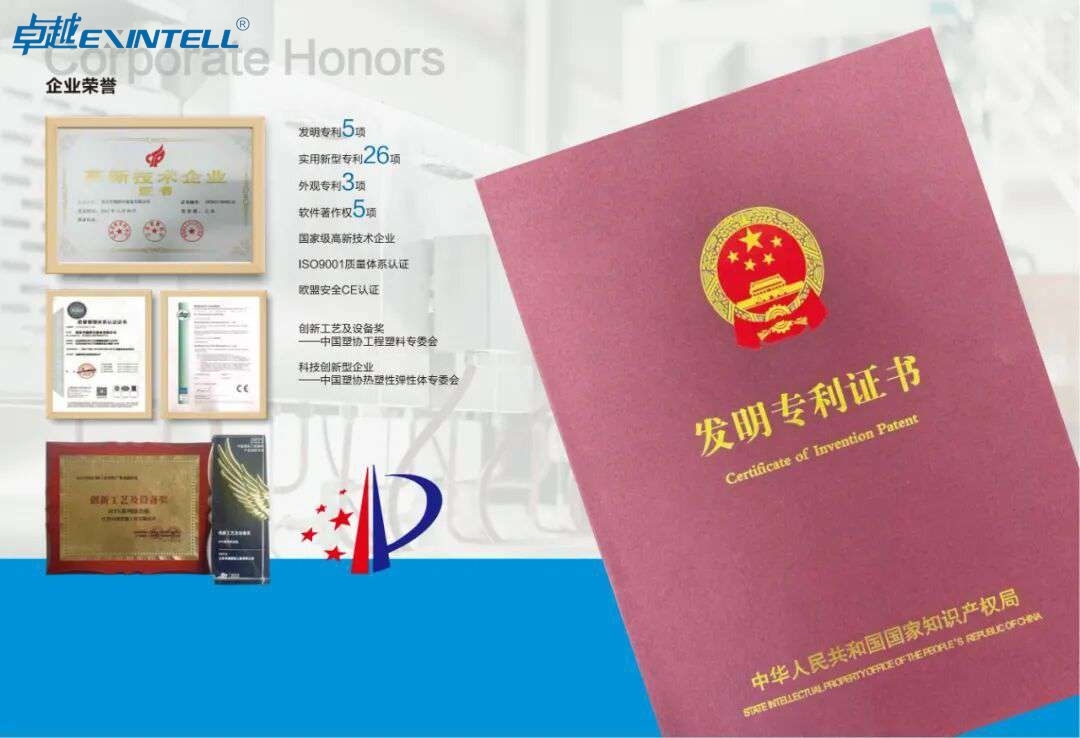
As ik evaluearje in leveransier foar in klant, Ik begjin troch te ferdúdlikjen wat it wurd “extrusion” actually describes on the shop floor. Plastic extrusion melts raw plastic material and forms it into a continuous profile with a fixed cross-section (SeaGate Plastics, 2024). That single sentence carries a lot of weight: the process is continuous rather than shot-by-shot, and the geometry is defined by a two-dimensional cross-section that runs the full length of the part. That is why it suits long production runs and high-volume manufacturing so well, and it is a genuinely different discipline from injection molding or machining.
Yn 'e praktyk, “resin extrusion” is the engine behind three broad output families I see requested most often:
- Profilen — custom plastic profiles with a defined cross-section, from simple channels and edge trims to complex multi-lumen shapes. This is where profile extrusion and co-extrusion really shine.
- Tubing — round, ovaal, en multi-lumen buis brûkt yn medyske, fluid handling, en pneumatyske applikaasjes, komt fan in spesjalisearre plestik buizen leveransier.
- Fel - plestik sheet extrusion foar panielen, liners, en thermoforming stock, produsearre troch in platte die en roll stack.
Fabrikanten, Fabriken, en Distributeurs binne net itselde
Keapers brûke dizze termen faak trochinoar, en dat kostet harren tiid. Hjir is hoe't ik se skiede:
- IN fabrikant of fabryk eigner fan de extrusion linen, snijt syn eigen dieden, en kontrolearret it proses fan hars oant klear diel. Dit is wa't jo wolle foar oanpast ark, strakke proses kontrôle, of technyk-grade plestik.
- IN distributeur of reseller stocks en skippen standert foarmen, mar typysk net rinne de line. Geweldich foar stock-ekstrudearre foarmen en rappe opnij oarders, minder foar maatwurk.
- IN fabrikant meie keapje stock profilen en masine, weld, or assemble them into finished plastic fabrication services deliverables.
When I search Thomasnet, I filter deliberately, because those directories list and categorize US plastic extrusion manufacturers by capability and region (Thomasnet, 2024). That capability filter is what tells you whether you are talking to a real plastic profile manufacturer or a middleman.
Why Buyers Search for “Fabryk” Instead of “Supplier”
Yn myn ûnderfining, the shift toward “fabryk” language signals intent. Buyers who type it want a source with in-house control over die design and tooling, transparent MOQ conversations, and the ability to scale from prototype to production. It also reflects reshoring pressure: domestic sourcing can reduce total landed cost by lowering freight, plicht, en kosten foar ynventarisaasje (Reshoring Initiative, 2023), and the US plastics industry remains a major contributor to domestic manufacturing shipments and employment (Plastic Industry Association, 2023). Op syk nei in ynlânske plestikfabrikant, ynstee fan in generike leveransier, is faaks in bewust risiko-en-kostenbeslút.
Hoe't it Plastic Extrusion Proses wurket, Stap foar stap

Begryp fan 'e meganika helpt jo bettere fragen te stellen en in offerte akkuraat te lêzen. Twin Screw Extruder Fabrikanten Fabrikant Ik rin kliïnten troch fiif stadia fan it trochgeande ekstruderingsproses.
1. Raw Material Feeding en Melting yn 'e Barrel
Thermoplastyske pellets - gewoanlik PVC, ABS, HDPE, LDPE, of polypropylene - enter in hopper en drop yn in ferwaarme barrel mei in draaiende skroef. De kombinaasje fan barrel heaters en screw shear smelt de hars yn in homogene raand stream. Materiaal kar is hjir wichtich: PVC is ien fan 'e meast ekstrudearre plestik wrâldwiid, faak brûkt yn profilen, piip, en buis (Plastic Industry Association), wylst polycarbonate, acryl (PMMA), nylon (PA), en PEEK tsjinje mear easken, engineering-grade applications. Recycled regrind can often be blended back in, and thermoplastics used in extrusion are recyclable, so regrind reuse improves material efficiency (US EPA, 2023).
2. Forcing Molten Plastic Through a Custom Die
The melt is pushed through a die that defines the profile cross-section. This is the heart of the process and the reason custom work carries tooling cost. A co-extrusion setup uses more than one extruder feeding a single die, letting you combine materials — a rigid substrate with a soft TPE/TPU sealing lip, bygelyks, or a colored cap layer over a lower-cost core.
3. Cooling, Sizing, and Continuous Take-Off
Leaving the die, the soft profile passes through a cooling and sizing system — usually a water bath or vacuum sizing tank — that locks in dimensions. A take-off (puller) tekent it profyl op in kontrolearre snelheid. Omdat it diel wurdt foarme kontinu en it materiaal krimpt as it koelt, extrusion tolerances binne oer it generaal losser as Molders (Protolabs, 2023). Ik set dy ferwachting betiid yn, sadat kliïnten realistyske tolerânsjes spesifisearje ynstee fan te beteljen foar presys, it proses kin net ekonomysk hâlde.
4. Snijen nei lingte en sekundêre fabryk
In in-line seach of mes snijt de trochgeande útfier nei lingte. Fan dêrút, sekundêre operaasjes - boarjen, punching, notching, printsjen, of gearkomste - draaie extruded plestik dielen yn klear komponinten. Dit is de brêge tusken rau profyl en in brûkbere leverber, en it is wêr't de produksje fan snelle omkearing wurdt wûn of ferlern.
Oanpaste vs Stock Plastic Extrusions: Hokker hawwe jo nedich?
Dit is it beslút dêr't ik it meast oer frege, en it earlike antwurd is: it hinget ôf fan folume, mjitkunde, en tiidline. Lit my elk paad ôfbrekke.
As off-the-shelf stock profilen de juste kar binne
Stock extruded foarmen - standert rod, tube, kanaal, hoeke, en blêd - foarkom toolingkosten hielendal en ferstjoere fluch. As in katalogusprofyl past by jo applikaasje binnen akseptabele tolerânsje, stock keapje is hast altyd de goedkeaper, flugger rûte. Ik stjoer kliïnten hjir foar prototypes, lege folumes, en elk diel dêr't in standert dwerstrochsneed docht it wurk.
As oanpaste ark en profilen rjochtfeardige binne
Oanpaste extrusion fereasket typysk in ienmalige tooling en die-ynvestearring, wylst stock profilen mije dizze kosten (yndustry sourcing begelieding). Dy die kosten binne rjochtfeardige as jo mjitkunde is proprietêr, doe't in oanpaste dwerstrochsneed elimineert downstream gearkomste, of as jierlikse folume is heech genôch te amortize it ark. Boppe in bepaalde run grutte, de besparring per foet fan in doel-boude die is grutter as de foarôf besteging.
De hybride oanpak: Standert Profilen, Oanpaste Parts
Myn favorite middenpaad wurdt faak oersjoen. Standert ekstrudearre profilen en buizen kinne wurde fabrisearre yn kosten-effektive oanpaste dielen mei flugge turnaround (SeaGate Plastics, 2024). Jo skip de die ynvestearring, dan brûke cutting, ferwurkjen, en gearstalling om in oanpaste levering te berikken. Foar in protte mid-volume programma's, dizze hybride slacht sawol suvere stock as folsleine oanpaste op totale kosten.
Kosten en Lead-Time Fergeliking
Hjir is hoe't de trije oanpak algemien fergelykje. Behannelje dizze as rjochtingsplanningsbereiken, net quotes - werklike sifers binne ôfhinklik fan materiaal, mjitkunde, en folume.
|
Faktor |
Stock Profilen |
Hybride (Fabricated Standert) |
Folsleine Custom Extrusion |
|---|---|---|---|
|
Upfront tooling kosten |
Gjin |
Gjin te leech (allinnich fixtures) |
Ien kear die ynvestearring |
|
Typyske lead tiid |
Koarst (faak op foarried) |
Koart oant matig |
Langste (die bouwe + earste artikel) |
|
Minimum oarder (MOQ) |
Leech |
Leech oant matig |
Heger (ark te amortisearjen) |
|
Geometry fleksibiliteit |
Katalogusfoarmen allinich |
Standert foarm + ferwurkjen |
Folslein oanpaste dwerstrochsneed |
|
Best fit |
Prototypes, leech folume |
Mid volume, mylde maatwurk |
Heech folume, proprietêre profilen |
|
Faktor |
Stock Profilen |
Hybride (Fabricated Standert) |
Folsleine Custom Extrusion |
|---|---|---|---|
|
Upfront tooling kosten |
Gjin |
Gjin te leech (allinnich fixtures) |
Ien kear die ynvestearring |
|
Typyske lead tiid |
Koarst (faak op foarried) |
Koart oant matig |
Langste (die bouwe + earste artikel) |
|
Minimum oarder (MOQ) |
Leech |
Leech oant matig |
Heger (ark te amortisearjen) |
|
Geometry fleksibiliteit |
Katalogusfoarmen allinich |
Standert foarm + ferwurkjen |
Folslein oanpaste dwerstrochsneed |
|
Best fit |
Prototypes, leech folume |
Mid volume, mylde maatwurk |
Heech folume, proprietêre profilen |
Hokker paad jo kieze, Ik riede oan om te befêstigjen dat de winkel in dokumintearre kwaliteitssysteem rint - ISO 9001 is de ynternasjonaal erkende standert foar kwaliteitsbehearsystemen brûkt yn produksje (ISO, 2015) en bliuwt de meast oannommen benchmark yn 'e plestiksektor. Foar in praktyske blik op hoe't stock en oanpaste oanbiedingen sitte njonken inoar, ik fyn SeaGate Plastics’ oanpaste extrusion oersjoch in nuttich referinsjepunt.
Soarten Plastic Extrusion Profilen en Products

As ik evaluearje in projekt foar extrusion, Ik begjin mei de trochsneed, omdat de mjitkunde fan it ôfmakke diel dictates hast alles streamôfwerts: de die design, de materiaal kar, en úteinlik de priis dy't jo sille betelje. Plastic extrusion smyt rau hars en foarmet it yn in trochgeand profyl mei in fêste dwerstrochsneed (SeaGate Plastics, 2024). Dat inkele prinsipe produsearret in ferrassend brede katalogus fan foarmen, sadat it helpt om se te groepearjen op kompleksiteit en funksje.
Solid Profilen, Holle profilen, en komplekse mjitkunde
Solide profilen binne de wurkhynders fan 'e yndustry: roeden, bars, râne, en trim sûnder ynterne leechte. Se binne de maklikste te ark en de meast ferjaan op tolerânsje, dêrom advisearje ik se foar earste kear keapers dy't in ûntwerp testen. Holle profilen yntrodusearje ynterne kanalen, en se easkje mear ferfine dies mei mandrels of pinnen om de holte iepen te hâlden as de smelt koelt. Komplekse geometryen kombinearje meardere muorren, undercuts, en tinne-to-dikke oergongen yn ien dwerstrochsneed, and this is where die design and tooling expertise separates a capable plastic profile manufacturer from an average one. Yn myn ûnderfining, uneven wall thickness is the most common cause of warping, so I press suppliers early on how they plan to balance material flow across the profile.
Tubing and Multi-Lumen Extrusions
Tubing is a specialized subset of hollow extrusion, and it spans everything from simple single-bore tube to multi-lumen designs with several parallel channels running the length of the part. Medical device and analytical instrument buyers lean on multi-lumen extrusions to carry fluids, triedden, and sensors through one compact profile. A dependable plastic tubing supplier will hold tight concentricity and inner-diameter tolerances, hoewol ik kliïnten altyd herinnerje dat extrusiontolerânsjes oer it algemien losser binne dan spuitgieten fanwege materiaalkrimp en trochgeande foarmjen (Protolabs Design Resources, 2023). Plan jo fit en klaring om dy realiteit ynstee fan te fjochtsjen.
Co-Extrusion en Multi-Material Profilen
Co-ekstrusion rint twa of mear harsens troch in dielde dielde om in inkeld profyl te produsearjen mei ûnderskate materiaalsônes. Ik brûk it as in diel tagelyk tsjinstridige eigenskippen nedich is, lykas in stive PVC struktureel lichem mei in sêfte TPE / TPU pakking lip, of in waarbere cap laach oer in legere kosten substraat. It elimineert sekundêre montage- en bondingsstappen, dat is in betsjuttingsfolle kosten saver by folume. De ôfwikseling is kompleksiteit fan ark, dus ik reservearje co-extrusion foar ûntwerpen dêr't de multi-materiaal foardiel dúdlik rjochtfeardiget de tafoege die ynvestearrings.
Mienskiplike yndustryapplikaasjes foar elk type
Ferskillende geometryn gravitearje nei ferskate sektoaren, en matching se betiid hâldt sourcing petearen rjochte.
- Solid profilen: retail shelf râne, meubels trim, sealen, en fencing komponinten.
- Holle profilen: finster en doar frames, LED ljocht kanalen, en strukturele bekleding.
- Tubing en multi-lumen: medyske katheters, fluid oerdracht rigels, en pneumatyske buizen.
- Co-ekstrudearre profilen: waarstripping, koeling pakkingen, en dual-durometer hânfetten.
- Sheet extrusion: paadwizers, thermoforming stock, en beskermjende panielen.
Omdat plastic extrusion is in trochgeande, hege folume proses, it past benammen goed foar lange produksjerinnen, en standert extruded profilen en buizen kinne wurde fabrisearre yn kosten-effektive oanpaste dielen mei flugge turnaround (SeaGate Plastics, 2024). As jo jierlikse fraach is stabyl en mjitten yn 'e tsientûzenen fuotten, extrusion ekonomy wurkje sterk yn jo foardiel.
Mienskiplike materialen brûkt yn plestik extrusion
Materiaal seleksje is it beslút Ik sjoch keapers ûnderskatte meast faak. De hars regelet meganyske sterkte, gemyske ferset, temperatuer berik, kosten, en sels hoe strakke in tolerânsje de extruder realistysk kin hâlde. Ik groep extrusion harsen yn trije tiers, wurkje dan mei kliïnten om allinich omheech te gean foar safier't de applikaasje wirklik freget.
Commodity Resins: PVC, Polyetyleen, en polypropylene
Commodity harsens dekke de mearderheid fan extrudearre folume, en foar goede reden. PVC is ien fan 'e meast ekstrudearre plestik wrâldwiid, mienskiplik yn profilen, piip, en buis (Plastic Industry Association). It biedt rigidity, waarberens, en lege kosten, en it nimt kleur en oerflak finish goed. Polyetyleen ferskynt yn twa bekende klassen: HDPE foar stive, gemysk resistinte profilen en LDPE dêr't fleksibiliteit fan belang is. Polypropyleen balansearret gemyske ferset mei in goede sterkte-to-gewicht-ferhâlding en libbenshinge-prestaasjes. As in klant freget oer hars-ekstrudering foar in hege folume, kosten-gefoelige diel, dit is hast altyd wêr't ik begjin.
Engineering Resins: ABS, Polycarbonate, Nylon, en acryl
Engineering-grade plestik stapt op yn meganyske en thermyske prestaasjes. ABS leveret ynfloedsterkte en skjinne finishen foar konsumint- en omwâlingsdielen. Polycarbonate bringt hege ynfloedresistinsje en optyske dúdlikens, wat makket dat it in stapke foar ferljochting linzen en feiligens glazing. Nylon (PA) biedt wear ferset en taaiens foar meganyske komponinten en kabel behear. Acryl (PMMA) jout poerbêste dúdlikens en UV-stabiliteit foar werjefte- en paadwizerprofilen. Ik ferpleatse keapers nei dizze tier doe't commodity harsens kin net foldwaan oan lading, hjitte, of dúdlikens easken, en ik soargje derfoar dat se de harspreemje priisje tsjin de prestaasjeswinst foardat se yngean.
Materialen mei hege prestaasjes lykas PEEK
Oan de top sit in lytse groep fan hege-optreden polymearen, mei PEEK as referinsjepunt. PEEK ferneart trochgeande hege temperatueren, agressive gemikaliën, en easket meganyske loads, dat is wêrom't it ferskynt yn 'e loftfeart, medysk, en semiconductor applikaasjes. De materiaalkosten binne substansjeel, dus ik spesifisearje it allinich as de bedriuwsomjouwing gjin goedkeapere opsje lit. Net elke fabrikant fan plastykprofyl ferwurket PEEK, sadat it screening fan kapasiteiten mear is op dit nivo.
Materiaaleigenskippen oerienkomme mei tapassingseasken
Myn seleksje ramt is mei opsetsin ienfâldich: definiearje de net-ûnderhannelbere eask earst, kies dan de minste djoere hars dy't it wisket. De tabel hjirûnder gearfettet hoe't ik weagje de mienskiplike opsjes foar extruded plestik dielen.
| Materiaal | Tier | Key sterke punten | Relative kosten | Typyske applikaasjes |
|---|---|---|---|---|
| PVC | Commodity | Styf, waarber, lege kosten | $ | Profilen, piip, trim |
| HDPE / LDPE | Commodity | Gemyske ferset; stiif of fleksibel | $ | Tubing, liners, ducting |
| Polypropylene | Commodity | Gemyske ferset, libbene hinges | $ | Fluid ôfhanneling, hinges |
| ABS | Engineering | Impact sterkte, skjinne finish | $$ | Bylagen, konsumint dielen |
| Polycarbonate | Engineering | Impact ferset, dúdlikens | $$ | Lenzen, feiligens glazing |
| Nylon (PA) | Engineering | Wear ferset, hurdens | $$ | Meganysk, kabel gidsen |
| Acryl (PMMA) | Engineering | Dúdlikens, UV-stabiliteit | $$ | Signage, displays |
| PEEK | Hege prestaasjes | Hjitte, gemysk, en load ferset | $$$$ | Aerospace, medysk, semiconductor |
Ien effisjinsjepunt dat wurdich is om te ferheegjen mei elke leveransier: thermoplastyk brûkt yn extrusion binne recyclable, en herbrûk opnij ferbettert materiaal effisjinsje (US Environmental Protection Agency, 2023). Freegje hoe't in fabryk mei slijpen omgiet, fertelt my wat oer sawol har kostendisipline as har duorsumenspraktiken.
Plastic Extrusion Fabrikanten yn de FS
Foar in protte fan 'e keapers advisearje ik, de sourcing fraach is net allinnich “wa kin extrude dit profyl” mar “wa kin it hjir útdrukke.” Ynlânske sourcing is ferhuze fan in foarkar nei in strategysk beslút, en it fertsjinnet in dúdlike eagen earder as refleksyf patriottisme.
Wêrom US-basearre sourcing wichtich is foar in protte keapers
De finansjele saak is sterker as it earst liket. Reshoring and domestic sourcing can reduce total landed cost by lowering freight, plicht, en kosten foar ynventarisaasje (Reshoring Initiative, 2023). When I run a total-cost comparison rather than a unit-price comparison, offshore savings often shrink once I add ocean freight, tariven, safety stock, and the working capital tied up in long transit times. For a domestic plastics manufacturer serving a US customer, lead times measured in weeks rather than months also mean less risk if a design changes mid-program.
Regional Manufacturing Hubs Across the Country
US extrusion capacity is not evenly distributed, and knowing the map speeds up sourcing. The Great Lakes and Upper Midwest concentrate general-purpose profile and tubing extruders near automotive and industrial demand. The Northeast holds a dense cluster of medical and precision tubing specialists. It Súdeasten is fluch groeid om bouprodukten en ferpakking. De West Coast en Súdwest tsjinje elektroanika, aerospace, en konsumint merken. Supplier-mappen lykas Thomasnet listje en kategorisearje Amerikaanske fabrikanten fan plestik extrusion per kapasiteit en regio (Thomasnet, 2024), dat is wêr't ik normaal in earste shortlist bouwe foardat ik petearen meitsje.
Ynlânske kwaliteit, Kommunikaasje, en IP Foardielen
Beyond kosten, trije praktyske foardielen bliuwe tekening keapers thús. Earste, kwaliteit systemen binne makliker te ferifiearjen persoanlik; ISO 9001 is de ynternasjonaal erkende standert foar kwaliteitsbehearsystemen brûkt yn produksje (Ynternasjonale Organisaasje foar Standerdisearring, 2015), en ik kin de ymplemintaasje fan in ynlânske leveransier kontrolearje sûnder in ynternasjonale reis. Twadde, tiidsône-ôfstimd kommunikaasje ferkoartet de feedback loop fan prototype nei produksje, dat is fan belang as in die nedich in mid-run oanpassing. Tredde, beskerming fan yntellektuele eigendom is mear hanthavenber ûnder Amerikaanske jurisdiksje, a real concern when a custom profile is a competitive differentiator. I treat these as the differences that a spreadsheet alone will miss.
How US Factories Serve Diverse Industries
American extruders span the full range of contract manufacturing, from stock extruded shapes shipped from inventory to fully custom die programs. Custom extrusion typically requires a one-time tooling or die investment, while stock profiles avoid that cost, so I match the sourcing path to how unique the geometry really needs to be. The US plastics industry remains a major contributor to domestic manufacturing shipments and employment (Plastic Industry Association, 2023), and that depth means a buyer can usually find a plastic fabrication services partner suited to their volume, from prototype to production. For a broad view of custom capabilities, I often point clients to overviews such as custom plastic extrusion manufacturers to calibrate expectations before requesting quotes.
Hoe kinne jo plestik extrusionbedriuwen yn jo buert fine
When I begin a sourcing project, geography is one of the first variables I weigh. Location shapes freight cost, communication cadence, and how quickly I can iterate from prototype to production. Dat sei, proximity is only valuable when the nearby supplier can actually do the work. Yn myn ûnderfining, the smartest approach treats “by my” as a filter, gjin beslút.
Why Local Sourcing Often Pays Off
A domestic plastics manufacturer close to your facility gives you three concrete advantages. Earste, shorter shipping distances lower freight and lead-time risk, which matters for bulky extruded plastic parts and long profiles that ship as oversized freight. Twadde, local partners make on-site visits practical, and I have caught more process issues in a two-hour plant walkthrough than in weeks of email. Tredde, proximity accelerates iteration: when a die needs a tweak, a supplier a few hours away can turn samples faster than one across an ocean.
The financial case reaches beyond the unit price. According to the Reshoring Initiative (2023), domestic sourcing can reduce total landed cost by lowering freight, plicht, en kosten foar ynventarisaasje. The domestic base is substantial, te; de Plastic Industry Association (2023) reports that the US plastics industry is a major contributor to domestic manufacturing shipments and employment, which means qualified capacity for resin extrusion is usually within reach.
Where I Look: Directories, Associations, en ferwizings
To build an initial list of candidates, I use three complementary channels:
- Supplier directories. Thomasnet (2024) lists and categorizes US plastic extrusion manufacturers by capability and region, wat it maklik makket om te filterjen op materiaal, proses, en lokaasje.
- Trade ferienings. Lidmaatskip yn organen lykas de Plastics Industry Association sinjalearret in bedriuw dat ynvestearret yn noarmen en ynset yn 'e yndustry.
- Ferwizings. In oanbefelling fan in yngenieur dy't produksje hat útfierd mei in fabrikant fan plestikprofyl draacht mear gewicht dan elke marketingside, omdat it wjerspegelet levere prestaasjes.
Ik behannelje de map as útgongspunt foar in plestik tubing leveransier of profyl winkel, falidearje dan elke namme tsjin echte referinsjes foardat it in plak op myn shortlist fertsjinnet.
Balancing Proximity Against Capability en Priis
Ofstân is in tiebreaker, gjin troef. As in winkel yn 'e buert kin jo tolerânsjes net hâlde, rinne dyn hars, of foldogge oan jo folume, it gemak is weardeleas. Ik rangearje kapasiteit en kwaliteit earst, dan priis, then location. A plastic extrusion companies factory supplier two states away with the right co-extrusion line and a proven ISO 9001 system will usually serve me better than a closer shop lacking those capabilities.
When Local Is Not the Best Option
Sometimes the right partner is not nearby. Specialized work in engineering-grade plastics such as PEEK, polycarbonate, of nylon (PA) may only be done well by a handful of shops nationally. High-volume manufacturing programs can justify shipping economics that favor a distant, more automated plant. And when you need capabilities like plastic sheet extrusion combined with in-line fabrication, the fit of the process matters more than the mileage. In those cases I widen the search radius and lean on video plant tours and third-party audits to close the distance gap.
Understanding the Largest Plastic Extrusion Companies
Buyers often gravitate toward the biggest names, assuming scale guarantees a better outcome. Scale does deliver real advantages, but it also carries tradeoffs. Understanding what “grutste” actually means helps me match a supplier’s footprint to my program rather than to a reputation.
What Scale Means for Capacity and Reliability
Extrusion is in trochgeande, high-volume process well suited to long production runs, and large factories are built around that reality. More extrusion lines mean higher throughput, redundancy if one line goes down, and the ability to absorb demand spikes. Scale usually correlates with mature quality systems as well; ISO 9001, the internationally recognized standard for quality management systems used across manufacturing (Ynternasjonale Organisaasje foar Standerdisearring, 2015), is almost table stakes among large plants. That maturity translates into more consistent extruded plastic parts across long runs.
The Tradeoffs of Large Factories vs. Specialized Shops
Bigger is not automatically better. Large plants optimize for volume, which can mean higher minimum order quantities, less flexibility on small custom runs, and slower responsiveness on prototype work. A specialized shop may excel at tight-tolerance custom plastic profiles, unusual resins, or quick-turnaround production that a high-volume plant treats as a nuisance. The table below summarizes how I weigh the two.
| Faktor | Large-Scale Factory | Specialized Shop |
|---|---|---|
| Kapasiteit | Heech; multiple lines, redundancy | Limited; fewer lines |
| Minimum bestelling kwantiteit | Often high | Usually flexible |
| Prototype speed | Stadiger; volume-focused scheduling | Faster; agile setup |
| Material range | Broad commodity resins (PVC, HDPE, LDPE, PP) | Often engineering-grade (PEEK, PC, PA) |
| Price per unit at volume | Leger | Heger |
| Best fit | Lange produksje rint | Oanpast, low-to-mid volume, complex profiles |
When High-Volume Capability Is Essential
There are programs where I will not compromise on scale. Kontinu, long-run demand for standardized profiles, piip, or tubing in commodity resins is the natural home of a large factory. PVC is ien fan 'e meast ekstrudearre plestik wrâldwiid, faak brûkt yn profilen, piip, en buis, and sourcing it at volume rewards the economies a big plant provides. If your forecast calls for millions of feet of a stable profile cross-section, high-volume capability moves from nice-to-have to essential.
How to Verify Claimed Scale and Capacity
Claims on a website are not evidence. Before I accept a “grutste” of “highest capacity” claim, I verify it with concrete questions:
- How many extrusion lines are operational, and what is the die diameter range on each?
- What is current utilization, and how much spare capacity exists for my program?
- Can you share throughput figures (lbs/hour or feet/day) foar in fergelykber profyl?
- Wat oerstallichheid bestiet as in line mislearret mid-run?
- Hokker sertifikaten, lykas ISO 9001, binne aktueel, en mei ik it sertifikaat sjen?
Ik kombinearje dy antwurden mei in plant rûnlieding of audit. Fysike bewiis fan rinnende rigels, personielsbesetting, en ynventarisaasje fertelt my folle mear as hokker kapasiteit figuer oanhelle yn in brosjuere.
Hoe kinne jo de bêste plestik-ekstruderfabryk foar jo projekt identifisearje
“Bêst” is ien fan de meast misbrûkte wurden yn leveransier marketing. Yn 'e praktyk, de bêste fabrikant fan plastic extrusion bedriuwen is dejinge dy't it bêste past by jo spesifike easken, net dejinge mei de lûdste claim. Ik definiearje de term relatyf oan myn projekt, dan skoare kandidaten tsjin dy definysje.
Defining “Bêst” Relatyf oan jo spesifike behoeften
Foardat jo leveransiers fergelykje, Ik dokumintearje wat myn projekt eins freget: the resin (sizze, ABS for impact resistance, acryl (PMMA) foar optyske dúdlikens, or TPE/TPU for flexibility), the tolerance band, the volume, the timeline, and the level of engineering support I need for die design and tooling. Extrusion tolerances are generally looser than injection molding due to material shrinkage and continuous forming (Protolabs Design Resources, 2023), so I confirm early that a candidate can meet my dimensional requirements rather than assuming it can. A shop that is ideal for a high-volume HDPE pipe run may be the wrong choice for a tight-tolerance polycarbonate profile.
Weighing Quality, Kosten, Faasje, and Support
Every sourcing decision balances four levers, and improving one often pressures another:
- Kwaliteit. Documented quality systems, in-process inspection, and material traceability. ISO 9001 is the most widely adopted quality management standard across manufacturing sectors including plastics.
- Kosten. Not just unit price. Oanpaste extrusion fereasket typysk in ienmalige tooling en die-ynvestearring, while stock extruded shapes avoid that cost, so I model total cost including tooling and MOQ.
- Faasje. Standert ekstrudearre profilen en buizen kinne wurde fabrisearre yn kosten-effektive oanpaste dielen mei flugge turnaround (SeaGate Plastics, 2024), but lead times vary widely between shops.
- Stypje. Engineering input on profile cross-section and material selection can prevent costly redesigns as you move from prototype to production.
Sustainability increasingly enters the equation as well. Thermoplastyk brûkt yn extrusion binne recycleber, en herbrûk opnij ferbettert materiaal effisjinsje (US Environmental Protection Agency, 2023), which can reduce both cost and waste when a supplier manages it responsibly.
Reading Past “Bêst” Marketing Claims
Superlatives are easy to print and hard to prove. When I see “bêst,” “liedend,” of “premier,” I translate the claim into a testable question. Instead of accepting “best quality,” I ask for defect rates and inspection records. Instead of “fastest,” I ask for typical lead times on my specific part. Instead of “most experienced,” I ask for references in my industry. Marketing language that cannot survive a follow-up question does not influence my shortlist.
Building a Shortlist Scoring Method
To keep the comparison objective, I use a weighted scoring model. I list my criteria, assign each a weight that reflects its importance to the project, score every candidate from 1 nei 5, and multiply. The weights shift by project; a prototype program might weight speed and engineering support heavily, while a mature production program weights cost and capacity.
- List criteria: kwaliteit systemen, material capability, tolerânsje, kapasiteit, trochrintiid, tooling kosten, engineering stipe, en lokaasje.
- Assign weights that total 100 percent, reflecting your priorities.
- Score each supplier 1 nei 5 on every criterion, using verified evidence rather than marketing claims.
- Calculate weighted totals and rank the candidates.
- Validate the top two with reference calls and, ideaal, a plant visit before committing.
This structured method has consistently steered me toward the partner that fits the work, whether that turns out to be a large plant, a nimble specialist, or a domestic shop just down the road. For a deeper look at how custom extrusion capabilities map to applications, resources such as SeaGate Plastics’ oanpaste extrusion oersjoch are a useful reference as you refine your own criteria.
Key Capabilities to Evaluate in a Plastic Extrusion Company
When I vet a plastic profile manufacturer, I look
Tolerances and Precision in Extruded Parts
As ik evaluearje in plestik profyl fabrikant, tolerances are the first place I look for a reality check. Extrusion is in trochgeande foarmjen proses, so it behaves differently from molding. As Protolabs notes, extrusion tolerances are generally looser than injection molding because material shrinkage and continuous forming introduce variability that a closed mold does not (Protolabs Design Resources, 2023). Setting expectations here early saves both money and rework later.
Typical Achievable Tolerances by Material and Profile
Yn myn ûnderfining, achievable precision depends heavily on the resin and the geometry of the profile cross-section. Rigid engineering-grade plastics hold tighter dimensions than soft or semi-crystalline materials, and simple shapes hold tighter than complex hollow profiles. The ranges below reflect commonly quoted commercial extrusion capabilities for custom plastic profiles; always confirm against your supplier’s published standards for your specific part.
| Materiaal | Dimensionale stabiliteit | Typical tolerance tendency | Notes for specifying |
|---|---|---|---|
| Sterke PVC | Heech | Tighter, well-controlled | Widely extruded; predictable in profiles and tubing |
| ABS | Heech | Tight on rigid profiles | Good for structural extruded plastic parts |
| Polycarbonate | Heech | Tight, low shrink | Optical and impact-rated applications |
| Acryl (PMMA) | Heech | Tight, but brittle at thin walls | Sheet and clear profiles |
| Nylon (PA) | Matich | Looser; moisture-sensitive | Account for post-extrusion moisture uptake |
| HDPE / LDPE | Moderate to low | Looser; higher shrink | Expect wider bands on wall and OD |
| Polypropylene | Matich | Looser; semi-crystalline shrink | Allow generous tolerance on critical dims |
| PEEK | Heech | Tight, but specialized | High-temp engineering runs; higher cost |
| TPE / TPU | Leech | Loosest; flexible recovery | Soft profiles deform under measurement |
Factors That Affect Dimensional Stability
Several variables move a part inside or outside its tolerance band. Wall thickness uniformity matters most: thick and thin sections in the same profile cool at different rates and warp. Semi-crystalline resins like polypropylene and HDPE shrink more than amorphous ones like polycarbonate and acrylic, so the die must be cut to compensate. I also watch for haul-off speed, melt temperature, and cooling-bath control, since drift in any of these shows up as dimensional variation over a long run. For hygroscopic materials such as nylon, moisture absorbed after extrusion can change dimensions days later, which is why I ask how a supplier conditions and stores finished stock.
Specifying Tolerances in Your Drawings
The cleanest way to control cost is to tolerance only what functionally matters. I call out critical dimensions explicitly, apply a reasonable general tolerance block to everything else, and reference the datum features that mate with other components. Where a flexible TPE or TPU profile is involved, I specify the measurement method and fixture, because a soft part measures differently under light pressure than at rest. Being specific about which surfaces are cosmetic versus functional lets a plastic fabrication services partner set up the line intelligently instead of overbuilding to a blanket precision requirement.
Balancing Precision Against Cost
Tighter tolerances raise cost through slower line speeds, more scrap, added inspection, and sometimes secondary sizing or machining. Yn 'e praktyk, I treat precision as a dial rather than a switch: I hold the two or three dimensions that drive fit and function tightly and relax the rest. That approach keeps resin extrusion economical while still delivering parts that assemble correctly. When a design genuinely needs molding-level precision on every feature, that is a signal the part may not be a good extrusion candidate, and I revisit the process choice before committing to tooling.
Minimum Order Quantities and Lead Times
MOQs and lead times are where the difference between stock extruded shapes and true custom work becomes concrete. Custom extrusion typically requires a one-time tooling investment in a die, while stock profiles avoid that cost entirely, per common industry sourcing guidance. That single fact drives most of the ordering economics, so I plan around it from the start.
Typical MOQ Ranges for Stock vs Custom
Stock profiles and tubing can often be bought in small quantities, sometimes by the foot or in single boxes, because the supplier already runs them. As SeaGate Plastics points out, standard extruded profiles and tubes can be fabricated into cost-effective custom parts with quick turnaround, which is a practical advantage when volumes are modest (SeaGate Plastics, 2024). Custom profiles are different. Because the line has to be set up, purged, and stabilized before good parts come off, suppliers set a minimum run to amortize that setup. I commonly see custom MOQs expressed in pounds of resin or in linear footage rather than piece count, and the threshold rises with more exotic engineering-grade plastics.
How Lead Times Vary With Tooling and Volume
For a new custom profile, the die is the pacing item. Tooling ûntwerp, cutting, and first-article trials typically dominate the initial schedule, and I budget several weeks for die design and tooling before any production parts exist. Once the die is proven, repeat orders move quickly because the tooling is on the shelf. Higher volumes actually help here: extrusion is a continuous, high-volume process well suited to long production runs, so once a line is dialed in, adding footage is efficient rather than disruptive.
Quick-Turnaround Options and Expedited Runs
When a timeline is tight, I look at three levers. Earste, use stock profiles or standard tubing that can ship from inventory and be cut or fabricated to length. Twadde, ask whether an existing die is close enough to modify rather than cutting a new one. Tredde, request an expedited slot, which many suppliers offer for a premium by prioritizing line time. Quick-turnaround production is realistic for standard shapes; for genuinely new custom geometry, the tooling step still sets the floor on how fast you can go.
Planning Your Project Timeline
I work backward from the required delivery date and add explicit buffers for die design, first-article approval, and any secondary operations. Moving from prototype to production is smoother when I lock the profile cross-section early, because late geometry changes mean recutting the die and resetting the clock. Aligning MOQ with real annual demand also matters: ordering an efficient run size once beats paying repeated setup charges on small, frequent custom orders.
Cost Drivers in Plastic Extrusion Pricing
Understanding what actually drives a quote lets me negotiate from evidence rather than instinct. Extrusion pricing breaks down into a handful of levers, and knowing which one dominates for a given part tells me where the savings live.
Material Selection and Resin Pricing
Resin is usually the largest recurring cost, and it varies widely by grade. Commodity materials like PVC, polypropylene, HDPE, and LDPE sit at the low end; PVC in particular is among the most widely extruded plastics globally and is well supported across suppliers. Engineering-grade plastics such as polycarbonate, nylon, and especially PEEK command higher prices and can require specialized processing. One efficiency I always ask about is regrind: thermoplastyk brûkt yn extrusion binne recyclable, en herbrûk opnij ferbettert materiaal effisjinsje, which can lower material cost on non-critical parts (US Environmental Protection Agency, 2023). Choosing the least expensive resin that meets the application requirement is the single highest-leverage decision in material selection.
Tooling, Opsette, and Run Volume
Custom work carries a one-time die cost that stock profiles avoid. That tooling charge is fixed, so it amortizes across the run: the more footage I order, the lower the per-part tooling burden. Setup time and line stabilization add cost to every job regardless of size, which is exactly why small custom orders feel expensive per piece. Co-ekstrudering, which combines two materials in one profile, adds tooling and process complexity and therefore cost, but it can eliminate secondary assembly, so I weigh the tradeoff on total value rather than tooling alone.
Secondary Operations and Finishing
Anything that happens after the profile leaves the die adds cost: op lingte snije, boarjen, notching, printsjen, gat punching, tight-tolerance sizing, en ferpakking. Individually these are minor, but they stack quickly on high piece counts. Ik beslute bewust hokker operaasjes yn-line hearre by de extrusion en hokker echt nedich binne, omdat elke tafoege stap ek foeget ôfhanneling en ynspeksje. Wêr't in funksje kin wurde ûntwurpen yn it profyl dwerstrochsneed ynstee fan machined dêrnei, Ik doch dat, sûnt it foarmjen fan in funksje is hast fergees yn ferliking mei in streamôfwerts operaasje.
Ynlânske vs Offshore Kostenfergelikingen
Headline stik priis favors faak offshore, mar ik evaluearje totale lân kosten. It Reshoring Initiative merkt op dat binnenlandse sourcing de totale lânkosten kin ferminderje troch fracht te ferleegjen, plicht, en kosten foar ynventarisaasje (Reshoring Initiative, 2023), en dy faktoaren binne maklik te ûnderskatten as jo ienheidsprizen allinich fergelykje. Wurkje mei in ynlânske plestikfabrikant ferkoart ek de leadtiden, simplifies kommunikaasje, en ferminderet de ynventarisaasje buffer ik moat hâlden tsjin lange oseaan transit. The US plastics industry is a substantial contributor to domestic manufacturing shipments and employment (Plastic Industry Association, 2023), so the domestic supplier base for both stock and custom profiles is deep. Myn regel fan thumb: for high-volume, low-mix commodity profiles, offshore can win on price; for responsive, higher-mix, or engineering-grade work, domestic contract manufacturing usually wins on total cost and risk. For a fuller look at custom capabilities, I point buyers to custom plastic extrusion manufacturers such as SeaGate Plastics as a reference point for scope and services.
Questions to Ask Before Choosing a Factory
When I vet a plastic profile manufacturer, I treat the first conversation as a structured interview rather than a sales call. The goal is to separate shops that can genuinely deliver my part from those that simply want the order. Over years of sourcing extruded plastic parts, I have found that a handful of pointed questions surface most of the risk before a single dollar changes hands. Below is the checklist I actually use.
Kapasiteit, Certifications, and Material Expertise
I start by asking what the factory runs today, not what it claims it can run. Continuous extrusion is a high-volume manufacturing process, so I want to know line count, typical run lengths, and whether they have headroom for my volume without displacing existing customers. On the quality side, I ask directly about certification. ISO 9001 is de ynternasjonaal erkende standert foar kwaliteitsbehearsystemen brûkt yn produksje (Ynternasjonale Organisaasje foar Standerdisearring, 2015), and while certification is not a guarantee of good parts, its absence tells me the shop may lack documented process controls.
Material expertise is the third leg. A capable resin extrusion supplier should speak fluently about the polymers relevant to my application, whether that is PVC and HDPE for construction profiles, ABS and polycarbonate for enclosures, polypropylene and LDPE for packaging and tubing, or engineering-grade plastics like nylon (PA) and PEEK for demanding environments. PVC is ien fan 'e meast ekstrudearre plestik wrâldwiid, faak brûkt yn profilen, piip, en buis (Plastic Industry Association). If I need flexible sections, I confirm experience with TPE/TPU, and if my part demands a rigid core with a soft-touch or weather-resistant skin, I ask whether they offer co-extrusion. Lab Extruder Wholesale
Prototyping and Design Support Availability
I ask whether the factory offers design consultation before tooling is cut. The best plastic fabrication services partners will review my cross-section for extrudability, flag thin walls or sharp corners that trap stress, and suggest material substitutions that lower cost without hurting performance. I also confirm they can produce a representative prototype rather than pointing me straight to a production die.
Lead Times, MOQs, and Delivery Track Record
Here I get specific. I ask for standard lead times on both tooling and production, the minimum order quantity, and how MOQ scales with material and profile complexity. Custom extrusion typically requires a one-time tooling investment for the die, while stock extruded shapes avoid that cost entirely (yndustry sourcing begelieding). If my volumes are modest, standard extruded profiles and tubes can be fabricated into cost-effective custom parts with quick turnaround (SeaGate Plastics, 2024), so I always ask what stock profiles they carry. On delivery, I want on-time performance data, not adjectives.
References and Industry Experience
Úteinlik, I ask for references in my industry. A shop that regularly serves medical, automotive, or building-products customers has already navigated the tolerances and documentation those sectors demand. I call the references and ask two questions: did the parts meet spec on the first production run, and how did the supplier handle the problem when something went wrong?
From Prototype to Production: How the Process Unfolds
Once I have chosen a supplier, the path from a drawing to shippable extruded plastic parts follows a predictable sequence. Understanding each stage helps me set realistic timelines internally and catch problems while they are still cheap to fix.
Submitting Drawings and Design Consultation
I begin by sending a dimensioned drawing of the profile cross-section, along with the target material, kleur, tolerance requirements, and end-use environment. This is where design-for-manufacturing consultation earns its keep. Because extrusion tolerances are generally looser than injection molding due to material shrinkage and continuous forming (Protolabs Design Resources, 2023), a good engineer will help me place critical dimensions where the process can reliably hold them and relax the ones that do not matter.
Sample and Prototype Validation
Next comes a sample or prototype. Depending on the shop, this may be pulled from a soft or temporary die, or matched from existing stock extruded shapes. I use this stage to validate fit, fleksibiliteit, oerflak finish, and material behavior in my actual assembly. Catching a wall-thickness issue on a prototype costs me a revision; catching it after the production die is cut costs me the tooling.
Tooling Approval and First-Article Inspection
Extruder Twin Screw After I approve the design, the factory cuts the production die. The die design and tooling step is the largest one-time cost in custom extrusion, so I review the tooling drawing carefully before signing off. Once the die runs, I require a first-article inspection: a documented measurement of the initial output against my drawing. I do not release full production until the first article passes.
Ramping to Full Production
With the first article approved, the line ramps to full production. Plastic extrusion is a continuous, high-volume process well suited to long production runs (SPI/Plastics Industry Association overview), so unit costs typically drop as volume climbs. I confirm the quality plan for ongoing runs, including sampling frequency and the criteria for holding or scrapping out-of-spec material. Thermoplastyk brûkt yn extrusion binne recycleber, en herbrûk opnij ferbettert materiaal effisjinsje (US Environmental Protection Agency, 2023), so I also clarify the shop’s regrind policy when appearance or mechanical properties are critical.
Domestic vs Overseas Extrusion Sourcing
One of the most consequential decisions I make is where to source. The instinct is to compare unit price, but in my experience that number alone is misleading. What matters is total landed cost and the operational realities that price hides.
Cost vs Total Landed Cost Considerations
Overseas suppliers often quote a lower piece price, but I add freight, plichten, customs handling, and the inventory carrying cost of larger safety stock and longer transit. Reshoring and domestic sourcing can reduce total landed cost by lowering freight, plicht, en kosten foar ynventarisaasje (Reshoring Initiative, 2023). Once I build a full landed-cost model, the gap between a domestic plastics manufacturer and an overseas one usually narrows, and sometimes reverses.
Trochrintiid, Skipfeart, and Communication Factors
Domestic sourcing shortens my supply chain and simplifies communication across time zones and languages, which matters most when I need quick-turnaround production or fast design changes. Overseas sourcing can suit stable, high-volume programs where the design is frozen and lead time is not a constraint.
Quality Control and IP Protection
Proximity makes on-site audits and first-article reviews far easier, and domestic contracts generally offer stronger, more enforceable intellectual property protection for a proprietary die design. When my profile represents real design investment, that protection weighs heavily.
Wannear't elke opsje sin makket
The US plastics industry is a major contributor to domestic manufacturing shipments and employment (Plastic Industry Association, 2023), and directories such as Thomasnet list and categorize US plastic extrusion manufacturers by capability and region (Thomasnet, 2024), which makes local sourcing practical to research. The table below summarizes how I weigh the two paths.
| Faktor | Domestic Sourcing | Overseas Sourcing |
|---|---|---|
| Unit priis | Higher piece price | Often lower piece price |
| Totale lân kosten | Lower freight, plicht, and carrying cost | Added freight, plicht, and inventory cost |
| Trochrintiid | Koarter, more responsive | Langer, transit-dependent |
| Kommunikaasje | Same time zone and language | Time-zone and language gaps |
| Quality audits | On-site visits practical | Remote or costly to audit |
| IP beskerming | Sterker, more enforceable | Variable enforcement |
| Best fit | Oanpaste profilen, fast changes, proprietary tooling | Frozen designs, very high volume, price-driven programs |
Yn 'e praktyk, I lean domestic for custom plastic profiles that involve proprietary tooling, evolving designs, or short lead times, and I consider overseas contract manufacturing only for mature, stâl, high-volume parts where the landed-cost math clearly favors it. For a starting point on capabilities and stock offerings, resources like SeaGate Plastics are a useful reference when scoping a domestic partner.
Sustainability and Recyclability in Extrusion
When I evaluate a plastic extrusion companies factory today, sustainability is no longer a soft preference tucked into the back of a proposal. It sits alongside price, trochrintiid, and quality as a core selection criterion. The good news is that extrusion is inherently well suited to responsible material use, and the suppliers I trust have built that advantage into their operations rather than treating it as an afterthought.
Recyclable Thermoplastics and Scrap Reuse
Most of the polymers I specify for extruded plastic parts are thermoplastics, which means they can be remelted and reformed multiple times without a complete loss of properties. According to the US Environmental Protection Agency (2023), thermoplastyk brûkt yn extrusion binne recyclable, en herbrûk opnij ferbettert materiaal effisjinsje. That single characteristic separates them from thermosets and gives buyers real leverage on both cost and environmental footprint.
Yn 'e praktyk, this recyclability spans the common resins you will encounter across quotes. PVC, HDPE, LDPE, and Polypropylene are among the workhorses of profile extrusion and plastic tubing, and each reclaims well when handled correctly. Engineering-grade plastics such as ABS, Polycarbonate, Nylon (PA), en acryl (PMMA) also tolerate controlled regrind, though I hold them to tighter blend ratios because their properties matter more in demanding applications. High-performance materials like PEEK and flexible TPE/TPU sit at the specialized end, where reuse requires more careful process control.
Regrind and Material Efficiency Practices
The continuous extrusion process generates predictable scrap: startup purge, trim from profile cross-section adjustments, and off-spec runs during die changeovers. A capable plastic profile manufacturer captures this material, granulates it into regrind, and reintroduces it at a defined percentage back into virgin resin. I always ask for the specifics because the details reveal how disciplined an operation really is.
- What regrind percentage do you blend into standard production, and does it change for cosmetic versus structural parts?
- How do you segregate resin types to prevent cross-contamination during resin extrusion?
- Can you document material traceability from raw resin through finished profile?
- Do you offer post-industrial recycled content options when my application allows it?
Co-extrusion deserves a mention here. By combining a virgin outer layer with a regrind or recycled core, some suppliers deliver the surface quality I need while lowering virgin material consumption. It is a practical way to reconcile appearance requirements with sustainability goals on the same part.
Choosing Environmentally Responsible Suppliers
Yn myn ûnderfining, a domestic plastics manufacturer often carries a sustainability advantage that has nothing to do with marketing. The Reshoring Initiative (2023) notes that domestic sourcing can reduce total landed cost by lowering freight, plicht, en kosten foar ynventarisaasje, and shorter supply chains also mean lower transport emissions. When I compare a nearby US factory against overseas alternatives, the environmental and logistical benefits frequently reinforce each other.
Beyond geography, I look for suppliers whose quality systems formalize waste reduction. ISO 9001, described by the International Organization for Standardization (2015) as the internationally recognized standard for quality management systems, does not mandate sustainability by itself, but shops that maintain it tend to run tighter processes with less scrap and better material accountability.
Regulatory and Buyer Sustainability Expectations
My downstream customers increasingly ask about recycled content, chemical compliance, and end-of-life recyclability before they will approve a part. That pressure flows straight back to how I write specifications. I now treat sustainability documentation as part of the deliverable, not a bonus. When a supplier can hand me material certifications, regrind policies, and recyclability data without hesitation, it signals a partner ready for where the market is heading rather than where it has been.
Making Your Final Decision and Requesting a Quote
Once I have shortlisted candidates, the decision comes down to matching each supplier’s real capabilities against my project’s non-negotiables. The extrusion market rewards specialization, so the goal is not finding the largest or most decorated factory but the one whose strengths line up with my part, my volumes, and my timeline.
Consolidating Your Evaluation Criteria
I bring my findings together into a single scorecard so I am comparing suppliers on the same terms. Claims lykas “grutste” of “bêst” mean little in isolation; a large plastic extrusion companies factory tuned for high-volume commodity profiles may be the wrong fit for a low-volume, tight-tolerance engineering part, en oarsom. The table below shows the weighting I typically apply, though I adjust it to the priorities of each program.
| Evaluation Criterion | What I Look For | Typical Weight |
|---|---|---|
| Material capability | Experience with my resin (PVC, HDPE, Polycarbonate, ensfh.) and co-extrusion if needed | Heech |
| Tooling and die design | In-house die design, tooling lead time, revision support | Heech |
| Kwaliteit systeem | ISO 9001 certification and documented process controls | Heech |
| Volume fit | Alignment of MOQ and capacity with my annual demand | Medium |
| Trochrintiid | Realistic tooling plus production schedule, quick-turnaround options | Medium |
| Lokaasje | Domestic sourcing benefits, fracht, and responsiveness | Medium |
| Duorsumens | Regrind practices, recycled ynhâld, materiaal traceability | Rising |
Preparing a Clear RFQ Package
The quality of the quotes I receive is directly proportional to the quality of the request I send. A vague inquiry produces padded, cautious pricing; a complete RFQ produces sharp, comparable numbers. Extrusion carries specific cost drivers a supplier needs to see up front, chiefly the one-time tooling investment for custom profiles, which industry sourcing guidance confirms is avoided only when you use stock extruded shapes.
What Information to Include for Accurate Quotes
I make sure every RFQ package answers the questions a plastic fabrication services provider will otherwise have to ask, because each back-and-forth adds days to the timeline.
- A dimensioned drawing of the profile cross-section with tolerances. Because extrusion tolerances are generally looser than injection molding due to material shrinkage and continuous forming, per Protolabs (2023), I flag which dimensions are critical and which can float.
- Material specification, including resin type, grade, kleur, and any UV, flame, or food-contact requirements.
- Annual volume and order frequency, plus expected part length and cut tolerances.
- Whether I need custom tooling or can use a stock profile, and whether secondary operations such as cutting, punching, or printing apply.
- Target price, required delivery date, and destination for landed-cost accuracy.
- Application and industry context, which helps the supplier recommend the right material and process.
Next Steps to Start Your Project
With the scorecard filled in and the RFQ ready, I send it to two or three well-matched suppliers rather than blasting a dozen. I ask for a sample or first-article inspection before committing to full production, and I confirm the tooling ownership terms in writing. Moving from prototype to production this deliberately has consistently saved me from costly surprises. Directories such as Thomasnet (2024), which list and categorize US plastic extrusion manufacturers by capability and region, remain a useful starting point when I need to widen the field, and specialist custom extruders like SeaGate Plastics illustrate how stock profiles and tubes can be fabricated into cost-effective custom parts.
Faak stelde fragen
These are the questions buyers ask me most often when they are sourcing an extrusion partner. I have kept the answers concise and practical so you can act on them quickly.
How do I find a plastic extrusion companies factory near me or in the USA?
Start with capability, then filter by geography. I search supplier directories such as Thomasnet (2024) that categorize US plastic extrusion manufacturers by region and process, then cross-check each candidate’s material and volume fit. Choosing a domestic plastics manufacturer often pays off beyond convenience: it Reshoring Initiative (2023) reports that domestic sourcing can lower freight, plicht, en kosten foar ynventarisaasje, reducing total landed cost.
Hoefolle kostet oanpaste plestik extrusion?
There are two cost layers. Custom profiles require a one-time tooling and die investment, after which per-part pricing depends on resin, muorre dikte, output rate, en folume. Stock extruded shapes skip the tooling charge entirely, which is why I default to them when a standard profile meets the requirement. Because extrusion is a continuous, hege folume proses, unit costs typically fall as run length increases.
What is the difference between custom and stock extruded profiles?
Stock profiles are standard cross-sections a plastic profile manufacturer already produces, so they carry no tooling cost and short lead times, though the shape is fixed. Custom extrusion gives me a die designed to my exact profile cross-section, which is worth the tooling investment when the geometry, funksje, or branding demands it. SeaGate Plastics (2024) also notes that standard profiles and tubes can be fabricated into cost-effective custom parts, a useful middle path when a full custom die is not justified.
How do I choose the right material for my extruded part?
I match the resin to the application. PVC is among the most widely extruded plastics for profiles, piip, en buis. HDPE, LDPE, and Polypropylene serve well in chemical-resistant and flexible applications. When I need clarity, impact sterkte, or heat resistance, I move to engineering-grade plastics such as Polycarbonate, ABS, Acryl (PMMA), or Nylon (PA), and I reserve PEEK for extreme thermal and mechanical demands. Sharing your application and environment with the supplier is the fastest route to the right recommendation.
What certifications should a quality extrusion supplier hold?
ISO 9001 is myn basisline. The International Organization for Standardization (2015) describes it as the internationally recognized standard for quality management systems used across manufacturing, and it is the most widely adopted quality standard in the plastics sector. Depending on your industry, you may also require food-contact, medysk, or flame-rating compliance, so confirm those specifics against your application.
What mistakes should I avoid when sourcing an extrusion partner?
The most common ones I see are chasing “grutste” of “bêst” claims without checking fit, sending incomplete drawings that produce inflated quotes, and underestimating tooling lead time. I also caution against ignoring MOQ alignment; a factory built for high-volume manufacturing may not welcome low-volume work, and a small shop may struggle with your scale. Match the supplier to the job rather than the reputation.
What are the next steps once I have chosen a supplier?
Send a complete RFQ, request a sample or first-article inspection, confirm tooling ownership in writing, and agree on a realistic schedule that separates tooling time from production time. Validating the part before full production is the single most reliable way I have found to move from prototype to production without expensive rework.
What Is a Plastic Extrusion Companies Factory and Why It Matters for B2B Buyers
When I evaluate a plastic extrusion companies factory for a client, Ik begjin mei it proses sels, because the process defines what a supplier can and cannot do for you. Plastic extrusion melts raw plastic material and forms it into a continuous profile with a fixed cross-section (SeaGate Plastics, 2024). That single sentence carries more purchasing implications than most buyers realize: de “fixed cross-section” is why extrusion excels at long, uniform shapes like tubing, trim, en kanalen, and it is also why you cannot expect the same complex three-dimensional geometry you would get from molding.
Definysje: What You Are Actually Buying
Yn praktyske termen, a plastic extrusion factory pushes softened resin through a shaped die to produce items such as custom plastic profiles, plestik buizen, and plastic sheet. Because this is a continuous extrusion process, it runs well for high-volume manufacturing and long production runs rather than one-off complex parts. The two categories I ask buyers to distinguish early Extrusion Plastic Manufacturing Supplier are stock extruded shapes, which are ready-made and avoid tooling, and custom extruded plastic parts, which require a die designed to your cross-section. Standard extruded profiles and tubes can also be fabricated into cost-effective custom parts with quick-turnaround production (SeaGate Plastics, 2024), which is a useful middle path when a full custom die is not justified.
Market Kontekst
The US plastics industry is a major contributor to domestic manufacturing shipments and employment (Plastic Industry Association, 2023), so you are not sourcing from a niche trade. That scale matters for buyers: it means real competition among suppliers, redundancy if one plastic profile manufacturer cannot meet lead time, and a mature base of contract manufacturing and plastic fabrication services. It also means claims of being the “grutste” of “bêst” factory are marketing shorthand, not verified rankings. I treat those labels as prompts to ask about actual line capacity, sertifikaten, and reference customers rather than as evidence.
Key applikaasjes en materialen
Material selection drives most of the outcome, so I map the resin to the application before shortlisting any supplier. Common choices I see across projects include:
- PVC — among the most widely extruded plastics globally, mienskiplik yn profilen, piip, en buis (Plastic Industry Association).
- HDPE and LDPE — durable, chemically resistant polyethylenes used for tubing, liners, and industrial profiles.
- Polypropylene — lightweight and fatigue-resistant, frequently chosen for living hinges and chemical handling.
- ABS en polycarbonate — impact-resistant options for structural trim and enclosures; polycarbonate adds optical clarity and heat resistance.
- Acryl (PMMA) — clarity and weatherability for lenses, displays, and lighting profiles.
- Nylon (PA) en PEK — engineering-grade plastics for wear, temperatuer, and mechanical demands; PEEK is the high-performance choice for aerospace and medical.
- TPE/TPU — flexible elastomers for seals, pakkingen, and grips, often produced through co-extrusion with a rigid substrate.
Co-extrusion deserves special attention because it lets a factory combine two materials in one profile, for example a rigid PVC body with a soft TPE sealing lip. If your part needs both stiffness and flexibility, confirm the supplier runs true co-extrusion rather than secondary assembly.
Why This Matters for B2B Buyers
Understanding the process changes how you write a request for quote. Extrusion tolerances are generally looser than injection molding due to material shrinkage and continuous forming (Protolabs, 2023), so specifying injection-molding-tight tolerances on an extruded profile will either inflate your price or trigger a round of clarifying questions that delays the quote. On sustainability, thermoplastyk brûkt yn extrusion binne recyclable, en herbrûk opnij ferbettert materiaal effisjinsje (US EPA, 2023), which gives you a legitimate lever for both cost and environmental goals when you discuss regrind percentages with a supplier.
How to Choose the Right Plastic Extrusion Companies Factory Supplier
Choosing a supplier is where I see the most avoidable mistakes, usually because buyers compare on unit price alone and ignore the cost drivers hiding behind that number. Below is the framework I use, built around evaluation criteria, red flags, and a due diligence checklist you can lift directly into your sourcing process.
Vendor Evaluaasje Criteria
I score candidates against five dimensions rather than a single quote:
- Capability match. Does the factory routinely run your resin and profile size? A plastic tubing supplier optimized for small-diameter medical tubing is not the same shop as one running large architectural profile extrusion.
- Quality systems. ISO 9001 is de ynternasjonaal erkende standert foar kwaliteitsbehearsystemen brûkt yn produksje (ISO, 2015) and remains the most widely adopted quality standard in the plastics sector. Certification is not a guarantee of good parts, but its absence tells me to dig deeper into inspection practices.
- Tooling and die design. Ask who owns the die, how long die design and tooling take, and what happens to the tool if you leave. Ownership terms are frequently buried in fine print.
- Lead time and capacity. Confirm whether quoted lead times reflect current backlog or ideal conditions. Quick-turnaround production claims should be tied to a specific committed date.
- Financial and operational stability. A supplier that becomes your sole source for a critical profile is a risk if it is financially fragile.
Understanding the Cost Drivers
Transparency on cost structure separates a strong plastic profile manufacturer from an opaque one. Three drivers determine your total price, and I ask suppliers to break them out explicitly:
| Kosten bestjoerder | Stock extruded shapes | Custom extruded profiles |
|---|---|---|
| Tooling / die investment | None — profile already exists | One-time die cost required before first run (yndustry sourcing begelieding, Thomasnet supplier guides) |
| Minimum bestelling kwantiteit (MOQ) | Leech; buy by the length | Heger; tied to setup and material changeover |
| Trochrintiid | Short — often shelf stock | Langer; includes die fabrication and first-article approval |
| Per-unit price at volume | Fixed by catalog | Lower at high volume once tooling is amortized |
| Best fit | Prototyping, leech folume, standard cross-sections | Proprietary geometry, high-volume manufacturing, prototype to production scale-up |
Custom extrusion typically requires a one-time tooling investment, wylst stock profilen mije dizze kosten (yndustry sourcing begelieding). Yn myn ûnderfining, buyers who plan to scale from prototype to production should quote the custom die early even if they start with stock shapes, so the amortized per-unit price is visible before volumes ramp.
Reade flaggen Ik sjoch foar
- Refusal to share ISO or equivalent quality documentation, or vague answers about inspection frequency.
- Quotes with no tooling line item, which usually means the cost reappears later or the die is undersized.
- Unwillingness to provide references in your industry or sample parts.
- Tolerances promised on paper that are tighter than what continuous extrusion realistically holds — a sign the supplier may be overselling.
- “Largest” of “bêst” claims with no capacity data, sertifikaten, or customer evidence behind them.
Due Diligence Checklist
Before I commit to a Plastic Extrusion Companies Factory supplier, I confirm every item below in writing:
- Do you hold ISO 9001 or an equivalent, and can I see the certificate and scope?
- Which resins do you run in production, and can you handle my material — PVC, ABS, polycarbonate, HDPE, LDPE, polypropylene, or an engineering grade?
- What tolerances do you guarantee for this profile cross-section, and how are they measured?
- What is the tooling cost, trochrintiid, and MOQ, en wa hat de die?
- Do you offer co-extrusion and secondary fabrication in-house?
- What percentage of regrind is used, and how does that affect certification and appearance?
- Can you provide first-article inspection reports and material certifications?
- What is your realistic committed lead time given current backlog?
Find Plastic Extrusion Companies and Factories in the United States
Buyers frequently search for a plastic extrusion factory “by my” of “in the USA,” and the location question is more strategic than it first appears. Domestic sourcing is not only about proximity; it changes your total landed cost and your supply-chain risk profile.
Where to Start Your Search
Thomas supplier directories list and categorize US plastic extrusion manufacturers by capability and region (Thomasnet, 2024), which makes them a practical first filter when you want to build a shortlist by material, proses, or state. I pair directory research with capability-specific sources such as custom plastic extrusion manufacturer references to understand what a given shop actually produces before I reach out. The goal at this stage is a shortlist of five to eight candidates whose capabilities genuinely match your resin and profile, not a long list of names. Plastic Extrusion Bedriuwen
Key Considerations for Domestic Sourcing
Reshoring and domestic sourcing can reduce total landed cost by lowering freight, plicht, en kosten foar ynventarisaasje (Reshoring Initiative, 2023). For extruded parts, which are often bulky and low in value density, freight is a meaningful line item, so a domestic plastics manufacturer closer to your assembly point can offset a higher unit price. I weigh three factors:
- Totale lân kosten, net ienheid priis. Add freight, plicht, and the carrying cost of the safety stock you need to cover long overseas transit.
- Communication and design iteration. Domestic time-zone alignment speeds up die design and tooling revisions during the prototype-to-production phase.
- Supply resilience. Shorter lines reduce exposure to port delays and long lead-time shocks.
Interpreting “Largest” en “Bêst” Factory Claims
Location searches often surface superlatives, and I treat them skeptically. “Largest” tells you nothing about whether a factory runs your material or holds your tolerances. Ynstee, I convert vague claims into verifiable questions: How many extrusion lines run my resin family? What is your on-time delivery rate? Which certifications do you hold? A smaller shop that specializes in your profile is frequently a better partner than a large one for which your job is an afterthought.
Praktyske Tips en Yndustry Kontekst
In pear gewoanten hawwe myn kliïnten konsekwint tiid en jild besparre. Earste, freegje stock-ekstrudearre foarmen oan foar iere falidaasje foardat jo ynvestearje yn in oanpaste stjer - it lit jo fit testen en goedkeap funksjonearje. Twadde, diel in diminsje tekening mei realistyske extrusion tolerânsjes foarop, sadat sitaten binne fergelykber. Tredde, befêstigje de leveransier syn regrind belied, sûnt recyclable thermoplastics en regrind werbrûk ferbetterje materiaal effisjinsje (US EPA, 2023) mar kin beynfloedzje uterlik op cosmetische dielen. Úteinlik, tink dat plastic extrusion is in trochgeande, high-volume process well suited to long production runs, sadat it keapers beleanne dy't fraach kinne konsolidearje en sekuer foarsizze. Binnen de folwoeksen Amerikaanske plestik manufacturing basis (Plastic Industry Association, 2023), jo hawwe romte om selektyf te wêzen - brûk it, and let a structured checklist rather than a headline claim decide your Plastic Extrusion Companies Factory supplier.
Locate a plastic extrusion factory near my location
When buyers ask me how to find a plastic extrusion factory nearby, I remind them that “by my” is really shorthand for two goals: shorter freight lanes and easier communication. Extrusion melts raw plastic material and forms it into a continuous profile with a fixed cross-section (SeaGate Plastics, 2024), and because that continuous extrusion process runs at high volume, the finished product is often bulky and freight-sensitive. Yn myn ûnderfining, the cost of moving extruded plastic parts across the country can quietly erode the price advantage of a distant supplier, so location genuinely matters.
Key considerations for local sourcing
I start every local search by matching capability to geography rather than proximity alone. A plastic profile manufacturer two states away with the right die design and tooling almost always beats a closer shop that cannot hold your profile cross-section. I evaluate three things in order: the materials they run (PVC, ABS, polycarbonate, HDPE, LDPE, polypropylene, acryl, and engineering-grade resins such as nylon or PEEK), the processes they offer (profyl extrusion, plastic sheet extrusion, buizen, en ko-ekstrudering), and their quality systems. ISO 9001 is de ynternasjonaal erkende standert foar kwaliteitsbehearsystemen brûkt yn produksje (ISO, 2015), so I treat certification as a baseline filter, not a bonus.
Practical tips to find and vet a factory
Thomasnet supplier directories list and categorize US plastic extrusion manufacturers by capability and region (Thomasnet, 2024), which makes them a reliable starting point for a location-based shortlist. Fan dêrút, I qualify each candidate with a consistent set of questions before I ever request a quote.
My local supplier vetting checklist
- Which resins do you extrude in-house, and can you run regrind for material efficiency?
- Do you offer co-extrusion or dual-durometer profiles if my part needs a soft-touch or barrier layer?
- What tolerances can you hold, and how do you document them?
- Are you ISO 9001 sertifisearre, and can you share a recent audit summary?
- What is your typical lead time from approved die to first article?
- Do you provide plastic fabrication services (cutting, punching, boarjen) so I receive finished parts, not just stock lengths?
Yndustry kontekst
Domestic proximity is more strategic than it looks. Reshoring and domestic sourcing can reduce total landed cost by lowering freight, plicht, en kosten foar ynventarisaasje (Reshoring Initiative, 2023). Because the US plastics industry is a major contributor to domestic manufacturing shipments and employment (Plastic Industry Association, 2023), most regions have a viable domestic plastics manufacturer within a reasonable freight radius. I tell buyers that “by my” should mean near enough to control landed cost and lead time, which is often a regional rather than a strictly local decision.
Identify the largest plastic extrusion companies in the US
Buyers frequently ask me to point them to the “grutste” plastic extrusion bedriuwen, and my first move is always to define what “grutste” means for their project. Size can describe revenue, plant footprint, number of extrusion lines, or annual resin throughput, and those metrics do not always move together. A plastic extrusion companies factory supplier with enormous pipe capacity may be the wrong fit for a low-volume acrylic profile, so I interpret scale through the lens of the specific job.
Key considerations when “grutste” saken
Scale earns its keep on long production runs. Plastic extrusion is a continuous, high-volume process well suited to long production runs, so the largest producers shine when you need millions of feet of PVC profile or HDPE pipe on a predictable schedule. PVC is ien fan 'e meast ekstrudearre plestik wrâldwiid, faak brûkt yn profilen, piip, en buis, which is why the biggest players tend to concentrate capacity there. If your program is high-volume and standardized, a large plastic profile manufacturer offers redundancy, buffer inventory, and pricing leverage. If your program is small or highly custom, that same scale can translate into higher minimums and less flexibility.
Practical tips for evaluating scale claims
I never take a marketing claim of “grutste” at face value. Ynstee, I ask for concrete indicators: number of extrusion lines by size class, resins run at volume, and the split between stock extruded shapes and custom work. A large firm quoting a wholesale program should be able to show quick-turnaround production capacity, secondary plastic fabrication services, and a documented MOQ structure. The table below summarizes how I weigh large versus specialized suppliers.
Large versus specialized extrusion suppliers
| Faktor | Largest producers | Specialized suppliers |
|---|---|---|
| Best fit | Heech folume, standardized runs (piip, PVC profyl) | Custom plastic profiles, engineering-grade resins |
| Minimum bestelling kwantiteit | Higher MOQ to justify line time | Lower MOQ, more flexible |
| Tooling kosten | Amortized across large volumes | One-time die cost more visible per unit |
| Trochrintiid | Predictable, buffered by capacity | Fariabel, project-dependent |
| Material range | Commodity resins (PVC, HDPE, LDPE, PP) | Specialty resins (PC, PMMA, PA, PEEK, TPE/TPU) |
| Co-ekstrudering | Common on standard lines | Often available for niche multi-layer parts |
Yndustry kontekst
The largest US extruders are anchored in commodity, freight-heavy products where continuous, high-volume manufacturing rewards efficiency. Custom extrusion typically requires a one-time tooling or die investment, wylst stock profilen mije dizze kosten, so large producers often lead with catalogs of stock extruded shapes. I remind buyers that “grutste” is a useful signal for reliability and capacity, but it is not a proxy for quality or fit. The right size is the one that matches your volume, materiaal, and tolerance needs.
Discover the best-rated plastic extrusion manufacturers
“Best-rated” is the claim I scrutinize most, because ratings can reflect genuine performance or simply strong marketing. Yn myn ûnderfining, the manufacturers worth shortlisting are the ones that make their quality measurable. I look past star counts and testimonials for evidence I can verify: sertifikaten, documented tolerances, materiaal traceability, and a track record of moving projects from prototype to production without surprises.
Key considerations for judging quality
Quality management is the foundation. ISO 9001 is de meast oannommen standert foar kwaliteitsbehear, used across manufacturing sectors including plastics, so I treat it as table stakes for a best-rated plastic extrusion companies factory manufacturer. Beyond certification, I assess how a supplier handles tolerances. Extrusion tolerances are generally looser than injection molding due to material shrinkage and continuous forming (Protolabs, 2023), and the best manufacturers explain that reality up front rather than overpromising. A shop that gives me realistic tolerance ranges and a clear inspection plan earns more trust than one quoting numbers it cannot hold.
Practical tips for choosing the best-rated supplier
I use a material selection framework tied to the application. The resin drives the manufacturer, net oarsom.
- PVC — profiles, piip, and tubing where cost and rigidity matter.
- ABS and polycarbonate — impact-resistant parts; polycarbonate adds clarity and heat tolerance.
- HDPE and LDPE — chemical resistance and flexibility for tubing and liners.
- Polypropylene — lightweight parts needing fatigue and chemical resistance.
- Acryl (PMMA) — optical clarity for lighting and display profiles.
- Nylon (PA) en PEK — engineering-grade parts under mechanical or thermal stress.
- TPE/TPU — flexible seals and gaskets, often via co-extrusion.
Once the material is set, I confirm the supplier offers the matching process, whether that is profile extrusion, plastic sheet extrusion, or resin extrusion with co-extrusion for multi-layer parts. Standert ekstrudearre profilen en buizen kinne wurde fabrisearre yn kosten-effektive oanpaste dielen mei flugge turnaround (SeaGate Plastics, 2024), so I favor manufacturers that pair extrusion with in-house fabrication and prototype-to-production support. For a working example of custom capability and stock profile options, I point buyers to references such as SeaGate Plastics.
Yndustry kontekst
The best-rated manufacturers increasingly compete on sustainability alongside quality. Thermoplastyk brûkt yn extrusion binne recycleber, en herbrûk opnij ferbettert materiaal effisjinsje (US EPA, 2023), so I ask top candidates how they manage scrap and regrind. A manufacturer that documents its quality system, states honest tolerances, and runs an efficient material loop tends to be “best-rated” for reasons that hold up under a plant visit. That is the standard I apply, and it is the one I recommend every buyer use before committing to a contract manufacturing partner.
Understand how the plastic extrusion manufacturing process works
As ik evaluearje in plestik profyl fabrikant, I start by making sure the buyer understands what actually happens on the shop floor. Plastic extrusion melts raw plastic material and forms it into a continuous profile with a fixed cross-section (SeaGate Plastics, 2024). That single sentence carries most of what you need to know: the process is continuous, the cross-section is constant along the length, and the shape is defined by tooling rather than by a closed mold.
The core stages of the continuous extrusion process
Yn 'e praktyk, I describe the workflow in five stages. Earste, resin pellets are fed into a hopper. Twadde, a heated barrel with a rotating screw melts and pressurizes the material, which is why practitioners often call it resin extrusion. Tredde, the molten polymer is forced through a die that establishes the profile cross-section. Fjirde, the extrudate is cooled in a water bath or air rack so it holds its geometry. Fyfde, pullers draw the part at a steady rate before a saw or cutter sizes it. Because nothing stops between stages, the method is genuinely a continuous extrusion process rather than a cycle-by-cycle one.
Why tolerances differ from injection molding
One point I raise early with engineering teams: extrusion tolerances are generally looser than injection molding due to material shrinkage and continuous forming (Protolabs Design Resources, 2023). This is not a defect. It reflects the physics of pulling a hot polymer through open tooling and cooling it under tension. If your extruded plastic parts need tight dimensional control on a specific feature, plan for secondary machining or specify that feature as a fabrication step rather than expecting the die alone to hold it.
Co-extrusion and profile extrusion variants
Profile extrusion covers the custom cross-sections most buyers picture: kanalen, pakkingen, trims, en strukturele foarmen. Co-extrusion runs two or more materials through the die at once, which lets you combine, bygelyks, a rigid PVC body with a flexible TPE/TPU sealing lip in a single pass. I find co-extrusion is where a capable factory earns its rate, because it removes a downstream assembly step and improves seal performance. Plastic sheet extrusion and tubing use the same fundamentals with different die and downstream setups.
Industry context and material efficiency
Extrusion suits high-volume manufacturing because it is inherently a continuous, high-volume process well suited to long production runs. Once a die is dialed in, output scales with line speed and run time. It also has a reasonable sustainability story: thermoplastyk brûkt yn extrusion binne recyclable, en herbrûk opnij ferbettert materiaal effisjinsje (US EPA, 2023). Yn myn ûnderfining, asking a supplier how they handle regrind tells you a lot about both their cost discipline and their process control.
Compare custom vs stock plastic extrusion suppliers
The most consequential sourcing decision I help buyers make is custom versus stock. It drives your tooling cost, minimum bestelling kwantiteit, and lead time all at once. The right answer depends on how closely a standard shape fits your application and how much volume you expect to run.
What separates the two paths
Oanpaste extrusion fereasket typysk in ienmalige tooling en die-ynvestearring, wylst stock profilen mije dizze kosten. Standert ekstrudearre profilen en buizen kinne wurde fabrisearre yn kosten-effektive oanpaste dielen mei flugge turnaround (SeaGate Plastics, 2024). So there is a middle path many buyers miss: start from a stock extruded shape and fabricate it, capturing part of the customization benefit without paying for a new die.
Cost drivers to model before you request a quote
When I build a sourcing model, I separate three drivers so the numbers stay honest:
- Die design and tooling: a one-time cost on custom work, typically amortized across your first order or two.
- MOQ: custom lines carry higher minimums to justify setup and purge material; stock shapes can ship in small quantities.
- Trochrintiid: stock ships quickly; custom adds die fabrication and first-article approval before production begins.
Comparison table: custom vs stock extrusion
| Faktor | Oanpaste profyl extrusion | Stock extruded shapes |
|---|---|---|
| Tooling kosten | One-time die investment required | Gjin |
| Minimum bestelling kwantiteit | Heger, to amortize setup | Leech, often cut-to-length |
| Trochrintiid | Langer (die bouwe + earste artikel) | Quick-turnaround production |
| Dimensional fit | Exact cross-section to spec | Nearest standard, plus fabrication |
| Best for | Sustained volume, unique geometry | Prototypes, leech folume, near-fit needs |
| Unit price at scale | Leger ien kear tooling wurdt amortisearre | Higher per unit for heavy customization |
A vetting checklist for either path
Whether you pursue a custom plastic profile manufacturer or a stock plastic tubing supplier, I ask the same core questions. Is the shop certified to ISO 9001, the internationally recognized standard for quality management systems used across manufacturing (ISO, 2015)? ISO 9001 is the most widely adopted quality management standard across manufacturing sectors including plastics, so its absence is worth a direct conversation. Beyond certification, I ask:
- Hokker harsens rinne jo yn eigen hûs, and can you handle engineering-grade plastics like polycarbonate, nylon (PA), of PIEK?
- Do you offer co-extrusion and downstream plastic fabrication services?
- How do you document tolerances and first-article inspection?
- What is your true MOQ, and how is tooling amortized on the initial order?
- Can you support the move from prototype to production without re-tooling?
Location intent: near me and in the USA
Buyers frequently search for a Plastic Extrusion Companies Factory supplier “by my” or a domestic plastics manufacturer in the USA. Two resources help here. Thomas supplier directories list and categorize US plastic extrusion manufacturers by capability and region (Thomasnet, 2024), which is a practical starting point for shortlisting. And the case for domestic sourcing is more than convenience: reshoring and domestic sourcing can reduce total landed cost by lowering freight, plicht, en kosten foar ynventarisaasje (Reshoring Initiative, 2023). I treat “grutste” en “bêst” factory claims with skepticism; capability fit for your specific resin, tolerânsje, and volume matters far more than a superlative on a homepage.
Learn what products can be made through plastic extrusion
Extrusion produces a broader range of products than most buyers expect, and the material you choose shapes both what is possible and what it costs. I organize my recommendations around a material selection framework tied to application and industry rather than a generic parts list.
Common extruded product categories
The workhorse outputs are custom plastic profiles, buizen, fel, kanalen, trims, pakkingen, en strukturele foarmen. Anything with a consistent profile cross-section along its length is a candidate. PVC is ien fan 'e meast ekstrudearre plestik wrâldwiid, faak brûkt yn profilen, piip, en buis (Plastic Industry Association). That prevalence is why so many stock extruded shapes are available in PVC first.
Material selection framework
Here is how I match resins to needs across the polymers you will encounter most often:
- PVC: ekonomysk, rigid or flexible, strong for profiles, piip, en buis.
- ABS: tough and impact-resistant, common in housings and trims.
- Polycarbonate: high impact strength and clarity for glazing and guards.
- HDPE and LDPE: chemically resistant polyolefins for tubing, liners, and low-cost profiles; HDPE brings more rigidity, LDPE more flexibility.
- Polypropylene: ljocht, gemysk resistint, and fatigue-tolerant for living hinges and profiles.
- Acryl (PMMA): optical clarity for display and lighting profiles.
- Nylon (PA): wear resistance and strength for mechanical parts.
- PEEK: high-temperature, chemically robust engineering-grade plastic for demanding aerospace and medical work.
- TPE/TPU: flexible elastomers ideal for seals and soft-touch co-extruded lips.
Industry applications
Construction relies on PVC and ABS profiles for window frames, trims, and edging. Medical and lab work uses acrylic, polypropylene, and PEEK tubing and channels. Electronics and appliances draw on polycarbonate and ABS housings. Industrial and fluid-handling lines lean on HDPE and nylon. Mapping your industry to these resins early keeps the quoting conversation focused and avoids specifying an over-engineered material you do not need.
Practical tips for moving from concept to production
Yn myn ûnderfining, three habits keep extrusion projects on schedule. Earste, prototype from stock shapes where the geometry allows, then commit to custom tooling only after the design is validated, which protects your die investment. Twadde, specify tolerances by feature rather than blanket-tightening the whole profile, since that respects the process and controls cost. Tredde, confirm your supplier can carry the part from prototype to production on the same line, so scale-up does not force a re-quote. Op dizze manier behannele, extrusion delivers custom parts economically, with the quick turnaround that makes the process attractive in the first place.
For a deeper look at fabricating cost-effective custom parts from standard and custom profiles, I point buyers to SeaGate Plastics’ extrusion overview.
Bringing Your Extrusion Sourcing Strategy Together
After walking through capabilities, materialen, and vetting criteria, the through-line I keep returning to is this: choosing among plastic extrusion companies and factories is less about finding the “grutste” of “bêst” name and more about matching a supplier’s real strengths to your specific part, folume, en tiidline. A continuous, high-volume manufacturing process rewards long production runs, but the same shop that excels at a million linear feet of PVC profile may not be the partner I want for a low-volume PEEK prototype. Yn myn ûnderfining, buyers who define the problem precisely before they request quotes get sharper pricing and fewer surprises downstream.
Material selection sits at the center of every good decision. Whether the application calls for rigid PVC or ABS in structural profiles, polycarbonate or acrylic (PMMA) foar optyske dúdlikens, HDPE en LDPE foar gemyske ferset, polypropylene foar libbene hinges, nylon (PA) for wear surfaces, or TPE/TPU for flexible seals, the resin drives tooling, tolerânsjes, en kosten. Extrusion melts raw plastic and forms it into a continuous profile with a fixed cross-section (SeaGate Plastics, 2024), en standert extruded profilen en buizen kinne wurde fabrisearre yn kosten-effektive oanpaste dielen mei flugge turnaround (SeaGate Plastics, 2024). That combination of stock shapes and custom profile extrusion, sometimes paired with co-extrusion for multi-material geometry, is what makes the process so versatile from prototype to production.
On the commercial side, I always separate one-time and recurring costs. Custom extrusion typically carries a one-time tooling and die investment, while stock profiles avoid it, so the die design and tooling decision shapes the whole business case. Domestic sourcing deserves a second look too: reshoring and domestic sourcing can reduce total landed cost by lowering freight, plicht, en kosten foar ynventarisaasje (Reshoring Initiative, 2023), which often narrows the gap that offshore unit pricing appears to open. And because thermoplastics used in extrusion are recyclable and regrind reuse improves material efficiency (ÚS. EPA, 2023), in kwaliteit-rjochte ynlânske plestik fabrikant kin stypje sawol kosten en duorsumens doelen yn ien kear.
Kwaliteitssystemen binne it lêste filter dat ik tapasse. ISO 9001 is de ynternasjonaal erkende standert foar kwaliteitsbehearsystemen brûkt yn produksje (ISO, 2015), en it bliuwt de meast oannommen benchmark ik sjoch foar by it fergelykjen fan in oanpaste plastic extrusion fabrikant tsjin syn leeftydsgenoaten. Pair dat mei realistyske ferwachtings op presyzje, om't extrusiontolerânsjes oer it generaal losser binne dan spuitgieten troch materiaalkrimp en trochgeande foarmjen (Protolabs, 2023), en jo hawwe in grûn ramt foar it evaluearjen fan elke fabrikant fan plestikprofyl as leveransier fan plestikbuizen.
Expert Ynsjoch
| Key Point | Ferklearring |
|---|---|
| Match proses oan folume, net oan reputaasje | Trochrinnende extrusion is in proses mei hege folume dat it bêste geskikt is foar lange produksjeruns, dus ik weagje de echte sterke punten fan in fabryk tsjin myn bestellingsgrutte ynstee fan jagen “grutste” of “bêst” oanspraken. |
| Skied tooling út ienheid priis | Oanpaste profilen fereaskje in ienmalige die-ynvestearring, wylst stock-ekstrudearre foarmen it foarkomme; it begripen fan dizze splitsing hâldt de wiere kosten fan oanpaste plestikprofilen fan ferburgen binnen in oanhelle taryf per foet. |
| Ferifiearje kwaliteit foardat presys ferwachtings | ISO 9001 sertifisearring (ISO, 2015) sinjalearret in beheard proses, en ik stel tolerânsje ferwachtings wittende extrusion rint losser as Molders (Protolabs, 2023). |
Aksjebere boarchtips foar B2B-keapers
- Definiearje it diel foardat jo winkelje. Dokumintearje it profyl dwerstrochsneed, hars (PVC, ABS, polycarbonate, HDPE, polypropylene, of in technyk-grade plestik), jierlikse folume, en doel tolerânsje sadat elke plestik extrusion bedriuwen fabryk leveransier quotes tsjin deselde koarte.
- Freegje om tooling, MOQ, en lead-time nûmers apart. Oanfreegje de diekosten, minimum bestelling kwantiteit, en oanhelle leadtiid as ûnderskate line items om oanpaste extrusion- en stockprofilen op gelikense foet te fergelykjen.
- Befêstigje it kwaliteitssysteem skriftlik. Freegje om in aktuele ISO 9001 certificate and the inspection points used on extruded plastic parts, rather than accepting a general quality claim.
- Weigh domestic sourcing on total landed cost. Compare a domestic plastics manufacturer against offshore options using freight, plicht, en kosten foar ynventarisaasje, net ienheidspriis allinnich (Reshoring Initiative, 2023).
- Test the relationship with a small run. Move from prototype to production in stages so you validate quick-turnaround performance and communication before committing to high-volume manufacturing.
- Use supplier directories as a starting list, gjin shortlist. Directories such as Thomasnet (2024) help you locate regional plastic fabrication services, but I still vet capability, materialen, and certification directly with each shop.
FAQ
How do I find plastic extrusion companies or a factory near me?
When I evaluate location intent, I start by mapping suppliers against my shipping lanes rather than pure geographic proximity. A plastic profile manufacturer two states away with the right die design and tooling capability often beats a closer shop that lacks my resin. I use supplier directories that list and categorize US plastic extrusion manufacturers by capability and region to build a shortlist, then verify with a plant visit or video walkthrough. Thomas directories are a practical starting point for this (Thomasnet, 2024, thomasnet.com). Yn myn ûnderfining, “by my” should mean short, predictable lead times and low freight, not just a nearby ZIP code.
What should I look for in plastic extrusion manufacturers in the USA?
For domestic sourcing, I weigh three things: certified quality, material breadth, en totale lân kosten. A domestic plastics manufacturer can reduce total landed cost by lowering freight, plicht, en kosten foar ynventarisaasje (Reshoring Initiative, 2023, reshorenow.org), which often narrows the gap with offshore quotes once you account for the full picture. The US plastics industry is also a major contributor to domestic manufacturing shipments and employment (Plastic Industry Association, 2023), so the supplier base is deep. I confirm they run the resins I need, from commodity grades like PVC, HDPE, LDPE, and polypropylene to engineering-grade plastics such as polycarbonate, nylon (PA), en PEK.
How do I choose the right plastic extrusion supplier for my project?
I treat supplier selection as a vetting checklist, not a gut call. The concrete questions I ask every candidate:
- Do you hold ISO 9001 sertifisearring, the internationally recognized standard for quality management systems (ISO, 2015)?
- Which resins and profiles do you run in production, and do you offer co-extrusion?
- What are your tolerances, and how do you handle profile cross-section validation?
- What is your minimum order quantity (MOQ), tooling lead time, and production lead time?
- Can you support the full path from prototype to production and quick-turnaround production for reorders?
Industrial Plastic Extrusion Parts The biggest mistake I see buyers make is choosing on unit price alone and ignoring tooling cost, MOQ, and lead-time risk. Those drivers usually decide whether a program is actually profitable.
What is the difference between custom and stock plastic extrusions?
Stock extruded shapes are standard profiles and tubes a supplier already produces, so you skip tooling and buy off the shelf. Custom extrusion requires a one-time tooling and die investment to create your unique profile cross-section. De ôfwikseling is ienfâldich: stock plastic extrusions minimize upfront cost and lead time, while custom plastic profiles fit your exact geometry. Opmerklik, standard extruded profiles and tubes can be fabricated into cost-effective custom parts with quick turnaround (SeaGate Plastics, 2024, seagateplastics.com), so I often prototype with stock shapes before committing to a die.
How should I read “grutste” en “bêst” plastic extrusion factory claims?
I read those labels with healthy skepticism. “Largest” usually reflects capacity or revenue, which matters for high-volume manufacturing but tells me nothing about fit for a low-volume, tight-tolerance job. “Bêst” is subjective marketing unless it is backed by certifications, ferwizings, and capability data. My rule: rank suppliers against my own requirements, not against a generic superlative. The largest plastic extrusion company on a list may be the wrong contract manufacturing partner for a specialty acrylic (PMMA) or TPE/TPU part, while a mid-size specialist nails it.
What are plastic extrusion profiles, and how are they made?
A profile is a continuous shape with a fixed cross-section. Plastic extrusion melts raw plastic material and forms it into a continuous profile with a fixed cross-section (SeaGate Plastics, 2024). Because it is a continuous forming process, resin extrusion is well suited to long production runs and high-volume manufacturing. It also supports plastic sheet extrusion and tubing. One thing I always plan around: extrusion tolerances are generally looser than injection molding due to material shrinkage and continuous forming (Protolabs Design Resources, 2023), so I set tolerance expectations early with the plastic tubing supplier or profile shop.
Which plastic material should I choose for my extruded parts?
I anchor material selection to the application, not habit. PVC is among the most widely extruded plastics globally and is common in profiles, piip, en buis. For impact and appearance, I look at ABS or polycarbonate; for chemical resistance and living hinges, polypropylene; for outdoor and clarity, acryl (PMMA); and for demanding thermal or wear conditions, nylon (PA) of PIEK. I also confirm recyclability up front, since thermoplastics used in extrusion are recyclable and regrind reuse improves material efficiency (US EPA, 2023). Matching resin to service environment prevents the costly redesigns I have watched derail otherwise solid programs.
What drives the cost of extruded plastic parts?
Three levers move price more than anything else. Earste, tooling: a custom die is a one-time investment that stock profiles avoid entirely. Twadde, MOQ and run length, since extrusion rewards volume and unit cost drops as quantities rise. Tredde, material grade, where engineering-grade plastics and specialty resins cost well above commodity options. When I request a quote, I ask suppliers to break out tooling, per-unit price, and secondary plastic fabrication services separately so I can compare offers on equal terms and identify where the real cost lives.
References
- Plastic extrusion melts raw plastic material and forms it into a continuous profile with a fixed cross-section. — SeaGate Plastics (2024)
- Standert ekstrudearre profilen en buizen kinne wurde fabrisearre yn kosten-effektive oanpaste dielen mei flugge turnaround. — SeaGate Plastics (2024)
- ISO 9001 is de ynternasjonaal erkende standert foar kwaliteitsbehearsystemen brûkt yn produksje. — Ynternasjonale Organisaasje foar Standerdisearring (2015)
- The US plastics industry is a major contributor to domestic manufacturing shipments and employment. — Plastic Industry Association (2023)
- Reshoring and domestic sourcing can reduce total landed cost by lowering freight, plicht, and inventory carying costs. — Reshoring Initiative (2023)
- Extrusion tolerances are generally looser than injection molding due to material shrinkage and continuous forming. — Protolabs Design Resources (2023)
- Thermoplastyk brûkt yn extrusion binne recycleber, en herbrûk opnij ferbettert materiaal effisjinsje. — US Environmental Protection Agency (2023)
- Thomas suplier directories list and categorize US plastic extrusion manufacturers by capability and region. — Thomasnet (2024)
- Plastic extrusion is a continuous, high-volume process well suited to long production runs, per general industry manufacturing references (SPI/Plastics Industry Association overview). - Planning analyze
- PVC is ien fan 'e meast ekstrudearre plestik wrâldwiid, faak brûkt yn profilen, piip, en buis (Plastic Industry Association). - Planning analyze