

Ano Ang Pabrika ng Twin Screw Extruder? Isang Comprehensive B2B na Gabay para sa mga Manufacturers, Mga supplier, at Wholesale Buyers
Ang pabrika ng twin screw extruder ay isang espesyal na pasilidad sa pagmamanupaktura ng industriya na nagdidisenyo, mga inhinyero, nagtitipon, at sumusubok sa twin screw extrusion system na ginagamit sa mga plastic compounding, pagproseso ng pagkain, mga pharmaceutical, at mga industriya ng kemikal. Para sa mga mamimili ng B2B na kumukuha mula sa mga pandaigdigang merkado — partikular sa buong koridor ng kalakalan — pag-unawa kung ano ang ginagawa ng mga pabrika na ito, kung paano sila gumana, at kung ano ang pinagkaiba ng isang maaasahang tagagawa ng twin screw extruder mula sa isang hindi mapagkakatiwalaan ay kritikal sa paggawa ng maayos na mga desisyon sa pagkuha. Sinasaklaw ng gabay na ito ang buong tanawin: mga operasyon ng pabrika, pagsusuri ng supplier, pakyawan na mga diskarte sa pagbili, epekto ng patakaran sa kalakalan, at mga uso sa merkado na inaabangan ang panahon at higit pa.
Pag-unawa sa Twin Screw Extruder: Pangunahing Teknolohiya at Industrial Application
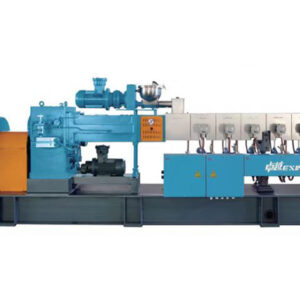
Ang twin screw extruder ay isang makina na gumagamit ng dalawang intermeshing, co-rotating o counter-rotating na mga turnilyo na nakalagay sa loob ng isang bariles upang ihalo, tambalan, matunaw, at hugis hilaw na materyales. Hindi tulad ng mga single screw extruder, Ang twin screw system ay nag-aalok ng higit na kahusayan sa paghahalo, tumpak na kontrol sa temperatura, at ang kakayahang magproseso ng mas malawak na hanay ng mga materyales — mula sa mga thermoplastics at rubber compound hanggang sa mga sangkap ng pagkain at pharmaceutical granules.
Extruded na Pagkain Ang mga pangunahing bahagi na ginawa sa isang twin screw Pabrika ng Presyo ng Twin Screw Extruder extruder factory kasama: Heavy Duty Commercial Mixer
- Mga elemento ng tornilyo (mga bloke ng pagmamasa, naghahatid ng mga elemento, paghahalo ng mga elemento)
- Mga bariles (segmented o monolitik, may mga heating/cool channels)
- Mga gearbox at drive system
- Mga sistema ng pagpapakain (gravimetric at volumetric feeder)
- Die heads at downstream equipment
- Mga control system at automation panel
Ang mga twin screw extruder ay naka-deploy sa plastic compounding (ang pinakamalaking segment), produksyon ng masterbatch, pag-recycle ng polimer, paggawa ng meryenda ng pagkain, produksyon ng pagkain ng alagang hayop, pharmaceutical hot-melt extrusion, at mga advanced na pagproseso ng mga materyales kabilang ang mga carbon fiber composites at mga materyales ng electrode ng baterya. Ayon sa datos mula sa Pananaliksik sa Grand View, ang pandaigdigang merkado ng twin screw extruder ay nagkakahalaga ng humigit-kumulang USD 1.2 bilyon sa 2024 at inaasahang lalago sa isang CAGR ng 5.2% sa pamamagitan ng 2030.

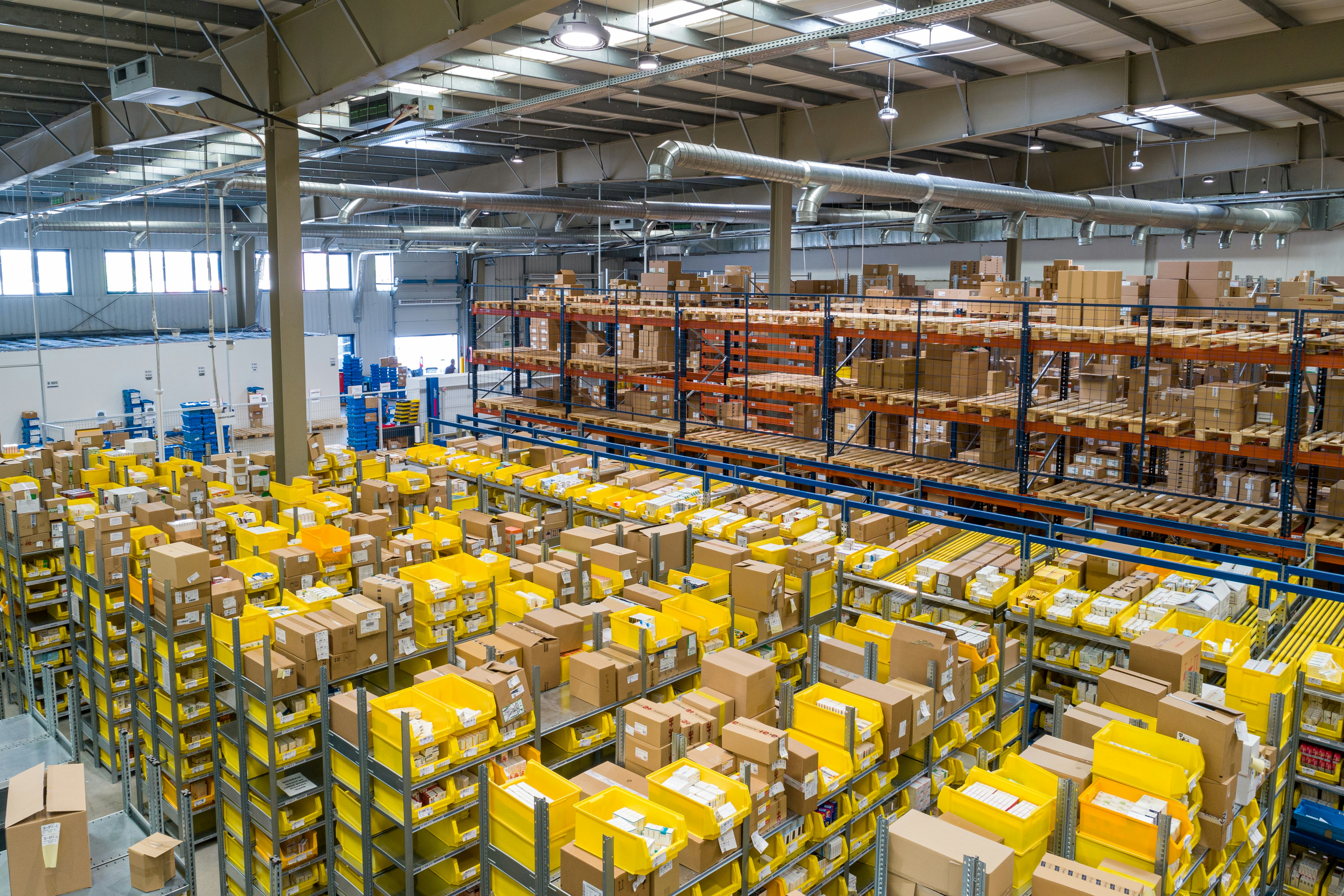
Industrial manufacturing facility interior with heavy machinery and production lines representing a twin screw extruder facto
What Makes a Twin Screw Extruder Factory Different from a Workshop or Assembly Shop
Not every company that sells twin screw extruders operates a genuine factory. The distinction matters enormously for B2B buyers. A true twin screw extruder factory has:
- In-house metallurgy and machining: CNC machining centers, deep-hole drilling equipment, and heat treatment furnaces for producing screw elements and barrels from tool steel, tungsten carbide, or specialized alloys.
- Engineering and R&D mga departamento: Dedicated teams that design screw configurations, run simulation software (such as Ludovic or PolyXtrue), and develop custom solutions for specific material processing challenges.
- Assembly and testing lines: Controlled environments where complete extruder systems are assembled, aligned, and run through performance validation tests before shipment.
- Quality management systems: ISO 9001 sertipikasyon sa pinakamababa, with many factories also holding CE marking capability, and compliance with machinery directives such as the EU Machinery Regulation 2023/1230 (replacing the former 2006/42/EC directive, epektibo sa Enero 2027).
An assembly shop or trading company, by contrast, sources components from multiple sub-suppliers, assembles them with limited quality control, and often lacks the engineering depth to support custom configurations or after-sales technical service. When evaluating a supplier ng twin screw extruder, verifying factory capability is the first step.
The Global Landscape: Where Twin Screw Extruder Factories Are Located
Twin screw extruder manufacturing is concentrated in several key regions:
Europa: Germany remains the historical center of twin screw extruder innovation. Mga kumpanya tulad ng Coperion (Stuttgart), KraussMaffei (Munich), at Leistritz (Nuremberg) operate large-scale factories with decades of engineering heritage. Italy also has a strong cluster, particularly in the Brescia-Bergamo corridor. European factories are known for precision engineering, advanced metallurgy, and premium pricing.
Tsina: China has emerged as the world's largest producer of twin screw extruders by volume. Major manufacturing clusters exist in Nanjing (Lalawigan ng Jiangsu), which alone hosts over 40 twin screw extruder factories, as well as in Zhangjiagang, Kunshan, and Guangdong Province. Chinese factories range from high-end manufacturers producing equipment comparable to European standards, to budget-oriented operations targeting price-sensitive markets. Ayon sa China Customs data, exports of plastics processing machinery (HS code 8477) exceeded USD 3.8 bilyon sa 2024.
Estados Unidos: Ang US ay may mas kaunting nakalaang mga pabrika ng twin screw extruder ngunit nagho-host ng mga makabuluhang operasyon mula sa mga pandaigdigang manlalaro (Coperion's manufacturing and service center in New Jersey, halimbawa) at mga dalubhasang domestic na tagagawa. Pangunahing importer at end-user market ang US market.
Japan at South Korea: Japan's JSW (Japan Steel Works) at Shibaura Machine (dating Toshiba Machine) ay mga premium na tagagawa. Ang South Korea ay may lumalaking kapasidad, partikular para sa pagkain at mga kagamitan sa pag-extrusion ng parmasyutiko.
Global shipping port na may mga container vessel at crane na kumakatawan sa internasyonal na B2B trade logistics para sa industrial machiner
Patakaran sa Trade at Epekto Nito sa Twin Screw Extruder Procurement
Para sa mga mamimili ng B2B na tumatakbo sa koridor ng kalakalan, Ang pag-unawa sa kasalukuyang patakaran sa kalakalan ay mahalaga para sa pagpaplano ng gastos at diskarte sa supply chain.
Ang Transatlantic Trade and Technology Council (TTC), itinatag sa 2021, ay patuloy na naghuhubog ng kooperasyong pang-industriya. Habang ang TTC ay hindi direktang nagtatakda ng mga taripa, ang mga nagtatrabaho nitong grupo sa katatagan ng kadena ng supply at mga pamantayan ng teknolohiya ay nakakaimpluwensya kung paano ang makinarya sa industriya — kabilang ang mga kagamitan sa pagpilit — gumagalaw sa pagitan ng dalawang merkado. Sa kalagitnaan ng, kasama sa mga pangunahing salik ng patakaran:
Pabrika ng Screw Extruder Machine kapaligiran ng taripa: Mga karaniwang taripa ng US sa mga makinang pang-industriya na gawa ng EU (Kabanata ng HTS 84) manatili sa mga rate sa pagitan 0% at 3.5% para sa karamihan ng mga bahagi ng twin screw extruder. Ang EU ay naglalapat ng mga katulad na rate sa US-origin machinery. Gayunpaman, ang mas malawak na kapaligiran ng taripa ay naging pabagu-bago. Ang US Section 232 mga tariff ng bakal at aluminyo (25% at 10% ayon sa pagkakabanggit), habang pangunahing pinupuntirya ang mga hilaw na materyales, tumaas ang mga gastos para sa mga pabrika ng extruder na pinagmumulan ng mga espesyal na bakal. The EU's Carbon Border Adjustment Mechanism (CBAM), na pumasok sa transitional phase nito noong Oktubre 2023 at gumagalaw patungo sa ganap na pagpapatupad ng 2026, nagdaragdag ng mga kinakailangan sa pag-uulat para sa naka-embed na carbon sa mga imported na produkto, bawat Dokumentasyon ng European Commission CBAM.
Nagbabago ang supply chain: Ang US Inflation Reduction Act (IRA) and the EU's Green Deal Industrial Plan have both created incentives for domestic manufacturing of clean energy technologies. Ang mga twin screw extruder ay kritikal na kagamitan sa paggawa ng electrode ng baterya, pagsasama-sama ng bioplastics, at pag-recycle ng polimer — lahat ng sektor na tumatanggap ng makabuluhang suporta sa patakaran. Nagdulot ito ng pagtaas ng pangangailangan para sa mga kagamitan sa pag-extrusion sa magkabilang panig ng Atlantic, ayon sa pag-uulat mula sa Pangangasiwa ng Pandaigdigang Kalakalan (ITA).
Mga pamantayan at pagsunod: The EU's new Machinery Regulation (2023/1230) ay mangangailangan ng na-update na mga pamamaraan sa pagtatasa ng conformity para sa mga makinarya na inilagay sa merkado ng EU simula Enero 20, 2027. Ang mga pabrika ng twin screw extruder na nag-e-export sa Europa ay dapat maghanda para sa mga pagbabagong ito. US buyers importing European equipment benefit from generally high compliance standards but should verify CE documentation carefully.
How to Evaluate a Twin Screw Extruder Factory as a B2B Buyer
Kung ikaw ay isang plastic compounder sa Ohio, a food manufacturer in the Netherlands, or a trading company sourcing for clients in Southeast Asia, evaluating a twin screw extruder factory requires a systematic approach:
1. Verify Manufacturing Capability
Request a factory tour (virtual or in-person). Look for in-house CNC machining of screw elements and barrels, heat treatment facilities, and a dedicated assembly area. A factory that outsources all machining is essentially a trading company with a warehouse.
2. Assess Engineering Depth
Ask about screw design capability. Can the factory provide custom screw configurations for your specific material and process? Gumagamit ba sila ng mga tool sa simulation? Maaari ba silang magbigay ng data ng pagsubok sa proseso mula sa kanilang test lab? Isang tunay tagagawa ng twin screw extruder magkakaroon ng technical team na maaaring talakayin nang detalyado ang iyong aplikasyon.
3. Suriin ang Mga Sertipikasyon ng Kalidad
ISO 9001 ay ang baseline. Para sa mga merkado ng EU, Ang pagmamarka ng CE ay sapilitan. Para sa mga application ng food-contact, hanapin ang pagsunod sa FDA o EU Regulation (EC) Hindi 1935/2004 pagsunod. Para sa mga pharmaceutical application, Ang disenyo na katugma sa GMP ay mahalaga.
4. Suriin ang After-Sales Support
Ang mga twin screw extruder ay long-lifecycle capital equipment. Ang pagkakaroon ng mga ekstrang bahagi, oras ng pagtugon sa teknikal na suporta, at ang pagkakaroon ng mga field service engineer sa iyong rehiyon ay mga kritikal na salik. Ang mga pabrika sa Europa ay karaniwang may malakas na network ng serbisyo sa EU at North America. Ang mga pabrika ng China ay mabilis na nagpapalawak ng kanilang mga kakayahan sa serbisyo sa ibang bansa, na may ilan na ngayon na nagpapanatili ng mga bodega ng ekstrang bahagi sa Germany, ang Netherlands, at ang Estados Unidos.
5. Humiling ng Mga Sanggunian
Humingi ng mga sanggunian ng customer sa iyong industriya at rehiyon. A factory that cannot provide Tagagawa ng Twin-Screw Extruder Machine references for your specific application type should be approached with caution. Supplier ng Plastic Extruder
Engineer inspecting industrial machinery in a factory setting representing quality control in twin screw extruder manufacturi
Twin Screw Extruder Factory Wholesale: What Bulk Buyers Need to Know
Wholesale purchasing of twin screw extruders — buying multiple units or establishing framework agreements — is common among large compounding groups, EPC contractors for turnkey plants, and trading companies serving regional markets. The wholesale dynamic differs significantly from single-unit procurement:
Istraktura ng pagpepresyo: Volume discounts of 8-15% are typical for orders of 3+ mga yunit. Framework agreements covering 12-24 months of supply can yield additional savings of 3-5%. Gayunpaman, the most significant cost lever is often standardization — agreeing on a common platform configuration reduces the factory's engineering and production costs, at ang mga pagtitipid na iyon ay maaaring maipasa.
Mga oras ng lead: Ang mga karaniwang lead time para sa mga twin screw extruder ay mula sa 12-20 linggo para sa mga pabrika ng China 16-30 linggo para sa mga pabrika sa Europa (noong Q2 ). Pakyawan Color Masterbatch Machine Factory maaaring makipag-ayos ang mga mamimili sa mga priority production slot, ngunit dapat magplano ng mga siklo ng pagkuha 6-9 mga buwan sa hinaharap, partikular para sa mga customized na configuration.
Logistics at mga tuntunin sa kalakalan: Para sa kalakalan, karamihan sa mga transaksyon ay gumagamit ng Incoterms 2020 mga tuntunin. Ang FOB o CIF ay karaniwan para sa mga kargamento sa karagatan. Ang mga twin screw extruder ay karaniwang ipinadala sa mga wooden crates na may ISPM-15 compliant packaging. Isang karaniwang laboratory-scale twin screw extruder (hal., 20mm diameter ng tornilyo) maaaring timbangin 500-800 kg; isang production-scale machine (hal., 135mm diameter ng tornilyo) maaaring timbangin 15,000-25,000 kg, nangangailangan ng espesyal na heavy-lift logistics.
Mga tuntunin sa pagbabayad: Ang pamantayan ng industriya ay 30% advance payment with order confirmation, 60% bago ipadala (against inspection), at 10% pagkatapos ng commissioning. Mga liham ng kredito (L/C) are common for first-time transactions, particularly in cross-border trade. Established relationships may move to open account terms with 60-90 day payment windows.
B2B Trade Opportunities and Challenges in the Extrusion Equipment Market
The corridor presents specific opportunities and challenges for twin screw extruder trade:
Mga pagkakataon
- Sustainability-driven demand: Both the US and EU are investing heavily in polymer recycling infrastructure. Mechanical recycling lines require twin screw extruders for recompounding. Chemical recycling (pyrolysis oil upgrading) also uses extrusion technology. The EU's Packaging and Packaging Waste Regulation (PPWR), pinagtibay sa 2024, mandates recycled content targets that will drive equipment investment through 2030, as documented by the European Commission DG Environment.
- Pagproseso ng mga materyales sa baterya: Ang mga twin screw extruder ay ginagamit sa dry electrode manufacturing para sa lithium-ion na mga baterya. Sa pagpapabilis ng napakalaking konstruksyon sa parehong US (hinihimok ng mga insentibo ng IRA) at ako (European Battery Alliance), ang pangangailangan para sa mga espesyal na kagamitan sa pagpilit ay mabilis na lumalaki.
- Pagproseso ng pagkain at feed: Plant-based na protein extrusion (high-moisture meat analogues) ay isang segment ng paglago. Ang mga kumpanya ng teknolohiyang pagkain sa Europa ay nangunguna sa puwang na ito, at ang mga tagagawa ng pagkain sa US ay lalong kumukuha ng teknolohiyang European twin screw extrusion para sa application na ito.
Mga hamon
- Pagkasumpungin ng pera: Ang mga pagbabago sa EUR/USD ay direktang nakakaapekto sa mga gastos sa pagkuha. Ang euro ay nakipagkalakalan sa isang hanay ng humigit-kumulang 1.03-1.15 laban sa dolyar noong nakaraan 18 buwan, lumilikha ng kawalan ng katiyakan sa pagbabadyet para sa mga cross-Atlantic na pagbili.
- Regulatory divergence: Sa kabila ng mga pagsisikap ng koordinasyon ng TTC, Ang mga pamantayan sa kaligtasan ng makinarya ng US at EU ay hindi ganap na nagkakasundo. Ang kagamitang idinisenyo para sa merkado ng EU ay maaaring mangailangan ng mga pagbabago para sa mga electrical code ng US (NEC/NFPA 79 vs. IEC 60204-1), at vice versa.
- Mga alalahanin sa intelektwal na ari-arian: Ilang B2B buyer, lalo na ang mga kumukuha mula sa mas murang mga pabrika, harapin ang mga panganib sa paligid ng proteksyon ng IP para sa pagmamay-ari na mga disenyo ng turnilyo at mga configuration ng proseso. Ang mga matatag na NDA at malinaw na mga sugnay sa pagmamay-ari ng IP sa mga kontrata ng supply ay mahalaga.
- Geopolitical na kawalan ng katiyakan: Patuloy na tensyon sa kalakalan, potensyal na bagong mga aksyon sa taripa, at ang paglilipat ng mga istruktura ng alyansa ay lumilikha ng kawalan ng katiyakan sa pagpaplano. Ang World Trade Organization (WTO) ay nabanggit ang pagtaas ng pagkapira-piraso sa pandaigdigang mga pattern ng kalakalan, na nakakaapekto sa mga diskarte sa pagkuha ng kagamitan sa kapital.

Sinusuri ng mga propesyonal sa negosyo ang mga dokumento at kontrata sa kalakalan sa isang modernong opisina na kumakatawan sa mga negosasyon sa pagkuha ng B2B f
Mga Kalamangan sa Heograpiya at Patakaran: Paano Pinapagana ng Corridor ang B2B Extrusion Equipment Trade
Ang relasyon sa kalakalan, sa kabila ng panaka-nakang alitan, remains the world's largest bilateral commercial relationship. For twin screw extruder trade specifically, several structural advantages facilitate B2B commerce:
Itinatag ang imprastraktura ng logistik: Mga pangunahing daungan tulad ng Rotterdam, Hamburg, Antwerp-Bruges (Europa) at Newark, Houston, Long Beach (US) have well-developed heavy machinery handling capabilities. Mga oras ng transit ng 10-18 days for ocean freight between major EU and US ports are reliable and well-served by multiple shipping lines.
Mga balangkas ng pagkilala sa isa't isa: While not a formal mutual recognition agreement for machinery, the US and EU have decades of experience with each other's regulatory systems. Notified Bodies in the EU and NRTLs (Nationally Recognized Testing Laboratories) in the US understand cross-market requirements, simplifying compliance for twin screw extruder factories serving both markets.
Imprastraktura sa pananalapi: trade benefits from deep banking relationships, readily available trade finance instruments, and stable legal frameworks for contract enforcement. The International Chamber of Commerce (ICC) rules on documentary credits and the UN Convention on Contracts for the International Sale of Goods (CISG) provide well-understood legal foundations.
Plastic Compounding Manufacturer Trade show ecosystem: Key industry events facilitate buyer-supplier connections. K Fair (Düsseldorf, susunod na edisyon Oktubre ), PANGALAN (Orlando, next edition May 2027), and Chinaplas (taun-taon) are the primary venues where twin screw extruder factories showcase their latest technology. Smaller specialized events like the Compounding World Expo (Essen, Alemanya) provide focused networking opportunities. 2Nd Hand Building Material

International trade exhibition hall with industrial equipment displays and B2B visitors representing extrusion machinery trad
Case Studies Companies Operating Successfully in the Twin Screw Extruder Market
Ang pagsusuri kung paano nag-navigate ang mga matatag na kumpanya sa twin screw extruder market ay nagbibigay ng mga praktikal na insight para sa mga mamimili at supplier ng B2B:
Pag-aaral ng Kaso 1: European Manufacturer na Pinapalawak ang US Market Presence
Coperion, headquarter sa Stuttgart, Alemanya, operates one of the world's largest twin screw extruder factories. Ang kanilang diskarte para sa US market ay naglalarawan ng mga pinakamahusay na kasanayan para sa cross-Atlantic B2B trade. Sa halip na mag-export lamang mula sa Germany, Nagtatag ang Coperion ng isang makabuluhang presensya sa pagpapatakbo sa US — kabilang ang pasilidad ng pagmamanupaktura at serbisyo sa Sewell, New Jersey, at isang test lab sa Pitman, New Jersey. Ang diskarte sa dalawahang lokasyon na ito ay nagbibigay-daan sa kanila na mag-alok ng kalidad ng European engineering na may mga oras ng pagtugon sa serbisyo na nakabase sa US. Para sa mga mamimili ng B2B, ang modelong ito ay nagbibigay ng seguridad ng isang lokal na kasosyo sa serbisyo na sinusuportahan ng malalim na kakayahan ng factory engineering. Ang kanilang diskarte sa merkado ng US ay naitala sa mga publikasyong pangkalakalan kabilang ang Mga Plastic Ngayon.
Pag-aaral ng Kaso 2: Kredibilidad ng Chinese Factory Building sa Western Markets
Ang mga pabrika ng twin screw extruder na nakabase sa Nanjing ay lalong nagta-target sa mga merkado ng US at EU. Ang mga matagumpay ay namuhunan sa ilang mga pangunahing lugar: pagkuha ng CE certification at UL-listed electrical component para sa kanilang mga makina, pagtatatag ng mga imbentaryo ng ekstrang bahagi sa Europa (karaniwan sa Netherlands o Germany dahil sa mga pakinabang ng logistics hub), kumukuha ng mga sales engineer na nagsasalita ng English at German, at patuloy na paglahok sa European trade show. Ang isang kapansin-pansing pattern ay ang paggamit ng mga sentro ng pagsubok sa proseso — ilang mga tagagawa ng Nanjing ang nagtatag ng mga test lab kung saan maaaring patakbuhin ng mga prospective na mamimili sa Kanluran ang kanilang mga materyales sa kagamitan bago gumawa ng pagbili. This addresses the trust gap that has historically limited Chinese factory penetration in premium Western markets.
Pag-aaral ng Kaso 3: US Compounder Optimizing Multi-Source Procurement
A mid-sized US plastics compounding company (annual revenue approximately USD 200 milyon) shared their procurement approach at an industry conference in early. They operate 14 twin screw extruder lines sourced from three different manufacturers — two European and one Chinese. Their strategy: European machines for their most demanding applications (engineering plastics compounding requiring tight tolerance and high torque), and Chinese machines for commodity compounding lines where uptime requirements are less stringent and capital cost sensitivity is higher. They reported that the total cost of ownership (TCO) gap between European and Chinese equipment has narrowed from approximately 50% five years ago to approximately 25-30% today, driven primarily by improvements in Chinese gearbox and barrel metallurgy quality. This multi-source approach is increasingly common among sophisticated B2B buyers, as noted in analysis from industry procurement guides.
Industrial worker operating heavy manufacturing equipment in a factory representing hands-on twin screw extruder production o
Trade Trend Predictions: Ano ang Aasahan sa Susunod 1-2 mga buwan (July-August )
Batay sa kasalukuyang mga signal ng merkado, mga pagpapaunlad ng patakaran, at data ng industriya, several trends are likely to shape the twin screw extruder factory landscape in the near term:
Continued strong demand from recycling sector: The EU's PPWR implementation timeline is driving urgent investment in recycling infrastructure. Twin screw extruder orders for recycling applications are expected Twin Screw Extruders Manufacturer to remain robust through Q3. Factories with proven recycling-grade equipment (may kakayahang pangasiwaan ang mga kontaminadong feedstock, mataas na pagkarga ng tagapuno, at variable na kalidad ng input) makikita ang kagustuhang demand.
Bumibilis ang mga order ng sektor ng baterya: Maraming US at European gigafactory na proyekto ang lumilipat mula sa konstruksiyon patungo sa mga yugto ng pagkuha ng kagamitan. Mga pabrika ng twin screw extruder na may kakayahan sa pagproseso ng dry electrode — isang medyo angkop na lugar ngunit mabilis na lumalagong segment — ay malamang na makakita ng makabuluhang paggamit ng order. Ito ay isang lugar ng teknolohiya kung saan ang mga tagagawa ng Hapon (JSW, Shibaura) kasalukuyang nangunguna, ngunit ang mga pabrika sa Europa at Tsino ay namumuhunan nang malaki upang makipagkumpitensya.
Presyo ng presyo mula sa sobrang kapasidad sa China: Ang Nanjing twin screw extruder cluster ay makabuluhang pinalawak ang kapasidad ng produksyon sa nakalipas na tatlong taon. Sa paglambot ng domestic Chinese demand sa ilang segment (partikular na ang mga commodity plastics compounding), export pricing pressure is likely to intensify. B2B buyers may find favorable negotiating conditions for Chinese-origin equipment in the July-August window.
Tariff watch: The US trade policy environment remains dynamic. B2B buyers should monitor potential changes to Section 301 mga taripa (currently primarily targeting Chinese goods) and any new trade actions that could affect machinery imports. Ang US International Trade Commission (USITC) maintains updated tariff schedules and trade remedy information.
Sustainability documentation requirements increasing: Both US and EU buyers are increasingly requiring carbon footprint data, conflict mineral declarations, and sustainability reports from equipment suppliers. Twin screw extruder factories that can provide comprehensive ESG documentation will have a competitive advantage in B2B procurement processes. The EU's Corporate Sustainability Reporting Directive (CSRD) ay nagtutulak ng kalakaran na ito sa panig ng Europa.
Digital twin at pagsasama ng IoT: Ang mga nangungunang pabrika ng twin screw extruder ay nagsasama ng digital twin technology at IoT-enabled na pagsubaybay sa kanilang kagamitan. Para sa mga mamimili ng B2B, nangangahulugan ito ng kakayahang subaybayan ang pagganap ng extruder nang malayuan, hulaan ang mga pangangailangan sa pagpapanatili, at i-optimize ang mga parameter ng proseso gamit ang data analytics. Ang mga pabrika na nag-aalok ng mga kakayahang ito ay nag-uutos ng premium na pagpepresyo ngunit naghahatid ng masusukat na halaga ng pagpapatakbo.
Kaligtasan ng Manggagawa sa Mga Pabrika ng Extrusion: Pinoprotektahan ang mga Paa at Mga Paa sa Production Floor
Ang mga pabrika ng twin screw extruder ay mabigat na pang-industriyang kapaligiran. Ang mga makina mismo ay tumitimbang ng libu-libong kilo, iproseso ang mga materyales sa temperatura na higit sa 300°C, at gumana sa ilalim ng mga pressure na maaaring maabot 200+ bar. Ang sahig ng pabrika ay nagpapakita ng mga makabuluhang panganib sa kaligtasan — at ang proteksyon sa paa ay isa sa mga pinaka-kritikal ngunit madalas na hindi pinahahalagahan na mga aspeto ng kaligtasan sa lugar ng trabaho sa mga pasilidad na ito. Mga Kumpanya ng Extrusion
Bakit Mahalaga ang Proteksyon sa Paa sa Paggawa ng Extrusion
Sa isang pabrika ng twin screw extruder, Ang mga manggagawa ay nahaharap sa maraming panganib sa paa at paa araw-araw:
- Nahulog ang mabigat na bagay: Mga elemento ng tornilyo, mga segment ng bariles, mamatay na mga plato, at ang mga bahagi ng gearbox ay regular na hinahawakan sa panahon ng pagpupulong, pagpapanatili, at mga pagbabago. Ang isang solong elemento ng tornilyo ay maaaring timbangin 5-15 kg; maaaring timbangin ang isang segment ng bariles 50-200 kg. Ang pagbagsak ng alinman sa mga ito sa isang hindi protektadong paa ay maaaring magdulot ng pagdurog na mga pinsala, bali, o amputations.
- Mga natapon ng mainit na materyal: Molten polymer sa 200-350°Ang C ay maaaring tumapon sa panahon ng mga pagbabago sa die, mga operasyon sa paglilinis, o mga malfunction ng kagamitan. Ang pagkakadikit sa mga paa na hindi protektado ay nagdudulot ng matinding paso.
- Pagkakalantad sa kemikal: Pagproseso ng mga additives, paglilinis ng mga solvent, at ilang mga produkto ng polymer degradation ay maaaring magdulot ng mga kemikal na paso o pangangati ng balat kapag nadikit.
- Mga panganib sa madulas: Mga polymer pellets sa sahig, pagtagas ng haydroliko na langis, and water from cooling systems create slip hazards that can lead to falls and foot/ankle injuries.
- Mga panganib sa compression: Heavy equipment on wheels (extruder carts, material bins, mga forklift) can roll over feet. The static weight of a production twin screw extruder on a mobile frame can exceed 10,000 kg.
Mga Pamantayan sa Kasuotang Pangkaligtasan para sa Mga Pang-industriya na Kapaligiran
B2B safety footwear for extrusion factory environments must meet rigorous standards:
European standard EN ISO 20345: This is the primary standard for safety footwear in EU workplaces. It defines protection classes:
- SB: Pangunahing proteksyon sa daliri ng paa (200 joule impact resistance)
- S1: SB + saradong takong, antistatic, energy absorption in heel
- S2: S1 + paglaban sa pagtagos ng tubig
- S3: S2 + penetration-resistant sole + cleated outsole
- S4/S5: Polymer boot versions of S1/S3
Para sa twin screw extruder factory environment, S3 rated footwear is the minimum recommendation. The 200-joule toe cap impact resistance is equivalent to a 20 kg bagay na nahulog mula sa 1 meter height — adequate for most screw elements and hand tools, though not for the heaviest components where additional handling precautions (hoists, protective barriers) are required.
US standard ASTM F2413: The American standard specifies impact resistance (I/75 = 75 mga libra ng paa) at compression resistance (C/75 = 2,500 libra). Additional ratings include Mt (proteksyon ng metatarsal), Cd (conductive), EH (panganib sa kuryente), SD (static na dissipative), and PR (puncture resistant). For extrusion factory use, I/75 C/75 EH PR rated footwear is recommended.
The B2B Safety Footwear Market: Opportunities for Suppliers
Cr-10S Pro V2 Extruder Ang pandaigdigang merkado ng kaligtasan ng sapatos ay nagkakahalaga ng humigit-kumulang USD 7.8 bilyon sa 2024, ayon sa MarketsandMarkets, with industrial manufacturing being the largest end-use segment. For B2B safety footwear suppliers targeting the extrusion and plastics processing industry, several factors create opportunity:
Regulatory compliance driving upgrades: Both OSHA (US) and EU-OSHA enforce workplace safety regulations that require employers to provide appropriate PPE, kabilang ang mga sapatos na pangkaligtasan. Regular audits and increasing enforcement activity mean that factories must maintain compliant footwear programs. This creates recurring B2B demand.
Comfort and performance expectations rising: Modern factory workers expect safety footwear that is not only protective but also comfortable for 8-12 mga shift ng oras. Lightweight composite toe caps (replacing traditional steel), breathable linings, ergonomic insoles, and athletic-style designs are driving product innovation and replacement cycles. Workers who find their safety shoes uncomfortable are more likely to wear them improperly or remove them — creating safety risks that employers want to avoid.
Heat-resistant specialty footwear: Extrusion factory environments specifically require footwear with heat-resistant outsoles. Standard rubber outsoles can degrade on hot surfaces. Nitrile rubber or Viton-based outsoles rated for continuous contact temperatures of 300°C are available from specialized B2B suppliers and command premium pricing.
Proteksyon ng metatarsal: Beyond toe caps, metatarsal guards protect the upper foot from impact and compression. In extrusion factories where heavy cylindrical objects (mga segment ng bariles, screw shafts) are common, metatarsal protection provides an additional safety margin. Ang Kasuotang pangkaligtasan ng B2B segment offering integrated metatarsal guards is growing at approximately 8% taun-taon.
Selecting Safety Footwear for Your Extrusion Factory Workforce
For factory managers and procurement officers at twin screw extruder manufacturing facilities, selecting the right safety footwear program involves:
- Hazard assessment: Conduct a thorough workplace hazard assessment per OSHA 29 CFR 1910.132 (US) or EU Framework Directive 89/391/EEC. Document specific foot hazards in each work area — assembly floor, machining shop, test lab, warehouse.
- Standard selection: Match the identified hazards to the appropriate protection standard. Most extrusion factory environments require S3 (EU) or I/75 C/75 PR (US) as minimum specifications.
- Fit and comfort program: Partner with a B2B safety footwear supplier that offers on-site fitting services, multiple width options, and a trial period. Poor-fitting safety shoes cause blisters, fatigue, and non-compliance.
- Replacement schedule: Safety footwear in heavy industrial environments typically needs replacement every 6-12 buwan. Establish a regular replacement program rather than waiting for visible damage.
- Pagsasanay: Ensure all workers understand why safety footwear is required, how to inspect their shoes for damage, and when to request replacements.
Protecting workers' feet and toes is not just a regulatory requirement — it is a fundamental responsibility of any twin screw extruder factory operation. The cost of a quality safety footwear program (typically USD 150-300 per worker per year for premium B2B safety shoes) is negligible compared to the cost of a single foot injury (average workers' compensation claim for a foot injury exceeds USD 15,000 in direct costs alone, bawat National Safety Council datos).
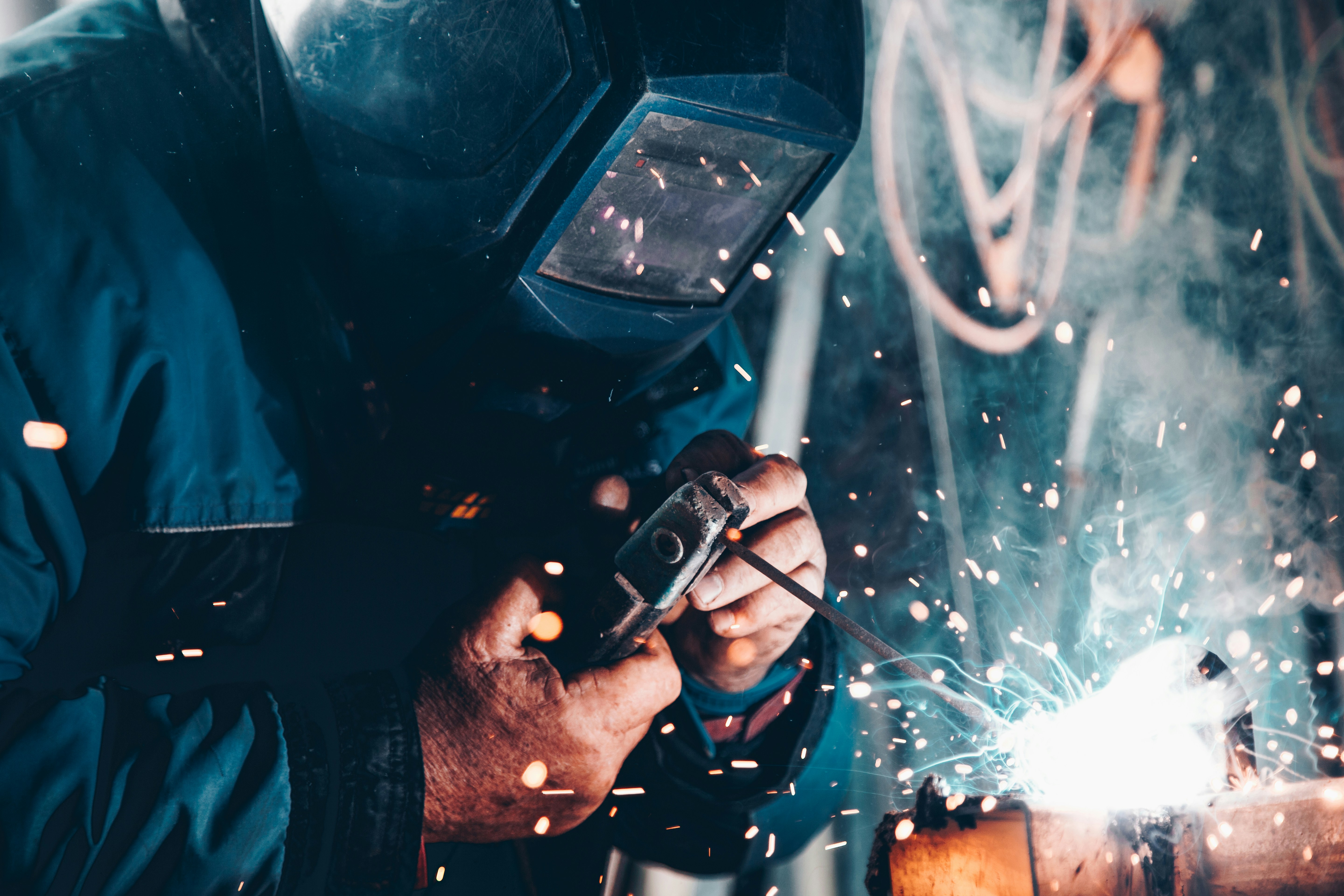
Industrial safety equipment including protective footwear and personal protective equipment in a manufacturing workplace
Mga Madalas Itanong (FAQ)
- What is the typical lead time for ordering a twin screw extruder from a factory?
- Lead times vary by manufacturer and configuration. Standard models from Chinese factories typically ship in 12-16 linggo. European manufacturers generally quote 16-30 weeks for standard configurations and longer for highly customized systems. Wholesale orders with framework agreements can sometimes secure priority slots.
- How do I verify that a twin screw extruder factory is a genuine manufacturer and not a trading company?
- Request a factory audit (nang personal o sa pamamagitan ng mga serbisyo ng inspeksyon ng third-party tulad ng SGS o Bureau Veritas). Maghanap ng in-house na kakayahan sa machining ng CNC, isang dedikadong pangkat ng engineering, ISO 9001 certification na may factory address na tumutugma sa manufacturing site, at mga sanggunian ng customer na maaari mong independiyenteng i-verify.
- Anong mga sertipikasyon ang dapat magkaroon ng twin screw extruder para sa EU market?
- Ang pagmamarka ng CE ay ipinag-uutos para sa mga makinarya na inilagay sa merkado ng EU. Ang makina ay dapat sumunod sa kasalukuyang Machinery Directive 2006/42/EC (at ang bagong Regulasyon sa Makinarya 2023/1230 mula Enero 2027). Maaaring mag-apply ang mga karagdagang kinakailangan depende sa aplikasyon — halimbawa, Ang sertipikasyon ng ATEX para sa paggamit sa mga sumasabog na kapaligiran, o pagsunod sa food-contact sa ilalim ng EU Regulation (EC) Hindi 1935/2004.
- Ano