

Mga Uri ng Twin Screw Extruder Supplier: Ang Depinitibong B2B Sourcing & Trade Guide para sa
Ang mga twin screw extruder ay nasa gitna ng modernong polymer compounding, pagproseso ng pagkain, pagmamanupaktura ng parmasyutiko, at advanced na produksyon ng mga materyales. Habang bumibilis ang pandaigdigang pangangailangan para sa mga extrusion equipment na may mataas na pagganap—hinihimok ng mga utos ng pagpapanatili, lightweight-materyal na pag-aampon sa automotive, at umuusbong na mga biodegradable na plastik—pagpili ng tama mga uri ng supplier ng twin screw extruder ay hindi kailanman naging higit na kinahinatnan para sa mga mamimili ng B2B. Kung ikaw ay kumukuha mula sa isang nakatuon tagagawa ng twin screw extruder, isang patayong pinagsama-samang pabrika ng twin screw extruder, o a pakyawan ang twin screw extruder tagapamahagi, Ang pag-unawa sa landscape ng supplier sa buong trade corridor ay mahalaga sa pag-secure ng mapagkumpitensyang pagpepresyo, maaasahang lead time, at makinarya na sumusunod. Pinagsasama-sama ng gabay na ito ang pinakabagong data ng merkado, mga pag-unlad ng patakaran sa kalakalan, real-world case study, at mga hula sa hinaharap upang matulungan ang mga koponan sa pagkuha, mga inhinyero ng halaman, at ang mga propesyonal sa import-export ay gumagawa ng matalinong mga desisyon.
Industrial manufacturing facility na may mabibigat na makinarya na kumakatawan sa twin screw extruder production environment
Pag-unawa sa Twin Screw Extruder Technology at Classification
Bago suriin ang mga uri ng supplier, dapat na maunawaan ng mga mamimili ang pangunahing teknolohiya. Ang twin screw extruder ay gumagamit ng dalawang intermeshing screws na nakalagay sa loob ng isang bariles upang ihatid, matunaw, paghaluin, at hugis hilaw na materyales. Tinutukoy ng dalawang pangunahing mekanikal na pagsasaayos ang buong ekosistema ng supplier:
Mga Co-Rotating Twin Screw Extruder
Sa mga co-rotating na disenyo, ang parehong mga turnilyo ay lumiliko sa parehong direksyon. Ang pagsasaayos na ito ay mahusay sa distributive at dispersive na paghahalo, ginagawa itong nangingibabaw na pagpipilian para sa polymer compounding, produksyon ng masterbatch, reaktibo pagpilit, at paggawa ng meryenda ng pagkain. Ang mga co-rotating machine ay karaniwang gumagana sa mas mataas na bilis ng turnilyo (300–1,200 rpm) at nag-aalok ng higit na mahusay na self-wiping na mga katangian, na binabawasan ang pagkasira ng materyal at downtime. Mga pangunahing tagagawa ng OEM tulad ng Coperion (Alemanya), KraussMaffei (Alemanya), Leistritz (Germany/US), at Nanjing Jieya (Tsina) tumutok nang husto sa segment na ito. Ayon kay a 2024 Ulat ng Grand View Research, ang co-rotating segment accounted para sa higit sa 60 % ng pandaigdigang kita ng twin screw extruder, isang bahagi na inaasahang lalago 2030 (Pananaliksik sa Grand View, 2024).
Mga Counter-Rotating Twin Screw Extruder
Nagtatampok ang mga counter-rotating extruder ng mga turnilyo na lumiliko sa magkasalungat na direksyon. Bumubuo sila ng mas mataas na pressure buildup at mas gusto para sa PVC pipe at profile extrusion, ilang mga compound ng goma, at mga application na nangangailangan ng tumpak na kontrol sa presyon. Mga supplier tulad ng Cincinnati Extrusion (Austria), Battenfeld-Cincinnati (Austria/US), at ilang mga pabrikang Tsino na nakabase sa Zhangjiagang ang nangingibabaw sa angkop na lugar na ito. Ang counter-rotating na segment, habang mas maliit ang bahagi ng kita, nananatiling kritikal para sa mga construction-material supply chain sa buong Europe at North America.
Conical vs. Mga Parallel Configuration
Sa loob ng mga counter-rotating machine, nakatagpo ang mga mamimili ng conical twin screw extruder (tapered barrels perpekto para sa PVC dry-blend processing) at parallel twin screw extruders (unipormeng diameter ng bariles para sa mas malawak na flexibility ng materyal). Ang bawat configuration ay nakakaimpluwensya sa uri ng supplier na iyong kinakaharap—ang mga espesyalista sa korteng kono ay kadalasang mga niche na pabrika, habang ang mga supplier ng parallel-machine ay madalas na nagsisilbi sa mas malawak na pang-industriyang merkado.
Pagma-map sa Landscape ng Supplier: Manufacturer, Pabrika, Pakyawan, at Distributor
Ang parirala mga uri ng supplier ng twin screw extruder encompasses several distinct business models. Understanding each model's value proposition helps B2B buyers align sourcing strategy with operational priorities.
OEM Manufacturers
Original Equipment Manufacturers design, engineer, and build extruders under their own brand. European OEMs (Coperion, KraussMaffei, Leistritz, Bühler) command premium pricing but deliver cutting-edge screw-element geometry, advanced process-control software, and global after-sales networks. Chinese OEMs (Nanjing Jieya, Nanjing Chuangbo, USEON, Kunshan Kexin) have rapidly closed the technology gap, offering machines at 40–60 % lower cost with increasingly competitive performance specs. A Mordor Intelligence analysis valued the global twin screw extruder market at approximately USD 5.2 bilyon, with Asia-Pacific manufacturers capturing the fastest growth (Mordor Intelligence, ).
Contract Factories (OEM/ODM)
Many Chinese and Southeast Asian factories operate as contract manufacturers, producing extruders to buyer specifications or under white-label agreements. Cities like Nanjing, Zhangjiagang, and Kunshan in China's Jiangsu Province host dense clusters of such factories. B2B buyers seeking private-label machinery or custom screw-barrel configurations often engage these suppliers through trade platforms like Alibaba, Made-in-China, or direct factory visits during Canton Fair and Chinaplas exhibitions.
Wholesale Distributors
Wholesale distributors purchase extruders in volume from factories and resell to regional markets, often bundling installation, pagsasanay, and spare-parts inventory. Sa US, companies like Extruder Solutions LLC and Processing Technologies International (PTi) serve this role. In Europe, distributors in Germany, Italya, and Turkey bridge the gap between Asian factories and end-users who prefer local-language support and EU-compliant documentation (CE marking, ATEX certification where applicable).
Trading Companies and Export Agents
Buy Extruded Acrylic Sheet Export-focused trading companies, particularly those based in China's Yangtze River Delta, aggregate orders from multiple factories and handle logistics, dokumentasyon ng customs, and quality inspection. While they add a margin layer, they reduce procurement complexity for buyers unfamiliar with direct-factory sourcing.
Global shipping port with cargo containers representing international B2B trade logistics for industrial machinery
Foreign Trade Policy and Industry Landscape for Extrusion Equipment
The transatlantic trade corridor remains the world's largest bilateral economic relationship, na may pinagsamang kalakalan ng mga kalakal at serbisyo na lampas sa USD 1.3 trilyon taun-taon ayon sa Office of the United States Trade Representative (USTR, 2024). Para sa mga supplier ng twin screw extruder, ilang mga dynamics ng patakaran ang humuhubog sa operating environment:
Mga Istraktura ng Taripa at Mga Kasunduan sa Kalakalan
Makinarya sa industriya, kabilang ang extrusion equipment na inuri sa ilalim ng HS Code 8477 (makinarya para sa paggawa ng goma o plastik), nahaharap sa iba't ibang mga rate ng taripa depende sa pinanggalingan. Ang mga pag-import ng US ng mga extruder na gawa sa Europa ay karaniwang nagkakaroon ng Most Favored Nation (MFN) tungkulin ng 3.1–4.4 %, habang ang mga import ng EU mula sa US ay nahaharap sa katulad na mga rate sa ilalim ng mga iskedyul ng WTO. Gayunpaman, Ang mga makinarya na na-import mula sa China sa alinman sa US o EU ay nahaharap sa mas mataas na tungkulin—Seksyon ng US 301 nananatili sa 25 % mula sa kalagitnaan, and the EU's trade-defense instruments continue to scrutinize Chinese industrial goods for anti-dumping concerns (European Commission Trade Defense, ).
The EU Carbon Border Adjustment Mechanism (CBAM)
Starting its transitional phase in 2024 and moving toward full implementation by 2026, CBAM will affect energy-intensive goods entering the EU. While extrusion machinery itself is not directly covered, the materials processed by extruders (bakal, aluminyo, mga plastik) ay. This creates indirect demand for energy-efficient extruder designs that help EU-based processors minimize their carbon footprint—a trend that benefits European OEM manufacturers marketing "green extrusion" solutions.
US Inflation Reduction Act (IRA) and Reshoring Incentives
The IRA and related CHIPS Act provisions have catalyzed domestic manufacturing investment in the US. While primarily targeting semiconductors and clean energy, the broader reshoring momentum has increased demand for plastics-processing equipment in US-based factories producing EV battery components, mga kagamitang medikal, and sustainable packaging. The International Trade Administration (ITA) reported a 12 % year-over-year increase in US imports of plastics machinery in 2024, with twin screw extruders representing a significant share (ITA, 2024).
EU Machinery Regulation 2023/1230
Replacing the legacy Machinery Directive 2006/42/EC, the new EU Machinery Regulation takes full effect in January 2027 but is already influencing procurement decisions. It introduces stricter cybersecurity requirements for digitally connected machinery, updated risk-assessment obligations, and new conformity-assessment procedures for high-risk equipment. Twin screw extruder suppliers targeting EU buyers must ensure compliance, which favors established manufacturers with dedicated regulatory teams over smaller factories lacking CE-marking expertise.

Business professionals reviewing trade documents and contracts in a modern office setting representing B2B procurement negoti
B2B Trade Opportunities in the Twin Screw Extruder Market
The convergence of material-science innovation, sustainability regulation, and manufacturing reshoring creates substantial B2B opportunities for twin screw extruder suppliers across the axis:
Biodegradable and Bio-Based Plastics Processing
The EU's Single-Use Plastics Directive and expanding Extended Producer Responsibility (EPR) schemes are driving demand for PLA, PHA, PBAT, and starch-based compound processing. Twin screw extruders are the preferred technology for compounding these bio-based resins with fillers, mga pangkulay, and performance additives. European Bioplastics reported that EU bioplastics production capacity is set to grow from 2.4 million tonnes in 2024 sa 7.4 million tonnes by 2029 (European Bioplastics, 2024). This growth directly translates into equipment orders for twin screw extruder suppliers.
Battery Materials and EV Components
Lithium-ion battery electrode slurry mixing and separator-film production increasingly rely on twin screw extrusion technology. With the US and EU both investing heavily in domestic battery gigafactories (Northvolt in Sweden, AESC in the UK, multiple plants in the US Midwest), equipment suppliers face a multi-billion-dollar addressable market. Co-rotating twin screw extruders with specialized screw designs for dry-electrode processing are particularly sought after.
Pharmaceutical and Nutraceutical Extrusion
Hot-melt extrusion (HME) ang paggamit ng twin screw extruders ay naging isang pangunahing pamamaraan sa pagmamanupaktura ng parmasyutiko para sa pagpapabuti ng bioavailability ng gamot. Ang US FDA at European Medicines Agency (EMA) ay inaprubahan ang maraming pormulasyon na ginawa ng HME, lumilikha ng pangangailangan para sa mga linya ng extrusion na sumusunod sa GMP. Mga supplier tulad ng Thermo Fisher Scientific (Pharma 16/24 mga extruder) at Leistritz (ZSE MAXX series) maglingkod sa high-margin niche na ito.
Recycled-Content Compounding
Ang parehong mga regulasyon ng US at EU ay lalong nag-uutos ng minimum na recycled na nilalaman sa packaging at mga bahagi ng sasakyan. Mga twin screw extruder na nilagyan ng melt filtration, degassing, at ang mga kakayahan sa pag-decontamination ay mahalaga para sa pagproseso ng post-consumer recycled (PCR) mga plastik. Lumilikha ito ng mga pagkakataon para sa mga supplier na nag-aalok ng mga retrofit solution at turnkey recycling-compounding lines.
Mga Hamon na Kinakaharap ng Twin Screw Extruder Supplier sa Trade
Sa kabila ng matatag na pangangailangan, suppliers navigating the transatlantic market face significant headwinds:
Supply-Chain Disruptions and Lead Times
Specialty steel for barrels and screws, precision bearings, and advanced drive components remain subject to supply-chain volatility. European suppliers report lead times of 16–24 weeks for custom extruder lines, while Chinese factories offer 8–14 weeks but face longer ocean-freight transit times (35–45 days to US East Coast, 28–35 days to Northern Europe). The Red Sea shipping disruptions in late 2024 and early added 10–15 days to Asia-Europe routes, increasing freight costs by 150–200 % at peak (Freightos Baltic Index, ).
Intellectual Property Concerns
European OEMs have long raised concerns about IP infringement by certain Asian manufacturers copying proprietary screw-element designs and barrel metallurgy. While Chinese patent enforcement has improved, Ang mga mamimili ng B2B ay dapat magsagawa ng angkop na pagsusumikap sa mga kasanayan sa factory IP upang maiwasan ang pagbili ng mga kagamitan na maaaring mag-trigger ng mga legal na hindi pagkakaunawaan sa mga merkado sa Kanluran.
Mga Gastos sa Teknikal na Sertipikasyon at Pagsunod
Pagpupulong CE, UL, CSA, ATEX, at nalalapit na mga kinakailangan sa EU Machinery Regulation ay nagdaragdag ng 5–15 % sa mga gastos sa kagamitan. Ang mas maliliit na pabrika na walang mga in-house na team sa pagsunod ay kadalasang umaasa sa mga third-party na certification body, na maaaring pahabain ang mga timeline ng paghahatid at ipakilala ang mga panganib sa pagkontrol sa kalidad.
Pagbabago ng Currency at Mga Tuntunin sa Pagbabayad
Direktang nakakaapekto ang exchange rate ng EUR/USD sa pagpepresyo ng transatlantic na kagamitan. Gamit ang euro trading sa 1.08–1.14 hanay laban sa dolyar hanggang maaga, Ang mga extruder na gawa sa Europa ay naging medyo mas mahal para sa mga mamimili sa US, habang ang mga Chinese na supplier na nag-quote sa USD ay nag-aalok ng katatagan ng presyo. Mga tuntunin sa pagbabayad—karaniwan 30 % T/T advance kasama 70 % laban sa B/L o L/C sa paningin—iba-iba ayon sa uri ng supplier at kapanahunan ng relasyon.
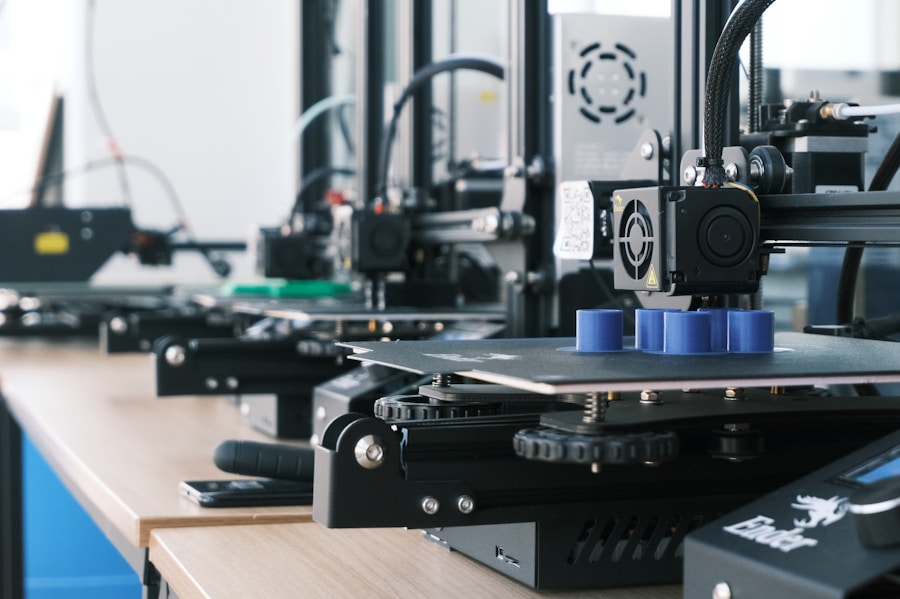
Ininspeksyon ng mga inhinyero ang mga kagamitang pang-industriya sa sahig ng pabrika na kumakatawan sa kontrol sa kalidad sa pagmamanupaktura ng makinarya
Mga Kalamangan sa Heograpiya at Patakaran na Nagpapalakas sa B2B Foreign Trade
Ang koridor ng kalakalan ay nakikinabang mula sa mga kalamangan sa istruktura na nagpapadali sa kalakalan ng makinarya ng B2B:
Itinatag na Logistics Infrastructure
Mga pangunahing daungan—Rotterdam, Hamburg, Antwerp-Bruges sa Europa; Los Angeles/Long Beach, Savannah, Newark sa US—nag-aalok ng dedikadong heavy-lift at project-cargo handling na mga kakayahan na mahalaga para sa pagpapadala ng mga assembled extruder lines na tumitimbang ng 5–40 tonelada. Ang Port of Rotterdam lamang ang humawak 438 milyong tonelada ng kargamento sa 2024 (Port ng Rotterdam Authority, 2024), na may pang-industriyang makinarya na kumakatawan sa lumalaking bahagi ng mga containerized import.
Mutual Recognition at Standards Alignment
Habang ang ganap na pagkilala sa isa't isa sa mga pamantayan ng makinarya sa pagitan ng US at EU ay nananatiling hindi kumpleto, umiiral ang makabuluhang pagkakahanay sa pamamagitan ng mga pamantayan ng ISO (ISO 1043 para sa plastic nomenclature, ISO 11443 para sa capillary rheometry) at boluntaryong pagpapatibay ng mga pamantayang elektrikal ng IEC. Binabawasan nito ang mga gastos sa muling sertipikasyon para sa mga supplier na nagbebenta sa parehong mga merkado.
Trade-Finance Ecosystem
Nakikinabang ang koridor mula sa malalim na mga merkado sa pananalapi ng kalakalan, sa mga pangunahing bangko na nag-aalok ng mga letter of credit, seguro sa pag-export ng kredito (sa pamamagitan ng mga ahensya tulad ng Euler Hermes/Allianz Trade sa Europe at Ex-Im Bank sa US), at supply-chain financing program na nagpapababa ng panganib sa pagbabayad para sa parehong mga mamimili at supplier.
Mga Praktikal na Pag-aaral ng Kaso na Mga Supplier ng Extruder na Gumagana sa Mga Merkado
Panghalo ng Milkshake ng Galaxy Equipment Ang mga halimbawa sa totoong mundo ay naglalarawan Mga Extruded Enclosure how different supplier types navigate the transatlantic market:
Pag-aaral ng Kaso 1: Coperion (Stuttgart, Alemanya) — Premium OEM Manufacturer
Coperion, a Hillenbrand company, exemplifies the European OEM model. With manufacturing in Stuttgart and a major service center in Sewell, New Jersey, Coperion serves US customers with locally stocked spare parts, field-service engineers, and a test laboratory for material trials. Their ZSK twin screw extruder series is the industry benchmark for polymer compounding, with machines ranging from 18 mm lab-scale to 420 mm production-scale. Coperion's 2024 revenue exceeded EUR 900 milyon, with North America representing approximately 35 % of sales. Their strategy demonstrates how European manufacturers leverage US-based operations to overcome tariff barriers and provide localized support (Coperion, ).
Pag-aaral ng Kaso 2: Nanjing Jieya Extrusion Equipment Co. (Nanjing, Tsina) — Export-Oriented Factory
Nanjing Jieya represents the Chinese factory model, gumagawa ng co-rotating twin screw extruders (Serye ng SHJ) para sa pag-export sa paglipas 60 mga bansa. Sa taunang kapasidad ng produksyon na lumampas 500 mga yunit at pagpepresyo 40–55 % mas mababa sa European equivalents, Tina-target ni Jieya ang mga cost-sensitive na mamimili ng B2B sa pagbuo ng mga merkado habang lalong tumatagos sa European at US market sa pamamagitan ng mga trade show (Chinaplas, K Fair Düsseldorf) and Alibaba's B2B platform. Ang kanilang mga makina ay may dalang CE na pagmamarka at sinusuportahan ng lumalaking network ng mga kasosyo sa serbisyo ng third-party sa Europe. Inilalarawan ng kasong ito kung paano umaangat ang mga pabrika ng China sa value chain habang pinapanatili ang competitiveness ng presyo.
Pag-aaral ng Kaso 3: PTi (Processing Technologies International, Aurora, Illinois) — Distributor/Integrator ng US
Extrusion Pla Gumagana ang PTi bilang isang integrator ng system na nakabase sa US, pagkuha ng mga bahagi ng extruder mula sa maraming pandaigdigang supplier at pag-assemble ng kumpletong sheet-extrusion na mga linya sa loob ng bansa. This hybrid model allows PTi to offer "Made in USA" equipment with competitive pricing by selectively sourcing barrels, mga turnilyo, and gearboxes from cost-effective Asian suppliers while performing final assembly, controls integration, and testing in Illinois. For US buyers concerned about Section 301 tariffs on Chinese-origin complete machines, PTi's model offers a compliant alternative.
Pag-aaral ng Kaso 4: Bühler Group (Uzwil, Switzerland) — Diversified Manufacturer Serving Food Extrusion
Bühler's twin screw extruders serve the food and feed industry, processing plant-based proteins, meryenda pellets, and breakfast cereals. With operations in 140 countries and a dedicated application center in Minneapolis, Minnesota, Bühler demonstrates how food-grade extrusion suppliers differentiate through application expertise rather than pure hardware. Their PolyTwin extruder platform, launched in 2024, target ang mabilis na lumalagong merkado ng alternatibong protina—isang sektor kung saan nagtatagpo ang demand ng US at EU sa mga katulad na uso ng consumer at mga balangkas ng regulasyon (Bühler Group, ).
Modernong pang-industriyang linya ng produksyon na may automated na makinarya na kumakatawan sa advanced na teknolohiya sa paggawa ng extrusion
Pagtataya ng Twin Screw Extruder Trade Trends: Hunyo–Agosto
Batay sa kasalukuyang mga signal ng merkado, mga landas ng patakaran, at mga kalendaryo ng kaganapan sa industriya, ang mga sumusunod na uso ay inaasahang huhubog sa twin screw extruder supplier landscape sa susunod na isa hanggang dalawang buwan:
Ang K Fair Preparation Cycle ay Nagtutulak ng mga Pre-Order
Mga Supplier ng Single Screw Extruder Bagama't si K (Düsseldorf, Oktubre 8–15) may mga buwan pa, ang pre-show ordering cycle ay karaniwang nagsisimula sa Q2. Tinatapos ng mga supplier ang mga bagong paglulunsad ng produkto, at ang mga mamimili ng B2B ay nag-iiskedyul ng mga pag-audit ng pabrika at nakikipag-usap sa mga kasunduan sa balangkas. Expect increased RFQ (Request for Quotation) activity across all supplier types, particularly for energy-efficient extruder models that align with EU sustainability messaging. Sheet Extrusion Plastic Colorant
Seksyon 301 Tariff Review Impact
The US Trade Representative's ongoing review of Section 301 tariffs on Chinese goods may yield exclusion renewals or modifications for specific HS codes covering extrusion equipment. Any tariff relief would immediately benefit Chinese factory suppliers and wholesale distributors serving the US market, potentially triggering a wave of deferred orders. B2B buyers should monitor USTR Federal Register notices closely.
Continued Reshoring-Driven Demand in the US
New plastics-processing facility announcements in the US Southeast and Midwest—driven by automotive OEM localization requirements and IRA-linked clean-energy manufacturing—will sustain strong demand for twin screw extruders through summer. Suppliers with US-based inventory or short lead times will capture disproportionate share.
EU Green Deal Industrial Plan Funding Disbursements
The EU's Green Deal Industrial Plan and associated Net-Zero Industry Act are channeling funding toward clean-technology manufacturing, including advanced materials processing. Twin screw extruder suppliers positioned as enablers of circular-economy manufacturing (recycling compounding, bio-based material processing) will benefit from EU-funded capital-expenditure programs at customer facilities.
Raw-Material Price Stabilization
After two years of volatility, specialty-steel and nickel-alloy prices—key inputs for extruder barrels and screws—have stabilized in early. This should allow suppliers to hold pricing through Q3, reducing the urgency for buyers to lock in orders at current levels but also removing a barrier to purchase decisions that were deferred during the price-uncertainty period.

Business analytics dashboard showing market trend data and trade forecasting charts
How to Evaluate and Select the Right Twin Screw Extruder Supplier
For B2B procurement teams, selecting among the various types of twin screw extruder suppliers requires a structured evaluation framework: Wholesale Compounding Extruder Machine
Technical Capability Assessment
Request detailed screw-element catalogs, barrel-metallurgy specifications (nitrided na bakal, bimetallic liners, tungsten-carbide coatings), and gearbox torque ratings. Reputable manufacturers 3D Printer Extruder Review provide specific energy consumption data (kWh/kg) para sa mga target na aplikasyon. Humingi ng mga sanggunian mula sa mga customer na nagpoproseso ng mga katulad na materyales sa maihahambing na mga rate ng throughput.
Pag-verify ng Quality-Management System
I-verify ang ISO 9001:2015 sertipikasyon sa pinakamababa. Para sa mga pharmaceutical application, kumpirmahin ang ISO 13485 o pagsunod sa GMP. Para sa mga application ng food-contact, i-verify ang FDA 21 CFR Supplier ng Lab Extruder at Regulasyon ng EU 1935/2004 pagsunod sa mga materyal-contact surface. Humiling ng mga kamakailang ulat sa pag-audit mula sa mga kinikilalang katawan ng sertipikasyon (TÜV, SGS, Bureau Veritas). Mga Supplier ng Kagamitan sa Paghahalo
Imprastraktura ng After-Sales at Spare-Parts
Evaluate the supplier's spare-parts inventory policy, mga garantiya sa oras ng pagtugon para sa mga kritikal na bahagi (mga turnilyo, mga segment ng bariles, mga elemento ng pag-init), at pagkakaroon ng mga field-service engineer sa iyong rehiyon. Ang mga European OEM ay karaniwang nag-aalok ng 24–48 oras na paghahatid ng mga ekstrang bahagi sa Europa at 3–5 araw papuntang US. Ang mga pabrika ng China ay maaaring mangailangan ng 2–4 weeks for spare-parts shipment unless they maintain regional warehouses.
Kabuuang Halaga ng Pagmamay-ari (TCO) Analysis
Look beyond the purchase price. Factor in energy consumption, maintenance intervals, screw-element replacement frequency, downtime costs, and the residual value of the equipment. A European extruder priced at EUR 350,000 with 15-year service life and low maintenance may deliver better TCO than a Chinese alternative at EUR 180,000 requiring more frequent component replacements—or vice versa, depending on application severity and production volume.
Trade-Compliance and Documentation
Ensure the supplier provides complete export documentation: commercial invoice, packing list, bill of lading, certificate of origin, CE Declaration of Conformity (for EU), UL/CSA certification (for US/Canada), and any required fumigation certificates for wooden crating. Non-compliant documentation can cause costly customs delays and penalties.
B2B Safety Footwear sa Industrial Extrusion Environment: Protecting Your Toes
Twin screw extruder facilities are inherently hazardous environments. Heavy barrel segments, steel screw elements, hot polymer melts, and forklift traffic create serious risks for workers' paa. This section examines the critical role of B2B safety footwear in extrusion-plant operations and the advantages of sourcing protective shoes through wholesale trade channels.
Why Safety Footwear Is Non-Negotiable in Extrusion Plants
A standard twin screw extruder barrel segment weighs 50–200 kg. Mga elemento ng tornilyo, typically made from tool steel or powder-metallurgy alloys, weigh 2–15 kg each and are routinely handled during changeovers. A single dropped barrel segment can crush an unprotected foot, causing fractures, amputations, or permanent disability. OSHA's General Industry standards (29 CFR 1910.136) mandate protective footwear in workplaces where foot injuries from falling objects, rolling objects, or puncture hazards exist. Sa EU, the Personal Protective Equipment Regulation (EU) 2016/425 at EN ISO 20345:2022 standard govern safety-footwear requirements.
Understanding Safety Footwear Classifications
Ang EN ISO 20345:2022 standard, widely adopted in both EU and increasingly referenced in US procurement specifications, classifies safety footwear by protection level: Ender 3 Extruder Calibration
- SB (Safety Basic): Toe protection with 200-joule impact resistance and 15 kN compression resistance. Minimum requirement for any industrial setting.
- S1: SB plus closed heel, mga katangian ng antistatic, and energy absorption in the heel region. Suitable for dry indoor environments like extruder control rooms.
- S1P: S1 plus puncture-resistant midsole. Mahalaga para sa mga lugar kung saan matalim na metal debris (sirang mga tip sa turnilyo, metal shavings) maaaring naroroon sa sahig.
- S2: S1 plus water-penetration resistance. Angkop para sa mga extrusion facility na may mga water-cooling system at wet-cleaning protocol.
- S3: S2 plus puncture-resistant midsole at cleated outsole. Ang inirerekomendang pamantayan para sa karamihan sa mga palapag ng produksyon ng twin screw extruder, pagbibigay ng komprehensibong proteksyon laban sa mga nahuhulog na bagay, matutulis na mga labi, tubig, at mga panganib sa madulas.
- S4/S5: Batay sa polimer (boot-style) sapatos na pangkaligtasan para sa mga kapaligirang may pagkakalantad sa kemikal o tumatayong tubig. May kaugnayan para sa mga extrusion plant na nagpoproseso ng mga corrosive na materyales o sa mga may malawak na water-based cooling system.
Mga Teknolohiya ng Toe-Cap: Bakal vs. Composite vs. aluminyo
Ang takip ng daliri ay ang pinaka-kritikal na elemento ng proteksiyon sa kasuotang pangkaligtasan para sa mga kapaligirang extrusion:
Steel toe caps remain the most widely used, offering proven 200J impact protection at the lowest cost. They are heavier (approximately 80–100 g per cap) but provide the highest level of crush resistance. For extrusion-plant workers handling heavy barrel segments, steel toes offer the greatest margin of safety.
Composite toe caps (payberglas, carbon fiber, or Kevlar reinforced) are 30–50 % mas magaan kaysa bakal, di-metal (advantageous for facilities with metal Supplier ng Underwater Pelletizer detectors), and provide equivalent 200J protection. They are increasingly popular in food-extrusion plants where metal-detection protocols are standard.
Aluminum toe caps offer a middle ground—lighter than steel but heavier than composite, with equivalent impact protection. They are less common in the extrusion industry but favored in some European markets for their balance of weight and protection.
Heat and Chemical Resistance for Extrusion Environments
Twin screw extruders operate at barrel temperatures of 150–400 °C depende sa materyal na pinoproseso. Molten polymer spills,
Buy Twin Screw Extruder Manufacturer: Complete B2B Sourcing Guide for B… · Buy Twin Screw Extruder: How to Choose the Right Supplier, Manufacturer… · Buy Twin Screw Extruder Factory: Complete Guide to Manufacturers, Suppl…