Paano Pumili ng Tamang Plastic Sheet Extrusion Technique para sa Iyong Proyekto
Talaan ng mga Nilalaman
Paano Pumili ng Tamang Plastic Sheet Extrusion Technique para sa Iyong Proyekto
Maaari kang pumili ng pinakamahusay plastic sheet extrusion pamamaraan sa pamamagitan ng pag-iisip tungkol sa kung ano ang kailangan ng iyong proyekto at hindi paggawa ng mga karaniwang pagkakamali. Maraming mga proyektong pang-industriya ang may mga problema tulad ng maling pagpili ng materyal, hindi maayos na kinokontrol ang temperatura, masamang disenyo ng amag, laktawan ang paggamot sa ibabaw, at hindi tamang pagtatakda ng proseso. Kailangan mong itugma ang iyong pinili sa uri ng produkto, lugar ng industriya, kapal ng sheet, at materyal na iyong pinili. Tinutulungan ka ng gabay na ito na pumili nang matalino at gawing mas mahusay ang iyong proseso.
Mga Pangunahing Takeaway
Alamin kung ano ang kailangan ng iyong proyekto bago ka pumili ng isang pamamaraan ng pagpilit. Isipin kung ano ang iyong ginagawa at kung paano ito gagamitin ng mga tao.
Piliin ang tamang materyal sa pamamagitan ng pagtingin sa kung ano ang magagawa nito. Ang mga materyales tulad ng polypropylene at polyethylene ay ginagamit para sa iba't ibang bagay.
Matuto tungkol sa mga panuntunan para sa iyong industriya. Ang pagsunod sa mga panuntunang ito ay nagpapanatili sa pagkain at mga medikal na bagay na ligtas at magandang kalidad.
Tiyaking tumutugma ang kapal ng sheet kung paano mo ito gagamitin. Ang kapal ay nagbabago sa presyo, lakas, at kung gaano ito kabaluktot, kaya pumili ng mabuti.
Gumamit ng checklist para ihambing ang mga paraan ng extrusion. Tinutulungan ka nitong pumili ng pinakamahusay para sa kung ano ang kailangan ng iyong proyekto.
Mga Kinakailangan sa Proyekto & Gabay sa Paglalapat
Uri ng Produkto & Wakas na Paggamit
Una, isipin kung ano ang gusto mong gawin at kung paano mo ito gagamitin. Magkaiba ang mga diskarte sa pagpilit ay mas mahusay para sa ilang mga trabaho. Kung kailangan mo ng packaging ng pagkain, dapat mong panatilihing malinis ang mga bagay at harangan ang mga mikrobyo. Ang mga produktong medikal ay kailangang napakasakto at ligtas mula sa kontaminasyon. Ang mga bagay na pang-industriya ay kailangang pareho ang kapal at mabilis na ginawa. Ipinapakita ng talahanayan sa ibaba kung paano binabago ng end use ang kailangan mo:
Uri ng Application
Mga kinakailangan
Packaging ng Pagkain
Mga pamantayan sa kalinisan, mga katangian ng hadlang
Mga Medikal na Aplikasyon
Katumpakan, kontrol ng kontaminasyon
Pangkalahatang Pang-industriya na Paggamit
Pagkakapare-pareho ng kapal, kahusayan sa produksyon
Susunod, suriin ang mga materyales na balak mong gamitin. Ang bawat materyal ay may mga espesyal na tampok para sa iba't ibang gamit. Ang polypropylene ay kayang hawakan ang init at ito ay mabuti para sa mga trim ng kotse. Ang polyethylene ay malakas at lumalaban sa mga kemikal, kaya ito ay gumagana para sa mga protective sheet. Malinaw ang acrylic at ginagamit para sa mga display panel. Tinutulungan ka ng talahanayan sa ibaba na ihambing ang mga materyales para sa iyong proyekto:
Uri ng Materyal
Mga Pangunahing Katangian
Mga aplikasyon
Polypropylene (PP)
Mataas na paglaban sa init, ratio ng higpit-sa-timbang
Mga trim ng sasakyan, packaging
Polyethylene (PE)
Katigasan, paglaban sa kemikal
Mga proteksiyon na sheet, mga liner
Polisterin (PS)
Matipid sa gastos, madaling dumaloy
Mga tray ng pagkain, mga lalagyan
Acrylic (PMMA)
Transparency, paglaban sa UV
Mga display panel, mga pabalat
Polycarbonate (PC)
Lakas ng impact
Mga bantay ng makina, mga panel
Niche ng Industriya & Mga regulasyon
You need to know your industry and follow the rules. Medical and food packaging must meet strict standards. The FDA checks recycling to keep food safe. You need a Letter of Non Objection to show your product is safe for food. Chain-of-custody papers prove your materials are pure. Tests show that no contaminants are left. Recycled plastics must be as good as new ones. In Europe, REACH stops toxic chemicals, and RoHS limits heavy metals in electronics. The table below lists important rules:
Regulatory Aspect
Paglalarawan
FDA Approval
Reviews recycling for food safety
Letter of Non Objection
Shows food-contact compliance
Chain-of-Custody
Documents material purity
Contaminant Removal
Proves safety for food
Material Standards
Matches virgin material standards
Certification
Paglalarawan
AABOT
Restricts toxic chemicals
RoHS Directive
Limits heavy metals in electronics
Tip: Always check the rules before you start making things. This helps you avoid mistakes and makes sure your process meets industry standards.
Thickness & Mechanical Needs
Decide how thick your sheet needs to be and what it must do. Thickness changes cost, lakas, at flexibility. For cars and buildings, standards help you choose. Thin sheets (1-2 mil) are for light protection. Medium sheets (3-6 mil) are for covers and enclosures. Thick sheets (10-15 mil) are for outdoor covers and barriers. Car dashboards use 3-5mm sheets for flexibility. Bumpers use 5-10mm sheets for strength. The table below shows common thicknesses and uses:
Thickness (Mil)
Uses
1-2 mil
Light-duty protection, painting covers
3 mil
Self-adhesive plastics, counters, floors
6 mil
Construction enclosures, erosion control
10 mil
Pond linings, outdoor covers
12 mil
Landfill covers, outdoor covers
14 mil
Deck protection, commercial flooring
15 mil
Vapor barriers, foundation walls
You need tomatch the thickness at mekanikal na mga pangangailangan sa tamang pamamaraan ng pagpilit. Tinutulungan ka nitong kontrolin ang mga gastos at tiyaking gumagana ang iyong sheet para sa trabaho nito.
Tandaan: Ang pagpili ng tamang kapal at materyal ay nakakatulong sa iyong gawing mas mabilis ang mga bagay at mas mababa ang pag-aaksaya.
Gabay sa Pagpili ng Materyal
Mga Opsyon sa Thermoplastic
dapat piliin ang iyong materyal bago simulan ang iyong proyekto. Ang tamang materyal ay tumutulong sa iyong produkto na gumana nang maayos at ginagawang mas madali ang paggawa. Ang ilang mga materyales ay mas mahusay para sa ilang mga trabaho. Ang pinakakaraniwang materyales na ginagamit ay:
Polypropylene (PP)
Polyethylene (PE)
Polisterin (PS)
Acrylic (PMMA)
Polycarbonate (PC)
Ang bawat materyal ay may mga espesyal na tampok. Ang polypropylene ay kayang hawakan ang init at ito ay mabuti para sa mga piyesa ng kotse. Ang polyethylene ay matigas at lumalaban sa mga kemikal, kaya gumagana ito para sa mga liner at cover. Ang polystyrene ay madaling hugis at mas mura, para magamit mo ito para sa mga tray at lalagyan. Ang acrylic ay malinaw at hinaharangan ang mga sinag ng UV, kaya ito ay mabuti para sa mga palatandaan at pagpapakita. Polycarbonate is strong and can take hard hits, so it is used for safety panels.
Tip: Make sure your material fits your product’s needs. This helps you avoid problems when making your product.
Lakas, Flexibility, Paglaban sa kemikal
You need to check if the material is strong, flexible, and resists chemicals. These features help your sheet last longer and work better. If you want a sheet that bends, pick a flexible material like polyethylene. If you need your sheet to take strong hits, choose polycarbonate.
Chemical resistance matters too. Some materials can stand up to oils, mga acid, or cleaners. This makes them good for tough places. You also need to think about how the material melts and flows. Some materials need more heat or special machines. This can change whichextrusion techniqueyou use.
Here is a simple guide to compare:
Material
Lakas
Flexibility
Paglaban sa kemikal
Polypropylene
Katamtaman
Mataas
Mataas
Polyethylene
Katamtaman
Mataas
Very High
Polisterin
Mababa
Mababa
Mababa
Acrylic
Katamtaman
Katamtaman
Katamtaman
Polycarbonate
Mataas
Katamtaman
Katamtaman
You should always pick your material based on how you will use your sheet and where it will be used.
Plastic Sheet Extrusion Methods
Main Techniques Overview
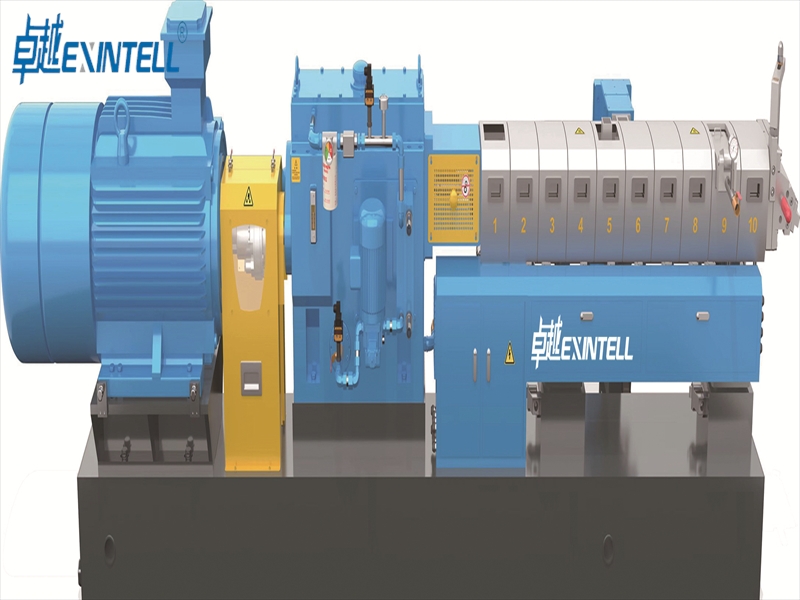
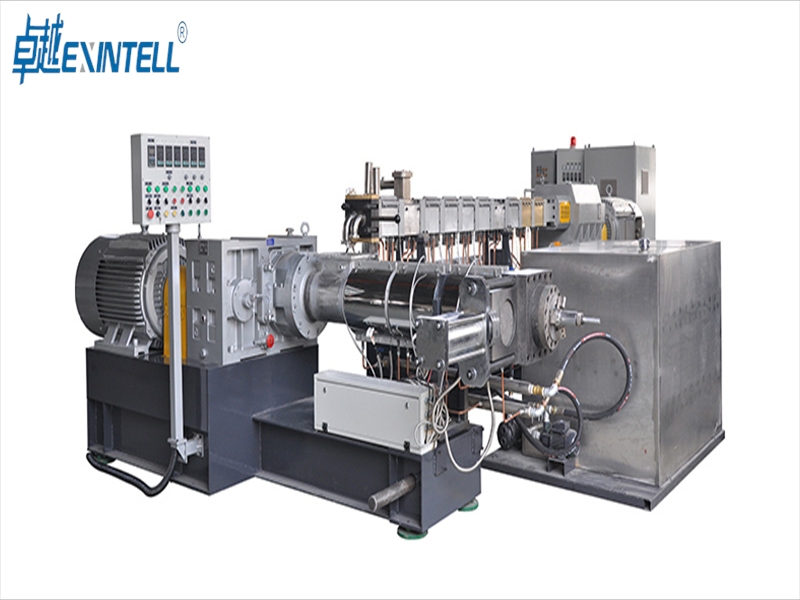
There aredifferent ways to make plastic sheets. The most common are single-screw and twin-screw extruders. Single-screw extruders have one screw that pushes melted plastic out. This way is good for simple jobs and clean plastic pellets. Twin-screw extruders have two screws that mix things better. They work well for tricky materials or recycled plastics. You can use them when you wanthigh-quality sheets.
Some methods use co-extrusion or multi-layer extrusion. Co-extrusion lets you put different materials in one sheet. Multi-layer extrusion makes sheets with layers for special needs. These layers can give extra strength or chemical resistance. These methods help you keep the sheet size and quality just right.
Tampok
Single-Screw Extrusion
Twin-Screw Extrusion
Mixing Capabilities
Limited mixing power
Excellent mixing capabilities
Throughput
Mas mababang throughput, suitable for smaller targets
Ideal for complex materials and high-filler formulas
Pagkonsumo ng Enerhiya
Uses less energy due to simple structure
Consumes more energy but more efficient for complex materials
Tip: Twin-screw extruders help you add colors and fillers. They also make sheets clearer by removing water and gases.
Pros & Cons for Production
You need to pick the right method for your project. Single-screw extruders give strong pressure and steady sheets. They use less energy and are easy to set up. Ginagawa sila nito mabuti para sa malalaking order at mga simpleng produkto. Ang mga twin-screw extruder ay naghahalo ng mga bagay nang mas mahusay at hinahayaan kang kontrolin ang proseso nang higit pa. Magagamit mo ang mga ito para sa mga espesyal na trabaho at custom na sheet.
Plastic extrusionmas mura kaysa sa ibang paraan parang injection molding. Mas kaunti ang iyong ginagastos sa mga materyales at kasangkapan. Mabilis ang proseso at hinahayaan kang gumawa ng mahahabang sheet nang walang tigil. Tinutulungan ka nitong panatilihing pareho ang kalidad sa bawat oras.
Ang single-screw extrusion ay mabuti para sa manipis na mga sheet at madaling trabaho. Ang twin-screw extrusion ay pinakamainam para sa makapal na sheet at matigas na materyales. Tinutulungan ka ng co-extrusion at multi-layer extrusion na matugunan ang mga mahigpit na panuntunan at panatilihing tama ang laki ng sheet.
Ang mga single-screw extruder ay pinakamainam para sa malinis na mga pellet at madaling trabaho.
Gumagana ang mga twin-screw extruder sa mga pulbos, mga recycled na bagay, at mga espesyal na trabaho.
Both ways help you make lots of sheets and get good results.
You should always look at what your project needs. Think about the material and how you want the sheet to work. This helps you choose the best extrusion method and find a good manufacturer.
Pagtutugma ng Pangangailangan & Mga tampok
Comparison Checklist
You need a simple checklist to compareextrusion techniques. This helps you see which method fits your project best. Use the table below to match your needs with each process. Check off each box as you look at your choices.
See how much power the machine uses. New machines can save energy and money.
Maintenance Needs
Check how often you must clean or fix the machine. Good care keeps things running well.
Epekto sa Kapaligiran
Choose ways that use recycled plastics or save energy. This helps you meet green goals.
Warranty & Suporta
Look for good warranty and help from the maker. This protects your money.
Tip: Use this checklist when you talk to suppliers or compare prices. It helps you focus on what matters most for your project.
Decision Criteria
You need to look at a few things before you pick. Start by thinking about what matters most for your project. These include:
Average Thickness: Check if the sheet is the right thickness. This saves material and money.
Standard Deviation: Look for even thickness. Less change means better quality and fewer mistakes.
Cpk (Process Capability Index): Make sure the process meets your needs every time. High Cpk means better results and less waste.
Match your batch size to the right extrusion method. For big jobs, single-screw extruders work well. They give steady output and lower costs. If you use many materials or extras, twin-screw systems give better control. For small jobs or special projects, ram extrusion or co-extrusion gives more options.
When you pick a technique, avoidcommon mistakes. Do not forget basic design rules. If you make the design too hard, you may get mistakes or waste. Keep fin thickness normal and do not use sharp corners. Work with your supplier early to get advice.
Keep your material clean to avoidsurface problems. Set the process right to get the right size and shape. Keep the mold in good shape to stop flaws inside the sheet.
Think about the environment too. You can usebiodegradable or recycled plasticsto cut waste. Use machines that save energy and recycle scrap. Closed water systems and good air filters help protect people and nature.
Plan forlong-term care. Clean and check the machine every day. Plan for regular checks and yearly big checks. Good care means better quality and less stopping.
Train your team well. Check their skills and give hands-on lessons. Keep learning to make things better.
Mahalaga rin ang warranty at suporta. Ang mas mahabang warranty at mas mahusay na tulong ay nangangahulugan ng mas kaunting pag-aalala kung may masira. Ang mga mahuhusay na makina ay kadalasang may mas magandang termino.
Tandaan: Kung hindi ka sigurado, makipag-usap sa isang extrusion expert. Matutulungan ka nilang pumili ng tamang disenyo, materyal, at proseso. Matutulungan ka rin nilang maiwasan ang mga pagkakamali at gawing mas mahusay ang iyong produkto.
Maaari mong gamitin ang gabay na ito upang ihambing ang iyong mga pagpipilian at gumawa ng matalinong pagpili. Palaging itugma ang iyong mga pangangailangan sa proyekto sa mga tampok ng bawat paraan ng pagpilit. Tinutulungan ka nitong makuha ang pinakamahusay na mga resulta, kalidad, at halaga mula sa iyong trabaho.
Maaari mong piliin ang pinakamahusay na pamamaraan ng extrusion ng plastic sheet sa pamamagitan ng paggamit ng mga simpleng hakbang. Magsimula sa pamamagitan ng pag-iisip tungkol sa kung ano ang kailangan ng iyong proyekto. Piliin ang materyal na akma sa iyong trabaho. Itugma ang iyong materyal sa tamang paraan ng pagpilit. Industry examples show you must keep the temperature steady. Use good molds and add the right extras. Pick the correct resin grade for your sheet. Ask experts for help early in your project. Use the comparison checklist to make your choice easier. Kung hindi ka sigurado, talk to an extrusion specialist. This way, you get strong and reliable sheets for your project.
FAQ
What is plastic sheet extrusion?
Plastic sheet extrusion is a process where you melt plastic and push it through a mold to make flat sheets. You can use these sheets for packaging, signs, or building materials.
How do I choose the right extrusion method?
You should look at your project needs. Think about the material, thickness, and how you will use the sheet. Match these needs to the features of each extrusion method.
Can I use recycled plastics for extrusion?
Oo, you can use recycled plastics. Twin-screw extruders work best for recycled materials. Make sure the recycled plastic meets safety and quality standards.
What is co-extrusion?
Co-extrusion lets you combine two or more materials in one sheet. You can add layers for strength, color, or chemical resistance. This method helps you meet special project needs.
Do I need expert help for my project?
You should ask an extrusion expert if you feel unsure. Experts help you pick the right material and method. They also help you avoid mistakes and improve your results.