

Twin Screw Extruder Barrels Wholesale: Lopullinen B2B-hankintaopas maailmanlaajuisille ostajille
Twin screw extruder barrels are mission-critical components in plastics compounding, elintarvikkeiden jalostus, lääkkeiden valmistus, and chemical engineering. For B2B buyers across Europe and North America, sourcing these barrels at wholesale prices from reliable manufacturers has become both a strategic priority and a logistical challenge. With shifting trade policies between the United States and the European Union, evolving tariff structures, and growing demand for high-performance extrusion equipment, understanding the wholesale landscape for twin screw extruder barrels is essential. This comprehensive guide examines the current state of the twin screw extruder barrels wholesale market, identifies leading manufacturers and suppliers, analyzes cross-border trade dynamics, and provides actionable procurement strategies for B2B buyers seeking competitive pricing without compromising on quality or delivery reliability.
Industrial manufacturing facility with heavy machinery and extrusion equipment used in plastics processing
The Global Twin Screw Extruder Barrels Market: Current Landscape and Key Drivers
Maailmanlaajuisten kaksoisruuviekstruuderimarkkinoiden arvo oli noin USD 1.2 miljardia sisään 2024 ja sen ennustetaan kasvavan yhdistetyllä vuotuisella kasvuvauhdilla (CAGR) / 5.8% kautta 2030, julkaisemien tietojen mukaan Grand View -tutkimus. Barrels and screws represent the most frequently replaced wear components in these systems, making the aftermarket and wholesale barrel segment a substantial sub-market in its own right. Plastic Extrusion Machinery Wholesaler
Several factors are driving demand for twin screw extruder barrels at the wholesale level:
- Expansion of plastics compounding: The global push toward engineering plastics, biohajoavat polymeerit, and recycled-content materials requires high-performance twin screw extrusion. Barrels must withstand abrasive fillers such as glass fiber, kalsiumkarbonaatti, ja hiilimustaa, accelerating replacement cycles.
- Food and pharmaceutical processing growth: Twin screw extruders are increasingly used in snack food production, lemmikkieläinten ruokien valmistus, ja farmaseuttinen kuumasulateekstruusio. These applications demand barrels made from corrosion-resistant alloys and food-grade materials, expanding the product range that wholesale suppliers must carry.
- Kestävyystoimet: European Union regulations under the EU Circular Economy Action Plan and the U.S. Environmental Protection Agency's recycled-content initiatives are pushing manufacturers to process more recycled feedstock, which is often more abrasive and corrosive than virgin material.
- Equipment fleet aging: A significant portion of the installed twin screw extruder base in Europe and North America was commissioned between 2005 ja 2015. These machines are now entering peak replacement-part demand cycles.
The wholesale segment specifically benefits from the fact that large compounders, toll processors, and OEMs prefer to purchase barrels in bulk to secure volume discounts, ensure inventory availability, and reduce per-unit logistics costs. A single large compounder may operate 20 to 50 kaksoisruuviekstruuderin linjat, each requiring barrel replacement every 3,000 to 8,000 operating hours depending on the material being processed.
Understanding Twin Screw Extruder Barrel Specifications for Wholesale Procurement
Before engaging with any twin screw extruder barrels wholesale manufacturer or supplier, B2B buyers must understand the critical specifications that determine barrel performance, compatibility, ja kokonaiskustannukset:
Metallurgy and liner materials: The barrel liner is the primary wear surface. Common options include nitrided steel (yleiskäyttöisiin sovelluksiin), bimetallic liners (iron-based or nickel-based alloys for moderate abrasion), and tungsten carbide or ceramic liners for extreme abrasion resistance. Wholesale buyers should specify the exact alloy grade — esimerkiksi, Colmonoy 56, Stelliitit 12, or PM-HIP (jauhemetallurgia kuuma isostaattinen puristus) materiaaleja — to ensure consistency across bulk orders. Extruder Clogging Mid Print
Dimensional compatibility: Twin screw extruder barrels must match the specific machine platform. Major OEM platforms include Coperion ZSK, Leistritz ZSE, KraussMaffei Berstorff, JSW TEX, and Nanjing-series Chinese-manufactured extruders. Each platform has unique bore diameters (typically ranging from 20mm to 300mm+), barrel segment lengths, bolt patterns, and cooling channel configurations. A wholesale supplier must demonstrate the ability to manufacture to OEM-equivalent tolerances, tyypillisesti ±0.01mm on bore diameter.
Surface treatments: Beyond the base metallurgy, barrels may receive additional surface treatments including deep nitriding (to 0.5–0.7mm case depth), chrome plating, or PVD coatings. These treatments extend service life and are particularly important for food-contact and pharmaceutical applications where corrosion resistance is paramount.
Top Twin Screw Extruder Barrels Wholesale Manufacturers and Suppliers
The twin screw extruder barrels wholesale market features manufacturers across Plastic Extruder Manufacturer Factory several key geographies, jokaisella on omat kilpailuedut:
kiinalaiset valmistajat: China dominates the wholesale barrel market by volume. Key manufacturing clusters are located in Nanjing (Jiangsun maakunta), Zhoushan (Zhejiangin maakunta), ja Guangzhou (Guangdongin maakunta). Chinese wholesale suppliers typically offer the most competitive pricing — usein 40–60% below European OEM pricing — while increasingly matching international quality standards. Leading Chinese wholesale manufacturers have invested in CNC deep-hole boring machines, vacuum heat treatment furnaces, and coordinate measuring machines (CMM:t) to achieve OEM-equivalent precision. Monilla on ISO 9001:2015 certification and can provide material test certificates (MTCs) per EN 10204 3.1 standardit.
eurooppalaiset valmistajat: Saksa, Italia, and Austria host premium barrel manufacturers that serve as both OEM suppliers and aftermarket wholesale sources. These manufacturers excel in bimetallic and PM-HIP barrel technology Lab Twin Screw Extruder Wholesale but command significantly higher prices. For European B2B buyers, sourcing from within the EU eliminates import duties and simplifies logistics, but the cost premium can be 2–3x compared to Chinese wholesale sources. Muoviekstruusiotehtaan valmistaja
Indian manufacturers: India is emerging as a mid-tier wholesale source, particularly for standard nitrided barrels. Manufacturing clusters in Ahmedabad and Pune offer pricing between Chinese and European levels, with improving quality infrastructure.
When evaluating a twin screw extruder barrels wholesale factory, B2B buyers should request:
- Material certificates for all alloy grades used
- Dimensional inspection reports (CMM-tiedot)
- Hardness test results (Rockwell or Vickers) for liner and base material
- Reference lists of OEM platforms the factory has supplied
- Minimitilausmäärät (MOQ:t) and lead times for standard and custom configurations
Trade Policies Affecting Twin Screw Extruder Barrel Imports
B2B buyers importing twin screw extruder barrels into the United States or European Union must navigate a complex and evolving trade policy environment. puolivälistä lähtien, several policy developments directly impact wholesale barrel procurement:
MEILLE. osio 301 tariffs on Chinese goods: Twin screw extruder barrels imported from China into the United States are subject to tariffs under Section 301 of the Trade Act of 1974. Depending on the specific Harmonized Tariff Schedule (HTS) luokitus — tyypillisesti HTS:n alla 8477.90 (kumin tai muovin työstämiseen tarkoitettujen koneiden osat) — the effective tariff rate can range from 7.5% to 25%. The MEILLE. Kansainvälinen kauppahallinto (ITA) provides updated tariff schedules and guidance for importers. Aikaisin, USA. Trade Representative announced a review of certain Section 301 tariff exclusions, creating uncertainty for buyers who had previously benefited from exclusion relief.
EU anti-dumping measures: The European Commission's Kaupan pääosasto monitors imports of industrial machinery components for potential dumping. While twin screw extruder barrels have not been subject to specific anti-dumping duties as of this writing, the broader category of steel and alloy products from China faces heightened scrutiny under the EU's trade defense instruments. B2B buyers should monitor the Official Journal of the European Union for any new investigations that could affect barrel imports.
Hiilirajan säätömekanismi (CBAM): The EU's CBAM, joka siirtyi lokakuussa siirtymävaiheeseensa 2023 ja se tulee täysin toimintakuntoon mennessä 2026, requires importers to report the embedded carbon content of certain goods. While machinery parts are not in the initial CBAM scope (joka keskittyy teräkseen, sementti, alumiini, lannoitteet, sähköä, ja vety), the mechanism may expand to cover downstream steel products, potentially including extruder barrels. Wholesale buyers should begin requesting carbon footprint data from their suppliers to prepare for potential future requirements, kuten huomautti European Commission's CBAM information portal.
Vapaakauppasopimukset: The EU's network of free trade agreements (Vapaakauppasopimukset) with countries including South Korea, Japani, Vietnam, and Singapore can provide preferential tariff rates for barrels manufactured in those countries. Samoin, the U.S.-Mexico-Canada Agreement (USMCA) offers duty-free treatment for qualifying goods manufactured in Mexico, making Mexican barrel manufacturing an increasingly attractive nearshoring option for U.S. buyers.
Business professionals reviewing trade documents and contracts in a modern office setting representing B2B trade negotiations
B2B Trade Opportunities in the Twin Screw Extruder Barrels Wholesale Segment
The current market environment presents several distinct opportunities for B2B buyers and sellers of twin screw extruder barrels at the wholesale level:
Mahdollisuus 1 — Aftermarket consolidation: The twin screw extruder barrel aftermarket is highly fragmented, with hundreds of small manufacturers competing on price. This fragmentation creates an opportunity for wholesale distributors to consolidate supply, offering buyers a single source for barrels compatible with multiple OEM platforms. A wholesale distributor that can stock barrels for Coperion, Leistritz, KraussMaffei, and Chinese-platform extruders from a single warehouse provides significant value to multi-line compounders.
Mahdollisuus 2 — Material innovation: Advances in powder metallurgy, particularly PM-HIP technology, are enabling the production of barrel liners with dramatically improved wear resistance. Wholesale manufacturers that invest in PM-HIP capability can command premium pricing while delivering barrels that last 2–3x longer than conventional bimetallic liners. B2B ostajille, the higher upfront cost is offset by reduced downtime and lower total cost of ownership. Tiedot lähteestä ScienceDirect publications on wear-resistant alloys confirms that PM-HIP liners can achieve hardness values exceeding 65 HRC while maintaining superior toughness compared to conventional centrifugal-cast liners.
Mahdollisuus 3 — Recycling-driven demand: The global push toward circular economy principles is driving massive investment in plastics recycling infrastructure. Mechanical recycling relies heavily on twin screw extruders for compounding recycled feedstock, and the abrasive contaminants present in post-consumer recycled (PCR) material accelerate barrel wear. The Euroopan muovinkierrätysyritykset association estimates that European recycling capacity will need to double by 2030 to meet EU recycled-content targets, directly translating to increased demand for replacement barrels.
Mahdollisuus 4 — Digitaaliset hankintaalustat: B2B e-commerce platforms are transforming how wholesale extruder barrels are sourced. Alibaban kaltaiset alustat, Valmistettu Kiinassa, and GlobalSources provide direct access to Chinese wholesale manufacturers, while specialized industrial marketplaces offer curated supplier lists with verified quality credentials. For wholesale suppliers, establishing a strong digital presence with detailed product specifications, sertifikaatit, and customer testimonials is now essential for capturing international B2B orders.
Challenges in Wholesale Twin Screw Extruder Barrel Procurement
Mahdollisuuksista huolimatta, B2B buyers face significant challenges when sourcing twin screw extruder barrels at the wholesale level:
Laadun johdonmukaisuus: The most persistent challenge in wholesale barrel procurement is ensuring consistent quality across large orders. A barrel that performs well in a sample or trial order may not represent the quality of a 50-piece or 100-piece wholesale batch. Variations in raw material sourcing, heat treatment parameters, and machining precision can all affect barrel performance. Buyers should implement incoming inspection protocols that include hardness testing, dimensional verification, ja — kriittisiin sovelluksiin — metallographic analysis of liner cross-sections.
Immateriaalioikeudet: Some wholesale barrel manufacturers reverse-engineer OEM designs without authorization, raising intellectual property concerns. B2B ostajat, particularly those in the EU and U.S. where IP enforcement is strict, should verify that their wholesale supplier has the legal right to manufacture barrels compatible with specific OEM platforms. This is especially important for patented barrel designs such as certain modular barrel systems.
Logistiikka ja toimitusajat: Wholesale barrel orders from Chinese manufacturers typically require 45–90 days for production plus 30–45 days for ocean freight to European or North American ports. Total lead times of 3–4 months require careful demand planning. The ongoing disruptions in global shipping — including Red Sea route diversions and Panama Canal draft restrictions reported by the Journal of Commerce — have added further uncertainty to delivery schedules in early.
Currency and payment risks: Wholesale transactions with overseas manufacturers typically involve significant advance payments (30–50% tilauksen kanssa, saldo ennen lähetystä). Currency fluctuations between USD, euroa, and CNY can materially affect the landed cost of wholesale barrel orders. B2B buyers should consider forward contracts or currency hedging strategies for large orders.

Large cargo ship loaded with shipping containers at an international seaport representing global wholesale trade logistics
Geographic and Policy Advantages for B2B Extruder Barrel Trade
The geographic positioning of major manufacturing hubs and the policy frameworks of key trading blocs create distinct advantages for B2B extruder barrel trade:
EU Single Market advantages: For European B2B buyers, sourcing barrels from within the EU Single Market eliminates customs duties, simplifies regulatory compliance, and reduces lead times to days rather than months. The EU's harmonized standards for industrial machinery components (under the Machinery Directive 2006/42/EC and its successor Regulation 2023/1230) provide a consistent quality framework. European wholesale manufacturers in Germany (particularly in the Ruhr and Baden-Württemberg regions), Italia (Lombardy), and Austria benefit from proximity to major compounding operations and can offer just-in-time delivery for urgent replacement needs.
MEILLE. nearshoring to Mexico: The USMCA trade agreement and growing interest in nearshoring have made Mexico an increasingly viable manufacturing base for twin screw extruder barrels destined for the U.S. markkinoida. Mexican manufacturers in Monterrey and Querétaro are investing in precision machining capabilities, and the duty-free treatment under USMCA makes Mexican-manufactured barrels cost-competitive with Chinese imports after accounting for Section 301 tariffs and shipping costs.
Free trade zone strategies: Several countries offer free trade zones (Vapaakauppa-alueet) or special economic zones that provide tariff advantages for barrel manufacturing. Esimerkiksi, barrels manufactured in Vietnam using Chinese raw materials can potentially qualify for preferential tariff treatment under the EU-Vietnam Free Trade Agreement (EVFTA), providing a tariff arbitrage opportunity for wholesale suppliers willing to establish manufacturing operations in Vietnam.
Sataman infrastruktuuri: Major European ports including Rotterdam, Hampuri, ja Antwerpen, ja U.S. ports including Los Angeles/Long Beach, Savanni, and Newark, provide efficient handling of containerized barrel shipments. The proximity of major compounding operations to these ports — particularly in the U.S. Gulf Coast petrochemical corridor and the German Rhineland — reduces inland transportation costs for wholesale barrel deliveries.
Case Studies Wholesale Barrel Procurement in Practice
Tapaustutkimus 1 — European compounder consolidates barrel supply chain: A major European plastics compounder operating 35 twin screw extruder lines across facilities in Germany, Puola, and Spain was sourcing replacement barrels from five different suppliers, resulting in inconsistent quality, complex inventory management, and limited purchasing leverage. The company conducted a comprehensive supplier qualification program, evaluating 12 wholesale manufacturers across China, Intia, ja Euroopassa. After a 6-month trial period involving metallographic analysis, dimensional audits, and production-line performance testing, the compounder selected a single Chinese wholesale manufacturer as its primary supplier (päällyste 70% of volume) and a German manufacturer as its secondary supplier (päällyste 30% of volume, primarily for rush orders and specialty alloys). The consolidated approach reduced per-barrel costs by 28%, improved inventory turns by 40%, and standardized quality across all facilities. The key success factor was investing in a rigorous qualification process rather than simply selecting the lowest-price supplier.
Tapaustutkimus 2 — MEILLE. toll processor navigates tariff challenges: A U.S.-based toll compounder processing engineering plastics for automotive applications faced a 25% tariff on Chinese-manufactured barrels following the Section 301 tariff escalation. The company's initial response was to absorb the tariff cost, but this eroded margins on fixed-price toll processing contracts. Working with a customs broker, the company explored several strategies: (1) reclassifying barrels under a different HTS code with a lower tariff rate (ultimately unsuccessful due to strict classification rules), (2) sourcing from a Vietnamese manufacturer that had established production capability for twin screw barrels (partially successful, but quality required additional development time), ja (3) negotiating tariff-inclusive pricing with its Chinese supplier, who agreed to absorb a portion of the tariff to maintain the business relationship. The combined approach reduced the effective tariff impact from 25% to approximately 12% of barrel cost. This case illustrates the importance of proactive tariff management in wholesale procurement strategies.
Tapaustutkimus 3 — Wholesale distributor builds multi-brand inventory: A European industrial parts distributor identified an opportunity to serve the twin screw extruder aftermarket by building a wholesale inventory of barrels compatible with the five most common extruder platforms in the European market. The distributor partnered with two Chinese wholesale manufacturers, providing detailed OEM specifications and conducting factory audits to ensure manufacturing capability. By stocking 200+ barrel configurations in a central European warehouse (located in the Netherlands for logistics efficiency), the distributor could offer 48-hour delivery on standard barrel sizes — a significant advantage over the 3–4 month lead time for direct orders from China. The distributor's value proposition combined Chinese wholesale pricing with European-level delivery speed, capturing market share from both OEM spare parts channels (which were 2–3x more expensive) and direct Chinese imports (which required months of lead time). Kahden vuoden sisällä, the distributor achieved annual revenues exceeding EUR 5 million in the barrel segment alone.
Trade Trend Predictions for Twin Screw Extruder Barrels: Q3–Q4
Makerbot Clogged Smart Extruder Kaksivaiheinen ekstruuderi Based on current market Entex Extruder Factory dynamics, politiikan kehitystä, ja toimialan indikaattorit, the following trends are expected to shape the twin screw extruder barrels wholesale market over the next one to two months and into the second half of:
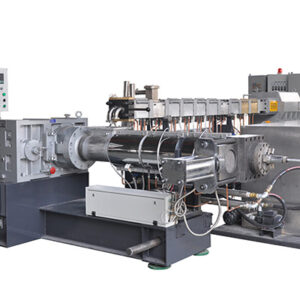
Wholesale Extrusion Plastic Ennustus 1 — Tariff volatility will continue: Yhdysvallat. trade policy environment remains unpredictable, with ongoing reviews of Section 301 tariffs and potential new trade actions. B2B buyers should maintain flexible sourcing strategies that include qualified suppliers in multiple countries. The Yhdysvaltain kauppaedustajan toimisto (USTR) is expected to announce updated tariff determinations in Q3 that could affect machinery component imports. Extrude Meaning 3D Printing
Ennustus 2 — Chinese wholesale prices will increase modestly: Raaka-ainekustannusten nousu (particularly for nickel, tungsten, and cobalt used in barrel liner alloys), combined with increasing labor costs in Chinese manufacturing hubs, are expected to push wholesale barrel prices up by 3–5% in the second half of. Buyers placing large wholesale orders should consider locking in current pricing through long-term supply agreements.
Ennustus 3 — Demand for corrosion-resistant barrels will surge: The growth of chemical recycling (pyrolysis and depolymerization) as a complement to mechanical recycling will drive demand for twin screw extruder barrels with enhanced corrosion resistance. Chemical recycling processes often involve aggressive chemical environments that standard nitrided barrels cannot withstand. Wholesale manufacturers that can supply Hastelloy-lined or Inconel-lined barrels will capture a growing premium segment.
Ennustus 4 — Digital quality documentation will become standard: B2B buyers are increasingly requiring digital material certificates, inspection reports, and traceability documentation. Wholesale manufacturers that can provide QR-coded barrels linked to digital quality records will have a competitive advantage. This trend aligns with broader Industry 4.0 adoption in the plastics processing sector.
Ennustus 5 — Nearshoring investments will accelerate: Both European and U.S. buyers are actively seeking to reduce supply chain risk by diversifying away from exclusive reliance on Chinese manufacturing. Expect increased investment in barrel manufacturing capacity in Turkey (serving the European market), Meksiko (serving the U.S. markkinoida), ja Kaakkois-Aasiassa (serving both markets). Kuitenkin, it will take 2–3 years for these new capacity investments to meaningfully impact the wholesale market, meaning Chinese manufacturers will remain the dominant wholesale source through at least 2027. Parallel Twin Screw -tukkumyynti
Extruders Plastic China Ennustus 6 — Consolidation among wholesale suppliers: The fragmented nature of the barrel wholesale market is ripe for consolidation. Expect larger industrial distributors and private equity-backed platforms to acquire smaller barrel manufacturers and distributors, creating more integrated wholesale supply chains with broader product ranges and stronger quality systems.

Modern automated manufacturing production line with precision CNC machinery for industrial component fabrication
Työpaikan turvallisuus ekstruusioympäristöissä: Protecting Workers During Barrel Handling and Maintenance
Twin screw extruder barrels are heavy, high-temperature components that present significant workplace safety hazards during installation, removal, ja huolto. A single barrel segment for a large extruder can weigh 50–200 kg and operates at temperatures of 200–400°C during production. B2B buyers and plant operators must prioritize worker safety as an integral part of their barrel procurement and maintenance programs.
Foot and toe protection: One of the most critical — and often underestimated — safety requirements in extrusion environments is proper foot protection. The handling of heavy barrel segments during changeovers creates a significant crush hazard for workers' jalat ja varpaat. mukaan MEILLE. Työturvallisuus- ja työterveyshallinto (OSHA), jalkavammojen osuus on noin 60,000 työtapaturmat vuosittain Yhdysvalloissa, with crushing injuries from dropped heavy objects being among the most common and severe. In extrusion facilities specifically, the combination of heavy metal components, elevated temperatures, and often slippery floor conditions (from lubricants and process materials) creates a particularly hazardous environment for workers' lower extremities.
Safety footwear standards: Workers handling twin screw extruder barrels should wear safety footwear that meets recognized international standards. Euroopan unionissa, safety footwear is classified under EN ISO 20345, which defines several protection levels. Ekstruusioympäristöihin, the minimum recommended classification is S3, which provides toe protection against impacts up to 200 joulea (vastaa a 20 kg object dropped from 1 mittari), puncture-resistant soles, vedenkestävyys, and energy-absorbing heels. For environments where molten polymer splash is a risk, S5-rated boots with additional heat resistance are recommended. Yhdysvalloissa, ASTM F2413 provides equivalent safety footwear standards, with the I/75 C/75 rating (impact resistance of 75 foot-pounds and compression resistance of 2,500 puntaa) being the minimum for heavy industrial environments.
Steel toe vs. composite toe protection: B2B safety equipment buyers face a choice between traditional steel toe caps and modern composite (lasikuitu, hiilikuitua, tai kevlar) toe caps. Steel toe caps have a proven track record and meet all impact and compression requirements, but they are heavier and conduct heat and cold. Composite toe caps are 30–40% lighter than steel, do not conduct temperature, and are non-metallic (advantageous in environments with metal detectors). For extrusion environments where workers handle hot barrel segments, composite toe caps offer the advantage of thermal insulation — steel toe caps can transfer heat from hot surfaces to the worker's foot, while composite materials provide a thermal barrier. Kuitenkin, steel toe caps generally offer superior protection against extreme compression loads, making them the preferred choice for the heaviest barrel-handling operations.
Metatarsal guards: Standard safety toe caps protect only the toe area. For workers handling twin screw extruder barrels, which can weigh hundreds of kilograms, metatarsal guards that extend protection to the upper foot are strongly recommended. Internal metatarsal guards (built into the boot) provide more comfortable protection than external guards and are less likely to catch on equipment. The EN ISO 20345 standard includes an optional metatarsal protection requirement (designated "M") that tests resistance to 100-joule impacts on the metatarsal area.
Lämmönkestävät pohjat: Extrusion environments frequently involve exposure to hot surfaces, spilled molten polymer, and heated process equipment. Safety footwear for barrel-handling operations should feature heat-resistant outsoles rated for continuous contact temperatures of at least 300°C. Nitrile rubber outsoles are the industry standard for heat resistance in industrial environments, offering superior performance compared to standard PU (polyuretaani) outsoles at elevated temperatures. The EN ISO 20345 standard designates heat-resistant outsoles with the "HRO" marking (contact heat resistance tested at 300°C varten 60 sekuntia).
Liukastumisen esto: Extrusion facilities often have floors contaminated with process oils, voiteluaineet, polymer dust, and water from cooling systems. Slip-and-fall accidents during barrel handling — when workers are carrying or maneuvering heavy components — can result in severe injuries. Safety footwear should meet the highest slip resistance rating under EN ISO 20345, designated SRC (testattu sekä keraamisilla laatoilla natriumlauryylisulfaattiliuoksella että teräksellä glyserolilla). The coefficient of friction should exceed 0.32 on both test surfaces.
Suojaus sähköisiltä vaaroilta: Twin screw extruders are powered by large electric motors (often 200–1,000+ kW) and feature extensive electrical heating systems on the barrels. Workers performing barrel maintenance may be exposed to electrical hazards. Safety footwear with electrical hazard (EH) protection, rated to withstand 18,000 volts at 60 Hz for one minute with no current flow exceeding 1.0 milliampere under dry conditions per ASTM F2413, provides an additional layer of protection.
Ergonomic considerations for extended wear: Barrel changeovers and maintenance operations can take 4–12 tuntia, during which workers are on their feet continuously, often on hard concrete floors. Safety footwear for extrusion environments should incorporate ergonomic features including cushioned insoles, kaarin tuki, and shock-absorbing midsoles. Fatigue-related injuries increase significantly during extended maintenance operations, and proper footwear is a key mitigation factor. The National Institute for Occupational Safety and Health (NIOSH) has published research demonstrating that anti-fatigue footwear reduces lower-extremity musculoskeletal disorders by up to 30% in industrial workers performing standing tasks for more than 4 tuntia per vuoro.
Safety footwear procurement for B2B operations: For B2B buyers operating multiple extrusion facilities, safety footwear procurement should be integrated into the overall PPE (personal protective equipment) ohjelmoida. Wholesale purchasing of safety footwear — similar to wholesale barrel procurement — offers volume discounts and ensures consistent protection standards across all facilities. Leading safety footwear manufacturers including Uvex, Puma turvallisuus, Timberland PRO, Red Wing, and KEEN Utility offer B2B wholesale programs with custom fitting services and replacement scheduling.
Industrial worker wearing proper personal protective equipment including safety boots in a manufacturing facility
Selecting the Right Twin Screw Extruder Barrels Wholesale Partner: A Decision Framework
For B2B buyers ready to engage with a twin screw extruder barrels wholesale manufacturer, toimittaja, tai tehdas, the following decision framework provides a structured approach to supplier selection:
Vaihe 1 — Define specifications precisely: Document the exact barrel specifications required, including machine platform compatibility, bore diameter, segment length, liner material, surface treatment, and any special requirements (esim., food-contact compliance, specific hardness ranges). Ambiguous specifications are the leading cause of quality disputes in wholesale barrel procurement.
Vaihe 2 — Identify candidate suppliers: Use a combination of trade platforms (Alibaba, Valmistettu Kiinassa, GlobalSources), industry trade shows (Chinaplas, K Show, NIMI), and industry referrals to identify 5–10 candidate wholesale suppliers. Pyydä yritysprofiileja, production capability statements, and reference customer lists from each candidate.
Vaihe 3 — Conduct factory audits: For wholesale relationships involving significant annual spend (tyypillisesti >USD 100,000), paikan päällä tehtävät tehdastarkastukset ovat välttämättömiä. Evaluate the supplier's raw material sourcing and incoming inspection procedures, machining equipment (CNC-sorvit, deep-hole boring machines, grinding machines), lämpökäsittelylaitokset (vacuum furnaces, nitrausuunit), quality control equipment (CMM:t, hardness testers, spectrometers), and finished goods storage and packaging capabilities.
Vaihe