

Muovin sekoitus ja pelletointi verrattuna nykyaikaiseen valmistukseen
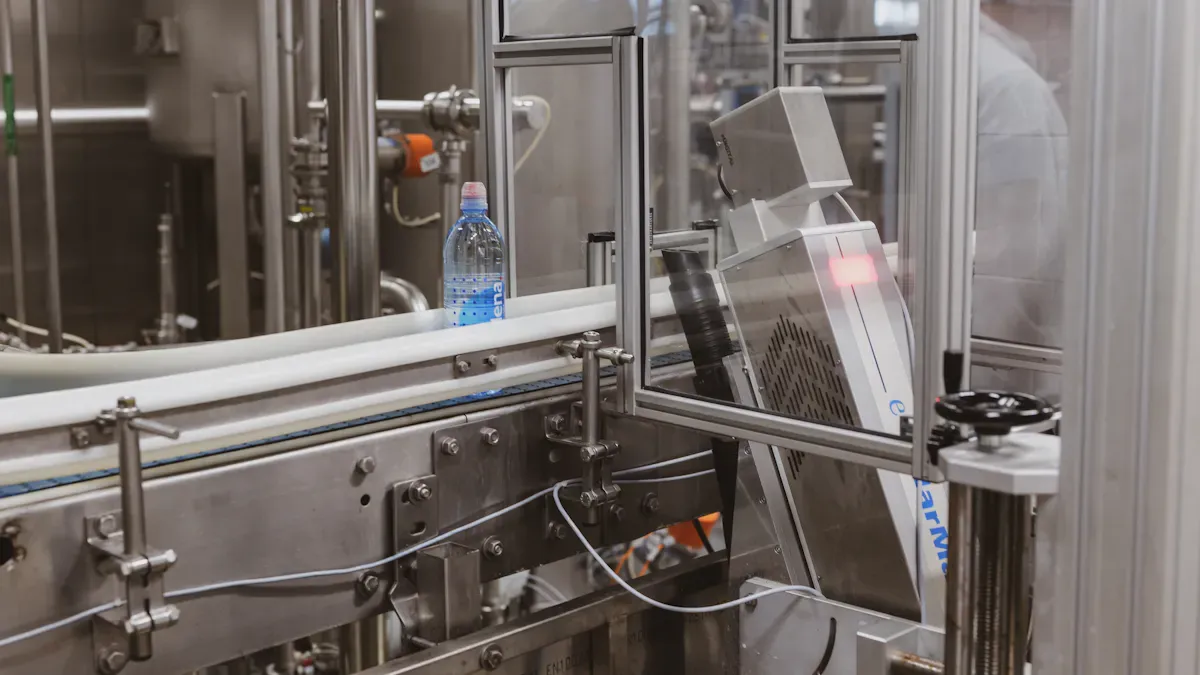
Plastic Compounding mukauttaa perushartsit lisäaineilla, luoda materiaaleja, jotka on räätälöity tiettyihin sovelluksiin. Pelletointi muuttaa nämä yhdistetyt materiaalit yhtenäisiksi pelleteiksi, valmiina tehokkaaseen jatkokäyttöön. Valmistajat ja insinöörit, jotka ymmärtävät kunkin prosessin eron, voivat parantaa tehokkuutta ja varmistaa tuotteiden laadun.
Tuoreet markkinatiedot osoittavat, että näiden teknologioiden maailmanlaajuinen markkina-arvo nousee $82 miljardilla 2025 ja $182 miljardilla 2035, auto- ja pakkausalojen kasvun vetämänä.
| Käsitellä | Tehokkuusvaikutus | Vaikutus tuotteen laatuun |
|---|---|---|
| Yhdistäminen | Räätälöi materiaalit, parantaa suorituskykyä, vähentää kustannuksia | Mahdollistaa paremman laadunvalvonnan |
| Pelletointi | Tarjoaa yhtenäisen materiaalimuodon käsittelyyn | Varmistaa lopputuotteen laadun tasaisuuden |
Key Takeaways
- Muovisekoitus mukauttaa perushartsit lisäaineilla materiaalien luomiseksi tiettyihin käyttötarkoituksiin.
- Pelletointi muuttaa yhdistetyt materiaalit yhtenäisiksi pelleteiksi, mikä helpottaa käsittelyä ja käsittelyä.
- Seoksen ja pelletoinnin välisten erojen ymmärtäminen auttaa valmistajia parantamaan tehokkuutta ja tuotteiden laatua.
- Sekoittaminen sisältää sekoittamisen, sulaminen, ja materiaalien ekstrudointi haluttujen ominaisuuksien saavuttamiseksi.
- Pelletointi keskittyy yhtenäisten pellettikokojen luomiseen, mikä on ratkaisevan tärkeää luotettavan valmistuksen kannalta.
- Laadunvalvonta on olennaista molemmissa prosesseissa sen varmistamiseksi, että lopputuotteet täyttävät alan standardit.
- Sekä sekoittamisella että pelletointilla on keskeinen rooli esimerkiksi autoteollisuudessa, elektroniikka, ja terveydenhuolto.
- Oikean prosessin valinta riippuu materiaalin ominaisuuksista, tuotannon tarpeisiin, ja kustannusnäkökohdat.
Määritelmät ja erot
Muoviseos Määritelty
Muovisekoituksella tarkoitetaan prosessia polymeerien sekoittaminen lisäaineiden kanssa, täyteaineet, ja vahvistukset materiaalin fysikaalisten ja kemiallisten ominaisuuksien muokkaamiseksi ja parantamiseksi. Alan standardit määrittelevät tämän prosessin menetelmäksi räätälöidä polymeeri siten, että se sisältää kaikki halutut ominaisuudet yhdessä materiaalissa. Valmistajat käyttävät muoviseoksia parantaakseen tuotteiden laatua, vähentää kustannuksia, ja lisää tuottavuutta. Prosessi sisältää tyypillisesti sulatuksen, sekoittamalla, ja ekstruusio komponenttien tasaisen dispersion saavuttamiseksi.
Monilla ainesosilla ja lisäaineilla on rooli muoviseosten tekemisessä:
- Valmistusseos: Tiivistetty sekoitus pigmenttejä ja lisäaineet kantajahartsin sisällä, varmistaa tasaisen leviämisen.
- Antioksidantit: Estä polymeerin hajoaminen lämmön ja hapen vaikutuksesta, ylläpitää voimaa ja joustavuutta.
- UV-stabilisaattorit: Suojaa ulkona käytettyjä polymeerejä absorboimalla tai haihduttamalla haitallista ultraviolettisäteilyä.
- Palonsuoja-aineet: Estää tai viivyttää liekin muodostumista, erityisen tärkeä elektroniikassa ja rakentamisessa.
- Väriaineet: Mahdollistaa muovien värin valinnan.
- Vahvuuden ja joustavuuden muokkaajat: Saavuta tietyt mekaaniset ominaisuudet.
- Antimikrobiset lisäaineet: Estää itiöiden kasvua, tärkeä lääketieteellisille tuotteille.
- Täyteaineet: Kuten talkki, lasikuitu, ja kalsiumkarbonaattia, parantaa voimaa, vähentää kustannuksia, ja parantaa lämmönkestävyyttä.
- Suorituskyvyn tehostajat: Räätälöi ominaisuuksia, kuten lämpöstabiilisuus, palonesto, ja UV-kestävyys.
Tämän prosessin avulla valmistajat voivat luoda materiaaleja, joilla on tarkat ominaisuudet vaativiin sovelluksiin.
Muovin pelletointi Määritelty
Muovin pelletointi on prosessi, joka muuntaa raakaa tai kierrätettyä muovia pieneksi, yhtenäisiä pellettejä. Tämä muutos on välttämätöntä tehokkaan valmistuksen ja kierrätyksen kannalta. Muovinen pelletointikone muuntaa puhdistettuna ja usein silputtuna tai sulaa muovia yhtenäisiksi pelleteiksi, jotka sitten otetaan uudelleen tuotantoprosesseihin. Pelletointi vastaa haasteisiin, kuten epätasaiseen ruokintaan ja materiaalinkäsittelyyn, Se tekee siitä elintärkeän autoteollisuuden ja pakkausten kaltaisilla aloilla, joilla tuotteiden laatu on kriittinen.
| Todisteen tyyppi | Yksityiskohdat |
|---|---|
| Raaka-aineet | Erilaisia muovityyppejä, mukaan lukien polyeteeni (PE) ja polypropeeni (PP) |
| Lähdöt | Muovipelletit, jotka valmistetaan sulattamalla, jäähdytys, ja leikkausprosessit |
Pelletointi tehostaa muovituotannon tehokkuutta ja mahdollistaa erikoismuovien valmistamisen säilyttäen samalla käsittelyn helppouden.
Tärkeimmät erot Yleiskatsaus
Vertailutaulukko
| Aspekti | Muovisekoitus | Muovin pelletointi |
|---|---|---|
| Päätarkoitus | Muuttaa polymeerin koostumusta ja ominaisuuksia | Muuntaa materiaalin tasaiseksi pellettimuodoksi |
| Keskeiset vaiheet | Sekoitus, sulaminen, sekoittamalla, ekstruusio | Sulaminen, jäähdytys, leikkaus |
| Tyypillisiä lisäaineita | Täyteaineet, väriaineet, stabilointiaineet, suorituskyvyn parantajia | Ei tyypillisesti lisätty pelletoinnin aikana |
| Lähtö | Räätälöity muovimateriaali (voi olla eri muodoissa) | Tasaiset pelletit |
| Sovellus | Suora käyttö tuotteissa tai jatkokäsittelyssä | Käytetään muovaukseen, ekstruusio, tai kuljetus |
Yhteenveto kohdat
- Muovinen seostus keskittyy koostumuksen muuttamiseen muovista sekoittamalla erilaisia ainesosia, joka vaikuttaa sen fysikaalisiin ominaisuuksiin.
- Muovin pelletointi muuntaa yhdistetyn muovin yhtenäisiksi pelleteiksi, koskee ensisijaisesti fyysistä muotoa käytön helpottamiseksi valmistuksessa.
- Sekoitetut muovit voidaan muotoilla suoraan tuotteiksi, pelletoitua muovia käytetään tyypillisesti jatkokäsittelyyn.
- Molemmilla prosesseilla on kriittinen rooli nykyaikaisessa valmistuksessa, mutta ne vastaavat tuotantoketjun eri tarpeisiin.
Kärki: Näiden prosessien välisen eron ymmärtäminen auttaa valmistajia valitsemaan oikean lähestymistavan tiettyyn sovellukseensa, varmistaa optimaalisen suorituskyvyn ja tehokkuuden.
Muovin sekoitusprosessi
Prosessin vaiheet
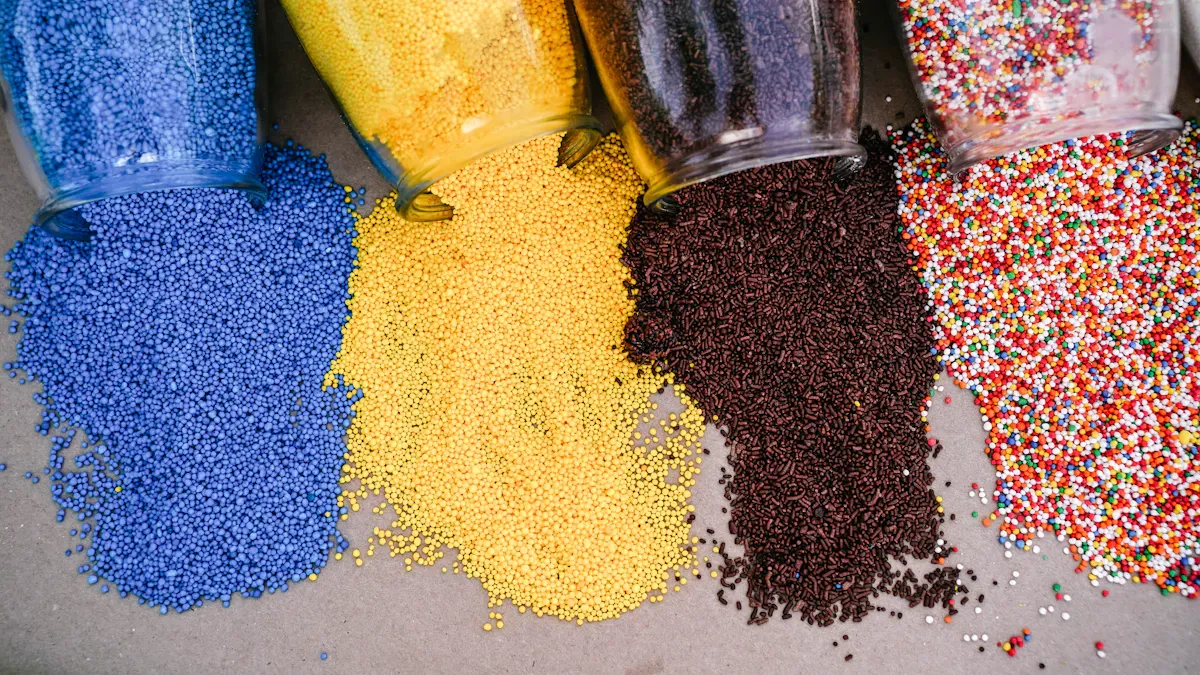
Muovin sekoittaminen muuntaa raaka-aineet korkean suorituskyvyn muoveiksi useiden tarkkojen vaiheiden avulla. Valmistajat aloittavat varastoimalla raaka-aineita, kuten hartsia, lisäaineita, ja täyteaineet pusseihin, isot laukut, tai siiloihin. Pneumaattiset tai mekaaniset järjestelmät kuljettavat sitten nämä materiaalit käsittelyalueelle. Käyttäjät syöttävät materiaalit puristustynnyriin, joko jatkuvasti tai erissä. Sekoitusprosessi jatkuu sulattamalla ja sekoittamalla, jossa polymeeri ja lisäaineet sekoittuvat tasaisuuden saavuttamiseksi. Viimeiseen vaiheeseen kuuluu muotoilu, jäähdytys, ja leikkaa tuote, jota seuraa tiukka laadunvalvonta.
| Vaihe | Kuvaus |
|---|---|
| 1 | Raaka-aineiden säilytys pusseissa, isot laukut, ja siilot |
| 2 | Pneumaattinen tai mekaaninen materiaalin kuljetusjärjestelmä |
| 3 | Materiaalin syöttö puristuspiippuun (jatkuva/epäjatkuva täyttö) |
| 4 | Sulamis- ja sekoitusvaihe |
| 5 | Lopputuote ja valvonta |
Huom: Insight Polymers hyödyntää nopeaa läpivientiä ja erikoissekoitusta räätälöityjen muoviseosratkaisujen toimittamiseen, optimoida jokainen vaihe tehokkuuden ja laadun vuoksi.
Käytetyt laitteet
Muovisekoituslaitokset luottavat edistyneisiin laitteisiin tasaisten tulosten varmistamiseksi. Ekstruuderit määräävät käsittelyn tahdin ja niillä on keskeinen rooli sulatuksessa ja sekoituksessa. Jatkuvat sekoittimet toimivat ekstruuderien kanssa materiaalien, kuten akryylien, käsittelyssä, nailonit, ja PVC:tä. Sekoitusjärjestelmät valmistavat lisäaineesisekoituksia, kun taas annostelujärjestelmät takaavat tarkat ainesosien suhteet. Materiaalinkäsittelytekniikat, kuten pyörivät syöttölaitteet ja vaihtoventtiilit, tukevat bulkkimateriaalien sujuvaa jakelua ja annostelua. Integroidut seostuslinjat yhdistävät nämä järjestelmät, mahdollistaa joustavat tuotantonopeudet ja kokoonpanot. Insight Polymers käyttää sisäisiä kaksoisruuvipuristuksen pilottiresursseja pienten kehityseräkokeiden suorittamiseen, mahdollistaa tuotteiden ja prosessointiparametrien tehokkaan seulonnan.
Yhdistelmätyypit
Muovin yhdistäminen kattaa useita lähestymistapoja, jokainen räätälöity erityisiin sovellustarpeisiin. Valmistajat voivat lisätä väriaineita parantaakseen ulkonäköä tai stabilointiaineita parantaakseen lämmön- ja UV-kestävyyttä. Palonestoaineet lisäävät turvallisuutta, erityisesti rakentamisessa ja elektroniikassa. Iskunmuuntimet lisäävät sitkeyttä, täyteaineet ja vahvistukset säätelevät kustannuksia, jäykkyys, tai voimaa. Räätälöidyt yhdisteet voivat sisältää myös antimikrobisia aineita lääkinnällisiin tuotteisiin tai UV-tehostajia ulkokäyttöön. Insight Polymers on erikoistunut polymeerien seostusratkaisuihin, jotka vastaavat ainutlaatuisia suorituskykytavoitteita, tarjoaa perusseostiivisteitä ja mukautettuja muoviseoksia ruiskuvalua varten, kuidut, elokuvia, ja lisäaineiden valmistus.
- Värin valinta estetiikkaan
- Elintarviketurvalliset formulaatiot pakkaamiseen
- Palonestoaineet rakentamiseen
- Vahvuus- ja joustavuussäädöt tuotekohtaisiin tarpeisiin
- Antimikrobiset ominaisuudet terveydenhuoltoon
- Parannettu UV-sieto kestää ulkona
Tämä kattava lähestymistapa varmistaa, että jokainen polymeeriseosratkaisu täyttää nykyaikaisen valmistuksen vaatimukset.
Materiaalitilat
Muovisekoitukseen liittyy useita materiaalitiloja, kun raaka-aineet muuttuvat tehokkaiksi yhdisteiksi. Prosessi alkaa kiinteillä hartseilla, lisäaineita, ja täyteaineet. Operaattorit syöttävät nämä materiaalit sekoitusjärjestelmään, jossa ne pysyvät rakeina tai jauheena. Prosessin edetessä, ekstruuderi lämmittää ja sulattaa seoksen, muuntaa sen viskoosiksi, sulassa tilassa. Tämä sula sekoitus mahdollistaa kaikkien komponenttien perusteellisen sekoittamisen ja dispergoinnin.
Kun homogenointi on valmis, materiaali poistuu ekstruuderista. Tässä vaiheessa, se voi olla useita muotoja sovelluksesta riippuen. Jotkut valmistajat jäähdyttävät ja leikkaavat suulakepuristeen pelleteiksi, kun taas toiset voivat tuottaa säikeitä, lakanat, tai suoraan muovattuja muotoja. Lopullinen tila – pelletti, nauha, tai arkki – riippuu jatkokäsittelyvaatimuksista. Esimerkiksi, Insight Polymers toimittaa usein räätälöityjä muoviseoksia pellettimuodossa helpottamaan käsittelyä ja johdonmukaista ruiskuvalu- tai suulakepuristuslinjoja..
Kyky hallita materiaalin tiloja koko prosessin ajan varmistaa, että lopputuote täyttää tiukat suorituskykyvaatimukset. Tämä joustavuus tukee monenlaisia sovelluksia, autojen osista lääketieteellisiin laitteisiin, ja mahdollistaa nopean mukautumisen asiakkaiden tarpeisiin.
Laadunvalvonta
Laadunvalvonta on jokaisen onnistuneen muovin sekoitusoperaation ytimessä. Valmistajat luottavat edistyneisiin automaattisiin ohjausjärjestelmiin ylläpitäessään tasaiset pellettiominaisuudet ekstruusion aikana. Nämä järjestelmät valvovat ja säätävät prosessointiparametreja reaaliajassa, varmistaen, että sula seos pysyy homogenoituna. Seurauksena, pigmentit ja lisäaineet leviävät tasaisesti, yhtenäisen perusseoksen tuottamiseksi.
Toimijat käyttävät useita käytännön menetelmiä tuotteen johdonmukaisuuden tarkistamiseen. The vedenpoistomenetelmä tarjoaa luotettavan tavan mitata tiheys myymälässä. Tämä tekniikka sisältää alkuperäisen vedenpinnan mittaamisen, näytteen punnitseminen, ja tiheyden laskeminen siirtyneen tilavuuden perusteella. Se parantaa formuloinnin tarkkuutta, estää materiaalin hukkaa, ja varmistaa tuotteen tasaisen painon. Nämä edut tukevat parempaa kustannushallintaa ja vähentävät tuotannon laatuongelmia.
Kattava laadunvalvontaohjelma sisältää sarjan testejä:
- Värien yhteensopivuustesteissä käytetään spektrofotometrejä värierojen arvioimiseen ja visuaalisen yhtenäisyyden varmistamiseksi.
- Lämpöstabiilisuustestit vahvistavat pigmentin kestävyyden muovauslämpötiloissa.
- Dispersiotestit vahvistavat tasaisen additiivisen jakautumisen mikroskooppisella havainnolla.
- Mekaaniset suorituskykytestit tarkastelevat vetolujuutta ja iskunkestävyyttä.
Insight Polymers integroi nämä laadunvalvontatoimenpiteet jokaiseen eriin, varmistaa, että niiden polymeeriseosratkaisut tarjoavat luotettavan suorituskyvyn. Tämä sitoutuminen laatuun tukee aloja, jotka vaativat tarkkuutta, kuten autoteollisuudessa, elektroniikka, ja terveydenhuolto.
Kärki: Johdonmukainen laadunvalvonta ei ainoastaan lisää tuotteiden luotettavuutta, vaan myös vahvistaa asiakkaiden luottamusta räätälöityihin muoviseospalveluihin.
Muovin pelletointiprosessi
Prosessin vaiheet
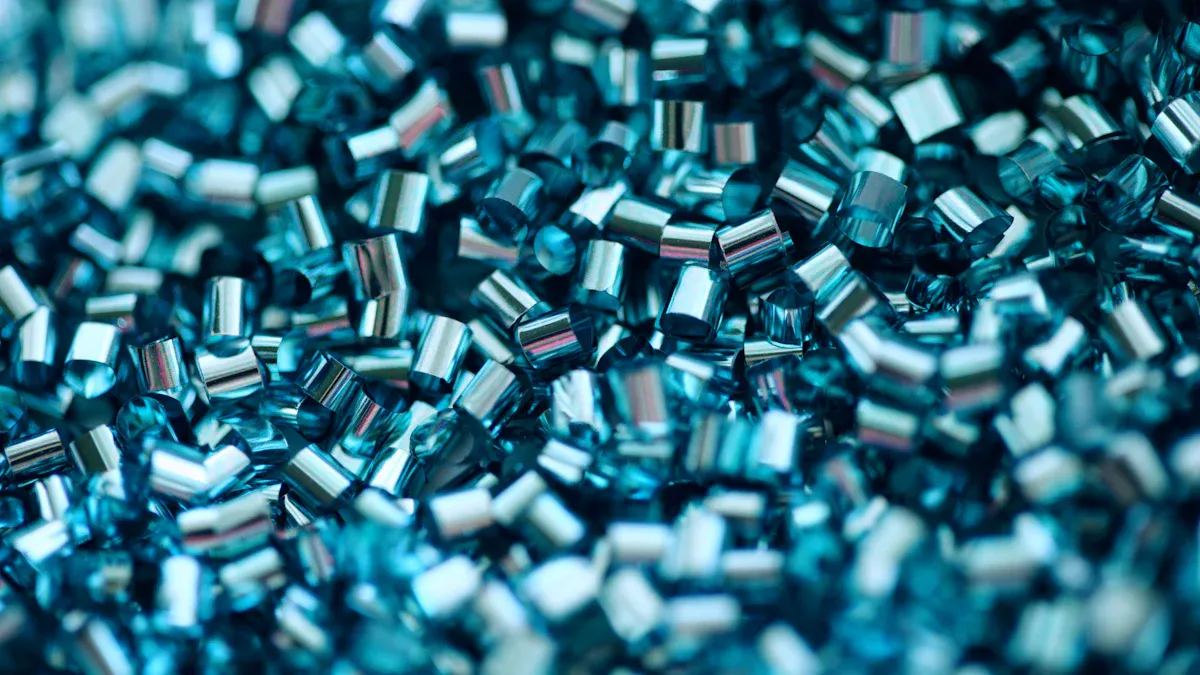
Muovipelletointi muuttaa raaka- tai kierrätyshartsin yhtenäisiksi pelleteiksi sarjan hyvin määriteltyjen vaiheiden avulla. Toimijat aloittavat muovijätteen lajittelulla polymeerityypin mukaan, väri, ja kontaminaatiotaso. Sitten he pilkovat lajitellut muovit pienemmiksi hiutaleiksi, mikä parantaa pesutehoa. Pesun jälkeen, puhtaat hiutaleet siirtyvät sulamisvaiheeseen, jossa niitä kuumennetaan ja suulakepuristetaan. Sula muovi kulkee suodattimen läpi ja poistaa kaikki jäljellä olevat epäpuhtaudet. Kun suodatettu sula poistuu suutinlevyn läpi, se muodostaa jatkuvia säikeitä. Nämä säikeet jäähtyvät nopeasti vesihauteessa tai ilmajäähdytysjärjestelmässä, vakauttaa niiden rakennetta. Lopulta, jäähtyneet säikeet leikataan pelleteiksi, jotka ovat valmiita jatkovalmistukseen.
Tehokas pelletointi varmistaa tasaisen pellettien koon ja laadun, mikä on kriittistä luotettavalle käsittelylle muovaus- ja suulakepuristussovelluksissa.
Käytetyt laitteet
Pelletointitoiminnot perustuvat erikoiskoneisiin korkean suorituskyvyn ja tasaisten tulosten saavuttamiseksi. Säiepelletointilaitteet hoitavat suulakepuristuksen sulasta muovista säikeiksi ja leikkaa ne pelleteiksi. Vedenalaiset pelletointilaitteet leikkaavat sulan muovin suoraan veden alla, joka jäähdyttää ja kiinteyttää pelletit välittömästi. Kylmäpelletointilaitteet tuottavat pellettejä kuumasta ekstrudaatista ilman vesijäähdytystä. Jokainen konetyyppi tukee erilaisia prosessivaatimuksia ja materiaaliominaisuuksia. Käyttäjät valitsevat laitteet hartsin tyypin perusteella, lisäaineiden läsnäolo, ja halutut pelletin ominaisuudet.
- Säiepelletointilaitteet: Leikkaa pursotetut säikeet yhtenäisiksi pelleteiksi.
- Vedenalaiset pelletointilaitteet: Leikkaa ja jäähdytä pelletit samanaikaisesti vesikammiossa.
- Kylmät pelletointilaitteet: Tuota pellettejä ilman vettä, sopii lämpöherkille materiaaleille.
Pelletointiteknologian tyypit
Valmistajat käyttävät useita pelletointitekniikoita, jokainen tarjoaa ainutlaatuisia etuja tehokkuudessa ja tuotannon laadussa. Säikeen pelletointi toimii parhaiten puhtaana, vakaat materiaalit ja korkealaatuinen tulostuslaatu. Vesirengaspelletointi leikkaa sulan muovin muotin pinnalla ja jäähdyttää sitä kiertävässä vesirenkaassa, mikä lisää tehokkuutta. Vedenalainen pelletointi leikkaa pelletit vesikammiossa, varmistaa tasaisen jäähdytyksen ja erittäin korkean tulostuslaadun.
| Pelletointitekniikka | Kuvaus | Tehokkuus | Tulostuksen laatu |
|---|---|---|---|
| Strand-pelletointilaitteet | Leikkaa pelletit säikeiksi ja soveltuu puhtaaseen materiaaliin. | Kohtalainen | Korkea |
| Die-Face-pelletointilaitteet | Sisällytä vedenalaiset ja vesirengasjärjestelmät, tarjoaa nopean jäähdytyksen. | Korkea | Erittäin korkea |
Käyttäjät valitsevat sopivan tekniikan hartsin tyypin perusteella, lisäaineiden läsnäolo, ja vaaditut pelletin ominaisuudet. Oikea valinta varmistaa, että pelletit täyttävät jatkojalostuksen tiukat laatustandardit.
Materiaalitilat
Pelletointi muuttaa muovit useiden eri materiaalitilojen läpi. Prosessi alkaa kiinteällä muovisyötöllä, joka voi sisältää neitseellistä hartsia, kierrätetyt hiutaleet, tai jauhaa uudelleen. Käyttäjät lataavat nämä materiaalit suppiloihin tai syöttölaitteisiin. Materiaali menee sitten ekstruuderiin, jossa lämpö ja mekaaninen voima muuttavat kiinteät hiukkaset sulaksi. Tämä sula muovi virtaa ekstruuderin tynnyrin läpi, varmistaa perusteellisen sekoituksen ja homogenisoinnin.
Kun sula massa poistuu ekstruuderista, se kulkee muottilevyn läpi. Tässä vaiheessa, materiaali muodostaa jatkuvia säikeitä tai pisaroita, riippuen pelletointitekniikasta. Säiepelletointi, sulaa muovia tulee ulos yhtä kauan, spagettimaisia säikeitä. Nämä säikeet liikkuvat jäähdytysjärjestelmän läpi, usein vesihauteessa, joka kiinteyttää materiaalin nopeasti. Kun jäähtynyt, jähmettyneet säikeet menevät leikkauskammioon, jossa pyörivät veitset pilkkovat ne yhtenäisiksi pelleteiksi.
Muut pelletointimenetelmät, kuten vedenalaiset tai vesirengasjärjestelmät, leikkaa sula muovi heti, kun se tulee ulos muotista. Pelletit jäähtyvät ja jähmettyvät lähes välittömästi vesiympäristössä. Lopputuote koostuu pienistä, tiiviitä pellettejä, joiden koko ja muoto ovat tasaiset. Näitä pellettejä on helppo käsitellä, kuljetus, ja syötetään jatkovalmistusprosesseihin.
Kärki: Kunkin materiaalitilan hallinta pelletoinnin aikana varmistaa, että lopulliset pelletit täyttävät tiukat laatu- ja suorituskykystandardit.
Laadunvalvonta
Pelletoinnin laadunvalvonnalla on ratkaiseva rooli pellettien tasaisuuden ja puhtauden ylläpitämisessä. Operaattorit ottavat käyttöön useita protokollia koko prosessin ajan varmistaakseen korkealaatuisen tulosteen:
- Esilajittelu ja pesu poista epäpuhtaudet ja ei-kohdemateriaalit. Automaattiset lajittelujärjestelmät ja pesulinjat auttavat saavuttamaan puhtaan raaka-aineen.
- Kuivaus ja dekontaminaatio poistavat kosteuden ja epäpuhtaudet. Korkeassa lämpötilassa tapahtuva kuivaus ja tyhjiöpuhdistus valmistavat materiaalin ekstruusiota varten.
- Ekstruusio ja pelletointi sulattavat puhdistetut hiutaleet tai hartsi yhtenäisiksi pelleteiksi. Kaksoisruuviekstruuderit tarjoavat erinomaisen sekoituksen ja koostumuksen.
- Tyhjiökaasunpoisto poistaa kaasut ja haihtuvat yhdisteet suurissa tyhjiöolosuhteissa. Tämä vaihe estää vikoja ja parantaa pelletin laatua.
- Kiteytys ja kiinteän olomuodon polymerointi (SSP) parantaa tiettyjen polymeerien luontaista viskositeettia, kuten PET. Näillä vaiheilla varmistetaan, että pelletit täyttävät sovelluskohtaiset vaatimukset.
Operaattorit valvovat pellettikokoa, muoto, ja väriä koko prosessin ajan. He käyttävät seuloja, silmämääräinen tarkastus, ja automaattiset anturit havaitsemaan poikkeamat. Yhdenmukainen laadunvalvonta vähentää jätettä, parantaa prosessin tehokkuutta, ja takaa, että pelletit toimivat luotettavasti muovauksessa, ekstruusio, tai muita sovelluksia.
Huom: Luotettava laadunvalvonta pelletoinnissa tukee valmistajia korkean suorituskyvyn tuotteiden valmistamisessa vaativille teollisuudenaloille.
Sovellukset
Sovellusten yhdistäminen
Muoviseos antaa valmistajille mahdollisuuden luoda materiaaleja, joiden ominaisuudet on räätälöity vaativille aloille. Seuraava taulukko korostaa yleisiin teollisuuden käyttöön:
| sektori | Sovellukset |
|---|---|
| Autoteollisuus | Kevyet materiaalit, kuumuutta kestävät muovit, iskunkestävät polymeerit |
| Elektroniikka | Paloa hidastavat yhdisteet, thermally conductive plastics, anti-static materials |
| Kuluttajatuotteet | Durable plastics, food-safe materials, UV-resistant compounds |
| Industrial Applications | Chemical-resistant polymers, reinforced plastics, abrasion-resistant materials |
Autoteollisuus
Automotive manufacturers rely on advanced compounds for lightweighting and structural integrity. High-performance plastic compounds replace metal in interior panels, puskurit, and under-the-hood components. These materials offer comparable strength and thermal performance, which improves fuel efficiency and safety. Insight Polymers delivers custom compounding for injection molding, enabling rapid prototyping and production of automotive parts that meet strict industry standards.
Elektroniikka
Electronics producers use specialty compounds for housings, liittimet, and insulators. Flame-retardant and thermally conductive plastics protect sensitive components from heat and electrical hazards. Anti-static materials prevent damage from static discharge. Insight Polymers supports electronics manufacturers with masterbatch concentrates that enhance safety and performance in consumer devices and renewable energy systems.
Lääketieteellinen
Medical device manufacturers require compounds with precise mechanical and chemical properties. Custom formulations provide antimicrobial protection and biocompatibility for diagnostic equipment and surgical tools. Insight Polymers develops specialty compounds for fibers and films used in medical packaging and devices, ensuring compliance with healthcare regulations.
Pelletizing Applications
Pelletizing transforms raw or recycled plastics into uniform pellets, supporting a wide range of manufacturing processes.
Molding & Ekstruusio
Pellets serve as the standard feedstock for molding and extrusion. Their consistent size and shape ensure reliable machine operation and product quality. Manufacturers use pellets to produce daily-use products such as trash bins, hangers, and flower pots, as well as industrial items like pallets and automotive interior base materials.
Kierrätys
Pelletizing plays a vital role in recycling. Operators sort, shred, and melt plastic waste, then re-extrude and pelletize it into high-quality, uudelleenkäytettävät pelletit. This process closes the loop in the plastic lifecycle, allowing manufacturers to reintroduce recycled material into new products. Applications include construction materials like plastic lumber and municipal covers.
By turning plastic waste into a consistent raw material, pelletizing helps close the loop in the plastic lifecycle.
Bulk Handling
Large-scale manufacturers benefit from pelletizing in bulk handling and logistics. Prosessi sisältää materiaalin hankinnan, lajittelu, silppuaminen, ekstruusio, pelletointi, ja pakkaus. Tasaiset pelletit yksinkertaistavat varastointia, kuljetus, ja palauttaa lähetyksen, tukemalla tehokkaita toimitusketjuja. Valmistajat voivat lähettää pellettejä takaisin uudelleenkäyttöä varten tai lähettää ne kolmansille osapuolille uusia tuotesovelluksia varten.
Insight Polymersin asiantuntemus mukautetusta seoksesta ja pelletoinnista tukee erilaisia sovelluksia, ruiskuvalusta ja lisäaineiden valmistuksesta kestäviin kierrätysaloitteisiin.
Prosessin valinta
Huomioon otettavat tekijät
Valmistajien on arvioitava useita tekijöitä valitessaan oikeaa prosessia tuotantotarpeisiinsa. Nämä huomiot auttavat varmistamaan, että valittu menetelmä vastaa sekä toiminnallisia tavoitteita että tuotevaatimuksia:
- Materiaalin ominaisuudet on keskeinen rooli. Syöttömateriaalien fysikaalisten ja kemiallisten ominaisuuksien ymmärtäminen määrittää yhteensopivuuden mukautetun muoviseoksen tai pelletoinnin kanssa.
- Suorituskykyvaatimusten on vastattava pelletointilaitteen ja ylävirran ekstruusiojärjestelmän kapasiteettia. Tämä kohdistus estää pullonkauloja ja maksimoi tehokkuuden.
- Pelletin laatuvaatimukset riippuvat loppukäyttäjän spesifikaatioista. Pelletin koon ja muodon tarkkuus tukee johdonmukaista jatkokäsittelyä.
- Toimintaympäristö ja käytettävissä olevat apuohjelmat vaikuttavat järjestelmän valintaan. Tilojen tulee tukea valitun prosessin vaatimuksia.
- Huolto ja helppokäyttöisyys vaikuttavat pitkän aikavälin tuottavuuteen. Koneet, jotka vaativat vähemmän huoltoa ja tarjoavat paremman käytettävyyden, vähentävät seisokkeja.
- Kustannusnäkökohdat ja sijoitetun pääoman tuotto ohjaavat päätöksentekoa. Omistuskulujen kokonaisarviointi, including operating expenses and potential product loss, ensures financial sustainability.
- Companies often require components with exceptional durability. Design flexibility remains essential for meeting unique application needs. Cost efficiency continues to influence the choice of manufacturing methods.
Understanding the unique mechanical properties, kemiallinen kestävyys, and processing characteristics of different plastics is vital. These factors directly impact durability, kustannustehokkuutta, and compliance with industry standards.
Tapaustutkimukset
| Sovellusalue | Evidence of Success | Outcome Description |
|---|---|---|
| Resin Manufacturing and Polymerization | Increased output by 40% with underwater pelletizing system. | Effective for continuous production of consistent pellets. |
| Compounding and Masterbatch Production | Improved color pellet performance in customer processes using underwater systems. | Ideal for color concentrates and filled compounds. |
| Recycling and Reclaim Operations | Customized system for PET bottle recycling to handle changing materials. | Strand systems for consistent scrap; underwater for mixed materials. |
Manufacturers in the medical sector have achieved low extractables profiles in blood set tubing by selecting TPE or DEHP-free PVC. Autoclavable device components benefit from TPE compounds, which resist embrittlement during repeated sterilization. Full batch genealogy ensures traceability of all components, supporting quality assurance in medical device manufacturing.
Haasteet & Solutions
Manufacturers often encounter challenges during implementation. Addressing these issues quickly ensures consistent quality and operational efficiency:
- Irregular pellet size and shape can occur. Operators adjust die temperature, inspect cutting blades, and set the correct blade gap to resolve this.
- Suorituskyvyn heikkeneminen tai koneen jumiutuminen voi häiritä tuotantoa. Muottien reikien tyhjennys, varmistaa tasaisen materiaalivirran, ja syöttöosien valvontakomponentit auttavat ylläpitämään tasaista toimintaa.
- Koneen tai moottorin ylikuumeneminen aiheuttaa riskejä. Jäähdytysjärjestelmien tarkastus, liiallisen kitkan tarkastus, ja oikean leikkuunopeuden varmistaminen estää vaurioita.
- Huono pelletin laatu vaikuttaa loppupään suorituskykyyn. Lämpötilaprofiilien tarkistaminen, tiukan materiaalinkäsittelyn toteuttaminen, ja esikuivaus hygroskooppiset materiaalit parantavat tuloksia.
Näitä ratkaisuja soveltamalla, Yritykset voivat optimoida polymeerien seostusratkaisunsa ja ylläpitää korkeita standardeja mukautetuissa muoviseos- ja ekstruusioprosesseissa.
Pelletointiteknologian trendit
Edistystä yhdistämisessä
Viimeaikaiset edistysaskeleet yhdistämisessä ovat muuttaneet valmistajien suhtautumista materiaalien suunnitteluun ja tuotantoon. Companies now use recycled resins and bio-based polymers to vähentää jätettä and support sustainability. They rejuvenate old plastic streams, restoring their properties and extending their lifecycle. Advanced compounding techniques allow plastics to replace metals and ceramics in many applications, improving efficiency and reducing costs.
Manufacturers benefit from several key developments:
- Flexibility in creating components without traditional dies or tooling.
- Cost-effective solutions for prototyping and short-run production.
- Enhanced mechanical strength and durability in finished parts.
- Integration of nanotechnology to improve material properties.
- Adoption of Industry 4.0 technologies for better process control and customization.
These innovations enable the use of a wide range of additives, including those that improve conductivity, palonesto, and structural strength. The focus on sustainable and recyclable materials continues to drive the evolution of compounding processes.
Innovations in Pelletizing
Pelletizing technology has seen significant improvements, especially in quality control and operational efficiency. Leading manufacturers have adopted advanced filtration systems that use multiple filtration stages with finer mesh sizes. This approach removes contaminants and ensures superior pellet quality, protecting downstream equipment.
| Innovaatiotyyppi | Kuvaus |
|---|---|
| Advanced Filtration Systems | Multiple filtration stages for cleaner pellets and equipment protection. |
| Intelligent Control Systems | Real-time monitoring and predictive maintenance via touchscreen interfaces. |
| Dynamic Preconditioning Unit | Single-stage preparation of plastics for extrusion, preserving material properties. |
| IoT and AI Integration | Predictive maintenance and real-time adjustments for improved efficiency and lower costs. |
Dynamic preconditioning units combine several steps into one, preparing plastics for extrusion while maintaining high end-product quality. Intelligent control systems provide operators with real-time data, allowing quick adjustments to the process. IoT and AI integration further enhance pelletizing by enabling predictive maintenance and reducing downtime.
Kestävyys
Sustainability initiatives have become central to the development of both compounding and pelletizing technology. Companies like LyondellBasell focus on improving the quality of mechanical plastic recycling through research and development. Their efforts ensure that recycled materials meet strict safety and performance standards. Primex demonstrates a commitment to sustainability by operating an in-house recycling facility. This facility processes post-industrial and post-consumer materials through collection, lajittelu, silppuaminen, washing, and pelletizing. The result is high-quality recycled resin suitable for manufacturing.
Manufacturers now prioritize the use of sustainable additives and recyclable materials in their processes. They design pelletizing systems to handle a variety of recycled plastics, supporting closed-loop recycling and reducing environmental impact. These trends reflect a broader industry shift toward responsible production and resource conservation.
Kärki: Embracing new pelletizing technology and sustainable practices helps manufacturers stay competitive while meeting environmental goals.
Manufacturers rely on both processes for different application needs. Plastic compounding creates materials with specific properties, pelletointi valmistaa materiaalit tehokkaaseen käyttöön. Oikean prosessin valitseminen varmistaa, että jokainen sovellus täyttää laatu- ja suorituskykytavoitteet.
- Arvioi kunkin sovelluksen vaatimukset ennen prosessin valitsemista.
- Kysy alan asiantuntijoilta ohjeita monimutkaisiin sovelluksiin.
Lisätietoja räätälöidyistä ratkaisuista, valmistajat voivat ottaa yhteyttä Insight Polymersiin tai tarkastella teknisiä resursseja.
FAQ
Mikä on tärkein ero muoviseoksen ja pelletoinnin välillä?
Muovin sekoitus muuttaa muovien ominaisuuksia sekoittamalla hartseja lisäaineisiin. Pelletointi muotoilee nämä materiaalit yhtenäisiksi pelleteiksi käsittelyn helpottamiseksi. Jokaisella prosessilla on ainutlaatuinen rooli valmistuksessa.
Milloin valmistajan tulisi valita mukautettu muoviseos??
Valmistajat valitsevat mukautetun muoviseoksen, kun he tarvitsevat materiaaleja, joilla on tietyt ominaisuudet, kuten liekinkestävyys tai parannettu lujuus. Insight Polymers tarjoaa nopeita, räätälöityjä ratkaisuja näihin vaatimuksiin.
Voiko pelletointi parantaa kierrätysmuovin laatua?
Kyllä. Pelletointi puhdistaa, sulaa, ja uudistaa kierrätysmuovin yhtenäisiksi pelleteiksi. Tämä prosessi poistaa epäpuhtaudet ja parantaa konsistenssia, kierrätysmateriaalien tekeminen uusiin tuotteisiin sopiviksi.
Mitä laitteita Insight Polymers käyttää seostukseen?
Insight Polymers käyttää kaksoisruuviekstruudereita, kehittyneet sekoittimet, ja tarkat annostelujärjestelmät. Nämä työkalut mahdollistavat räätälöityjen yhdisteiden tehokkaan sekoittamisen ja nopean kehittämisen.
Kuinka valmistajat varmistavat laadun sekoituksen aikana?
Valmistajat käyttävät reaaliaikaista seurantaa, värien yhteensopivuus, ja mekaaninen testaus. They check density and dispersion to guarantee consistent results. Quality control remains essential for reliable performance.
Are compounded pellets ready for injection molding?
Kyllä. Compounded pellets from Insight Polymers are designed for direct use in injection molding, ekstruusio, ja lisäaineiden valmistus. Their uniformity ensures smooth processing and high-quality finished parts.
What industries benefit most from these processes?
Autoteollisuus, elektroniikka, lääketieteellinen, and packaging industries rely on compounding and pelletizing. These sectors demand materials with precise properties and consistent quality.