

Võtmed kaasavõtmiseks
- Plastikust ekstrusioon sulatab toorvaigu ja moodustab sellest pideva, fikseeritud ristlõikega profiili, mis muudab selle hästi pikaks, suurtes kogustes tootmist (SeaGate plastid, 2024).
- Kui ma hindan plastprofiilide tootjat, ma eraldan kohandatud ekstrusioon, mis sisaldab ühekordset stantsi ja tööriistainvesteeringut, laos olevatest väljapressitud kujunditest, mis jätavad selle ettemaksu vahele (Thomasneti tarnija juhised, 2024).
- Materjali valik juhib kõike allavoolu: Ma sobitan rakenduse õige polümeeriga, kas see on PVC torude ja profiilide jaoks, Löögitugevuse tagamiseks ABS või polükarbonaat, HDPE ja LDPE keemilise vastupidavuse tagamiseks, polüpropüleen elavate hingede jaoks, akrüül (PMMA) selguse huvides, või insenerikvaliteediga nailon (PA) ja PEEK nõudlike osade jaoks.
- PVC on üks enim ekstrudeeritud plastist maailmas, profiilide vahel levinud, toru, ja torud, Seetõttu loetlevad paljud tarnijad selle vaikefunktsioonina (Plastitööstuse Liit, 2023).
- Materjali kokkutõmbumise ja pideva vormimise tõttu on ekstrusioonitolerantsid lõdvemad kui survevalu, seega planeerin tolerantsid varakult, mitte ei eelda vormitud detailide täpsust (Protolabid, 2023).
- Ma ravin ISO-d 9001 küpse kvaliteedijuhtimissüsteemi lähtesignaalina, ei ole garantii, ja siduge see võimsust hõlmava konkreetse kontrollimisloendiga, koekstrusiooni võime, ja teostusaeg (ISO, 2015).
- Asukoha määramiseks, kodumaistelt plastitootjatelt hankimine võib kaubavedu kärpides alandada kogu maanduskulusid, kohustus, ja laoseisu kulud, punkt, mida tasub kaaluda ainuüksi ühikuhinnaga (Tagastamise algatus, 2023).
- Ekstrusioonil kasutatav termoplast on taaskasutatav, ja lihvimise korduskasutus parandab materjali efektiivsust, mida võtan arvesse nii kulude kui ka jätkusuutlikkuse teemalistes vestlustes (USA EPA, 2023).
- Väited nagu “suurim” või “parim” tehas tähendab ilma kontekstita vähe, seega võrdlen tarnijaid tööriistade maksumuse järgi, MOQ, kiirtootmine, ja selle asemel tõestatud tugi prototüübist tootmiseni.
Mida plasti ekstrusiooniettevõtted ja tehased tegelikult teevad
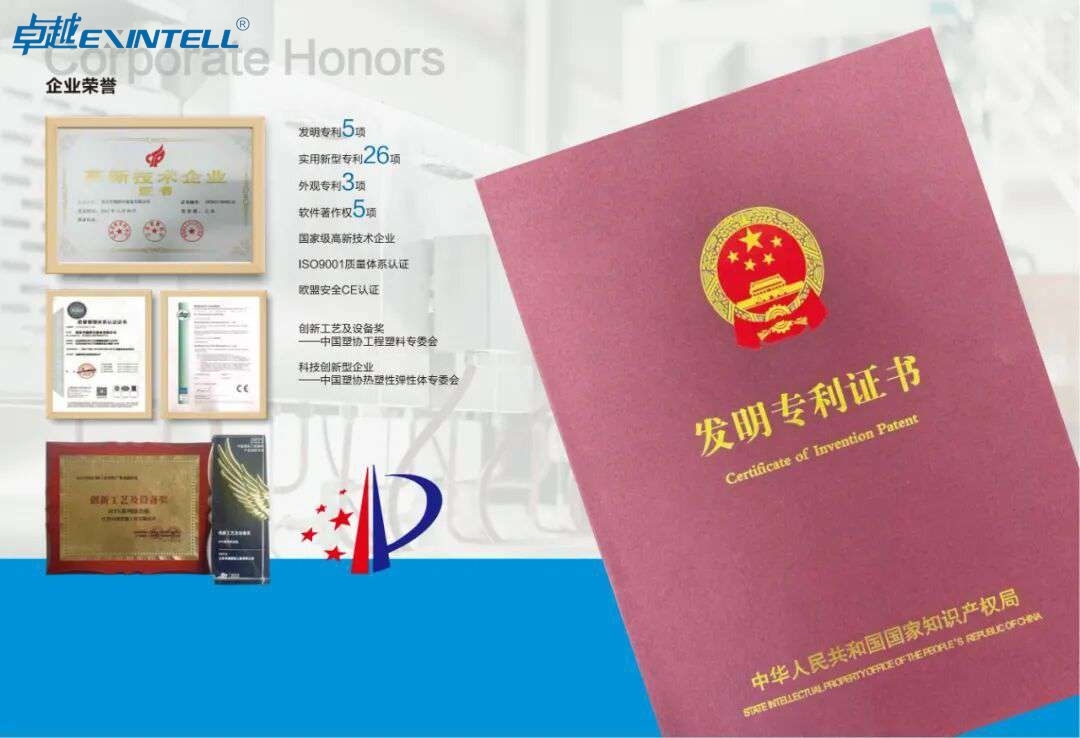
Kui ma hindan tarnijat kliendi jaoks, Alustuseks selgitan, mis sõna see on “ekstrusioon” tegelikult kirjeldab poe põrandal. Plastikust ekstrusioon sulatab toorplasti ja moodustab sellest püsiva ristlõikega profiili (SeaGate plastid, 2024). Sellel üksikul lausel on palju kaalu: protsess on pigem pidev kui kaaderhaaval, ja geomeetria on määratletud kahemõõtmelise ristlõikega, mis kulgeb kogu detaili pikkuses. Seetõttu sobib see nii hästi pikkadeks tootmisperioodideks ja suuremahuliseks tootmiseks, ja see on tõesti teistsugune distsipliin kui survevalu või mehaaniline töötlemine.
Praktikas, “vaigu ekstrusioon” on mootor kolme laia väljundperekonna taga, mida ma näen kõige sagedamini taotletuna:
- Profiilid — kindlaksmääratud ristlõikega kohandatud plastprofiilid, alates lihtsatest kanalitest ja servaliistudest kuni keerukate mitme luumeniga kujunditeni. See on koht, kus profiili ekstrusioon ja koekstrusioon tõeliselt säravad.
- Torud - ümmargune, ovaalne, ja mitme luumeniga toru, mida kasutatakse meditsiinis, vedeliku käitlemine, ja pneumaatilised rakendused, tarnitakse spetsiaalselt plasttorude tarnijalt.
- Leht — paneelide plastlehtede ekstrusioon, vooderdised, ja termovormimine, toodetakse lameda matriitsi ja rullide virna kaudu.
Tootjad, Tehased, ja turustajad ei ole samad
Ostjad kasutavad neid termineid sageli vaheldumisi, ja see maksab neile aega. Siin on, kuidas ma need eraldan:
- A tootja või tehas omab ekstrusiooniliine, lõikab ise stantsid, ja juhib protsessi vaigust valmis osani. See on see, keda soovite kohandatud tööriistade jaoks, range protsessi kontroll, või insenerikvaliteediga plastid.
- A turustaja või edasimüüja varustab ja tarnib standardseid kujundeid, kuid tavaliselt ei kasuta seda liini. Suurepärane varuväljapressitud kujundite ja kiirete ümbertellimuste jaoks, tellimustööde puhul vähem.
- A valmistaja võib osta aktsiaprofiile ja masinat, keevitada, või koostage need valmis plastitootmisteenusteks.
Kui ma otsin Thomasnetist, Filtreerin meelega, sest need kataloogid loetlevad ja kategoriseerivad USA plastiekstrusioonitootjaid võimekuse ja piirkonna järgi (Thomasnet, 2024). See võimefilter annab teile teada, kas räägite tõelise plastprofiilide tootja või vahendajaga.
Miks ostjad otsivad “Tehas” Selle asemel “Tarnija”
Minu kogemuse järgi, nihe poole “tehas” keel annab märku kavatsusest. Ostjad, kes seda tippivad, soovivad allikat, mis kontrolliks stantside disaini ja tööriistu, läbipaistvad MOQ vestlused, ja võimalus skaleerida prototüübist tootmiseni. See peegeldab ka taastuvat survet: kodumaine hankimine võib kaubavedu alandades vähendada maandumiskulusid, kohustus, ja laoseisu kulud (Tagastamise algatus, 2023), ja USA plastitööstus on jätkuvalt kodumaiste tootmissaadetiste ja tööhõive suur panustaja (Plastitööstuse Liit, 2023). Otsin kodumaist plastitootjat, mitte üldine tarnija, on sageli tahtlik riski- ja kuluotsus.
Kuidas plasti ekstrusiooniprotsess töötab, Samm-sammult

Mehaanika mõistmine aitab teil esitada paremaid küsimusi ja lugeda hinnapakkumist täpselt. Twin Screw Extruder Manufacturers Tootja Juhendan kliente pideva ekstrusiooniprotsessi viies etapis.
1. Tooraine söötmine ja sulatamine tünnis
Termoplastist graanulid – tavaliselt PVC, ABS, HDPE, LDPE, või polüpropüleen - sisestage punkrisse ja laske pöörleva kruviga kuumutatud tünni. Tünnisoojendite ja kruvinihke kombinatsioon sulatab vaigu homogeenseks sulajoaks. Siin on oluline materjali valik: PVC on üks enim ekstrudeeritud plastist maailmas, kasutatakse tavaliselt profiilides, toru, ja torud (Plastitööstuse Liit), samas kui polükarbonaat, akrüül (PMMA), nailon (PA), ja PEEK teenivad nõudlikumat, inseneritasemel rakendused. Taaskasutatud jahvatust saab sageli tagasi segada, ja ekstrusioonil kasutatav termoplast on taaskasutatav, seega parandab lihvimise korduvkasutamine materjali efektiivsust (USA EPA, 2023).
2. Sulanud plasti surumine läbi kohandatud matriitsi
Sulatus surutakse läbi stantsi, mis määrab profiili ristlõike. See on protsessi tuum ja põhjus, miks tellimustöö nõuab tööriistakulusid. Koekstrusiooni seadistus kasutab rohkem kui ühte ekstruuderit, mis toidavad ühte matriitsi, võimaldab kombineerida materjale – jäik aluspind pehme TPE/TPU tihendushuulega, näiteks, või värviline korgikiht odavama südamiku kohal.
3. Jahutus, Suuruse määramine, ja pidev õhkutõus
Matriitsist lahkumine, pehme profiil läbib jahutus- ja mõõtmissüsteemi – tavaliselt veevanni või vaakummõõdupaaki –, mis lukustub mõõtmetega. Õhkutõus (tõmbaja) joonistab profiili kontrollitud kiirusega. Kuna detail moodustub pidevalt ja materjal kahaneb jahtudes, ekstrusioonitolerantsid on üldiselt lõdvemad kui survevalu puhul (Protolabid, 2023). Seadsin selle ootuse varakult, nii et kliendid määravad realistlikud tolerantsid, mitte ei maksa täpsuse eest, et protsess ei saaks majanduslikult vastu pidada.
4. Pikkuseks lõikamine ja teisene valmistamine
In-line saag või nuga lõikab pideva väljundi pikkuseks. Sealt edasi, sekundaarsed toimingud — puurimine, augustamine, sälkumine, trükkimine, või montaaž — muutke ekstrudeeritud plastdetailid valmiskomponentideks. See on sild töötlemata profiili ja kasutatava tarne vahel, ja see on koht, kus kiire pöördega tootmine kas võidetakse või kaotatakse.
Kohandatud vs varude plastikust väljapressimised: Kumba sa vajad?
See on otsus, mille kohta minult kõige rohkem küsitakse, ja aus vastus on: see oleneb helitugevusest, geomeetria, ja ajaskaala. Lubage mul murda iga tee.
Kui valmis laoprofiilid on õige valik
Varu ekstrudeeritud kujundid — standardvarras, toru, kanal, nurk, ja leht – vältige tööriistade maksumust täielikult ja tarnige kiiresti. Kui kataloogiprofiil sobib teie rakendusega vastuvõetava tolerantsi piires, aktsiate ostmine on peaaegu alati odavam, kiirem marsruut. Juhin siin kliente prototüüpide jaoks, madalad mahud, ja mis tahes osa, kus standardne ristlõige teeb selle töö ära.
Kui kohandatud tööriistad ja profiilid on õigustatud
Kohandatud ekstrusioon nõuab tavaliselt ühekordset tööriista- ja stantsiinvesteeringut, samas kui aktsiaprofiilid seda kulu väldivad (tööstusharu hankimise juhised). See stantsi maksumus on õigustatud, kui teie geomeetria on patenteeritud, kui kohandatud ristlõige välistab allavoolu koostamise, või kui aastane maht on tööriista amortiseerimiseks piisavalt suur. Üle teatud jooksusuuruse, spetsiaalselt ehitatud stantsi säästmine jala kohta kaalub üles esialgsed kulutused.
Hübriidlähenemine: Standardprofiilid, Kohandatud osad
Minu lemmik kesktee jääb sageli kahe silma vahele. Standardseid ekstrudeeritud profiile ja torusid saab valmistada kulutõhusateks kohandatud osadeks, millel on kiire töötlemine (SeaGate plastid, 2024). Jätate investeeringute tegemise vahele, seejärel kasutage lõikamist, mehaaniline töötlemine, ja kokkupanek, et jõuda kohandatud tarneni. Paljude keskmise mahuga programmide jaoks, see hübriid ületab kogumaksumuses nii puhast varu kui ka tavapärast.
Kulude ja teostusaja võrdlus
Siin on see, kuidas neid kolme lähenemisviisi üldiselt võrreldakse. Käsitlege neid suundade planeerimise vahemikena, mitte jutumärgid – tegelikud arvud sõltuvad materjalist, geomeetria, ja maht.
|
tegur |
Varude profiilid |
Hübriid (Valmistatud standard) |
Täielik kohandatud väljapressimine |
|---|---|---|---|
|
Tööriistade esialgne maksumus |
Mitte ühtegi |
Mitte ükski madal (ainult inventar) |
Ühekordne investeering |
|
Tüüpiline tarneaeg |
Lühim (sageli laos) |
Lühike kuni mõõdukas |
Pikim (surema ehitada + esimene artikkel) |
|
Minimaalne tellimus (MOQ) |
Madal |
Madal kuni mõõdukas |
Kõrgem (tööriistade amortiseerimiseks) |
|
Geomeetria paindlikkus |
Ainult kataloogi kujundid |
Standardne kuju + mehaaniline töötlemine |
Täielikult eritellimusel valmistatud ristlõige |
|
Parim sobivus |
Prototüübid, madal helitugevus |
Keskmine helitugevus, kerge kohandamine |
Kõrge helitugevus, patenteeritud profiilid |
|
tegur |
Varude profiilid |
Hübriid (Valmistatud standard) |
Täielik kohandatud väljapressimine |
|---|---|---|---|
|
Tööriistade esialgne maksumus |
Mitte ühtegi |
Mitte ükski madal (ainult inventar) |
Ühekordne investeering |
|
Tüüpiline tarneaeg |
Lühim (sageli laos) |
Lühike kuni mõõdukas |
Pikim (surema ehitada + esimene artikkel) |
|
Minimaalne tellimus (MOQ) |
Madal |
Madal kuni mõõdukas |
Kõrgem (tööriistade amortiseerimiseks) |
|
Geomeetria paindlikkus |
Ainult kataloogi kujundid |
Standardne kuju + mehaaniline töötlemine |
Täielikult eritellimusel valmistatud ristlõige |
|
Parim sobivus |
Prototüübid, madal helitugevus |
Keskmine helitugevus, kerge kohandamine |
Kõrge helitugevus, patenteeritud profiilid |
Ükskõik millise tee valite, Soovitan veenduda, et kauplus kasutab dokumenteeritud kvaliteedisüsteemi – ISO 9001 on tootmises kasutatavate kvaliteedijuhtimissüsteemide rahvusvaheliselt tunnustatud standard (ISO, 2015) ja jääb plastisektoris kõige laialdasemalt kasutusele võetud võrdlusaluseks. Praktiline ülevaade sellest, kuidas aktsiad ja kohandatud pakkumised kõrvuti asetsevad, ma leian SeaGate plastid’ kohandatud ekstrusiooni ülevaade kasulik võrdluspunkt.
Plastikust ekstrusioonprofiilide ja -toodete tüübid

Kui hindan projekti ekstrusiooni jaoks, Alustan ristlõikega, sest valmis detaili geomeetria dikteerib peaaegu kõik allavoolu: stantsi disain, materjali valik, ja lõpuks hind, mida maksate. Plastikust ekstrusioon sulatab toorvaigu ja moodustab sellest pideva, fikseeritud ristlõikega profiili (SeaGate plastid, 2024). See üksainus põhimõte loob üllatavalt laia kujundite kataloogi, seega aitab see neid rühmitada keerukuse ja funktsioonide järgi.
Tugevad profiilid, Õõnesprofiilid, ja keerulised geomeetriad
Tugevad profiilid on tööstuse tööhobused: vardad, baarid, ääris, ja trimmige ilma sisemiste tühimiketa. Neid on kõige lihtsam tööriist ja tolerantsuse osas kõige andestavamad, Seetõttu soovitan neid esmakordselt kujundust testivatele ostjatele. Õõnesprofiilid tutvustavad sisemisi kanaleid, ja nad nõuavad keerukamaid stantse koos tornide või tihvtidega, et hoida õõnsust sula jahtudes lahti.. Keerulised geomeetriad ühendavad mitu seina, allahindlusi, ja õhukesest paksuni üleminekud ühes ristlõikes, ja see on koht, kus stantside disaini- ja tööriistaalased teadmised eraldavad võimeka plastprofiilide tootja keskmisest. Minu kogemuse järgi, ebaühtlane seina paksus on kõige levinum kõveruse põhjus, seega avaldan tarnijatele juba varakult, kuidas nad kavatsevad tasakaalustada materjalivoogu profiilis.
Torud ja mitme luumeniga ekstrusioonid
Torud on õõnsa ekstrusiooni spetsiaalne alamhulk, ja see hõlmab kõike alates lihtsast üheavalisest torust kuni mitme luumeniga konstruktsioonini, millel on mitu paralleelset kanalit, mis kulgevad kogu detaili pikkuses. Meditsiiniseadmete ja analüütiliste instrumentide ostjad toetuvad vedelike kandmiseks mitme luumeniga ekstrusioonidele, juhtmed, ja andurid läbi ühe kompaktse profiili. Usaldusväärne plasttorude tarnija hoiab tihedalt kontsentrilisust ja siseläbimõõdu tolerantse, kuigi ma tuletan klientidele alati meelde, et materjali kokkutõmbumise ja pideva vormimise tõttu on ekstrusioonitolerantsid üldiselt lõdvemad kui survevalu puhul (Protolabsi disaini ressursid, 2023). Planeerige oma sobivust ja liikumist selle reaalsuse ümber, selle asemel, et sellega võidelda.
Koekstrusioon ja mitmest materjalist profiilid
Koekstrusioon juhib kahte või enamat vaiku läbi jagatud matriitsi, et saada üks profiil, millel on erinevad materjalitsoonid. Kasutan seda siis, kui osa vajab korraga vastuolulisi omadusi, nagu jäik PVC konstruktsioonikorpus pehme TPE/TPU tihendiga, või ilmastikukindel korgikiht odavama substraadi peal. See välistab sekundaarsed montaaži- ja liimimisetapid, mis on mahult oluline kulude kokkuhoid. Kompromiss on tööriistade keerukus, seega reserveerin koekstrusiooni disainilahenduste jaoks, kus mitmest materjalist kasu õigustab selgelt lisatud die investeeringuid.
Ühised tööstuslikud rakendused iga tüübi jaoks
Erinevad geomeetriad kalduvad erinevate sektorite poole, ja nende varajane sobitamine hoiab vestlused fookusena.
- Tugevad profiilid: jaemüügiriiuli ääris, mööbli viimistlus, tihendid, ja piirdedetailid.
- Õõnesprofiilid: akna- ja ukseraamid, LED valguskanalid, ja struktuurne vooder.
- Torud ja mitme luumeniga: meditsiinilised kateetrid, vedeliku ülekandeliinid, ja pneumaatilised torud.
- Koekstrudeeritud profiilid: ilmastiku striptiis, külmutusseadmete tihendid, ja kahe duromeetriga käepidemed.
- Lehtede väljapressimine: märgistus, termovormimine, ja kaitsepaneelid.
Kuna plasti ekstrusioon on pidev, suure mahuga protsess, see sobib eriti hästi pikkadeks tootmisperioodideks, standardseid ekstrudeeritud profiile ja torusid saab valmistada kulutõhusateks kohandatud osadeks, millel on kiire töötlemine (SeaGate plastid, 2024). Kui teie aastane nõudlus on püsiv ja seda mõõdetakse kümnetes tuhandetes jalgades, ekstrusiooniökonoomika töötab tugevalt teie kasuks.
Plasti ekstrusioonil kasutatavad tavalised materjalid
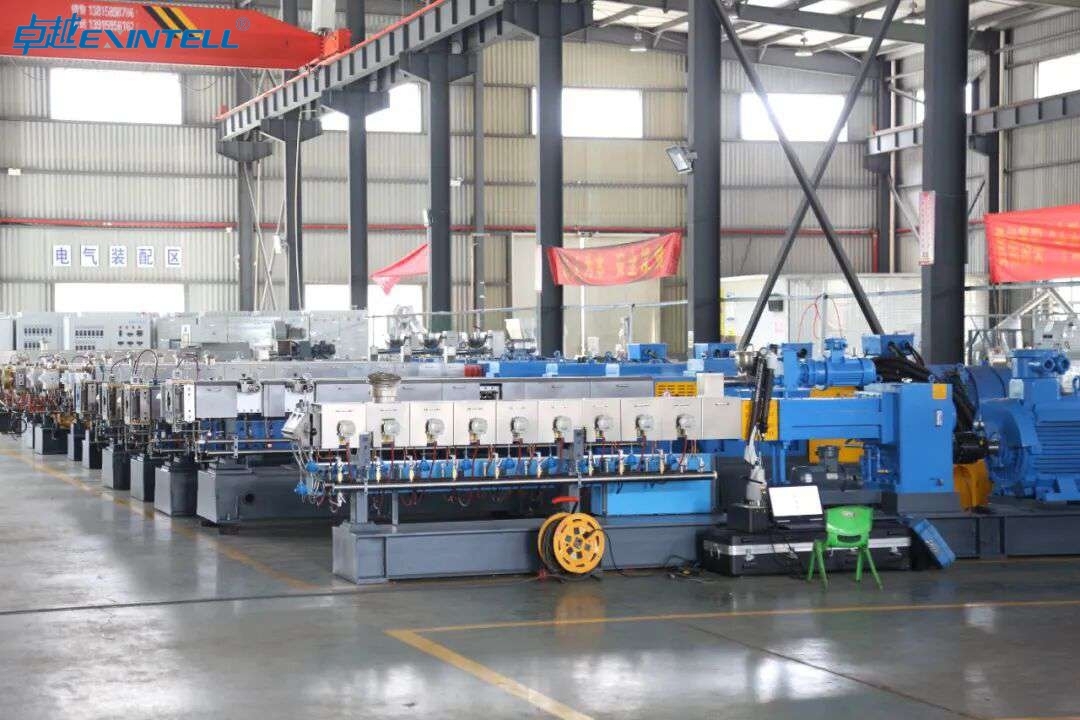
Materjalivalik on otsus, mida ostjad kõige sagedamini alahindavad. Vaik reguleerib mehaanilist tugevust, keemiline vastupidavus, temperatuurivahemik, kulu, ja isegi seda, kui ranget tolerantsi ekstruuder suudab reaalselt hoida. Ma rühmitan ekstrusioonvaigud kolme astmesse, seejärel tehke koostööd klientidega, et liikuda ülespoole ainult nii palju, kui rakendus seda tegelikult nõuab.
Kaubavaigud: PVC, Polüetüleen, ja polüpropüleenist
Kaubavaigud katavad suurema osa ekstrudeeritud mahust, ja mõjuval põhjusel. PVC on üks enim ekstrudeeritud plastist maailmas, levinud profiilides, toru, ja torud (Plastitööstuse Liit). See pakub jäikust, ilmastikukindlus, ja madalate kuludega, ja see võtab hästi värvi ja pinnaviimistluse. Polüetüleen ilmub kahes tuttavas klassis: HDPE jäigaks, keemiliselt vastupidavad profiilid ja LDPE, kus paindlikkus on oluline. Polüpropüleen tasakaalustab keemilist vastupidavust hea tugevuse ja kaalu suhte ning elu-hingede jõudlusega. Kui klient küsib suure koguse vaigu ekstrusiooni kohta, kulutundlik osa, see on peaaegu alati koht, kus ma alustan.
Tehnilised vaigud: ABS, Polükarbonaat, Nailon, ja akrüül
Tehnikaklassi plastide mehaanilised ja termilised omadused paranevad. ABS tagab löögitugevuse ja puhta viimistluse tarbijatele ja korpuse osadele. Polükarbonaat tagab suure löögikindluse ja optilise selguse, mis muudab selle läätsede valgustamiseks ja turvaklaaside jaoks väga oluliseks. Nailon (PA) pakub kulumiskindlust ja tugevust mehaanilistele komponentidele ja kaablite haldamisele. Akrüül (PMMA) pakub suurepärast selgust ja UV-stabiilsust ekraani- ja märgistusprofiilidele. Viin ostjad sellele tasemele, kui kaubavaigud ei talu koormust, soojust, või selguse nõuded, ja ma veendun, et nad hindavad enne kohustuse võtmist vaigu lisatasu tulemuslikkuse kasvuga.
Suure jõudlusega materjalid nagu PEEK
Ülaosas asub väike rühm suure jõudlusega polümeere, mille võrdluspunktiks on PEEK. PEEK withstands continuous high temperatures, agressiivsed kemikaalid, and demanding mechanical loads, which is why it shows up in aerospace, meditsiiniline, and semiconductor applications. The material cost is substantial, so I only specify it when the operating environment leaves no cheaper option. Not every plastic profile manufacturer processes PEEK, so capability screening matters more at this level.
Matching Material Properties to Application Requirements
My selection framework is deliberately simple: define the non-negotiable requirement first, then choose the least expensive resin that clears it. The table below summarizes how I weigh the common options for extruded plastic parts.
| Materjal | Tase | Key Strengths | Suhteline kulu | Tüüpilised rakendused |
|---|---|---|---|---|
| PVC | Kaup | Jäik, ilmastikukindel, madalad kulud | $ | Profiilid, toru, trimmima |
| HDPE / LDPE | Kaup | Keemiline vastupidavus; stiff or flexible | $ | Torud, vooderdised, ducting |
| Polüpropüleen | Kaup | Keemiline vastupidavus, elavad hinged | $ | Fluid handling, hinged |
| ABS | Tehnika | Löögi tugevus, clean finish | $$ | Korpused, consumer parts |
| Polükarbonaat | Tehnika | Löögikindlus, selgus | $$ | Objektiivid, turvaklaasid |
| Nailon (PA) | Tehnika | Wear resistance, sitkus | $$ | Mehaaniline, cable guides |
| Akrüül (PMMA) | Tehnika | Selgus, UV stabiilsus | $$ | Märgistus, displays |
| PEEK | Suure jõudlusega | Heat, keemiline, and load resistance | $$$$ | Lennundus, meditsiiniline, pooljuht |
One efficiency point worth raising with any supplier: thermoplastics used in extrusion are recyclable, ja lihvimise korduskasutus parandab materjali efektiivsust (USA keskkonnakaitseagentuur, 2023). Asking how a factory handles regrind tells me something about both their cost discipline and their sustainability practices.
Plastic Extrusion Manufacturers in the USA
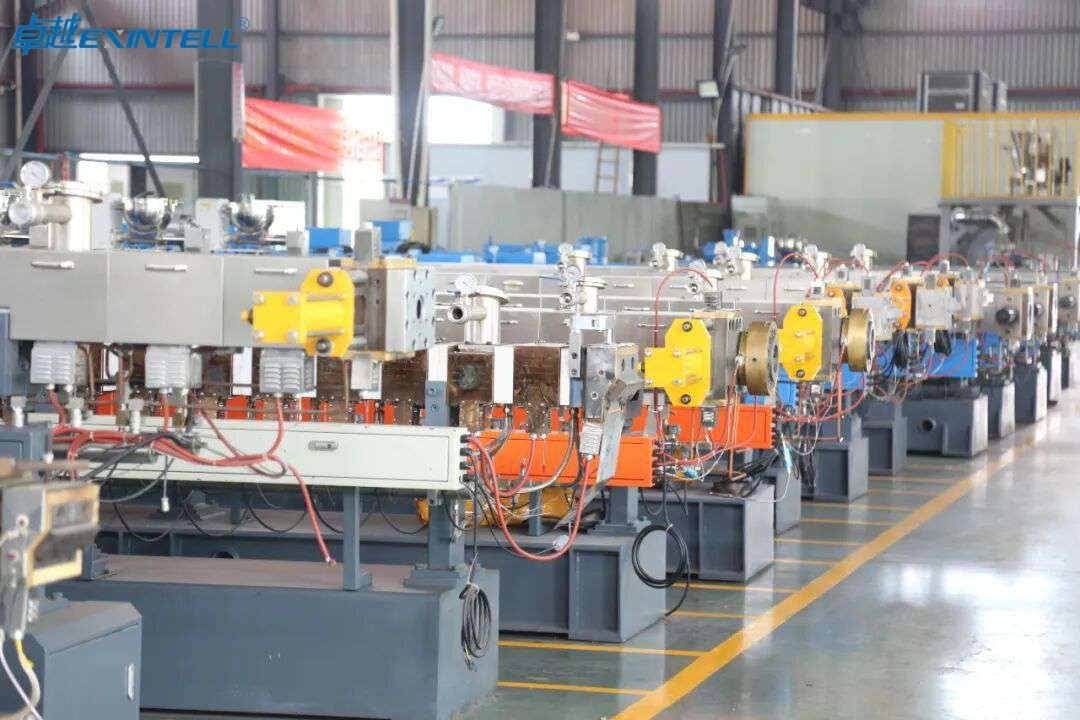
For many of the buyers I advise, the sourcing question is not only “who can extrude this profile” but “who can extrude it here.” Domestic sourcing has moved from a preference to a strategic decision, and it deserves a clear-eyed look rather than reflexive patriotism.
Why US-Based Sourcing Matters for Many Buyers
The financial case is stronger than it first appears. Reshoring and domestic sourcing can reduce total landed cost by lowering freight, kohustus, ja laoseisu kulud (Tagastamise algatus, 2023). When I run a total-cost comparison rather than a unit-price comparison, Avamere sääst kahaneb sageli, kui lisan mereveo, tariifid, turvavaru, ja pikkade transiidiaegadega seotud käibekapital. Kodumaisele plastitootjale, kes teenindab USA klienti, Tööajad, mida mõõdetakse pigem nädalates kui kuudes, tähendavad ka väiksemat riski, kui kujundus muutub programmi keskel.
Piirkondlikud tootmiskeskused üle kogu riigi
USA ekstrusioonivõimsus ei ole ühtlaselt jaotunud, ja kaardi tundmine kiirendab hankimist. Great Lakes ja Upper Midwest koondavad üldotstarbelisi profiili- ja toruekstruudereid autotööstuse ja tööstuse nõudluse lähedale. Kirdeosas on tihe meditsiini- ja täppistorude spetsialistide klaster. Kagu on kiiresti kasvanud ehitustoodete ja pakendite ümber. Läänerannik ja edelaosa pakuvad elektroonikat, kosmoselennundus, ja tarbijaturud. Supplier directories such as Thomasnet list and categorize US plastic extrusion manufacturers by capability and region (Thomasnet, 2024), which is where I usually build a first shortlist before making calls.
Domestic Quality, Suhtlemine, and IP Advantages
Beyond cost, three practical advantages keep drawing buyers home. Esiteks, quality systems are easier to verify in person; ISO 9001 on tootmises kasutatavate kvaliteedijuhtimissüsteemide rahvusvaheliselt tunnustatud standard (Rahvusvaheline Standardiorganisatsioon, 2015), and I can audit a domestic supplier’s implementation without an international trip. Teiseks, time-zone-aligned communication shortens the feedback loop from prototype to production, which matters when a die needs a mid-run adjustment. Kolmandaks, intellectual property protection is more enforceable under US jurisdiction, a real concern when a custom profile is a competitive differentiator. I treat these as the differences that a spreadsheet alone will miss.
How US Factories Serve Diverse Industries
American extruders span the full range of contract manufacturing, from stock extruded shapes shipped from inventory to fully custom die programs. Custom extrusion typically requires a one-time tooling or die investment, while stock profiles avoid that cost, so I match the sourcing path to how unique the geometry really needs to be. The US plastics industry remains a major contributor to domestic manufacturing shipments and employment (Plastitööstuse Liit, 2023), and that depth means a buyer can usually find a plastic fabrication services partner suited to their volume, from prototype to production. For a broad view of custom capabilities, I often point clients to overviews such as custom plastic extrusion manufacturers to calibrate expectations before requesting quotes.
Kuidas leida enda lähedalt plasti ekstrusiooniga tegelevaid ettevõtteid
When I begin a sourcing project, geography is one of the first variables I weigh. Location shapes freight cost, communication cadence, and how quickly I can iterate from prototype to production. See ütles, proximity is only valuable when the nearby supplier can actually do the work. Minu kogemuse järgi, the smartest approach treats “minu lähedal” as a filter, mitte otsus.
Why Local Sourcing Often Pays Off
A domestic plastics manufacturer close to your facility gives you three concrete advantages. Esiteks, shorter shipping distances lower freight and lead-time risk, which matters for bulky extruded plastic parts and long profiles that ship as oversized freight. Teiseks, local partners make on-site visits practical, and I have caught more process issues in a two-hour plant walkthrough than in weeks of email. Kolmandaks, proximity accelerates iteration: when a die needs a tweak, a supplier a few hours away can turn samples faster than one across an ocean.
The financial case reaches beyond the unit price. According to the Reshoring Initiative (2023), kodumaine hankimine võib kaubavedu alandades vähendada maandumiskulusid, kohustus, ja laoseisu kulud. The domestic base is substantial, samuti; the Plastics Industry Association (2023) reports that the US plastics industry is a major contributor to domestic manufacturing shipments and employment, which means qualified capacity for resin extrusion is usually within reach.
Where I Look: Directories, Associations, ja viited
To build an initial list of candidates, I use three complementary channels:
- Supplier directories. Thomasnet (2024) lists and categorizes US plastic extrusion manufacturers by capability and region, which makes it straightforward to filter by material, protsessi, and location.
- Trade associations. Membership in bodies like the Plastics Industry Association signals a firm that invests in standards and industry engagement.
- Referrals. A recommendation from an engineer who has run production with a plastic profile manufacturer carries more weight than any marketing page, because it reflects delivered performance.
I treat the directory as a starting point for a plastic tubing supplier or profile shop, then validate each name against real references before it earns a spot on my shortlist.
Balancing Proximity Against Capability and Price
Distance is a tiebreaker, not a trump card. If a nearby shop cannot hold your tolerances, run your resin, or meet your volume, the convenience is worthless. I rank capability and quality first, siis hind, then location. A plastic extrusion companies factory supplier two states away with the right co-extrusion line and a proven ISO 9001 system will usually serve me better than a closer shop lacking those capabilities.
When Local Is Not the Best Option
Sometimes the right partner is not nearby. Specialized work in engineering-grade plastics such as PEEK, polükarbonaat, or nylon (PA) may only be done well by a handful of shops nationally. High-volume manufacturing programs can justify shipping economics that favor a distant, more automated plant. And when you need capabilities like plastic sheet extrusion combined with in-line fabrication, the fit of the process matters more than the mileage. In those cases I widen the search radius and lean on video plant tours and third-party audits to close the distance gap.
Understanding the Largest Plastic Extrusion Companies
Buyers often gravitate toward the biggest names, assuming scale guarantees a better outcome. Scale does deliver real advantages, but it also carries tradeoffs. Understanding what “suurim” actually means helps me match a supplier’s footprint to my program rather than to a reputation.
What Scale Means for Capacity and Reliability
Ekstrusioon on pidev, high-volume process well suited to long production runs, and large factories are built around that reality. More extrusion lines mean higher throughput, redundancy if one line goes down, and the ability to absorb demand spikes. Scale usually correlates with mature quality systems as well; ISO 9001, the internationally recognized standard for quality management systems used across manufacturing (Rahvusvaheline Standardiorganisatsioon, 2015), is almost table stakes among large plants. That maturity translates into more consistent extruded plastic parts across long runs.
The Tradeoffs of Large Factories vs. Specialized Shops
Bigger is not automatically better. Large plants optimize for volume, which can mean higher minimum order quantities, less flexibility on small custom runs, and slower responsiveness on prototype work. A specialized shop may excel at tight-tolerance custom plastic profiles, unusual resins, or quick-turnaround production that a high-volume plant treats as a nuisance. The table below summarizes how I weigh the two.
| tegur | Large-Scale Factory | Specialized Shop |
|---|---|---|
| Mahutavus | Kõrge; multiple lines, koondamine | Piiratud; fewer lines |
| Minimaalne tellimuse kogus | Often high | Usually flexible |
| Prototype speed | Aeglasem; volume-focused scheduling | Kiiremini; agile setup |
| Materjali valik | Broad commodity resins (PVC, HDPE, LDPE, PP) | Often engineering-grade (PEEK, PC, PA) |
| Price per unit at volume | Madalam | Kõrgem |
| Parim sobivus | Long production runs | Kohandatud, madal kuni keskmine helitugevus, complex profiles |
When High-Volume Capability Is Essential
There are programs where I will not compromise on scale. Pidev, long-run demand for standardized profiles, toru, or tubing in commodity resins is the natural home of a large factory. PVC on üks enim ekstrudeeritud plastist maailmas, kasutatakse tavaliselt profiilides, toru, ja torud, and sourcing it at volume rewards the economies a big plant provides. If your forecast calls for millions of feet of a stable profile cross-section, high-volume capability moves from nice-to-have to essential.
How to Verify Claimed Scale and Capacity
Claims on a website are not evidence. Before I accept a “suurim” või “highest capacity” claim, I verify it with concrete questions:
- How many extrusion lines are operational, and what is the die diameter range on each?
- What is current utilization, and how much spare capacity exists for my program?
- Can you share throughput figures (lbs/hour or feet/day) for a comparable profile?
- What redundancy exists if a line fails mid-run?
- Which certifications, nagu ISO 9001, are current, and may I see the certificate?
I pair those answers with a plant tour or audit. Physical evidence of running lines, staffing, and inventory tells me far more than any capacity figure quoted in a brochure.
How to Identify the Best Plastic Extrusion Factory for Your Project
“Best” is one of the most misused words in supplier marketing. Praktikas, the best plastic extrusion companies factory manufacturer is the one that best fits your specific requirements, not the one with the loudest claim. I define the term relative to my project, then score candidates against that definition.
Defining “Best” Relative to Your Specific Needs
Before comparing suppliers, I document what my project actually demands: the resin (öelda, ABS for impact resistance, akrüül (PMMA) optilise selguse jaoks, or TPE/TPU for flexibility), the tolerance band, the volume, the timeline, and the level of engineering support I need for die design and tooling. Extrusion tolerances are generally looser than injection molding due to material shrinkage and continuous forming (Protolabsi disaini ressursid, 2023), so I confirm early that a candidate can meet my dimensional requirements rather than assuming it can. A shop that is ideal for a high-volume HDPE pipe run may be the wrong choice for a tight-tolerance polycarbonate profile.
Weighing Quality, Maksumus, Kiirus, and Support
Every sourcing decision balances four levers, and improving one often pressures another:
- Kvaliteet. Documented quality systems, in-process inspection, and material traceability. ISO 9001 is the most widely adopted quality management standard across manufacturing sectors including plastics.
- Maksumus. Not just unit price. Kohandatud ekstrusioon nõuab tavaliselt ühekordset tööriista- ja stantsiinvesteeringut, while stock extruded shapes avoid that cost, so I model total cost including tooling and MOQ.
- Kiirus. Standardseid ekstrudeeritud profiile ja torusid saab valmistada kulutõhusateks kohandatud osadeks, millel on kiire töötlemine (SeaGate plastid, 2024), but lead times vary widely between shops.
- Toetus. Engineering input on profile cross-section and material selection can prevent costly redesigns as you move from prototype to production.
Sustainability increasingly enters the equation as well. Ekstrusioonil kasutatav termoplast on taaskasutatav, ja lihvimise korduskasutus parandab materjali efektiivsust (USA keskkonnakaitseagentuur, 2023), which can reduce both cost and waste when a supplier manages it responsibly.
Reading Past “Best” Marketing Claims
Superlatives are easy to print and hard to prove. When I see “parim,” “juhtiv,” või “premier,” I translate the claim into a testable question. Instead of accepting “best quality,” I ask for defect rates and inspection records. Selle asemel “fastest,” I ask for typical lead times on my specific part. Selle asemel “most experienced,” I ask for references in my industry. Marketing language that cannot survive a follow-up question does not influence my shortlist.
Building a Shortlist Scoring Method
To keep the comparison objective, I use a weighted scoring model. I list my criteria, assign each a weight that reflects its importance to the project, score every candidate from 1 juurde 5, and multiply. The weights shift by project; a prototype program might weight speed and engineering support heavily, while a mature production program weights cost and capacity.
- List criteria: kvaliteedisüsteemid, materiaalne võimekus, sallivus, mahutavus, teostusaeg, tööriistade maksumus, inseneri tugi, and location.
- Assign weights that total 100 percent, reflecting your priorities.
- Score each supplier 1 juurde 5 on every criterion, using verified evidence rather than marketing claims.
- Calculate weighted totals and rank the candidates.
- Validate the top two with reference calls and, ideaalis, a plant visit before committing.
This structured method has consistently steered me toward the partner that fits the work, whether that turns out to be a large plant, a nimble specialist, or a domestic shop just down the road. For a deeper look at how custom extrusion capabilities map to applications, resources such as SeaGate plastid’ kohandatud ekstrusiooni ülevaade are a useful reference as you refine your own criteria.
Key Capabilities to Evaluate in a Plastic Extrusion Company
When I vet a plastic profile manufacturer, I look
Tolerances and Precision in Extruded Parts
Kui ma hindan plastprofiilide tootjat, tolerances are the first place I look for a reality check. Ekstrusioon on pidev vormimisprotsess, so it behaves differently from molding. As Protolabs notes, extrusion tolerances are generally looser than injection molding because material shrinkage and continuous forming introduce variability that a closed mold does not (Protolabsi disaini ressursid, 2023). Setting expectations here early saves both money and rework later.
Typical Achievable Tolerances by Material and Profile
Minu kogemuse järgi, achievable precision depends heavily on the resin and the geometry of the profile cross-section. Rigid engineering-grade plastics hold tighter dimensions than soft or semi-crystalline materials, and simple shapes hold tighter than complex hollow profiles. The ranges below reflect commonly quoted commercial extrusion capabilities for custom plastic profiles; always confirm against your supplier’s published standards for your specific part.
| Materjal | Dimensional stability | Typical tolerance tendency | Notes for specifying |
|---|---|---|---|
| Jäik PVC | Kõrge | Tighter, well-controlled | Widely extruded; predictable in profiles and tubing |
| ABS | Kõrge | Tight on rigid profiles | Good for structural extruded plastic parts |
| Polükarbonaat | Kõrge | Tihe, low shrink | Optical and impact-rated applications |
| Akrüül (PMMA) | Kõrge | Tihe, but brittle at thin walls | Sheet and clear profiles |
| Nailon (PA) | Mõõdukas | Looser; moisture-sensitive | Account for post-extrusion moisture uptake |
| HDPE / LDPE | Moderate to low | Looser; higher shrink | Expect wider bands on wall and OD |
| Polüpropüleen | Mõõdukas | Looser; semi-crystalline shrink | Allow generous tolerance on critical dims |
| PEEK | Kõrge | Tihe, but specialized | High-temp engineering runs; higher cost |
| TPE / TPU | Madal | Loosest; flexible recovery | Soft profiles deform under measurement |
Factors That Affect Dimensional Stability
Several variables move a part inside or outside its tolerance band. Wall thickness uniformity matters most: thick and thin sections in the same profile cool at different rates and warp. Semi-crystalline resins like polypropylene and HDPE shrink more than amorphous ones like polycarbonate and acrylic, so the die must be cut to compensate. I also watch for haul-off speed, sulamistemperatuur, and cooling-bath control, since drift in any of these shows up as dimensional variation over a long run. For hygroscopic materials such as nylon, moisture absorbed after extrusion can change dimensions days later, which is why I ask how a supplier conditions and stores finished stock.
Specifying Tolerances in Your Drawings
The cleanest way to control cost is to tolerance only what functionally matters. I call out critical dimensions explicitly, apply a reasonable general tolerance block to everything else, and reference the datum features that mate with other components. Where a flexible TPE or TPU profile is involved, I specify the measurement method and fixture, because a soft part measures differently under light pressure than at rest. Being specific about which surfaces are cosmetic versus functional lets a plastic fabrication services partner set up the line intelligently instead of overbuilding to a blanket precision requirement.
Balancing Precision Against Cost
Tighter tolerances raise cost through slower line speeds, more scrap, added inspection, and sometimes secondary sizing or machining. Praktikas, I treat precision as a dial rather than a switch: I hold the two or three dimensions that drive fit and function tightly and relax the rest. That approach keeps resin extrusion economical while still delivering parts that assemble correctly. When a design genuinely needs molding-level precision on every feature, that is a signal the part may not be a good extrusion candidate, and I revisit the process choice before committing to tooling.
Minimum Order Quantities and Lead Times
MOQs and lead times are where the difference between stock extruded shapes and true custom work becomes concrete. Custom extrusion typically requires a one-time tooling investment in a die, while stock profiles avoid that cost entirely, per common industry sourcing guidance. That single fact drives most of the ordering economics, so I plan around it from the start.
Typical MOQ Ranges for Stock vs Custom
Stock profiles and tubing can often be bought in small quantities, sometimes by the foot or in single boxes, because the supplier already runs them. As SeaGate Plastics points out, standard extruded profiles and tubes can be fabricated into cost-effective custom parts with quick turnaround, which is a practical advantage when volumes are modest (SeaGate plastid, 2024). Custom profiles are different. Because the line has to be set up, purged, and stabilized before good parts come off, suppliers set a minimum run to amortize that setup. I commonly see custom MOQs expressed in pounds of resin or in linear footage rather than piece count, and the threshold rises with more exotic engineering-grade plastics.
How Lead Times Vary With Tooling and Volume
For a new custom profile, the die is the pacing item. Tooling design, lõikamine, and first-article trials typically dominate the initial schedule, and I budget several weeks for die design and tooling before any production parts exist. Once the die is proven, repeat orders move quickly because the tooling is on the shelf. Higher volumes actually help here: extrusion is a continuous, high-volume process well suited to long production runs, so once a line is dialed in, adding footage is efficient rather than disruptive.
Quick-Turnaround Options and Expedited Runs
When a timeline is tight, I look at three levers. Esiteks, use stock profiles or standard tubing that can ship from inventory and be cut or fabricated to length. Teiseks, ask whether an existing die is close enough to modify rather than cutting a new one. Kolmandaks, request an expedited slot, which many suppliers offer for a premium by prioritizing line time. Quick-turnaround production is realistic for standard shapes; for genuinely new custom geometry, the tooling step still sets the floor on how fast you can go.
Planning Your Project Timeline
I work backward from the required delivery date and add explicit buffers for die design, first-article approval, ja kõik sekundaarsed toimingud. Moving from prototype to production is smoother when I lock the profile cross-section early, because late geometry changes mean recutting the die and resetting the clock. Aligning MOQ with real annual demand also matters: ordering an efficient run size once beats paying repeated setup charges on small, frequent custom orders.
Cost Drivers in Plastic Extrusion Pricing
Understanding what actually drives a quote lets me negotiate from evidence rather than instinct. Extrusion pricing breaks down into a handful of levers, and knowing which one dominates for a given part tells me where the savings live.
Material Selection and Resin Pricing
Resin is usually the largest recurring cost, and it varies widely by grade. Commodity materials like PVC, polüpropüleenist, HDPE, and LDPE sit at the low end; PVC in particular is among the most widely extruded plastics globally and is well supported across suppliers. Engineering-grade plastics such as polycarbonate, nailon, and especially PEEK command higher prices and can require specialized processing. One efficiency I always ask about is regrind: thermoplastics used in extrusion are recyclable, ja lihvimise korduskasutus parandab materjali efektiivsust, which can lower material cost on non-critical parts (USA keskkonnakaitseagentuur, 2023). Choosing the least expensive resin that meets the application requirement is the single highest-leverage decision in material selection.
Tööriistad, Seadistamine, and Run Volume
Custom work carries a one-time die cost that stock profiles avoid. That tooling charge is fixed, so it amortizes across the run: the more footage I order, the lower the per-part tooling burden. Setup time and line stabilization add cost to every job regardless of size, which is exactly why small custom orders feel expensive per piece. Koekstrusioon, which combines two materials in one profile, adds tooling and process complexity and therefore cost, but it can eliminate secondary assembly, so I weigh the tradeoff on total value rather than tooling alone.
Secondary Operations and Finishing
Anything that happens after the profile leaves the die adds cost: cutting to length, puurimine, sälkumine, trükkimine, augustamine, tight-tolerance sizing, ja pakendamine. Individually these are minor, but they stack quickly on high piece counts. I decide deliberately which operations belong in-line with the extrusion and which are genuinely needed, because each added step also adds handling and inspection. Where a feature can be designed into the profile cross-section instead of machined afterward, I do that, since forming a feature is nearly free compared with a downstream operation.
Domestic vs Offshore Cost Comparisons
Headline piece price often favors offshore, but I evaluate total landed cost. The Reshoring Initiative notes that domestic sourcing can reduce total landed cost by lowering freight, kohustus, ja laoseisu kulud (Tagastamise algatus, 2023), and those factors are easy to underestimate when comparing unit prices alone. Working with a domestic plastics manufacturer also shortens lead times, lihtsustab suhtlemist, and reduces the inventory buffer I have to hold against long ocean transit. The US plastics industry is a substantial contributor to domestic manufacturing shipments and employment (Plastitööstuse Liit, 2023), so the domestic supplier base for both stock and custom profiles is deep. Minu rusikareegel: for high-volume, madala seguga kaubaprofiilid, offshore võib hinnaga võita; vastutulelikuks, kõrgema seguga, või inseneritasemel tööd, kodumaine lepinguline tootmine võidab tavaliselt kogukulude ja riskide pealt. Kohandatud võimaluste täielikumaks vaatamiseks, Juhin ostjatele tähelepanu kohandatud plasti ekstrusioonitootjad, nagu SeaGate Plastics ulatuse ja teenuste võrdluspunktina.
Küsimused, mida küsida enne tehase valimist
When I vet a plastic profile manufacturer, Ma käsitlen esimest vestlust pigem struktureeritud intervjuu kui müügikõnena. Eesmärk on eraldada poed, mis suudavad minu osa tõeliselt tarnida, nendest, kes lihtsalt soovivad tellimust. Üle aastate ekstrudeeritud plastosade hankimine, Olen avastanud, et käputäis teravaid küsimusi katavad suurema osa riskist enne, kui üks dollar omanikku vahetab. Below is the checklist I actually use.
Mahutavus, Sertifikaadid, and Material Expertise
I start by asking what the factory runs today, not what it claims it can run. Continuous extrusion is a high-volume manufacturing process, so I want to know line count, typical run lengths, and whether they have headroom for my volume without displacing existing customers. On the quality side, I ask directly about certification. ISO 9001 on tootmises kasutatavate kvaliteedijuhtimissüsteemide rahvusvaheliselt tunnustatud standard (Rahvusvaheline Standardiorganisatsioon, 2015), and while certification is not a guarantee of good parts, its absence tells me the shop may lack documented process controls.
Material expertise is the third leg. A capable resin extrusion supplier should speak fluently about the polymers relevant to my application, whether that is PVC and HDPE for construction profiles, ABS and polycarbonate for enclosures, polypropylene and LDPE for packaging and tubing, or engineering-grade plastics like nylon (PA) and PEEK for demanding environments. PVC on üks enim ekstrudeeritud plastist maailmas, kasutatakse tavaliselt profiilides, toru, ja torud (Plastitööstuse Liit). If I need flexible sections, I confirm experience with TPE/TPU, and if my part demands a rigid core with a soft-touch or weather-resistant skin, I ask whether they offer co-extrusion. Laboriekstruuderite hulgimüük
Prototyping and Design Support Availability
I ask whether the factory offers design consultation before tooling is cut. The best plastic fabrication services partners will review my cross-section for extrudability, flag thin walls or sharp corners that trap stress, and suggest material substitutions that lower cost without hurting performance. I also confirm they can produce a representative prototype rather than pointing me straight to a production die.
Juhtimisajad, MOQ-d, and Delivery Track Record
Here I get specific. I ask for standard lead times on both tooling and production, the minimum order quantity, and how MOQ scales with material and profile complexity. Custom extrusion typically requires a one-time tooling investment for the die, while stock extruded shapes avoid that cost entirely (tööstusharu hankimise juhised). If my volumes are modest, standard extruded profiles and tubes can be fabricated into cost-effective custom parts with quick turnaround (SeaGate plastid, 2024), so I always ask what stock profiles they carry. On delivery, I want on-time performance data, not adjectives.
References and Industry Experience
Lõpuks, I ask for references in my industry. A shop that regularly serves medical, autotööstus, or building-products customers has already navigated the tolerances and documentation those sectors demand. I call the references and ask two questions: did the parts meet spec on the first production run, and how did the supplier handle the problem when something went wrong?
From Prototype to Production: How the Process Unfolds
Once I have chosen a supplier, the path from a drawing to shippable extruded plastic parts follows a predictable sequence. Understanding each stage helps me set realistic timelines internally and catch problems while they are still cheap to fix.
Submitting Drawings and Design Consultation
I begin by sending a dimensioned drawing of the profile cross-section, along with the target material, värvi, taluvusnõuded, and end-use environment. This is where design-for-manufacturing consultation earns its keep. Because extrusion tolerances are generally looser than injection molding due to material shrinkage and continuous forming (Protolabsi disaini ressursid, 2023), a good engineer will help me place critical dimensions where the process can reliably hold them and relax the ones that do not matter.
Sample and Prototype Validation
Next comes a sample or prototype. Depending on the shop, this may be pulled from a soft or temporary die, or matched from existing stock extruded shapes. I use this stage to validate fit, paindlikkus, pinnaviimistlus, and material behavior in my actual assembly. Catching a wall-thickness issue on a prototype costs me a revision; catching it after the production die is cut costs me the tooling.
Tooling Approval and First-Article Inspection
Extruder Twin Screw After I approve the design, the factory cuts the production die. The die design and tooling step is the largest one-time cost in custom extrusion, so I review the tooling drawing carefully before signing off. Once the die runs, I require a first-article inspection: a documented measurement of the initial output against my drawing. I do not release full production until the first article passes.
Ramping to Full Production
With the first article approved, the line ramps to full production. Plastic extrusion is a continuous, high-volume process well suited to long production runs (SPI/Plastics Industry Association overview), so unit costs typically drop as volume climbs. I confirm the quality plan for ongoing runs, including sampling frequency and the criteria for holding or scrapping out-of-spec material. Ekstrusioonil kasutatav termoplast on taaskasutatav, ja lihvimise korduskasutus parandab materjali efektiivsust (USA keskkonnakaitseagentuur, 2023), so I also clarify the shop’s regrind policy when appearance or mechanical properties are critical.
Domestic vs Overseas Extrusion Sourcing
One of the most consequential decisions I make is where to source. The instinct is to compare unit price, but in my experience that number alone is misleading. What matters is total landed cost and the operational realities that price hides.
Cost vs Total Landed Cost Considerations
Overseas suppliers often quote a lower piece price, but I add freight, kohustusi, customs handling, and the inventory carrying cost of larger safety stock and longer transit. Reshoring and domestic sourcing can reduce total landed cost by lowering freight, kohustus, ja laoseisu kulud (Tagastamise algatus, 2023). Once I build a full landed-cost model, the gap between a domestic plastics manufacturer and an overseas one usually narrows, and sometimes reverses.
Juhtimisaeg, Saatmine, and Communication Factors
Domestic sourcing shortens my supply chain and simplifies communication across time zones and languages, which matters most when I need quick-turnaround production or fast design changes. Overseas sourcing can suit stable, high-volume programs where the design is frozen and lead time is not a constraint.
Quality Control and IP Protection
Proximity makes on-site audits and first-article reviews far easier, and domestic contracts generally offer stronger, more enforceable intellectual property protection for a proprietary die design. When my profile represents real design investment, that protection weighs heavily.
When Each Option Makes Sense
The US plastics industry is a major contributor to domestic manufacturing shipments and employment (Plastitööstuse Liit, 2023), and directories such as Thomasnet list and categorize US plastic extrusion manufacturers by capability and region (Thomasnet, 2024), which makes local sourcing practical to research. The table below summarizes how I weigh the two paths.
| tegur | Domestic Sourcing | Overseas Sourcing |
|---|---|---|
| Unit price | Higher piece price | Often lower piece price |
| Maanduskulud kokku | Lower freight, kohustus, ja kandekulu | Added freight, kohustus, and inventory cost |
| Juhtimisaeg | Lühem, more responsive | Pikemalt, transit-dependent |
| Suhtlemine | Same time zone and language | Time-zone and language gaps |
| Quality audits | On-site visits practical | Remote or costly to audit |
| IP kaitse | Tugevam, more enforceable | Variable enforcement |
| Parim sobivus | Kohandatud profiilid, fast changes, proprietary tooling | Frozen designs, väga suur helitugevus, price-driven programs |
Praktikas, I lean domestic for custom plastic profiles that involve proprietary tooling, evolving designs, or short lead times, and I consider overseas contract manufacturing only for mature, stabiilne, high-volume parts where the landed-cost math clearly favors it. For a starting point on capabilities and stock offerings, resources like SeaGate plastid are a useful reference when scoping a domestic partner.
Sustainability and Recyclability in Extrusion
When I evaluate a plastic extrusion companies factory today, sustainability is no longer a soft preference tucked into the back of a proposal. It sits alongside price, teostusaeg, and quality as a core selection criterion. The good news is that extrusion is inherently well suited to responsible material use, and the suppliers I trust have built that advantage into their operations rather than treating it as an afterthought.
Recyclable Thermoplastics and Scrap Reuse
Most of the polymers I specify for extruded plastic parts are thermoplastics, which means they can be remelted and reformed multiple times without a complete loss of properties. According to the US Environmental Protection Agency (2023), thermoplastics used in extrusion are recyclable, ja lihvimise korduskasutus parandab materjali efektiivsust. That single characteristic separates them from thermosets and gives buyers real leverage on both cost and environmental footprint.
Praktikas, this recyclability spans the common resins you will encounter across quotes. PVC, HDPE, LDPE, and Polypropylene are among the workhorses of profile extrusion and plastic tubing, and each reclaims well when handled correctly. Engineering-grade plastics such as ABS, Polükarbonaat, Nailon (PA), ja akrüül (PMMA) also tolerate controlled regrind, though I hold them to tighter blend ratios because their properties matter more in demanding applications. High-performance materials like PEEK and flexible TPE/TPU sit at the specialized end, where reuse requires more careful process control.
Regrind and Material Efficiency Practices
The continuous extrusion process generates predictable scrap: startup purge, trim from profile cross-section adjustments, and off-spec runs during die changeovers. A capable plastic profile manufacturer captures this material, granulates it into regrind, and reintroduces it at a defined percentage back into virgin resin. I always ask for the specifics because the details reveal how disciplined an operation really is.
- What regrind percentage do you blend into standard production, and does it change for cosmetic versus structural parts?
- How do you segregate resin types to prevent cross-contamination during resin extrusion?
- Can you document material traceability from raw resin through finished profile?
- Do you offer post-industrial recycled content options when my application allows it?
Co-extrusion deserves a mention here. By combining a virgin outer layer with a regrind or recycled core, some suppliers deliver the surface quality I need while lowering virgin material consumption. It is a practical way to reconcile appearance requirements with sustainability goals on the same part.
Choosing Environmentally Responsible Suppliers
Minu kogemuse järgi, a domestic plastics manufacturer often carries a sustainability advantage that has nothing to do with marketing. The Reshoring Initiative (2023) notes that domestic sourcing can reduce total landed cost by lowering freight, kohustus, ja laoseisu kulud, and shorter supply chains also mean lower transport emissions. When I compare a nearby US factory against overseas alternatives, the environmental and logistical benefits frequently reinforce each other.
Beyond geography, I look for suppliers whose quality systems formalize waste reduction. ISO 9001, described by the International Organization for Standardization (2015) as the internationally recognized standard for quality management systems, does not mandate sustainability by itself, but shops that maintain it tend to run tighter processes with less scrap and better material accountability.
Regulatory and Buyer Sustainability Expectations
My downstream customers increasingly ask about recycled content, chemical compliance, and end-of-life recyclability before they will approve a part. That pressure flows straight back to how I write specifications. I now treat sustainability documentation as part of the deliverable, not a bonus. When a supplier can hand me material certifications, regrind policies, and recyclability data without hesitation, it signals a partner ready for where the market is heading rather than where it has been.
Making Your Final Decision and Requesting a Quote
Once I have shortlisted candidates, the decision comes down to matching each supplier’s real capabilities against my project’s non-negotiables. The extrusion market rewards specialization, so the goal is not finding the largest or most decorated factory but the one whose strengths line up with my part, my volumes, and my timeline.
Consolidating Your Evaluation Criteria
I bring my findings together into a single scorecard so I am comparing suppliers on the same terms. Väited nagu “suurim” või “parim” mean little in isolation; a large plastic extrusion companies factory tuned for high-volume commodity profiles may be the wrong fit for a low-volume, tight-tolerance engineering part, ja vastupidi. The table below shows the weighting I typically apply, though I adjust it to the priorities of each program.
| Hindamiskriteerium | What I Look For | Typical Weight |
|---|---|---|
| Material capability | Experience with my resin (PVC, HDPE, Polükarbonaat, jne.) and co-extrusion if needed | Kõrge |
| Tooling and die design | In-house die design, tooling lead time, revision support | Kõrge |
| Kvaliteedisüsteem | ISO 9001 certification and documented process controls | Kõrge |
| Volume fit | Alignment of MOQ and capacity with my annual demand | Keskmine |
| Juhtimisaeg | Realistic tooling plus production schedule, quick-turnaround options | Keskmine |
| Asukoht | Domestic sourcing benefits, kaubavedu, and responsiveness | Keskmine |
| Jätkusuutlikkus | Regrind practices, taaskasutatud sisu, materjali jälgitavus | Rising |
Preparing a Clear RFQ Package
The quality of the quotes I receive is directly proportional to the quality of the request I send. A vague inquiry produces padded, cautious pricing; a complete RFQ produces sharp, comparable numbers. Extrusion carries specific cost drivers a supplier needs to see up front, chiefly the one-time tooling investment for custom profiles, which industry sourcing guidance confirms is avoided only when you use stock extruded shapes.
What Information to Include for Accurate Quotes
I make sure every RFQ package answers the questions a plastic fabrication services provider will otherwise have to ask, because each back-and-forth adds days to the timeline.
- A dimensioned drawing of the profile cross-section with tolerances. Because extrusion tolerances are generally looser than injection molding due to material shrinkage and continuous forming, per Protolabs (2023), I flag which dimensions are critical and which can float.
- Materjali spetsifikatsioon, including resin type, grade, värvi, and any UV, flame, or food-contact requirements.
- Annual volume and order frequency, plus expected part length and cut tolerances.
- Whether I need custom tooling or can use a stock profile, and whether secondary operations such as cutting, augustamine, or printing apply.
- Target price, required delivery date, and destination for landed-cost accuracy.
- Application and industry context, which helps the supplier recommend the right material and process.
Next Steps to Start Your Project
With the scorecard filled in and the RFQ ready, I send it to two or three well-matched suppliers rather than blasting a dozen. I ask for a sample or first-article inspection before committing to full production, and I confirm the tooling ownership terms in writing. Moving from prototype to production this deliberately has consistently saved me from costly surprises. Directories such as Thomasnet (2024), which list and categorize US plastic extrusion manufacturers by capability and region, remain a useful starting point when I need to widen the field, and specialist custom extruders like SeaGate plastid illustrate how stock profiles and tubes can be fabricated into cost-effective custom parts.
Korduma kippuvad küsimused
These are the questions buyers ask me most often when they are sourcing an extrusion partner. I have kept the answers concise and practical so you can act on them quickly.
How do I find a plastic extrusion companies factory near me or in the USA?
Start with capability, then filter by geography. I search supplier directories such as Thomasnet (2024) that categorize US plastic extrusion manufacturers by region and process, then cross-check each candidate’s material and volume fit. Choosing a domestic plastics manufacturer often pays off beyond convenience: taastamisalgatus (2023) reports that domestic sourcing can lower freight, kohustus, ja laoseisu kulud, reducing total landed cost.
How much does custom plastic extrusion cost?
There are two cost layers. Custom profiles require a one-time tooling and die investment, after which per-part pricing depends on resin, seina paksus, output rate, ja maht. Stock extruded shapes skip the tooling charge entirely, which is why I default to them when a standard profile meets the requirement. Kuna ekstrusioon on pidev, suure mahuga protsess, unit costs typically fall as run length increases.
What is the difference between custom and stock extruded profiles?
Stock profiles are standard cross-sections a plastic profile manufacturer already produces, so they carry no tooling cost and short lead times, though the shape is fixed. Custom extrusion gives me a die designed to my exact profile cross-section, which is worth the tooling investment when the geometry, funktsiooni, or branding demands it. SeaGate plastid (2024) also notes that standard profiles and tubes can be fabricated into cost-effective custom parts, a useful middle path when a full custom die is not justified.
How do I choose the right material for my extruded part?
I match the resin to the application. PVC is among the most widely extruded plastics for profiles, toru, ja torud. HDPE, LDPE, and Polypropylene serve well in chemical-resistant and flexible applications. When I need clarity, löögi tugevus, or heat resistance, I move to engineering-grade plastics such as Polycarbonate, ABS, Akrüül (PMMA), or Nylon (PA), and I reserve PEEK for extreme thermal and mechanical demands. Sharing your application and environment with the supplier is the fastest route to the right recommendation.
What certifications should a quality extrusion supplier hold?
ISO 9001 is my baseline. Rahvusvaheline Standardiorganisatsioon (2015) describes it as the internationally recognized standard for quality management systems used across manufacturing, and it is the most widely adopted quality standard in the plastics sector. Depending on your industry, you may also require food-contact, meditsiiniline, or flame-rating compliance, so confirm those specifics against your application.
What mistakes should I avoid when sourcing an extrusion partner?
The most common ones I see are chasing “suurim” või “parim” claims without checking fit, sending incomplete drawings that produce inflated quotes, and underestimating tooling lead time. I also caution against ignoring MOQ alignment; a factory built for high-volume manufacturing may not welcome low-volume work, and a small shop may struggle with your scale. Match the supplier to the job rather than the reputation.
What are the next steps once I have chosen a supplier?
Send a complete RFQ, request a sample or first-article inspection, confirm tooling ownership in writing, and agree on a realistic schedule that separates tooling time from production time. Validating the part before full production is the single most reliable way I have found to move from prototype to production without expensive rework.
What Is a Plastic Extrusion Companies Factory and Why It Matters for B2B Buyers
When I evaluate a plastic extrusion companies factory for a client, Alustan protsessist endast, because the process defines what a supplier can and cannot do for you. Plastikust ekstrusioon sulatab toorplasti ja moodustab sellest püsiva ristlõikega profiili (SeaGate plastid, 2024). That single sentence carries more purchasing implications than most buyers realize: a “fikseeritud ristlõige” is why extrusion excels at long, uniform shapes like tubing, trimmima, ja kanalid, and it is also why you cannot expect the same complex three-dimensional geometry you would get from molding.
Definitsioon: What You Are Actually Buying
Praktilises mõttes, a plastic extrusion factory pushes softened resin through a shaped die to produce items such as custom plastic profiles, plasttorud, and plastic sheet. Because this is a continuous extrusion process, it runs well for high-volume manufacturing and long production runs rather than one-off complex parts. The two categories I ask buyers to distinguish early Ekstrusioonplasti tootmise tarnija are stock extruded shapes, which are ready-made and avoid tooling, and custom extruded plastic parts, which require a die designed to your cross-section. Standard extruded profiles and tubes can also be fabricated into cost-effective custom parts with quick-turnaround production (SeaGate plastid, 2024), which is a useful middle path when a full custom die is not justified.
Turu kontekst
The US plastics industry is a major contributor to domestic manufacturing shipments and employment (Plastitööstuse Liit, 2023), so you are not sourcing from a niche trade. That scale matters for buyers: it means real competition among suppliers, redundancy if one plastic profile manufacturer cannot meet lead time, and a mature base of contract manufacturing and plastic fabrication services. It also means claims of being the “suurim” või “parim” factory are marketing shorthand, not verified rankings. I treat those labels as prompts to ask about actual line capacity, sertifikaadid, and reference customers rather than as evidence.
Key Applications and Materials
Material selection drives most of the outcome, so I map the resin to the application before shortlisting any supplier. Common choices I see across projects include:
- PVC — among the most widely extruded plastics globally, levinud profiilides, toru, ja torud (Plastitööstuse Liit).
- HDPE ja LDPE — durable, chemically resistant polyethylenes used for tubing, vooderdised, and industrial profiles.
- Polüpropüleen — lightweight and fatigue-resistant, frequently chosen for living hinges and chemical handling.
- ABS and Polycarbonate — impact-resistant options for structural trim and enclosures; polycarbonate adds optical clarity and heat resistance.
- Akrüül (PMMA) — clarity and weatherability for lenses, displays, and lighting profiles.
- Nailon (PA) ja PEEK — engineering-grade plastics for wear, temperatuuri, and mechanical demands; PEEK is the high-performance choice for aerospace and medical.
- TPE/TPU — flexible elastomers for seals, tihendid, ja käepidemed, often produced through co-extrusion with a rigid substrate.
Co-extrusion deserves special attention because it lets a factory combine two materials in one profile, for example a rigid PVC body with a soft TPE sealing lip. If your part needs both stiffness and flexibility, confirm the supplier runs true co-extrusion rather than secondary assembly.
Why This Matters for B2B Buyers
Understanding the process changes how you write a request for quote. Extrusion tolerances are generally looser than injection molding due to material shrinkage and continuous forming (Protolabid, 2023), so specifying injection-molding-tight tolerances on an extruded profile will either inflate your price or trigger a round of clarifying questions that delays the quote. On sustainability, thermoplastics used in extrusion are recyclable, ja lihvimise korduskasutus parandab materjali efektiivsust (USA EPA, 2023), which gives you a legitimate lever for both cost and environmental goals when you discuss regrind percentages with a supplier.
How to Choose the Right Plastic Extrusion Companies Factory Supplier
Choosing a supplier is where I see the most avoidable mistakes, usually because buyers compare on unit price alone and ignore the cost drivers hiding behind that number. Below is the framework I use, built around evaluation criteria, red flags, and a due diligence checklist you can lift directly into your sourcing process.
Müüja hindamiskriteeriumid
I score candidates against five dimensions rather than a single quote:
- Capability match. Does the factory routinely run your resin and profile size? A plastic tubing supplier optimized for small-diameter medical tubing is not the same shop as one running large architectural profile extrusion.
- Kvaliteedisüsteemid. ISO 9001 on tootmises kasutatavate kvaliteedijuhtimissüsteemide rahvusvaheliselt tunnustatud standard (ISO, 2015) and remains the most widely adopted quality standard in the plastics sector. Certification is not a guarantee of good parts, but its absence tells me to dig deeper into inspection practices.
- Tooling and die design. Ask who owns the die, how long die design and tooling take, and what happens to the tool if you leave. Ownership terms are frequently buried in fine print.
- Lead time and capacity. Confirm whether quoted lead times reflect current backlog or ideal conditions. Quick-turnaround production claims should be tied to a specific committed date.
- Financial and operational stability. A supplier that becomes your sole source for a critical profile is a risk if it is financially fragile.
Understanding the Cost Drivers
Transparency on cost structure separates a strong plastic profile manufacturer from an opaque one. Three drivers determine your total price, and I ask suppliers to break them out explicitly:
| Kulujuht | Stock extruded shapes | Custom extruded profiles |
|---|---|---|
| Tööriistad / die investment | None — profile already exists | One-time die cost required before first run (tööstusharu hankimise juhised, Thomasnet supplier guides) |
| Minimaalne tellimuse kogus (MOQ) | Madal; buy by the length | Kõrgem; tied to setup and material changeover |
| Juhtimisaeg | Short — often shelf stock | Pikemalt; includes die fabrication and first-article approval |
| Per-unit price at volume | Fixed by catalog | Lower at high volume once tooling is amortized |
| Parim sobivus | Prototüüpimine, madal helitugevus, standard cross-sections | Proprietary geometry, high-volume manufacturing, prototype to production scale-up |
Custom extrusion typically requires a one-time tooling investment, samas kui aktsiaprofiilid seda kulu väldivad (tööstusharu hankimise juhised). Minu kogemuse järgi, buyers who plan to scale from prototype to production should quote the custom die early even if they start with stock shapes, so the amortized per-unit price is visible before volumes ramp.
Red Flags I Watch For
- Refusal to share ISO or equivalent quality documentation, or vague answers about inspection frequency.
- Quotes with no tooling line item, which usually means the cost reappears later or the die is undersized.
- Unwillingness to provide references in your industry or sample parts.
- Tolerances promised on paper that are tighter than what continuous extrusion realistically holds — a sign the supplier may be overselling.
- “Largest” või “parim” claims with no capacity data, sertifikaadid, or customer evidence behind them.
Nõuetekohase hoolsuse kontrollnimekiri
Before I commit to a Plastic Extrusion Companies Factory supplier, I confirm every item below in writing:
- Do you hold ISO 9001 or an equivalent, and can I see the certificate and scope?
- Which resins do you run in production, and can you handle my material — PVC, ABS, polükarbonaat, HDPE, LDPE, polüpropüleenist, or an engineering grade?
- What tolerances do you guarantee for this profile cross-section, and how are they measured?
- What is the tooling cost, teostusaeg, and MOQ, ja kellele matriit kuulub?
- Do you offer co-extrusion and secondary fabrication in-house?
- What percentage of regrind is used, and how does that affect certification and appearance?
- Can you provide first-article inspection reports and material certifications?
- What is your realistic committed lead time given current backlog?
Find Plastic Extrusion Companies and Factories in the United States
Buyers frequently search for a plastic extrusion factory “minu lähedal” või “in the USA,” and the location question is more strategic than it first appears. Domestic sourcing is not only about proximity; it changes your total landed cost and your supply-chain risk profile.
Where to Start Your Search
Thomas supplier directories list and categorize US plastic extrusion manufacturers by capability and region (Thomasnet, 2024), which makes them a practical first filter when you want to build a shortlist by material, protsessi, or state. I pair directory research with capability-specific sources such as custom plastic extrusion manufacturer references to understand what a given shop actually produces before I reach out. The goal at this stage is a shortlist of five to eight candidates whose capabilities genuinely match your resin and profile, not a long list of names. Plastikust ekstrusiooniga tegelevad ettevõtted
Key Considerations for Domestic Sourcing
Reshoring and domestic sourcing can reduce total landed cost by lowering freight, kohustus, ja laoseisu kulud (Tagastamise algatus, 2023). For extruded parts, which are often bulky and low in value density, freight is a meaningful line item, so a domestic plastics manufacturer closer to your assembly point can offset a higher unit price. I weigh three factors:
- Maanduskulud kokku, mitte ühikuhind. Add freight, kohustus, and the carrying cost of the safety stock you need to cover long overseas transit.
- Communication and design iteration. Domestic time-zone alignment speeds up die design and tooling revisions during the prototype-to-production phase.
- Supply resilience. Shorter lines reduce exposure to port delays and long lead-time shocks.
Interpreting “Largest” ja “Best” Factory Claims
Location searches often surface superlatives, and I treat them skeptically. “Largest” tells you nothing about whether a factory runs your material or holds your tolerances. Selle asemel, I convert vague claims into verifiable questions: How many extrusion lines run my resin family? What is your on-time delivery rate? Which certifications do you hold? A smaller shop that specializes in your profile is frequently a better partner than a large one for which your job is an afterthought.
Practical Tips and Industry Context
A few habits have consistently saved my clients time and money. Esiteks, request stock extruded shapes for early validation before investing in a custom die — it lets you test fit and function cheaply. Teiseks, share a dimensioned drawing with realistic extrusion tolerances up front so quotes are comparable. Kolmandaks, confirm the supplier’s regrind policy, since recyclable thermoplastics and regrind reuse improve material efficiency (USA EPA, 2023) but can affect appearance on cosmetic parts. Lõpuks, remember that plastic extrusion is a continuous, high-volume process well suited to long production runs, so it rewards buyers who can consolidate demand and forecast accurately. Within the mature US plastics manufacturing base (Plastitööstuse Liit, 2023), you have room to be selective — use it, and let a structured checklist rather than a headline claim decide your Plastic Extrusion Companies Factory supplier.
Locate a plastic extrusion factory near my location
When buyers ask me how to find a plastic extrusion factory nearby, I remind them that “minu lähedal” is really shorthand for two goals: shorter freight lanes and easier communication. Extrusion melts raw plastic material and forms it into a continuous profile with a fixed cross-section (SeaGate plastid, 2024), and because that continuous extrusion process runs at high volume, the finished product is often bulky and freight-sensitive. Minu kogemuse järgi, the cost of moving extruded plastic parts across the country can quietly erode the price advantage of a distant supplier, so location genuinely matters.
Key considerations for local sourcing
I start every local search by matching capability to geography rather than proximity alone. A plastic profile manufacturer two states away with the right die design and tooling almost always beats a closer shop that cannot hold your profile cross-section. I evaluate three things in order: the materials they run (PVC, ABS, polükarbonaat, HDPE, LDPE, polüpropüleenist, akrüül, and engineering-grade resins such as nylon or PEEK), the processes they offer (profiili ekstrusioon, plastlehtede ekstrusioon, torud, ja koekstrusioon), and their quality systems. ISO 9001 on tootmises kasutatavate kvaliteedijuhtimissüsteemide rahvusvaheliselt tunnustatud standard (ISO, 2015), so I treat certification as a baseline filter, not a bonus.
Practical tips to find and vet a factory
Thomasnet supplier directories list and categorize US plastic extrusion manufacturers by capability and region (Thomasnet, 2024), which makes them a reliable starting point for a location-based shortlist. Sealt edasi, I qualify each candidate with a consistent set of questions before I ever request a quote.
My local supplier vetting checklist
- Which resins do you extrude in-house, and can you run regrind for material efficiency?
- Do you offer co-extrusion or dual-durometer profiles if my part needs a soft-touch or barrier layer?
- What tolerances can you hold, and how do you document them?
- Kas sa oled ISO 9001 certified, and can you share a recent audit summary?
- What is your typical lead time from approved die to first article?
- Do you provide plastic fabrication services (lõikamine, augustamine, puurimine) so I receive finished parts, not just stock lengths?
Tööstuse kontekst
Domestic proximity is more strategic than it looks. Reshoring and domestic sourcing can reduce total landed cost by lowering freight, kohustus, ja laoseisu kulud (Tagastamise algatus, 2023). Because the US plastics industry is a major contributor to domestic manufacturing shipments and employment (Plastitööstuse Liit, 2023), most regions have a viable domestic plastics manufacturer within a reasonable freight radius. I tell buyers that “minu lähedal” should mean near enough to control landed cost and lead time, which is often a regional rather than a strictly local decision.
Identify the largest plastic extrusion companies in the US
Buyers frequently ask me to point them to the “suurim” plasti ekstrusioonifirmad, and my first move is always to define what “suurim” means for their project. Size can describe revenue, plant footprint, number of extrusion lines, or annual resin throughput, and those metrics do not always move together. A plastic extrusion companies factory supplier with enormous pipe capacity may be the wrong fit for a low-volume acrylic profile, so I interpret scale through the lens of the specific job.
Key considerations when “suurim” küsimustes
Scale earns its keep on long production runs. Plastic extrusion is a continuous, high-volume process well suited to long production runs, so the largest producers shine when you need millions of feet of PVC profile or HDPE pipe on a predictable schedule. PVC on üks enim ekstrudeeritud plastist maailmas, kasutatakse tavaliselt profiilides, toru, ja torud, which is why the biggest players tend to concentrate capacity there. If your program is high-volume and standardized, suur plastprofiilide tootja pakub koondamist, puhvervaru, ja hinnakujundusvõimendus. Kui teie programm on väike või väga kohandatud, sama skaala võib tähendada kõrgemaid miinimume ja vähem paindlikkust.
Praktilised näpunäited mastaabinõuete hindamiseks
Ma ei võta kunagi turundusnõuet “suurim” nimiväärtuses. Selle asemel, Palun konkreetseid näitajaid: ekstrusiooniliinide arv suurusklasside kaupa, vaigud jooksevad mahus, ja jagamine varude ekstrudeeritud kujundite ja tellimustöö vahel. Hulgimüügiprogrammi pakkuv suurettevõte peaks suutma näidata kiiret tootmisvõimsust, sekundaarse plasti valmistamise teenused, ja dokumenteeritud MOQ struktuur. Allolev tabel võtab kokku selle, kuidas ma kaalun suuri ja spetsialiseerunud tarnijaid.
Suured versus spetsialiseeritud ekstrusioonitarnijad
| tegur | Suurimad tootjad | Spetsialiseerunud tarnijad |
|---|---|---|
| Parim sobivus | Suure mahuga, standardsed jooksud (toru, PVC profiil) | Kohandatud plastikprofiilid, engineering-grade resins |
| Minimaalne tellimuse kogus | Higher MOQ to justify line time | Lower MOQ, more flexible |
| Tööriistade maksumus | Amortized across large volumes | One-time die cost more visible per unit |
| Juhtimisaeg | Predictable, buffered by capacity | Muutuv, project-dependent |
| Materjali valik | Commodity resins (PVC, HDPE, LDPE, PP) | Specialty resins (PC, PMMA, PA, PEEK, TPE/TPU) |
| Koekstrusioon | Common on standard lines | Often available for niche multi-layer parts |
Tööstuse kontekst
The largest US extruders are anchored in commodity, freight-heavy products where continuous, high-volume manufacturing rewards efficiency. Custom extrusion typically requires a one-time tooling or die investment, samas kui aktsiaprofiilid seda kulu väldivad, so large producers often lead with catalogs of stock extruded shapes. I remind buyers that “suurim” is a useful signal for reliability and capacity, but it is not a proxy for quality or fit. The right size is the one that matches your volume, materjalist, and tolerance needs.
Discover the best-rated plastic extrusion manufacturers
“Best-rated” on väide, mida ma kõige rohkem uurin, sest hinnangud võivad kajastada tõelist jõudlust või lihtsalt tugevat turundust. Minu kogemuse järgi, Tootjad, keda tasub valida, on need, kes muudavad nende kvaliteedi mõõdetavaks. Vaatan tähtede arvudest ja iseloomustustest, et leida tõendeid, mida saaksin kontrollida: sertifikaadid, dokumenteeritud tolerantsid, materjali jälgitavus, ja kogemusi projektide üleviimisel prototüübilt tootmisse ilma üllatusteta.
Peamised kaalutlused kvaliteedi hindamisel
Kvaliteedijuhtimine on aluseks. ISO 9001 on kõige laialdasemalt kasutusele võetud kvaliteedijuhtimise standard, kasutatakse erinevates tootmissektorites, sealhulgas plastitööstuses, Seetõttu käsitlen seda kõige paremini hinnatud plastiekstrusiooniettevõtte tehasetootja lauapanustena. Lisaks sertifitseerimisele, Hindan, kuidas tarnija talub hälbeid. Extrusion tolerances are generally looser than injection molding due to material shrinkage and continuous forming (Protolabid, 2023), ja parimad tootjad selgitavad seda tegelikkust pigem ette, kui paljulubavad. A shop that gives me realistic tolerance ranges and a clear inspection plan earns more trust than one quoting numbers it cannot hold.
Practical tips for choosing the best-rated supplier
I use a material selection framework tied to the application. The resin drives the manufacturer, mitte vastupidi.
- PVC — profiles, toru, and tubing where cost and rigidity matter.
- ABS and polycarbonate — impact-resistant parts; polycarbonate adds clarity and heat tolerance.
- HDPE ja LDPE — chemical resistance and flexibility for tubing and liners.
- Polüpropüleen — lightweight parts needing fatigue and chemical resistance.
- Akrüül (PMMA) — optical clarity for lighting and display profiles.
- Nailon (PA) ja PEEK — engineering-grade parts under mechanical or thermal stress.
- TPE/TPU — flexible seals and gaskets, often via co-extrusion.
Once the material is set, I confirm the supplier offers the matching process, whether that is profile extrusion, plastlehtede ekstrusioon, or resin extrusion with co-extrusion for multi-layer parts. Standardseid ekstrudeeritud profiile ja torusid saab valmistada kulutõhusateks kohandatud osadeks, millel on kiire töötlemine (SeaGate plastid, 2024), so I favor manufacturers that pair extrusion with in-house fabrication and prototype-to-production support. For a working example of custom capability and stock profile options, I point buyers to references such as SeaGate plastid.
Tööstuse kontekst
The best-rated manufacturers increasingly compete on sustainability alongside quality. Ekstrusioonil kasutatav termoplast on taaskasutatav, ja lihvimise korduskasutus parandab materjali efektiivsust (USA EPA, 2023), so I ask top candidates how they manage scrap and regrind. A manufacturer that documents its quality system, states honest tolerances, and runs an efficient material loop tends to be “best-rated” for reasons that hold up under a plant visit. That is the standard I apply, and it is the one I recommend every buyer use before committing to a contract manufacturing partner.
Understand how the plastic extrusion manufacturing process works
Kui ma hindan plastprofiilide tootjat, I start by making sure the buyer understands what actually happens on the shop floor. Plastikust ekstrusioon sulatab toorplasti ja moodustab sellest püsiva ristlõikega profiili (SeaGate plastid, 2024). That single sentence carries most of what you need to know: the process is continuous, the cross-section is constant along the length, and the shape is defined by tooling rather than by a closed mold.
The core stages of the continuous extrusion process
Praktikas, I describe the workflow in five stages. Esiteks, resin pellets are fed into a hopper. Teiseks, a heated barrel with a rotating screw melts and pressurizes the material, which is why practitioners often call it resin extrusion. Kolmandaks, the molten polymer is forced through a die that establishes the profile cross-section. Neljandaks, the extrudate is cooled in a water bath or air rack so it holds its geometry. Fifth, pullers draw the part at a steady rate before a saw or cutter sizes it. Because nothing stops between stages, the method is genuinely a continuous extrusion process rather than a cycle-by-cycle one.
Why tolerances differ from injection molding
One point I raise early with engineering teams: extrusion tolerances are generally looser than injection molding due to material shrinkage and continuous forming (Protolabsi disaini ressursid, 2023). This is not a defect. It reflects the physics of pulling a hot polymer through open tooling and cooling it under tension. If your extruded plastic parts need tight dimensional control on a specific feature, plan for secondary machining or specify that feature as a fabrication step rather than expecting the die alone to hold it.
Co-extrusion and profile extrusion variants
Profile extrusion covers the custom cross-sections most buyers picture: kanalid, tihendid, trimmib, ja struktuursed kujundid. Co-extrusion runs two or more materials through the die at once, which lets you combine, näiteks, a rigid PVC body with a flexible TPE/TPU sealing lip in a single pass. I find co-extrusion is where a capable factory earns its rate, because it removes a downstream assembly step and improves seal performance. Plastic sheet extrusion and tubing use the same fundamentals with different die and downstream setups.
Industry context and material efficiency
Extrusion suits high-volume manufacturing because it is inherently a continuous, high-volume process well suited to long production runs. Once a die is dialed in, output scales with line speed and run time. It also has a reasonable sustainability story: thermoplastics used in extrusion are recyclable, ja lihvimise korduskasutus parandab materjali efektiivsust (USA EPA, 2023). Minu kogemuse järgi, asking a supplier how they handle regrind tells you a lot about both their cost discipline and their process control.
Compare custom vs stock plastic extrusion suppliers
The most consequential sourcing decision I help buyers make is custom versus stock. It drives your tooling cost, minimaalne tellimuse kogus, and lead time all at once. The right answer depends on how closely a standard shape fits your application and how much volume you expect to run.
What separates the two paths
Kohandatud ekstrusioon nõuab tavaliselt ühekordset tööriista- ja stantsiinvesteeringut, samas kui aktsiaprofiilid seda kulu väldivad. Standardseid ekstrudeeritud profiile ja torusid saab valmistada kulutõhusateks kohandatud osadeks, millel on kiire töötlemine (SeaGate plastid, 2024). So there is a middle path many buyers miss: start from a stock extruded shape and fabricate it, capturing part of the customization benefit without paying for a new die.
Cost drivers to model before you request a quote
When I build a sourcing model, I separate three drivers so the numbers stay honest:
- Die design and tooling: a one-time cost on custom work, typically amortized across your first order or two.
- MOQ: custom lines carry higher minimums to justify setup and purge material; stock shapes can ship in small quantities.
- Juhtimisaeg: stock ships quickly; custom adds die fabrication and first-article approval before production begins.
Comparison table: custom vs stock extrusion
| tegur | Kohandatud profiili ekstrusioon | Stock extruded shapes |
|---|---|---|
| Tööriistade maksumus | One-time die investment required | Mitte ühtegi |
| Minimaalne tellimuse kogus | Kõrgem, to amortize setup | Madal, often cut-to-length |
| Juhtimisaeg | Pikemalt (surema ehitada + esimene artikkel) | Quick-turnaround production |
| Dimensional fit | Exact cross-section to spec | Nearest standard, plus fabrication |
| Best for | Sustained volume, unique geometry | Prototüübid, madal helitugevus, near-fit needs |
| Unit price at scale | Madalam, kui tööriistad on amortiseerunud | Higher per unit for heavy customization |
A vetting checklist for either path
Whether you pursue a custom plastic profile manufacturer or a stock plastic tubing supplier, I ask the same core questions. Is the shop certified to ISO 9001, the internationally recognized standard for quality management systems used across manufacturing (ISO, 2015)? ISO 9001 is the most widely adopted quality management standard across manufacturing sectors including plastics, so its absence is worth a direct conversation. Lisaks sertifitseerimisele, I ask:
- Which resins do you run in-house, and can you handle engineering-grade plastics like polycarbonate, nailon (PA), või PEEK?
- Do you offer co-extrusion and downstream plastic fabrication services?
- How do you document tolerances and first-article inspection?
- What is your true MOQ, and how is tooling amortized on the initial order?
- Can you support the move from prototype to production without re-tooling?
Location intent: near me and in the USA
Buyers frequently search for a Plastic Extrusion Companies Factory supplier “minu lähedal” or a domestic plastics manufacturer in the USA. Two resources help here. Thomas supplier directories list and categorize US plastic extrusion manufacturers by capability and region (Thomasnet, 2024), which is a practical starting point for shortlisting. And the case for domestic sourcing is more than convenience: reshoring and domestic sourcing can reduce total landed cost by lowering freight, kohustus, ja laoseisu kulud (Tagastamise algatus, 2023). I treat “suurim” ja “parim” factory claims with skepticism; capability fit for your specific resin, sallivus, and volume matters far more than a superlative on a homepage.
Learn what products can be made through plastic extrusion
Extrusion produces a broader range of products than most buyers expect, and the material you choose shapes both what is possible and what it costs. I organize my recommendations around a material selection framework tied to application and industry rather than a generic parts list.
Common extruded product categories
The workhorse outputs are custom plastic profiles, torud, leht, kanalid, trimmib, tihendid, ja struktuursed kujundid. Anything with a consistent profile cross-section along its length is a candidate. PVC on üks enim ekstrudeeritud plastist maailmas, kasutatakse tavaliselt profiilides, toru, ja torud (Plastitööstuse Liit). That prevalence is why so many stock extruded shapes are available in PVC first.
Material selection framework
Here is how I match resins to needs across the polymers you will encounter most often:
- PVC: economical, rigid or flexible, strong for profiles, toru, ja torud.
- ABS: tough and impact-resistant, common in housings and trims.
- Polükarbonaat: high impact strength and clarity for glazing and guards.
- HDPE ja LDPE: chemically resistant polyolefins for tubing, vooderdised, ja odavad profiilid; HDPE brings more rigidity, LDPE more flexibility.
- Polüpropüleen: kerge, keemiliselt vastupidavad, and fatigue-tolerant for living hinges and profiles.
- Akrüül (PMMA): optical clarity for display and lighting profiles.
- Nailon (PA): wear resistance and strength for mechanical parts.
- PEEK: high-temperature, chemically robust engineering-grade plastic for demanding aerospace and medical work.
- TPE/TPU: flexible elastomers ideal for seals and soft-touch co-extruded lips.
Industry applications
Construction relies on PVC and ABS profiles for window frames, trimmib, and edging. Medical and lab work uses acrylic, polüpropüleenist, and PEEK tubing and channels. Electronics and appliances draw on polycarbonate and ABS housings. Industrial and fluid-handling lines lean on HDPE and nylon. Mapping your industry to these resins early keeps the quoting conversation focused and avoids specifying an over-engineered material you do not need.
Practical tips for moving from concept to production
Minu kogemuse järgi, three habits keep extrusion projects on schedule. Esiteks, prototype from stock shapes where the geometry allows, then commit to custom tooling only after the design is validated, which protects your die investment. Teiseks, specify tolerances by feature rather than blanket-tightening the whole profile, since that respects the process and controls cost. Kolmandaks, confirm your supplier can carry the part from prototype to production on the same line, so scale-up does not force a re-quote. Handled this way, extrusion delivers custom parts economically, with the quick turnaround that makes the process attractive in the first place.
For a deeper look at fabricating cost-effective custom parts from standard and custom profiles, Juhin ostjatele tähelepanu SeaGate plastid’ extrusion overview.
Bringing Your Extrusion Sourcing Strategy Together
After walking through capabilities, materjalid, and vetting criteria, the through-line I keep returning to is this: choosing among plastic extrusion companies and factories is less about finding the “suurim” või “parim” name and more about matching a supplier’s real strengths to your specific part, maht, ja ajaskaala. A continuous, high-volume manufacturing process rewards long production runs, but the same shop that excels at a million linear feet of PVC profile may not be the partner I want for a low-volume PEEK prototype. Minu kogemuse järgi, buyers who define the problem precisely before they request quotes get sharper pricing and fewer surprises downstream.
Material selection sits at the center of every good decision. Whether the application calls for rigid PVC or ABS in structural profiles, polycarbonate or acrylic (PMMA) optilise selguse jaoks, HDPE ja LDPE keemilise vastupidavuse tagamiseks, polüpropüleen elavate hingede jaoks, nailon (PA) for wear surfaces, or TPE/TPU for flexible seals, the resin drives tooling, tolerantsid, ja maksumus. Extrusion melts raw plastic and forms it into a continuous profile with a fixed cross-section (SeaGate plastid, 2024), standardseid ekstrudeeritud profiile ja torusid saab valmistada kulutõhusateks kohandatud osadeks, millel on kiire töötlemine (SeaGate plastid, 2024). That combination of stock shapes and custom profile extrusion, sometimes paired with co-extrusion for multi-material geometry, is what makes the process so versatile from prototype to production.
On the commercial side, I always separate one-time and recurring costs. Custom extrusion typically carries a one-time tooling and die investment, while stock profiles avoid it, so the die design and tooling decision shapes the whole business case. Domestic sourcing deserves a second look too: reshoring and domestic sourcing can reduce total landed cost by lowering freight, kohustus, ja laoseisu kulud (Tagastamise algatus, 2023), which often narrows the gap that offshore unit pricing appears to open. And because thermoplastics used in extrusion are recyclable and regrind reuse improves material efficiency (USA. EPA, 2023), a quality-focused domestic plastics manufacturer can support both cost and sustainability goals at once.
Quality systems are the final filter I apply. ISO 9001 on tootmises kasutatavate kvaliteedijuhtimissüsteemide rahvusvaheliselt tunnustatud standard (ISO, 2015), and it remains the most widely adopted benchmark I look for when comparing a custom plastic extrusion manufacturer against its peers. Pair that with realistic expectations on precision, since extrusion tolerances are generally looser than injection molding due to material shrinkage and continuous forming (Protolabid, 2023), and you have a grounded framework for evaluating any plastic profile manufacturer or plastic tubing supplier.
Ekspertide ülevaade
| Võtmepunkt | Selgitus |
|---|---|
| Match process to volume, not to reputation | Continuous extrusion is a high-volume process best suited to long production runs, so I weigh a factory’s real strengths against my order size rather than chasing “suurim” või “parim” claims. |
| Separate tooling from unit price | Custom profiles require a one-time die investment while stock extruded shapes avoid it; understanding this split keeps the true cost of custom plastic profiles from hiding inside a quoted per-foot rate. |
| Verify quality before precision expectations | ISO 9001 sertifitseerimine (ISO, 2015) signals a managed process, and I set tolerance expectations knowing extrusion runs looser than injection molding (Protolabid, 2023). |
Rakendatavad näpunäited B2B ostjatele
- Define the part before you shop. Document the profile cross-section, vaik (PVC, ABS, polükarbonaat, HDPE, polüpropüleenist, or an engineering-grade plastic), aastane maht, and target tolerance so every plastic extrusion companies factory supplier quotes against the same brief.
- Ask for tooling, MOQ, and lead-time numbers separately. Request the die cost, minimaalne tellimuse kogus, and quoted lead time as distinct line items to compare custom extrusion and stock profiles on equal footing.
- Confirm the quality system in writing. Ask for a current ISO 9001 certificate and the inspection points used on extruded plastic parts, selle asemel, et nõustuda üldise kvaliteedinõudega.
- Kaaluge kodumaist hankimist maapinna kogumaksumusega. Võrrelge kodumaist plastitootjat kaubavedu kasutavate avamerevõimalustega, kohustus, ja laoseisu kulud, mitte üksi ühikuhind (Tagastamise algatus, 2023).
- Testi suhet väikese jooksuga. Prototüübilt tootmisele liikumine etappide kaupa, et saaksite enne suuremahulisele tootmisele pühendumist kinnitada kiiret toimivust ja suhtlust.
- Kasutage lähtenimekirjana tarnijate katalooge, mitte lühinimekiri. Directories such as Thomasnet (2024) aitab teil leida piirkondlikke plastitootmisteenuseid, aga ma olen siiski loomaarsti võimekus, materjalid, ja sertifitseerimine otse igas kaupluses.
KKK
Kuidas leida enda lähedalt plasti ekstrusiooniettevõtteid või tehast?
Kui ma hindan asukoha kavatsust, Alustan tarnijate kaardistamisest oma laevateede, mitte puhta geograafilise läheduse järgi. A plastic profile manufacturer two states away with the right die design and tooling capability often beats a closer shop that lacks my resin. I use supplier directories that list and categorize US plastic extrusion manufacturers by capability and region to build a shortlist, then verify with a plant visit or video walkthrough. Thomas directories are a practical starting point for this (Thomasnet, 2024, thomasnet.com). Minu kogemuse järgi, “minu lähedal” should mean short, predictable lead times and low freight, not just a nearby ZIP code.
What should I look for in plastic extrusion manufacturers in the USA?
For domestic sourcing, I weigh three things: certified quality, material breadth, and total landed cost. A domestic plastics manufacturer can reduce total landed cost by lowering freight, kohustus, ja laoseisu kulud (Tagastamise algatus, 2023, reshorenow.org), which often narrows the gap with offshore quotes once you account for the full picture. The US plastics industry is also a major contributor to domestic manufacturing shipments and employment (Plastitööstuse Liit, 2023), so the supplier base is deep. I confirm they run the resins I need, from commodity grades like PVC, HDPE, LDPE, and polypropylene to engineering-grade plastics such as polycarbonate, nailon (PA), ja PEEK.
How do I choose the right plastic extrusion supplier for my project?
I treat supplier selection as a vetting checklist, not a gut call. The concrete questions I ask every candidate:
- Do you hold ISO 9001 sertifitseerimine, the internationally recognized standard for quality management systems (ISO, 2015)?
- Which resins and profiles do you run in production, and do you offer co-extrusion?
- What are your tolerances, and how do you handle profile cross-section validation?
- What is your minimum order quantity (MOQ), tooling lead time, and production lead time?
- Can you support the full path from prototype to production and quick-turnaround production for reorders?
Industrial Plastic Extrusion Parts The biggest mistake I see buyers make is choosing on unit price alone and ignoring tooling cost, MOQ, and lead-time risk. Those drivers usually decide whether a program is actually profitable.
What is the difference between custom and stock plastic extrusions?
Stock extruded shapes are standard profiles and tubes a supplier already produces, so you skip tooling and buy off the shelf. Custom extrusion requires a one-time tooling and die investment to create your unique profile cross-section. Kompromiss on otsekohene: stock plastic extrusions minimize upfront cost and lead time, while custom plastic profiles fit your exact geometry. Notably, standard extruded profiles and tubes can be fabricated into cost-effective custom parts with quick turnaround (SeaGate plastid, 2024, seagateplastics.com), so I often prototype with stock shapes before committing to a die.
How should I read “suurim” ja “parim” plastic extrusion factory claims?
I read those labels with healthy skepticism. “Largest” usually reflects capacity or revenue, which matters for high-volume manufacturing but tells me nothing about fit for a low-volume, tight-tolerance job. “Best” is subjective marketing unless it is backed by certifications, viited, and capability data. My rule: rank suppliers against my own requirements, not against a generic superlative. The largest plastic extrusion company on a list may be the wrong contract manufacturing partner for a specialty acrylic (PMMA) or TPE/TPU part, while a mid-size specialist nails it.
What are plastic extrusion profiles, and how are they made?
A profile is a continuous shape with a fixed cross-section. Plastikust ekstrusioon sulatab toorplasti ja moodustab sellest püsiva ristlõikega profiili (SeaGate plastid, 2024). Because it is a continuous forming process, resin extrusion is well suited to long production runs and high-volume manufacturing. It also supports plastic sheet extrusion and tubing. One thing I always plan around: extrusion tolerances are generally looser than injection molding due to material shrinkage and continuous forming (Protolabsi disaini ressursid, 2023), so I set tolerance expectations early with the plastic tubing supplier or profile shop.
Which plastic material should I choose for my extruded parts?
I anchor material selection to the application, not habit. PVC is among the most widely extruded plastics globally and is common in profiles, toru, ja torud. For impact and appearance, I look at ABS or polycarbonate; for chemical resistance and living hinges, polüpropüleenist; for outdoor and clarity, akrüül (PMMA); and for demanding thermal or wear conditions, nailon (PA) või PEEK. I also confirm recyclability up front, since thermoplastics used in extrusion are recyclable and regrind reuse improves material efficiency (USA EPA, 2023). Matching resin to service environment prevents the costly redesigns I have watched derail otherwise solid programs.
What drives the cost of extruded plastic parts?
Three levers move price more than anything else. Esiteks, tööriistad: a custom die is a one-time investment that stock profiles avoid entirely. Teiseks, MOQ and run length, since extrusion rewards volume and unit cost drops as quantities rise. Kolmandaks, material grade, where engineering-grade plastics and specialty resins cost well above commodity options. When I request a quote, I ask suppliers to break out tooling, ühiku hind, and secondary plastic fabrication services separately so I can compare offers on equal terms and identify where the real cost lives.
Viited
- Plastikust ekstrusioon sulatab toorplasti ja moodustab sellest püsiva ristlõikega profiili. — SeaGate plastid (2024)
- Standardseid ekstrudeeritud profiile ja torusid saab valmistada kulutõhusateks kohandatud osadeks, millel on kiire töötlemine. — SeaGate plastid (2024)
- ISO 9001 on tootmises kasutatavate kvaliteedijuhtimissüsteemide rahvusvaheliselt tunnustatud standard. — Rahvusvaheline Standardiorganisatsioon (2015)
- The US plastics industry is a major contributor to domestic manufacturing shipments and employment. — Plastitööstuse Liit (2023)
- Reshoring and domestic sourcing can reduce total landed cost by lowering freight, kohustus, and inventory carying costs. — Tagastamise algatus (2023)
- Extrusion tolerances are generally looser than injection molding due to material shrinkage and continuous forming. — Protolabsi disaini ressursid (2023)
- Ekstrusioonil kasutatav termoplast on taaskasutatav, ja lihvimise korduskasutus parandab materjali efektiivsust. — USA keskkonnakaitseagentuur (2023)
- Thomas suplier directories list and categorize US plastic extrusion manufacturers by capability and region. — Thomasnet (2024)
- Plastic extrusion is a continuous, high-volume process well suited to long production runs, per general industry manufacturing references (SPI/Plastics Industry Association overview). — Planning analysis
- PVC on üks enim ekstrudeeritud plastist maailmas, kasutatakse tavaliselt profiilides, toru, ja torud (Plastitööstuse Liit). — Planning analysis