

Sistema de peletización subacuática o de hebras adecuado para su línea de plásticos
I often see plastics producers ask which pelletizing system fits their line best. When I compare strand and underwater pelletizing, I notice clear differences in pellet quality and cost. Take a look at this table:
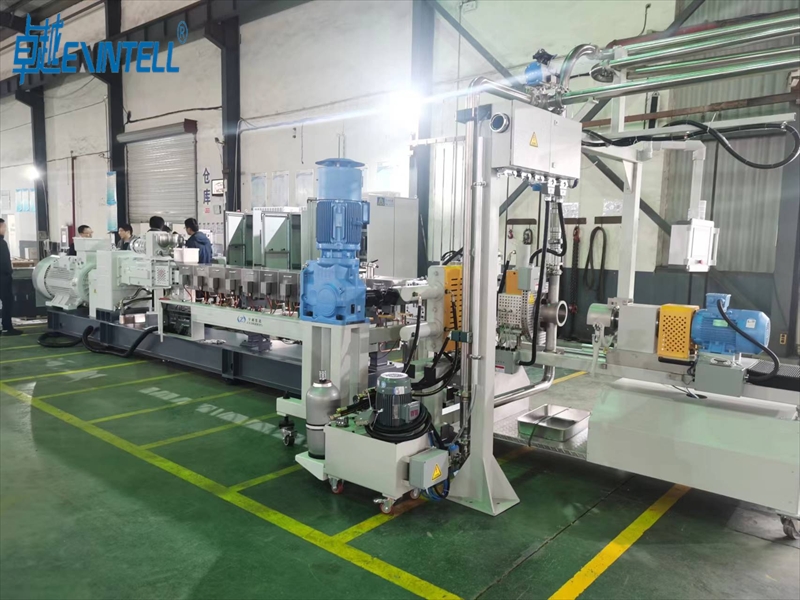
| Característica | Peletización de hebras | Peletización submarina (UWP) |
|---|---|---|
| Calidad de los pellets | Good to Excellent, potential for fines | Excellent to Premium, highly uniform |
| Initial Cost | Más bajo | Más alto |
| Ideal para | Propósito general, operaciones sensibles a los costos | High-end applications, perfect consistency |
I recommend strand pelletizing for cost-sensitive operations. I choose the Underwater Pelletizing System when I need premium, highly uniform pellets for demanding applications.
Conclusiones clave
- Strand pelletizing is ideal for cost-sensitive operations, offering lower initial costs and simpler setups.
- Underwater pelletizing delivers premium pellet quality, producing highly uniform pellets suitable for demanding applications.
- Consider the type of polymer when choosing a system; strand works best for rigid materials, while underwater excels with complex or heat-sensitive polymers.
- Evaluar las necesidades de volumen de producción.; strand pelletizing suits small to medium runs, while underwater systems support high-volume operations efficiently.
- Regular maintenance is crucial; strand systems require basic skills, while underwater systems need advanced technical knowledge for upkeep.
- Space requirements differ; strand systems are compact, while underwater systems need more room for equipment and maintenance access.
- Always assess total costs, including initial investment, operating expenses, y mantenimiento, to find the best fit for your budget.
- Consult with experts when facing complex decisions or new materials to ensure you choose the right pelletizing system for your needs.
Pelletizing Systems Overview
What Is Strand Pelletizing
I often use strand pelletizing when I want a straightforward proceso de peletización. In this method, I extrude molten polymer through a die plate to form long strands. I guide these strands over a cooling trough, usually filled with water, to solidify them. After cooling, I dry the strands and feed them into a cutter. The cutter chops the strands into uniform pellets. I find this pelletizing process works well for many general-purpose plastics. The strand pelletizing system offers a simple setup and allows me to adjust the pellet length easily. I can quickly change over to different materials or colors, which helps when I run smaller batches.
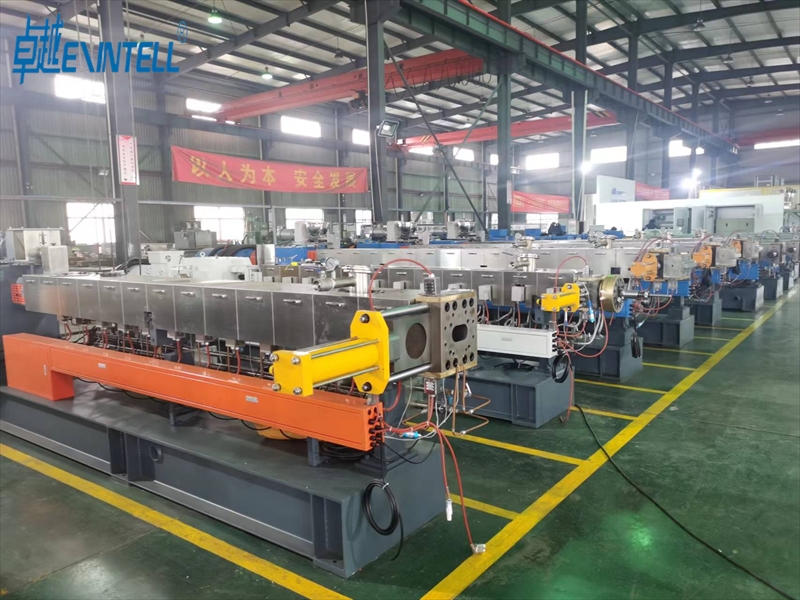
What Is Underwater Pelletizing
When I need highly uniform pellets, I turn to the underwater pelletizing system. In this pelletizing process, I extrude the molten polymer directly into a water chamber. Rotating knives cut the polymer at the die face while it is still hot. The water instantly cools and solidifies the pellets. I then separate the pellets from the water using a centrifugal dryer. This pelletizing process produces smooth, round pellets with minimal dust or fines. I rely on underwater pelletizing for demanding applications, such as medical or automotive compounds, where pellet consistency matters most. The underwater pelletizing system handles a wide range of polymers, including sticky or brittle materials that strand pelletizing cannot process efficiently.
Diferencias clave
I see several important differences between these two pelletizing methods. The strand pelletizing system uses a cooling trough and requires manual handling of strands before cutting. The underwater pelletizing system integrates cutting and cooling in one step, which reduces manual intervention. I notice that underwater pelletizing supports higher throughput and works better for complex materials. Recent technological advancements have made underwater pelletizing even more attractive. Por ejemplo, el global push for sustainability encourages me to choose systems that support recycling. Underwater pelletizing provides high efficiency, which is essential for reprocessing diverse polymer streams. When I work with complex compounded materials, I need precise pellet geometry, and underwater pelletizing delivers that. Environmental regulations also influence my choice. Underwater pelletizing reduces dust and eliminates many issues I face with traditional strand pelletizing.
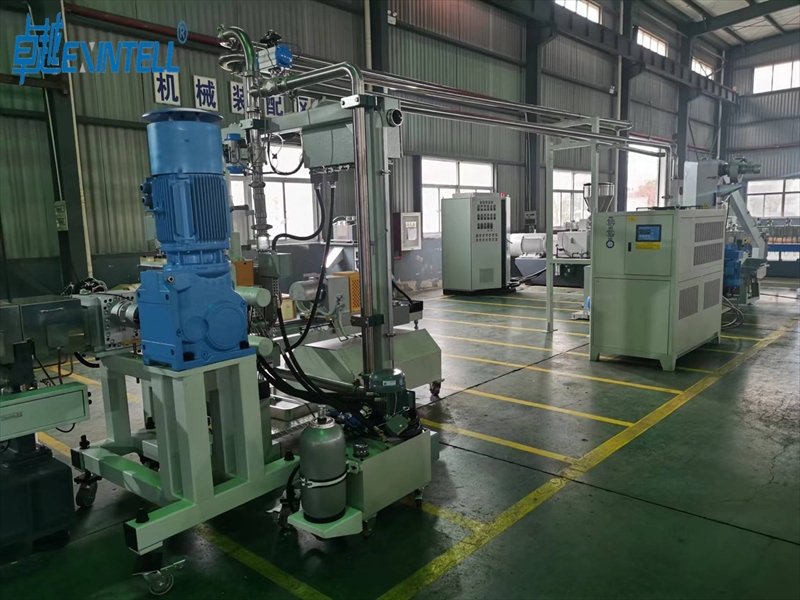
Here is a table that summarizes how these factors impact my decision:
| Factor | Descripción |
|---|---|
| Sostenibilidad | The global push for a circular economy drives investment in recycling infrastructure, favoring systems that support sustainability. |
| Eficiencia | Underwater systems provide high-throughput capabilities essential for reprocessing diverse polymer streams. |
| Material Complexity | The demand for complex compounded materials in industries like automotive and medical devices necessitates precise pellet geometry achievable through underwater cutting. |
| Environmental Regulations | Stricter regulations compel manufacturers to adopt cleaner, more efficient methods, reducing dust and eliminating issues associated with traditional strand systems. |
Consejo: Si ejecuta un sistema de reciclaje de botellas de PET de alto rendimiento, Probablemente se beneficiará de la eficiencia y consistencia de la peletización bajo el agua..
Siempre considero las necesidades específicas de mi línea de producción antes de elegir un proceso de peletización.. La peletización de hebras ofrece simplicidad y menor costo, mientras que la peletización bajo el agua proporciona una calidad de pellet superior y respalda los objetivos de sostenibilidad modernos..
Calidad y consistencia del pellet
Calidad del sistema de peletización subacuática
Cuando necesito la máxima calidad de pellet, Confío en el sistema de peletización bajo el agua. Este sistema corta el polímero mientras aún está blando., luego enfría el pellet instantáneamente en agua. Noto que este proceso crea bolitas con superficies lisas y una forma esférica casi perfecta.. Destaca la uniformidad. La mayoría de los pellets tienen un variación de tamaño de menos de ±5%. Veo este alto nivel de consistencia cada vez que inspecciono el producto terminado..
Aquí hay una comparación rápida de la variación de forma y tamaño de los pellets.:
| Sistema de peletización | Forma de pellet | Variación de tamaño |
|---|---|---|
| Submarino | Esférico | < ±5% |
| Hebra | Cilíndrico | < ±10-15% |
El sistema de peletización bajo el agua produce pellets con un mínimo de polvo.. Rara vez encuentro multas en el producto final.. La superficie lisa y el control estricto del tamaño me ayudan a lograr calidad superior de pellets, lo cual es esencial para aplicaciones exigentes. Utilizo este sistema cuando necesito cumplir estándares estrictos en industrias como la automotriz o la médica..
Calidad del sistema de peletización de hebras
A menudo utilizo el sistema de peletización de hebras para producción de uso general.. Este método crea bolitas cilíndricas., pero veo más variación en el tamaño en comparación con la peletización bajo el agua.. La variación de tamaño puede alcanzar hasta ±10-15%. Yo sé eso La alineación adecuada entre la matriz y la hoja es crucial. Incluso una pequeña desalineación causa problemas de calidad, como aumento de polvo o longitud desigual de los pellets.
Para mantener una calidad constante de los pellets con la peletización de hebras, sigo estos pasos:
- Compruebo la alineación del troquel periódicamente.
- Ajusto la velocidad del extractor para que coincida con el flujo del extrusor..
- Superviso la temperatura del agua en el canal de enfriamiento.
- Inspecciono si hay roturas de hebras y las ajusto según sea necesario.
Si me salto estos pasos, Veo más polvo y pellets menos uniformes.. El sistema de peletización de hebras requiere una cuidadosa atención a los detalles.. Cuando hago todo bien, Puedo producir pellets de buena a excelente calidad., pero requiere más esfuerzo.
Impacto en el rendimiento del producto
La calidad de los pellets afecta el rendimiento de los productos plásticos acabados. He aprendido que la extrusora transforma el plástico en estado fundido., que prepara el escenario para la consistencia del pellet. La filtración y purificación eliminan las impurezas., garantizar que solo avancen pellets de alta calidad. Luego, la unidad de peletización crea gránulos uniformes.. El método de corte, ya sea bajo el agua o en la playa, determina el tamaño y la forma final.
Cuando uso pellets con alta uniformidad y superficies lisas, Veo un mejor flujo en las máquinas de moldeo.. Los productos finales muestran menos defectos y propiedades más consistentes.. Si la calidad del pellet disminuye, Noto más problemas de procesamiento y un menor rendimiento del producto.. Siempre elijo el sistema de peletización que se adapta a mis objetivos de calidad..
Complejidad operativa
Configuración y cambio
Considero que la configuración y el cambio juegan un papel importante en mis operaciones diarias.. Cuando uso un sistema de peletización de hebras, Manejo la mayoría de los pasos manualmente. Paso cada hebra desde el cabezal del troquel a través del baño de agua hasta el cortador.. Este enfoque práctico me permite detectar problemas a tiempo, como rotura de hebra o enfriamiento desigual. Puedo solucionar estos problemas rápidamente. Los cambios para nuevos materiales o colores son sencillos. limpio el comedero, ajustar el cortador, y reiniciar el proceso con poco tiempo de inactividad.
Con peletización bajo el agua, veo una foto diferente. El sistema automatiza la mayoría de los pasos.. Configuré los parámetros en un panel de control., y la máquina se encarga del resto. El diseño de circuito cerrado significa que no toco el producto durante la configuración. Los cambios toman más tiempo porque debo esperar a que el sistema se estabilice. También necesito lavar el circuito de agua y revisar la cara del troquel para ver si hay acumulación.. Este proceso reduce el error humano pero requiere más planificación..
Limpieza y mantenimiento
Cleaning and maintenance routines differ between these two systems. Here is how I compare them:
- Peletización submarina: I notice this system runs in a closed loop and uses automation. I do not need to intervene often during normal operation. Sin embargo, the equipment is complex and sensitive. I must keep the extrusion process stable to avoid problems. Maintenance and start-up require advanced technical skills. I spend more time on preventive checks and calibrations.
- Peletización de hebras: I handle cleaning and maintenance tasks manually. During start-up, I thread the strands myself. This hands-on method makes troubleshooting easier. The system is more forgiving if the melt viscosity changes. I can clean the trough and cutter with basic tools. I do not need advanced training for most tasks.
Consejo: I always schedule regular checks for both systems. Preventive maintenance helps me avoid costly downtime.
Operator Skill Level
Operator skill level matters when I choose a pelletizing system. With strand pelletizing, I rely on basic mechanical skills. I can train new operators quickly. They learn to thread strands, ajustar el cortador, and monitor the cooling bath. The process is forgiving, so small mistakes rarely cause big problems.
Underwater pelletizing demands more expertise. I need operators who understand automation and process control. They must know how to manage the closed-loop system and troubleshoot sensors or die face issues. Training takes longer. I invest in ongoing education to keep my team up to date.
| System | Setup Difficulty | Maintenance Complexity | Operator Skill Needed |
|---|---|---|---|
| Peletización de hebras | Bajo | Bajo | Básico |
| Peletización submarina | Medio-Alto | Alto | Avanzado |
I always match the system to my team’s skill level and the complexity of my production line.
Cost Comparison
Inversión inicial
When I plan a new plastics line, I always look at the initial investment first. Strand pelletizing systems usually cost less to purchase and install. I can set up a basic strand pelletizer with a cooling trough, air knife, and cutter for a modest price. The equipment is simple and does not require much automation. I find this system fits well when I need to keep my capital expenses low.
Underwater pelletizing systems require a higher upfront investment. The system includes a heated die face, cámara de agua, pelletizer, water loop, and centrifugal dryer. I also need advanced controls and safety features. The installation process takes longer and often needs more space. I see this as a bigger commitment, but it pays off for high-end applications.
Here is a quick table to compare the initial investment:
| System | Typical Initial Cost | Complejidad de instalación |
|---|---|---|
| Peletización de hebras | Bajo | Simple |
| Peletización submarina | Alto | Complejo |
Nota: I always factor in the long-term benefits before making a decision. A veces, a higher initial cost leads to better returns.
Costos operativos
Operating costs play a big role in my daily budget. Strand pelletizing systems use less energy and water. The process is straightforward, and I do not need many operators. I can run the line with basic utilities and minimal supervision. This keeps my ongoing costs low.
Underwater pelletizing systems use more power and water. The closed-loop water system and die-face cutter need steady energy. I also need skilled operators to monitor the process. The system produces less waste, which saves money on material loss. Sin embargo, Las facturas de servicios públicos y los costos laborales más altos se acumulan con el tiempo..
Utilizo esta lista de verificación para realizar un seguimiento de los costos operativos:
- Consumo de energía
- Uso de agua
- Requisitos laborales
- Tasas de residuos y reprocesamiento
Siempre comparo estos factores para ver qué sistema se ajusta a mis objetivos de producción..
Costos de mantenimiento
Los costos de mantenimiento pueden sorprenderme si no planifico con anticipación. Los sistemas de peletización de hebras tienen menos piezas móviles. Puedo realizar la mayoría de las reparaciones con herramientas básicas.. Los repuestos son fáciles de encontrar y asequibles.. Programo controles y limpiezas de rutina para mantener el sistema funcionando sin problemas..
Los sistemas de peletización submarinos necesitan un mantenimiento más especializado. la cara del dado, water loop, y la secadora requieren inspecciones periódicas. A veces necesito técnicos capacitados en fábrica para reparaciones complejas.. Los repuestos cuestan más, y el tiempo de inactividad puede ser mayor si algo se rompe.
Here is a summary of maintenance needs:
| System | Frecuencia de mantenimiento | Skill Level Needed | Typical Cost |
|---|---|---|---|
| Peletización de hebras | Bajo | Básico | Bajo |
| Peletización submarina | Medio a alto | Avanzado | Alto |
Consejo: I always budget for preventive maintenance. This helps me avoid unexpected expenses and keeps my line running efficiently.
Space and Efficiency
Equipment Footprint
When I plan my production floor, I always measure the space each system needs. Strand pelletizing systems take up less room. I can fit the cooling trough, air knife, and cutter in a straight line. This layout works well in tight spaces. I often move or reconfigure strand systems without much trouble.
Underwater pelletizing systems need more space. The equipment includes a water chamber, die-face cutter, water loop, and centrifugal dryer. I must allow extra room for maintenance access and safety zones. The system often requires a dedicated area, especially for larger lines.
Aquí hay una comparación rápida.:
| System | Typical Footprint | Flexibilidad | Space Needed |
|---|---|---|---|
| Peletización de hebras | Compacto | Alto | Bajo |
| Peletización submarina | Large | Medio | Alto |
Consejo: I always check my available floor space before choosing a system. A compact line saves money on building costs.
Power and Water Use
I track utility usage closely. Strand pelletizing systems use less power. The main energy draw comes from the extruder and the cutter. Water use stays low because the cooling trough only needs a steady flow, not a closed-loop system.
Underwater pelletizing systems use more power and water. The die-face cutter, water pumps, and centrifugal dryer all require electricity. The closed-loop water system keeps the pellets cool and clean, but it increases water consumption. I see higher utility bills with underwater systems, especially at high production rates.
Here is a summary of utility needs:
- Peletización de hebras: Low power, low water use, simple utilities.
- Peletización submarina: High power, high water use, advanced utilities.
Nota: I always factor in local utility costs. Los altos precios de la energía o el agua pueden afectar mis ahorros a largo plazo.
Integración con líneas existentes
A menudo necesito agregar peletización a una línea de extrusión existente.. Los sistemas de peletización de hebras se integran fácilmente. Conecto el extrusor al cabezal de troquel, configurar el canal de enfriamiento, y alinear el cortador. Puedo comenzar la producción rápidamente con cambios mínimos..
Los sistemas de peletización submarinos requieren más planificación. Debo asegurarme de que la extrusora coincida con la cortadora de troqueles.. El circuito de agua y la secadora necesitan conexiones eléctricas y de plomería adecuadas.. A veces, Necesito actualizar mis controles o agregar características de seguridad. La integración lleva más tiempo, pero obtengo un proceso más automatizado.
Aquí está mi lista de verificación para la integración.:
- Comprueba la compatibilidad del extrusor.
- Plan de servicios públicos y drenaje..
- Asegúrese de tener suficiente espacio en el piso.
- Actualizar controles si es necesario.
I always consult with my equipment supplier before making changes. Good planning prevents costly mistakes.
Material and Application Fit
Best for Strand Pelletizing
When I select a pelletizing system, I always consider the type of polymer I plan to process. Strand pelletizing works best for certain materials and production goals. I often choose this method when I handle rigid or semi-crystalline polymers. These materials move smoothly through the cooling trough and rarely cause strand breakage. I also appreciate the lower investment and maintenance costs that come with strand systems. The operation stays simple, and I can switch between different polymers without much hassle.
Here are some plastics that perform well with strand pelletizing:
- polipropileno (PÁGINAS)
- Polietileno (educación física)
- Acrilonitrilo Butadieno Estireno (ABS)
- Poliestireno (PD)
- Poliamida (Pensilvania, also known as Nylon)
- policarbonato (ordenador personal)
I find that strand pelletizing covers a wide range of general-purpose applications. I use it for compounding, producción de masterbatch, and recycling lines. The system handles most rigid and semi-crystalline polymers con facilidad. Sin embargo, I avoid using strand pelletizing for brittle materials. Brittle strands tend to break during cooling, which interrupts production and lowers yield. I also need to plan for the space required by the cooling tank. If I have limited floor space, I must consider this factor before choosing strand pelletizing.
Consejo: I always match the polymer type to the pelletizing system. This step helps me avoid unnecessary downtime and quality issues.
Best for Underwater Pelletizing
When I need to process complex or sensitive materials, I turn to underwater pelletizing. This system excels with polymers that require precise pellet shape and size. I rely on underwater pelletizing for both soft and rigid applications. The closed-loop water system cools the pellets instantly, which prevents sticking and ensures uniformity.
I use underwater pelletizing for these applications:
- Soft PVC extrusion for flexible tubing
- Automotive components that demand high consistency
- Flooring materials where surface quality matters
- Rigid products like pipes and profiles
I notice that underwater pelletizing handles sticky, frágil, or heat-sensitive polymers better than strand systems. The process produces smooth, round pellets with minimal dust. I often choose this system for high-value or specialty products. When my customers expect premium pellet quality, I trust underwater pelletizing to deliver.
Nota: I always check the end-use requirements before selecting a pelletizing system. High-performance applications benefit most from the consistency of underwater pelletizing.
Production Volume Considerations
Production volume plays a key role in my decision. I match the system to my output goals to maximize efficiency and control costs. Strand pelletizing works well for small to medium production runs. The system starts up quickly and allows for frequent changeovers. I can run multiple batches in a single shift without major downtime. This flexibility helps when I produce custom compounds or specialty colors.
Underwater pelletizing shines in high-volume operations. The system supports continuous production and handles large throughputs with ease. I see fewer interruptions and less manual intervention. The automation reduces labor costs and improves consistency across long runs. When I need to scale up production, underwater pelletizing gives me the capacity I need.
Here is a quick table to help compare the fit for different production volumes:
| Volumen de producción | Peletización de hebras | Peletización submarina |
|---|---|---|
| Bajo a Medio | Excelente | Bien |
| Alto | Justo | Excelente |
I always balance my production targets with the strengths of each system. This approach helps me achieve the best results for my plastics line.
Pros and Cons Summary
Strand Pelletizing Pros and Cons
I often choose strand pelletizing when I want a straightforward process. The system gives me flexibility and keeps my costs low. I can train new operators quickly. I find that strand pelletizing works best for small and medium production runs. The equipment takes up less space and fits easily into most lines.
Aquí hay una mesa that shows the main advantages and disadvantages:
| Ventajas | Desventajas |
|---|---|
| Lower cost | Challenges in managing high throughput |
| Simpler operation | Mixing efficiency issues |
| Best suited for lower throughputs | Menos adecuado para líneas de producción muy grandes |
Noto que la peletización de hebras tiene problemas con la producción de gran volumen.. El sistema a veces tiene problemas para mezclar los materiales de manera uniforme. Veo que las líneas grandes necesitan soluciones más avanzadas. Siempre reviso mis objetivos de producción antes de elegir la peletización de hebras..
Consejo: Recomiendo la peletización de hebras para proyectos sensibles a los costos y operaciones flexibles. Lo evito para líneas muy grandes o complejas..
Pros y contras de la peletización submarina
La peletización bajo el agua me proporciona una calidad de pellet superior. El sistema produce suaves, Pellets redondos con control estricto del tamaño.. I rely on underwater pelletizing for demanding applications. La automatización reduce el trabajo manual y mejora la coherencia.. Veo menos defectos en el producto final.
Estos son los principales pros y contras que he experimentado.:
Ventajas:
- Proporciona gránulos altamente uniformes
- Mangos pegajosos, frágil, o polímeros sensibles al calor
- Supports high-volume production
- Reduces dust and fines
Contras:
- Requires higher initial investment
- Needs advanced operator skills
- Uses more power and water
- Maintenance can be complex
I find that underwater pelletizing fits best in high-end or specialty lines. The system pays off when I need consistent quality and large output. I invest more up front, but I get reliable performance.
Nota: I always match the pelletizing system to my material and production needs. Underwater pelletizing works best for premium products and continuous operations.
Decision Guide
Quick Checklist
When I choose between strand and underwater pelletizing, I always review a checklist. This helps me avoid missing important details. I focus on the factors that impact my line’s performance, costo, y confiabilidad. Here is a table I use to guide my decision:
| Factor clave | Descripción |
|---|---|
| Pressure behavior at the die | I check if the system stabilizes pressure for uniform strands and lower energy use. |
| Access to the cutting zone | I look for designs that let me reach the cutting area quickly for maintenance. |
| Restart and maintenance effort | I consider how fast I can restart or maintain the system to reduce downtime. |
| Operating economics as a system | I compare energy use, service needs, and investment to see the real cost of each option. |
I always match these factors to my production goals and team skills. This approach helps me select the right system for my needs.
Errores comunes
I have seen many manufacturers make the same mistakes when choosing a pelletizing system. These errors can lead to wasted time and money. I keep a list of common pitfalls and their effects:
| Mistake Description | Implication |
|---|---|
| Elegir una máquina basándose únicamente en la capacidad de rendimiento | Encuentro que el rendimiento disminuye con diferentes materiales., causando ineficiencia. |
| Suponiendo que las hojas más duras duren más | Las hojas duras pueden astillarse si chocan con contaminantes, lo que conduce a más tiempo de inactividad. |
| Instalación de la malla de criba más pequeña para obtener resultados más finos | Las pantallas pequeñas ralentizan la producción y pueden manchar los plásticos, dañando la calidad del pellet. |
Siempre me recuerdo a mí mismo que debo mirar más allá de la capacidad o la dureza de la hoja.. Considero todo el proceso y los materiales que planeo ejecutar..
Consejo: Reviso mis tipos de materiales, plan de mantenimiento, y habilidades del operador antes de tomar una decisión final.
Cuándo consultar a un experto
A veces, Llego a un punto en el que necesito ayuda externa. Consulto a un experto cuando:
- Planeo procesar polímeros nuevos o inusuales.
- Mi línea debe cumplir estrictos estándares regulatorios o de calidad..
- I see repeated downtime or quality issues I cannot solve.
- I need to scale up production or add automation.
An expert can analyze my process and recommend the best system for my goals. I find that early advice saves me money and prevents costly mistakes. I always prepare my production data and questions before the meeting. This helps the expert give me clear, actionable feedback.
Nota: I never hesitate to ask for help when the stakes are high. The right advice can make all the difference in my pelletizing success.
I choose strand pelletizing for flexible, cost-sensitive lines and underwater pelletizing for high-volume, premium quality needs. I always review these points before deciding:
- Check material properties and throughput.
- Match pellet quality to end-use.
- Assess facility utilities and maintenance needs.
- Calculate total cost and ROI.
I consult with suppliers and engineers to tailor my system and ensure smooth startup and training.
Preguntas frecuentes
What plastics work best with strand pelletizing?
I use strand pelletizing for materials like polypropylene, polietileno, ABS, y poliestireno. These polymers run smoothly through the cooling trough and rarely break. I avoid brittle or sticky plastics because they cause strand breakage and lower yield.
Can I switch materials easily between batches?
Sí, I can switch materials quickly with strand pelletizing. I clean the trough and cutter, then start the new batch. Underwater pelletizing takes longer to change over because I must flush the water loop and check the die face.
How do I reduce dust and fines in my pellets?
I check die alignment, adjust puller speed, and monitor cooling. Con peletización bajo el agua, I see less dust because the system cuts and cools pellets instantly. I always keep equipment clean to maintain pellet quality.
Is underwater pelletizing safe for heat-sensitive polymers?
Sí, I trust underwater pelletizing for heat-sensitive materials. The water cools pellets instantly, which prevents sticking and thermal degradation. I use this system for soft PVC, TPE, and specialty compounds that need gentle handling.
What maintenance tasks should I schedule?
I schedule regular checks for die wear, cutter sharpness, and water quality. I clean the cooling trough or water loop weekly. I inspect sensors and controls monthly. Preventive maintenance helps me avoid downtime and keeps my line running smoothly.
Does pellet shape affect my final product?
Sí, pellet shape matters. I see better flow and fewer defects with round, uniform pellets from underwater systems. Cylindrical pellets from strand systems work well for general use, but I choose spherical pellets for high-performance applications.
How do I decide which system fits my budget?
I compare initial investment, operating costs, y mantenimiento. Strand pelletizing costs less up front and uses less power. Underwater pelletizing costs more but gives premium quality and supports high-volume production. I match the system to my goals and resources.
Can I automate both pelletizing systems?
I can automate both systems, but underwater pelletizing offers more advanced automation. The closed-loop design reduces manual steps. Strand pelletizing allows for basic automation, but I still handle some tasks by hand.