

Materiales de extrusión de tubos de plástico comparados para 2026
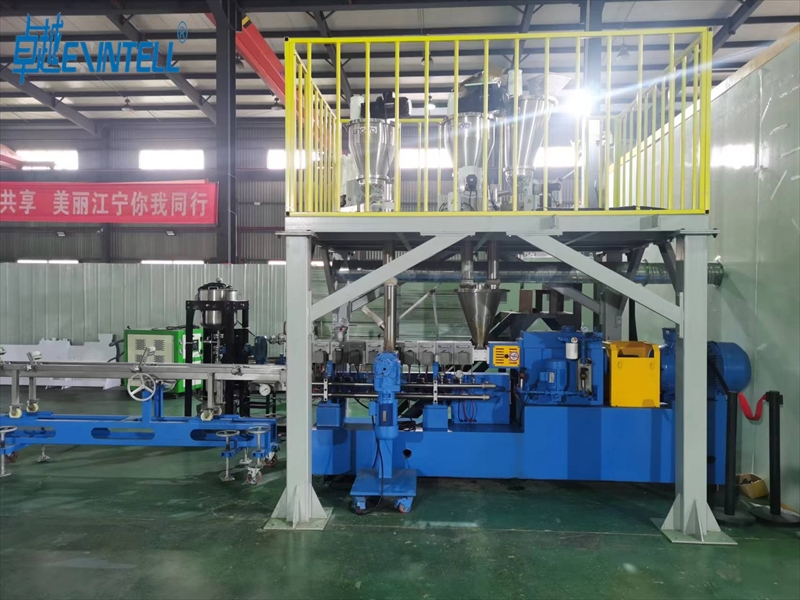
Los expertos de la industria reconocen el HDPE, PÁGINAS, ABS, CLORURO DE POLIVINILO, y PE como materiales líderes para extrusión de tubos de plástico en 2026. Cada material ofrece fortalezas únicas. Los ingenieros deben igualar propiedades como la resistencia., flexibilidad, y resistencia química al uso previsto de los tubos.. Costo, durabilidad, y el impacto ambiental determinan las decisiones en el proceso de extrusión. Los requisitos reglamentarios también influyen en la elección de tubos y extrusiones de plástico..
Conclusiones clave
- HDPE, PÁGINAS, ABS, CLORURO DE POLIVINILO, y PE son los mejores materiales para la extrusión de tubos de plástico en 2026, cada uno con fortalezas únicas.
- Elegir el material adecuado mejora el rendimiento del tubo, durabilidad, y rentabilidad para diversas aplicaciones.
- Considere la resistencia mecánica, flexibilidad, y resistencia química al seleccionar materiales para usos específicos.
- Realizar un análisis de costos del ciclo de vida para evaluar la instalación., mantenimiento, y vida útil para una mejor elección de materiales.
- Manténgase informado sobre los requisitos regulatorios para evitar multas y garantizar el cumplimiento en el proceso de extrusión..
- La sostenibilidad importa; priorizar los materiales reciclables y los métodos de producción energéticamente eficientes para reducir el impacto ambiental.
- Los ingenieros deben hacer preguntas clave sobre las necesidades de diseño y los requisitos de rendimiento antes de seleccionar materiales..
- Opciones de materiales preparadas para el futuro al anticipar cambios regulatorios y avances tecnológicos en la industria..
Extrusión de tubos de plástico: Principales opciones de materiales
Descripción general de los materiales clave
Seleccionar los materiales adecuados para la extrusión de tubos de plástico determina el rendimiento y la longevidad de los tubos en todas las industrias. En 2026, Los fabricantes siguen confiando en un grupo principal de plásticos por su versatilidad y trayectoria comprobada.. Estos incluyen polietileno. (educación física), polietileno de alta densidad (HDPE), polipropileno (PÁGINAS), cloruro de polivinilo (CLORURO DE POLIVINILO), y acrilonitrilo butadieno estireno (ABS). Cada material aporta un conjunto único de propiedades que se adaptan a diferentes aplicaciones., desde extrusiones industriales hasta tubos de consumo.
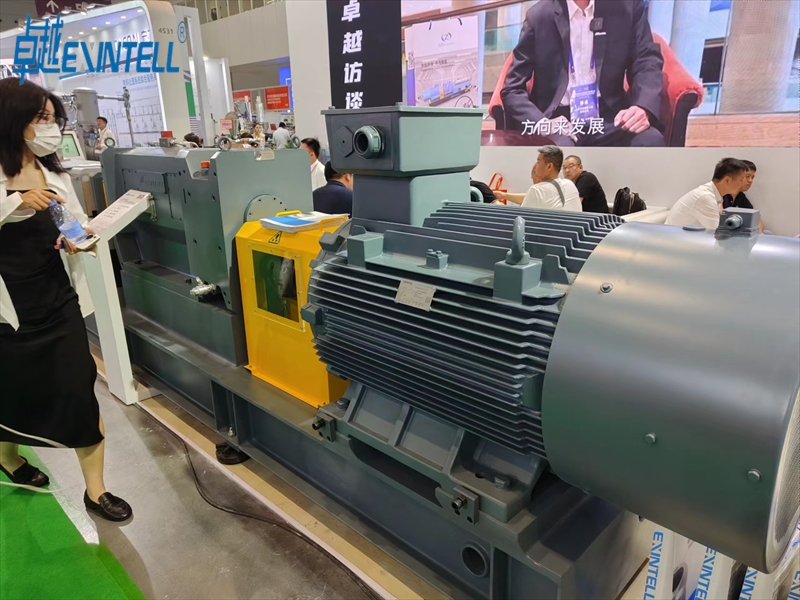
La siguiente tabla resume los materiales más utilizados, sus propiedades clave, y aplicaciones típicas en el proceso de extrusión:
| Material | Propiedades clave | Aplicaciones | Temperatura de procesamiento |
|---|---|---|---|
| CLORURO DE POLIVINILO | Excelente rigidez, resistencia al fuego, intemperismo, bajo costo | Marcos de ventanas, tiras de sellado | 160-200 °C |
| ABS | Resistencia al impacto, calidad del acabado superficial, estabilidad dimensional | Adornos automotrices, perfiles de electrodomésticos, bordes de muebles | Requiere presecado |
| educación física | Ligero, químicamente resistente, rentable | Protección de cables, aplicaciones agrícolas, embalaje | Fácil de extruir |
| PÁGINAS | Mayor resistencia a la temperatura | Varios perfiles | Fácil de extruir |
| ordenador personal | Transparencia, fuerza de impacto, resistencia al calor | Difusores de luz LED, acristalamiento de seguridad | 260-300 °C |
| WPC | Resistencia a la humedad, durabilidad | Decoración, revestimiento | Requiere extrusoras robustas de doble tornillo |
Consejo: Hacer coincidir el plástico adecuado con el uso previsto del tubo garantiza un rendimiento óptimo y una rentabilidad óptima.
Características destacadas de cada material
Cada plástico ofrece distintas ventajas para la extrusión de tubos.. El polietileno destaca por su resistencia química y resistencia al impacto, convirtiéndolo en una opción popular para tuberías, películas, y embalaje. El polipropileno proporciona una fuerte, opción liviana con excelente resistencia química, A menudo se utiliza en componentes y embalajes de automóviles.. El cloruro de polivinilo ofrece una resistencia superior a la intemperie y propiedades antienvejecimiento., lo que lo hace ideal para tuberías, perfiles de ventana, y revestimiento de cables.
El acrilonitrilo butadieno estireno destaca por su resistencia al impacto y estabilidad dimensional, respaldando su uso en molduras de automóviles y perfiles de electrodomésticos. Polietileno de alta densidad, un subconjunto de PE, Ofrece resistencia y durabilidad mejoradas para aplicaciones exigentes.. Los fabricantes valoran estos plásticos por su facilidad de procesamiento y adaptabilidad a diversos requisitos del proceso de extrusión..
La siguiente tabla destaca características definitorias y usos comunes:
| Material | Características | Aplicaciones |
|---|---|---|
| educación física | Buena resistencia química, resistencia al impacto, bajo costo | Tubería, películas, embalaje |
| PÁGINAS | Fuerte, ligero, químicamente resistente | Tubería, embalaje, componentes automotrices |
| CLORURO DE POLIVINILO | Excelente resistencia a la intemperie, propiedades antienvejecimiento | Tubería, perfiles de ventana, revestimiento de cables |
Los fabricantes consideran factores como temperatura de procesamiento, resistencia mecánica, y resistencia ambiental al seleccionar materiales para la extrusión de tubos de plástico. La elección correcta garantiza que las extrusiones cumplan con los estándares de la industria y funcionen de manera confiable en los entornos previstos..
Por qué es importante la selección de materiales
Impacto en el rendimiento
La selección del plástico adecuado para la extrusión de tubos afecta directamente el rendimiento de los tubos en aplicaciones del mundo real.. Cada material aporta fortalezas y debilidades únicas que influyen en la durabilidad., flexibilidad, y resistencia a los factores ambientales.. Por ejemplo, polietileno de alta densidad y policarbonato resistir grietas y mantener la integridad bajo tensión, haciéndolos confiables para usos exigentes. El PVC y ciertos grados de polietileno se destacan por su capacidad para resistir productos químicos agresivos y la exposición a los rayos UV., que es esencial para ambientes exteriores o industriales.. Algunas aplicaciones requieren tubos rígidos., mientras que otros necesitan flexibilidad. La elección del plástico debe alinearse con estas necesidades de diseño para garantizar que el tubo funcione según lo previsto..
| Propiedad | Impacto en el rendimiento y confiabilidad |
|---|---|
| Durabilidad y resistencia al impacto | Materiales como el policarbonato o el polietileno de alta densidad resisten las grietas y resisten la tensión.. |
| Resistencia química y UV | El PVC y ciertos grados de polietileno resisten la degradación causada por productos químicos agresivos y la exposición a los rayos UV.. |
| Flexibilidad y rigidez | Las diferentes aplicaciones requieren tubos rígidos o flexibles según las necesidades de diseño.. |
| Aplicación y uso industrial | Las industrias específicas tienen requisitos únicos, como la tolerancia al calor en la automoción o la claridad en los expositores minoristas. |
Nota: Hacer coincidir el plástico adecuado con la aplicación garantiza la confiabilidad a largo plazo y reduce el riesgo de fallas.
Costo y ciclo de vida
La elección del material juega un papel importante en el costo general y la vida útil esperada de los tubos de plástico.. El PVC y el CPVC ofrecen importantes ventajas económicas sobre materiales tradicionales como el metal, con menores costos de instalación y mantenimiento. Estos plásticos también proporcionan una vida útil más larga., lo que reduce la necesidad de reemplazos frecuentes. Al evaluar materiales, Los fabricantes deben realizar un análisis de costos del ciclo de vida. Este análisis incluye gastos de instalación., mantenimiento continuo, y la duración prevista del servicio. Al considerar estos factores, Las empresas pueden seleccionar materiales que ofrezcan el mejor valor a lo largo del tiempo y minimicen los costos totales de propiedad..
Factores regulatorios y ambientales
En 2026, Los fabricantes enfrentan un panorama complejo de regulaciones y estándares ambientales que influyen en la selección de materiales para la extrusión de tubos de plástico.. El cumplimiento de los requisitos globales y regionales es esencial para evitar costosas multas y garantizar el acceso al mercado..
| Requisito regulatorio | Descripción | Posibles multas |
|---|---|---|
| Cumplimiento ambiental | UE: ALCANZAR + CE (Reglamento de plásticos) | 10.000-50.000 € |
| Cumplimiento ambiental | ESO: Certificación de emisiones de la EPA | $15k-$40k |
| Cumplimiento ambiental | ASEAN: Agencia Ambiental Local | $3k-$8k |
| Cumplimiento de seguridad | OSHA (ESO)/UE-OSHA (UE): Protecciones de seguridad para máquinas | N / A |
| Cumplimiento de seguridad | Seguridad contra incendios: Suelos/extintores resistentes al calor | N / A |
| Etiquetado de contenido reciclado | 2026 Las leyes globales de etiquetado exigen una divulgación clara del contenido de rPET/rPP. | $5k-$20k |
- Cumplimiento de la FDA, UL, NSF, u otras certificaciones es crucial para industrias como la médica y la de servicios alimentarios..
- Los códigos y estándares de construcción establecidos por organizaciones como ASTM International influyen en la selección de materiales..
Los fabricantes también deben abordar las preocupaciones medioambientales., como la reciclabilidad y las emisiones. Agencias como EE.UU.. La Agencia de Protección Ambiental hace cumplir las normas sobre seguridad química y emisiones, Por lo que es vital que las empresas elijan plásticos que cumplan con estos estándares.. A medida que evolucionan las regulaciones, Mantenerse informado ayuda a los fabricantes a evitar sanciones y mantener una ventaja competitiva..
Termoplásticos para extrusión de tubos
Polietileno (educación física)
Propiedades y usos
El polietileno se erige como uno de los plásticos más utilizados en el proceso de extrusión. Los fabricantes valoran su versatilidad y adaptabilidad para varios tipos de extrusiones.. Este material viene en varias formas., incluyendo polietileno de baja densidad (PEBD), polietileno de alta densidad (HDPE), y polietileno lineal de baja densidad (LLDPE). Cada tipo ofrece características únicas., pero todos comparten una estructura liviana y una fuerte resistencia química.
El PE encuentra un uso frecuente en la producción de películas, bolsas, y contenedores. Su resistencia a la humedad lo hace adecuado para ambientes húmedos., mientras que su resistencia al impacto admite aplicaciones en embalaje y tuberías.. Las industrias suelen seleccionar PE para la extrusión de tubos de plástico cuando necesitan un equilibrio de costes., durabilidad, y facilidad de procesamiento.
Nota: La amplia gama de aplicaciones del polietileno incluye aislamiento de cables., tubería agrícola, y embalaje protector.
Pros y contras
La siguiente tabla resume las principales ventajas y desventajas. del uso de polietileno en extrusiones de plástico:
| Ventajas | Desventajas |
|---|---|
| Excepcional resistencia química | Punto de fusión relativamente bajo, inadecuado para altas temperaturas. |
| Naturaleza ligera ideal para reducir peso. | Puede carecer de resistencia mecánica para aplicaciones de carga pesada. |
| Buena resistencia al impacto y durabilidad. | Susceptible a la degradación UV sin estabilización. |
| Bajo costo en comparación con otros materiales. | Alta demanda de energía y emisiones de carbono durante la producción. |
| Resistente a la humedad para ambientes húmedos | Proceso de reciclaje complejo debido a varios tipos de polietileno |
El polietileno ofrece una solución de bajo costo para muchas necesidades de extrusión. Su resistencia química y a la humedad lo convierten en una opción confiable para empaques y tuberías.. Sin embargo, Es posible que no funcione bien en entornos de alta temperatura o bajo cargas mecánicas pesadas.. Sin estabilizadores UV, El PE puede degradarse cuando se expone a la luz solar. El proceso de reciclaje de PE también puede ser complejo debido a la presencia de múltiples grados..
Polietileno de alta densidad (HDPE)
Propiedades y usos
El polietileno de alta densidad representa una forma especializada de PE con propiedades mecánicas mejoradas.. Su mayor densidad le confiere mayor rigidez y resistencia., haciéndolo adecuado para aplicaciones exigentes. La excelente resistencia química del HDPE le permite resistir ácidos, bases, alcoholes, y disolventes. Esta propiedad hace que el HDPE sea un material preferido para el almacenamiento de productos químicos., tuberías industriales, y tubos al aire libre.
La estructura del HDPE proporciona una resistencia a la abrasión superior en comparación con otros termoplásticos.. Mantiene la resistencia al impacto y la integridad estructural bajo tensión., lo cual es esencial para aplicaciones que requieren durabilidad. El proceso de extrusión de HDPE requiere un cuidadoso control de la temperatura., pero las extrusiones resultantes ofrecen una larga vida útil y confiabilidad..
Pros y contras
| Propiedad | Gama HDPE | Importancia para la extrusión de tubos |
|---|---|---|
| Densidad | 0.941 – 0.965 gramos/cm³ | Mayor densidad que el LDPE, contribuyendo a la rigidez |
| Resistencia a la tracción (Producir) | 26 – 33 MPa | Fuerte resistencia al estiramiento y la deformación. |
| Módulo de flexión | 800 – 1,400 MPa | Indica rigidez y capacidad de carga. |
| Dureza (Orilla D) | 60 – 70 | Garantiza resistencia al desgaste y durabilidad de la superficie. |
| Punto de fusión | 120 – 130°C | Adecuado para procesos de extrusión que requieren estabilidad térmica. |
| Resistencia química | Excelente | Ideal para almacenamiento de productos químicos y aplicaciones de tuberías. |
El HDPE supera a muchos otros termoplásticos tanto en resistencia química como en resistencia mecánica. Su estructura molecular cristalina proporciona mayor resistencia a la abrasión que la poliamida., y su rigidez le permite mantener la forma bajo carga. Si bien el HDPE puede ser más difícil de moldear debido a su mayor viscosidad y punto de fusión, su durabilidad y estabilidad química lo convierten en la mejor opción para la extrusión de tubos de plástico en entornos hostiles..
polipropileno (PÁGINAS)
Propiedades y usos
El polipropileno sirve como material popular para extrusiones termoplásticas., especialmente donde la ligereza y la resistencia química son prioridades. Su baja densidad reduce los costos de envío y admite aplicaciones que requieren un fácil manejo.. El PP resiste los ácidos., bases, y disolventes, haciéndolo adecuado para tubos de laboratorio, componentes automotrices, y envasado de alimentos.
Este plástico mantiene flexibilidad y durabilidad., incluso después de repetidas flexiones. Sus propiedades de barrera contra la humedad protegen los productos sensibles., y su reciclabilidad se alinea con los objetivos de sostenibilidad. El proceso de extrusión del PP se beneficia de su buena estabilidad térmica, permitiendo una producción eficiente de varios tipos de extrusiones.
Pros y contras
| Ventajas | Limitaciones |
|---|---|
| Baja densidad y peso ligero | Resistencia limitada a la luz ultravioleta sin aditivos. |
| Excelente resistencia química y a la humedad. | Mal rendimiento a temperaturas muy bajas (se vuelve quebradizo) |
| Buen rendimiento térmico y de fatiga. | No inherentemente retardante de llama |
| Reciclable y rentable |
Resistencia al calor del polipropileno., con un punto de fusión alrededor de 160-170°C, admite el uso en tuberías de agua caliente y piezas de automóviles. Su estabilidad química y flexibilidad lo hacen adecuado para uso repetido.. Sin embargo, El PP puede volverse quebradizo a bajas temperaturas y se degrada bajo la exposición a los rayos UV a menos que se estabilice.. No es inherentemente retardante de llama., lo que puede limitar su uso en ciertos entornos.
Consejo: La reciclabilidad y rentabilidad del polipropileno lo convierten en un fuerte candidato para proyectos sostenibles de extrusión de tubos de plástico..
Cloruro de polivinilo (CLORURO DE POLIVINILO)
Propiedades y usos
El cloruro de polivinilo es uno de los materiales más utilizados en la extrusión de tubos de plástico.. Este plástico ofrece una combinación única de rigidez., resistencia química, y asequibilidad. Los fabricantes suelen seleccionar PVC para aplicaciones que exigen durabilidad a largo plazo y mínimo mantenimiento. El proceso de extrusión de PVC produce tubos y perfiles que funcionan de manera confiable tanto en ambientes interiores como exteriores..
Los tubos de PVC sirven en sistemas de suministro de agua., conducto electrico, y aislamiento de cables. El material resiste la corrosión., lo que lo hace ideal para proyectos de plomería e infraestructura.. Su inherente resistencia al fuego y a la intemperie amplían aún más su uso en extrusiones industriales y de construcción.. La versatilidad del PVC le permite adaptarse a una amplia gama de extrusiones termoplásticas., Compatible con diseños de productos rígidos y flexibles..
Las ventajas clave del PVC en la extrusión de tubos de plástico incluyen:
- Rentabilidad, ya que el PVC depende de fuentes de energía renovables, Reducir los costos operativos y la huella de carbono..
- Durabilidad, con una vida útil que puede exceder 100 años, haciéndolo adecuado para proyectos de infraestructura.
- Menor impacto ambiental, ya que la producción de PVC emite menos gases de efecto invernadero en comparación con las tuberías metálicas o de cemento.
- Requisitos mínimos de mantenimiento., que ayudan a reducir las interrupciones operativas y los gastos a largo plazo.
- Resistencia a la corrosión, eliminando la necesidad de costosas reparaciones y gestión de la corrosión.
Pros y contras
El PVC aporta varios puntos fuertes al proceso de extrusión., pero también presenta algunas limitaciones. La siguiente lista describe los principales pros y contras.:
Ventajas:
- La excelente resistencia química y a la corrosión extiende la vida útil de las extrusiones..
- Los bajos costos de producción e instalación hacen del PVC la opción preferida para proyectos a gran escala..
- La alta estabilidad dimensional garantiza una calidad constante en extrusiones de plástico.
- La resistencia al fuego y la resistencia a la intemperie respaldan un uso seguro en entornos exigentes..
Contras:
- Flexibilidad limitada en comparación con materiales como el polietileno o el polipropileno..
- Potential release of harmful substances if not properly formulated or processed.
- Environmental concerns related to end-of-life disposal and recycling challenges.
PVC remains a cornerstone in plastic tube extrusion due to its balance of performance, costo, y sostenibilidad. Its adaptability to various extrusion process requirements ensures continued relevance in 2026 y más allá.
Acrilonitrilo Butadieno Estireno (ABS)
Propiedades y usos
Acrilonitrilo butadieno estireno, commonly known as ABS, ranks among the most versatile materials for plastic tube extrusion. This plastic combines strength, resistencia al impacto, y facilidad de procesamiento, making it suitable for a wide range of extrusions. ABS performs well in both rigid and semi-flexible applications, supporting detailed designs and complex shapes.
The table below summarizes the key properties and typical uses of ABS in the extrusion process:
| Property/Use | Descripción |
|---|---|
| Impact Resistance | ABS absorbs shock without cracking, enhancing safety in demanding applications. |
| Resistencia química | Adecuado para sistemas de fontanería., El ABS resiste diversos productos químicos., asegurando durabilidad. |
| Facilidad de procesamiento | El material se puede moldear fácilmente., permitiendo diseños detallados en diversas aplicaciones. |
| Usos típicos | Comúnmente utilizado en tuberías de plomería., piezas automotrices, carcasas electrónicas, y juguetes. |
El ABS encuentra un uso frecuente en tuberías de fontanería, adornos automotrices, y carcasas electrónicas. Su capacidad para absorber impactos sin agrietarse lo convierte en una opción confiable para productos que requieren seguridad y durabilidad.. El proceso de extrusión se beneficia de la facilidad de moldeo del ABS., que permite a los fabricantes producir perfiles complejos y extrusiones de plástico personalizadas.
Pros y contras
El ABS ofrece un conjunto convincente de ventajas para las extrusiones termoplásticas, pero también tiene algunos inconvenientes. Los siguientes puntos destacan los principales pros y contras.:
Ventajas:
- La alta resistencia al impacto protege las extrusiones de daños durante la manipulación y el uso..
- La buena resistencia química respalda su uso en aplicaciones industriales y de plomería..
- La facilidad de procesamiento permite formas complejas y diseños detallados..
- El atractivo acabado superficial mejora la apariencia de los productos terminados..
Contras:
- Menor resistencia a los rayos UV en comparación con otros plásticos., que puede limitar el uso en exteriores sin aditivos.
- La resistencia al calor moderada restringe el uso en ambientes de alta temperatura..
- Las preocupaciones ambientales surgen del uso de materias primas no renovables y los desafíos del reciclaje..
El ABS sigue desempeñando un papel vital en la extrusión de tubos de plástico, especialmente donde la resistencia al impacto y la flexibilidad del diseño son prioridades. Su combinación de resistencia mecánica y procesabilidad garantiza una demanda continua en diversas industrias..
Tubos de silicona y caucho sintético
Caucho de silicona
Propiedades clave
El caucho de silicona destaca en la extrusión de tubos por su combinación única de flexibilidad y durabilidad.. Este material mantiene su forma y rendimiento en un amplio rango de temperaturas.. Los fabricantes valoran su estabilidad térmica, lo que permite que los tubos funcionen tanto en ambientes de alto calor como de congelación. El caucho de silicona resiste los productos químicos, radiación ultravioleta, y rayos x. Su inercia química garantiza que no reaccione con la mayoría de las sustancias., haciéndolo ideal para aplicaciones sensibles. El material también ofrece biocompatibilidad., que respalda su uso en entornos médicos y farmacéuticos. La estabilidad dimensional garantiza que los tubos conserven su tamaño y forma durante el uso repetido o la esterilización.. Las propiedades hidrofóbicas ayudan a inhibir el crecimiento microbiano., Lo cual es fundamental en la atención médica y el procesamiento de alimentos..
Consejo: Los tubos de caucho de silicona pueden someterse a esterilizaciones repetidas con una pérdida mínima de rendimiento., convirtiéndolos en la mejor opción para usos médicos y de laboratorio.
Áreas de aplicación
El caucho de silicona se utiliza en una variedad de industrias debido a sus propiedades robustas. En el campo médico, sirve en cateteres, tubo de bomba peristáltica, y líneas de transferencia de fluidos. Los fabricantes de alimentos y bebidas utilizan tubos de silicona para procesar y dispensar porque el material no imparte sabor ni olor.. La industria electrónica confía en los tubos de silicona para aislamiento y protección contra el calor y los productos químicos.. Los sectores automovilístico y aeroespacial utilizan tubos de silicona para la transferencia y sellado de fluidos., donde la resistencia a temperaturas extremas es esencial.
Tipos de caucho sintético
EPDM
EPDM (monómero de etileno propileno dieno) El caucho ofrece una excelente resistencia a la intemperie., ozono, y envejecimiento. Este material se mantiene flexible a bajas temperaturas y resiste el agua., vapor, y muchos químicos. Los tubos de EPDM aparecen a menudo en los sistemas de refrigeración de automóviles., mangueras industriales, y aplicaciones al aire libre donde la exposición a la luz solar y la humedad es común.
nitrilo (NBR)
caucho de nitrilo, también conocido como NBR, sobresale en resistencia al aceite y al combustible. Los fabricantes eligen NBR para aplicaciones que implican contacto con fluidos a base de petróleo. Este material proporciona buena resistencia a la abrasión y resistencia mecánica.. Los tubos NBR son comunes en las líneas de combustible., mangueras hidráulicas, y equipos industriales donde la resistencia al aceite es crítica.
Otros elastómeros
Otros elastómeros sintéticos, como el fluorocarbono (FKM) y caucho de estireno-butadieno (SBR), ampliar la gama de opciones para la extrusión de tubos. FKM ofrece una excelente resistencia química y al calor., haciéndolo adecuado para ambientes hostiles de procesamiento de químicos. SBR provides good abrasion resistance and cost-effectiveness, often used in general-purpose tubing. Each elastomer brings specific strengths, allowing engineers to match material properties to the demands of each application.
When selecting between silicone, EPDM, NBR, and other elastomers, engineers should consider the operating environment, exposición química, and regulatory requirements. The right choice ensures that plastic and rubber tubes deliver reliable performance and long service life.
Material Properties Comparison
Resistencia mecánica & Flexibilidad
Mechanical strength and flexibility determine how extrusions perform under stress and deformation. Engineers evaluate these properties to ensure tubes withstand physical demands during installation and use. High-density polyethylene exhibits impressive tensile strength and rigidity, making it suitable for structural extrusions. El polipropileno ofrece un equilibrio entre resistencia y flexibilidad., permitiendo que los tubos se doblen sin romperse. El cloruro de polivinilo mantiene la estabilidad dimensional., soporte de extrusiones rígidas para conductos eléctricos y de plomería.
El ABS destaca por su resistencia al impacto., absorbiendo golpes sin agrietarse. El caucho de silicona proporciona una flexibilidad inigualable, estirar y comprimir repetidamente sin deformación permanente. El EPDM y el caucho de nitrilo también ofrecen flexibilidad, especialmente en aplicaciones automotrices e industriales. Los fabricantes seleccionan los materiales en función del rendimiento mecánico requerido., hacer coincidir el proceso de extrusión con el entorno previsto.
Los ingenieros dan prioridad a la resistencia mecánica al diseñar tubos para aplicaciones de carga. La flexibilidad se vuelve esencial en sistemas que requieren absorción de movimiento o vibraciones.
| Material | Resistencia a la tracción | Flexibilidad | Casos de uso típicos |
|---|---|---|---|
| HDPE | Alto | Moderado | Tuberías de agua, extrusiones industriales |
| PÁGINAS | Moderado | Alto | Tubería automotriz, embalaje |
| CLORURO DE POLIVINILO | Alto | Bajo | Plomería, conducto |
| ABS | Moderado | Moderado | Perfiles de electrodomésticos, automotor |
| Caucho de silicona | Bajo | muy alto | tubos medicos, procesamiento de alimentos |
| EPDM | Moderado | Alto | Mangueras automotrices, sellos |
Químico & Resistencia a la temperatura
La resistencia química y a la temperatura determina la idoneidad de los materiales para entornos exigentes.. Los tubos expuestos a productos químicos agresivos o temperaturas extremas requieren una protección sólida. El polietileno resiste muchos ácidos y bases., soporte de extrusiones en procesamiento químico. El polipropileno resiste los disolventes y la humedad., haciéndolo ideal para aplicaciones de laboratorio y alimentarias.. El PVC ofrece una fuerte resistencia a la corrosión y a la intemperie., asegurando la longevidad en instalaciones al aire libre.
Materiales avanzados como PEEK, MUCHO, y PTFE destacan en los requisitos del proceso de extrusión de alto rendimiento. PEEK funciona de forma fiable hasta 260°C, manteniendo la resistencia mecánica y una amplia resistencia química. PEK supera al PEEK en estabilidad térmica, con temperaturas de uso continuo de hasta 280°C y un punto de fusión cercano a 370–375°C. PTFE, un fluoropolímero, Proporciona una inercia química inigualable., incluyendo resistencia a ácidos fuertes. Sin embargo, La capacidad de carga del PTFE disminuye por encima de los 200°C, a pesar de una temperatura de uso continuo de 260°C.
| Material | Temperatura de uso continuo | Resistencia química | Características notables |
|---|---|---|---|
| educación física | Hasta 80°C | Bien | Barrera de humedad, rentable |
| PÁGINAS | Hasta 100°C | Excelente | Resistencia a los disolventes, reciclable |
| CLORURO DE POLIVINILO | Hasta 60°C | Excelente | Resistencia a la corrosión, retardante de fuego |
| OJEADA | Hasta 260°C | Amplio | Alta resistencia mecánica, alta temperatura |
| MUCHO | Hasta 280°C | Amplio | Estabilidad térmica superior |
| PTFE | Hasta 260°C | Prácticamente inigualable | Resistente a ácidos fuertes, inerte |
Los tubos utilizados en plantas químicas o ambientes de alta temperatura requieren materiales con resistencia probada. Seleccionar la extrusión adecuada garantiza seguridad y confiabilidad.
Durabilidad & Esperanza de vida
La durabilidad y la vida útil influyen en los programas de mantenimiento y los costos de reemplazo.. El polietileno y el polipropileno de alta densidad ofrecen una larga vida útil, resistiendo el desgaste en extrusiones industriales. La durabilidad del PVC respalda los proyectos de infraestructura, con tubos que duran décadas en condiciones normales. El ABS mantiene la resistencia al impacto a lo largo del tiempo., reduciendo el riesgo de daños durante la manipulación.
El caucho de silicona y el EPDM resisten la flexión repetida y la exposición a entornos hostiles.. Estos materiales resisten el envejecimiento., ozono, y radiación ultravioleta, Ampliación de la vida útil de las extrusiones en aplicaciones médicas y de exterior.. PTFE y PEEK ofrecen una durabilidad excepcional en condiciones extremas, Apoyar sistemas críticos donde el fallo no es una opción..
Los fabricantes evalúan la durabilidad considerando la resistencia a la abrasión, exposición ambiental, y fatiga mecánica. El proceso de extrusión debe producir tubos que cumplan con los estándares de la industria en cuanto a longevidad..
- HDPE: Larga vida útil, mantenimiento mínimo
- PÁGINAS: Resistente a la fatiga, adecuado para uso repetido
- CLORURO DE POLIVINILO: Alta durabilidad, ideal para infraestructura
- ABS: Mantiene la resistencia al impacto., reduce la rotura
- Caucho de silicona: Resiste la esterilización, resiste el envejecimiento
- PTFE/PEEK: Durabilidad excepcional en aplicaciones de alto rendimiento
Las extrusiones duraderas reducen las interrupciones operativas y reducen los costos totales de propiedad.. Los ingenieros seleccionan materiales que se alinean con la vida útil esperada del sistema..
Impacto ambiental
Los fabricantes se centran cada vez más en el impacto medioambiental de las extrusiones de tubos de plástico.. La elección de los materiales incide directamente en la sostenibilidad, reciclabilidad, y huella de carbono. A medida que crece la conciencia global, Las empresas buscan formas de optimizar el uso de energía y minimizar los residuos durante el proceso de extrusión.
Muchos materiales plásticos utilizados en las extrusiones de tubos son reciclables.. El reciclaje reduce la demanda de recursos vírgenes y evita que los residuos acaben en los vertederos. El proceso de extrusión en sí es eficiente., Minimizar el desperdicio de materia prima y reducir el consumo general de recursos.. Incorporar materiales reciclados a la producción. mejora aún más la sostenibilidad.
Las instalaciones de fabricación locales desempeñan un papel clave en la reducción de las emisiones relacionadas con el transporte.. Produciendo extrusiones más cerca del usuario final, Las empresas reducen la huella de carbono asociada al envío y la logística.. Sin embargo, El proceso de extrusión puede consumir mucha energía., que puede aumentar la huella de carbono de la fabricación de plástico.
Las estrategias de sostenibilidad incluyen:
- Uso de contenido reciclado en extrusiones de plástico.
- Optimización del consumo energético durante el proceso de extrusión..
- Seleccionar materiales con menor impacto ambiental.
- Minimizar las emisiones del transporte a través de la producción local.
Los fabricantes deben equilibrar los requisitos de rendimiento con las consideraciones medioambientales.. The industry continues to innovate, developing new materials and processes that support a circular economy. A medida que evolucionan las regulaciones, companies adapt their extrusion practices to meet stricter environmental standards.
♻️ Sustainable extrusions help protect natural resources and support long-term industry growth.
Industry Applications & Recommendations
Médico & Farmacéutico
Medical and pharmaceutical sectors demand strict standards for plastic tube extrusion. Engineers select materials based on biocompatibility, resistencia química, and sterilization requirements. Polyvinyl chloride remains a top choice for IV tubing, dialysis, y catéteres. Its versatility and affordability support widespread use. Thermoplastic elastomers offer flexibility and durability, making them ideal for infusion pumps and drug delivery systems. Polietileno, especially HDPE and LDPE, provides chemical resistance and supports fluid management in disposable devices. Nylon stands out for its mechanical strength and abrasion resistance, suitable for catheters and vascular grafts. Polypropylene enables autoclaving and chemical transport, while polycarbonate delivers optical clarity and impact resistance for respiratory and diagnostic devices.
| Material | Propiedades clave | Typical Medical Applications |
|---|---|---|
| Cloruro de polivinilo (CLORURO DE POLIVINILO) | Versátil, asequible, biocompatible, chemical resistant | tubo intravenoso, dialysis tubing, catéteres, respiratory equipment |
| Elastómeros termoplásticos (TPE) | Flexible, durable, elástico, resistente a la abrasión | Catéteres, infusion pumps, drug delivery systems |
| Polietileno (educación física) | Ligero, químicamente resistente, flexible (PEBD), high chemical resistance (HDPE) | lineas intravenosas, drainage tubes, enteral feeding tubes |
| Nylon (Poliamida) | Fuerte, durable, resistente a la abrasión, low friction surface | Catéteres, vascular grafts, medical device components |
| polipropileno (PÁGINAS) | Alto punto de fusión, chemical resistant, ligero | Medical syringes, lab tubing, diagnostic equipment |
| policarbonato (ordenador personal) | Durable, optically clear, thermally stable | Respiratory circuits, diagnostic devices |
Patient safety drives material selection. Engineers prioritize extrusions that resist kinking, maintain sterility, and meet regulatory standards.
Alimento & Beverage
Food and beverage applications require materials that comply with safety regulations and withstand repeated contact with consumables. FDA food grade silicone stands as a preferred material due to its compliance with 21 CFR 177.2600. This regulation specifies permitted ingredients and testing protocols, ensuring tubes remain safe for food contact. Nylon variants, such as Nylon 6, Nylon 66, Nylon 11, y nailon 12, offer flexibility, resistencia al impacto, and low moisture absorption. These properties support beverage dispensing, dairy processing, and food transfer systems.
- FDA food grade silicone: Safe for repeated food contact, maintains purity.
- Nylon 6: High impact resistance and flexibility.
- Nylon 66: High temperature and chemical resistance.
- Nylon 11: Exceptional flexibility and weatherability.
- Nylon 12: Low moisture absorption and flexibility.
Manufacturers select extrusions that resist abrasion, maintain hygiene, and withstand cleaning cycles. The extrusion process must produce tubes that meet both performance and regulatory requirements.
Hygiene and regulatory compliance remain essential. Engineers choose materials that prevent contamination and support easy cleaning.
Industrial & Químico
Industrial and chemical sectors require robust materials for plastic tube extrusion. Engineers focus on chemical resistance, resistencia mecánica, and cost efficiency. PVC offers flexibility and affordability, but requires specific compounds for medical use. HDPE provides excellent chemical resistance and a high flexural modulus, supporting demanding environments. Polyurethane delivers elasticity and flexibility, though it can be tacky and absorb moisture. Nylon stands out for wear resistance and rigidity, but it is hygroscopic. PEEK offers superior chemical resistance, though its cost can be prohibitive. Thermoplastic elastomers provide flexibility and high elongation, but have a low temperature rating.
| Material | Ventajas | Considerations |
|---|---|---|
| CLORURO DE POLIVINILO | Cost effective, Flexible | Limited sterilization, Requires specific compounds for medical use |
| HDPE | Buena resistencia química | Low temp limit, High flexural modulus |
| Poliuretano | Great elasticity, Flexible | Higroscópico, Can be tacky |
| Nylon | Wear resistant, Rígido | Higroscópico, High flexural modulus |
| OJEADA | Great chemical resistance | Can be cost prohibitive |
| TPE | Flexible, High elongation | Low temperature rating, Limited sterilization |
- Polyethylene is flexible and resists chemicals.
- Polypropylene is rigid and withstands heat.
- Polyvinyl chloride is versatile and budget-friendly.
The extrusion process must ensure tubes withstand aggressive chemicals, mechanical stress, and temperature fluctuations. Engineers select extrusions that deliver long service life and minimize maintenance.
Industrial applications demand reliability. Material selection impacts operational efficiency and safety.
Automotor & Consumer
Automotive and consumer industries rely on advanced selección de materiales para cumplir con los requisitos cambiantes de rendimiento y diseño. Los ingenieros de estos sectores se centran en elegir materiales que ofrezcan resistencia., flexibilidad, y confiabilidad a largo plazo. La elección correcta del material para extrusiones impacta directamente en la seguridad del producto, durabilidad, y rentabilidad.
En aplicaciones automotrices, La reducción de peso sigue siendo una prioridad absoluta.. Los vehículos más ligeros mejoran la eficiencia del combustible y reducen las emisiones. Los ingenieros suelen seleccionar termoplásticos como el polipropileno., polietileno, y cloruro de polivinilo por sus favorables relaciones resistencia-peso. Estos plásticos también ofrecen una excelente estabilidad química y resistencia a la humedad., que son esenciales para componentes expuestos a ambientes hostiles. El proceso de extrusión permite a los fabricantes producir formas complejas y perfiles consistentes., Apoyar la integración de tubos en sistemas de vehículos para combustible., aire, y transferencia de fluidos.
Aluminum is gaining popularity in automotive tube production. High-strength aluminum alloys provide design flexibility and help achieve precise dimensional tolerances. Hydroforming techniques enable the creation of intricate extrusions that meet structural and safety standards. Aluminum extrusions offer economic benefits by reducing assembly steps and supporting lightweight construction. This trend reflects the industry’s commitment to innovation and sustainability.
Consumer products demand materials that balance aesthetics, seguridad, y rendimiento. Plastic extrusions play a key role in household appliances, juguetes, and personal care items. Polyethylene and polypropylene are common choices due to their impact resistance and ease of processing. These materials ensure that tubes and profiles withstand daily use without cracking or deforming. Manufacturers also value the chemical resistance of these plastics, which helps maintain product integrity when exposed to cleaning agents or food substances.
The extrusion process in consumer applications emphasizes consistency and surface finish. Smooth, defect-free extrusions enhance the appearance and usability of finished products. Engineers select materials that support vibrant colors and custom shapes, meeting the expectations of end users.
Consejo: Selección de materiales in automotive and consumer extrusions should always consider the intended environment, expected loads, and regulatory requirements. This approach ensures that products remain safe, confiable, and cost-effective throughout their lifecycle.
A careful balance of material properties, processing efficiency, and design flexibility drives innovation in both automotive and consumer tube applications. As technology advances, manufacturers continue to explore new materials and extrusion techniques to meet the demands of modern markets.
Selecting the Right Material
Key Questions to Ask
Engineers and decision-makers must evaluate several factors before selecting materials for plastic tube extrusion. They should ask questions that clarify design requirements and ensure compliance with industry standards.
- What shape, dimensiones, and tolerances does the tube require?
- Which application-specific properties are essential, such as hardness, flexibilidad, or chemical compatibility?
- Does the extrusion manufacturer meet quality and regulatory standards?
- What are the cost implications and lead times for each material option?
These questions help align extrusions with operational needs and regulatory expectations. A thorough assessment prevents costly mistakes and supports reliable performance throughout the extrusion process.
Balancing Performance and Cost
Selecting materials for extrusions involves balancing performance with cost-effectiveness. Engineers must weigh the cost-benefit of plastic material against operational demands. The following table outlines key factors:
| Factor | Descripción |
|---|---|
| Propiedades de los materiales | Evaluate strength, flexibilidad, and chemical resistance for performance. |
| Rentabilidad | Select materials that are economically viable and readily available. |
| Eficiencia de producción | Ensure efficient production without compromising quality. |
Cutting costs may lead to hidden expenses from quality issues. Reliable suppliers focus on quality to minimize total costs. Engineers should choose materials based on performance needs, no solo precio inicial.
- Select materials that meet performance requirements without over-engineering.
- Explore blended or recycled plastics for cost savings, ensuring they meet quality standards.
This approach ensures extrusions deliver consistent results and maintain value over time.
Future-Proofing Material Choices
Industry leaders future-proof material selection by anticipating regulatory changes and technological advancements. Ellos emphasize sustainability through energy-efficient mechanisms and recyclable materials. Companies adapt to regulatory pressures by innovating eco-friendly and compliant extrusion systems. Technological progress enhances efficiency and operational capabilities, allowing extrusions to meet evolving standards.
Engineers should review current and future needs when choosing materials for plastic tube extrusion. They must consider environmental impact, cumplimiento, y adaptabilidad. This strategy supports long-term reliability and positions organizations for success in a changing market.
Consejo: A decision framework that includes design requirements, actuación, costo, and regulatory foresight helps engineers select the right material for every extrusion process.
Selecting the right material for plastic tube extrusion requires careful evaluation of mechanical, térmico, and chemical properties. The following table highlights key findings:
| Material | Propiedades clave | Aplicaciones |
|---|---|---|
| Polietileno | Flexible, chemical-resistant, reciclable | Películas, tubería, cable coatings |
| polipropileno | High stiffness, resistencia química, baja densidad | Automotive trims, embalaje, tubería |
| Cloruro de polivinilo | Durable, versátil, UV resistant | Perfiles rígidos, marcos de ventanas, tubería |
Manufacturers should set clear standards, inspect quality, document compliance, train staff, and audit processes. Consulting material science experts and staying informed about new regulations and innovations ensures optimal plastic selection and reliable extrusion outcomes.
Preguntas frecuentes
What factors determine the best material for plastic tube extrusion?
Engineers evaluate mechanical strength, resistencia química, flexibilidad, costo, y cumplimiento normativo. They match material properties to application requirements. Industry standards and environmental impact also influence the final selection.
How do regulations affect material choice in 2026?
Regulatory bodies set strict guidelines for safety, reciclabilidad, and chemical content. Manufacturers must comply with FDA, EPA, and EU standards. Non-compliance can result in fines and restricted market access.
Which material offers the longest lifespan for extruded tubes?
Polietileno de alta densidad (HDPE) and polyvinyl chloride (CLORURO DE POLIVINILO) provide exceptional durability. These materials resist corrosion, abrasión, and environmental degradation. Engineers often select them for infrastructure and industrial applications.
Are recycled plastics suitable for tube extrusion?
Recycled plastics can meet performance standards when processed correctly. Manufacturers must ensure quality control and regulatory compliance. Recycled content supports sustainability goals and reduces environmental impact.
What material works best for medical tubing?
Medical tubing requires biocompatibility and sterilization capability. Cloruro de polivinilo (CLORURO DE POLIVINILO), silicone rubber, and thermoplastic elastomers (TPE) meet these requirements. Engineers select materials based on patient safety and regulatory approval.
How does temperature resistance impact material selection?
Temperature resistance determines suitability for high-heat or cold environments. polipropileno (PÁGINAS), policarbonato (ordenador personal), and advanced polymers like PEEK withstand elevated temperatures. Silicone rubber performs well across a broad temperature range.
Can manufacturers customize tube properties for specific applications?
Manufacturers tailor tube properties by blending materials, adding stabilizers, or using additives. Customization allows engineers to achieve desired flexibility, fortaleza, or chemical resistance for unique industry needs.
What steps help future-proof material selection?
Engineers monitor regulatory trends, invest in sustainable materials, and consult with experts. They review application requirements and anticipate technological advancements. Este enfoque garantiza un rendimiento y cumplimiento confiables en mercados en evolución..