

Guía completa para el reciclaje y granulación de plásticos y azufre
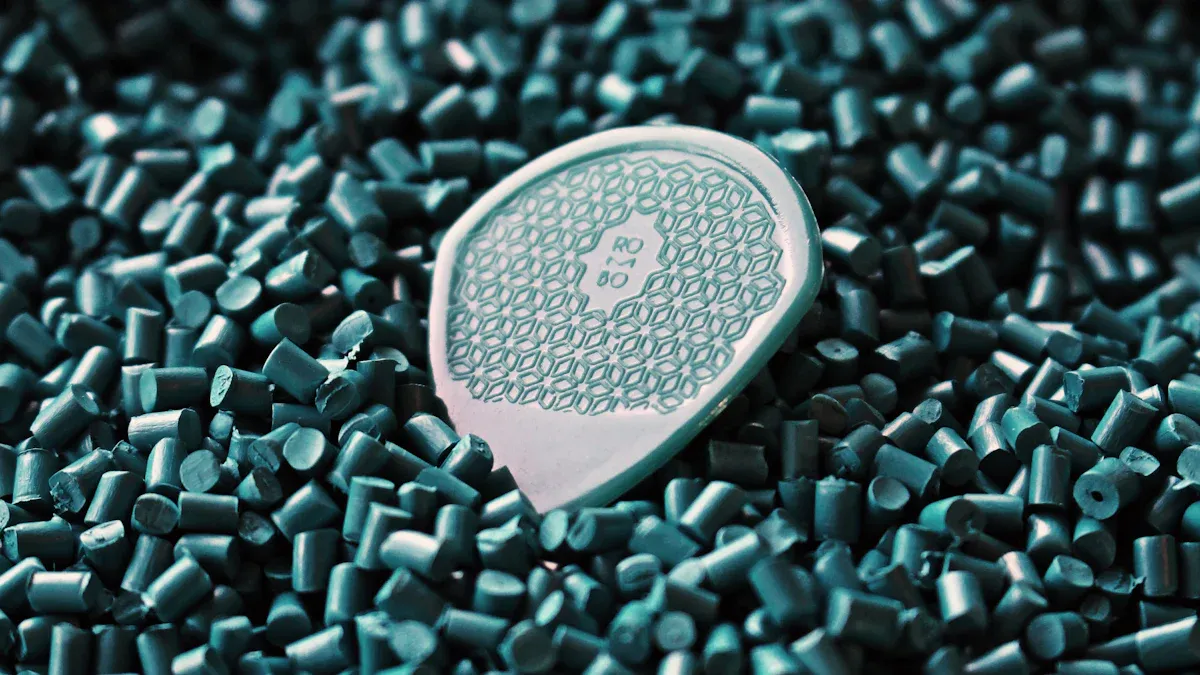
Veo que el reciclaje seguro y eficiente comienza con la comprensión de las propiedades únicas de los plásticos y el azufre.. La compatibilidad química importa, especialmente cuando los aceites interactúan con los plásticos. La mayoría de los residuos plásticos industriales se reciclan a un ritmo del acerca de 9%, lo que muestra la necesidad de mejores soluciones. Confío en equipos avanzados como la máquina peletizadora de plástico IPG para mejorar los resultados del reciclaje.. En procesamiento industrial de plástico y azufre, Las mejores prácticas para la granulación y el transporte de azufre ayudan a reducir los riesgos y mejorar la calidad..
- Tasa mundial de reciclaje de residuos plásticos industriales: acerca de 9%
Conclusiones clave
- Comprender la compatibilidad química entre plásticos y aceites es fundamental para evitar daños durante el reciclaje.
- Triturar plásticos reduce el volumen y mejora la calidad, hacer que el reciclaje sea más eficiente y rentable.
- El reciclaje mecánico funciona mejor para limpiar, plásticos clasificados, mientras que el reciclaje químico maneja materiales mezclados o contaminados.
- El uso de tablas de resistencia y pruebas de inmersión ayuda a garantizar el reciclaje seguro de plásticos expuestos a diferentes aceites..
- La granulación de azufre mejora la seguridad al reducir el polvo y facilitar la manipulación, mientras que el enfriamiento avanzado garantiza gránulos fuertes.
- Seleccionar el equipo y los materiales adecuados para el transporte de azufre previene la corrosión, peligros del polvo, y fallas en los equipos.
- Mantenimiento regular, control de polvo, y la integración de sistemas aumentan la eficiencia y la seguridad tanto en el reciclaje de plástico como en la manipulación de azufre.
- Prácticas sustentables, incluidos equipos energéticamente eficientes y aditivos a base de biocarbono, apoyar una industria más segura y ecológica.
Compatibilidad química de plásticos y aceites
Variables clave
Tipos de polímeros
Siempre empiezo por identificar el tipo de polímero antes de reciclar plásticos.. Cada polímero reacciona de manera diferente a los aceites.. Polietileno (educación física) y polipropileno (PÁGINAS) muestran una fuerte resistencia a muchos aceites. Poliestireno (PD) y tereftalato de polietileno (MASCOTA) a menudo se descomponen cuando se exponen a ciertos aceites. policarbonato (ordenador personal) y acrilonitrilo butadieno estireno (ABS) Puede agrietarse o volverse quebradizo después del contacto con el aceite.. El nailon destaca por su durabilidad frente a los aceites. Compruebo el tipo de polímero para predecir cómo se comportará durante el reciclaje..
Tipos de aceite & Temperaturas
El tipo de aceite y la temperatura juegan un papel importante en la compatibilidad.. Aceites de cocina como el de oliva y canola. Generalmente causan efectos leves sobre PE y PP.. aceites esenciales, como limón o eucalipto, Contienen compuestos que atacan a los plásticos como PS y PET incluso a temperatura ambiente.. Los aceites de motor y los lubricantes sintéticos pueden debilitar el PE y provocar grietas por tensión en PC y ABS.. Aceites hidráulicos, con sus aditivos, Puede provocar fragilidad e hinchazón en plásticos no clasificados para uso hidráulico.. Siempre tengo en cuenta la composición química y la temperatura del aceite durante el reciclaje..
Consejo: Recomiendo comprobar tanto el tipo de aceite como la temperatura antes de mezclar plásticos y aceites en cualquier proceso de reciclaje..
Térmico vs.. Efectos químicos
Puntos de fusión
Presto mucha atención a los puntos de fusión.. El PE se funde a unos 120°C, PP a 160°C, y PET a 250°C. Si la exposición al petróleo eleva la temperatura cerca de estos puntos de fusión, Los plásticos pueden deformarse o derretirse.. Las reacciones químicas pueden ocurrir más rápido a temperaturas más altas.. Controlo la temperatura para evitar cambios no deseados.
Rangos de temperatura del aceite
La temperatura del aceite afecta la respuesta de los plásticos. Los aceites fríos rara vez causan daños inmediatos. Los aceites calientes aceleran las reacciones químicas y pueden ablandar o deformar los plásticos.. Por ejemplo, El aceite de motor caliente puede fragilizar rápidamente el PE y el PC. Mantengo bajas las temperaturas del aceite durante el reciclaje para proteger la calidad del plástico..
Resistente vs.. Plásticos vulnerables
Tipos resistentes al aceite
Algunos plásticos resisten bien la exposición al petróleo.:
- polipropileno (PÁGINAS)
- Nylon
- Polietileno (educación física)
Estos materiales manejan aceites de motor., aceites hidraulicos, y aceites de cocina con un daño mínimo.
Tipos vulnerables al petróleo
Otros plásticos muestran vulnerabilidad:
- Poliestireno (PD)
- Tereftalato de polietileno (MASCOTA)
- policarbonato (ordenador personal)
- Acrilonitrilo butadieno estireno (ABS)
Estos plásticos pueden disolverse, grieta, o deformarse después del contacto con el aceite, especialmente con aceites esenciales o lubricantes calientes.
| Tipo de plástico | Resistencia al aceite | Reacción típica |
|---|---|---|
| educación física, PÁGINAS, Nylon | Alto | Cambio mínimo |
| PD, MASCOTA, ordenador personal, ABS | Bajo | Agrietamiento, pandeo, disolución |
Siempre combino cuidadosamente los plásticos y los aceites para evitar fallos en el reciclaje y garantizar un procesamiento seguro..
Compatibilidad de prueba
Gráficos de resistencia
Siempre reviso las tablas de resistencia antes de reciclar plásticos expuestos a aceites.. Estos gráficos muestran cómo reaccionan los diferentes plásticos a diversos aceites y productos químicos.. Los encuentro útiles porque dan respuestas rápidas sobre compatibilidad.. Por ejemplo, una tabla de resistencia podría incluir el polietileno como “excelente” contra el aceite de motor, mientras que el poliestireno muestra “pobre” resistencia. Utilizo estas tablas para evitar errores y seleccionar los materiales adecuados para reciclar..
| Tipo de plástico | Aceite de motor | Aceite de cocina | Aceite esencial |
|---|---|---|---|
| educación física | Excelente | Excelente | Bien |
| PÁGINAS | Excelente | Excelente | Bien |
| PD | Pobre | Justo | Pobre |
| MASCOTA | Justo | Bien | Pobre |
| Nylon | Bien | Bien | Bien |
Consejo: Recomiendo mantener tablas de resistencia actualizadas en el área de reciclaje.. Esto ayuda a todos a tomar decisiones seguras rápidamente.
Pruebas de inmersión
A veces, Las tablas de resistencia no cubren todos los tipos de aceite o plástico.. Utilizo pruebas de inmersión para comprobar la compatibilidad en estos casos.. Corté una pequeña muestra del plástico y la coloco en el aceite.. lo dejo por un tiempo determinado, generalmente 24 a 48 horas. después de la prueba, Busco cambios como hinchazón., agrietamiento, o cambios de color. Si el plástico permanece sin cambios., Sé que es seguro reciclar con ese aceite.. Si veo daño, evito mezclar esos materiales.
Anoto mis resultados en un cuaderno. This helps me build a custom compatibility guide for my facility. Immersion testing gives me confidence when resistance charts are unclear or missing.
Common Misconceptions
Térmico vs.. Chemical Damage
Many people think heat alone causes plastic damage. I learned that chemical reactions can be just as harmful. Oils may break down plastics even at room temperature. Heat speeds up these reactions, but chemical damage can happen without high temperatures. I always check both thermal and chemical risks before recycling.
Nota: I never rely only on temperature readings. Chemical exposure matters as much as heat.
Long-Term Exposure Risks
Short-term tests often miss long-term risks. I used to believe plastics were safe if they passed quick immersion tests. Con el tiempo, I saw plastics crack or weaken after months of oil exposure. El contacto prolongado puede causar daños lentos pero graves. Ahora superviso los plásticos durante períodos prolongados y reviso muestras antiguas con regularidad..
Aconsejo a otros que consideren tanto los efectos inmediatos como los retardados.. Esto evita fallos inesperados y mantiene el reciclaje seguro..
Trituración de plástico & Métodos de reciclaje
Por qué es importante aplastar
Triturar plástico es el primer paso que doy en cualquier proceso de reciclaje. Este paso da forma a todo lo que sigue.. Cuando aplasto residuos plásticos, lo hago más fácil de manejar, clasificar, y proceso. Los beneficios van más allá de simplemente hacer piezas más pequeñas.
Reducción de volumen
Noto que los residuos plásticos en bruto ocupan mucho espacio.. La trituración reduce el volumen, haciendo que el almacenamiento y el transporte sean mucho más eficientes. Las piezas más pequeñas encajan mejor en contenedores y tolvas., lo que ayuda a que los equipos posteriores funcionen sin problemas. Confío en este paso para mantener mis instalaciones organizadas y rentables..
| Punto de evidencia | Descripción |
|---|---|
| Reducción de volumen | La trituración reduce el espacio que ocupan los residuos plásticos en bruto, haciéndolo manejable para equipos posteriores. |
| Mejora de la calidad del material | El tamaño uniforme del plástico triturado mejora la eficiencia del lavado y reduce la contaminación.. |
| Eficiencia en el Reciclaje | Las decisiones tomadas durante la trituración impactan la calidad del producto reciclado final., afectando todos los procesos posteriores. |
Mejora de la calidad
El plástico triturado uniformemente mejora la calidad del material reciclado. Cuando aplasto plásticos hasta obtener un tamaño constante, Hago que lavar y clasificar sea más fácil. Este paso reduce la contaminación y aumenta la eficiencia de cada proceso que sigue.. Considero que una trituración de alta calidad conduce a pellets reciclados de alta calidad..
Consejo: Siempre compruebo el tamaño y la forma del plástico triturado antes de pasar al siguiente paso.. La coherencia aquí ahorra tiempo y dinero más adelante.
- La trituración influye en la separación de los materiales mezclados., lo que puede complicar el reciclaje si no se gestiona adecuadamente.
- La tecnología de clasificación avanzada es esencial para abordar los desafíos que surgen de los materiales triturados.
- Los ajustes continuos del proceso y las revisiones del desempeño son fundamentales para mantener altos estándares de calidad en los productos reciclados..
Reciclaje Mecánico
El reciclaje mecánico constituye la columna vertebral de mi flujo de trabajo de procesamiento de plástico. Lo uso para convertir plásticos de desecho en nuevas materias primas sin cambiar su estructura química.. Este método es energéticamente eficiente y rentable., especialmente para plásticos de un solo tipo.
tipos de trituradoras
Elijo trituradoras según el tipo y la forma de los residuos plásticos.. Para películas delgadas, Yo uso granuladores con cuchillas afiladas.. Para artículos voluminosos como botellas o cajas, Confío en trituradoras de alta resistencia. Algunos plásticos necesitan trituradoras especializadas para manejar su dureza o fragilidad.. La trituradora adecuada garantiza una reducción de tamaño eficiente y prepara el material para su posterior procesamiento..
Manual vs.. Mecánico
La trituración manual funciona para lotes pequeños o cuando necesito separar materiales a mano.. Sin embargo, Las trituradoras mecánicas manejan grandes volúmenes de forma rápida y consistente.. Prefiero los métodos mecánicos para la mayoría de las operaciones porque ahorran mano de obra y ofrecen resultados uniformes.. El reciclaje mecánico domina la industria, especialmente en regiones como Europa, donde representa más 99% de plásticos reciclados.
El reciclaje mecánico reprocesa físicamente los plásticos, producir materiales con propiedades cercanas a los plásticos vírgenes. Funciona mejor con plásticos homogéneos., Así que clasifico y limpio los materiales a fondo antes de triturarlos.. Sé que el reciclaje repetido puede degradar las propiedades del polímero., así que controlo la calidad de cada lote.
Pretrituración
La trituración previa es un paso que nunca me salto cuando se trata de residuos plásticos grandes o mixtos.. Utilizo trituradoras para descomponer objetos voluminosos en trozos manejables antes del triturado final.. Este paso protege mi trituradora principal de atascos y desgaste.. La trituración previa también me ayuda a detectar contaminantes o materiales no plásticos a tiempo., que mantiene el proceso de reciclaje limpio y eficiente.
Factores clave de rendimiento
Varios factores influyen en el rendimiento de mi equipo de trituración y reciclaje.. Presto mucha atención a estos detalles para maximizar la eficiencia y la calidad de los resultados..
| Factor de rendimiento | Descripción |
|---|---|
| Tipo de material y forma | Los diferentes plásticos requieren fuerzas de corte y tipos de cuchillas específicos para una trituración efectiva. |
| Brecha de la hoja | El espacio libre entre las cuchillas afecta la calidad del corte.; espacios más estrechos producen cortes más limpios pero aumentan el desgaste. |
| Tamaño de malla de pantalla | Determina el tamaño de las partículas de salida.; Los tamaños más pequeños reducen el rendimiento debido a la recirculación.. |
| Velocidad del rotor | Afecta el rendimiento y la generación de calor.; Las velocidades más altas aumentan la producción, pero pueden crear partículas finas.. |
| Tasa de alimentación | Una alimentación adecuada es crucial; la sobrealimentación puede dañar el equipo, mientras que la alimentación insuficiente reduce la eficiencia. |
| Mantenimiento | El mantenimiento regular de las hojas es esencial para evitar caídas de calidad y tensión en el equipo.. |
| Gestión de la contaminación | Es necesaria una gestión adecuada del polvo y del flujo de aire para evitar el sobrecalentamiento y fallos del equipo.. |
Selección de cuchillas
Selecciono las cuchillas según el tipo de plástico y el tamaño de salida deseado.. Los plásticos duros necesitan hojas más resistentes, mientras que los plásticos más blandos requieren bordes más afilados. Reviso la separación de las hojas con regularidad porque las separaciones más estrechas dan cortes más limpios pero se desgastan más rápido.. Reemplazo o afilo las cuchillas con frecuencia para mantener un alto rendimiento..
Malla de pantalla
La malla de la pantalla controla el tamaño de las piezas de plástico trituradas.. Los tamaños de malla más pequeños producen partículas más finas pero ralentizan el proceso porque el material recircula hasta pasar a través de la malla.. Equilibro el tamaño de la malla con el rendimiento para cumplir mis objetivos de producción. El tamaño constante de las partículas mejora el lavado y la peletización posterior..
Velocidad del rotor & Tasa de alimentación
La velocidad del rotor afecta la rapidez con la que puedo procesar residuos plásticos. Las velocidades más altas aumentan la producción, pero pueden generar más partículas finas y calor.. Ajusto la velocidad para que coincida con el tipo de plástico y el resultado deseado.. La tasa de alimentación importa, también. La sobrealimentación puede atascar la máquina, mientras que la alimentación insuficiente desperdicia energía. I monitor both to keep my operation running smoothly.
Nota: Regular maintenance and dust control keep my equipment running efficiently and prevent unexpected breakdowns.
Integrating Advanced Solutions
I rely on the Exintellmach IPG Pelletizing Machine Plastic to streamline my recycling process. This machine combines crushing, compacting, fusión, and pelletizing in one system. Its customizable screw extruder and advanced pelletizing options let me process a wide range of plastics. The IPG Pelletizing Machine uses precise temperature control and advanced filtration to produce uniform, pellets de alta calidad. Automation features reduce labor and ensure consistent output. I find that this technology not only boosts efficiency but also improves the quality and value of my recycled plastics.
Chemical Recycling
Chemical recycling Me da una manera de descomponer los plásticos más allá de los métodos mecánicos.. Utilizo este proceso cuando el reciclaje mecánico no puede producir material de alta calidad.. El reciclaje químico se basa en disolventes y reacciones químicas para transformar los plásticos en sus componentes básicos.. Este método me parece útil para plásticos mezclados o contaminados que el reciclaje mecánico no puede manejar..
Métodos basados en solventes
El reciclaje a base de disolventes utiliza productos químicos para disolver los plásticos. Selecciono disolventes como la acetona., diclorometano, o tetrahidrofurano (THF) según el tipo de polímero. Coloco plástico triturado en un baño de solvente.. El disolvente rompe las cadenas de polímeros., separar impurezas y colorantes. Después de la disolución, Filtro contaminantes y recupero el polímero puro.. Luego precipito el polímero agregando otro químico o enfriando la solución.. Este proceso produce limpieza, plástico de alta calidad listo para su reutilización.
Siempre superviso cuidadosamente el uso de disolventes.. Los disolventes pueden generar residuos peligrosos y requieren una eliminación adecuada. Utilizo equipo de protección y sigo las pautas de seguridad para evitar la exposición.. Los métodos a base de solventes funcionan mejor para plásticos como el poliestireno, cloruro de polivinilo, y mascota.
Despolimerización
La despolimerización lleva el reciclaje químico un paso más allá. yo uso calor, catalizadores, o enzimas para descomponer los plásticos en monómeros. Estos monómeros sirven como materia prima para la producción de nuevos plásticos.. Aplico la despolimerización a plásticos como PET y nailon.. El proceso consiste en calentar el plástico en un reactor., a veces con ácidos o bases. El plástico se descompone en sus unidades químicas originales..
Prefiero la despolimerización para producir materiales de alta pureza.. This method allows me to recycle plastics that mechanical methods cannot restore to their original quality. Depolymerization also helps me close the loop in the circular economy.
Consejo: I always compare chemical and mechanical recycling before choosing a method. Chemical recycling produces purer output but requires careful handling of chemicals.
| Aspecto | Chemical Recycling | Reciclaje Mecánico |
|---|---|---|
| Proceso | Uses acids and solvents to dissolve plastics, generating toxic chemicals. | Involves physically breaking down plastics, which can weaken their structure. |
| Producción | Produces high-quality, pure plastic suitable for various applications. | Results in lower quality recycled plastic that deteriorates over time. |
| Impacto ambiental | Generates higher CO2 emissions and hazardous waste due to chemicals used. | Uses more fossil fuels but generally produces less hazardous waste. |
Errores comunes
I see many mistakes in plastic crushing and recycling. These errors reduce efficiency and create safety risks. I always review my process to avoid common pitfalls.
Equipment Mismatch
I notice that using the wrong equipment causes frequent interruptions. Recycling machinery can jam 3–8 times per shift, cutting processing capacity by arriba a 25%. I match my crusher and pelletizer to the plastic type and batch size. I check feed systems for compatibility and adjust settings to prevent jams.
Contaminación
Contamination remains a major challenge. Acerca de 75% of contaminants in recycling facilities come from plastic bags and films. These materials clog machinery and lower product quality. I sort and clean plastics before crushing. I remove plastic bags, películas, and other non-recyclable items. Emily Malik, a conservation coordinator, points out that contamination complicates recycling. I agree and make contamination control a priority.
Maintenance Issues
Neglecting maintenance leads to downtime and costly repairs. I implement preventive maintenance programs to keep my machines running smoothly. Regular maintenance reduces unplanned downtime by up to 75%. I schedule blade sharpening, screen cleaning, and lubrication. I inspect equipment daily and fix problems before they escalate.
Control de polvo
Dust buildup creates hazards and damages equipment. I install dust extraction systems and use enclosed crushers. I clean dust filters regularly. Proper dust control protects workers and extends machine life.
Output Size
Inconsistent output size affects downstream processing. I adjust screen mesh and rotor speed to produce uniform particles. I check output size after each batch. Uniform pellets improve washing, fusión, and final product quality.
- Equipment jams reduce processing capacity by up to 25%.
- Preventive maintenance cuts downtime by up to 75%.
- Plastic bags and films cause most contamination in recycling facilities.
- Dust control and output size management improve safety and product quality.
Nota: I always review my process for these mistakes. Addressing them boosts efficiency and ensures high-quality recycled plastics.
Plastic Dissolution & Degradation
Why Plastics Resist Dissolving
Estructura molecular
I often wonder why most plastics do not dissolve easily in common solvents. The answer lies in their molecular structure. Plastics have long polymer chains with strong carbon-to-carbon bonds. These bonds resist breaking in everyday environments. Conventional plastics, like polyethylene and polypropylene, show remarkable durability because of these bonds. Semi-crystalline plastics have a tight structure that blocks solvents from penetrating. Amorphous plastics are more vulnerable to certain organic solvents, but they still resist water.
| Tipo de plástico | Características |
|---|---|
| Conventional Plastics | Long polymer chains with strong carbon-to-carbon bonds that resist breaking in common environments. |
| Semi-crystalline Plastics | Tight structure that prevents solvents from penetrating. |
| Amorphous Plastics | More vulnerable to certain organic solvents but still resistant to water. |
I always check the structure of the plastic before choosing a recycling method. The molecular arrangement determines how the material reacts to solvents.
Solvent Compatibility
Solvent compatibility plays a big role in plastic dissolution. I notice that plastics resist dissolving unless the solvent matches their chemical nature. Non-polar plastics, como polietileno, no disolver en agua o alcoholes. Plásticos polares, como el alcohol polivinílico, disolver en agua. Selecciono disolventes en función de la polaridad y estructura del plástico.. Este paso me ayuda a evitar perder tiempo y recursos..
Solventes que disuelven plásticos
THF
tetrahidrofurano (THF) Destaca como un potente disolvente para plásticos como el cloruro de polivinilo. (CLORURO DE POLIVINILO) y poliestireno. Utilizo THF en entornos de laboratorio para disolver estos plásticos para su análisis o reciclaje.. El THF funciona bien porque coincide con la polaridad de los polímeros..
Acetona
La acetona disuelve plásticos como el poliestireno y algunos acrílicos.. Utilizo acetona para limpiar equipos o eliminar residuos.. La acetona no afecta a la mayoría de los plásticos convencionales., pero puede descomponer ciertos tipos rápidamente.
diclorometano
El diclorometano disuelve plásticos como policarbonato y PVC.. I use it for industrial applications where rapid dissolution is needed. Dichloromethane works best with plastics that have less crystalline structure.
| Solvent Type | Eficacia | Notas |
|---|---|---|
| Toluene | Alto | Best overall performance in solubility tests |
| Xylene | Alto | Outperformed other solvents |
| Cyclohexane | Moderado | Effective in blends with cyclohexanol and xylene |
| Cyclohexanol | Moderado | Enhances solubility in mixtures |
| Alcohols | Bajo | Generally poor solvents for non-polar plastics |
| Ketones | Bajo | Not effective alone, but mixtures may improve solubility |
| Esters | Bajo | Not effective alone, but mixtures may improve solubility |
I find that solvent dissolution retains the chemical structure of polymers. This method reduces emissions and energy use compared to other recycling methods. It broadens the recycling scope for plastics, especially for polypropylene and polystyrene. Companies like Purecycle and Polystyvert use these solvents to recycle plastics that were once unrecyclable.
Solvent-based recycling lets me recover pure polymers without breaking their chemical bonds. This approach saves energy and supports sustainability.
Dissolvable & Plásticos biodegradables
PVA & Water-Soluble Types
I use polyvinyl alcohol (PVA) when I need a plastic that dissolves in water. PVA films break down quickly and leave no residue. Water-soluble plastics help me create packaging that disappears after use. These materials work well for single-use items and reduce waste.
Bioplásticos
Biodegradable plastics offer another solution. confío en petroleum-based polyesters like polycaprolactone (PCL) and poly(butylene succinate) (PBS) because microorganisms and enzymes can degrade them. Bio-based plastics, such as poly(hydroxybutyrate) (PHB), poly(lactide) (PLA), and starch blends, come from renewable resources and are also biodegradable. Their degradation rates depend on chemical structure, melting point, and crystallinity. algunos plasticos, like polyethylene and Nylon 11, may be bio-based but remain non-biodegradable. Acetyl cellulose can be biodegradable or not, depending on its acetylation.
I choose biodegradable plastics for applications where environmental impact matters. These materials break down through enzymatic and microbial action. Their rates of degradation vary based on composition and environmental conditions.
I always match the plastic type to the intended use and disposal method. This practice helps me support sustainability and reduce pollution.
Degradation Pathways
UV & Calor
I see plastics degrade through several pathways. UV radiation and heat play major roles in breaking down polymers. When sunlight hits plastic, UV rays cause photodegradation. This process breaks polymer chains into smaller fragments. Heat speeds up this reaction. Oxygen in the environment also accelerates degradation. I notice that high temperatures can trigger depolymerization reactions in synthetic polymers. These reactions break plastics into their basic chemical units.
During reciclaje mecanico, plastics face heat and shear forces. These conditions lead to thermo-oxidative and thermo-mechanical degradation. Chain-scission reactions start, breaking the long polymer chains. I monitor temperature and oxygen levels in my facility to control these effects. Chemical degradation, such as hydrolysis or oxidation, happens at near-ambient temperatures. Environmental factors like temperature and oxygen presence influence how fast plastics degrade.
- Photodegradation breaks down polymer chains with UV radiation.
- Heat and oxygen speed up the degradation process.
- High temperatures cause depolymerization in synthetic polymers.
- Mechanical recycling introduces heat and shear, leading to chain-scission reactions.
- Chemical degradation involves hydrolysis or oxidation, often at lower temperatures.
I always check for signs of degradation in recycled plastics. Changes in color, fragilidad, or texture signal that UV and heat have affected the material.
Microplastics
Microplastics form when larger plastic pieces break down into tiny fragments. I see this happen during photodegradation and mechanical recycling. UV light, calor, and oxygen cause plastics to fragment. These small pieces do not dissolve. En cambio, they persist in the environment.
Microbes can help degrade plastics. I use strains like Kocuria palustris M16, Bacillus pumilus M27, y Bacillus subtilis H1584 to enhance the breakdown of polyethylene films. The strain Brevibacillus borstelensis accelerates degradation of UV-treated low-density polyethylene at higher temperatures. Hydrolytic enzymes such as cutinase can completely degrade PET into monomers within 24 hours under specific conditions.
- Microbes and enzymes speed up plastic degradation.
- Microplastics result from fragmentation, not dissolution.
- Microplastics persist and pose environmental risks.
I track microplastic formation in my recycling process. I use biological methods to reduce their presence and support cleaner recycling.
Misconceptions
Dissolution vs. Degradation
Many people think plastics dissolve like sugar in water. I learned that conventional plastics do not dissolve. They degrade through photodegradation, where UV radiation breaks them into smaller pieces. Plastics do not vanish; they fragment and remain in the environment. This misconception leads to improper disposal and recycling practices.
- Plastics do not dissolve; they break into smaller fragments.
- Photodegradation causes fragmentation, not disappearance.
I explain this difference to my team. Understanding the distinction helps us manage plastic waste responsibly.
Environmental Risks
Some believe plastics break down on their own. I know this is not true. Most plastics persist for decades unless exposed to specific degradation pathways. Microplastics pose serious environmental risks. They accumulate in soil and water, affecting wildlife and human health. I use controlled recycling methods to minimize microplastic release.
Consejo: I always educate others about the persistence of plastics and the importance of proper recycling. Awareness reduces environmental harm and supports sustainability.
Sulphur Granulation Processes
Why Granulate Sulphur
Seguridad & Handling
I granulate sulphur to make it safer to handle in industrial environments. Granulated sulphur reduces the risk of dust explosions. The larger, uniform granules do not create airborne particles as easily as powdered sulphur. Workers face fewer hazards when moving granulated sulphur. I notice that granules flow smoothly through conveyors and storage bins. This reduces spills and minimizes contact with skin or eyes. I always prioritize safety by choosing granulation methods that produce strong, dust-free granules.
Granulated sulphur improves workplace safety by lowering dust levels and making handling easier.
Environmental Benefits
Granulating sulphur helps protect the environment. I see that granules release less dust into the air, which means cleaner facilities and reduced air pollution. The uniform size of granules prevents accidental spills and makes cleanup simpler. I use advanced cooling systems to create granules with a strong crystalline structure. These granules resist breaking apart during transport. This reduces the risk of sulphur entering soil or water. I believe that granulation supports sustainability by minimizing waste and preventing environmental contamination.
Granulation Steps
Fusión
I start the granulation process by melting sulphur at controlled temperatures. Sulphur melts at about 115°C. I use specialized heaters to keep the temperature steady. If the temperature rises too high, sulphur can decompose or release harmful gases. I monitor the melting stage closely to ensure safety and product quality.
Seed Generation
después de derretirse, I generate small sulphur seeds. I freeze droplets of molten sulphur to create these seeds. Pressure control is important during this step. The seeds act as nuclei for granule formation. I make sure the seeds are uniform in size to produce consistent granules later.
Granule Formation
I form granules by rotating the seeds in a drum. The drum rotates at a set speed, causing the seeds to roll and pick up layers of molten sulphur. This builds up the granules to the desired size. Drum rotation is a key factor. If the drum spins too fast, granules become uneven. If it spins too slowly, production slows down. I adjust the rotation speed to balance quality and efficiency.
Enfriamiento
I cool and solidify the granules to ensure proper crystallization. Cooling rate affects the strength and structure of the granules. I use air or water cooling systems to control the process. Rapid cooling can cause cracks, while slow cooling produces strong, uniform granules. I monitor the cooling stage to prevent defects and maintain product quality.
| Paso | Descripción | Factor clave |
|---|---|---|
| 1 | Melting sulphur at controlled temperatures | Control de temperatura |
| 2 | Generating small sulphur seeds through freezing | Pressure Control |
| 3 | Forming granules by rotating in a drum | Drum Rotation |
| 4 | Cooling and solidifying to ensure crystallization | Cooling Rate |
- Granulation improves product quality by ensuring uniform granule sizes.
- Dust reduction during handling enhances workplace safety.
- Advanced cooling systems lead to better crystalline structure and stronger granules.
Granulation Techniques
Drum Systems
I use drum systems for large-scale sulphur granulation. El rotary drum method pours molten sulphur into a rotating drum. Granules form as the seeds roll and pick up layers of sulphur. This technique produces uniform granule sizes and handles high throughput. I rely on drum systems when I need consistent quality and efficient production.
Prilling Towers
Prilling towers spray molten sulphur droplets through a nozzle into a tall tower. The droplets cool and solidify as they fall, forming spherical granules. Air cooling in the tower creates smooth, round granules. I choose prilling towers for applications that require perfectly spherical granules. This method works well for moderate production volumes.
- Prilling Tower Method: Sprays molten sulphur droplets through a nozzle into a tower where they cool and solidify into spherical granules.
- Rotary Drum Granulation: Pours molten sulphur into a rotating drum where it forms granules by rolling and cooling on the drum surface.
The rotary drum granulation method stands out for its efficiency in large-scale production. It delivers high throughput and uniform granule size. The prilling tower method excels at producing spherical granules through air cooling.
Fluid Beds
Fluid bed granulation suspends sulphur particles in a stream of air. I inject molten sulphur into the fluidized bed. The particles mix and cool rapidly, forming granules. Fluid beds allow precise control over granule size and cooling rate. I use this technique when I need flexibility and fast cooling.
Steel Belt
Steel belt granulation spreads molten sulphur onto a moving steel belt. The belt cools the sulphur as it travels, forming solid granules. This method produces flat, uniform granules and works well for continuous production. I select steel belt systems for applications that require gentle cooling and minimal dust.
Each granulation technique offers unique advantages. I match the method to my production needs and quality requirements.
Process Controls
I pay close attention to process controls when granulating sulphur. These controls help me produce high-quality granules and maintain safety in my facility. Each stage of the process requires careful monitoring and adjustment.
Temperature & Presión
Temperature control stands out as the most important factor during sulphur melting. I set the temperature just above sulphur’s melting point, usually around 115°C. If the temperature rises too high, sulphur can decompose or release harmful gases. I use precise heaters and sensors to keep the temperature steady. Pressure control becomes critical during seed generation. I adjust the pressure to create uniform sulphur seeds. Stable pressure ensures that the seeds form consistently, which leads to better granule quality.
I rely on a table to track key factors at each step:
| Paso | Descripción | Factor clave |
|---|---|---|
| Sulphur Melting | Heating sulphur to liquid state | Control de temperatura |
| Seed Generation | Creating small sulphur seeds | Pressure Control |
| Granule Formation | Building up granules in drum | Drum Rotation |
| Enfriamiento y solidificación | Hardening granules | Cooling Rate |
I check these factors every day. This routine helps me prevent defects and maintain consistent quality.
Cooling Rate
Cooling rate affects the strength and structure of sulphur granules. I use air or water cooling systems to control how quickly the granules solidify. Rapid cooling can cause cracks or weak spots. Slow cooling produces strong, uniform granules. I adjust the cooling rate based on the size and shape of the granules I want. I monitor the cooling process with sensors and visual checks. This practice helps me avoid defects and ensures that the granules meet industry standards.
I always remind my team that careful cooling leads to safer, more reliable sulphur products.
Modern Technology Benefits
Modern sulphur granulation technology offers several advantages. I see improvements in product quality, dust reduction, and energy efficiency every day.
Calidad del producto
Advanced granulation systems produce sulphur granules with uniform size and shape. Prilled sulphur stands out for its superior physical qualities. The round shape and consistent size make the granules flow smoothly and predictably. This uniformity helps me plan storage and transport more efficiently. I notice that high-quality granules reduce waste and improve performance in downstream applications.
| Benefit Type | Descripción |
|---|---|
| Calidad del producto | Prilled sulfur exhibits superior physical qualities, including better flowability and less dust. Its uniform size and round shape enhance predictability in use. |
Dust Reduction
Dust reduction remains a top priority in my facility. Modern air treatment systems capture and remove dust during the granulation process. These systems keep the workplace cleaner and safer. I see fewer airborne particles, which lowers the risk of dust explosions and respiratory hazards. Cleaner air also means less contamination in the final product.
| Benefit Type | Descripción |
|---|---|
| Dust Reduction | Air treatment systems are employed to significantly reduce dust generation during the granulation process. |
Cleaner air and less dust make my facility safer for everyone.
Eficiencia Energética
Energy efficiency helps me lower costs and reduce environmental impact. Indirect heat transfer methods optimize temperature control. These methods use less energy and minimize thermal waste. I track energy use with sensors and adjust settings to avoid excess consumption. Efficient systems help me meet sustainability goals and keep production costs down.
| Benefit Type | Descripción |
|---|---|
| Eficiencia Energética | Indirect heat transfer methods optimize temperature control, reducing excessive energy consumption and thermal waste during production. |
- Uniform granule size improves product quality.
- Air treatment systems reduce dust and enhance safety.
- Indirect heat transfer methods save energy and support sustainability.
I believe that investing in modern technology pays off with better products, safer workplaces, y menores costos operativos.
Sulphur Conveying Best Practices
Sulphur Properties
Forms & Densities
I handle sulphur in several forms, including granules, polvos, and molten liquid. Each form has its own density and flow characteristics. Granulated sulphur flows easily and packs tightly, making it ideal for bulk transport. Powdered sulphur creates more dust and requires careful handling to prevent airborne particles. Molten sulphur moves through pipelines and needs precise temperature control to stay liquid. I always check the bulk density before selecting conveyor systems. Por ejemplo, granules have higher density than powder, so I adjust conveyor capacity accordingly.
| Sulphur Form | Typical Density (kg/m³) | Handling Notes |
|---|---|---|
| Granules | 1,200–1,400 | Flows easily, menos polvo |
| Powder | 800–1.000 | High dust risk, needs control |
| Molten | 1,800 | Requires heated pipelines |
Corrosiveness
Sulphur can corrode metal surfaces, especially when wet or exposed to moisture. I prefer stainless steel or corrosion-resistant alloys for conveyor parts. Wet sulphur accelerates corrosion, so I avoid using carbon steel. I inspect equipment regularly for signs of rust or pitting. Choosing the right materials prevents costly repairs and extends equipment life.
Equipment Selection
Bucket Conveyors
I use bucket conveyors to move granulated sulphur vertically or horizontally. These conveyors handle bulk material efficiently and minimize spillage. I select buckets made from abrasion-resistant materials to withstand sulphur’s rough texture. Enclosed bucket conveyors reduce dust emissions and improve workplace safety.
Heated Pipelines
For molten sulphur, I rely on heated pipelines. These pipelines maintain sulphur above its melting point, usually around 120°C. I install insulation and heating elements to prevent solidification. Heated pipelines must use corrosion-resistant materials to avoid leaks and breakdowns. I monitor temperature closely to keep sulphur flowing smoothly.
Material Choices
Selecting the right materials is crucial. I choose stainless steel for most conveyor parts because it resists corrosion and abrasion. For areas exposed to high temperatures or moisture, I use special alloys. I avoid plastics and carbon steel, which degrade quickly in sulphur environments. I also consider the bulk density and flowability of sulphur when sizing conveyors.
I always match conveyor design to sulphur’s physical properties. This practice ensures reliable operation and reduces maintenance needs.
Factors I consider when selecting equipment:
- Operational requirements—scope and scale of sulphur handling.
- Efficiency and performance—energy use, rendimiento, dust suppression.
- Materials and durability—corrosion-resistant alloys.
- Safety features—explosion-proof components, emergency shutdowns.
- Maintenance and serviceability—easy access for repairs.
- Cost and total ownership—purchase, energía, and maintenance expenses.
Dust & Explosion Control
Enclosed Systems
Sulphur dust poses explosion risks. yo uso fully enclosed and sealed conveying systems to prevent dust emissions. These systems comply with ATEX or NFPA standards, which set safety requirements for explosive atmospheres. Enclosed conveyors keep dust contained and protect workers from inhalation hazards.
Compliance Standards
I follow strict compliance standards for sulphur conveying. ATEX and NFPA guidelines require explosion-proof motors and grounded equipment. I install safety alarms and video monitoring to detect dust fires early. Regular inspections help me spot hazards before they escalate.
Grounding
Grounding all equipment is essential. I connect conveyors, motores, and pipelines to earth ground to prevent static buildup. Static electricity can ignite sulphur dust, so grounding reduces explosion risks. I check grounding connections during maintenance and replace worn cables promptly.
- I maintain dust suppression sprays on silos and conveyors.
- I conduct emergency drills and train personnel in fire response.
- I use atomizing water cannons instead of direct water jets for fire control.
Early detection and proper equipment keep my facility safe from dust and explosion hazards.
Mantenimiento & Integración
Limpieza
I always make cleaning a top priority in my sulphur conveying systems. Sulphur dust and residue can build up quickly, leading to blockages or even equipment failure. I schedule regular cleaning routines for all conveyors, chutes, and storage bins. I use industrial vacuums and brushes to remove dust from hard-to-reach areas. For sticky sulphur deposits, I sometimes use steam or warm water, but I make sure to dry all surfaces thoroughly to prevent corrosion. I check for residue after every cleaning session. This habit helps me catch problems early and keeps my system running smoothly.
I learned from industry presentations that integrated surface protection and reliability-based maintenance can boost plant uptime, seguridad, and asset longevity. I see the benefits every time I stick to my cleaning schedule and use the right protective coatings.
Anti-Stick Coatings
Sulphur tends to stick to metal surfaces, especially in humid conditions. I apply anti-stick coatings to key areas of my conveying system. These coatings create a smooth barrier that prevents sulphur from clinging to chutes, hoppers, y cintas transportadoras. I choose coatings that resist both abrasion and corrosion. I inspect coated surfaces regularly for signs of wear or peeling. When I spot damage, I reapply the coating right away. This practice reduces downtime and helps me avoid costly repairs. Anti-stick coatings also make cleaning much easier, saving me time and effort.
System Integration
I believe that integrating all parts of the sulphur conveying system leads to better performance and fewer breakdowns. I connect my conveyors, storage bins, and control panels into a single automated network. This setup lets me monitor the entire process from one location. I use sensors to track material flow, temperatura, and equipment status. When a problem arises, the system alerts me immediately. I can then respond quickly and prevent bigger issues. I also link my maintenance schedule to the control system. Automated reminders help me stay on track with inspections and repairs.
- I always coordinate with my team to ensure everyone understands the integrated system.
- I train new staff on how to use the monitoring tools and respond to alerts.
- I update my integration plan as new technology becomes available.
By focusing on cleaning, using anti-stick coatings, and integrating my systems, I keep my sulphur conveying operations safe, eficiente, y confiable.
Plastic and Sulphur Industrial Processing Overview
Integrated Challenges
I see that Plastic and Sulphur Industrial Processing brings unique challenges to every facility. Plastics often arrive mixed, contaminated, or degraded. Sorting and purification require careful attention to detail. Sulphur presents risks like dust explosions and corrosion. I must balance safety, eficiencia, y responsabilidad ambiental. Handling both materials demands specialized equipment and strict process controls. I notice that integrating these processes can strain resources and increase maintenance needs. Managing waste streams and preventing harmful emissions remain top priorities for me.
Safety always comes first. I monitor dust levels, check for leaks, and train my team to handle emergencies. Regular inspections help me catch problems early.
Advanced Solutions
I rely on advanced machinery and technology to overcome these challenges. The IPG Pelletizing Machine Plastic streamlines recycling by combining crushing, compacting, fusión, and pelletizing in one system. This machine produces high-quality pellets and removes impurities efficiently. For sulphur, I use enclosed conveyors and automated monitoring systems to reduce dust and prevent explosions. Modern granulation techniques, like drum systems and prilling towers, improve product quality and minimize waste.
El transformation of mixed plastic waste involves sorting, purification, pirólisis, and heteroatom removal. These steps produce hydrocarbon feedstocks that fit into existing refinery technologies. Advanced recycling technologies help me meet the growing demand for recycled plastics. They turn waste into valuable materials and support the circular economy.
- EVERCYCLE™ supports circular solutions with sustainable additives.
- NAUGARD BIO-XL offers a biocarbon-based accelerator for sulfur curing, avoiding harmful nitrosamines.
- yo uso biocarbon-based accelerators and PFAS-free additives to minimize emissions.
- Strategies like nonylphenol-free additives further reduce environmental risks.
Automation and smart controls make my operations safer and more efficient. I track material flow, temperatura, and equipment status from a central control panel.
Enfoque de sostenibilidad
Sustainability guides every decision I make in Plastic and Sulphur Industrial Processing. I choose technologies that reduce waste and energy use. Advanced recycling methods let me recover pure polymers and integrate them into new products. I select additives and accelerators that support circular solutions and avoid harmful chemicals. Minimizing emissions and dust protects both workers and the environment.
I believe that integrating sustainable practices improves product quality and lowers costs. Cleaner air, safer workplaces, and reliable equipment help me meet industry standards. I always look for new ways to enhance sustainability, from biocarbon-based additives to energy-efficient granulation systems.
| Sustainability Practice | Beneficio |
|---|---|
| Advanced recycling technologies | Reduces waste, supports circular economy |
| Biocarbon-based additives | Lowers harmful emissions |
| Energy-efficient equipment | Cuts costs, protects environment |
| Dust and emission controls | Improves safety and air quality |
I encourage others to invest in sustainable solutions. These practices build a stronger, safer, and more responsible industry.
I learned that safe recycling and granulation depend on understanding material properties and using the right equipment. Chemical compatibility guides my choices in Plastic and Sulphur Industrial Processing. I rely on advanced machines like the IPG Pelletizing Machine Plastic and follow best practices for sulphur handling. Regular maintenance and system integration keep my operations efficient. I always consult specialists for tailored solutions. I encourage everyone to adopt sustainable practices for a safer industry.
Preguntas frecuentes
What plastics can I recycle with the IPG Pelletizing Machine Plastic?
I recycle polyethylene, polipropileno, nylon, poliestireno, MASCOTA, y ABS. The machine handles most common plastics. I check compatibility charts before processing new materials.
How do I prevent contamination in recycled plastics?
I sort and clean plastics before crushing. I remove films, bolsas, and non-recyclable items. Regular maintenance and dust control help me keep the process clean.
Is sulphur granulation safe for workers?
I use enclosed systems and dust suppression to protect workers. Granulated sulphur reduces explosion risks. I train my team on safety procedures and monitor air quality.
What is the best way to test plastic-oil compatibility?
I use resistance charts for quick checks. When charts are unclear, I run immersion tests by soaking plastic samples in oil and observing changes.
How does the IPG Pelletizing Machine improve recycling efficiency?
The machine combines crushing, compacting, fusión, and pelletizing. Automation reduces labor. Precise temperature control and impurity removal produce high-quality pellets.
Can I recycle plastics exposed to oils?
I check the type of oil and plastic. Some plastics resist oils, while others crack or dissolve. I test samples and consult compatibility charts before recycling.
What are the environmental benefits of sulphur granulation?
Granulated sulphur releases less dust. It reduces air pollution and makes cleanup easier. I use advanced cooling systems to create strong, uniform granules.