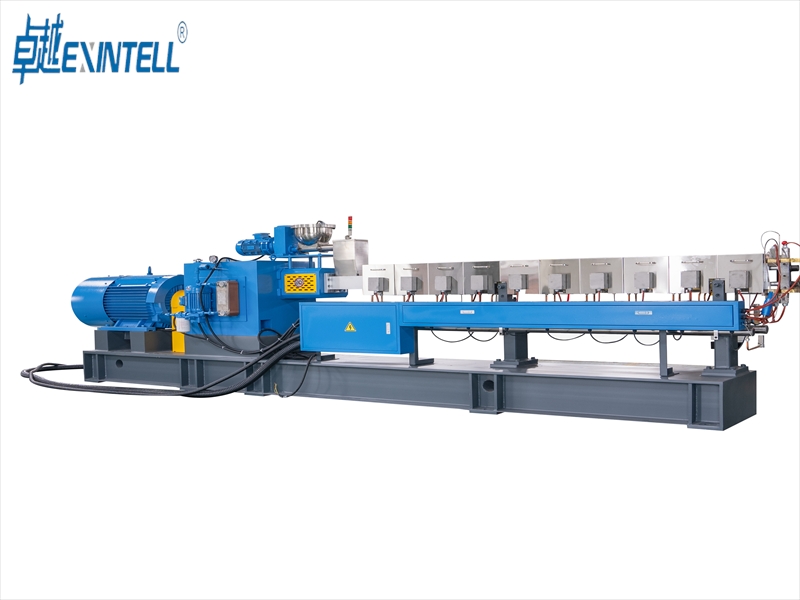
Plastic Pelletizer Machine Comparison Guide for Modern Recycling
Enhavo
Plastic Pelletizer Machine Comparison Guide for Modern Recycling
Efficient plastic pelletizer machine selection shapes the success of your plastic recycling operation. Each pelletizer type handles different materials such as PET, HDPE, or PP, and fits unique production scales and budgets. When you match the right system to your recycling plastics, you increase throughput and reduce downtime. You also boost profitability since recycled plastic often costs less to process than new material. Uniform pellets improve product quality, command higher prices, and lower transport costs due to their bulk density.
Ŝlosilaj Prenoj
Select the right pelletizer typebased on the plastic material you recycle. Different machines work best with specific plastics like PET, HDPE, or PP.
Consider your production scale when choosing a pelletizer. Small operations may benefit from simpler machines, while larger plants need high-capacity systems.
Evaluate automation features. Machines with more automation reduce manual work but may require skilled operators for maintenance.
Match your budget with themachine’s capabilities. Budget-friendly options are available for small businesses, while high-end systems offer advanced features for larger operations.
Regular maintenance is crucial for optimal performance. Follow the manufacturer’s schedule to keep your pelletizer running smoothly and extend its lifespan.
Types of Plastic Pelletizer Machines
When you choose a plastic pelletizer machine, you need to understand the main types and how they work. Each type fits different recycling needs and materials. The table below shows the maintypes of plastic pelletizer kaj iliaj bazaj funkciaj principoj:
Tranĉas fanditan plaston ĉe la ĵetkubo, cools with water ring.
Polyolefins like PE, PP, PS
Subakva Peletigado
Tranĉoj fandiĝas en varma akvo por rondaj buletoj.
Hot melt adhesives, TPU/TPE, micropellets
Strand Peletizer Maŝino
A strand pelletizing system pushes melted plastic through holes to form strands. Vi malvarmigas ĉi tiujn fadenojn en akvo, poste tranĉu ilin en buletojn. This type works well for high melt strength plastics like PET, PBT, kaj ABS. You often see strand pelletizer machines in the packaging, aŭtomobila, and construction industries. They handle materials such as LDPE, HDPE, PP, and even soft TPE or EVA.
Common uses:
Packaging films and bottles
Automotive parts
Construction pipes and panels
Water-Ring Pelletizer System
A water-ring pelletizing system cuts plastic at the die face, then cools the pellets with a ring of water. This method gives you uniform pellets and prevents strand breakage. You get excellent cooling and a compact layout. Water-ring pelletizing systems work best for soft or low-viscosity plastics like PE, PP, kaj PS. They run automatically and need little operator attention. Tamen, they do not suit sticky or heat-sensitive materials.
Konsileto: Choose a water-ring pelletizing system if you want consistent pellet shape and easy operation for polyolefins.
Underwater Pelletizer Machine
An underwater pelletizer cuts plastic melt directly in warm water. Ĉi tiu procezo kreas glata, round pellets. Vi povas uzi ĉi tiun sistemon por post-consumer recycling, filled compounds, and foam recycling. Subakvaj peletigiloj pritraktas materialojn kiel EPS, XPS, and ETPU. They offer high capacity and work well for specialty applications.
Aermalvarmigita Pelletigilo-Sistemo
Air-cooled pelletizers use air instead of water to cool and solidify pellets. You can use them for materials that do not tolerate water, kiel ekzemple kelkaj inĝenieristikplastoj. Air-cooled systems are simple and require less maintenance. Ili konvenas al malgrandaj ĝis mezaj produktadaj skaloj.
Specialaj Pelletigiloj
Specialty pelletizer machines serve niche recycling needs. Ili ofertas funkciojn kiel alta produktado, energy savings, kaj uzant-amikaj kontroloj. Vi ricevas fidindan operacion, easy cleaning, kaj konformeco al sekurecaj normoj. Specialty machines help you recycle unique materials and reduce costs.
Single-Screw vs. Twin-Screw, Single-Stage vs. Double-Stage
Single-screw extruders suit basic recycling and work with many materials. Twin-screw extruders give you better mixing and higher output. Double-stage systems handle more complex or contaminated plastics. You should match the system to your material and production needs.
Comparing Plastic Pelletizer Systems
Operation and Ease of Use
When you compare different pelletizer systems, you notice clear differences in how you operate them and the level of automation they offer. Some machines use advanced controls and automation, while others rely more on manual adjustments. The table below highlights the mainuser interface featuresand automation capabilities for the most common systems:
Tajpu
User Interface Features
Automation Capabilities
Subakve
Specialized die plate, water-filled cutting chamber
Extensive automation with PLC controls for critical functions
Water-ring
Uses a ring of water, durable die faces and knives
Automated control systems for pressure and cutting speed
Strand
Cost-effective for changing materials, facila prizorgado
Limited automation compared to underwater systems
Underwater pelletizers give you high pellet uniformity and reliable production.
Water-ring systems keep pellet sizes consistent with durable components.
Advanced models let you monitor and adjust settings in real time for better efficiency.
If you want a system that needs less operator intervention, you should consider underwater or water-ring types. Strand pelletizers are easier to maintain and switch between materials, but you will need to do more manual work.
Start-Up and Maintenance
Start-up and maintenance routines can affect your daily operations and costs. Ĉiu pelletizer sistemo havas unikajn postulojn:
Water-based systems require ongoing water filtration and temperature control.
Machines with easy blade access and die cleaning help you reduce downtime.
More automation means you spend less time on manual tasks, but you need higher technical skills for troubleshooting.
If you run a small operation, you may prefer strand pelletizers for their simple design and lower cost. For larger or more automated lines, underwater systems offer speed but require skilled staff.
Materiala Kongrueco
You must match your pelletizer to the types of plastics you process. Some machines handle a wide range of materials, while others work best with specific types. Ekzemple, many modern machines canprocess PET, HDPE, kaj PP. These plastics appear in bottles, filmoj, and rigid containers. You can use specialized equipment to handle up to 12 types of plastics, including both soft and hard waste.
Different plastics melt at different temperatures. You may need to adjust your process or use additives to improve compatibility, especially when you recycle mixed materials. For PET and HDPE, you can use copolymers to improve how the materials blend and form pellets. This step helps you get better pellet quality and reduces waste.
Trapaso kaj Produktadkapacito
Throughput measures how much material your plastic pelletizer machine can process in a given time. You need to choose a system that matches your recycling goals, whether you run a small shop or a large industrial plant.
Unuŝraŭbaj granuliloj funkcias bone por purigi, ordigitaj plastoj kaj povas prilabori inter 200 kaj 2,000 kg per hour. Twin-screw granulators handle more complex or contaminated materials and can exceed 3,000 kg per hour. La malsupra diagramo montras la tipan throughput ranges por malsamaj maŝintipoj:
The table below summarizes how production scale affects your choice:
Iuj maŝinoj funkcias plej bone por molaj plastoj, dum aliaj pritraktas rigidajn tipojn.
You should match the machine size to your output needs.
La malvarmiga metodo - akvo, aero, or cold—also affects which materials you can process and your final pellet quality.
Komprenante ĉi tiujn diferencojn, you can select the right pelletizer for your plastic recycling operation and maximize your efficiency.
Budget-Friendly vs. Altnivelaj Plastaj Pelletizer Maŝinoj
Trajtoj de Buĝetaj Maŝinoj
You may want a plastic pelletizer machine that fits a tight budget. Budget-friendly machines offer simple construction and basic controls. These machines often use manual adjustments and have fewer automation features. You can see the main features and their impact inthe table below:
Pli malalta prezo taŭgas por malgrandaj entreprenoj aŭ noventreprenoj.
Vastigas aliron por buĝetkonsciaj uzantoj.
Facileco de Uzo
Simplaj kontroloj kaj malpli da funkcioj.
Mallongigas trejnadon kaj reduktas erarojn.
Lower Maintenance Costs
Malpli da partoj signifas ke malpli povas rompiĝi.
Malaltigas vivtenajn elspezojn.
You can use these machines for small-scale plastic recycling. Ekzemple, a local recycler may process PET bottles with a basic pelletizer. Vi ricevas fidindajn buletojn por lokaj merkatoj, sed vi eble bezonos pli da laboro.
Trajtoj de Altnivelaj Maŝinoj
Altnivelaj pelletizer-sistemoj donas al vi advanced automation, pli alta trafluo, kaj pli bona materiala kongruo. You can process a wide range of plastics, including complex or contaminated streams. These machines often include touch-screen controls, realtempa monitorado, and automatic cleaning. You will see less downtime and higher product quality. Industrial-scale recycling plants use these machines to meet strict quality standards and boost efficiency.
Konsileto: Choose a high-end system if you want to scale up production, handle mixed materials, or need consistent pellet quality for demanding customers.
Price Ranges and Investment Considerations
Prices for plastic pelletizer machines range from $50,000 for basic models to over $200,000 for advanced systems. You should consider several factors before you invest:
Technological features that improve efficiency and quality
Media konformeco por plenumi regularojn
Postvenda subteno de via provizanto
You can start with a budget-friendly pelletizer for small recycling projects. As your operation grows, you may upgrade to a high-end system for greater output and flexibility.
Elektante la Ĝustan Plastan Pelletigilon
Assessing Material Types
You should start by identifying the types of plastics you plan to process. Each plastic pelletizer machine works best with certain materials. Ekzemple, PET, HDPE, and PP have different melting points and moisture sensitivities. The table below compareshow common pelletizing methods handle various plastics:
Faktoro
Gantry Cutting Machine
Horizontala Akva Ringa Tranĉo
Underwater Cutting
Plastic Type
ABS, PA
PE, PP, iuj inĝenieraj plastoj
High-melt-index plastics (PP nonwoven)
Pelleta Kvalito
Smooth, uniform
Even cooling, stabila
Minimal oxidation, high quality
Produktado-Efikeco
Small to medium batches
Kontinua, alta efikeco
High throughput, special materials
Prizorga Kosto
Kompleksa, more downtime
Simpla, fast blade change
Modera, water checks needed
Media Efiko
Moderate water, drying needed
High water, excellent cooling
High water, good for recycling
You also need to consider factors like pelletizing method, machine capacity, ŝraŭbo diametro, and cooling system. Moisture content in your material affects pellet quality and machine reliability. Tro da humideco povas kaŭzi blokadonand uneven pellets.
Determinanta Produktadskalon
You must match your pelletizer to your expected production volume. Small-scale recycling operations often usemachines with 100–300 kg/h capacity. Medium or large plants may need systems that process up to several tons per hour. Use these steps to guide your decision:
Single-stage systems suit small batchesand lower costs. Double-stage systems fit large-scale production and offer better consistency. Always align your choice with your recycling goals.
Balancing Cost and Performance
You can balance cost and performance by using smart strategies. Schedule production during off-peak hours to save on electricity. Use high-efficiency motors and load balancing features to cut energy costs. Batch scheduling and just-in-time processing reduce waste during startup and idle times.
Konsileto: A European packaging companyimproved their efficient plastic reprocessing system by choosing the right pelletizing system. They saw a 22% reduction in film thickness variation and an 18% increase in speed. A furniture manufacturer in China used a pelletizer to reprocess plastic materials waste, cutting raw material costs by 35%.
Kiam vi kongruas la ĝustan sistemon al viaj bezonoj, vi konstruas fidindan plastan recikladon.
What is the main benefit of using a pelletizer machine in plastic recycling?
You improve material quality and consistency with a pelletizer machine. This step helps you create uniform pellets, which makes downstream processing easier and increases the value of recycled plastics.
How do I choose the right pelletizer for my recycling operation?
Vi devus konsideri vian materialan tipon, produktadskalo, and budget. Kongruu la funkciojn de la maŝino al viaj bezonoj. Consult with equipment experts to ensure you select the best fit for your recycling goals.
Ĉu unu peletigilo povas manipuli ĉiujn specojn de plastoj?
Most pelletizers work best with specific plastics. You need to check the machine’s compatibility with your material stream. Iuj progresintaj sistemoj prilaboras pli larĝan gamon, sed vi ĉiam devas konfirmi antaŭ ol aĉeti.
How often should I maintain my pelletizer machine?
You should follow the manufacturer’s maintenance schedule. Regular cleaning and blade checks keep your machine running smoothly. Preventive maintenance reduces downtime and extends equipment life.
Is a high-end pelletizer always better for plastic recycling?
A high-end pelletizer offers more automation and higher output. Tamen, you may not need advanced features for small-scale recycling. Choose a machine that matches your operation size and budget.