

Kiel Reciklitaj Ekstrudistoj Transformas Plastan Rubaĵon en Novajn Materialojn
Vi povas vidi, ke Reciklita Ekstrudilo ŝanĝi plastajn rubojn en novajn aferojn. Ĉi tiu maŝino fandas malnovan plaston. Ĝi formas la fanditan plaston en ion novan, kiel forta 3D presa filamento. Vi helpas la planedon kiam vi uzas reciklitan plaston. Ĉi tio konservas plaston ekster rubodeponejoj kaj oceanoj.

-
Reciklitaj ekstrudistoj faras novajn aferojn el forĵetita plasto.
-
Ili funkcias kun multaj specoj de plastaj ruboj, eĉ pecetoj el hejmoj kaj fabrikoj.
-
Ĉi tiuj maŝinoj helpas cirklan ekonomion kaj malpliigas plastan poluon ĉie.
-
Vi helpas malaltigi plastajn rubojn kaj subteni lokan recikladon.
Ekstruda teknologio donas al vi rapidan manieron transformi plastajn rubojn en utilajn produktojn.
Ŝlosilaj Prenoj
-
Reciklitaj ekstrudistoj ŝanĝas plastajn rubojn en novajn aĵojn. Ĉi tio helpas redukti rubon en rubodeponejoj kaj oceanoj. La reciklada procezo komenciĝas per kolektado de plasto. Tiam, laboristoj ordigas kaj purigas la plaston. Post tio, ili fandas ĝin por fari novajn produktojn kiel 3D-presa filamento. Uzado de reciklitaj plastoj ŝparas energion kaj akvon. Ĝi ankaŭ ŝparas fosiliajn brulaĵojn. Ĉi tio estas pli bona por la medio. Vi devas elekti la ĝustan extruder por la laboro. Vi povas uzi a unu-ŝraŭba aŭ ĝemel-ŝraŭba extruder. La elekto dependas de la plasta tipo kaj produkta kvalito. Nova recikla teknologio faciligas aferojn. Ĝi ankaŭ helpas fari pli bonajn reciklitajn materialojn.
Kiel Funkcias Reciklitaj Ekstrudistoj
Eltrudaj Bazoj en Plasta Reciklado
Reciklita ekstrudisto povas transformi malnovan plaston en novajn aĵojn. La maŝino uzas varmon kaj premon por fandi la plaston. Ĝi formas la fanditan plaston en ion utilan. Unue, you collect and sort the plastic by type. Then you clean and dry it to get rid of dirt and labels. Poste, you grind the plastic into small pieces. These pieces go into the hopper of the recycled extruder. The machine melts and mixes the plastic. It pushes the melted plastic through a die to make new shapes like pellets or sheets. You cool the new material so it gets hard and ready to use.
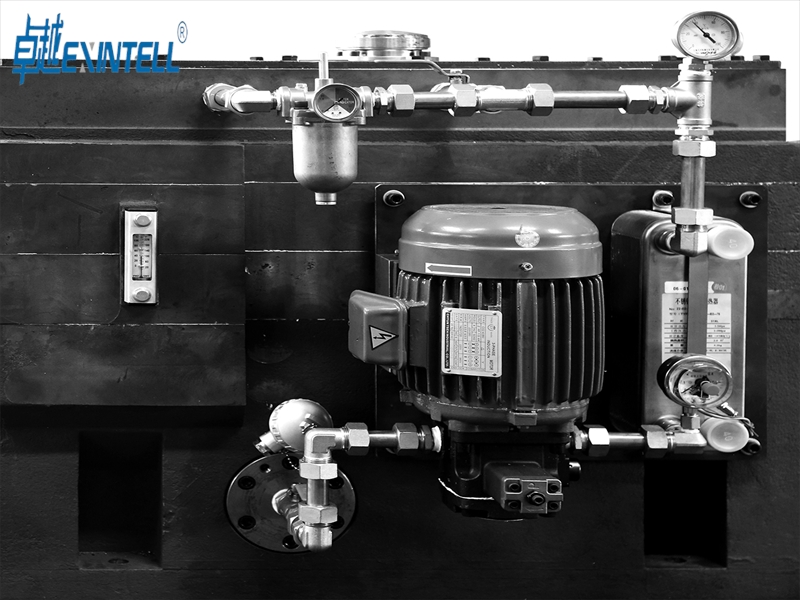
Konsileto: Recycling plastic keeps waste out of landfills and gives it a new use.
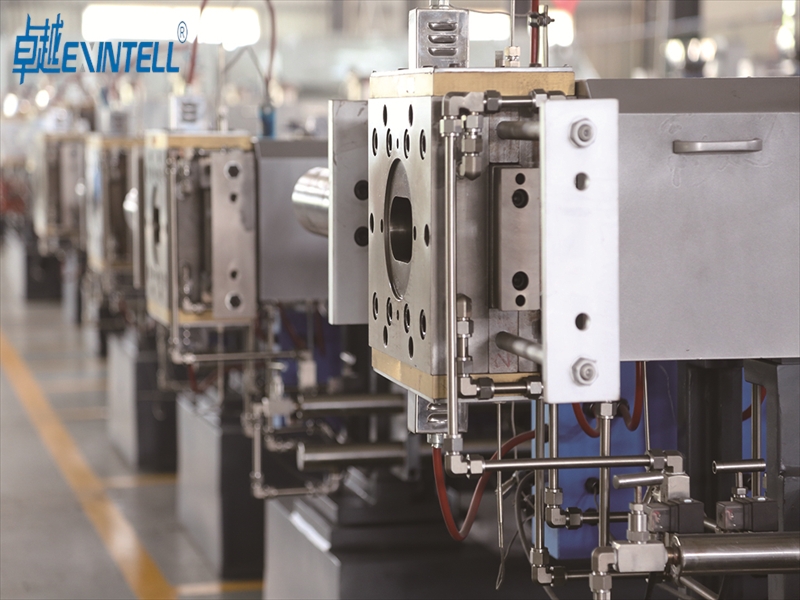
Here is an easy list of the extrusion steps in plastic recycling:
-
Clean and dry the plastic pieces.
-
Grind or shred the plastic into small bits.
-
Mix with other materials if you need to.
-
Put the plastic into the recycled extruder.
-
Melt and mix the plastic inside the machine.
-
Shape the melted plastic with a die.
-
Cool and harden the new material.
-
Cut or trim the finished product.
This process lets you recycle plastic and make new things. It helps the environment and saves resources.
Key Parts of a Recycled Extruder
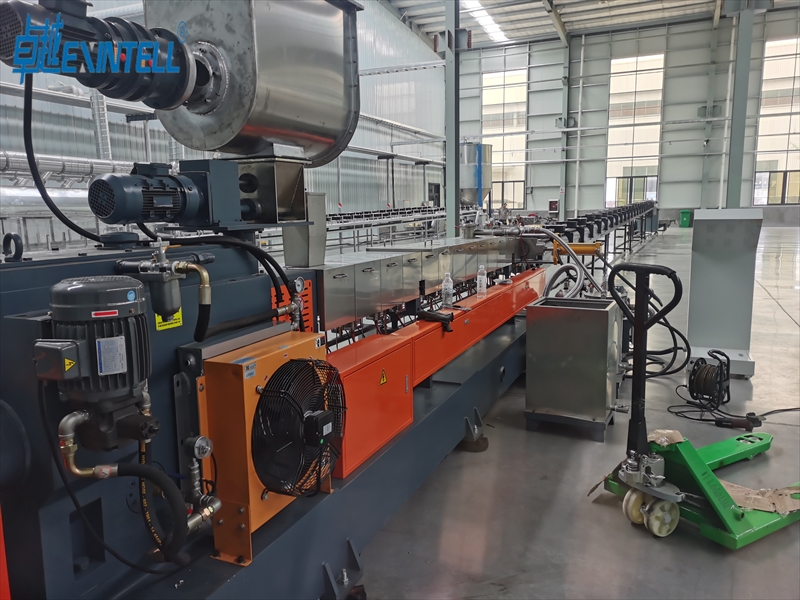
A recycled extruder has many important parts that work together. Each part does a special job to change plastic waste into new materials.
|
Komponanto |
Funkcio |
|---|---|
|
Tubular Barrel |
Holds the plastic and heats it up so it can melt. |
|
Revolving Screw |
Moves, melts, and mixes the plastic as it travels through the barrel. |
|
Hopper |
Feeds the ground plastic into the recycled extruder. |
|
Morti |
Shapes the melted plastic into forms like pellets, pipoj, or sheets. |
|
Ununura Ŝraŭbo |
Good for making simple products from one type of plastic. |
|
Twin-Screw |
Helps mix different plastics and removes air or moisture for better quality. |
You also find special heating zones in a recycled extruder. These zones melt the plastic evenly. The screw design can handle many types of plastic, like LDPE, HDPE, PP, PET, PS, kaj PVC. Some machines have degassing systems. These remove moisture and gases. This makes the final pellets stronger and cleaner.
You use a recycled extruder to turn clean plastic into new raw materials. These materials can be used again to make new products.
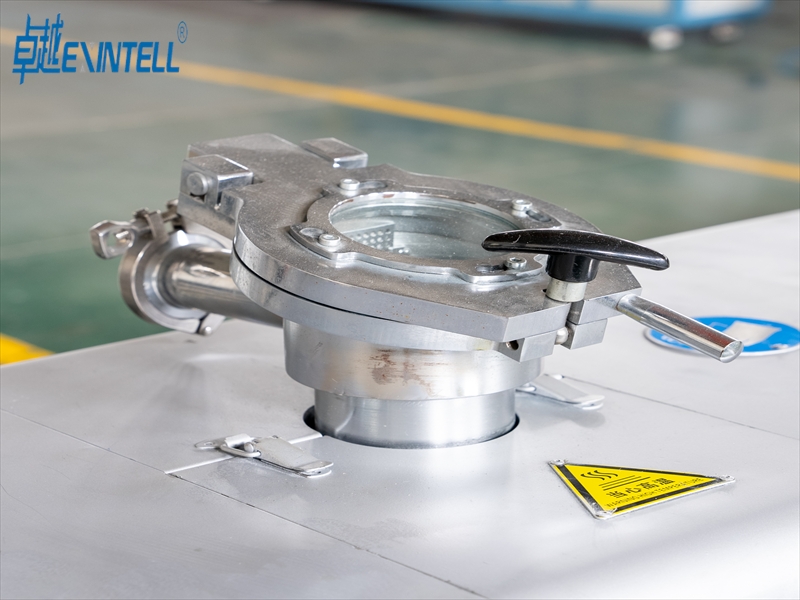
Single-Screw vs. Ĝemelŝraŭbaj Ekstrudiloj
You can pick single-screw or twin-screw recycled extruders. The best choice depends on what you need. Each type has good and bad points. Here is a table to help you see the differences:
|
Karakterizaĵo |
Duŝraŭba Ekstrudisto |
|
|---|---|---|
|
Miksaj Kapabloj |
Basic mixing for simple plastics |
Excellent mixing for complex materials |
|
Trapaso |
Malsupre, good for small batches |
Pli alta, faster processing |
|
Design Complexity |
Simpla, easy to use |
More complex, needs more skill |
|
Kontrolo de Temperaturo |
Basic control |
Better control for tricky plastics |
|
Fleksebleco |
Less flexible, best for one type of plastic |
Very flexible, handles many types |
|
Kosto |
Lower cost, energy efficient |
Higher cost, uses more energy |
|
Prizorgado |
Easy to maintain |
Needs more care and attention |
-
Single-screw recycled extruders are good if you recycle just one kind of plastic, like PE or PP. They are simple and cost less to use.
-
Twin-screw recycled extruders are better if you want to mix different plastics or add color. They mix better and make more material, but they cost more and use more energy.
You can choose the right recycled extruder by thinking about the plastic type, how much you want to recycle, and your budget.
Plastic Recycling Process
Sorting and Preparing Plastics
You begin by picking up plastic waste from homes and factories. Poste, workers or machines sort the plastics by type and color. They also check how thick the plastic is. Sorting helps keep recycling clean and easy. The plastic is then cut into small pieces. Washing takes away dirt, manĝaĵo, and labels. Post lavado, you dry the plastic to stop water problems. Another sorting step checks for leftover trash. Careful steps help make good recycled plastics.
|
Paŝo |
Priskribo |
|---|---|
|
Collection |
Pick up plastic waste from many places. |
|
First sorting |
Sort by type, koloro, or thickness. |
|
Disŝirado |
Cut the plastic into small pieces. |
|
Washing |
Wash the plastic to get rid of dirt. |
|
Second sorting |
Check again for clean plastic before use. |
|
Ekstrudado |
Get the plastic ready for melting. |
Feeding and Melting in the Extruder
You put the clean, dry plastic flakes into the extruder. A conveyor moves the plastic and a metal detector finds hidden metal. The extruder has a screw inside a hot barrel. The screw pushes the plastic forward. Heat and friction melt the plastic. The machine keeps each zone at the right temperature. The feed zone is cooler to stop early melting. The barrel zones get hotter to melt and mix the plastic. The die zone is hottest to shape the plastic. Bone kontrolo de temperaturo makes the melted plastic even and strong.
Miksado, Filtering, and Pelletizing
Inside the extruder, the plastic melts and mixes together. The machine filters out any dirt or metal left behind. The melted plastic goes through a die and forms strands. You cool the strands with water or air. A cutter chops the strands into small pellets. Drying takes away any last bits of water. Now you have strong pellets ready to use again. This step makes sure the recycled plastic is good quality.
Integrated Regrind Systems
Integrated regrind systems help make recycling faster and cheaper. These systems let you reuse plastic waste right away. You save money because regrind costs less than new plastic. Prices stay steady, even if the market changes. You help the planet by keeping plastic out of landfills. Integrated systems help make old products into new ones again and again.
Konsileto: Careful sorting and good temperature control help you get the best recycled plastic.
Applications of Recycled Extruders
Industries Using Recycled Plastics
Many industries use recycled extruders to make new products. They want materials that are strong and flexible. They also want materials that cost less and help the planet. These industries care about sustainability. Here is a table that shows where recycled plastics are used most:
|
Industrio |
Reasons for Usage |
|---|---|
|
Aŭtomobilo |
Durability, fleksebleco, cost reduction, sustainability practices |
|
Konstruo |
Durability, fleksebleco, cost reduction, sustainability practices |
You help these industries by giving them recyclable materials. These materials fit what they need. Using recycled extruders helps green manufacturing grow.
Common Products from Plastic Recycling
Recycled plastic pellets can make many useful things. These products help you every day. They also keep waste out of landfills. Here are some common products made from recycling:
-
Polietileno (PE): Bottles, ujoj, piping, flexible packaging, plastic bags.
-
Polipropileno (PP): Automotive parts, food containers, medical syringes, bottle caps.
-
Polyvinyl Chloride (PVC): Konstruaj materialoj, pipoj, medical tubing, electrical cable insulation.
-
Polistireno (PS): Disposable utensils, CD cases, pakado, insulation, food containers.
-
Polyethylene Terephthalate (PET): Beverage bottles, food packaging, synthetic fibers.
-
Akrilonitrilo-Butadiena Stireno (ABS): Automotive parts, LEGO bricks, electronic housings.
-
Biodegradable & recycled plastics: Compostable packaging, disposable cutlery, eco-friendly packaging.
You can see how recycling gives new life to many plastics.
Value-Added Products and Case Studies
Twin-screw recycled extruders help make value-added products. These machines turn plastic waste into things like 3D printing filament. This makes recycling work better. It also lets you make advanced products. As technology improves, you find more ways to use recycled materials.
“Indaver picked Coperion’s twin screw extruder for its ‘Plastics2chemicals’ plant. This plant gets materials from mixed polyolefin and polystyrene streams. It keeps the quality high. The Coperion ZSK Mc18 ĝemelŝraŭbo extruder is very important in this new recycling process.”
You can learn from real examples. Prad and Lala in Chennai, Barato, use their eltrudmaŝino to make furniture. Joop from Haute Plastique in Rotterdam makes stylish products from recycled plastic. Indaver’s “Plastics2chemicals” process uses advanced extruders to recycle mixed plastics with high quality. These stories show how you can turn waste into valuable items and help the planet stay clean.
Benefits and Challenges in Recycling
Environmental and Economic Benefits
When you use recycled extruders, you help the Earth. This process saves important resources and keeps nature safe. Here are some main benefits:
-
You use less fossil fuel. For every kilogram of recycled plastic, you save up to 2 kilograms of crude oil.
-
You need much less water. Recycling plastic uses 90% less water than making new plastic.
-
You save a lot of energy. Mechanical recycling uses 70% al 90% less energy than making new plastic.
-
You keep plastic out of landfills. Each ton you recycle saves about 7.4 cubic yards of landfill space.
-
You protect animals and water. Reciklado malhelpas plaston eniri oceanojn kaj tenas grundon kaj akvon puraj.
Vi ankaŭ elspezu malpli da mono per reciklitaj ekstrudiloj. Farado de reciklitaj buletoj kostas 30% al 50% malpli ol fari novajn. Ekzemple, se nova polipropileno kostas $1,200 po tuno, vi povas fari reciklitan polipropilenon por $600 al $800 po tuno. Mezgranda planto povas gajni super $2 miliono ĉiujare kaj pagi sian investon en malpli ol du jaroj.
Defioj: Poluado kaj Kongrueco
Estas iuj problemoj en plasta reciklado. Poluado estas granda problemo. Malsamaj paŝoj en reciklado povas aldoni malutilajn aferojn. Jen tabelo, kiu montras oftajn poluaĵojn kaj kion ili faras:
|
Etapo de Reciklado |
Oftaj Kontaminantoj |
Efiko sur Ekstruda Procezo |
|---|---|---|
|
Washing |
PCBoj, PBDEoj, plastaj aldonaĵoj |
Toksaj emisioj dum fandado kaj eltrudado |
|
Disŝirado |
Pezaj metaloj, PAH-oj, partikla materio |
Ekipaĵeluziĝo, pli malalta produkta kvalito |
|
Fandado kaj Ekstrudado |
VOCoj, ultra-fajnaj partikloj, plastaj aldonaĵoj, PAH-oj |
Malbona materiala fluo, weaker final product |
|
Facilities |
Pezaj metaloj, PBDEoj, microplastics |
Lower material quality, less efficient processing |
You also need to think about compatibility. Mixing different plastics can cause trouble. Some plastics do not mix well together. This can make the recycled plastic weak or easy to break. Ekzemple, if you mix PVC with PET, the quality gets worse because of chemical reactions. You can use compatibilizers to help different plastics mix better. This makes the recycled products stronger and more useful. Both mechanical recycling and chemical recycling have these problems, but new ideas are helping.
Innovations and Future Trends
There are many new ideas in recycled extruder technology. Companies now use co-rotating extruders to handle tough materials and get better results. Energy-saving systems help you use less power and save money. Advanced upcycling systems give old plastic a new use. Some plants use artificial intelligence to make recycling work 60% pli bone. Twin screw extruders and better filters also make recycled plastic higher quality.
In the future, there will be more focus on sustainability. By 2026, experts think 30% of plastic products will come from recycled materials. New screw designs and energy-saving motors can cut energy use by up to 40%. Industrio 4.0 technology will help you run closed-loop systems and make less waste. Predictive maintenance will keep machines working well and improve your results.
You help make the world cleaner when you use recycled extruders. These machines turn plastic waste into good recycled materials. They help keep trash out of landfills and save energy. They also help the circular economy grow. Vi devas solvi problemojn kiel malpuran plaston, rompita plasto, kaj miksitaj tipoj. Ĉi tio helpas vin akiri la plej bonajn reciklitajn produktojn. Se vi volas scii pli, rigardu ĉi tiujn ligilojn:
Oftaj Demandoj
Kiajn plastojn oni povas recikli per ekstrudigilo?
Vi povas recikli multajn plastojn kiel PE, PP, PET, PVC, kaj PS. Iuj maŝinoj ankaŭ povas pritrakti miksitajn plastojn. Ĉiam legu la gvidilon de la maŝino por plej bonaj rezultoj.
Kiel vi konservas reciklitan plaston pura kaj forta??
Vi ordigas, lavi, kaj seka plasto antaŭ reciklado. Bona temperaturo-kontrolo kaj filtrado ene de la extruder helpas fortigi, purigi buletojn.
Ĉu vi povas uzi reciklitajn ekstrudaĵojn hejme?
Plej reciklitaj ekstrudiloj estas uzataj en fabrikoj. Iuj malgrandaj labortablaj ekstrudiloj estas faritaj por hejmen uzi. You need safety training and the right setup to use them.
What products can you make from recycled plastic pellets?
You can make bottles, pipoj, furniture, 3D presa filamento, kaj pakado. Many industries use recycled pellets to make new products.
Why does sorting plastic matter in recycling?
Sorting helps you get high-quality recycled material. Mixed or dirty plastics can make weak products. Careful sorting gives better results.