

Filler Masterbatch Extruder Machine: The Definitive B2B Trade Guide for Global Manufacturers, Provizantoj, and Buyers in
The filler masterbatch extruder machine market is experiencing significant momentum as global demand for cost-effective plastic compounding solutions accelerates across packaging, konstruo, kaj aŭtomobilaj sektoroj. For B2B buyers sourcing from international manufacturers and suppliers, understanding the current trade landscape between major production hubs in Asia and key consumption markets in the United States and European Union is essential. This comprehensive guide examines the latest policy developments, merkataj ŝancoj, practical case studies, and forward-looking trade forecasts to help procurement professionals, factory owners, and wholesale distributors make informed decisions when investing in filler masterbatch extrusion equipment. Whether you are evaluating a filler masterbatch extruder machine manufacturer or comparing wholesale pricing from multiple factories, this resource delivers the data-driven insights you need.
Understanding Filler Masterbatch Extruder Machines: Core Technology and Applications
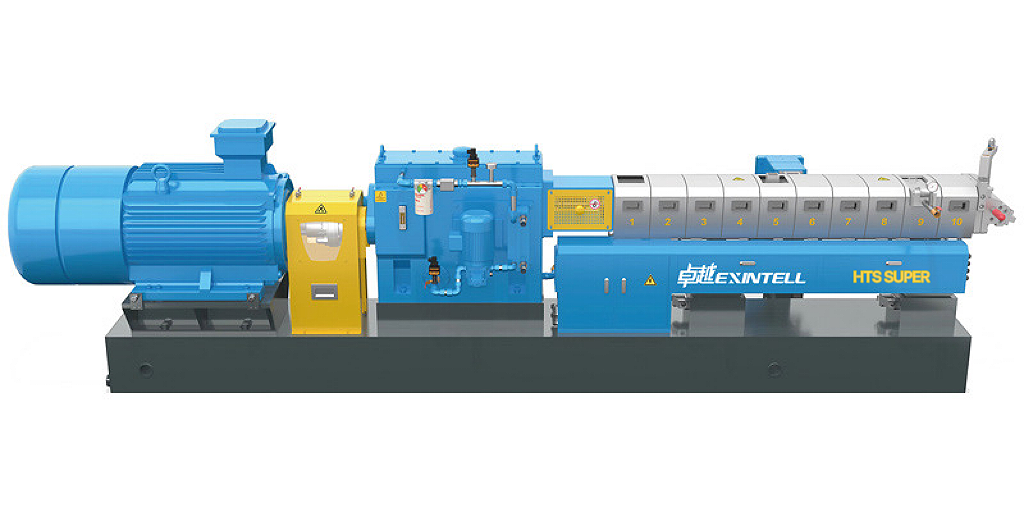
A filler masterbatch extruder machine is a specialized twin-screw or co-rotating extrusion system designed to compound high concentrations of mineral fillers — primarily calcium carbonate (CaCO3), bario sulfato, or talc — with polyethylene (PE) or polypropylene (PP) carrier resins. The resulting filler masterbatch pellets are then used by downstream plastics processors to reduce raw material costs, improve dimensional stability, and enhance certain mechanical properties of finished products.
Extruder Machine Manufacturer Manufacturer Modern filler masterbatch extruder machines typically feature: X1C Extruder Disassembly
- Co-rotating twin-screw extruder barrels with modular screw elements for optimized dispersion
- High-torque gearboxes capable of processing filler loadings of 70–85% by weight
- Automated gravimetric feeding systems for precise CaCO3-to-resin ratios
- Underwater or strand pelletizing systems for uniform pellet geometry
- PLC/HMI control panels with real-time monitoring of temperature, premo, and throughput
Output capacities range from 300 kg/h for compact laboratory-scale lines to over 2,000 kg/h for industrial-grade filler masterbatch production lines. The primary end-use sectors include blown film for packaging, injection-molded consumer goods, woven sack manufacturing, and pipe extrusion.
Industrial plastic extrusion machinery in a modern manufacturing facility producing filler masterbatch pellets
Foreign Trade Policy and the Plastics Machinery Industry Landscape in
The transatlantic trade relationship between the United States and the European Union remains the world's largest bilateral commercial partnership, with combined goods and services trade exceeding $1.3 duilionoj ĉiujare laŭ la U.S. Internacia Komerca Administracio (ITA). For the plastics machinery sector — including filler masterbatch extruder machines — several policy developments in the first half of are shaping procurement strategies:
US Trade Policy Developments
The United States maintains tariff schedules under the Harmonized Tariff Schedule (HTS) that classify plastics processing machinery under Chapter 84. Ekde Q2, Sekcio 301 tariffs on Chinese-origin machinery remain in effect at 25%, which has redirected significant buyer interest toward alternative sourcing from Southeast Asian manufacturers and European OEMs. La U.S. Fako de Komerco reported that imports of plastics and rubber industry machinery reached $4.2 miliardo en 2024, kun Germanio, Japanio, and Italy ranking among the top three non-Chinese supplier countries.
The Biden-era Inflation Reduction Act (IRA) and its emphasis on domestic manufacturing incentives continue to influence capital equipment purchasing decisions. Several U.S.-based plastics compounders have reported accelerated investment in new filler masterbatch lines to qualify for tax credits tied to domestic production capacity expansion.
EU Trade and Regulatory Framework
The European Union's trade policy under the Ĝenerala Direktoro pri Komerco has increasingly emphasized sustainability criteria in machinery imports. La Karbona Lima Alĝustigo-Mekanismo de EU (CBAM), kiu eniris sian transiran fazon en oktobro 2023 kaj moviĝas al plena efektivigo per 2026, komencas influi kiel eŭropaj aĉetantoj taksas la karbonsignon de importitaj kapitalekipaĵoj, inkluzive de ekstrudmaŝinoj.
La Strategio pri Plastoj de EU kaj la Direktivo pri Unuuzaj Plastoj daŭre stimulas postulon je plenigaĵmastro kiel rimedo por redukti virgan plastan konsumon.. Enkorpigante 70–80% enhavo de mineralaj plenigaĵoj, produktantoj povas signife malpliigi la polimerfrakcion en ne-kritikaj aplikoj, akordigante kun cirkulekonomiaj celoj skizitaj de la Eŭropa Parlamento.
Germany's VDMA (Mekanika Inĝenierado-Industria Asocio) raportis ke eŭropa plasto kaj kaŭĉuko maŝinaro produktado atingis proksimume €16.5 miliardo en 2024, kun kunmetaĵo kaj eltruda ekipaĵo reprezentanta grandan parton. Italaj maŝinfabrikistoj, precipe tiuj buligitaj en la Lombardio kaj Veneto regionoj, remain globally competitive in twin-screw extruder technology. Lab Extruders Manufacturer
Aerial view of Rotterdam port with container ships and logistics infrastructure supporting EU international trade
B2B Trade Opportunities for Filler Masterbatch Extruder Machines in US and EU Markets
The convergence of raw material economics, environmental regulation, and manufacturing reshoring trends is creating substantial B2B opportunities for filler masterbatch extruder machine suppliers targeting the US and EU markets. Blender Extrude Along Path
Market Demand Drivers
Cost reduction imperative: With polyethylene and polypropylene resin prices remaining volatile — PE spot prices fluctuated between $1,050 kaj $1,280 per metric ton in Q1 according to ICIS pricing data — downstream converters are actively seeking ways to reduce resin consumption. Filler masterbatch allows processors to replace 20–40% of virgin resin with low-cost CaCO3, delivering direct material savings of 15–30% per ton of finished product.
Packaging sector growth: The global flexible packaging market, valued at approximately $228 miliardo en 2024 de Smithers, continues to expand at 3.5–4% CAGR. This growth directly translates to increased demand for filler masterbatch and, konsekvence, the extrusion equipment to produce it.
Construction and infrastructure: Both the US Infrastructure Investment and Jobs Act and the EU's NextGenerationEU recovery fund are channeling billions into construction projects that consume large volumes of plastic pipes, profiloj, and sheets — all of which benefit from filler masterbatch incorporation.
Key Challenges for International Suppliers
Technical certification requirements: US buyers increasingly require machinery to comply with UL, NFPA 79, kaj OSHA-normoj, dum EU-aĉeto postulas CE-markadon, aliĝo al la Maŝinaro Direktivo 2006/42/EC, kaj ĉiam pli, konforme al la nova Regularo pri Maŝinaro de EU (EU) 2023/1230 valida ekde januaro 2027. La fabrikantoj de maŝinoj de extruder-mastro de plenigaĵoj devas investi en atestadinfrastrukturo por aliri ĉi tiujn merkatojn.
Paralelaj Twin-Screw Extruder Fabrikistoj Atendoj de post-venda servo: B2B-aĉetantoj en evoluintaj merkatoj atendas rapidan haveblecon de rezervaj partoj (kutime 48–72 hora livero), foraj diagnozaj kapabloj, kaj loka aŭ regiona servo-inĝeniersubteno. Establi servajn partnerecojn aŭ stokajn aranĝojn en Usono kaj EU estas grava baro por novaj merkataj enirantoj..
Loĝistiko kaj plumbotempoj: Oceankargo de gravaj aziaj produktadnaboj ĝis usonaj okcidentmarbordaj havenoj (Los-Anĝeleso, Longa Strando) aŭ eŭropaj havenoj (Roterdamo, Hamburgo) kutime postulas 25–40 tagoj. Kombinite kun 8–12 week manufacturing lead times for custom extruder configurations, total order-to-delivery cycles of 4–6 months are common, requiring careful procurement planning.
B2B trade exhibition hall with industrial machinery displays and international business professionals networking
Geographic and Policy Advantages Enabling B2B Foreign Trade in Filler Masterbatch Equipment
Several geographic and policy factors create natural advantages for B2B trade in filler masterbatch extruder machines between production centers and consumption markets:
Liberkomercaj Interkonsentoj: The EU maintains a network of FTAs covering over 70 countries. For machinery suppliers based in countries with EU FTA coverage (ekz., Sud-Koreio, Vjetnamio, Japanio per la EU-Japana EPA), preferential tariff rates on plastics machinery imports can reduce landed costs by 2–4 percentage points compared to MFN rates.
Usonaj Eksterlandaj Komercaj Zonoj (FTZ-oj): Finite 190 active FTZs across the United States allow importers to defer, redukti, or eliminate customs duties on imported machinery. A filler masterbatch extruder machine imported into an FTZ for assembly or integration with domestically sourced components can benefit from inverted tariff structures, where the duty on the finished production line is lower than on individual imported components.
Strategic port infrastructure: The Port of Rotterdam handles over 14 million TEUs annually and serves as the primary gateway for machinery imports into continental Europe. Sur la usona flanko, the Ports of Los Angeles and Long Beach collectively process approximately 40% of all US containerized imports, with dedicated heavy-lift and project cargo facilities suited to oversized extruder shipments.
Regional manufacturing clusters: Proximity to raw material sources matters. The US Gulf Coast petrochemical corridor (Teksaso, Louisiana) and European chemical hubs (Antverpeno, Ludwigshafen) provide filler masterbatch producers with competitive access to carrier resins, reducing the total cost of ownership for extruder investments in these regions.
Container cargo ship at a major international port with cranes loading industrial equipment for global B2B trade
Kaza Studo: How B2B Enterprises Succeed in the Filler Masterbatch Equipment Market
Kazo 1: A Chinese Manufacturer Establishes European Market Presence
A leading filler masterbatch extruder machine manufacturer based in Nanjing, Ĉinio, with annual production capacity exceeding 200 ekstrudlinioj, pursued a structured market entry strategy for the EU beginning in 2022. The company invested Fabriko de Provizanto de Extruder Machine proksimume $350,000 in obtaining full CE certification for its flagship 75mm and 95mm twin-screw extruder models, including third-party testing by TÜV Rheinland for electrical safety, noise emissions, and machine guarding compliance. Twin Screw Extruder Process
To address after-sales service concerns, the manufacturer established a spare parts warehouse in Düsseldorf, Germanujo, stocking over 800 SKUs of wear parts (ŝraŭbo elementoj, barelaj tegaĵoj, mortplatoj) with guaranteed 48-hour delivery across the EU. They partnered with a German technical services firm to provide on-site installation, komisiado, and training support in English, germana, French, and Spanish.
By Q1, the company had installed 47 filler masterbatch production lines across 12 EU member states, with key concentrations in Poland (packaging sector), Turkio (construction materials), and Spain (agricultural film). Their average selling price of €185,000–€320,000 per complete line positioned them approximately 35–45% below comparable Italian and German OEM offerings, while delivering comparable throughput performance of 800–1,500 kg/h at 80% CaCO3 loading.
Kazo 2: A US Compounder's Vertical Integration Strategy
A mid-sized plastics compounding company headquartered in Houston, Teksaso, operating three production facilities across the US Southeast, made a strategic decision in 2023 to vertically integrate filler masterbatch production rather than continuing to purchase from external suppliers. The company evaluated bids from seven filler masterbatch extruder machine suppliers across China, Germanujo, Italio, kaj Barato.
After a 6-month evaluation process including factory visits and reference customer interviews, they selected a configuration combining a Chinese-manufactured twin-screw extruder with German-engineered feeding and pelletizing systems. The hybrid approach delivered a total installed cost of $420,000 — proksimume 40% less than a fully European-sourced line — while meeting all OSHA and NEC electrical code requirements for their facility.
Ene 18 months of commissioning, the company reported annual material cost savings of $1.2 million by producing filler masterbatch in-house at 75% CaCO3 loading, displacing approximately 8,000 metric tons of purchased masterbatch annually. The payback period on the extruder investment was achieved in under 5 monatoj.
Kazo 3: European Machinery OEM Targets US Market via Trade Shows
An Italian twin-screw extruder manufacturer with 40 years of heritage in compounding technology leveraged participation in NPE (the Plastics Show, held in Orlando, Florido) and Chinaplas to build its US customer pipeline. Their strategy focused on differentiating through energy efficiency — their latest-generation filler masterbatch extruder machines consume 0.12–0.15 kWh/kg, proksimume 20% less than industry average — kaj tra integra industrio 4.0 kapabloj inkluzive de OPC-UA konektebleco kaj prognozaj prizorgado-algoritmoj.
La firmao establis usonan filion en Charlotte, Norda Karolino, kun teamo de tri servaj inĝenieroj kaj a 5,000 kvadrataj piedoj rezervaj instalaĵo. Meze de, ili estis sekurigitaj 15 instalaĵoj tra Usono kaj Meksiko, kun mezaj mendaj valoroj de $450,000–$680,000 por kompletaj ŝlosilaj plenigaĵoj majstraj produktadlinioj.
Moderna industria fabrikejo interno kun aŭtomatigita produktadlinia maŝinaro kaj kvalitkontrolaj sistemoj
Komerca Tendenca Prognozo: Filler Masterbatch Extruder Machine Market Outlook por Q3–Q4
Surbaze de nunaj merkataj indikiloj, politikaj trajektorioj, kaj industriinteligenteco kolektita de multoblaj fontoj inkluzive de la Plasto-Industria Asocio, EUROMAP, kaj komercaj datumoj de ITC Komerca Mapo, la sekvaj tendencoj estas antaŭviditaj por la sektoro de la maŝino de extruder-maŝino de plenigaĵo dum la sekva 1–2 monatoj kaj en la duan duonon de:
1. Daŭra tarif-movita provizoĉeno diversigo: With US Section 301 tariffs on Chinese machinery showing no signs of reduction, and potential additional tariff actions under discussion for, B2B buyers will increasingly evaluate filler masterbatch extruder machine suppliers in India, Vjetnamio, and Turkey as alternative sourcing origins. Indian manufacturers, precipe, have invested heavily in twin-screw extruder capacity, with several companies now offering CE and UL-certified models at price points 15–25% above Chinese equivalents but below European pricing.
2. Energy efficiency as a procurement criterion: Rising industrial electricity costs in both the US (averaging $0.08–$0.12/kWh por industriaj uzantoj) kaj mi (€0.15–€0.25/kWh depending on member state) are making specific energy consumption (kWh/kg) a critical evaluation metric. Extruder manufacturers offering high-efficiency drive systems, optimized screw designs, and heat recovery capabilities will gain competitive advantage. Atendu, ke aĉetaj RFQ-oj ĉiam pli inkluzivas garantiojn pri energia rendimento.
3. Aŭtomatigo kaj laborredukto karakterizaĵoj en postulo: Labormanko en fabrikado tra Usono kaj EU kondukas postulon je tre aŭtomatigitaj plenigaĵaj ĉefbatch-produktadlinioj postulantaj minimuman intervenon de operaciisto.. Trajtoj kiel aŭtomata administrado de receptoj, mempurigaj kapabloj, kaj fora monitorado per nub-bazitaj platformoj transiras de altkvalitaj elektoj al normaj atendoj.
4. Postuloj pri dokumentado de daŭripovo: EU-aĉetantoj ĉiam pli petos Deklaraciojn pri Media Produkto (EPDoj), kalkuloj de karbonpiedsigno, kaj recikleblectaksoj por importita maŝinaro kiam CBAM-efektivigo progresas. Fabrikistoj de maŝinoj por ekstrudmaŝinoj de plenigaĵoj, kiuj iniciateme disvolvas ĉi tiun dokumentaron, diferencigos sin en eŭropaj ofertoj.
5. Plifirmiĝo inter meznivelaj provizantoj: La konkurenciva premo de kaj malaltkostaj aziaj produktantoj kaj teknologi-gvidantaj eŭropaj OEM-oj estas atendita stimuli firmiĝon inter meznivelaj plenigaĵoj-majstraj ekstrudmaŝinoj-provizantoj.. Strategiaj akiroj kaj partnerecaj anoncoj estas antaŭviditaj en Q3–Q4, precipe implikante kompaniojn serĉantajn kombini aziajn produktadajn kostajn avantaĝojn kun eŭropa inĝenieristiko.
Komerca analiza panelo montranta tendencojn pri internacia komercaj datumoj kaj merkatprognoztabuloj por industria maŝinaro
Laboreja Sekureco en Filler Masterbatch Production: Protektante Operantojn kun B2B Sekurecaj Piedvestoj
Extruded Solutions Inc Funkciigi plenigaĵan majstran ekstrudmaŝinon implikas signifajn laborejdanĝerojn kiuj postulas rigoran personan protektan ekipaĵon. (PPE) protokoloj — kaj sekurecŝuoj estas inter la plej kritikaj ankoraŭ ofte subtaksitaj Duobla Extruder Presado elementoj de protektado de operaciisto. Por B2B-aĉetadministrantoj provizantaj kaj maŝinaron kaj rilatajn sekurecajn ekipaĵojn, kompreni la specifajn riskojn en plenigaĵmastro-produktadmedio estas esenca por plenumado kaj protekto de laborantaro.
Danĝera Profilo de Filler Masterbatch Extrusion Facilities
Tipa plenigaĵmastro-produktadlinio prezentas multoblajn pied-vundojn riskojn:
- Peza objekta efiko: Ŝraŭbaj elementoj, barelaj segmentoj, kaj ĵetkuboj rutine pezas 15–80 kg. Dum vivtenaj operacioj, ĉi tiuj komponentoj estas pritraktitaj permane aŭ per fluggruoj, kreante gravajn danĝerojn de dispremado kaj trafo por piedoj kaj piedfingroj.
- Varma materiala kontakto: Fanditaj polimerfadenoj elirantaj la ĵetkubrilon ĉe 180–220°C, varma buleta akvo ĉe 60–80°C, kaj varmigitaj barelsurfacoj superantaj 250°C prezentas severajn bruligajn riskojn. Ŝprucedoj de fandita ĉefbaĉo dum fadenrompoj aŭ ĵetkuboj povas kaŭzi gravajn piedajn vundojn se funkciigistoj portas neadekvatan piedveston..
- Glitdanĝeroj: Proceza akvo el subakvaj peletigsistemoj, verŝita CaCO3-pulvoro (kiu fariĝas ege glitiga kiam malseka), kaj lubrikaĵrestaĵoj kreas konstantajn glitajn kaj falajn riskojn sur produktadplankoj.
- Kunpremaddanĝeroj: Plenigimaj masterbatch sakoj (tipe 25 kg ĉiu) kaj pograndaj sakoj (500–1,000 kg) stokita kaj transportita per ŝarĝaŭtoj en la produktadareo kreas kunpremajn riskojn por piedoj.
- Elektraj danĝeroj: Alttensiaj stiraj sistemoj (kutime 380–480V) powering extruder motors require ESD-rated footwear in designated electrical maintenance zones.
Safety Footwear Standards for Industrial Compliance
B2B safety footwear for filler masterbatch production environments must comply with recognized international standards:
For US operations: ASTM F2413-18 defines performance requirements for protective footwear, inkluzive de trafo-rezisto (I/75 — protekto kontraŭ 75 ft-lbs impact), kunpremadrezisto (C/75 — protekto kontraŭ 2,500 lbs compression), kaj laŭvolaj rangigoj por metatarsa protekto (Mt), elektra danĝero (EH), static dissipation (SD), kaj trapikrezisto (PR).
For EU operations: EN ISO 20345:2022 classifies safety footwear into categories S1 through S5, with S3 being the minimum recommended level for plastics processing environments. S3 footwear provides toe protection (200J efiko, 15kN kunpremo), fermita kalkano, kontraŭstatikaj propraĵoj, energy absorption in the heel, akvorezista supraĵo, kaj penetr-imuna plando.
La Administrado pri Laborsekureco kaj Sano (OSHA) in the US mandates that employers assess workplace hazards and provide appropriate foot protection under 29 CFR 1910.136. Simile, the EU Framework Directive 89/391/EEC requires employers to provide PPE, inkluzive de sekurecŝuoj, senkoste al laboristoj kiam danĝeroj ne povas esti eliminitaj per inĝenieristikkontroloj.
Elektante la Ĝustan Sekurecan Piedveston por Ekstrudistoj
Kiam oni akiras B2B sekurecaj ŝuoj por plenigantaj ĉefbatch-produktaj teamoj, konsideru ĉi tiujn specifojn:
- Ŝtalaj aŭ kunmetitaj piedfingroĉapoj: Ambaŭ materialoj plenumas postulojn pri efiko kaj kunpremado. Komponitaj piedfingroĉapoj (vitrofibro, karbonfibro, aŭ Kevlaro) proponi avantaĝojn en pezo-redukto (30–40% pli malpeza ol ŝtalo) kaj termika izolado — grava en medioj kun temperaturekstremoj proksime de ekstrudbareloj.
- Varmorezistaj eksteraj plandumoj: Nitrilaj kaŭĉukaj eksterplandoj taksitaj por kontakta varmorezisto ĝis 300°C (HRO-taksado laŭ EN ISO 20345) estas esencaj por funkciigistoj laborantaj proksime de ĵetkuboj kaj peletigaj sistemoj.
- Kontraŭglitaj paŝadoj: SRC-taksitaj eksterplandumoj (provita sur ambaŭ ceramikaj kaheloj kun natria laŭrilsulfata solvo kaj ŝtalo kun glicerolo) provizi la plej altan glitrezistan klasifikon, kritika por malsekaj produktadplankoj.
- Metatarsaj gardistoj: For maintenance technicians who handle heavy screw elements and barrel components, internal or external metatarsal guards provide additional protection to the upper foot area beyond what toe caps alone offer.
- Ankle support: Mid-cut or high-cut boot designs provide superior ankle stability and protection against CaCO3 powder and pellet ingress, which can cause irritation and slip hazards inside low-cut shoes.
The Business Case for Quality Safety Footwear in B2B Operations
Investing in high-quality safety footwear delivers measurable returns for filler masterbatch production operations:
Laŭ la U.S. Agentejo de Labora Statistiko, piedaj vundoj respondecas proksimume 60,000 workplace injuries annually in the US, with an average direct cost of $9,000–$12,000 per incident (medical expenses plus workers' kompenso). Indirect costs — including lost productivity, anstataŭa laboro, and administrative burden — typically multiply direct costs by a factor of 3–5x.
For a filler masterbatch factory operating three shifts with 30 produktadlaboristoj, providing premium S3/ASTM-rated safety footwear at $80–$150 po paro (anstataŭigita ĉiujare) represents an investment of $2,400–$4,500 per year. Preventing even a single moderate foot injury saves $27,000–$60,000 in total costs — delivering an ROI exceeding 600%.
Beyond financial considerations, safety footwear compliance is increasingly audited by major B2B customers as part of supplier qualification processes. European and American brand owners conducting factory audits for their supply chain due diligence routinely verify PPE programs, including safety footwear provision and condition. Non-compliance can result in order cancellations, supplier delistings, and reputational damage.
Chicago Extruded Metals Komforto kaj ergonomio ankaŭ rekte influas produktivecon. Moderna sekurecŝuo enkorpiganta EVA-mezplandojn, malsekecajn tegaĵojn, kaj anatomie desegnitaj piedbetoj reduktas lacecon de la operatoro dum 8–12 horaj deĵoroj. Studoj publikigitaj en la Analoj de Laborekspozicioj kaj Sano pruvis, ke komforta sekureca piedvesto reduktas mem-raportitan lacecon je 20–30% kaj malpliigas negravajn glitajn incidentojn je ĝis 40% kompare kun baza nur observo-ŝuo.
Industria laboristo portanta sekurecbotojn kaj protektan ekipaĵon en medio de fabrikado
Ŝlosilaj Specifoj por Taksi Kiam Akirante Pleniga Masterbatch Extruder Machine
Por B2B-aĉetantoj preparantaj akirspecifojn, la sekvaj teknikaj parametroj devus esti inkluzivitaj en RFQs senditaj al fabrikistoj kaj provizantoj de plenigaĵaj majstraj ekstrudmaŝinoj:
| Parametro | Tipa Gamo | Notoj |
|---|---|---|
| Diametro de ŝraŭbo | 52–135 mm | Pli grandaj diametroj = pli alta trafluo |
| L/D-proporcio | 32:1 – 44:1 | Higher L/D provides better dispersion for high-fill formulations |
| Maximum throughput | 300–2,000 kg/h | Depends on filler loading and formulation |
| Maximum filler loading | 70–85% by weight | CaCO3 is most common; talc and BaSO4 also used |
| Motor power | 55–450 kW | High-efficiency IE3/IE4 motors preferred |
| Specific energy consumption | 0.10–0.18 kWh/kg | Lower is better; request guaranteed values |
| Pelletizing system | Strand cut / subakve / water ring | Underwater preferred for high-volume operations |
| Control system | Siemens / ABB / Schneider PLC | Ensure compatibility with plant SCADA systems |
How to Verify a Filler Masterbatch Extruder Machine Factory Before Ordering
Due diligence is critical when selecting a filler masterbatch extruder machine factory, particularly for cross-border B2B transactions involving significant capital expenditure. Recommended verification steps include:
- Factory audit: Conduct an on-site or third-party audit (SGS, Bureau Veritas, TÜV) por kontroli produktadkapablojn, quality management systems (ISO 9001:2015 minimumo), kaj produktadkapablo.
- Reference customer visits: Request and visit at least 2–3 reference installations operating similar configurations to your requirements. Verify actual throughput, uptime, and maintenance history.
- Trial run: Por mendoj superantaj $200,000, negotiate a factory acceptance test (GRASO) using your actual raw materials. Document throughput, energy consumption, pellet quality, and filler dispersion results.
- Spare parts pricing and availability: Obtain a complete spare parts list with pricing before signing the purchase contract. Verify stock availability and delivery lead times for critical wear parts.
- Warranty and service terms: Standard industry warranty is 12 monatoj de ekfunkciigo aŭ 18 months from shipment. Negotiate clear terms for response times, warranty part replacement, and service engineer availability.
Frequently Asked Questions About Filler Masterbatch Extruder Machines
- What is the typical MOQ when buying from a filler masterbatch extruder machine factory?
- Most manufacturers accept orders for a single complete production line. Tamen, pricing improves significantly for orders of 2+ linioj, with typical discounts of 5–12% for multi-unit purchases. Wholesale buyers ordering 5+ units annually can negotiate framework agreements with further volume-based pricing.
- What certifications should a filler masterbatch extruder machine have for export to the EU and US?
- For EU markets, CE marking is mandatory, covering the Machinery Directive 2006/42/EC, Low Voltage Directive 2014/35/EU, and EMC Directive 2014/30/EU. For US markets, UL listing or recognition for electrical components, NFPA 79 compliance for industrial machinery electrical standards, and OSHA-compliant machine guarding are expected. Request certification documentation during the quotation stage.
- How long does installation and commissioning take for a complete filler masterbatch production line?
- Typical installation and commissioning timelines range from 10–21 days depending on line complexity, site readiness, and whether the supplier provides turnkey installation. Budget an additional 5–7 days for operator training. Most reputable filler masterbatch extruder machine manufacturers include installation supervision and training in their standard scope of supply.
- What is the expected lifespan of a filler masterbatch extruder machine?
- With proper maintenance, a quality twin-screw extruder can operate for 15–25 jaroj. Wear parts (ŝraŭbo elementoj, barelaj tegaĵoj) typically require replacement every 3,000–8,000 operating hours depending on filler abrasiveness. Annual maintenance costs typically run 2–4% of the original equipment purchase price.
- Can a filler masterbatch extruder machine process recycled materials?
- Jes, many modern filler masterbatch extruder machines can process post-industrial and post-consumer recycled PE and PP as carrier resins. Tamen, recycled material processing may require additional upstream equipment (shredders, wash lines, melt filters) and screw configuration adjustments to handle contaminants and variable melt flow properties.
Konkludo: Strategic Sourcing for Filler Masterbatch Extruder Machine Buyers
The filler masterbatch extruder machine market in presents compelling opportunities for B2B buyers willing to navigate the complexities of international trade, technical certification, and supply chain management. Whether sourcing from established Miksanta Ekipaĵo European OEMs for premium technology or from competitive Asian manufacturers for cost-optimized solutions, success depends on thorough due diligence, clear technical specifications, and robust after-sales service arrangements.
As trade policies continue to evolve — with sustainability requirements, tariff structures, and reshoring incentives all influencing procurement decisions — buyers who stay informed Extruder Machine Pakistan and maintain diversified supplier relationships will be best positioned to secure reliable, high-performance filler masterbatch production equipment at competitive total cost of
Filler Masterbatch Extrusion Machine: Complete B2B Trade Guide for Manu… · Filler Masterbatch Extrusion Machines: Complete B2B Trade Guide for Man… · Filler Masterbatch Making Machine: Complete B2B Trade Guide for Manufac…