

Twin Screw Pipe Extruder Supplier: Der definitive B2B-Sourcing-Leitfaden für US- und EU-Käufer in
Sourcing a reliable twin screw pipe extruder supplier has become one of the most strategically important decisions for pipe manufacturers operating in the United States and European Union. As global infrastructure spending accelerates and polymer processing technology evolves, the demand for high-performance twin screw pipe extruders continues to climb. Whether you are a mid-size pipe producer looking for a trusted twin screw pipe extruder manufacturer, a large-scale operation seeking twin screw pipe extruder wholesale Preisgestaltung, or an engineering firm evaluating a new twin screw pipe extruder factory Partner, Dieser Leitfaden liefert Marktinformationen, trade policy context, und praktische Beschaffungsstrategien, die Sie benötigen, um eine sichere Beschaffungsentscheidung zu treffen.
Dieser Artikel basiert auf aktuellen Handelsdaten, Branchenberichterstattung, und reale B2B-Fallstudien, um die aktuelle Landschaft der Doppelschneckenextrusionstechnologie im gesamten Handelskorridor abzubilden. Wir decken alles von Tarifstrukturen und Logistik bis hin zu Maschinenspezifikationen und Lieferantenprüfungen ab, So können Sie klar und deutlich von der Recherche zur Bestellung übergehen.
Industrielle Produktionsanlage mit schweren Maschinen für die Extrusionsverarbeitung von Polymerrohren
Verständnis der Doppelschnecken-Rohrextrusionstechnologie im aktuellen Markt
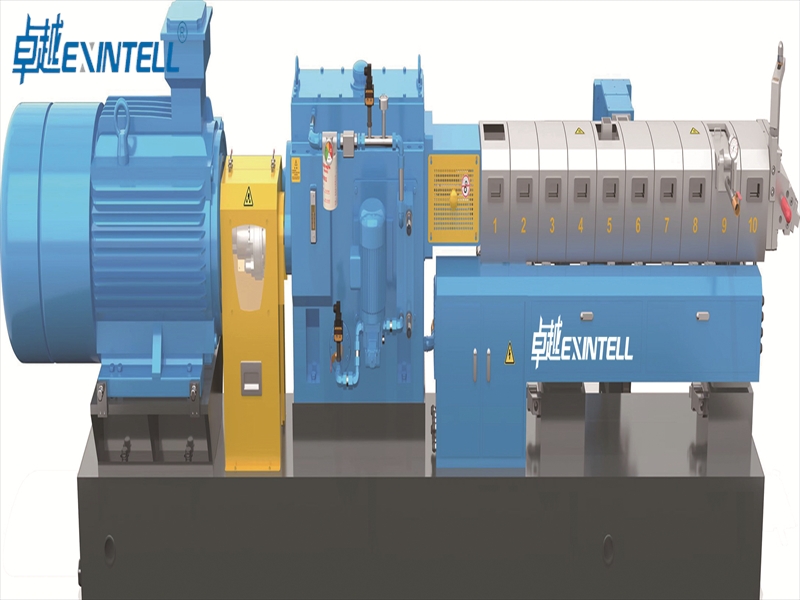
Doppelschnecken-Rohrextruder verwenden zum Schmelzen zwei ineinandergreifende Schnecken, die sich in einem Zylinder drehen, mischen, und Polymermaterial durch eine Matrize drücken, um kontinuierliche Rohrprofile zu bilden. Im Vergleich zu Einschneckensystemen, twin screw extruders offer superior mixing capability, bessere Kontrolle über die Materialverweilzeit, and the ability to process a wider range of polymers including PVC, PE, PP, and filled compounds. These advantages make them the preferred choice for producing pressure pipes, drainage systems, Kabelkanäle, and multi-layer pipe structures.
Der weltweite Markt für Doppelschneckenextruder wurde auf etwa USD geschätzt 5.2 Milliarden in 2024, with pipe extrusion representing one of the fastest-growing application segments, nach Angaben von Grand View Research. Growth is driven by urbanization, water infrastructure renewal programs in the US and EU, and the shift toward plastic piping systems that replace aging metal infrastructure.
Second Hand Material App Für B2B-Käufer, the technology choice directly impacts production throughput, Energieverbrauch, Materialverschwendung, und Endproduktqualität. A counter-rotating parallel twin screw extruder, Zum Beispiel, is the standard for rigid PVC pipe production, while co-rotating configurations are preferred for compounding and specialty applications. Understanding these distinctions is essential when evaluating any twin screw pipe extruder supplier.
Trade Policy Landscape Affecting Industrial Machinery Procurement
Die Handelsbeziehungen zwischen den Vereinigten Staaten und der Europäischen Union bleiben die größte bilaterale Handelspartnerschaft der Welt, Der Waren- und Dienstleistungshandel übersteigt USD 1.3 Nach Angaben des Büros des Handelsvertreters der Vereinigten Staaten werden jährlich 1,5 Billionen US-Dollar pro Jahr benötigt (USTR, 2024). Industriemaschinen, einschließlich Extrusionsausrüstung, represents a significant category within this flow.
Several policy developments in the past two months are directly relevant to buyers sourcing twin screw pipe extruders across the Atlantic:
Tarifumfeld: The US maintains Most Favored Nation (MFN) tariff rates on plastics processing machinery imported from the EU, im Allgemeinen im Bereich von 3.1% Zu 4.4% unter HTS-Kapitel 84 Klassifikationen. Die EU wendet ähnliche Sätze auf Maschinen mit US-Ursprung an. Der Handels- und Technologierat (TTC), which held its latest ministerial meeting in early, continues to work toward reducing technical barriers to trade in industrial equipment, though no new tariff reductions have been finalized as of June (Presseecke der Europäischen Kommission).
Abschnitt 301 and Retaliatory Measures: Während Abschnitt 301 Die Zölle zielen vor allem auf Waren chinesischer Herkunft ab, Ihre Welleneffekte verändern Beschaffungsentscheidungen. US-amerikanische Rohrhersteller, die früher Extruder zu niedrigeren Preisen aus China bezogen, müssen sich nun mit effektiven Zollsätzen von 100 % rechnen 25% oder mehr auf diesen Maschinen, Dadurch werden in der EU ansässige und inländische US-Lieferanten auf Gesamtkostenbasis deutlich wettbewerbsfähiger. Dieser politische Wandel hat die Beschaffung auf europäische Hersteller von Doppelschneckenrohrextrudern verlagert, insbesondere die in Deutschland, Italien, und Österreich.
CO2-Grenzausgleichsmechanismus der EU (CBAM): The EU's CBAM, die im Oktober in die Übergangsphase eintrat 2023 und strebt eine vollständige Umsetzung durch an 2026, does not directly cover machinery imports but signals the EU's broader commitment to embedding environmental standards into trade. Für in der EU ansässige Rohrhersteller, Dies bedeutet einen zunehmenden Druck, energieeffiziente Extrusionsanlagen zu beschaffen, ein Faktor, der fortschrittliche Doppelschneckensysteme mit optimierter Antriebstechnik und Zylinderheizung begünstigt (EU-Steuer- und Zollunion).
Exportkontrollen und Dual-Use-Vorschriften: Standard twin screw pipe extruders do not fall under dual-use export control lists. Jedoch, buyers should verify that any advanced control systems, particularly those incorporating AI-driven process optimization, comply with both US Bureau of Industry and Security (BIS) and EU dual-use regulation frameworks when equipment crosses borders.
Luftaufnahme eines großen internationalen Schifffahrtshafens mit Containerschiffen und Logistikinfrastruktur für den Welthandel
Treiber der Marktnachfrage: Why B2B Buyers Need Twin Screw Pipe Extruders Now
Several converging forces are accelerating demand for twin screw pipe extrusion capacity in both the US and EU markets:
US Infrastructure Investment: The Infrastructure Investment and Jobs Act (IIJA), signed in November 2021, USD zugeteilt 55 Milliarden speziell für die Wasserinfrastruktur, including replacement of lead service lines and modernization of water treatment distribution systems. As of Q1, the EPA reports that over USD 15 billion in State Revolving Fund allocations have been directed toward pipe replacement projects (EPA Infrastructure Programs). PVC and HDPE pipes produced on twin screw extruders are the primary materials specified for these replacements.
EU Green Deal and Renovation Wave: The European Green Deal's Renovation Wave strategy targets the energy renovation of 35 Millionen Gebäudeeinheiten um 2030. This drives demand for plastic piping systems used in underfloor heating, district heating connections, and upgraded plumbing. Germany alone has committed EUR 56 billion to building energy efficiency through 2028, with significant pipe material requirements (European Commission Green Deal).
Materialinnovation: The development of multi-layer pipes, oriented PVC (PVC-O) Rohre, and pipes incorporating recycled content all require the precise processing control that twin screw extruders provide. Single screw systems cannot achieve the same level of homogeneity when processing recycled feedstocks with variable melt flow indices, giving twin screw technology a structural advantage as circular economy mandates tighten.
Capacity Replacement Cycle: Many pipe extrusion lines installed during the 2005-2012 period are now reaching the end of their optimal service life. Industry consultants estimate that 30-40% of installed PVC pipe extrusion capacity in Western Europe will require replacement or major refurbishment by 2027, creating a substantial equipment procurement cycle (AMI International).
How to Evaluate a Twin Screw Pipe Extruder Supplier: Schlüsselkriterien für B2B-Käufer
Not all twin screw pipe extruder suppliers are equal. The difference between a productive, low-downtime extrusion line and a problematic Plastic Pelletizer Machine Factory one often comes down to supplier capability rather than machine specifications alone. Here are the critical evaluation criteria:
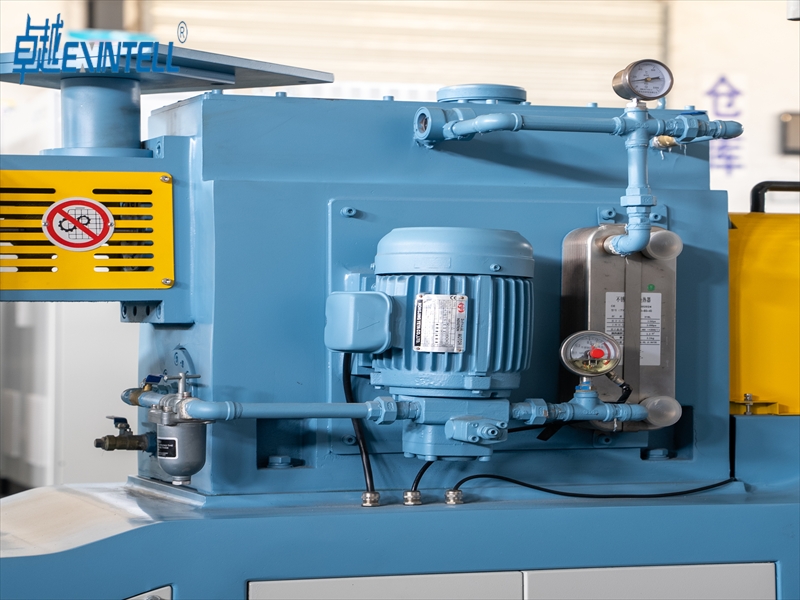
Engineering and Customization Capability: A credible twin screw pipe extruder manufacturer should offer application-specific engineering. This means screw geometry designed for your specific polymer (rigid PVC requires different L/D ratios and compression zones than HDPE), die head design matched to your pipe diameter range, und nachgelagerte Geräteintegration. Ask for references from customers producing similar pipe products.
Production Capacity and Lead Times: A well-equipped twin screw pipe extruder factory typically maintains lead times of 12-20 weeks for standard configurations and 20-30 weeks for highly customized lines. Factories with in-house barrel and screw manufacturing (rather than outsourcing these critical components) generally deliver better quality control and shorter lead times.
After-Sales and Technical Support: For US buyers sourcing from EU suppliers (oder umgekehrt), the availability of local service engineers, spare parts warehousing, and remote diagnostic capabilities is critical. Downtime costs for a pipe extrusion line can exceed USD 5,000-15,000 per hour depending on the operation. Verify that your supplier has a service presence or authorized partner in your region.
Certifications and Compliance: Machines destined for the EU market must carry CE marking. Für den US-Markt, compliance with OSHA safety standards, UL electrical certifications, and NFPA 79 (Electrical Standard for Industrial Machinery) is expected. A professional supplier will provide full documentation packages including risk assessments, elektrische Schaltpläne, and operator manuals in the buyer's language.
Energieeffizienz: Modern twin screw pipe extruders equipped with direct-drive servo motors and optimized barrel heating/cooling systems can reduce energy consumption by 20-35% compared to machines built 10-15 vor Jahren. Given that energy costs represent 15-25% of total pipe production costs, this is a significant factor in total cost of ownership calculations.
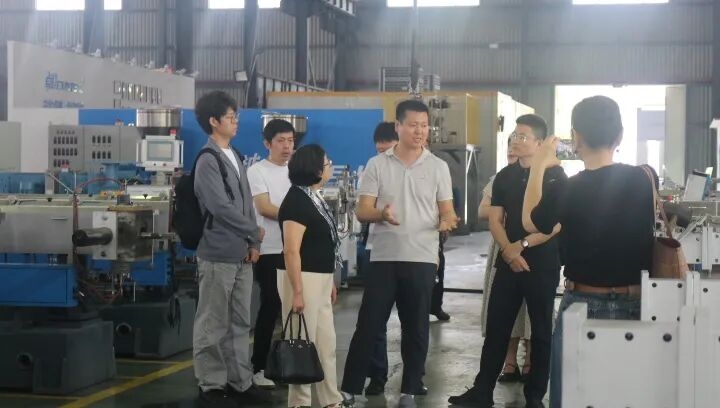
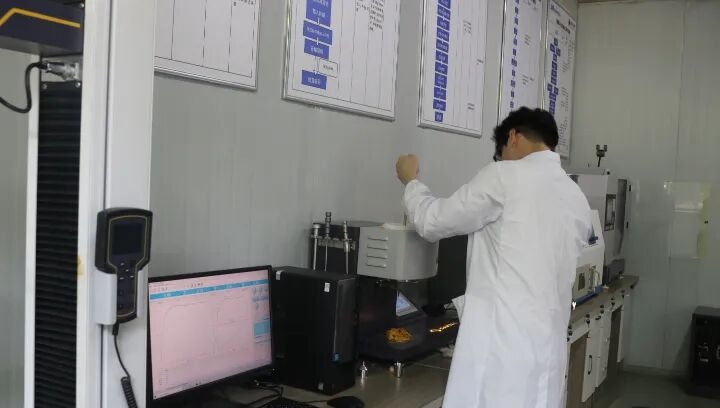
Hersteller von Doppelschneckenextrudern Engineer inspecting industrial manufacturing equipment in a modern factory setting for quality control Clay Extruder Stl
Top Sourcing Regions for Twin Screw Pipe Extruder Manufacturers
The global supply base for twin screw pipe extruders is concentrated in several key regions, each with distinct advantages:
Deutschland und Österreich: Home to some of the world's most established extrusion machinery manufacturers, including companies with 50+ years of experience in twin screw technology. German and Austrian suppliers are known for precision engineering, robust build quality, und fortschrittliche Prozesskontrollsysteme. Price points are at the premium end, but total cost of ownership is often competitive due to longer machine life, lower energy consumption, and higher output rates. Key industry clusters are located in Baden-Württemberg, Bavaria, and Upper Austria.
Italien: Italian extrusion machinery manufacturers offer a strong balance of technology and value. Italy is the second-largest plastics machinery exporter in Europe, with particular strength in complete turnkey pipe extrusion lines. The Lombardy and Veneto regions host dense clusters of machinery builders, Komponentenlieferanten, and engineering firms. Italian suppliers are often more flexible on customization and pricing negotiation than their German counterparts.
China: Chinesische Doppelschneckenrohrextruderfabriken haben im letzten Jahrzehnt erhebliche Qualitätsverbesserungen vorgenommen, und einige produzieren mittlerweile Maschinen, die CE- und internationalen Sicherheitsstandards entsprechen. Der Preisvorteil bleibt erheblich, typischerweise 40-60% niedriger als vergleichbare europäische Maschinen. Jedoch, US-Käufer Fabrik für Kunststoffextrusion Abschnitt muss berücksichtigt werden 301 Tarife (momentan 25% auf den meisten Kunststoffmaschinen aus China), Versandkosten, längere Vorlaufzeiten für den After-Sales-Support, und potenzielle Qualitätsschwankungen. Für kostensensible Anwendungen oder Märkte, in denen die Maschinenauslastung geringer ist, Chinesische Lieferanten können eine praktikable Option sein. Lieferant von Labor-Doppelschneckenextrudern
Vereinigte Staaten: Die Herstellung von inländischen Extrusionsmaschinen in den USA ist zwar kleiner, bietet aber Vorteile bei der Vorlaufzeit, Servicenähe, und Buy American Compliance für staatlich finanzierte Infrastrukturprojekte. Mehrere in den USA ansässige Unternehmen stellen Doppelschneckenextruder her oder bauen Linien unter Verwendung importierter Komponenten mit inländischer Integration und Unterstützung zusammen.
Indien und die Türkei: Emerging suppliers in India and Turkey are gaining market share in the mid-range segment, particularly for standard PVC pipe extrusion lines. Quality is improving, and price points sit between Chinese and European levels.
B2B Trade Opportunities and Challenges in the Extrusion Machinery Corridor
The trade corridor for industrial machinery presents both significant opportunities and practical challenges for B2B buyers and sellers of twin screw pipe extruders. Großhandel für Masterbatch-Maschinen
Gelegenheiten:
The strong US dollar relative to the euro (trading in the 1.08-1.12 range through early ) has made European-manufactured machinery more affordable for US buyers in real terms. A EUR 500,000 extrusion line that would have cost USD 590,000 bei 2021 exchange rates now costs approximately USD 545,000, a meaningful saving on capital equipment.
EU-Zulieferer bauen ihre US-Marktpräsenz aktiv aus. Mehrere große europäische Extrusionsmaschinenhersteller haben US-Tochtergesellschaften gegründet oder erweitert, Lagerbetriebe, und Servicezentren in der Vergangenheit 18 Monate, in Anerkennung des infrastrukturbedingten Nachfrageanstiegs. Dies verbessert das Wertversprechen für US-Käufer, die zuvor aus Servicegründen gezögert hatten, Produkte aus Europa zu beziehen.
Die gegenseitige Anerkennung bestimmter Prüf- und Zertifizierungsstandards zwischen den USA und der EU, facilitated by the TTC's working groups, reduziert schrittweise den Compliance-Aufwand für Maschinen, die den Atlantik überqueren. Die vollständige gegenseitige Anerkennung ist zwar noch in Arbeit, Praktische Verbesserungen bei der Dokumentationsakzeptanz sind bereits sichtbar.
Herausforderungen:
Logistikkosten und Zeitpläne bleiben ein Reibungspunkt. Shipping a complete twin screw pipe extrusion line (was wiegen kann 15-40 Tonnen je nach Konfiguration) from Europe to the US typically costs USD 15,000-35,000 for ocean freight and takes 4-6 weeks port to port, plus inland transportation. Container availability and port congestion, while improved from the 2021-2022 Krise, still cause periodic delays at major ports including Rotterdam, Hamburg, Los Angeles, und Savannah (Freightos Baltic Index).
Voltage and electrical standard differences require attention. European machinery is typically built for 400V/50Hz three-phase power, while US facilities operate on 480V/60Hz. Reputable suppliers offer US-spec electrical builds, but buyers must specify this at the order stage. Retrofitting after delivery is costly and can void warranties.
Intellectual property and technology transfer concerns occasionally arise, particularly when advanced process control software or proprietary screw designs are involved. Both US and EU legal frameworks provide strong IP protection, but buyers should ensure that licensing terms for software and control systems are clearly defined in purchase contracts.
International shipping containers stacked at a busy commercial port representing global B2B trade logistics
Geographic and Policy Advantages Enabling Machinery Trade
The trade relationship benefits from structural advantages that make cross-Atlantic machinery procurement more practical than sourcing from many other regions.
Regulierungsangleichung: Trotz Unterschieden in spezifischen Standards, the US and EU share a broadly similar regulatory philosophy for industrial machinery safety. Both jurisdictions require risk assessment-based design, Maschinenschutz, Not-Aus-Systeme, and electrical safety compliance. This means that a twin screw pipe extruder designed for the EU market requires relatively modest modifications to meet US requirements, und umgekehrt. The cost of compliance adaptation is typically 2-5% des Maschinenwertes, far less than adapting machinery from jurisdictions with fundamentally different safety frameworks.
Finanzielle Infrastruktur: Etablierte Handelsfinanzierungsmechanismen, einschließlich Akkreditive, export credit agency guarantees (from institutions like Euler Hermes in Germany or Ex-Im Bank in the US), und Warenkreditversicherung, reduce payment risk for both buyers and sellers. Many European machinery suppliers offer financing packages through partnerships with banks experienced in transatlantic capital equipment transactions. Are Alumium Pots Extruded
Logistics Networks: The North Atlantic shipping corridor is one of the most heavily serviced trade lanes in the world, with multiple weekly sailings between major European and US ports. This frequency provides scheduling flexibility and competitive freight rates compared to longer-distance routes. Zusätzlich, both the US and EU have well-developed inland transportation networks (rail, trucking) for heavy machinery delivery to final installation sites.
Handelsabkommensrahmen: While a comprehensive free trade agreement does not currently exist, the existing WTO framework, bilateral agreements on conformity assessment, and the TTC's ongoing work provide a stable and predictable trade environment. Businesses can plan multi-year procurement strategies with reasonable confidence in the regulatory and tariff landscape.
Practical Case Studies Extrusion Equipment Sourcing in Action
Fallstudie 1: US Municipal Pipe Producer Sources from Germany
A mid-size PVC pipe manufacturer based in Texas, supplying municipal water utilities across the southern United States, needed to expand capacity to meet demand generated by IIJA-funded water infrastructure projects. The company evaluated suppliers from China, Italien, and Germany. After conducting factory audits and reviewing total cost of ownership projections over a 10-year horizon, they selected a German twin screw pipe extruder manufacturer.
The German supplier provided a counter-rotating twin screw extruder with 65mm screw diameter, capable of producing PVC pipes from 20mm to 200mm diameter at outputs up to 350 kg/hour. The machine was built to US electrical specifications (480V/60Hz), shipped via Rotterdam to Houston, and installed with on-site commissioning by the supplier's US-based service team. Total project timeline from purchase order to production start was 26 Wochen. The buyer reported 18% lower energy consumption per kilogram of output compared to their existing 12-year-old line, und a 12% increase in throughput on equivalent pipe sizes.
Fallstudie 2: Italian Supplier Wins EU Infrastructure Contract
A Polish pipe manufacturer supplying HDPE and PP pipes for district heating projects across Central Europe needed a twin screw extrusion line capable of processing both virgin and recycled polyolefins. They sourced from an Italian twin screw pipe extruder factory that specialized in multi-material processing lines.
The Italian supplier delivered a co-rotating twin screw extruder with advanced gravimetric feeding systems that could handle up to 30% recycled content with consistent output quality. The line included inline quality monitoring (Wandstärke, ovality, and diameter measurement) Pe Extruder integrated with the extruder's control system. Der polnische Käufer konnte seine Rohre mit recyceltem Inhalt für die EU-Spezifikationen für eine umweltfreundliche öffentliche Beschaffung qualifizieren, Öffnung des Zugangs zu staatlich finanzierten Infrastrukturverträgen, die Mindestschwellenwerte für den Recyclinganteil vorschreiben.
Fallstudie 3: Großhandelskäufer verhandelt Mengenpreise
Ein Industriekonzern aus dem Nahen Osten, der Rohrproduktionsanlagen in drei Ländern betreibt, wandte sich an einen europäischen Lieferanten für Großhandelspreise für Doppelschneckenrohrextruder für eine Flotte von fünf identischen Extrusionslinien. Durch Konsolidierung der Bestellung, sie verhandelten a 14% Rabatt auf den Stückpreis, einheitliche Ersatzteilbevorratung über alle Werke hinweg, und sicherte sich einen mehrjährigen Servicevertrag mit garantierten Reaktionszeiten. This case illustrates the leverage available to B2B buyers who can aggregate demand across multiple facilities or projects.
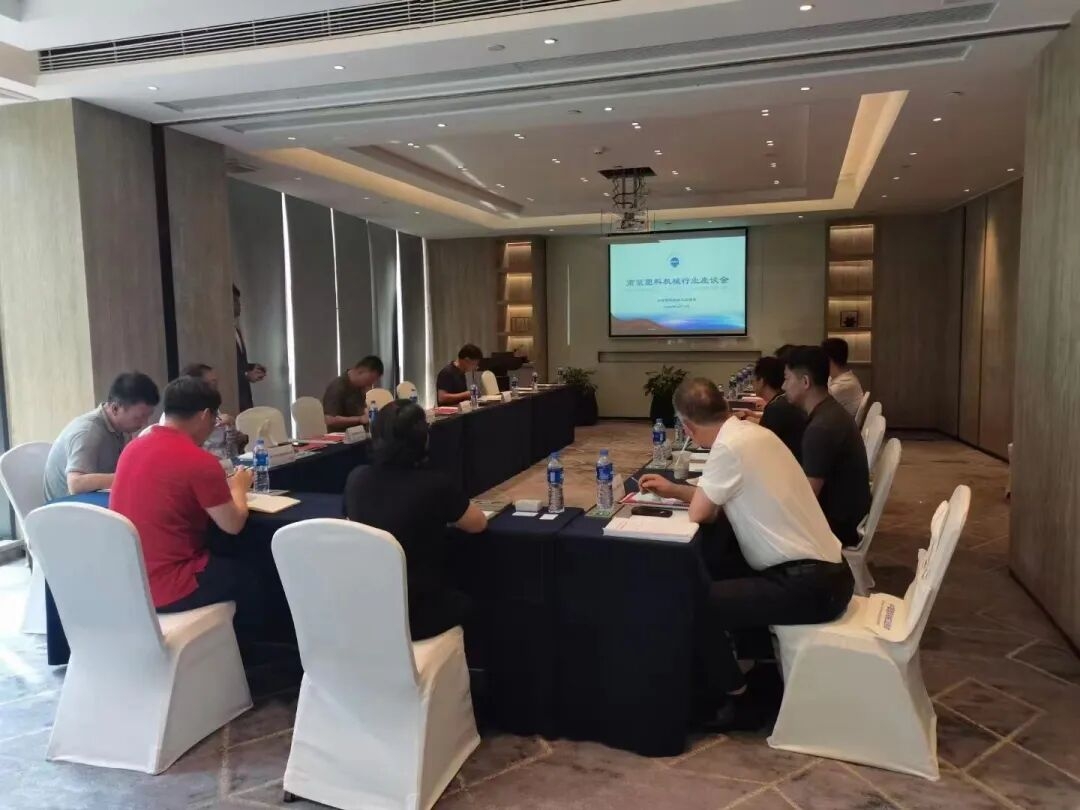
Business professionals in a meeting room discussing B2B procurement strategy and industrial equipment sourcing
Trade Trend Predictions for the Next 1-2 Monate (Juli-August )
Basierend auf aktuellen Marktsignalen, politische Entwicklungen, and industry reporting, several trends are likely to shape the twin screw pipe extruder market in the near term:
Continued Strong Demand from US Infrastructure Projects: The EPA's latest quarterly report indicates that State Revolving Fund disbursements for water infrastructure are accelerating, with Q2 expected to show the highest quarterly allocation since the IIJA was enacted. This will sustain demand for PVC and HDPE pipe production capacity and, durch Erweiterung, for twin screw pipe extrusion equipment. Buyers who delay procurement may face longer lead times as supplier order books fill.
EU Recycled Content Mandates Will Drive Equipment Upgrades: The EU's revised Packaging and Packaging Waste Regulation (PPWR), which includes provisions affecting plastic pipe packaging and is influencing broader recycled content expectations, will push more European pipe producers to upgrade to twin screw systems capable of processing recycled feedstocks. Equipment suppliers with proven recycled-material processing capabilities will see increased inquiry volumes.
Currency Movements May Favor Transatlantic Purchases: Analysts at major financial institutions project the EUR/USD exchange rate to remain in the 1.06-1.12 Bereich bis Q3, maintaining favorable conditions for US buyers purchasing European machinery. Any further euro weakness would amplify this advantage.
Supply Chain Normalization Continues: Ocean freight rates on the North Atlantic corridor have stabilized at levels approximately 30% below the 2022 peak but 15-20% über den Normen vor der Pandemie liegen, according to the Freightos Baltic Index. No major disruptions are anticipated in the July-August period, though buyers should monitor potential impacts from the summer maintenance season at European ports.
Trade Show Season Provides Sourcing Opportunities: While the major plastics trade shows (K-Show, NAME) operate on multi-year cycles, several regional exhibitions and open house events at European machinery manufacturers are scheduled for late summer. These provide opportunities for buyers to see equipment in operation, meet engineering teams, and negotiate in person. Attending supplier open houses is particularly valuable for evaluating factory capability and build quality firsthand.
Tariff Policy Watch: The US administration's ongoing review of tariff structures, including potential adjustments to Section 301 tariffs on Chinese goods, could shift the competitive landscape. Any reduction in tariffs on Chinese-origin machinery would increase price competition for European and US domestic suppliers. Umgekehrt, any expansion of tariffs or introduction of new trade measures would further favor sourcing. B2B buyers should monitor announcements from the USTR and the Department of Commerce.
Modern industrial trade exhibition hall with machinery displays and B2B visitors at an international manufacturing expo
Safety Footwear in Industrial Extrusion Environments: Protecting Your Team on the Factory Floor
Operating twin screw pipe extrusion equipment is inherently industrial work. The factory floor environment around extrusion lines presents specific hazards that make proper safety footwear not just a regulatory requirement but a practical necessity for protecting workers' Füße und Zehen.
The Hazard Profile of Pipe Extrusion Facilities:
Twin screw pipe extrusion lines involve heavy components. A single extruder barrel can weigh 200-500 kg, screw elements weigh 10-30 kg pro Stück, and die heads for large-diameter pipe production can exceed 100 kg. Während der Installation, Wartung, und die Änderungen, these components are handled, lifted, und positioniert, creating a constant risk of crush injuries to feet and toes. Zusätzlich, the extrusion process operates at temperatures of 160-220°C for PVC and up to 260°C for polyolefins. Geschmolzenes Polymer tropft, heißes Spülmaterial, and heated metal surfaces present burn hazards. Pipe cutting operations at the downstream end of the line generate sharp-edged offcuts and debris. Hydraulic systems on screen changers and die adjustment mechanisms create slip hazards from fluid leaks. The combination of these factors makes the pipe extrusion environment one of the more demanding industrial settings for foot protection.
Sicherheitsschuhstandards für US- und EU-Märkte:
In den Vereinigten Staaten, OSHA's General Industry standard (29 CFR 1910.136) requires protective footwear when employees are exposed to foot injuries from falling or rolling objects, Gegenstände, die in die Sohle eindringen, oder elektrische Gefahren. The applicable performance standard is ASTM F2413, which defines impact resistance (I/75 rating: protection against a 75-foot-pound impact) und Druckfestigkeit (C/75 rating: Schutz vor 2,500 Pfund Kompression). Für Extrusionsumgebungen, ASTM F2413-rated safety toe footwear is the minimum requirement.
In der Europäischen Union, safety footwear is governed by EN ISO 20345, which defines safety categories from SB (grundlegender Zehenschutz) bis S5 (toe protection plus waterproofing, Durchdringungswiderstand, and ankle protection). Für Rohrextrusionsanlagen, S3-Schuhe (Sicherheitskappe, Durchtritthemmende Zwischensohle, energieabsorbierende Ferse, wasserabweisendes Obermaterial, und Stollenaußensohle) ist die am häufigsten angegebene Kategorie. Die CE-Kennzeichnung von Sicherheitsschuhen bestätigt die Einhaltung der EU-Verordnung über persönliche Schutzausrüstungen (EU) 2016/425.
Warum Zehenschutz aus Stahl und Verbundwerkstoff wichtig ist:
Die Sicherheits-Zehenkappe, ob Stahl, Aluminium, oder zusammengesetzt (typischerweise glasfaser- oder kohlenstofffaserverstärkt), ist das entscheidende Schutzelement. In einer Rohrextrusionsanlage, Zu den häufigsten Fußverletzungsszenarien gehören:: ein während der Montage herunterfallendes Schraubenelement (Die Aufprallenergie liegt deutlich innerhalb der EN-Bewertung I/75 oder 200J), a pipe section rolling off a storage rack onto a worker's foot (Kompressionsgefahr), und schwere Werkzeuge fallen während des Werkzeugwechsels herunter. Ohne Sicherheits-Zehenschutz, Diese Vorfälle führen zu Brüchen, Quetschverletzungen, oder Amputationen. Mit entsprechendem Sicherheitsschuhwerk, the same incidents are reduced to minor bruising or no injury at all.
Composite toe caps have gained significant market share in recent years because they are 30-50% leichter als Stahl, do not conduct heat or cold, and do not trigger metal detectors. For workers spending 8-12 hour shifts on their feet around extrusion lines, the weight reduction meaningfully reduces fatigue. Jedoch, steel toe caps remain preferred in some heavy industrial settings due to their higher compression resistance at extreme loads.
Additional Protective Features for Extrusion Environments:
Mehr als nur Zehenschutz, safety footwear for pipe extrusion facilities should incorporate several additional features. Hitzebeständige Außensohlen (mit mindestens 300 bewertet°C contact heat for short duration) prevent sole degradation from stepping on hot polymer drips or heated floor areas near the extruder. Penetration-resistant midsoles (Stahl oder Textil) Schützen Sie sich vor scharfen Gegenständen in der Fabrikhalle, Dazu gehören Metallspäne aus Wartungsarbeiten und scharfkantige Rohrreste. Rutschhemmende Außensohlen mit entsprechendem Profilmuster verringern das Sturzrisiko auf Böden, die möglicherweise mit Hydraulikflüssigkeit verunreinigt sind, Kühlwasser, oder Polymerstaub. Antistatisch oder ESD (elektrostatische Entladung) Eigenschaften sind in Umgebungen wichtig, in denen brennbarer Staub oder Dämpfe vorhanden sein können, die bei bestimmten Polymerverarbeitungsvorgängen auftreten können. Knöchelstützen und gepolsterte Manschetten reduzieren das Risiko von Verstauchungen und sorgen für Komfort bei längerem Stehen und Gehen auf harten Fabrikböden.
Der Business Case für hochwertige Sicherheitsschuhprogramme:
Für B2B-Betreiber, die Doppelschnecken-Rohrextrusionslinien betreiben, Die Investition in ein umfassendes Sicherheitsschuhprogramm ist nicht nur eine Compliance-Übung. It is a direct contributor to operational efficiency and cost management. The US Bureau of Labor Statistics reports that foot injuries account for approximately 60,000 lost-workday injuries annually in manufacturing, mit durchschnittlichen Kosten pro Vorfall von USD 9,000-14,000 when including medical expenses, Arbeiter' Entschädigung, verlorene Produktivität, und Verwaltungskosten (BLS Injuries, Krankheiten, und Todesfälle). In der EU, Eurostat data shows similar patterns, with manufacturing foot injuries representing a significant share of workplace incidents requiring more than three days of absence.
A structured safety footwear program that provides workers with properly fitted, application-appropriate safety shoes or boots, replaced on a regular schedule (normalerweise alle 6-12 months for daily industrial use), typically costs USD 150-300 per worker per year. Against the potential cost of a single foot injury, the return on investment is clear. Many B2B extrusion equipment suppliers now include safety footwear requirements in their installation and commissioning protocols, and some offer bundled PPE packages as part of turnkey line deliveries.
Selecting Safety Footwear for Your Extrusion Team:
Lieferant für Kunststoffplattenextrusion When specifying safety footwear for workers operating twin screw pipe extruders, consider these practical guidelines: ensure all footwear meets the applicable standard (ASTM F2413 für die USA, IN ISO 20345 S3 for EU) as a minimum; select heat-resistant outsoles rated for your specific process temperatures; choose composite toe caps for general extrusion floor work and steel toe caps for heavy maintenance tasks involving the largest components; provide multiple width options and allow workers to select their preferred fit, as poorly fitting safety footwear causes blisters, Ermüdung, und Nichteinhaltung; and replace footwear when outsole tread is worn, upper material is cracked or delaminated, or toe cap protection is visibly compromised.
Industrial worker wearing safety boots and protective equipment on a manufacturing factory floor
Supplier Vetting Checklist: From Inquiry to Purchase Order
Allied Extruders Newark Nj To streamline your sourcing process Industrial Extrusion Plastic Welders for a twin screw pipe extruder supplier, follow this structured approach:
Phase 1 – Market Scan (Wochen 1-2): Identify 5-8 potential suppliers through industry directories (such as the Plastics Industry Association member directory, VDMA machinery guide for German suppliers, and AMAPLAST for Italian suppliers), Ausstellerlisten für Messen, and peer recommendations. Issue a preliminary Request for Information (RFI) covering machine specifications, Produktionskapazität, Referenzkunden, and service network.
Phase 2 – Technische Bewertung (Wochen 3-6): Narrow to 3-4 suppliers based on RFI responses. Issue a detailed Request for Quotation (Anfrage) with your specific requirements: pipe material, diameter range, Ausgaberate, Automatisierungsgrad, elektrische Spezifikationen, and delivery timeline. Request detailed technical proposals including screw and barrel specifications, drive system details, Steuerungssystemarchitektur, and energy consumption data.
Phase 3 – Fabrikaudit (Wochen 7-10): Visit the top 2 supplier factories. Evaluate manufacturing capability (CNC-Bearbeitungszentren, Montagebereiche, test facilities), Qualitätsmanagementsysteme (ISO 9001 certification is standard), and observe a machine similar to yours in test operation if possible. Meet the engineering team who will handle your project.
Phase 4 – Kommerzielle Verhandlung (Wochen 11-14): Negotiate pricing, Zahlungsbedingungen (typical structure: 30% mit Bestellung, 30% at major milestone, 30% vor dem Versand, 10% nach der Inbetriebnahme), Garantiebedingungen (Standard: 12 Monate ab Inbetriebnahme bzw 18 Monate ab Versand), Ersatzteilpreise, and service agreement terms. For twin screw pipe extruder wholesale orders (multiple units), negotiate volume discounts and standardized configurations.
Phase 5 – Order and Execution (Wochen 15+): Place the purchase order with clear