

Twin Screw Extruder Cost Manufacturer: The Definitive B2B Sourcing and Trade Guide for Buyers
Twin screw extruder cost is one of the most critical factors for B2B buyers navigating the global plastics and polymer processing equipment market in. Ob Sie Compounder in Deutschland sind, a food processor in Ohio, or a pharmaceutical manufacturer in the Netherlands, understanding how twin screw extruder manufacturers price their machines — and how trade policy shapes those costs — can mean the difference between a profitable capital investment and a costly misstep. This comprehensive guide examines pricing structures from leading twin screw extruder manufacturers, Lieferanten, and factories worldwide, analyzes the current trade landscape, and provides actionable sourcing strategies for wholesale and OEM buyers.
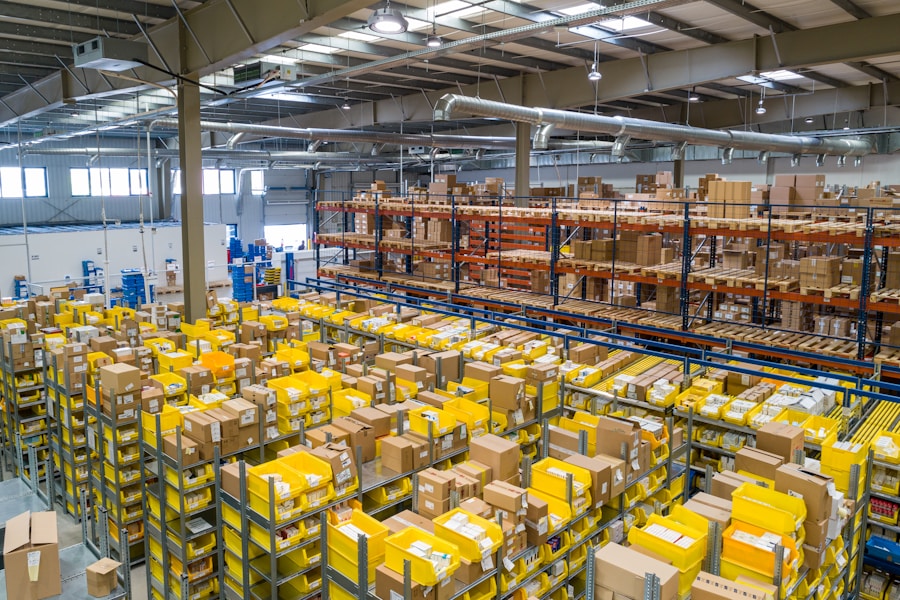
Industrielle Produktionsanlage mit schweren Maschinen, die eine Produktionsumgebung für Doppelschneckenextruder darstellt
Understanding Twin Screw Extruder Cost: Key Pricing Factors in
The cost of a twin screw extruder varies dramatically based on specifications, manufacturer origin, and intended application. In, B2B buyers can expect the following general price ranges:
- Laboratory/small-scale twin screw extruders (16–27 mm): $15,000–$80,000
- Mid-range production extruders (35–62 mm): $80,000–$350,000
- Large industrial twin screw extruders (65–135 mm): $300,000–$1,500,000+
- High-end co-rotating twin screw systems with downstream equipment: $500,000–$3,000,000+
Several factors drive these costs:
- Schneckendurchmesser und L/D-Verhältnis: Larger diameters and higher length-to-diameter ratios increase material and machining costs. A 92 mm extruder with 48:1 L/D will cost significantly more than a 52 mm unit with 36:1 L/D.
- Metallurgy and wear resistance: Screws and barrels made from tool steels (z.B., CPM-9V, Stellite-coated) or with tungsten carbide liners add 15–40% to base cost compared to nitrided steel options.
- Torque density and drive system: High-torque gearboxes rated at 11.3 Nm/cm³ or above — standard on premium European machines — represent a major cost component. Servo-driven systems cost more than AC vector drives.
- Control systems and automation: PLC/HMI packages from Siemens or Allen-Bradley, with Industry 4.0 Konnektivität (OPC-UA, IoT dashboards), can add $30,000–$150,000.
- Country of manufacture: German and Italian manufacturers (Coperion, Leistritz, Maris) typically price 40–100% higher than Chinese manufacturers (Nanjing Jieya, Nanjing Chuangbo, Guangdong Lanson) for comparable specifications, reflecting differences in engineering precision, After-Sales-Unterstützung, and brand positioning.
According to data compiled from industry trade platforms and manufacturer catalogs reviewed in April–Mai, Chinese-origin twin screw extruders have narrowed the quality gap significantly in the mid-range segment, making them increasingly competitive for US and EU buyers seeking value without sacrificing core performance (Kunststoffmaschinen & Herstellung).
The Global Twin Screw Extruder Manufacturing Landscape
The twin screw extruder market is served by manufacturers across three primary regions, each with distinct value propositions for B2B buyers:
European Manufacturers
Europe remains the historical center of twin screw extruder innovation. Key players include:
- Coperion (Stuttgart, Deutschland): The ZSK series is considered the industry benchmark for co-rotating twin screw extruders. Premium pricing reflects decades of R&D and global service networks.
- Leistritz (Nürnberg, Deutschland): Known for pharmaceutical and masterbatch applications, with strong US presence through Leistritz Extrusion in Somerville, NJ.
- Maris (Turin, Italien): Specializes in high-torque, energy-efficient designs popular in compounding and reactive extrusion.
- Bühler (Uzwil, Schweiz): Dominant in food extrusion twin screw systems.
Chinese Manufacturers
China has become the world's largest producer of twin screw Strand Cut Plastic Extrusion extruders by volume. Notable manufacturers include:
- Nanjing Jieya Extrusion Equipment Co., Ltd.: Offers a full range from 20 mm lab extruders to 135 mm production lines, with FOB pricing 50–65% unter europäischen Äquivalenten.
- Nanjing Chuangbo Machinery Co., Ltd.: Focuses on compounding lines with integrated pelletizing systems.
- Guangdong Lanson Machine Co., Ltd.: Competitive in the food and pet food extrusion segment.
- Nanjing KY Chemical Machinery Co., Ltd.: Known for reactive extrusion and devolatilization applications.
North American Manufacturers and Integrators
- CPM Extrusion Group (formerly Century Extrusion): US-based manufacturer with a strong installed base in plastics compounding.
- Noch nicht (Lebanon, OR): One of the few US-based twin screw extruder manufacturers, producing co-rotating machines with domestically sourced components.
- JSW (Japanische Stahlwerke) — US operations: Japanese precision engineering with North American sales and service.
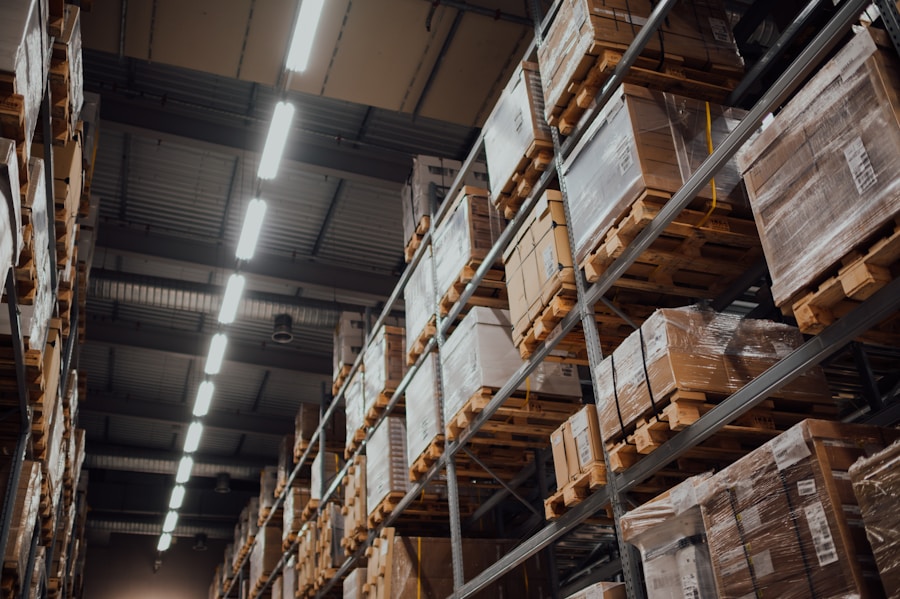
Cargo containers at a major international shipping port representing global B2B trade logistics for industrial equipment
Trade Policy and Its Impact on Twin Screw Extruder Sourcing
The transatlantic trade relationship directly affects how US and EU buyers source twin screw Extruder Mod Extruder, particularly when considering cross-border procurement or third-country imports.
Current Tariff Environment ()
As of May, the trade policy landscape affecting industrial machinery imports includes several key developments:
- US-Sektion 301 tariffs on Chinese goods: Twin screw extruders imported from China into the US face tariffs of 25% unter HTS-Codes 8477.20 (Extruder) und verwandte Unterüberschriften. The Biden-era tariff structure has been maintained and in some categories expanded under the current administration, with industrial machinery remaining in the 25% bracket (Internationale Handelsverwaltung).
- EU anti-dumping measures: The European Commission has maintained vigilance on underpriced Chinese industrial equipment, though twin screw extruders specifically have not been subject to formal anti-dumping duties as of Q2. Jedoch, the EU Carbon Border Adjustment Mechanism (CBAM), in die Übergangsphase eintritt, may indirectly affect pricing for energy-intensive manufactured goods (Europäische Kommission — Handel).
- Handels- und Technologierat (TTC): The TTC has continued discussions on harmonizing standards for industrial equipment, which could simplify CE/UL dual-certification requirements for extruders sold in both markets.
- Steel and aluminum tariffs: Abschnitt 232 tariffs on steel (25%) and aluminum (10%) affect the raw material costs for US-based extruder manufacturers and increase the cost of domestically produced machines, paradoxically making some imported complete systems more cost-competitive despite their own tariff burden.
Für B2B-Käufer, the practical implication is clear: a Chinese-manufactured twin screw extruder priced at $200,000 FOB Shanghai will land in the US at approximately $250,000–$270,000 after tariffs, Fracht, and customs processing. The same machine imported into the EU may land at €195,000–€220,000, reflecting lower tariff exposure but higher freight costs to European ports (Zeitschrift für Handel).
Freihandelsabkommen und bevorzugter Zugang
The relationship lacks a comprehensive free trade agreement (the TTIP negotiations having stalled years ago), meaning most-favored-nation (MFN) tariff rates apply. For twin screw extruders:
- US MFN duty on extruders from EU: 3.1% (HTS 8477.20.00)
- EU MFN duty on extruders from US: 2.7% (CN code 8477 20 00)
These relatively low reciprocal tariffs make direct trade in twin screw extruders economically efficient compared to sourcing from tariff-burdened origins. A Coperion ZSK shipped from Stuttgart to Houston faces only 3.1% duty, while an Entek machine shipped from Oregon to Rotterdam faces 2.7% — negligible compared to the 25% applied to Chinese-origin equipment entering the US.

Geschäftsleute prüfen Handelsdokumente und Verträge in einer modernen Büroumgebung und repräsentieren B2B-Beschaffungsverhandlungen
B2B-Handelsmöglichkeiten im Markt für Doppelschneckenextruder
Several converging trends are creating significant opportunities for B2B buyers and sellers of twin screw extruders in the corridor:
1. Sustainability-Driven Demand
The EU Green Deal and US Inflation Reduction Act are both driving investment in recycling infrastructure. Twin screw extruders are essential for:
- Mechanisches Recycling von Post-Consumer-Kunststoffen (PCR compounding)
- Chemical recycling feedstock preparation
- Bio-based polymer compounding (PLA, PHA, starch blends)
- Upcycling of ocean-bound and post-industrial plastics
Blender Extrude Ort The European Plastics Pact and similar US state-level mandates (California SB 54, Oregon's Plastic Pollution and Recycling Modernization Act) are creating a wave of capital expenditure Imt Material Hand Alert in compounding and recycling lines, with twin screw extruders at the core (European Plastics Pact).
2. Reshoring and Near-Shoring
Both US and EU manufacturers are diversifying supply chains away from single-source Asian dependency. This is driving:
- New compounding facilities in the US Southeast and Midwest
- Expansion of masterbatch production in Poland, Tschechische Republik, and Spain
- Increased demand for mid-range twin screw extruders that balance cost and performance
3. Pharmaceutical and Food Processing Growth
Twin screw extrusion is increasingly adopted for:
- Hotmelt-Extrusion (HME) in pharmaceutical manufacturing — a market projected to grow at 8.2% CAGR durch 2028 (Grand View-Forschung)
- Plant-based protein texturization using high-moisture extrusion
- Snack food and cereal production expansion in both US and EU markets
4. Industrie 4.0 Integration
Hersteller von Kunststoffextrusionen Buyers increasingly demand twin screw extruders with: Heater Extruder
- Real-time process analytical technology (KLOPFEN)
- Predictive maintenance via vibration and temperature sensors
- Cloud-connected dashboards for multi-site production monitoring
- Digital twin capabilities for process optimization
This trend favors manufacturers who invest in software and connectivity — an area where European manufacturers currently lead, though Chinese suppliers are rapidly closing the gap.
Challenges in Cross-Border Twin Screw Extruder Procurement
Trotz der Möglichkeiten, B2B buyers face several challenges:
- Technical specification alignment: US buyers accustomed to NEMA electrical standards must ensure European machines are supplied with UL-listed components, or budget for conversion. Ähnlich, EU buyers importing US machines need CE conformity documentation.
- Kundendienst und Ersatzteile: A twin screw extruder is a 15–25 year capital asset. Buyers must evaluate the manufacturer's service network in their region. A low-cost machine from a manufacturer without local service capability can become extremely expensive when a gearbox fails or screw elements need replacement.
- Währungsschwankungen: The EUR/USD exchange rate directly impacts cross-border procurement economics. The rate has fluctuated between 1.03 Und 1.12 über die Vergangenheit 12 Monate, representing a potential 8–9% cost swing on a €500,000 machine.
- Lieferzeiten: Post-pandemic supply chain normalization has improved lead times, but premium European manufacturers still quote 6–10 Monate für kundenspezifische Konfigurationen, while Chinese manufacturers typically offer 3–5 Monate.
- Bedenken hinsichtlich des geistigen Eigentums: Some Chinese manufacturers have faced allegations of reverse-engineering European screw element designs. B2B buyers should conduct due diligence on patent compliance, particularly for specialized mixing and kneading elements.
International shipping containers being loaded at a commercial port representing cross-border industrial equipment logistics
Geographic and Policy Advantages for B2B Extruder Trade
The trade corridor offers structural advantages that benefit twin screw extruder buyers and sellers: Draftsight Extrude Doesn& 39
Logistikinfrastruktur
The transatlantic shipping route is among the world's most efficient. Wichtige Häfen — Rotterdam, Hamburg, Antwerpen-Brügge in Europa; Houston, Savanne, Newark in the US — offer frequent RoRo and container services with transit times of 10–16 Tage. Heavy machinery like twin screw extruders (typically 5,000–25,000 kg crated) benefits from established breakbulk and project cargo services on this route.
Regulatory Mutual Recognition
While full mutual recognition of industrial equipment standards does not exist, das Abkommen über die gegenseitige Anerkennung (MRA) on conformity assessment covers certain product categories, and the practical overlap between CE Machinery Directive (2006/42/EC) and US OSHA/ANSI requirements means that manufacturers designing for one market can often achieve compliance in the other with incremental modifications rather than complete redesigns.
Finanzielle Infrastruktur
transactions benefit from:
- Mature trade finance instruments (Akkreditive, Exportkreditagentur mit Unterstützung von Ex-Im Bank und Euler Hermes)
- Stable legal frameworks for contract enforcement (New York Convention, ICC-Schiedsverfahren)
- Established leasing and equipment financing options from specialized lenders (z.B., Stryker Finance, DLL Group)
Case Studies Twin Screw Extruder Sourcing in Practice
Fallstudie 1: US Compounder Sources from German Manufacturer
A mid-sized plastics compounder based in Tennessee needed to expand capacity for engineering thermoplastic compounds (PA6/GF, PBT, PC/ABS). After evaluating options from three Chinese manufacturers and two European suppliers, they selected a Leistritz ZSE 60 MAXX co-rotating twin screw extruder.
Key decision factors:
- Leistritz's US-based service center in New Jersey provided 24-hour spare parts availability
- Der 18:1 torque density enabled processing of high-glass-fiber compounds without derating
- Total cost including installation, Inbetriebnahme, and training: etwa $620,000
- Der 3.1% import duty added only ~$19,000 to the landed cost
- ROI was projected at 2.8 years based on increased throughput and reduced scrap rates
The company reported that while Chinese alternatives were quoted at 45–55% lower upfront cost, the total cost of ownership analysis over 10 Jahre — factoring in energy efficiency, Instandhaltungskosten, und erwartete Betriebszeit — favored the German machine by approximately 12% (Kunststofftechnik).
Fallstudie 2: Europäische Recyclerquellen aus chinesischer Fabrik
A plastics recycling startup in the Netherlands needed multiple twin screw extruder lines for post-consumer HDPE and PP compounding. With a constrained capital budget and the need for four parallel lines, they sourced from a Nanjing-based manufacturer.
Key decision factors:
- Four complete 65 mm twin screw compounding lines (Extruder + Stranggranulierer + auxiliaries) were procured for approximately €780,000 total — less than the cost of two equivalent European lines
- EU MFN duty on Chinese extruders: 2.7%, adding minimal cost
- The company hired a third-party inspection firm (SGS) to conduct pre-shipment inspection in Nanjing
- Commissioning was supported by the manufacturer's traveling engineers, with a 12-month warranty
- The startup accepted the trade-off of potentially higher maintenance costs in exchange for faster capital deployment
Fallstudie 3: Pharmaceutical Company Dual-Sources
A US-based pharmaceutical CDMO (contract development and manufacturing organization) adopted a dual-sourcing strategy for hot-melt extrusion equipment:
- A Thermo Fisher Process 16 twin screw extruder for R&D and clinical-scale production (~$95,000)
- A Coperion ZSK 26 Mc18 for commercial-scale production (~$450,000)
Both machines were sourced from European manufacturers with FDA-compliant documentation packages, 21 CFR Teil 11 compatible control systems, and full IQ/OQ/PQ validation support. The premium pricing was justified by regulatory requirements that made lower-cost alternatives impractical for GMP pharmaceutical manufacturing. Extrusion Material
Advanced industrial technology and automation systems representing modern twin screw extruder manufacturing capabilities
Twin Screw Extruder Cost Comparison: Hersteller vs. Supplier vs. Direkt ab Werk
B2B buyers often encounter twin screw extruders through different channel types, each with distinct cost implications:
| Kanal | Typical Markup Over Factory | Vorteile | Nachteile |
|---|---|---|---|
| Direct from Manufacturer | Baseline (0%) | Best price, direct technical support, Anpassung | May require minimum order, longer negotiation |
| Authorized Distributor/Supplier | 10–25% | Local stock, faster delivery, bundled services | Higher cost, limited customization |
| Trading Company/Wholesale | 5–15% | Multi-brand access, consolidated shipping | Less technical expertise, warranty complications |
| Online B2B Platform (Alibaba, In China hergestellt) | Variable (0–20%) | Easy comparison, trade assurance | Quality verification challenges, communication gaps |
For high-value capital equipment like twin screw extruders, direct manufacturer engagement is strongly recommended. The cost savings and technical alignment benefits typically outweigh the convenience of intermediary channels.
Wholesale and Volume Procurement Strategies
For buyers requiring multiple twin screw extruder systems — common in recycling operations, large compounders, and food processing groups — wholesale procurement strategies can yield significant savings:
- Volume discounts: Most manufacturers offer 5–15% discounts on orders of 3+ Einheiten, with deeper discounts for standardized configurations.
- Frame agreements: Multi-year procurement agreements with scheduled deliveries can lock in pricing and priority production slots.
- Spare parts bundling: Negotiating a 2-year spare parts package at the time of machine purchase typically saves 20–30% versus ordering parts individually later.
- Group purchasing: Industry associations and buying cooperatives (common in the European recycling sector) aggregate demand to negotiate better terms.
Prognose der Trends im Handel mit Doppelschneckenextrudern: Juni–August
Basierend auf aktuellen Marktindikatoren, politische Entwicklungen, und Branchensignale, the following trends are expected to shape the twin screw extruder market over the next 1–2 Monate:
Pricing Pressure from Raw Material Costs
Steel prices in both the US and EU have shown upward movement in Q1–Q2, driven by infrastructure spending and defense procurement. Twin screw extruder manufacturers are expected to implement 3–5% price increases on new orders placed after July. Buyers with near-term needs should consider accelerating purchase decisions to lock in current pricing.
Handelspolitische Entwicklungen
Extruder Eats Filament The US Trade Representative (USTR) is conducting a review of Section 301 tariff exclusions that expired in 2024. There is industry lobbying for exclusion reinstatement on certain industrial machinery categories, which could reduce the effective tariff on Chinese-origin twin screw extruders from 25% Zu 7.5% if successful. A decision is expected by late Q3 (Büro des Handelsvertreters der Vereinigten Staaten).
EU CBAM Implementation Effects
As the EU Carbon Border Adjustment Mechanism moves toward full implementation, manufacturers of energy-intensive equipment (including steel-heavy machinery like extruders) from countries Hersteller von Doppelschneckenextrudermaschinen without equivalent carbon pricing may face additional costs. This could incrementally favor intra-EU procurement or sourcing from countries with carbon pricing mechanisms. Recycling Extruder Manufacturer
Technologiekonvergenz
The NPE2024 plastics trade show (held in Orlando, Mai 2024) showcased several Chinese manufacturers with significantly upgraded twin screw extruder platforms featuring servo drives, advanced HMI systems, and improved metallurgy. The effects of this technology convergence are now being felt in purchasing decisions, as buyers who saw these machines firsthand are increasingly willing to consider Chinese-origin equipment for applications previously reserved for European machines.
Sustainability Certification Requirements
Screw Extruder Machine Manufacturer EU buyers are increasingly requiring suppliers to provide Environmental Product Declarations (EPDs) and carbon footprint data for capital equipment. Twin screw extruder manufacturers who can document the embodied carbon of their machines will have a competitive advantage in EU tenders, particularly for publicly funded recycling infrastructure projects.
Modern factory production line with automated machinery representing advanced manufacturing and industrial processing
B2B-Industriesicherheitsausrüstung: Schutz der Arbeitnehmer in Extrusionsumgebungen
Twin screw extruder operations present significant workplace safety challenges that B2B buyers must address as part of their capital investment planning. The extrusion environment involves high temperatures (Fasstemperaturen von 150–400°C), heavy rotating machinery, molten polymer handling, and material handling of abrasive fillers and additives. Worker safety — particularly foot protection — is a critical and often underestimated component of extrusion facility operations.
Warum Sicherheitsschuhe in Extrusionsanlagen wichtig sind
In twin screw extruder operations, workers face multiple foot injury risks:
- Crushing hazards: Schraubenelemente, Laufabschnitte, and die assemblies are heavy metal components (individual screw elements weigh 2–15 kg; barrel sections can exceed 200 kg). Dropping these during assembly, Wartung, or changeover poses severe crushing risks to feet and toes.
- Thermische Gefahren: Molten polymer strands, heißes Spülmaterial, and heated metal surfaces can cause severe burns. Extruder barrel surface temperatures routinely exceed 200°C, and accidental contact with molten polymer (typically 180–320°C) can cause deep tissue burns through standard footwear.
- Chemische Belastung: Verarbeitungszusätze, coupling agents, and degradation byproducts can be corrosive or irritating. Spills of liquid additives (z.B., peroxides, silane coupling agents) require chemical-resistant footwear.
- Rutschgefahr: Verschüttetes Pellet, water from strand pelletizing systems, and hydraulic fluid leaks create slippery floor conditions around extruder lines.
- Static discharge: In environments processing flammable dust (z.B., wood-plastic composite operations), electrostatic discharge from footwear can create ignition risks.
Sicherheitsschuhstandards für US- und EU-Märkte
B2B procurement of safety footwear for extrusion facilities must comply with regional standards:
- UNS: ASTM F2413-18 — Standard Specification for Performance Requirements for Protective (Sicherheit) Toe Cap Footwear. Zu den wichtigsten Bewertungen gehören I/75 C/75 (Schlag- und Druckfestigkeit), EH (elektrische Gefahr), and SD (statisch ableitend).
- EU: IN ISO 20345:2022 — Personal protective equipment — Safety footwear. Classifications include S1 (basic closed seat, Energieabsorption), S1P (adds penetration resistance), S3 (adds water resistance and outsole penetration protection), and the newer S4/S5 for polymer/rubber boots.
- Verbundzehe vs. Stahlkappe: Moderne Zehenkappen aus Verbundwerkstoff (Glasfaser, Kohlefaser, Kevlar) meet the same impact standards as steel while being lighter (40–50% weight reduction) und nicht leitend — an advantage in environments with electrical hazards or metal detectors.
Auswahl von Sicherheitsschuhen für Extrusionsarbeiten
For B2B buyers equipping extrusion facility workers, the following specifications are recommended:
- Zehenschutz: Minimum ASTM I/75 C/75 or EN ISO 20345 S3-Bewertung. Steel or composite toe caps that withstand 200J impact and 15kN compression — sufficient to protect against dropped screw elements and tooling.
- Hitzebeständigkeit: Outsoles rated for contact heat resistance up to 300°C (HRO rating under EN ISO 20345). This protects against brief contact with hot surfaces and molten polymer drips.
- Mittelfußschutz: For workers handling heavy barrel sections and die assemblies, Mittelfußschutz (Mt rating) extends impact protection beyond the toe area to the upper foot.
- Rutschfestigkeit: SRA (ceramic tile/sodium lauryl sulfate) and SRB (steel/glycerol) rated outsoles, or the combined SRC rating, are essential for wet and contaminated floor conditions around pelletizing systems.
- Chemische Beständigkeit: Polyurethane or nitrile rubber outsoles resist degradation from common extrusion processing chemicals.
- Anti-fatigue insoles: Extrusion operators typically stand for 8–12 Stundenschichten. Ergonomic insoles with energy-return properties reduce fatigue-related injury risk and improve productivity.
Der Business Case für Premium-Sicherheitsschuhe im B2B-Betrieb
Investing in high-quality safety footwear delivers measurable ROI for extrusion facility operators:
- Arbeiter' Reduzierung der Entschädigungskosten: Fuß- und Zehenverletzungen machen ca 10% aller Arbeitsunfälle in Produktionsumgebungen. The average cost of a foot injury claim in the US exceeds $9,000 in direct costs, mit indirekten Kosten (verlorene Produktivität, Umschulung, OSHA investigation) multiplying this by 3–5X (Büro für Arbeitsstatistik — Injuries, Illnesses, and Fatalities).
- OSHA/EU-OSHA compliance: Both US OSHA (29 CFR 1910.136) und die EU-Rahmenrichtlinie 89/391/EWG verlangen von Arbeitgebern die Bereitstellung geeigneter PSA, einschließlich Sicherheitsschuhe, at no cost to employees. Non-compliance penalties can reach $15,625 pro Verstoß (UNS) or equivalent fines under national EU member state legislation.
- Employee retention: In the current tight labor market for skilled extrusion operators, providing comfortable, high-quality safety footwear is a tangible benefit that supports retention. Surveys indicate that PPE comfort is among the top 5 factors affecting manufacturing worker satisfaction.
- Insurance premium reduction: Einrichtungen mit umfassenden PSA-Programmen, including documented