

Wichtige Erkenntnisse
- Ein Kunststoffgranulierer wandelt Abfall oder Neuharz in kleine Mengen um, gleichmäßige Pellets durch eine Fütterung, schmelzen/mischen, Extrusion, und Schneidworkflow, So erhalten Sie ein konsistentes Ausgangsmaterial für nachgelagerte Produkte (Recycling heute, 2023).
- Die vier wichtigsten Pelletierungsmethoden, Strand, Wasserring, unter Wasser, und Hot-Die-Face, sind nicht austauschbar: Meiner Erfahrung nach bestimmt die von Ihnen gewählte Methode die Durchsatzobergrenze, Pelletqualität, Stromkosten, und Wiederverkaufspreis pro Tonne, also passe ich es an das Harz an (HAUSTIER, HDPE, LDPE, PP, ON-Film, PVC/UPVC, ABS, PC, PA6) bevor Sie Maschinen in die engere Auswahl nehmen (Energiecle, 2026).
- Großhandelspreisspannen sind real, benötigen aber einen Kontext. Ich sehe Doppelschneckenextruder und komplette Granulierlinien, die zwischen etwa 20.000 und 80.000 US-Dollar pro Satz kosten, mit einer Mindestbestellmenge von nur einem, und spezielle PET-Flake-Granulierlinien für etwa 20.000 bis 50.000 US-Dollar (Made-in-China.com, 2025; GoldLieferant, 2025).
- Pelletierer der Einstiegsklasse ab in der Nähe 70 kg/h eignen sich für Pilotprojekte und Kleinserien, während die Kosten je nach Maschinentyp skalieren, Modell, und Kapazität, Deshalb knüpfe ich das Budget immer an die Zielleistung und nicht an den Preis, den ich ankündige (IPG / Pastillatorsystem, 2024).
- Die ineinandergreifenden Doppelschneckenkonstruktionen sorgen für eine gründliche Durchmischung, gleichmäßiges Schmelzen, und stabile Extrusion mit weniger Materialabfall, Deshalb bevorzuge ich sie für Masterbatch, Füllstoff-Masterbatch, und Kunststoff-Compoundarbeiten (Exintell-Maschinen, 2024).
- Der Sekundärmarkt ist tief. Allein Made-in-China.com listet mehr auf 74,746 gebrauchte Doppelschneckenextruderprodukte, Daher lohnt es sich, vor dem Neukauf die Optionen für den Großhandel mit gebrauchten und robusten Pelletierern zu prüfen (Made-in-China.com, 2025).
- Für US-Käufer, die über den chinesischen Handelskorridor einkaufen, Ich behandle Zertifizierungen als Erstpassfilter: CE, ISO 9001, RoHS, UL, und CCC grenzt das Feld schnell auf glaubwürdige Lieferanten ein (Made-in-China.com, 2025).
- Fabrikabläufe verstehen, Zuverlässigkeit der Lieferanten, und Handelspolitik ist für die B2B-Beschaffung von entscheidender Bedeutung, Deshalb erstelle ich neben der Importlogistik eine strukturierte Checkliste zur Lieferantenbewertung, Tarif, und Compliance-Planung (Exintell, 2024).
- Spezialisierte Fähigkeiten sind für Nischenpellets wichtig: Bay Plastics Machinery hat den ersten Mikrostrang-Pelletierer patentieren lassen, der Pellets in der Größe von bis zu 30 cm schneidet 0.015 Zoll (0.4mm) unter US-Patent #7,393,201, Ein nützlicher Maßstab, wenn eine feine Pelletgeometrie eine Spezifikationsanforderung ist (Bay Plastics Machinery, 2023).
Was ist ein Kunststoffgranulator und warum ist er für Großkäufer wichtig?
Wenn ich Geräte für einen Recycling- oder Compoundierbetrieb bewerte, Ich beginne mit einer einfachen Definition: Ein Kunststoffgranulierer ist eine Maschine, die Kunststoffabfälle umwandelt, Flocke, Pulver, oder geschmolzenes Polymer in kleine Stücke schneiden, einheitliche Pellets, die als wiederverwendbarer Rohstoff für neue Produkte dienen. Entsprechend Recycling heute (2023), Diese Umwandlung folgt einem konsistenten Arbeitsablauf – der Fütterung, schmelzen und mischen, Extrusion, und Schneiden – unabhängig vom Polymer, das durch die Linie läuft. In der Praxis, Dies ist die Maschine, die Schrott in verkaufsfähiges Inventar umwandelt.
Die Rolle beim Recycling und Compoundieren
Ein Pelletierer steht im Mittelpunkt zweier unterschiedlicher Unternehmen. Im Recycling, Es werden Recyclingströme für Kunststoffabfälle benötigt – gewaschene PET-Flocken, HDPE-Mahlgut, LDPE- und PE-Folie, PP, und sogar PVC/UPVC oder ABS – und wandelt sie in recycelte Kunststoffpellets um, die Hersteller direkt in ihren Prozess einbringen können. Beim Compoundieren, Die gleiche Klasse von Kunststoffpelletiermaschinen mischt Neuharz mit Zusatzstoffen, Farbstoffe, und Füllstoffe zur Herstellung von Masterbatch, Füllstoff-Masterbatch, und technische Qualitäten wie PC und PA6. Diese Doppelrolle ist der Grund, warum ich den Pelletierer als Umsatzmotor und nicht als Kostenfaktor betrachte. Es ist der Schritt, der die Kunststoffcompoundierung wirtschaftlich wiederholbar macht.
Warum Einheitlichkeit und Wiederverkaufswert Großhandelsentscheidungen beeinflussen
Groß- und Großhandelskäufern ist vor allem eines wichtig: Gleichmäßigkeit der Pellets. Einheitliche Pelletgröße und -form werden gleichmäßig in die nachgeschaltete Extrusions- und Spritzgussmaschine eingebracht, Reduzieren Sie den Schraubenschlupf, und einen höheren Wiederverkaufspreis pro Tonne erzielen. Inkonsistente Pellets – Geldstrafen, Schwänze, oder übergroße Würfel – sie werden rabattiert oder abgelehnt. Meiner Erfahrung nach, Der Unterschied zwischen einem gut sortierten HDPE-Granulat und einer Charge, die nicht den Spezifikationen entspricht, kann so groß sein, dass sich die Amortisationsrechnung der Maschine selbst ändert. Das ist der praktische Grund, warum ein Käufer im Großhandel für Kunststoffgranulatoren die Schnittpräzision und das Schneckendesign vor dem Preis prüft.
Die Großhandels-Sourcing-Landschaft
Der Beschaffungsmarkt ist breit und, ehrlich gesagt, ungleichmäßig. Die Preise für neue Granulierlinien mit Doppelschneckenextruder kosten in der Regel etwa 20.000 bis 80.000 US-Dollar pro Set, wobei die Mindestbestellmenge nur eins beträgt, entsprechend Made-in-China.com (2025). Die gleiche Plattform listet oben auf 74,746 Produkte in der Kategorie gebrauchte Doppelschneckenextruder, Das zeigt mir, dass der Sekundärmarkt für Massenkunststoffverarbeitungsgeräte groß ist. Auf der spezialisierten Seite, Bay Plastics Machinery (2023) patentierte den ersten Mikrostrang-Pelletizer, der in der Lage ist, Pellets in der Größe von bis zu 30 cm zu schneiden 0.015 Zoll (0.4 mm) unter US-Patent #7,393,201 – eine Erinnerung daran „Pelletierer“ umfasst alles von der Präzision im Labormaßstab bis hin zu Linien für schwere Tonnagen. Ich behandle die Preislogik, Lieferantenüberprüfung, und Einzelheiten zum US-Import weiter unten in diesem Handbuch; zur Zeit, Das Wichtigste ist diese Kapazität, Verfahren, und die Verarbeitungsqualität bestimmen den Preis, nicht nur der Marktplatzeintrag.
So funktioniert ein Kunststoffgranulierer: Der Kernprozess
Sobald Sie den vierstufigen Kernprozess verstanden haben, Die meisten Gerätespezifikationen ergeben allmählich Sinn. Jede von mir spezifizierte Kunststoffgranuliermaschine folgt dem gleichen Ablauf, und jede Stufe ist direkt einem Qualitäts- oder Durchsatzmerkmal zugeordnet, das Sie auf einem Datenblatt lesen können.
Bühne 1: Futterflocken, Pulver, oder Schmelzen
Die Linie beginnt mit der Materialzufuhr in den Extruder. Dieser Eingang kann als Flocke gewaschen werden, gemahlenes Pulver, oder, in einigen Compounding-Setups, bereits geschmolzener Kunststoff, der aus einem vorgelagerten Prozess übertragen wird. Eine konstante Vorschubgeschwindigkeit ist hier wichtiger, als Käufer erwarten. Druckstöße oder Brückenbildung am Einfüllstutzen führen direkt zu Druckschwankungen an der Düse, was sich später als ungleichmäßige Pellets zeigt. Für Folien und Materialien mit geringer Schüttdichte wie PE-Folie, Um die Nennleistung zu erreichen, ist häufig eine Zwangsernährung oder Seitenfüllung erforderlich.
Bühne 2: Schmelzen, Mischen, und Extrusion durch das Schneckensystem
Das Herzstück der Maschine ist das Schneckensystem. Während die Schnecke Material nach vorne fördert, Scherung und Trommelhitze schmelzen das Polymer, während die Schneckengeometrie es zu einer homogenen Schmelze vermischt. Hier verdient der Doppelschneckenextruder seine Stärke. Ineinandergreifende Doppelschneckenkonstruktionen sorgen für eine gründliche Durchmischung, gleichmäßiges Schmelzen, und stabile Extrusion bei gleichzeitiger Reduzierung des Materialabfalls, entsprechend Exintell-Maschinen (2024). Für Masterbatch und füllstoffreiche Compounds, Diese Mischqualität ist nicht verhandelbar – eine Einschneckenmaschine verteilt hohe Füllstoffmengen einfach nicht so gleichmäßig. Die Schmelze wird dann durch eine Düsenplatte extrudiert, die sie zum Schneiden in Stränge oder Ströme formt.
Bühne 3: Schneiden und Abkühlen in gleichmäßige Pellets
Nach der Extrusion, Eine Pelletschneidemaschine schneidet die Schmelze oder den erstarrten Strang in Pellets, und Kühlschlösser in der Form. Die Reihenfolge des Schneidens und Abkühlens hängt von der Methode ab – ich erläutere alle vier im nächsten Abschnitt –, aber das Prinzip ist konstant: Die Schnittgeometrie und die Abkühlrate bestimmen die endgültige Gleichmäßigkeit der Pellets. Wasserbäder, Wasserringe, und die Luft, die die Kühlung fördert, handhaben die Kühlung unterschiedlich, und jedes Polymer hat einen bevorzugten Ansatz. HAUSTIER, Zum Beispiel, profitiert von einer kontrollierten Kühlung, um die Aufnahme von Feuchtigkeit vor dem Verpacken zu vermeiden.
Wie sich die Prozessstabilität auf die Pelletqualität auswirkt
Wenn ich die einzige Variable benennen müsste, die eine gute von einer frustrierenden Zeile trennt, es ist Prozessstabilität. Stabiles Futter, stabile Schmelztemperatur, und stabiler Matrizendruck erzeugen stabile Pellets – Punkt. Fluktuation überall stromaufwärts, flussabwärts, Bußgelder generieren, Feuchtigkeitsmängel, und inkonsistente Schüttdichte, die den Wiederverkaufswert mindern. Aus diesem Grund gewichte ich die motorische Kontrolle, Temperaturzoneneinteilung, Beim Vergleich einer Kunststoffgranuliermaschine oder einer Pelletierlinie spielen die Schneckenkonstruktion und das Schneckendesign eine große Rolle, noch bevor ich auf den Aufkleberpreis schaue.
Die vier Pelletierungsmethoden: Strand, Wasserring, Unterwasser, und Hot-Die-Face
Es gibt vier Kernpelletierungsmethoden – Strang, Wasserring, unter Wasser, und Hot-Die-Face – und die von Ihnen gewählte Methode bestimmt die Durchsatzobergrenze, Pelletqualität, Stromkosten, und Wiederverkaufspreis pro Tonne, entsprechend Energiecle (2026). Ich betrachte die Methodenentscheidung immer als die erste wirkliche Abzweigung im Beschaffungsprozess, weil es alles Folgende einschränkt.
Strangpelletierung: Einfachheit und geringere Kosten
Bei der Stranggranulierung, die Schmelze tritt als kontinuierliche Stränge aus, durchläuft zum Abkühlen ein Wasserbad, und wird in einen Rollschneider eingezogen, der es würfelt. Es handelt sich um den unkompliziertesten und kostengünstigsten Ansatz, Und das ist es, was ich den meisten Käufern empfehle, die mit PP in das Recycling von Kunststoffabfällen einsteigen, PE, ABS, oder ähnliche Standardharze. Der Stranggranulierer ist einfach zu bedienen, leicht zu pflegen, und nachsichtig bei den Einstiegsbudgets. Es gibt auch Präzisionsvarianten – der zuvor erwähnte Mikrostrang-Granulator kann bis zu 100 % einsparen 0.4 mm – also „einfach“ bedeutet nicht „ungenau.“
Wasserring und Unterwasser für höheren Durchsatz
Wenn Durchsatz und Automatisierung wichtig sind, Ich schaue mir Wasserring- und Unterwasser-Pelletiersysteme an. Beide schneiden die Schmelze mit einem rotierenden Messer direkt an der Düsenfläche ab, Kühlen Sie die Pellets sofort mit Wasser ab. Das Unterwasser-Granuliersystem, insbesondere, führt den Schnitt unter Wasser durch, Es eignet sich für großvolumige PP-PE-Pelletierungslinien und liefert sehr gleichmäßige kugelförmige Pellets mit minimalem Feinanteil. Diese Systeme sind mit höheren Kapital- und Stromkosten verbunden, Die Durchsatzobergrenze und die Pelletkonsistenz rechtfertigen sie jedoch im großen Maßstab – insbesondere für die kontinuierliche Compoundierung oder eine PET-Granulatorlinie mit hoher Kapazität.
Hot-Die-Face für spezifisches Schmelzverhalten
Bei der Heißplattengranulierung wird auch an der Düsenoberfläche geschnitten, aber mit weniger Wasserkontakt als ein Unterwassersystem, Dadurch eignet es sich gut für Polymere und Verbindungen mit besonderem Schmelzverhalten – klebrig, feuchtigkeitsempfindlich, oder Formulierungen mit hohem Zusatzstoffgehalt, bei denen ein vollständiges Eintauchen in Wasser unerwünscht ist. Ich betrachte es eher als eine Entscheidung eines Spezialisten als als eine Standardentscheidung. Wenn die Schmelzeigenschaften einer Verbindung eine Strang- oder vollständige Unterwasserverarbeitung ausschließen, Hot-Die-Face ist oft die Methode, die die Linie stabil hält.
Wie jede Methode die Durchsatzobergrenze festlegt, Qualität, und Stromverbrauch
Der Grund, warum ich darauf bestehe, dass Käufer die Methode vor dem Modell auswählen, liegt darin, dass die Methode den Betriebsbereich vorgibt. Pelletierer der Einstiegsklasse sind praktisch für kleine Projekte oder Pilotprojekte, beginnend bei Ausgängen um 70 kg/h, entsprechend IPG / Pastillatorsystem (2024), und das sind in der Regel Strangsysteme. Eine höhere Tonnage führt im Allgemeinen zu Wasserring- und Unterwasserleitungen mit entsprechend höherer Leistungsaufnahme. Die folgende Tabelle fasst zusammen, wie ich die vier Methoden abwäge.
|
Verfahren |
Relative Durchsatzobergrenze |
Pelletqualität / Gleichmäßigkeit |
Relative Macht & Kapitalkosten |
Passgenaue Materialien |
|---|---|---|---|---|
|
Strand |
Niedrig bis mittel |
Gut; zylindrische Pellets, einige Bußgelder durch das Schneiden |
Am niedrigsten |
PP, PE, ABS, Rohstoff-Rezyklat; Eintragsleitungen ab ~70 kg/h |
|
Wasserring |
Mittel bis hoch |
Sehr gut; nahezu kugelförmig, niedrige Bußgelder |
Medium |
PP, PE, PS und Mittelmengen-Compoundierung |
|
Unterwasser |
Hoch |
Exzellent; gleichmäßig kugelförmig, minimale Bußgelder |
Höchste |
Hochvolumige PP/PE-Linien, HAUSTIER, Masterbatch im Maßstab |
|
Hot-Die-Face |
Mittel bis hoch |
Sehr gut für anspruchsvolle Schmelzen |
Mittel bis hoch |
Klebrig, feuchtigkeitsempfindlich, oder additivhaltige Verbindungen |
|
Verfahren |
Relative Durchsatzobergrenze |
Pelletqualität / Gleichmäßigkeit |
Relative Macht & Kapitalkosten |
Passgenaue Materialien |
|---|---|---|---|---|
|
Strand |
Niedrig bis mittel |
Gut; zylindrische Pellets, einige Bußgelder durch das Schneiden |
Am niedrigsten |
PP, PE, ABS, Rohstoff-Rezyklat; Eintragsleitungen ab ~70 kg/h |
|
Wasserring |
Mittel bis hoch |
Sehr gut; nahezu kugelförmig, niedrige Bußgelder |
Medium |
PP, PE, PS und Mittelmengen-Compoundierung |
|
Unterwasser |
Hoch |
Exzellent; gleichmäßig kugelförmig, minimale Bußgelder |
Höchste |
Hochvolumige PP/PE-Linien, HAUSTIER, Masterbatch im Maßstab |
|
Hot-Die-Face |
Mittel bis hoch |
Sehr gut für anspruchsvolle Schmelzen |
Mittel bis hoch |
Klebrig, feuchtigkeitsempfindlich, oder additivhaltige Verbindungen |
Die Methode legt die Obergrenze fest; Stellen Sie die spezifische Maschinen- und Schneckenkonfiguration ein und stimmen Sie dann genau ab, wo Sie darin landen. Das ist der Blickwinkel, den ich in den folgenden Abschnitten zu Preisen und Lieferanten berücksichtige – denn eine 20.000-US-Dollar-Litzenlinie und eine 80.000-US-Dollar-Unterwasserlinie konkurrieren nicht um denselben Auftrag. Durch die Abstimmung der Methode auf das Material und die Zieltonnage schützt ein Großhändler für Kunststoffgranulatoren sowohl die Pelletqualität als auch den Wiederverkaufswert.
Passender Pelletierertyp für Ihr Material (HAUSTIER, HDPE, PP, ON-Film)
Bevor ich Schrauben vergleiche oder einen Großhandelspreis aushandele, Ich beginne immer mit einer Frage: Was lasse ich eigentlich durch die Maschine laufen? Meiner Erfahrung nach, Das Harz bestimmt die Pelletierungsmethode weitaus mehr als das Budget, Und der Kauf der falschen Konfiguration für Ihr Ausgangsmaterial ist der teuerste Fehler in dieser Kategorie. Jeder Kunststoffgranulierer folgt dem gleichen grundlegenden Arbeitsablauf – der Zuführung, schmelzen oder mischen, Extrusion, und Schneiden – aber jedes Harz beansprucht einen anderen Teil dieser Kette (Recycling heute, 2023). So ordne ich die vier gängigen Materialfamilien dem richtigen Ansatz zu.
HAUSTIER: Feuchtigkeits- und Hitzeempfindlichkeit bestimmen die Spezifikation
PET ist unversöhnlich. Es ist hygroskopisch, wenn ich also die Kristallisation und Trocknung weglasse, Die Schmelze hydrolysiert und ich verliere die Grenzviskosität – die Pellets werden spröde und unverkäuflich. Wenn ich eine PET-Granulatorlinie besorge, Ich suche nach einer integrierten Vortrocknung, Vakuumentgasung, und oft ein Unterwasser- oder Wasserring-Pelletierkopf, der die Pelletgeometrie eng hält. Großhandelslinien zum Granulieren und Pelletieren von PET-Flocken kosten in der Regel 20.000–50.000 US-Dollar bei einer Mindestbestellmenge von nur einem Satz (GoldLieferant, 2025), was sie auch für eine erste Recyclinglinie zugänglich macht. Den entscheidenden Punkt betone ich gegenüber Käufern: Eine PET-Linie ohne ordnungsgemäßes Feuchtigkeitsmanagement ist kein Schnäppchen, es ist eine Belastung.
HDPE und PP: Die Arbeitspferde
HDPE und PP sind die tolerantesten Harze, mit denen ich arbeite, Aus diesem Grund ist der Großteil des Großhandelsmarktes für PP-PE-Granulieranlagen auf sie ausgerichtet. Beide schmelzen sauber, vertragen Kontaminationen besser als PET, und lässt sich gut mit Strang- oder Wasserringgranulierung kombinieren. HDPE läuft in der Schmelze etwas steifer und profitiert von einem starken Schneckendrehmoment; PP fließt freier und schneidet sauber, Gleichmäßige Pellets mit minimalem Feinanteil. Für gemischten Post-Consumer-PP/PE-Schrott, Ich bevorzuge einen Stranggranulator mit einer robusten Entwässerungs- und Schneidstufe, da es inkonsistente Eingaben ohne ständiges Babysitten verarbeitet.
ON-Film: Die Herausforderung der geringen Schüttdichte
PE-Folie – LDPE- und LLDPE-Beutel, Stretchfolie, Landwirtschaftsfolie – ist das schwierigste übliche Ausgangsmaterial, da ihre Schüttdichte so gering ist, dass sie einen Standardtrichter überbrückt und aushungert. Meine beste Methode hier ist ein Zwangsförderer (Agglomerator) vor dem Extruder, Dadurch wird der Film vor dem Schmelzen in eine förderbare Form verdichtet. Ohne dieses Frontend, Der Durchsatz bricht ein, egal wie gut der Pelletierkopf ist. Genau hier zahlt es sich aus, die Ausrüstung auf das Material abzustimmen, und wo ein Generikum „Kunststoff-Pelletiermaschine“ Datenblatt führt Käufer in die Irre.
Masterbatch und Füllstoff-Masterbatch: Streuung ist alles
Die Herstellung von Masterbatch und Füllstoff-Masterbatch ist ein völlig anderes Spiel. Hier schmelze ich nicht nur ein Harz – ich verteile große Mengen Pigment, Zusatzstoff, oder Calciumcarbonat-Füllstoff gleichmäßig in einen Träger einarbeiten. Das verlangt intensiv, kontrollierbares Mischen, Aus diesem Grund ist eine Masterbatch-Maschine fast immer auf einer Doppelschneckenplattform aufgebaut. Die ineinandergreifenden Doppelschneckenkonstruktionen sorgen für eine gründliche Durchmischung, gleichmäßiges Schmelzen, und stabile Extrusion bei gleichzeitiger Reduzierung des Materialabfalls (Exintell-Maschinen, 2024) — genau die Eigenschaften, die ein füllstoffreiches Compound braucht, um Schlierenbildung und Agglomerate zu vermeiden. Wenn Masterbatch Ihr Produkt ist, Die Schraubenentscheidung unten wird effektiv für Sie getroffen.
Einschnecken- oder Doppelschneckengranulierer: Was man im Großhandel kaufen kann
Sobald ich das Material kenne, Die Frage „Einzelschnecke versus Doppelschnecke“ beantwortet sich normalerweise von selbst – aber die Kompromisse sind es wert, näher erläutert zu werden, weil der Preisunterschied zwischen ihnen erheblich ist und ich gesehen habe, dass Käufer in beide Richtungen zu viel und zu wenig ausgegeben haben. Die Kurzversion: Einzelschneckensysteme überzeugen durch Einfachheit und Kosten, Doppelschnecke überzeugt durch Mischen und Vielseitigkeit. Im Folgenden erläutere ich, woher jeder seinen Lebensunterhalt verdient. Doppelschneckenextruderfabrik China
Einzelschraube: Einfachheit und Kostenvorteil
Ein Einschneckenextruder ist mechanisch unkompliziert: weniger bewegliche Teile, niedrigerer Kaufpreis, einfachere Wartung, und eine kürzere Lernkurve für den Bediener. Bei meinem Job handelt es sich um die unkomplizierte Wiederaufbereitung einer sauberen Ware, Einzelharzstrom – ich mahle meinen eigenen PP- oder HDPE-Abfall wieder zu Pellets – eine Einschnecken-Granulieranlage ist oft alles, was ich brauche, und die Bezahlung der Doppelschneckenfähigkeit wäre Kapitalverschwendung. Die Einschränkung liegt im Mischen: Einzelschnecken fördern und schmelzen gut, scheren und homogenisieren jedoch nicht aggressiv, Daher haben sie Probleme mit stark gefüllten Compounds oder Formulierungen mit mehreren Additiven.
Doppelschnecke: Ineinandergreifendes Mischen und stabile Extrusion
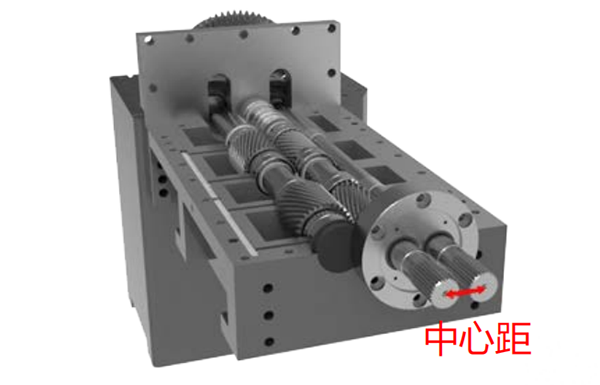
Die Doppelschneckenextrudermaschine verwendet zwei ineinandergreifende Schnecken, die sich falten, scheren, und verteilen Sie das Material mit einer Präzision, die eine einzelne Schraube nicht erreichen kann. Diese ineinandergreifende Aktion sorgt für eine gründliche Durchmischung, gleichmäßiges Schmelzen, und stabile Extrusion bei gleichzeitiger Reduzierung des Materialabfalls (Exintell-Maschinen, 2024). Aus diesem Grund ist die Doppelschnecke die Standardlösung für die Kunststoffcompoundierung, Masterbatch, Füllstoff-Masterbatch, und jede Anwendung, bei der Dispersion und Konsistenz die Produktqualität bestimmen. Dank der hervorragenden Belüftung kommt es außerdem besser mit flüchtigen Stoffen und Feuchtigkeit zurecht. Die Kosten sind real – mehr Komponenten, höherer Kaufpreis, ausgefeiltere Steuerung – aber für die Compoundierung ist sie nicht optional.
Konische Doppelschneckenvarianten für PVC und Rohre
Es gibt eine dritte Option, die ich speziell für PVC- und UPVC-Arbeiten markiere: die konische Doppelschnecke. Seine konische Geometrie sorgt für hohes Drehmoment und schonendes Arbeiten, kontrollierte Scherung bei niedrigen Geschwindigkeiten, Geeignet für hitzeempfindliches PVC, das sich bei aggressiver Verarbeitung zersetzt. Konische Doppelschnecken werden standardmäßig für Rohr- und Profilextrusionslinien verwendet. Wenn es sich bei Ihrer nachgelagerten Anwendung um starre PVC-Rohre oder Fensterprofile handelt, Dies ist die Konfiguration, die man in die engere Auswahl nehmen sollte, und nicht eine parallele Doppelschnecke.
Bewerbungsfit auf einen Blick
| Anwendung | Empfohlener Schraubentyp | Typische Materialien | Warum |
|---|---|---|---|
| Compoundierung | Parallele Doppelschnecke | PP, PE, ABS, PA6, PC | Intensives Mischen und Additivdispergieren |
| Masterbatch / Füllstoff-Masterbatch | Parallele Doppelschnecke | Pigment/Füllstoff + Trägerharz | Hochladende Streuung, keine Streifenbildung |
| Filmaufbereitung | Einzelschnecke + Verdichter | LDPE, LLDPE, ON-Film | Verdichten Sie Filme mit geringem Volumen, einfaches Umschmelzen |
| Rohr / Profil | Konische Doppelschnecke | PVC / UPVC | Hohes Drehmoment, schonende Scherung bei niedriger Geschwindigkeit |
| Blatt | Einzel- oder Doppelschnecke | HAUSTIER, PP, HDPE | Hängt vom Füll- und Klarheitsbedarf ab |
| Einzelharzschrott | Einzelschnecke | PP, HDPE | Niedrigste Kosten für die Reinigung, gleichmäßiges Futter |
Meine Faustregel: wenn das Prozesswort ist „Compoundierung,“ „Masterbatch,“ oder „PVC,“ Budget für Doppelschnecke. Wenn ja „Ich verarbeite meinen eigenen sauberen Schrott wieder,“ Eine Einschneckenlinie bietet Ihnen einen Bruchteil des Preises.
Wie viel kostet ein Kunststoffgranulator im Großhandel??
Mit dieser Frage beginnt jeder Käufer, und ich verstehe warum – aber die ehrliche Antwort ist, dass ein einzelner Aufkleberpreis ohne Kontext bedeutungslos ist. Die Kosten für Kunststoffgranulatoren variieren stark und werden von mehreren Faktoren beeinflusst, darunter dem Typ und Modell der Maschine (IPG / Pastillatorsystem, 2024). Was ich anbieten kann, ist eine transparente Aufschlüsselung der realen Großhandelssortimente und, noch wichtiger, was eigentlich die Zahl bewegt. Marktplätze listen Preise auf; Sie erklären sie selten. Das ist die Lücke, die ich hier schließen möchte.

Typische Großhandelspreisspannen
Für den Kern des Marktes, Doppelschneckenextruder und komplette Pelletierungslinien im Großhandel kosten etwa 20.000 bis 80.000 US-Dollar pro Satz, mit Mindestbestellmenge ab einem Satz oder Stück (Made-in-China.com, 2025). Granulierungs- und Pelletierungslinien für PET-Flocken liegen im unteren bis mittleren Bereich bei 20.000–50.000 US-Dollar, auch mit einer Mindestbestellmenge von einem (GoldLieferant, 2025). Auf der Einstiegsebene, IPG weist darauf hin, dass Pelletierer der Einstiegsklasse, die für kleine Betriebe oder Pilotprojekte geeignet sind, bei einer Leistung von etwa 100 % beginnen 70 kg/h (IPG / Pastillatorsystem, 2024) – ein nützlicher Anker, wenn Sie die Dimensionierung einer ersten Linie und nicht einer Produktionsanlage vornehmen.
Was den Preis bestimmt
Meiner Erfahrung nach erklären vier Faktoren fast die gesamte Spanne innerhalb dieses Fensters von 20.000 bis 80.000 US-Dollar:
- Maschinentyp und Schneckenkonfiguration. Eine Doppelschnecken-Compoundierungslinie kostet deutlich mehr als eine vergleichbare Einschnecken-Aufbereitungslinie, und konische Doppelschnecken-PVC-Linien haben ihre eigene Prämie.
- Durchsatzkapazität. Preisstaffeln mit kg/h. A 70 Eine Pilotanlage mit einer Kapazität von mehreren hundert kg/h und eine Produktionslinie mit mehreren hundert kg/h sind zwei verschiedene Dinge; Kapazität ist oft der größte Kostenhebel.
- Automatisierung und Kontrolle. SPS-Steuerung, automatische Siebwechsler, gravimetrische Fütterung, und integrierte Trocknung erhöhen die Leistungsfähigkeit und die Kosten. Manuelle Linien sind billiger, aber arbeitsintensiver.
- Marke, Verarbeitungsqualität, und Zertifizierung. Zertifizierte Ausrüstung (CE, ISO 9001, RoHS, UL, CCC sind gängige Filter – Made-in-China.com, 2025) und etablierte Marken verlangen höhere Preise, reduzieren aber die Einhaltung von Vorschriften und das Risiko von Ausfallzeiten.
Neu vs. Gebraucht: Den Sekundärmarkt lesen
Der Gebrauchtmarkt ist groß und es lohnt sich, ihn ernst zu nehmen. Die Großhandelskategorie für gebrauchte Doppelschneckenextruder auf Made-in-China.com umfasst mehr 74,746 Produkte (Made-in-China.com, 2025), Das zeigt mir, dass es echte Liquidität und Preisflexibilität gibt, wenn man zur Inspektion und Sanierung bereit ist. Gebrauchte Geräte können die Anschaffungskosten erheblich senken, aber ich wäge das immer gegen unbekannte Abnutzung ab, fehlende Dokumentation, und möglicherweise veraltete Kontrollen. Für eine erste Linie, bei der Verfügbarkeit wichtiger ist als Einsparungen 30%, Ich lehne neu und zertifiziert ab; für einen bewährten Betrieb und die Hinzufügung redundanter Kapazität, Ein geprüfter gebrauchter Doppelschneckenmotor kann die intelligentere Anschaffung sein.
Preis pro Set vs. pro Stück vs. Komplettpreis
Ein Punkt, der neue Käufer aus der Fassung bringt: was im Preis tatsächlich enthalten ist. Angebote werden in verschiedenen Einheiten angegeben, und sie sind nicht austauschbar.
- Pro Stück Die Preisgestaltung bezieht sich in der Regel auf eine einzelne Komponente – einen Extruder, ein Pelletierkopf, oder ein Granulator allein – keine funktionierende Linie.
- Pro Satz Die Preisgestaltung bündelt in der Regel die Hauptmaschine mit ihren wichtigsten Zusatzgeräten, die zusammen verkauft werden, So werden die meisten Angebote im Wert von 20.000 bis 80.000 US-Dollar notiert.
- Vollsortiment Die Preisgestaltung erstreckt sich über den gesamten Prozess – die Fütterung, Extrusion, Pelletieren, Kühlung, Trocknen, und Verpackung – und liegt am oberen oder oberen Rand der angegebenen Bereiche.
Bevor Sie zwei Angebote vergleichen, Ich bestätige, dass die Preise auf der gleichen Grundlage liegen. 25.000 US-Dollar „pro Satz“ Nummer und 25.000 US-Dollar „Vollsortiment“ Zahlen beschreiben sehr unterschiedliche Ergebnisse, und dies im Vorfeld zu klären, verhindert die häufigste Budgetüberraschung, die ich bei der Beschaffung von Pelletierern im Großhandel sehe.
Gebrauchte Kunststoffgranulatoren im Großhandel: Wenn es Sinn ergibt
Wenn mich ein Käufer fragt, ob ich eine gebrauchte Maschine kaufen oder mich für eine neue entscheiden soll, Ich antworte nie mit einer pauschalen Regel. Der Sekundärmarkt für Pelletiergeräte ist wirklich groß. Allein Made-in-China.com listet mehr als auf 74,746 gebrauchte Doppelschneckenextruderprodukte (Made-in-China.com, 2025), und dieser Band sagt mir zwei Dinge: Es gibt einen echten Wert, den es zu erfassen gilt, Und es gibt so viele Qualitätsunterschiede, dass ein unvorsichtiger Kauf zu Verbrennungen führen kann. Gebrauchte Pelletierer machen Sinn, wenn Ihr Kapital knapp ist, Ihr Durchsatzbedarf ist nachgewiesen, und Sie verfügen über die technischen Augen, die Sie prüfen müssen, bevor Sie Gelder überweisen.
Kosteneinsparungen versus Risiko: Der ehrliche Kompromiss
Der Einspruch ist unkompliziert. Ein neuer Doppelschneckenextruder oder eine Pelletierlinie im Großhandel kostet etwa 20.000 bis 80.000 US-Dollar pro Satz (Made-in-China.com, 2025), und ein gepflegtes Gebrauchtgerät kann sich rasieren 30% Zu 60% meiner Erfahrung nach von dieser Zahl abweichen. Auf einer PP-PE-Granulierlinie oder einer PET-Granulatorlinie, Durch diese Differenz wird Kapital für Ersatzteile freigesetzt, stirbt, und Fracht.
Das Risiko sitzt auf der anderen Seite des Hauptbuchs. Eine gebrauchte Maschine weist unbekannte Betriebsstunden auf, undokumentierte Materialgeschichte, und abgenutzte Verschleißteile, die die Leistung stillschweigend beeinträchtigen. Ich betrachte jedes verwendete Zitat als Ausgangspunkt, kein Preis, Denn in den tatsächlichen Kosten ist die Überholung enthalten, die die Maschine benötigt, um wieder ihre Nennkapazität zu erreichen. Wenn ich den Zustand nicht überprüfen kann, Ich diskontiere das Angebot stark oder gehe weg.
Was zu prüfen ist: Schrauben, Fässer, und Schneideinheiten
Die drei Komponenten, die darüber entscheiden, ob ein gebrauchter Pelletierer ein Schnäppchen oder eine Belastung ist, sind die Schrauben, das Fass, und das Schneidwerk. Die ineinandergreifenden Doppelschneckenkonstruktionen sorgen für eine gründliche Durchmischung, gleichmäßiges Schmelzen, und stabile Extrusion (Exintell-Maschinen, 2024), aber nur solange die Fluggeometrie gilt. Hier ist die Inspektionssequenz, die ich befolge:
- Schrauben: Überprüfen Sie die Kanten der Mitnehmer auf Rundung und messen Sie den Schraubendurchmesser anhand der Spezifikation. Abgenutzte Mitnehmer erhöhen die Bodenfreiheit, Druck fallen lassen, und reduzieren Sie den Durchsatz bei abrasiven Ausgangsstoffen wie Füllstoff-Masterbatch oder glasfaserverstärktem PA6.
- Fässer: Achten Sie auf Riefen und Bohrungsverschleiß. Ein abgenutzter Lauf gepaart mit verschlissenen Schrauben verschärft das Spielproblem und kann nicht durch den Austausch der Schrauben allein behoben werden.
- Schneideinheiten: Auf einem Stranggranulator, Überprüfen Sie Rotor- und Untermesser auf Absplitterungen und Stumpfheit. Auf einer Unterwasser-Granulieranlage, Überprüfen Sie die Oberfläche der Matrizenplatte und die Schneidmesser, da unebene Pellets fast immer hierher zurückgehen.
- Heizungen und Thermoelemente: Bestätigen Sie, dass jede Zone erhitzt und gehalten wird. Totzonen erzwingen ein ungleichmäßiges Schmelzen.
Beschaffung gebrauchter HDPE- und LDPE-Recycling-Pelletisierer
Für das Kunststoffabfallrecycling von HDPE- und LDPE-Folien, Ich suche nach Linien, die ursprünglich für diese Harze gebaut wurden, und nicht nach umfunktionierten Maschinen aus starrem Material. Die Pelletierung von PE-Folien erfordert eine Entgasung und häufig eine Zwangszuführung, und eine gebrauchte Linie, bei der diese Merkmale fehlen, wird mit Flockenbildung mit geringer Schüttdichte zu kämpfen haben. Granulier- und Pelletierungslinien für PET-Flocken kosten zwischen 20.000 und 50.000 US-Dollar, bei einer Mindestbestellmenge von einer (GoldLieferant, 2025), Dies stellt einen nützlichen Bezugspunkt dar, wenn eine gebrauchte PET-Linie deutlich unterhalb dieser Bandbreite angeboten wird. Ich frage den Verkäufer immer, welche Harze die Maschine zuletzt verarbeitet hat, Denn eine Maschine, auf der abrasives Füllstoff-Masterbatch verarbeitet wurde, weist einen anderen Verschleiß auf als eine Maschine, auf der sauberes LDPE verarbeitet wurde.
Überlegungen zur Sanierung und Garantie
Lieferanten von Laborextrudern Eine generalüberholte Maschine von einem renommierten chinesischen Kunststoffmaschinenlieferanten kann ein guter Mittelweg sein, allerdings nur, wenn die Sanierung dokumentiert ist. Ich bitte um eine Ersatzteilliste, Daten vor und nach dem Lauf, und eine schriftliche Garantie, die zumindest das Laufwerk abdeckt, Getriebe, und Kontrollsystem. Zu den gängigen Zertifizierungsfiltern für Pelletierer im Großhandel gehört CE, ISO 9001, RoHS, UL, und CCC (Made-in-China.com, 2025); Ein Sanierer, der noch gültige Zertifizierungen vorweisen kann, signalisiert einen seriösen Betrieb. Wenn die Garantie mündlich ist oder die Zertifizierung erloschen ist, Ich behandle das Gerät so wie es ist und bepreise es entsprechend.
Hochleistungs-Kunststoffgranulatoren für das Recycling im industriellen Maßstab
Das Recycling im industriellen Maßstab ist eine andere Disziplin als die Arbeit in kleinen Chargen. Hier läuft die Maschine Schicht für Schicht, Das Ausgangsmaterial ist inkonsistent, und Ausfallzeiten kosten echtes Geld pro Stunde. Wenn ich Hochleistungs-Kunststoffrecyclinggeräte spezifizierte, Ich höre auf, über den Aufkleberpreis nachzudenken, und fange an, an nachhaltige Tonnen pro Jahr bei stabiler Pelletqualität zu denken.
Spezifikationen, die Hochleistungskapazität und Haltbarkeit definieren
Drei Spezifikationen unterscheiden einen Hochleistungs-Granulator von einem leichten Gewerbe-Granulator: installierte Motorleistung, Schneckendurchmesser und L/D-Verhältnis, und die Robustheit von Antrieb und Getriebe. Die Pelletiermethode legt auch die Obergrenze fest. Es gibt vier grundlegende Pelletierungsmethoden (Strand, Wasserring, unter Wasser, und Hot-Die-Face), und die gewählte Methode bestimmt die Durchsatzobergrenze, Pelletqualität, Stromkosten, und Wiederverkaufspreis pro Tonne (Energiecle, 2026). Für eine kontinuierliche industrielle Produktion tendiere ich zu Unterwasser- oder Wasserringsystemen, da es bei Strangbrüchen bei hoher Geschwindigkeit zu Engpässen in den Strangleitungen kommen kann.
Portalgranulierer und Schredder-Granulier-Kombinationen
Für sperrigen oder verunreinigten Schrott, Eine integrierte Schredder-Granulier-Kombination macht einen manuellen Handhabungsschritt überflüssig und stabilisiert das Futter. Portalgranulierer für gemischte Hartkunststoffe verarbeiten PP, PE, ABS, PA6, und PC direkt, Aus diesem Grund positionieren sich Lieferanten Extruder Doppelschneckenzylinder Großhandel sie für hochvolumige Schrottströme (Purui, 2024). Die Kombinationslinie ist am wichtigsten, wenn Ihr eingehendes Material in großen Teilen oder als Spülgut und nicht in sauberen Flocken ankommt, denn eine gleichbleibende Partikelgröße erzeugt beim Herauskommen ein gleichbleibendes Pellet.
Durchsatz- und Leistungsanforderungen im industriellen Maßstab
Durchsatz und Leistung gehen Hand in Hand. As I push a line toward hundreds of kilograms per hour, Motorleistung, heater load, and cooling capacity all scale, and so does the electrical service the site must provide. I always confirm that the facility’s power supply matches the machine’s connected load before purchase, because an undersized service is an expensive surprise after the crate arrives.
Best-Fit Materials and Applications
Heavy-duty lines earn their cost on high-volume, single-stream or well-sorted feedstock: baled HDPE, LDPE film, PP regrind, and PET flake destined for recycled plastic pellets. For plastic compounding and masterbatch or filler masterbatch production, a twin-screw extruder machine is the workhorse because its mixing quality holds at industrial rates. Verunreinigte oder stark vermischte Ströme laufen durch eine Schredder-Granulier-Kombination immer noch besser als durch einen reinen Extruder.
Vergleich: Pelletierebenen im Überblick
Die folgende Tabelle fasst zusammen, wie sich die drei Ebenen, mit denen ich arbeite, unterscheiden. Die Preisspannen spiegeln die Angebote auf dem Großhandelsmarktplatz wider; Behandeln Sie sie als Planungsfiguren, keine Anführungszeichen.
| Stufe | Typischer Durchsatz | Richtpreis im Großhandel | Passgenaue Materialien | Typischer Käufer |
|---|---|---|---|---|
| Mikro / kleinräumig | Ab ~70 kg/h (IPG, 2024) | Unteres Ende der Spanne von über 20.000 US-Dollar | Spezialharze, Masterbatch-Versuche, PET/PP-Proben | Startups, Labore, Pilotlinien |
| Mittelklasse-Linie | Hunderte kg/h | ~20.000–50.000 US-Dollar pro Set (GoldLieferant, 2025) | HDPE, LDPE, PP-PE-Folie, PET-Flocke | Wachsende Recycler |
| Schwerlastindustrie | Hohe Dauertonnage | Bis zu ca. 80.000 US-Dollar pro Set (Made-in-China.com, 2025) | Ballenförmiger Schrott, PP/PE/ABS/PA6/PC, Compoundierung | Großprozessoren |
Mikro- und Kleingranulierer für Startups und Labore
Not every business needs tonnage. Some of the smartest operations I have advised started small on purpose: a specialty compounder proving a formulation, a lab producing sample pellets for customer qualification, or a new recycler validating a local scrap stream before committing capital. Micro and small-scale pelletizers exist precisely for this stage.
Micro Strand Pelletizers Cutting Pellets as Small as 0.4mm
Precision at small scale is a real capability, kein Marketing. Bay Plastics Machinery patented the first micro strand pelletizer capable of cutting pellets as small as 0.015 Zoll, or 0.4mm, unter US-Patent #7,393,201 (Bay Plastics Machinery, 2023). That resolution matters for micro-molding feedstock, additive concentrates, and applications where standard pellet size is simply too coarse. Wenn ein Kunde Uniform braucht, Submillimeter-Pellets, Ein Mikrostranggranulierer ist oft der einzig praktische Weg.
Anwendungsfälle für die Kleinserien- und Spezialproduktion
Ich lenke Käufer zu Kleingeräten, wenn der Wert eher auf Flexibilität als auf Volumen liegt. Zu den typischen Passformen gehören::
- Masterbatch- und Füllstoff-Masterbatch-Entwicklung, wo sich Rezepte häufig ändern und die Chargen klein sind.
- Spezielle technische Harze wie PC, ABS, und PA6, deren Verschwendung während Versuchen teuer ist.
- R&D-Labore qualifizieren recycelte Kunststoffpellets aus PET, HDPE, oder LDPE vor der Skalierung.
- Kleine Produktionsläufe, bei denen eine große Linie den größten Teil des Tages stillsteht.
Budgetfreundliche Einstiegspunkte für neue Recyclingunternehmen
Pelletierer der Einstiegsklasse werden für Kleinbetriebe und Pilotprojekte gebaut, beginnend bei Ausgängen um 70 kg/h (IPG, 2024). Für ein neues Recyclingunternehmen, Diese Leistung reicht oft aus, um das Modell zu beweisen und frühzeitig Einnahmen zu generieren, ohne hohe Schulden zu tragen. Kalshine und ähnliche Anbieter vermarkten Stranggranuliermaschinen zum Würfeln und Schneiden von Kunststoffkörnern zu Großhandelspreisen (Kalshine, 2024), wodurch die Eintrittskarte immer griffbereit bleibt. Meine Empfehlung ist, die kleinste Maschine zu kaufen, die den heutigen nachweislichen Anforderungen gerecht wird, nicht die Maschine, von der Sie hoffen, dass Sie sie nächstes Jahr brauchen werden.
Überlegungen zur Skalierung bei wachsendem Volumen
Im Kleinen anzufangen ist nur dann sinnvoll, wenn Sie den Ausstieg im Kleinen planen. Bevor ich ein Einsteigergerät kaufe, Ich prüfe, ob der Anbieter einen kompatiblen Upgrade-Pfad anbietet, ob die Matrizen und Schneideinheiten die gleichen Werkzeugstandards wie größere Linien haben, und ob das Steuerungssystem den Bedienern einer größeren Maschine später vertraut vorkommen wird. Die Kosten für Kunststoffgranulatoren werden vom Maschinentyp und -modell beeinflusst (IPG, 2024), Ein bewusster Skalierungsplan ermöglicht es Ihnen, den Umsatz in die nächste Stufe zu reinvestieren, anstatt alles auf einmal zu ersetzen. Wenn das Volumen über die Einstiegsmaschine hinauswächst, Sie steigen mit einem Team, das den Prozess bereits kennt, auf eine mittelgroße Pelletierlinie oder ein Hochleistungssystem um.
Durchsatz, Kapazität, und Stromverbrauch erklärt
Wenn ich den Kauf eines Kunststoffgranulators im Großhandel bewerte, Die ersten drei Zahlen, auf denen ich ankere, sind der Durchsatz, Kapazität, und Stromverbrauch. Diese Spezifikationen bestimmen, ob eine Maschine tatsächlich zu Ihrem Produktionsvolumen passt und ob der Aufkleberpreis durch die Betriebskosten stillschweigend aufgezehrt wird. Meiner Erfahrung nach, buyers who focus only on rated output end up disappointed when real-world numbers fall short.
How Throughput Ratings Translate to Real Output
Manufacturers publish throughput in kilograms per hour, but that figure is a ceiling, keine Garantie. The rated number typically reflects a clean, single-resin feedstock running under ideal conditions. Once you introduce contaminated plastic scrap, mixed resins, or high-moisture PET flakes, effective output drops. I generally plan for 75 Zu 85 percent of the rated throughput as a realistic operating baseline.
The pelletizing method sets the throughput ceiling in the first place. According to Energycle (2026), the four core methods — strand, Wasserring, unter Wasser, and hot-die-face — each determine the throughput ceiling, Pelletqualität, Stromkosten, und Wiederverkaufspreis pro Tonne [https://www.energycle.com/pelletizing-plastic/]. A strand pelletizer suits lower-to-mid volumes and gives you excellent pellet uniformity, while underwater pelletizing systems handle higher continuous volumes for compounding and masterbatch production. Twin-screw intermeshing designs, as Exintell Machinery (2024) Notizen, deliver thorough mixing, gleichmäßiges Schmelzen, und stabile Extrusion bei gleichzeitiger Reduzierung des Materialabfalls [https://www.exintellmach.com/co/plastic-pelletizer-machine-comparison-guide-for-modern-recycling/] — which is why they dominate PP, PE, ABS, and filler masterbatch lines.
Resin type matters too. HDPE and PP pellet cleanly at moderate temperatures, LDPE and PE film demand careful melt control, and engineering resins like PC and PA6 need higher zone temperatures that reduce achievable throughput. PET granulator lines usually pair with a crystallizing or drying stage that further gates real output.
Power Draw and Its Effect on Operating Costs
Power consumption is the specification most wholesale listings gloss over, yet it is the one that compounds every operating hour. A twin-screw extruder machine running heavy compounding loads pulls significant motor power, plus the heaters, Kühlung, Cutter, and downstream drying add to the total connected load. I always ask suppliers for the installed kilowatt rating and, separately, the expected average draw under load — the two differ substantially.
Here is the arithmetic I run before any purchase decision. If a line draws an average of 90 kW and runs 16 hours a day, 300 days a year at a US industrial rate of roughly $0.12/kWh, das ist ungefähr $51,800 in annual electricity alone. On a machine that cost $60,000 Großhandel, energy can exceed the purchase price within roughly 14 months of two-shift operation. This is exactly why I model total cost of ownership rather than sticker price.
Sizing Capacity to Your Production Volume
Capacity should be sized to your sustained monthly volume plus a modest growth buffer, not to your peak week. Oversizing wastes capital and energy; undersizing forces overtime shifts that erode margins. Entry-level pelletizers start at outputs around 70 kg/h and suit small-scale operations or pilot projects, per IPG (2024) [https://www.pastillatorsystem.com/price-of-plastic-pelletizing-machines/]. Mid-range compounding lines commonly land in the 300 Zu 800 kg/h band, and heavy-duty recycling systems push well beyond that.
A practical method I use: take your target annual tonnage, divide by realistic annual operating hours, then divide by the 0.80 utilization factor to get the rated capacity you should shop for. This keeps you from buying either a straining machine or an idle one. Extruded Hr Pvc
Balancing Capacity Against Upfront Cost
Higher capacity almost always means higher upfront cost, but the relationship is not linear — you often get better cost-per-ton economics as you move up a tier, provided you can keep the machine fed. Made-in-China.com (2025) lists wholesale twin-screw extruders and pelletizing lines from roughly US$20,000 to US$80,000 per set, with MOQ as low as one set [https://www.made-in-china.com/products-search/hot-china-products/Used_Plastic_Pelletizer_Machinery.html], and GoldSupplier (2025) lists PET flakes pelletizing lines at US$20,000 to $50,000 [https://stnhske.goldsupplier.com/1303060-Plastic-Pelletizer-Machine/].
| Stufe | Typischer Durchsatz | Richtpreis im Großhandel | Ca. connected power | Best-fit use case |
|---|---|---|---|---|
| Entry-level | 70–150 kg/h | $20,000–30.000 $ | 15–35 kW | Pilot projects, small PP/HDPE recycling |
| Mittelklasse | 300–800 kg/h | $35,000–60.000 $ | 55–110 kW | PP PE pelletizing line, Masterbatch, Compoundierung |
| Heavy-duty / Linie | 800+ kg/h | $60,000–$80,000+ | 120–250+ kW | Continuous PET granulator line, high-volume scrap |
Prices above are indicative ranges drawn from current marketplace listings; always confirm the exact configuration, motor rating, and included downstream equipment before comparing quotes.
Standalone Pelletizer vs Complete Pelletizing Line
One of the most consequential choices I help buyers make is whether to purchase a standalone pelletizer or a complete pelletizing line. The right answer depends entirely on the condition of your feedstock and how much of the process you need to bring in-house.
What a Full PP/PE or PET Pelletizing Line Includes
A complete PP PE pelletizing line is a chain of integrated stages rather than a single machine. As Recycling Today (2023) describes, pelletizing follows a feeding, schmelzen/mischen, Extrusion, und Schneidworkflow [https://www.recyclingtoday.org/blogs/news/plastic-pelletizer-everything-you-need-to-know]. In a recycling context, a full line typically wraps that core with front-end preparation and back-end handling:
- Crushing or shredding to reduce bulk plastic scrap to a feedable size
- Washing and separation to remove labels, Schmutz, and contaminants — essential for PE film and PET
- Drying to control moisture, which is critical for PET and PA6 to avoid melt degradation
- The extruder (often a twin-screw extruder machine for compounding) und sterben
- The pellet cutting machine — strand, Wasserring, or underwater pelletizing system
- Kühlung, dewatering, and classifying to deliver clean recycled plastic pellets
A PET granulator line will emphasize crystallizing and drying, while a filler masterbatch line will emphasize high-torque mixing and precise dosing. PVC/UPVC lines require corrosion-resistant tooling and careful temperature control because of the resin’s thermal sensitivity.
When a Standalone Machine Is Enough
A standalone plastic pelletizing machine makes sense when your input is already clean and consistent — for example, in-house production scrap, Randbesatz, or pre-sorted, pre-washed flake. If you are pelletizing your own clean HDPE or PP regrind, you do not need washing and drying stages, and a strand pelletizer or compact granulator can deliver excellent pellets at a fraction of a full line’s cost and footprint. For niche applications, precision matters: Bay Plastics Machinery (2023) patentierte den ersten Mikrostrang-Pelletizer, der in der Lage ist, Pellets in der Größe von bis zu 30 cm zu schneiden 0.015 Zoll (0.4mm) unter US-Patent #7,393,201 [https://bayplasticsmachinery.com/products/strand-pelletizers/micro-pelletizer/].
Integration With Washing, Zerquetschen, and Drying Stages
The integration decision hinges on feedstock cleanliness. Post-consumer plastic scrap recycling almost always requires the full washing, zerquetschen, and drying chain because contamination destroys pellet quality and damages screws. When I spec a line, I confirm that throughput is balanced across every stage — a fast extruder starved by an undersized washer is money wasted. I also verify that the washing and drying capacity matches the extruder’s appetite so the whole line runs at steady state rather than in fits and starts.
Cost and Space Implications
A standalone machine might occupy a modest corner of a shop and install with a single power drop. A complete line can span a significant length of floor, demand three-phase power to multiple stations, require water supply and treatment for the washing stage, and need ventilation. The cost gap is equally wide: a standalone pelletizer may run $20,000 Zu $40,000 Großhandel, while a fully integrated recycling line reaches the upper end of the $60,000 Zu $80,000+ range and beyond once civil works, Wassersysteme, and installation are counted. My rule of thumb is to budget for utilities and floor preparation as a distinct line item, because those hidden costs surprise first-time buyers more than the equipment price itself.
Key Certifications and Quality Standards to Verify
Certifications are the closest thing to a proxy for manufacturing quality when you are buying plastic recycling equipment sight unseen across the China trade corridor. Made-in-China.com (2025) shows that common certification filters for wholesale pelletizers include CE, ISO 9001, RoHS, UL, und CCC [https://www.made-in-china.com]. I treat these as a screening gate before I even discuss price.
CE, ISO 9001, RoHS, UL, and CCC Explained
- CE — a manufacturer’s declaration that the machine meets EU health, Sicherheit, and environmental requirements. Widely used as a baseline safety indicator, though it is self-declared for much machinery.
- ISO 9001 — certifies the supplier’s quality management system, not the individual machine. It signals repeatable processes and documentation discipline at the factory.
- RoHS — restricts hazardous substances such as lead and certain flame retardants in electrical and electronic components.
- UL — a North American safety certification tied to independent testing. For US installations, UL-listed electrical components carry real weight with inspectors and insurers.
- CCC — China Compulsory Certification, required for certain products sold within China; useful context on a supplier’s domestic compliance posture.
Why Certifications Matter for US Installation and Compliance
Here is the point competitors gloss over: CE and CCC do not satisfy US requirements. When you install in the United States, your equipment must meet local electrical code (NEC), and your Authority Having Jurisdiction typically expects a nationally recognized testing laboratory listing such as UL or ETL. A machine with CE marking but no UL-listed control panel can fail inspection, delay commissioning, and raise your insurance premiums. Meiner Erfahrung nach, negotiating UL-compliant electrical components up front is far cheaper than retrofitting a panel after a failed inspection.
Requesting Documentation From Suppliers
I never accept a logo on a web page as proof. Fabrikabläufe verstehen, Zuverlässigkeit der Lieferanten, and trade policy is critical for B2B buyers sourcing across the China corridor, as Exintell (2024) emphasizes [https://www.exintellmach.com]. I request, in writing, the following before wiring any deposit:
- The actual certificate PDFs with certificate numbers and issuing bodies, then verify the numbers directly with the issuer
- The ISO 9001 certificate scope and expiry date
- Electrical component datasheets confirming UL-listed contactors, Laufwerke, and PLCs for US-bound orders
- A wiring diagram and voltage/phase configuration matching US 480V/60Hz service
- Factory acceptance test records and, ideal, a video of the machine running your resin type
Reputable wholesale suppliers and manufacturers publish this readily — for reference, marketplaces such as Taiwantrade list vetted plastic pelletizer machine suppliers [https://taiwantrade.com/products/search.html?word=*&cate=7765&type=product&style=gallery&cateName=plastic-pelletizer-machine] (Taiwantrade), and dedicated line builders like Haorui document their PP PE pelletizing line configurations (Haorui Machinery).
How Certifications Signal Manufacturing Quality
Beyond legal compliance, certifications correlate with the discipline that produces reliable machines. A supplier maintaining a current ISO 9001 system usually keeps traceable material records, consistent tolerances on screw and barrel machining, and a documented QA process — the same practices that keep a twin-screw extruder running for years rather than months. When I see complete, verifiable documentation, it tells me the factory has the process maturity to build a machine that will hold its rated throughput and resale value. When documentation is vague or unavailable, I treat that as a warning sign regardless of how attractive the price looks.
Manufacturer vs Trading Company: Choosing the Right Supplier Type
Whenever I begin sourcing a plastic pelletizing line, my first decision is not the machine — it is the type of supplier behind it. Meiner Erfahrung nach, the choice between a genuine manufacturer and a trading company shapes everything downstream: Preisgestaltung, control over specifications, technische Unterstützung, and how quickly problems get resolved once the equipment is running. Both models can serve a wholesale buyer well, but they serve different needs, and confusing one for the other is where I have watched procurement budgets quietly bleed.
Preise, Kontrolle, und Unterstützung: The Core Trade-offs
A manufacturer sells from its own production, so I am buying closer to the true cost of the machine. Trading companies add a margin for their sourcing and coordination work, which typically lands somewhere between 5% Und 20% on top of factory price depending on order complexity. That premium is not automatically waste. A capable trading firm consolidates suppliers, handles export paperwork, and speaks fluent English, which reduces friction for US buyers navigating the China plastic machinery supplier landscape.
Control is where the difference sharpens. When I work directly with a factory, I can specify screw geometry, motor brand, and control-panel language, and I can escalate a warranty claim to the people who built the twin-screw extruder machine. With a trading intermediary, every technical question passes through a layer that may not fully understand the pellet cutting machine it is reselling. For a simple, standardized plastic granulator machine, that gap rarely matters. For a customized PP PE pelletizing line or a PET granulator line with tight tolerances, it matters a great deal.
OEM, ODM, and Own-Brand R&D Capacity
The clearest signal of a real manufacturer is R&D depth, and I read it through three service models. OEM means the factory builds to my drawings and specifications. ODM means it adapts its own existing designs to my requirements. Own-brand production means it engineers and iterates its own machines from the ground up. A supplier that only offers „we can get it for you“ without any of these capabilities is almost always a reseller.
Genuine engineering capacity shows up in the details of the extrusion technology itself. Twin-screw intermeshing designs, Zum Beispiel, deliver thorough mixing, gleichmäßiges Schmelzen, und stabile Extrusion bei gleichzeitiger Reduzierung des Materialabfalls, according to Exintell Machinery (2024). A factory that can explain why its screw configuration achieves that — and adjust it for masterbatch, Füllstoff-Masterbatch, or plastic compounding of engineering resins like ABS, PC, or PA6 — is one I trust to stand behind the build. Historic patent activity also signals real R&D; Bay Plastics Machinery (2023) patentierte den ersten Mikrostrang-Pelletizer, der in der Lage ist, Pellets in der Größe von bis zu 30 cm zu schneiden 0.015 Zoll (0.4mm) unter US-Patent #7,393,201, which is the kind of innovation only a true manufacturer produces.
How to Identify a True Factory vs a Reseller
I use a short verification routine before I commit. It is not foolproof, but it filters out most repackagers.
- Ask for a video walkthrough of the production line during a live call, not a pre-recorded clip. A factory can pan across welding stations, assembly bays, and finished machines on demand.
- Request the business license and confirm the registered scope includes manufacturing, not just trade or „import and export.“
- Cross-check the company address against the factory address. Resellers often list an office tower; manufacturers list an industrial park.
- Probe technical depth. When I ask how their underwater pelletizing system compares to a strand pelletizer for a specific resin, a factory answers with engineering detail while a reseller deflects.
Impact on Customization and Lead Times
Customization capacity and lead time move in opposite directions depending on supplier type. A manufacturer building to order gives me deep customization but often a longer lead time, häufig 30 Zu 60 days for a configured pelletizing line. A trading company holding relationships with several factories can sometimes source a near-standard machine faster, but the customization ceiling is lower because it is negotiating on my behalf rather than building for me. Fabrikabläufe verstehen, Zuverlässigkeit der Lieferanten, and trade policy is critical for B2B buyers sourcing pelletizers across the China trade corridor, as Exintell (2024) Notizen, and that understanding starts with knowing exactly who you are actually buying from.
Supplier Evaluation Checklist for Wholesale Buyers
Sobald ich den richtigen Lieferantentyp identifiziert habe, Ich unterziehe jeden Kandidaten der gleichen strukturierten Bewertung. Eine einheitliche Checkliste hält Emotionen und Verkaufsdruck von der Entscheidung fern, und es gibt mir eine vertretbare Dokumentation, falls ein Kauf jemals intern in Frage gestellt werden sollte. Nachfolgend finden Sie den Rahmen, auf den ich bei jedem Kauf von Kunststoffrecyclinggeräten zurückgreife, grob geordnet danach, wie schnell jeder Artikel einen Lieferanten disqualifizieren kann.
Geprüfter Lieferantenstatus und Werksverifizierung
Auf großen Marktplätzen, Abzeichen für geprüfte Lieferanten sind mein erster Filter, nicht mein letzter. Plattformen wie Made-in-China.com listen geprüfte und verifizierte Lieferantenstufen auf, und wenn man dort anfängt, schränkt sich das Feld von Tausenden auf eine überschaubare Auswahlliste ein. Ein Ausweis bestätigt jedoch nur, dass irgendwann einmal ein Dritter die Räumlichkeiten inspiziert hat; it does not confirm the machine I want is built well today. I treat verification status as a screening tool and always follow it with my own factory walkthrough, whether by video or, for large orders, an in-person or third-party inspection.
Überprüfung von Zertifizierungen, Referenzen, and Track Record
Certifications tell me whether a machine can legally and safely operate in my market. Zu den gängigen Zertifizierungsfiltern für Pelletierer im Großhandel gehört CE, ISO 9001, RoHS, UL, und CCC, according to Made-in-China.com (2025). For US import, I prioritize Compoundiermaschine Kunststoff UL for electrical safety and CE where applicable, and I ask for the actual certificate documents rather than a claim. ISO 9001 speaks to the factory’s quality-management process, which correlates with consistency across a production run.
Track record is harder to fake than a certificate. I ask for references from buyers in similar applications — a supplier that regularly ships PET granulator lines to North America should be able to name a few. I also weigh secondary-market presence as an indirect signal of longevity; the used twin-screw extruder wholesale market on Made-in-China.com features over 74,746 Produkte (Made-in-China.com, 2025), and manufacturers whose machines circulate widely in that resale pool tend to be established builders rather than one-season operations.
Assessing Communication and Responsiveness
I evaluate communication during the quoting stage because that is the best behavior I will ever see. If technical questions get vague answers before I have paid anything, support after payment will not improve. I look for response times under 24 Std., answers that address the specific question rather than a canned brochure, and a named technical contact rather than a rotating sales inbox. For a machine that will run for years, the quality of the human relationship is part of the purchase.
Rote Flaggen, die auf einen unzuverlässigen Lieferanten hinweisen
Some warning signs recur often enough that I treat any one of them as a reason to slow down and dig deeper.
- Prices dramatically below the market range for a comparable specification — a signal of cut corners, used parts sold as new, or a scam.
- Refusal to provide a business license, Zertifikate, or a live factory walkthrough.
- Pressure to pay 100% upfront by wire with no trade assurance or escrow option.
- Inconsistent technical answers, oder ein „Hersteller“ that cannot explain the difference between strand and water-ring pelletizing.
- No physical address, or an address that does not match any industrial registration.
- Reluctance to sell a paid sample or trial order before a full commitment.
None of these guarantees fraud on its own, but each one raises the diligence I apply before releasing funds.
Understanding MOQ, Preisstufen, and Bulk Negotiation
Capital equipment does not follow the same wholesale logic as consumables, and misreading that is a common early mistake. For a plastic pelletizing machine, minimum order quantities are refreshingly low, but the real negotiation happens around specification, payment structure, and total delivered cost rather than raw unit volume. Here is how I approach the commercial side once I have a shortlist of verified suppliers.
Typical Minimum Order Quantities in the Market
Unlike raw materials or packaged goods, pelletizing equipment is typically sold with an MOQ of one. Wholesale twin-screw extruders and pelletizing lines are listed from roughly US$20,000 to US$80,000 per set with an MOQ as low as 1 set or piece (Made-in-China.com, 2025), and PET flakes granulating and pelletizing lines are listed at US$20,000 to US$50,000 with a minimum order quantity of 1 (GoldLieferant, 2025). This means a first-time buyer can start with a single line rather than committing to a container of machines, which materially lowers the barrier to entry for a pilot operation.
How Volume Affects Per-Unit Pricing
Because MOQ is low, per-unit discounting works differently than in commodity wholesale. I rarely get a steep price break for buying two identical lines instead of one. Where volume does move price is in the broader relationship: committing to a multi-machine roadmap, standardizing on one supplier for future PP PE pelletizing lines, or bundling ancillary equipment like shredders and washing systems into the same order. The lever is total contract value and repeat-buyer status, not a simple quantity curve. The table below shows the pricing tiers I use as a working reference when I benchmark quotes.
| Stufe / Konfiguration | Typische Ausgabe | Indicative Wholesale Price (pro Satz) | Typisches MOQ | Common Application |
|---|---|---|---|---|
| Entry-level pelletizer | Ab ~70 kg/h | Lower end of range | 1 Satz | Small-scale operations, pilot projects |
| PET flakes granulating / pelletizing line | Mid-volume | US$20,000-50,000 | 1 Satz | Recycled PET flake processing |
| Twin-screw extruder / general pelletizing line | Mid to high volume | US$20,000-80,000 | 1 Satz / Stück | PP, ON-Film, HDPE, LDPE, Compoundierung, Masterbatch |
| Gebraucht / secondary-market line | Varies by condition | Often below new-machine range | 1 Satz | Budget-constrained scaling, deep resale pool |
Prices compiled from Made-in-China.com (2025), GoldLieferant (2025), and IPG / Pastillatorsystem (2024). Entry-level pelletizers are described by IPG (2024) as suited to small-scale operations or pilot projects, starting at outputs of 70 kg/h. Ranges are indicative benchmarks; actual quotes vary with resin type, Automatisierungsgrad, and motor specification.
Negotiating Samples and Trial Orders
For a single capital machine you cannot order a „sample unit“ the way you would with plastic parts, so I negotiate proof differently. I ask the supplier to run my actual feedstock — whether that is PVC/UPVC scrap, ON-Film, or mixed HDPE and LDPE — through a comparable machine and send me the resulting recycled plastic pellets along with video of the run. That trial demonstrates pellet uniformity and throughput on my material before I commit six figures. For buyers scaling up, I sometimes structure a first order as a trial line with agreed performance acceptance criteria tied to a payment milestone.
Payment Terms and Trade Assurance
Payment structure is where I protect the transaction. My standard target is a 30% deposit with the balance against a satisfactory pre-shipment inspection, rather than paying in full upfront. On marketplaces that offer trade assurance or escrow, I use it, because it holds funds until agreed milestones are met and gives me recourse if the machine does not match the contract. I also confirm exactly what the price includes — export packing, Ersatzteile, Installationsanleitung, and commissioning support — since a lower sticker price with everything unbundled often costs more once delivered. Treating payment terms as part of the negotiation, kein nachträglicher Einfall, is what turns a good price into a good deal.
OEM and Customization Options for Wholesale Orders
When I place a wholesale order, I rarely buy a machine off the shelf. Most serious suppliers along the China trade corridor treat a pelletizing line as a configurable platform, and I’ve learned to use that flexibility to match the equipment to my feedstock, my output targets, and my brand. The upfront conversation about customization is where a good deal is either won or lost.
Customizable Screw Configurations and Material Matching
The screw is the heart of any twin-screw extruder machine, and it’s the first thing I specify. A screw built for PET granulator line duty is not the same as one optimized for PE film or filler masterbatch. Die ineinandergreifenden Doppelschneckenkonstruktionen sorgen für eine gründliche Durchmischung, gleichmäßiges Schmelzen, und stabile Extrusion bei gleichzeitiger Reduzierung des Materialabfalls, which is why I favor them for compounding-heavy jobs (Exintell-Maschinen, 2024). For shear-sensitive resins like PVC/UPVC or PC, I ask for a gentler screw profile and lower L/D ratio; for high-filler PP or masterbatch, I want aggressive mixing zones.
Meiner Erfahrung nach, the material dictates almost every other choice. Here is how I map common resins to configuration priorities:
- HAUSTIER: crystallization and drying support, plus a robust cutting section for hard pellets.
- HDPE und PP: standard mixing screws with good throughput, often on a PP PE pelletizing line.
- LDPE- und PE-Folie: pre-densification or a film-fed feeder to handle low bulk density scrap.
- PVC/UPVC: corrosion-resistant screw coatings and precise temperature control to avoid degradation.
- ABS, PC, PA6: higher-temperature barrels and venting for moisture-heavy engineering resins.
Because Bay Plastics Machinery patented the first micro strand pelletizer capable of cutting pellets as small as 0.015 Zoll (0.4mm) unter US-Patent #7,393,201 (Bay Plastics Machinery, 2023), I know I can also specify pellet geometry when a downstream process demands it. That level of tailoring is worth asking about even from Chinese suppliers who license or replicate similar cutting technology.
Branding and Private-Label Options
For distributors and resellers, OEM branding matters. Many suppliers will apply your logo to the machine frame, control cabinet, and documentation, and some will produce private-label recycled plastic pellets under your name if you’re buying capacity rather than just a machine. Fabrikabläufe verstehen, Zuverlässigkeit der Lieferanten, and trade policy is critical for B2B buyers sourcing pelletizers across the China trade corridor (Exintell, 2024), and I treat private-label capability as one signal of a factory that’s set up for long-term partnership rather than one-off sales.
Lead-Time Impact of Customization
Customization is not free in calendar terms. A standard PP PE pelletizing line pulled from stock might ship in two to four weeks. Once I add a custom screw geometry, a specific automation package, or private-label branding, I plan for eight to sixteen weeks of build time, plus testing. I always confirm the runoff test schedule in writing, because a machine that’s built fast but never trial-run against my actual scrap tends to cost me more in commissioning delays than the weeks I thought I saved.
Automation Levels: Manual, Semi-Automatic, and Computerized Controls
Automation is where I see buyers most often mismatch the machine to their operation. A fully computerized line looks impressive in a demo, but if my workforce and volume don’t justify it, I’m paying for consistency I can’t use. I think about automation as a tradeoff between upfront price and ongoing labor cost.
Matching Automation to Workforce and Volume
Entry-level pelletizers are perfect for small-scale operations or pilot projects, starting at outputs of 70 kg/h (IPG, 2024), and at that scale a manual or semi-automatic control set usually makes sense. Manual lines demand skilled operators for temperature, Vorschubgeschwindigkeit, and cutting adjustments, which keeps the purchase price low but ties output quality to whoever is running the shift. Once I’m running multiple shifts or targeting tight pellet tolerances, computerized PLC control earns its cost.
The comparison below reflects how I weigh the three tiers across a typical wholesale purchase:
| Faktor | Manual | Semi-Automatic | Computerized (PLC/HMI) |
|---|---|---|---|
| Relative upfront price | Am niedrigsten | Mäßig | Höchste |
| Operator skill required | Hoch | Medium | Niedrig bis mittel |
| Labor cost per ton | Höchste | Mäßig | Lowest at scale |
| Pellet consistency | Operator-dependent | Gut | Höchste, wiederholbar |
| Beste Passform | Pilot, geringe Lautstärke | Single-shift SME | Multi-shift, hohe Lautstärke |
| Wartungskomplexität | Mechanical only | Mechanisch + basic electronics | Mechanisch + PLC diagnostics |
Computerized Control Benefits for Consistency
The strongest argument for computerized control is repeatability. Because the pelletizing method chosen determines throughput ceiling, Pelletqualität, Stromkosten, und Wiederverkaufspreis pro Tonne (Energiecle, 2026), a PLC that holds barrel temperatures and melt pressure steady directly protects the value of my recycled plastic pellets. Automated systems also log process data, which I use to prove batch quality to buyers and to troubleshoot when a run drifts out of spec.
Maintenance Implications of Automated Systems
More automation means more that can fail electronically. I budget for spare PLC modules, Sensoren, and drives, and I confirm the supplier can provide remote diagnostics and firmware support before I commit. A computerized line reduces labor but shifts some cost to skilled maintenance and parts availability. For buyers in the US sourcing from overseas, I treat guaranteed parts lead times as a non-negotiable line in the contract.
Importlogistik, Tarife, and Trade Policy for US Buyers
Eine Pelletierlinie ist schwer, oversized freight, and the sticker price on a marketplace listing is only the beginning of what I actually pay. Wholesale twin-screw extruders and pelletizing lines are listed from roughly US$20,000 to US$80,000 per set, with MOQ as low as 1 Satz (Made-in-China.com, 2025), but landed cost in the US can run meaningfully higher once shipping, Aufgaben, and compliance are added. Planning these elements early is how I avoid surprises at the port.
Shipping Options and Incoterms for Heavy Machinery
For a full pelletizing line, I usually ship by sea in a full-container load or as breakbulk if the equipment exceeds container dimensions. The Incoterm I agree on determines who controls cost and risk at each leg:
- FOB (Kostenlos an Bord): my preferred default. The supplier delivers to the origin port; I arrange ocean freight and control the shipping cost.
- CIF (Kosten, Versicherung, Fracht): simpler for first-time buyers, but I lose visibility into freight markups.
- EXW (Ab Werk): maximum control and maximum responsibility, since I handle everything from the factory door.
- DAP/DDP: convenient door-delivery terms, though I scrutinize whether DDP duties are calculated correctly for US entry.
I always confirm crating specifications and machine weight in advance, because underdeclared dimensions lead to reworked bookings and demurrage fees.
Tariff and Trade-Policy Impact on Landed Cost
Trade policy is the variable most likely to move my total cost. Plastic recycling equipment imported from China can carry a base HTS duty plus additional Section 301 Tarife, and those rates change with policy cycles. I never model landed cost using last year’s tariff assumption. Stattdessen, I confirm the current HTS classification with a licensed customs broker before signing, then add the applicable duty percentage to the FOB price along with ocean freight, Versicherung, and destination charges. Because plastic pelletizer cost is influenced by several factors including the machine’s type and model (IPG, 2024), I keep the tariff calculation separate from the equipment quote so I can compare suppliers on equal footing.
Customs, Dokumentation, and Compliance
Clean documentation moves a machine through US customs; missing paperwork strands it. For each import I assemble a commercial invoice, Packliste, Frachtbrief, and certificate of origin, and I verify the machine carries the certifications that matter to my facility and insurer. Zu den gängigen Zertifizierungsfiltern für Pelletierer im Großhandel gehört CE, ISO 9001, RoHS, UL, und CCC (Made-in-China.com, 2025). For US installation I place particular weight on UL listing for electrical safety, since local inspectors and insurers often require it. A supplier that can supply proper documentation and recognized certifications, such as those listed on Taiwantrade and comparable sourcing platforms, signals a factory experienced with export compliance.
Planning for Lead Times and Delivery
I build my project timeline backward from the day I need pellets flowing. Ocean transit from major Chinese ports to the US typically runs three to six weeks depending on coast and routing, and I add that to the eight-to-sixteen-week build window for a customized line. Then I layer in customs clearance, inland trucking of oversized freight, Takelwerk, and on-site commissioning. Realistisch gesehen, a customized pelletizing line ordered today may not produce sellable recycled plastic pellets for four to six months. Knowing that, I sequence facility prep, electrical work, and operator training to run in parallel with manufacturing and transit, so the machine isn’t waiting on me once it lands.
Calculating ROI and Payback for Your Pelletizer Investment
When I advise clients sourcing a plastic pelletizer wholesale, I steer the conversation away from the sticker price almost immediately. A machine’s purchase cost is a single line in a much larger equation, and in my experience the buyers who fixate on the cheapest quote are the ones who end up disappointed eighteen months later. What matters is how quickly the line pays for itself and what it earns after that. Building a realistic return-on-investment model is the difference between a durable revenue stream and an idle asset gathering dust in a warehouse.
Estimating Revenue From Resalable Recycled Pellets
Revenue starts with throughput and pellet market value. Recycled plastic pellets are feedstock for new products, and the price per ton swings widely by resin type and cleanliness. Recycled PET, HDPE, and PP command different rates, and contamination or off-spec color knocks the price down fast. I begin every model by multiplying rated capacity by realistic operating hours, then discounting for downtime and yield loss. Eine Linie mit einer Bewertung von 500 kg/h rarely runs a clean 24 Std., so I plan around 70 Zu 80 percent effective uptime for a healthy first-year estimate.
The pelletizing method you choose sets a ceiling on both output and quality. According to Energycle (2026), the four core methods — strand, Wasserring, unter Wasser, and hot-die-face — each determine throughput ceiling, Pelletqualität, Stromkosten, und Wiederverkaufspreis pro Tonne [https://www.energycle.com/pelletizing-plastic/]. That last point is the one buyers underweight: an underwater pelletizing system that produces uniform, spherical pellets typically fetches a higher price per ton than an entry-level strand pelletizer producing variable cuts from the same scrap.
Factoring Energy, Arbeit, and Maintenance Costs
Once I have a revenue figure, I subtract the operating costs that erode it. Three line items dominate:
- Energie. The extruder motor, Heizungen, and cutting system draw the bulk of your power bill. Twin-screw extruder machines running intermeshing designs melt and mix more efficiently, which can lower kilowatt-hours per ton compared with older single-screw setups. Exintell-Maschinen (2024) notes that twin-screw intermeshing designs deliver thorough mixing, gleichmäßiges Schmelzen, und stabile Extrusion bei gleichzeitiger Reduzierung des Materialabfalls [https://www.exintellmach.com/co/plastic-pelletizer-machine-comparison-guide-for-modern-recycling/].
- Arbeit. Count operators per shift, plus the hours spent on feeding, Qualitätskontrollen, and changeovers between resins like PP, LDPE, and PET film.
- Wartung. Wear parts such as screws, Fässer, Matrizenplatten, and cutting blades degrade with abrasive fillers and contaminated scrap. I set aside a maintenance reserve of roughly 3 Zu 5 percent of machine cost annually as a starting assumption.
Payback Period Modeling by Capacity
Capacity tier is the single biggest driver of payback dynamics, so I model it explicitly. Entry-level machines carry a low upfront cost but thin margins; heavy-duty lines cost more but amortize faster when you can keep them fed. IPG reports that entry-level pelletizers suited to small-scale operations or pilot projects start at outputs around 70 kg/h [https://www.pastillatorsystem.com/price-of-plastic-pelletizing-machines/], while wholesale twin-screw extruders and pelletizing lines are listed from roughly US$20,000 to US$80,000 per set with an MOQ as low as one, gemäß Made-in-China.com (2025) [https://www.made-in-china.com/products-search/hot-china-products/Used_Plastic_Pelletizer_Machinery.html].
The table below shows an illustrative payback model. These are planning figures for comparison, not guaranteed returns — actual pellet prices, energy rates, and uptime vary by region and resin.
| Capacity tier | Rated output | Wholesale price range | Effective annual output (~75% uptime) | Illustrative gross margin/ton | Estimated simple payback |
|---|---|---|---|---|---|
| Entry-level / Pilot | 70–150 kg/h | US$20,000–30,000 | ~300–650 tons | Untere (variable pellet quality) | ~24–36 months |
| Mittelklasse-Linie | 300–500 kg/h | US$30,000–55,000 | ~1,900–3,200 tons | Mäßig | ~14–22 months |
| Heavy-duty line | 800–1,200 kg/h | US$55,000–80,000+ | ~5,100–7,700 tons | Höher (Uniform, premium pellets) | ~10–16 months |
Price ranges reflect Made-in-China.com (2025) and IPG (2024) wholesale listings; payback and margin columns are planning estimates based on the assumptions described above.
Why the Cheapest Machine Isn’t Always the Best Value
I have watched buyers save a few thousand dollars upfront and lose far more to downtime, poor pellet consistency, and unavailable spare parts. IPG (2024) points out that plastic pelletizer cost is influenced by several factors including the machine’s type and model [https://www.pastillatorsystem.com/price-of-plastic-pelletizing-machines/] — meaning a low quote often signals a lighter build, a less efficient screw design, or thinner support. When a cheaper machine produces pellets that downstream molders reject, your realized price per ton falls and your payback stretches out. Gesamtbetriebskosten, not the invoice, is the number I anchor every recommendation to.
Kundendienst, Ersatzteile, and Warranty
A pelletizing line is a long-term relationship with a supplier, not a one-off transaction. The secondary market is deep — Made-in-China.com (2025) lists over 74,746 gebrauchte Doppelschneckenextruderprodukte [https://www.made-in-china.com] — but that depth means the difference between suppliers comes down to what happens after the machine ships. I evaluate after-sales terms with the same rigor I apply to the spec sheet.
Availability of Spare Parts and Consumables
Wear parts define your uptime. Schrauben, Fässer, Matrizenplatten, Schneidmesser, and screen packs all consume themselves against abrasive scrap, and a line down for parts earns nothing. Bevor ich mich verpflichte, I confirm the supplier stocks common consumables and can quote lead times in writing. For plastics like PVC/UPVC or filler masterbatch runs that accelerate wear, this matters even more. I also ask whether parts follow a standard or proprietary design — proprietary components lock you into a single source and give the manufacturer pricing leverage for the machine’s entire life.
Warranty Terms to Negotiate Upfront
Warranty scope is negotiable at the wholesale level, and the time to negotiate is before the deposit clears, never after. I push for clarity on:
- Duration and what it covers — full line versus core components only.
- Whether the warranty covers labor and shipping on replacement parts, or parts alone.
- Response-time commitments for defects during commissioning.
- How claims work across the China trade corridor, where distance complicates returns.
Exintell (2024) emphasizes that understanding factory operations, Zuverlässigkeit der Lieferanten, and trade policy is critical for B2B buyers sourcing pelletizers across the China trade corridor [https://www.exintellmach.com]. A warranty is only as strong as the supplier’s willingness to honor it from thousands of miles away, so I weigh the vendor’s track record as heavily as the paper terms.
Installation and Operator Training
Even a well-built pelletizing line underperforms with an untrained crew. I clarify who handles installation and whether the supplier sends engineers on site or provides remote commissioning guidance. Operator training on feeding rates, temperature profiles for different resins such as ABS, PC, and PA6, and safe changeover procedures pays for itself quickly by protecting yield and pellet quality. When on-site training isn’t feasible, I insist on documented procedures and recorded walkthroughs.
Remote Support and Troubleshooting
Modern lines increasingly offer remote diagnostics, and I treat this as a genuine value driver rather than a marketing checkbox. The ability to share error logs, get a controls engineer on a video call, and diagnose a fault the same day can turn a week of downtime into an afternoon. For US buyers working across a large time-zone gap with China plastic machinery suppliers, I confirm support hours overlap with my production shifts before signing.
Pellet Quality and Size Specifications That Affect Resale Value
Pellet quality is where the pelletizing method and machine build translate directly into dollars. Recycling heute (2023) describes how plastic pelletizers convert waste or raw material into small, uniform pellets used as feedstock for new products through a feeding, schmelzen oder mischen, Extrusion, und Schneidworkflow [https://www.recyclingtoday.org/blogs/news/plastic-pelletizer-everything-you-need-to-know]. The word that carries the most commercial weight in that description is Uniform. Meiner Erfahrung nach, buyers who understand why uniformity commands a premium make sharper equipment decisions.
Uniform Pellet Formation and Dispersion
Uniform pellets flow predictably through downstream hoppers and screws, and consistent dispersion of additives and colorants matters enormously for masterbatch and plastic compounding. Twin-screw extruder machines earn their premium here: Exintell-Maschinen (2024) documents that twin-screw intermeshing designs deliver thorough mixing, gleichmäßiges Schmelzen, und stabile Extrusion bei gleichzeitiger Reduzierung des Materialabfalls [https://www.exintellmach.com/co/plastic-pelletizer-machine-comparison-guide-for-modern-recycling/]. Poor dispersion shows up later as streaking or weak spots in the buyer’s molded parts, and once that reputation spreads, your pellets sell at a discount or not at all.
How Pellet Size Affects Downstream Molders and Extruders
Pellet size has to match your customers‘ equipment. Molders and extrusion molding machines are calibrated for specific pellet dimensions; oversized or irregular pellets bridge in hoppers and disrupt melt consistency. Some applications need very fine pellets — Bay Plastics Machinery (2023) patentierte den ersten Mikrostrang-Pelletizer, der in der Lage ist, Pellets in der Größe von bis zu 30 cm zu schneiden 0.015 Zoll, or 0.4mm, unter US-Patent #7,393,201 [https://bayplasticsmachinery.com/products/strand-pelletizers/micro-pelletizer/]. If your target buyers run micro-pelletizing-dependent processes, a machine that can hit those tolerances opens a market a standard cutter cannot reach.
Consistency and Its Impact on Price Per Ton
Consistency is the quiet lever on price per ton. Two batches of recycled PP with identical resin content can sell at meaningfully different rates if one has tight size distribution and clean color while the other varies lot to lot. Downstream processors pay more for predictable feedstock because it lowers their scrap and setup costs. When I model revenue, I treat a consistent, well-dispersed pellet as a higher-value product than the same tonnage of variable output — the machine that delivers that consistency often justifies its higher wholesale price on this factor alone.
Testing and Quality Control at the Factory
The best time to catch quality problems is before the line ships. I ask suppliers to run a factory acceptance test using my actual feedstock — whether that’s PET flakes, PE film scrap, or LDPE regrind — and to document pellet size distribution, Schüttdichte, and dispersion. Certification filters help me screen credible vendors: Made-in-China.com (2025) reports that common certifications for wholesale pelletizers include CE, ISO 9001, RoHS, UL, und CCC [https://www.made-in-china.com]. ISO 9001 in particular signals a documented quality process rather than ad hoc inspection. I also request retained samples and a written QC report so I have a baseline to hold the supplier to once the machine is running on my floor. For further sourcing options, marketplaces such as Taiwantrade and dedicated PP PE pelletizing line suppliers let you compare specifications and certifications side by side before requesting a factory test.
Common Sourcing Mistakes to Avoid
Across the deals I have supported, the same handful of errors surface again and again. Each one is avoidable, and each one costs real money when overlooked. Here are the four I flag most often for buyers entering the plastic pelletizer wholesale market.
Konzentrieren Sie sich allein auf den Preis und nicht auf die Gesamtbetriebskosten
Der Aufkleberpreis einer Pelletierlinie ist der Beginn des Gesprächs, nicht das Ende. Meiner Erfahrung nach, Die größten langfristigen Kosten sind der Energieverbrauch, Austausch von Verschleißteilen, und Ausfallzeiten, nicht der anfängliche Kapitalaufwand. Die von Ihnen gewählte Pelletierungsmethode ist maßgeblich dafür verantwortlich: als Energycle (2026) Notizen, die Wahl zwischen Strang, Wasserring, unter Wasser, und Hot-Die-Face-Methoden bestimmen die Durchsatzobergrenze, Pelletqualität, Stromkosten, und sogar der Wiederverkaufspreis pro Tonne. Eine Maschine, die für 25.000 US-Dollar billig aussieht, kann über einen Zeitraum von fünf Jahren stillschweigend mehr kosten als eine 45.000 US-Dollar teure Anlage mit geringerem Stromverbrauch und einem Doppelschneckenextruder, der den Materialabfall reduziert. Ich modelliere die Amortisationszeit immer anhand des Produktionswerts und der laufenden Kosten, anstatt mich am Angebot zu orientieren.
Überspringen der Lieferantenüberprüfung
Die Sekundär- und Neugerätemärkte sind riesig. Made-in-China.com (2025) lists over 74,746 used twin-screw extruder products alone, which is great for choice and dangerous for due diligence. I never place a deposit before confirming certifications and factory legitimacy. Common filters for wholesale pelletizers include CE, ISO 9001, RoHS, UL, und CCC (Made-in-China.com, 2025), and understanding factory operations, Zuverlässigkeit der Lieferanten, and trade policy is critical for anyone sourcing across the China trade corridor (Exintell, 2024). Verification means checking business licenses, requesting a live line video, and confirming references before funds move.
Mismatching Machine Type to Material
A line tuned for PET flakes will not perform the same on PE film or filler masterbatch, and forcing the wrong feedstock through the wrong configuration degrades pellet quality fast. Rigid resins like PET, HDPE, PP, ABS, PC, and PA6 behave very differently from stretchy PE film or heat-sensitive PVC/UPVC. Die ineinandergreifenden Doppelschneckenkonstruktionen sorgen für eine gründliche Durchmischung, gleichmäßiges Schmelzen, und stabile Extrusion bei gleichzeitiger Reduzierung des Materialabfalls (Exintell-Maschinen, 2024), which is why they dominate compounding and masterbatch work. Match the screw configuration, cutting method, and throughput to your dominant material before you compare prices.
Underestimating Logistics and Lead Times
Buyers frequently budget for the machine and forget the freight, Zollrisiko, and installation window. A pelletizing line is heavy freight, and ocean transit, Zollabfertigung, and rigging can add weeks to a project timeline and thousands to the landed cost. I build lead time and import logistics into the schedule from day one, and I confirm who owns responsibility at each Incoterm handoff so there are no surprises at the port.
Häufig gestellte Fragen
What is the typical wholesale price range for a plastic pelletizer?
Wholesale pricing tracks closely with machine type, Kapazität, and configuration. Twin-screw extruders and complete pelletizing lines are commonly listed from roughly US$20,000 to US$80,000 per set, often with an MOQ as low as one set (Made-in-China.com, 2025). Dedicated PET flake granulating and pelletizing lines fall in a US$20,000 to US$50,000 band with a minimum order of one (GoldLieferant, 2025). Entry-level units for small-scale operations or pilot projects start at outputs around 70 kg/h (IPG, 2024). The table below summarizes how tier and material influence the range I see quoted.
| Stufe | Typical Capacity | Indicative Wholesale Range | Passgenaue Materialien |
|---|---|---|---|
| Entry-level / Pilot | from ~70 kg/h | Lower end of the band | PP, PE, LDPE trials, small masterbatch runs |
| PET granulating / pelletizing line | Mid-volume | ~US$20,000-50,000 | PET flakes |
| Twin-screw extruder / pelletizing line | Mid to high volume | ~US$20,000-80,000 | Compoundierung, Füllstoff-Masterbatch, PP/PE, ABS, PC, PA6 |
Quellen: Made-in-China.com (2025); GoldLieferant (2025); IPG (2024). Ranges are indicative and exclude freight, Tarife, und Installation.
Are used pelletizers worth buying?
Manchmal, and the deep secondary market makes it a real option. Mit vorbei 74,746 used twin-screw extruder products listed on a single marketplace (Made-in-China.com, 2025), a well-maintained used line can cut capital cost significantly. Meiner Erfahrung nach, used equipment is worth it when you can verify service history, confirm wear-part availability, and inspect the screws and cutting assembly firsthand or by video. It is not worth it when the savings vanish into refurbishment, or when the machine’s method and screw configuration do not match your material. Treat a used purchase with the same verification rigor as a new one.
What does „heavy-duty“ mean for pelletizers?
Heavy-duty is not a marketing adjective I take at face value. In practical terms it points to sustained throughput under continuous operation, robust motor and gearbox sizing, hardened wear surfaces on screws and dies, and a cutting system built to run shifts without frequent maintenance. The pelletizing method matters here too, since it sets the realistic throughput ceiling and power cost (Energiecle, 2026). When a supplier calls a line heavy-duty, I ask for the rated duty cycle, Motorleistung, and the expected service interval on wear parts.
What about MOQ and customization?
Minimum order quantities in this category are buyer-friendly. Both complete pelletizing lines and PET granulator lines are routinely offered with an MOQ of one set or one piece (Made-in-China.com, 2025; GoldLieferant, 2025), so you are not forced into bulk commitments to get wholesale pricing. Customization is common: Schraubenkonfiguration, cutting method, Kapazität, and even micro-pellet capability are negotiable. Bay Plastics Machinery, Zum Beispiel, patented a micro strand pelletizer that cuts pellets as small as 0.015 Zoll, or 0.4mm, unter US-Patent #7,393,201 (Bay Plastics Machinery, 2023). Specify your target pellet size, Material, and throughput up front so quotes are comparable.
Conclusion and Next Steps for Sourcing Your Pelletizer
Sourcing well comes down to matching the machine to your material, evaluating suppliers with discipline, and budgeting for the full landed and operating cost rather than the quote alone. Here is how I pull those threads together before I commit.
Recap: Machine Type and Material Matching
Start with your dominant feedstock and let it drive the configuration. Rigid engineering resins such as PET, HDPE, PP, ABS, PC, and PA6 pair naturally with twin-screw extruder lines, whose intermeshing design gives uniform melting and stable extrusion while reducing waste (Exintell-Maschinen, 2024). Stretchy PE film and LDPE, heat-sensitive PVC/UPVC, and masterbatch or filler masterbatch each have their own preferred method and cutting approach. The four core methods — strand, Wasserring, unter Wasser, and hot-die-face — set your throughput ceiling, Pelletqualität, Stromkosten, and resale value per ton (Energiecle, 2026).
Summary: The Supplier Evaluation Framework
Verify before you trust. Confirm certifications relevant to your market, commonly CE, ISO 9001, RoHS, UL, und CCC (Made-in-China.com, 2025), and validate the factory itself, since supplier reliability and trade policy fluency are decisive for buyers working the China trade corridor (Exintell, 2024). Ask for a live production video, business documentation, Referenzen, and a clear warranty and spare-parts commitment.
Checklist Before Requesting Quotes
- Define your dominant material and secondary materials by resin type.
- Set a target throughput in kg/h and desired pellet size.
- Choose the pelletizing method that fits your material and volume.
- List required certifications for your destination market.
- Decide new versus used, with the same verification standard for both.
- Estimate freight, Zollrisiko, Installation, und Vorlaufzeit.
- Model payback on output value and running cost, kein Aufkleberpreis.
- Prepare identical specs so competing quotes are truly comparable.
Request a Quote or Sample
Once your specifications and evaluation criteria are set, the fastest path forward is to request tailored quotes and, wo möglich, a pellet sample run on your material. Send your material profile, throughput target, and certification requirements to shortlisted suppliers, and compare on total cost of ownership. If you want a starting point, review wholesale strand pelletizer options and complete PP PE pelletizing lines, then use the checklist above to move from browsing to a confident, well-scoped purchase.
What Is Plastic Pelletizer Wholesale and Why It Matters for B2B Buyers
When I talk about plastic pelletizer wholesale, I mean sourcing pelletizing machines and complete lines in bulk directly from manufacturers or distributors, usually at set-level or multi-unit pricing rather than one-off retail. A plastic pelletizer itself is the machine that converts plastic waste or virgin raw material into small, uniform pellets that become feedstock for new products. In der Praxis, every unit I have specified follows the same core workflow: Füttern, schmelzen und mischen, Extrusion, then cutting into pellets (Recycling heute, 2023).
The reason this matters for B2B buyers is simple. The pellet is the currency of the plastics supply chain. Compounders, film producers, and injection molders all need consistent, spec-grade pellets, and the pelletizer is where that consistency is created or lost. Buying at wholesale changes the economics: instead of paying a premium for a single machine, you negotiate on a pelletizing line, spare parts package, and commissioning support as one commercial event.
Definition and Core Pelletizing Methods
Es gibt vier grundlegende Pelletierungsmethoden, and the one you choose sets the ceiling on throughput, Pelletqualität, Stromkosten, and the resale price you can command per ton (Energiecle, 2026):
- Stranggranulierung — melt is extruded into strands, cooled in a water bath, then chopped by a pellet cutting machine. Common, lower cost, ideal for many rigid resins.
- Wasserring — cutting at the die face with a water ring cooling the pellets; a middle-ground for throughput and quality.
- Underwater pelletizing system — cutting submerged for spherical, low-dust pellets; favored for high-volume plastic compounding und Masterbatch.
- Hot-die-face — air-cooled cutting at the die; used where minimal moisture uptake matters.
For fine applications, precision has advanced considerably. Bay Plastics Machinery patented the first micro strand pelletizer capable of cutting pellets as small as 0.015 Zoll (0.4 mm) unter US-Patent #7,393,201 (Bay Plastics Machinery, 2023), which matters for engineering resins and additive-loaded grades.
Market Context and Why Wholesale Sourcing Is Deep
The secondary and new-equipment markets are far larger than most first-time buyers assume. On Made-in-China.com, the used twin-screw extruder wholesale category alone lists over 74,746 Produkte, which signals a deep and liquid market for both new and refurbished plastic recycling equipment (Made-in-China.com, 2025). That depth is leverage. When thousands of comparable listings exist, a buyer who understands specifications can negotiate hard rather than accept the first quote.
Key Applications by Resin
Meiner Erfahrung nach, the right machine configuration depends heavily on the resin stream. A twin-screw intermeshing design delivers thorough mixing, gleichmäßiges Schmelzen, und stabile Extrusion bei gleichzeitiger Reduzierung des Materialabfalls (Exintell-Maschinen, 2024), which is why it dominates compounding work. Typical wholesale demand breaks down like this:
- HAUSTIER — bottle-flake recycling on a dedicated PET granulator line, usually with crystallization and drying upstream.
- HDPE, LDPE, PP, ON-Film — the classic PP PE pelletizing line handles rigid and film scrap; film needs strong degassing and pre-compaction.
- PVC/UPVC — heat-sensitive, so temperature control and corrosion-resistant screws are non-negotiable.
- ABS, PC, PA6 — engineering resins that reward twin-screw extruders and tight pellet tolerances.
- Masterbatch and filler masterbatch — high-additive loading where mixing quality directly sets product value.
How to Choose the Right Plastic Pelletizer Wholesale Supplier
Choosing a supplier is where wholesale deals succeed or fail. A machine can look identical in two listings and perform very differently in production. My evaluation always starts with the factory behind the quote, not the quote itself. Fabrikabläufe verstehen, Zuverlässigkeit der Lieferanten, and trade policy is critical for B2B buyers sourcing pelletizers across the China trade corridor (Exintell, 2024).
Kriterien für die Lieferantenbewertung
I score every candidate against a consistent set of factors so that price never gets compared in isolation:
- Hersteller vs. trader — buying from a plastic pelletizer wholesale manufacturer usually means better spares access and engineering support than a pure reseller.
- Zertifizierungen — common filters for wholesale pelletizers include CE, ISO 9001, RoHS, UL, und CCC (Made-in-China.com, 2025). Match the certification to your destination market’s requirements.
- Screw and barrel metallurgy — the wear parts determine service life, especially with filled or recycled feedstock.
- Documented throughput — insist on kg/h under a named resin, not a vague „capacity.“
- After-sales and commissioning — remote support, local agents, and spare-parts lead times.
Wholesale Price Ranges by Machine Type
Marketplaces publish prices but rarely explain what drives them. Here is how I map published wholesale ranges to machine type and capacity so a buyer can read a quote critically. Note that cost varies widely and is influenced by the machine’s type and model (IPG, 2024).
| Konfiguration | Typical wholesale range (pro Satz) | Mindestbestellmenge | Best-fit use | Quelle |
|---|---|---|---|---|
| Entry-level pelletizer (~70 kg/h) | Low end of market | 1 | Pilot projects, small-scale runs | IPG, 2024 |
| Twin-screw extruder / pelletizing line | US$20,000–80,000 | 1 set/piece | Compoundierung, Masterbatch, mixed PP/PE | Made-in-China.com, 2025 |
| PET flakes granulating/pelletizing line | US$20,000–50,000 | 1 | PET bottle-flake recycling | GoldLieferant, 2025 |
The wide band inside each row is normal. A US$20,000 twin-screw line and a US$80,000 one differ in screw diameter, degassing stages, Automatisierung, and pellet uniformity. When a quote sits at the bottom of a range, I want to know which of those it gave up.
Red Flags to Watch
A few signals consistently predict trouble, and I walk away or dig deeper when I see them:
- Prices well below the ranges above with no explanation of what was removed.
- Certification logos shown but no certificate numbers or issuing bodies.
- Throughput quoted without a resin, moisture level, or bulk density.
- No named after-sales contact or spare-parts lead time.
- Refusal to provide a factory video call or third-party inspection access.
Find Wholesale Suppliers of Plastic Pelletizers for Bulk Purchase
Where to Source
For bulk purchase I use a mix of large marketplaces and specialist manufacturers. Broad marketplaces such as Made-in-China.com give price transparency and volume, while regional platforms like Taiwantrade surface quality-focused suppliers. Specialist manufacturers such as Kalshine market strand pelletizer machines at wholesale prices for plastic grain dicing and cutting (Kalshine, 2024), which is useful when you already know your method. For used and heavy-duty options, the deep secondary market referenced above lets you acquire proven lines at a discount, provided you inspect wear parts carefully.
Checkliste zur Due Diligence
Before I release a deposit on any plastic pelletizer wholesale order, I confirm each of these:
- Confirm manufacturer status and years in production.
- Verify certifications by number, not logo (CE, ISO 9001, UL, CCC, RoHS as applicable).
- Request a trial run on your actual resin, recorded on video.
- Get an itemized spec sheet: Schraubendurchmesser, L/D-Verhältnis, Motorleistung, degassing stages, pellet size.
- Define spare-parts package and lead times in the contract.
- Incoterms klären, Verpackung, and who handles export documentation.
- Confirm US import compliance and applicable tariff classification before shipment.
- Use inspection and staged payment tied to acceptance criteria.
Key Considerations and ROI
I encourage buyers to model payback rather than fixate on sticker price. A cheaper machine that yields off-spec recycled plastic pellets or runs at higher power cost per ton erodes margin every operating hour. The variables that move ROI most are pellet quality (which sets resale price per ton), Energieverbrauch, Betriebszeit, and labor. When two quotes are close on price, the one with better degassing and pellet uniformity almost always wins over a 12- to 24-month horizon.
Practical Tips and Industry Context
A few habits have saved me repeatedly. I standardize my specification request into a single document so every supplier quotes against identical parameters, which makes the comparison table above meaningful rather than apples-to-oranges. I budget separately for freight, Aufgaben, und Installation, since a US$40,000 line does not land at US$40,000. And I treat the first order from a new supplier as a qualifying batch, keeping volume moderate until the machine proves itself in production. In an equipment market this deep, patience and structured due diligence, not urgency, are what secure the best bulk plastic processing equipment at a fair wholesale price.
Compare wholesale prices of plastic pelletizer machines
When I evaluate wholesale quotes for a plastic pelletizer, I never look at the sticker figure in isolation. The number on a marketplace listing reflects a specific pelletizing method, throughput ceiling, and material profile, and those variables move the price far more than brand alone. Meiner Erfahrung nach, the buyers who overpay are the ones who compare a strand line for rigid PP against an underwater system for filler masterbatch as if they were interchangeable. Das sind sie nicht.
Wichtige Überlegungen beim Vergleich von Angeboten
The pelletizing method drives most of the spread. There are four core approaches — strand, Wasserring, unter Wasser, and hot-die-face — and the method you choose sets your throughput ceiling, Pelletqualität, Stromkosten, und Wiederverkaufspreis pro Tonne (Energiecle, 2026). A strand pelletizer is the most affordable entry point and works well for a PP PE pelletizing line or a PET granulator line running clean, well-dried input. Underwater and hot-die-face systems cost more but produce the spherical, low-dust recycled plastic pellets that compounding customers pay a premium for.
I also weigh the extruder configuration. Die ineinandergreifenden Doppelschneckenkonstruktionen sorgen für eine gründliche Durchmischung, gleichmäßiges Schmelzen, und stabile Extrusion bei gleichzeitiger Reduzierung des Materialabfalls (Exintell-Maschinen, 2024), which matters when you are compounding masterbatch, Füllstoff-Masterbatch, or blending regrind with virgin resin. A single-screw machine may quote lower, but it will struggle with heavily contaminated PE film or heat-sensitive PA6 and PC.
Wholesale price bands by machine type
Current marketplace data gives us a workable frame. Wholesale twin-screw extruders and pelletizing lines are listed from roughly US$20,000 to US$80,000 per set, often with an MOQ as low as one set (Made-in-China.com, 2025). PET flakes granulating and pelletizing lines sit in the US$20,000-50,000 range with a minimum order quantity of one (GoldLieferant, 2025). At the small end, entry-level pelletizers designed for pilot projects or small-scale operations start at outputs around 70 kg/h (IPG, 2024). The table below organizes these figures so you can match a band to your production plan.
| Maschinentyp / Linie | Typical wholesale range (USD/set) | Indicative capacity | Passgenaue Materialien | Quelle |
|---|---|---|---|---|
| Entry-level / pilot pelletizer | Lower tier (kleinräumig) | Ab ~70 kg/h | PP, PE, single-resin trials | IPG (2024) |
| PET flakes granulating / pelletizing line | US$20,000-50,000 | Mid-volume | PET flakes, bottle regrind | GoldLieferant (2025) |
| Twin-screw extruder / compounding line | US$20,000-80,000 | Mid to high-volume | Masterbatch, Füllstoff-Masterbatch, ABS, PC, PA6 | Made-in-China.com (2025) |
| Used twin-screw pelletizer | Below new equivalents; Mindestbestellmenge 1 | Varies by prior use | HDPE, LDPE, PP scrap | Made-in-China.com (2025) |
Practical tips for reading a quote
I ask every supplier to break the quote into machine, Werkzeuge, und Zusatzausrüstung. A gantry pelletizer marketed for PP, PE, ABS, PA6, und PC (PuRui, 2025) may quote attractively but exclude the dryer, Futterspender, or cooling bath you actually need. I also request the pellet size specification in writing. Bay Plastics Machinery, for reference, patented a micro strand pelletizer that cuts pellets as small as 0.4mm under US Patent #7,393,201 (Bay Plastics Machinery, 2023) — a reminder that pellet geometry is an engineered specification, not a rounding detail.
Branchenkontext
Plastic pelletizer cost varies widely and is influenced by the machine’s type and model above all (IPG, 2024). Because marketplaces publish prices without explaining them, the comparison work falls to you. Tie every figure to method, Durchsatz, und Material, and the wide bands above collapse into a defensible shortlist.
Locate China-based plastic pelletizer manufacturers offering wholesale terms
Plastic Extrusion Machine Manufacturer Once I have a target price band, the next task is finding a manufacturer I can actually transact with. The China trade corridor offers the deepest inventory of pelletizing equipment anywhere, but depth cuts both ways. Fabrikabläufe verstehen, Zuverlässigkeit der Lieferanten, and trade policy is critical for B2B buyers sourcing pelletizers across this corridor (Exintell, 2024). I treat sourcing as a structured evaluation, not a search-and-buy.
Where I start looking
The used twin-screw extruder wholesale market on Made-in-China.com alone features over 74,746 Produkte, which signals a genuinely deep secondary market (Made-in-China.com, 2025). For new equipment, I cross-reference dedicated supplier catalogs and regional platforms so I am not anchored to a single storefront. Taiwantrade is useful for vetted regional exporters, and specialist manufacturers such as Kalshine market strand pelletizer machines at wholesale prices for plastic grain dicing and cutting (Kalshine, 2024). Haorui Machinery lists wholesale PP PE pelletizing lines directly, which helps when your feedstock is film or rigid polyolefin.
Supplier-evaluation checklist for US buyers
Before I request a proforma invoice, I run every candidate through the same filter:
- Zertifizierungen: Ich bestätige WAS, ISO 9001, RoHS, UL, and CCC where applicable — these are the common filters wholesale platforms expose (Made-in-China.com, 2025), and UL matters specifically for the US market.
- Material fit: Verify the line is validated for your resin, ob das PET ist, HDPE, LDPE, PP, ON-Film, PVC/UPVC, ABS, PC, or PA6. Eine auf Füllstoffbeladung abgestimmte Masterbatch-Maschine verhält sich anders als eine PET-Granulatorlinie.
- Fabrik versus Händler: Fragen Sie nach der Werkstatt und den Bearbeitungsmöglichkeiten des Doppelschneckenextruders. OEM-Fabriken bieten andere Angebote und Support als Wiederverkäufer.
- Mindestbestellmenge und Vorlaufzeit: Viele Großhandelsangebote enthalten eine Mindestbestellmenge von einem Satz (Made-in-China.com, 2025; GoldLieferant, 2025), Dadurch können Sie vor der Skalierung steuern.
- After-Sales: Bestätigen Sie die Verfügbarkeit von Ersatzteilen, Schrauben- und Matrizenwechsel, und Unterstützung bei der Ferninbetriebnahme.
Gebrauchte und Hochleistungsoptionen
Ich übersehe den Sekundärmarkt nicht. Ein generalüberholter Doppelschneckenextruder von einem renommierten Wiederbauer kann die Investitionskosten erheblich senken, Und das oben erwähnte umfangreiche Listing-Volumen bedeutet, dass Sie bei den Öffnungszeiten selektiv vorgehen können, Schraubenverschleiß, und Steuerungssystemalter. Für das Recycling anspruchsvoller Kunststoffabfälle, I prioritize robust gearboxes and hardened screws over headline price, because downtime on a bulk plastic processing line erases any upfront saving.
Praktische Tipps
I always request video of the machine running your target material, a written pellet-size and throughput spec, and references from prior US buyers. For import logistics, I confirm HS classification, applicable Section 301 Zollrisiko, freight terms, and UL or NRTL compliance before wiring a deposit. Building these steps into the RFQ, rather than discovering them at customs, is what separates a smooth first import from an expensive lesson. You can review representative wholesale catalogs to calibrate expectations. Kalshine’s strand pelletizer listings Und Haorui’s PP PE pelletizing line are two useful reference points.
Understand the cost range for a wholesale plastic pelletizer
The final discipline is translating a price band into a business case. A plastic pelletizer converts plastic waste or raw material into small, uniform pellets used as feedstock for new products, following a feeding, schmelzen oder mischen, Extrusion, und Schneidworkflow (Recycling heute, 2023). That workflow consumes power, Arbeit, and maintenance every hour it runs, so I model total cost of ownership rather than fixating on the purchase figure.
Framing the total cost
Starting from the ranges above — roughly US$20,000-80,000 for twin-screw lines (Made-in-China.com, 2025) and US$20,000-50,000 for PET pelletizing lines (GoldLieferant, 2025) — I layer in ancillary equipment, Seefracht, Tarif, Installation, und Inbetriebnahme. Entry-level machines from about 70 kg/h (IPG, 2024) suit a pilot, but their per-ton economics rarely beat a mid-capacity line once you account for labor spread across output. The method matters here too, since it dictates power cost and resale price per ton (Energiecle, 2026).
A simple ROI and payback model
Here is the framework I use. Take your annual output in tons, multiply by the spread between your recycled-pellet selling price and your feedstock plus conversion cost, and divide the fully landed machine cost by that annual margin to get payback in years. If a US$40,000 twin-screw line processes 300 tons annually at a $150-per-ton net margin, that is $45,000 in yearly margin and a payback under one year before financing. Change any input — lower margin, higher tariff, more downtime — and the model tells you honestly whether the deal works. This margin-first view is the gap most marketplace listings leave open.
Key considerations that shift the number
- Material mix: Contaminated PE film and PVC/UPVC demand more washing and filtration, raising conversion cost per ton.
- Uptime: Twin-screw intermeshing designs reduce material waste and stabilize extrusion (Exintell-Maschinen, 2024), protecting your margin assumptions.
- Pellet quality: Uniform, low-dust pellets command higher resale, which is why pellet-cutting precision earns patents (Bay Plastics Machinery, 2023).
- Financing and tariff: Interest and duty are real line items; I fold both into the landed cost before computing payback.
Praktische Tipps
I recommend piloting with an MOQ-of-one line where possible (Made-in-China.com, 2025; GoldLieferant, 2025), logging real throughput and power draw for 30 Tage, then recalculating the model with measured numbers instead of vendor claims. That single step has saved me from more than one optimistic projection.
Branchenkontext
Because plastic pelletizer cost is driven above all by machine type and model (IPG, 2024), and because the China corridor offers both new and a deep used market, disciplined buyers have room to optimize. The winners in my experience are not those who find the lowest quote — they are those who match method, Material, and capacity to a payback model they can defend.
Abschluss: Turning Wholesale Sourcing Into a Confident Purchase
After walking through machine types, price bands, und Lieferantenüberprüfung, my closing view is simple: a smart plastic pelletizer wholesale purchase is a decision about total value, kein Aufkleberpreis. The pelletizing method you select — strand, Wasserring, unter Wasser, or hot-die-face — sets your throughput ceiling, Pelletqualität, power draw, und Wiederverkaufspreis pro Tonne, so it should anchor the entire process rather than being an afterthought (Energiecle, 2026). Whether you are running a PP PE pelletizing line, a PET granulator line, or a masterbatch machine, matching the equipment to your resin mix (HAUSTIER, HDPE, LDPE, PP, ON-Film, PVC/UPVC, ABS, PC, or PA6) is what protects margins over the machine’s life.
Meiner Erfahrung nach, the buyers who succeed treat cost as a range tied to capacity and configuration. Wholesale twin-screw extruders and complete pelletizing lines commonly list from roughly US$20,000 to US$80,000 per set, often with an MOQ as low as one unit, while dedicated PET flakes granulating lines fall in the US$20,000–50,000 band (Made-in-China.com, 2025; GoldLieferant, 2025). Entry-level pelletizers built for small-scale operations or pilot projects can start around 70 kg/h outputs (IPG / Pastillatorsystem, 2024). Those figures only become meaningful once you layer in US import logistics, Tarife, Einhaltung, and a realistic ROI and payback model — the areas most marketplace listings leave unexplained.
The good news is that the market gives you room to negotiate. The used twin-screw extruder segment on a single marketplace exceeds 74,746 Auflistungen, evidence of a deep secondary market where heavy-duty and refurbished lines can deliver strong value if inspected carefully (Made-in-China.com, 2025). Pair that depth with disciplined supplier evaluation across the China trade corridor, and a wholesale purchase becomes a controlled, repeatable process rather than a gamble (Exintell, 2024).
Experteneinblick
| Kernpunkt | Erläuterung |
|---|---|
| Method drives cost and quality | The pelletizing method you choose determines throughput, Gleichmäßigkeit der Pellets, Stromkosten, und Wiederverkaufspreis pro Tonne, so I select the method before comparing quotes (Energiecle, 2026). |
| Price is a range, not a number | Complete twin-screw pelletizing lines list from roughly US$20,000 to US$80,000 per set with MOQ as low as one, so I benchmark against capacity and configuration rather than a single figure (Made-in-China.com, 2025). |
| The secondary market is real leverage | Mit vorbei 74,746 used twin-screw extruder listings on one marketplace alone, a well-inspected refurbished line can cut capital outlay while preserving output (Made-in-China.com, 2025). |
Umsetzbare Beschaffungstipps für B2B-Käufer
- Specify your resin and output first. Define your feedstock (HAUSTIER, HDPE, LDPE, PP, ON-Film, PVC/UPVC, ABS, PC, PA6) and target kg/h before requesting quotes, since a twin-screw intermeshing design that gives thorough mixing and uniform melting for one polymer may be oversized for another (Exintell-Maschinen, 2024).
- Filter by certification early. Screen suppliers for CE, ISO 9001, RoHS, UL, and CCC so compliance is confirmed before price negotiation rather than after (Made-in-China.com, 2025).
- Request a per-ton cost breakdown. Ask each China plastic machinery supplier to translate power draw and throughput into cost per ton of recycled plastic pellets, which exposes the true economics behind the quoted price.
- Vet the used market deliberately. Given the depth of the secondary market, require inspection reports, run-hour logs, and wear-part condition on any used pelletizing line before committing.
- Model landed cost, not factory cost. Fracht hinzufügen, US tariffs, Aufgaben, and installation to the quoted figure so your ROI and payback estimate reflects reality across the full trade corridor (Exintell, 2024).
- Confirm parts and service coverage. Verify lead times for pellet cutting machine blades, Schrauben, und Matrizenplatten, since downtime on a bulk plastic processing line erodes payback faster than the initial price gap between vendors.
FAQ
How much does a plastic pelletizer cost at wholesale?
Meiner Erfahrung nach, wholesale pricing tracks almost entirely to machine type and throughput rather than a single sticker figure. Entry-level plastic pelletizing machines built for small-scale operations or pilot projects start around 70 kg/h outputs at the low end of the range, according to IPG’s pricing breakdown (IPG / Pastillatorsystem, 2024). Move up to production-grade twin-screw extruder pelletizing lines and I typically see listings from roughly US$20,000 to US$80,000 per set, with a minimum order quantity as low as one set (Made-in-China.com, 2025). PET flakes granulating and pelletizing lines cluster a bit tighter, around US$20,000 to US$50,000 (GoldLieferant, 2025). The spread reflects real differences in screw configuration, cutting method, und Kapazität, so I always ask a supplier to quote against a target output in kg/h rather than a generic model name.
Is buying a used plastic pelletizer wholesale worth it?
It can be, and the secondary market is deeper than most first-time buyers expect. Allein Made-in-China.com listet mehr auf 74,746 gebrauchte Doppelschneckenextruderprodukte, which tells me there is real liquidity and negotiating room (Made-in-China.com, 2025). A used pelletizing line makes sense when I need to hit a budget ceiling, prove out a recycled plastic pellets business case, or add redundant capacity. The tradeoff is condition risk: worn screws, degraded heaters, and outdated controls erode the savings fast. I treat used equipment as worth it only when I can verify running hours, inspect the barrel and screw wear, confirm spare-part availability, and see the machine under load before wiring funds.
What is the difference in a heavy-duty plastic pelletizer, and when do I need one?
A heavy-duty designation comes down to sustained load tolerance, kein Marketing. What makes a pelletizer heavy-duty, in practical terms, is a reinforced gearbox, hardened bimetallic barrels and screws that resist abrasive filler masterbatch, higher motor ratings, and cutting assemblies rated for continuous multi-shift operation. Gantry pelletizers marketed for PP, PE, ABS, PA6, and PC handle tougher scrap streams than light bench units (PuRui, 2024). I specify heavy-duty when processing contaminated plastic scrap, glass-filled compounds, or running near 24/7, because the incremental cost is recovered through fewer failures and longer intervals between screw rebuilds.
Which pelletizer type is best for PET, HDPE, oder PP?
There are four core methods, and the one I pick sets the throughput ceiling, Pelletqualität, Stromkosten, and resale value per ton (Energiecle, 2026). For PET, I lean toward underwater pelletizing systems or dedicated PET granulator lines, because the fast, symmetric cooling protects intrinsic viscosity and yields uniform pellets suited to bottle-grade feedstock. For HDPE and PP, a strand pelletizer or water-ring system on a twin-screw extruder handles the melt well and keeps operating cost reasonable, which is why PP PE pelletizing lines are so commonly configured this way (Haorui Machinery). For heat-sensitive or highly filled masterbatch, underwater or hot-die-face cutting gives the tightest control. When I need micro pellets, Bay Plastics Machinery’s patented micro strand pelletizer cuts down to 0.015 Zoll, or 0.4mm (Bay Plastics Machinery, 2023).
How do I choose a reliable wholesale pelletizer supplier?
I run every candidate through a short, repeatable checklist. Erste, verify the entity is a manufacturer rather than a trading reseller, since factory-direct sourcing gives me control over specs and after-sales support. Zweite, understand the supplier’s factory operations, reliability track record, and exposure to trade policy, which is critical across the China trade corridor (Exintell, 2024). Dritte, request reference installations running the same resin I plan to process. Vierte, confirm parts lead times and English-language technical support. I cross-check listings on established B2B platforms and factory storefronts to validate that a plastic pelletizing machine supplier has genuine catalog depth, then move promising names to a video factory audit before issuing a purchase order.
What certifications should a wholesale pelletizer carry?
Certifications are my first pass filter because they signal both safety compliance and quality-system maturity. The common marks I look for are CE, ISO 9001, RoHS, UL, und CCC (Made-in-China.com, 2025). Für einen US-Käufer, CE and UL matter most for electrical and machine safety, while ISO 9001 tells me the factory operates under a documented quality system rather than ad hoc assembly. I ask for the actual certificate PDFs and verify the certifying body, because a checkbox on a listing is not the same as valid, current documentation tied to the specific model.
What is the tradeoff between cost and quality when buying wholesale?
The honest answer is that the cheapest quote almost never wins on total cost of ownership. A low upfront price often reflects thinner steel, generic bearings, and a cutting assembly that dulls quickly, all of which raise downtime, Ausschussrate, and energy use per ton of recycled plastic pellets. Twin-screw intermeshing designs cost more but deliver thorough mixing, gleichmäßiges Schmelzen, und stabile Extrusion bei gleichzeitiger Reduzierung des Materialabfalls (Exintell-Maschinen, 2024), which shows up as higher pellet quality and better resale value per ton. I model payback across a two to three year horizon, weighing purchase price against uptime, Pelletkonsistenz, und Wartung, and I let that ROI figure, not the sticker, drive the decision.
What are the common mistakes buyers make sourcing pelletizers wholesale?
Die Fehler, die ich immer wieder sehe, sind vorhersehbar. Buyers anchor on price and ignore capacity mismatch, ending up with a line that throttles their whole plastic scrap recycling operation. They skip resin-specific validation, then discover a general-purpose plastic granulator machine cannot hold pellet tolerances for PET or PVC/UPVC. They underestimate US import logistics, Tarife, and port handling, which can add materially to the landed cost of a China-sourced pelletizing line. And they overlook after-sales terms, so a broken screw becomes weeks of idle equipment. I avoid all four by specifying against a documented throughput target, running a resin trial, budgeting full landed cost including duties, and negotiating parts and support commitments in writing before I commit.
Referenzen
- Plastic pelletizers convert plastic waste or raw material into small, uniform pellets used as feedstock for new products, following a feeding, schmelzen/mischen, Extrusion, und Schneidworkflow — Recycling heute (2023)
- Es gibt vier grundlegende Pelletierungsmethoden (Strand, Wasserring, unter Wasser, hot-die-face), und die gewählte Methode bestimmt die Durchsatzobergrenze, Pelletqualität, Stromkosten, und Wiederverkaufspreis pro Tonne — Energiecle (2026)
- Plastic pelletizer cost varies widely and is influenced by several factors including the machine's type and model — IPG / Pastillatorsystem (2024)
- Bay Plastics Machinery patented the first micro strand pelletizer capable of cutting pellets as small as 0.015 Zoll (0.4mm), unter US-Patent #7,393,201 — Bay Plastics Machinery (2023)
- Wholesale twin-screw extruders and pelletizing lines are listed from roughly US$20,000 to US$80,000 per set, with MOQ as low as 1 set/piece — Made-in-China.com (2025)
- The used twin-screw extruder wholesale market on Made-in-China.com features over 74,746 Produkte, showing a deep secondary market — Made-in-China.com (2025)
- PET flakes granulating/pelletizing lines are listed at US$20,000-50,000 with a minimum order quantity of 1 — GoldLieferant (2025)
- Die ineinandergreifenden Doppelschneckenkonstruktionen sorgen für eine gründliche Durchmischung, gleichmäßiges Schmelzen, und stabile Extrusion bei gleichzeitiger Reduzierung des Materialabfalls — Exintell-Maschinen (2024)
- Fabrikabläufe verstehen, Zuverlässigkeit der Lieferanten, and trade policy is critical for B2B buyers sourcing pelletizers across the China trade corridor — Exintell (OEM-Fabrik für Kunststoffgranulatoren) (2024)
- Zu den gängigen Zertifizierungsfiltern für Pelletierer im Großhandel gehört CE, ISO 9001, RoHS, UL, und CCC — Made-in-China.com (2025)