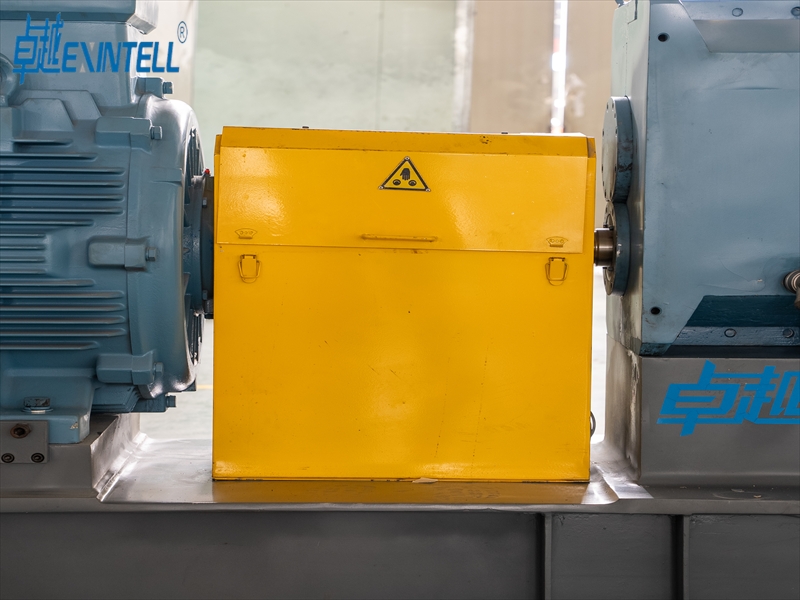
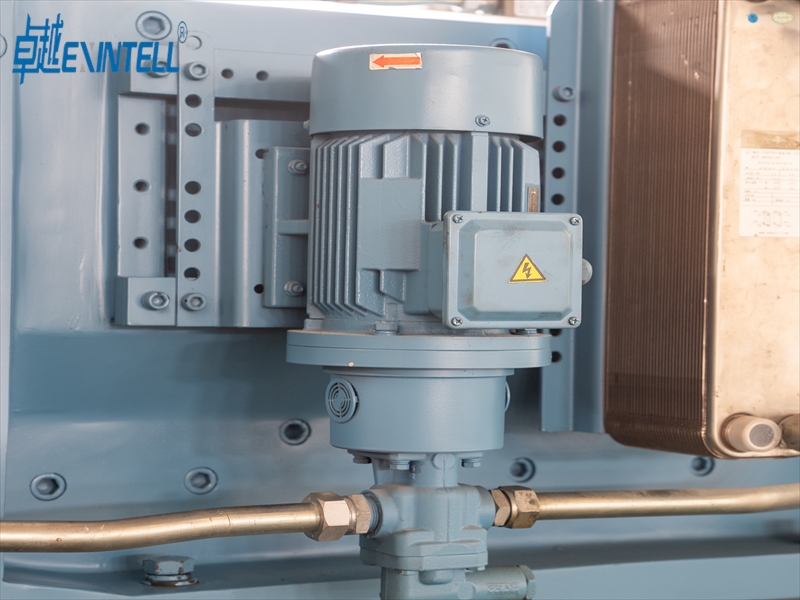
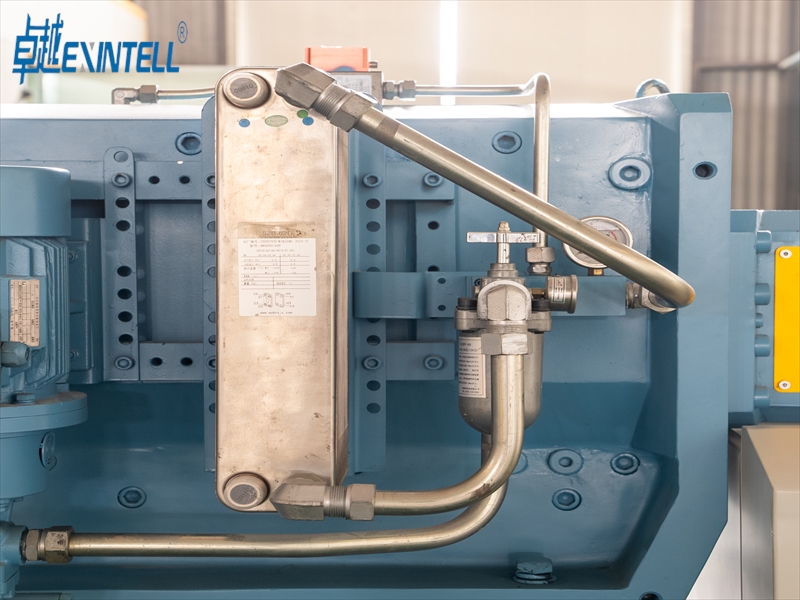
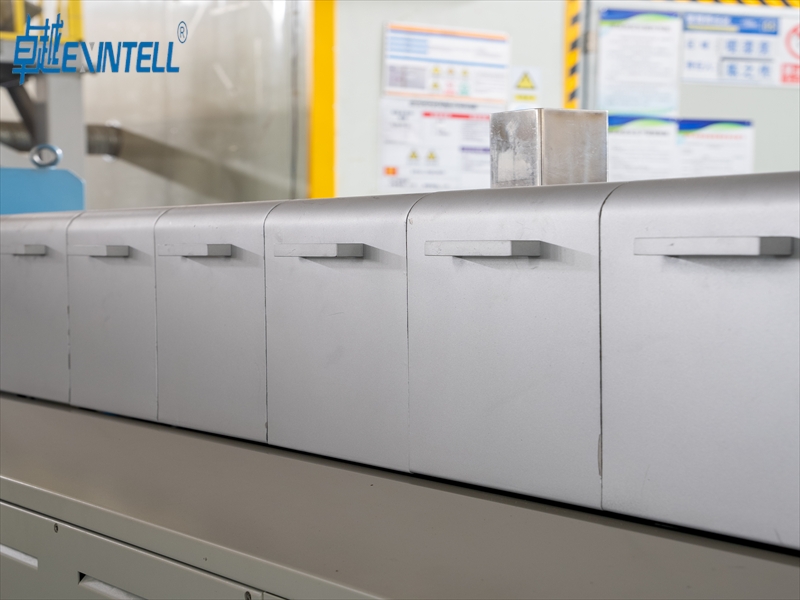
Knowing how the machine works and what each part does helps you use it better. It also helps you fix problems more easily.
Wichtige Erkenntnisse
Pelletizing extruders change raw plastics into smallPellets. The pellets are all the same size. This makes them easier to use in many ways.
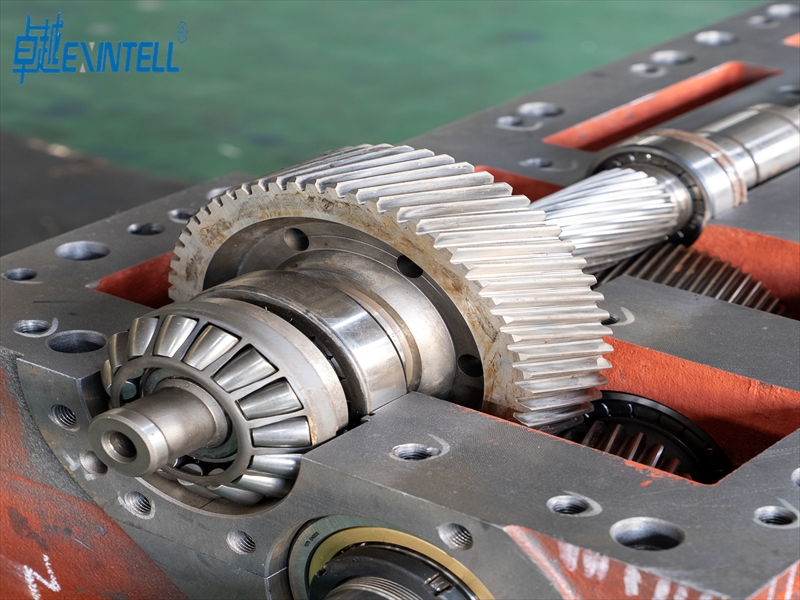
Knowing themain partshelps make better pellets. These parts are the hopper, schrauben, Fass, sterben, Kühlsystem, and knife system.
Keeping the feed rate steady is very important. The screw speed must also stay the same. This helps make even pellets and stops machine problems.
Good cooling is needed to harden the pellets fast. This helps the pellets keep their shape and stay strong.
Doing regular checks helps the extruder work well. You should check screws and clean the die often. This keeps the machine running and makes it last longer.
Pelletizing Extruder Process Steps
A Pelletierextruderturns raw plastic into small pellets. It does this by using a few main steps. You can follow these steps to see how the machine works.
Füttern und Schmelzen
Erste, you put raw plastic into the hopper. The machine has a screw that moves the plastic forward. As it moves, the screw pushes the plastic and takes out air. The barrel gets hot and melts the plastic. The screw also makes heat by rubbing the plastic.
Tipp:If you feed the plastic evenly, you get pellets that look the same.
Die Schraube im Inneren Pelletierextruder hat drei Teile:
Die Einzugszone schiebt den Kunststoff nach vorne.
Die Kompressionszone schmilzt den Kunststoff und entfernt Luft.
Die Dosierzone baut Druck auf und hält den Durchfluss konstant.
Doppelschneckenextruder Mischen Sie den Kunststoff noch besser. Sie haben zwei Schrauben, die sich gemeinsam drehen lassen. Dies sorgt für eine gleichmäßigere Hitze und eine bessere Durchmischung. Es hilft, Pellets herzustellen, die alle gleich sind.
Die benötigte Temperatur hängt von der Art des Kunststoffs ab. Hier ist eine Tabelle mit Schmelzpunkten für gängige Kunststoffe:
Kunststoff-Polymer
Grundlegender Schmelzpunkt (°C)
Praktischer Schmelztemperaturbereich (°C)
Wichtige Verarbeitungshinweise
ABS (Acrylnitril-Butadien-Styrol)
105 – 107 (Tg)
210 – 250
Vermeiden Sie eine längere Exposition über ~270 °C, um eine Zersetzung zu verhindern.
Polycarbonat (PC)
155 – 160
280 – 320
Muss gründlich getrocknet werden, um eine Hydrolyse zu verhindern; erfordert hohe Formtemperaturen (80-110°C).
Extrem hygroskopisch; erfordert sofortiges Vortrocknen und heiße Formen (70-100°C).
Polyethylen (HDPE)
130 – 135
210 – 260
High shrinkage; proper cooling design critical.
Polyoxymethylen (POM)
165 – 175
190 – 220
Prone to thermal degradation; avoid excessive temperatures and residence times.
Acryl (PMMA)
160 – 170
220 – 250
Hygroscopic; must be dried to prevent defects; high flow resistance.
Polybutylene Terephthalate (PBT)
225 – 230
240 – 270
Hygroscopic; requires pre-drying; prone to warping.
Polyetheretherketone (SPÄHEN)
340 – 380
370 – 400
Requires very high processing temperatures and drying.
Thermoplastic Polyurethane (TPU)
120 – 140 (Tg)
180 – 220
Hygroscopic; sticky melt requires special gating.
Polyvinylchlorid (PVC)
160 – 180 (Tg)
170 – 210
Poor thermal stability; requires precise temperature control and corrosion-resistant equipment.
Extrusion Through Die
When the plastic melts, Die Pelletierextruderpushes it through a die. The die shapes the melted plastic into long strands or other shapes. Der die’s design controls the shapeand size of the plastic. If you use a round die, you get round strands. If you use a rectangle die, the corners might round off because of how the plastic moves.
Notiz: Der Stempel muss stark sein und lange halten. Viele Matrizen verwenden Wolframcarbid-Einsätze für zähe Kunststoffe mit Glasfasern.
Auch die Hitze des Chips und die Art und Weise seiner Erwärmung spielen eine Rolle. Wenn sich die Matrize ungleichmäßig erwärmt, Der Kunststoff kann in der falschen Form herauskommen.
Abkühlen des Extrudats
Nachdem der Kunststoff die Matrize verlassen hat, es ist immer noch heiß und weich. Man muss es schnell abkühlen, damit es hart wird. Der Pelletierextruder kann auf verschiedene Arten abkühlen:
Unterwasserpelletizer: Die Matrize und der Fräser befinden sich im Wasser. Das Wasser kühlt die Pellets sofort ab.
Stranggranulierer: Die Kunststoffstränge kommen in ein Wasserbad, Anschließend werden sie vor dem Schneiden an der Luft getrocknet.
Die-Face-Granulatoren: Die Maschine schneidet die Pellets an der Matrizenfläche. Luft oder Wassernebel kühlen sie, oder sie fallen in ein Wasserbad.
Wenn Sie den Kunststoff zu schnell oder zu langsam abkühlen, Die Pellets können sich verbiegen oder schrumpfen. Dies kann dazu führen, dass sie die falsche Größe oder Form haben. Durch eine gute Kühlung erhalten Sie stabile und gleichbleibende Pellets.
In Pellets schneiden
The last step is cutting the cooled plastic into small pellets. Der Pelletierextruderusesdifferent cutting systems:
A method that influences the uniformity and quality of the granules.
Horizontal Water Ring Cutting
Uses water to cool and cut the extrudate into pellets.
Underwater Cutting
Cuts the cooled strands underwater for uniform pellet size.
You can also find these cutting methods:
Gantry cutting
Horizontal water ring cutting
Underwater cutting
Each way helps you get pellets that are the same size. Pellets that are all the same are easier to handle, speichern, und Verwendung in anderen Maschinen.
Summary:You feed raw plastic into thePelletierextruder, schmelze es, shape it with a die, cool it, and cut it into pellets. Each step changes the plastic from raw material into finished pellets you can use for many products.
Main Components of a Pelletizing Extruder
Hopper and Feed Throat
You begin by putting raw plastic into the hopper. The hopper stores and feeds the plastic. It keeps the plastic clean and safe from dirt. The bottom of the hopper fits with the feed throat. The feed throat connects to the extruder barrel. This setup helps the plastic move smoothly.
The hopper controls how much plastic goes in. This stops too much or too little plastic from entering.
Tipp:A good hopper and feed throat help your pelletizing extruder work well.
Design Strategy
Impact on Material Flow
Tapered interface in feeders
Gives even feeding and stops holes from forming
Rotary valves with spool piece
Stops clumps and keeps the plastic moving
Vibratory feeders with transition throat
Helps the plastic flow and keeps the speed steady
Screw and Barrel
Inside the pelletizing extruder, the screw and barrel work together. They move, schmelzen, and mix the plastic. Die Schraube besteht aus drei Hauptteilen:
Futterzone:This part grabs the plastic and pushes it forward.
Kompressionszone: Hier, the screw squeezes the plastic and removes air. This makes the plastic melt evenly.
Metering Zone:This part builds pressure and keeps the flow steady before the die.
The barrel goes around the screw. Es erhitzt und erweicht den Kunststoff. Der Zylinder hilft auch beim Mischen des Kunststoffs für eine gleichmäßige Schmelze.
Faktor
Beschreibung
Schraubengeometrie
Form und Winkel der Schraube verändern die Art und Weise, wie sich der Kunststoff bewegt und vermischt. Kleine Winkel mischen sich besser, nutzen sich aber schneller ab.
Knetblöcke
Diese Teile vermischen den Kunststoff stärker, indem sie ihn aneinander reiben. Mehr Blöcke oder größere Winkel vermischen mehr, verbrauchen aber mehr Energie und Wärme.
Temperaturprofile
Sie müssen die Hitze in jedem Teil kontrollieren. Zu viel Hitze kann dem Kunststoff schaden. Zu wenig Hitze sorgt dafür, dass es nicht schmilzt.
Notiz: Mit der richtigen Schnecke und dem richtigen Zylinder können Sie gute Pellets herstellen und weniger Abfall verschwenden.
Brecherplatte und Adapter
Nach dem Schmelzen, Der Kunststoff geht durch die Unterbrecherplatte und den Adapter. Die Unterbrecherplatte ist eine Metallscheibe mit vielen kleinen Löchern. Es bewirkt mehrere Dinge:
Es enthält ein Siebpaket, um die Schmelze besser zu reinigen.
Es bricht Klumpen auf, sodass die Schmelze glatt ist.
Der Adapter, auch Futterrohr genannt, verbindet den Zylinder mit der Matrize. Es leitet den geschmolzenen Kunststoff zur Matrize und sorgt für einen gleichmäßigen Fluss.
Tipp: Eine saubere Brechplatte und ein sauberer Adapter helfen Ihnen dabei, stark zu sein, sogar Pellets.
Das System
Das Stanzsystem formt den geschmolzenen Kunststoff vor dem Schneiden. Der Würfel hat einige wichtige Teile:
Offener Bereich: Dies ist die Größe des Lochs in der Matrize. Es verändert den Druck und die Dicke des Produkts.
Landfläche: Dieser Teil formt den Kunststoff, wenn er die Matrize verlässt. Es trägt dazu bei, Pellets herzustellen, die gleich aussehen und gleich funktionieren.
Konstruktionsmaterial: Das Material der Matrize verändert, wie viel Reibung und Druck der Kunststoff erfährt.
You need to keep the die system in good shape. Cleaning and checking it often stops problems and keeps pellet quality high. If the die has problems, the pellets can change in size, Stärke, or shape.
Notiz:The die system is one of the most important parts of your pelletizing extruder.
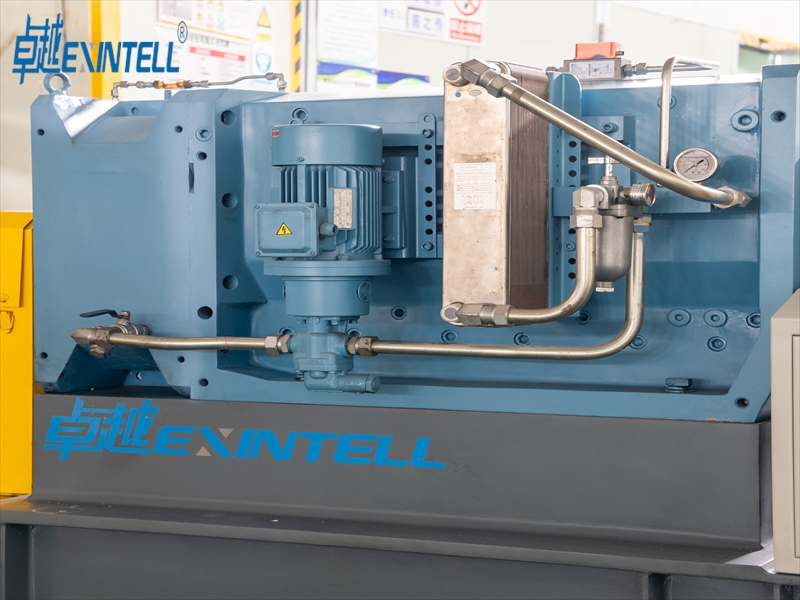
Kühlsystem
When the plastic leaves the die, it is still hot. The cooling system makes the plastic hard so you can cut it. There are different ways to cool:
Air-cooled systems:These use fans or blowers to cool the plastic.
Water-cooled systems:These drop the plastic into water tanks. Dryers then take off the water.
Fluidized bed dryers:These blow air through the pellets as they slide down a slope. You can change the slope to control how long the pellets stay in the dryer.
Some systems reuse water to save energy. Automatische Steuerungen können die Kühlung je nach Bedarf anpassen, was auch Energie spart.
Beweispunkt
Beschreibung
Kühlressourcen optimieren
Spart Energie und hilft der Maschine, besser zu arbeiten.
Automatisierte Kontrollen
Verbraucht genau die richtige Menge an Kühlung.
Closed-Loop-Systeme
Benutzt immer wieder Wasser, Wasser und Energie sparen.
Tipp: Eine gute Kühlung hält die Pellets stabil und spart Energie.
Rotierendes Messersystem
Das rotierende Messersystem schneidet den abgekühlten Kunststoff in Pellets. Dieses System ist scharf, schnelle Messer, die das Plastik aufschneiden, wenn es herauskommt.
Die Messer bestimmen die Größe und Form jedes Pellets.
Scharf, Gut eingestellte Messer verhindern Probleme wie Schweife oder Staub und halten die Maschine am Laufen.
Sie müssen die Messer scharf und mit der richtigen Geschwindigkeit halten. Wenn die Messer stumpf oder langsam werden, Sie erhalten ungleichmäßige Pellets und mehr Stopps. Wenn die Messer zu schnell sind oder nicht ausgerichtet sind, Es treten Probleme oder Staus auf.
Notiz: Das rotierende Messersystem ist sehr wichtig für die Herstellung guter Pellets und dafür, dass Ihr Pelletextruder einwandfrei funktioniert.
Wie Komponenten zusammenarbeiten
Materialfluss und Homogenisierung
Alle Teile des Granulierextruders müssen zusammenarbeiten. Dies trägt dazu bei, dass sich der Kunststoff reibungslos bewegen lässt gut vermischen. Die Schnecke schiebt den Kunststoff nach vorne und vermischt ihn. Sie können ändern, wie schnell sich die Schraube dreht, um mehr oder weniger zu mischen. Knetblöcke im Inneren der Schnecke helfen dabei, den Kunststoff zu vermischen. Ihre Form und die Art und Weise, wie Sie sie aufstellen, tragen dazu bei, dass sich der Kunststoff besser vermischt.
Sie können die Geschwindigkeit ändern, um das Mischen zu steuern und den Durchfluss konstant zu halten.
Knetblockgeometrie
Spezielle Formen helfen dabei, den Kunststoff gleichmäßig zu vermischen.
Konvektives Mischen
Das Design bewegt Kunststoff immer wieder durch Mischzonen.
Kontinuierliche Zirkulation
Sämtlicher Kunststoff durchläuft viele Male starke Mischbereiche.
Modulares Schraubendesign
Sie können die Schraubenteile für verschiedene Kunststoffe austauschen.
Knetblockkonfigurationen
Verschiedene Konfigurationen sorgen für eine starke Durchmischung für die richtige Pelletqualität.
Manchmal, Mischen kann schwierig sein. Wenn Sie zu viel mischen, Sie können Fasern brechen oder Staub erzeugen. Zu viel Mischen kann auch dazu führen, dass der Kunststoff zu heiß wird. Bei weichen Kunststoffen ist ein sanftes Mischen besser. Einige Kunststoffe, wie HDPE mit extrem niedrigem Schmelzfluss, bewege dich langsam. Diese benötigen zum Fließen mehr Druck.
Zu starkes Mischen kann die Pellets zerdrücken und Staub bilden.
Für weiche Kunststoffe ist ein sanftes Mischen am besten.
Pellets werden durch Abkühlen und Schneiden des Kunststoffs hergestellt, nachdem er die Form verlassen hat. The cooling system makes the plastic hard so knives can cut it. Good cooling systemshelp keep pellet size and shape the same. Automatic controls can change the process as it runs. This helps you get better pellets and waste less.
Beweistyp
Beschreibung
Advanced Cooling Systems
These cool pellets quickly and keep their shape.
Automated Control Systems
These adjust settings for better quality and less waste.
High-Efficiency Heaters
These heat the plastic evenly for smooth extrusion.
You need to collect and handle pellets carefully so you do not lose them or get them dirty. Use good tools and keep the area clean. Closed walkways and sealed pipes stop pellets from getting out. Teach workers to use spill guards and know what to do in an emergency.
Use the right tools and closed systems.
Clean up spills fast.
Bringen Sie Ihren Mitarbeitern den sicheren Umgang mit Pellets bei.
Tipp: Wenn jeder Schritt zusammenpasst, du wirst stark, Saubere Pellets und ein sichererer Arbeitsplatz.
In fünf Schritten verwandeln Sie Rohplastik in gleichmäßige Pellets: Füttern, schmelzen, extrudieren, Kühlung, und schneiden. Jeder Hauptteil – Trichter, schrauben, Fass, sterben, Kühlung, und Messersystem – hat eine wichtige Aufgabe. Die Pflege Ihres Extruders trägt dazu bei, dass er gut funktioniert:
Schauen Sie sich Schrauben und Hülsen an, um festzustellen, ob sie beschädigt sind.
Stellen Sie sicher, dass die Rohstoffe sauber sind, damit nichts Schlechtes hineinkommt.
Achten Sie auf verschlissene Teile und tauschen Sie diese aus, bevor sie kaputt gehen.
Wenn Sie sich mit der Pelletqualität auskennen und wissen, wie das geht Feuchtigkeit kontrollieren, Sie können schneller arbeiten und weniger Fehler machen. Nutzen Sie diese Tipps, damit Ihre Maschine weiterhin gut funktioniert und gute Pellets produziert.
FAQ
What types of plastics can you use in a pelletizing extruder?
You can use many plastics in a pelletizing extruder. Some examples are polyethylene, Polypropylen, Nylon, ABS, PLA, und TPU. Each plastic needs its own temperature and settings. Always check what your material needs before you start.
How do you keep pellets uniform in size?
You need to feed the material at a steady rate. Keep the screw speed the same. Clean the die and knives often. Use automatic controls to help with cooling and cutting. This gives you the best results.
Why does the extruder need a cooling system?
The cooling system makes the melted plastic hard. If you do not cool it, the pellets stay soft and stick together. When you cool them fast and evenly, you get strong pellets. These pellets are easy to handle.
How often should you maintain the pelletizing extruder?
Check and oil the bearings every 500 Std..
Look at the screws and knives every week.
Clean the hopper and die after each batch.
Doing these things helps your machine work well.
Can you use recycled plastics in a pelletizing extruder?
Materialtyp
Suitability
Notizen
Clean Recycled
Ja
Dry and filter before use
Mixed Recycled
Manchmal
May need sorting and cleaning
Kontaminiert
NEIN
Can damage machine
You can use recycled plastics if they are clean and sorted.