

Nøgle takeaways
- Når jeg vurderer Engrossalg af plastekstruderingsvirksomheder leverandører, Jeg behandler de samlede ejeromkostninger som det reelle tal, ikke den angivne pris pr. fod. Værktøjsafskrivning, minimum ordremængde, gennemløbstid, og sekundære operationer flytter ofte de landede omkostninger mere end basisprisen pr. fod.
- Markedsbaggrunden favoriserer købere, der planlægger forud: det globale plastekstruderingsmarked lå tæt på USD 6.9 milliard i 2023 og forventes at vokse med en mellem-encifret CAGR gennem begyndelsen af 2030'erne (Grand View Research, 2024, grandviewresearch.com), så kapacitets- og prisforhandlinger belønner langsigtede forpligtelser.
- Materialevalg driver alt nedstrøms. Efter min erfaring, kortlægning af applikationen til den rigtige polymer foran—PVC til konstruktionsprofiler, ABS og polycarbonat til slagfaste dele, HDPE og LDPE for kemikalieresistens, polypropylen, PETG, akryl (PMMA), TPE, TPU, eller PEEK for specialbehov – forhindrer dyr genkvalificering senere.
- Certificeringer er et hurtigt filter for en seriøs plastprofilproducent. Jeg leder efter en ISO 9001 certificeret ekstruder (ISO, 2015, iso.org), plus UL sikkerhedscertificering (UL løsninger, 2024), RoHS-overholdelse (Europa-Kommissionen, 2023), og PPAP-kapacitet (AIAG, 2023) når delene fodrer regulerede eller bilindustriens forsyningskæder.
- Værktøj og matricer er, hvor engrosøkonomi vindes eller tabes. Jeg beder hver leverandør om en gennemsigtig opdeling af tilpasset formdesign, omkostninger til ekstruderingsværktøj, og hvordan disse amortiseres over minimumsordremængden, så jeg kan modellere den sande pris pr. enhed på tværs af hele programmet.
- Co-ekstrudering og tilpasset plastekstrudering låser op for reelle besparelser. Kombination af flere materialer og processer i en enkelt omgang kan reducere monteringsomkostningerne og udvide delens funktionalitet (Omega plastik, 2024, omegaplastics.com), som jeg inddrager i designbeslutninger, før jeg anmoder om tilbud.
- Geografi betyder mere end en enkelt leverandørs placering. Med fornyet reshoring og nearshoring interesse (Reshoring Initiative, 2023), Jeg afvejer en indenlandsk plastikproducent mod offshore-optioner ved hjælp af en komplet landede omkostningsanalyse snarere end enhedspris alene.
- Ekstrudering belønner volumen. Fordi termoplastisk ekstrudering er en kontinuerlig, høj gennemstrømningsproces, der er egnet til lange serier af ensartede plastekstruderingsprofiler (Plastindustriforeningen, 2023), Jeg konsoliderer efterspørgsel og standardiserer profiler for at opnå bedre engrospriser.
- Jeg dyrlæger leverandører med en leverandørneutral ramme: ekstruderingsprototyping, farvetilpasning og sammensætning, oplyst leveringstid, MOQ fleksibilitet, og kvalitetsdokumentation. Sammenligning af ekstruderede plastdele på disse akser – ikke kun overskriftspris – er, hvordan jeg vælger en bulk plastekstruderingsleverandør, jeg kan skalere med.
Hvad engros plastekstrudering betyder for B2B-købere
Når jeg taler med indkøbsteams om at købe på engros, det første jeg præciserer er det “engros” her er ikke en rabatspand. Det er en indkøbsmodel bygget op omkring volumen, gentagelighed, og et fungerende leverandørforhold. Ekstrudering er en kontinuerlig, høj gennemstrømningsproces velegnet til lange produktionsserier af ensartede profiler (Plastindustriforeningen, 2023), så økonomien giver kun mening, når du forpligter dig til konstant volumen frem for engangskøb. Efter min erfaring, købere, der forstår denne skelnen, forhandler langt bedre kontrakter end dem, der jagter et enkelt lavt tilbud.
Definition af den kontinuerlige ekstruderingsproces og faste tværsnitsprofiler
Ekstrudering producerer plastdele med en fast, ensartet tværsnit i hele deres længde. Tænk på vinduesrammekanaler, kantbeklædning, rør, og pakninger. Smeltet termoplast tvinges gennem en formet matrice, derefter afkølet og skåret i længden. Fordi tværsnittet aldrig ændrer sig, du kan køre linjen i timevis og producere tusindvis af fod af identiske plastekstruderingsprofiler. Denne konsistens er præcis grunden til, at ekstrudering dominerer højvolumen termoplastisk konvertering sammen med sprøjtestøbning, og det er grunden til, at engrospriser udtrykkes som en pris pr. fod i stedet for pr. stk.
Hvordan engrossalg adskiller sig fra engangskøb eller detailkøb
Detail- eller engangskøb behandler hver ordre som isoleret: du betaler en præmie, accepter det lager, der er tilgængeligt, og absorbere opsætningsomkostninger på hver kørsel. Engros vender det. Du låser en minimum ordremængde, amortisere ekstruderingsværktøj og matricer på tværs af store volumener, og sikre forudsigelig leveringstid. En bulk plastekstruderingsleverandør priser virker, forudsat at du vender tilbage, hvilket er grunden til, at priserne pr. fod falder kraftigt, når du krydser MOQ-tærsklerne. Afvejningen er engagement. Du køber et forhold og en produktionsplan, ikke en hyldevare.
Hvem køber i engros
De købere, jeg arbejder med, falder i fire grupper, og hver har en anden prioritet:
- OEM'er at integrere ekstruderede plastdele til et færdigt produkt, hvor profiltolerance påvirker slutmontage.
- Fremstillere der skar, svejsning, eller laminer profiler til større samlinger og har brug for dimensionel konsistens batch til batch.
- Distributører videresælger standardprofiler, der bekymrer sig om lagertilgængelighed og opfyldningsrater.
- Indkøbshold håndtering af multi-SKU-udgifter, hvor en enkelt ISO-certificeret ekstruder, der kan konsolidere dele, reducerer leverandørens omkostninger.
Hvorfor gentagelighed slår et enkelt lavt citat
Det er det punkt, jeg presser hårdest på. En lav pris pr. fod på én indkøbsordre betyder lidt, hvis den næste batch går ud af tolerance eller ankommer tre uger for sent. Over et produktionsår, variation driver skrot, linjestop, og omarbejde, alt sammen dværg et par cents pr. fod. Det globale plastekstruderingsmarked blev vurderet til omkring USD 6.9 milliard i 2023 og forventes at vokse med en mellem-encifret CAGR gennem begyndelsen af 2030'erne (Grand View Research, 2024), og meget af den vækst kommer fra købere, der standardiserer på pålidelige partnere i stedet for at rotere mellem de billigste tilbud. Jeg evaluerer engrosleverandører på proceskontrol og levering til tiden først, derefter pris.
Sådan fungerer plastekstruderingsprocessen
At forstå processen hjælper dig med at stille skarpere spørgsmål under leverandørkontrol og finde ud af, hvor kvalitetsrisikoen rent faktisk lever. Jeg vil gå gennem en enkeltskruet termoplastisk ekstruderingslinje, som jeg ville forklare det på en plantetur, derefter dække, hvor co-ekstrudering ændrer billedet.
Harpiks fodring, smeltning, og formdannelse
Linjen starter ved tragten, hvor pellets af den valgte harpiks føres ind i en opvarmet tønde. Almindelige harpikser inkluderer PVC, ABS, polycarbonat, HDPE, LDPE, polypropylen, PETG, akryl (PMMA), og specialteknologiske polymerer såsom PEEK. En roterende skrue transporterer materialet fremad, mens tøndevarmere og forskydning fra skruen smelter det til en homogen, viskøs strømning. PVC er blandt de mest anvendte polymerer i bygge- og byggevareprofiler (Plastindustriforeningen, 2023), hvilket er grunden til så mange ekstruderede vinduer, trimme, og hegnsprofiler kører på PVC-optimerede linier. Smelten skubbes derefter gennem en matrice, der former det faste tværsnit. Custom die design er hjertet i en skræddersyet profil, og små valg af matricegeometri bestemmer vægtykkelsen, hjørneradier, og hvordan materialet flyder.
Køling, dimensionering, kalibrering, og skåret i længden
Frisk ud af terningen, the profile is soft and must hold its shape. It passes into a cooling tank or water bath, often through a vacuum calibration table that pulls the profile against sizing dies to lock dimensions. Rigid profiles rely heavily on calibration; flexible ones such as TPE or TPU gaskets use gentler cooling to avoid distortion. A puller maintains consistent line speed, and a saw or cutter performs cut-to-length. Any tighter tolerances or added features come from secondary operations like punching, boring, or notching downstream.
Single extrusion vs co-extrusion and multi-material profiles
Single extrusion runs one material through one die. Co-extrusion feeds two or more materials through a shared die simultaneously, bonding them into one profile. This is how you get a rigid PVC structural core with a soft TPE sealing lip, eller et UV-bestandigt capstock over et billigere substrat. Co-ekstruderingstjenester lader dig kun placere dyrt eller specialiseret materiale, hvor det er nødvendigt, og kombinere egenskaber, som en enkelt harpiks ikke kan levere. Farvetilpasning og sammensætning sker ofte også her, så en tydelig udstillingsflade parrer med en økonomisk krop.
Hvordan procesvalg påvirker omkostninger og funktionalitet
Ethvert valg ovenfor har en pris og en gevinst. Co-ekstrudering tilføjer værktøjskompleksitet og opsætning, men det kan helt eliminere et sekundært bindings- eller monteringstrin. Strammere kalibrering øger risikoen for skrot ved opstart, men giver dele, der falder ind i samlingen uden omarbejde. I praksis kortlægger jeg hver procesbeslutning til et funktionelt krav, fordi det kun giver mening at betale for co-ekstrudering eller præcisionsdimensionering, når den færdige del faktisk har brug for det.
Brugerdefinerede vs lager plastekstruderingsprofiler
Beslutningen om tilpasset-versus-lager driver mere af dine landede omkostninger end næsten noget andet valg, så jeg behandler det som en bevidst analyse snarere end en standard. Det rigtige svar afhænger af volumen, funktionelle krav, og hvordan profilen passer ind i din bredere samling.
Når lagerprofiler er det omkostningseffektive valg
Lagerprofiler medfører ingen værktøjsomkostninger, sendes hurtigere, og lad dig undgå MOQ-forpligtelser bundet til en dedikeret die. Til standardformer som kvadratrør, vinkel, U-kanal, eller almindelig trim, en lagerprofil fra en plastprofilproducent er normalt det smarte opkald. Hvis en katalogdel opfylder din pasform og funktion inden for tolerance, Jeg anbefaler ikke at betale for tilpasset formdesign bare for at barbere en millimeter. Lavt til moderat volumen programmer og prototyper magert lager, og ekstrudering af prototyper med nær-lager profiler holder tidlige omkostninger nede.
Når tilpasset værktøj betaler sig gennem delkonsolidering
Brugerdefineret værktøj fortjener sin behold, når en enkelt konstrueret profil erstatter flere separate dele. Brugerdefineret plastekstrudering kan kombinere flere materialer og processer for at reducere montageomkostninger og udvide funktionaliteten (Omega plastik, 2024). Når jeg kan konsolidere tre fastgjorte komponenter til én co-ekstruderet profil, værktøjet amortiseres hurtigt over en produktionskørsel, og opsparingssammensætningen hvert år delen afsendes. Nok-matematikken er ligetil: divider værktøjsomkostningerne med besparelserne pr. del, sammenligne derefter med årligt volumen.
|
Faktor |
Aktieprofiler |
Brugerdefinerede profiler |
|---|---|---|
|
Værktøjsomkostninger på forhånd |
Ingen |
Matrice og kalibreringsværktøj påkrævet |
|
Minimum ordremængde |
Lav eller ingen |
Højere, knyttet til værktøjsafskrivning |
|
Leveringstid til de første dele |
Hurtig (på lager) |
Længere (værktøjsopbygning + første artikel) |
|
Pris pr. fod ved volumen |
Moderat |
Sænkes, når værktøjet er afskrevet |
|
Pasform og funktionalitet |
Bedst tilgængelige match |
Konstrueret til præcise krav |
|
Del konsolideringspotentiale |
Begrænset |
Høj (co-ekstrudering, integrerede funktioner) |
|
Bedste pasform |
Prototyper, lav lydstyrke, standard former |
Høj lydstyrke, specialiseret geometri, monteringsreduktion |
|
Faktor |
Aktieprofiler |
Brugerdefinerede profiler |
|---|---|---|
|
Værktøjsomkostninger på forhånd |
Ingen |
Matrice og kalibreringsværktøj påkrævet |
|
Minimum ordremængde |
Lav eller ingen |
Højere, knyttet til værktøjsafskrivning |
|
Leveringstid til de første dele |
Hurtig (på lager) |
Længere (værktøjsopbygning + første artikel) |
|
Pris pr. fod ved volumen |
Moderat |
Sænkes, når værktøjet er afskrevet |
|
Pasform og funktionalitet |
Bedst tilgængelige match |
Konstrueret til præcise krav |
|
Del konsolideringspotentiale |
Begrænset |
Høj (co-ekstrudering, integrerede funktioner) |
|
Bedste pasform |
Prototyper, lav lydstyrke, standard former |
Høj lydstyrke, specialiseret geometri, monteringsreduktion |
Note: værdier er retningsbestemte og varierer efter harpiks, profilens kompleksitet, og leverandør; bekræfte detaljerne under citatet.
Hvordan tilpasset ekstrudering reducerer monteringsomkostningerne og udvider funktionaliteten
De største gevinster, jeg ser, er ikke i selve profilen, men i det, der sker nedstrøms. En brugerdefineret profil med integrerede snapfunktioner, hængsels geometri, eller en co-ekstruderet tætning fjerner fastgørelseselementer, klæbemidler, og arbejdskraft fra samlebåndet. Udvidelse af funktionalitet fungerer på samme måde: a co-extruded soft lip seals without a separate gasket, and a capstock adds weatherability without a coating step. Each eliminated operation removes cost, inventar, and a potential failure point.
Design-for-extrusion basics that lower scrap and cost
Good profile design starts before tooling, and a few principles from my design reviews consistently cut scrap and cost:
- Keep wall thickness uniform. Uneven walls cool at different rates, causing warping and higher reject rates.
- Add generous radii. Sharp internal corners concentrate stress and complicate die flow; rounded corners extrude more cleanly.
- Avoid unsupported thin sections. Lang, thin flanges sag before calibration and drive dimensional variation.
- Design symmetry where possible. Balanced cross-sections cool evenly and hold tolerance with less calibration effort.
- Select material early. Match harpiksen til applikationen foran, da materialevalg ændrer opnåelig vægtykkelse, tolerance, og formdesign.
Når du bringer disse grundlæggende oplysninger til citeringsstadiet, leverandører kan bygge enklere værktøj, køre med højere udbytte, og give disse effektivitetsgevinster tilbage til dig i prisen pr. fod. For et dybere blik på at kombinere materialer og processer i en enkelt profil, oversigten fra Omega Plastics på brugerdefinerede plastekstruderinger er en nyttig reference.
Plastekstruderingsproducenter vs distributører: Hvem skal man købe hos

Da jeg først begyndte at indkøbe ekstruderede plastdele i volumen, Jeg tabte uger ved at antage, at alle virksomheder med en poleret hjemmeside faktisk kørte en ekstruderingslinje. Mange gjorde ikke. At forstå forskellen mellem en ægte plastikprofilproducent og en distributør, der videresælger en andens output, er det mest nyttige filter, jeg anvender, før jeg anmoder om et tilbud.
Hvad en ægte producent kontrollerer, som en distributør ikke gør
En producent ejer processen fra rå harpiks til færdig profil. Det betyder, at de styrer ekstruderens skruer og matricer, køle- og trækkeudstyret, farvetilpasning og sammensætning, og de sekundære operationer som skæring, stansning, og udskrivning. Fordi ekstrudering er en kontinuerlig, høj gennemstrømningsproces velegnet til lange produktionsserier af ensartede profiler (Plastindustriforeningen, 2023), at direkte kontrol udmønter sig i gentagelige tolerancer og evnen til at justere et løb midt i strømmen.
En distributør, derimod, har typisk beholdning af standardformer eller mægler din ordre til en tredjepartsfabrik. De kan være lydhøre og bekvemme, men de kontrollerer ikke ekstruderingsværktøj og matricer, they cannot always guarantee the compound used, and they add a margin layer without adding process capability. For custom die design, co-ekstrudering, or a specific material grade, that gap matters.
Tradeoffs in Price, Ledetid, and Customization
In my experience the decision comes down to three axes. Manufacturers usually win on custom plastic extrusion, unit economics at volume, and control over material selection because you are not paying an intermediary and you can amortize tooling directly. Distributors can win on speed for standard plastic extrusion profiles they already stock and on smaller orders that fall below a plant’s minimum order quantity.
| Faktor | True Manufacturer | Distributør / Reseller |
|---|---|---|
| Custom die design | Full control; owns tooling | Begrænset; outsources to a plant |
| Pris pr. fod ved volumen | Sænke (no middle margin) | Højere (added markup) |
| Lead time on stock profiles | Longer if scheduling a run | Hurtigere fra eksisterende beholdning |
| Materiale- og sammensætningskontrol | Direkte (PVC, ABS, HDPE, TPE, osv.) | Afhænger af kildeplanten |
| Co-ekstruderingstjenester | Tilgængelig internt | Sjældent tilbydes direkte |
| Bedste pasform | Skik, høj volumen, snævre tolerancer | Standard profiler, lav lydstyrke, hurtig vending |
Når en distributør giver mening for standardprofiler
jeg behandler ikke “fabrikant” som automatisk bedre. Hvis jeg har brug for en fælles PVC- eller HDPE-profil i en beskeden mængde i næste uge, en distributør med lager er ofte det rationelle valg. Værktøjet findes allerede et sted, geometrien er standard, og jeg køber tilgængelighed i stedet for teknik. Brugerdefineret plastekstrudering kan kombinere flere materialer og processer for at reducere montageomkostninger og udvide funktionaliteten (Omega plastik, 2024), men den fordel betaler sig kun, når din del rent faktisk har brug for det.
Sådan bekræfter du, hvem der rent faktisk kører ekstruderingslinjen
Min verifikationstjekliste er kort og stump. Jeg beder om at se planten, enten personligt eller via videogennemgang. I ask how many extrusion lines they operate and what screw diameters they run. I ask whether they cut and build their own dies or subcontract them. I ask for their ISO 9001 certificate directly, since ISO 9001 defines the quality management system standard widely adopted by manufacturers (International Organisation for Standardization, 2015). A genuine extruder answers these without hesitation. A reseller tends to deflect toward brochures and “partner network” language, which is my cue to keep asking.
How to Find Plastic Extrusion Companies Near You
Proximity is underrated until the first quality issue lands on your dock. A supplier three hours away is one you can visit; a supplier three time zones away is one you email and hope. I weigh geography seriously, but I never let it override capability. Here is how I balance the two.
Benefits of Domestic Proximity: Fragt, Meddelelse, and Oversight
A nearby domestic plastic manufacturer shortens your freight lane, which lowers landed cost and reduces damage risk on long, thin extruded plastic parts that flex in transit. It also compresses the communication loop. When I can call during the same business hours and reach an engineer who speaks my language on the first attempt, problems get resolved in hours instead of days. Proximity also makes on-site oversight practical, so I can watch a first-article run or audit a corrective action rather than trusting a photo.
Using Directories, Trade Associations, og henvisninger
I start with three channels. Brancheforeninger som f.eks. Plastics Industry Association opretholder medlemsfortegnelser, der skæver mod legitime, investerede producenter. Henvisninger fra jævnaldrende i tilstødende industrier er min højeste signalkilde, fordi de bærer ansvar. Generelle mapper hjælper med at fylde kortet, men jeg behandler dem som en startliste, ikke en shortliste. Jeg undgår at læne mig op af generiske listesider alene, fordi de blander ægte ekstrudere med mæglere vilkårligt.
Hvad skal man spørge om en henvisning
Når en kollega anbefaler en leverandør, Jeg spørger, hvad de egentlig har købt, om det var brugerdefineret eller standard, hvordan ekstruderingsprototypefasen forløb, og hvordan leverandøren håndterede et problem. Det sidste spørgsmål er det mest afslørende.
Sådan valideres lokal kapacitet og kapacitet
At være i nærheden betyder ingenting, hvis planten ikke kan køre dit materiale eller ramme dit volumen. Jeg bekræfter de specifikke polymerer, de behandler, om det er PVC-ekstrudering, ABS, polycarbonat, HDPE, LDPE, polypropylen, PETG, TPE, TPU, akryl (PMMA), eller en ingeniørharpiks som PEEK. Jeg bekræfter, at de tilbyder co-ekstrudering, hvis min del har brug for en dual-durometer eller to-farve profil. Jeg spørger om linjeantal og skiftkapacitet for at måle, om min ordre konkurrerer med større kunder om tidsplan.
Afbalancering af nærhed mod specialisering
Nogle gange er den rigtige ekstruder ikke den nærmeste. Hvis min del kræver PEEK eller en stram tolerance medicinsk profil, Jeg vil acceptere længere fragt for at nå en specialist i stedet for at tvinge en generalist til at lære på min skilling. Min tommelfingerregel: for standard, højvolumen PVC eller polypropylen profiler, prioritere nærhed; til specialiserede materialer eller krævende tolerancer, prioritize the capability and treat distance as a solvable logistics problem.
Wholesale Plastic Extrusion Companies in the USA
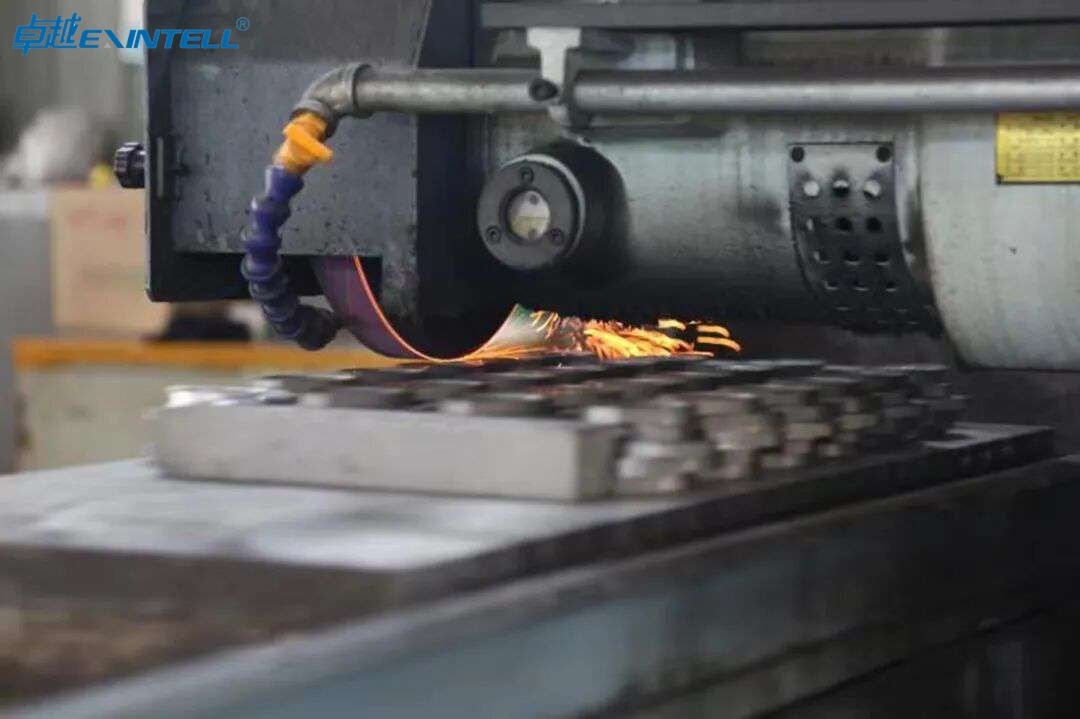
For wholesale volumes, US-based sourcing has grown from a patriotic preference into a defensible cost and risk decision. Det globale plastekstruderingsmarked blev vurderet til omkring USD 6.9 milliard i 2023 og forventes at vokse med en mellem-encifret CAGR gennem begyndelsen af 2030'erne (Grand View Research, 2024), and a meaningful share of that capacity sits inside the United States, where the plastics industry employs hundreds of thousands of workers (Plastindustriforeningen, 2023).
Advantages of US-Based Sourcing for Wholesale Volumes
At wholesale scale, the numbers that once favored offshore sourcing have narrowed. Domestic suppliers give me shorter, more predictable lead times, lower inventory carrying costs because I can order closer to demand, and far simpler communication when a tooling revision or color match needs a fast turn. On a full landed cost analysis, including freight, pligter, kvalitetsrisiko, and working capital tied up in transit, a domestic bulk plastic extrusion supplier is frequently competitive on long production runs even before intangibles.
Regional Manufacturing Hubs and Their Strengths
US extrusion capacity clusters in recognizable ways. The Great Lakes and Upper Midwest carry deep automotive and industrial roots, which pairs well with disciplined supplier processes. The Northeast and Mid-Atlantic host many precision and medical-oriented shops. The Southeast has grown quickly with newer plants and competitive labor, and the West Coast serves consumer and technology-adjacent demand. I choose a hub based on which specialization aligns with my application and which lane minimizes my freight.
Compliance and Quality Expectations for Domestic Suppliers
Wholesale buyers should hold domestic suppliers to explicit standards, and reputable US extruders expect it. Jeg leder efter ISO 9001 quality management as a baseline (International Organisation for Standardization, 2015). Afhængig af markedet, I add UL safety certification for electrical and building components (UL løsninger, 2024), RoHS compliance where hazardous-substance restrictions apply (Europa-Kommissionen, 2023), and PPAP documentation for automotive parts, since PPAP is a standardized supplier part-approval process originating in the automotive industry (Aktionsgruppe for bilindustrien, 2023). Material-specific traceability matters too, especially for regulated PVC building profiles, since PVC is among the most widely used polymers in construction and building-product profiles (Plastindustriforeningen, 2023).
How Reshoring Affects Lead Times and Cost Stability
Reshoring and nearshoring trends have increased interest in domestic US manufacturing sourcing (Reshoring Initiative, 2023), and I have felt the practical effects. As more capacity comes back onshore, I have seen lead times stabilize and become easier to forecast, which lets me run leaner inventory with less safety stock. Domestic sourcing also insulates my pricing from ocean-freight volatility and currency swings, giving me steadier cost per foot across a multi-year program. For a wholesale buyer planning capacity and tooling amortization over several years, that predictability is worth as much as the headline unit price. For a broader primer on how custom profiles are engineered, I point teams to resources such as this overview of custom plastic extrusions.
Sourcing Plastic Extrusion Companies in California
When buyers ask me where to source extruded plastic parts on the West Coast, California is almost always the first market I examine. The state combines dense demand, a deep supplier base, and proximity to major ports, which makes it a logical anchor for anyone building a regional supply chain. Når det er sagt, sourcing here is not automatically the cheapest option, and in my experience the right decision depends on how you weigh landed cost against lead time, regulatory fit, and engineering support.
California market characteristics and industry demand
California pulls demand from several industries at once: construction and building products, medicinsk udstyr, consumer electronics enclosures, landbrug, and transportation. That diversity matters because it keeps a broad roster of plastic profile manufacturers active and specialized. The underlying market is substantial and growing. Det globale plastekstruderingsmarked blev vurderet til omkring USD 6.9 milliard i 2023 og forventes at vokse med en mellem-encifret CAGR gennem begyndelsen af 2030'erne, ifølge Grand View Research (2024). California’s share of that activity is disproportionately large relative to its geography because so many downstream OEMs are headquartered or assembled here.
Regulatory and environmental considerations in the state
California layers state-level environmental rules on top of federal and international requirements, so I always verify compliance capability early. If your product ships into consumer or electronics channels, you will likely need suppliers who can document RoHS conformity, which restricts hazardous substances in applicable products (Europa-Kommissionen, 2023). Beyond that, California’s air-quality and waste regulations affect how extruders handle compounding, udrensning, and regrind. A supplier that already operates cleanly under these constraints removes a compliance burden from your side, and that is worth paying a modest premium for.
Serving West Coast supply chains efficiently
The strongest case for a California extruder is logistics. Ekstrudering er en kontinuerlig, høj gennemstrømningsproces velegnet til lange produktionsserier af ensartede profiler (Plastindustriforeningen, 2023), which means freight, not tooling, often dominates the recurring cost of bulky profiles. Sourcing within the region shortens transit for high-volume, low-density parts where shipping quickly erodes any unit-price savings from a distant plant. For a West Coast assembler running just-in-time inventory, a same-day or next-day truck lane frequently justifies the choice on its own.
Evaluating California suppliers vs shipping from elsewhere
I resist treating “California vs elsewhere” as a binary. The honest comparison is landed cost analysis: unit price plus tooling amortization plus freight plus inventory carrying cost plus the risk cost of longer lead times. Reshoring and nearshoring trends have increased interest in domestic US manufacturing sourcing (Reshoring Initiative, 2023), and a domestic plastic manufacturer in a neighboring state may beat a California quote once you factor everything in. Min tommelfingerregel: get at least one in-state quote and one out-of-state quote, then normalize both to fully landed cost per foot before deciding.
How to Identify the Best Wholesale Extrusion Companies
Once I have a geographic shortlist, the harder work begins: separating a capable bulk plastic extrusion supplier from one that merely quotes low. I use a vendor-neutral framework built on four pillars — capability, track record, financial stability, and an objective score — so that comparisons stay honest across very different companies.
Capability breadth, teknisk support, and quality systems
Capability is more than “can you extrude this profile.” I look for design-for-manufacturability input, custom die design experience, og co-ekstruderingstjenester, because custom plastic extrusion can combine multiple materials and processes to reduce assembly cost and extend functionality (Omega plastik, 2024). Quality systems are non-negotiable at wholesale volumes. An ISO certified extruder operating under ISO 9001, the widely adopted quality management system standard (International Organisation for Standardization, 2015), gives me documented process control. Til regulerede slutmarkeder, I also check for UL safety certification relevant to many extruded plastic components (UL løsninger, 2024) og, in automotive programs, PPAP capability — the standardized supplier part-approval process originating in the automotive industry (Aktionsgruppe for bilindustrien, 2023).
Track record, referencer, and industry specialization
A supplier’s history tells me whether they can repeat quality across thousands of feet. I ask for references in my specific industry, not just any customer, because a firm that excels at rigid PVC extrusion for construction may struggle with tight-tolerance medical tubing. Specialization signals depth: dialed-in tooling, proven resin recipes, and color matching and compounding routines they have run before. I weight a relevant three-year track record more heavily than a broad but shallow customer list.
Financial stability and capacity to scale with you
The US plastics industry is a major manufacturing sector employing hundreds of thousands of workers (Plastindustriforeningen, 2023), and within it sit firms of very different financial health. Before I commit tooling to a vendor, I confirm they can survive a slow quarter and expand with my forecast. I ask about extruder line count, skiftende mønstre, and available capacity headroom. A supplier running at 95% utilization cannot absorb your growth without pushing out lead time, so capacity to scale is a selection criterion, ikke en eftertanke.
Objective scoring criteria for building a shortlist
To keep decisions defensible, I score each candidate on weighted criteria rather than gut feel. The table below shows the framework I hand to procurement teams.
| Kriterium | Vægt | What I look for | Red flag |
|---|---|---|---|
| Quality systems | 25% | ISO 9001, PPAP, UL where relevant | No documented QMS |
| Teknisk support | 20% | DFM, specialdesignet matrice, co-ekstrudering | Quote-only, no design input |
| Landed cost | 20% | Transparent cost per foot plus tooling amortization | Vague MOQ or hidden freight |
| Kapacitet & gennemløbstid | 15% | Headroom, realistic lead time | Running near full utilization |
| Track record | 10% | Industry-specific references | No comparable projects |
| Finansiel stabilitet | 10% | Ability to scale with forecast | Opaque financials |
I score each supplier 1–5 per row, multiply by the weight, and shortlist only those clearing a threshold. This turns a subjective choice into a repeatable one your whole team can audit.
Understanding Materials: Choosing the Right Resin
No sourcing decision survives a wrong material choice. Efter min erfaring, resin selection drives more of the final cost, udseende, and field performance than any other early decision, so I treat material selection as a design step rather than a procurement detail.
Common resins and where they fit
Most wholesale programs land on one of a handful of thermoplastics. PVC er blandt de mest anvendte polymerer i bygge- og byggevareprofiler (Plastindustriforeningen, 2023), prized for rigidity, vejrbestandighed, og lave omkostninger. ABS delivers toughness and a clean finish for housings and trim. Polycarbonate offers impact resistance and optical clarity where PETG or acrylic (PMMA) might not survive. On the polyolefin side, polypropylen (PP) resists chemicals and fatigue, HDPE brings stiffness and moisture resistance, and LDPE stays flexible for softer profiles. PETG bridges clarity and formability for retail and signage.
High-performance options: PEEK and TPE/TPU
When the environment turns hostile, I move up the ladder. PEEK handles high temperature and aggressive chemistry for aerospace and medical work, though at a steep price. Til soft-touch greb, sæler, og fleksibel slange, TPE and TPU give rubber-like elasticity while remaining thermoplastic, which keeps them compatible with continuous extrusion and co-extrusion onto rigid substrates. I specify these only when a commodity resin genuinely cannot meet the spec, because the material premium is significant.
Matching material properties to the application environment
My selection method starts with the operating environment, not the datasheet. I map four questions to candidate resins: temperaturområde, kemisk eksponering, UV and outdoor exposure, and mechanical load. The comparison below shows how I narrow choices quickly.
| Harpiks | Key strength | Watch-out | Typical use | Relativ omkostning |
|---|---|---|---|---|
| PVC | Weatherable, stiv, lave omkostninger | Limited heat range | Building profiles, trimme | Lav |
| ABS | Hård, good finish | Poor UV resistance | Indhegninger, trimme | Low–medium |
| Polycarbonat | Indvirkning + klarhed | Scratches, notch-sensitive | Ruder, linser | Medium–high |
| PP | Kemisk + fatigue resistance | Lower stiffness | Levende hængsler, chemical parts | Lav |
| HDPE / LDPE | Fugtbestandighed, fleksibilitet | Low temp resistance | Slange, liners | Lav |
| PETG | Klarhed + formability | Moderate heat range | Skiltning, detailhandel | Medium |
| TPE / TPU | Elastic, soft-touch | Højere omkostninger, careful drying | Sæler, greb, flexible tube | Medium–high |
| KIG | Extreme heat + kemisk | Very high cost | Rumfart, medicinsk | Meget høj |
How material choice drives cost and processability
Resin selection ripples straight into your quote. Commodity polyolefins and PVC run fast, tolerate regrind, and forgive tooling variation, which keeps cost per foot down. Engineering resins like polycarbonate and PEEK demand tighter drying, higher melt temperatures, and slower line speeds, so processability falls and price rises. Color matching and compounding add cost too, but choosing a naturally suitable base resin usually saves more than any downstream tweak. My guidance to buyers is simple: specify the least expensive resin that meets every environmental requirement, then let your extruder validate it against their proven processing window before committing tooling.
Matching Extrusions to Your Industry and Application
When I evaluate plastic extrusion companies wholesale, I start from the application rather than the material. The end use dictates the polymer, the tolerances, the certifications, and ultimately which suppliers even belong on my shortlist. A profile destined for a hospital corridor and one destined for a fence rail may look similar on a spec sheet, but the regulatory and performance demands behind them push me toward entirely different plastic profile manufacturers.
Konstruktion, Fenestration, and Building Products
Construction is where extrusion volume concentrates. Vindues- og dørprofiler (fenestration), vejrstrimmel, trimme, pyntede, and edge protection all lend themselves to the continuous, high-throughput nature of the process. Extrusion is well suited to long production runs of consistent profiles, which is exactly what building products demand (Plastindustriforeningen, 2023). For these parts I usually specify PVC, which remains among the most widely used polymers in construction and building-product profiles (Plastindustriforeningen, 2023). Rigid PVC extrusion handles structural fenestration well, while co-extrusion lets me pair a weatherable capstock over a lower-cost substrate. When I need UV stability without PVC, I look at HDPE and acrylic (PMMA) for lighting and glazing accents.
Automotive, Apparat, and Consumer Goods
Automotive and appliance work raises the bar on approval documentation. Here I expect suppliers to run PPAP, the standardized supplier part-approval process that originated in the automotive industry (Aktionsgruppe for bilindustrien, 2023). Materials shift accordingly: ABS and polypropylene for interior trim and housings, TPE and TPU for flexible seals and grommets, and polycarbonate where impact resistance and clarity matter. Consumer goods sit in a similar band, though the emphasis moves toward color matching and compounding and cosmetic surface quality. RoHS compliance frequently applies, restricting hazardous substances in applicable products (Europa-Kommissionen, 2023), so I confirm it early rather than discovering a gap during qualification.
Medical and FDA-Regulated Applications
Medical extrusion is the most demanding tier I source. Slange, katetre, and fluid-path components require material traceability, cleanroom capability, and biocompatible resins such as medical-grade PETG, polypropylen, TPU, or PEEK for high-performance instrument components. Jeg behandler ISO 9001 som et grundlæggende kvalitetsstyringssystem (International Organisation for Standardization, 2015) and then layer medical-specific requirements on top. For any electrically adjacent component, UL safety certification is often relevant to extruded plastic parts (UL løsninger, 2024).
How Application Requirements Shape Supplier Selection
The practical takeaway from my experience is that requirements filter suppliers before price ever enters the conversation. A construction buyer can cast a wide net; a medical buyer cannot. I map each application to its non-negotiables (certificering, material capability, sekundære operationer, dokumentation) and only request quotes from extruders that clear those gates. That discipline keeps me from comparing a low-cost general extruder against a regulated specialist as if they were interchangeable.
How Wholesale Extrusion Pricing Works
Wholesale extrusion pricing confuses buyers because the headline number, cost per foot, tells only part of the story. In my experience the cheapest quoted foot regularly becomes the most expensive delivered part once tooling, fragt, scrap, and quality risk are folded in. To buy well I separate the unit price from the total cost of ownership and evaluate both.
Cost per Foot vs Total Cost of Ownership
Cost per foot is the resin, maskintid, and margin for a single linear unit. Total cost of ownership adds tooling amortization, minimum ordremængde, lagerført omkostninger, fragt, sekundære operationer, skrottillæg, and the cost of quality failures. A landed cost analysis that captures all of these is the only fair way I have found to compare a domestic plastic manufacturer against an offshore quote.
How Resin Cost, Run Length, and Scrap Affect Price
Three levers move the per-foot price most. Resin is the largest variable input, so commodity polymers like PVC, HDPE, LDPE, and polypropylene price lower than engineering resins such as polycarbonate, KIG, or acrylic (PMMA). Run length spreads fixed setup across more feet, so longer runs lower the unit cost. Scrap, especially the purge and startup waste at the beginning of every run, is a real cost the extruder recovers somewhere. Short runs carry disproportionately high scrap ratios, which is one reason small orders feel expensive per foot.
Volume Discount Thresholds and Blanket Order Pricing
Wholesale pricing is tiered. As annual volume crosses defined thresholds, the price per foot steps down. I often negotiate a blanket order: a committed annual quantity released in scheduled shipments. This gives the extruder production predictability and gives me tier pricing without taking delivery of a year of inventory at once. The table below shows how these dynamics typically stack up across order sizes.
| Order Tier | Annual Volume | Relative Cost per Foot | Tooling Amortization Impact | Typical Pricing Structure |
|---|---|---|---|---|
| Prototype / Pilot | Under 5,000 ft | Højest | Tooling dominates unit cost | Per-run with separate tooling charge |
| Low Volume | 5,000–25,000 ft | Høj | Significant per-foot loading | Standard tiered pricing |
| Mid Volume | 25,000–150,000 ft | Moderat | Amortization spreads thin | Volume-discount tiers |
| High Volume | 150,000+ ft | Laveste | Negligible per foot | Blanket order with scheduled releases |
Why the Lowest Quote Is Not Always the Cheapest
A low quote can hide short lead times that force expedited freight, thin scrap allowances that surface as rejected lots, or omitted secondary operations that you end up paying for separately. Det globale plastekstruderingsmarked blev vurderet til omkring USD 6.9 milliard i 2023 og forventes at vokse med en mellem-encifret CAGR gennem begyndelsen af 2030'erne (Grand View Research, 2024), and that healthy demand means reputable extruders rarely need to buy business with unsustainable pricing. When a quote is dramatically below the field, I treat it as a signal to ask what was left out rather than a bargain to grab.
Værktøj, Dies, and Minimum Order Quantities
Extrusion tooling and dies sit at the center of every wholesale negotiation because they are where the upfront money and the long-term leverage live. Understanding how a custom die is quoted, amortized, and owned has saved me more money over a program’s life than shaving a few cents off the per-foot rate ever did.
How Custom Die Costs Are Quoted and Amortized
A custom die design is quoted as a one-time charge that reflects profile complexity, wall-thickness transitions, and the number of chambers or co-extrusion streams. I see two common treatments. The extruder either bills the die as a separate line item you pay upfront, or amortizes it into the per-foot price across an agreed quantity. Amortization eases cash flow but ties you to a volume commitment, so I always ask what happens to the remaining balance if the program ends early.
Typical MOQ Ranges and Why They Exist
Minimum order quantity exists because extrusion has real setup cost. Threading a die, stabilizing the melt, and dialing in dimensions consume material and machine time before the first saleable foot emerges. MOQ'er løber typisk fra et par hundrede til flere tusinde pund eller lineære fod afhængigt af profilstørrelse og harpiks. Det gulv lader ekstruderen genvinde opstartsskrot og opsætningsarbejde. Brugerdefineret plastekstrudering kan også kombinere flere materialer og processer for at reducere montageomkostninger og udvide funktionaliteten (Omega plastik, 2024), men hver tilføjet proces kan hæve den praktiske MOQ.
Forhandling af værktøjsejerskab og genbrug
Dette er den klausul, jeg læste mest omhyggeligt. Hvis jeg betaler for terningen, Jeg vil gerne have, at det fremgår af kontrakten, at jeg ejer den, at det kan overføres, og at ekstruderen vil opbevare og vedligeholde den. Ejerskab beskytter min evne til at ressourcer, hvis service eller prissætning forringes. Nogle leverandører foreslår delt eller amortiseret værktøj, de beholder; som kan sænke mine forhåndsomkostninger, men reducerer min gearing senere. Reshoring and nearshoring trends have increased interest in domestic US manufacturing sourcing (Reshoring Initiative, 2023), and clear tooling ownership is what makes moving a program between domestic extruders realistic rather than theoretical. For a broader view of how these processes combine, Omega Plastics offers a useful overview of custom plastic extrusions.
Balancing MOQ Against Inventory Carrying Cost
A large MOQ lowers the per-foot price but converts cash into shelf inventory that ties up capital, occupies space, and risks obsolescence. I model this trade-off directly: the savings from a bigger run against the carrying cost of holding the surplus until I consume it. When the math is close, a blanket order usually wins, because it captures volume pricing while letting me draw down stock on a schedule that matches actual demand. That balance, not the lowest sticker price, is what makes a wholesale extrusion relationship sustainable.
Ledetider, Kapacitet, and Production Scheduling
Efter min erfaring, lead time is the single variable that derails otherwise well-priced sourcing decisions. When I evaluate plastic extrusion companies wholesale, I treat the schedule as a first-class negotiation item, not a footnote on the quote. A great cost per foot means little if the material arrives three weeks after your assembly line needs it.
What Drives Typical Wholesale Lead Times
Several factors compound to set a realistic delivery window. The biggest is whether tooling already exists. A new custom die design adds weeks before the first pound of resin runs. Beyond tooling, I look at resin availability (specialty grades like PEEK or medical-grade polycarbonate carry longer procurement cycles than commodity PVC or polypropylene), the extruder’s current backlog, and any downstream secondary operations. Fordi ekstrudering er en kontinuerlig, høj gennemstrømningsproces velegnet til lange produktionsserier af ensartede profiler (Plastindustriforeningen, 2023), the actual run time is often the shortest part of the timeline. Setup, omstilling, and queue position usually dominate.
Prototype and First-Article Timelines vs Production Runs
I separate the schedule into three phases, because conflating them leads to unrealistic expectations.
- Tooling and die fabrication: typisk 3 til 8 weeks for a custom profile die, longer for co-extrusion tooling that must balance two or more polymer streams.
- Prototype and first-article inspection (FAI): another 1 til 3 weeks to run samples, verify dimensional tolerances, and adjust the die. Extrusion prototyping is iterative; profiles rarely hit spec on the first pull, and pullers, kølende bade, and haul-off speed all get tuned here.
- Production runs: once the process is dialed in, repeat orders of extruded plastic parts can ship in 1 til 4 weeks depending on volume and the plastic profile manufacturer’s capacity.
The lesson I share with buyers new to custom plastic extrusion: your first order is a project, your fifth order is a transaction. Budget accordingly.
Just-in-Time, Blanket Orders, and Safety Stock
How you structure the purchase order shapes both price and reliability. Three models come up repeatedly:
- Blanket orders: I commit to an annual quantity and schedule releases against it. This lets the manufacturer amortize tooling and setup across the commitment, usually improving cost per foot, while I hold less inventory.
- Just-in-time (JIT): tight, frequent deliveries that minimize my carrying cost. JIT only works with a supplier whose capacity and quality are proven, because there is no buffer to absorb a missed shipment.
- Safety stock: for critical profiles, I keep a calculated buffer sized to lead time times average demand, plus a variance cushion. It is cheap insurance against a resin shortage or a line outage.
How to Build Lead Time Into Your Planning
I work backward from the required in-hand date and add explicit contingency. A practical formula I use: total lead time = tooling + FAI + produktion + transit + -en 15 til 20 percent buffer. I confirm each number in writing on the quote, and I ask the extruder how their schedule shifts during peak construction season, since PVC extrusion for building-product profiles spikes demand and PVC is among the most widely used polymers in construction (Plastindustriforeningen, 2023). Sourcing from a domestic plastic manufacturer typically compresses transit and simplifies communication, which is one reason reshoring and nearshoring trends have increased interest in domestic US sourcing (Reshoring Initiative, 2023).
Kvalitet, Tolerancer, and Certifications to Require
Price and lead time get the headlines, but quality is where I have seen supplier relationships succeed or fail. A disciplined quality conversation up front prevents disputes later, and it separates a capable ISO certified extruder from a shop that simply owns an extruder.
Dimensional Tolerances and Inspection Methods
Extrusion tolerances are inherently looser than machined parts because the profile is formed while molten and shrinks as it cools. I specify tolerances only where the application demands them rather than blanket-tightening every dimension, which drives up cost. Common inspection methods I expect a plastic profile manufacturer to run include:
- Calipers and pin gauges for wall thickness and openings
- Optical comparators or vision systems for complex profile cross-sections
- Go/no-go fixtures for high-volume parts
- Statistical process control (SPC) charts on key dimensions across the run
For material that must mate with another component, I provide a drawing with datum references and call out critical dimensions explicitly. Ambiguous drawings are the most common root cause of tolerance disputes I encounter.
ISO 9001, FDA, UL, and RoHS Relevance
Which certifications matter depends entirely on your end market, so I map them to the application.
- ISO 9001: den grundlæggende kvalitetsstyringssystemstandard, der er bredt vedtaget af producenterne (International Organisation for Standardization, 2015). Jeg behandler det som bordindsats for enhver seriøs engrosleverandør.
- FDA: kræves til fødevarekontakt og medicinske profiler, som ofte bruger PETG, specifikke polypropylenkvaliteter, eller medicinsk polycarbonat.
- UL: UL giver sikkerhedscertificering, der er relevant for mange ekstruderede plastkomponenter (UL løsninger, 2024), især profiler, der anvendes i elektriske applikationer og apparater, hvor flammeklassificering har betydning.
- RoHS: RoHS begrænser farlige stoffer i relevante produkter og er et almindeligt overholdelseskrav (Europa-Kommissionen, 2023), især for alt, der kommer ind i elektronikforsyningskæder.
Dokumentation til anmodning: CoC, Materiale certifikater, og PPAP
Jeg beder om dokumentation proportional med risiko. Jeg anmoder som minimum om et overensstemmelsescertifikat (CoC) bekræftelse af, at forsendelsen opfylder de aftalte specifikationer. For regulated or structural applications I add material certifications tracing the exact resin lot, om det er HDPE, ABS, TPU, or acrylic (PMMA). For automotive and other high-stakes programs I require PPAP, the standardized supplier part-approval process originating in the automotive industry (Aktionsgruppe for bilindustrien, 2023). PPAP bundles the FAI, kontrolplan, and process documentation into one submission, which is why I lean on it whenever traceability is non-negotiable.
How to Audit a Supplier’s Quality System
Certificates prove a system existed on paper on a given day; an audit shows whether it lives on the floor. When I audit, I trace one real order end to end: incoming resin inspection, process parameters logged during the run, igangværende kontrol, and final inspection records. I ask to see the corrective action log, because how a supplier handles a past nonconformance tells me more than a clean record does. I also confirm calibration schedules on measuring equipment. A vendor-neutral scorecard across these dimensions lets me compare candidates on the same footing rather than on sales polish.
Sekundær drift og værdiskabende tjenester
The extruded profile is rarely the finished product. Efter min erfaring, the value-added services wrapped around the extrusion often determine whether a supplier saves me money or simply shifts work elsewhere in my supply chain. Brugerdefineret plastekstrudering kan kombinere flere materialer og processer for at reducere montageomkostninger og udvide funktionaliteten (Omega plastik, 2024), and the best plastic extrusion companies wholesale lean into that.
Skæring, Drilling, Stansning, and Notching
These fabrication steps convert continuous stock into ready-to-use extruded plastic parts. In-line cutting to length is standard, but I confirm cut tolerance and whether the supplier deburrs. Drilling, stansning, and notching add features the die cannot produce, and doing them at the extruder avoids a second vendor handoff. I always request a first-article sample of any fabricated feature before releasing full production.
Printing, Farvetilpasning, and Custom Compounding
For branded or coded profiles, I evaluate printing and color capability closely. Color matching and compounding is where quality varies most across suppliers: matching a target Pantone or spec in PVC behaves differently than in TPE or polycarbonate, and metamerism under different lighting can trip up an inexperienced shop. Custom compounding lets me specify additives, UV-stabilisatorer, or flame retardants dialed to my application. Co-extrusion extends this further, bonding a rigid substrate to a soft TPU or TPE seal in a single pass, which eliminates a separate assembly step.
Forsamling, Emballage, and Kitting
Downstream services shorten my internal handling. Sub-assembly, custom packaging that protects long profiles in transit, and kitting (grouping related parts into a single SKU for the point of use) all reduce the labor I would otherwise absorb. When I run a landed cost analysis, these services frequently move the decision, because they replace internal headcount and inbound freight complexity.
How Value-Added Services Consolidate Your Supply Chain
The strategic payoff is consolidation. Every operation I move to the extruder is one fewer vendor to qualify, one fewer shipment to track, and one fewer quality interface to manage. The table below shows how I weigh a base extruder against a full-service value-added supplier on total cost of ownership rather than piece price alone.
| Faktor | Base Extruder Only | Full-Service Value-Added Supplier |
|---|---|---|
| Piece price (cost per foot) | Lowest quoted | Higher per foot; bundles operations |
| Sekundære operationer | Handled by separate vendor(s) | Skæring, boring, notching in-house |
| Vendors to manage | Multiple | Single point of accountability |
| Freight and handling | Multiple inbound legs | Consolidated shipment |
| Quality traceability | Split across suppliers | One CoC / PPAP owner |
| Lead time risk | Additive across handoffs | Managed under one schedule |
| Bedste pasform | Simple profiler, existing fab capacity | Complex parts, lean internal operations |
Market economics reinforce the point: the global plastic extrusion market was valued at roughly USD 6.9 milliard i 2023 og forventes at vokse med en mellem-encifret CAGR gennem begyndelsen af 2030'erne (Grand View Research, 2024), and that growth has expanded the roster of extruders offering integrated services. For a deeper look at how combined processes reduce assembly cost, I point buyers to a reference on custom plastic extrusions. Min tommelfingerregel: choose the base extruder when I already own strong fabrication capacity, and the full-service partner when consolidating vendors buys me lower total cost and cleaner accountability.
Domestic vs Overseas Sourcing Tradeoffs
When I help a buyer decide where to source extruded plastic parts, the conversation almost never ends at unit price. A domestic plastic manufacturer might quote a higher cost per foot, yet still win the business once I run the full picture. The reshoring and nearshoring trends of recent years have made this comparison sharper, not simpler, and interest in domestic US sourcing has climbed accordingly (Reshoring Initiative, 2023). My job is to separate what looks cheap from what actually costs less.
Unit Price vs Freight, Takster, og Lead Time
A low overseas quote on PVC extrusion profiles can lose most of its advantage before the pallet reaches your dock. I always add three line items on top of the ex-works price: ocean or air freight, applicable duties and tariffs, and the working-capital cost of a longer lead time. When a domestic co-extrusion supplier ships in two weeks and an overseas plastic profile manufacturer needs ten to fourteen weeks with transit, that gap ties up inventory and slows your ability to respond to demand swings. For long, consistent production runs, extrusion’s continuous, high-throughput nature keeps per-unit costs low on either coast (Plastindustriforeningen, 2023), so lead time and freight often become the real deciding factors. Leverandør af laboratorieekstruder
Meddelelse, IP, and Quality Oversight Risks
Distance introduces friction I have learned to price in. Time-zone gaps stretch a simple die-tolerance question from an afternoon into a two-day loop. Intellectual property exposure matters when you are handing over custom die design or a proprietary compound recipe. Quality oversight is harder at range too: catching an Pelletizer Machine Manufacturers out-of-spec extruded plastic part before it multiplies across a large run is far easier when you can visit the floor or expect same-day PPAP documentation (Aktionsgruppe for bilindustrien, 2023). None of this rules out overseas sourcing. It just means the savings need to be large enough to fund the extra oversight.
Total Landed Cost Analysis
Landed cost analysis is where I make the decision defensible. I total the ex-works unit price, fragt, forsikring, duties and tariffs, customs and brokerage, inventory carrying cost during the longer lead time, and an allowance for defect risk and rework. Only then do I compare it against a domestic quote that bundles most of those costs into a single number. More than once, -en 20 percent unit-price gap has evaporated once tariffs and carrying costs were added.
When a Hybrid Sourcing Strategy Makes Sense
Efter min erfaring, the smartest programs are rarely all-domestic or all-import. I often place high-volume, stabil, commodity-grade profiles such as HDPE or LDPE extrusions overseas, while keeping low-volume, IP-sensitive, or fast-turn work like PEEK or polycarbonate profiles with a domestic ISO certified extruder. A hybrid strategy hedges against freight spikes, tariff changes, and single-source disruption. It costs a little more to qualify two supply lines, but it buys resilience that a single low quote cannot.
Plastekstruderingsmaskiner: Buy Parts or Bring It In-House
Buyers occasionally ask whether they should stop purchasing extruded parts and buy the extrusion line instead. It is a fair question, and the honest answer for most companies is no. But there are clear signals when vertical integration pays off, and I walk through them the same way each time.
When Investing in Extrusion Equipment Is Justified
Bringing thermoplastic extrusion in-house tends to justify itself only at sustained, high volume with a stable product mix. If you are consuming millions of feet of the same profile every year, controlling that line can improve margin and supply security. If your demand is lumpy, your profiles change often, or you run a wide material range from TPE and TPU to acrylic (PMMA), the economics rarely hold. The US plastics industry is a major manufacturing sector employing hundreds of thousands of workers (Plastindustriforeningen, 2023), which reflects how much specialized labor real extrusion operations demand.
Kapital, Ekspertise, and Maintenance Considerations
The purchase price of an extruder is the smallest part of the commitment. I ask buyers to budget for extrusion tooling and dies, downstream equipment such as cooling tanks, pullers, and cutters, plant space, og materialehåndtering. Then comes expertise: skilled operators, process engineers who understand melt temperature and screw design, and quality staff to maintain an ISO 9001 quality management system (International Organisation for Standardization, 2015). Maintenance is continuous, and unplanned downtime on a single owned line has nowhere to go, whereas a specialist can shift your job to another machine.
Why Most Buyers Outsource to Specialists
Most buyers outsource because a plastic profile manufacturer spreads capital, expertise, and certification costs across many customers. Specialists carry co-extrusion services, farvetilpasning og sammensætning, specialdesignet matrice, and secondary operations you would otherwise build from scratch. Brugerdefineret plastekstrudering kan kombinere flere materialer og processer for at reducere montageomkostninger og udvide funktionaliteten (Omega plastik, 2024), and that kind of process integration is hard to replicate on a single in-house line. You also inherit their UL and RoHS compliance experience rather than qualifying it yourself (UL løsninger, 2024; Europa-Kommissionen, 2023).
Signals That In-House Extrusion Pays Off
Gummi & Plastekstruderingsprodukter I treat these as the green lights: annual volume high enough to keep a line running near capacity, a narrow and stable set of profiles, proprietary material or geometry you must protect, chronic supply disruption from vendors, and access to extrusion talent you can actually hire. When most of those are true, integration can win. When only one or two are, outsourcing to a bulk plastic extrusion supplier almost always beats owning the asset.
How to Compare Wholesale Extrusion Quotes Apples-to-Apples
Comparing quotes is where good sourcing decisions are won or lost. Two proposals for the same custom plastic extrusion can look wildly different on paper simply because each supplier made different assumptions. My process is to normalize everything to a common basis before I let price influence the decision.
Normalizing Quotes for Material, Tolerance, and Services
First I confirm every quote uses the same inputs. Material matters: a quote priced on standard PVC is not comparable to one on ABS, polycarbonat, PETG, or a glass-filled compound. Tolerance matters just as much, because a tighter dimensional spec raises scrap and slows line speed. I also line up services, so that color matching and compounding, co-ekstrudering, and secondary operations are either included in all quotes or excluded from all of them. Material selection should map to the application first, then to price, ikke omvendt.
Separating Tooling from Per-Unit and Freight
The single most common mistake I see is blending one-time and recurring costs. I split every quote into three buckets: værktøj (the extrusion die and any fixtures, paid once), the per-unit or cost-per-foot price at the stated minimum order quantity, og fragt. Tooling should be amortized across your realistic annual volume, not the first order alone. A supplier with higher tooling but a lower cost per foot often wins over a multi-year program, and you cannot see that until the buckets are separated.
Clarifying Assumptions Before Comparing
Before scoring, I send every vendor the same short list of questions: What MOQ is this price based on? What lead time in weeks? What tolerance and inspection level? Are UL, RoHS, or PPAP documentation included? Is freight quoted, and to which incoterm? Getting these answers in writing turns three inconsistent proposals into three comparable ones. It also surfaces which suppliers actually read your drawing.
A Simple Scoring Template for Evaluation
I score finalists on weighted criteria rather than price alone. The template below is one I reuse across projects; adjust the weights to fit your program. The context is a market growing at a mid-single-digit CAGR from roughly USD 6.9 milliard i 2023 (Grand View Research, 2024), so capacity and capability vary widely between suppliers and the scoring keeps you honest.
| Kriterium | Vægt | What I look for | Score (1–5) |
|---|---|---|---|
| Samlede landede omkostninger | 30% | Per-unit + amortized tooling + fragt + pligter | |
| Leveringstid & kapacitet | 20% | Quoted weeks, surge capacity, backup line | |
| Kvalitet & certificering | 20% | ISO 9001, UL, RoHS, PPAP where required | |
| Technical capability | 15% | Co-ekstrudering, specialdesignet matrice, material range | |
| Meddelelse & risk | 10% | Lydhørhed, IP beskyttelse, location | |
| Prototyping & fleksibilitet | 5% | Extrusion prototyping, willingness on low MOQ |
Multiply each score by its weight, total the results, and the ranking usually clarifies fast. For a deeper look at how custom profiles combine materials and processes, I point buyers to overviews of custom plastic extrusions before their first supplier call. A disciplined, normalized comparison is what separates a wholesale purchase you defend later from one you regret.
The Wholesale Extrusion Supplier Vetting Checklist
By the time I reach the vetting stage, I have usually narrowed a long list down to three or four serious candidates. This is where I stop reading marketing pages and start pressure-testing whether a plastic profile manufacturer can actually deliver the parts I need at the price and consistency I quoted internally. The checklist below is the one I run every time, and it has saved me from more than one costly mistake.
Capability, Certificering, and Reference Verification
I begin with a blunt question: can this shop run my material and geometry at my volume? A supplier that excels at rigid PVC extrusion may have little experience with flexible TPE or TPU, and a co-extrusion project with a soft seal over a rigid substrate is a different capability entirely. I ask for a line-by-line confirmation against my spec, not a general “ja, we do that.”
On certification, Jeg behandler ISO 9001 as a baseline rather than a bonus. ISO 9001 defines the quality management system standard widely adopted by manufacturers (International Organisation for Standardization, 2015), so its absence tells me the shop has not formalized its process controls. Depending on the application, I also look for UL safety certification for electrical and building components (UL løsninger, 2024) and RoHS compliance where the product enters regulated markets (Europa-Kommissionen, 2023). Automotive and medical buyers should confirm PPAP capability, a standardized supplier part-approval process that originated in the automotive industry (Aktionsgruppe for bilindustrien, 2023).
Table Top Twin Screw Extruder Factory References are the step most buyers skip. I ask for two or three customers with similar materials and run lengths, then I actually call them. My standard questions are simple: Did quality hold across reorders? How did the supplier handle a defect? Were lead time commitments honored under pressure?
Sample and First-Article Evaluation
No matter how good the quote looks, I never commit to a full production run without a sample and a documented first-article inspection. For extruded plastic parts, I measure critical dimensions across the cross-section, check wall thickness consistency, and pull the part over its full length to confirm the die holds tolerance without drift. On color-matched or compounded jobs I request physical color chips and confirm the match under controlled lighting, since screen approvals rarely survive contact with reality.
A useful tell during this phase is how the supplier documents the first article. A shop that returns a clean inspection report with measured values against nominal tolerances is showing me its process discipline. A shop that says “it looks good” is showing me something else.
Contract Terms, Garanti, and Defect Policy
Before a purchase order goes out, I want the commercial mechanics in writing. That means tooling ownership (I insist the die is mine once I have paid for it), MOQ and reorder terms, price validity windows, and how price adjusts if resin costs move. I also confirm the warranty scope and, kritisk, the defect policy: who bears the cost of scrap, omarbejde, and freight when a lot fails inspection, and what the return process looks like.
Efter min erfaring, the defect clause is where a relationship is truly defined. A supplier confident in its process will accept clear responsibility for out-of-spec material. Vague or one-sided language here is a signal worth taking seriously.
Red Flags That Should End the Conversation
- No verifiable certifications and no willingness to be audited. If a supplier resists a facility visit or a quality-system review, I stop.
- Refusal to provide references or samples. A capable plastic profile manufacturer expects both requests.
- Quotes that omit tooling, sekundære operationer, or freight. A price that looks too clean usually means the real cost surfaces later.
- Ambiguity on tooling ownership. If the die is not clearly mine after I pay for it, my supply is captive.
- Evasive answers on lead time or capacity. Ekstrudering er en kontinuerlig, high-throughput process well suited to long production runs (Plastindustriforeningen, 2023); a shop that cannot commit to a schedule for a steady profile is telling me it is overextended.
Sustainability and Recycled-Content Extrusion Options
Sustainability has moved from a nice-to-have to a procurement requirement for many of the buyers I work with, particularly those reporting against ESG targets. The good news is that extrusion is one of the more forgiving processes for incorporating recycled content, because many profiles tolerate a percentage of reprocessed resin without meaningful loss of function.
Recycled Resin and Regrind Considerations
There are two levers here. Post-industrial regrind is scrap from the supplier’s own process, reground and blended back into virgin material; it is well controlled and predictable. Post-consumer recycled resin comes from the waste stream and carries more variability in color, forurening, og mekaniske egenskaber. HDPE and polypropylene handle recycled content well and are common in non-cosmetic profiles, while PVC extrusion often accommodates regrind in the core of a co-extruded part. For demanding polymers such as polycarbonate, KIG, or optical-grade acrylic (PMMA), I keep recycled content low or zero to protect performance.
Balancing Sustainability Goals with Performance
Co-extrusion is my favorite tool for squaring this circle. By running recycled or lower-cost resin in the structural core and a virgin skin on the visible or functional surface, I get the environmental and cost benefit without compromising appearance or weathering. Brugerdefineret plastekstrudering kan kombinere flere materialer og processer for at reducere montageomkostninger og udvide funktionaliteten (Omega plastik, 2024), and that same flexibility is what makes recycled-content strategies practical. My rule is to define the performance floor first, then push recycled content up to the point just before that floor is threatened, validated by first-article testing.
Certifications and Reporting for ESG Buyers
If sustainability claims feed into corporate reporting, I ask suppliers for documentation, not assurances. That includes certificates of recycled content by percentage and type, material traceability records, and any third-party chain-of-custody verification. A supplier that can report recycled-content percentage per lot makes my own ESG disclosure defensible; one that cannot substantiate its claims becomes a liability the moment an auditor asks for evidence.
How Suppliers Reduce Waste in the Process
Extrusion generates scrap at startup, omstilling, og skæring. Strong shops minimize it through inline regrind recovery, tight die design that reduces trim, and scheduling that limits color and material changeovers. Reshoring and nearshoring trends have increased interest in domestic US manufacturing sourcing (Reshoring Initiative, 2023), and one underappreciated benefit is the reduced transportation footprint of buying domestically. When I evaluate a domestic plastic manufacturer, I treat waste reduction as both an environmental metric and a cost signal, because scrap the supplier eliminates is scrap I am not paying for.
Ofte stillede spørgsmål
These are the questions I hear most often from buyers approaching wholesale extrusion sourcing for the first time, along with the answers I give. Waterproof Plastic Products Extrusion
How do I choose the right wholesale plastic extrusion supplier?
Start with capability fit for your material and geometry, then verify certifications (ISO 9001 som udgangspunkt, plus UL, RoHS, or PPAP as your application demands), kontrollere referencer, and require a sample with a documented first article. The right supplier is rarely the cheapest quote; it is the one whose process discipline matches the consistency your product requires.
What does wholesale plastic extrusion cost, and how is it priced?
Price has two components: a one-time tooling and custom die design charge, and a recurring per-part or cost-per-foot rate. Tooling is amortized across your order volume, so the effective piece price falls as run length rises. Material choice drives a large share of the recurring cost; commodity resins like PVC, HDPE, and polypropylene sit at the low end, mens polycarbonat, PETG, and engineering polymers like PEEK cost substantially more. Always insist that quotes include secondary operations and freight so you can perform a true landed cost analysis.
What is a typical minimum order quantity and lead time?
MOQ varies widely by supplier and material, but wholesale extrusion favors long runs because the process is continuous and high-throughput. Tooling lead time is usually the longest pole; expect several weeks for die fabrication and sampling before production. The quick-reference table below summarizes how these variables tend to behave.
Wholesale versus retail or distributor sourcing — which is right for me?
If you need standard, off-the-shelf profiles in modest quantities, a distributor is faster and avoids tooling costs. If you need a custom profile, control over material and tolerances, and a repeatable supply at volume, buying wholesale directly from a plastic extrusion manufacturer is the better path despite the upfront tooling investment.
Hvad er de mest almindelige fejl, købere begår?
The two I see most are comparing quotes that are not scoped identically (one includes freight and secondary operations, another does not) and skipping the first-article inspection to save time. A close third is failing to secure tooling ownership in writing, which quietly locks a buyer into a single supplier.
Which certifications should I require?
Kræver ISO 9001 for any serious production supplier. Add UL for electrical and building products, RoHS for regulated markets, and PPAP for automotive or other high-reliability applications. Match the certification to the risk profile of your product rather than collecting credentials for their own sake.
Koste, MOQ, and Lead Time Quick Reference
| Material Tier | Example Polymers | Relative Cost per Foot | Recycled-Content Suitability | Typical Use Case |
|---|---|---|---|---|
| Råvare | PVC, HDPE, LDPE, Polypropylen | Laveste | Høj | Construction profiles, rør, trimme |
| Mellemklasse | ABS, PETG, Akryl (PMMA) | Moderat | Moderat | Consumer goods, skiltning, display |
| Fleksibel | TPE, TPU | Moderat til høj | Lav til moderat | Sæler, pakninger, soft-touch profiles |
| Engineering | Polycarbonat, KIG | Højest | Lav | Højtydende, high-temperature parts |
For context on market scale, the global plastic extrusion market was valued at roughly USD 6.9 milliard i 2023 og forventes at vokse med en mellem-encifret CAGR gennem begyndelsen af 2030'erne (Grand View Research, 2024), and the US plastics industry remains a major manufacturing sector employing hundreds of thousands of workers (Plastindustriforeningen, 2023). That depth of domestic capacity is exactly why I encourage buyers to cast a wider geographic net than a single vendor’s home region.
How do I start the quote process?
Send each shortlisted supplier the same package: a dimensioned cross-section drawing, target material and any recycled-content requirement, annual volume and order cadence, tolerance and finish expectations, og nødvendige certificeringer. Requesting identical scope from every supplier is the only way to compare quotes fairly. You can review one example of a custom extrusion capability set at Omega plastik to see how these requirements map to a supplier’s offering.
Where to Go Next After Shortlisting Suppliers
Once you have two or three comparable quotes, move to samples and first-article evaluation before signing anything. Validate dimensions, farve, and any recycled-content claim, confirm tooling ownership and defect terms in the contract, and place a modest first production order to observe reorder consistency before scaling. Treat the first run as the final step of vetting rather than the end of it; the supplier that performs cleanly under a real order is the one worth building a long-term relationship with.
What Is Plastic Extrusion Companies Wholesale and Why It Matters for B2B Buyers
When I evaluate sourcing options for high-volume plastic components, “plastic extrusion companies wholesale” describes a specific category of supplier: manufacturers that produce extruded plastic parts in bulk quantities, at negotiated per-unit pricing, and typically under a contract or blanket order rather than a one-off retail transaction. Efter min erfaring, understanding this distinction early saves buyers from comparing quotes that are structurally incompatible.
En arbejdsdefinition
Extrusion is a continuous process in which molten thermoplastic is forced through a shaped die to produce a consistent cross-sectional profile, cut to length or coiled downstream. Plastindustriforeningen (2023) characterizes extrusion as a high-throughput method well suited to long production runs of consistent profiles, which is precisely why it lends itself to wholesale relationships. A wholesale plastic profile manufacturer, then, is a partner geared toward repeat volume: dedicated tooling, scheduled releases, and pricing quoted on a cost-per-foot or cost-per-piece basis rather than a fixed retail rate.
Co-extrusion extends this further. Brugerdefineret plastekstrudering kan kombinere flere materialer og processer for at reducere montageomkostninger og udvide funktionaliteten (Omega plastik, 2024) — for instance, bonding a rigid substrate to a flexible sealing lip in a single pass. That capability is a meaningful differentiator when I compare a bulk plastic extrusion supplier against a shop that only runs single-material profiles.
Market Context
The category sits inside a large and growing market. Grand View Research (2024) values the global plastic extrusion market in the multi-billion-dollar range — roughly USD 6.9 milliard i 2023 by that firm’s estimate — and projects mid-single-digit CAGR growth through the early 2030s. Extrusion is also one of the highest-volume plastics processing methods, converting a large share of thermoplastic output alongside injection molding.
Domestically, the stakes are significant. The US plastics industry is a major manufacturing sector employing hundreds of thousands of workers (Plastindustriforeningen, 2023). I have also watched reshoring reshape sourcing decisions: the Reshoring Initiative (2023) reports that reshoring and nearshoring trends have increased interest in domestic US manufacturing, which is why many buyers now weigh a domestic plastic manufacturer against overseas alternatives on landed cost rather than unit price alone.
Key Applications and Material Fit
Where extruded plastic parts show up depends heavily on the polymer. I find it useful to map material to application rather than starting from a supplier’s catalog:
- PVC — construction trim, window and door profiles, edge banding. PVC er blandt de mest anvendte polymerer i bygge- og byggevareprofiler (Plastindustriforeningen, 2023), and PVC extrusion is often the volume workhorse.
- ABS — rigid housings, kanaler, and structural trim needing impact resistance and paintability.
- Polycarbonat — light-transmitting profiles and glazing components where clarity and toughness matter.
- HDPE and LDPE — chemical-resistant tubing, liners, and low-cost profiles; HDPE for stiffness, LDPE for flexibility.
- Polypropylen — living hinges, chemical-resistant channels, and lightweight profiles.
- PETG — clear, formable profiles for retail, skiltning, and display.
- TPE og TPU — soft seals, pakninger, and grips, frequently co-extruded onto rigid carriers.
- Akryl (PMMA) — optically clear rails, linser, and decorative trim.
- KIG — high-temperature, high-performance profiles for aerospace, medicinsk, and semiconductor use.
Co-extrusion ties these together: a single plastic extrusion profiles run can pair, sige, a rigid PVC body with a TPE seal, which is where the assembly-cost savings Omega Plastics describes actually materialize.
Why It Matters for B2B Buyers
The wholesale model changes the economics. Tooling and dies are amortized across large volumes, so the per-foot price falls as annual quantities rise — but that only works if you commit to the volume. Efter min erfaring, the buyers who struggle are those who treat a wholesale extruder like a retail vendor, expecting low minimum order quantity and instant lead time while still wanting bulk pricing. Aligning your demand profile with the supplier’s model is the first thing that matters.
How to Choose the Right Plastic Extrusion Companies Wholesale Supplier
Choosing a wholesale extrusion partner is a vendor-evaluation exercise, not a price comparison. I run every candidate through the same neutral framework so that quotes become genuinely comparable and the cheapest cost-per-foot doesn’t quietly hide the highest total cost of ownership.
Vendor Evaluation Criteria
Certifications and Quality Systems
I start with the quality management system. ISO 9001 defines the quality management system standard widely adopted by manufacturers (ISO, 2015), and an ISO certified extruder signals documented process control rather than tribal knowledge. Depending on your end market, I also look for:
- UL certificering — UL provides safety certification relevant to many extruded plastic components (UL løsninger, 2024), essential for electrical and building applications.
- RoHS-overholdelse — RoHS restricts hazardous substances in applicable products and is a common compliance requirement (Europa-Kommissionen, 2023).
- PPAP capability — PPAP is a standardized supplier part-approval process originating in the automotive industry (AIAG, 2023); if you serve automotive or other regulated sectors, this is non-negotiable.
Teknisk kapacitet
I assess whether the supplier can actually deliver what my part requires: co-ekstruderingstjenester, specialdesignet matrice, tight tolerance control, farvetilpasning og sammensætning, and secondary operations such as punching, boring, hak, or fabrication. A true plastic profile manufacturer will discuss extrusion tooling and dies openly and offer extrusion prototyping before committing to production tooling.
Samlede ejeromkostninger
Here is where most comparisons go wrong. The quoted cost per foot is only one line. I build a landed cost analysis that includes:
- Tooling and die cost, plus how it is amortized across the program
- Minimum order quantity and the release schedule that unlocks the quoted price
- Fragt, emballage, og lageromkostninger
- Scrap allowances, sekundære operationer, and change-order pricing
- Lead time and its effect on your working capital
A domestic plastic manufacturer may quote a higher unit price yet win on landed cost once freight, pligter, and shorter lead time enter the equation — one reason the reshoring trend has legs.
Wholesale Supplier Comparison Framework
The table below is the vendor-neutral scorecard I use to compare candidates across the dimensions that actually move total cost and risk. It is a framework, not a ranking of specific companies.
| Evaluation dimension | What I ask for | Green flag | Red flag |
|---|---|---|---|
| Quality system | ISO 9001 certifikat, audit history | Current ISO 9001, documented SPC | “We follow ISO” with no certificate |
| Materiale bredde | PVC, ABS, PC, HDPE, PP, TPE/TPU, PEEK experience | Proven runs in your specific polymer | Never processed your material |
| Værktøj | Die cost, ownership terms, gennemløbstid | Transparent amortization, buyer owns tooling | Tooling terms left vague |
| MOQ and pricing | MOQ, price breaks, cost per foot | Clear volume tiers in writing | Bulk price only after you commit |
| Capacity and lead time | Quoted lead time, surge capacity | Realistic dates, backup lines | Unusually short promises |
| Overholdelse | UL, RoHS, PPAP as applicable | Documentation on request | Cannot produce records |
Red Flags to Watch For
Over nok indkøbscyklusser, patterns emerge. I treat the following as reasons to slow down and dig deeper:
- Quality claims with no certificate to back them, or expired certifications presented as current.
- Bulk pricing offered only after a commitment, with no written volume tiers.
- Reluctance to discuss tooling ownership — you should know whether you own the die you paid for.
- Lead-time promises that undercut the industry norm without a credible explanation.
- No prototyping or first-article path, which forces you to validate on production tooling.
- Vague answers on secondary operations that later arrive as change-order surprises.
Due Diligence-tjekliste
Before I award a program, I work through a concrete list rather than relying on a good sales call:
- Bekræft ISO 9001 og eventuelle applikationsspecifikke certificeringer (UL, RoHS, PPAP) against the issuing records, not just a logo on a website.
- Request sample parts or a first-article run in your actual material and tolerance.
- Get tooling cost, ownership, and amortization in writing.
- Obtain MOQ, price breaks, and cost per foot at your realistic annual volume.
- Confirm lead time and surge capacity, then check it against two references.
- Run a full landed cost analysis, including freight, pligter, and carrying cost.
- Clarify color matching, sammensætning, and secondary operations scope and pricing.
- Review financial stability and quality history for any supplier carrying your tooling.
Practical Tips from Experience
A few habits have consistently paid off. I quote at more than one volume tier so I can see how the cost-per-foot curve behaves and where the tooling amortization crosses over. I insist on a prototype or first article before committing production tooling, because a die correction after mass production is far more expensive than one caught early. And I keep material selection open in early conversations — a supplier who steers me from an overspecified PEEK profile toward a cost-appropriate polypropylene or HDPE grade, when the application allows it, is usually a partner worth keeping.
Find Wholesale Plastic Extrusion Companies Serving the US Market
When I build a shortlist of suppliers serving the US market, I look beyond a single company’s location and map candidates by region, kapacitet, and material specialty so freight and lead time work in my favor. Industry directories, trade associations such as the Plastics Industry Association, and manufacturer resources on custom plastic extrusions are reasonable starting points for identifying capable partners. Derfra, I let the due diligence checklist and comparison framework above do the real filtering — because the right wholesale extrusion supplier is the one whose model, materialer, and total cost fit your program, not simply the one with the lowest headline price.
Locate plastic extrusion suppliers near my location
Når jeg begynder på et indkøbsprojekt, geography is rarely my first filter, but it earns weight quickly once freight and lead time enter the calculation. A domestic plastic manufacturer positioned close to my assembly plant can shave days off replenishment cycles and reduce the landed cost of bulky, low-density profiles that are expensive to ship. Når det er sagt, “nær mig” is a starting point, not a destination. I treat proximity as one variable inside a broader vetting framework rather than the deciding factor.
Key considerations when mapping local supply
I start by identifying the regional manufacturing clusters most relevant to my part. The US plastics industry is a major manufacturing sector employing hundreds of thousands of workers (Plastindustriforeningen, 2023), and that footprint concentrates in the Midwest, Southeast, and parts of the Northeast where extrusion capacity, tooling shops, and resin distribution overlap. I search by process capability first (thermoplastic extrusion, co-ekstruderingstjenester, specialdesignet matrice) and only then narrow by radius, because a nearby shop that cannot run my resin is no bargain.
Reshoring and nearshoring trends have increased interest in domestic US manufacturing sourcing (Reshoring Initiative, 2023). In my experience this has widened the pool of capable regional suppliers, which means I can often find a qualified plastic profile manufacturer within a few hundred miles without sacrificing capability. I verify that a candidate handles my target polymer, whether that is PVC extrusion for building profiles, HDPE for structural parts, or engineering resins like polycarbonate and PEEK for demanding applications.
Practical tips for finding and qualifying nearby suppliers
- Search on capability plus material, not just location: pair “extruded plastic parts” with your resin (ABS, PETG, TPE, TPU) before adding a geographic term.
- Request a plant address and confirm production happens there rather than being brokered to a distant contract line.
- Ask for references from customers in your region and industry so you can gauge real delivery performance.
- Confirm secondary operations (skæring, stansning, trykning, forsamling) are done in-house locally, since outsourced finishing quietly reintroduces the freight and lead-time penalties you were trying to avoid.
Branchekontekst
Ekstrudering er en kontinuerlig, høj gennemstrømningsproces velegnet til lange produktionsserier af ensartede profiler (Plastindustriforeningen, 2023). Because the economics favor volume, local suppliers with steady regional demand tend to keep tooling warm and resin in stock, which improves responsiveness for wholesale buyers. Proximity compounds that advantage: shorter transit protects tight schedules and lowers the risk of damage on long-profile shipments.
Identify the best-rated plastic extrusion companies for bulk orders
Ratings and reviews give me a first impression, men for bulk-forpligtelser ser jeg forbi stjernetællinger til de systemer, der faktisk beskytter kvalitet i stor skala. Når jeg kvalificerer en bulk plastekstruderingsleverandør, Jeg spørger virkelig, om virksomheden kan holde tolerancer over titusindvis af fod, dokumentere denne sammenhæng, og stå bag det kontraktligt.
Nøgleovervejelser ved valg af leverandør i store mængder
Certificeringer er mit anker. ISO 9001 defines the quality management system standard widely adopted by manufacturers (International Organisation for Standardization, 2015), og jeg behandler en ISO-certificeret ekstruder som en baseline snarere end en differentiator. Afhængig af slutmarkedet, Jeg lag i yderligere krav: RoHS begrænser farlige stoffer i relevante produkter og er et almindeligt overholdelseskrav (Europa-Kommissionen, 2023); UL giver sikkerhedscertificering, der er relevant for mange ekstruderede plastkomponenter (UL løsninger, 2024); og til bilindustrien tilstødende arbejde, PPAP er en standardiseret leverandørdelgodkendelsesproces med oprindelse i bilindustrien (Aktionsgruppe for bilindustrien, 2023).
Ud over papirarbejdet, Jeg vurderer teknisk dybde. Brugerdefineret plastekstrudering kan kombinere flere materialer og processer for at reducere montageomkostninger og udvide funktionaliteten (Omega plastik, 2024), og de bedst vurderede virksomheder viser det gennem co-ekstruderingsevne, internt ekstruderingsværktøj og matricer, and disciplined color matching and compounding. A supplier that can co-extrude a rigid PVC body with a flexible TPE seal in a single pass is offering me a lower total part cost, not just a nicer profile.
Practical tips for vetting bulk-capable suppliers
- Ask how they validate first articles and monitor dimensional drift across a long run.
- Request their scrap and on-time-delivery rates in writing; strong performers track and share these.
- Confirm capacity headroom so your bulk order does not consume their entire line and expose you to schedule risk.
- Probe material breadth: a shop fluent in commodity resins (polypropylen, LDPE, HDPE) and engineering grades (polycarbonat, acrylic/PMMA, KIG) can grow with your program.
- Review their extrusion prototyping path, since a smooth prototype-to-production handoff signals process maturity.
Branchekontekst
Extrusion is one of the highest-volume plastics processing methods, accounting for a large share of thermoplastic conversion alongside injection molding (industry process overviews). That volume orientation is precisely why bulk buyers should reward suppliers who invest in documentation and repeatability. The global plastic extrusion market is valued in the multi-billion-dollar range and growing at a mid-single-digit CAGR (Grand View Research, 2024), so capable extruders have every incentive to formalize quality systems and compete for long-term wholesale relationships.
Compare plastic extrusion manufacturers by price and lead time
Price comparison in extrusion is deceptively simple on the surface and genuinely complex underneath. A quoted cost per foot means little until I fold in tooling amortization, minimum ordremængde, sekundære operationer, og fragt. I have learned to compare manufacturers on total cost of ownership and delivery reliability together, because a low unit price paired with a long, unreliable lead time can quietly erode any savings.
Key considerations for a fair price and lead-time comparison
The single biggest driver of apparent price difference is tooling. Extrusion dies are a one-time (or amortized) investment, and how a supplier spreads that cost across the run changes the math entirely. I always ask whether the die cost is separate or baked into the cost per foot, and I calculate the break-even volume where tooling amortization stops mattering. Minimum order quantity is the second lever: a lower MOQ improves flexibility but usually raises per-foot cost, while a higher MOQ rewards commitment.
Material selection also moves both price and lead time. Commodity resins like PVC and polypropylene are widely stocked, so quotes come back fast; PVC er blandt de mest anvendte polymerer i bygge- og byggevareprofiler (Plastindustriforeningen, 2023), which keeps its supply chain deep and responsive. Engineering polymers such as polycarbonate, PETG, or PEEK carry higher resin cost and sometimes longer procurement lead times, which I factor into any landed cost analysis.
Illustrative comparison framework
The figures below are representative planning ranges I use to structure quotes, not vendor prices. Actual numbers depend on profile complexity, tolerancer, bind, and resin market conditions. I include them to show how the variables interact when I compare a bulk plastic extrusion supplier head to head.
| Comparison factor | Commodity profile (f.eks., PVC, PP) | Engineering profile (f.eks., PC, KIG) | Co-extruded / multi-material |
|---|---|---|---|
| Relative resin cost | Lav | Høj | Medium to high |
| Typical tooling / die cost | Sænke, faster to build | Moderat | Højere (multi-material die design) |
| Typical MOQ posture | Higher volumes reward pricing | Moderate volumes | Volume-sensitive due to setup |
| Relative lead time | Kortere (stocked resin) | Længere (procurement, tørring) | Længere (setup and validation) |
| Bedst passende applikationer | Building profiles, trimmer, rør | High-heat, structural, optisk | Rigid body + soft seal, aesthetic layers |
Practical tips for normalizing quotes
- Insist every quote separate tooling, per-foot price, MOQ, and secondary operations so you compare like with like.
- Model total landed cost including freight and inbound handling, not just the ex-works unit price.
- Ask for both standard and expedited lead times, and confirm what triggers each.
- Request tiered pricing at several volumes to see where amortization and MOQ breaks fall.
- Weigh a modestly higher price from a reliable domestic plastic manufacturer against schedule risk from a cheaper but slower source.
Branchekontekst
The market backdrop supports disciplined comparison shopping: the global plastic extrusion market was valued at roughly USD 6.9 milliard i 2023 og forventes at vokse med en mellem-encifret CAGR gennem begyndelsen af 2030'erne (Grand View Research). A growing, competitive supply base gives wholesale buyers real negotiating room, provided they arrive with a clear specification and a normalized comparison. For a deeper look at how multi-material and combined-process work lowers assembled cost, I find the overview of custom plastic extrusion from Omega Plastics a useful reference (Custom Plastic Extrusions). When I combine that engineering perspective with a rigorous price-and-lead-time model, I can choose a supplier on genuine value rather than a headline rate.
Understand what plastic extrusion is and how the process works
Before I evaluate any supplier, I want to be fluent in what I am actually buying. Plastic extrusion is a continuous manufacturing process in which thermoplastic pellets are melted, forced through a shaped die, and pulled off as a constant cross-section that is then cooled, størrelse, og skæres til i længden. Because the process runs continuously rather than cycle by cycle, it is exceptionally well suited to long production runs of consistent profiles (Plastindustriforeningen, 2023). That single characteristic explains most of the economics I discuss later in this guide.
The core process steps
Efter min erfaring, understanding the sequence helps you ask a plastic profile manufacturer sharper questions. The workflow moves through five stages:
- Fodring og smeltning: Resin pellets enter a heated barrel where a rotating screw conveys, komprimerer, and melts them into a homogeneous flow.
- Formdannelse: The molten polymer is pushed through custom extrusion tooling and dies that define the profile geometry.
- Køling og dimensionering: Calibration tooling and water baths lock in dimensions and tolerances.
- Pulling and cutting: A puller maintains consistent line speed while a saw or knife cuts extruded plastic parts to length.
- Sekundære operationer: Drilling, stansning, trykning, or fabrication finish the part for its end use.
Custom die design is where much of the engineering value sits. A well-designed die reduces scrap, tightens tolerances, and shortens the trial runs needed to qualify a profile.
Materials I map to applications
Thermoplastic extrusion supports a wide material palette, and material selection is the decision that most affects cost, præstation, og leveringstid. Here is how I map common polymers to typical use cases:
- PVC: Among the most widely used polymers in construction and building-product profiles (Plastindustriforeningen, 2023). PVC extrusion dominates trim, kantning, and rigid channels.
- ABS: Tough and dimensionally stable for housings and structural trim.
- Polycarbonat: High impact resistance and optical clarity for glazing and lenses.
- HDPE and LDPE: Chemical resistance and flexibility for tubing, liners, and low-cost profiles.
- Polypropylen: A lightweight, fatigue-resistant workhorse for living hinges and containers.
- PETG: Clarity and easy fabrication for retail and display profiles.
- TPE og TPU: Flexible seals, pakninger, and grips, often combined with rigid substrates.
- Akryl (PMMA): Optical clarity and UV stability for lenses and lighting.
- KIG: A high-performance polymer for demanding thermal and chemical environments.
Co-extrusion lets a supplier run two or more of these materials through a single die simultaneously, for example a rigid PVC body with a soft TPE seal. Brugerdefineret plastekstrudering kan kombinere flere materialer og processer for at reducere montageomkostninger og udvide funktionaliteten (Omega plastik, 2024). When I need color consistency across production lots, I also confirm the extruder’s color matching and compounding capability up front.
Branchekontekst
The scale here matters for buyers. Extrusion is one of the highest-volume plastics processing methods, sitting alongside injection molding as a primary route for thermoplastic conversion. Det globale plastekstruderingsmarked blev vurderet til omkring USD 6.9 milliard i 2023 og forventes at vokse med en mellem-encifret CAGR gennem begyndelsen af 2030'erne (Grand View Research, 2024). A market growing steadily rather than explosively tends to reward suppliers who compete on process discipline and cost, which works in a wholesale buyer’s favor.
Learn the difference between wholesale and retail plastic extrusion, and why it matters for your budget
The wholesale versus retail distinction is not just about order size. It changes how pricing is structured, how tooling is amortized, and how much control I have over specifications. I treat these as two different purchasing models, and confusing them is the fastest way to blow a budget.
How the two models differ
Retail extrusion typically means buying stock profiles or short custom runs at a per-unit price with little or no tooling investment. Engroshandel, derimod, means committing to volume in exchange for a lower cost per foot, usually with dedicated custom die design and a defined minimum order quantity. The wholesale model front-loads cost into tooling and then rewards you across the production life of the part.
| Faktor | Detailhandel / low-volume | Engroshandel / bulk |
|---|---|---|
| Typical minimum order quantity | Lav; stock lengths or short runs | Højere; committed volume or blanket orders |
| Værktøj og matricer | Standard or none | Custom die design, afskrives over volumen |
| Cost per foot | Højere enhedspris | Lower unit price at scale |
| Tilpasning | Limited to catalog profiles | Full profile, materiale, and color control |
| Leveringstid | Short for stock items | Longer initial run, faster reorders |
| Bedste pasform | Prototyping, one-offs, afprøvning | Ongoing production, OEM supply |
Samlede ejeromkostninger, ikke kun enhedspris
The number I actually manage to is total cost of ownership, and cost per foot is only one input. When I compare a bulk plastic extrusion supplier against a retail source, I build out the full picture:
- Værktøjsafskrivning: A custom die is a one-time cost spread across the parts it produces. On a 100,000-foot program the die adds pennies per foot; on a 2,000-foot program it can double the effective price. I always ask the supplier to model amortization at my real annual volume.
- MOQ economics: Minimum order quantity protects the supplier’s setup cost. If the MOQ pushes me into carrying 18 months of inventory, the storage and cash-flow cost can erase the per-foot savings.
- Sekundære operationer: Skæring, boring, and printing done in-line cost far less than outsourced fabrication.
- Landed cost analysis: Fragt, pligter, and packaging can swing a domestic quote past an imported one even when the base price looks higher.
Key considerations before you commit to wholesale
I only move a part to a wholesale commitment once the design is stable. Running extrusion prototyping first, ideally with the same extruder, lets me validate the profile before I pay for hardened tooling. I also confirm reorder terms in writing, because the wholesale advantage lives in fast, low-cost reruns off an existing die. If a supplier cannot state the MOQ, the tooling cost, and the reorder lead time clearly, that is a signal I am not yet talking to the right plastic extrusion companies wholesale partner.
Find plastic extrusion companies in California and across the US
California is a strong hunting ground for extruders because of its dense manufacturing base and proximity to Pacific ports, but I never limit a sourcing search to a single state. Geography affects freight, gennemløbstid, and resilience, so I think in terms of the whole US footprint and let the application decide where to buy.
Why domestic sourcing is getting more attention
Reshoring and nearshoring trends have increased interest in domestic US manufacturing sourcing (Reshoring Initiative, 2023). The US plastics industry remains a major manufacturing sector employing hundreds of thousands of workers (Plastindustriforeningen, 2023), which means the domestic supplier pool is deep enough to run competitive bids. For a domestic plastic manufacturer, the practical advantages I see are shorter freight distances, nemmere revisioner på stedet, and tighter communication during qualification.
A vendor-neutral vetting framework
Rather than rank named companies, I use a repeatable checklist so I can compare any shortlist on equal footing:
- Certificeringer: I confirm the supplier is an ISO certified extruder. ISO 9001 defines the quality management system standard widely adopted by manufacturers (International Organisation for Standardization, 2015). For regulated markets I also check UL safety certification (UL løsninger, 2024) and RoHS compliance where hazardous-substance restrictions apply (Europa-Kommissionen, 2023).
- Industry-specific approvals: Automotive programs typically require PPAP, the standardized supplier part-approval process originating in the automotive industry (Aktionsgruppe for bilindustrien, 2023).
- Process capability: I ask whether they offer co-extrusion services, internt værktøj, and secondary operations under one roof.
- Materiale bredde: A supplier fluent across PVC, ABS, Polycarbonat, HDPE, and engineering resins gives me room to iterate on material selection without re-sourcing.
- Capacity and lead time: I verify they can hold my volume without pushing my reorders behind larger accounts.
Practical tips for running the search
When I build a California-plus-national shortlist, a few habits save time. I start with three to five suppliers so I have real quote comparison without drowning in RFQs. I send every candidate the same drawing, tolerance spec, årligt volumen, and target application, which forces apples-to-apples pricing on cost per foot and tooling. I request a landed cost estimate rather than an ex-works price so freight from a coastal California plant to my facility is captured honestly. Endelig, I ask each supplier to describe how they handle a design change mid-program, because that answer tells me more about a long-term partner than the initial quote does. For a deeper look at how custom capability shapes these decisions, I find reference material on custom plastic extrusions useful when framing questions to vendors.
Matching region to need
Min tommelfingerregel: for high-volume programs where freight dominates, I prioritize the supplier closest to my end market, whether that is California or elsewhere. For specialized profiles in demanding polymers such as PEEK or precision Acrylic (PMMA), I widen the search nationally and let capability outweigh distance. Getting plastic extrusion profiles right is ultimately about matching the material, the process, and the location to the job, and a disciplined framework beats brand loyalty every time.
At bringe det hele sammen: Sourcing With Confidence in 2025
After walking through material selection, tooling economics, and vendor vetting, my core takeaway is simple: buying wholesale plastic extrusion is less about chasing the lowest cost per foot and more about understanding total cost of ownership. Efter min erfaring, the suppliers who look expensive on a per-foot quote often win on landed cost once you factor in tooling amortization, consistent lead time, and fewer rejected lots. A plastic profile manufacturer that nails color matching and compounding on the first run saves you far more than the few cents you might have shaved off the polymer price.
The market context reinforces this. Det globale plastekstruderingsmarked blev vurderet til omkring USD 6.9 milliard i 2023 og forventes at vokse med en mellem-encifret CAGR gennem begyndelsen af 2030'erne (Grand View Research, 2024). That steady demand means capacity is available, but it also means the best ISO certified extruders stay busy and reward buyers who arrive with clear specifications. Whether you need PVC extrusion for construction profiles, ABS or polycarbonate for durable housings, HDPE og LDPE for kemikalieresistens, or PEEK for high-performance applications, matching material to application before you request quotes shortens the conversation and sharpens your pricing.
Two trends should shape how you plan this year. Først, reshoring and nearshoring interest has raised the value of a domestic plastic manufacturer, both for shorter transit and for tighter communication on custom die design (Reshoring Initiative, 2023). Anden, co-extrusion services continue to let buyers combine multiple materials in a single profile to reduce assembly cost and extend functionality (Omega plastik, 2024), which is worth exploring before you commit to a multi-part assembly. My advice is to treat your first order as a partnership test: run a small prototyping batch, evaluate the extruded plastic parts against spec, and only then scale to full production runs where extrusion’s continuous, high-throughput nature works in your favor (Plastindustriforeningen, 2023).
Ekspertindsigt
| Nøglepunkt | Forklaring |
|---|---|
| Total cost beats unit price | A slightly higher cost per foot often delivers a lower landed cost once tooling amortization, skrottakster, and secondary operations are included. I always model the full landed cost analysis before comparing quotes side by side. |
| Certifications signal process control | ISO 9001 (ISO, 2015), plus UL (UL løsninger, 2024), RoHS (Europa-Kommissionen, 2023), or PPAP (AIAG, 2023) where your industry requires them, indicate a supplier can hold tolerances and document quality on repeat orders. |
| Material choice drives everything downstream | Mapping polymer to application first, whether PVC, PETG, polypropylen, akryl (PMMA), TPE, eller TPU, prevents costly die revisions and clarifies minimum order quantity and lead time expectations early. |
Handlingsvenlige indkøbstips til B2B-købere
- Request quotes on total landed cost, not just cost per foot. Ask each bulk plastic extrusion supplier to itemize tooling, MOQ, fragt, and any secondary operations so you compare like for like.
- Confirm certifications up front. Bekræft ISO 9001 status and any application-specific requirements such as UL, RoHS, or PPAP before you share sensitive drawings.
- Clarify tooling ownership and amortization. Know whether extrusion tooling and dies belong to you after payment and how die costs are spread across your projected volume.
- Validate material capability against your application. Ask whether the plastic profile manufacturer routinely runs your target polymer, from PVC and HDPE to polycarbonate or PEEK, and whether they offer co-extrusion.
- Start with a prototyping run. A small first batch lets you test dimensional accuracy, color matching, and communication before committing to long production runs.
- Weigh geography deliberately. Balance a domestic plastic manufacturer’s shorter lead time and easier collaboration against offshore pricing, using your real landed cost figures to decide.
Sourcing well comes down to preparation. Arrive with clear specifications, a shortlist of vetted extruders, and a total-cost mindset, and you will negotiate from a position of strength. For a deeper look at how custom profiles can consolidate parts and cut assembly cost, I recommend reviewing published guidance on custom plastic extrusions as you refine your own requirements. Twin Screw Extruders Factory
FAQ
How do I find plastic extrusion companies wholesale near me?
When I search for a bulk plastic extrusion supplier close to my operation, I start with proximity but never stop there. Local sourcing shortens lead time, cuts freight, and makes it easier to visit the floor and audit tooling firsthand. Når det er sagt, in my experience the nearest plastic profile manufacturer is rarely the best fit for every profile. I map my part requirements first (materiale, tolerance, bind), then filter regional candidates against those specs. A shop two states away with the right co-extrusion services and a proven ISO-certified extruder often beats a closer vendor that lacks the right dies or compounding capability.
Which plastic extrusion companies wholesale in the USA should I consider?
The US plastics industry is a major manufacturing sector employing hundreds of thousands of workers (Plastindustriforeningen, 2023), so the domestic pool of qualified extruders is deep. When I vet plastic extrusion companies wholesale across the USA, I weigh three things: material range (PVC, ABS, polycarbonat, HDPE, LDPE, polypropylen, PETG, TPE, TPU, acrylic/PMMA, and specialty resins like PEEK), certification posture, and total cost of ownership rather than headline cost per foot. Reshoring and nearshoring trends have increased interest in domestic sourcing (Reshoring Initiative, 2023), and I have found domestic partners simplify communication, IP beskyttelse, and landed cost analysis compared with overseas alternatives.
What is the difference between a plastic extrusion manufacturer and a distributor?
This distinction drives more sourcing mistakes than any other. A manufacturer owns the extrusion machinery and controls the process: matrice design, thermoplastic extrusion, sekundære operationer, and quality gates. A distributor buys finished extruded plastic parts and resells them, adding a margin but no production control. When I need custom plastic extrusion with a bespoke die, color matching, or tight tolerances, I go straight to a plastic profile manufacturer. A distributor can make sense for stock profiles and low volumes, but for custom work the manufacturer is the party accountable for the die, the tooling amortization, and the finished specification.
How do I choose a wholesale plastic extrusion supplier?
I run every candidate through the same vendor-neutral framework. Først, evne: do they extrude my material and hold my tolerances? Anden, certificering: ISO 9001 defines the quality management system standard widely adopted by manufacturers (International Organisation for Standardization, 2015), and for regulated work I also look for RoHS compliance (Europa-Kommissionen, 2023), UL sikkerhedscertificering (UL løsninger, 2024), og PPAP-kapacitet til bildele (Aktionsgruppe for bilindustrien, 2023). Tredje, kommercielle vilkår: minimum ordremængde, pris pr. fod ved min volumen, værktøjsomkostninger og amortisering, og realistisk leveringstid. Fjerde, teknisk support: specialdesignet matrice, ekstrudering af prototyper, og materialevalgsvejledning. Jeg beder om referencer i min branche og, når det er muligt, en prøvekørsel før forpligtelse til en produktionsordre.
Hvad koster plastekstruderingsprofiler egentlig i engros, og hvad der driver MOQ?
Engrospriser har to lag, som folk ofte blander sammen: engangsinvesteringen i værktøj og de tilbagevendende omkostninger pr. fod. En tilpasset terning er en forudgående kapitalomkostning, der bliver amortiseret over dit løb, derfor belønner ekstrudering lange produktionsserier. Ekstrudering er en kontinuerlig, high-throughput proces velegnet til konsistente profiler (Plastindustriforeningen, 2023), så enhedsprisen falder i takt med at volumen stiger. Minimum ordremængde eksisterer på grund af opsætning, udrensning, and stabilization consume material and time regardless of run length. When I budget, I model landed cost: piece price, værktøjsafskrivning, sekundære operationer, fragt, and any compounding or color-matching charges, not just the quoted cost per foot.
What is a plastic extrusion machine, and why does it matter to me as a buyer?
A plastic extrusion machine melts thermoplastic pellets and forces them through a shaped die to produce continuous profiles. As a buyer I do not operate it, but its configuration tells me what a supplier can deliver. Co-extrusion capability, f.eks, lets a shop combine multiple materials in one profile, which per Omega Plastics (2024) can reduce assembly cost and extend functionality. Line size and screw configuration dictate the wall thickness, cross-section complexity, and throughput a supplier can hit. Asking about the machinery is really asking whether a shop can make my part economically at my volume.
Are the best plastic extrusion companies wholesale always the largest ones?
Ingen, and I have learned to separate “bedst” fra “biggest.” The best partner for a given program is the one whose material expertise, værktøj, and quality system match your application. For a PVC extrusion used in construction (PVC is among the most widely used polymers in building-product profiles, per the Plastics Industry Association, 2023), a focused profile specialist may outperform a large generalist. For a high-temperature PEEK component or a soft-touch TPU part, I want a shop with proven experience in that exact resin. I judge suppliers on demonstrated fit and consistency, not revenue or plant count.
Can I limit my search to plastic extrusion companies in California, or should I look wider?
California hosts a strong cluster of extruders, and sourcing in-state can trim freight and speed turnaround for West Coast operations. But I treat geography as one input, not the deciding factor. Det globale plastekstruderingsmarked blev vurderet til omkring USD 6.9 milliard i 2023 and is growing at a mid-single-digit CAGR (Grand View Research, 2024), and that scale means qualified tilpasset plastekstrudering partners exist in many regions. I widen my search whenever a specific material, tolerance, or certification requirement is scarce locally, then compare candidates on landed cost so the final decision reflects total value rather than distance alone.
Referencer
- The global plastic extrusion market is valued in the multi-billion-dollar range and growing at a mid-single-digit CAGR. — Grand View Research (2024)
- Brugerdefineret plastekstrudering kan kombinere flere materialer og processer for at reducere montageomkostninger og udvide funktionaliteten. — Omega plastik (2024)
- ISO 9001 defines the quality management system standard widely adopted by manufacturers. — International Organisation for Standardization (2015)
- The US plastics industry is a major manufacturing sector employing hundreds of thousands of workers. — Plastindustriforeningen (2023)
- PVC er blandt de mest anvendte polymerer i bygge- og byggevareprofiler. — Plastindustriforeningen (2023)
- RoHS begrænser farlige stoffer i relevante produkter og er et almindeligt overholdelseskrav. — Europa-Kommissionen (2023)
- PPAP er en standardiseret leverandørdelgodkendelsesproces med oprindelse i bilindustrien. — Aktionsgruppe for bilindustrien (2023)
- UL giver sikkerhedscertificering, der er relevant for mange ekstruderede plastkomponenter. — UL løsninger (2024)
- Reshoring and nearshoring trends have increased interest in domestic US manufacturing sourcing. — Reshoring Initiative (2023)
- Ekstrudering er en kontinuerlig, høj gennemstrømningsproces velegnet til lange produktionsserier af ensartede profiler. — Plastindustriforeningen (2023)