

Nøgle takeaways
- Plastekstrudering smelter rå harpiks og danner det til en kontinuerlig profil med et fast tværsnit, hvilket gør den velegnet til lange, højvolumenproduktion (SeaGate plastik, 2024).
- Når jeg vurderer en plastprofilproducent, jeg skilles tilpasset ekstrudering, som har en engangsinvestering i form og værktøj, fra lagerekstruderede former, der springer over den forudgående pris (Thomasnet leverandørvejledning, 2024).
- Materialevalg driver alt nedstrøms: Jeg matcher ansøgningen til den rigtige polymer, om det er PVC til rør og profiler, ABS eller polycarbonat for slagstyrke, HDPE og LDPE for kemikalieresistens, polypropylen til levende hængsler, akryl (PMMA) for klarhed, eller nylon i teknisk kvalitet (PA) og PEEK til krævende dele.
- PVC er blandt de mest ekstruderede plasttyper på verdensplan, fælles på tværs af profiler, rør, og rør, hvilket er grunden til, at mange leverandører angiver det som en standardfunktion (Plastindustriforeningen, 2023).
- Ekstruderingstolerancer løber løsere end sprøjtestøbning på grund af materialets krympning og kontinuerlig formning, så jeg planlægger tolerancer tidligt i stedet for at antage præcision i formstøbte dele (Protolabs, 2023).
- Jeg behandler ISO 9001 som et basissignal for et modent kvalitetsstyringssystem, ikke en garanti, og parre det med en konkret kontrol-tjekliste, der dækker kapacitet, co-ekstruderingsevne, og leveringstid (ISO, 2015).
- Af hensyn til placering, indkøb fra en indenlandsk plastproducent kan sænke de samlede landeomkostninger ved at reducere fragten, pligt, og lageromkostninger, et punkt, der alene er værd at veje mod enhedsprisen (Reshoring Initiative, 2023).
- Termoplast, der anvendes til ekstrudering, kan genbruges, og genslibning forbedrer materialeeffektiviteten, som jeg inddrager i både omkostnings- og bæredygtighedssamtaler (US EPA, 2023).
- Påstande som “største” eller “bedst” fabrik betyder lidt uden sammenhæng, så jeg benchmarker leverandører på værktøjsomkostninger, MOQ, hurtig produktion, og dokumenteret prototype-til-produktion support i stedet.
Hvad plastekstruderingsvirksomheder og -fabrikker faktisk gør
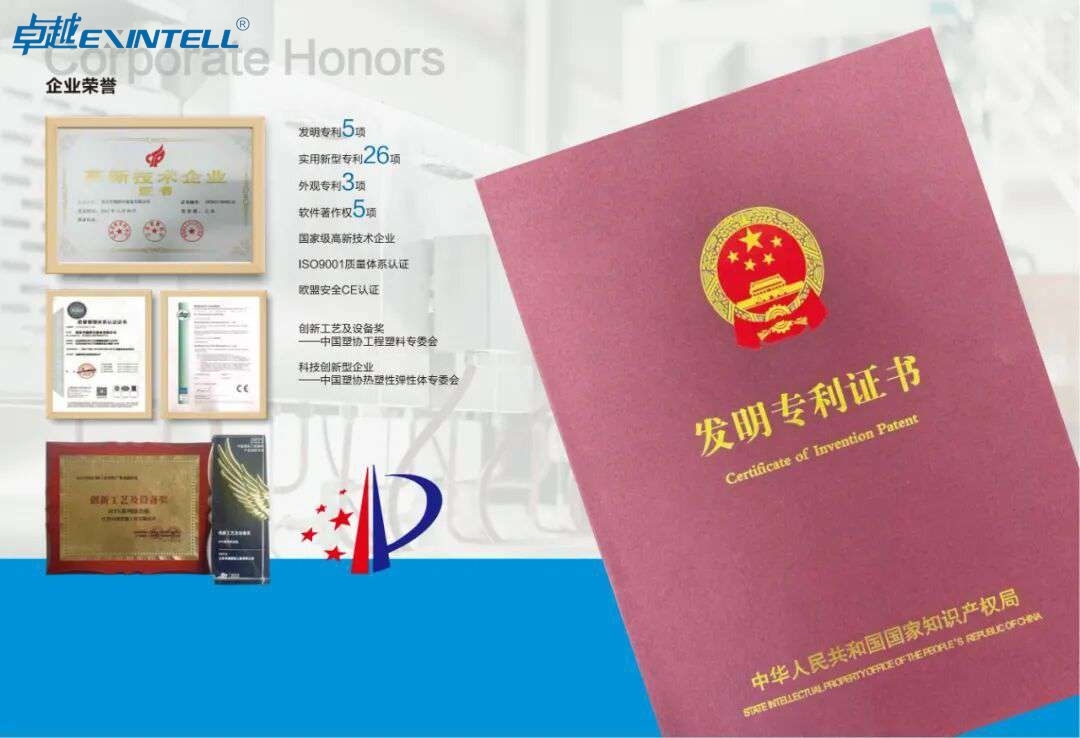
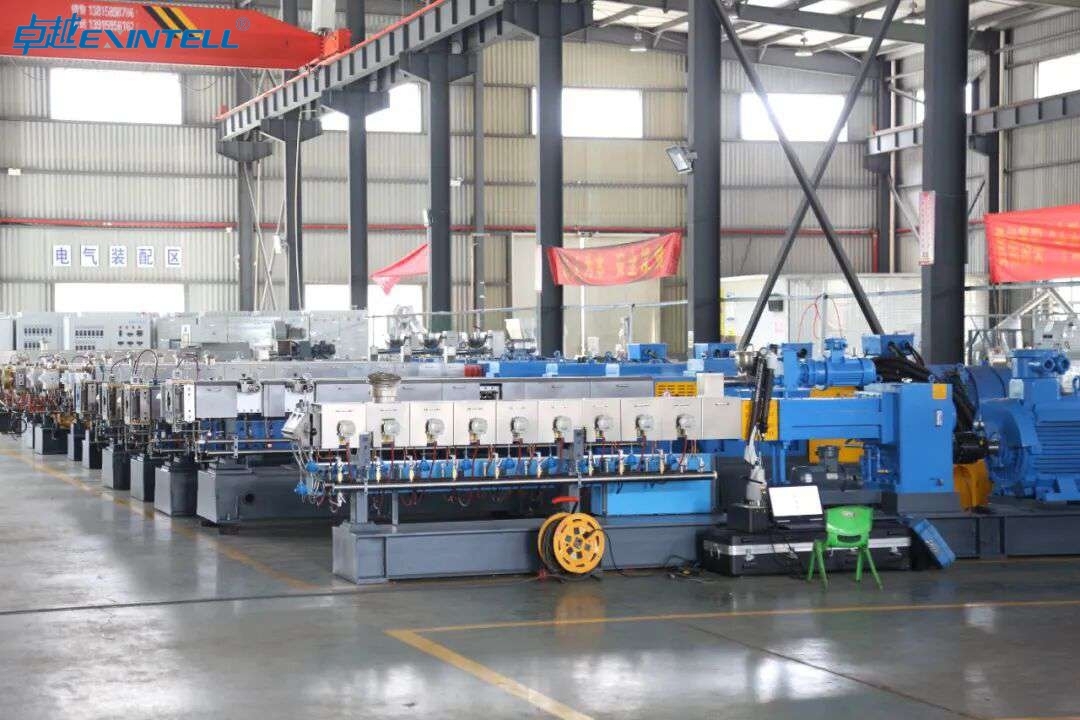
Når jeg vurderer en leverandør for en kunde, Jeg starter med at præcisere, hvad ordet “ekstrudering” faktisk beskriver på butiksgulvet. Plastekstrudering smelter rå plastmateriale og danner det til en kontinuerlig profil med et fast tværsnit (SeaGate plastik, 2024). Den enkelte sætning vejer meget: processen er kontinuerlig snarere end shot-by-shot, og geometrien er defineret af et todimensionelt tværsnit, der løber i hele delens længde. Det er derfor, det passer så godt til lange produktionsserier og højvolumenproduktion, og det er en helt anden disciplin end sprøjtestøbning eller bearbejdning.
I praksis, “harpiksekstrudering” er motoren bag tre brede output-familier, jeg ser efterspurgt oftest:
- Profiler — specialfremstillede plastprofiler med et defineret tværsnit, fra simple kanaler og kantlister til komplekse multi-lumen-former. Det er her profilekstrudering og co-ekstrudering virkelig skinner.
- Slange - rund, oval, og multi-lumen rør brugt i medicinsk, væskehåndtering, og pneumatiske applikationer, hentet fra en specialiseret plastrørleverandør.
- Ark — Ekstrudering af plastplader til paneler, liners, og termoformningsmasse, produceret gennem en flad matrice og rullestabel.
Producenter, Fabrikker, og distributører er ikke de samme
Købere bruger ofte disse udtryk i flæng, og det koster dem tid. Her er hvordan jeg adskiller dem:
- EN producent eller fabrik ejer ekstruderingslinjerne, skærer sine egne matricer, og styrer processen fra harpiks til færdig del. Det er den, du vil have til tilpasset værktøj, stram proceskontrol, eller plastik af teknisk kvalitet.
- EN distributør eller forhandler lagerfører og sender standardformer, men kører typisk ikke linjen. Fantastisk til lagerekstruderede former og hurtige genbestillinger, mindre for specialarbejde.
- EN fabrikant kan købe aktieprofiler og maskine, svejsning, eller samle dem til færdige plastfremstillingsydelser.
Når jeg søger på Thomasnet, Jeg filtrerer bevidst, fordi disse mapper viser og kategoriserer amerikanske plastekstruderingsproducenter efter kapacitet og region (Thomasnet, 2024). Det kapacitetsfilter er det, der fortæller dig, om du taler med en ægte plastprofilproducent eller en mellemmand.
Hvorfor købere søger efter “Fabrik” I stedet for “Leverandør”
Efter min erfaring, skiftet mod “fabrik” sprog signalerer hensigt. Købere, der skriver det, ønsker en kilde med intern kontrol over formdesign og værktøj, gennemsigtige MOQ-samtaler, og evnen til at skalere fra prototype til produktion. Det afspejler også reshoring-pres: indenlandsk sourcing kan reducere de samlede landede omkostninger ved at sænke fragten, pligt, og lageromkostninger (Reshoring Initiative, 2023), og den amerikanske plastindustri er fortsat en stor bidragyder til indenlandsk produktion og beskæftigelse (Plastindustriforeningen, 2023). Søger efter en indenlandsk plastproducent, snarere end en generisk leverandør, er ofte en bevidst risiko-og-omkostningsbeslutning.
Sådan fungerer plastekstruderingsprocessen, Trin for Trin

At forstå mekanikken hjælper dig med at stille bedre spørgsmål og læse et tilbud præcist. Twin Screw Extruder Manufacturers Producent Jeg leder kunder gennem fem faser af den kontinuerlige ekstruderingsproces.
1. Råstoffodring og smeltning i tønden
Termoplastiske piller - almindeligvis PVC, ABS, HDPE, LDPE, eller polypropylen - gå ind i en tragt og fald ned i en opvarmet tønde med en roterende skrue. Kombinationen af tøndevarmere og skrueforskydning smelter harpiksen til en homogen smeltet strøm. Materialevalg betyder noget her: PVC er blandt de mest ekstruderede plasttyper på verdensplan, almindeligt anvendt i profiler, rør, og rør (Plastindustriforeningen), mens polycarbonat, akryl (PMMA), nylon (PA), og PEEK tjener mere krævende, applikationer af teknisk kvalitet. Genanvendt formaling kan ofte blandes igen, og termoplast, der anvendes til ekstrudering, kan genbruges, så genslibning forbedrer materialeeffektiviteten (US EPA, 2023).
2. At tvinge smeltet plast gennem en tilpasset matrice
Smelten skubbes gennem en matrice, der definerer profiltværsnittet. Dette er hjertet i processen og grunden til, at specialarbejde medfører værktøjsomkostninger. En co-ekstruderingsopsætning bruger mere end én ekstruder, der fodrer en enkelt matrice, lader dig kombinere materialer — et stift underlag med en blød TPE/TPU tætningslæbe, f.eks, eller et farvet hættelag over en billigere kerne.
3. Køling, Dimensionering, og kontinuerlig start
Forlader terningen, den bløde profil passerer gennem et køle- og dimensioneringssystem - sædvanligvis et vandbad eller vakuumlimningstank - der låser i dimensioner. En start (aftrækker) tegner profilen med kontrolleret hastighed. Fordi delen dannes kontinuerligt, og materialet krymper, når det afkøles, ekstruderingstolerancer er generelt løsere end sprøjtestøbning (Protolabs, 2023). Jeg satte den forventning tidligt, så kunderne specificerer realistiske tolerancer i stedet for at betale for præcision, processen ikke økonomisk kan holde.
4. Tilskæring til længde og sekundær fremstilling
En in-line sav eller kniv skærer det kontinuerlige output i længden. Derfra, sekundære operationer — boring, stansning, hak, trykning, eller samling — forvandl ekstruderede plastdele til færdige komponenter. Dette er broen mellem rå profil og en brugbar leverance, og det er her, hurtig-turnaround produktion enten vindes eller tabes.
Brugerdefinerede vs lager plastekstruderinger: Hvilken har du brug for?
Det er den beslutning, jeg bliver spurgt mest om, og det ærlige svar er: det afhænger af volumen, geometri, og tidslinje. Lad mig bryde ned hver vej.
Når lagerprofiler er det rigtige valg
Lagerekstruderede former — standardstang, rør, kanal, vinkel, og ark — undgå værktøjsomkostninger helt og sende hurtigt. Hvis en katalogprofil passer til din ansøgning inden for acceptabel tolerance, at købe aktier er næsten altid billigere, hurtigere rute. Jeg styrer kunder her efter prototyper, lave mængder, and any part where a standard cross-section does the job.
When Custom Tooling and Profiles Are Justified
Custom extrusion typically requires a one-time tooling and die investment, while stock profiles avoid this cost (industry sourcing guidance). That die cost is justified when your geometry is proprietary, when a custom cross-section eliminates downstream assembly, or when annual volume is high enough to amortize the tool. Above a certain run size, the per-foot savings of a purpose-built die outweigh the upfront spend.
The Hybrid Approach: Standard Profiles, Custom Parts
My favorite middle path is often overlooked. Standard extruded profiles and tubes can be fabricated into cost-effective custom parts with quick turnaround (SeaGate plastik, 2024). You skip the die investment, then use cutting, bearbejdning, and assembly to reach a custom deliverable. Til mange programmer i mellemvolumen, denne hybrid slår både ren lager og fuld brugerdefineret på de samlede omkostninger.
Sammenligning af omkostninger og leveringstid
Her er hvordan de tre tilgange generelt sammenlignes. Behandl disse som retningsbestemte planlægningsintervaller, ikke citater - faktiske tal afhænger af materiale, geometri, og volumen.
|
Faktor |
Aktieprofiler |
Hybrid (Fremstillet standard) |
Fuld tilpasset ekstrudering |
|---|---|---|---|
|
Værktøjsomkostninger på forhånd |
Ingen |
Ingen for lav (kun inventar) |
Engangs-die-investering |
|
Typisk leveringstid |
Korteste (ofte på lager) |
Kort til moderat |
Længst (dø opbygning + første artikel) |
|
Minimum ordre (MOQ) |
Lav |
Lav til moderat |
Højere (at afskrive værktøj) |
|
Geometri fleksibilitet |
Kun katalogformer |
Standard form + bearbejdning |
Fuldt skræddersyet tværsnit |
|
Bedste pasform |
Prototyper, lav lydstyrke |
Mellem volumen, mild tilpasning |
Høj lydstyrke, proprietære profiler |
|
Faktor |
Aktieprofiler |
Hybrid (Fremstillet standard) |
Fuld tilpasset ekstrudering |
|---|---|---|---|
|
Værktøjsomkostninger på forhånd |
Ingen |
Ingen for lav (kun inventar) |
Engangs-die-investering |
|
Typisk leveringstid |
Korteste (ofte på lager) |
Kort til moderat |
Længst (dø opbygning + første artikel) |
|
Minimum ordre (MOQ) |
Lav |
Lav til moderat |
Højere (at afskrive værktøj) |
|
Geometri fleksibilitet |
Kun katalogformer |
Standard form + bearbejdning |
Fuldt skræddersyet tværsnit |
|
Bedste pasform |
Prototyper, lav lydstyrke |
Mellem volumen, mild tilpasning |
Høj lydstyrke, proprietære profiler |
Uanset hvilken vej du vælger, Jeg anbefaler at bekræfte, at butikken kører et dokumenteret kvalitetssystem - ISO 9001 er den internationalt anerkendte standard for kvalitetsstyringssystemer, der anvendes på tværs af produktion (ISO, 2015) og er fortsat det mest udbredte benchmark i plastsektoren. For et praktisk kig på, hvordan lager- og specialtilbud ligger side om side, finder jeg SeaGate plastik’ tilpasset ekstruderingsoversigt et nyttigt referencepunkt.
Typer af plastekstruderingsprofiler og -produkter

Når jeg evaluerer et projekt for ekstrudering, Jeg starter med tværsnittet, fordi den færdige dels geometri dikterer næsten alt nedstrøms: matricedesignet, materialevalget, og i sidste ende den pris, du vil betale. Plastekstrudering smelter rå harpiks og danner det til en kontinuerlig profil med et fast tværsnit (SeaGate plastik, 2024). Det eneste princip producerer et overraskende bredt katalog af former, så det hjælper at gruppere dem efter kompleksitet og funktion.
Solide profiler, Hule profiler, og komplekse geometrier
Solide profiler er industriens arbejdsheste: stænger, barer, kantning, og trim uden indre hulrum. They are the easiest to tool and the most forgiving on tolerance, which is why I recommend them for first-time buyers testing a design. Hollow profiles introduce internal channels, and they demand more sophisticated dies with mandrels or pins to hold the cavity open as the melt cools. Complex geometries combine multiple walls, underskæringer, and thin-to-thick transitions in a single cross-section, and this is where die design and tooling expertise separates a capable plastic profile manufacturer from an average one. Efter min erfaring, uneven wall thickness is the most common cause of warping, so I press suppliers early on how they plan to balance material flow across the profile.
Tubing and Multi-Lumen Extrusions
Tubing is a specialized subset of hollow extrusion, og det spænder over alt fra simple enkeltborede rør til multi-lumen designs med flere parallelle kanaler, der løber langs delens længde. Købere af medicinsk udstyr og analytiske instrumenter læner sig op af multi-lumen ekstruderinger til at transportere væsker, ledninger, og sensorer gennem én kompakt profil. En pålidelig leverandør af plastrør vil holde stramme koncentricitets- og indvendige diametertolerancer, selvom jeg altid minder kunderne om, at ekstruderingstolerancer generelt er løsere end sprøjtestøbning på grund af materialets krympning og kontinuerlig formning (Protolabs designressourcer, 2023). Planlæg din pasform og frihed omkring den virkelighed i stedet for at bekæmpe den.
Co-ekstrudering og multi-materiale profiler
Co-ekstrudering kører to eller flere harpikser gennem en delt matrice for at producere en enkelt profil med forskellige materialezoner. Jeg bruger det, når en del har brug for modstridende egenskaber på én gang, såsom et stift PVC-strukturlegeme med en blød TPE/TPU-pakningslæbe, eller et vejrbestandigt hættelag over et billigere substrat. Det eliminerer sekundære monterings- og limningstrin, hvilket er en meningsfuld omkostningsbesparelse i volumen. Afvejningen er værktøjskompleksitet, så jeg reserverer co-ekstrudering til design, hvor multi-materiale fordelen klart retfærdiggør den ekstra form investering.
Fælles industriapplikationer for hver type
Forskellige geometrier graviterer mod forskellige sektorer, og at matche dem tidligt holder indkøbssamtaler fokuserede.
- Solide profiler: detailhyldekant, møbelbeklædning, sæler, og hegnskomponenter.
- Hule profiler: vindues- og dørkarme, LED lys kanaler, og konstruktionsbeklædning.
- Slange og multi-lumen: medicinske katetre, væskeoverførselsledninger, og pneumatisk slange.
- Co-ekstruderede profiler: vejrstripping, kølepakninger, og dual-durometer håndtag.
- Pladeekstrudering: skiltning, termoformningsmasse, og beskyttelsespaneler.
Fordi plastekstrudering er en kontinuerlig, højvolumen proces, den passer særligt godt til lange produktionsforløb, og standard ekstruderede profiler og rør kan fremstilles til omkostningseffektive specialdele med hurtig omsætning (SeaGate plastik, 2024). Hvis din årlige efterspørgsel er stabil og målt i titusindvis af fod, ekstruderingsøkonomi virker stærkt til din fordel.
Almindelige materialer, der bruges til plastekstrudering
Materialevalg er den beslutning, jeg oftest ser købere undervurdere. Harpiksen styrer den mekaniske styrke, kemisk resistens, temperaturområde, koste, og endda hvor snæver en tolerance ekstruderen realistisk kan holde. Jeg grupperer ekstruderingsharpikser i tre lag, arbejd derefter med kunderne for kun at rykke op så langt, som applikationen virkelig kræver.
Vareharpikser: PVC, Polyethylen, og polypropylen
Råvareharpikser dækker størstedelen af det ekstruderede volumen, og med god grund. PVC er blandt de mest ekstruderede plasttyper på verdensplan, almindelig i profiler, rør, og rør (Plastindustriforeningen). Det giver stivhed, vejrbestandighed, og lave omkostninger, og det tager farve og overfladefinish godt. Polyethylen findes i to velkendte kvaliteter: HDPE til stiv, kemisk resistente profiler og LDPE, hvor fleksibilitet er vigtig. Polypropylen balancerer kemisk resistens med et godt styrke-til-vægt-forhold og ydeevne for levende hængsler. Når en klient spørger om harpiksekstrudering for et højt volumen, omkostningsfølsom del, det er næsten altid, hvor jeg begynder.
Ingeniørharpikser: ABS, Polycarbonat, Nylon, og akryl
Engineering-grade plast øger mekanisk og termisk ydeevne. ABS leverer slagstyrke og ren finish til forbruger- og kabinetdele. Polycarbonate brings high impact resistance and optical clarity, which makes it a staple for lighting lenses and safety glazing. Nylon (PA) offers wear resistance and toughness for mechanical components and cable management. Akryl (PMMA) provides excellent clarity and UV stability for display and signage profiles. I move buyers into this tier when commodity resins cannot meet load, varme, or clarity requirements, and I make sure they price the resin premium against the performance gain before committing.
High-Performance Materials Like PEEK
At the top sits a small group of high-performance polymers, with PEEK as the reference point. PEEK withstands continuous high temperatures, aggressive kemikalier, and demanding mechanical loads, derfor dukker den op i rumfart, medicinsk, and semiconductor applications. The material cost is substantial, så jeg angiver det kun, når driftsmiljøet ikke efterlader nogen billigere mulighed. Ikke alle plastprofilproducenter behandler PEEK, så kapacitetsscreening betyder mere på dette niveau.
Matchende materialeegenskaber til applikationskrav
Min udvælgelsesramme er bevidst enkel: definere det ikke-omsættelige krav først, vælg derefter den billigste harpiks, der renser det. Tabellen nedenfor opsummerer, hvordan jeg vejer de almindelige muligheder for ekstruderede plastdele.
| Materiale | Tier | Nøglestyrker | relative omkostninger | Typiske applikationer |
|---|---|---|---|---|
| PVC | Råvare | Stiv, vejrlig, lave omkostninger | $ | Profiler, rør, trimme |
| HDPE / LDPE | Råvare | Kemisk resistens; stiv eller fleksibel | $ | Slange, liners, kanalføring |
| Polypropylen | Råvare | Kemisk resistens, levende hængsler | $ | Væskehåndtering, hængsler |
| ABS | Engineering | Slagstyrke, ren finish | $$ | Indhegninger, forbrugerdele |
| Polycarbonat | Engineering | Slagfasthed, klarhed | $$ | Linser, sikkerhedsruder |
| Nylon (PA) | Engineering | Slidstyrke, sejhed | $$ | Mekanisk, kabelføringer |
| Akryl (PMMA) | Engineering | Klarhed, UV-stabilitet | $$ | Skiltning, viser |
| KIG | Højtydende | Varme, kemisk, og belastningsmodstand | $$$$ | Rumfart, medicinsk, halvleder |
Ét effektivitetspunkt, der er værd at tage med enhver leverandør: termoplast, der anvendes til ekstrudering, kan genbruges, og genslibning forbedrer materialeeffektiviteten (US Environmental Protection Agency, 2023). Asking how a factory handles regrind tells me something about both their cost discipline and their sustainability practices.
Plastic Extrusion Manufacturers in the USA
For many of the buyers I advise, the sourcing question is not only “who can extrude this profile” but “who can extrude it here.” Domestic sourcing has moved from a preference to a strategic decision, and it deserves a clear-eyed look rather than reflexive patriotism.
Why US-Based Sourcing Matters for Many Buyers
The financial case is stronger than it first appears. Reshoring and domestic sourcing can reduce total landed cost by lowering freight, pligt, og lageromkostninger (Reshoring Initiative, 2023). When I run a total-cost comparison rather than a unit-price comparison, offshore savings often shrink once I add ocean freight, takster, safety stock, and the working capital tied up in long transit times. For a domestic plastics manufacturer serving a US customer, lead times measured in weeks rather than months also mean less risk if a design changes mid-program.
Regional Manufacturing Hubs Across the Country
US extrusion capacity is not evenly distributed, and knowing the map speeds up sourcing. The Great Lakes and Upper Midwest concentrate general-purpose profile and tubing extruders near automotive and industrial demand. The Northeast holds a dense cluster of medical and precision tubing specialists. The Southeast has grown quickly around building products and packaging. The West Coast and Southwest serve electronics, rumfart, and consumer markets. Supplier directories such as Thomasnet list and categorize US plastic extrusion manufacturers by capability and region (Thomasnet, 2024), which is where I usually build a first shortlist before making calls.
Domestic Quality, Meddelelse, and IP Advantages
Beyond cost, three practical advantages keep drawing buyers home. Først, quality systems are easier to verify in person; ISO 9001 er den internationalt anerkendte standard for kvalitetsstyringssystemer, der anvendes på tværs af produktion (International Organisation for Standardization, 2015), and I can audit a domestic supplier’s implementation without an international trip. Anden, time-zone-aligned communication shortens the feedback loop from prototype to production, which matters when a die needs a mid-run adjustment. Tredje, intellectual property protection is more enforceable under US jurisdiction, a real concern when a custom profile is a competitive differentiator. I treat these as the differences that a spreadsheet alone will miss.
How US Factories Serve Diverse Industries
American extruders span the full range of contract manufacturing, from stock extruded shapes shipped from inventory to fully custom die programs. Custom extrusion typically requires a one-time tooling or die investment, while stock profiles avoid that cost, so I match the sourcing path to how unique the geometry really needs to be. The US plastics industry remains a major contributor to domestic manufacturing shipments and employment (Plastindustriforeningen, 2023), and that depth means a buyer can usually find a plastic fabrication services partner suited to their volume, from prototype to production. For a broad view of custom capabilities, I often point clients to overviews such as custom plastic extrusion manufacturers to calibrate expectations before requesting quotes.
How to Find Plastic Extrusion Companies Near You
Når jeg begynder på et indkøbsprojekt, geografi er en af de første variabler, jeg vejer. Placering former fragtomkostninger, kommunikationskadence, og hvor hurtigt jeg kan iterere fra prototype til produktion. Når det er sagt, Nærhed er kun værdifuld, når den nærliggende leverandør faktisk kan udføre arbejdet. Efter min erfaring, den smarteste tilgang behandler “nær mig” som et filter, ikke en beslutning.
Hvorfor lokale indkøb ofte betaler sig
En indenlandsk plastproducent tæt på dit anlæg giver dig tre konkrete fordele. Først, kortere forsendelsesdistancer lavere fragt- og leveringstidsrisiko, hvilket betyder noget for omfangsrige ekstruderede plastdele og lange profiler, der sendes som overdimensioneret fragt. Anden, lokale partnere gør besøg på stedet praktiske, og jeg har fanget flere procesproblemer i en to-timers plantegennemgang end i ugers e-mail. Tredje, nærhed fremskynder iteration: når en terning trænger til en tweak, en leverandør et par timer væk kan vende prøver hurtigere end én over et hav.
Den økonomiske sag rækker ud over enhedsprisen. Ifølge Reshoring Initiative (2023), indenlandsk sourcing kan reducere de samlede landede omkostninger ved at sænke fragten, pligt, og lageromkostninger. Den indenlandske base er betydelig, også; Plastindustriforeningen (2023) rapporterer, at den amerikanske plastindustri er en væsentlig bidragyder til indenlandsk produktion og beskæftigelse, hvilket betyder, at kvalificeret kapacitet til harpiksekstrudering normalt er inden for rækkevidde.
Hvor jeg ser: Vejviser, Foreninger, og henvisninger
At opbygge en indledende liste over kandidater, Jeg bruger tre komplementære kanaler:
- Leverandørkataloger. Thomasnet (2024) oplister og kategoriserer amerikanske plastekstruderingsproducenter efter kapacitet og region, which makes it straightforward to filter by material, behandle, and location.
- Trade associations. Membership in bodies like the Plastics Industry Association signals a firm that invests in standards and industry engagement.
- Referrals. A recommendation from an engineer who has run production with a plastic profile manufacturer carries more weight than any marketing page, because it reflects delivered performance.
I treat the directory as a starting point for a plastic tubing supplier or profile shop, then validate each name against real references before it earns a spot on my shortlist.
Balancing Proximity Against Capability and Price
Distance is a tiebreaker, not a trump card. If a nearby shop cannot hold your tolerances, run your resin, or meet your volume, the convenience is worthless. I rank capability and quality first, derefter pris, then location. A plastic extrusion companies factory supplier two states away with the right co-extrusion line and a proven ISO 9001 system will usually serve me better than a closer shop lacking those capabilities.
When Local Is Not the Best Option
Sometimes the right partner is not nearby. Specialized work in engineering-grade plastics such as PEEK, polycarbonat, or nylon (PA) may only be done well by a handful of shops nationally. High-volume manufacturing programs can justify shipping economics that favor a distant, more automated plant. And when you need capabilities like plastic sheet extrusion combined with in-line fabrication, the fit of the process matters more than the mileage. In those cases I widen the search radius and lean on video plant tours and third-party audits to close the distance gap.
Forståelse af de største plastekstruderingsvirksomheder
Købere trækker ofte mod de største navne, forudsat at skala garanterer et bedre resultat. Skala giver virkelige fordele, men det medfører også afvejninger. Forstå hvad “største” betyder faktisk, at det hjælper mig med at matche en leverandørs fodaftryk til mit program snarere end til et omdømme.
Hvad skala betyder for kapacitet og pålidelighed
Ekstrudering er en kontinuerlig, højvolumen proces velegnet til lange produktionsserier, og store fabrikker er bygget op omkring den virkelighed. Flere ekstruderingslinjer betyder højere gennemløb, redundans, hvis en linje går ned, og evnen til at absorbere efterspørgselsstigninger. Skala korrelerer normalt også med modne kvalitetssystemer; ISO 9001, the internationally recognized standard for quality management systems used across manufacturing (International Organisation for Standardization, 2015), is almost table stakes among large plants. That maturity translates into more consistent extruded plastic parts across long runs.
The Tradeoffs of Large Factories vs. Specialized Shops
Bigger is not automatically better. Large plants optimize for volume, which can mean higher minimum order quantities, less flexibility on small custom runs, and slower responsiveness on prototype work. A specialized shop may excel at tight-tolerance custom plastic profiles, unusual resins, or quick-turnaround production that a high-volume plant treats as a nuisance. The table below summarizes how I weigh the two.
| Faktor | Large-Scale Factory | Specialized Shop |
|---|---|---|
| Kapacitet | Høj; multiple lines, redundans | Begrænset; fewer lines |
| Minimum ordremængde | Often high | Usually flexible |
| Prototype speed | Langsommere; volume-focused scheduling | Hurtigere; agile setup |
| Materialesortiment | Broad commodity resins (PVC, HDPE, LDPE, PP) | Often engineering-grade (KIG, PC, PA) |
| Price per unit at volume | Sænke | Højere |
| Bedste pasform | Long production runs | Skik, low-to-mid volume, complex profiles |
When High-Volume Capability Is Essential
There are programs where I will not compromise on scale. Sammenhængende, long-run demand for standardized profiles, rør, or tubing in commodity resins is the natural home of a large factory. PVC er blandt de mest ekstruderede plasttyper på verdensplan, almindeligt anvendt i profiler, rør, og rør, and sourcing it at volume rewards the economies a big plant provides. If your forecast calls for millions of feet of a stable profile cross-section, high-volume capability moves from nice-to-have to essential.
How to Verify Claimed Scale and Capacity
Claims on a website are not evidence. Before I accept a “største” eller “highest capacity” claim, I verify it with concrete questions:
- How many extrusion lines are operational, and what is the die diameter range on each?
- What is current utilization, and how much spare capacity exists for my program?
- Can you share throughput figures (lbs/hour or feet/day) for a comparable profile?
- What redundancy exists if a line fails mid-run?
- Which certifications, såsom ISO 9001, are current, and may I see the certificate?
I pair those answers with a plant tour or audit. Physical evidence of running lines, staffing, and inventory tells me far more than any capacity figure quoted in a brochure.
How to Identify the Best Plastic Extrusion Factory for Your Project
“Best” is one of the most misused words in supplier marketing. I praksis, the best plastic extrusion companies factory manufacturer is the one that best fits your specific requirements, not the one with the loudest claim. I define the term relative to my project, then score candidates against that definition.
Defining “Best” Relative to Your Specific Needs
Before comparing suppliers, I document what my project actually demands: the resin (sige, ABS for impact resistance, akryl (PMMA) for optisk klarhed, or TPE/TPU for flexibility), the tolerance band, the volume, the timeline, and the level of engineering support I need for die design and tooling. Extrusion tolerances are generally looser than injection molding due to material shrinkage and continuous forming (Protolabs designressourcer, 2023), so I confirm early that a candidate can meet my dimensional requirements rather than assuming it can. A shop that is ideal for a high-volume HDPE pipe run may be the wrong choice for a tight-tolerance polycarbonate profile.
Weighing Quality, Koste, Hastighed, and Support
Every sourcing decision balances four levers, and improving one often pressures another:
- Kvalitet. Documented quality systems, in-process inspection, and material traceability. ISO 9001 is the most widely adopted quality management standard across manufacturing sectors including plastics.
- Koste. Not just unit price. Custom extrusion typically requires a one-time tooling and die investment, while stock extruded shapes avoid that cost, so I model total cost including tooling and MOQ.
- Hastighed. Standard extruded profiles and tubes can be fabricated into cost-effective custom parts with quick turnaround (SeaGate plastik, 2024), but lead times vary widely between shops.
- Støtte. Engineering input on profile cross-section and material selection can prevent costly redesigns as you move from prototype to production.
Sustainability increasingly enters the equation as well. Termoplast, der anvendes til ekstrudering, kan genbruges, og genslibning forbedrer materialeeffektiviteten (US Environmental Protection Agency, 2023), which can reduce both cost and waste when a supplier manages it responsibly.
Reading Past “Best” Marketing Claims
Superlatives are easy to print and hard to prove. When I see “bedst,” “førende,” eller “premier,” I translate the claim into a testable question. Instead of accepting “best quality,” I ask for defect rates and inspection records. I stedet for “fastest,” I ask for typical lead times on my specific part. I stedet for “most experienced,” I ask for references in my industry. Marketing language that cannot survive a follow-up question does not influence my shortlist.
Building a Shortlist Scoring Method
To keep the comparison objective, I use a weighted scoring model. I list my criteria, assign each a weight that reflects its importance to the project, score every candidate from 1 til 5, and multiply. The weights shift by project; a prototype program might weight speed and engineering support heavily, while a mature production program weights cost and capacity.
- List criteria: kvalitetssystemer, material capability, tolerance, kapacitet, gennemløbstid, værktøjsomkostninger, teknisk support, and location.
- Assign weights that total 100 percent, reflecting your priorities.
- Score each supplier 1 til 5 on every criterion, using verified evidence rather than marketing claims.
- Calculate weighted totals and rank the candidates.
- Validate the top two with reference calls and, ideelt set, a plant visit before committing.
This structured method has consistently steered me toward the partner that fits the work, whether that turns out to be a large plant, a nimble specialist, or a domestic shop just down the road. For a deeper look at how custom extrusion capabilities map to applications, ressourcer som f.eks SeaGate plastik’ tilpasset ekstruderingsoversigt are a useful reference as you refine your own criteria.
Key Capabilities to Evaluate in a Plastic Extrusion Company
When I vet a plastic profile manufacturer, I look
Tolerances and Precision in Extruded Parts
Når jeg vurderer en plastprofilproducent, tolerances are the first place I look for a reality check. Ekstrudering er en kontinuerlig formningsproces, so it behaves differently from molding. As Protolabs notes, extrusion tolerances are generally looser than injection molding because material shrinkage and continuous forming introduce variability that a closed mold does not (Protolabs designressourcer, 2023). Setting expectations here early saves both money and rework later.
Typical Achievable Tolerances by Material and Profile
Efter min erfaring, achievable precision depends heavily on the resin and the geometry of the profile cross-section. Rigid engineering-grade plastics hold tighter dimensions than soft or semi-crystalline materials, and simple shapes hold tighter than complex hollow profiles. The ranges below reflect commonly quoted commercial extrusion capabilities for custom plastic profiles; always confirm against your supplier’s published standards for your specific part.
| Materiale | Dimensionsstabilitet | Typical tolerance tendency | Notes for specifying |
|---|---|---|---|
| Stiv PVC | Høj | Tighter, well-controlled | Widely extruded; predictable in profiles and tubing |
| ABS | Høj | Tight on rigid profiles | Good for structural extruded plastic parts |
| Polycarbonat | Høj | Tight, low shrink | Optical and impact-rated applications |
| Akryl (PMMA) | Høj | Tight, but brittle at thin walls | Sheet and clear profiles |
| Nylon (PA) | Moderat | Looser; moisture-sensitive | Account for post-extrusion moisture uptake |
| HDPE / LDPE | Moderate to low | Looser; higher shrink | Expect wider bands on wall and OD |
| Polypropylen | Moderat | Looser; semi-crystalline shrink | Allow generous tolerance on critical dims |
| KIG | Høj | Tight, but specialized | High-temp engineering runs; higher cost |
| TPE / TPU | Lav | Loosest; flexible recovery | Soft profiles deform under measurement |
Factors That Affect Dimensional Stability
Several variables move a part inside or outside its tolerance band. Wall thickness uniformity matters most: thick and thin sections in the same profile cool at different rates and warp. Semi-crystalline resins like polypropylene and HDPE shrink more than amorphous ones like polycarbonate and acrylic, so the die must be cut to compensate. I also watch for haul-off speed, smeltetemperatur, and cooling-bath control, since drift in any of these shows up as dimensional variation over a long run. For hygroscopic materials such as nylon, moisture absorbed after extrusion can change dimensions days later, which is why I ask how a supplier conditions and stores finished stock.
Specifying Tolerances in Your Drawings
The cleanest way to control cost is to tolerance only what functionally matters. I call out critical dimensions explicitly, apply a reasonable general tolerance block to everything else, and reference the datum features that mate with other components. Where a flexible TPE or TPU profile is involved, I specify the measurement method and fixture, because a soft part measures differently under light pressure than at rest. Being specific about which surfaces are cosmetic versus functional lets a plastic fabrication services partner set up the line intelligently instead of overbuilding to a blanket precision requirement.
Balancing Precision Against Cost
Tighter tolerances raise cost through slower line speeds, more scrap, added inspection, and sometimes secondary sizing or machining. I praksis, I treat precision as a dial rather than a switch: I hold the two or three dimensions that drive fit and function tightly and relax the rest. That approach keeps resin extrusion economical while still delivering parts that assemble correctly. When a design genuinely needs molding-level precision on every feature, that is a signal the part may not be a good extrusion candidate, and I revisit the process choice before committing to tooling.
Minimum Order Quantities and Lead Times
MOQs and lead times are where the difference between stock extruded shapes and true custom work becomes concrete. Custom extrusion typically requires a one-time tooling investment in a die, while stock profiles avoid that cost entirely, per common industry sourcing guidance. That single fact drives most of the ordering economics, so I plan around it from the start.
Typical MOQ Ranges for Stock vs Custom
Stock profiles and tubing can often be bought in small quantities, sometimes by the foot or in single boxes, because the supplier already runs them. As SeaGate Plastics points out, standard extruded profiles and tubes can be fabricated into cost-effective custom parts with quick turnaround, which is a practical advantage when volumes are modest (SeaGate plastik, 2024). Custom profiles are different. Because the line has to be set up, purged, and stabilized before good parts come off, suppliers set a minimum run to amortize that setup. I commonly see custom MOQs expressed in pounds of resin or in linear footage rather than piece count, and the threshold rises with more exotic engineering-grade plastics.
How Lead Times Vary With Tooling and Volume
For a new custom profile, the die is the pacing item. Tooling design, skæring, and first-article trials typically dominate the initial schedule, and I budget several weeks for die design and tooling before any production parts exist. Once the die is proven, repeat orders move quickly because the tooling is on the shelf. Higher volumes actually help here: extrusion is a continuous, højvolumen proces velegnet til lange produktionsserier, so once a line is dialed in, adding footage is efficient rather than disruptive.
Quick-Turnaround Options and Expedited Runs
When a timeline is tight, I look at three levers. Først, use stock profiles or standard tubing that can ship from inventory and be cut or fabricated to length. Anden, ask whether an existing die is close enough to modify rather than cutting a new one. Tredje, request an expedited slot, which many suppliers offer for a premium by prioritizing line time. Hurtig omstillingsproduktion er realistisk for standardformer; for ægte ny brugerdefineret geometri, værktøjstrinnet sætter stadig grunden til, hvor hurtigt du kan køre.
Planlægning af dit projekts tidslinje
Jeg arbejder baglæns fra den påkrævede leveringsdato og tilføjer eksplicitte buffere til formdesign, godkendelse af første artikel, og eventuelle sekundære operationer. At flytte fra prototype til produktion er nemmere, når jeg låser profiltværsnittet tidligt, fordi sene geometriændringer betyder at skære matricen om og nulstille uret. At tilpasse MOQ til den reelle årlige efterspørgsel har også betydning: at bestille en effektiv kørselsstørrelse, når det er bedre end at betale gentagne opsætningsgebyrer på små, hyppige tilpassede ordrer.
Omkostningsdrivere i prissætning af plastekstrudering
Understanding what actually drives a quote lets me negotiate from evidence rather than instinct. Extrusion pricing breaks down into a handful of levers, and knowing which one dominates for a given part tells me where the savings live.
Material Selection and Resin Pricing
Resin is usually the largest recurring cost, and it varies widely by grade. Commodity materials like PVC, polypropylen, HDPE, and LDPE sit at the low end; PVC in particular is among the most widely extruded plastics globally and is well supported across suppliers. Engineering-grade plastics such as polycarbonate, nylon, and especially PEEK command higher prices and can require specialized processing. One efficiency I always ask about is regrind: termoplast, der anvendes til ekstrudering, kan genbruges, og genslibning forbedrer materialeeffektiviteten, which can lower material cost on non-critical parts (US Environmental Protection Agency, 2023). Choosing the least expensive resin that meets the application requirement is the single highest-leverage decision in material selection.
Værktøj, Setup, and Run Volume
Custom work carries a one-time die cost that stock profiles avoid. That tooling charge is fixed, so it amortizes across the run: the more footage I order, the lower the per-part tooling burden. Setup time and line stabilization add cost to every job regardless of size, which is exactly why small custom orders feel expensive per piece. Co-ekstrudering, which combines two materials in one profile, adds tooling and process complexity and therefore cost, but it can eliminate secondary assembly, so I weigh the tradeoff on total value rather than tooling alone.
Secondary Operations and Finishing
Anything that happens after the profile leaves the die adds cost: skære i længden, boring, hak, trykning, hole punching, tight-tolerance sizing, og emballage. Individually these are minor, but they stack quickly on high piece counts. I decide deliberately which operations belong in-line with the extrusion and which are genuinely needed, because each added step also adds handling and inspection. Where a feature can be designed into the profile cross-section instead of machined afterward, I do that, since forming a feature is nearly free compared with a downstream operation.
Domestic vs Offshore Cost Comparisons
Headline piece price often favors offshore, but I evaluate total landed cost. The Reshoring Initiative notes that domestic sourcing can reduce total landed cost by lowering freight, pligt, og lageromkostninger (Reshoring Initiative, 2023), and those factors are easy to underestimate when comparing unit prices alone. Working with a domestic plastics manufacturer also shortens lead times, forenkler kommunikationen, and reduces the inventory buffer I have to hold against long ocean transit. The US plastics industry is a substantial contributor to domestic manufacturing shipments and employment (Plastindustriforeningen, 2023), so the domestic supplier base for both stock and custom profiles is deep. Min tommelfingerregel: for høj lydstyrke, low-mix commodity profiles, offshore can win on price; for responsive, higher-mix, or engineering-grade work, domestic contract manufacturing usually wins on total cost and risk. For a fuller look at custom capabilities, I point buyers to custom plastic extrusion manufacturers such as SeaGate Plastics as a reference point for scope and services.
Questions to Ask Before Choosing a Factory
When I vet a plastic profile manufacturer, I treat the first conversation as a structured interview rather than a sales call. The goal is to separate shops that can genuinely deliver my part from those that simply want the order. Over years of sourcing extruded plastic parts, I have found that a handful of pointed questions surface most of the risk before a single dollar changes hands. Below is the checklist I actually use.
Kapacitet, Certificeringer, and Material Expertise
I start by asking what the factory runs today, not what it claims it can run. Continuous extrusion is a high-volume manufacturing process, so I want to know line count, typical run lengths, and whether they have headroom for my volume without displacing existing customers. On the quality side, I ask directly about certification. ISO 9001 er den internationalt anerkendte standard for kvalitetsstyringssystemer, der anvendes på tværs af produktion (International Organisation for Standardization, 2015), and while certification is not a guarantee of good parts, its absence tells me the shop may lack documented process controls.
Material expertise is the third leg. A capable resin extrusion supplier should speak fluently about the polymers relevant to my application, whether that is PVC and HDPE for construction profiles, ABS and polycarbonate for enclosures, polypropylene and LDPE for packaging and tubing, or engineering-grade plastics like nylon (PA) and PEEK for demanding environments. PVC er blandt de mest ekstruderede plasttyper på verdensplan, almindeligt anvendt i profiler, rør, og rør (Plastindustriforeningen). If I need flexible sections, I confirm experience with TPE/TPU, and if my part demands a rigid core with a soft-touch or weather-resistant skin, I ask whether they offer co-extrusion. Lab Ekstruder Engros
Prototyping and Design Support Availability
I ask whether the factory offers design consultation before tooling is cut. The best plastic fabrication services partners will review my cross-section for extrudability, flag thin walls or sharp corners that trap stress, and suggest material substitutions that lower cost without hurting performance. I also confirm they can produce a representative prototype rather than pointing me straight to a production die.
Ledetider, MOQ'er, and Delivery Track Record
Here I get specific. I ask for standard lead times on both tooling and production, the minimum order quantity, and how MOQ scales with material and profile complexity. Custom extrusion typically requires a one-time tooling investment for the die, while stock extruded shapes avoid that cost entirely (industry sourcing guidance). If my volumes are modest, standard extruded profiles and tubes can be fabricated into cost-effective custom parts with quick turnaround (SeaGate plastik, 2024), so I always ask what stock profiles they carry. On delivery, I want on-time performance data, not adjectives.
References and Industry Experience
Endelig, I ask for references in my industry. A shop that regularly serves medical, bilindustrien, or building-products customers has already navigated the tolerances and documentation those sectors demand. I call the references and ask two questions: did the parts meet spec on the first production run, and how did the supplier handle the problem when something went wrong?
From Prototype to Production: How the Process Unfolds
Once I have chosen a supplier, the path from a drawing to shippable extruded plastic parts follows a predictable sequence. Understanding each stage helps me set realistic timelines internally and catch problems while they are still cheap to fix.
Submitting Drawings and Design Consultation
I begin by sending a dimensioned drawing of the profile cross-section, along with the target material, farve, tolerancekrav, and end-use environment. This is where design-for-manufacturing consultation earns its keep. Because extrusion tolerances are generally looser than injection molding due to material shrinkage and continuous forming (Protolabs designressourcer, 2023), a good engineer will help me place critical dimensions where the process can reliably hold them and relax the ones that do not matter.
Sample and Prototype Validation
Next comes a sample or prototype. Depending on the shop, this may be pulled from a soft or temporary die, or matched from existing stock extruded shapes. I use this stage to validate fit, fleksibilitet, overfladefinish, and material behavior in my actual assembly. Catching a wall-thickness issue on a prototype costs me a revision; catching it after the production die is cut costs me the tooling.
Tooling Approval and First-Article Inspection
Extruder Twin Screw After I approve the design, the factory cuts the production die. The die design and tooling step is the largest one-time cost in custom extrusion, so I review the tooling drawing carefully before signing off. Once the die runs, I require a first-article inspection: a documented measurement of the initial output against my drawing. I do not release full production until the first article passes.
Ramping to Full Production
With the first article approved, the line ramps to full production. Plastic extrusion is a continuous, højvolumen proces velegnet til lange produktionsserier (SPI/Plastics Industry Association overview), so unit costs typically drop as volume climbs. I confirm the quality plan for ongoing runs, including sampling frequency and the criteria for holding or scrapping out-of-spec material. Termoplast, der anvendes til ekstrudering, kan genbruges, og genslibning forbedrer materialeeffektiviteten (US Environmental Protection Agency, 2023), so I also clarify the shop’s regrind policy when appearance or mechanical properties are critical.
Domestic vs Overseas Extrusion Sourcing
One of the most consequential decisions I make is where to source. The instinct is to compare unit price, but in my experience that number alone is misleading. What matters is total landed cost and the operational realities that price hides.
Cost vs Total Landed Cost Considerations
Overseas suppliers often quote a lower piece price, but I add freight, pligter, customs handling, and the inventory carrying cost of larger safety stock and longer transit. Reshoring and domestic sourcing can reduce total landed cost by lowering freight, pligt, og lageromkostninger (Reshoring Initiative, 2023). Once I build a full landed-cost model, the gap between a domestic plastics manufacturer and an overseas one usually narrows, and sometimes reverses.
Ledetid, Forsendelse, and Communication Factors
Domestic sourcing shortens my supply chain and simplifies communication across time zones and languages, which matters most when I need quick-turnaround production or fast design changes. Overseas sourcing can suit stable, high-volume programs where the design is frozen and lead time is not a constraint.
Quality Control and IP Protection
Proximity makes on-site audits and first-article reviews far easier, and domestic contracts generally offer stronger, more enforceable intellectual property protection for a proprietary die design. When my profile represents real design investment, that protection weighs heavily.
Når hver mulighed giver mening
The US plastics industry is a major contributor to domestic manufacturing shipments and employment (Plastindustriforeningen, 2023), and directories such as Thomasnet list and categorize US plastic extrusion manufacturers by capability and region (Thomasnet, 2024), which makes local sourcing practical to research. The table below summarizes how I weigh the two paths.
| Faktor | Domestic Sourcing | Overseas Sourcing |
|---|---|---|
| Enhedspris | Higher piece price | Often lower piece price |
| Samlede landede omkostninger | Lower freight, pligt, and carrying cost | Added freight, pligt, and inventory cost |
| Leveringstid | Kortere, more responsive | Længere, transit-dependent |
| Meddelelse | Same time zone and language | Time-zone and language gaps |
| Quality audits | On-site visits practical | Remote or costly to audit |
| IP beskyttelse | Stærkere, more enforceable | Variable enforcement |
| Bedste pasform | Brugerdefinerede profiler, fast changes, proprietary tooling | Frozen designs, very high volume, price-driven programs |
I praksis, I lean domestic for custom plastic profiles that involve proprietary tooling, evolving designs, or short lead times, and I consider overseas contract manufacturing only for mature, stabil, high-volume parts where the landed-cost math clearly favors it. For a starting point on capabilities and stock offerings, resources like SeaGate plastik are a useful reference when scoping a domestic partner.
Sustainability and Recyclability in Extrusion
When I evaluate a plastic extrusion companies factory today, sustainability is no longer a soft preference tucked into the back of a proposal. It sits alongside price, gennemløbstid, and quality as a core selection criterion. The good news is that extrusion is inherently well suited to responsible material use, and the suppliers I trust have built that advantage into their operations rather than treating it as an afterthought.
Recyclable Thermoplastics and Scrap Reuse
Most of the polymers I specify for extruded plastic parts are thermoplastics, which means they can be remelted and reformed multiple times without a complete loss of properties. According to the US Environmental Protection Agency (2023), termoplast, der anvendes til ekstrudering, kan genbruges, og genslibning forbedrer materialeeffektiviteten. That single characteristic separates them from thermosets and gives buyers real leverage on both cost and environmental footprint.
I praksis, this recyclability spans the common resins you will encounter across quotes. PVC, HDPE, LDPE, and Polypropylene are among the workhorses of profile extrusion and plastic tubing, and each reclaims well when handled correctly. Engineering-grade plastics such as ABS, Polycarbonat, Nylon (PA), og akryl (PMMA) also tolerate controlled regrind, though I hold them to tighter blend ratios because their properties matter more in demanding applications. High-performance materials like PEEK and flexible TPE/TPU sit at the specialized end, where reuse requires more careful process control.
Regrind and Material Efficiency Practices
The continuous extrusion process generates predictable scrap: startup purge, trim from profile cross-section adjustments, and off-spec runs during die changeovers. A capable plastic profile manufacturer captures this material, granulates it into regrind, and reintroduces it at a defined percentage back into virgin resin. I always ask for the specifics because the details reveal how disciplined an operation really is.
- What regrind percentage do you blend into standard production, and does it change for cosmetic versus structural parts?
- How do you segregate resin types to prevent cross-contamination during resin extrusion?
- Can you document material traceability from raw resin through finished profile?
- Do you offer post-industrial recycled content options when my application allows it?
Co-extrusion deserves a mention here. By combining a virgin outer layer with a regrind or recycled core, some suppliers deliver the surface quality I need while lowering virgin material consumption. It is a practical way to reconcile appearance requirements with sustainability goals on the same part.
Choosing Environmentally Responsible Suppliers
Efter min erfaring, a domestic plastics manufacturer often carries a sustainability advantage that has nothing to do with marketing. The Reshoring Initiative (2023) notes that domestic sourcing can reduce total landed cost by lowering freight, pligt, og lageromkostninger, and shorter supply chains also mean lower transport emissions. When I compare a nearby US factory against overseas alternatives, the environmental and logistical benefits frequently reinforce each other.
Beyond geography, I look for suppliers whose quality systems formalize waste reduction. ISO 9001, described by the International Organization for Standardization (2015) as the internationally recognized standard for quality management systems, does not mandate sustainability by itself, but shops that maintain it tend to run tighter processes with less scrap and better material accountability.
Regulatory and Buyer Sustainability Expectations
My downstream customers increasingly ask about recycled content, chemical compliance, and end-of-life recyclability before they will approve a part. That pressure flows straight back to how I write specifications. I now treat sustainability documentation as part of the deliverable, ikke en bonus. When a supplier can hand me material certifications, regrind policies, and recyclability data without hesitation, it signals a partner ready for where the market is heading rather than where it has been.
Making Your Final Decision and Requesting a Quote
Once I have shortlisted candidates, the decision comes down to matching each supplier’s real capabilities against my project’s non-negotiables. The extrusion market rewards specialization, so the goal is not finding the largest or most decorated factory but the one whose strengths line up with my part, my volumes, and my timeline.
Consolidating Your Evaluation Criteria
I bring my findings together into a single scorecard so I am comparing suppliers on the same terms. Påstande som “største” eller “bedst” mean little in isolation; a large plastic extrusion companies factory tuned for high-volume commodity profiles may be the wrong fit for a low-volume, tight-tolerance engineering part, og omvendt. The table below shows the weighting I typically apply, though I adjust it to the priorities of each program.
| Evaluation Criterion | What I Look For | Typical Weight |
|---|---|---|
| Material capability | Experience with my resin (PVC, HDPE, Polycarbonat, osv.) and co-extrusion if needed | Høj |
| Tooling and die design | In-house die design, tooling lead time, revision support | Høj |
| Quality system | ISO 9001 certification and documented process controls | Høj |
| Volume fit | Alignment of MOQ and capacity with my annual demand | Medium |
| Leveringstid | Realistic tooling plus production schedule, quick-turnaround options | Medium |
| Beliggenhed | Domestic sourcing benefits, fragt, and responsiveness | Medium |
| Bæredygtighed | Regrind practices, genbrugsindhold, material traceability | Rising |
Preparing a Clear RFQ Package
The quality of the quotes I receive is directly proportional to the quality of the request I send. A vague inquiry produces padded, cautious pricing; a complete RFQ produces sharp, comparable numbers. Extrusion carries specific cost drivers a supplier needs to see up front, chiefly the one-time tooling investment for custom profiles, which industry sourcing guidance confirms is avoided only when you use stock extruded shapes.
What Information to Include for Accurate Quotes
I make sure every RFQ package answers the questions a plastic fabrication services provider will otherwise have to ask, because each back-and-forth adds days to the timeline.
- A dimensioned drawing of the profile cross-section with tolerances. Because extrusion tolerances are generally looser than injection molding due to material shrinkage and continuous forming, per Protolabs (2023), I flag which dimensions are critical and which can float.
- Material specification, including resin type, grad, farve, and any UV, flame, or food-contact requirements.
- Annual volume and order frequency, plus expected part length and cut tolerances.
- Whether I need custom tooling or can use a stock profile, and whether secondary operations such as cutting, stansning, or printing apply.
- Target price, required delivery date, and destination for landed-cost accuracy.
- Application and industry context, which helps the supplier recommend the right material and process.
Next Steps to Start Your Project
With the scorecard filled in and the RFQ ready, I send it to two or three well-matched suppliers rather than blasting a dozen. I ask for a sample or first-article inspection before committing to full production, and I confirm the tooling ownership terms in writing. Moving from prototype to production this deliberately has consistently saved me from costly surprises. Directories such as Thomasnet (2024), which list and categorize US plastic extrusion manufacturers by capability and region, remain a useful starting point when I need to widen the field, and specialist custom extruders like SeaGate plastik illustrate how stock profiles and tubes can be fabricated into cost-effective custom parts.
Ofte stillede spørgsmål
These are the questions buyers ask me most often when they are sourcing an extrusion partner. I have kept the answers concise and practical so you can act on them quickly.
How do I find a plastic extrusion companies factory near me or in the USA?
Start with capability, then filter by geography. I search supplier directories such as Thomasnet (2024) that categorize US plastic extrusion manufacturers by region and process, then cross-check each candidate’s material and volume fit. Choosing a domestic plastics manufacturer often pays off beyond convenience: the Reshoring Initiative (2023) reports that domestic sourcing can lower freight, pligt, og lageromkostninger, reducing total landed cost.
Hvor meget koster specialfremstillet plastekstrudering?
There are two cost layers. Custom profiles require a one-time tooling and die investment, after which per-part pricing depends on resin, vægtykkelse, outputhastighed, og volumen. Stock extruded shapes skip the tooling charge entirely, which is why I default to them when a standard profile meets the requirement. Fordi ekstrudering er en kontinuerlig, højvolumen proces, unit costs typically fall as run length increases.
What is the difference between custom and stock extruded profiles?
Stock profiles are standard cross-sections a plastic profile manufacturer already produces, so they carry no tooling cost and short lead times, though the shape is fixed. Custom extrusion gives me a die designed to my exact profile cross-section, which is worth the tooling investment when the geometry, fungere, or branding demands it. SeaGate plastik (2024) also notes that standard profiles and tubes can be fabricated into cost-effective custom parts, a useful middle path when a full custom die is not justified.
How do I choose the right material for my extruded part?
I match the resin to the application. PVC is among the most widely extruded plastics for profiles, rør, og rør. HDPE, LDPE, and Polypropylene serve well in chemical-resistant and flexible applications. When I need clarity, slagstyrke, or heat resistance, I move to engineering-grade plastics such as Polycarbonate, ABS, Akryl (PMMA), or Nylon (PA), and I reserve PEEK for extreme thermal and mechanical demands. Sharing your application and environment with the supplier is the fastest route to the right recommendation.
What certifications should a quality extrusion supplier hold?
ISO 9001 is my baseline. The International Organization for Standardization (2015) describes it as the internationally recognized standard for quality management systems used across manufacturing, and it is the most widely adopted quality standard in the plastics sector. Depending on your industry, you may also require food-contact, medicinsk, or flame-rating compliance, so confirm those specifics against your application.
What mistakes should I avoid when sourcing an extrusion partner?
The most common ones I see are chasing “største” eller “bedst” claims without checking fit, sending incomplete drawings that produce inflated quotes, and underestimating tooling lead time. I also caution against ignoring MOQ alignment; a factory built for high-volume manufacturing may not welcome low-volume work, and a small shop may struggle with your scale. Match the supplier to the job rather than the reputation.
What are the next steps once I have chosen a supplier?
Send a complete RFQ, request a sample or first-article inspection, confirm tooling ownership in writing, and agree on a realistic schedule that separates tooling time from production time. Validating the part before full production is the single most reliable way I have found to move from prototype to production without expensive rework.
What Is a Plastic Extrusion Companies Factory and Why It Matters for B2B Buyers
Når jeg evaluerer en plastekstruderingsvirksomheds fabrik for en kunde, Jeg starter med selve processen, fordi processen definerer, hvad en leverandør kan og ikke kan gøre for dig. Plastekstrudering smelter rå plastmateriale og danner det til en kontinuerlig profil med et fast tværsnit (SeaGate plastik, 2024). Den enkelte sætning har flere indkøbsimplikationer, end de fleste købere er klar over: de “fast tværsnit” det er derfor ekstrudering udmærker sig længe, ensartede former som rør, trimme, og kanaler, og det er også derfor, du ikke kan forvente den samme komplekse tredimensionelle geometri, som du ville få fra støbning.
Definition: Hvad du faktisk køber
Rent praktisk, en plastekstruderingsfabrik skubber blødgjort harpiks gennem en formet matrice for at producere emner såsom specialfremstillede plastprofiler, plastrør, og plastikplade. Fordi dette er en kontinuerlig ekstruderingsproces, it runs well for high-volume manufacturing and long production runs rather than one-off complex parts. The two categories I ask buyers to distinguish early Leverandør af ekstruderingsplast are stock extruded shapes, which are ready-made and avoid tooling, and custom extruded plastic parts, which require a die designed to your cross-section. Standard extruded profiles and tubes can also be fabricated into cost-effective custom parts with quick-turnaround production (SeaGate plastik, 2024), which is a useful middle path when a full custom die is not justified.
Market Context
The US plastics industry is a major contributor to domestic manufacturing shipments and employment (Plastindustriforeningen, 2023), so you are not sourcing from a niche trade. That scale matters for buyers: it means real competition among suppliers, redundancy if one plastic profile manufacturer cannot meet lead time, and a mature base of contract manufacturing and plastic fabrication services. It also means claims of being the “største” eller “bedst” factory are marketing shorthand, not verified rankings. I treat those labels as prompts to ask about actual line capacity, certificeringer, and reference customers rather than as evidence.
Key Applications and Materials
Material selection drives most of the outcome, so I map the resin to the application before shortlisting any supplier. Common choices I see across projects include:
- PVC — among the most widely extruded plastics globally, almindelig i profiler, rør, og rør (Plastindustriforeningen).
- HDPE and LDPE — durable, chemically resistant polyethylenes used for tubing, liners, and industrial profiles.
- Polypropylen — lightweight and fatigue-resistant, frequently chosen for living hinges and chemical handling.
- ABS and Polycarbonate — impact-resistant options for structural trim and enclosures; polycarbonate adds optical clarity and heat resistance.
- Akryl (PMMA) — clarity and weatherability for lenses, viser, and lighting profiles.
- Nylon (PA) og PEEK — engineering-grade plastics for wear, temperatur, and mechanical demands; PEEK is the high-performance choice for aerospace and medical.
- TPE/TPU — flexible elastomers for seals, pakninger, and grips, often produced through co-extrusion with a rigid substrate.
Co-extrusion deserves special attention because it lets a factory combine two materials in one profile, for example a rigid PVC body with a soft TPE sealing lip. If your part needs both stiffness and flexibility, confirm the supplier runs true co-extrusion rather than secondary assembly.
Why This Matters for B2B Buyers
Understanding the process changes how you write a request for quote. Extrusion tolerances are generally looser than injection molding due to material shrinkage and continuous forming (Protolabs, 2023), so specifying injection-molding-tight tolerances on an extruded profile will either inflate your price or trigger a round of clarifying questions that delays the quote. On sustainability, termoplast, der anvendes til ekstrudering, kan genbruges, og genslibning forbedrer materialeeffektiviteten (US EPA, 2023), which gives you a legitimate lever for both cost and environmental goals when you discuss regrind percentages with a supplier.
How to Choose the Right Plastic Extrusion Companies Factory Supplier
Choosing a supplier is where I see the most avoidable mistakes, usually because buyers compare on unit price alone and ignore the cost drivers hiding behind that number. Nedenfor er den ramme, jeg bruger, built around evaluation criteria, red flags, and a due diligence checklist you can lift directly into your sourcing process.
Vendor Evaluation Criteria
I score candidates against five dimensions rather than a single quote:
- Capability match. Does the factory routinely run your resin and profile size? A plastic tubing supplier optimized for small-diameter medical tubing is not the same shop as one running large architectural profile extrusion.
- Quality systems. ISO 9001 er den internationalt anerkendte standard for kvalitetsstyringssystemer, der anvendes på tværs af produktion (ISO, 2015) and remains the most widely adopted quality standard in the plastics sector. Certification is not a guarantee of good parts, but its absence tells me to dig deeper into inspection practices.
- Tooling and die design. Ask who owns the die, how long die design and tooling take, and what happens to the tool if you leave. Ownership terms are frequently buried in fine print.
- Lead time and capacity. Confirm whether quoted lead times reflect current backlog or ideal conditions. Quick-turnaround production claims should be tied to a specific committed date.
- Financial and operational stability. A supplier that becomes your sole source for a critical profile is a risk if it is financially fragile.
Understanding the Cost Drivers
Transparency on cost structure separates a strong plastic profile manufacturer from an opaque one. Three drivers determine your total price, and I ask suppliers to break them out explicitly:
| Cost driver | Stock extruded shapes | Custom extruded profiles |
|---|---|---|
| Værktøj / die investment | None — profile already exists | One-time die cost required before first run (industry sourcing guidance, Thomasnet supplier guides) |
| Minimum ordremængde (MOQ) | Lav; buy by the length | Højere; tied to setup and material changeover |
| Leveringstid | Short — often shelf stock | Længere; includes die fabrication and first-article approval |
| Per-unit price at volume | Fixed by catalog | Lower at high volume once tooling is amortized |
| Bedste pasform | Prototyping, lav lydstyrke, standard cross-sections | Proprietary geometry, high-volume manufacturing, prototype to production scale-up |
Custom extrusion typically requires a one-time tooling investment, while stock profiles avoid this cost (industry sourcing guidance). Efter min erfaring, buyers who plan to scale from prototype to production should quote the custom die early even if they start with stock shapes, so the amortized per-unit price is visible before volumes ramp.
Red Flags I Watch For
- Refusal to share ISO or equivalent quality documentation, or vague answers about inspection frequency.
- Quotes with no tooling line item, which usually means the cost reappears later or the die is undersized.
- Unwillingness to provide references in your industry or sample parts.
- Tolerancer lovet på papir, der er snævrere end hvad kontinuerlig ekstrudering realistisk holder - et tegn på, at leverandøren muligvis oversælger.
- “Størst” eller “bedst” krav uden kapacitetsdata, certificeringer, eller kundebeviser bag dem.
Due Diligence-tjekliste
Før jeg forpligter mig til en leverandør af plastekstruderingsvirksomheder, Jeg bekræfter hvert punkt nedenfor skriftligt:
- Holder du ISO 9001 eller tilsvarende, og kan jeg se certifikatet og omfanget?
- Hvilke harpikser kører du i produktionen, og kan du håndtere mit materiale - PVC, ABS, polycarbonat, HDPE, LDPE, polypropylen, eller en ingeniørgrad?
- Hvilke tolerancer garanterer du for dette profiltværsnit, og hvordan måles de?
- Hvad koster værktøjet, gennemløbstid, og MOQ, og hvem der ejer terningen?
- Tilbyder du co-ekstrudering og sekundær fabrikation in-house?
- Hvor mange procent genslibning bruges, og hvordan påvirker det certificering og udseende?
- Kan du levere første artikel inspektionsrapporter og materiale certificeringer?
- Hvad er din realistiske forpligtede leveringstid givet nuværende efterslæb?
Find plastekstruderingsvirksomheder og -fabrikker i USA
Købere søger ofte efter en plastekstruderingsfabrik “nær mig” eller “i USA,” og placeringsspørgsmålet er mere strategisk, end det umiddelbart ser ud til. Indenlandsk sourcing handler ikke kun om nærhed; det ændrer dine samlede landeomkostninger og din forsyningskæderisikoprofil.
Hvor skal du starte din søgning
Thomas leverandørkataloger viser og kategoriserer amerikanske plastekstruderingsproducenter efter kapacitet og region (Thomasnet, 2024), hvilket gør dem til et praktisk første filter, når du vil bygge en shortlist efter materiale, behandle, eller stat. I pair directory research with capability-specific sources such as custom plastic extrusion manufacturer references to understand what a given shop actually produces before I reach out. The goal at this stage is a shortlist of five to eight candidates whose capabilities genuinely match your resin and profile, not a long list of names. Plastekstruderingsvirksomheder
Key Considerations for Domestic Sourcing
Reshoring and domestic sourcing can reduce total landed cost by lowering freight, pligt, og lageromkostninger (Reshoring Initiative, 2023). For extruded parts, which are often bulky and low in value density, freight is a meaningful line item, so a domestic plastics manufacturer closer to your assembly point can offset a higher unit price. I weigh three factors:
- Samlede landede omkostninger, ikke enhedspris. Add freight, pligt, and the carrying cost of the safety stock you need to cover long overseas transit.
- Communication and design iteration. Domestic time-zone alignment speeds up die design and tooling revisions during the prototype-to-production phase.
- Supply resilience. Shorter lines reduce exposure to port delays and long lead-time shocks.
Interpreting “Størst” og “Best” Factory Claims
Location searches often surface superlatives, and I treat them skeptically. “Størst” tells you nothing about whether a factory runs your material or holds your tolerances. I stedet, I convert vague claims into verifiable questions: How many extrusion lines run my resin family? What is your on-time delivery rate? Which certifications do you hold? A smaller shop that specializes in your profile is frequently a better partner than a large one for which your job is an afterthought.
Practical Tips and Industry Context
A few habits have consistently saved my clients time and money. Først, request stock extruded shapes for early validation before investing in a custom die — it lets you test fit and function cheaply. Anden, share a dimensioned drawing with realistic extrusion tolerances up front so quotes are comparable. Tredje, confirm the supplier’s regrind policy, since recyclable thermoplastics and regrind reuse improve material efficiency (US EPA, 2023) but can affect appearance on cosmetic parts. Endelig, remember that plastic extrusion is a continuous, højvolumen proces velegnet til lange produktionsserier, so it rewards buyers who can consolidate demand and forecast accurately. Within the mature US plastics manufacturing base (Plastindustriforeningen, 2023), you have room to be selective — use it, and let a structured checklist rather than a headline claim decide your Plastic Extrusion Companies Factory supplier.
Locate a plastic extrusion factory near my location
When buyers ask me how to find a plastic extrusion factory nearby, I remind them that “nær mig” is really shorthand for two goals: shorter freight lanes and easier communication. Extrusion melts raw plastic material and forms it into a continuous profile with a fixed cross-section (SeaGate plastik, 2024), and because that continuous extrusion process runs at high volume, the finished product is often bulky and freight-sensitive. Efter min erfaring, the cost of moving extruded plastic parts across the country can quietly erode the price advantage of a distant supplier, so location genuinely matters.
Key considerations for local sourcing
I start every local search by matching capability to geography rather than proximity alone. A plastic profile manufacturer two states away with the right die design and tooling almost always beats a closer shop that cannot hold your profile cross-section. I evaluate three things in order: the materials they run (PVC, ABS, polycarbonat, HDPE, LDPE, polypropylen, akryl, and engineering-grade resins such as nylon or PEEK), the processes they offer (profilekstrudering, ekstrudering af plastplader, rør, og co-ekstrudering), and their quality systems. ISO 9001 er den internationalt anerkendte standard for kvalitetsstyringssystemer, der anvendes på tværs af produktion (ISO, 2015), so I treat certification as a baseline filter, ikke en bonus.
Practical tips to find and vet a factory
Thomasnet supplier directories list and categorize US plastic extrusion manufacturers by capability and region (Thomasnet, 2024), which makes them a reliable starting point for a location-based shortlist. Derfra, I qualify each candidate with a consistent set of questions before I ever request a quote.
My local supplier vetting checklist
- Which resins do you extrude in-house, and can you run regrind for material efficiency?
- Do you offer co-extrusion or dual-durometer profiles if my part needs a soft-touch or barrier layer?
- What tolerances can you hold, and how do you document them?
- Are you ISO 9001 certificeret, and can you share a recent audit summary?
- What is your typical lead time from approved die to first article?
- Do you provide plastic fabrication services (skæring, stansning, boring) so I receive finished parts, not just stock lengths?
Branchekontekst
Domestic proximity is more strategic than it looks. Reshoring and domestic sourcing can reduce total landed cost by lowering freight, pligt, og lageromkostninger (Reshoring Initiative, 2023). Because the US plastics industry is a major contributor to domestic manufacturing shipments and employment (Plastindustriforeningen, 2023), most regions have a viable domestic plastics manufacturer within a reasonable freight radius. I tell buyers that “nær mig” should mean near enough to control landed cost and lead time, which is often a regional rather than a strictly local decision.
Identify the largest plastic extrusion companies in the US
Buyers frequently ask me to point them to the “største” plastekstruderingsvirksomheder, and my first move is always to define what “største” means for their project. Size can describe revenue, plant footprint, antal ekstruderingslinjer, or annual resin throughput, and those metrics do not always move together. A plastic extrusion companies factory supplier with enormous pipe capacity may be the wrong fit for a low-volume acrylic profile, so I interpret scale through the lens of the specific job.
Key considerations when “største” betyder noget
Scale earns its keep on long production runs. Plastic extrusion is a continuous, højvolumen proces velegnet til lange produktionsserier, so the largest producers shine when you need millions of feet of PVC profile or HDPE pipe on a predictable schedule. PVC er blandt de mest ekstruderede plasttyper på verdensplan, almindeligt anvendt i profiler, rør, og rør, which is why the biggest players tend to concentrate capacity there. If your program is high-volume and standardized, a large plastic profile manufacturer offers redundancy, buffer inventory, and pricing leverage. If your program is small or highly custom, that same scale can translate into higher minimums and less flexibility.
Practical tips for evaluating scale claims
I never take a marketing claim of “største” at face value. I stedet, I ask for concrete indicators: number of extrusion lines by size class, resins run at volume, and the split between stock extruded shapes and custom work. A large firm quoting a wholesale program should be able to show quick-turnaround production capacity, secondary plastic fabrication services, and a documented MOQ structure. The table below summarizes how I weigh large versus specialized suppliers.
Large versus specialized extrusion suppliers
| Faktor | Largest producers | Specialized suppliers |
|---|---|---|
| Bedste pasform | Høj lydstyrke, standardized runs (rør, PVC profil) | Custom plastic profiles, engineering-grade resins |
| Minimum ordremængde | Higher MOQ to justify line time | Lower MOQ, more flexible |
| Værktøjsomkostninger | Amortized across large volumes | One-time die cost more visible per unit |
| Leveringstid | Predictable, buffered by capacity | Variabel, project-dependent |
| Materialesortiment | Råvareharpikser (PVC, HDPE, LDPE, PP) | Specialty resins (PC, PMMA, PA, KIG, TPE/TPU) |
| Co-ekstrudering | Common on standard lines | Often available for niche multi-layer parts |
Branchekontekst
The largest US extruders are anchored in commodity, freight-heavy products where continuous, high-volume manufacturing rewards efficiency. Custom extrusion typically requires a one-time tooling or die investment, while stock profiles avoid this cost, so large producers often lead with catalogs of stock extruded shapes. I remind buyers that “største” is a useful signal for reliability and capacity, but it is not a proxy for quality or fit. The right size is the one that matches your volume, materiale, and tolerance needs.
Discover the best-rated plastic extrusion manufacturers
“Best-rated” is the claim I scrutinize most, because ratings can reflect genuine performance or simply strong marketing. Efter min erfaring, the manufacturers worth shortlisting are the ones that make their quality measurable. I look past star counts and testimonials for evidence I can verify: certificeringer, documented tolerances, material traceability, and a track record of moving projects from prototype to production without surprises.
Key considerations for judging quality
Quality management is the foundation. ISO 9001 is the most widely adopted quality management standard, used across manufacturing sectors including plastics, so I treat it as table stakes for a best-rated plastic extrusion companies factory manufacturer. Beyond certification, I assess how a supplier handles tolerances. Extrusion tolerances are generally looser than injection molding due to material shrinkage and continuous forming (Protolabs, 2023), and the best manufacturers explain that reality up front rather than overpromising. A shop that gives me realistic tolerance ranges and a clear inspection plan earns more trust than one quoting numbers it cannot hold.
Practical tips for choosing the best-rated supplier
I use a material selection framework tied to the application. The resin drives the manufacturer, ikke omvendt.
- PVC — profiles, rør, and tubing where cost and rigidity matter.
- ABS and polycarbonate — impact-resistant parts; polycarbonate adds clarity and heat tolerance.
- HDPE and LDPE — chemical resistance and flexibility for tubing and liners.
- Polypropylen — lightweight parts needing fatigue and chemical resistance.
- Akryl (PMMA) — optical clarity for lighting and display profiles.
- Nylon (PA) og PEEK — engineering-grade parts under mechanical or thermal stress.
- TPE/TPU — flexible seals and gaskets, often via co-extrusion.
Once the material is set, I confirm the supplier offers the matching process, whether that is profile extrusion, ekstrudering af plastplader, or resin extrusion with co-extrusion for multi-layer parts. Standard extruded profiles and tubes can be fabricated into cost-effective custom parts with quick turnaround (SeaGate plastik, 2024), so I favor manufacturers that pair extrusion with in-house fabrication and prototype-to-production support. For a working example of custom capability and stock profile options, I point buyers to references such as SeaGate plastik.
Branchekontekst
The best-rated manufacturers increasingly compete on sustainability alongside quality. Termoplast, der anvendes til ekstrudering, kan genbruges, og genslibning forbedrer materialeeffektiviteten (US EPA, 2023), so I ask top candidates how they manage scrap and regrind. A manufacturer that documents its quality system, states honest tolerances, and runs an efficient material loop tends to be “best-rated” for reasons that hold up under a plant visit. That is the standard I apply, and it is the one I recommend every buyer use before committing to a contract manufacturing partner.
Understand how the plastic extrusion manufacturing process works
Når jeg vurderer en plastprofilproducent, I start by making sure the buyer understands what actually happens on the shop floor. Plastekstrudering smelter rå plastmateriale og danner det til en kontinuerlig profil med et fast tværsnit (SeaGate plastik, 2024). That single sentence carries most of what you need to know: the process is continuous, the cross-section is constant along the length, and the shape is defined by tooling rather than by a closed mold.
The core stages of the continuous extrusion process
I praksis, I describe the workflow in five stages. Først, resin pellets are fed into a hopper. Anden, a heated barrel with a rotating screw melts and pressurizes the material, which is why practitioners often call it resin extrusion. Tredje, the molten polymer is forced through a die that establishes the profile cross-section. Fjerde, the extrudate is cooled in a water bath or air rack so it holds its geometry. Femte, pullers draw the part at a steady rate before a saw or cutter sizes it. Because nothing stops between stages, the method is genuinely a continuous extrusion process rather than a cycle-by-cycle one.
Why tolerances differ from injection molding
One point I raise early with engineering teams: extrusion tolerances are generally looser than injection molding due to material shrinkage and continuous forming (Protolabs designressourcer, 2023). This is not a defect. It reflects the physics of pulling a hot polymer through open tooling and cooling it under tension. If your extruded plastic parts need tight dimensional control on a specific feature, plan for secondary machining or specify that feature as a fabrication step rather than expecting the die alone to hold it.
Co-extrusion and profile extrusion variants
Profile extrusion covers the custom cross-sections most buyers picture: kanaler, pakninger, trimmer, og strukturelle former. Co-extrusion runs two or more materials through the die at once, which lets you combine, f.eks, a rigid PVC body with a flexible TPE/TPU sealing lip in a single pass. I find co-extrusion is where a capable factory earns its rate, because it removes a downstream assembly step and improves seal performance. Plastic sheet extrusion and tubing use the same fundamentals with different die and downstream setups.
Industry context and material efficiency
Extrusion suits high-volume manufacturing because it is inherently a continuous, højvolumen proces velegnet til lange produktionsserier. Once a die is dialed in, output scales with line speed and run time. It also has a reasonable sustainability story: termoplast, der anvendes til ekstrudering, kan genbruges, og genslibning forbedrer materialeeffektiviteten (US EPA, 2023). Efter min erfaring, asking a supplier how they handle regrind tells you a lot about both their cost discipline and their process control.
Compare custom vs stock plastic extrusion suppliers
The most consequential sourcing decision I help buyers make is custom versus stock. It drives your tooling cost, minimum ordremængde, and lead time all at once. The right answer depends on how closely a standard shape fits your application and how much volume you expect to run.
What separates the two paths
Custom extrusion typically requires a one-time tooling and die investment, while stock profiles avoid this cost. Standard extruded profiles and tubes can be fabricated into cost-effective custom parts with quick turnaround (SeaGate plastik, 2024). So there is a middle path many buyers miss: start from a stock extruded shape and fabricate it, capturing part of the customization benefit without paying for a new die.
Cost drivers to model before you request a quote
When I build a sourcing model, I separate three drivers so the numbers stay honest:
- Die design and tooling: a one-time cost on custom work, typically amortized across your first order or two.
- MOQ: custom lines carry higher minimums to justify setup and purge material; stock shapes can ship in small quantities.
- Leveringstid: stock ships quickly; custom adds die fabrication and first-article approval before production begins.
Comparison table: custom vs stock extrusion
| Faktor | Brugerdefineret profilekstrudering | Stock extruded shapes |
|---|---|---|
| Værktøjsomkostninger | One-time die investment required | Ingen |
| Minimum ordremængde | Højere, to amortize setup | Lav, often cut-to-length |
| Leveringstid | Længere (dø opbygning + første artikel) | Quick-turnaround production |
| Dimensional fit | Exact cross-section to spec | Nearest standard, plus fabrication |
| Bedst til | Sustained volume, unique geometry | Prototyper, lav lydstyrke, near-fit needs |
| Unit price at scale | Sænkes, når værktøjet er afskrevet | Higher per unit for heavy customization |
A vetting checklist for either path
Whether you pursue a custom plastic profile manufacturer or a stock plastic tubing supplier, I ask the same core questions. Is the shop certified to ISO 9001, the internationally recognized standard for quality management systems used across manufacturing (ISO, 2015)? ISO 9001 is the most widely adopted quality management standard across manufacturing sectors including plastics, so its absence is worth a direct conversation. Beyond certification, spørger jeg:
- Which resins do you run in-house, and can you handle engineering-grade plastics like polycarbonate, nylon (PA), eller PEEK?
- Do you offer co-extrusion and downstream plastic fabrication services?
- How do you document tolerances and first-article inspection?
- What is your true MOQ, and how is tooling amortized on the initial order?
- Can you support the move from prototype to production without re-tooling?
Location intent: near me and in the USA
Buyers frequently search for a Plastic Extrusion Companies Factory supplier “nær mig” or a domestic plastics manufacturer in the USA. Two resources help here. Thomas leverandørkataloger viser og kategoriserer amerikanske plastekstruderingsproducenter efter kapacitet og region (Thomasnet, 2024), which is a practical starting point for shortlisting. And the case for domestic sourcing is more than convenience: reshoring and domestic sourcing can reduce total landed cost by lowering freight, pligt, og lageromkostninger (Reshoring Initiative, 2023). I treat “største” og “bedst” factory claims with skepticism; capability fit for your specific resin, tolerance, and volume matters far more than a superlative on a homepage.
Learn what products can be made through plastic extrusion
Extrusion produces a broader range of products than most buyers expect, and the material you choose shapes both what is possible and what it costs. I organize my recommendations around a material selection framework tied to application and industry rather than a generic parts list.
Common extruded product categories
The workhorse outputs are custom plastic profiles, rør, ark, kanaler, trimmer, pakninger, og strukturelle former. Anything with a consistent profile cross-section along its length is a candidate. PVC er blandt de mest ekstruderede plasttyper på verdensplan, almindeligt anvendt i profiler, rør, og rør (Plastindustriforeningen). That prevalence is why so many stock extruded shapes are available in PVC first.
Material selection framework
Here is how I match resins to needs across the polymers you will encounter most often:
- PVC: økonomisk, rigid or flexible, strong for profiles, rør, og rør.
- ABS: tough and impact-resistant, common in housings and trims.
- Polycarbonat: high impact strength and clarity for glazing and guards.
- HDPE and LDPE: chemically resistant polyolefins for tubing, liners, and low-cost profiles; HDPE brings more rigidity, LDPE more flexibility.
- Polypropylen: lys, kemisk resistent, and fatigue-tolerant for living hinges and profiles.
- Akryl (PMMA): optical clarity for display and lighting profiles.
- Nylon (PA): wear resistance and strength for mechanical parts.
- KIG: high-temperature, kemisk robust plast til krævende rumfart og medicinsk arbejde.
- TPE/TPU: fleksible elastomerer, der er ideelle til tætninger og soft-touch co-ekstruderede læber.
Industri applikationer
Konstruktion er afhængig af PVC- og ABS-profiler til vinduesrammer, trimmer, og kantning. Medicinsk og laboratoriearbejde bruger akryl, polypropylen, og PEEK slanger og kanaler. Elektronik og apparater trækker på polycarbonat- og ABS-huse. Industrielle og væskehåndteringslinjer læner sig op af HDPE og nylon. Kortlægning af din branche til disse harpikser tidligt holder citatsamtalen fokuseret og undgår at specificere et overkonstrueret materiale, du ikke har brug for.
Praktiske tips til at gå fra idé til produktion
Efter min erfaring, tre vaner holder ekstruderingsprojekter på tidsplanen. Først, prototype fra lagerformer, hvor geometrien tillader det, derefter forpligte dig til tilpasset værktøj først efter designet er valideret, which protects your die investment. Anden, specify tolerances by feature rather than blanket-tightening the whole profile, since that respects the process and controls cost. Tredje, confirm your supplier can carry the part from prototype to production on the same line, so scale-up does not force a re-quote. Handled this way, extrusion delivers custom parts economically, with the quick turnaround that makes the process attractive in the first place.
For a deeper look at fabricating cost-effective custom parts from standard and custom profiles, I point buyers to SeaGate plastik’ extrusion overview.
Bringing Your Extrusion Sourcing Strategy Together
After walking through capabilities, materialer, and vetting criteria, the through-line I keep returning to is this: choosing among plastic extrusion companies and factories is less about finding the “største” eller “bedst” name and more about matching a supplier’s real strengths to your specific part, bind, og tidslinje. A continuous, high-volume manufacturing process rewards long production runs, but the same shop that excels at a million linear feet of PVC profile may not be the partner I want for a low-volume PEEK prototype. Efter min erfaring, buyers who define the problem precisely before they request quotes get sharper pricing and fewer surprises downstream.
Material selection sits at the center of every good decision. Whether the application calls for rigid PVC or ABS in structural profiles, polycarbonate or acrylic (PMMA) for optisk klarhed, HDPE og LDPE for kemikalieresistens, polypropylen til levende hængsler, nylon (PA) for wear surfaces, or TPE/TPU for flexible seals, the resin drives tooling, tolerancer, og omkostninger. Extrusion melts raw plastic and forms it into a continuous profile with a fixed cross-section (SeaGate plastik, 2024), og standard ekstruderede profiler og rør kan fremstilles til omkostningseffektive specialdele med hurtig omsætning (SeaGate plastik, 2024). That combination of stock shapes and custom profile extrusion, sometimes paired with co-extrusion for multi-material geometry, is what makes the process so versatile from prototype to production.
On the commercial side, I always separate one-time and recurring costs. Custom extrusion typically carries a one-time tooling and die investment, while stock profiles avoid it, so the die design and tooling decision shapes the whole business case. Domestic sourcing deserves a second look too: reshoring and domestic sourcing can reduce total landed cost by lowering freight, pligt, og lageromkostninger (Reshoring Initiative, 2023), which often narrows the gap that offshore unit pricing appears to open. And because thermoplastics used in extrusion are recyclable and regrind reuse improves material efficiency (OS. EPA, 2023), a quality-focused domestic plastics manufacturer can support both cost and sustainability goals at once.
Quality systems are the final filter I apply. ISO 9001 er den internationalt anerkendte standard for kvalitetsstyringssystemer, der anvendes på tværs af produktion (ISO, 2015), and it remains the most widely adopted benchmark I look for when comparing a custom plastic extrusion manufacturer against its peers. Pair that with realistic expectations on precision, since extrusion tolerances are generally looser than injection molding due to material shrinkage and continuous forming (Protolabs, 2023), and you have a grounded framework for evaluating any plastic profile manufacturer or plastic tubing supplier.
Ekspertindsigt
| Nøglepunkt | Forklaring |
|---|---|
| Match process to volume, not to reputation | Continuous extrusion is a high-volume process best suited to long production runs, so I weigh a factory’s real strengths against my order size rather than chasing “største” eller “bedst” claims. |
| Separate tooling from unit price | Custom profiles require a one-time die investment while stock extruded shapes avoid it; understanding this split keeps the true cost of custom plastic profiles from hiding inside a quoted per-foot rate. |
| Verify quality before precision expectations | ISO 9001 certificering (ISO, 2015) signals a managed process, and I set tolerance expectations knowing extrusion runs looser than injection molding (Protolabs, 2023). |
Handlingsvenlige indkøbstips til B2B-købere
- Define the part before you shop. Document the profile cross-section, harpiks (PVC, ABS, polycarbonat, HDPE, polypropylen, or an engineering-grade plastic), årligt volumen, and target tolerance so every plastic extrusion companies factory supplier quotes against the same brief.
- Ask for tooling, MOQ, and lead-time numbers separately. Request the die cost, minimum ordremængde, and quoted lead time as distinct line items to compare custom extrusion and stock profiles on equal footing.
- Confirm the quality system in writing. Ask for a current ISO 9001 certificate and the inspection points used on extruded plastic parts, rather than accepting a general quality claim.
- Weigh domestic sourcing on total landed cost. Compare a domestic plastics manufacturer against offshore options using freight, pligt, og lageromkostninger, ikke alene enhedsprisen (Reshoring Initiative, 2023).
- Test the relationship with a small run. Move from prototype to production in stages so you validate quick-turnaround performance and communication before committing to high-volume manufacturing.
- Use supplier directories as a starting list, ikke en shortliste. Directories such as Thomasnet (2024) help you locate regional plastic fabrication services, but I still vet capability, materialer, and certification directly with each shop.
FAQ
How do I find plastic extrusion companies or a factory near me?
When I evaluate location intent, I start by mapping suppliers against my shipping lanes rather than pure geographic proximity. A plastic profile manufacturer two states away with the right die design and tooling capability often beats a closer shop that lacks my resin. I use supplier directories that list and categorize US plastic extrusion manufacturers by capability and region to build a shortlist, then verify with a plant visit or video walkthrough. Thomas directories are a practical starting point for this (Thomasnet, 2024, thomasnet.com). Efter min erfaring, “nær mig” should mean short, predictable lead times and low freight, not just a nearby ZIP code.
What should I look for in plastic extrusion manufacturers in the USA?
For domestic sourcing, I weigh three things: certified quality, material breadth, og samlede landede omkostninger. A domestic plastics manufacturer can reduce total landed cost by lowering freight, pligt, og lageromkostninger (Reshoring Initiative, 2023, reshorenow.org), which often narrows the gap with offshore quotes once you account for the full picture. The US plastics industry is also a major contributor to domestic manufacturing shipments and employment (Plastindustriforeningen, 2023), so the supplier base is deep. I confirm they run the resins I need, from commodity grades like PVC, HDPE, LDPE, and polypropylene to engineering-grade plastics such as polycarbonate, nylon (PA), og PEEK.
How do I choose the right plastic extrusion supplier for my project?
I treat supplier selection as a vetting checklist, not a gut call. The concrete questions I ask every candidate:
- Holder du ISO 9001 certificering, the internationally recognized standard for quality management systems (ISO, 2015)?
- Which resins and profiles do you run in production, and do you offer co-extrusion?
- What are your tolerances, and how do you handle profile cross-section validation?
- What is your minimum order quantity (MOQ), tooling lead time, and production lead time?
- Can you support the full path from prototype to production and quick-turnaround production for reorders?
Industrial Plastic Extrusion Parts The biggest mistake I see buyers make is choosing on unit price alone and ignoring tooling cost, MOQ, and lead-time risk. Those drivers usually decide whether a program is actually profitable.
What is the difference between custom and stock plastic extrusions?
Stock extruded shapes are standard profiles and tubes a supplier already produces, so you skip tooling and buy off the shelf. Custom extrusion requires a one-time tooling and die investment to create your unique profile cross-section. Afvejningen er ligetil: stock plastic extrusions minimize upfront cost and lead time, while custom plastic profiles fit your exact geometry. Især, standard extruded profiles and tubes can be fabricated into cost-effective custom parts with quick turnaround (SeaGate plastik, 2024, seagateplastics.com), so I often prototype with stock shapes before committing to a die.
How should I read “største” og “bedst” plastic extrusion factory claims?
I read those labels with healthy skepticism. “Størst” usually reflects capacity or revenue, which matters for high-volume manufacturing but tells me nothing about fit for a low-volume, tight-tolerance job. “Best” is subjective marketing unless it is backed by certifications, referencer, and capability data. My rule: rank suppliers against my own requirements, not against a generic superlative. The largest plastic extrusion company on a list may be the wrong contract manufacturing partner for a specialty acrylic (PMMA) or TPE/TPU part, while a mid-size specialist nails it.
What are plastic extrusion profiles, and how are they made?
A profile is a continuous shape with a fixed cross-section. Plastekstrudering smelter rå plastmateriale og danner det til en kontinuerlig profil med et fast tværsnit (SeaGate plastik, 2024). Because it is a continuous forming process, resin extrusion is well suited to long production runs and high-volume manufacturing. It also supports plastic sheet extrusion and tubing. One thing I always plan around: extrusion tolerances are generally looser than injection molding due to material shrinkage and continuous forming (Protolabs designressourcer, 2023), so I set tolerance expectations early with the plastic tubing supplier or profile shop.
Which plastic material should I choose for my extruded parts?
I anchor material selection to the application, not habit. PVC is among the most widely extruded plastics globally and is common in profiles, rør, og rør. For impact and appearance, I look at ABS or polycarbonate; til kemikalieresistens og levende hængsler, polypropylen; for outdoor and clarity, akryl (PMMA); and for demanding thermal or wear conditions, nylon (PA) eller PEEK. I also confirm recyclability up front, since thermoplastics used in extrusion are recyclable and regrind reuse improves material efficiency (US EPA, 2023). Matching resin to service environment prevents the costly redesigns I have watched derail otherwise solid programs.
What drives the cost of extruded plastic parts?
Three levers move price more than anything else. Først, værktøj: a custom die is a one-time investment that stock profiles avoid entirely. Anden, MOQ and run length, since extrusion rewards volume and unit cost drops as quantities rise. Tredje, material grade, where engineering-grade plastics and specialty resins cost well above commodity options. When I request a quote, I ask suppliers to break out tooling, per-unit price, and secondary plastic fabrication services separately so I can compare offers on equal terms and identify where the real cost lives.
Referencer
- Plastekstrudering smelter rå plastmateriale og danner det til en kontinuerlig profil med et fast tværsnit. — SeaGate plastik (2024)
- Standard extruded profiles and tubes can be fabricated into cost-effective custom parts with quick turnaround. — SeaGate plastik (2024)
- ISO 9001 er den internationalt anerkendte standard for kvalitetsstyringssystemer, der anvendes på tværs af produktion. — International Organisation for Standardization (2015)
- The US plastics industry is a major contributor to domestic manufacturing shipments and employment. — Plastindustriforeningen (2023)
- Reshoring and domestic sourcing can reduce total landed cost by lowering freight, pligt, and inventory carying costs. — Reshoring Initiative (2023)
- Extrusion tolerances are generally looser than injection molding due to material shrinkage and continuous forming. — Protolabs designressourcer (2023)
- Termoplast, der anvendes til ekstrudering, kan genbruges, og genslibning forbedrer materialeeffektiviteten. — US Environmental Protection Agency (2023)
- Thomas suplier directories list and categorize US plastic extrusion manufacturers by capability and region. — Thomasnet (2024)
- Plastic extrusion is a continuous, højvolumen proces velegnet til lange produktionsserier, per general industry manufacturing references (SPI/Plastics Industry Association overview). — Planning analysis
- PVC er blandt de mest ekstruderede plasttyper på verdensplan, almindeligt anvendt i profiler, rør, og rør (Plastindustriforeningen). — Planning analysis