

Klíčové věci
- Když hodnotím a Výrobce recyklovaného extrudéru, I start with recycling-specific engineering rather than headline throughput. Impurity tolerance, větrání, and screen changers matter more than raw speed. UET Machine, například, builds recycled extruders that tolerate over 30% impurity content using wear-resistant screens to reduce clogging (UET Machine, 2024).
- Match the screw architecture to your resin stream. In my experience a co-rotating twin screw extruder suits reactive extrusion, předsměs, and recycled resin compounding, while a single screw extruder is often enough for straightforward waste plastic pelletizing of clean PE, PP, or LDPE scrap.
- Use spec-to-output mapping instead of guessing. General purpose recycling extrusion machines typically run L/D ratios of 1:24 na 1:30 (Xtrustar Machines, 2024), a modely se dvěma šrouby se škálují od ~10-15 kg/h na laboratorních jednotkách do ~150 kg/h na středně velkých strojích (Údaje o produktech vyrobených v Číně, 2024), s USEON tlačí škálovatelnost až 60 t/h (POUŽÍVEJTE, 2024).
- Teplotní stabilita je kvalitní páka, není luxus. Vícezónové PID regulátory, které se drží v rozmezí +/-1C, chrání integritu taveniny napříč PET, HDPE, PVC, a PPR suroviny (Polyretec, 2024), který přímo ovlivňuje konzistenci pelet a následný výtěžek.
- Pole dodavatelů je hluboké, takže neutrální užší výběr porazí nabídku jedné značky. Pouze ENF Recycling Directory uvádí 191 výrobci vytlačovacích zařízení, včetně 127 vícešroubové a 104 jednošroubovníci (ENF Recyklační adresář, 2024), a 2025-2026 výběr dvou šroubů stále obsahuje Coperion, Leistritz, Milacron, KraussMaffei, JSW, a Battenfeld-Cincinnati (Blog UDTECH, 2026).
- Zvažte poctivě zdroje Čína versus USA. Čínské tovární zdroje mohou ušetřit 35% nebo více o kupní ceně (UDTECH, 2024), ale zohledňuji tarify, dodací lhůta, dostupnost náhradních dílů, a podpora uvedení do provozu do celkových nákladů na vlastnictví před rozhodnutím.
- Myslete na celkové náklady na vlastnictví, ne cena nálepky. Energeticky úsporná konstrukce extrudéru, trvanlivost systému filtrace taveniny, a životnost šroubu a hlavně utvářejí skutečné náklady na recyklační linku na klíč po dobu její životnosti mnohem více, než je původní cena.
- Kapacitní plány by měly být založeny na reálném nasazení. Plastic Recycling Inc. investoval $10 milionů ve dvou systémech extruderů ke směsi 200 milionů liber recyklované pryskyřice ročně (Výroba strojů na plasty, 2024), užitečné měřítko, když dimenzuji vytlačování s vysokým výkonem podle poptávky.
- Tržní příležitost je strukturální. S méně než 10% veškerého plastového odpadu, který se v současnosti recykluje (Instrukce, 2023), investice do správného recyklovaného plastového peletizéru nebo kompaundačního extrudéru umístí váš provoz přímo do cirkulární ekonomiky pro plastová zařízení.
Co je extrudér z recyklovaných plastů a jak funguje?
Když mě kupující žádají, abych vysvětlil extrudér z recyklovaného plastu srozumitelně, Popisuji to jako stroj, který roztaví odpad z regenerovaného polymeru a přemění ho na použitelný výstup, buď granule pro další prodej nebo hotové profily pro následnou výrobu. Je srdcem každé výrobní linky na granulaci plastů, přeměna balíků šrotu na obchodovatelnou surovinu. To, co odděluje vytlačovací stroj na recyklaci plastů od běžného stroje na zpracování polymerů, je to, že musí tolerovat kontaminaci, vlhkost, a nekonzistentní objemová hustota, kterou panenské pelety nikdy nemají.
Základní fáze zpracování
Podle mých zkušeností zprovoznění linek, proces se dělí do pěti po sobě jdoucích fází, a slabost v některém z nich omezuje celý stroj:
- Krmení. Násypka, a často silový podavač nebo boční podavač, metrů vločkovat nebo přebrousit do sudu. Fólie s nízkou objemovou hustotou, jako je LDPE, vyžaduje podavače krabiček, aby se zabránilo přemostění.
- Tání. Ohřívače sudů a smykové síly ze šneku extrudéru a válce zvednou materiál nad jeho bod tání. Vícezónové ovládání udržuje tepelný profil těsný; Polyretec (2024) hlásí recyklační teplotní systémy extruderu udržující stabilitu v rozmezí +/-1C pomocí vícezónových PID regulátorů.
- Míchání. Tavenina se homogenizuje tak, že barva, přísady, a jakákoliv předsměs se rovnoměrně rozptýlí. Zde ve skutečnosti dochází ke slučování recyklované pryskyřice.
- Odplynění (devolatilizace). Vacuum vents pull off moisture, volatiles, and trapped air. Recyclate is far wetter and more volatile-laden than virgin resin, so venting capacity is not optional.
- Pelletizing or shaping. The melt passes a melt filtration system to remove solids, then either a die and pelletizer produces recycled granules, or a profile die shapes the final part.
Why Recycling Extrusion Differs From Virgin Resin Extrusion
The distinction matters because it drives the entire specification. Virgin resin arrives clean, dry, and uniform, so a virgin-resin extruder optimizes for throughput and surface finish. Recycled feedstock does not cooperate. UET Machine (2024) notes that recycled extruders are built to tolerate over 30% impurity content and use wear-resistant screens to reduce clogging. That means a recycling-grade machine needs aggressive melt filtration, robust venting, a tvrzené otěrové povrchy, které by panenská linka považovala za přestavěnou. Když hodnotím citát, Nejprve hledám tyto vlastnosti specifické pro recyklaci, protože jejich nepřítomnost signalizuje přepracovanou původní konstrukci spíše než účelový recyklační extrudér.
Kde sedí extrudér v cirkulární ekonomice
Extrudér je praktický článek, který uzavírá smyčku materiálu. Instrukce (2023) uvádí, že méně než 10% veškerý plastový odpad se v současnosti recykluje, a velká část této mezery pochází z obtížnosti zašpinění, smíchaný šrot zpět do speciální pryskyřice. Dobře sladěný extrudér je to, co dělá regeneraci v uzavřené smyčce ekonomicky reálnou: bere PET lahve, HDPE nádoby, PP, a film a vracené pelety, které formovač nebo zpracovatel skutečně koupí. TECNOVA Recyklace (2024) popisuje linky, které zpracovávají suroviny od PET lahví po HDPE nádoby s chytrou automatizací, což je druh flexibility, který operace cirkulární ekonomiky stále více vyžadují.
Proč správný výrobce extruderů určuje ROI vaší linky
Sledoval jsem, jak dvě továrny kupují nominálně identické stroje a o tři roky později přistávají ve zcela odlišných finančních pozicích. Proměnná téměř nikdy nebyla titulkem datasheetu; byl za tím výrobce. Výběr výrobce recyklovaného extrudéru je zásadní rozhodnutí, které se spojuje v průběhu desetiletí provozu, takže kvalitu výrobce beru jako vstup ROI, ne preference.

Kvalitní sestavení zajišťuje stabilitu výkonu a náklady na energii
Two numbers decide profitability on a recycling line: sustained throughput and specific energy consumption (the kWh spent per kilogram of output). A manufacturer with proven screw geometry and thermal control delivers steady output at a lower energy draw, while a poorly engineered barrel forces you to run cooler and slower to avoid degradation. POUŽÍVEJTE (2024) zprávy 2,500+ twin screw extruder lines running in 70+ countries with torque density up to 15 Nm/cm3 and scalability to 60 t/h, which is the kind of installed-base evidence I want before trusting a throughput claim. Torque density in particular matters, because it sets how hard you can push viscous, filled recyclate before you hit a wall. Továrna na výrobce vytlačovacích strojů
How a Poor Match Erodes Returns
When the extruder is mismatched to the feedstock, the failure modes are predictable and expensive:
- Torque limits. Poddimenzovaný pohon vypadne na vysoce viskózní nebo silně naplněný materiál, omezující výstup hluboko pod jmenovitou hodnotu.
- Předčasné opotřebení. Nekalené šrouby a válce rychle erodují proti abrazivním plnidlům a nečistotám, a výměna je pětimístná událost.
- Směs odmítá. Neadekvátní míchání nebo odvětrávání vytváří pelety s gely, které nesplňují specifikace, prázdnoty, nebo vlhké pruhy, které následní zákazníci přímo odmítají.
Každý z nich se přímo převádí na ztracenou marži, a žádný z nich se neobjeví v objednávce.
Poprodejní podpora je součástí stroje
Uptime je místo, kde podpora tiše chrání vaši investici. Ptám se každého potenciálního dodavatele na dodací lhůtu náhradních dílů, možnosti renovace šroubu a hlavně, a dálkovou diagnostiku, než se zeptám na cenu. A screw changer or filter element that takes twelve weeks to arrive can idle a line long enough to erase a year of efficiency gains. This is also central to the honest China-versus-USA sourcing tradeoff: UDTECH (2024) indicates China factory sourcing can save at least 35% versus alternatives, but that saving has to be weighed against longer shipping lead times, tariff exposure, and parts logistics. My rule is simple: model the total cost of ownership, ne cena nálepky, before you compare regions.
The 10-Year Lens
Because extrusion equipment routinely runs a decade or more, small per-kilogram differences dominate the lifetime math. To make this concrete, Plastic Recycling Inc. investoval $10 milionů ve dvou systémech extruderů ke směsi 200 milionů liber recyklované pryskyřice ročně (Výroba strojů na plasty, 2024). At that scale, a one-percent shift in energy consumption or reject rate is worth far more over ten years than any upfront discount. That is why I evaluate manufacturers on the reliability and efficiency they sustain across the lifecycle, not on the day-one quote.
Single Screw vs Twin Screw Recycled Extruders
The single-versus-twin question is the first architectural fork every buyer faces, and the honest answer is that it depends entirely on your feedstock and your product goal. The market itself reflects the split: the ENF Recycling Directory (2024) lists 191 výrobci vytlačovacích zařízení, včetně 104 single-screw and 127 multi-screw makers. Both categories are healthy because they solve different problems.
Jediný šroub: Jednoduchý, Hospodárný, and Right for Clean Streams
A single screw extruder is mechanically simpler, cheaper to buy and maintain, and well suited to clean, jednopolymerové proudy, jako je postindustriální přebroušení PE nebo PP směřující k přímé peletizaci odpadních plastů. Když je krmivo konzistentní a vy v podstatě přetavujete a znovu peletizujete spíše než mícháte, jediný šroub je často chytřejší ekonomickou volbou. Xtrustar Machines (2024) poznamenává, že univerzální recyklační vytlačovací stroje obvykle používají poměry L/D 1:24 na 1:30, řada, která poskytuje jednošnekovým konstrukcím dostatečnou dobu zdržení pro základní tavení a homogenizaci, aniž by příliš komplikovala stavbu.
Dvojitý šroub: Míchání, Devolatilizace, a Compounding Power
Dvoušnekový extrudér má vyšší cenu, když je práce těžší. Jeho do sebe zapadající šrouby poskytují vynikající distribuční míchání, mnohem silnější odstranění těkavých látek pro mokrý nebo těkavý-těžký recyklát, a schopnost míchání potřebná pro míchání plniv, předsměs, přísady, nebo více polymerů do specifické pryskyřice. Pokud vyrábíte recyklované sloučeniny, WPC, nebo produkty reaktivní extruze, nebo manipulace s kontaminovaným PET a smíšeným filmem, dvojitý šroub je obvykle jediná architektura, která udrží spec. Je to také platforma pro většinu vysoce výkonných recyklačních linek na klíč.
Společné otáčení vs protisměrné otáčení
Uvnitř dvou šroubů, volba konfigurace určuje, co stroj umí nejlépe. Souběžně rotující extrudér, kde se oba šrouby otáčejí stejným směrem, je tahounem pro míšení recyklované pryskyřice a reaktivní vytlačování, protože maximalizuje míchání a samostírání. Dvojité protiběžné šrouby, kde se šrouby otáčejí v opačných směrech, generují vysoký tlak s jemnějším střihem a jsou tradičně upřednostňovány pro materiály citlivé na teplo, jako jsou tvrdé profily z PVC. Pro recyklační a směšovací aplikace, I default to co-rotating unless a specific PVC or profile requirement points the other way.
When Multi-Screw or Two-Stage Designs Make Sense
Some feedstocks defeat both standard architectures. Heavily contaminated or highly volatile material may justify a two-stage design, where a first stage melts and vents aggressively and a second stage builds pressure for clean pelletizing. Multi-screw layouts exist for extreme devolatilization or very high throughput. These are not defaults; I reach for them only when a single- or twin-screw line cannot meet the venting or output target, because the added complexity carries its own maintenance cost.
Spec-to-Output Comparison
The table below maps the two architectures to the specifications and outputs buyers actually act on. Output figures reflect published ranges: údaje o produktu se dvěma šrouby (Vyrobeno v Číně, 2024) ukazuje laboratorní jednotky kolem 10-15 kg/h a stroje střední velikosti v blízkosti 150 kg/h, zatímco USEON (2024) dokumentuje velkou škálovatelnost se dvěma šrouby 60 t/h.
|
Faktor |
Jednošnekový extrudér |
Dvoušnekový extrudér (Souběžné otáčení) |
|---|---|---|
|
Nejlepší surovina |
Čistý jednopolymerový PE, PP, PPR přebrousit |
Kontaminovaný, smíšený, nebo těkavý recyklát; PET, film, WPC |
|
Schopnost míchání |
Základní homogenizace |
Vynikající distribuční a disperzní míchání |
|
Devolatilizace |
Omezený |
Silný; více větracích zón |
|
Skládání / předsměs |
Není ideální |
Účelově postavený |
|
Typický poměr L/D |
1:24 na 1:30 |
Delší, modulární sudy |
|
Orientační výstupní rozsah |
Nižší až střední |
~10-15 kg/h (laboratoř) na 60 t/h (průmyslový) |
|
Relativní kapitálové náklady |
Spodní |
Vyšší |
|
Složitost údržby |
Jednodušší |
Vyšší; modulární šrouby pomáhají při opravě |
|
Faktor |
Jednošnekový extrudér |
Dvoušnekový extrudér (Souběžné otáčení) |
|---|---|---|
|
Nejlepší surovina |
Čistý jednopolymerový PE, PP, PPR přebrousit |
Kontaminovaný, smíšený, nebo těkavý recyklát; PET, film, WPC |
|
Schopnost míchání |
Základní homogenizace |
Vynikající distribuční a disperzní míchání |
|
Devolatilizace |
Omezený |
Silný; více větracích zón |
|
Skládání / předsměs |
Není ideální |
Účelově postavený |
|
Typický poměr L/D |
1:24 na 1:30 |
Delší, modulární sudy |
|
Orientační výstupní rozsah |
Nižší až střední |
~10-15 kg/h (laboratoř) na 60 t/h (průmyslový) |
|
Relativní kapitálové náklady |
Spodní |
Vyšší |
|
Složitost údržby |
Jednodušší |
Vyšší; modulární šrouby pomáhají při opravě |
Moje praktická věc: sladit architekturu s tou nejšpinavější, nejnáročnější surovinu, kterou reálně očekáváte, ne nejčistší. Přizpůsobení velikosti jednoduchému případu je chyba, kterou vidím nejčastěji, a je to ten, který tiše omezuje návratnost linky po celou dobu její životnosti.
Které plasty můžete recyklovat: PET, HDPE, PP, PVC, a LDPE
Když hodnotím recyklovaný extruder výrobce, moje první otázka se nikdy netýká výkonu nebo pověsti značky. Jde o polymerní chemii. Stroj, který krásně běží na přebroušení HDPE, může během několika minut spálit proud PET nebo degradovat PVC na korozivní plyn. Realita, ke které se stále vracím, je vystřízlivění: méně než 10% veškerý plastový odpad se v současnosti recykluje (Instrukce, 2023), a velká část této mezery pochází ze špatného sladění surovin a zařízení. Správné přizpůsobení polymeru ke stroji je místo, kde se rychlost obnovy skutečně zlepšuje.
Níže rozebírám pět pryskyřic, které dominují skutečným recyklátovým proudům, a jak každý z nich mění požadavky, které byste měli klást na geometrii šroubu, teplotní profil, a větrání.
Přizpůsobení geometrie šroubu a teplotního profilu každému polymeru
Každý polymer má charakteristické tavné okno, citlivost na smyk, a vlhkostní chování. Podle mých zkušeností, nejčastější chybou při nákupu je ošetření “plast” jako jeden materiál a nákup univerzálního šroubu na všechno. Skládání recyklované pryskyřice na plněný polypropylen nemá téměř nic společného s regenerací LDPE fólie, a nastavení teploty sudu to odráží.
Moderní linky to řeší vícezónovým ovládáním. Systémy regulace teploty extruderů s recyklací plastů nyní udržují stabilitu v rozmezí +/-1C pomocí vícezónových PID regulátorů (Polyretec, 2024), což je velmi důležité pro pryskyřice citlivé na teplo, kde překmit o 10 stupňů znamená viditelnou degradaci.
PET: Manipulace se sušením a krystalizací
PET je pryskyřice, která nové kupce zaskočí. Je hygroskopický, proto musí být před zpracováním vysušen, jinak vlhkost spustí hydrolytické štěpení řetězce, které trvale snižuje vnitřní viskozitu. Na linkách z láhve na pelety, Hledám krystalizační stupeň a sušičku dimenzovanou na výkon, žádný dodatečný nápad přišroubovaný později. Linky od dodavatelů, jako je TECNOVA Recycling (2024) jsou konstruovány pro přesun suroviny z PET lahví do HDPE kontejnerů se sušením a automatizací, které tyto přechody vyžadují. Pokud kotovaná PET linka nemá v rozsahu žádné sušení a krystalizaci, citace je neúplná.
HDPE a PP: Pevné obaly
HDPE a PP (polypropylen) dominují toky recyklátu pevných obalů, od džbánů na mléko a lahví na prací prostředky až po víčka, přepravky, a automobilové obložení. To jsou pryskyřice, které udržují většinu recyklátorů v podnikání, a oba snášejí zpracování přiměřeně dobře. PE a PP se taví při mírných teplotách a odpouštějí menší znečištění, což je důvod, proč většina kapacity na peletizaci odpadních plastů, kterou vidím specifikovanou, je postavena kolem nich. Jediný robustní jednošnekový extrudér nebo dvoušnekový extrudér konfigurovaný pro polyolefiny zvládne obojí s mírným nastavením šneku nebo teploty.
PVC: Pečlivá kontrola teploty, aby se zabránilo degradaci
PVC je pryskyřice, se kterou zacházím nejopatrněji. Exotermicky degraduje a při přehřátí uvolňuje chlorovodík, který koroduje sudy a šrouby a produkuje skutečně nebezpečné výpary. PVC vyžaduje pečlivou kontrolu teploty a šroub navržený pro nízký smyk a krátkou dobu zdržení. To je přesně místo, kde si výše uvedené vícezónové ovládání +/-1C zasluhuje své udržení. Pokud zpracováváte PVC a PPR spolu s polyolefiny, Doporučuji vyhrazenou sadu šroubů spíše než sdílení nástrojů.
LDPE a film: Low-Bulk-Density Feeding
LDPE, especially in film form, has very low bulk density and a tendency to bridge in the feed throat. The engineering challenge here is feeding, not melting. Force-feeding, compaction, or a purpose-built film-fed screw section is what separates a smooth LDPE line from one that starves and surges. Film reclaim is also where degassing matters most, because trapped air and printing residues need somewhere to escape.
Handling Contaminated and High-Impurity Feedstock
Čistý, single-source regrind is a luxury most recyclers rarely enjoy. The material that actually shows up on the receiving dock carries paper labels, adhesive, vlhkost, fines, and cross-polymer contamination. In my view, skutečná hodnota výrobce recyklovaného extrudéru se neprojeví ve výstupním čísle datového listu, ale v tom, jak se linka chová, když je surovina špinavá. Toto je technika, kterou průvodci kupujících konkurentů neustále podhodnocují.
Tolerating Over 30% Obsah nečistot bez neustálého ucpávání
Jediná nejužitečnější specifikace, o kterou žádám, je ověřená tolerance nečistot. Některé účelové recyklační stroje to zvládají dobře: UET Machine (2024) uvádí, že její recyklované extrudéry tolerují přes 30% impurity content and use wear-resistant screens to reduce clogging. Tento práh je praktickým předělem. Pod ním, většina slušných linek si poradí; nad ním, pouze zařízení zkonstruované speciálně pro recyklaci plastového odpadu zůstává produktivní místo toho, aby se každou hodinu zastavovalo, aby odstranilo ucpání.
Možnosti filtrace taveniny a měniče sít
Systém filtrace taveniny je srdcem řízení kontaminace. It captures the solids that survive washing and shredding before they reach the pelletizer. The question is how you change the screen when it loads up:
- Manual screen changers are inexpensive but force a full stop, which is fine for clean feedstock and low-volume operations.
- Hydraulic slide-plate changers swap screens with a brief pressure interruption, a reasonable middle ground.
- Continuous or backflush changers keep the recycled granules making machine running through screen changes, which is what high-impurity, high-uptime lines need.
Wear-resistant screens and hardened extruder screw and barrel surfaces are non-negotiable for abrasive scrap containing fillers, skleněné vlákno, or mineral contamination. Standard nitrided screws wear out fast on abrasive recyclate, so I always confirm the wear package before signing off.
Reducing Downtime Through Robust Degassing and Venting
Contaminated and printed feedstock releases moisture, monomer, and volatile organics during melting. Without adequate degassing, those volatiles create voids in the pellet and pressure instability in the die. Robust venting, often a vacuum vent zone on the barrel, is what lets a line run film reclaim or heavily printed material without constant surging. I treat vent count and vent capacity as core specifications, not options.
Plastic Pellets Suppliers Twin-screw designs have a structural advantage here. The co-rotating extruder geometry generates strong distributive mixing and self-wiping action, which improves both devolatilization and the ability to push contaminated material through without stagnation. To je velká část toho, proč souběžně rotující dvojité šneky dominují náročnému zpracování recyklované pryskyřice.
Klíčové specifikace k porovnání: Průměr šroubu, L/D, Točivý moment, a Výstup
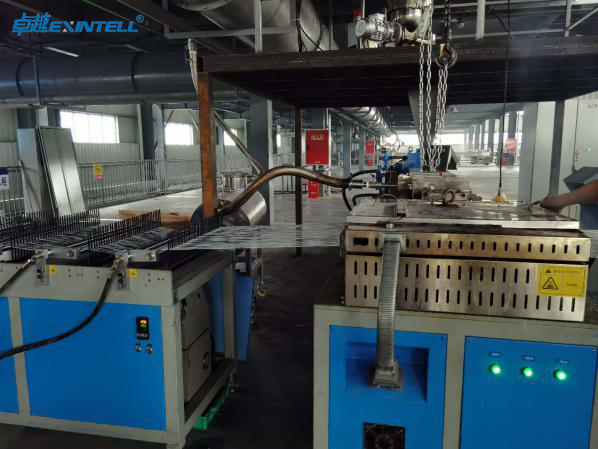
Jakmile jsou vyřešeny otázky polymeru a kontaminace, zadávání zakázek se snižuje na čtyři čísla, spolu, říct, co vlastně stroj umí. Vždy trvám na tom, abych viděl všechny čtyři ve vzájemném vztahu, protože každý v izolaci je zavádějící. Velký šroub se slabým kroutícím momentem nefunguje správně; vysoký točivý moment na krátké hlavní omezuje to, jaké složení můžete dělat. Samotný trh je velký a roztříštěný, the ENF Recycling Directory (2024) samotné seznamy 191 výrobci vytlačovacích zařízení, včetně 127 vícešroubové a 104 jednošroubovníci, takže disciplinované srovnání specifikací je to, jak prolomíte hluk.
Průměr šroubu a poměr L/D
Průměry šroubů u standardních modelů se běžně pohybují od 22 mm do 50 mm a více, s mnohem většími výrobními linkami. Průměrové váhy s průchodností, ale poměr L/D (délka hlavně dělená průměrem šroubu) říká, jakou práci stroj po této délce vykonává.
Zde je rozdíl, který zakopne mnoho kupujících: recyklační vytlačovací stroje pro všeobecné použití obvykle používají poměry L/D 1:24 na 1:30 (Xtrustar Machines, 2024), což bohatě stačí na tání, filtrování, a peletizace. Slučovací a reaktivní extruze, kde potřebujete dobu zdržení pro míchání předsměsi, plniva, nebo přísady, posunout L/D mnohem výše, do 40 na 80 řada specializovaných modulárních vytlačovacích systémů. Pokud prodejce uvádí L/D 80 pro jednoduchou práci z láhve na pelety, platíte za schopnost, kterou nikdy nevyužijete.
Hustota točivého momentu: Skutečná míra kapacity
Hustota točivého momentu, vyjádřeno v Nm/cm3, is the specification I trust most for predicting mixing capability and sustained output on a twin screw extruder. It normalizes torque against screw volume, so you can compare machines of different sizes fairly. POUŽÍVEJTE (2024) reports torque density up to 15 Nm/cm3 across its 2,500+ twin screw extruder lines running in 70+ zemí, with scalability to 60 t/h. High torque density means the machine can drive high-viscosity, highly filled recyclate at high output without stalling. For demanding compounding extruder work, I weight torque density heavily.
Výstup: From Lab Bench to Production Floor
Output is the number everyone quotes first, and the one that spans the widest range. Twin screw extruder product data shows models running from roughly 10-15 kg/h on lab units up to about 150 kg/h on mid-size machines (Twin Screw Extruder Manufacturer Product Data, 2024), while full high output extrusion production lines scale to 60 t/h. Kapitálový závazek se odpovídajícím způsobem upraví: Plastic Recycling Inc. investoval $10 milionů ve dvou systémech extruderů ke směsi 200 milionů liber recyklované pryskyřice ročně (Výroba strojů na plasty, 2024), což je užitečná kotva pro to, co kapacita v průmyslovém měřítku skutečně stojí.
Srovnávací tabulka specifikací a výstupů
Níže uvedená tabulka mapuje typické úrovně specifikací na úlohy, které vyhovují. Postavil jsem to jako výchozí bod pro užší výběr zakázek, ne jako náhrada za nabídky specifické pro dodavatele, ale odráží rozsahy, které vidím u současných výrobců recyklovaných extruderů.
| Tier | Průměr šroubu | L/D poměr | Typický výstup | Nejvhodnější aplikace |
|---|---|---|---|---|
| Laboratoř / pilot | 22-26 mm | 1:24-40 | ~10-15 kg/h | R&D, formulační zkoušky, malé dávky předsměsi |
| Malá výroba | 35-45 mm | 1:24-1:30 | ~150-500 kg/h | Obecná recyklace, HDPE/PP peletizace, rekultivace na jednom místě |
| Středně velké složení | 50-75 mm | 1:40-1:52 | ~0,5-3 t/h | Složení recyklované pryskyřice, vyplněný PP, reaktivní extruze |
| Průmyslová linka | 75 mm a výše | 1:40-1:80 | Až ~60 t/h | Recyklační linka na klíč, velkoobjemové WPC, předsměs ve velkém měřítku |
Reading this table against your own throughput target and polymer mix is the fastest way to disqualify machines that are wrong for the job. A recycled plastic pelletizer sized for 500 kg/h will never economically feed a plant that needs multi-ton output, and an industrial compounding line is wasted capital on a small film reclaim operation. Match the four numbers to the work, then compare vendors within that tier on impurity tolerance, větrání, a celkové náklady na vlastnictví, the factors I cover elsewhere in this guide (China supplier listings a UET Machine specifications are useful reference points for current ranges).
Understanding Output Rates and Throughput Scalability
Když hodnotím recyklovaný extruder výrobce, the first question I ask is not “how big is the machine?” ale “jaké reálné kilogramy za hodinu to dodá mé skutečné surovině?” Výstup na typovém štítku a efektivní výstup jsou zřídka stejné číslo, a mezera je tam, kde většina rozpočtů na veřejné zakázky tiše krvácí. Podle mých zkušeností, mapování velikosti modelu na poctivou propustnost je tím nejužitečnějším cvičením, které může kupující provést, než cokoliv podepíše.
Mapování velikosti modelu na realistický výstup kg/h
Modely dvoušnekových extrudérů pokrývají široký pás. Jednotky laboratorního měřítka běžně pobíhají 10 na 15 kg/h, zatímco stroje střední velikosti dosahují zhruba 150 kg/h podle publikovaných údajů o produktu výrobce (Twin Screw Extruder Manufacturer Product Data, 2024). U průmyslového stropu, USEON uvádí škálovatelnost až 60 t/h přes jeho instalovanou základnu 2,500+ dvoušnekové vytlačovací linky v 70+ zemí, s hustotou točivého momentu až 15 Nm/cm³ (POUŽÍVEJTE, 2024). Zde záleží na hustotě točivého momentu: vyšší krouticí moment na jednotku objemu šroubu vám umožní protlačit více recyklované pryskyřice bez zastavení, proto to beru jako indikátor propustnosti, nejen specifikace trvanlivosti.
L/D poměr také formuje dosažitelný výkon. Univerzální recyklační vytlačovací stroje obvykle používají poměry L/D 1:24 na 1:30 (Xtrustar Machines, 2024). Delší válec poskytuje tavenině delší dobu zdržení pro míchání a odvětrání, což pomáhá s kontaminovanou recyklovanou surovinou, ale nezvyšuje automaticky průchodnost surovin. L/D čtu spíše jako páku kvality a devolatilizace než páku rychlosti.
Jak kvalita vstupních surovin ovlivňuje efektivní výkon
Zde se papírové specifikace setkávají s realitou. Jednošnekový extrudér s jmenovitým výkonem 300 kg/h na panenské pelety neudrží tuto rychlost na znečištěné, vločky s nízkou objemovou hustotou. Tolerance nečistot je rozhodující proměnnou. UET Machine hlásí recyklované extrudéry, které tolerují více 30% impurity content and use wear-resistant screens to reduce clogging (UET Machine, 2024). Čím více je vaše linka navržena pro kontaminaci, čím blíže efektivní propustnost zůstává propustnosti na typovém štítku. Když modeluji kapacitu, Slevuji jmenovitý výkon za kvalitu vstupní suroviny: čisté přebroušení PET nebo HDPE může běžet blízko spec, zatímco smíchaný post-spotřebitelský PP nebo LDPE film s jemnými částicemi a vlhkostí může způsobit významné snížení.
Makro kontext posiluje, proč na tomto inženýrství záleží. Méně než 10% veškerý plastový odpad se v současnosti recykluje (Instrukce, 2023), což znamená, že surovina, která se dostane do vašeho extrudéru, je často nejtěžší frakcí ke zpracování. Nákup za nedotčený vstup je chyba, kterou vidím opakovaně.
Laboratoř k pilotování až k úplnému škálování výroby
Doporučuji spíše postupnou cestu než jeden skok do plného rozsahu. Laboratorní jednotka (zhruba 10 na 15 kg/h) potvrzuje, že vaše specifická receptura směsi recyklované pryskyřice přežije proces vytlačovací granulace. Pilotní vedení potvrzuje odvzdušnění, filtrace taveniny, a peletizační chování na reprezentativních objemech. Teprve poté se zavazuji k plnému dimenzování výroby. Výhodou výběru výrobce s ucelenou modelovou rodinou je geometrická konzistence: souběžně se otáčející šnekové profily extrudéru, které se chovají předvídatelně při škálování, snižují riziko selhání pilotního receptu při výrobní rychlosti.
Plánovací kapacita kolem ročních cílů objemu pryskyřice
Výstup by měl být reverzně analyzován z vašeho ročního cíle, nebyl vybrán z katalogu. Plastic Recycling Inc. investoval $10 milionů ve dvou systémech extruderů ke směsi 200 milionů liber recyklované pryskyřice ročně (Výroba strojů na plasty, 2024). To číslo v překladu znamená zhruba 90,700 tun ročně, nebo o 11,600 kg/h na dvou linkách za předpokladu ~7 800 provozních hodin. Z toho plyne ponaučení, že redundance a předpoklady dostupnosti ovlivňují velikost stejně jako objem titulků. Vždy pracuji pozpátku: ročních tun, děleno reálnou provozní dobou, děleno faktorem dostupnosti, pak pufrována pro snížení obsahu suroviny. To vytváří efektivní cíl v kg/h, který předám dodavatelům.
Regulace teploty a energetická účinnost
Recyklované polymery jsou tepelně neúprosné. Kontaminanty mění chování taveniny vsádku na vsázku, a přehřátí degraduje řetězy, zatímco nedostatečné zahřátí zanechá neroztavená jádra. Přesná tepelná regulace je tedy kvalitním nástrojem i energeticky úspornou pákou, a hodnotím oba dohromady.
Vícezónové vytápění s PID řízením Udržení ±1°C Stabilita
Měřítko, které hledám, je těsné, verifiable stability. Plastic recycling extruder temperature control systems maintain stability within ±1°C using multi-zone PID controllers (Polyretec, 2024). Multi-zone heating lets me profile the barrel: gentler in the feed section to avoid premature melting, hotter in compression, and controlled in the metering and die zones. For sensitive materials like PVC and PPR, where the processing window is narrow, that ±1°C band is the difference between saleable recycled granules and scorched scrap. I ask every manufacturer to demonstrate zone-by-zone stability under load, not just at idle.
Variable Frequency Drives to Cut Energy Consumption
Variable frequency drives (VFDs) are the highest-leverage energy feature on a modern line. By matching motor speed to actual load rather than running fixed-speed, VFDs cut consumption during ramp, přechod, a provoz s částečnou zátěží, což ve skutečných recyklačních závodech představuje velký podíl doby běhu. Když porovnám energeticky úsporný extrudér s konvenčním, Hlavní pohony a podavače vybavené VFD trvale vykazují nižší specifickou spotřebu energie napříč variabilními surovinami.
Specifická spotřeba energie jako metrika celkových nákladů
Ošetřuji měrnou spotřebu energie (SEC), vyjádřeno v kWh na kilogram výkonu, jako nejpravdivější metrika účinnosti, protože normalizuje energii oproti skutečné produkci. Dva stroje se stejným výkonem motoru se mohou podstatně lišit v SEC v závislosti na konstrukci šroubu, izolace, a ovládání pohonu. Nad životem stroje, SEC často převáží kupní cenu v celkových nákladech na vlastnictví. Moje pravidlo: požádat o SEC v rámci reprezentativní recyklované suroviny, a buďte skeptičtí k hodnotám naměřeným pouze na panenské pryskyřici, since contaminated material and higher torque demand push real-world SEC upward.
Energy-Saving Barrel Insulation and Cooling Design
Barrel insulation is unglamorous and frequently underrated. Insulated barrels retain process heat, reducing the duty on band heaters and cutting standby losses. On the cooling side, well-zoned barrel cooling prevents overshoot without wasteful over-cooling that the heaters then have to fight. The best designs balance heating and cooling so the two systems are not working against each other, which is a subtle but real source of wasted energy in polymer processing machinery. When I inspect a line, I look for jacketed insulation and independently controlled cooling zones as evidence the manufacturer took SEC seriously.
Peletování, Granulating, and Line Configuration Options
Extrudér je pouze srdcem systému. Jak peletizujete, jaké pomocné prvky integrujete, a o tom, zda linka skutečně běží, rozhoduje to, zda si koupíte komponenty na klíč nebo zdrojové komponenty. Podle mých zkušeností, kupující, kteří jsou posedlí extrudérem a zanedbávají peletizátor a předřazené zařízení, skončí s drahým strojem, který nedokáže udržet jmenovitý výkon.
Pramen, Vodní prsten, a podvodní peletizační metody
Konfiguracím recyklovaných plastových peletizérů dominují tři způsoby peletizace, a každý se hodí pro jiný materiál a objemový profil. Níže uvedenou tabulku používám jako výchozí rámec pro rozhodování.
| Metoda | Nejlépe padnoucí materiály | Typická propustnost fit | Klíčový kompromis |
|---|---|---|---|
| Pramen (studený řez) | Vyčistěte PE, PP, inženýrské pryskyřice, předsměs | Nízká až střední | Jednoduché a nízké náklady, ale přetržení pramene narušují nepřetržitý chod na kontaminovaném krmivu |
| Vodní kroužek | PP, Přebroušení PE fólie, mírná kontaminace | Střední | Zvládá nestabilní taveninu lépe než pramen, s větším hospodařením s vodou než za studena |
| Pod vodou | PET, velkoobjemový HDPE, WPC, náročné sloučeniny | Vysoký | Nejvyšší výkon a rovnoměrnost pelet, ale vyšší kapitál a složitost |
Pro vysokovýkonnou vytlačovací PET linku, Přikláním se k podvodní peletizaci, protože zvládá nízkou pevnost taveniny recyklovaného PET a dodává jednotné granule. Pro menší provoz s LDPE fólií, water-ring je často pragmatická volba. Řezání pramenů zůstává vynikající pro čistotu, dobře roztříděné proudy a masterbatch práce, kde je konzistence pelet prvořadá.
Integrace drtičů, Vibrační síta, a Sušičky
Výrobní linka na granulaci plastů je řetěz, a jeho propustnost je omezena nejslabším článkem. Drtiče a drtiče musí podávat extruder rychlostí, která udrží šnek naplněný; vibrační síta odstraňují nadměrnou velikost a jemné částice, které by zanesly systém filtrace taveniny; sušičky regulují vlhkost, což je nesmlouvavé pro PET, kde zbytková voda pohání hydrolytickou degradaci. Trvám na dimenzování pomocných zařízení tak, aby mírně převyšovaly kapacitu extrudéru, takže zařízení proti proudu se nikdy nestane úzkým hrdlem. Toto je přesně ten druh integrovaného zařízení na recyklaci plastového odpadu, který TECNOVA popisuje, zpracování surovin z PET lahví na HDPE kontejnery s chytrou automatizací (TECNOVA Recyklace, 2024).
Dvoustupňové extrudéry pro vyšší ventilaci a kvalitu
Pro kontaminované nebo vlhké recyklované suroviny, dvoustupňová konfigurace extrudéru si vydělává na své náklady. První stupeň se roztaví a promíchá; dekompresní zóna s ventilací pak odvádí těkavé látky, vlhkost, a zachycený vzduch před druhým stupněm vytvoří tlak pro peletizaci. Výsledkem je méně dutin, lepší odplynění, a kvalitnější recyklované granule ze stroje na výrobu recyklovaných granulí, který by se jinak potýkal s materiálem po spotřebiteli. Při spárování s robustním měničem obrazovky, dvoustupňové odvětrávání je kombinace, kterou doporučuji každému, kdo provozuje variabilní, šrot ze skutečného světa spíše než čisté průmyslové přebroušení.
Linka připravená k provozu na klíč vs. Sourcing komponent
Konečným rozhodnutím o konfiguraci je strategie nákupu. Integrovaná recyklační linka na klíč, pověřen, a garantováno jako jeden systém, což zkracuje dobu rampy a poskytuje jednoho odpovědného partnera. Sourcing komponent vám umožní najít nejlepší drtiče ve své třídě, extruder, a peletizátor, často za nižší cenu, ale nesete integrační riziko. Trh je hluboký na obou cestách: seznam recyklačního adresáře ENF 191 výrobci vytlačovacích zařízení, včetně 127 vícešroubové a 104 jednošroubovníci (ENF Recyklační adresář, 2024), takže kupující mají skutečný výběr na obou trasách.
Sourcing geografie se prolíná s tímto rozhodnutím. Čínské tovární získávání extruderů může ušetřit minimálně 35% nebo více versus alternativy (UDTECH, 2024), což je smysluplné, i když to vždy zvažuji s dodací lhůtou, tarify, a odezva služby. Pro kupující, kteří upřednostňují podporu zavedené značky, top dvoušnekový extrudér uvádí výrobce pro 2025-2026 patří Coperion, Leistritz, Milacron, KraussMaffei, JSW, a Battenfeld-Cincinnati (Blog UDTECH, 2026). Moje vedení je neutrální: vyberte si na klíč, když nejvíce záleží na rychlosti a jednobodové odpovědnosti, a vyberte si zdroje komponent, když vnitropodnikové inženýrství dokáže řídit integraci a stlačit náklady. Buď jak buď, ověřte možnosti dodavatele přímo proti skutečným údajům o produktu, než se zavážete (vidět Čína recykluje plastové extrudéry a specifikace průmyslového recyklačního extrudéru). Výrobce plastových extruderů
Recycled Extruder Manufacturers in the USA
When I begin a sourcing project for a North American buyer, I start close to home. The domestic base for recycled extrusion equipment is smaller than most people expect, but it is established and technically credible. The ENF Recycling Directory lists 191 extrusion equipment manufacturers globally, spanning 127 vícešroubové a 104 jednošroubovníci (ENF Recyklační adresář, 2024), and only a fraction of those maintain full manufacturing and service operations inside the United States. That scarcity shapes the entire domestic value proposition.
A limited but established domestic base
US-based makers and compounders tend to compete on service depth rather than unit count. Podle mých zkušeností, the practical advantage of buying domestically shows up after commissioning, when a screw and barrel wears, a melt filtration system needs retrofitting, or a screen changer jams. A supplier in the same time zone, shipping spares without customs delay, materially reduces downtime on a plastic recycling extruder machine.
US compounders investing in recycled resin capacity
The domestic story is increasingly about capacity, not just repair. Plastic Recycling Inc. investoval $10 milionů ve dvou systémech extruderů ke směsi 200 milionů liber recyklované pryskyřice ročně (Výroba strojů na plasty, 2024). Investments of that scale signal that recycled resin compounding is moving from niche to mainstream in the US, and equipment demand for PET, HDPE, LDPE, and PP granulating lines follows that momentum. When I evaluate a domestic compounding extruder, I read this as a sign that the supporting ecosystem, from feedstock to aftermarket parts, is maturing.
When local sourcing justifies a price premium
Domestic equipment usually carries a higher sticker price, and I do not pretend otherwise. Tuto prémii mohou ospravedlnit dva faktory. První, domácí výrobci nabízejí rychlejší podporu a nenesou žádná dovozní cla, což zkracuje celkovou dobu realizace a odstraňuje vrstvu nejistoty souvisejících nákladů. Druhý, pro kupující provozující výrobu just-in-time nebo s omezenými smluvními dodacími lhůtami, neplánované šestitýdenní čekání na zámořský náhradní díl může stát více než celý cenový rozdíl. Pokud je riziko výpadku vysoké, doporučuji místní zdroje, propustnost je kritická, nebo linka zpracovává komplexní reaktivní vytlačování nebo masterbatch práci, která těží z praktického inženýrství dodavatele.
Čína a globální výrobci recyklovaných extrudérů
Mimo USA, v mém užším výběru dominují dvě různé úrovně dodavatelů: economical Chinese OEM/ODM factories and premium global engineering houses. Each solves a different procurement problem, and I match them to the buyer’s tolerance for risk, rozpočet, and service expectations.
China factories: economical pricing and broad OEM/ODM options
Chinese factories compete aggressively on price and configurability. Čínské tovární získávání extruderů může ušetřit minimálně 35% nebo více versus alternativy (UDTECH, 2024), and the OEM/ODM flexibility is genuinely broad. I regularly see product models ranging from roughly 10 na 15 kg/h on lab units up to about 150 kg/h on mid-size machines (Twin Screw Extruder Manufacturer Product Data, 2024), with recycling-specific engineering built in. UET Machine recycled extruders, například, tolerate over 30% impurity content and use wear-resistant screens to reduce clogging (UET Machine, 2024), which matters when feedstock is contaminated post-consumer scrap. For a recycled plastic pelletizer or a turnkey recycling line covering PVC, PPR, PE, nebo WPC, this tier delivers strong value.
Global leaders and installed-base credibility
At the premium end, the recognized global leaders are consistent across industry lists. Top twin screw extruder manufacturer rankings for 2025-2026 patří Coperion, Leistritz, Milacron, KraussMaffei, JSW, a Battenfeld-Cincinnati (Blog UDTECH, 2026). These names anchor most curated top-20 lists for 2025 as well. What I pay for with these builders is proven co-rotating extruder design, precise polymer processing machinery, and documented reliability at high output extrusion rates.
Installed base is a credibility signal I weigh heavily. USEON reports 2,500+ twin screw extruder lines running in 70+ zemí, s hustotou točivého momentu až 15 Nm/cm3 and scalability to 60 t/h (POUŽÍVEJTE, 2024). Thousands of lines across dozens of countries tells me a supplier has survived real production conditions, not just controlled demos. Temperature stability is another differentiator worth verifying: some recycling extruder control systems maintain stability within +/-1C using multi-zone PID controllers (Polyretec, 2024), which protects sensitive recycled resin compounding.
Evaluating export experience and English-language support
Price and specs are only half the decision. Než se zavážím k jakémukoli zahraničnímu dodavateli, Hodnotím přímo exportní zkušenosti a anglickou podporu. Žádám o referenční instalace v mém regionu, potvrdit kvalitu dokumentace, a otestujte rychlost odezvy během předprodeje. Továrna, která odpovídá na technické otázky jasně v angličtině a pravidelně odesílá zásilky do mé země, představuje mnohem nižší riziko než továrna, která nabízí o něco levnější nabídku s tenkou podporou. Prodejci jako TECNOVA, jejíž recyklační vytlačovací linky zpracovávají surovinu z PET lahví až po HDPE nádoby s chytrou automatizací (TECNOVA Recyklace, 2024), ilustrují hloubku automatizace, kterou hledám v modulárním vytlačovacím systému.
Sourcing Čína vs USA: Náklady, Dodací lhůta, a Tarify
V rozhodnutí Čína versus USA vidím, že kupující dělají chyby, kterým se lze nejvíce vyhnout, usually by anchoring on the upfront quote and ignoring Screw Extruder Suppliers landed cost. The honest tradeoff is between a large price advantage on one side and faster, tariff-free service on the other.
The upfront price gap and where it erodes
The imported price advantage is real and can exceed 35% in favor of Chinese equipment (UDTECH, 2024). That gap, však, erodes across freight, installation logistics, and trade policy exposure. Ocean freight for a heavy plastic granulating production line, port handling, inland transport, and on-site installation all add cost and weeks of calendar time. Trade policy and tariff exposure on imported equipment can further narrow the delta, and tariff schedules change, so I always price the current rate rather than assume last year’s figure.
Balancing landed cost against service response
My rule is to model total cost of ownership, not purchase price. Počítám s nákladem, tarify, spare-parts lead time, expected downtime, and energy consumption on an energy-saving extruder over its service life. When downtime is cheap and the line is not on a critical path, the import savings usually win. When a single day of stopped production costs more than the price gap, domestic service response justifies the premium. The comparison below summarizes how I weigh the two paths.
| Faktor | USA Sourcing | China Sourcing |
|---|---|---|
| Upfront equipment price | Vyšší (baseline) | Spodní; savings can exceed 35% (UDTECH, 2024) |
| Dovozní tarify | Žádný | Applicable; rates vary by policy and HTS code |
| Dodací lhůta | Kratší; žádná námořní přeprava ani clo | Delší; add freight, port handling, inland transport |
| Spare parts and service | Rychle, stejné časové pásmo, no customs on parts | pomaleji; parts subject to shipping and customs delay |
| OEM/ODM configurability | Solid, often at premium engineering cost | Very broad across PET, HDPE, LDPE, PP, PVC, PPR |
| Nejlépe sedí | Critical-path, low downtime tolerance | Cost-sensitive projects with schedule flexibility |
Neither path is universally correct. I choose based on the buyer’s downtime economics and schedule, then verify current tariff rates and supplier service commitments before signing. For a broader sense of the Chinese supplier field, buyer-facing directories such as recycled extruder manufacturer listings on Made-in-China a direct-from-factory options like UDTECH are reasonable starting points for gathering quotes to model against a domestic baseline.
Certifications and Quality Standards That Matter
When I vet a Recycled Extruder Manufacturer, I treat certifications as filters, not guarantees. They tell me a supplier has cleared a baseline of process discipline, but they never replace a factory audit. Nejprve hledám čtyři signály: označení CE, ISO 9001, a kontrolní zprávy třetích stran od SGS nebo Bureau Veritas (BV). Každý odpovídá na jinou otázku, a vědět, co každý dělá a co ne, mi brání v přeplácení odznaku.
Co CE, ISO 9001, SGS, and BV Actually Certify
Označení CE znamená, že stroj je prohlášen za vyhovující platným směrnicím EU, nejdůležitější je zde směrnice o strojních zařízeních o ostraze, nouzové zastávky, a elektrickou bezpečnost. Co CE nedělá, je ověření výstupní kvality nebo nároků na propustnost. Jde o vlastní prohlášení podložené technickou dokumentací, takže vždy žádám o zobrazení tohoto souboru, než o přijetí loga na štítku.
ISO 9001 potvrzuje, že výrobce provozuje dokumentovaný systém řízení kvality. Říká mi to, že továrna má opakovatelné procesy pro přezkoumání návrhu, vstupní kontrola materiálu, a nápravná opatření. Neříká nic o tom, zda konkrétní dvoušnekový extrudér dosáhne své jmenovité hodnoty 150 kg/h. Myslete na ISO 9001 jako důkaz důslednosti, ne výkon.
Zprávy SGS a BV jsou ty, které si vážím nejvíce, protože jde o nezávislé kontroly vázané na konkrétní zakázku nebo továrnu. Zpráva SGS před odesláním o vašem skutečném stroji, s fotografiemi šneku a válce extrudéru, systém filtrace taveniny, a zkušební jízda svědkem, je cennější než jakýkoli certifikát visící na zdi.
Ověřování nároků pomocí auditů a tovární dokumentace
Podle mých zkušeností, propast mezi marketingem a realitou se nejrychleji uzavírá se třemi dokumenty. První, certifikovaný kusovník s názvem převodovky, motor, a značky PID regulátorů. Druhý, protokol o továrním přejímacím testu ukazující provozní podmínky vaší pryskyřice, zda je to PET, HDPE, LDPE, PP (polypropylen), PVC, nebo PPR. Třetí, návod na údržbu a náhradní díly. If a supplier resists sharing these before deposit, I treat that as a warning about their turnkey recycling line documentation overall.
I also cross-check installed-base claims. POUŽÍVEJTE, například, zprávy 2,500+ twin screw extruder lines running across 70+ zemí (POUŽÍVEJTE, 2024). Numbers like that are easy to state and worth confirming with reference customers who process feedstock similar to yours.
Compliance Requirements for US Installation and Safety
A CE-marked machine is not automatically compliant for a US floor. For North American installation I plan for UL or a Nationally Recognized Testing Laboratory listing on the electrical panel, NFPA 70 (NEC) wiring conformance, and OSHA machine-guarding expectations under 29 CFR 1910. Voltage and frequency also differ, so I confirm the control package is built for 480V/60Hz rather than 400V/50Hz. Retrofitting a European panel after arrival is one of the most common hidden costs I see buyers absorb, and it is avoidable by specifying US compliance in the purchase contract.
Celkové náklady na vlastnictví: Beyond the Sticker Price
The purchase price of a plastic recycling extruder machine is usually 30 na 50 percent of what you will actually spend over its first decade. I model total cost of ownership before I compare quotes, because the cheapest quote frequently carries the highest lifetime cost. Four categories drive that math: energie, opotřebitelné díly, prostoje, and spare parts logistics.
Energie, Wear Parts, and Screen Changes Over Years
Energy is the largest recurring line item. On a continuously running compounding extruder, electricity often exceeds the machine cost within a few years, proto se energeticky úsporný extrudér s účinným ohřevem a správně dimenzovaným motorem tiše vrací. Důležitá je zde také precizní regulace teploty; systémy, které udržují stabilitu v rozmezí ±1°C pomocí vícezónových PID regulátorů (Polyretec, 2024) plýtvejte méně energií při přestřelování a produkujte konzistentnější recyklované granule.
Opotřebitelné díly jsou druhým řidičem. Šnek a válec extrudéru degradují rychleji na kontaminované recyklované surovině než na původní pryskyřici. Stroje stavěné pro peletizaci odpadních plastů to řeší přímo. UET Machine hlásí návrhy, které tolerují více 30% impurity content and use wear-resistant screens to reduce clogging (UET Machine, 2024). Výměna síta je rutinní náklad na granulaci vytlačováním na znečištěných proudech, tak jsem rozpočet na obrazovky balení a, ideálně, automatický měnič obrazovky, který umožňuje lince pokračovat ve změně.
Náklady na prostoje způsobené ucpáním a neplánovanou údržbou
Unplanned downtime is where thin margins disappear. If a melt filtration system clogs and forces a stop, you lose output, práce, and often a full purge cycle. I quantify this by estimating hours of lost production times the contribution margin per hour, then comparing that against the premium for better filtration and screen automation. On a high-output extrusion line, avoiding even a handful of unplanned stops per year usually justifies the upgrade.
Spare Parts Lead Time and Screw/Barrel Replacement
Spare parts lead time is the quiet risk in cross-border sourcing. A screw and barrel replacement on an overseas machine can mean weeks of shipping on top of manufacturing time. This is a real tradeoff in the China-versus-USA decision: China factory sourcing can save a minimum of 35% nebo více versus alternativy (UDTECH, 2024), ale tato úspora rychle eroduje, pokud kritická součást leží na kontejneru měsíc. Zmírním to tím, že při nákupu vyjednám sadu náhradních dílů a ověřím, zda místní servisní partneři mohou obrábět nebo získávat spotřební materiál.
| Kategorie nákladů | Podíl 10letých TCO | Primární ovladač |
|---|---|---|
| Nákup stroje | 30–50 % | Velikost, točivý moment, automatizace |
| Energie | 25–40 % | Velikost motoru, tepelná účinnost, provozní hodiny |
| Opotřebitelné díly (šroub, hlaveň, obrazovky) | 10–20 % | Úroveň nečistot vstupní suroviny |
| Prostoje a práce údržby | 5–15 % | Kvalita filtrace, automatizace obrazovky |
| Logistika náhradních dílů | 2–8 % | Zdrojová vzdálenost, naskladněné soupravy |
Tato rozmezí jsou plánovacími odhady, ne údaje o prodejcích. Přepočítávám je se skutečnými sazbami za užitné hodnoty a maržemi pryskyřice pro každý projekt, protože linka s PET vločkami se chová velmi odlišně od jedné směsi WPC nebo předsměsi.
How Much Does a Recycled Plastic Extruder Cost?
The honest answer is that a Recycled Extruder Manufacturer price spans two orders of magnitude, so any single number is misleading. What I can offer is a framework: understand the price drivers, know the budget bands for lab versus production scale, and calculate payback against your recycled resin margin.
Price Drivers: Velikost, Točivý moment, Automatizace, and Line Complexity
Four factors move the number most. Size and throughput set the baseline, since a machine rated for 15 kg/h and one rated for 150 kg/h are structurally different builds (Twin Screw Extruder Manufacturer Product Data, 2024). Torque density is next; a co-rotating extruder with high specific torque handles demanding recycled resin compounding and reactive extrusion but costs more, with premium platforms reaching torque density up to 15 Nm/cm³ and scalability into tons per hour (POUŽÍVEJTE, 2024). Automation is the third driver, covering PID thermal control, automatic screen changers, and integrated controls. The fourth is line complexity: a bare extruder is one price, while a plastic granulating production line with washing, sušení, peletizace, and a turnkey control system is another entirely.
Lab Units vs Full Production Line Budget Ranges
For planning, I group budgets into three tiers. A lab or pilot single screw extruder for R&D and small batches sits at the entry level. A mid-size twin screw extruder for steady commercial waste plastic pelletizing sits in the middle. A full turnkey recycling line with front-end washing and back-end pelletizing sits at the top. The market is deep at every tier: seznam recyklačního adresáře ENF 191 výrobci vytlačovacích zařízení, včetně 127 vícešroubové a 104 jednošroubovníci (ENF Recyklační adresář, 2024), takže konkurenční nabídky jsou k dispozici v každém pásmu, pokud jasně specifikujete.
Příklad Kapitálové měřítko: $10M pro dva systémy
K uzemnění horní části rozsahu, považovat za skutečný referenční bod. Plastic Recycling Inc. investoval $10 milionů ve dvou systémech extruderů ke směsi 200 milionů liber recyklované pryskyřice ročně (Výroba strojů na plasty, 2024). To je zhruba $5 milionů na systém ve skutečném výrobním měřítku, a přeformuluje otázku z “kolik stojí extrudér” na “jaký výkon a spolehlivost kupuji.” Při té hlasitosti, kapitál je odůvodněn propustností a dobou provozuschopnosti, ne podle nálepky na stroji.
Výpočet návratnosti vůči maržím recyklované pryskyřice
Buduji odplatu zdola nahoru. Roční produkce v tunách vynásobená marží mezi vaší prodejní cenou recyklované pryskyřice a vaším vstupem plus náklady na zpracování poskytuje roční příspěvek. Vydělení instalovaného kapitálu tímto příspěvkem poskytuje hrubou návratnost v letech, pak to zátěžově otestuji proti prostojům a energii z modelu TCO výše. Protože méně než 10% veškerý plastový odpad se v současnosti recykluje (Instrukce, 2023), suroviny jsou obecně dostupné a marže na recyklovaných granulích mohou podporovat agresivní návratnost, když linka běží spolehlivě.
Financování a strategie postupného škálování
Ne každý kupující musí vložit celý kapitál najednou. Často doporučuji fázové škálování: začněte s jedním modulárním vytlačovacím systémem dimenzovaným na potvrzenou poptávku, dokázat ekonomiku, poté přidejte paralelní linku, jakmile to objemy a smlouvy o odběru odůvodní. Financování nebo leasing zařízení rozkládá kapitál a uchovává provozní kapitál pro vstupní suroviny. Tento postupný přístup také snižuje riziko rozhodnutí o zdroji, protože si můžete ověřit servis a odezvu výrobce na náhradní díly na řádku jedna, než vsadíte závod na řádek dva. You can compare current model ranges and pricing directly with suppliers through directories such as Made-in-China’s recycle plastic extruder listings and factory-direct sources like UDTECH before finalizing a shortlist.
Automatizace, Ovládací prvky, and Smart Monitoring
Když hodnotím recyklovaný extruder výrobce, the control architecture tells me almost as much as the screw geometry. Recycled feedstock is inconsistent by nature, so the machine’s ability to sense and correct in real time is what separates a line that produces uniform pellets from one that produces scrap. Podle mých zkušeností, buyers who focus only on throughput specifications and ignore the controls end up paying for that oversight in downtime and off-spec granules.
PLC control versus manual and semi-automatic systems
Trh stále nabízí tři široké vrstvy, a každý má legitimní případ použití. Manuální systémy spoléhají na úsudek operátora, pokud jde o nastavené hodnoty teploty a rychlost šroubu, což udržuje kapitálové náklady nízké, ale kvalita výstupu závisí na osobě v panelu. Poloautomatické linky automatizují sekvenci vytlačování jádra při opuštění spouštění, čištění, a obrazovka se změní na operátora. Celý proces řídí plně počítačové řízení PLC, od krmení přes peletizaci, se správou receptur, která ukládá parametry podle typu pryskyřice.
Pro vytlačovací stroj na recyklaci plastů provozující smíšený post-spotřebitelský materiál, Úplné řízení PLC doporučuji téměř v každém případě. Samotná paměť receptur odůvodňuje náklady při přechodu mezi PET, HDPE, a Plastový extrudovaný výrobek PP proudy, protože každý polymer potřebuje odlišný tepelný a smykový profil. A manual line forces the operator to rebuild those settings from memory on every changeover, and that is where variability creeps in.
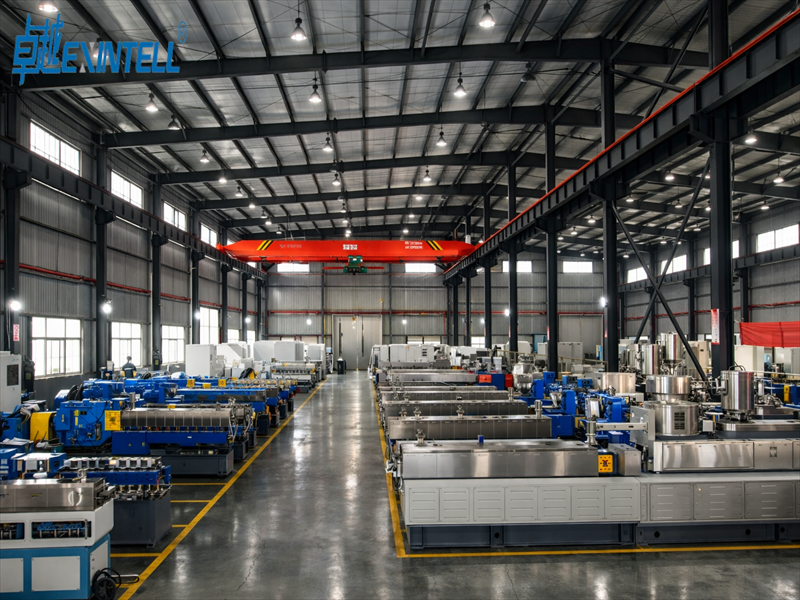
Real-time monitoring of temperature, točivý moment, and output
The three variables I watch most closely are melt temperature, screw torque, and mass output. Torque is the early-warning system for a recycled line: a sudden spike usually means contamination or an under-melted charge, and catching it before it stalls the drive protects both the gearbox and the screw. Polyretec reports that recycling extruder temperature control systems can hold stability within +/-1C using multi-zone PID controllers (Polyretec, 2024), and that tolerance matters when you are compounding heat-sensitive recyclate that degrades under thermal excursions.
Output monitoring closes the accounting loop. Gravimetrické podavače spárované s kontrolou po proudu umožňují PLC potvrdit, že hmota vstupující do sudu odpovídá peletám opouštějícím peletizér, který příznaky úniky, ventilační ztráty, nebo přemostění krmiva a hrdla bez ruční kontroly vážení.
Zpětná vazba s uzavřenou smyčkou pro konzistentní kvalitu pelet
Řízení s uzavřenou smyčkou je místo, kde se moderní stroje na zpracování polymerů udržují. Místo držení pevné rychlosti šroubu, regulátor upravuje rychlost a rychlost posuvu tak, aby krouticí moment a tlak taveniny zůstaly v cílovém pásmu. Pro míchání recyklované pryskyřice, toto je mechanismus, který poskytuje konzistentní sypnou hustotu a velikost pelet, běh po běhu, i když se příchozí šrot liší. Když recenzuji citát, Ptám se konkrétně, zda je zpětná vazba skutečně uzavřená smyčka nebo jednoduše protokolování dat s alarmy, protože to jsou velmi odlišné funkce prodávané pod podobným jazykem.
Prediktivní údržba a vzdálená diagnostika
Vzdálená diagnostika se posunula z prémiové možnosti na základní očekávání u vysokovýkonných vytlačovacích linek. Vibrace a trendy čerpání proudu umožňují týmu podpory výrobce, nebo svůj vlastní personál údržby, předvídat opotřebení ložisek a převodovky před poruchou. TECNOVA, například, umísťuje své recyklační vytlačovací linky kolem chytré automatizace napříč surovinami od PET lahví po HDPE nádoby (TECNOVA Recyklace, 2024). Praktickou odměnou je méně neplánovaných zastávek a možnost naplánovat servis obrazovek a šroubů během plánovaných oken spíše než uprostřed směny. Vzdálený přístup beru také jako bezpečnostní rozhodnutí: potvrďte, že jakékoli vzdálené diagnostické spojení je ověřeno a segmentováno v síti, protože otevřené průmyslové spojení je skutečnou expozicí na úrovni závodu.
Linky na vytlačování polypropylenu a speciálních polymerů
Polypropylen si zaslouží vlastní diskusi, protože jeho reologie a tepelné okno se významně liší od polyolefinů, jako je HDPE a LDPE. Výrobce recyklovaných extruderů, který považuje PP za zaměnitelný s PE, má tendenci poskytovat neuspokojivou homogenitu taveniny. Mimo PP, speciální segment zahrnuje technické plasty, reaktivní chemie, a kompozity z přírodních vláken, a každý táhne konstrukci stroje jiným směrem.
Šroubové a tepelné profily specifické pro PP
PP (polypropylen) má úzké okno zpracování a chování citlivé na smyk, so I look for a screw with a gentle compression profile and controlled mixing zones rather than aggressive high-shear elements. General purpose recycling extrusion machines commonly run L/D ratios between 1:24 a 1:30 (Xtrustar Machines, 2024), and for PP I favor the longer end of that range to give the melt adequate residence time for uniform temperature without overheating. Multi-zone barrel heating with tight PID control keeps the profile inside the window that avoids chain scission and the resulting loss of mechanical properties.
Masterbatch and filler compounding with recyclate
Compounding masterbatch and mineral filler into recyclate is one of the most common jobs I spec twin screw extruder lines for. Ko-rotující dvoušneková geometrie poskytuje distribuční a disperzní míchání, kterému se jednošnekové extrudéry nemohou rovnat pro disperzi pigmentu a přísad. USEON uvádí více než 2,500 dvoušnekové extruderové linky běžící přes 70 zemí, s hustotou točivého momentu až 15 Nm/cm3 and scalability to 60 t/h (POUŽÍVEJTE, 2024), který ilustruje rozsah, který je k dispozici, jakmile se zavážete k architektuře se dvěma šrouby pro skládání. Boční podavače pro plniva a více odvzdušňovacích stanic udržují taveninu čistou a odplyněnou během míchání recyklované pryskyřice.
Technické plasty a potřeby reaktivního vytlačování
Technické polymery a reaktivní vytlačování zvedají laťku tepelné kontroly, točivý moment, a větrání. Reaktivní extruze využívá extruder jako kontinuální reaktor, takže vyžaduje přesné řízení doby zdržení, robustní vakuové odvětrání pro odstranění těkavých látek, a korozivzdorné povrchy hlavně a šroubů. Pokud váš plán zahrnuje reaktivní chemii nebo vysokoteplotní technické plasty, potvrďte, že výrobce může dodat modernizovanou metalurgii a další ventilační otvory, protože dodatečná montáž je později nákladná.
Biologicky odbouratelné a WPC směsi
Kompozit dřevo-plast (WPC) a biologicky odbouratelné sloučeniny přinášejí svá vlastní omezení. WPC linky potřebují nízkou teplotu, vysoce výkonné profily, které zabraňují popálení přírodního vlákna, plus součásti odolné proti opotřebení pro zvládnutí zátěže abrazivního plniva. Biologicky odbouratelné polymery, jako jsou směsi na bázi PLA, jsou vlhkostí- a citlivé na teplo, takže devolatilizace a šetrná tepelná manipulace se stávají prioritami. Výrobce, který se vážně zabývá plastovými zařízeními pro oběhové hospodářství, by měl být schopen ukázat konfiguraci WPC nebo biosloučeniny, nejen standardní polyolefinová řada přeznačená.
Odpovídající speciální potřeby typu stroje
Níže uvedená tabulka mapuje běžné recyklované a speciální aplikace na konfiguraci šroubů, kterou bych specifikoval, a zdůvodnění za tím.
| Aplikace | Doporučený stroj | Klíčová priorita designu | Typický výstupní rozsah |
|---|---|---|---|
| Čisté jednopryskyřičné repeletizace (PE, PP) | Jednošnekový extrudér | Nízké náklady na kg, jednoduchá obsluha | Laboratorní jednotky ~10-15 kg/h až ~150 kg/h střední velikosti (Údaje o produktu, 2024) |
| Předsměs a míchání plniv | Souběžně rotující dvoušnekový extrudér | Disperzní míchání, boční krmení, větrání | Škálovatelné na 60 t/h na velkých tratích (POUŽÍVEJTE, 2024) |
| Směs PP recyklátu | Dvojitý šroub, L/D 1:28-1:30 | Jemná komprese, těsné tepelné okno | Závislý na modelu |
| Reaktivní extruze / technické plasty | Dvojitý šroub s podtlakovým odvzdušňováním | Kontrola pobytu, korozní metalurgie | Závislý na modelu |
| WPC a biologicky odbouratelné sloučeniny | Dvojitý šroub, prvky odolné proti opotřebení | Nízkoteplotní profil, devolatilizace | Závislý na modelu |
| Silně kontaminovaný spotřební šrot | Jednoduchý nebo dvojitý šroub s filtrací taveniny | Impurity tolerance, měniče obrazovky | Toleruje 30%+ nečistota (UET Machine, 2024) |
Jak hodnotit spolehlivého výrobce recyklovaného extrudéru
Trh je přeplněný. Pouze ENF Recycling Directory uvádí 191 výrobci vytlačovacích zařízení, včetně 127 vícešroubové a 104 jednošroubovníci (ENF Recyklační adresář, 2024). Seřadit spolehlivého partnera od makléře, který zasílá generické vybavení, je nejtěžší část tohoto nákupu, proto používám spíše strukturovaný kontrolní seznam, než abych reagoval na prodejní tvrzení. Následuje neutrální rámec zadávání zakázek, není to téma pro žádnou značku.
Kontrola nainstalované základny, reference, a případové studie
Instalovaná základna je můj první filtr. Výrobce s tisíci běžícími linkami byl nucen řešit terénní problémy, se kterými se novější dodavatel ještě nesetkal. Pojmenované reference jsou na webu důležitější než loga. Žádám dva nebo tři zákazníky provozující konfiguraci blízko mé a kontaktuji je. Konkrétní nasazení nese váhu: Plastic Recycling Inc. investoval $10 milionů ve dvou systémech extruderů ke směsi 200 milionů liber recyklované pryskyřice ročně (Výroba strojů na plasty, 2024), and case studies at that scale reveal how a manufacturer performs on commissioning, ramp-up, a podporu.
Assessing engineering support and process expertise
A recycled extruder manufacturer supplier should be able to discuss your specific feedstock, not just quote a catalog model. I probe how they handle impurity tolerance, větrání, and screen changers, because those are the recycling-specific details generalists gloss over. UET Machine, například, states its recycled extruders tolerate over 30% impurity content and use wear-resistant screens to reduce clogging (UET Machine, 2024). When a supplier can explain why a particular melt filtration system suits my contamination level, I know I am talking to engineers rather than resellers. I also ask them to model total cost of ownership, since energy draw, wear-part replacement, and downtime over a decade routinely dwarf the purchase price.
Tovární audity, testing before shipment, and warranties
I do not buy high-value extrusion granulation equipment without a factory acceptance test. Ideally I run my own scrap through the machine, or send a representative sample, and verify pellet quality and rated output before shipment. A remote video audit is the minimum when travel is not feasible. On sourcing geography, the tradeoffs are real: Čínské tovární zdroje mohou ušetřit 35% nebo více versus alternativy (UDTECH, 2024), but that saving must be weighed against longer lead times, expedice, and potential tariffs. Established Western and Japanese names such as Coperion, Leistritz, Milacron, KraussMaffei, JSW, and Battenfeld-Cincinnati appear consistently on 2025-2026 leader lists (Blog UDTECH, 2026) and typically offer faster regional support at a higher price. Neither path is universally correct; the right answer depends on your uptime tolerance and total cost model. Whatever the origin, I insist on a clear warranty covering the gearbox, šroub, and barrel, with defined response times for parts and service.
Red flags in specs, certifikací, a komunikace
A few warning signs reliably predict trouble. Vague throughput figures with no stated resin or L/D ratio suggest the numbers are aspirational rather than tested. Missing or unverifiable certifications, particularly for the electrical and control systems, are a serious concern on equipment that will operate continuously. Slow, evasive answers to direct engineering questions during the sales phase only get worse after the money changes hands. And a quote that omits wear parts, instalace, and commissioning is not actually cheaper, it just hides the cost. Given that less than 10% veškerý plastový odpad se v současnosti recykluje (Instrukce, 2023), the demand for capable recycled granules making machines is only growing, which means more suppliers are entering the space and more diligence is required to separate substance from marketing.
A practical evaluation scorecard
The table below summarizes the criteria I score every candidate against before signing.
| Kritérium | What to verify | Červená vlajka |
|---|---|---|
| Installed base | Number of running lines, let v provozu | No verifiable deployments |
| Reference | Contactable customers with similar configuration | Only anonymous testimonials |
| Process expertise | Feedstock-specific screw, větrání, filtration advice | Catalog answers regardless of your material |
| Pre-shipment testing | Factory acceptance test with your scrap sample | Refusal to test before payment |
| Záruka a podpora | Coverage on drivetrain, defined response times | Short or ambiguous warranty terms |
| Celkové náklady na vlastnictví | Energie, opotřebitelné díly, downtime modeled over 10 let | Quote covers purchase price only |
| Sourcing tradeoff | Dodací lhůta, tarify, and regional service factored in | Price compared in isolation |
Run every prospective recycled extruder manufacturer through this framework and the field narrows quickly. The suppliers that answer each question with specifics, vítejte tovární audit, a model, náklady na celý životní cyklus jsou ty, které jsem zjistil, že dodávají výrobní linku na granulaci plastů, která funguje tak, jak bylo slibováno po léta. Pro širší kontext trhu, buyer-facing directories such as Seznam čínských recyklovaných plastových extruderů a zpracovat reference jako Přehled recyklačních extruderů Polyretec vám může pomoci vytvořit počáteční užší výběr před použitím této pečlivosti.
Kontrolní seznam pro nákup vašeho extrudéru
Když si sednu s kupcem, který se chystá dát šest nebo sedm čísel na recyklační linku, Konverzaci vždy zpomalím. Nejdražší chyby, které jsem viděl, nebyly způsobeny výběrem špatné značky. They were caused by skipping the definition work before anyone asked for a quote. A procurement process for a plastic recycling extruder machine is really a sequence of decisions, and each one narrows the field of legitimate suppliers. The checklist below is the same one I use in the field, and it is deliberately vendor-neutral.
Krok 1: Define feedstock, output target, and end product
Everything starts here. Before I compare a single spec sheet, I want three numbers and three material descriptions locked down. What polymer am I feeding, in what form, and how clean is it? A line built for washed PET flake behaves nothing like one built for post-industrial HDPE regrind or mixed LDPE film. Then I want a realistic hourly output target, and finally the end product: are we making recycled granules for resale, compounding masterbatch, or feeding a downstream sheet or pipe process?
This matters because the answers dictate machine architecture. Reactive extrusion and recycled resin compounding lean toward a co-rotating twin screw extruder, while simple waste plastic pelletizing of a single clean stream can often run on a single screw extruder at a lower capital cost. If your feedstock includes PP (polypropylen), PVC, PPR, or PE mixed together, you are in compounding territory whether you planned for it or not.
Krok 2: Request full spec sheets and reference contacts
I never accept a marketing brochure in place of an engineering spec sheet. A real specification lists screw diameter, L/D poměr, jmenovitý moment, installed motor power, topné zóny, venting configuration, and the melt filtration system. As a benchmark, recyklační vytlačovací stroje pro všeobecné použití obvykle používají poměry L/D 1:24 na 1:30 (Xtrustar Machines, 2024), so a quote that omits L/D entirely is a quote I send back with questions.
Reference contacts are non-negotiable. I ask for two or three customers running the same configuration on similar feedstock, and I actually call them. The scale of serious manufacturers makes this reasonable to expect. POUŽÍVEJTE, například, zprávy 2,500+ twin screw extruder lines running in 70+ zemí (POUŽÍVEJTE, 2024), which means a credible supplier can point you to an installation resembling your own.
Krok 3: Confirm certifications, warranty, and spare parts terms
Here is where I separate a durable partnership from a transaction. I confirm relevant safety and quality certifications for the destination market, then I read the warranty language closely: what is covered, for how long, and what voids it. Wear parts are usually excluded, which is expected, but the exclusions should be explicit.
The spare parts terms deserve equal attention. I want written lead times for the extruder screw and barrel, screen changer components, and the gearbox. A warranty is only as good as the supplier’s ability to ship a replacement part before your throughput collapses.
Krok 4: Plan installation, uvedení do provozu, a školení operátorů
A recycled granules making machine that sits uninstalled is pure cost. I fold installation, uvedení do provozu, and training into the purchase agreement rather than treating them as afterthoughts. Commissioning should include a run on your actual feedstock, not a clean demonstration resin, because that is when temperature control and venting behavior reveal themselves. Modern plastic recycling extruder temperature control systems can hold stability within +/-1C using multi-zone PID controllers (Polyretec, 2024), but that precision only helps if your operators know how to tune the zones for a contaminated stream.
A quick procurement scoring frame
- Fit: Does the configuration match my defined feedstock and output, not a generic use case?
- Evidence: Do I have a full spec sheet and at least two verifiable references?
- Podpora: Are warranty, uloženo, and training terms in writing with lead times?
- Total cost: Have I modeled energy, opotřebitelné díly, a prostoje, nejen kupní cenu?
Údržba, Wear Parts, and Reducing Downtime
Podle mých zkušeností, the difference between a recycling line that hits its throughput targets and one that quietly bleeds margin is almost never the initial purchase. It is maintenance discipline. Recycled feedstock is abrasive and inconsistent by nature, so the machine that processes it wears faster and clogs more often than a virgin-resin extruder. Planning for that reality is what protects your investment.
Screw and barrel wear monitoring schedules
The extruder screw and barrel are the heart of the machine and the first components to degrade under abrasive scrap. I set a wear monitoring schedule tied to running hours, and I measure clearances at fixed intervals rather than waiting for output quality to drop. When screw-to-barrel clearance opens up, you lose pressure, throughput falls, and energy consumption per kilogram climbs. Catching that trend early lets you plan a rebuild during scheduled downtime instead of an emergency stop.
Screen and filter change routines for dirty feedstock
Contaminated recyclate is the main reason recycling extruders differ from virgin-resin machines. The melt filtration system removes the paper, metal, and unmelted debris that come with real-world scrap. UET Machine reports that its recycled extruders tolerate over 30% impurity content and use wear-resistant screens to reduce clogging (UET Machine, 2024), which tells you how central screen design is to this class of equipment. I build a screen and filter change routine around the dirtiness of the incoming stream, and for heavily contaminated feed I favor a continuous or automatic screen changer so the line does not stop for every filter swap.
Stocking critical spares to avoid long lead times
The parts most likely to fail are also the ones with the longest lead times if you have to order them reactively. I keep a critical spares kit on site: screen packs, těsnění, topné pásy, termočlánky, and at minimum the fast-wearing screw elements for a modular extrusion system. On imported machines the lead-time math is unforgiving, since ocean freight can add weeks to a part that a domestic buyer might receive in days. Stocking spares is cheap insurance against that gap.
Preventive maintenance to protect throughput
A preventive maintenance program is what keeps high output extrusion actually high. I schedule gearbox oil analysis, alignment checks, cooling-system cleaning, and electrical inspections on a calendar, not on failure. This matters at scale: Plastic Recycling Inc. investoval $10 milionů ve dvou systémech extruderů ke směsi 200 milionů liber recyklované pryskyřice ročně (Výroba strojů na plasty, 2024). Při té hlasitosti, an unplanned outage is measured in tons of lost product, and preventive maintenance is the only thing standing between the plan and the shortfall.
Často kladené otázky
What is the difference between a plastic extruder and a plastic extrusion machine?
People use the terms interchangeably, and in casual conversation that is fine, but the distinction matters when you write a purchase order. In my usage, a plastic extruder refers to the core unit, the motor, převodovka, šroub, and barrel that melts and conveys the polymer. A plastic extrusion machine or plastic granulating production line refers to the full system: the extruder plus feeding, filtrace, pelletizing or shaping, chlazení, a řezání. When you buy a turnkey recycling line, you are buying the machine in this broader sense, so confirm exactly which components a quoted price includes.
Which extruder type is best for mixed or contaminated recyclate?
For genuinely mixed or heavily contaminated feedstock, I lean toward a co-rotating twin screw extruder. Its intermeshing screws provide better mixing, more effective devolatilization, and easier handling of variable inputs than a single screw extruder, which is why compounding extruder designs dominate recycled resin compounding. To bylo řečeno, if you are running a single, well-washed stream such as clean PET or HDPE, a robust single screw extruder with a strong melt filtration system can be the more economical choice. The decision follows your feedstock definition, not a blanket rule.
Should US buyers source domestically or import from China?
This is the question I get most, and the honest answer is that it is a tradeoff, not a winner. Importing can cut equipment cost significantly; UDTECH reports that China factory sourcing can save a minimum of 35% nebo více versus alternativy (UDTECH, 2024). Against that, you weigh import tariffs, námořní přeprava, longer spare-parts lead times, and time-zone friction during commissioning. Domestic sourcing costs more upfront but shortens support loops and simplifies service. The market is large on both sides; seznam recyklačního adresáře ENF 191 výrobci vytlačovacích zařízení (ENF Recyklační adresář, 2024), and well-known twin screw builders for 2025-2026 patří Coperion, Leistritz, Milacron, KraussMaffei, JSW, a Battenfeld-Cincinnati (Blog UDTECH, 2026). My guidance: if you have in-house maintenance depth and can stock spares, importing often pencils out. If uptime support is your constraint, pay for proximity.
What output and energy should I expect by machine size?
Output scales with machine size across a wide range. Lab-scale twin screw units run roughly 10-15 kg/h, while mid-size machines reach about 150 kg/h (Twin Screw Extruder Manufacturer Product Data, 2024), and the largest industrial twin screw platforms scale up to 60 t/h (POUŽÍVEJTE, 2024). Energy use tracks installed motor power and, critically, screw wear and screen condition, which is why the maintenance practices above are also energy-saving extruder practices. The table below maps typical tiers so you can sanity-check a quote against your throughput target.
| Machine tier | Typický výstup | Best-fit use | Feedstock cleanliness | Energy consideration |
|---|---|---|---|---|
| Laboratoř / pilot | ~10-15 kg/h | R&D, formulation, masterbatch trials | Čistý, controlled | Low absolute draw; high cost per kg |
| Malá výroba | ~50-150 kg/h | Regional recycled granules making machine, WPC | Sorted, moderate impurity | Mírný; screen changes affect efficiency |
| Mid-size industrial | ~500 kg/h – 2 t/h | Skládání, plastic scrap recycling equipment | Handles higher impurity with filtration | Higher draw; PID temperature control saves energy |
| Velké průmyslové | až do 60 t/h | High output extrusion, circular economy plastics equipment | Engineered for variable, contaminated streams | Efficiency per kg improves with scale and upkeep |
Figures are indicative starting points; confirm exact numbers against a supplier spec sheet for your specific polymer and feedstock. Zdroje: Twin Screw Extruder Manufacturer Product Data (2024) and USEON (2024). For broader supplier comparison, industry listings such as the China recycle plastic extruder manufacturer directory a UDTECH factory-direct overview can help you cross-check pricing and configuration options.
How do I avoid the most common procurement mistakes?
The mistakes I see repeat are predictable: buying on purchase price alone instead of total cost of ownership, skipping reference calls, and failing to test on actual feedstock during commissioning. There is real urgency behind getting this right, because less than 10% veškerý plastový odpad se v současnosti recykluje (Instrukce, 2023), and every reliable line that comes online moves that number. Do the definition work first, insist on evidence, and model the running costs. That sequence has protected more of my clients’ capital than any single brand recommendation ever could.
What Is a Recycled Extruder Manufacturer and Why It Matters for B2B Buyers
When I evaluate suppliers in this category, I define a recycled extruder manufacturer as a company that designs and builds the machinery that melts, homogenizes, filters, and pelletizes post-consumer or post-industrial plastic waste into usable granules. The core equipment is the plastic recycling extruder machine itself, but a serious manufacturer delivers the full plastic granulating production line: krmení, vytlačování, filtrace taveniny, odplyňování, and either strand or underwater pelletizing. Understanding that scope matters, because I have seen buyers purchase a bare extruder and then discover they still need a recycled plastic pelletizer, a screen changer, and a drying system to run production.
Definition and Core Engineering
The two dominant architectures are the single screw extruder and the twin screw extruder. Podle mých zkušeností, the single screw extruder handles clean, single-resin scrap efficiently and cost-effectively, while a co-rotating twin screw extruder is the workhorse for recycled resin compounding, výroba masterbatch, and reactive extrusion where mixing intensity and devolatilization matter. Screw geometry drives performance: general purpose recycling extrusion machines typically run L/D ratios of 1:24 na 1:30 (Xtrustar Machines, 2024), which balances residence time against shear and thermal degradation.
Recycling-specific engineering is where I separate real specialists from generalists. Waste plastic pelletizing exposes the extruder screw and barrel to contamination that virgin processing never sees. UET Machine hlásí recyklované extrudéry, které tolerují více 30% impurity content and use wear-resistant screens to reduce clogging (UET Machine, 2024). Precise thermal control also matters more with mixed feedstock; Polyretec describes plastic recycling extruder temperature control systems that maintain stability within +/-1C using multi-zone PID controllers (Polyretec, 2024). If a vendor cannot discuss impurity tolerance, větrání, and melt filtration in specifics, I treat that as a signal they build virgin-focused machines and rebrand them for recycling.
Souvislosti trhu
The supply base is deep and global. The ENF Recycling Directory lists 191 výrobci vytlačovacích zařízení, včetně 127 vícešroubové a 104 jednošroubovníci (ENF Recyklační adresář, 2024). That fragmentation is both an opportunity and a risk: plenty of competition on price, but wide variance in build quality and after-sales support. The demand side is compelling too. Méně než 10% veškerý plastový odpad se v současnosti recykluje (Instrukce, 2023), which means the addressable market for circular economy plastics equipment has substantial room to grow as brand commitments and regulation tighten.
Scale is achievable at the top of the market. USEON reports 2,500+ twin screw extruder lines running in 70+ zemí, s hustotou točivého momentu až 15 Nm/cm3 and scalability to 60 t/h (POUŽÍVEJTE, 2024). At the application end, TECNOVA recycling extrusion lines process feedstock ranging from PET bottles to HDPE containers with smart automation (TECNOVA Recyklace, 2024), and Plastic Recycling Inc. investoval $10 milionů ve dvou systémech extruderů ke směsi 200 milionů liber recyklované pryskyřice ročně (Výroba strojů na plasty, 2024). Those figures give me realistic anchors when a supplier claims a certain throughput.
Key Applications by Resin
Different polymers demand different configurations, and I always match the machine to the feedstock rather than accepting a one-size-fits-all pitch.
- PET — bottle-to-flake and bottle-to-granule lines need strong devolatilization and crystallization control; moisture management is decisive for quality.
- HDPE and LDPE — flexible and rigid PE scrap benefit from robust melt filtration to catch labels, lepidla, and fines.
- PP (polypropylen) — common in caps and containers, often compounded with masterbatch on a co-rotating extruder.
- PVC and PPR — heat-sensitive materials that require tight temperature windows and gentle shear to avoid degradation.
- PE and WPC — wood-plastic composites need high-torque compounding extruders that handle filler loading.
Because feedstock dictates screw design, větrání, and screen strategy, I ask every candidate manufacturer to quote against my actual resin mix and contamination profile, not a generic datasheet.
How to Choose the Right Recycled Extruder Manufacturer Supplier
Choosing a supplier is a procurement problem, not a brochure comparison. My approach centers on matching verified specifications to my throughput targets, then stress-testing the vendor on service, náhradní díly, a celkové náklady na vlastnictví. Below I share the evaluation framework I use, the spec-to-output mapping that keeps me honest, and the due diligence steps that catch problems before a purchase order goes out.
Vendor Evaluation Framework
I score candidates across five dimensions rather than fixating on price. První, engineering fit for my resin and contamination level. Druhý, demonstrated installed base and references I can actually call. Třetí, spare parts availability and lead time for wear components like the extruder screw and barrel. Čtvrtý, commissioning and training support. Pátý, spotřeba energie, because an energy-saving extruder pays back over years of operation. For context on the current field, top dvoušnekový extrudér uvádí výrobce pro 2025-2026 patří Coperion, Leistritz, Milacron, KraussMaffei, JSW, a Battenfeld-Cincinnati (Blog UDTECH, 2026), and industry roundups such as the Top 20 Twin Screw Extruder Manufacturers list for 2025 are a reasonable starting shortlist. I treat those lists as a research entry point, never as a substitute for my own diligence.
Spec-to-Output Mapping
The single most useful thing I do early is map machine class to realistic output so I can size correctly and avoid overbuying. Twin screw extruder product models range from roughly 10-15 kg/h on lab units to about 150 kg/h on mid-size machines (Twin Screw Extruder Manufacturer Product Data, 2024), while high output extrusion systems from top-tier builders scale far beyond that. The table below consolidates the ranges I work from.
| Machine Class | Typical Output | Common Use Case | Architecture |
|---|---|---|---|
| Laboratoř / pilot unit | ~10-15 kg/h | R&D, formulační zkoušky, malé dávky předsměsi | Dvoušnekový extrudér |
| Mid-size line | ~150 kg/h | Recycled granules making machine, regional compounding | Jednoduchý nebo dvojitý šroub |
| Průmyslová linka | Až ~60 t/h (top tier) | High-volume recycled resin compounding, WPC | Co-rotating twin screw |
Zdroje: Twin Screw Extruder Manufacturer Product Data (2024); POUŽÍVEJTE (2024). I always confirm quoted output is measured against my resin, since throughput on contaminated recycled feedstock runs lower than on clean virgin material.
China vs. USA Sourcing Tradeoffs
This is where honesty serves buyers better than a single-brand pitch. Čínské tovární získávání extruderů může ušetřit minimálně 35% nebo více versus alternativy (UDTECH, 2024), and the depth of the Chinese supply base is real, as the made-in-China listings for recycle plastic extruder manufacturers show. To bylo řečeno, I weigh the savings against tariffs, longer ocean lead times, remote commissioning logistics, and the harder path to warranty service. Domestic or regional suppliers often cost more upfront but reduce downtime risk through local field service and faster spare parts. Moje pravidlo: for a first line or a mission-critical operation, the service proximity premium is usually worth it; for a proven, well-documented machine class where I already have in-house maintenance capability, the offshore savings can be compelling.
Celkové náklady na vlastnictví
Purchase price is the smallest part of the picture over a machine’s life. I model TCO across the full ownership horizon: energy per kilogram of pellets, wear-part replacement intervals for screws, sudy, and melt filtration screens, labor for screen changes, scrap and downtime, and any tariff or freight burden. A cheaper turnkey recycling line that burns more power and clogs frequently on my impurity level will lose to a slightly pricier energy-saving extruder within a couple of years. I ask each supplier for kWh per kg and expected wear-part life in writing so the comparison is quantitative rather than anecdotal.
červené vlajky
Certain signals reliably predict trouble, and I walk away when I see them.
- Throughput claims with no reference to feedstock type or contamination level.
- No verifiable installed base or reluctance to share customer references.
- Vague answers on impurity tolerance, větrání, and screen changer design for a machine sold as recycling equipment.
- No local or regional spare parts stock and undefined lead times for wear components.
- Prices far below the market with no explanation, which often means thin barrels, undersized motors, or missing melt filtration.
- Unwillingness to provide energy consumption data or a commissioning plan.
Kontrolní seznam due diligence
Before I commit, I work through a concrete checklist that I recommend to any buyer sourcing plastic scrap recycling equipment.
- Request a written specification sheet: průměr šroubu, L/D poměr, výkon motoru, točivý moment, and rated output against my resin.
- Confirm melt filtration system type and screen changer design for my contamination level.
- Verify impurity tolerance and venting configuration for the target polymers.
- Obtain at least two operating references in a similar application and contact them.
- Get energy consumption in kWh per kg and expected wear-part life in writing.
- Clarify commissioning, školení operátorů, and remote or on-site support terms.
- Map spare parts availability, stanovení cen, and lead time for screws, sudy, and screens.
- Document total landed cost including tariffs, náklad, a instalace.
- Confirm warranty scope, duration, and the process for claims.
- Where possible, run a trial with your own feedstock or witness a factory acceptance test.
Practical Tips and Industry Context
A few habits have saved me repeatedly. I favor a modular extrusion system when my feedstock may change, since a co-rotating twin screw with segmented barrels lets me reconfigure for new formulations rather than buying a new line. I size for realistic recycled throughput, not the optimistic virgin-material number on the datasheet. And I treat the melt filtration and screen changer as first-class purchasing criteria, because in extrusion granulation of contaminated scrap they determine uptime more than raw horsepower does.
The broader context reinforces the opportunity. S méně než 10% of plastic waste currently recycled (Instrukce, 2023) and a fragmented but deep supplier field of 191 výrobci vytlačovacích zařízení (ENF Recyklační adresář, 2024), buyers have leverage to negotiate on both price and specification. The manufacturers that will earn my business are the ones that engineer for recycling realities, back their throughput claims with references, and stand behind the machine with parts and service. If you are researching suppliers directly, industry listings such as the China recycle plastic extruder manufacturer directory and specialist factory pages like UDTECH’s recycled plastic extruder line are reasonable starting points, provided you run them through the due diligence checklist above rather than trusting the marketing copy.
Locate recycled extruder manufacturers based in the USA
When I start a domestic sourcing project, léčím “made in the USA” as a spectrum rather than a binary. Some vendors design, cast, and assemble entire recycling lines stateside; others import barrels and screws from Asia and complete final integration in a US facility. Both can be legitimate choices, but they carry different price, lead-time, and service implications. My first task on any short list is to confirm where the core wear parts, the extruder screw and barrel, are actually manufactured, because that is where quality and replacement economics live.
Key considerations when sourcing domestically
The starting point is the size of the addressable market. The ENF Recycling Directory catalogs 191 extrusion equipment manufacturers worldwide, z toho 127 build multi-screw machines and 104 build single-screw machines (ENF Recyklační adresář, 2024). That global count matters for US buyers because the domestic field is a subset of it, so I expect a shorter list and I plan for longer discovery cycles. I look specifically for suppliers who can document a plastic granulating production line reference in North America, ideally one I can visit or verify by phone.
Domestic proof of capability exists. Plastic Recycling Inc. investoval $10 million in two extruder systems engineered to compound roughly 200 milionů liber recyklované pryskyřice ročně (Výroba strojů na plasty, 2024). I use case studies like this to calibrate what a serious US recycled resin compounding installation looks like, and to ask candidate suppliers whether their equipment has run at comparable throughput and duty cycle.
Practical tips for building a US short list
- Ask directly whether the vendor is an OEM or a value-added reseller. A reseller can still be excellent for turnkey recycling line integration, but you need to know who owns the engineering.
- Request the domestic install base for your specific polymer, zda je to PET, HDPE, LDPE, PP (polypropylen), PVC, PPR, or a mixed PE stream. Machines proven on PET bottle flake behave very differently from those proven on HDPE containers.
- Confirm spare-parts stocking on US soil. A domestic nameplate means little if a replacement screw section ships from overseas on a six-week lead time.
- Verify field-service coverage and average response time in your region before you weigh price.
Kontext odvětví
Even the global leaders in this category run predominantly imported fleets, which shapes what “domácí” realistically means. USEON alone reports 2,500-plus twin screw extruder lines operating across more than 70 zemí, s hustotou točivého momentu až 15 Nm/cm³ and scalability to 60 t/h (POUŽÍVEJTE, 2024). Pro americké kupující, the practical takeaway is that world-class extrusion granulation technology is widely available, so a domestic supplier should be judged on engineering support, parts logistics, and application fit rather than on national origin alone.
Compare recycled extruder suppliers by price and quality
Podle mých zkušeností, the fastest way to make a bad procurement decision is to compare machines on sticker price alone. A recycled plastic pelletizer that looks cheap on the quote can carry the highest total cost of ownership once you fold in energy draw, screen-change downtime, and wear-part replacement. I build every comparison around throughput-normalized cost, meaning cost per kilogram of finished recycled granules over a realistic service life, not the purchase figure in isolation.
The China-versus-USA sourcing tradeoff
Offshore sourcing carries a real and consistent price advantage. Buyers sourcing extruders directly from Chinese factories can save a minimum of 35% nebo více versus alternativy (UDTECH, 2024). That gap is large enough to fund a lot of spare inventory. What it does not automatically buy is short lead time, tariff certainty, or on-site service, and those three factors are where I see domestic and European suppliers earn their premium. My rule is simple: if downtime costs you more than the freight and tariff differential over three years, buy closer to home.
Mapping specifications to output
Quality claims mean little without a spec-to-output mapping I can act on. Twin screw extruder product data shows lab units running roughly 10 na 15 kg/h and mid-size machines reaching around 150 kg/h (Twin Screw Extruder Manufacturer Product Data, 2024), while general-purpose recycling extrusion machines typically use L/D ratios of 1:24 na 1:30 (Xtrustar Machines, 2024). I use L/D as a first-pass quality signal because it governs melt residence time, větrání, and how well the machine handles contaminated feedstock.
| Tier | Typický výstup | Common config | Nejvhodnější aplikace | Relative price signal |
|---|---|---|---|---|
| Laboratoř / pilot | ~10–15 kg/h | Dvojitý šroub, L/D 1:24–1:30 | Masterbatch trials, reactive extrusion R&D | Lowest capital, highest cost/kg |
| Středně velké složení | ~150 kg/h | Co-rotating twin screw, filtrace taveniny | Složení recyklované pryskyřice, WPC, předsměs | Balanced cost/kg |
| Industrial single-screw | Line-dependent | Jediný šroub, wear-resistant screens | Waste plastic pelletizing of PE, PP, HDPE film | Low cost/kg on clean streams |
| High-output line | Až do 60 t/h (fleet-scale) | Dvojitý šroub, torque density to 15 Nm/cm³ | Recyklační linka na klíč, high output extrusion | Highest capital, lowest cost/kg at scale |
Celkové náklady na vlastnictví, ne cena nálepky
Two engineering details dominate operating cost on recycled feedstock, and I always price them explicitly. První, impurity tolerance: UET Machine recycled extruders are built to handle over 30% impurity content using wear-resistant screens that reduce clogging (UET Machine, 2024). Higher tolerance directly cuts screen-change frequency and scrap losses. Druhý, thermal control: recycling extruder systems with multi-zone PID controllers can hold temperature within ±1°C (Polyretec, 2024), which protects melt quality and reduces off-spec pellets. Když porovnám citáty, I convert both into projected downtime hours and reject-rate percentages, then add them to the capital and energy figures.
Practical tips for supplier comparison
- Request a signed throughput guarantee for your feedstock, not the vendor’s clean reference material.
- Ask for the melt filtration system change-out interval at your expected contamination level.
- Compare energy consumption per kg of finished granules, since an energy-saving extruder can offset a higher purchase price within a year on a two-shift operation.
- Cross-reference vendor claims against the market. Top twin screw extruder lists for 2025–2026 consistently include Coperion, Leistritz, Milacron, KraussMaffei, JSW, a Battenfeld-Cincinnati (Blog UDTECH, 2026); use these as engineering benchmarks even if you ultimately buy from a smaller specialist.
For live model-and-price scanning across many suppliers at once, I keep a directory of Chinese OEM listings open during sourcing (recycle plastic extruder manufacturers) and pair it with application-specific vendor documentation (UDTECH recycled plastic extruder).
Understand what a recycled plastic extruder is and how it works
A recycled plastic extruder is a plastic recycling extruder machine that melts, homogenizes, decontaminates, and reforms plastic scrap into usable pellets or profiles. The reason recycling-grade equipment differs from virgin-polymer machinery is contamination: recycled streams carry moisture, labels, fines, a směsné polymery, so the machine has to degas, filter, and stabilize a much dirtier melt. Understanding the flow path helps you read spec sheets critically instead of taking marketing language at face value.
How the process works, stage by stage
- Krmení. Washed and shredded plastic scrap recycling equipment output enters the throat, sometimes force-fed for low-bulk-density film.
- Conveying and melting. The extruder screw and barrel convey material forward while shear and barrel heat melt it. This is where L/D ratio matters, od 1:24 na 1:30 gives enough length for consistent melting and mixing (Xtrustar Machines, 2024).
- Venting. Vacuum vents pull out moisture and volatiles, a stage that is far more critical for recycled feedstock than for virgin resin.
- Melt filtration. Screen changers trap contaminants; wear-resistant screens let robust machines tolerate over 30% impurity content while limiting clogging (UET Machine, 2024).
- Peletování. The clean melt passes through a die and is cut into recycled granules, completing the extrusion granulation cycle on a recycled granules making machine.
Single screw versus twin screw
The core architectural choice is single screw versus twin screw. A single screw extruder is simpler, nižší náklady, and well suited to clean, single-polymer waste plastic pelletizing of PE, PP, or LDPE film. A co-rotating twin screw extruder delivers superior mixing, devolatilizace, and control, which is why it dominates recycled resin compounding, předsměs, WPC, and reactive extrusion. The modular extrusion system design of most twin screw compounding extruders also lets you reconfigure the screw for different polymers, from PET to HDPE to PVC or PPR. TECNOVA recycling extrusion lines, například, process feedstock ranging from PET bottles to HDPE containers with smart automation (TECNOVA Recyklace, 2024), illustrating the flexibility buyers now expect.
Why thermal precision matters
Recycled polymers have a narrow processing window because prior heat history has already degraded them. Systems that maintain temperature within ±1°C using multi-zone PID controllers (Polyretec, 2024) protect what viscosity and mechanical properties remain in the material. In my experience this single specification separates lines that produce sellable pellets from lines that produce inconsistent, discounted output.
Industry context and why this matters
The engineering ambition here is not academic. Méně než 10% veškerý plastový odpad se v současnosti recykluje (Instrukce, 2023), which means the equipment described above is the physical bottleneck between waste and a functioning circular economy for plastics. Every gain in impurity tolerance, energetická účinnost, and thermal control widens the range of feedstock a converter can profitably process. That is why I encourage buyers to view a recycled extruder not as a commodity purchase but as circular economy plastics equipment whose specifications directly determine how much material stays out of landfill and back in production.
Identify the best recycled extruder brands for 2025-2026
When buyers ask me which manufacturers deserve a spot on their shortlist, I resist the urge to name a single winner. The right brand depends on your feedstock, your target output, and how much post-sale engineering support you actually need. To bylo řečeno, a credible 2025-2026 shortlist does exist, and it helps to know who sits on it before you start sending inquiries.
Who consistently shows up on the shortlists
Industry roundups of twin screw extruder manufacturers for 2025-2026 repeatedly include Coperion, Leistritz, Milacron, KraussMaffei, JSW, a Battenfeld-Cincinnati, according to a UDTECH Blog compilation (2026, ud-machine.com). These are the names I expect to see when a project involves demanding recycled resin compounding or high-throughput masterbatch work. On the Asian supply side, USEON reports 2,500+ twin screw extruder lines running across 70+ zemí, s hustotou točivého momentu až 15 Nm/cm³ and scalability to 60 t/h (POUŽÍVEJTE, 2024, useon.com). That installed base matters more to me than marketing claims, because it signals field-proven reliability across varied plastic scrap recycling equipment applications.
Why a curated list beats a single-brand pitch
One list I found useful frames the market plainly: “To help you stay informed about the key players in this dynamic market, we’ve compiled an updated list of the Top 20 Twin Screw Extruder Manufacturers for 2025” (Seznam: Nahoru 20 Výrobci dvoušnekových extruderů, Updated 2025). I treat lists like this as a starting map, not a ranking to obey. The broader pool is large. The ENF Recycling Directory lists 191 výrobci vytlačovacích zařízení, včetně 127 vícešroubové a 104 jednošroubovníci (ENF Recyklační adresář, 2024, enfplastic.com). No buyer needs 191 quotes, but that number tells you the market is deep enough to negotiate hard.
My neutral evaluation checklist
Rather than anchoring on a logo, I score candidates against criteria that predict long-term satisfaction:
- Recycling-specific engineering: impurity tolerance, robust venting, and screen changer design. UET Machine, například, states its recycled extruders tolerate over 30% impurity content and use wear-resistant screens to reduce clogging (UET Machine, 2024, uetmachine.com).
- Process control precision: multi-zone temperature stability. Polyretec reports its plastic recycling extruder machine temperature systems hold within ±1°C using multi-zone PID controllers (Polyretec, 2024, polyretec.com).
- Material breadth: confirmed capability across PET, HDPE, LDPE, PP, PVC, PPR, PE, and WPC. TECNOVA Recycling notes its lines process feedstock ranging from PET bottles to HDPE containers with smart automation (TECNOVA Recyklace, 2024, tecnovarecycling.com).
- Installed base and support footprint in your region.
A brand that scores well on those four points will usually serve you better than the most famous name that lacks local service.
Request a quote for a recycled plastic extrusion line
The quality of the quote you receive is directly proportional to the quality of the brief you send. Podle mých zkušeností, vague requests produce padded prices and mismatched machines. A tight specification produces comparable bids you can actually evaluate side by side.
What to put in your request for quote
Zahrnuji, at minimum, my primary polymer and contamination profile, target output in kg/h, desired pellet form, available floor space and utilities, and whether I want a turnkey recycling line or a standalone extruder. I also ask each supplier to state the L/D ratio explicitly. General purpose recycling extrusion machines typically use L/D ratios of 1:24 na 1:30 (Xtrustar Machines, 2024, xtrustar.com), and knowing where a quote sits in that band tells me how much residence time and mixing I am buying.
Honest China-vs-USA sourcing tradeoffs
Price is where sourcing geography shows up first. Čínské tovární získávání extruderů může ušetřit minimálně 35% nebo více versus alternativy (UDTECH, 2024, ud-machine.com). That figure is real, but I never treat it as the whole story. Against those savings I weigh ocean freight and lead time, import tariffs that can swing with trade policy, spare-parts logistics, and the practical difficulty of getting an engineer on site quickly. A domestic supplier often costs more upfront while shortening commissioning and reducing downtime risk. The honest answer is that neither wins universally; the right choice depends on your capital budget, your uptime tolerance, and how mature your maintenance team is.
Model total cost of ownership, nejen kupní cenu
The sticker price is the smallest number in the equation over a decade of operation. I build a simple TCO model that adds energy consumption, screw and barrel wear replacement, melt filtration system consumables, práce, and expected downtime to the purchase price. An energy-saving extruder that costs more can win the TCO comparison outright once you annualize power draw. For scale context, Plastic Recycling Inc. investoval $10 milionů ve dvou systémech extruderů ke směsi 200 milionů liber recyklované pryskyřice ročně (Výroba strojů na plasty, 2024, plasticsmachinerymanufacturing.com). Při té hlasitosti, a fraction of a cent per pound in energy or scrap savings dwarfs the difference between two competing quotes.
Industry context worth remembering
Demand for this equipment is structurally supported. Méně než 10% veškerý plastový odpad se v současnosti recykluje (Instrukce, 2023, instructables.com). That gap is the entire investment thesis behind circular economy plastics equipment, and it is why I advise buyers to specify capacity with room to grow rather than sizing tightly to today’s throughput.
Find twin screw extruders suitable for recycling applications
Not every recycling job needs a twin screw. But when the feedstock is contaminated, highly variable, or destined for compounding, I reach for a co-rotating twin screw extruder because it handles mixing, devolatilizace, and additive dosing far better than a single screw extruder. The modular extrusion system layout also lets me reconfigure the screw for a new material instead of buying a new machine.
Single screw versus twin screw for recycling
A single screw extruder remains the economical choice for clean, single-polymer waste plastic pelletizing, such as in-house PE or PP scrap. A twin screw earns its premium when you need reactive extrusion, masterbatch or filled-compound production, or aggressive venting to strip moisture and volatiles from dirty PET. The decision is really about feedstock consistency: the messier and more variable the input, the stronger the case for twin screw.
Spec-to-output mapping you can act on
Buyers regularly ask me how machine size maps to real throughput. Twin screw extruder product models range from roughly 10-15 kg/h output on lab units to about 150 kg/h on mid-size machines (Twin Screw Extruder Manufacturer Product Data, 2024, made-in-china.com), while flagship compounding lines scale far higher, up to the 60 t/h USEON reports for its largest configurations (POUŽÍVEJTE, 2024). The table below maps common tiers to typical applications so you can locate your project quickly.
| Machine tier | Typický výstup | L/D poměr | Nejvhodnější aplikace | Typické materiály |
|---|---|---|---|---|
| Laboratoř / pilotní dvojitý šroub | ~10-15 kg/h | 1:24-1:30 | Formulation trials, R&D, malé dávky předsměsi | PET, PP, PE, WPC samples |
| Mid-size twin screw | ~150 kg/h | 1:28-1:40+ | Složení recyklované pryskyřice, vytlačovací granulace | HDPE, LDPE, PP, PVC, PPR |
| Industrial single screw | Varies by barrel | 1:24-1:30 | Clean single-polymer plastic granulating production line | PE, PP in-house scrap |
| High-output twin screw | Až do 60 t/h | Application-specific | Large-scale compounding, high output extrusion | Multi-polymer, plněné směsi |
Output figures for the lab and mid-size tiers come from Made-in-China product data (2024); the high-output figure reflects USEON’s stated scalability (2024). Actual results always depend on polymer, screw design, and contamination level, so I treat these as planning ranges rather than guarantees.
Practical tips for recycling-grade twin screws
A few engineering details separate a machine that survives real recycled feedstock from one that clogs by lunchtime. I insist on generous venting and, where moisture is a factor, vacuum devolatilization. I specify a screen changer sized for my contamination load, guided by the fact that purpose-built recycled extruders can tolerate over 30% impurity content with wear-resistant screens (UET Machine, 2024). I confirm the screw and barrel use hardened or bimetallic surfaces, because abrasive fillers and residual glass will chew through standard steel. And I ask for the temperature control specification in writing; the ±1°C multi-zone PID stability Polyretec cites (2024) is the kind of number that protects product quality when your feedstock quality wobbles.
Kontext odvětví
The multi-screw segment is well supplied, with the ENF directory listing 127 multi-screw makers among 191 extrusion manufacturers (ENF Recyklační adresář, 2024). That competition works in your favor. It means you can hold out for a Recycled Extruder Manufacturer that meets your full specification on impurity tolerance, větrání, and control precision rather than settling for whichever machine is nearest to your target price.
Bringing It All Together: Choosing the Right Recycled Extruder Manufacturer
After years of evaluating polymer processing machinery for recycling operations, I have learned that the right partner rarely reveals itself through a glossy spec sheet alone. The decision comes down to matching engineering fundamentals to your actual feedstock, then modeling the total cost of ownership honestly. A plastic recycling extruder machine that handles clean PET flake beautifully may choke on contaminated HDPE regrind, so I always start with the material and work backward toward the screw geometry, melt filtration system, and venting design.
The market gives you room to be selective. The ENF Recycling Directory lists 191 výrobci vytlačovacích zařízení, včetně 127 vícešroubové a 104 jednošroubovníci (ENF Recyklační adresář, 2024), which means competitive pricing and genuine engineering choice. That breadth cuts both ways, ačkoli. It rewards buyers who ask precise questions and penalizes those who chase the lowest quote. When I compare a co-rotating twin screw extruder for masterbatch and recycled resin compounding against a rugged single screw extruder for straightforward waste plastic pelletizing, the conversation is never about which brand is best. It is about which machine survives your specific PP, PVC, PPR, LDPE, PE, or WPC stream at your target throughput.
On sourcing geography, I stay candid with clients. China factory sourcing can save a minimum of 35% nebo více versus alternativy (UDTECH, 2024), and suppliers like USEON have proven scale, with 2,500-plus twin screw extruder lines running in 70-plus countries and torque density up to 15 Nm/cm3 (POUŽÍVEJTE, 2024). Yet established Western names such as Coperion, Leistritz, Milacron, KraussMaffei, JSW, and Battenfeld-Cincinnati still lead many 2025 shortlists (Blog UDTECH, 2026) for a reason: shorter support loops and lower tariff exposure. The right answer depends on your lead-time tolerance, service expectations, and duty structure, not on a single-brand pitch.
Engineering details decide whether a turnkey recycling line delivers for a decade. UET Machine recycled extruders tolerate over 30% impurity content and use wear-resistant screens to reduce clogging (UET Machine, 2024), and tight thermal control matters just as much, with multi-zone PID systems holding stability within +/-1C (Polyretec, 2024). Given that less than 10% veškerý plastový odpad se v současnosti recykluje (Instrukce, 2023), the operators who scale the circular economy will be those who buy equipment built for real-world contamination, not laboratory-clean inputs.
Expertní pohled
| Klíčový bod | Vysvětlení |
|---|---|
| Match the machine to the feedstock, not the marketing | Impurity tolerance and screen-changer design determine uptime. Equipment rated for 30%-plus contamination (UET Machine, 2024) protects you from the clogging that stalls lines built for clean flake only. |
| Model total cost of ownership, ne cena nálepky | China sourcing can cut 35% or more on purchase (UDTECH, 2024), but energy draw, wear-part replacement on the extruder screw and barrel, tarify, and lead time reshape the real five-year figure. |
| Verify scale and service track record | Proven installed base signals reliability. A supplier with 2,500-plus lines across 70-plus countries (POUŽÍVEJTE, 2024) offers spare-parts depth and process support that a first-time exporter cannot match. |
Užitečné tipy pro nákupy B2B
- Send real feedstock samples first. Ask any Recycled Extruder Manufacturer to run your actual PET, HDPE, or mixed PP scrap on a test line and share output data before you commit to specifications.
- Confirm the spec-to-output mapping in writing. Lab units may run 10-15 kg/h while mid-size machines reach ~150 kg/h (Twin Screw Extruder Manufacturer Product Data, 2024), so tie throughput guarantees to your target resin, not a generic maximum.
- Scrutinize the melt filtration and venting system. For contaminated streams, prioritize wear-resistant screen changers and adequate degassing over headline horsepower to keep the recycled plastic pelletizer running clean.
- Price the total cost of ownership. Layer energy consumption, wear-part cycles, tarify, and freight onto the quote so an energy-saving extruder with a higher upfront price can win on the five-year number.
- Compare China and Western sourcing on your own terms. Weigh the 35%-plus cost advantage (UDTECH, 2024) against lead time, tariff exposure, and local service response before shortlisting a supplier.
- Demand a documented commissioning and support plan. Require installation, školení operátorů, and a defined spare-parts lead time in the contract, especially for a turnkey plastic granulating production line running around the clock.
FAQ
How do I choose a reliable recycled extruder manufacturer?
Podle mých zkušeností, reliability comes down to five things I verify before shortlisting any plastic recycled extruder manufacturer: osvědčená instalovaná základna, recycling-specific engineering, transparent specs, aftermarket support, and documented references. I ask for the number of running lines in my resin category, not just glossy brochures. POUŽÍVEJTE, například, zprávy 2,500+ twin screw extruder lines operating in 70+ zemí (POUŽÍVEJTE, 2024), which is the kind of field data I want to see. I also insist on recycling-grade features like high impurity tolerance and robust melt filtration. UET Machine states its recycled extruders tolerate over 30% impurity content using wear-resistant screens to reduce clogging (UET Machine, 2024), and that tolerance is exactly what separates a true recycling line from a repurposed virgin-resin machine.
What is the cost vs quality tradeoff between China and USA suppliers?
This is the question I get asked most, and the honest answer is that neither region wins outright. China factory sourcing can save a minimum of 35% or more on the purchase price versus alternatives (UDTECH, 2024), which is meaningful capital for a plastic granulating production line. But I model total cost of ownership, ne cena nálepky. I add tariffs, námořní přeprava, longer lead times, and the practical cost of getting a service technician on site. A USA-based supplier often carries a higher upfront figure but shortens lead time, simplifies warranty claims, and reduces language and time-zone friction. Moje pravidlo: if my process is standardized (PE, PP, HDPE pelletizing) and I have in-house maintenance, the China savings are hard to ignore; if I am running reactive extrusion, těsné tolerance, or masterbatch compounding where downtime is expensive, the closer support of a domestic partner usually pays for itself.
Is a twin screw extruder or a single screw extruder better for recycling?
It depends on what I am asking the machine to do. A single screw extruder is my default for straightforward waste plastic pelletizing of a clean, consistent feedstock because it is simpler, cheaper, and easier to maintain. I reach for a co-rotating twin screw extruder when I need recycled resin compounding, plnění plniva, devolatilizace, or reactive extrusion, because the intermeshing screws give better mixing and venting. The ENF Recycling Directory lists 191 výrobci vytlačovacích zařízení, včetně 127 vícešroubové a 104 jednošroubovníci (ENF Recyklační adresář, 2024), so both architectures have deep supplier support. General-purpose recycling extrusion machines typically run L/D ratios of 1:24 na 1:30 (Xtrustar Machines, 2024), and I use that range as a sanity check when a vendor quotes an unusually short barrel.
What output should I expect from a polymer extruder machine at different sizes?
I always map specifications to realistic throughput before signing anything. Reported twin screw extruder models range from roughly 10 na 15 kg/h on lab units up to about 150 kg/h on mid-size machines (Twin Screw Extruder Manufacturer Product Data, 2024), while high-output industrial plastic extruder platforms scale far higher. POUŽÍVEJTE, například, offers scalability up to 60 t/h (POUŽÍVEJTE, 2024). My guidance: size for your realistic annual volume plus a growth buffer, not for a peak you may never hit, because an oversized recycled granules making machine wastes energy and capital. Plastic Recycling Inc. investoval $10 milionů ve dvou systémech extruderů ke směsi 200 milionů liber recyklované pryskyřice ročně (Výroba strojů na plasty, 2024), which shows how deliberately serious buyers match capital to committed output.
Are there recycled extruder manufacturers in the USA, and what do they offer?
Ano. When I look at the recycled extruder manufacturer USA landscape, I see two groups: domestic OEMs building complete turnkey recycling lines and North American arms of global brands. Widely cited top twin screw extruder manufacturer lists for 2025-2026 patří Coperion, Leistritz, Milacron, KraussMaffei, JSW, a Battenfeld-Cincinnati (Blog UDTECH, 2026), several of which maintain strong U.S. sales and service networks. What I value most from a domestic partner is responsive commissioning and spare-parts logistics for the extruder screw and barrel, since those wear components determine uptime on a plastic scrap recycling equipment line.
Can one plastic extrusion machine handle PET, HDPE, LDPE, PP, PVC, and PPR?
Not well, and I am skeptical of any vendor who claims otherwise. Each polymer has its own thermal window and shear sensitivity. PET needs careful drying and precise heat; PVC degrades if it dwells too long; PP (polypropylen) extrusion is comparatively forgiving; and PE grades like HDPE and LDPE pelletize readily. Precise multi-zone control matters here. Some plastic recycling extruder machines maintain temperature stability within +/-1C using multi-zone PID controllers (Polyretec, 2024), which is what makes flexible processing viable. In practice I specify a modular extrusion system with configurable screw geometry and a screen changer so I can switch between resin families and even produce WPC or masterbatch, rather than forcing one fixed setup to do everything.
What are the most common mistakes B2B buyers make when purchasing an industrial plastic extruder?
The mistakes I see repeat themselves. První, buying on purchase price alone and ignoring total cost of ownership, spotřeba energie, and wear-part replacement. Druhý, underspecifying the melt filtration system for dirty feedstock, then fighting clogging every shift. Třetí, skipping impurity-tolerance verification even though contamination is the defining challenge of recycling, given that less than 10% veškerý plastový odpad se v současnosti recykluje (Instrukce, 2023) and much of what enters a line is far from clean. Čtvrtý, treating certification and references as formalities instead of requesting real installations to visit or call. Pátý, forgetting to confirm energy-saving features and venting design for the specific polymer, since these drive both quality and operating cost.
Which certifications and documentation should I require before buying?
I never release a deposit without a documentation package in hand. At minimum I request CE marking for machines destined for Europe, ISO 9001 quality-management evidence, a, pro USA. installations, UL or equivalent electrical compliance plus OSHA-aligned safety guarding. I also ask for a factory acceptance test protocol, a written warranty on the extruder screw and barrel, and a spare-parts and service-level commitment. For a plastic granulating production line I add a run-off test on my own scrap so I can confirm output, energy draw, and pellet quality against the quoted specifications. Suppliers who process real feedstock from PET bottles to HDPE containers with smart automation (TECNOVA Recyklace, 2024) can usually accommodate a sample trial, and a vendor’s willingness to run one tells me a great deal about their confidence.
Reference
- Plastic Recycling Inc. investoval $10 milionů ve dvou systémech extruderů ke směsi 200 milionů liber recyklované pryskyřice ročně — Výroba strojů na plasty (2024)
- USEON has 2,500+ twin screw extruder lines running in 70+ countries with torque density up to 15 Nm/cm3 and scalability to 60 t/h — POUŽÍVEJTE (2024)
- UET Machine recycled extruders tolerate over 30% impurity content and use wear-resistant screens to reduce clogging — UET Machine (2024)
- Plastic recycling extruder temperature control systems maintain stability within +/-1C using multi-zone PID controllers — Polyretec (2024)
- The ENF Recycling Directory lists 191 výrobci vytlačovacích zařízení, včetně 127 vícešroubové a 104 jednošroubovníci — ENF Recyklační adresář (2024)
- General purpose recycling extrusion machines typically use L/D ratios of 1:24 na 1:30 — Xtrustar Machines (2024)
- Méně než 10% veškerý plastový odpad se v současnosti recykluje — Instrukce (2023)
- Čínské tovární získávání extruderů může ušetřit minimálně 35% nebo více versus alternativy — UDTECH (2024)
- Top twin screw extruder manufacturer lists for 2025-2026 patří Coperion, Leistritz, Milacron, KraussMaffei, JSW, a Battenfeld-Cincinnati — Blog UDTECH (2026)
- TECNOVA recycling extrusion lines process feedstock from PET bottles to HDPE containers with smart automation — TECNOVA Recyklace (2024)