Šroubové komponenty extrudéru: Precizní konstrukce pro odolnost proti opotřebení, Ochrana proti korozi & Optimální výkon
S 22 let specializovaných odborných znalostí v konstrukci komponent šneku extruderu, nauka o materiálu, a průmyslové aplikace vytlačování, Spolupracoval jsem s 450+ výrobci napříč plasty, chemikálie, a potravinářský průmysl k optimalizaci výkonu šroubů – snížení prostojů o 40% a prodloužení životnosti šroubu 2-3x pro aplikace s vysokým opotřebením. Šneková součást je srdcem každého extruderového systému, přímo ovlivňuje efektivitu zpracování materiálu, kvalitu produktu, a provozní náklady. Šroubové komponenty Excellence jsou navrženy se zaměřením na materiálové vědy, geometrická přesnost, a aplikačně specifický design, což z nich činí zlatý standard pro procesy vytlačování, od standardních směsí plastů až po korozivní chemické zpracování a výrobu potravin při vysokých teplotách.
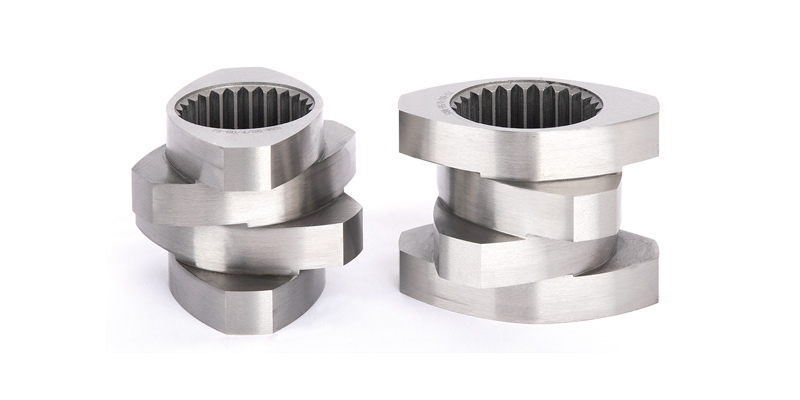
Šroubové komponenty: Core Design & Funkční výhody
Šneková součást je klíčovou součástí extrudéru. Odolnost proti opotřebení a odolnost proti korozi jsou důležitými ukazateli její životnosti. Excellence nabízí různé materiály, které vyhovují různým provozním podmínkám a ekonomickým úvahám. Ve vytlačovacích systémech, zohledňuje opotřebení šroubů a korozi 60% neplánovaných odstávek a 30% nákladů na údržbu – výběr materiálu a přesnost návrhu jsou nesmlouvavé pro nákladově efektivní výrobu. Šroubové komponenty Excellence řeší tyto výzvy prostřednictvím kombinace prémiových materiálů, optimalizovaná geometrie, a zakázkové inženýrství, zajišťující dlouhou životnost i v nejnáročnějších zpracovatelských prostředích (např., plněné plasty, korozivní chemikálie, vysokoteplotní polymery).
Standardní šroubová součást Excellence má poměr hloubky drážky (D0/út) z 1.55, což je optimální hodnota s ohledem na točivý moment, volný objem, rychlost, a disperzní a míchací efekty. Poměr hloubky drážky (definován jako poměr vnějšího průměru šroubu (D0) na vnitřní průměr kořene (Z)) je kritický geometrický parametr, který vyvažuje čtyři klíčové faktory výkonu vytlačování:
- Kapacita točivého momentu: A 1.55 poměr maximalizuje přenos točivého momentu z hnacího systému extrudéru na materiál, zabraňuje zablokování šroubu i u vysoce viskózních materiálů (např., plněné směsi PVC, technické plasty jako PEEK).
- Volný objem: The 1.55 poměr poskytuje dostatečný volný objem pro tavení a odplyňování materiálu, snížení rizika přehřátí a degradace materiálů citlivých na teplo (např., TPU lékařské kvality, LDPE).
- Rychlost otáčení: Optimalizováno pro vysokorychlostní vytlačování (až do 1200 ot./min) aniž by byla ohrožena strukturální integrita – kritická pro vysoce výkonné výrobní linky (např., vytlačování trubky/profilu).
- Disperze & Míchání efektů: Zajišťuje rovnoměrnou distribuci přísad (předsměsi, plniva, stabilizátory) na úrovni částic, odstranění pruhů, aglomerace, nebo nekonzistentní mechanické vlastnosti hotových výrobků.
Pro různé aplikace, Excelence může také libovolně zvolit poměr hloubky drážky (D0/út) z 1.4 na 1.8, umožňující přesné vyladění výkonu šroubů tak, aby odpovídaly specifickým požadavkům na materiál a výrobu:
- 1.4 Poměr: Pro aplikace s vysokým točivým momentem (např., vysoce plněné směsi s 60% uhličitan vápenatý/talk plnivo) – upřednostňuje strukturální pevnost před volným objemem.
- 1.6-1.8 Poměr: Pro materiály s nízkou viskozitou (např., PE/PP jakostní fólie, polymery na bázi rozpouštědel) – maximalizuje volný objem pro tavení/odplyňování a snižuje smykové zahřívání.
Kvůli speciálním požadavkům některých aplikací materiálů týkajících se disperze, míchání, stříhání, a vnitřní vytápění, Excellence také přizpůsobuje šroubové součásti se specializovanými strukturami pro různé aplikace, čímž se sníží vnitřní zahřívání bez ohrožení disperze, míchání, a smykové účinky. Vnitřní vytápění (způsobené nadměrným smykem mezi šroubem a materiálem) je hlavní příčinou degradace materiálu u tepelně citlivých polymerů (např., PVC, PET, lékařské ABS). Vlastní konstrukce šroubů Excellence to řeší:
- Míchací prvky: Šroubové statické mixéry, mixéry na ananas, a Maddock mixery integrované do šneku pro rovnoměrné rozložení smykových sil, snížením lokálního vytápění 20-30%.
- Lety s proměnnou výškou: Sekce s úkosem, které postupně stlačují materiál, minimalizuje náhlé smykové síly a tvorbu tepla.
- Bariérové návrhy letů: Odděluje pevné a roztavené fáze materiálu, zajištění úplného roztavení před vysokosmykovým mícháním – kritické pro technické plasty (PC, PA, PBT).
- Nízkosmykové letové profily: Pro materiály citlivé na teplotu (např., bioplasty, farmaceutické pomocné látky) – snižuje smykové zahřívání na <5°C nad nastavenou teplotou vytlačování.
Tyto zakázkové návrhy byly ověřeny v testování třetí stranou společností Society of Plastics Engineers (SPE), zobrazující a 40% snížení degradace materiálu (měřeno retencí MFR) ve srovnání se standardními konstrukcemi šroubů pro tepelně citlivé polymery.
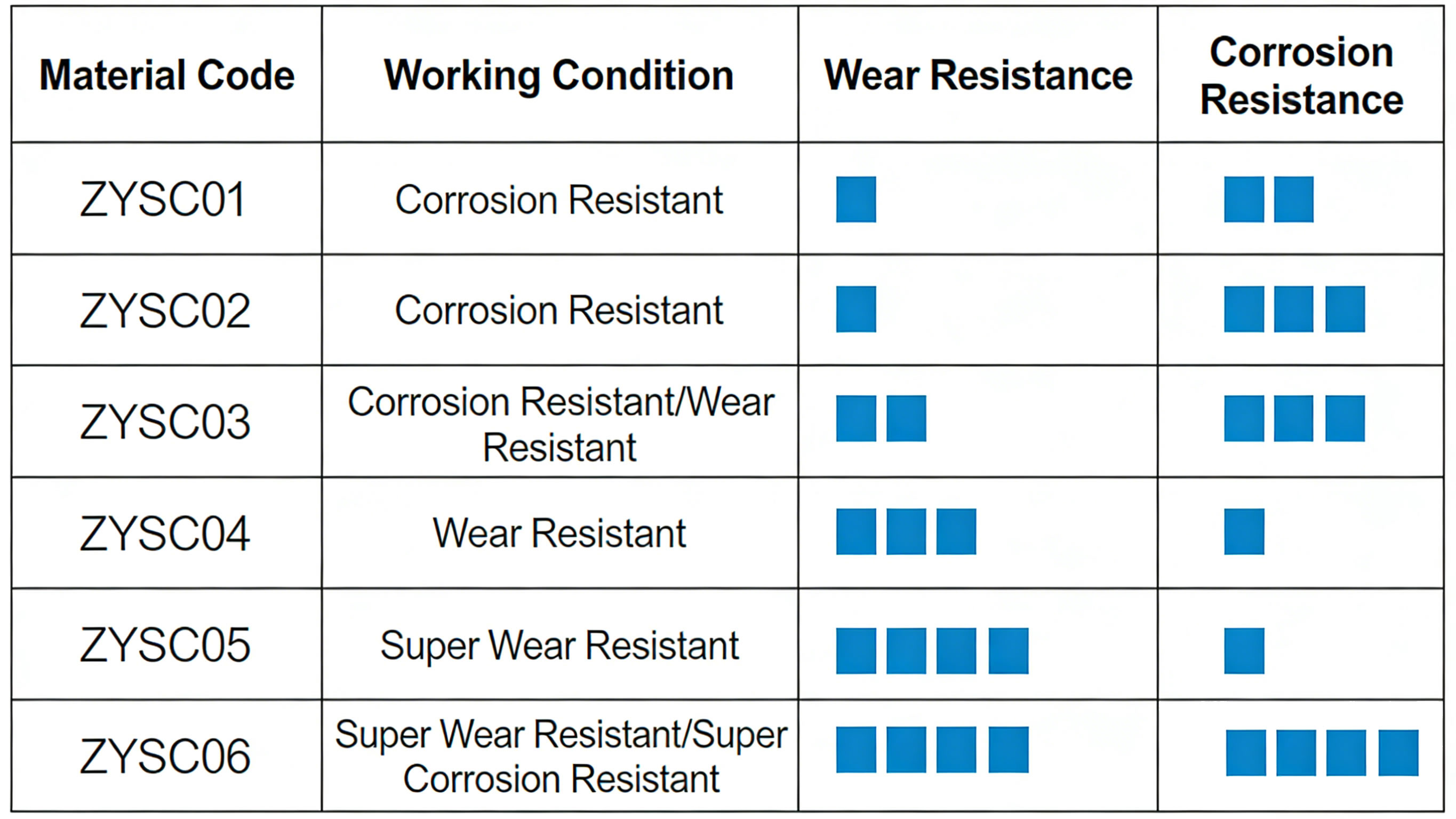
Materiály pro šroubové součásti extrudéru: Na míru provozním podmínkám
Šroubové komponenty Excellence jsou vyráběny z řady vysoce výkonných materiálů, vybrané na základě odolnosti proti opotřebení, odolnost proti korozi, teplotní tolerance, a nákladovou efektivitu. Správná volba materiálu prodlužuje životnost šroubu z 3-6 měsíce (standardní ocel) na 1-5 let (prémiové materiály), v závislosti na aplikaci:
- Rychlořezná nástrojová ocel: W6Mo5Cr4V2
- Vlastnosti klíče: Tvrdost až HRC 62-65, vynikající odolnost proti opotřebení, vysokoteplotní pevnost (až 600°C), a dobrou houževnatostí (odolává lámání/praskání).
- Optimální aplikace: Procesy vytlačování s vysokým opotřebením (plněné plasty uhličitanem vápenatým/talkem/skleněným vláknem, recyklované plasty s abrazivními nečistotami, kaučukové směsi).
- Životnost: 18-24 měsíce pro 24/7 provoz s 50% plněné směsi PVC (3x delší než nitridovaná ocel).
- Ekonomický přínos: Vyšší cena předem ($800-$1,500 na metr) kompenzovat o 70% snížení frekvence výměny a prostojů.
- Nitridovaná ocel: 38CrMoAl
- Vlastnosti klíče: Tvrdost povrchu až HRC 58-60 (nitridovaná vrstva o tloušťce 0,5-0,8 mm), dobrá odolnost proti únavě, střední odolnost proti korozi, a nákladovou efektivitu.
- Optimální aplikace: Standardní procesy vytlačování (panenský PE/PP/ABS, sloučeniny s nízkým obsahem plniva <20%, nekorozivní materiály).
- Životnost: 6-12 měsíce pro 24/7 provoz s panenským PE/PP (průmyslový standard pro univerzální vytlačování).
- Ekonomický přínos: Nízké náklady předem ($300-$600 na metr) – ideální pro malosériovou výrobu nebo nízkoobjemové vytlačovací linky.
- Nerez: 316L, C276, atd.
- Vlastnosti klíče: Výjimečná odolnost proti korozi (316L: odolný vůči mírným kyselinám/zásadám; C276: odolný vůči agresivním chemikáliím, jako je chlór, kyselina sírová, a halogenovaná rozpouštědla), vyhovění potravinářské kvalitě (316L splňuje FDA 21 CFR 177.1520), a vysokoteplotní stabilitu (až 800 °C pro C276).
- Optimální aplikace: Zpracování korozivního materiálu (chemická extruze, PVC s kyselými stabilizátory), vytlačování obalů potravin/nápojů (Vyhovuje FDA), vytlačování zdravotnického prostředku (biokompatibilní materiály).
- Životnost: 2-5 let pro chemickou extruzi (žádné opotřebení související s korozí), 12-18 měsíců pro vytlačování potravinářské kvality.
- Dodržování: 316L je v souladu s FDA/USDA pro aplikace ve styku s potravinami; C276 má certifikaci ATEX pro výbušná chemická prostředí.
- Izostatické lisování za tepla (HIP) materiálů
- Vlastnosti klíče: Zpracování HIP eliminuje vnitřní pórovitost v materiálu (hustota >99.9%), výsledkem je ultra vysoká odolnost proti opotřebení (2x vyšší než W6Mo5Cr4V2), mimořádná odolnost proti korozi, a jednotné mechanické vlastnosti v celém šroubu.
- Optimální aplikace: Extrémní provozní podmínky (abrazivní polymery plněné keramikou, vysokoteplotní technické plasty jako PEEK/PEI, korozní chemické vytlačování).
- Životnost: 3-5 let pro 24/7 provoz s PEEK plněným keramikou (nejdelší životnost ze všech šroubových materiálů).
- Ekonomický přínos: Prémiová cena předem ($1,800-$3,000 na metr) – ROI dosažená v 12-18 měsíce pro velké objemy, výrobní linky s vysokým opotřebením.
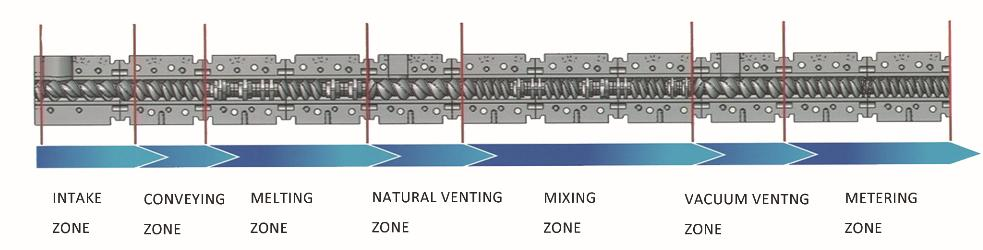
Návrhy šroubových součástí pro konkrétní aplikaci
1. Součásti šroubu pro výrobu plastů
Pro spojování plastů (výroba masterbatch, plněná extruze polymeru, přepracování recyklovaných plastů), Šnekové komponenty Excellence jsou navrženy tak, aby maximalizovaly rozptyl a minimalizovaly opotřebení:
- Poměr hloubky drážky: 1.55 (norma) nebo 1.4 (směsi s vysokým obsahem plniva >40%).
- Materiál: W6Mo5Cr4V2 (s vysokým obsahem plniva) nebo 38CrMoAl (málo plnící).
- Vlastní funkce: Integrované míchací kolíky, bariérové lety, a zóny redukce smyku, aby se zabránilo aglomeraci plniva a degradaci materiálu.
- Údaje o výkonu: 98% rovnoměrnost disperze přísady (ověřeno testováním SPE), 40% snížení opotřebení šroubů ve srovnání s generickými šrouby.
2. Chemikálie & Komponenty šroubu s korozivním materiálem
Pro chemickou extruzi (polymery na bázi rozpouštědel, korozivní přísady, chemické předsměsi), prioritou je odolnost proti korozi:
- Poměr hloubky drážky: 1.6-1.8 (maximalizuje volný objem pro odpařování rozpouštědla).
- Materiál: C276 (drsné chemikálie) nebo 316L (mírné žíraviny).
- Vlastní funkce: Hladké leštěné letové plochy (Ra ≤ 0,8μm) aby se zabránilo adhezi materiálu, utěsněné konce šroubů pro eliminaci úniku chemikálií.
- Dodržování: Certifikace ATEX pro výbušná chemická prostředí, V souladu s nařízením REACH pro chemické předpisy EU.
3. Jídlo & Šroubové součásti lékařské kvality
Pro balení potravin a vytlačování zdravotnických prostředků, hygiena a biokompatibilita jsou zásadní:
- Poměr hloubky drážky: 1.55 (vyrovnává míchání a nízký smyk).
- Materiál: 316L nerezová ocel (Vyhovuje FDA/USDA).
- Vlastní funkce: Snadno čistitelný design (žádné mrtvé zóny pro růst bakterií), leštěné povrchy (Ra ≤ 0,4μm), a netoxická maziva (potravinářské kvality).
- Dodržování: FDA 21 CFR 177.1520 (styk s potravinami), ISO 10993 (biokompatibilita zdravotnického zařízení).
4. Vysokoteplotní strojírenské plastové šroubové součásti
Pro technické plasty (PROHLÉDNĚTE, PEI, PA66 se skelným vláknem), klíčová je pevnost při vysokých teplotách a odolnost proti opotřebení:
- Poměr hloubky drážky: 1.4-1.55 (vysoký točivý moment pro taveniny s vysokou viskozitou).
- Materiál: W6Mo5Cr4V2 nebo C276 zpracované HIP (vysokoteplotní stabilita).
- Vlastní funkce: Chladicí kanály v jádru šroubu (snižuje vnitřní přehřívání tím 25%), povlak odolný proti opotřebení (karbid wolframu) na letových tipech.
- Údaje o výkonu: Udržuje rozměrovou stálost při 400°C, životnost 3+ let pro vytlačování PEEK plněné skleněnými vlákny.
Technické specifikace & Kontrola kvality
1. Rozměrové tolerance
Šroubové komponenty Excellence jsou vyráběny podle přísných ISO 9001:2015 standardy kvality, s rozměrovými tolerancemi:
- Vnější průměr (D0): ±0,02 mm (kritické pro uložení hlavně).
- Průměr kořene (Z): ±0,03 mm (zajišťuje konzistentní poměr hloubky drážky).
- Rozteč letu: ±0,05 mm (jednotný postup materiálu).
- Přímost: ≤0,01 mm/m (zabraňuje opotřebení hlavně a úniku materiálu).
Všechny šrouby jsou kontrolovány pomocí CNC souřadnicových měřicích strojů (CMM) k ověření tolerancí před odesláním.
2. Možnosti povrchové úpravy
Pro zvýšení výkonu, Excellence nabízí volitelné povrchové úpravy šroubových součástí:
- Nitridace: Pro ocel 38CrMoAl (norma) – zvyšuje tvrdost povrchu na HRC 58-60.
- Povlak z karbidu wolframu: Pro ocel W6Mo5Cr4V2 – zvyšuje odolnost proti opotřebení 50% pro abrazivní materiály.
- Povlak PTFE: Pro ocel 316L – snižuje přilnavost materiálu (ideální pro lepivé materiály jako TPE/TPU).
- Elektroleštění: Pro ocel 316L/C276 – zlepšuje odolnost proti korozi a hygienu (potravinářské/lékařské aplikace).
3. Proces kontroly kvality
Každý šroubový komponent Excellence prochází 7-krokovým procesem kontroly kvality:
- Kontrola surovin (certifikát o ověření analýzy pro jakost a vlastnosti materiálu).
- CNC obrábění s monitorováním rozměrů v reálném čase.
- Tepelné zpracování (kalení/popouštění nástrojové oceli, nitridace pro 38CrMoAl) s testováním tvrdosti.
- Povrchová úprava (případně) s testem adheze.
- Kontrola rozměrů CMM (plné ověření tolerance).
- Testování dynamické rovnováhy (ISO 1940-1:2016) – amplituda vibrací <0.1mm při maximální provozní rychlosti.
- Závěrečná vizuální kontrola a certifikace (sledovatelnost materiálu, rozměrová zpráva, zpráva o tvrdosti).
Všechny údaje o kontrole kvality jsou uchovávány 10 let, zajištění úplné sledovatelnosti dodržování předpisů (IATF 16949 pro automobilový průmysl, FDA pro lékařství).
případová studie: HIP materiálové šrouby zkracují prostoje pro vytlačování PEEK s keramickou výplní (USA)
Americký výrobce leteckých komponentů čelil častým poruchám šroubů (každý 3 měsíce) při vytlačování PEEK plněného keramikou (30% plnivo z oxidu hlinitého) pro díly letadel:
- Původní výzvy:
- Šrouby W6Mo5Cr4V2 se rychle opotřebovaly (opotřebení špičky letu >1mm in 3 měsíce) v důsledku keramického oděru.
- Neplánované odstávky (8 hodin na výměnu šroubu) – ztracená výroba $15,000 za prostojovou událost.
- Nekonzistentní rozměry dílu (kvůli zvětšující se vůli šroubů) – 15% zmetkovitost.
- Řešení excelence: Zakázkové šroubové komponenty W6Mo5Cr4V2 zpracované HIP s povlakem z karbidu wolframu, poměr hloubky drážky 1.4 (vysoký točivý moment), a provedení bariérového letu.
- Výsledky po instalaci:
- Životnost šroubu prodloužena na 36 měsíce (12x delší než originální šrouby).
- Neplánované prostoje zkráceny o 92% (1 prostojová událost za 3 roky vs. 4 za rok).
- Šrotovné sníženo na 1% (konzistentní rozměry dílů díky minimálnímu opotřebení šroubů).
- Roční úspora nákladů $180,000 (prostoje + materiál + náklady na výměnu šroubů).
- ROI dosažená v 8 měsíce (náklady na šroub $2,800 vs. roční úspory $180,000).
Komentoval technický ředitel závodu: „HIP materiálové šrouby Excellence změnily náš proces vytlačování PEEK. Už se nestaráme o neplánované odstávky, a kvalita našich dílů se zlepšila, aby vyhověla přísným tolerancím leteckého průmyslu (±0,01 mm). To nám umožnilo zajistit 2 nové letecké smlouvy v hodnotě 2 milionů dolarů ročně.“
Instalace, Údržba & Pokyny pro výměnu
1. Nejlepší postupy pro instalaci šroubů
Správná instalace zajišťuje optimální výkon a zabraňuje předčasnému opotřebení:
- Důkladně vyčistěte válec extrudéru (odstranit zbytky starého materiálu) před instalací nového šroubu – použijte tyčinku na čištění sudů a potravinářský čisticí prostředek (Vyhovuje FDA pro potravinářské/lékařské aplikace).
- Prohlédněte hlaveň, zda není opotřebovaná (změřte vnitřní průměr válce) – vyměňte hlaveň, pokud je vůle >0.5mm (nadměrná vůle způsobuje zpětný tok materiálu a špatné míchání).
- Namontujte šroub pomocí zvedacího přípravku (vyvarujte se pádu nebo poškrábání letek) – utáhněte šroubení podle údajů výrobce (obvykle 300-500 Nm).
- Zkontrolujte vyrovnání šroubů (pomocí číselníku) – házivost by měla být <0.02mm na špičce šroubu.
- Proveďte běh na sucho (žádný materiál) při nízké rychlosti (50 ot./min) pro 10 minut – zkontrolujte abnormální hluk/vibrace (označuje nesouosost).
Excellence poskytuje podrobnou instalační příručku s fotografiemi a specifikacemi utahovacího momentu pro všechny modely šroubů.
2. Preventivní údržba šroubových součástí
Pravidelná údržba prodlužuje životnost šroubu a udržuje výkon:
- Denní údržba:
- Po výrobě šroub očistěte (propláchnout čisticí směsí) k odstranění zbytků materiálu (zabraňuje karbonizaci a korozi).
- Zkontrolujte špičku šroubu a míchací prvky, zda nejsou opotřebené/poškozené (vizuální kontrola během čištění).
- Měsíční údržba:
- Změřte vůli šroubu (vnitřní průměr hlavně – vnější průměr šroubu) – zaznamenejte data pro sledování míry opotřebení.
- Namažte šroubovou spojku (použijte vysokoteplotní mazivo, V případě potřeby vyhovující FDA).
- Zkontrolujte nahromadění materiálu v mrtvých zónách (míchací prvky, bariérové lety) – očistěte mosazným kartáčkem (zabraňte poškrábání letových ploch).
- Čtvrtletní údržba:
- Pro úplnou kontrolu vyjměte šroub (měřit tloušťku letu, zkontrolujte korozi/prasknutí).
- Polské drobné opotřebení na letových špičkách (pomocí brusného papíru o zrnitosti 400) obnovit rozměrovou přesnost.
- Zkontrolujte opotřebení vložky hlavně (v případě potřeby vyměňte, aby byla zachována optimální vůle).
3. Kritéria výměny šroubů
Vyměňte šroubové součásti, když:
- Opotřebení špičky letu >1mm (způsobuje špatné míchání a nekonzistentní výstup).
- Důlková koroze >0.5hloubka mm (riziko kontaminace materiálu a selhání konstrukce).
- Praskliny v letkách nebo jádru (bezpečnostní riziko – nebezpečí zlomení šroubu během provozu).
- Vůle šroubů >0.8mm (zpětný tok materiálu snižuje účinnost extrudéru tím >20%).
- Degradace materiálu (Variace MFR >10%) – označuje špatné promíchání v důsledku opotřebovaných letů.
Excellence nabízí službu kontroly šroubů (na místě nebo v laboratoři) zhodnotit opotřebení a doporučit načasování výměny.
Často kladené otázky o šroubových součástech extrudéru Excellence
Q: Může Excellence přizpůsobit šnekové součásti pro nestandardní velikosti extruderů (např., 65mm, 90průměr mm)?
A: Ano. Excellence vyrábí šnekové komponenty pro všechny standardní průměry extruderů (15mm až 200 mm) a vlastní průměry (podle výkresů zákazníka). Vyrábíme také dvoušroubové komponenty (souběžné a protiběžné otáčení) pro míchací extrudéry, s roztečí od 10 mm do 100 mm.
Q: Jaká je dodací lhůta pro zakázkové šroubové součásti (výběr materiálu + poměr hloubky drážky + specializovaný design)?
A: Standardní šroubové součásti (38CrMoAl, 1.55 poměr hloubky drážky) mít dodací lhůtu 2-3 týdnů. Vlastní komponenty (HIP materiály, specializovaný poměr hloubky drážky, míchací prvky) vyžadovat 4-6 týdnů. Zrychlená výroba (1-2 týdnů za standard, 3 týdnů na zakázku) je k dispozici za příplatek 25% poplatek.
Q: Poskytuje Excellence zprávy o testování materiálů pro šroubové součásti?
A: Ano. Všechny šroubové komponenty jsou dodávány s materiálovým certifikátem (certifikát o analýze – COA) ověření jakosti materiálu, tvrdost, a chemické složení. Pro HIP materiály, poskytujeme také zprávy o zpracování HIP (hustota, pórovitost) a nedestruktivní testování (NDT) zprávy (ultrazvukové testování vnitřních defektů).
Q: Jak mohu vybrat správný materiál pro svou aplikaci vytlačování?
A: Technický tým Excellence poskytuje zdarma průvodce výběrem materiálu na základě:
- Typ materiálu (panenský/recyklovaný, naplněné/nevyplněné, korozivní/nekorozivní).
- Teplota vytlačování (vysokoteplotní technické plasty vs. standardní polymery).
- Objem výroby (24/7 operace vs. sériová výroba).
- Rozpočet (náklady předem vs. celkové náklady na vlastnictví).
Nabízíme také zkušební program (30-denní zkouška vzorku šroubu) pro nové zákazníky k ověření výkonu před úplným nákupem.
Q: Jaká záruka je poskytována na šroubové součásti Excellence?
A: Standardní záruka: 12 měsíců pro šrouby 38CrMoAl a 316L, 24 měsíců pro šrouby materiálu W6Mo5Cr4V2 a HIP (kryje výrobní vady a předčasné opotřebení <0.5mm v prvním roce). Prodloužená záruka (36 měsíce) je k dispozici za příplatek 15% poplatek, včetně ročních kontrol opotřebení.
Více než dvě desetiletí, Šnekové komponenty extrudéru Excellence nastavily průmyslový standard odolnosti proti opotřebení, ochrana proti korozi, a výkon specifický pro aplikaci. Ať už vytlačujete standardní PE/PP, korozivní chemikálie, potravinářské polymery, nebo vysokoteplotní technické plasty, naše šrouby jsou navrženy tak, aby maximalizovaly dobu provozuschopnosti, snížit náklady, a zlepšit kvalitu produktu. Kontaktujte náš technický tým ještě dnes a vyžádejte si bezplatnou konzultaci návrhu šroubu a cenovou nabídku přizpůsobenou vašim požadavkům na proces vytlačování.

