Používá se pro ekologické obaly a lékařské nástroje
Upravené plasty
LSZH, XLPE, TPU
Používá se pro kryty vodičů a kabelů
Znalost toho, jak stroj funguje a co jednotlivé části dělá, vám pomůže jej lépe používat. Pomáhá vám také snadněji řešit problémy.
Klíčové věci
Peletizační extrudéry mění surové plasty na malé pelety. Všechny pelety jsou stejně velké. This makes them easier to use in many ways.
Knowing themain partshelps make better pellets. These parts are the hopper, screw, hlaveň, die, chladicí systém, and knife system.
Keeping the feed rate steady is very important. The screw speed must also stay the same. This helps make even pellets and stops machine problems.
Good cooling is needed to harden the pellets fast. This helps the pellets keep their shape and stay strong.
Doing regular checks helps the extruder work well. You should check screws and clean the die often. This keeps the machine running and makes it last longer.
Pelletizing Extruder Process Steps
A peletizační extrudérturns raw plastic into small pellets. It does this by using a few main steps. You can follow these steps to see how the machine works.
Feeding and Melting
První, you put raw plastic into the hopper. The machine has a screw that moves the plastic forward. As it moves, the screw pushes the plastic and takes out air. The barrel gets hot and melts the plastic. The screw also makes heat by rubbing the plastic.
Tip:If you feed the plastic evenly, you get pellets that look the same.
The screw inside thepeletizační extrudérhasthree parts:
The feeding zone pushes the plastic forward.
The compression zone melts the plastic and removes air.
The metering zone builds pressure and keeps the flow steady.
Dvoušnekové extrudérymix the plastic even better. They have two screws that turn together. This gives more even heat and better mixing. It helps make pellets that are all the same.
The temperature you need depends on the plastic type. Here is a table with melting points for common plastics:
Plastic Polymer
Fundamental Melting Point (°C)
Practical Melt Temperature Range (°C)
Key Processing Notes
ABS (Akrylonitrilbutadienstyren)
105 – 107 (Tg)
210 – 250
Avoid prolonged exposure above ~270°C to prevent degradation.
Polykarbonát (PC)
155 – 160
280 – 320
Must be dried thoroughly to prevent hydrolysis; requires high mold temperatures (80-110°C).
Polypropylen (PP)
160 – 165
200 – 260
High volumetric shrinkage; requires sufficient pack/hold pressure.
Nylon 66 (PA66)
260 – 265
280 – 310
Extremely hygroscopic; requires immediate pre-drying and hot molds (70-100°C).
Polyethylen (HDPE)
130 – 135
210 – 260
High shrinkage; proper cooling design critical.
Polyoxymethylen (POM)
165 – 175
190 – 220
Prone to thermal degradation; avoid excessive temperatures and residence times.
Acrylic (PMMA)
160 – 170
220 – 250
Hygroscopic; must be dried to prevent defects; high flow resistance.
Polybutylene Terephthalate (PBT)
225 – 230
240 – 270
Hygroscopic; requires pre-drying; prone to warping.
Polyetheretherketone (PROHLÉDNĚTE)
340 – 380
370 – 400
Requires very high processing temperatures and drying.
Thermoplastic Polyurethane (TPU)
120 – 140 (Tg)
180 – 220
Hygroscopic; sticky melt requires special gating.
Polyvinylchlorid (PVC)
160 – 180 (Tg)
170 – 210
Poor thermal stability; requires precise temperature control and corrosion-resistant equipment.
Extrusion Through Die
When the plastic melts, a peletizační extrudér protlačí to matricí. Forma tvaruje roztavený plast do dlouhých pramenů nebo jiných tvarů. The design matrice řídí tvar a velikost plastu. Pokud použijete kulatou kostku, získáte kulaté prameny. Pokud použijete obdélníkovou kostku, rohy se mohou zaoblit kvůli tomu, jak se plast pohybuje.
Poznámka: Kostka musí být silná a dlouho vydržet. Používá mnoho matric břitové destičky z karbidu wolframu pro houževnaté plasty se skelnými vlákny.
Důležité je také teplo kostky a způsob jejího zahřívání. Pokud se matrice zahřívá nerovnoměrně, plast může mít nesprávný tvar.
Chlazení extrudátu
Poté, co plast opustí matrici, je ještě horký a měkký. Musíte to rychle zchladit, aby to ztvrdlo. The peletizační extrudér lze použít různé způsoby chlazení:
Podvodní peletizéry: Raznice a řezačka jsou ve vodě. Voda pelety ihned ochladí.
Pramenové peletizátory: Plastové prameny jdou do vodní lázně, pak je před řezáním suší vzduch.
Die-Face peletizéry: Stroj řeže pelety na čele matrice. Chladí je vzduch nebo vodní mlha, nebo spadnou do vodní lázně.
Pokud plast chladíte příliš rychle nebo příliš pomalu, pelety se mohou ohýbat nebo smršťovat. To jim může způsobit nesprávnou velikost nebo tvar. Dobré chlazení vám pomůže získat pelety, které jsou silné a všechny stejné.
Řezání na pelety
Posledním krokem je rozřezání vychlazeného plastu na malé pelety. The peletizační extrudér používá různé systémy řezání:
Metoda, která ovlivňuje stejnoměrnost a kvalitu granulí.
Horizontální řezání vodních kroužků
Využívá vodu k chlazení a řezání extrudátu na pelety.
Podvodní řezání
Vychlazené prameny řeže pod vodou na jednotnou velikost pelet.
Můžete také najít tyto způsoby řezání:
Portálové řezání
Horizontální řezání vodního prstence
Underwater cutting
Each way helps you get pellets that are the same size. Pellets that are all the same are easier to handle, store, and use in other machines.
Summary:You feed raw plastic into thepeletizační extrudér, melt it, shape it with a die, cool it, and cut it into pellets. Each step changes the plastic from raw material into finished pellets you can use for many products.
Main Components of a Pelletizing Extruder
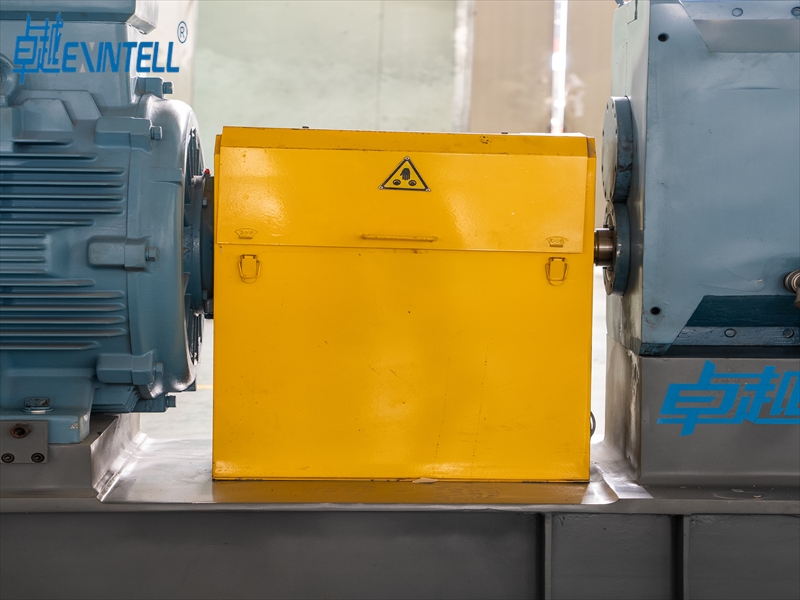
Hopper and Feed Throat
You begin by putting raw plastic into the hopper. The hopper stores and feeds the plastic. It keeps the plastic clean and safe from dirt. The bottom of the hopper fits with the feed throat. The feed throat connects to the extruder barrel. This setup helps the plastic move smoothly.
The hopper controls how much plastic goes in. This stops too much or too little plastic from entering.
Některé násypky mohou sušit plasty, které nasávají vodu, jako nylon nebo PLA.
Novější násypky mohou třást nebo míchat plast, aby se udržely v pohybu.
Plnicí hrdlo je místo, kde se násypka setkává se sudem. musíte držet tu teplotu. Pokud bude příliš horko, plast se může předčasně přilepit nebo roztavit. To může zablokovat stroj. Chlazení plnicího hrdla napomáhá pohybu plastu a udržuje stroj v chodu.
Tip: Dobrá násypka a plnicí hrdlo pomáhají vašemu peletizačnímu extrudéru dobře fungovat.
Strategie designu
Vliv na tok materiálu
Zúžené rozhraní v podavačích
Poskytuje rovnoměrné podávání a zabraňuje tvorbě otvorů
Rotační ventily s šoupátkem
Zastavuje hrudky a udržuje plast v pohybu
Vibrační podavače s přechodovým hrdlem
Helps the plastic flow and keeps the speed steady
Screw and Barrel
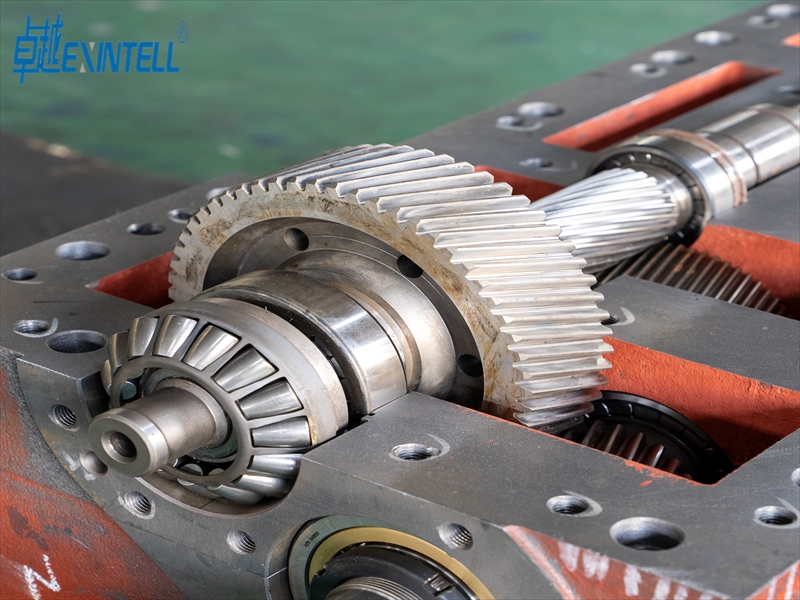
Inside the pelletizing extruder, the screw and barrel work together. They move, tát, and mix the plastic. The screw has three main parts:
Feed Zone:This part grabs the plastic and pushes it forward.
Compression Zone:Here, the screw squeezes the plastic and removes air. This makes the plastic melt evenly.
Metering Zone:This part builds pressure and keeps the flow steady before the die.
The barrel goes around the screw. It heats and softens the plastic. The barrel also helps mix the plastic for a smooth melt.
Faktor
Popis
Screw Geometry
The screw’s shape and angle change how the plastic moves and mixes. Small angles mix better but wear out faster.
Kneading Blocks
These parts mix the plastic more by making it rub together. More blocks or bigger angles mix more but use more energy and heat.
Temperature Profiles
You must control the heat in each part. Too much heat can hurt the plastic. Not enough heat leaves it unmelted.
Poznámka:The right screw and barrel help you make good pellets and waste less.
Breaker Plate and Adapter
After melting, the plastic goes through the breaker plate and adapter. The breaker plate is a metal disc with many small holes. It does several things:
The adapter, also called the feed pipe, links the barrel to the die. It guides the melted plastic to the die and keeps the flow steady.
Tip: Čistá deska a adaptér vám pomohou být silný, dokonce i pelety.
Die System
Systém matric tvaruje roztavený plast před řezáním. Kostka má některé důležité části:
Otevřená oblast: Toto je velikost otvoru v kostce. Mění tlak a jak je produkt hustý.
Rozloha pozemku: Tato část tvaruje plast, když opouští matrici. Pomáhá vyrábět pelety, které vypadají a fungují stejně.
Materiál konstrukce: Materiál matrice mění míru tření a tlaku na plast.
Musíte udržovat systém kostek v dobrém stavu. Jeho čištění a kontrola často zastaví problémy a udržuje vysokou kvalitu pelet. Pokud má kostka problémy, pelety mohou měnit velikost, pevnost, nebo tvar.
Poznámka: Systém matrice je jednou z nejdůležitějších součástí vašeho peletizačního extrudéru.
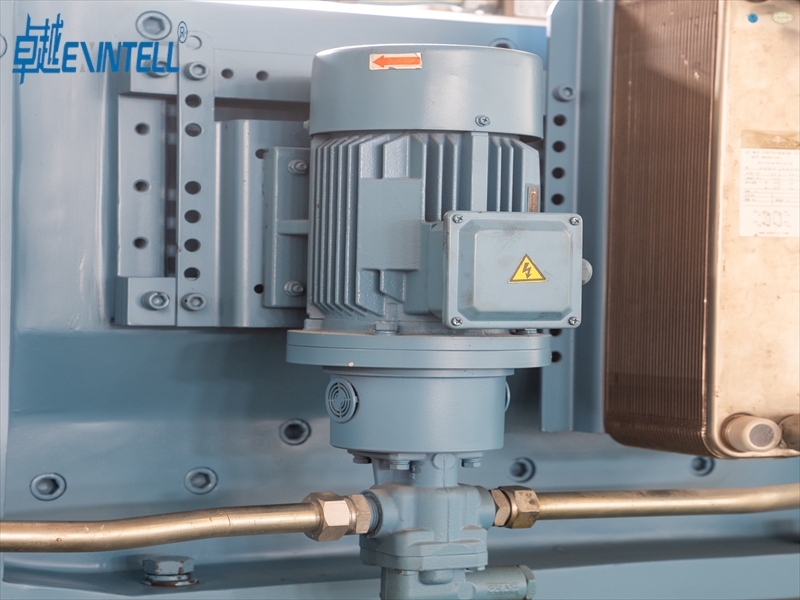
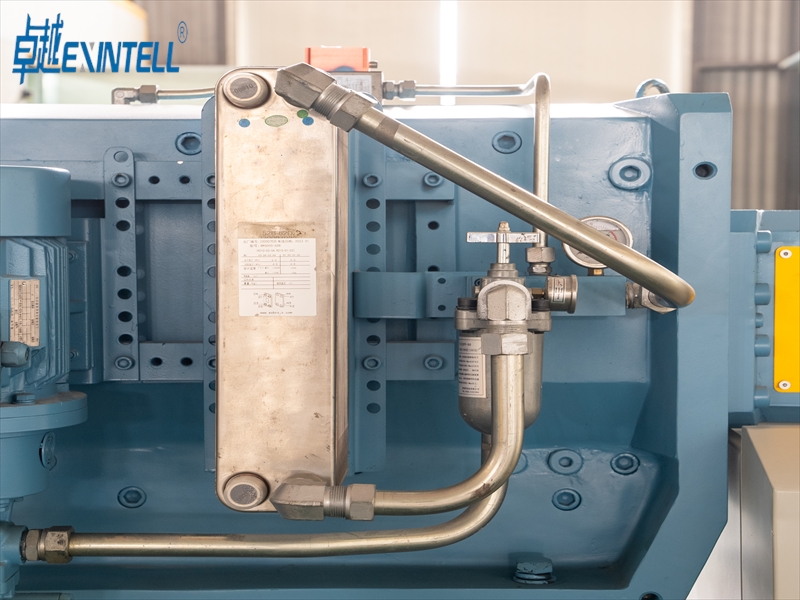
Chladicí systém
Když plast opustí matrici, je ještě horko. The cooling system makes the plastic hard so you can cut it. There are different ways to cool:
Air-cooled systems:These use fans or blowers to cool the plastic.
Water-cooled systems:These drop the plastic into water tanks. Dryers then take off the water.
Fluidized bed dryers:These blow air through the pellets as they slide down a slope. You can change the slope to control how long the pellets stay in the dryer.
Some systems reuse water to save energy. Automatic controls can change cooling based on what you need, which also saves energy.
Evidence Point
Popis
Optimizing Cooling Resources
Saves energy and helps the machine work better.
Automated Controls
Uses just the right amount of cooling.
Closed-loop Systems
Uses water again and again, saving water and energy.
Tip:Good cooling keeps pellets strong and saves energy.
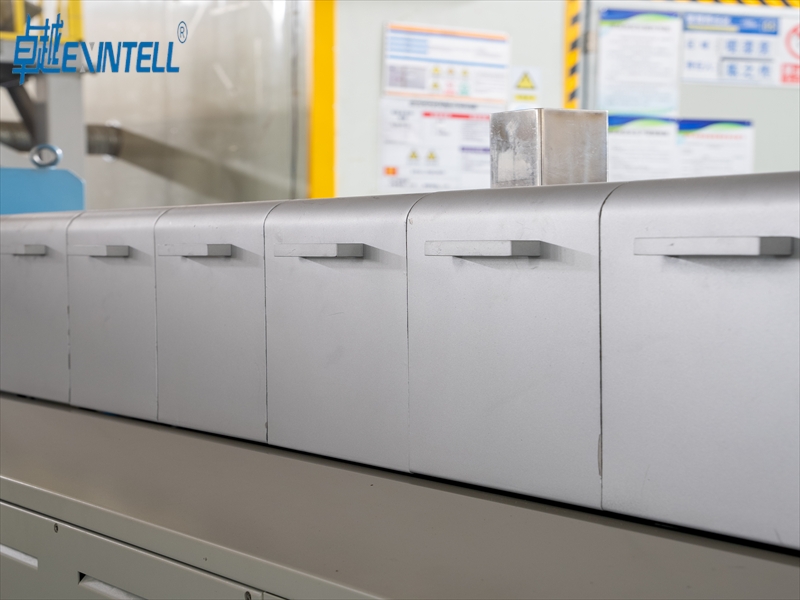
Rotating Knife System
The rotating knife system cuts the cooled plastic into pellets. This system has sharp, fast knives that slice the plastic as it comes out.
Sharp, well-set knives stop problems like tails or dust and keep the machine running.
You need to keep the knives sharp and at the right speed. If the knives get dull or slow, you get uneven pellets and more stops. If the knives are too fast or not lined up, you get problems or jams.
Poznámka:The rotating knife system is very important for making good pellets and keeping your pelletizing extruder working well.
How Components Work Together
Material Flow and Homogenization
All the parts of the pelletizing extruder must work together. This helps the plastic move smoothly andmix well. The screw pushes the plastic forward and mixes it. You can change how fast the screw turns to mix more or less. Kneading blocks inside the screw help blend the plastic. Their shape and how you set them up help the plastic mix better.
You can change the speed to control mixing and keep flow steady.
Kneading Block Geometry
Special shapes help mix the plastic evenly.
Convective Mixing
The design moves plastic through mixing zones again and again.
Continuous Circulation
All plastic passes through strong mixing areas many times.
Modular Screw Design
You can change the screw parts for different plastics.
Kneading Block Configurations
Different setups give strong mixing for the right pellet quality.
Někdy, mixing can be hard. Pokud mícháte příliš mnoho, můžete lámat vlákna nebo vytvářet prach. Přílišné míchání může také způsobit, že se plast příliš zahřeje. Jemné míchání je lepší pro měkké plasty. Nějaké plasty, jako HDPE s ultranízkým tokem taveniny, pohybovat pomalu. Ty potřebují větší tlak, aby proudily.
Příliš intenzivní míchání může rozdrtit pelety a vytvořit prach.
Pelety se vyrábějí ochlazením a řezáním plastu poté, co opustí matrici. Chladicí systém činí plast tvrdým, takže jej nože mohou řezat. Dobré chladicí systémy pomáhá udržet velikost a tvar pelet stejný. Automatické ovládání může měnit proces během jeho běhu. To vám pomůže získat lepší pelety a méně odpadu.
Typ důkazu
Popis
Pokročilé chladicí systémy
Tyto pelety rychle chladí a drží svůj tvar.
Automatizované řídicí systémy
These adjust settings for better quality and less waste.
High-Efficiency Heaters
These heat the plastic evenly for smooth extrusion.
You need to collect and handle pellets carefully so you do not lose them or get them dirty. Use good tools and keep the area clean. Closed walkways and sealed pipes stop pellets from getting out. Teach workers to use spill guards and know what to do in an emergency.
Tip: When every step works together, you get strong, clean pellets and a safer place to work.
You turn raw plastic into even pellets by doing five steps: krmení, tání, extruding, chlazení, and cutting. Each main part—hopper, screw, hlaveň, die, chlazení, and knife system—has an important job. Péče o extrudér pomáhá dobře fungovat:
Podívejte se na šrouby a pouzdra, zda nejsou poškozené.
Ujistěte se, že suroviny jsou čisté, aby se dovnitř nedostalo nic špatného.
Sledujte opotřebované díly a vyměňte je, než se rozbijí.
Pokud víte o kvalitě pelet a jak na to kontrolovat vlhkost, můžete pracovat rychleji a dělat méně chyb. Použijte tyto tipy, aby váš stroj dobře fungoval a vyráběl dobré pelety.
FAQ
Jaké druhy plastů můžete použít v peletizačním extrudéru?
V peletizačním extrudéru můžete použít mnoho plastů. Některé příklady jsou polyethylen, polypropylen, nylon, ABS, CHKO, a TPU. Každý plast potřebuje svou vlastní teplotu a nastavení. Než začnete, vždy si zkontrolujte, co váš materiál potřebuje.
Jak udržujete pelety jednotné velikosti?
Materiál musíte podávat stálou rychlostí. Udržujte otáčky šroubu stejné. Často čistěte raznici a nože. Použijte automatické ovládání, které vám pomůže s chlazením a řezáním. Tím dosáhnete nejlepších výsledků.
Proč extrudér potřebuje chladicí systém?
Chladicí systém činí roztavený plast tvrdým. Pokud to nevychladíte, pelety zůstávají měkké a drží se pohromadě. Když je rychle a rovnoměrně ochladíte, získáte silné pelety. S těmito peletami se snadno manipuluje.
Jak často byste měli udržovat peletizační extrudér?
Ložiska vždy zkontrolujte a naolejujte 500 hodin.
Každý týden se podívejte na šrouby a nože.
Po každé dávce vyčistěte násypku a matrici.
Dělání těchto věcí pomáhá vašemu stroji dobře fungovat.
Můžete použít recyklované plasty v peletizačním extrudéru?
Typ materiálu
Vhodnost
Poznámky
Čistý recyklovaný
Ano
Před použitím vysušte a přefiltrujte
Smíšené recyklované
Někdy
Může vyžadovat třídění a čištění
Kontaminovaný
Žádný
Může poškodit stroj
You can use recycled plastics if they are clean and sorted.