

Cunsiglii chjave
- Una fabbrica di estrusore a doppia vite hè una facilità industriale specializata chì cuncepisce, ingegneri, assemble, è teste sistemi cumpleti di estrusione per i plastichi, manghjà, farmaceuticu, è trasfurmazioni chimichi, micca solu un rivenditore di macchine finite (Guida B2B di Exintell Machinery, 2024).
- In a mo sperienza, l'unicu passu più impurtante per l'approvvigionamentu hè di separà un veru fabricatore di estrusore a doppia vite da una sucietà cummerciale; i fornitori verificati ponu dimustrà in-house R&D, Capacità ODM/OEM, è assemblea è teste in situ, quale filtri di u mercatu nantu à Made-in-China.com (2024) cunfirmà i cumpratori attivamente screen for.
- Abbinate a cunfigurazione à u vostru prucessu: L'estrusore di doppia vite co-rotante domina u travagliu di cumpunimentu è masterbatch, L'estrusore a doppia vite contrarotante è cunica si adatta à tubi in PVC è linee di profili, è i disinni paralleli coprenu travaglii più largu di trasfurmazioni di polimeri.
- Leghjite e specificazioni cum'è una fabbrica, diamitru di viti di mappatura, Rapportu L/D, è torque specificu à l'output. Lineups sò generalmente da un estrusore à doppia vite di laboratoriu TSE-20 (22 mm, ~ 10-15 kg / h) finu à un TSE-50, attraversu a 24-80 gamma L/D è 400-600 rpm (Tavola di specifiche di u fabricatore di estrusore a doppia vite, 2024).
- U torque specificu hè un veru differenziatore. A serie U+ di USEON hè valutata à 15 Nm/cm³ è a cumpagnia raporta più di 2,500 linee di pruduzzione in u mondu sanu, un benchmark utile quandu si compara l'equipaggiu di cumpunimentu d'alta produzzione (USEON, 2024).
- Budget per u costu tutale di pruprietà, micca solu u prezzu di unità. A 100 A macchina semi-automatica kg / h hè listata vicinu à Rs 15,00,000 (Novu Macchinari di Plast, 2024), ma i pezzi d'usura importanu ancu; L'elementi di viti di rimpiazzamentu sò tipicamente furniti in HRC 58-62 durezza (Parti di estrusore a doppia vite, 2024).
- Trattate e certificazioni cum'è filtri non negoziabili. Marcatura CE, ISO 9001, GMP, è a conformità di u signale di u listinu UL per i plastichi, manghjà, e macchine per estrusioni farmaceutiche, e fabbriche serii li documentanu nantu à dumanda.
- Cunfirmà a credibilità di a basa installata prima di cumanda. TwinScrew raporta più di 3,000 macchine à traversu 40 paesi (TwinScrew, 2024), è un auditu strutturatu di fabbrica più una lista di verificazione di verificazione di pre-ordine resta a megliu prutezzione in ogni suluzione di estrusione chiavi in mano.
Cosa hè una fabbrica di estrusore a doppia vite?
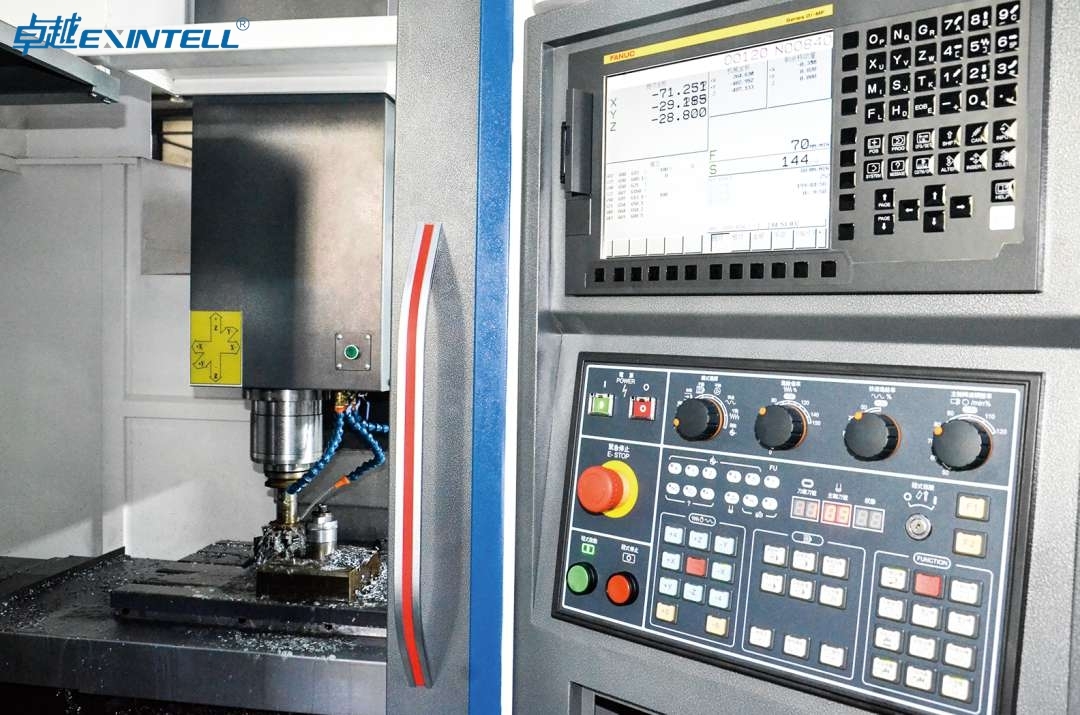
Quandu aghju evaluatu un fornitore per un cliente, Accuminciamu per chjarificà un termini chì si usa liberamente in i mercati B2B: a fabbrica di estrusore a doppia vite. In a mo sperienza, una fabbrica hè un stabilimentu industriale specializatu chì cuncepisce, ingegneri, machini, assemble, è prova sistemi cumpleti di estrusione à doppia vite sottu un tettu. Questa definizione importa perchè stabilisce aspettative per tuttu in a valle, cumpresu u prezzu, comportu, è a prufundità di l'assistenza post-vendita chì pudete cuntà realisticamente. Cum'è a Guida B2B di Exintell Machinery (2024) l'inquadra, un tali stabilimentu serve plastica, manghjà, farmaceuticu, è industrii chimichi cù capacità di pruduzzione integrata piuttostu cà agisce cum'è un rivenditore pass-through.
I quattru funzioni chì definiscenu una vera fabbrica
Cercu quattru funzioni chì operanu inseme. A pianta deve cuncepisce l'architettura di estrusione, ingegneria a geometria di viti è canna à un scopu di prucessu, macchina è assemble u hardware, è scorri a macchina prima di a spedizione. Un venditore chì gestisce solu unu o dui di questi hè di solitu una sucietà cummerciale o un sub-assembler, micca un fabricatore. Questa distinzione hè a spina di ogni decisione di rispunsabilità, è hè a lacuna chì a maiò parte di e pagine di i prudutti è di u mercatu lascianu senza indirizzà.
Industries serve una fabbrica di estrusore a doppia vite
A gamma di applicazioni hè larga, chì hè parte di perchè a categuria hè cusì affollata. Una fabbrica capace furnisce l'equipaggiu per:
- Cumposti di plastica, cumprese linee di produzzione masterbatch è cumposti co-rotanti per polimeri pieni è rinfurzati
- Pharmaceuticals, induve una macchina di estrusore farmaceutica deve risponde à l'aspettattivi di design igienicu è GMP
- Trattamentu di l'alimentariu, per i prudutti texturizzati è estrusi
- I chimichi, per estrusione reattiva è dispersione
- Riciclà, cumpresi l'extruder di riciclamentu di PET è i duveri pesanti di devolatilization
UET machine (2024) si pone esplicitamente nantu à i plastichi, chimichi, manghjà, è trasfurmazioni farmaceutiche, chì riflette cumu e fabbriche più serii strutturanu e so linee di mudelli. Top di Toronto Tech 20 Lista di i produttori di estrusore a doppia vite (2023) simile spans sti stessi quattru settori, un signalu utile chì l'ampiezza di l'applicazione hè a norma invece di l'eccezzioni trà i ghjucatori stabiliti.
Co-rotazione, contra-rotazione, cunicu, e cunfigurazioni parallele
Fabbriche tipicamente urganizeghja a so offerta per cunfigurazione di viti, è aiuta à sapè ciò chì ognunu face. Un estrusore a doppia vite co-rotante hè u cavallu di travagliu per a cumpusizioni perchè i viti intrecciati giranu in a listessa direzzione è furnisce una forte mistura distributiva.. Un estrusore a doppia vite controrotante, cù viti chì giranu in modi opposti, genera alta pressione è trasportu pusitivu chì si adatta à certi profili è funzioni di pipe. Un extruder à doppia vite parallela mantene un diametru di vite constantu longu a longu, mentre chì un estrusore à doppia vite cònica si riduce da una fine di alimentazione più grande à una scarica più chjuca, una geometria cumuna in u travagliu di linea di estrusione di tubi di PVC. Macchine per estrusione JWELL (2024) costruisce una linea di pelletizzazione a doppia vite conica in PVC che accoppia un estrusore conico con una fustellatrice., trasferimentu d'aria, e unità di separazione è di rinfrescante di vibrazione a valle, chì mostra cumu a scelta di cunfigurazione casca in tutta a linea di produzzione.
Perchè u livellu di fabbrica chì cumprate cambia u risultatu
U livellu chì fonti direttamente forma u prezzu, qualità, è sustegnu. Cumprà u fabricatore-direttu giniralmenti abbassa u costu unità è accurtà a catena di cumunicazione quandu un prublemu prucessu appare à 2 a.m. nant'à u vostru pianu. USEON (2025) raporta u so equipamentu fiducia da più di 2,500 linee di pruduzzione in u mondu sanu, è TwinScrew (2024) cita sopra 3,000 macchine implementate in più di 40 paesi cù più di 150 sistemi operativi. Trattu figure di basa installate cum'è queste cum'è un input trà parechji, perchè a scala di implementazione tende à correlate cù a prufundità di i pezzi di ricambio è a larghezza di banda di l'ingegneria chì eventualmente vi appoghjate..
Cumu una Fabbrica di Estrusore Doppiu Vite Custruisce una Macchina
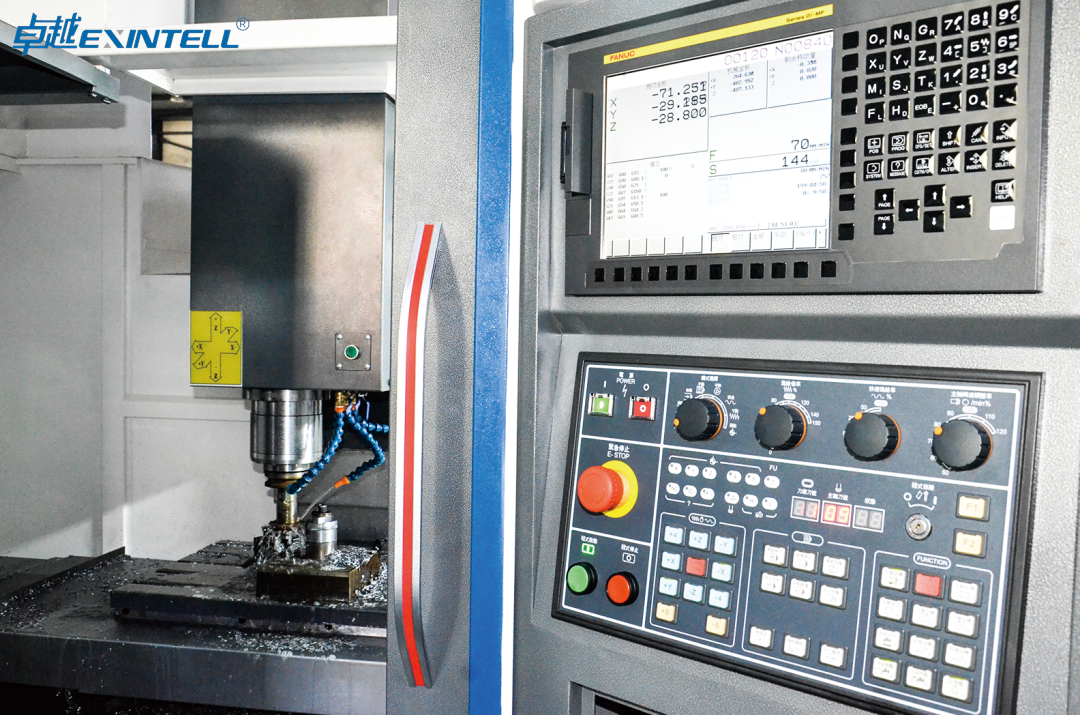
Capisce a sequenza di creazione hà salvatu i mo clienti da sorprese costose, perchè ogni tappa espone un tipu di risicu diversu. Passaghju per e stesse cinque fasi in ogni auditu di fabbrica: l'approvvigionamentu di materiale, lavorazione di viti è barili, trattamentu termale, assemblea è integrazione di cuntrollu, e run-off in casa. U prucessu di fabricazione publicatu di HG Industry Group dà un puntu di riferimentu utile per cumu una macchina di trasfurmazioni di polimeri si move da l'acciaio crudu à un sistema testatu..
Acquistu di materiale è selezzione di l'acciaio
A vite è a canna sò u core di a macchina, è a scelta di l'azzaru determina quantu sopravvive à materie prime abrasive o corrosive. Una fabbrica rinomata specifica acciai per utensili o leghe di qualità di nitrurazione per elementi di vite è rivestimenti bimetallici o nitrurati per barili, dopu documenta u gradu. Quandu aghju rivista una citazione, Pregu per i certificati di l'acciaio per nome invece di accettà un vagu “azzaru in lega” etichetta, perchè a sustituzione di materiale hè unu di i posti più faciuli per un fornitore di livellu bassu per riduce u costu invisibule.
Lavorazione di elementi a vite, trattamentu termale, e obiettivi di durezza
L'elementi di viti sò machinati à profili stretti è poi trattati termicamente per chjappà una finestra di durezza chì equilibra a resistenza à l'usura è a fragilità.. Elementi di viti di rimpiazzamentu sò generalmente furniti in HRC 58-62 per a resistenza à l'usura, secondu a Twin Screw Extruder Parts (2024), è aghju utilizatu quellu intervallu cum'è un cuntrollu di sanità quandu una fabbrica cita i so propiu obiettivi. Se un fornitore ùn pò micca dichjarà una figura di durezza o un metudu di trattamentu, chì hè una bandiera rossa significativa nantu à a so capacità di machining attuale versus a rivendita.
Specificazioni: diamitru di viti, Rapportu L/D, è torque specificu
Trè numeri traduce una necessità di prucessu in hardware, è li cartu sempre in modu esplicitu. U diametru di viti stabilisce a classa di throughput. U rapportu L/D, a lunghezza di a vite divisu da u so diametru, guverna quantu tempu di residenza è travagliu di trasfurmazioni chì a macchina pò fà. Torque specificu, espressa in Nm/cm³, indica quantu duru pudete guidà i viti per un voluminu datu, chì importa per a cumpusizioni high-fill. USEON (2024) valuta a so serie U+ finu à 15 Nm/cm³, un benchmark utile per l'estremità superiore di a capacità di cumpunimentu. A tavula sottu mape una linea di mudelli rapprisentanti cusì chì e relazioni sò faciuli di leghje.
|
Mudellu |
Diamitru di viti |
Cunduce u putere |
Uscita tipica |
gamma L/D |
A vitezza di a vite |
|---|---|---|---|---|---|
|
20 (estrusore a doppia vite da laboratorio) |
22 mm |
~ 4 kW |
~ 10-15 kg / h |
24-80 |
400-600 rpm |
|
50 |
50.5 mm |
Più altu (dipendente da u mudellu) |
Scala di pruduzzione |
24-80 |
400-600 rpm |
|
Linea semi-automatica (Novu Macchinari di Plast) |
Classe di pruduzzione |
80 kW |
100 kg/h |
Configurable |
Dipendenti di u prucessu |
|
Mudellu |
Diamitru di viti |
Cunduce u putere |
Uscita tipica |
gamma L/D |
A vitezza di a vite |
|---|---|---|---|---|---|
|
20 (estrusore a doppia vite da laboratorio) |
22 mm |
~ 4 kW |
~ 10-15 kg / h |
24-80 |
400-600 rpm |
|
50 |
50.5 mm |
Più altu (dipendente da u mudellu) |
Scala di pruduzzione |
24-80 |
400-600 rpm |
|
Linea semi-automatica (Novu Macchinari di Plast) |
Classe di pruduzzione |
80 kW |
100 kg/h |
Configurable |
Dipendenti di u prucessu |
U span da u laboratoriu à a produzzione quì vene da una tabella di spec di fabbrica (2024), mentri lu 100 kg/h, 80 A linea semi-automatica kW hè listata da New Plast Machinery (2024) à circa Rs 15,00,000 per pezzu. Leghjendu questi inseme, pudete vede cumu scala di pruduzzioni cù diametru è putenza installata.
Assemblea, cablaggio, integrazione di cuntrollu, è l'equipaggiu downstream
Una volta u hardware hè machinatu, a fabbrica assemble e sezioni di canna, installà a scatula di trasmissione è u drive, cabla i zoni di riscaldamentu è di rinfrescante, è integra u sistema di cuntrollu. Una soluzione di estrusione chjave in mano raramente finisce à l'estrusore. A fabbrica cunfigura ancu l'equipaggiu downstream, chì hè induve a linea di pruduzzioni di pelletizing piglia forma, cù taglio di filu o fustella, rinfrescante, è trasmette. A linea conica JWELL (2024) hè un esempiu chjaru di cumu l'extruder, cutter, è unità di separazione è di rinfrescante sò ingegneriate cum'è un pacchettu integratu di l'equipaggiu di estrusione.
Test in-house è run-off prima di spedizione
Ùn aghju mai firmatu senza un run-off. Una vera fabbrica prova a macchina assemblata, idealmente cù u vostru materiale o un surrogatu vicinu, verifica u torque, stabilità di a temperatura, è output, è registra i risultati. Insistendu nantu à una prova di prova testimoniata o documentata in video hè u modu più efficace chì aghju trovu per cunfirmà chì a macchina in u pianu hè a macchina chì avete urdinatu..
Produttore vs Cumpagnia cummerciale: Dicendu a Differenza
A parte più dura di l'approvvigionamentu in questa categuria ùn hè micca di truvà fornitori, ma di distingue i pruduttori veri da i rivenditori.. A scala di u mercatu rende questu chjaru: Azzione (2026) riflette l'estrusori a doppia vite elencati in più di 46.000 prudutti è più di 12.000 fornitori, cumpresi parti direttamente di fabbrica cum'è un baril Bausano MD75-30 à $5,600 cù un ordine minimu di un set. In una piscina cusì grande, un metudu di verificazione strutturata hè l'unica difesa affidabile.
Utilizà filtri di tippu cummerciale nantu à i mercati B2B
Cumincià cù i filtri di a piattaforma. Made-in-China.com (2024) cunfirma chì i cumpratori schernu i fornitori per tipu di cummerciale, R&Capacità D (ODM/OEM), tipu di vite, certificazioni, sistema di ingaghjamentu, è gradu d'automatizazione. Aghju stabilitu u tippu di cummerciale à u fabricatore / fabbrica prima, poi stratificate nantu à e certificazioni pertinenti à l'applicazione: Marcatura CE per u mercatu europeu, ISO 9001:2008 per a gestione di qualità, GMP per u travagliu farmaceuticu, è certificazione UL per a conformità elettrica nordamericana. Un fornitore chì vende una macchina di estrusore farmaceutica senza credenziali rilevanti per GMP garantisce un sguardu più attentu.
Segni di capacità di produzzione genuina versus rivendita
I filtri ristrette u campu; l'evidenza a cunfirma. In a mo sperienza, sti signali separanu un fornitore verificatu cù capacità reale da una cumpagnia di cummerciale:
- U fornitore pò nome i so qualità d'acciaio, obiettivi di durezza, è i metudi di trattamentu termale senza esitazione
- Fornisce foto è video originali di u so propiu pianu di machinazione è assemblea, micca magazzini o magazzini prestiti
- A so linea di mudelli, diametri di viti, è i rapporti L/D sò internamente coerenti in tutti i documenti
- It maintains spare wear parts inventory and can quote replacement screw elements and barrel sections directly
- It offers a witnessed run-off rather than deflecting the request
How to verify factory ownership and machine inventory
I verify ownership through a short, repeatable checklist before any deposit changes hands:
- Request the business license and confirm the registered scope includes manufacturing, not just trade
- Cross-check the company name on the license against the bank account named on the proforma invoice; a mismatch often reveals a trading intermediary
- Schedule a live video walk-through of the production floor, asking to see work-in-progress that matches current orders
- Ask for references from buyers in your own industry and country
- Where the budget allows, commission a third-party factory audit to confirm machine inventory and capacity
These steps close the verification gap that most marketplace listings leave open, and they apply whether you are evaluating an OEM extruder supplier in China or a regional builder.
Pricing and lead-time implications of each option
The two paths carry different economics. Buying factory-direct usually means a lower unit price, more control over specifications, and direct access to engineers, traded against longer lead times when the plant builds to order. A trading company can sometimes move faster on stock items and bundle multiple brands, but it adds a margin layer and lengthens the support chain when something breaks. The New Plast Machinery (2024) listing of a 100 kg/hr line at roughly Rs 15,00,000 illustrates a production-class price point, while the Bausano barrel at $5,600 with an MOQ of one (Azzione, 2026) shows how factory-direct parts pricing looks at the component level. When I model total cost of ownership, I always add spare wear parts and after-sales service to the headline machine price, because those recurring costs frequently outweigh the initial savings a reseller appears to offer.
Co-Rotating vs Counter-Rotating Twin Screw Extruders
Once I have confirmed that a twin screw extruder factory is a legitimate manufacturer rather than a trading company, the next decision I help buyers make is configuration. The choice between co-rotating and counter-rotating screws is not a matter of preference. It defines how a machine mixes, shears, conveys, and ultimately what materials it can process well. In a mo sperienza, ottene questu sbagliatu hè l'errore di specificazione più caru chì un cumpratore pò fà, perchè detta tuttu in a valle da u gearbox à l'elementi di viti.
Mischiendu e differenze di rendiment è di taglio
I viti co-rotanti giranu in a listessa direzzione, cusì u materiale hè ripetutamente trasferitu da una vite à l'altru in a regione intermeshing. Questa azione di asciugatura crea una mistura alta distributiva è dispersiva, per quessa, a cumpusizioni co-rotante domina l'applicazioni di l'estrusore di cumpunimentu plasticu cum'è e linee di produzzione di masterbatch, cumposti pieni, e estrusione reattiva. A geometria auto-pulitrice mantene ancu i viti puliti, riducendu i punti morti è a diffusione di u tempu di residenza.
Counter-rotating screws turn in opposite directions, pushing material into the gap between them. This generates a calendering effect with high pressure and gentle, controlled shear, but lower overall mixing intensity. When I specify a counter-rotating machine, it is usually because the formulation is heat-sensitive or because the process is primarily about pressure build-up and conveying rather than aggressive blending.
Intermeshing vs Non-Intermeshing Engagement Systems
Engagement system is the detail many first-time buyers overlook, yet B2B marketplaces let buyers filter suppliers specifically by engagement system for good reason (Made-in-China.com, 2024). In an intermeshing design the flight of one screw enters the channel of the other, producing the self-cleaning behavior that makes co-rotating compounding so effective. In a non-intermeshing design the screws run side by side without that interlock, which suits very high-viscosity or highly filled streams where you want to avoid pressure peaks but accept reduced mixing efficiency.
For most compounding work I default to intermeshing co-rotating. Non-intermeshing arrangements stay in a narrower niche, typically devolatilization or specific chemical processing duties.
When Parallel vs Conical Geometry Is the Right Fit
Geometry is a separate axis from rotation direction. A parallel twin screw extruder keeps a constant screw diameter along the full barrel length, which gives flexible, modular screw and barrel configurations and the long L/D ratios that compounding demands. This is the workhorse for polymer processing machines, PET recycling extruders, and turnkey extrusion solutions.
A conical twin screw extruder uses screws that taper from a larger diameter at the feed end to a smaller diameter at the die, which packs a large feed intake and strong torque into a compact, lower-cost frame. The geometry is well matched to rigid PVC. JWELL’s PVC conical twin-screw pelletizing line, per esempiu, pairs a counter conical extruder with a die face cutter, trasferimentu d'aria, e unità di separazione è di rinfrescante di vibrazione a valle (JWELL Extrusion Machinery Co., Ltd, 2024). When a buyer is building a PVC pipe extrusion line or a PVC pelletizing production line, conical counter-rotating is frequently the right answer.
Typical Applications for Each Configuration
- Co-rotazione, parallel, intermeshing: masterbatch, cumposti pieni è rinfurzati, estrusione reattiva, riciclamentu di PET, pharmaceutical extruder machines, and lab twin screw extruders.
- Contrarotazione, cunicu: rigid PVC profile and pipe extrusion, PVC pelletizing, and other heat-sensitive, pressure-driven processes.
- Contrarotazione, parallel: build-up di prissioni spicialità è funzioni devolatilization sceltu.
UET machine, per esempiu, posiziona a so gamma in i plastichi, chimichi, manghjà, è trasfurmazioni farmaceutiche, chì hè esattamente l'applicazione sparghje queste cunfigurazioni copre (UET machine, 2024).
Lettura di e specificazioni di l'estrusore a doppia vite
I fogli di specificazione da una fabbrica di estrusore a doppia vite tendenu à vede intimidante, ma quattru numeri portanu a maiò parte di u significatu: diamitru di viti, Rapportu L/D, putenza di u mutore cù a velocità massima, è u tassu di output. Una volta possu leghje quelli quattru inseme, Di solitu possu dì s'ellu una macchina citata si adatta veramente à l'obiettivo di produzzione di un cumpratore o se u fornitore stende un picculu quadru per copre un travagliu chì ùn pò micca sustene..
Diametru di Vite è Ratio L / D Spiegatu
U diametru di a vite stabilisce a classa di taglia di a macchina è, largamente, a so capacità. A factory lineup typically scales from a TSE-20 with a 22 mm screw diameter up to a TSE-50 at 50.5 mm (Tavola di specifiche di u fabricatore di estrusore a doppia vite, 2024). The diameter is the headline number suppliers use to name a model, so a “TSE-35” is simply a machine built around a roughly 35 mm screw set.
The L/D ratio is the screw length divided by its diameter. Longer L/D gives more barrel length for feeding, fusione, mischjendu, devolatilizing, and pressure build-up, which is why compounding machines run long. Across a typical factory range the L/D spans 24 à 80 (Tavola di specifiche di u fabricatore di estrusore a doppia vite, 2024). A short 24 L/D suits simple conveying or PVC work, while 40 à 48 L/D is common for serious compounding and 60-plus is reserved for demanding reactive or devolatilization processes. Because screw and barrel are modular on parallel machines, a good factory can adjust L/D to your recipe rather than forcing a fixed length.
Motor Power, Max Speed, and Their Effect on Output
Motor power in kW and maximum screw speed in rpm together determine how much energy the machine can put into the melt. The same factory range runs from roughly 4 kW on the smallest frame to motors that push output up the lineup, at speeds of 400 à 600 rpm (Tavola di specifiche di u fabricatore di estrusore a doppia vite, 2024). Higher rpm raises potential throughput, but only if the gearbox can deliver torque at that speed without overload. This is the link people miss: power and speed set the ceiling, while torque, covered in the next section, sets whether you can actually reach it with your material.
As a real-world anchor, an Indian manufacturer lists a 100 kg/hr machine paired with an 80 kW motor at approximately Rs 15,00,000 per pezzu (Novu Macchinari di Plast, 2024). That power-to-output relationship is a useful sanity check when a quote looks too cheap for the rated capacity.
Gamma di tassi di output in tutte e dimensioni di a macchina
L'output in kg / h hè u numeru chì u cumpratore in ultimamente importa. U più chjucu estrusore à doppia vite di laboratoriu, u TSE-20, corre in giro 10 à 15 kg/h, chì hè ghjustu per R&D è prucessi di culori è additivi di picculi batch (Tavola di specifiche di u fabricatore di estrusore a doppia vite, 2024). I frames di produzzione scalanu da quì. L'impurtante caveat chì aghju sempre: intervalli di output publicati assumenu un tipicu, compostu chì scorri bè. Una ricetta assai piena o di viscosità alta tirarà quelli numeri, cusì trattate a spec sheet cum'è un limite superiore è cunfirmate cù una prova di prova nantu à u vostru propiu materiale.
Lineup di mostra: TSE-20 à traversu TSE-50 Specification Comparaison
A tavula sottu mape una gamma di fabbrica rappresentativa in modu chì pudete vede cumu i quattru paràmetri chjave si movenu inseme cum'è a dimensione di a macchina cresce.. I figuri seguitanu una tabella di specie di fabricatore publicata (Tavola di specifiche di u fabricatore di estrusore a doppia vite, 2024); sempre cunvalidate contr'à u fogliu attuale di a fabbrica specifica.
| Mudellu | Diamitru di viti (mm) | gamma L/D | Velocità massima (rpm) | Pruduzzione indicativa (kg/h) | Usu tipicu |
|---|---|---|---|---|---|
| 20 | 22 | 24-80 | 400-600 | 10-15 | Lab è R&D prucessi |
| 30 | ~ 30 | 24-80 | 400-600 | ~ 40-80 | Pruduzzione pilotu è chjuca |
| TSE-35 | ~ 35 | 24-80 | 400-600 | ~ 80-150 | Masterbatch, cumpunimentu |
| 50 | 50.5 | 24-80 | 400-600 | ~ 250-500 | Cumposti di produzzione media à alta |
I figuri di output TSE-30 è TSE-35 sopra sò interpolati trà i punti finali TSE-20 è TSE-50 publicati per illustrà a scala., elementi di linea micca citati, cusì cunfirmà e valutazioni esatti prima di cumanda.
Capisce u Torque è perchè Nm/cm³ importa
Se pudessi insegnà à un cumpratore solu un numeru nantu à una scheda specifica di estrusore à doppia vite, saria un torque specificu, espressa in Nm/cm³. Più di diamitru o rpm, mi dice ciò chì a macchina pò fà veramente sottu carica. Dui estrusori cù diametri di viti identici ponu avè una capacità di prucessu assai diversa, è u torque specificu hè induve quella differenza si vede.
Torque specificu cum'è una misura di capacità di prucessu
U torque specificu nurmalizà u torque di a scatula di trasmissione à u voluminu di a vite, cusì vi permette di paragunà macchine di diverse dimensioni in uguali. Un valore Nm/cm³ più altu significa chì l'estrusore pò trasmette più forza in a fusione senza sovraccarica, chì si traduce in più energia di mischju, riempimentu più altu, è un più grande throughput à una certa velocità. Quandu una fabbrica cita solu kW è rpm, ma stà tranquilla annantu à u torque specificu, Trattu chì cum'è una bandiera per dumandà direttamente, perchè u putere significa pocu s'ellu a scatula di trasmissione ùn pò micca furnisce in carichi di cumpunimentu reali.
Serie High-Torque per composti esigenti
A cima di u mercatu si trova intornu 15 Nm/cm³. A serie U+ di USEON hè valutata à 15 Nm/cm³, and the company reports being trusted by more than 2,500 linee di pruduzzione in u mondu sanu (USEON, 2024). High-torque series in this class are built for demanding work: heavily filled compounds, glass-fiber reinforcement, plastica ingegneria, and high-output masterbatch lines where you want maximum specific energy without running the screws at extreme speeds. A high-torque machine can hit your target output at lower rpm, which reduces shear on temperature-sensitive additives and extends screw element life.
How Torque Ties to Throughput and Material Handling
Throughput is the product of free volume, vitezza vite, and how much torque the gearbox can sustain. You can raise rpm to chase output, but if the material is viscous or highly filled, the machine hits its torque limit first and trips out long before it reaches rated speed. A higher specific torque rating raises that ceiling, so the extruder can stay loaded with difficult material and convert motor power into actual kilograms per hour rather than into an overload alarm. This is exactly why the 100 kg/h, 80 kW example I cited earlier needs adequate torque behind that power to deliver its rating in practice (Novu Macchinari di Plast, 2024). Twin Screw Extruder China
Matching Torque Rating to Your Formulation
The right specific torque depends on what you are running. As a working guide from my own sourcing projects:
- Standard, well-flowing compounds and masterbatch: mid-range specific torque is usually sufficient and more cost-effective.
- Highly filled, glass-reinforced, or engineering compounds: specify a high-torque series, finu à 15 Nm/cm³, to protect throughput and uptime (USEON, 2025).
- Heat-sensitive recipes: high torque at lower rpm lets you reach output while limiting shear-induced degradation.
A mo regula pratica hè di taglia torque per a formulazione più dura in u vostru roadmap, micca solu u pruduttu d'oghje. Accoppiamentu chì cù elementi di vite resistenti à l'usura, comunmente furnitu à HRC 58-62 (Parti di estrusore a doppia vite, 2024), è un accordu chjaru di pezzi di ricambio post-vendita hè ciò chì trasforma un numeru di torque nantu à a carta in una produzzione affidabile.. Quandu u torque specificu, vite è durezza di canna, è i termini di serviziu sò tutti in linea cù u vostru materiale, avete una macchina adattata à u travagliu piuttostu chè à una brochure.
Certificazioni chì una Fabbrica di Estrusore Doppiu Vite Deve Tene
Quandu aghju evaluatu una fabbrica di extruder à doppia vite, e certificazioni sò u primu filtru ch'e aghju applicatu. Ùn sò micca loghi decorattivi nantu à una brochure. Ognunu rapprisenta una verificazione di terzu di qualcosa chì altrimenti avissi da pruvà à mè stessu, spessu da migliaia di chilometri di distanza. I principali mercati B2B capiscenu ancu questu. Made-in-China.com (2024) cunfirma chì i cumpratori schermu attivamente i fornitori per certificazioni cumprese CE, ISO 9001, GMP, UL, MET, è SA8000, à fiancu à u tipu di cummerciale è R&Capacità D [fonte]. In a mo sperienza, un fornitore verificatu chì detene i certificati giusti per u vostru mercatu di destinazione salva settimane di dogane è mal di testa di cunfurmità dopu.
Marcatura CE è Accessu à u Mercatu Europeu
S'ellu intende impurtà una macchina di trasfurmazioni di polimeru in u Spaziu Ecunomicu Europeu, A marcatura CE ùn hè micca negoziabile. Segnale chì l'equipaggiu per l'estrusione hè conforme à a salute di l'UE, sicurità, e direttive ambientali, in particulare a Direttiva Macchine. Senza Produttore di estrusore in dui fasi lu, l'equipaggiu pò esse tenutu à a fruntiera. Trattu CE cum'è una porta binaria: either the factory can supply the technical file and declaration of conformity, or I move on. A factory that exports regularly to Europe will produce this documentation without hesitation.
ISO 9001 è ISO 9001:2008 Quality Management
ISO 9001 tells me the factory operates a documented quality management system. It does not certify the extruder itself, but it certifies the process that builds it. When I see ISO 9001 or the older ISO 9001:2008 standard, I expect consistent traceability on critical components such as the screw element and barrel, repeatable assembly procedures, and a corrective-action loop when defects appear. For a co-rotating compounding line where screw geometry tolerances directly affect output quality, that process discipline matters as much as the machine specification on paper.
GMP Relevance for Pharmaceutical Machines
A bona pratica di fabricazione (GMP) becomes essential the moment a pharmaceutical extruder machine enters the conversation. Hot-melt extrusion for drug formulation demands contact surfaces, cleaning validation, and documentation standards that a standard plastics line never needs. If a factory markets pharmaceutical-grade equipment but cannot speak fluently about GMP-compatible design, chì hè una bandiera rossa. UET machine (2024) positions itself across plastics, chimichi, manghjà, è trasfurmazioni farmaceutiche [fonte], and for that pharmaceutical claim I would always request evidence of GMP-aligned construction before ordering.
UL, MET, è SA8000: What Each Signals
These three certifications answer different questions. Here is how I read them:
- Certificazione UL addresses electrical and fire safety to North American standards. If I am shipping to the United States, a UL-listed control system reduces my liability and eases insurance and facility approvals.
- MET is an alternative Nationally Recognized Testing Laboratory mark, also accepted across North America. Functionally it serves a similar purpose to UL for electrical safety compliance.
- SA8000 is a social accountability standard. It does not touch the machine at all. Instead it certifies labor conditions, working hours, and worker rights at the factory. For buyers with supply-chain ethics requirements or ESG reporting obligations, SA8000 is the one that protects brand reputation.
Certification Comparison at a Glance
| Certificazione | What it covers | Primary market signal | When I require it |
|---|---|---|---|
| Marcatura CE | EU machinery safety and conformity | Legal market access in Europe | Any import into the EEA |
| ISO 9001 / 9001:2008 | Quality management process | Consistent build quality and traceability | Every serious purchase |
| GMP | Pharmaceutical manufacturing practice | Drug-grade equipment readiness | Pharmaceutical or nutraceutical lines |
| UL | Electrical and fire safety (America di u Nordu) | US facility and insurance approval | Shipments to the United States |
| MET | Electrical safety (America di u Nordu, NRTL) | Alternative to UL listing | North American electrical compliance |
| SA8000 | Labor and social accountability | Ethical supply chain assurance | ESG and brand-sensitive sourcing |
I rarely need all six. The smart approach is to map certifications to your destination market and your industry, then verify each claimed certificate against the issuing body’s registry rather than trusting a scanned PDF.
Matching the Factory to Your Application
A certificate confirms a factory can build safely. It does not confirm the factory can build the right machine for your material. This is where I see buyers stumble most often. Un fabricatore di estrusore à doppia vite chì eccelle in linee di profili PVC pò avè una sperienza limitata cù polimeri di ingegneria à alta temperatura.. L'applicazione adatta decide se ottene una soluzione di estrusione chiavi in mano o un prughjettu di apprendimentu à a vostra spesa. Sottu aghju scunfittu e quattru famiglie d'applicazioni chì scontru più, è ciò chì sonda in ognunu.
Pruduzzione di cumposti di plastica è Masterbatch
A cumpusizioni co-rotanti hè u cavallu di travagliu di l'industria, è domina u travagliu di a linea di produzzione di l'extruder di cumpunimentu di plastica è di masterbatch. Quì, Un torque specificu cunduce u throughput à una qualità data. USEON (2024) raporta torque finu à 15 Nm/cm³ nantu à a so serie U+ è hè affidatu da più di 2,500 linee di pruduzzione in u mondu sanu [fonte]. Per pigmenti ad alta carica di filler o sensibili à u tagliolu, I prioritize a co-rotating twin screw extruder with a high specific torque rating and modular screw element design so the screw profile can be reconfigured as formulations change. Ask the factory for the L/D ratio they recommend for your recipe; tighter dispersion usually wants more length.
PVC Pipe and Profile Pelletizing Lines
PVC behaves differently. It is heat-sensitive and benefits from the gentle, positive conveying of a counter-rotating or conical twin screw extruder rather than the high-shear co-rotating type. Macchine per estrusione JWELL (2024) builds a PVC conical twin-screw pelletizing line that integrates a counter conical extruder with a die face cutter, trasferimentu d'aria, e unità di separazione è di rinfrescante di vibrazione a valle [fonte]. When I source a PVC pipe extrusion line or a profile pelletizing production line, I want a factory that supplies the downstream sections as a matched set. A mismatched cutter or cooling stage undermines an otherwise capable extruder.
PET and RPET Recycling Extruders
Recycling is its own discipline. A PET recycling extruder must handle moisture, cuntaminazione, and viscosity variation in post-consumer feedstock. The design questions I ask differ from virgin compounding: how does the line devolatilize moisture, how does it manage intrinsic viscosity, and what filtration protects the screw and barrel from contaminants? A factory experienced with RPET will discuss vacuum venting and IV control unprompted. If those topics draw a blank, the factory is adapting a generic platform rather than offering a proven recycling solution.
Alimentazione, Pet Food, and Pharmaceutical Machines
Food and pet food extrusion shifts the priorities toward hygienic design, washdown capability, and food-contact materials. Pharmaceutical work, as covered above, layers GMP requirements on top. The breadth of the field is real. The Top 20 Lista di i produttori di estrusore a doppia vite (2023) spans plastics, farmaceutiche, trasfurmazioni alimentarii, è chimichi [fonte], but few individual factories are strong in all four. I treat a vendor claiming universal expertise with healthy skepticism and ask for reference installations in my specific application before committing.
Lab-Scale and Experimental Twin Screw Extruders
Not every purchase is a full production line. Some of the most strategically important machines I help source are the smallest ones. A lab twin screw extruder lets a formulation team develop, prova, and validate a recipe before committing capital to a production-scale system. China laboratory twin screw extruder factories build dedicated platforms for exactly this purpose [fonte], and choosing one well sets up everything downstream.
Why R&D and Pilot Work Needs Dedicated Lab Machines
Running experiments on a production line is expensive and disruptive. Material consumption alone makes it impractical to iterate formulations at 100 kg/h. A lab machine consumes grams to kilograms per run, which means a researcher can test dozens of variations using a fraction of often costly raw material. Equally important, a dedicated experimental machine isolates R&D from production schedules, so neither blocks the other. In a mo sperienza, teams that try to share one machine across both functions end up serving neither well.
Speed and Specification Ranges for Experimental Work
Flexibility is what defines a good experimental machine. A representative factory model lineup ranges from the TSE-20, cun a 22 mm di diamitru di viti, intornu 4 kW, and roughly 10 à 15 kg/h, up to the TSE-50 at 50.5 mm, spanning a 24 à 80 gamma L/D è 400 à 600 rpm, according to a Twin Screw Extruder Manufacturer Spec Table (2024) [fonte]. Many lab platforms reach down to roughly 50 rpm at the low end, giving a wide 50 à 600 rpm window for studying how screw speed affects residence time and shear. That broad range, combined with a modular screw element layout, is what lets researchers map a process space rather than test a single point.
Scaling From Lab to Production With the Same Factory
This is the argument I make most strongly to formulation-driven buyers: source your lab machine and your production line from the same factory. When the lab and production extruders share screw geometry conventions, L/D logic, and control philosophy, scale-up becomes a calculation rather than a gamble. A factory that builds both can advise on how a result at the TSE-20 scale translates to a larger diameter, because they understand the geometric relationships across their own range. Splitting these purchases across unrelated vendors reintroduces exactly the uncertainty the lab work was meant to remove.
Pharmaceutical and Small-Batch Use Cases
Lab and pilot machines also serve as production equipment in their own right for small-batch and pharmaceutical applications. Hot-melt extrusion of high-value active pharmaceutical ingredients often runs at modest output by design, where a precisely controlled small machine is the production tool, not merely a prototype. For these cases I look for the same GMP-aligned construction discussed earlier, combined with the fine speed control and tight temperature management that a quality lab platform provides. The small footprint becomes a feature rather than a limitation when each batch carries significant material value.
ODM and OEM Factory Capabilities
When I evaluate a twin screw extruder factory for a sourcing project, the first question I ask is not about price. It is about engineering control. A facility that only assembles purchased modules behaves very differently from one that designs its own screw geometry, machines its own barrels, and tests finished lines before shipment. Understanding the production model tells me how much customization I can realistically request and how the lead time will behave.
OEM, ODM, and Own-Brand Production: What the Distinction Means for Buyers
The three production models are routinely listed as filter criteria on B2B marketplaces, where buyers screen suppliers by R&Capacità D, machine type, è certificazione (Made-in-China.com, 2024). In practice I treat them as follows:
- OEM (Original Equipment Manufacturer): The factory builds the machine to your design or specification and applies your brand. You own the specification; the factory contributes manufacturing capability. This suits established buyers who already know the screw and barrel configuration they need.
- ODM (Original Design Manufacturer): The factory contributes the design itself, adapting an existing platform to your application. You gain access to the manufacturer’s engineering library without funding a clean-sheet design. This is the model I recommend for buyers entering a new polymer process.
- Own-brand production: The factory sells under its own name with a fixed catalog. A vendor such as USEON, trusted across more than 2,500 production lines worldwide and offering specific torque up to 15 Nm/cm³ on its U+ Series, exemplifies a strong own-brand manufacturer (USEON, 2024).
The practical consequence is accountability. With an OEM or ODM relationship, the factory’s name does not appear on the equipment, so I document responsibility for performance in the contract rather than relying on brand reputation.
When Customization Is Worth the Lead Time
Customization always extends delivery. A standard own-brand co-rotating compounding line ships faster than a bespoke configuration, because the factory works from proven tooling. I justify the additional weeks only when the application genuinely demands it. In my experience three conditions warrant the wait: a polymer with narrow thermal tolerance, an unusual output target that falls between catalog models, or a downstream integration requirement that a standard line cannot accommodate. If the process fits an existing platform, a parallel twin screw extruder from stock specification is the lower-risk choice.
Customizing Screw Configuration for Specific Polymers
The screw is where customization delivers the most value. A twin screw extruder builds its mixing profile from modular screw elements arranged along a shaft, so the same barrel can be reconfigured for shear-sensitive or shear-demanding materials. Heat-sensitive compounds need conveying elements with limited kneading zones; highly filled masterbatch needs aggressive kneading blocks to disperse pigment. I confirm that replacement and custom screw elements are supplied at appropriate hardness, since wear-resistant elements are commonly specified at HRC 58–62 (Parti di estrusore a doppia vite, 2024). The L/D ratio matters here too: a factory lineup spanning the TSE-20 through TSE-50 typically offers a 24–80 L/D range at 400–600 rpm, and a longer L/D gives more residence time for reactive or devolatilizing processes (Tavola di specifiche di u fabricatore di estrusore a doppia vite, 2024).
Documentation and IP Considerations
Customization creates intellectual property, and that IP needs explicit ownership terms. Before any custom screw geometry or proprietary process recipe changes hands, I put a confidentiality and IP-assignment clause in writing. Two documentation items matter most: who owns the final screw configuration drawings, and whether the factory may reuse your design for other customers. I also request the complete as-built documentation package — bill of materials, schemi elettrici, and a parts list keyed to the screw and barrel — because a co-rotating compounding line is only maintainable if I can reorder the exact wear parts later. A factory that hesitates to provide drawings is one I treat with caution.
Turnkey Extrusion Lines vs Standalone Machines
One of the most consequential sourcing decisions is whether to buy a single extruder or a complete line. A standalone machine is the extruder alone; a turnkey extrusion solution is everything required to convert raw polymer into finished pellets or profile, supplied and integrated by one vendor. The choice shapes both the capital cost and the integration risk you carry.
What a Complete Ready-to-Run Line Includes
A complete pelletizing production line is more than the extruder. It bundles feeding, estrusione, downstream processing, and controls into a synchronized system. JWELL’s PVC conical twin-screw pelletizing line, per esempiu, integrates a counter conical extruder with a die face cutter, trasferimentu d'aria, and vibration separating and cooling units as a single downstream package (JWELL Extrusion Machinery Co., Ltd, 2024). When I scope a line, I expect to see the gravimetric or volumetric feeder, the twin screw extruder itself, the downstream train, and a unified control system that ties them together.
L'equipaggiu downstream: Cutting, Cooling, and Separation
The downstream section determines pellet quality and throughput stability. Three units carry the most weight:
- Die face cutter: Cuts the melt strand at the die, producing uniform pellets. Cutter timing must match extruder output, or pellet size drifts.
- Cooling: Water bath, air-ring, or underwater cooling stabilizes pellets before storage. Inadequate cooling causes pellets to clump.
- Vibration separating: Screens out fines and oversized pellets and removes residual moisture, delivering a consistent product for bagging.
For a PVC pipe extrusion line the downstream train differs — haul-off, vacuum sizing, and cutting replace the pelletizing units — but the principle holds: the downstream equipment must be matched to the extruder’s output, not bought independently.
Integrazione, Installazione, and Commissioning Support
The hidden cost of a multi-vendor purchase is integration labor. When the extruder, cutter, and cooling come from different suppliers, someone has to make their controls communicate and tune the line as a system — and that someone is usually the buyer. A turnkey vendor delivers the line pre-engineered and provides on-site installation and commissioning, running the equipment to a contracted output and pellet specification before handover. I treat commissioning sign-off, against an agreed throughput and quality target, as the contractual gate for final payment.
The Single-Vendor Accountability Benefit
The strongest argument for a turnkey extrusion solution is undivided accountability. If a single vendor supplies the whole line, there is no dispute over whether a defect lies in the extruder or the downstream equipment — one party owns the result. With multiple vendors, a pellet-quality problem can trigger finger-pointing between the extruder maker and the cutter maker while production stalls. Single-vendor accountability is the reason I generally favor turnkey for buyers without an in-house process engineering team, and standalone machines for experienced compounders who already own their downstream equipment.
Turnkey Line vs Standalone Machine: A Comparison
| Fattore | Turnkey Extrusion Line | Standalone Machine |
|---|---|---|
| Scopu | Alimentatore, estrusore, downstream train, unified controls | Extruder only |
| Upfront cost | Più altu; bundled system | Bassa; single unit (p.e., a 100 kg/h, 80 kW unit listed at ~Rs 15,00,000, Novu Macchinari di Plast, 2024) |
| Integration work | Handled by vendor | Buyer’s responsibility |
| Accountability | Single vendor owns the result | Split across suppliers |
| Cummissione | On-site, to contracted output | Often buyer-managed |
| U megliu adattatu | New process or no in-house engineering | Experienced compounder with existing downstream |
How to Audit a Factory Before You Order
Once I have shortlisted a manufacturer, I verify it before committing capital. A surprising share of listings on global marketplaces — search results reflect twin screw extruders across more than 46,000 products and 12,000 fornitori (Azzione, 2026) — belong to trading companies rather than the factory that built the machine. The audit steps below separate a genuine twin screw extruder manufacturer from a reseller.
Requesting Factory Audits and Video Walkthroughs
The most direct verification is a live video walkthrough. I ask the supplier to film the machining of screws and barrels, the assembly bay, and a running test cell — in real time, not a pre-edited promotional clip. A real factory can show a screw being cut on a CNC machine; a trading company cannot. Where the order size justifies it, I commission a third-party inspection (SGS, TÜV, o Bureau Veritas) to confirm the premises and capacity in person. I also ask to see the certification basis the factory claims, such as CE marking, ISO 9001, GMP for pharmaceutical extruder machines, or UL certification for North American installations, since these are standard B2B screening filters (Made-in-China.com, 2024).
Verifying Production Capacity and Machine Inventory
A claimed capacity means little without evidence. I ask for the current model lineup and machines on the floor — a credible manufacturer can show a range such as the TSE-20 (22 mm di diamitru di viti, ~ 4 kW, ~10–15 kg/h) through the TSE-50 (50.5 mm) across a 24–80 L/D span (Tavola di specifiche di u fabricatore di estrusore a doppia vite, 2024). I cross-check stated output against installed base claims: TwinScrew, per esempiu, reports more than 3,000 machines deployed across over 40 countries with 150+ operating systems (TwinScrew, 2024). Inventory of in-process units, raw barrel stock, and finished machines awaiting shipment all confirm that production is real and active.
Checking Customer Reviews and Export Track Record
An export track record is one of the hardest things to fake. I request a reference list of installations in my target market and, induve pussibule, contact one or two buyers directly. A manufacturer serving plastics, chimichi, manghjà, and pharmaceutical processing across multiple countries — as UET Machine and similar China-based factories position themselves (UET machine, 2024) — should be able to name shipments and provide export documentation. I weigh repeat-customer evidence and after-sales responsiveness more heavily than headline review counts, because total cost of ownership depends on spare-part availability and service long after the machine ships.
Requesting Samples and Test Runs
The final and most decisive step is a trial run on your own material. I send my polymer to the factory and ask them to process it on the proposed configuration, then return pellet or profile samples plus the run data — output rate, temperatura di fondu, motor load, and specific energy consumption. For a lab twin screw extruder evaluation this trial is inexpensive and resolves most uncertainty before a full-line commitment. A factory confident in its equipment welcomes a material trial; reluctance to run one is a signal worth heeding. Only after a successful sample run, a verified factory audit, and confirmed certification do I move to a purchase order.
Twin Screw Extruder Factory Pricing Explained
When buyers ask me why two machines with similar throughput can differ in price by a factor of three, I point them back to the engineering rather than the brochure. A twin screw extruder factory prices its equipment around four core cost drivers, and once you understand them, quotes stop looking arbitrary and start looking comparable.
What Actually Drives the Cost
In a mo sperienza, four variables explain most of the spread between any two quotes:
- Size and output. Screw diameter and L/D ratio map directly to throughput. A factory lineup commonly runs from a TSE-20 (22 mm di diamitru di viti, circa 4 kW, intornu 10-15 kg/h) finu à un TSE-50 (50.5 mm), spanning a 24-80 L/D range at 400-600 rpm (Tavola di specifiche di u fabricatore di estrusore a doppia vite, 2024). Larger barrels and higher L/D mean more steel, longer machining, and a bigger gearbox.
- Torque specificu. This is the quiet premium driver. Higher specific torque (Nm/cm³) lets you push more material per revolution at lower temperatures, which protects heat-sensitive polymers. USEON rates its U+ Series at up to 15 Nm/cm³ (USEON, 2024), and that class of torque requires a heavier-duty gearbox and shaft design that adds real cost.
- Automation grade. A semi-automatic line with manual feeders sits well below a fully instrumented system with gravimetric feeding, cuntrollu PLC, and data logging. B2B marketplace filters confirm buyers screen suppliers by automation grade alongside R&D capacity and certifications (Made-in-China.com, 2024).
- Materials and wear parts. Screw elements and barrels are consumables on a long enough timeline. Elementi di viti di rimpiazzamentu sò generalmente furniti in HRC 58-62 hardness for wear resistance (Parti di estrusore a doppia vite, 2024). Nitrided versus bimetallic barrels, and standard versus tungsten-carbide elements, shift both the upfront and lifetime cost.
Regional Price Anchors
I always give clients two anchors before they request quotes, so they can sanity-check what comes back. An Indian manufacturer lists a 100 kg/h, 80 kW semi-automatic twin screw extruder at approximately Rs 15,00,000 per pezzu (Novu Macchinari di Plast, 2024), chì sbarca vicinu à USD 18,000 at current rates for that capacity and automation tier. On the parts side, factory-direct components such as a Bausano MD75-30 barrel appear at $5,600 with an MOQ of 1 set across a marketplace carrying 46,000+ products from 12,000+ fornitori (Azzione, 2026).
The table below frames a typical range. Treat it as a planning reference, not a quote.
| Tier | Representative model | Vite / output | Fascia di prezzu indicativa | Usu tipicu |
|---|---|---|---|---|
| Lab / pilotu | TSE-20 class | 22 mm, ~ 10-15 kg / h | USD 15k-40k | R&D, masterbatch trials, estrusore a doppia vite da laboratorio |
| Mid production | ~65-75 mm class | 100 kg/h, 80 kW | USD 18k-60k | Plastic compounding extruder, pelletizing production line |
| High-torque compounding | U+ Series class | finu à 15 Nm/cm³ | USD 80k-250k+ | Co-rotating compounding, PET recycling extruder, engineering polymers |
Factory-Direct vs Middleman Markups
The single largest avoidable cost I see is the trading-company markup, which often runs 15-30% with no engineering value added. A genuine twin screw extruder manufacturer quotes from its own bill of materials and can defend every line; a trading company resells and pads. Vendors like UET Machine position themselves as factory-direct sources from China serving plastics, chimichi, manghjà, è trasfurmazioni farmaceutiche (UET machine, 2024). My verification rule is simple: ask to see the machining floor and the gearbox assembly area on a live video call. A real factory shows you the screw and barrel line without hesitation.
Balancing Price Against Quality and Longevity
I treat purchase price as roughly half of the real number. Total cost of ownership includes spare wear parts, energy at a given specific torque, downtime, and after-sales response. A machine that costs 20% more but holds tighter tolerances on a co-rotating twin screw extruder, and ships replacement screw elements quickly, usually wins over a five-year horizon. The cheapest quote that strands you on a torn screw element is the most expensive machine you will ever buy.
Tempi di punta, MOQ, and Order Logistics
Pricing tells you what to pay; lead time tells you when you can actually run product. I plan every sourcing project backward from the date the line must be commissioned, because that constraint reshapes which factory I recommend.
Standard vs Customized Lead Times
For a standard, catalogued model, established suppliers typically ship within 30-60 ghjorni, and UET Machine markets efficient lead times on its standard range (UET machine, 2024). Customized systems behave differently. Once you specify a turnkey extrusion solution with bespoke screw configuration, gravimetric feeding, and integrated downstream units, expect 90-150 ghjorni. JWELL’s PVC conical twin-screw pelletizing line, per esempiu, integrates a counter conical extruder with die face cutter, trasferimentu d'aria, e unità di separazione è di rinfrescante di vibrazione a valle (GIOIELLU, 2024) — every added module extends the build and the factory acceptance test window.
Minimum Order Quantities and Single-Unit Options
Whole machines are almost always available in single units; the MOQ conversation matters most for parts and consumables. The encouraging reality is that even component-level orders support single-set purchasing — that Bausano barrel ships at MOQ of 1 set (Azzione, 2026). For buyers commissioning one line, I confirm in writing that the quoted price holds at quantity one, since some factories tier pricing and assume a multi-unit order.
Production Scheduling and Capacity Constraints
Capacity is real and seasonal. Large manufacturers carry deep installed bases — USEON is trusted by more than 2,500 linee di pruduzzione in u mondu sanu (USEON, 2025), and TwinScrew reports more than 3,000 machines deployed across over 40 countries with 150+ operating systems (TwinScrew, 2024). That scale is reassuring, but it also means popular models queue. I ask for the current slot in the production schedule, not a generic lead time, and I get the factory acceptance test date in the contract.
Planning Around Installation and Ramp-Up
Aghju aghjustatu 4-8 weeks after delivery for foundation, utilità, installazione, and ramp-up before I count on stable output. A polymer processing machine rarely hits rated throughput on day one; corse di prova, elementu di vite Compounding Extruder Factory tuning, and operator training all consume time. Building that buffer into the project timeline prevents the most common scheduling failure I see, which is treating the ship date as the production date.
Trade Terms and Incoterms for Overseas Buyers
Heavy machinery moves under trade terms that decide who pays, who insures, and who carries the risk at each leg. For overseas buyers, getting Incoterms and payment structure right protects more value than negotiating the last few percent off the price.
FOB, CIF, and EXW Basics for Machinery Imports
Three terms cover most of my machinery transactions:
- EXW (Ex Works). You take ownership at the factory gate and arrange everything after. Lowest quoted price, highest buyer responsibility — only sensible if you have a strong forwarder in the origin country.
- FOB (Free On Board). The factory delivers the crated extruder onto the vessel and clears export; you handle ocean freight, assicurazione, and import. This is my default for experienced buyers because it splits responsibility cleanly at the port.
- CIF (Costu, Assicuranza, Trasportu). The seller arranges and pays freight and a baseline marine insurance to your destination port. Convenient for first-time importers, though I always check the insurance coverage level rather than assuming it is adequate for a multi-ton machine.
Payment Terms and Deposit Structures
The prevailing structure I negotiate is a 30% deposit to start production and 70% balance against a copy of the bill of lading or after a successful factory acceptance test. For larger turnkey lines, I push for a milestone schedule — deposit, payment at FAT, balance on shipment — and I favor a letter of credit over a plain wire transfer once the order value crosses roughly USD 50,000. The deposit funds the steel and the gearbox; the balance is your leverage to ensure the machine meets spec.
HS Codes, Duveri, and Documentation
Extrusion molding equipment generally classifies under HS heading 8477 (machini per u travagliu di gomma o plastica), with the specific subheading depending on configuration. I confirm the exact HS code with a customs broker before shipment, because it sets the duty rate and determines whether certifications affect clearance. The documentation packet I require every time includes the commercial invoice, lista di imballaggio, fattura di carica, certificatu d'origine, and conformity marks where applicable — CE marking for the EU, plus ISO 9001, GMP, or UL where the destination market or application demands them. B2B buyers routinely screen suppliers on exactly these certifications: CE, ISO 9001, GMP, UL, MET, è SA8000 (Made-in-China.com, 2024).
spedizione, Crating, and Insurance for Heavy Equipment
A twin screw extruder is dense, valuable, and intolerant of rough handling, so I treat crating and insurance as non-negotiable line items rather than afterthoughts:
- Crating. Insist on a sealed wooden export crate with the gearbox and control cabinet braced and the barrel protected against moisture. Photograph the crating before the container doors close.
- Assicuranza. Carry all-risk marine cargo insurance for the full replacement value, not the invoice value alone — replacement includes freight and reinstallation time.
- Container fit. Confirm whether the machine ships in a standard container, a high-cube, or as breakbulk. Oversized pelletizing production lines often exceed standard dimensions and need flat-rack handling, which changes both cost and lead time.
When the trade terms, payment milestones, documentazione, and crating are all settled in the contract before the deposit leaves your account, importing a machine of this scale becomes a logistics exercise rather than a gamble. That is the position I want every buyer to be in before they commit.
Spare Parts, Wear Components, and Long-Term Cost
Quandu aghju evaluatu una fabbrica di extruder à doppia vite, I never stop at the sticker price. The purchase is only the opening entry in a much longer ledger. Screw elements and barrels are consumables, and the rate at which they wear—plus how easily you can replace them—often determines whether a line stays profitable across a decade of production.
Why Screw Elements and Barrels Are Consumable Parts
In a co-rotating compounding extruder, the screw is segmented. Individual screw elements slide onto a splined shaft, which lets you reconfigure the geometry for different polymers or compounding tasks. That modularity is a strength, but it also means the high-shear zones take a beating. Abrasive fillers like glass fiber, talcu, and calcium carbonate scour the flights, while the barrel bore slowly erodes from the same contact. Over time the gap between screw and barrel widens, output drifts, and dispersion quality falls off. The screw and barrel are, in effect, the brake pads of the machine—engineered to be replaced.
Hardness Benchmarks That Predict Service Life
The single most useful durability indicator I check is surface hardness. Elementi di viti di rimpiazzamentu sò generalmente furniti in HRC 58-62 per a resistenza à l'usura (Parti di estrusore a doppia vite, 2024). That range is the practical floor I look for when sourcing parts for abrasive applications. Below it, you trade a lower upfront cost for shorter intervals between rebuilds. At or above it, the geometry holds tolerance longer, so torque transfer and melt quality stay consistent. When a supplier cannot tell me the hardness specification of its screw elements, I treat that as a signal to dig deeper rather than a detail to overlook.
Sourcing Replacement Parts From the Same Factory
I strongly prefer to buy wear parts from the factory that built the machine, or from a verified manufacturer that documents compatibility with my model. The reason is interchangeability. Splined shaft profiles, barrel flange dimensions, and heater bore patterns vary across builders, and a near-fit element will cost you in alignment and premature wear. Factory-direct parts are increasingly available on B2B marketplaces—one listing prices a Bausano MD75-30 barrel at roughly $5,600 with a minimum order quantity of one set (Azzione, 2026). That kind of single-unit availability matters for plant operators who need a specific barrel segment rather than a full set.
Calculating Total Cost of Ownership
I build a simple total-cost-of-ownership model before committing to any twin screw extruder factory. It includes the machine price, expected wear-part replacement intervals, the unit cost of screw elements and barrels, cunsumu d'energia, and the cost of any downtime while parts are in transit. A machine that is cheaper to buy but burns through barrels twice as fast, or that sources from a factory with long lead times, frequently loses on a five-year horizon. The honest comparison is cost per kilogram of finished compound over the asset’s life, not the invoice you sign on day one.
Serviziu post-vendita, Garanzia, è Supportu
A twin screw extruder is a capital asset I expect to run for years, so the relationship with the factory does not end at shipment—it starts there. In a mo sperienza, the quality of after-sales support separates a supplier I return to from one I quietly retire from my vendor list.
What Warranty Terms to Expect
Reputable manufacturers typically warrant the gearbox, mutore, and core mechanical assemblies for twelve months, with wear parts excluded by their nature. I read the wording closely: what counts as a covered failure, who pays freight on warranty replacements, and whether the clock starts at shipment or commissioning. A factory confident in its build will often start the warranty at commissioning, which protects you against shipping delays eating into coverage. I also confirm the warranty is backed by the manufacturer itself, not a trading intermediary, because a verified manufacturer can actually fulfill a claim from its own production floor.
Remote and On-Site Technical Support
Modern extrusion molding equipment carries enough instrumentation that many issues can be diagnosed remotely. I ask whether the factory provides remote troubleshooting—screen sharing on the PLC, video walkthroughs of the screw configuration, and parameter review for a polymer processing machine that is drifting out of spec. For serious faults, I confirm on-site service is available and clarify who covers travel and labor. The scale of a supplier’s installed base tells me how mature this capability is: USEON is trusted by more than 2,500 linee di pruduzzione in u mondu sanu (USEON, 2025), and TwinScrew reports more than 3,000 machines deployed across over 40 paesi cù più di 150 sistemi operativi (TwinScrew, 2024). A large, dispersed fleet generally forces a factory to build real support infrastructure.
A furmazione, Manuals, and Commissioning Assistance
Commissioning a pelletizing production line or a masterbatch production line is where a lot of value is either captured or lost. I expect the factory to provide installation supervision, furmazione di l'operatore, and clear documentation in a language my team reads. Good manuals cover screw-element sequencing, barrel temperature zoning, startup and shutdown procedures, è mantenimentu di rutina. For a turnkey extrusion solution, I want a defined commissioning protocol that ends with a documented acceptance run at agreed output and quality targets.
Response Time and Parts Shipping Reliability
When a barrel cracks or a feeder fails, response time is money. I ask two concrete questions before ordering: what is the typical response window for a technical query, and what is the realistic shipping lead time for common wear parts like screw elements and barrels. A factory that stocks standard parts and ships within days is worth a premium over one that fabricates each part to order. I also like to keep a small buffer stock of the highest-wear screw elements on hand, which turns a multi-week outage into a same-shift swap.
Comparing Factories by Region: Cina, India, and Global
Region shapes price, breadth, sustegnu, and logistics in ways that matter to the final decision. I do not believe any single region is universally best; the right choice depends on the application, vulume, and how much hand-holding the project needs. Below I share how I weigh the major sourcing regions.
Cina: Breadth and Scale Across Categories
China offers the widest range of twin screw extruder factories I encounter, spanning lab twin screw extruders, plastic compounding extruders, PVC pipe extrusion lines, PET recycling extruders, e macchine per estrusioni farmaceutiche. The depth is striking: marketplace searches surface twin screw extruders across 46,000-plus products and 12,000-plus suppliers (Azzione, 2026). That breadth covers co-rotating, contra-rotazione, cunicu, e cunfigurazioni parallele, often with OEM and ODM capability. The trade-off is variability in quality, which is exactly why I apply a verified-supplier screen. Buyers commonly filter Chinese suppliers by business type, R&Capacità D, tipu di vite, certifications such as CE, ISO 9001, GMP, è UL, è gradu d'automatizazione (Made-in-China.com, 2024). Used well, those filters separate genuine manufacturers from trading companies.
India: Competitive Pricing for Standard Machines
For standard-configuration machines and budget-sensitive projects, India is consistently competitive on price. As a reference point, an Indian manufacturer lists a 100 kg/h, 80 kW semi-automatic twin screw extruder at approximately Rs 15,00,000 per pezzu (Novu Macchinari di Plast, 2024). For well-understood applications where the specification is settled and exotic engineering is not required, that pricing can be hard to beat. I weigh it against support reach and parts logistics for buyers operating far from the Indian subcontinent.
European and Global Brands: Premium Positioning
European and other established global brands occupy the premium tier, and the current landscape is documented in industry roundups such as the updated Top 20 Twin Screw Extruder Manufacturers list spanning plastics, farmaceutiche, trasfurmazioni alimentarii, è chimichi (Top 20 Produttori di estrusore a doppia vite, 2023). These builders compete on specific torque, process repeatability, and long-term support rather than headline price. High specific torque ratings—USEON’s U+ Series is rated at 15 Nm/cm³ (USEON, 2025)—translate into the ability to run difficult, high-viscosity formulations at higher output. For regulated or technically demanding work, that engineering margin can justify the cost.
How to Weigh Logistics, Costu, and Support by Region
My decision framework balances three forces: landed cost, support proximity, and technical fit. A cheaper machine sourced far from your plant can become expensive once you account for freight, custumi, and slow parts replacement. A premium machine close to your support network may pay for itself in uptime. The table below summarizes how I think about the regions across the factors that decide total value, micca solu u prezzu.
| Fattore | Cina | India | Europeu / Globale |
|---|---|---|---|
| Product breadth | Very wide; 12,000+ fornitori, all configurations (Azzione, 2026) | Moderate; strong on standard machines | Focused premium lines (Top 20 list, 2023) |
| Posizione tipica di u prezzu | Low to mid | Bassu; p.e., ~Rs 15,00,000 per 100 kg/hr unit (New Plast, 2024) | Altu |
| Specific torque ceiling | High on top-tier builders; p.e., 15 Nm/cm³ (USEON, 2025) | Adequate for standard applications | High and consistently documented |
| Certification availability | CE, ISO 9001, GMP, UL screenable (Fattu in Cina, 2024) | Varia; verify per supplier | Standard and well documented |
| Support footprint | Broad installed base; 2,500+ linii (USEON, 2025) | Strong regionally; verify export reach | Mature global service networks |
| U megliu adattatu | Wide sourcing, OEM/ODM, cost-quality balance | Standard machines, budget-led projects | Regulated, high-spec, repeatability-critical work |
Whichever region I choose, I verify the supplier is a true manufacturer rather than a trading company, confirm the certifications relevant to my industry, and pressure-test the after-sales commitment before signing. For deeper reading on parts and specifications, I keep references like a screw and barrel manufacturer’s parts catalog è a China-based twin screw extruder manufacturer overview on hand. Region sets the starting conditions; disciplined verification closes the deal.
Red Flags When Sourcing From a Factory
Estrusore a vite unica By the time I reach the supplier evaluation stage, I have learned to treat warning signs as decisions, not detours. A twin screw extruder factory represents a capital purchase that you will live with for a decade or more, so the cost of ignoring an early red flag compounds across every production shift. Below are the patterns that have, in a mo sperienza, separated a reliable twin screw extruder manufacturer from a reseller dressed up as one.
Vague Specifications and Missing Certifications
The first thing I scrutinize is how a factory talks about its own machines. A genuine manufacturer can hand you a spec sheet that names the screw diameter, u rapportu L/D, the specific torque in Nm/cm³, the installed motor power, and the achievable output in kilograms per hour. When a quote arrives describing a “high-performance compounding extruder” with no numbers attached, that vagueness is the message. Per riferimentu, a credible factory lineup maps cleanly across models, for example from a TSE-20 at roughly 22 mm di diamitru di viti è 4 kW to a TSE-50 at 50.5 mm, spanning a 24-80 gamma L/D è 400-600 rpm (Tavola di specifiche di u fabricatore di estrusore a doppia vite, 2024). If a supplier cannot place its own equipment on that kind of grid, I treat the omission as a capability gap.
Certifications deserve the same rigor. B2B marketplace filters confirm that serious buyers screen suppliers by CE, ISO 9001, GMP, UL, MET, and SA8000 standing, à fiancu à u tipu di cummerciale è R&Capacità D (Made-in-China.com, 2024). A factory serving pharmaceutical extruder machine applications without GMP, or one exporting to Europe without CE marking, is signaling either a narrow market or paperwork it cannot actually produce. I always ask for the certificate number and issuing body, not a logo on a brochure.
No Verifiable Production Capacity or Reviews
Claims of scale are easy to print and hard to fake when you ask the right follow-up. Established players back their numbers with deployment data: USEON reports more than 2,500 linee di pruduzzione in u mondu sanu (USEON, 2024), and TwinScrew cites over 3,000 machines across more than 40 paesi cù più di 150 sistemi operativi (TwinScrew, 2024). I do not expect every factory to match those figures, but I do expect any factory to name reference customers, share commissioning photos or video of an in-house test run, and let me verify an installed line. A supplier that resists a video factory walk-through or cannot connect me with a single existing user is often a trading company without a real production floor.
Unrealistic Pricing and Pressure Tactics
Pricing tells a story when you anchor it to reality. An Indian manufacturer lists a 100 kg/h, 80 kW semi-automatic twin screw extruder at approximately Rs 15,00,000 per pezzu (Novu Macchinari di Plast, 2024), and factory-direct parts carry their own honest ranges, such as a Bausano MD75-30 barrel at $5,600 cù un ordine minimu di un set (Azzione, 2026). When a complete pelletizing production line is quoted at a fraction of these benchmarks, the gap is usually closed later through inferior screw and barrel metallurgy, undersized motors, or stripped-out controls. The pressure tactic that frequently accompanies a too-good price, an expiring discount or a single remaining slot, is designed to short-circuit due diligence. I let those offers expire on purpose.
Poor Communication and Unclear After-Sales Terms
The quality of pre-sale communication is the best predictor of after-sale support. Slow, evasive, or translated-then-contradicted answers during the quoting phase rarely improve once payment clears. Because a twin screw extruder is a wear-driven machine, I insist on explicit terms covering screw element and barrel replacement, lead times for spare parts, warranty scope, and remote or on-site commissioning. Elementi di viti di rimpiazzamentu sò generalmente furniti in HRC 58-62 hardness for wear resistance (Parti di estrusore a doppia vite, 2024), so a factory that cannot state its wear-part hardness, availability, and pricing has not thought through your total cost of ownership, and neither will it help you when a screw profile finally needs rebuilding.
Energy Efficiency and Automation Grade
Two factory machines with identical throughput on paper can differ sharply in what they cost to run. In my evaluations, energy efficiency and automation grade are where the purchase price and the operating bill diverge, so I weigh them as carefully as the headline output figure.
Power Consumption and Process Efficiency
Power draw scales with motor size and how hard the screws work to convey, scioglie, and mix your material. U 100 kg/hr line referenced above pairs that output with an 80 kW installed power (Novu Macchinari di Plast, 2024), which gives a useful rule of thumb for estimating energy per kilogram in a co-rotating compounding setup. Specific torque is the efficiency lever that matters most here: a higher torque density lets the machine process at the same rate with a smaller diameter or lower screw speed, which reduces shear heat and the cooling load that follows it. USEON’s U+ Series, rated up to 15 Nm/cm³ (USEON, 2025), illustrates the upper band of what a modern parallel twin screw extruder delivers. Quandu mi paragunate quotes, I normalize them to kilowatt-hours per kilogram of finished product rather than trusting the nameplate alone.
autumàticu, Semi-Automatic, and Manual Options
Automation grade is a genuine selection criterion on B2B platforms, not a marketing label, and it drives both labor cost and consistency (Made-in-China.com, 2024). The right grade depends on volume, product mix, and the skill of your operators rather than on picking the most advanced option available.
| Attributu | Manual | Semi-Automatic | autumàticu / Computerized |
|---|---|---|---|
| Usu tipicu | Lab twin screw extruder, R&D, low-volume trials | Mid-volume compounding and masterbatch production line | Cuntinuu, high-volume pelletizing production line |
| Operator involvement | Altu; manual feed and parameter setting | Moderate; assisted control with manual adjustments | Bassu; recipe-driven, minimal intervention |
| Consistenza di batch | Operator-dependent | Good with trained staff | High and repeatable across shifts |
| Indicative power example | ~ 4 kW (TSE-20 class) | ~80 kW at 100 kg/hr class | Scales with line; recipe-optimized draw |
| Upfront cost | U più bassu | Moderate | U più altu |
| Long-run cost trend | Higher labor, più scrap | Balanced | Lowest labor and waste at scale |
Sources for the figures above: Tavola di specifiche di u fabricatore di estrusore a doppia vite (2024) and New Plast Machinery (2024).
Computerized Control Benefits
Where volumes justify it, computerized control changes the economics of polymer processing. Stored recipes lock in screw speed, barrel temperature zones, and feed rates so that a PET recycling extruder or PVC pipe extrusion line reproduces the same profile run after run. Real-time monitoring of motor load and melt pressure flags a wear or contamination problem before it becomes scrap, and data logging supports the traceability that GMP and ISO 9001:2008 environments require. I also value the integration that mature factories build in: JWELL’s PVC conical twin-screw pelletizing line, per esempiu, ties a counter conical extruder to a die face cutter, trasferimentu d'aria, and vibration separating and cooling downstream units as a coordinated system (JWELL Extrusion Machinery Co., Ltd, 2024). That kind of turnkey extrusion solution is far easier to automate than a stack of mismatched components.
Long-Term Operating Cost Impact
The right automation grade is the one whose savings repay its premium within your planning horizon. For a single-shift specialty operation, a semi-automatic machine often wins because the labor it would save is modest. For a continuous masterbatch or compounding plant running multiple shifts, automatic control typically pays back through reduced labor, lower scrap, and tighter energy use. I model this explicitly: I add the energy estimate, expected annual wear-part spend at HRC 58-62 vite è durezza di canna (Parti di estrusore a doppia vite, 2024), and labor against the purchase price, then compare options on a multi-year basis rather than on the quotation alone.
Your Step-by-Step Sourcing Checklist
Everything above resolves into a sequence I follow on every project. This checklist is deliberately vendor-neutral; it works whether you are evaluating a factory in China, an OEM extruder supplier in India, or a European specialist. The discipline is in completing the steps in order, because each one narrows the field before the next.
Passu 1: Define Application, Materiale, and Target Output
I start with my own requirements, not with supplier listings. That means writing down the material to be processed, the target throughput in kilograms per hour, and the end product, whether that is masterbatch, compostu, pipa, or recycled PET pellets. The application determines the extruder type: co-rotating twin screw extruders dominate compounding and masterbatch, counter-rotating and conical twin screw extruders suit PVC profile and pipe, and a lab twin screw extruder serves formulation work. From throughput and material I derive the rough screw diameter and L/D ratio I should expect to see quoted, which gives me a yardstick before any sales conversation begins.
Passu 2: Shortlist Verified Manufacturers, Not Just Listings
Marketplaces are a starting point, not a destination. With 46,000-plus products and 12,000-plus suppliers visible across search platforms (Azzione, 2026), and updated industry roundups such as the Top 20 Twin Screw Extruder Manufacturers list spanning plastics, farmaceutiche, manghjà, è chimichi (Top 20 Produttori di estrusore a doppia vite, 2023), the noise is substantial. I filter for genuine factories by confirming business type and R&Capacità D, then verify each candidate against deployment evidence, a real production address, and named references. A manufacturer that publishes its served sectors and lead-time commitments, as UET Machine does for plastics, chimichi, manghjà, è trasfurmazioni farmaceutiche (UET machine, 2024), is easier to qualify than an anonymous listing. My goal at this stage is a shortlist of three to five verified suppliers.
Passu 3: Request Quotes, Specs, and References
From the shortlist, I request structured quotations that include the full specification sheet, not just a price. Each quote should state screw diameter, Rapportu L/D, specific torque in Nm/cm³, installed power, automation grade, screw and barrel material and hardness, and the warranty. I anchor the pricing against known benchmarks, the Rs 15,00,000 semi-automatic line and the $5,600 factory-direct barrel cited earlier, so outliers in either direction prompt a question. I also ask for at least two customer references I can contact and, induve pussibule, a live or recorded test run on my own material grade. Quotes that arrive without specifications go back with the missing fields highlighted; how a factory responds is itself informative.
Passu 4: Confirm Certifications, Terms, and Support Before Ordering
The final step is the pre-order audit that protects the investment. I verify certifications by number and issuing body, matching them to my market and industry: CE marking for Europe, ISO 9001 per a gestione di qualità, GMP for pharmaceutical extruder machine work, and UL where required. I lock down commercial terms in writing, covering payment milestones tied to factory acceptance testing, timeline di consegna, cumissioni, è furmazione. And I confirm after-sales support in detail, including spare wear-part availability, screw element rebuild options, and response time for technical issues, because a polymer processing machine is only as good as the support behind it. Once these confirmations are documented, and only then, I place the order.
Run in sequence, this checklist turns a crowded, opaque market into a manageable decision. It keeps the focus where it belongs: on a factory that can prove its specifications, demonstrate its capacity, price honestly, and stand behind the machine long after the pelletizing line is humming on your floor.
Further reading: USEON twin screw extruders for compounding and sheet extrusion è twin screw extruder screw and barrel parts manufacturing.
What Is a Twin Screw Extruder Factory and Why It Matters for B2B Buyers
A working definition
When I describe a twin screw extruder factory to procurement teams, I keep it concrete: it is a specialized industrial facility that designs, ingegneri, assemble, and tests twin screw extrusion systems for the plastics, manghjà, farmaceuticu, è industrie chimiche (Guida B2B di Exintell Machinery, 2024). The word “fabbrica” matters here. A true manufacturer controls the parts of the machine that decide its lifespan and performance — the screw and barrel, the gearbox, the control system — rather than rebranding components sourced elsewhere. In a mo sperienza, that distinction is the single most useful filter a B2B buyer can apply when reading past marketing language.
A few specifications come up in almost every technical conversation, so it helps to translate them into plain terms:
- Diamitru di viti — the nominal size that anchors a model name. A factory lineup commonly runs from a TSE-20 (22 mm di diamitru di viti, circa 4 kW, circa 10-15 kg/h) finu à un TSE-50 (50.5 mm) for higher throughput (Tavola di specifiche di u fabricatore di estrusore a doppia vite, 2024).
- Rapportu L/D — the screw length divided by its diameter, often offered across a 24-80 gamma. A longer L/D gives more residence time for mixing and devolatilization.
- Torque specificu (Nm/cm³) — how hard the machine can work the material per unit of volume. USEON, per esempiu, valuta a so serie U+ finu à 15 Nm/cm³ (USEON, 2024).
- Tipu di vite — co-rotating twin screw extruders dominate compounding and masterbatch work, counter-rotating designs handle shear-sensitive jobs, and conical twin screw extruders are common on PVC pipe and profile lines.
Market context
The supply base is broad and globally distributed. An updated Top 20 Twin Screw Extruder Manufacturers list spans plastics, farmaceutiche, trasfurmazioni alimentarii, è chimichi (Top 20 Produttori di estrusore a doppia vite, 2023), and B2B marketplaces reflect that depth — one search surface shows twin screw extruders across more than 46,000 products and over 12,000 fornitori (Azzione, 2026). Installed-base claims give a sense of scale at the top end: USEON cites more than 2,500 linee di pruduzzione in u mondu sanu (USEON, 2025), while TwinScrew reports over 3,000 macchine implementate in più di 40 countries with 150+ operating systems (TwinScrew, 2024). Numbers like these are useful for shortlisting, but I treat them as a starting point for verification, not proof on their own.
Key applications
Why this category matters to buyers comes down to where the machines end up working. The same factory may build a plastic compounding extruder for one client and a pharmaceutical extruder machine for another, because the co-rotating compounding platform is so adaptable. Typical deployments include:
- Compounding and masterbatch production lines for filled, reinforced, and colored polymers.
- PVC pipe extrusion lines using conical twin-screw pelletizing setups — JWELL’s PVC conical twin-screw pelletizing line, per esempiu, integrates a counter conical extruder with die face cutter, trasferimentu d'aria, e unità di separazione è di rinfrescante di vibrazione a valle (JWELL Extrusion Machinery Co., Ltd, 2024).
- PET recycling extruders and other polymer processing machines that need strong devolatilization.
- Lab twin screw extruders for R&D and small-batch formulation work before scale-up.
How to Choose the Right Twin Screw Extruder Factory Supplier
Vendor evaluation criteria
I run every candidate through the same screen that serious B2B platforms use. Made-in-China.com filters confirm that buyers sort suppliers by business type, R&Capacità D (ODM/OEM), tipu di vite, certificazioni, sistema di ingaghjamentu, è gradu d'automatizazione (Made-in-China.com, 2024). Translated into a working checklist, I weight five things:
- Business type — manufacturer, manufacturer with trading arm, or pure trading company.
- Certificazioni — CE marking for EU market access, ISO 9001:2008 gestione di qualità, GMP for pharma applications, è certificazione UL per a conformità elettrica nordamericana.
- Engineering capacity — whether the supplier offers a true turnkey extrusion solution or only sells a bare machine.
- Wear-part quality — replacement screw elements are commonly supplied at HRC 58-62 hardness for wear resistance (Parti di estrusore a doppia vite, 2024), and a credible factory should be able to state its hardness spec without hesitation.
- Costu tutale di pruprietà — purchase price plus spare wear parts, lead time on those parts, è serviziu post-vendita, not the headline figure alone.
Manufacturer versus trading company
This is where most sourcing mistakes start, so it deserves a side-by-side recap. A trading company can be a perfectly legitimate partner — sometimes a useful one for consolidated logistics — but you should know which you are buying from, because it changes how technical issues and warranty claims get resolved.
| Fattore | Direct manufacturer (fabbrica) | Trading company |
|---|---|---|
| Engineering control | Designs and machines its own screw and barrel | Resells third-party machines; limited design input |
| persunalizazione / OEM | True OEM extruder supplier capability | Depends on the underlying factory’s willingness |
| Pricing | Factory direct sale, fewer markups | Added margin layer |
| Tempu di consegna di pezzi di ricambio | Usually faster; controls the source | Più lento; must route through the maker |
| After-sales / warranty | Direct accountability | Acts as intermediary on claims |
| U megliu adattatu per | Linee persunalizate, long-term wear-part supply | Standard machines, consolidated multi-supplier orders |
To verify which one you are dealing with, I ask for photos or a live video tour of the assembly and test floor, request the address of the actual production site (not just a sales office), and ask the engineer to walk through a screw configuration drawing. A genuine manufacturer answers technical follow-ups directly; an intermediary tends to relay them.
Red flags to watch
- Specification sheets that quote output but omit specific torque, gamma L/D, or motor power.
- Reluctance to share a factory audit, certification numbers, or a verified supplier status.
- Prices far below the market band with no explanation — context matters here, since a 100 kg/h, 80 kW semi-automatic twin screw extruder was listed at approximately Rs 15,00,000 per piece by one Indian manufacturer (Novu Macchinari di Plast, 2024), so an outlier quote deserves scrutiny.
- No clear after-sales structure or spare-parts inventory commitment.
- Generic catalog images reused across unrelated models.
Pre-order due diligence checklist
- Confirm business type and obtain the registered manufacturing address.
- Validate certifications (CE, ISO 9001, GMP, UL) against issuing bodies.
- Match the proposed model’s screw diameter, Rapportu L/D, and specific torque to your material and target output.
- Request screw element hardness (look for HRC 58-62) è a metallurgia di barili.
- Ask for a factory acceptance test (FAT) plan and a sample-run or video demonstration with your resin if possible.
- Pin down lead time, MOQ, termini di pagamentu, and spare-parts pricing in writing.
- Check references — ideally an installation in your industry and region.
Domande Frequenti
How much does a twin screw extruder cost?
Pricing varies widely with screw diameter, output, è livellu d'automatizazione. As a reference point, a 100 kg/h, 80 kW semi-automatic unit was listed at about Rs 15,00,000 (roughly US$18,000) per pezzu (Novu Macchinari di Plast, 2024). Factory-direct spare parts sit at the other end of the range — a Bausano MD75-30 barrel was offered at $5,600 with an MOQ of 1 set (Azzione, 2026). I always price the full line plus a first year of wear parts, not the machine alone.
What is the typical lead time and MOQ?
For spare parts and single units, marketplaces routinely show an MOQ of 1 set (Azzione, 2026), so you do not need bulk volume to buy. Lead times depend on customization: standard models ship faster, while turnkey extrusion solutions take longer because of engineering and FAT. UET machine, per esempiu, positions itself on efficient lead times for plastics, chimichi, manghjà, è trasfurmazioni farmaceutiche (UET machine, 2024). I recommend getting the lead time committed in the contract, including spare-parts replenishment.
Should I buy from a manufacturer or a trading company?
For custom lines, long-term spare-parts supply, and direct warranty accountability, I favor a direct manufacturer — it gives factory direct sale pricing and OEM flexibility. A trading company can make sense when you are buying standard machines or consolidating several suppliers into one shipment. The manufacturer-versus-trading-company table above lays out the trade-offs; the key is knowing which you are working with before you sign.
How do I read the specifications so I buy the right size?
Start with your target output and material, then map backward. Screw diameter and L/D ratio set capacity and mixing capability — a factory range may run from a TSE-20 (22 mm, ~ 4 kW, ~ 10-15 kg / h) to a TSE-50 (50.5 mm) attraversu a 24-80 L/D span and 400-600 rpm (Tavola di specifiche di u fabricatore di estrusore a doppia vite, 2024). Specific torque in Nm/cm³ tells you how demanding a formulation the machine can handle; higher-end platforms reach 15 Nm/cm³ (USEON, 2024). Match these to your process rather than chasing the largest available number.
Which certifications should I require?
It depends on your market and application. CE marking is essential for EU sales, ISO 9001 signala un sistema di gestione di qualità funzionante, GMP is non-negotiable for pharmaceutical extruder machines, and UL certification matters for North American electrical compliance. B2B platforms let buyers filter by exactly these credentials (Made-in-China.com, 2024), which makes them a practical first screen.
What are the most common sourcing mistakes?
The recurring ones I see are buying on headline price without accounting for spare wear parts and after-sales service, accepting a spec sheet that hides torque or L/D, and assuming a slick website means a real factory. Asking for a live factory tour and a sample run with your own resin clears up most of these before money changes hands.
Where should I start my shortlist?
Begin with verified suppliers that clearly state business type, certificazioni, and engineering capacity, then narrow to those that can support your specific application — masterbatch, Estrusione di tubi di PVC, riciclamentu di PET, or pharma. Established names such as USEON, GIOIELLU, and UET appear repeatedly in compounding and pelletizing work and are reasonable entry points for benchmarking (USEON, 2025; JWELL Extrusion Machinery Co., Ltd, 2024; UET machine, 2024). Da quì, apply the due diligence checklist above and request quotes from three to five candidates so you can compare on total cost of ownership, micca solu u prezzu.
What is a twin screw extruder factory and what does it do
When buyers ask me to define the term plainly, I describe a twin screw extruder factory as a specialized industrial facility that designs, ingegneri, assemble, and tests twin screw extrusion systems for the plastics, manghjà, farmaceuticu, è industrie chimiche (Guida B2B di Exintell Machinery, 2024). That definition matters because it separates a genuine manufacturer from a reseller. A factory owns the machining, assemblea, and quality-control steps; a trading company simply moves the product. In a mo sperienza, that distinction is the single most important thing to verify before you wire a deposit.
The core role: from raw components to a working extrusion line
A capable twin screw extruder manufacturer does more than bolt parts together. It produces the precision wear components, integrates the drive and control systems, and delivers a complete polymer processing machine ready for production. The two parts that define performance are the screw element and the barrel. Screw elements are modular segments mounted on splined shafts, and reputable factories supply them at HRC 58-62 hardness for wear resistance (Parti di estrusore a doppia vite, 2024). The barrel houses those screws and manages heating, rinfrescante, and venting along the process length.
Configurations you will encounter
Not every extruder serves the same purpose, so I always map the configuration to the application before discussing price. Recycling Extruder Machine Manufacturer
- Co-rotating twin screw extruder — both screws turn the same direction. This is the standard for co-rotating compounding, masterbatch production lines, and reactive processing where mixing and dispersion matter most.
- Counter-rotating twin screw extruder — screws turn in opposite directions, giving positive conveying and controlled shear, common in PVC profile and PVC pipe extrusion line work.
- Estrusore a doppia vite conica — tapered screws that increase pressure toward the die. JWELL’s PVC conical twin-screw pelletizing line, per esempiu, pairs a counter conical extruder with a die face cutter, trasferimentu d'aria, e unità di separazione è di rinfrescante di vibrazione a valle (JWELL Extrusion Machinery Co., Ltd, 2024).
- Estrusore a doppia vite parallela — constant-diameter screws used across a wide range of plastic compounding extruder and pelletizing production line duties.
Industries served and why factories cluster by capability
The market is broad. An updated Top 20 list of twin screw extruder manufacturers highlights leading players across plastics, farmaceutiche, trasfurmazioni alimentarii, è chimichi (Top 20 Produttori di estrusore a doppia vite, 2023). Scale varies enormously between vendors: USEON reports being trusted by more than 2,500 production lines worldwide and offers specific torque up to 15 Nm/cm³ on its U+ Series (USEON, 2024), while TwinScrew reports more than 3,000 machines deployed across over 40 countries with 150+ operating systems (TwinScrew, 2024). I read those numbers as evidence of installed-base depth, not just marketing, because a large fleet usually means mature spare-parts logistics and field service.
How does a twin screw extruder factory manufacture extrusion systems
Understanding the build sequence helps you ask sharper questions during an audit. Below I walk through the stages I look for on a factory tour, and the specifications that determine whether a quoted machine actually fits your process.
The manufacturing workflow
- Design and process engineering. Engineers select screw geometry, Rapportu L/D, and barrel layout based on your material and target output. This is where ODM/OEM capacity shows itself.
- Component machining. The screw and barrel are produced from nitrided or tool-grade steel, then heat-treated. Wear surfaces target the HRC 58-62 range noted earlier for screw elements (Parti di estrusore a doppia vite, 2024).
- Drive and gearbox assembly. The gearbox sets the specific torque rating, the figure that ultimately limits throughput and energy transfer.
- Control and automation integration. Temperature zones, alimentatori, and PLC controls are wired and configured according to the chosen automation grade.
- Assemblea, dry run, and trial. A serious factory runs a material trial before shipment so you see real output, not a spec sheet promise.
Reading the specifications in plain language
Most marketplace listings throw numbers at you without context. Here is how I interpret the Twin Screw Extruder Factory specifications that matter:
- Diametru di viti è rapportu L/D — diameter scales capacity; L/D (lunghezza à diamitru) governs residence time and mixing. A factory model lineup ranges from the TSE-20 at 22 mm di diamitru di viti (~ 4 kW, ~ 10-15 kg / h) to the TSE-50 at 50.5 mm, attraversu a 24-80 gamma L/D è 400-600 rpm (Tavola di specifiche di u fabricatore di estrusore a doppia vite, 2024).
- Torque specificu (Nm/cm³) — torque normalized to volume. Higher values, such as USEON’s 15 Nm/cm³ (USEON, 2025), allow higher fill and output without overloading the drive.
- Output mapping — match diameter and torque to your kg/h target with headroom. Undersizing to save cost is the most common mistake I correct.
Paraguni: representative factory model line
| Mudellu | Diamitru di viti | gamma L/D | Velocità | putenza | Uscita tipica | Usu cumuni |
|---|---|---|---|---|---|---|
| 20 | 22 mm | 24-80 | 400-600 rpm | ~ 4 kW | ~ 10-15 kg / h | Lab twin screw extruder, R&D prucessi |
| 50 | 50.5 mm | 24-80 | 400-600 rpm | Scaled | Pilot to production | Cumposti, masterbatch |
| U+ Series | Multiple | Application-specific | Application-specific | Altu | Scala di pruduzzione | High-torque compounding (15 Nm/cm³) |
Cuntestu industriale: certifications signal process maturity
The compliance marks on a quote tell you how disciplined the factory’s processes are. CE marking covers EU machinery safety, ISO 9001:2008 indicates a documented quality system, GMP is essential for any pharmaceutical extruder machine, and UL certification matters for electrical safety in North American installations. B2B marketplace filters confirm buyers routinely screen suppliers by business type, R&Capacità D (ODM/OEM), tipu di vite, certificazioni (CE, ISO 9001, GMP, UL, MET, SA8000), sistema di ingaghjamentu, è gradu d'automatizazione (Made-in-China.com, 2024). I treat missing or unverifiable certificates as a reason to slow down, not speed up.
Find reliable twin screw extruder factories in China
China remains the deepest sourcing market for extrusion molding equipment. UET machine, per esempiu, positions itself as a high-quality twin screw extruder manufacturer from China serving plastics, chimichi, manghjà, and pharmaceutical processing with efficient lead times (UET machine, 2024). The challenge is not finding options; marketplace search reflects twin screw extruders available across 46,000+ products and 12,000+ fornitori (Azzione, 2026). The challenge is filtering for genuine factories. Below is the vendor-neutral methodology I use.
Considerazioni chjave: manufacturer vs trading company
Most listings claim “factory direct sale,” but not all are. To confirm you are dealing with a Twin Screw Extruder Factory manufacturer rather than a reseller, I verify:
- Business license scope — it should list manufacturing, not only trade.
- On-site machining and assembly — ask for live video of the workshop, not stock photos.
- R&D and OEM capacity — a true OEM extruder supplier can modify screw configurations on request.
- Verified supplier status — third-party-audited badges on platforms reduce, but do not eliminate, risk.
Practical tips: pre-order factory audit checklist
Before any deposit, I work through this sequence:
- Request the full Twin Screw Extruder Factory specifications sheet and confirm screw diameter, Rapportu L/D, and specific torque against your output target.
- Ask for certificate copies (CE, ISO 9001, GMP or UL as applicable) and verify the certificate numbers with the issuing body.
- Require a material trial run with your resin and a recorded throughput result.
- Confirm spare parts availability — screw and barrel lead times define your downtime risk.
- Clarify warranty, cumissioni, and after-sales response, especially for a turnkey extrusion solution.
Costu tutale di pruprietà, micca solu u prezzu di unità
Headline price is misleading on its own. An Indian manufacturer lists a 100 kg/h, 80 kW semi-automatic twin screw extruder at approximately Rs 15,00,000 per pezzu (Novu Macchinari di Plast, 2024), and factory-direct parts surface too — Accio lists a Bausano MD75-30 barrel at $5,600 with an MOQ of 1 set (Azzione, 2026). I always model the Twin Screw Extruder Factory price alongside wear-part replacement, usu di energia, è serviziu. Screw and barrel are consumables; a cheaper machine with scarce spares and slow support usually costs more across three years.
Industry context and where this fits
Whether you are sourcing a PET recycling extruder, a PVC pipe extrusion line, or a lab twin screw extruder for formulation work, the verification logic is the same: confirm the factory, match the specifications, and price the lifecycle. For deeper technical background I find these references useful — a manufacturing process overview from HG Industry Group and a screw-and-barrel parts reference from Parti di estrusore a doppia vite. Used together with the audit checklist above, they give you a structured, repeatable path to a reliable Twin Screw Extruder Factory supplier.
Compare twin screw extruder manufacturers by country (China vs India vs others)
When I help buyers shortlist a fabbrica di estrusore a doppia vite, the country of origin is rarely the whole story, but it does set expectations on price, comportu, customization depth, and after-sales reach. I treat geography as a starting filter, then verify each supplier against the same technical and commercial criteria regardless of where the plant sits.
Cina: scale, breadth, and factory-direct pricing
China dominates the volume tier. Marketplace data reflects twin screw extruders available across more than 46,000 products and 12,000+ fornitori, including factory-direct parts such as a Bausano MD75-30 barrel listed at $5,600 cù un ordine minimu di un set (Azzione, 2026, https://www.accio.com/plp/twin-screw-extruders-for-sale). That density gives buyers leverage on price and configuration. Established Chinese players also demonstrate global footprint: USEON reports more than 2,500 production lines worldwide and offers specific torque up to 15 Nm/cm³ on its U+ Series (USEON, 2024, https://www.useon.com/twin-screw-extruder/), while TwinScrew reports over 3,000 macchine implementate in più di 40 countries with 150+ operating systems (TwinScrew, 2024, https://www.twinscrew.com).
In a mo sperienza, the Chinese advantage is breadth. Whether you need a co-rotating compounding line, a counter-rotating conical twin screw extruder for a PVC pipe extrusion line, a masterbatch production line, or a PET recycling extruder, you will find multiple factories quoting the same configuration. The trade-off is variance in engineering rigor, so the verification work matters more, not less.
India: competitive pricing for standard configurations
India is strong for cost-sensitive, standard-spec machines. One Indian manufacturer lists a 100 kg/h, 80 kW semi-automatic twin screw extruder at approximately Rs 15,00,000 per pezzu (Novu Macchinari di Plast, 2024, via Made-in-China.com, https://www.made-in-china.com/products-search/hot-china-products/Twin-screw_Extruder_Factory.html). At current exchange rates that is roughly US$18,000, which positions Indian suppliers competitively for buyers in similar time zones or with regional service needs. I find Indian factories most compelling when the application is well understood and the specification does not require deep, iterative R&D on screw geometry.
Europe and others: precisione, documentazione, and premium support
European and other developed-market manufacturers typically sit at the premium end. You pay more, and lead times can be longer, but the documentation, metallurgical consistency, and process-engineering support are usually stronger. For pharmaceutical extruder machine projects under GMP, or regulated food processing, I often steer buyers toward suppliers with a long compliance track record even when a cheaper equivalent exists, because the cost of a failed audit dwarfs the equipment delta.
Side-by-side comparison
| Dimensione | Cina | India | Europa / Developed markets |
|---|---|---|---|
| Posizione tipica di u prezzu | Low to mid; factory-direct sale common | Low for standard configs (p.e., ~Rs 15,00,000 / ~US$18k for 100 kg/h) | Premium |
| Supplier density | Assai altu (12,000+ suppliers cited) | Moderate | Bassa, specialized |
| persunalizazione / R&D depth | Vasta gamma; varies by factory | Best for standard specs | Forte, process-engineering led |
| Certification availability | CE, ISO 9001, GMP, UL widely offered | CE, ISO 9001 common | Cumpresu, well-documented |
| After-sales reach | Global for top tier (2,500+ à 3,000+ installà) | Strong regionally | Forte, often global |
| U megliu adattatu | Broad sourcing, custom lines, price leverage | Cost-sensitive standard machines | Regulated, applicazioni d'alta precisione |
The list of leading global players is genuinely international: an updated Top 20 Twin Screw Extruder Manufacturers ranking spans plastics, farmaceutiche, trasfurmazioni alimentarii, and chemicals across multiple countries (Top 20 Produttori di estrusore a doppia vite, 2023, https://www.torontech.com/articles/twin-screw-extruder-explained-from-basics-to-applications/). My practical takeaway: use country to set your budget and lead-time expectations, then judge the individual factory on its torque rating, metallurgia di viti è barili, certificazioni, and installed base, not its flag.
Get a price quote for a twin screw extruder from a factory
A vague inquiry produces a vague number. When I request a quote from a produttore di estrusore a doppia vite, I send a structured specification first, because the same machine can swing thousands of dollars depending on screw diameter, automation grade, and downstream units. Below is the process I use to get comparable, decision-ready quotes.
Send the specifications that actually move price
I always include the technical parameters that determine cost. Output capacity and screw diameter are the anchors. A typical factory lineup runs from a TSE-20 (22 mm di diamitru di viti, ~ 4 kW, ~10–15 kg/h) finu à un TSE-50 (50.5 mm), across a 24–80 L/D range and 400–600 rpm (Tavola di specifiche di u fabricatore di estrusore a doppia vite, 2024, via Made-in-China.com). The combination you choose maps almost directly to throughput and motor cost, so I specify:
- Application and material — plastic compounding extruder, masterbatch production line, PET recycling extruder, PVC pipe extrusion line, or pharmaceutical extruder machine. Each implies different screw geometry and wear protection.
- Cunfigurazione di a vite — co-rotating vs counter-rotating, parallel vs conical twin screw extruder. JWELL’s PVC conical twin-screw pelletizing line, per esempiu, integrates a counter conical extruder with a die-face cutter, trasferimentu d'aria, e unità di separazione è di rinfrescante di vibrazione a valle (JWELL Extrusion Machinery Co., Ltd, 2024, https://www.jwell.cn) — that downstream content is part of the price.
- Throughput and screw diameter / Rapportu L/D — state both your target kg/h and any L/D preference.
- Torque specificu (Nm/cm³) — a higher rating, finu à 15 Nm/cm³ on premium series (USEON, 2025, https://www.useon.com/twin-screw-extruder/), supports higher-viscosity, higher-fill compounding and carries a price premium.
- Automation grade and certifications — semi-automatic vs automatic, plus required marks (Marcatura CE, ISO 9001:2008, GMP, Certificazione UL).
- Scopu — bare extruder vs turnkey extrusion solution including feeders, pelletizzatore, è cuntrolli.
Read the quote as a total cost of ownership figure
The sticker price is only the entry point. I ask every supplier to itemize wear parts and service, because screw elements and barrels are consumables. Elementi di viti di rimpiazzamentu sò generalmente furniti in HRC 58-62 hardness for wear resistance (Parti di estrusore a doppia vite, 2024, https://www.twinscrewextruder-parts.com/videos-11489530-twin-screw-extruder-parts-screw-barrels-manufacturer-for-plastic-machine.html), and an abrasive masterbatch or filled compound will consume them faster than a clean polyolefin. For reference on parts pricing, factory-direct barrels appear in marketplaces at points like the Bausano MD75-30 at $5,600 with an MOQ of one set (Azzione, 2026, https://www.accio.com/plp/twin-screw-extruders-for-sale). I build a three-to-five-year TCO that includes:
- Spare screw and barrel sets and their expected service life
- spedizione, installazione, è cummissione
- Lead time and any expediting cost
- After-sales response time and warranty terms
Practical tips for comparable quotes
I request quotes in a single shared template so I am comparing identical scopes, and I ask each factory to flag anything they would change in my specification — that response alone reveals engineering competence. Suppliers like UET Machine position themselves on efficient lead times serving plastics, chimichi, manghjà, è trasfurmazioni farmaceutiche (UET machine, 2024, https://uetmachine.com/twin-screw-extruder/); I hold them to that claim by asking for a written delivery commitment in the quote rather than a verbal estimate.
Understand the difference between a trading company and a manufacturer
One of the most consequential distinctions in this category is whether you are buying from the factory that builds the machine or from an intermediary who resells it. Both have a legitimate role, but the difference affects price, sustegnu tecnicu, and accountability when something goes wrong. B2B marketplace filters confirm that buyers screen suppliers by business type for exactly this reason, alongside R&Capacità D (ODM/OEM), tipu di vite, certificazioni (CE, ISO 9001, GMP, UL, MET, SA8000), è gradu d'automatizazione (Made-in-China.com, 2024, https://www.made-in-china.com/products-search/hot-china-products/Twin-screw_Extruder_Factory.html).
What each one actually is
A fabbrica di estrusore a doppia vite is a specialized industrial facility that designs, ingegneri, assemble, and tests twin screw extrusion systems for plastics, manghjà, farmaceuticu, è industrie chimiche (Guida B2B di Exintell Machinery, 2024, https://www.exintellmach.com/what-is-a-twin-screw-extruder-factory-complete-b2b-guide-for-global-manufacturers-suppliers-wholesale-buyers/). It controls the screw element machining, metallurgia di canna, gearbox sourcing, and final assembly. A trading company, in cuntrastu, brokers machines built by one or more factories. It adds a margin and, sometimes, valuable services like export handling, multilingual support, and quality screening — but it does not own the engineering.
How to verify which one you are dealing with
I run a short verification sequence before placing an order:
- Ask for the business license and factory address, then confirm the address corresponds to a production site, not an office.
- Request a live or recorded factory tour of the machining and assembly floor. A real manufacturer can show screw-element CNC machining and barrel boring; a trading company usually cannot.
- Probe technical depth. I ask a specific engineering question — for example, how they would adjust screw configuration for a 40% glass-filled compound, or why they recommend a given L/D ratio. Manufacturers answer from process knowledge; traders defer to “the factory.”
- Check certifications in the supplier’s own name. ISO 9001:2008 and CE marking issued to the manufacturing entity, not a third party, indicate genuine production ownership.
- Confirm spare-parts and service ownership. A verified manufacturer supplies its own screw and barrel replacements and stands behind warranty work directly.
Which to choose, and the trade-offs
Buying factory-direct generally means lower cost, direct access to engineers, and faster resolution on warranty and spare parts — the reasons “factory direct sale” è “verified supplier” are such common search filters. A trading company can still be the right choice when you need a single point of contact for multiple machine types, lack the bandwidth to manage export logistics, or want an intermediary to absorb language and time-zone friction. What I avoid is paying a trading-company margin while believing I have direct factory support; that gap surfaces at the worst moment, usually mid-commissioning.
A mo regula di u polu: for a turnkey extrusion solution or any custom OEM extruder supplier relationship where screw geometry will be iterated, deal directly with the manufacturer. For off-the-shelf, standard-spec equipment where price and convenience dominate, a reputable trading company with transparent sourcing can be perfectly sound — provided you have verified, in writing, exactly which factory builds the machine and who honors the warranty.
Cunclusioni: Turning Sourcing Knowledge Into a Confident Purchase
After working through the anatomy of a twin screw extruder factory, the specifications that actually matter, and the verification steps that separate a genuine manufacturer from a trading company, I want to leave you with a clear takeaway: sourcing this equipment is less about chasing the lowest quote and more about matching a verified supplier to your real production requirements. Una fabbrica di estrusore a doppia vite hè una facilità industriale specializata chì cuncepisce, ingegneri, assemble, and tests extrusion systems for plastics, manghjà, farmaceuticu, è applicazioni chimiche (Guida B2B di Exintell Machinery, 2024). That breadth is exactly why a structured, vendor-neutral approach pays off — the same factory that builds a PVC pipe extrusion line may also offer a masterbatch production line, a PET recycling extruder, or a compact lab twin screw extruder, and each demands its own scrutiny.
In a mo sperienza, the buyers who avoid costly mistakes are the ones who translate marketing language into measurable parameters. When a vendor quotes a co-rotating compounding model, I ask for screw diameter, Rapportu L/D, and specific torque in Nm/cm³ before I look at price. Those three figures map directly to throughput and material capability. Per u cuntestu, a typical factory lineup runs from a TSE-20 at 22 mm and roughly 10–15 kg/h up to a TSE-50 at 50.5 mm, spanning a 24–80 L/D range and 400–600 rpm (Tavola di specifiche di u fabricatore di estrusore a doppia vite, 2024), while premium platforms such as USEON’s U+ Series reach torque up to 15 Nm/cm³ and are trusted by more than 2,500 linee di pruduzzione in u mondu sanu (USEON, 2024). Scale is real, but so is the gap between a generic listing and a documented, certified machine.
Certification and verification remain the backbone of any defensible decision. Leading B2B marketplaces let buyers filter suppliers by business type, R&Capacità D, tipu di vite, and certifications including CE, ISO 9001, GMP, è UL (Made-in-China.com, 2024) — and I treat those filters as a starting point, micca una guaranzia. The follow-up audit, prova di mostra, and total-cost-of-ownership review are where I confirm that a verified supplier can actually deliver a turnkey extrusion solution. Remember that wear parts are part of that math: replacement screw elements are commonly supplied at HRC 58–62 hardness (Parti di estrusore a doppia vite, 2024), and factory-direct components like a Bausano MD75-30 barrel can be sourced at around $5,600 with an MOQ of one set (Azzione, 2026). Budgeting for the screw and barrel, downstream pelletizing, and after-sales service from the outset prevents the surprise costs that erode a project’s return.
Insight espertu
| Puntu chjave | Spiegazione |
|---|---|
| Specifications beat price tags | Diamitru di viti, Rapportu L/D, è torque specificu (Nm/cm³) determine throughput and material capability. I confirm these numbers — for example, the U+ Series rated at 15 Nm/cm³ (USEON, 2025) — before comparing quotes, because a cheaper machine that cannot hit your output is the most expensive option you can buy. |
| Verify the factory, not the listing | Marketplace filters for CE, ISO 9001, GMP, and UL alongside business type and R&Capacità D (Made-in-China.com, 2024) help shortlist candidates, but a manufacturer-vs-trading-company check, factory audit, and reference call confirm you are dealing with the actual builder of your extrusion molding equipment. |
| Plan for total cost of ownership | Wear parts such as HRC 58–62 screw elements (Parti di estrusore a doppia vite, 2024) and factory-direct barrels around $5,600 per set (Azzione, 2026) recur over the machine’s life. Budgeting for spares and after-sales support upfront protects long-run uptime on a polymer processing machine. |
Cunsiglii di Sourcing Azzione per i Cumpratori B2B
- Define your output target first. Decide on kg/h, tipu di materiale, è prucessu (co-rotating compounding, Profilu di PVC, masterbatch, or PET recycling) before contacting any twin screw extruder manufacturer, so every quote answers the same brief.
- Request a full specification sheet. Insist on screw diameter and L/D ratio, specific torque rating, putenza di u mutore, and rpm range — and reject vague listings that omit them.
- Confirm manufacturer status. Ask for the business license, factory address, and production-line photos to distinguish a true OEM extruder supplier from a reseller; cross-check against verified-supplier marketplace records.
- Validate certifications against your market. Match the documents to your destination and industry — CE marking and ISO 9001 for general industrial use, GMP for pharmaceutical extruder machines, and UL where North American electrical compliance applies.
- Audit or sample before you commit. Arrange a factory audit, a video walkthrough of the assembly and testing process, or a trial run on a lab twin screw extruder to confirm capability ahead of a full pelletizing production line order.
- Price the lifecycle, not just the machine. Get firm quotes on spare screw and barrel elements, tempi di guida, termini di garanzia, and after-sales service so your total cost of ownership is clear before purchase.
FAQ
How do I choose a reliable twin screw extruder supplier?
In a mo sperienza, the most dependable suppliers reveal themselves through verifiable evidence rather than marketing claims. I start by confirming the company is an actual factory with engineering and assembly capability, then I cross-check installed-base figures. A manufacturer like USEON, per esempiu, reports being trusted by more than 2,500 linee di pruduzzione in u mondu sanu (USEON, 2024, useon.com), while TwinScrew cites over 3,000 macchine implementate in più di 40 paesi (TwinScrew, 2024). Beyond track record, I weigh R&D depth (genuine OEM/ODM capacity), screw type alignment with my process, certificazioni, è assistenza post-vendita. B2B marketplaces such as Made-in-China.com (2024) let buyers filter by exactly these attributes (tipu d'affari, R&Capacità D, tipu di vite, certificazioni, automation grade), which mirrors the screening logic I apply manually before requesting a quote.
What is the cost versus quality tradeoff when buying from a factory?
I treat this as a total cost of ownership question, not a sticker-price comparison. A lower upfront figure often hides weaker metallurgy in the screw and barrel, looser tolerances, and thinner spare-parts support, all of which surface as downtime later. Quality-focused factories specify wear-resistant screw elements at HRC 58-62 durezza (Parti di estrusore a doppia vite, 2024) and publish meaningful specific torque ratings; USEON’s U+ Series, per esempiu, reaches 15 Nm/cm³ (USEON, 2024). A mo regula di u polu: pay for documented metallurgy, real specific torque, and a responsive spare-parts channel, because a cheap extruder that stalls a pelletizing production line erases its savings within a single unplanned shutdown.
How much does a twin screw extruder cost?
Pricing spans a wide range driven by screw diameter, output, l'automatizazione, e integrazione a valle. A compact lab twin screw extruder occupies the entry tier, while a high-output compounding line sits far higher. As a concrete reference, New Plast Machinery lists a 100 kg/h, 80 kW semi-automatic unit at roughly Rs 15,00,000 per pezzu (Novu Macchinari di Plast, 2024). Factory-direct spare components carry their own pricing; on the Accio marketplace, a Bausano MD75-30 barrel is offered at $5,600 with an MOQ of one set (Azzione, 2026). I always request a full quotation that separates the base machine, sistema di cuntrollu, and downstream units so I can compare like for like.
What is the difference between a manufacturer and a trading company?
This distinction shapes price, comportu, and technical support more than almost anything else. A genuine manufacturer designs, ingegneri, assemble, and tests the machine in-house. As one B2B guide defines it, a twin screw extruder factory is a specialized industrial facility that designs, ingegneri, assemble, and tests twin screw extrusion systems for plastics, manghjà, farmaceuticu, è industrie chimiche (Guida B2B di Exintell Machinery, 2024). A trading company resells third-party equipment, adding margin without owning the engineering. To verify, I ask for the factory address, request live production video or a video walk-through of the assembly floor, check whether they hold the relevant certifications in their own name, and confirm they can perform custom screw element configuration rather than only forwarding my request to an unnamed maker.
Which certifications should I require from a factory?
The certifications I demand depend on the destination market and application. For European sales I require CE marking; for quality-management assurance I look for ISO 9001 (ISO 9001:2008 still appears in older documentation, so I confirm the current revision). Pharmaceutical and food-contact applications call for GMP compliance, and UL certification matters for electrical safety in North America. These align with the filters buyers actually use on Made-in-China.com, where suppliers are screened by CE, ISO 9001, GMP, UL, MET, è SA8000 (Made-in-China.com, 2024). I always ask for the certificate documents themselves and verify the registration numbers rather than accepting logos on a brochure.
Co-rotating versus counter-rotating: which do I need?
The choice follows the process, micca l'inversu. I specify a co-rotating twin screw extruder for compounding, masterbatch production lines, and high-dispersion polymer processing, because intermeshing co-rotating screws excel at mixing and devolatilization. I select a counter-rotating or conical twin screw extruder for PVC pipe extrusion lines and pressure-building applications; JWELL’s PVC conical twin-screw pelletizing line, per esempiu, integrates a counter conical extruder with a die face cutter and downstream air transferring and vibration separating units (JWELL Extrusion Machinery Co., Ltd, 2024). Parallel twin screw configurations cover the broader output range. Mapping the screw geometry to the material is the first technical decision I lock down before discussing price.
How do I audit a factory before placing an order?
I run a structured pre-order verification rather than relying on a single video call. My checklist works through five stages: confirm legal and factory identity (business license, physical address); inspect engineering and assembly capability, ideally via on-site or live video of machines on the floor (a process overview from HG Industry Group is a useful primer, hg-machine.com); validate certifications in the company’s own name; request a witnessed factory acceptance test with documented output, torque, and L/D ratio against the agreed specifications; and confirm the spare-parts and after-sales channel in writing. I treat the factory acceptance test as non-negotiable, because it is the last point where I can verify performance before payment milestones release.
What spare parts will I need, and are they available?
The screw and barrel are the primary wear components, so I plan for them from day one. I confirm that replacement screw elements are available in the correct hardness; reputable suppliers stock them at HRC 58-62 per a resistenza à l'usura (Parti di estrusore a doppia vite, 2024). I also budget for barrel liners, heating and cooling components, and gearbox spares. Before ordering, I verify that the factory keeps a spare-parts inventory and quotes realistic delivery times for them, since a model lineup that ranges from a TSE-20 up to a TSE-50 (Tavola di specifiche di u fabricatore di estrusore a doppia vite, 2024) means part numbers vary by frame size. Confirming parts availability up front protects me from extended downtime years into operation.
Is it cheaper to buy factory-direct from China or India?
Screw Extruder Manufacturers Both regions offer competitive factory-direct pricing, but the comparison is rarely apples to apples. Indian manufacturers post attractive figures (the New Plast Machinery example above lists a 100 kg/hr unit near Rs 15,00,000, Novu Macchinari di Plast, 2024), while Chinese factories such as UET Machine position themselves on high quality with efficient lead times across plastics, chimichi, manghjà, è trasfurmazioni farmaceutiche (UET machine, 2024, uetmachine.com). Rather than choosing by country, I compare landed total cost: base price plus shipping, dazi d'importazione, certification fit for my market, and the long-term spare-parts and service channel. The cheapest quotation only wins if it still meets my specific torque, Rapportu L/D, and certification requirements once those downstream costs are added in.
Referenze
- USEON is a twin screw extruder manufacturer trusted by more than 2,500 production lines worldwide and offers torque up to 15 Nm/cm³ on its U+ Series. — USEON (2024)
- Una fabbrica di estrusore a doppia vite hè una facilità industriale specializata chì cuncepisce, ingegneri, assemble, and tests twin screw extrusion systems for plastics, manghjà, farmaceuticu, è industrie chimiche. — Guida B2B di Exintell Machinery (2024)
- An updated Top 20 Twin Screw Extruder Manufacturers list highlights leading global players across plastics, farmaceutiche, trasfurmazioni alimentarii, è chimichi. — Top 20 Produttori di estrusore a doppia vite (Updated 2025) (2023)
- An Indian manufacturer lists a 100 kg/h, 80 kW semi-automatic twin screw extruder at approximately Rs 15,00,000 per pezzu. — Novu Macchinari di Plast (2024)
- B2B marketplace filters confirm buyers screen suppliers by business type, R&Capacità D (ODM/OEM), tipu di vite, certificazioni (CE, ISO 9001, GMP, UL, MET, SA8000), sistema di ingaghjamentu, è gradu d'automatizazione. — Made-in-China.com (2024)
- JWELL's PVC conical twin-screw pelletizing line integrates a counter conical extruder with die face cutter, trasferimentu d'aria, e unità di separazione è di rinfrescante di vibrazione a valle. — JWELL Extrusion Machinery Co., Ltd (2024)
- Replacement twin screw extruder screw elements are commonly supplied at HRC 58-62 hardness for wear resistance. — Parti di estrusore a doppia vite (2024)
- A factory model lineup ranges from the TSE-20 (22 mm di diamitru di viti, ~ 4 kW, ~ 10-15 kg / h) to the TSE-50 (50.5 mm), attraversu a 24-80 gamma L/D è 400-600 rpm. — Tavola di specifiche di u fabricatore di estrusore a doppia vite (2024)
- TwinScrew raporta più di 3,000 machines deployed across over 40 countries with 150+ operating systems. — TwinScrew (2024)
- Marketplace search reflects twin screw extruders available across 46,000+ products and 12,000+ fornitori, including factory-direct parts like a Bausano MD75-30 barrel at $5,600 with MOQ of 1 set. — Azzione (2026)