

Estrusione di plastica o stampatura à iniezione chì offre una precisione megliu
Aghju trovu chì l'injection molding offre una precisione megliu è tolleranze più strette Estrusione di plastica. Per esempiu, stampatura iniezione pò ghjunghje sin'à tolleranze cum'è strettu ± 0.005 inch, mentre chì l'extrusion tipicamenti tene ± 0.010 inch. Eccu un paragone di prucessu basatu annantu à l'applicazioni tipiche è a tolleranza:
| Tipu di applicazione | Prucessu usatu | Tolleranze cumuni |
|---|---|---|
| Longu, parti uniformi (p.e., tubi, verghe) | Estrusione | ± 0.010 inch |
| Parti cumplessi o dettagliate | Molding à iniezione | ± 0.005 inch o più strettu |
| Alti volumi, d'alta precisione | Molding à iniezione | Più strettu di l'estrusione |
| Cuntinuu, forme simplici | Estrusione | Coerente, menu precisu |
Quandu sceglite un prucessu di fabricazione, Pensu sempre a geometria, tolleranza necessaria, volume di pruduzzione, è costu.
Cunsiglii chjave
- L'injection molding ottene tolleranze più strette, spessu precisu cum'è ± 0.005 inch, facendu l'ideale per parti cumplessi.
- Estrusione plastica hè megliu per longu, forme uniformi cum'è tubi è bastone, cù tolleranze intornu à ± 0.010 inch.
- Cunsiderate u voluminu di produzzione quandu sceglite un prucessu; L'injection molding hè un costu-efficace per grandi tirate, mentre chì l'estrusione si adatta à a produzzione cuntinuu di altu volume.
- Scelta di materiale influenza a precisione; sceglite i materiali basati nantu à e esigenze specifiche di a vostra applicazione.
- Evaluate a cumplessità di a parte; L'injection molding gestisce i disinni intricati megliu cà l'estrusione, chì hè limitata à forme più simplici.
- A qualità di finitura di a superficia hè generalmente megliu in l'injection molding, chì porta à parti più lisce senza tappe di finitura supplementari.
- Pianu per i costi di l'uttellu; L'injection molding richiede un investimentu iniziale più altu ma offre un risparmiu à longu andà per ripetibilità.
- Evaluate sempre i bisogni di u vostru prughjettu prima; capiscenu a geometria, tolleranze, è u budgetu aiuta à selezziunà u prucessu di fabricazione ghjustu.
Panoramica di l'estrusione di plastica
Principi di prucessu
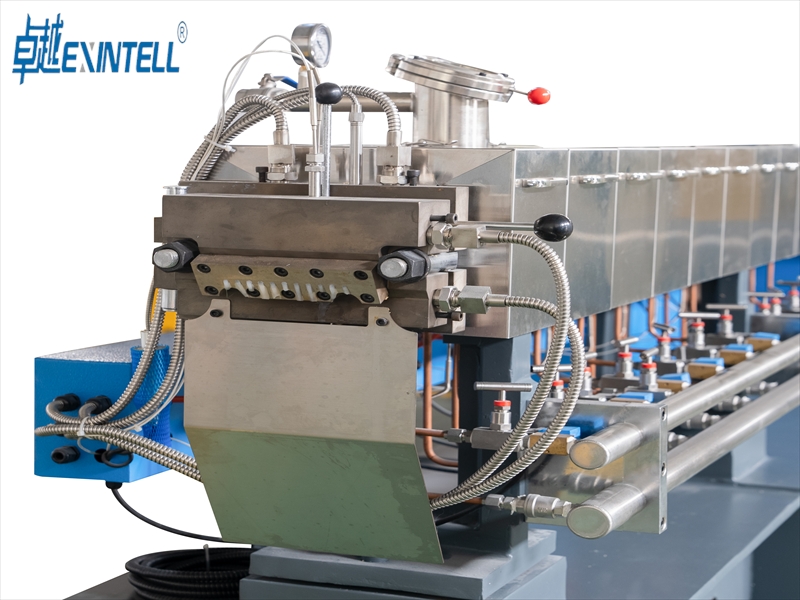
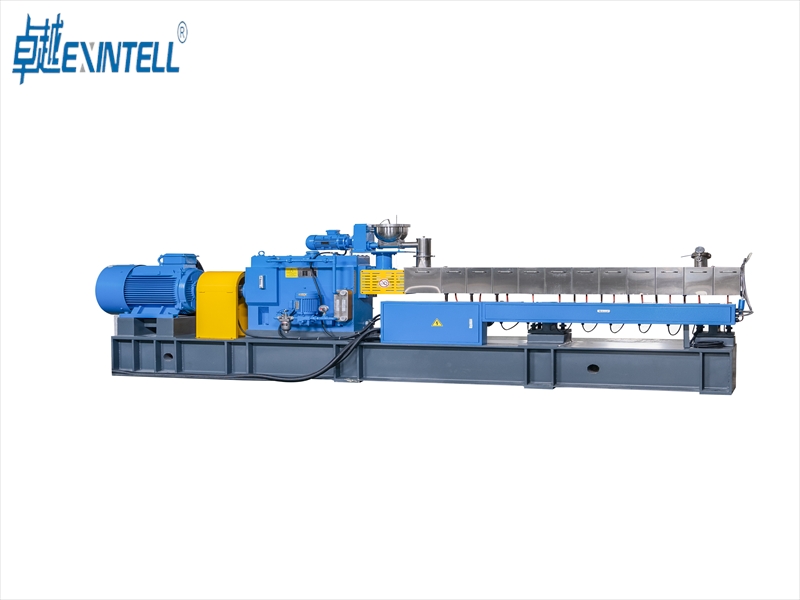
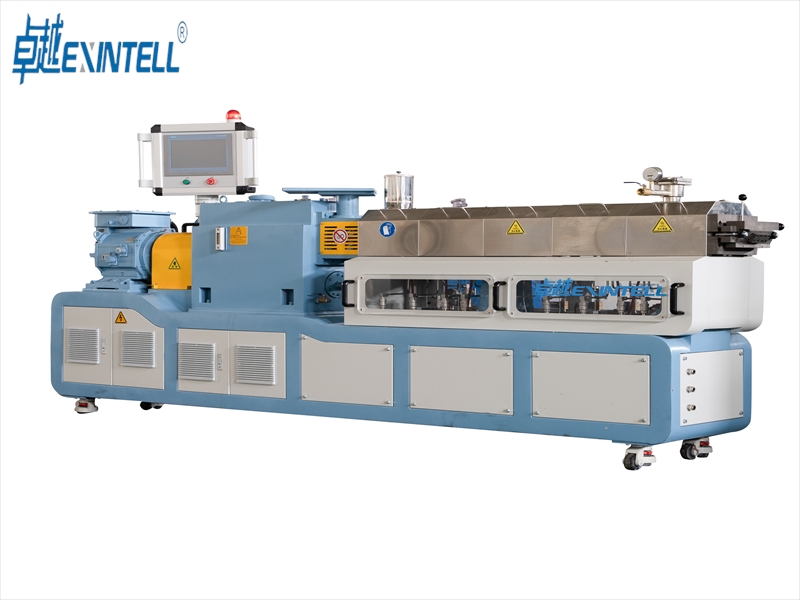
Aghju travagliatu cù estrusione plastica per anni è anu vistu cumu stu metudu forma materiali termoplastici in profili cuntinui. U prucessu di estrusione principia cù a selezzione di materiale, chì hè criticu per ottene e proprietà desiderate in u pruduttu finali. I carricu pellets di plastica o granuli in una tramuta sopra l'extruder. A macchina usa un viti rotanti per spustà u materiale à traversu una canna riscaldata. Cume u materiale viaghja, si scioglie per via di l'attrito è u calore esternu. U plasticu fusu passa dopu à traversu una filetta in forma di precisione, chì dà u pruduttu u so prufilu. Dopu a furmazione, a forma estrusa entra in un sistema di rinfrescante, di solitu un bagnu d'aria o acqua, per solidificà è mantene a precisione dimensionale. Infine, Aghju tagliatu o rotulu u pruduttu, secondu l'applicazione. Stu approcciu passu-da-passu mi permette di creà longu, forme uniformi cù sezioni trasversali coerenti.
Applicazioni cumuni
L'estrusione plastica ghjoca un rolu vitale parechje industrii. Spessu u vecu usatu per imballaggi, automobile, mobili, è beni di cunsumu. U prucessu pruduce una larga gamma di prudutti, da tubi simplici à profili cumplessi. Eccu un tavulu chì riassume alcune applicazioni cumuni:
| Industria | I prudutti |
|---|---|
| Imballaggio | Filmi, fogli, sacchetti, avvolgi, vassoi, e tazze |
| Automotive | Sigilli di u clima, tubi di plastica, tagliate i profili |
| Mobili & Beni di cunsumu | Bande di bordu, piste di cortina, pannelli di schiuma di PVC ligeri |
| A casa Apparecchi | Manichi, guarnizioni per forni è microonde |
| Plumbing & Medica | Tubi, pipi |
Aghju trovu chì estrusione plastica persunalizata permette à i pruduttori di cuncepisce profili unichi per bisogni specializati. Questa flessibilità face l'estrusione una scelta populari per continuu, pruduzzione altu vulume.
Materiali utilizati
L'scelta di i materiali in l'estrusione plastica afecta à u prucessu è a precisione di u pruduttu finali. Aghju spessu aduprà polipropilene, polietilene tereftalato, è polistirene. Questi materiali offrenu diverse proprietà, cum'è a flessibilità, forza, è chiarezza. A manera di preparà, scioglie, è rinfriscà i materiali hà un impattu direttu nantu à a precisione è a cunsistenza di e parti estruse. Eccu alcuni di i materiali più cumuni chì aghju utilizatu:
- Polipropilene (PP)
- Polietilene tereftalato (PET)
- Polistirene (PS)
- Polyvinyl chloride (PVC)
- Polietilene d'alta densità (HDPE)
- Polietilene di bassa densità (LDPE)
- Acrilonitrile butadiene stirene (ABS)
- Elastomeri termoplastici (TPE)
- Nylon (PA)
- Policarbonate (PC)
- Metacrilate di polimetile (PMMA)
Quandu u travagliu nantu à prughjetti di estrusione di plastica persunalizati, Aghju sempre u materiale à i bisogni di l'applicazione. Questa selezzione attenta assicura chì u pruduttu risponde à i standard di rendiment è di precisione.
Pro è Cons
Quandu aghju evaluatu l'extrusion plastica per un prughjettu, Pisu sempre i benefici è l'inconvenienti. Stu prucessu offre punti di forza unichi, ma vene ancu cù limitazioni chì affettanu a precisione è a tolleranza.
Eccu a tavula chì riassume i principali vantaghji è disadvantages Aghju osservatu in u mo travagliu:
| Vantaghji | Disvantages |
|---|---|
| Alta efficienza è scalabilità | Limitazioni in a produzzione di forme cumplesse |
| Alti volumi di pruduzzione | Sfide cù u swell chì affettanu a precisione |
| Efficacia di u costu per volumi mediu à altu | Imperfezioni potenziali di a superficia chì necessitanu finitura |
Vantaghji
Spessu sceglie l'extrusione plastica per a so alta efficienza. U prucessu curre in continuu, chì significa chì possu pruduce pezzi longu senza interruzzione. Questa scalabilità a rende ideale per grandi ordini. Quandu aghju bisognu di fabricà millaie di piedi di tubi o profili, l'estrusione dà risultati coerenti. U costu per parte scende cum'è u voluminu di produzzione aumenta, cusì mi pare assai costu-efficace per i prughjetti di mediu à altu voluminu.
Un altru vantaghju hè a capacità di creà sezioni trasversali uniformi. Puderaghju mantene dimensioni stabile longu a lunghezza di a parte, chì hè impurtante per applicazioni cum'è tubi o cornici di finestra. U prucessu sustene ancu una larga gamma di termoplastici, cusì ponu selezziunà i materiali chì currispondenu à i bisogni meccanichi è chimichi di u pruduttu finali.
Disvantages
Malgradu sti punti di forza, L'estrusione plastica hà qualchì svantaghju. U prucessu pugna cù formi cumplessi. Se una parte richiede dettagli intricati o anguli affilati, Trovu l'extrusion menu adattatu. U plasticu fusu tende à gonfià quandu esce da a matrice, un fenomenu chjamatu die swell. Stu effettu pò fà difficiule di ottene tolleranze strette, in particulare per i pezzi chì necessitanu dimensioni precise.
A finitura di a superficia pò ancu esse un prublema. Calchì volta, e parti estruse mostranu linee o segni da a fustella. Aghju spessu bisognu di aghjunghje passi di finitura secundaria, cum'è trimming o lucidatura, per migliurà l'aspettu è risponde à i standard di qualità. Questi passi extra ponu aumentà u tempu è u costu.
Cunsigliu: Aghju sempre ricumandemu di rivisione a geometria di a parte è e tolleranze richieste prima di selezziunà l'estrusione. Se u disignu hè simplice è l'ordine hè grande, estrusione di solitu offre u megliu valore.
Panoramica di l'injection Molding
Principi di prucessu
Aghju passatu anni à travaglià cù l'injection molding, è mi pare chì u prucessu sia fascinante è efficace. U metudu usa un moldu, chì forma plastica fusa in forme precise. Segu sempre una seria di passi per assicurà chì ogni parte risponde à i stretti standard di qualità. Eccu cumu avvicinu u prucessu di stampa di iniezione:
- Clamping: Aghju chjusu u moldu strettu per preparà per i prossimi passi.
- Iniezione: I inject hot, plastica fusa in a cavità di u moldu.
- Abitazioni: Aghju lasciatu u plasticu à pusà à l'internu di u moldu per un pocu tempu, cusì omplete ogni spaziu.
- Cooling: U plasticu si rinfriscà è si indurisce mentre hè in u moldu.
- Apertura di muffa: Apertu u moldu dopu chì a parte s'hè rinfriscata.
- Ejection: Eliminate a parte finita da u moldu.
Stu ciclu si ripete rapidamente, chì mi permette di pruduce grandi quantità di parti idèntica. Mi appoghju nantu à l'injection molding quandu aghju bisognu di forme cumplesse, fine dettagli, e finiture di alta qualità. U prucessu mi dà un cuntrollu eccellente nantu à e dimensioni è l'apparenza di a superficia.
Nota: Aghju sempre monitoratu a temperatura è a pressione strettamente durante l'injection molding. Sti fattori affettanu a precisione è a coherenza di a parte finale.
Applicazioni cumuni
L'injection molding ghjoca un rolu vitale in parechje industrii. Aghju utilizatu stu prucessu per creà pezzi per l'automobile, medicale, l'elettronica di cunsumu, e settori di imballaggio. A versatilità di l'injection molding mi permette di pruduce cumpunenti simplici è assai cumplessi. Eccu un tavulu chì riassume alcune applicazioni tipiche:
| Industria | Prudutti pruduciuti |
|---|---|
| Automotive | Diversi cumpunenti è parti |
| Medica | Custodie di u dispusitivu, strumenti chirurgici |
| Elettronica di cunsumu | Casi, i buttoni, è altri cumpunenti |
| Imballaggio | Tappi di bottiglia, cuntenituri |
Spessu facciu articuli cum'è casi di lenti di cuntattu, tappi di bottiglia, è cumpunenti d'altu voluminu cù geometrie intricate. L'injection molding m'aiuti à dà risultati coerenti, ancu per i prughjetti esigenti.
Materiali utilizati
A selezzione di materiale hè cruciale in l'injection molding. Sceltu materiali basatu nantu à a forza necessaria, flessibilità, è precisione. Per pezzi d'alta precisione, Preferite i polimeri cù ritirata bassa è uniforme, flussu di fusione stabile, è una bona resistenza termica. Alcune di i più materiali cumuni Aghju aduprà include:
- ABS: Offre durezza, una finitura di superficia liscia, è resistenza à l'impattu.
- Polipropilene: Fornisce resistenza chimica, flessibilità, è accessibilità.
- Policarbonate: Offre alta chiarezza, forza, è resistenza à u calore.
- Polietilene: Ligeru è resiste à l'umidità.
- Nylon: Cunnisciuta per a forza, resistenza à l'usura, è stabilità termica.
- PEEK: Eccezziunale per u calore, chimicu, è resistenza à l'usura.
Quandu aghju bisognu di tolleranze ancu più strette, Mi turnu à i polimeri di qualità ingegneria. Materiali cum'è polimeru di cristalli liquidi (LCP), polietherether chetone (PEEK), è acetale (POM) dàmi una stabilità dimensionale eccellente è una contrazione minima. Per esempiu, Aduprà LCP per connettori elettrici è cumpunenti di sensori, mentre chì PEEK funziona bè per implanti medichi è parti aerospaziali. U policarbonate hè a mo scelta per lenti è cumpunenti ottichi per via di a so chiarezza è forza.
Cunsigliu: Aghju sempre u materiale à i bisogni di l'applicazione. A scelta ghjusta assicura chì u prucessu di stampatura à iniezione offre precisione è prestazioni.
Pro è Cons
Aghju travagliatu cù l'injection molding per parechji anni. Stu prucessu offre parechji vantaghji chì facenu a mo scelta preferita per i pezzi di plastica d'alta precisione. Vogliu sparte i punti di forza è e limitazioni chì aghju osservatu.
Vantaghji di l'injection Molding
- Puderaghju una precisione assai alta cù l'injection molding. U prucessu mi permette di pruduce pezzi cù tolleranze strette cum'è ± 0.005 inch. Stu livellu di precisione hè difficiule di cuncurrenza cù altri metudi di fabricazione plastica.
- Aghju apprezzatu a ripetibilità di l'injection molding. Una volta aghju stabilitu u moldu è i paràmetri di prucessu, Puderaghju pruduce millaie o ancu milioni di parti identiche. Ogni parte currisponde strettamente à u disignu originale.
- Spessu bisognu di creà parti cù forme cumplessi è dettagli fini. L'injection molding gestisce bè geometrie intricate. Ùn aghju micca bisognu di aghjunghje passi extra o prucessi secundarii per ottene queste caratteristiche.
- Pensu chì u modellu à iniezione offre un finitu di superficia eccellente. I pezzi sò lisci è pronti per l'usu in a maiò parte di i casi.
- Puderaghju aduprà una larga gamma di polimeri termoplastici è ingegneria. Questa flessibilità mi permette di abbinà e proprietà di materiale à i bisogni di l'applicazione.
I svantaghji di l'injection Molding
- Devu investisce in stampi d'alta qualità prima di inizià a produzzione. U costu iniziale per a creazione di moldu pò esse significativu. Per i picculi pruduzzione, stu costu ùn pò esse ghjustificatu.
- Aghju amparatu chì a cumplessità di u disignu pò presentà sfide. Aghju bisognu di pianificà u moldu è u disignu di parte cun cura. Errori in a fase di cuncepimentu pò purtà à cambiamenti costosi dopu.
- A volte faccio i tempi di guida più longu à l'iniziu di un prughjettu. U disignu è a fabricazione di u moldu piglia tempu, in particulare per i parti cumplessi.
- Aghju nutatu chì a selezzione di materiale è i paràmetri di u prucessu necessitanu una cura attenta. Se ùn aghju micca cuntrullà a temperatura, pressione, e tassi di rinfrescante, Rischiu difetti o errori dimensionali.
Eccu un tavulu chì riassume i principali pros and cons chì aghju avutu cun l'injection molding:
| Pros | Cons |
|---|---|
| Alta precisione è tolleranze strette | Altu costu iniziale di muffa |
| Eccellente ripetibilità per grandi volumi | A cumplessità di u disignu richiede una pianificazione curretta |
| Supporta geometrie cumplesse è dettagli fini | Tempi di consegna più longu per u sviluppu di muffa |
| Finiture di superficia liscia | U cuntrollu di u prucessu hè criticu |
| Vasta scelta di materiale | Ùn hè micca costu-efficace per corse di pocu voluminu |
Cunsigliu: Aghju sempre ricumandemu u modellu à iniezione quandu un prughjettu esige alta precisione, forme cumplesse, è grandi volumi di pruduzzione. Per parti simplici o picculi lotti, Pensu à altri metudi per risparmià i costi è u tempu di guidà.
Precisione è Tolleranze
Quandu compara l'estrusione di plastica è l'injection, Aghju sempre focu annantu à cumu ogni prucessu manighja precisione è tolleranza. Questi fattori determinanu se una parte risponde à i requisiti di tolleranza di u disignu è funziona cum'è previstu. Aghju amparatu chì ancu i picculi differenze in tolleranze ponu impattu l'assemblea, prestazione, è a qualità di u produttu.
Tolleranze di estrusione di plastica
Cuerenza dimensionale
In a mo sperienza, L'estrusione plastica furnisce una bona coerenza dimensionale per longu, forme continue. Spessu vecu intervalli tipici di tolleranza intornu ± 0.010 inch. Stu valore stabilisce un benchmark per ciò chì possu aspittà di l'estrusione in termini di variazione dimensionale. U prucessu hè megliu per i pezzi cù sezzioni uniformi, cum'è i tubi, verghe, e profili. Tuttavia, Aghju nutatu chì mantene e tolleranze strette in tutta a lunghezza pò esse sfida. Fattori cum'è die swell, ritirata di materiale, è i tassi di rinfrescante pò causà variazioni ligere. Aghju sempre monitoratu sti variàbili vicinu per mantene e dimensioni in limiti accettabili.
Finitura di a superficia
A finitura di a superficia in estrusione dipende da a qualità di a matrice è u prucessu di rinfrescante. Spessu vecu linee minori o segni nantu à e parti estruse, chì venenu da a matrice o da un raffreddamentu irregolare. Questi marchi ponu influenzà l'aspettu è qualchì volta l'adattazione di a parte. Quandu una superficia liscia hè critica, Puderaghju bisognu di aghjunghje passi di finitura secundaria. Aghju trovu chì l'estrusione raramente ottene u listessu livellu di liscia di a superficia cum'è l'injection molding. Ancora, per parechje applicazioni, a finitura hè accettata senza travagliu extra.
Tolleranze di stampaggio a iniezione
Precisione dimensionale
L'injection molding si distingue per a so capacità di ottene tolleranze assai strette. U travagliu regularmente cù tolleranze strette cum'è ± 0.005 inch, è qualchì volta ancu più strettu per i pezzi d'alta precisione. Stu livellu di precisione vene da u moldu rigidu è i paràmetri di prucessu cuntrullati. Mi fiu di standard cum'è U vostru EN ISO 20457 è ISO 2768-1/2 per guidà u mo travagliu. Questi standard definiscenu gruppi di tolleranza è classi per diverse dimensioni di parti è caratteristiche. Per esempiu, U vostru EN ISO 20457 specifica gruppi di tolleranza cum'è TG5, chì permette circa 0.23 mm per a 32 mm parte. Queste linee guida mi aiutanu à assicurà chì ogni parte risponde à esigenze dimensionali strette.
Pagu assai attente à pressione d'iniezione è pressione di mantene durante l'imfurmazione. A sintonizazione curretta di sti paràmetri assicura chì u muffa si riempia cumplettamente è minimizza i difetti. Stu cuntrollu hè essenziale per l'applicazioni di precisione, induve ancu una piccula deviazione pò causà prublemi in assemblea o funzione.
Finitura di a superficia
A finitura di a superficia in u modellu à iniezione pò esse eccellente. Puderaghju pruducia parti cù brillanti, superfici lucidate o cù texture chì miglioranu l'aderenza è nascondenu difetti minori. L'scelta di a finitura afecta à l'aspettu è a prestazione di a parte. Per esempiu:
- Un finitu lucidatu dà un brillante, apparenza liscia.
- I superfici texturizzati ponu fà e parti più faciuli di manighjà è menu prubabile di mostrà graffi.
- E diverse finiture ponu ancu influenzà a durabilità è cumu a parte interagisce cù altri cumpunenti.
Pensu ancu cumu i metudi di post-processamentu, cum'è anodizing, rivestimentu in polvere, o galvanica, pò influenzà e dimensioni finali. Questi metudi aghjunghjenu materiale o cambianu a superficia, cusì mi cuntu per elli in u mo disignu per mantene a precisione.
Tabella di cunfrontu di tolleranza
Aghju spessu aduprà una tavula per paragunà e tolleranze tipiche per l'estrusione plastica è l'injection molding. Stu riassuntu aiuta à mè è à i mo clienti capisce ciò chì aspetta da ogni prucessu:
| Prucessu | Tolleranze tipiche | Qualità di finitura di superficia | Ripetibilità |
|---|---|---|---|
| Estrusione di plastica | ± 0.010 inch | Moderate | Bonu per parti longu |
| Molding à iniezione | ± 0.005 inch o più strettu | Eccellente | Assai altu |
Nota: L'injection molding ottene tolleranze più strette è ripetibilità megliu cà l'estrusione plastica. Aghju sempre ricumandemu u modellu à iniezione quandu un prughjettu esige alta precisione, forme cumplesse, o esigenze strette di tolleranza.
Aghju trovu chì a scelta di u prucessu ghjustu dipende da a geometria di a parte, e tolleranze richieste, è l'applicazione. L'injection molding mi dà i migliori risultati per dettagli, pezzi d'alta precisione. Estrusione plastica funziona bè per simplicità, forme cuntinue induve sò accettate tolleranze un pocu più largu.
Fattori chì affettanu a precisione
Scelta di materiale
Aghju sempre principiatu per cunsiderà u materiale quandu vogliu ottene alta precisione in parti di plastica. E proprietà di u plasticu influenzanu quantu possu cuntrullà e tolleranze durante l'estrusione è l'injection. Per esempiu, a manera chì un materiale scorri, u so ritirata, è a so stabilità termale tutti ghjucanu un rolu in u risultatu finali.
Eccu un tavulu chì riassume cumu e diverse proprietà di materiale influenzanu a precisione è a tolleranza:
| Pruprietà materiale | Influenza nantu à Precisione è Tolleranze |
|---|---|
| Cumportamentu di u flussu (MFI/MFR) | I materiali high MFI scorri facilmente, chì aiuta à riempie muffa cumplessa o di pareti sottili. Tuttavia, ponu avè una forza più bassa. |
| I materiali Low MFI sò più grossi è più difficiuli di moldà, ma risultanu più forti, parti più resistenti à l'impattu. | |
| Ritirà | I plastichi amorfi, cum'è l'ABS è u PC, si riducenu menu è più uniformi, cusì possu ottene tolleranze più strette. |
| I plastichi semi-cristallini, cum'è Nylon è POM, si riducenu più è menu prevedibile, rendendu a precisione più difficiuli di cuntrullà. | |
| Stabilità termale | Una bassa stabilità termica pò causà difetti cum'è marchi di brusgiate o deformazioni, chì riduce a precisione dimensionale. |
| A bona stabilità termale hè impurtante per i pezzi sottili o cumplessi induve a precisione importa più. |
Quandu aghju sceltu un materiale, Aghju sempre i so proprietà à i bisogni di a parte. Per esempiu, s'è aghju bisognu di una parte cù tolleranze assai strette, Sceltu un plasticu amorfu cù bassa shrinkage è bona stabilità termale.
Part Cumplessità
A cumplessità di una parte hà un impattu direttu nantu à a precisione chì possu ottene. Forme simplici sò più faciuli di cuntrullà, mentre chì i disinni cumplessi introducenu più sfide. Prestu assai attenzione à e caratteristiche cum'è e linee di parte, superfici curve, e dimensioni critiche.
Eccu un tavulu chì mostra cumu e diverse considerazioni di design afectanu a precisione:
| Considerazione | Impattu nantu à a precisione |
|---|---|
| U piazzamentu di a linea di parte | Influenza a cumplessità di u moldu è a qualità di u pruduttu finitu. |
| Evitendu e zone critiche | Aiuta à prevene i cambiamenti dimensionali è assicura un megliu fit. |
| Posizionamentu nantu à superfici curve | Esige una precisione di muffa più altu, chì ponu aumentà i costi è u risicu di difetti. |
| L'usu di e linee naturali split | Facilita a custruzione di muffa è migliurà u prucessu di demolding. |
Quandu mi designu una parte per l'injection molding, Pruvate di mette e linee di separazione in spazii menu visibili è evite di mette in superfici critiche. Stu approcciu m'aiuti à mantene megliu tolerance è riduce u risicu di difetti.
Volume di pruduzzione
U voluminu di produzzione afecta ancu u livellu di precisione chì possu ghjunghje. Per a produzzione di grande volume, Investu in stampi di alta qualità è cuntrolli di prucessu precisi. Stu investimentu paga perchè possu pruduce millaie o milioni di parti identiche cù tolleranze consistenti. Per corse più chjuche, Puderaghju aduprà strumenti menu caru, ma sò chì questu pò purtà à più variazioni in e parti finali.
Cunsigliu: Aghju sempre ricumandemu d'utilizà u megliu arnesi possibbili è cuntrolli di prucessu per a produzzione di grande volume. Questa strategia assicura chì ogni parte risponde à e specificazioni richieste è riduce i rifiuti.
Qualità di l'attrezzi
Aghju sempre attentu à a qualità di l'attrezzi quandu vogliu ottene una alta precisione in a fabricazione di plastica. I strumenti chì aghju utilizatu, cume fustelle per estrusione e stampi per stampaggio a iniezione, ghjucà un rolu criticu in a determinazione di a tolleranza finali è a finitura di a superficia di ogni parte. Aghju amparatu chì ancu i picculi imperfezioni in l'attrezzi ponu purtà à errori significativi in u pruduttu finitu.
In a mo sperienza, l'attrezzatura di alta qualità principia cù un disignu attentu. U travagliu cù ingegneri per creà disegni detallati è mudelli 3D. Questi mudelli m'aiutanu à visualizà a parte è identificà e zone induve a precisione importa più. Aghju selezziunatu materiali per l'attrezzi chì resistenu à l'usura è mantenenu a so forma sottu à temperature è pressioni elevate. Per stampaggio a iniezione, Aghju spessu aduprate l'acciaio induritu o l'aluminiu d'alta qualità. Per fustelle per estrusione, Preferite l'acciaio d'arnesi cù una superficia pulita.
Aghju vistu chì u prucessu di fabricazione per l'uttellu affetta a so qualità. Usinazioni di precisione, cum'è fresatura CNC è EDM, mi permette di ottene tolleranze strette in u moldu o moriri. Inspeccione l'attrezzi dopu ogni passu per assicurà chì ùn ci sò micca difetti o inconsistenzi. S'ellu trovu qualchì problema, Mi rivolgu immediatamente. Questa attenzione à i dettagli impedisce i prublemi durante a produzzione.
U mantenimentu hè un altru fattore chì influenza a qualità di l'utensili. Pianu ispezioni regulare è pulizia per tutti i mo arnesi. Aghju rimpiazzatu i pezzi usurati prima chì causanu difetti in e parti di plastica. A manutenzione curretta estende a vita di l'attrezzi è mantene u prucessu di produzzione in corsu.
Eccu un tavulu chì riassume cumu a qualità di l'utensili influenza a precisione in i dui prucessi:
| Aspectu di u Tooling | Impattu nantu à a precisione | U mo avvicinamentu |
|---|---|---|
| Selezzione di materiale | Riduce l'usura è a deformazione | Aduprate l'acciaio induritu o l'aluminiu |
| Precisione di machining | Ottene tolleranze strette | Impiega CNC è EDM |
| Finitura di a superficia | Migliora l'aspettu di parte | Pulacche fustelle e stampi |
| Mantenimentu | Impedisce i difetti | Pianificate cuntrolli regulari |
Cunsigliu: Aghju sempre ricumandemu d'investisce in arnesi d'alta qualità per i prughjetti chì necessitanu tolleranze strette. U costu iniziale pò esse più altu, ma i benefici à longu andà includenu menu difetti, megliu ripetibilità, è i costi di mantenimentu più bassi.
Aghju trovu chì a qualità di l'uttellu spessu determina u successu di un prughjettu di fabricazione. Quandu aghju utilizatu arnesi cuncepitu è bè mantinuti, Pruducciu constantemente pezzi chì rispondenu à esigenze strette di precisione. Stu approcciu crea a fiducia cù i mo clienti è m'aiuta à furnisce risultati affidabili ogni volta.
Costu vs. Precisione
Fattori di costu di estrusione
Quandu aghju evaluatu l'extrusion plastica per un prughjettu, Pensu sempre cumu u costu è a precisione interagiscenu. Diversi fattori influenzanu u prezzu finali di e parti extrudite:
- Aghju spessu bisognu materiali premium per ottene una precisione più altu. Questi materiali costanu più ma aiutanu à scuntrà tolleranze strette.
- L'attrezzi persunalizati diventanu necessarii quandu vogliu profili unichi o tolleranze più strette. Stu requisitu aumenta l'investimentu iniziale.
- Se mi fucalizza nantu à a rapidità è u prezzu bassu, A volte vedo una goccia di precisione. I pezzi ùn ponu micca risponde à e tolleranze richieste, chì pò purtà à prublemi di qualità.
- Quandu aghju priurità a qualità è a precisione, Passu più tempu nantu à a stallazione è l'ispezione. Stu approcciu rallenta a produzzione ma assicura risultati megliu.
Pensu chì l'equilibriu di questi fattori hè chjave. Se un prughjettu permette tolleranza più larga, Puderaghju risparmià soldi usendu materiali standard è arnesi. Per applicazioni critiche, Invistiscia più per guarantisce a precisione.
Fattori di costu di stampa in iniezione
L'injection molding presenta una struttura di costu differente. Aghju amparatu chì parechji elementi guidanu a spesa generale, soprattuttu quandu mira à alta precisione. A tabella sottu riassume i fatturi principali di u costu è a so relazione cù a precisione:
| Fattore di costu | Relazione cù a precisione |
|---|---|
| Costi di l'attrezzi | I stampi di alta qualità stabilizzanu a produzzione è mantenenu tolleranze strette in u tempu. |
| Cunsumu materiale | I materiali premium miglioranu a precisione ma aumentanu i costi iniziali. |
| U tempu di ciclu | Cicli più brevi riduce i costi, ma qualchì volta compromette a precisione. |
| Tariffa di Tonnage Machine | E macchine più grande anu tolleranze più strette ma usanu più energia. |
| Livellu di travagliu / Automation | L'automatizazione aumenta a precisione è riduce i costi di u travagliu à longu andà. |
| Scrap Rate | A poca precisione aumenta u scrap, chì aumenta i costi totali. |
Aghju sempre pisà questi fattori prima di inizià un novu prughjettu di stampa di iniezione. Per grandi tirature di produzzione, l'investimentu in u megliu strumentu è l'automatizazione paga. Vecu menu difetti è parte più consistente.
Equilibrà u costu è a precisione
Sceglie trà estrusione è stampatura à iniezione spessu si riduce à truvà l'equilibriu ghjustu. Fighjulu a geometria di a parte, e tolleranze richieste, è u voluminu di pruduzzione. A tabella sottu m'aiuti à decide quale prucessu si adatta megliu:
| Tipu di prucessu | Ideale Per | Vantaghju Core | Cumprumessu |
|---|---|---|---|
| Molding à iniezione | Cumplessu, parti 3D chjuse | Estrema precisione è coerenza | Costu iniziale di muffa più altu; megliu per i grandi lotti |
| Estrusione di plastica | Cuntinuu, profili uniformi | U costu di l'attrezzi più bassu, output efficiente | Limitatu à forme lineari; menu adattatu per geometrii cumplessi |
Sè aghju bisognu di formi cumplessi è tolleranze strette, Sceltu l'injection molding malgradu u costu iniziale più altu. Per simplicità, profili continui, Mi appoghju à l'estrusione per mantene i costi bassi è a produzzione rapida. Aghju sempre u prucessu à i bisogni di u prugettu, assicurendu chì mi offre u valore è a qualità.
Cunsigliu: Vi cunsigliu di discutiri i vostri bisogni di precisione prima di a fase di cuncepimentu. Stu passu m'aiuti à selezziunà u prucessu più prezzu per a vostra dumanda.
Sceglie u Prucessu Giustu
Selezziunà u prucessu ghjustu per a fabricazione di pezzi di plastica pò determinà u successu di un prughjettu. Sempre principiatu per evaluà a geometria di a parte, tolleranza necessaria, volume di pruduzzione, è obiettivi di costu. A mo sperienza hà dimustratu chì sia l'estrusione di plastica sia l'injection molding offrenu punti di forza unichi. A megliu scelta dipende da i bisogni specifichi di l'applicazione.
Quandu aduprà l'estrusione di plastica
Mi vultu à u prucessu di extrusion plastica quandu aghju bisognu di pruduce longu, forme cuntinue cù sezzioni trasversali uniformi. Stu prucessu eccelle à creà articuli cum'è tubi, pipi, sigilli di u tempu, e profili per finestre o mobili. Pensu chì l'estrusione funziona megliu per e pruduzzione di volumi elevati induve u disignu ùn hà micca bisognu di funzioni 3D cumplessi.
Per assicurà una estrusione plastica riescita è di alta qualità, parechji i fattori chjave deve esse valutati currettamente durante a fase di cuncepimentu: Requisiti Funziunali, Cumpatibilità Materiale, Cumplessità di u prufilu, Spessore di u muru, Tolleranze, Parti di accoppiamentu, Cullaburazione di u Tooling, è efficienza di costu.
Quandu aghju valutatu se u prucessu di estrusione hè u dirittu, Mi cunsiderà:
- Requisiti di l'applicazione, cum'è a resistenza à a temperatura è l'esposizione UV.
- Pruprietà meccanica, inclusa a flessibilità, durezza, è forza di trazione.
- Cundizioni ambientali, cum'è u clima è i fluttuazioni di a temperatura.
- Esigenze estetiche è di finitura, cum'è u culore, gloss, è a struttura di a superficia.
- A regulazione è a conformità deve risponde à i normi di l'industria.
Pensu ancu i benefici di u costu di u prucessu di estrusione. Eccu cumu avvicinu a decisione:
- Evaluà i costi di materiale contr'à e limitazioni di u budget.
- Cunsiderate u risparmiu à longu andà da a durabilità è i rifiuti ridotti.
- U travagliu cù partenarii sperimentati per truvà u megliu equilibriu di rendiment è prezzu.
Diversi plastichi si cumportanu unicu durante u prucessu di estrusione, affettendu a forma è u rendiment di u pruduttu finali. Pagu assai attente à stabilità termica è forza di fusione, in particulare per applicazioni chì necessitanu tolleranza precisa. Quandu u disignu richiede simplicità, forme lineari è u prucessu deve esse custituitu, L'estrusione spessu furnisce a megliu suluzione.
Esempiu di Scenariu:
L'annu scorsu, Aghju travagliatu cù un cliente chì avia bisognu di millaie di piedi di tubi persunalizati per un sistema di irrigazione. U prucessu hà bisognu di un materiale chì puderia sustene a luce di u sole è i cambiamenti di temperatura. Aghju cunsigliatu u prucessu di estrusione cù polietilene stabilizatu à UV. U prucessu ci hà permessu di mantene un gruixu di muru consistente è scuntrà u budgetu di u cliente. U risultatu era un pruduttu durable chì hà fattu bè in u campu.
Quandu si usa l'injection Molding
Sceltu u prucessu di stampatura à iniezione quandu u disignu di a parte implica geometrie cumplesse, tolleranze strette, o dettagli intricati. Stu prucessu hè ideale per pruduce cumpunenti d'alta precisione, cum'è e case di i dispositi medichi, connettori di l'automobile, o chjusi di l'elettronica di u cunsumu. U prucessu sustene una larga gamma di materiali è finiture, rendendu versatile per parechje industrie.
U prucessu di stampatura iniezione spicca quandu:
- A parte richiede forme chjuse o 3D chì l'estrusione ùn pò micca ottene.
- L'alta ripetibilità è a coerenza sò critichi per l'assemblea o a funzione.
- L'applicazione richiede una superficia liscia o textures specifiche.
- U prugettu implica grandi volumi di pruduzzione, ghjustificà l'investimentu in arnesi.
Pensu sempre à u costu iniziale di l'uttellu è u tempu di prucedura per u prucessu di stampa di iniezione. Per i prughjetti d'altu voluminu, u prucessu furnisce un valore eccellente per via di bassi costi per parte è variazioni minima trà e parti. Aghju ancu cunfidendu stu prucessu quandu u cumplimentu regulatori è a tracciabilità di materiale sò essenziali.
Esempiu di Scenariu:
Recentemente, Aghju assuciatu cù un fabricatore di dispositivi medichi per pruduce un novu tipu di strumentu di diagnosticu portatile. U prucessu necessitava un alloghju cù caratteristiche internu cumplessu è un finitu di superficia impeccabile. Aghju cunsigliatu u prucessu di stampa di iniezione cù policarbonate di qualità medica. U prucessu ci hà permessu di ottene e tolleranze necessarie è di passà stretti testi regulatori. U cliente hà apprezzatu a cunsistenza è a qualità di ogni parte.
Studiu di casu:
Aghju vistu cumu l'imprese utilizanu approcci guidati da dati per selezziunà u prucessu ghjustu. Per esempiu, Amcor hà realizatu a prova pilotu paragunendu e emissioni da diverse fonti di plastica è siti di pruduzzione. U prucessu hà aiutatu à piglià decisioni infurmate nantu à l'acquistu à pocu carboniu è e relazioni di i fornitori. Analizendu u prucessu à ogni passu, anu migliuratu a trasparenza è ottinutu i so scopi di sustenibilità.
Cunsigliu: Aghju sempre cunsigliatu à i clienti per definisce e so esigenze di precisione, volume di pruduzzione, è u budgetu prima di a fase di cuncepimentu. Questa chiarezza m'aiuta à ricumandemu u prucessu più adattatu è evità cambiamenti costosi dopu.
Cumu decide trà i prucessi
Aduprà una lista di cuntrollu simplice per guidà a mo decisione:
- A parte hà una sezione trasversale uniforme è esige longu longu? Aghju sceltu u prucessu di extrusion.
- A parte hà bisognu di forme cumplesse, tolleranze strette, o una finitura di alta qualità? Selezziunà u prucessu di stampa di iniezione.
- Hè u voluminu di pruduzzione abbastanza altu per ghjustificà l'investimentu in uttellu? M'inclinu versu u modellu à iniezione.
- Hè l'efficienza di costu per forme simplici u scopu principale? Aghju cunsigliatu l'estrusione.
A selezzione di u prucessu forma tuttu u prughjettu, da u disignu à a consegna finale. Aghju sempre u prucessu à i bisogni di l'applicazione, assicurendu u megliu equilibriu di qualità, precisione, è costu.
Considerazioni supplementari
Comportu
Aghju sempre attentu à u tempu di guidà quandu pianificà un prughjettu di fabricazione. U tempu di consegna si riferisce à quantu tempu ci vole à passà da l'approvazione di u disignu à e parti finite. In a mo sperienza, plastica l'estrusione di solitu offre tempi più brevi. L'attrezzi per l'estrusione hè più simplice è più veloce di pruduce. Puderaghju a pruduzzione rapidamente una volta chì a morta hè pronta. Questu facenu l'estrusione una bona scelta per i prughjetti cù scadenze strette o bisogni urgenti.
L'injection molding richiede più tempu in anticipu. U disignu di u muffa hè cumplessu è esige una ingegneria attenta. Spessu passanu settimane o ancu mesi per creà è pruvà u moldu. Quandu u moldu hè prestu, a pruduzzione si move rapidamente, ma l'installazione iniziale rallenta u prucessu. Recumandemu u modellu à iniezione per i prughjetti induve a precisione è u voluminu importanu più di a velocità.
Cunsigliu: Sè avete bisognu di pezzi rapidamente è u disignu hè simplice, estrusione pò salvà tempu preziosu.
Flessibilità di cuncepimentu
A flessibilità di cuncepimentu forma ciò chì possu ottene cù ogni prucessu. Aghju amparatu chì l'estrusione limita e mo opzioni. U prucessu funziona megliu per simplicità, forme ripetute cum'è tubi o profili. Ùn possu micca creà caratteristiche intricate o geometrie cumplesse cù estrusione.
L'injection molding mi dà assai più libertà. Puderaghju cuncepisce e parti cù dettagli fini, sottili, e forme cumplesse. U muffa cattura ogni caratteristica, cusì possu risponde à esigenze strette per a precisione è l'apparenza.
Eccu a tavola chì compara a flessibilità di u disignu trà i dui metudi:
| Metudu | Flessibilità di cuncepimentu | A cumplessità di e parti |
|---|---|---|
| Molding per estrusione | Flessibilità limitata di u disignu; megliu per simplicità, forme ripetute. | Ùn hè micca adattatu per funzioni intricate. |
| Molding à iniezione | Alta flessibilità di disignu; ideale per forme cumplesse cù dettagli fini è precisione. | Capace di creà disinni sofisticati. |
Aghju sempre u prucessu à i bisogni di a parte. Se u disignu hè simplice è ripetutu, l'estrusione funziona bè. Per parti cumplessi o dettagliate, L'injection molding hè u vincitore chjaru.
A sustenibilità
A sustenibilità hè diventata una preoccupazione maiò in u mo travagliu. Cercu modi per riduce i rifiuti è aduprà materiali ecologichi. L'estrusione plastica si distingue per a so capacità di incorpore cuntenutu riciclatu e materiali biodegradabili. Puderaghju aduprà queste opzioni senza sacrificà u rendiment o a qualità. Questu dà l'estrusione un vantaghju quandu i clienti volenu suluzioni più verdi.
L'injection molding hè menu flexible in questa zona. U prucessu ùn sustene micca sempre i plastichi riciclati o biodegradabili. Devu sceglie materiali cun cura per evità difetti o prublemi di qualità. Quandu a sustenibilità hè una priorità, Aghju cunsigliatu l'estrusione per i so benefici ambientali.
🌱 Incuraghjemu sempre i clienti à cunsiderà materiali riciclati o biodegradabili in i prughjetti di estrusione. Questa scelta sustene i scopi di sustenibilità è aiuta à prutege l'ambiente.
Aghju vistu chì l'injection molding offre megliu precisione in a fabricazione di plastica, in particulare per i pezzi di plastica chjuchi à mediu. U prucessu usa una forza di serratura equilibrata è una viscosità di resina ottimizzata per riduce i difetti. I stampi multi-cavità è i cornici rigidi aiutanu à mantene risultati coerenti. Quandu sceglite trà l'estrusione plastica è l'iniezione, Pensu sempre a geometria plastica, tolleranze, volume di pruduzzione, è costu. Aghju cunsigliatu per l'injection molding per forme plastiche cumplessi è tolleranze strette. L'estrusione plastica funziona bè per simplicità, profili plastichi continui. A mo sperienza mostra chì una pianificazione curretta in a fabricazione di plastica porta à prudutti di plastica affidabili.
| Fattore | Molding à iniezione | Estrusione di plastica |
|---|---|---|
| Precisione | Altu per i pezzi di plastica | Moderatu per i pezzi di plastica |
| Tolleranze | Strettu in a fabricazione plastica | Looser in a fabricazione di plastica |
| Volume di pruduzzione | U megliu per grandi corse di plastica | U megliu per i corsi continui di plastica |
| Costu | Più altu per i muffa di plastica | Inferiore per fustelle di plastica |
Aghju sempre cunsigliatu à i clienti per abbinà u prucessu di fabricazione di plastica à i so bisogni specifichi di plastica.
FAQ
Chì ghjè u vantaghju principali di l'extrusion plastica?
trovu estrusione plastica ideale per creà profili continui. U prucessu funziona in modu efficiente è pruduce longu, forme uniformi. Possu fabricà rapidamente pezzi cum'è tubi è bastoni per parechje industrii.
U modellu à iniezione pò gestisce forme cumplesse?
Mi appoghju à u modellu à iniezione quandu aghju bisognu di disinni intricati o caratteristiche dettagliate. U prucessu mi permette di pruduce pezzi cù geometrii cumplessi è tolleranze strette. Aghju ottene alta precisione ogni volta.
Quale prucessu hè megliu per a produzzione di voluminu altu?
Sceltu l'injection molding per a produzzione di altu volume. U prucessu furnisce una qualità consistente è ripetibilità. Puderaghju pruduce millaie o milioni di parti identiche cù variazioni minima.
Sò prufessi cuntinui pussibuli cun stampatura à iniezione?
Ùn aduprate micca u modellu à iniezione per profili cuntinui. U prucessu funziona megliu per discretu, parti individuali. Mi vultò à estrusione quandu aghju bisognu di longu, forme ininterrotte.
Chì materiali sò megliu per l'estrusione?
Selettu materiali cum'è polipropilene, PVC, è HDPE per l'estrusione. Questi plastichi m'aiuti à creà profili cuntinui cù prestazioni affidabili. Aghjunghjite u materiale à i bisogni di l'applicazione.
Cumu si compara a finitura di a superficia trà i dui prucessi?
Aghju nutatu chì l'injection molding produce superfici più lisce. L'estrusione a volte lascia marchi o linee su profili continui. Puderaghju aghjunghje passi di finitura per migliurà l'apparenza quandu hè necessariu.
Hè l'estrusione rentabile per i picculi lotti?
Di solitu ricumandemu l'estrusione per ordini più grande. U prucessu diventa più costu-efficace cum'è pruducia profili più cuntinui. Per i picculi lotti, i costi di stallazione ponu sopra à i benefici.
Puderaghju aduprà materiali riciclati in estrusione?
Aghju spessu aduprà plastichi riciclati in estrusione. U prucessu sustene a fabricazione sustenibile è mi permette di creà profili cuntinui cù materiali eco-friendly. Aiutu i clienti à ghjunghje à i so scopi ambientali.