

Unsa ang Pabrika nga Twin Screw Extruder? Usa ka Komprehensibo nga Giya sa B2B alang sa mga Manufacturers, Mga suppliers, ug Wholesale Buyers
Ang pabrika sa twin screw extruder usa ka espesyal nga pasilidad sa paghimo sa industriya nga nagdesinyo, mga enhinyero, nagtigom, ug gisulayan ang twin screw extrusion system nga gigamit sa mga plastic compounding, pagproseso sa pagkaon, mga pharmaceutical, ug industriya sa kemikal. Alang sa mga pumapalit sa B2B nga nagkuha gikan sa mga merkado sa kalibutan — ilabina sa tibuok koridor sa pamatigayon — pagsabot kon unsa ang giprodyus niini nga mga pabrika, giunsa nila pag-operate, ug unsa ang kalainan sa usa ka kasaligan nga twin screw extruder manufacturer gikan sa usa ka dili kasaligan mao ang kritikal sa paghimo sa maayo nga mga desisyon sa pagpalit. Kini nga giya naglangkob sa tibuok nga talan-awon: mga operasyon sa pabrika, ebalwasyon sa supplier, pakyawan nga mga estratehiya sa pagpalit, mga epekto sa palisiya sa pamatigayon, ug mga uso sa merkado sa unahan ug sa unahan.
Understanding the Twin Screw Extruder: Core Technology and Industrial Applications
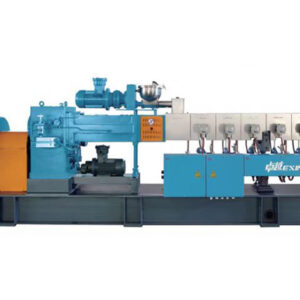
A twin screw extruder is a machine that uses two intermeshing, co-rotating or counter-rotating screws housed inside a barrel to mix, compound, matunaw, ug porma sa hilaw nga materyales. Dili sama sa single screw extruders, twin screw systems offer superior mixing efficiency, precise temperature control, and the ability to process a wider range of materials — from thermoplastics and rubber compounds to food ingredients and pharmaceutical granules.
Aliment Extrudé The core components manufactured in a twin screw Twin Screw Extruder Price Factory extruder factory include: Heavy Duty Commercial Mixer
- Mga elemento sa screw (kneading blocks, conveying elements, pagsagol sa mga elemento)
- Barrels (segmented or monolithic, with heating/cooling channels)
- Gearboxes and drive systems
- Mga sistema sa pagpakaon (gravimetric and volumetric feeders)
- Die heads and downstream equipment
- Control systems and automation panels
Twin screw extruders are deployed in plastics compounding (the largest segment), masterbatch nga produksyon, polymer recycling, snack food manufacturing, pet food production, pharmaceutical hot-melt extrusion, and advanced materials processing including carbon fiber composites and battery electrode materials. Sumala sa datos gikan sa Pagtuon sa Dakong Panan-aw, ang kalibutanon nga twin screw extruder nga merkado gipabilhan sa gibana-bana nga USD 1.2 bilyon sa 2024 ug gilauman nga motubo sa usa ka CAGR nga 5.2% pinaagi sa 2030.

Industrial manufacturing facility interior with heavy machinery and production lines representing a twin screw extruder facto
What Makes a Twin Screw Extruder Factory Different from a Workshop or Assembly Shop
Not every company that sells twin screw extruders operates a genuine factory. The distinction matters enormously for B2B buyers. A true twin screw extruder factory has:
- In-house metallurgy and machining: CNC machining centers, deep-hole drilling equipment, and heat treatment furnaces for producing screw elements and barrels from tool steel, tungsten carbide, o espesyal nga mga haluang metal.
- Engineering ug R&D mga departamento: Gipahinungod nga mga team nga nagdesinyo sa mga pag-configure sa screw, modagan simulation software (sama sa Ludovic o PolyXtrue), ug paghimo ug naandan nga mga solusyon alang sa piho nga mga hagit sa pagproseso sa materyal.
- Mga linya sa asembliya ug pagsulay: Kontrolado nga mga palibot diin ang kompleto nga mga sistema sa extruder gitigum, nahiangay, ug modagan pinaagi sa performance validation tests sa dili pa ipadala.
- Mga sistema sa pagdumala sa kalidad: ISO 9001 sertipikasyon sa minimum, nga adunay daghang mga pabrika nga nagkupot usab sa katakus sa pagmarka sa CE, ug pagsunod sa mga direktiba sa makinarya sama sa EU Machinery Regulation 2023/1230 (pag-ilis sa kanhi 2006/42/EC nga direktiba, epektibo sa Enero 2027).
Usa ka tindahan sa asembliya o kompanya sa pamatigayon, sa kasukwahi, tinubdan sa mga sangkap gikan sa daghang mga sub-supplier, nagtigum kanila nga adunay limitado nga pagkontrol sa kalidad, ug kasagaran kulang sa giladmon sa inhenyero aron suportahan ang mga kostumbre nga pag-configure o pagkahuman sa pagbaligya sa teknikal nga serbisyo. When evaluating a twin screw extruder supplier, verifying factory capability is the first step.
The Global Landscape: Where Twin Screw Extruder Factories Are Located
Twin screw extruder manufacturing is concentrated in several key regions:
Europe: Germany remains the historical center of twin screw extruder innovation. Mga kompanya sama sa Coperion (Stuttgart), KraussMaffei (Munich), ug Leistritz (Nuremberg) operate large-scale factories with decades of engineering heritage. Italy also has a strong cluster, particularly in the Brescia-Bergamo corridor. European factories are known for precision engineering, abante nga metalurhiya, and premium pricing.
China: China has emerged as the world's largest producer of twin screw extruders by volume. Major manufacturing clusters exist in Nanjing (Lalawigan sa Jiangsu), which alone hosts over 40 twin screw extruder factories, as well as in Zhangjiagang, Kunshan, and Guangdong Province. Chinese factories range from high-end manufacturers producing equipment comparable to European standards, to budget-oriented operations targeting price-sensitive markets. Sumala sa China Customs data, exports of plastics processing machinery (HS code 8477) milapas sa USD 3.8 bilyon sa 2024.
Estados Unidos: The US has fewer dedicated twin screw extruder factories but hosts significant operations from global players (Coperion's manufacturing and service center in New Jersey, pananglitan) and specialized domestic manufacturers. The US market is primarily an importer and end-user market.
Japan and South Korea: Japan's JSW (Japan Steel Works) and Shibaura Machine (formerly Toshiba Machine) are premium manufacturers. South Korea has growing capacity, particularly for food and pharmaceutical extrusion equipment.
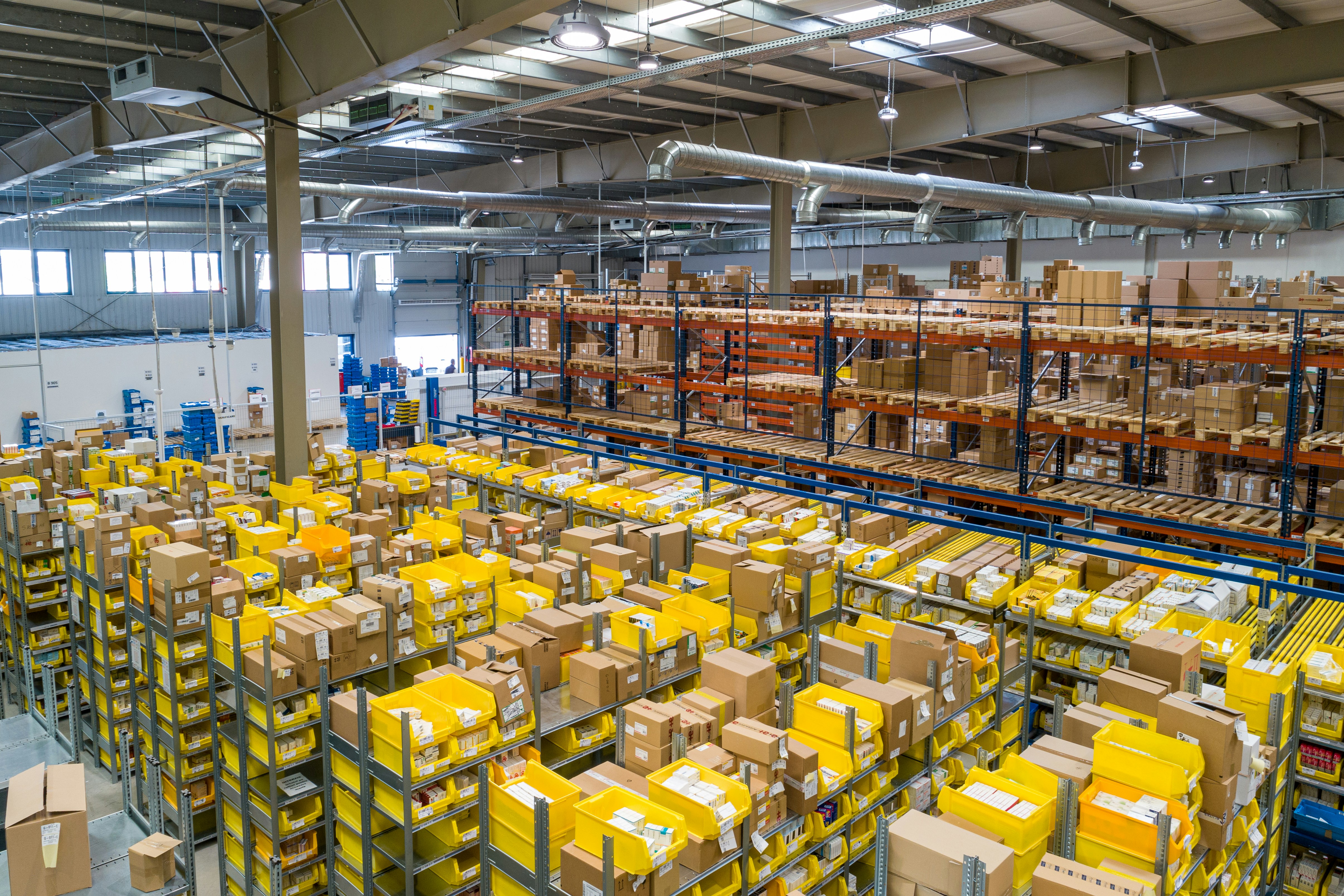
Global shipping port with container vessels and cranes representing international B2B trade logistics for industrial machiner
Trade Policy and Its Impact on Twin Screw Extruder Procurement
For B2B buyers operating in the trade corridor, understanding current trade policy is essential for cost planning and supply chain strategy.
The Transatlantic Trade and Technology Council (TTC), gitukod sa 2021, has continued to shape industrial cooperation. While the TTC does not directly set tariffs, its working groups on supply chain resilience and technology standards influence how industrial machinery — lakip ang extrusion equipment — moves between the two markets. As of mid-, the key policy factors include:
Screw Extruder Machine Factory Tariff environment: Standard US tariffs on EU-manufactured industrial machinery (HTS Chapter 84) remain at rates between 0% ug 3.5% for most twin screw extruder components. The EU applies similar rates on US-origin machinery. Hinuon, the broader tariff environment has been volatile. The US Section 232 steel and aluminum tariffs (25% ug 10% respectively), samtang nag-una nga gipunting ang hilaw nga materyales, have increased costs for extruder factories that source specialty steels. The EU's Carbon Border Adjustment Mechanism (CBAM), nga misulod sa iyang transitional phase niadtong Oktubre 2023 ug nagalihok padulong sa hingpit nga pagpatuman pinaagi sa 2026, adds reporting requirements for embedded carbon in imported goods, matag Dokumentasyon sa European Commission CBAM.
Supply chain shifts: The US Inflation Reduction Act (IRA) and the EU's Green Deal Industrial Plan have both created incentives for domestic manufacturing of clean energy technologies. Twin screw extruders are critical equipment in battery electrode manufacturing, bioplastics compounding, and polymer recycling — all sectors receiving significant policy support. This has driven increased demand for extrusion equipment on both sides of the Atlantic, according to reporting from the International Trade Administration (ITA).
Standards and compliance: The EU's new Machinery Regulation (2023/1230) manginahanglan nabag-o nga mga pamaagi sa pagtasa sa pagpahiuyon alang sa mga makinarya nga gibutang sa merkado sa EU sugod sa Enero 20, 2027. Ang mga pabrika sa twin screw extruder nga nag-eksport sa Europe kinahanglan mangandam alang niini nga mga pagbag-o. Ang mga pumapalit sa US nga nag-import sa mga kagamitan sa Europa nakabenepisyo gikan sa kasagarang taas nga mga sumbanan sa pagsunod apan kinahanglan nga susihon pag-ayo ang dokumentasyon sa CE.
Giunsa Pagtimbang-timbang ang Pabrika sa Twin Screw Extruder ingon usa ka Mamalitay sa B2B
Kung ikaw usa ka plastic compounder sa Ohio, usa ka tiggamag pagkaon sa Netherlands, o usa ka kompanya sa pamatigayon nga nangita alang sa mga kliyente sa Southeast Asia, Ang pagtimbang-timbang sa usa ka pabrika sa twin screw extruder nagkinahanglan og sistematikong pamaagi:
1. I-verify ang Kapabilidad sa Paggama
Paghangyo ug paglibot sa pabrika (virtual o personal). Pangitaa ang in-house nga CNC machining sa mga elemento sa screw ug baril, mga pasilidad sa pagtambal sa init, ug usa ka gipahinungod nga lugar sa asembliya. Ang usa ka pabrika nga nag-outsource sa tanan nga machining usa ka kompanya sa pamatigayon nga adunay usa ka bodega.
2. Susiha ang giladmon sa Engineering
Pangutana bahin sa abilidad sa pagdesinyo sa screw. Makahatag ba ang pabrika og custom nga mga configuration sa screw alang sa imong piho nga materyal ug proseso? Gigamit ba nila ang mga gamit sa simulation? Makahatag ba sila sa datos sa pagsulay sa proseso gikan sa ilang test lab? Usa ka tinuod twin screw extruder manufacturer adunay usa ka teknikal nga team nga mahimong maghisgot sa imong aplikasyon sa detalye.
3. Susihon ang Mga Sertipikasyon sa Kalidad
ISO 9001 mao ang baseline. Alang sa mga merkado sa EU, Ang pagmarka sa CE gikinahanglan. Alang sa mga aplikasyon sa kontak sa pagkaon, pangitaa ang pagsunod sa FDA o Regulasyon sa EU (EC) Dili 1935/2004 pagsunod. Alang sa mga aplikasyon sa parmasyutiko, Importante ang GMP-compatible nga disenyo.
4. Ribyuha ang Human-Sales nga Suporta
Ang twin screw extruders kay long-lifecycle capital equipment. Adunay mga spare parts, oras sa pagtubag sa teknikal nga suporta, ug ang pagkaanaa sa mga inhenyero sa serbisyo sa uma sa imong rehiyon hinungdanon nga mga hinungdan. European factories typically have strong service networks in the EU and North America. Chinese factories have been rapidly expanding their overseas service capabilities, with several now maintaining spare parts warehouses in Germany, the Netherlands, ug sa Estados Unidos.
5. Request References
Ask for customer references in your industry and region. A factory that cannot provide Twin-Screw Extruder Machine Manufacturer references for your specific application type should be approached with caution. Plastic Extruder Supplier

Engineer inspecting industrial machinery in a factory setting representing quality control in twin screw extruder manufacturi
Twin Screw Extruder Factory Wholesale: What Bulk Buyers Need to Know
Wholesale purchasing of twin screw extruders — buying multiple units or establishing framework agreements — is common among large compounding groups, EPC contractors for turnkey plants, and trading companies serving regional markets. The wholesale dynamic differs significantly from single-unit procurement:
Pricing structure: Volume discounts of 8-15% are typical for orders of 3+ mga yunit. Framework agreements covering 12-24 months of supply can yield additional savings of 3-5%. Hinuon, the most significant cost lever is often standardization — agreeing on a common platform configuration reduces the factory's engineering and production costs, and those savings can be passed through.
Mga panahon sa pagpanguna: Standard lead times for twin screw extruders range from 12-20 weeks for Chinese factories to 16-30 weeks for European factories (as of Q2 ). Wholesale Color Masterbatch Machine Factory buyers can negotiate priority production slots, but should plan procurement cycles 6-9 months ahead, particularly for customized configurations.
Logistics and trade terms: For trade, most transactions use Incoterms 2020 terms. Ang FOB o CIF kasagaran alang sa mga kargamento sa kadagatan. Ang twin screw extruders kasagarang gipadala sa mga kahoy nga crates nga adunay ISPM-15 compliant packaging. Usa ka standard nga laboratory-scale twin screw extruder (e.g., 20mm diametro sa screw) mahimong timbangon 500-800 kg; usa ka makina sa produksiyon (e.g., 135mm diametro sa screw) makatimbang 15,000-25,000 kg, nanginahanglan espesyal nga logistik nga heavy-lift.
Mga termino sa pagbayad: Ang sumbanan sa industriya mao 30% advance nga bayad uban sa pagkumpirma sa order, 60% sa wala pa ipadala (batok sa inspeksyon), ug 10% human sa pagkomisyon. Mga sulat sa kredito (L/C) komon alang sa unang higayon nga mga transaksyon, ilabi na sa cross-border trade. Ang natukod nga mga relasyon mahimong mobalhin sa pag-abli sa mga termino sa account sa 60-90 mga bintana sa pagbayad sa adlaw.
B2B Trade Oportunidad ug mga Hagit sa Extrusion Equipment Market
Ang koridor nagpresentar sa piho nga mga oportunidad ug mga hagit alang sa twin screw extruder trade:
Oportunidad
- Gipangayo nga gipatuyok sa pagpadayon: Parehong ang US ug EU namuhunan pag-ayo sa imprastraktura sa pag-recycle sa polimer. Ang mekanikal nga mga linya sa pag-recycle nanginahanglan ug twin screw extruders para sa recompounding. Pag-recycle sa kemikal (pag-upgrade sa lana sa pyrolysis) naggamit usab sa teknolohiya sa extrusion. The EU's Packaging and Packaging Waste Regulation (PPWR), gisagop sa 2024, nagmando sa gi-recycle nga mga target sa sulod nga magduso sa pagpamuhunan sa kagamitan 2030, ingon nga dokumentado sa European Commission DG Environment.
- Pagproseso sa mga materyales sa baterya: Ang twin screw extruders gigamit sa dry electrode manufacturing alang sa lithium-ion nga mga baterya. Uban sa gigafactory nga pagtukod nga paspas sa US (gimaneho sa mga insentibo sa IRA) ug ako (European Battery Alliance), Ang panginahanglan alang sa espesyal nga kagamitan sa extrusion kusog nga nagtubo.
- Pagproseso sa pagkaon ug feed: Gibase sa tanom nga protina extrusion (high-moisture nga mga analogue sa karne) usa ka bahin sa pagtubo. Ang mga kompanya sa teknolohiya sa pagkaon sa Europa nanguna sa kini nga wanang, ug ang mga tiggama sa pagkaon sa US nagkadaghan nga nangitag European twin screw extrusion nga teknolohiya alang niini nga aplikasyon.
Mga hagit
- Pagkausab sa salapi: Ang pag-usab-usab sa EUR/USD direktang nakaapekto sa mga gasto sa pagpalit. Ang euro nakignegosyo sa gibana-bana nga sakup 1.03-1.15 batok sa dolyar sa nangagi 18 mga bulan, paghimo sa kawalay kasiguruhan sa pagbadyet alang sa mga pagpalit sa cross-Atlantic.
- Regulatory divergence: Bisan pa sa mga paningkamot sa koordinasyon sa TTC, Ang mga sumbanan sa kaluwasan sa makinarya sa US ug EU dili hingpit nga nahiuyon. Ang mga kagamitan nga gidisenyo alang sa merkado sa EU mahimong magkinahanglan mga pagbag-o alang sa mga kodigo sa kuryente sa US (NEC/NFPA 79 vs. IEC 60204-1), ug vice versa.
- Mga kabalaka sa intelektwal nga kabtangan: Ang ubang mga pumapalit sa B2B, ilabina kadtong nagkuha gikan sa mga pabrika nga mas barato, nag-atubang sa mga risgo sa palibot sa proteksyon sa IP alang sa proprietary screw designs ug process configurations. Ang mga lig-on nga NDA ug tin-aw nga mga clause sa pagpanag-iya sa IP sa mga kontrata sa suplay hinungdanon.
- Geopolitical nga kawalay kasiguruhan: Nagpadayon nga tensyon sa pamatigayon, potensyal nga bag-ong mga aksyon sa taripa, and shifting alliance structures create planning uncertainty. Ang World Trade Organization (WTO) has noted increasing fragmentation in global trade patterns, which affects capital equipment procurement strategies.

Business professionals reviewing trade documents and contracts in a modern office representing B2B procurement negotiations f
Geographic and Policy Advantages: How the Corridor Enables B2B Extrusion Equipment Trade
The trade relationship, despite periodic friction, remains the world's largest bilateral commercial relationship. For twin screw extruder trade specifically, several structural advantages facilitate B2B commerce:
Established logistics infrastructure: Mga dagkong pantalan sama sa Rotterdam, Hamburg, Mga dapit nga gitawag Antwerp-Bruges sa Estados Unidos (Europe) and Newark, Houston, Long Beach (US) have well-developed heavy machinery handling capabilities. Mga oras sa pagbiyahe sa 10-18 days for ocean freight between major EU and US ports are reliable and well-served by multiple shipping lines.
Mutual recognition frameworks: While not a formal mutual recognition agreement for machinery, the US and EU have decades of experience with each other's regulatory systems. Notified Bodies in the EU and NRTLs (Nationally Recognized Testing Laboratories) in the US understand cross-market requirements, simplifying compliance for twin screw extruder factories serving both markets.
Pinansyal nga imprastraktura: trade benefits from deep banking relationships, readily available trade finance instruments, and stable legal frameworks for contract enforcement. The International Chamber of Commerce (ICC) rules on documentary credits and the UN Convention on Contracts for the International Sale of Goods (CISG) provide well-understood legal foundations.
Plastic Compounding Manufacturer Trade show ecosystem: Key industry events facilitate buyer-supplier connections. K Patas (Düsseldorf, next edition October ), NGALAN (Orlando, next edition May 2027), ug Chinaplas (kada tuig) are the primary venues where twin screw extruder factories showcase their latest technology. Smaller specialized events like the Compounding World Expo (Essen, Alemanya) provide focused networking opportunities. 2Nd Hand Building Material

International trade exhibition hall with industrial equipment displays and B2B visitors representing extrusion machinery trad
Case Studies Companies Operating Successfully in the Twin Screw Extruder Market
Examining how established companies navigate the twin screw extruder market provides practical insights for B2B buyers and suppliers:
Pagtuon sa Kaso 1: European Manufacturer Expanding US Market Presence
Coperion, headquartered in Stuttgart, Alemanya, operates one of the world's largest twin screw extruder factories. Their strategy for the US market illustrates best practices for cross-Atlantic B2B trade. Rather than simply exporting from Germany, Coperion established a significant operational presence in the US — including a manufacturing and service facility in Sewell, New Jersey, and a test lab in Pitman, New Jersey. This dual-location strategy allows them to offer European engineering quality with US-based service response times. Para sa mga pumapalit sa B2B, this model provides the security of a local service partner backed by deep factory engineering capability. Their approach to the US market has been documented in trade publications including Mga Plastic Karon.
Pagtuon sa Kaso 2: Chinese Factory Building Credibility in Western Markets
Nanjing-based twin screw extruder factories have increasingly targeted the US and EU markets. The successful ones have invested in several key areas: obtaining CE certification and UL-listed electrical components for their machines, establishing spare parts inventories in Europe (typically in the Netherlands or Germany due to logistics hub advantages), hiring English and German-speaking sales engineers, and participating consistently in European trade shows. One notable pattern is the use of process trial centers — several Nanjing manufacturers have established test labs where prospective Western buyers can run their materials on the equipment before committing to purchase. This addresses the trust gap that has historically limited Chinese factory penetration in premium Western markets.
Pagtuon sa Kaso 3: US Compounder Optimizing Multi-Source Procurement
A mid-sized US plastics compounding company (annual revenue approximately USD 200 milyon) mipaambit sa ilang pamaagi sa pagpalit sa usa ka komperensya sa industriya sa sayo pa. Nag-operate sila 14 twin screw extruder nga mga linya gikan sa tulo ka lain-laing mga manufacturers — duha ka European ug usa ka Chinese. Ang ilang estratehiya: European nga mga makina alang sa ilang labing gipangayo nga mga aplikasyon (engineering plastics compounding nanginahanglan hugot nga pagtugot ug taas nga torque), ug mga makina nga Intsik alang sa mga linya sa pag-compound sa mga produkto diin ang mga kinahanglanon sa oras nga dili kaayo hugot ug ang pagkasensitibo sa gasto sa kapital mas taas.. Gitaho nila nga ang kinatibuk-ang gasto sa pagpanag-iya (TCO) gintang tali sa European ug Chinese nga mga ekipo nga hiktin gikan sa gibanabana 50% lima ka tuig ang milabay ngadto sa gibanabana 25-30% karong adlawa, nga gimaneho sa panguna sa mga pag-uswag sa kalidad sa gearbox sa China ug barrel metallurgy. Kini nga multi-source nga pamaagi labi ka kasagaran sa mga sopistikado nga pumapalit sa B2B, ingon sa gipahayag sa pagtuki gikan sa mga giya sa pagpalit sa industriya.
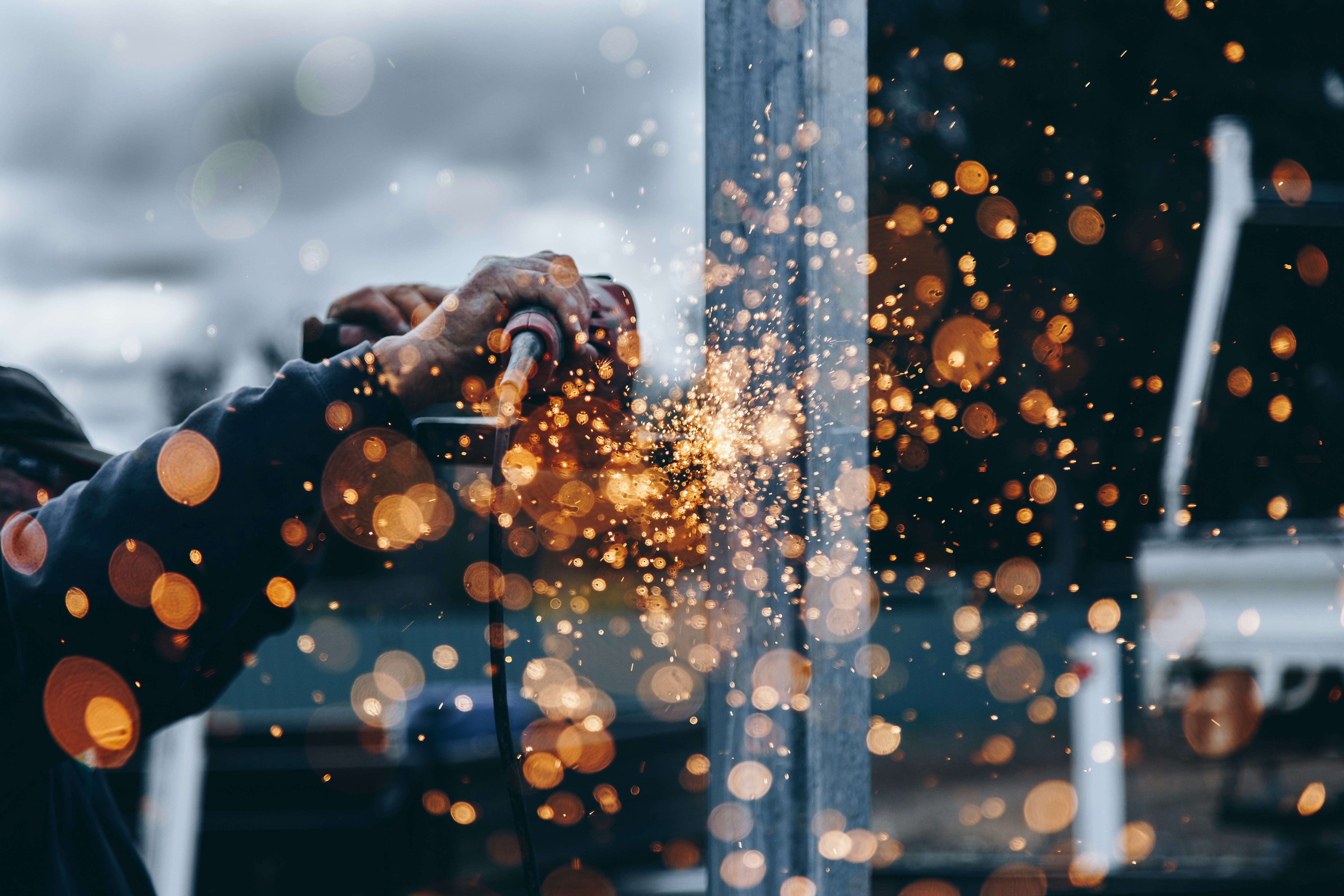
Ang trabahante sa industriya nag-operate ug bug-at nga kagamitan sa paggama sa usa ka pabrika nga nagrepresentar sa hands-on twin screw extruder production o
Mga Prediksyon sa Trend sa Trade: Unsa ang Madahom sa Sunod 1-2 Mga bulan (Hulyo-Agosto )
Base sa kasamtangan nga mga signal sa merkado, mga kalamboan sa palisiya, ug data sa industriya, daghang mga uso ang lagmit nga maghulma sa twin screw extruder nga talan-awon sa pabrika sa duol nga termino:
Nagpadayon nga kusog nga panginahanglan gikan sa sektor sa pag-recycle: The EU's PPWR implementation timeline is driving urgent investment in recycling infrastructure. Gipaabot ang twin screw extruder nga mga order alang sa mga aplikasyon sa pag-recycle Manufacturer sa Twin Screw Extruders aron magpabiling lig-on hangtod sa Q3. Mga pabrika nga adunay napamatud-an nga kagamitan sa pag-recycle (makahimo sa pagdumala sa kontaminado nga mga feedstock, taas nga filler loadings, ug variable input nga kalidad) makita ang pinalabi nga panginahanglan.
Ang mga mando sa sektor sa baterya nga paspas: Daghang mga proyekto sa gigafactory sa US ug Europe ang nagbalhin gikan sa konstruksyon hangtod sa mga yugto sa pagpalit sa kagamitan. Twin screw extruder nga mga pabrika nga adunay kapabilidad sa pagproseso sa uga nga electrode — medyo niche apan paspas nga nagtubo nga bahin — lagmit makakitag mahinungdanong order intake. Kini usa ka teknolohiya nga lugar diin ang mga tiggama sa Hapon (JSW, Shibaura) nanguna karon, apan ang mga pabrika sa Europe ug Intsik nag-invest ug dako aron makigkompetensya.
Presyo sa presyo gikan sa sobra nga kapasidad sa China: Ang Nanjing twin screw extruder cluster nagpalapad sa kapasidad sa produksiyon pag-ayo sa miaging tulo ka tuig. Sa paghumok sa panginahanglan sa domestic nga Intsik sa pipila ka mga bahin (ilabi na ang mga commodity plastics compounding), Ang presyur sa presyo sa pag-eksport lagmit nga mokusog. Ang mga pumapalit sa B2B mahimong makit-an ang paborableng mga kondisyon sa negosasyon alang sa mga kagamitan nga gigikanan sa China sa bintana sa Hulyo-Agosto.
Relo sa taripa: Ang palibot sa palisiya sa pamatigayon sa US nagpabilin nga dinamiko. Ang mga pumapalit sa B2B kinahanglan nga magmonitor sa mga potensyal nga pagbag-o sa Seksyon 301 mga taripa (Sa pagkakaron nag-una nga nagpunting sa mga produkto sa China) and any new trade actions that could affect machinery imports. Ang US International Trade Commission (USITC) maintains updated tariff schedules and trade remedy information.
Sustainability documentation requirements increasing: Both US and EU buyers are increasingly requiring carbon footprint data, conflict mineral declarations, and sustainability reports from equipment suppliers. Twin screw extruder factories that can provide comprehensive ESG documentation will have a competitive advantage in B2B procurement processes. The EU's Corporate Sustainability Reporting Directive (CSRD) is driving this trend on the European side.
Digital twin and IoT integration: Leading twin screw extruder factories are integrating digital twin technology and IoT-enabled monitoring into their equipment. Para sa mga pumapalit sa B2B, this means the ability to monitor extruder performance remotely, predict maintenance needs, ug pag-optimize sa mga parameter sa proseso gamit ang data analytics. Ang mga pabrika nga nagtanyag niini nga mga kapabilidad nagmando sa premium nga presyo apan naghatud sa masukod nga kantidad sa operasyon.
Kaluwasan sa Trabaho sa Extrusion Factories: Pagpanalipod sa mga Tiil ug mga Toe sa Production Floor
Ang mga pabrika sa twin screw extruder kay bug-at nga industriyal nga palibot. Ang mga makina mismo motimbang ug linibo ka kilo, pagproseso sa mga materyales sa temperatura nga labaw sa 300°C, ug naglihok ubos sa mga pagpit-os nga maabot 200+ bar. Ang salog sa pabrika nagpresentar ug hinungdanon nga peligro sa kaluwasan — ug ang pagpanalipod sa tiil mao ang usa sa labing kritikal apan kanunay nga wala gipabilhan nga mga aspeto sa kaluwasan sa trabahoan sa kini nga mga pasilidad. Mga Kompanya sa Extrusion
Nganong Importante ang Proteksyon sa Tiil sa Paggama sa Extrusion
Sa usa ka pabrika sa twin screw extruder, Ang mga trabahante nag-atubang og daghang kapeligrohan sa tiil ug tiil kada adlaw:
- Nahulog ang bug-at nga butang: Mga elemento sa screw, mga bahin sa baril, mamatay nga mga plato, ug ang mga sangkap sa gearbox kanunay nga gidumala sa panahon sa asembliya, pagmentinar, ug mga pagbag-o. Ang usa ka elemento sa screw mahimong motimbang 5-15 kg; ang usa ka bahin sa baril mahimong motimbang 50-200 kg. Ang paghulog sa bisan hain niini sa usa ka walay panalipod nga tiil mahimong hinungdan sa pagdugmok nga mga samad, mga bali, o amputasyon.
- Mainit nga materyal nga naagas: Natunaw nga polimer sa 200-350°Ang C mahimong mabubo sa panahon sa mga pagbag-o sa mamatay, purging operations, o pagkadaot sa kagamitan. Ang pagkontak sa dili mapanalipdan nga mga tiil hinungdan sa grabe nga paso.
- Pagkaladlad sa kemikal: Pagproseso sa mga additives, panglimpyo solvents, ug pipila ka mga polymer degradation nga mga produkto mahimong hinungdan sa kemikal nga paso o pagkalagot sa panit sa kontak.
- Mga peligro sa slip: Mga polymer pellets sa salog, hydraulic oil leaks, ug ang tubig gikan sa mga sistema sa pagpabugnaw makamugna og mga peligro sa pagkahulog nga mahimong mosangpot sa pagkahulog ug pagkasamad sa tiil/buol.
- Mga kapeligrohan sa compression: Mabug-at nga kagamitan sa mga ligid (extruder nga mga kariton, materyal nga mga basurahan, mga forklift) makaligid sa tiil. Ang static nga gibug-aton sa usa ka production twin screw extruder sa usa ka mobile frame mahimong molapas 10,000 kg.
Mga Sumbanan sa Safety Footwear alang sa Industrial Environments
Ang B2B safety footwear alang sa extrusion factory environment kinahanglan nga makab-ot ang hugot nga mga sumbanan:
European nga sumbanan EN ISO 20345: Kini ang nag-unang sumbanan alang sa safety footwear sa mga lugar nga trabahoan sa EU. Gihubit niini ang mga klase sa proteksyon:
- SB: Panguna nga proteksyon sa tiil (200 pagbatok sa epekto sa joule)
- S1: SB + sirado nga tikod, antistatic, pagsuyup sa enerhiya sa tikod
- S2: S1 + pagsukol sa pagsulod sa tubig
- S3: S2 + soles nga dili makalusot sa pagsulod + gilimpyohan nga outsole
- S4/S5: Mga bersyon sa polymer boot sa S1/S3
Alang sa twin screw extruder pabrika nga palibot, Ang S3 nga adunay marka nga sapatos mao ang minimum nga rekomendasyon. Ang 200-joule toe cap impact resistance katumbas sa a 20 kg butang nga nahulog gikan sa 1 metros nga gitas-on — igo alang sa kadaghanan nga mga elemento sa screw ug mga gamit sa kamot, bisan dili alang sa labing bug-at nga mga sangkap diin dugang nga pag-amping sa pagdumala (mga hoist, panalipod nga mga babag) gikinahanglan.
US standard ASTM F2413: The American standard specifies impact resistance (I/75 = 75 mga libra sa tiil) ug compression resistance (C/75 = 2,500 libra). Additional ratings include Mt (pagpanalipod sa metatarsal), Cd (conductive), EH (peligro sa kuryente), SD (static dissipative), and PR (puncture resistant). For extrusion factory use, I/75 C/75 EH PR rated footwear is recommended.
The B2B Safety Footwear Market: Opportunities for Suppliers
Cr-10S Pro V2 Extruder The global safety footwear market was valued at approximately USD 7.8 bilyon sa 2024, sumala sa MarketsandMarkets, with industrial manufacturing being the largest end-use segment. For B2B safety footwear suppliers targeting the extrusion and plastics processing industry, several factors create opportunity:
Regulatory compliance driving upgrades: Both OSHA (US) and EU-OSHA enforce workplace safety regulations that require employers to provide appropriate PPE, lakip ang safety footwear. Regular audits and increasing enforcement activity mean that factories must maintain compliant footwear programs. This creates recurring B2B demand.
Ang kaharuhay ug pagpaabot sa pasundayag nagkataas: Ang modernong mga trabahante sa pabrika nagpaabot sa safety footwear nga dili lamang proteksiyon kondili komportable usab 8-12 mga pagbalhin sa oras. Gaan nga composite toe caps (pag-ilis sa tradisyonal nga asero), breathable linings, ergonomic insoles, ug athletic-style nga mga disenyo ang nagduso sa kabag-ohan sa produkto ug mga siklo sa pagpuli. Ang mga trabahante nga nakakaplag sa ilang mga sapatos sa kaluwasan nga dili komportable mas lagmit nga magsul-ob niini nga dili husto o magtangtang niini — paghimo og mga risgo sa kaluwasan nga gustong likayan sa mga amo.
Espesyalista nga mga sapin nga makasugakod sa init: Ang mga palibot sa pabrika sa extrusion espesipikong nanginahanglan og mga sapin nga adunay mga outsole nga dili makasugakod sa init. Ang mga standard nga outsole sa goma mahimong madaot sa init nga mga ibabaw. Nitrile rubber o Viton-based outsoles gimarkahan alang sa padayon nga contact temperatura sa 300°Magamit ang C gikan sa espesyal nga mga supplier sa B2B ug pagpresyo sa premium nga mando.
Proteksyon sa metatarsal: Labaw sa mga takup sa tiil, metatarsal guards protect the upper foot from impact and compression. In extrusion factories where heavy cylindrical objects (mga bahin sa baril, screw shafts) are common, metatarsal protection provides an additional safety margin. Ang B2B safety footwear segment offering integrated metatarsal guards is growing at approximately 8% kada tuig.
Selecting Safety Footwear for Your Extrusion Factory Workforce
For factory managers and procurement officers at twin screw extruder manufacturing facilities, selecting the right safety footwear program involves:
- Hazard assessment: Conduct a thorough workplace hazard assessment per OSHA 29 CFR 1910.132 (US) or EU Framework Directive 89/391/EEC. Document specific foot hazards in each work area — assembly floor, machining shop, test lab, bodega.
- Standard selection: Match the identified hazards to the appropriate protection standard. Most extrusion factory environments require S3 (EU) or I/75 C/75 PR (US) as minimum specifications.
- Fit and comfort program: Partner with a B2B safety footwear supplier that offers on-site fitting services, multiple width options, and a trial period. Poor-fitting safety shoes cause blisters, kakapoy, ug dili pagsunod.
- Replacement schedule: Safety footwear in heavy industrial environments typically needs replacement every 6-12 mga bulan. Establish a regular replacement program rather than waiting for visible damage.
- Paghanas: Ensure all workers understand why safety footwear is required, how to inspect their shoes for damage, and when to request replacements.
Pagpanalipod sa mga trabahante' feet and toes is not just a regulatory requirement — it is a fundamental responsibility of any twin screw extruder factory operation. The cost of a quality safety footwear program (kasagaran USD 150-300 per worker per year for premium B2B safety shoes) is negligible compared to the cost of a single foot injury (average workers' compensation claim for a foot injury exceeds USD 15,000 in direct costs alone, matag National Safety Council datos).
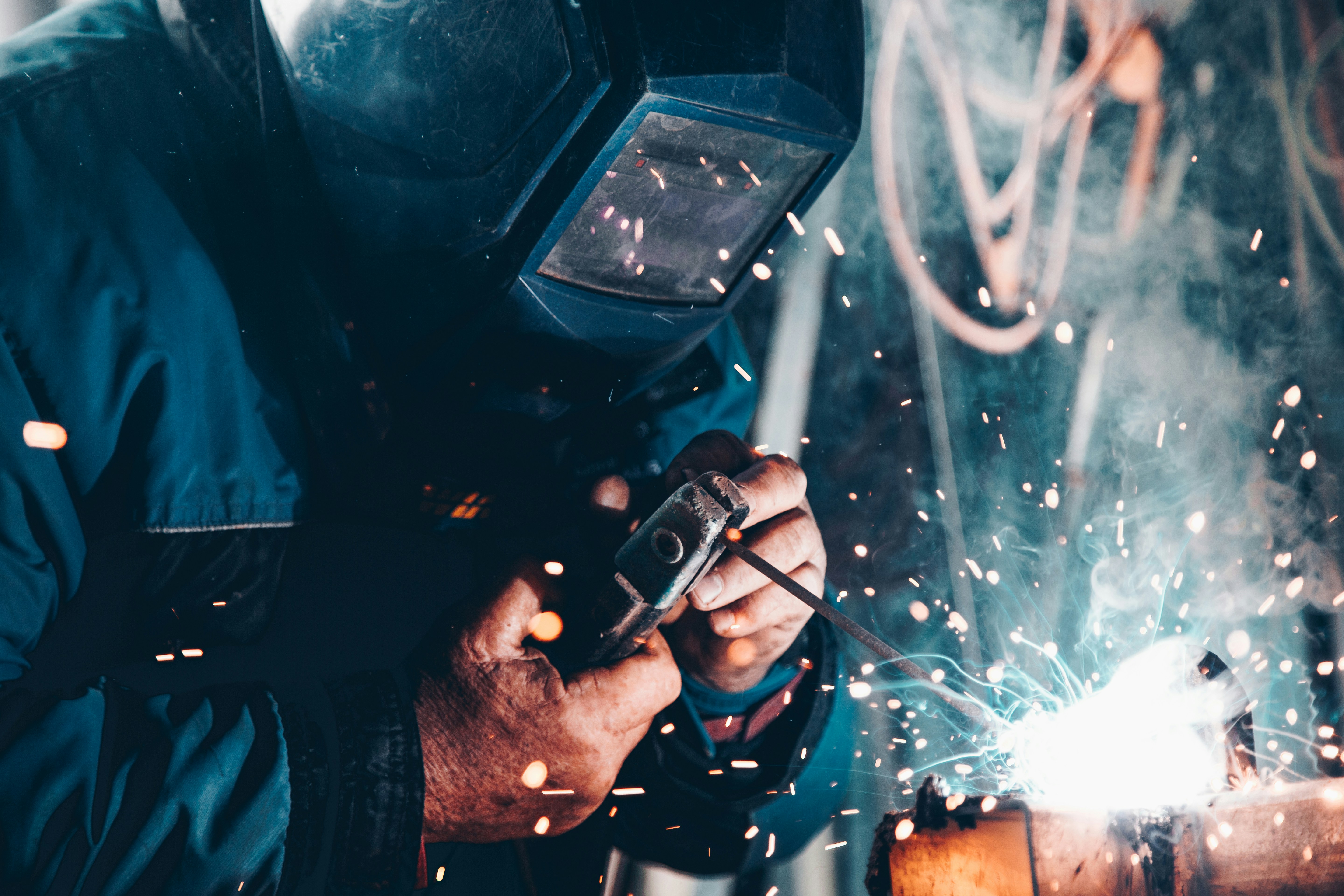
Industrial safety equipment including protective footwear and personal protective equipment in a manufacturing workplace
Kanunay nga Gipangutana nga mga Pangutana (FAQ)
- What is the typical lead time for ordering a twin screw extruder from a factory?
- Lead times vary by manufacturer and configuration. Standard models from Chinese factories typically ship in 12-16 semana. European manufacturers generally quote 16-30 weeks for standard configurations and longer for highly customized systems. Wholesale orders with framework agreements can sometimes secure priority slots.
- How do I verify that a twin screw extruder factory is a genuine manufacturer and not a trading company?
- Request a factory audit (in-person or via third-party inspection services like SGS or Bureau Veritas). Look for in-house CNC machining capability, a dedicated engineering team, ISO 9001 certification with the factory address matching the manufacturing site, and customer references you can independently verify.
- What certifications should a twin screw extruder have for the EU market?
- CE marking is mandatory for machinery placed on the EU market. The machine must comply with the current Machinery Directive 2006/42/EC (and the new Machinery Regulation 2023/1230 from January 2027). Additional requirements may apply depending on the application — pananglitan, ATEX certification for use in explosive atmospheres, or food-contact compliance under EU Regulation (EC) Dili 1935/2004.
- What