

Key Takeaways
- Sa akong kasinatian, ang labing maalamon nga pakyawan nga mga desisyon nagsugod sa pagpares sa klase sa makina ngadto sa feedstock: Ang single screw extruders nagdumala sa prangka nga PVC, HDPE, ug polypropylene profile, Ang twin screw extruders nahiangay sa compounding ug demanding polymers, ug gipahinungod nga plastic recycling extruders anaa isip lahi nga klase alang sa reclaimed plastic flake (tinubdan: ThoYu, 2024).
- Kanunay nakong susihon ang mga detalye sa wala pa ang presyo. Core nga mga numero sama sa L/D ratio, ihap sa barrel zone, ratio sa pagkunhod sa gearbox, hinungdan sa serbisyo, ug ang horsepower sa motor nagsulti kanimo labi pa bahin sa tinuud nga kapasidad kaysa usa ka numero sa output sa ulohan. Alang sa pakisayran, usa ka gigamit nga Davis Standard 9-pulgada nga mga pares nga extruder a 32:1 L/D ratio ug 7-zone barrel nga adunay a 900 HP DC motor (tinubdan: Listahan sa Kagamitan ni Aaron).
- Ang direkta nga presyo sa pabrika gikan sa mga tiggama nga nakabase sa China tinuud nga kompetisyon alang sa bag-ong kagamitan (tinubdan: ThoYu, 2024), apan gitimbang ko kini batok sa usa ka bug-os nga kinatibuk-ang gasto sa pagpanag-iya nga hulagway nga naglakip sa mga katungdanan sa pag-import, kargamento sa dagat, rigging, pag-instalar, ug pag-access sa suporta pagkahuman sa pagbaligya.
- Bag-o akong gitratar, gigamit, ug gi-import isip tulo ka managlahing track sa pagpamalit, ang matag usa adunay kaugalingong mga tradeoffs. Ang gigamit nga merkado adunay hamtong, mga lista nga espesipiko sa brand alang sa mga single screw extruder (tinubdan: Mga Kagamitan ni Aaron), nga naghimo niini nga usa ka praktikal nga agianan kung mapamatud-an nako ang kahimtang ug pagsul-ob.
- Ang pag-vetting sa supplier ug proteksyon sa pagbayad hinungdanon sama sa spec sheet. Sa dili pa mopasalig, Gikumpirma nako ang minimum nga gidaghanon sa order, mga panahon sa pagpanguna, mga termino sa warranty, ug available nga mga sparepart, ug ako nag-istruktura sa mga pagbayad aron mapanalipdan batok sa dili paghatud.
- Ang mga sukaranan sa proseso naggiya sa akong mga tseke: ang hilaw nga materyal mosulod pinaagi sa usa ka hopper feeder sa powder, pellet, o granule nga porma, matunaw sa mga tubo sa pagpainit sa kuryente, ug homogenized pinaagi sa screw shearing sa wala pa ang extrusion mamatay nagporma sa usa ka padayon nga cross-section profile (tinubdan: ThoYu; Amade-Tech).
- Gikumpirma nako ang pagdumala sa thermal sa atubangan. Ang mga multi-zone barrels kasagarang magkombinar sa electric heating ug closed-loop water cooling (tinubdan: Espesipikasyon sa Kagamitan ni Aaron), ug kasaligan nga pagkontrol sa temperatura sa pagtunaw mao ang nagpugong sa output nga dimensyon nga makanunayon sa mga tubo, mga tubo, mga pelikula, mga tabla, ug mga botelya.
- Ang configuration sa screw ug custom die tooling nagpaila kung unsa gyud ang mahimo sa usa ka linya, mao nga akong gisakupan kadtong supak sa akong produkto nga mix kay sa pagpalit sa generic nga kapasidad. Alang kang R&D o gamay nga dagan, usa ka lab-scale extruder nga gitukod alang sa padayon nga uniporme nga cross-section nga output mao ang kanunay nga husto nga entry point (tinubdan: Amade-Tech).
Unsa ang Plastic Extrusion Machine ug Giunsa Kini Pagtrabaho?
Kung gisusi nako ang bisan unsang makina nga pagproseso sa polimer, Nagsugod ko sa parehas nga modelo sa panghunahuna: ang usa ka extruder usa ka kontrolado nga sistema sa pagtunaw ug pagporma. Ang solid nga plastik moadto sa usa ka tumoy, ug padayon nga, Ang uniporme nga cross-section profile mogawas sa lain. Ang tanan tali sa duha ka mga punto mahitungod sa pagpadapat sa kainit ug mekanikal nga paggunting sa husto nga gikusgon. Ang pagsabut sa kana nga dagan mao ang nagbulag sa usa ka masaligon nga pumapalit gikan sa usa nga nagtag-an sa mga spec sheet, ug kini direkta nga naghulma kung giunsa ko pagduol a Plastic Extrusion Machine Wholesale pagpalit.
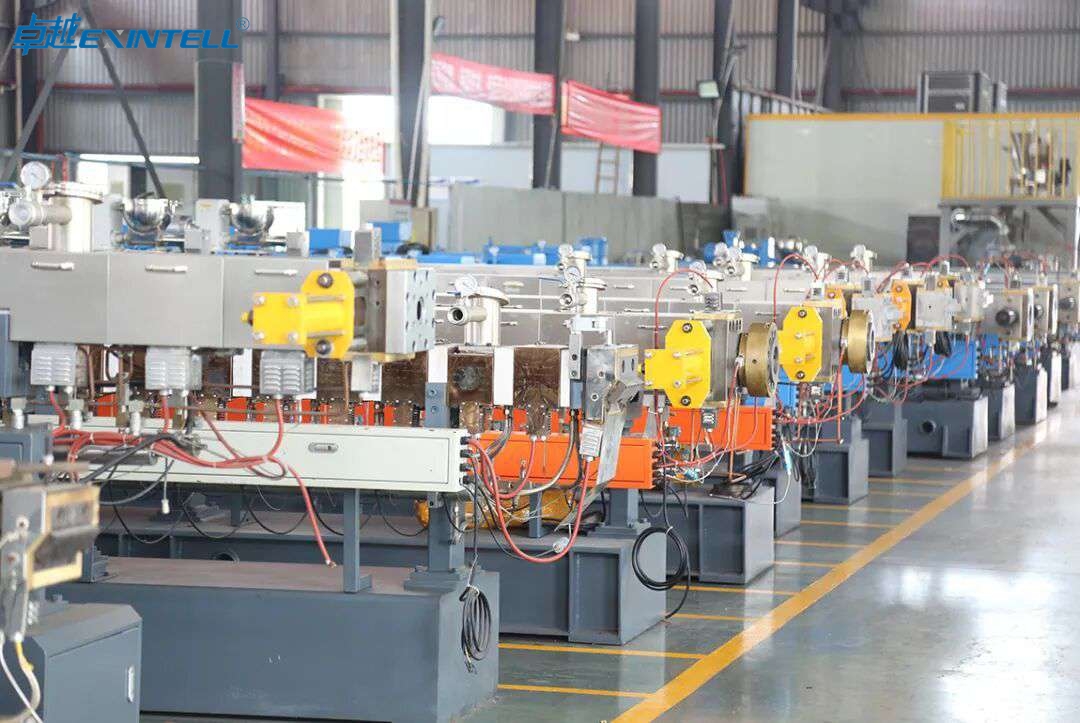
Ang Core nga Proseso sa Pagtunaw
Sulod sa makina, Ang solid nga plastik gipasa sa unahan pinaagi sa usa ka rotating screw samtang ang mga electric heating tubes nagputos sa baril sa daghang mga zone. Ang plastik natunaw pinaagi sa usa ka kombinasyon sa gawas nga kainit ug ang internal nga paggunting nga namugna ingon nga ang screw nagpugos sa materyal batok sa dingding sa baril.. Sumala sa ThoYu, plastic in an extruder is melted by electric heating tubes and transformed into a uniform melt through screw extrusion and shearing action (ThoYu, 2024). That dual mechanism, conductive heat plus mechanical friction, is why screw geometry matters as much as barrel temperature.
Melt temperature control is the part I scrutinize most in any quote. Multi-zone barrels commonly pair electric heating with closed-loop water cooling to hold each zone within a narrow band (Aaron Equipment specification). If a barrel cannot cool as precisely as it heats, you lose the ability to run heat-sensitive resins cleanly.
Feedstock Forms You Can Run
The material you feed shapes the machine you buy. In practice I see four common feedstock forms:
- Mga pellets — the default for virgin resin, easy to meter and melt
- Mga butil — slightly coarser, komon sa compounding lines
- Pulbos - kasagaran alang sa PVC dry blends ug lab-scale nga trabaho
- Gi-recycle nga flake - gi-reclaim nga materyal nga adunay variable bulk density
Ang Amade-Tech nag-ingon nga ang mga lab plastic extrusion machine nagproseso sa feedstock sa powder, pellet, o granule nga porma aron makahimo og padayon nga mga produkto nga polimer nga adunay uniporme nga cross section (Amade-Tech, 2024). Ang usa ka tornilyo sa pagpakaon nga gibutang sa hopper dayon naghatud sa hilaw nga materyal nga parehas sa baril (ThoYu, 2024). Bisan ang pagpakaon dili gamay nga detalye; Ang dili managsama nga paghatud sa hopper nagpakita ingon mga linya sa pagdagsang ug dimensional nga pag-anod sa nahuman nga profile.
Kon sa Unsang Paagi Giporma sa Die ang Output
Ang extrusion die mao ang katapusan nga himan nga matunaw, ug kini naghubit sa produkto nga cross-section. Mga tubo, mga tubo, mga pelikula, mga tabla, ug ang mga botelya tanan gikan sa parehas nga baril nga adunay lainlaing mga mamatay (Amade-Tech, 2024). Tungod kay ang mamatay nagpatunghag padayon nga cross-section profile, one machine can serve several product lines if you invest in custom die tooling. That tooling flexibility is one reason I treat die inventory as part of the total purchase decision rather than an afterthought.
Core Components I Inspect on Every Machine
Whether I am reviewing an industrial extruder for sale or a used unit, I walk through the same component checklist:
- Barrel — the heated cylinder, ideally multi-zone with closed-loop cooling
- Screw — the heart of melting and conveying; screw configuration determines output quality
- Motor — extruder motor horsepower sets your throughput ceiling
- Gearbox — the reduction ratio and service factor define usable torque
- Mga kontrol — melt temperature control and zone management
- Mamatay — the profile-forming tool
Two specs anchor this evaluation. Una, the L/D ratio, ang gitas-on sa baril gibahin sa diametro sa screw, nagsulti kanako kung pila ka oras sa pagpuyo ang makuha; usa ka gigamit nga Davis Standard 9-pulgada nga extruder (Modelo 80IN80HT) gitukod sa 2001 paresan a 32:1 L/D ratio nga adunay 7-zone barrel ug a 900 HP DC motor (Listahan sa Kagamitan ni Aaron). Ikaduha, ang ratio sa pagkunhod sa gearbox ug hinungdan sa serbisyo naghubit sa paghatud sa torque; ang mga yunit sa industriya kasagarang naglista sa mga ratios sama sa 10.15:1 nga adunay usa ka hinungdan sa serbisyo sa 1.5 (Mga Kagamitan ni Aaron). Kana nga mga numero direkta nga gihubad kung unsa ka lisud ang pagduso sa mga viscous nga materyales sama sa HDPE o napuno nga mga compound nga wala’y paghunong.
Nganong Mopalit ug Plastic Extrusion Machines Wholesale?
Ang pakyawan nga ruta mao ang diin ang estratehiya sa pagpamalit nakakuha niini. Sa akong kasinatian, ang kalainan tali sa retail ug factory-direktang pagpalit panagsa ra gamay nga porsyento; gibag-o niini ang ekonomiya sa usa ka tibuuk nga linya sa produksiyon sa extrusion. Sa ubos akong gibungkag ang upat ka mga rason nga kanunay nakong girekomendar ang pagpalit og bulk extrusion equipment pinaagi sa wholesale channels.
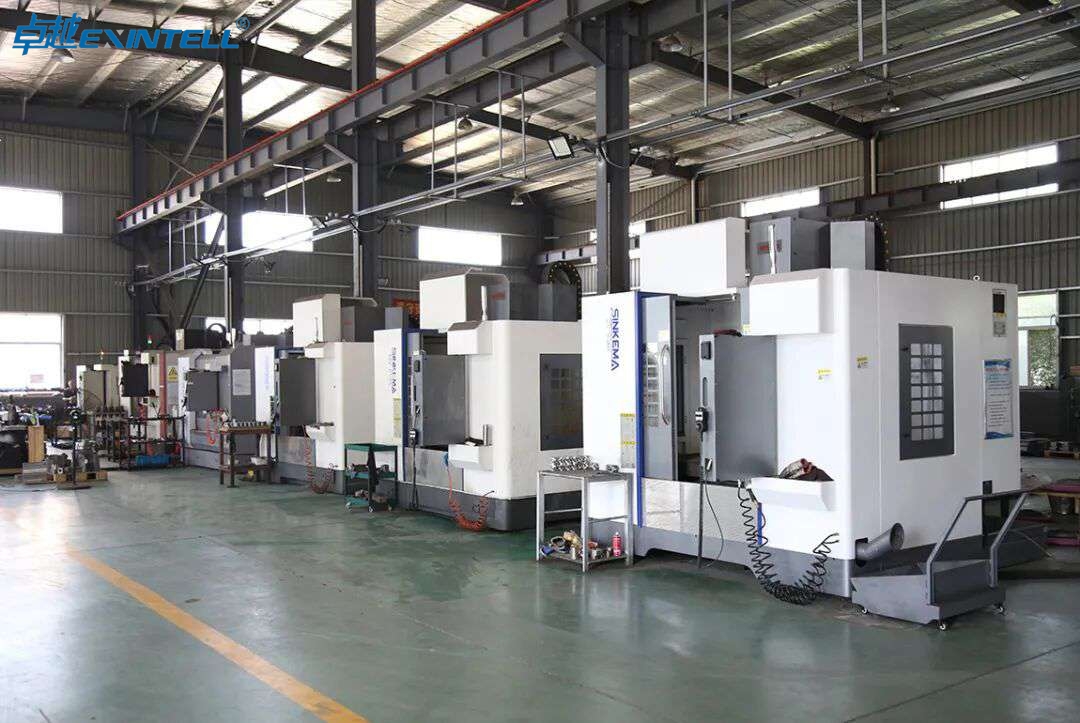
Pagdaginot sa Gasto sa Bulk ug Factory-Direct Orders
Ang direkta nga presyo sa pabrika nagtangtang sa mga lut-od sa markup sa distributor nga nagpaburot sa presyo sa plastic extruder machine. Mga tiggama nga nakabase sa China, pananglitan, pagtanyag sa pabrika-direkta nga pakyawan nga presyo sa mga plastik nga extruder (ThoYu, 2024), mao nga daghan kaayog presyo nga may kalabotan sa pagpangita nga katuyoan nagpunting sa mga supplier sa gawas sa nasud. Kung akong itandi ang usa ka retail unit batok sa usa ka bulk order gikan sa usa ka wholesale machinery supplier, ang gasto sa matag makina kasagarang mous-os igo aron mausab ang kalkulasyon sa pagbayad sa tibuok proyekto. Ingon niana, Ang direkta nga presyo sa pabrika mabayran lamang kung imong gi-account ang kinatibuk-ang gasto sa pagpanag-iya, usa ka gintang nga akong gitubag sa ulahi niini nga giya.
Pag-access sa OEM ug ODM Customization
Ang mga wholesale nga relasyon nag-abli sa pultahan sa OEM ug ODM customization nga panagsa ra itanyag sa mga retail channel. Imbes nga modawat ug stock configuration, Mahimo nako ipasabut ang gitas-on sa screw, barrel zones, pagkontrol sa mga pakete, ug custom die tooling nga gipares sa akong produkto. Alang sa bisan kinsa nga nagpadagan sa usa ka espesyal nga padayon nga cross-section profile, mao kini ang bugtong pinakalig-on nga argumento sa pagpalit gikan sa usa ka extrusion machine manufacturer direkta kay sa usa ka reseller.
Mas Maayo nga mga Termino sa Tooling ug Spare Parts
Ang die ug spare parts nga panag-istoryahanay mao ang kung diin ang pakyawan nga mga termino hilom nga nagsagol sa imong pabor. Ang pag-negosasyon sa tooling ug usa ka spare-parts nga pakete sa orihinal nga han-ay halos kanunay nga mapakyas sa pagkuha niini nga tipik sa ulahi. Gitratar nako ang mga gamit nga gisul-ob, mga screw, mga banda sa heater, ug mga barrel liner, isip bahin sa inisyal nga kontrata, ug giduso nako ang mga pasalig sa suporta pagkahuman sa pagbaligya pinaagi sa pagsulat. Ang lig-on nga after-sales nga suporta mao ang nagpadayon sa usa ka linya nga nagdagan; kung wala kini, ang usa ka barato nga makina mahimong usa ka mahal nga bottleneck.
Pag-scaling sa Kapasidad sa Produksyon nga Episyente
Sa kataposan, Ang pinakyaw nga pagpalit nagtugot kanako sa pag-scale sa extruder nga kapasidad nga output nga dili gisubli ang tibuuk nga siklo sa pagpalit matag higayon. Ang pag-standardize sa plataporma sa usa ka supplier nagpasabut nga makanunayon nga mga piyesa, pamilyar nga mga kontrol, ug balik-balik nga pagbansay sa operator sa daghang mga makina. Sa diha nga ang panginahanglan motubo, Ang pagdugang sa ikaduha o ikatulo nga parehas nga yunit labi ka hapsay kaysa paghiusa sa dili managsama nga kagamitan gikan sa lainlaing mga vendor.
Mga Matang sa Plastic Extruder: Single Screw vs Twin Screw
Ang pagpili tali sa usa ka screw extruder ug twin screw extruder mao ang labing sangputanan nga teknikal nga desisyon sa usa ka pakyawan nga pagpalit. Simple ra akong gi-frame: Ang mga single screw machine naghatud ug matunaw nga episyente, samtang ang twin screw machines sagol ug compound. Kuhaa kini nga dula nga husto ug ang nahabilin nga detalye nahulog sa lugar.
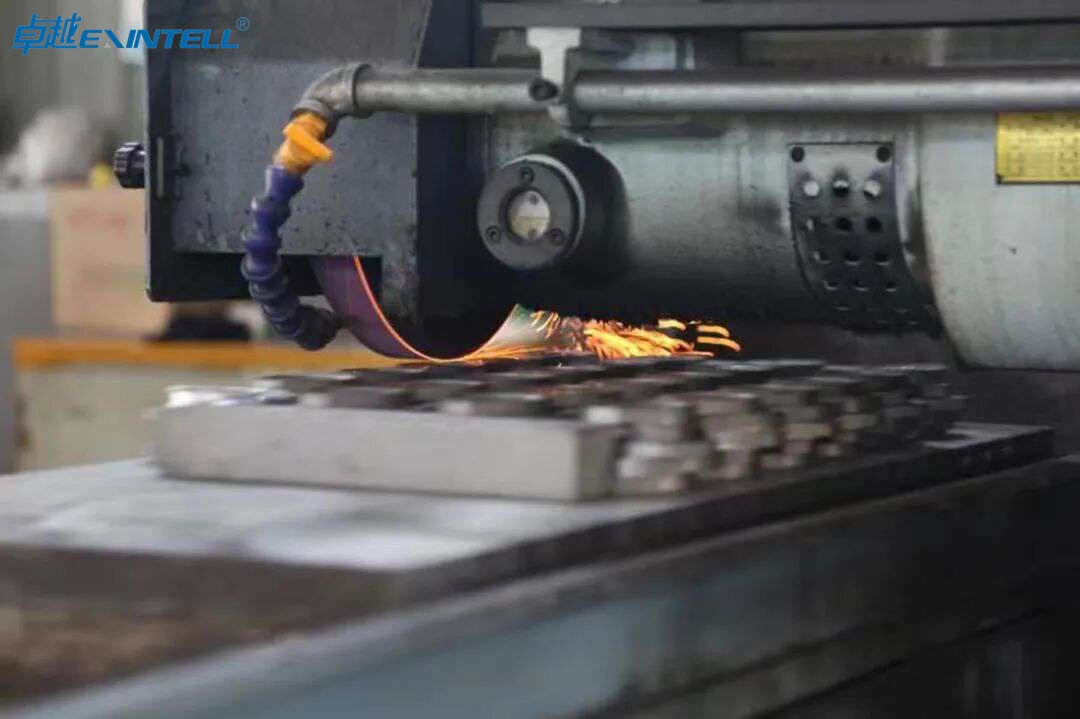
Usa ka Screw Extruder
Ang single screw extruder mao ang workhorse alang sa standard nga mga profile sa mas ubos nga gasto. Kini milabaw sa pagtunaw sa birhen nga resin ug pagduso niini sa usa ka die sa makanunayon nga output, nga naghimo niini nga sulundon alang sa mga tubo, mga tubo, ug yano nga padayon nga mga profile. Kini usab ang labing kasagarang gigamit nga ekipo nga kategorya, nga adunay mga lista sa pagbaligya nga piho nga brand kay kaylap nga magamit (Mga Kagamitan ni Aaron). Kung ang imong linya sa produkto nagpadagan sa makanunayon nga mga materyales sama sa HDPE o polypropylene pinaagi sa usa ka fixed die, ang usa ka screw machine kasagaran naghatag sa labing kaayo nga kantidad matag yunit sa output.
Twin Screw Extruders
Ang twin screw extruder nakakuha sa mas taas nga gasto pinaagi sa pagsagol nga kapabilidad. Duha ka intermeshing screws makamugna sa distributive ug dispersive pagsagol nga gikinahanglan alang sa compounding, pagdugang sa mga filler, mga koloran, ug mga stabilizer, ug alang sa pagproseso sa mga recycled nga materyales nga adunay lain-laing mga kabtangan. Kung nagtrabaho ko sa gi-recycle nga plastik nga flake o sensitibo sa init nga mga polimer sa engineering sama sa PEEK, ang labaw nga kontrol sa twin screw sa paggunting ug oras sa pinuy-anan mao ang mahukmanon. Angay nga hinumdoman nga ang pag-recycle nga mga extruder usa ka lahi nga klase sa makina nga gitukod alang sa gi-reclaim nga feedstock (ThoYu, 2024), ug daghan sa mga linya nagsalig sa kambal nga mga disenyo sa tornilyo alang sa kini nga hinungdan.
Rate sa Output ug Pagkaangay sa Materyal
Ang duha ka mga tipo magkalainlain kaayo sa pamatasan sa output ug pagkaangay sa materyal. Ang single screw output kay kasagaran usa ka function sa screw speed ug motor horsepower, naghimo niini nga matagna alang sa usa ka resin. Ang output sa twin screw mas flexible sa mga pormulasyon apan kanunay nga gi-optimize alang sa pagsagol sa kalidad kaysa hilaw nga throughput. Ang mga materyales sama sa PVC dry blends ug recycled flake nakabenepisyo gikan sa twin screw handling, samtang ang usa ka limpyo nga single resin modagan sa ekonomiya sa usa ka screw.
Single Screw vs Twin Screw: Talaan sa Pagtandi
|
hinungdan |
Usa ka Screw Extruder |
Twin Screw Extruder |
|---|---|---|
|
Panguna nga kusog |
Pagtunaw ug paghatud sa mga sumbanan nga profile |
Pagsagol, paghugpong, ug devolatilization |
|
Relatibong gasto |
Ubos |
Mas taas |
|
Labing maayo nga mga materyales |
HDPE, polypropylene, single virgin resins |
PVC dry blends, gi-recycle nga flake, puno o PEEK compounds |
|
kalidad sa pagsagol |
Limitado |
Maayo kaayo (distributive ug dispersive) |
|
Kasagaran nga mga produkto |
Mga tubo, mga tubo, simple nga mga profile |
Mga compound, masterbatch, gi-recycle nga pellet |
|
Gigamit nga merkado nga magamit |
Lapad, komon nga mga listahan nga espesipiko sa brand |
Mas pig-ot, mas espesyalista |
|
Maayo nga pumapalit |
Giayo nga linya sa produkto, naka-focus sa gasto |
Pag-recycle, naandan nga mga pormulasyon, R&D |
|
hinungdan |
Usa ka Screw Extruder |
Twin Screw Extruder |
|---|---|---|
|
Panguna nga kusog |
Pagtunaw ug paghatud sa mga sumbanan nga profile |
Pagsagol, paghugpong, ug devolatilization |
|
Relatibong gasto |
Ubos |
Mas taas |
|
Labing maayo nga mga materyales |
HDPE, polypropylene, single virgin resins |
PVC dry blends, gi-recycle nga flake, puno o PEEK compounds |
|
kalidad sa pagsagol |
Limitado |
Maayo kaayo (distributive ug dispersive) |
|
Kasagaran nga mga produkto |
Mga tubo, mga tubo, simple nga mga profile |
Mga compound, masterbatch, gi-recycle nga pellet |
|
Gigamit nga merkado nga magamit |
Lapad, komon nga mga listahan nga espesipiko sa brand |
Mas pig-ot, mas espesyalista |
|
Maayo nga pumapalit |
Giayo nga linya sa produkto, naka-focus sa gasto |
Pag-recycle, naandan nga mga pormulasyon, R&D |
Pagpares sa Type sa Imong Linya sa Produkto
Diretso ang akong desisyon nga lagda. Kung ako nagpagawas sa usa ka makanunayon nga materyal ngadto sa usa ka lig-on nga profile, I choose a single screw machine and put the savings toward custom die tooling and spare parts. If my process involves compounding, kausaban sa kolor, or a plastic recycling extruder handling reclaimed feedstock, I specify a twin screw platform and accept the higher price as the cost of process control. For buyers weighing a lab-scale extruder for product development, the same logic applies at smaller output: match screw type to whether you are proving a formulation (twin) or a profile (single). Anchoring the screw decision to your actual product line, rather than to headline price alone, is what makes a wholesale purchase pay off over its full service life. You can review real-world configurations on supplier and resale listings such as Aaron Equipment’s used single screw inventory ug Ang pakyawan nga extruder nga mga panid sa ThoYu aron makita kung giunsa kini nga mga detalye makita sa praktis.
Pila ang Gasto sa Plastic Extrusion Machine?
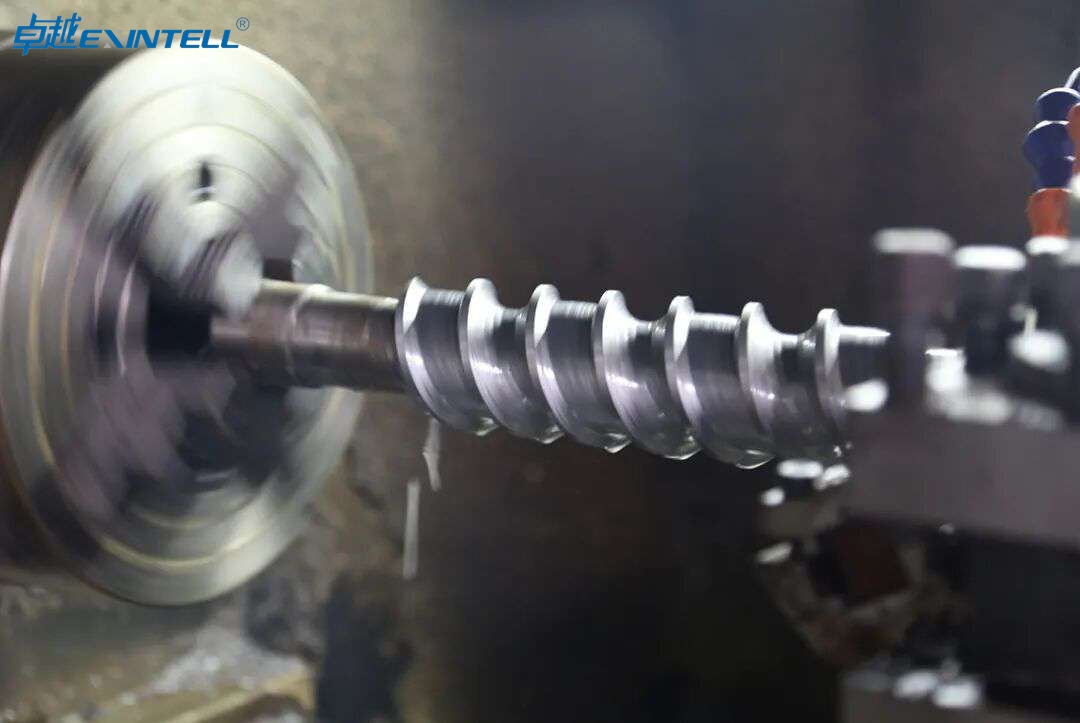
Kung ang mga kliyente mangutana kanako alang sa usa ka numero, Gisultihan ko sila sa matinud-anon nga tubag: ang usa ka plastic extrusion machine nagkantidad bisan asa gikan sa pipila ka libo ka dolyar ngadto sa kapin sa usa ka milyon, ug ang pagkaylap kay bug-os bahin sa sukod. Sa akong kasinatian sa pag-sourcing sa mga ekipo sa tulo ka lebel, ang mga band sa presyo limpyo nga nabuak sa kapasidad sa output, configuration sa screw, ug ang lebel sa automation nga imong gikinahanglan. Sa dili pa ka mangayo ug quote, makatabang kini nga mahibal-an kung unsang lebel ang imong nasakop, tungod kay ang usa ka lab-scale extruder ug usa ka linya sa produksiyon sa industriyal nga extrusion dili parehas nga pagpalit nga adunay lahi nga tag sa presyo. They are different machines. Lightweight Recyclable Plastic Packaging
Price Ranges by Scale: Lab, Gamay, and Industrial
I group buyers into three practical categories. Lab-scale extruders are compact, benchtop or floor units built for R&D, compounding trials, and material characterization. They process feedstock in powder, pellet, or granule form to produce continuous polymer products with a uniform cross section (Amade-Tech). Small commercial units handle low-volume production, prototyping runs, and niche profile work. Industrial machines drive full extrusion production lines for pipe, pelikula, tabla, and bottle output around the clock.
Here is how the numbers typically land based on quotes I have collected and public listings. Treat these as planning ranges, not fixed prices, since screw configuration and tooling shift them significantly.
| Tier | Kinaandan nga Output | Uri sa Screw | Bag-ong Presyo (USD) | Gigamit nga Presyo sa Range (USD) |
|---|---|---|---|---|
| Lab-scale extruder | Hangtod sa ~5 kg/hr | Single o twin screw | $8,000 – $45,000 | $4,000 – $25,000 |
| Gamay nga commercial | ~20 – 150 kg/oras | Usa ka screw extruder | $30,000 – $120,000 | $12,000 – $60,000 |
| Linya sa industriya | 300 kg/hr ug pataas | Single o twin screw extruder | $150,000 – $1,000,000+ | $50,000 – $400,000 |
Ang ibabaw nga tumoy sa industriyal nga banda nagpakita sa kompleto nga mga linya nga adunay mga gamit sa ubos sama sa paghakot, makapabugnaw nga mga tangke, ug winders, plus abante nga matunaw temperatura kontrol. Ang usa ka hubo nga extruder nga ulo mas ubos kay sa usa ka linya sa turnkey, busa kumpirmahi kanunay kung unsa gyud ang gilakip sa kinutlo sa dili pa nimo itandi ang mga vendor.
Unsa ang Naglingkod Luyo sa Presyo sa Sticker
Upat ka mga variable ang nagpalihok sa numero labaw pa sa bisan unsang butang. Ang kapasidad mao ang klaro: mga timbangan sa throughput nga adunay diameter sa baril ug horsepower sa motor, ug ang duha makadugang sa gasto. Importante ang brand, tungod kay ang usa ka makina gikan sa usa ka establisado nga extrusion machine manufacturer nagdala sa usa ka premium nga gihigot sa kasaligan ug mga bahin nga anaa. Ang kahimtang nagbahin sa tibuuk nga merkado sa bag-o ug gigamit, nga akong gitabonan sa detalye sa ubos. Ug ang tooling mao ang hilum nga budget-buster. Ang usa ka naandan nga mamatay alang sa usa ka piho nga padayon nga cross-section nga profile mahimong makadugang napulo ka libo nga mga dolyar, ug kini sagad gikutlo nga bulag gikan sa makina mismo.
Tinago nga mga Gasto Labaw sa Kinutlo
Ang presyo sa pagpalit panagsa ra ang kinatibuk-ang gasto sa pagpanag-iya, ug dinhi nako makita ang mga first-time nga pumapalit nga nasunog. Labaw sa makina, badyet alang niini nga linya nga mga butang:
- Custom die tooling alang sa matag profile sa produkto nga imong giplano nga padaganon.
- Pag-instalar ug rigging alang sa bug-at nga mga yunit sa industriya, nga kasagaran nagkinahanglan og serbisyo sa crane ug reinforced flooring.
- Mga pag-upgrade sa elektrisidad ug utility to supply high-horsepower motors and closed-loop barrel cooling systems.
- Freight and, for imports, mga katungdanan which I break down in the logistics section of this guide.
- Spare wear parts such as replacement screws, mga baril, and heater bands.
- Commissioning and operator training, especially for automated control systems.
Ang akong lagda sa kumagko: add 15 sa 30 porsyento sa presyo sa makina aron mabanabana ang hingpit nga na-install, gasto nga andam sa produksyon. Skipping this math is the single most common planning mistake I encounter.
Plastic Extrusion Machine Wholesale Price: What Drives It?
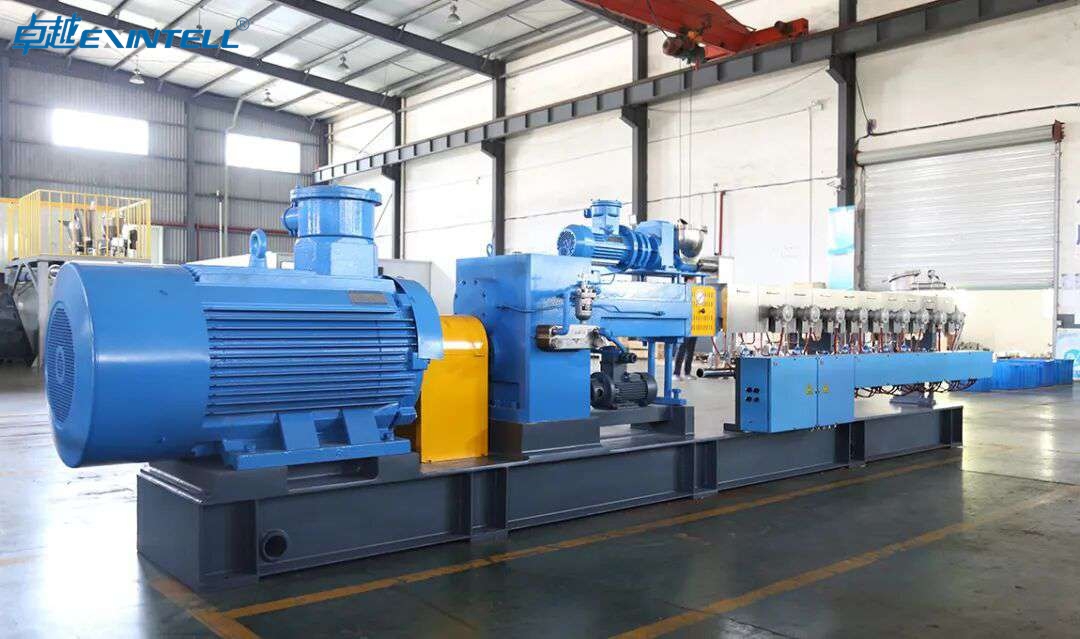
Wholesale pricing follows the same logic as retail, but with more room to negotiate and more variables to scrutinize. When I evaluate a factory-direct extruder price, whether from a domestic dealer or a China-based supplier offering wholesale rates (ThoYu), Nagtrabaho ko pinaagi sa usa ka makanunayon nga checklist sa mga detalye. Ang matag usa adunay direkta nga linya sa gasto, ug ang pagsabut niini nagtugot kanimo nga itandi ang mga kinutlo sa parehas nga mga termino imbis sa pagtag-an.
Mga Detalye sa Screw ug Barrel
Ang tornilyo ug baril mao ang kasingkasing sa makina, ug gihubit nila ang kapabilidad ug presyo. Ang labing importante nga spec mao ang L/D ratio, ang gitas-on-sa-diameter ratio sa screw. Ang mas taas nga ratio sa L/D naghatag ug mas maayong pagsagol ug pagkaparehas sa pagtunaw, nga hinungdanon alang sa nangayo nga mga polimer. Alang sa pakisayran, usa ka gigamit nga Davis Standard 9-pulgada nga extruder (Modelo 80IN80HT) midagan a 32:1 L/D ratio nga adunay 7-zone barrel (Listahan sa Kagamitan ni Aaron). Ang daghang mga sona nagpasabut nga labi ka maayo nga pagkontrol sa temperatura sa pagtunaw, tungod kay ang plastik natunaw sa mga tubo sa pagpainit sa kuryente ug nakabig sa usa ka uniporme nga natunaw pinaagi sa paggunting sa screw (ThoYu).
Ang pagsumpo sa tornilyo usab nagdesisyon sa klase sa makina. Ang usa ka screw extruder mao ang workhorse alang sa prangka nga mga profile ug mao ang labing kasagaran nga gigamit nga ekipo nga kategorya (Mga Kagamitan ni Aaron). Ang usa ka twin screw extruder nagkantidad og mas daghan apan labaw sa pag-compound, pagsagol additives, ug pagproseso sa recycled plastic flake. Kung nagdagan ka sa PVC, HDPE, o polypropylene sa gidaghanon, screw geometry kinahanglan nga mohaum sa resin; Ang PEEK ug uban pang mga high-performance nga polimer nagduso kanimo padulong sa espesyalista, mas taas nga gasto nga mga configuration. Manufacturer sa Twin Screw Extruders
Motor ug Gearbox Horsepower
Extruder motor horsepower mao ang usa ka direkta nga proxy alang sa throughput ug, busa, presyo. Ang parehas nga yunit sa Davis Standard nagpares sa baril niini nga adunay a 900 HP DC motor (Listahan sa Kagamitan ni Aaron), nga nagsulti kanimo nga kini gitukod alang sa bug-at nga produksiyon sa industriya. Ang gearbox naghubad sa gahum sa motor ngadto sa magamit nga torque sa screw. Reduction ratios sama sa 10.15:1 inubanan sa usa ka hinungdan sa serbisyo sa palibot 1.5 ipasabut kung unsa ka dako ang torque nga luwas nga madala sa makina ubos sa karga (Mga Kagamitan ni Aaron). Kung itandi nako ang duha nga parehas nga presyo nga mga makina, ang usa ka mas taas nga hinungdan sa serbisyo nagpahibalo sa labi ka lig-on nga headroom, nga angay ibayad sa mga ekipo nga imong giplano nga modagan pag-ayo.
Automation ug Control System
Ang mga sistema sa pagkontrol nagbulag sa usa ka batakang makina gikan sa usa ka moderno. Ang manwal nga mga dial sa temperatura ug yano nga mga relay nagpamenos sa presyo apan nangayo ug hanas nga mga operator ug naghimo ug daghang scrap. PLC-driven nga mga sistema nga adunay closed-loop barrel cooling, pagtipig sa resipe, ug ang data logging mas dakog gasto sa unahan apan bayran pinaagi sa pagkamakanunayon ug ubos nga basura. Usa ka hopper feeder nga adunay usa ka hopper-mounted feeding screw nga naghatud sa hilaw nga materyal nga parehas sa baril (ThoYu) maoy standard, apan ang gravimetric feeding ug automated blending makadugang sa gasto ug katukma. Alang sa taas nga volume nga operasyon, I consider automation a value driver rather than a luxury.
Certifications and Origin
Origin and certification shape both price and risk. Domestic and European machines command higher prices, partly for build quality and partly for support proximity. Factory-direct pricing from China-based manufacturers (ThoYu) can cut the machine cost substantially, but you should verify CE marking, UL compliance for the US market, and documented electrical safety before committing. I always ask for certification documents in writing, because retrofitting an uncertified machine to meet US electrical code erases the savings that made the import attractive in the first place.
New vs Used Plastic Extrusion Machines

Kini ang desisyon nga akong gipangutana bahin sa kadaghanan, and my answer is always the same: it depends on your risk tolerance and your timeline. Used extrusion equipment can cut capital costs by half or more, but the savings come with real exposure. New machines cost more and often carry longer lead times, yet they arrive with warranties, current controls, and predictable performance. Let me lay out both sides the way I would for a client.
Capital Savings vs Risk on Used Units
The financial case for used equipment is strong. As the pricing table above shows, a used industrial unit can run 40 sa 60 percent below new, freeing capital for tooling and downstream equipment. For a startup or a shop testing a new product line, that difference can be the whole business case. The risk is that a polymer processing machine has wear components, screws and barrels degrade, heater bands fail, and motors lose efficiency, and those problems are not always visible in a listing photo. The savings are real, and so is the possibility of buying someone else’s problem.
Inspecting Condition, Hours, and Build Year
I never buy used equipment sight unseen, and I recommend you do not either. My inspection priorities, in order:
- Pagsul-ob sa tornilyo ug baril: measure clearances if possible. Excessive clearance kills output and melt quality, and a replacement screw and barrel set is expensive.
- Build year and operating hours: a machine built in 2001, like the Davis Standard example, can still be excellent if maintained, but you need service records to judge.
- Mga sistema sa pagpainit ug pagpabugnaw: confirm all barrel zones heat correctly and that closed-loop water cooling holds temperature.
- Motor and gearbox condition: listen for bearing noise and check for oil leaks and gearbox play.
- Control panel function: verify every zone reads and controls accurately, since older controls may lack replacement parts.
When feasible, insist on a powered demonstration running actual Plastic Pellet Manufacturers materyal. A cold machine hides most of its problems.
Warranty and Support Gaps on Used Equipment
The support gap is the cost that does not show on the invoice. New machines from an extrusion machine manufacturer typically include warranty coverage, commissioning help, and access to after-sales support. Used units are usually sold as-is, so you own every failure from day one. Before I buy used, I confirm two things: that spare parts remain available for that model, and that a service technician familiar with the brand can be reached. A cheap machine with no parts pipeline is a liability, not a bargain.
Resale Value Considerations
Sa kataposan, think about the exit before you enter. Machines from recognized brands hold their value far better on the secondary market, which is exactly why brand-specific resale listings command steady demand (Mga Kagamitan ni Aaron). If there is any chance you will resize or exit within a few years, buying a well-known single screw extruder, even at a premium, protects your capital on the way out. Sa akong kasinatian, resale strength is the most overlooked factor in the new versus used debate, and it often tips a borderline decision toward the established brand.
My bottom line: buy new when uptime is critical, support matters, and you plan to run the machine for a decade. Buy used when capital is tight, ikaw adunay teknikal nga kapasidad sa pagsusi ug pagmentinar sa mga ekipo, ug nagpabilin ka sa mga inila nga mga tatak nga adunay suplay sa buhi nga mga bahin. Bisan asa, buhata una ang kinatibuk-ang gasto sa pagpanag-iya sa matematika, tungod kay ang kinutlo mao lamang ang sinugdanan sa paggasto.
Mga tinubdan: Mga Kagamitan ni Aaron, Gigamit nga Single Screw Extruders; ThoYu, Wholesale Presyo sa China Plastic Extruder; Amade-Tech, Lab Plastic Extrusion Machine.
Asa Makita ang Gigamit nga Plastic Extrusion Machines Wholesale
Sa dihang nagkuha ko og mga ekipo sa hugot nga budget sa kapital, ang gigamit nga merkado kasagaran ang akong una nga paghunong. Ang usa ka maayo nga gimentinar nga secondhand extruder mahimong makahatag 80 sa 90 porsyento sa kinabuhi sa serbisyo sa usa ka bag-ong yunit sa usa ka tipik sa gasto, basta nahibal-an nimo kung unsaon pagbasa ang usa ka lista ug pag-verify sa kahimtang sa dili pa mag-wire sa bisan unsang pondo. Ang hagit dili pagpangita sa mga makina. Kini mao ang pagbulag sa usa ka tinuod nga baratilyo gikan sa usa ka decommissioned liability.
Mga Marketplace ug Dealer nga Angay Mahibaloan
Kadaghanan sa akong gigamit nga mga gipamalit naggikan sa natukod nga mga network sa dealer kaysa sa bukas nga mga classified nga lista. Ang mga espesyal nga reseller sama sa Aaron Equipment nagmintinar sa mga rotating inventories sa single screw ug twin screw extruders, ug nag picture sila, tag, ug kasagaran power-test ang matag unit sa dili pa kini ilista. Importante kana nga pagsusi. Ang usa ka tigbaligya nga adunay pisikal nga nataran ug usa ka reputasyon nga panalipdan naghatag kanako usa ka kapilian nga ang usa ka wala mailhi nga pag-post sa merkado dili gyud mahimo.. Gisusi pa nako ang mga balay sa subasta ug mga tabla sa paglista nga piho sa industriya, apan gitratar nako ang usa ka inila nga tigbaligya ingon nga baseline alang sa gigamit nga kagamitan sa extrusion.
Pagbasa sa usa ka Listahan Sama sa usa ka Inhenyero
Ang gigamit nga listahan usa ka spec sheet nga nagtakuban, ug tulo ka numero ang nagsulti kanako sa kadaghanan sa kinahanglan nakong mahibaloan sa dili pa ako motawag. Tagda ang tinuod nga pananglitan: usa ka gigamit nga Davis Standard 9-pulgada nga extruder (Modelo 80IN80HT) gitukod sa 2001, gi-advertise sa a 32:1 L/D ratio, usa ka 7-zone barrel, ug a 900 HP DC motor (tinubdan: Listahan sa Kagamitan ni Aaron).
- L/D ratio. Ang barrel length-to-diameter ratio nagdumala sa oras sa pagpuyo ug pagsagol. A 32:1 ang ratio nahiangay sa pagpangayo sa matunaw nga homogeneity nga trabaho; mas mugbo nga mga ratios sa palibot 24:1 pagdumala sa mas simple nga mga profile. Kung ang imong polymer nagkinahanglan og bug-os nga pagtunaw, ayaw pagpalit og mubo.
- Mga barrel zone. Pito ka independente nga kontrolado nga mga sona sa pagpainit naghatag kanako og granular nga pagkontrol sa temperatura sa pagtunaw sa tibuok nga gitas-on sa baril. Ang daghang mga zone nagpasabut nga labi ka maayo nga pag-tune sa thermal, nga kritikal alang sa mga resin nga sensitibo sa init.
- Motor horsepower. A 900 Ang HP drive nagsenyas sa usa ka high-throughput production machine, dili lab tool. Ang mga timbangan sa HP sa motor halos adunay kapasidad sa output, mao nga ipaangay kini sa imong target nga tulin sa linya kaysa pagpalit ug dugang nga pagmaneho kaysa magamit sa imong mamatay.
Gipadayag usab sa mga lista ang ratio sa pagkunhod sa gearbox ug hinungdan sa serbisyo, nga magkauban naghubit sa magamit nga torque. A 10.15:1 pagkunhod sa a 1.5 hinungdan sa serbisyo, pananglitan, nagsulti kanako nga ang drivetrain adunay headroom alang sa padayon nga katungdanan (tinubdan: Mga Kagamitan ni Aaron). Gibasa nako ang mga numero ingon usa ka signal sa durability, dili footnote.
Mga Brand nga Naghupot ug Bili sa Resale Market
Ang reputasyon sa brand nagsunod sa usa ka makina sa ikaduhang kinabuhi niini. Davis Standard, sa akong kasinatian, nagmando sa usa ka premium sa pagbaligya sa merkado tukma tungod kay ang mga bahin, mga screw, ug ang dokumentasyon sa serbisyo nagpabilin nga magamit mga tuig pagkahuman sa paghimo. Kana nga liquidity nagputol sa duha ka paagi: Nagbayad ko og dugang sa atubangan, pero mas nakabawi ko pag resell, ug gamay ra ang akong oras sa pagpangayam alang sa usa ka puli nga extruder screw configuration o barrel liner. Kung itandi nako ang duha ka parehas nga gigamit nga mga yunit, ang usa ka gisuportahan nga brand hapit kanunay modaog sa kinatibuk-ang gasto sa pagpanag-iya bisan sa mas taas nga presyo sa sticker.
Pagmatuod sa Kondisyon Sa Dili Ka pa Mopasalig
Wala gyud ko mopalit ug gigamit nga extruder sa mga litrato lang. Ang akong pre-purchase checklist nagdagan sa mga punto sa pagsul-ob nga hilom nga naghubas sa performance:
- Pagsul-ob sa tornilyo ug baril. Paghangyo og mga sukod sa bore. Ang gisul-ob nga mga clearance makadaot sa output ug kalig-on sa presyur, ug mahal ang pag-recondition sa usa ka baril.
- Heater ug thermocouple panglawas. Kumpirma ang matag zone nga nakaabot ug naghupot sa setpoint. Ang mga patay nga sona sa usa ka multi-zone barrel usa ka pula nga bandila.
- Pagmaneho ug gearbox. Paminaw kung adunay kasaba ug susiha kung adunay mga pagtulo sa lana. Ang usa ka pakyas nga gearbox mahimong gasto sama sa makina.
- Sistema sa pagpabugnaw. Daghang mga yunit sa industriya ang naggamit sa electric heating nga adunay closed-loop nga pagpabugnaw sa tubig (tinubdan: Espesipikasyon sa Kagamitan ni Aaron). Siguruha nga ang makapabugnaw nga sirkito wala’y sukod ug wala’y sukod.
- Dagan ang pagsulay. Kon mahimo, Nag-insister ko sa usa ka powered demonstration ubos sa load, dili lang bugnaw nga pagtuyok.
Kung ang usa ka magbabaligya mosukol sa usa ka inspeksyon o usa ka pagsulay sa pagdagan, Naglakaw ko. Ang pagtipig sa usa ka gigamit nga makina sa pagproseso sa polimer mawala sa higayon nga kinahanglan nimo nga tukuron ang usa ka drivetrain.
Gagmay ug Lab-Scale nga Plastic Extrusion Machines
Dili tanan nga pumapalit kinahanglan a 900 HP monster. Ang usa ka dako nga bahin sa interes sa pagpangita sa palibot niini nga keyword nagpunting sa gagmay ug duol kanako nga mga makina, ug kana nagsubay sa akong nakita sa praktis: R&D nga mga team, mga unibersidad, ug ang mga startup nagkinahanglan og mga compact extruder nga mohaum sa lab bench ug modagan sa standard power. Kini nga mga makina nagbaligya sa throughput alang sa pagka-flexible, ug alang sa husto nga kaso sa paggamit nga mao gayud ang trade nga imong gusto.
Unsa ang Gibuhat sa Mga Makina sa Lab-Scale
Ang usa ka lab-scale extruder nagproseso sa feedstock sa powder, pellet, or granule form to produce continuous polymer products with a uniform cross section (tinubdan: Amade-Tech). Ang kinauyokan nga pisika parehas sa kagamitan sa produksiyon: ang usa ka hopper feeder naghatud sa hilaw nga materyal nga parehas sa baril, Ang mga tubo sa pagpainit sa kuryente matunaw ang polimer, ug ang mga screw shears ug homogenizes kini ngadto sa usa ka uniporme matunaw sa dili pa ang extrusion mamatay porma sa output (tinubdan: ThoYu). Ang kalainan kay scale, dili prinsipyo, nga maoy nakapahimo sa mga makina sa lab nga mapuslanon kaayo alang sa pagpalambo sa proseso. Ang imong nakat-unan sa bench scale nagbalhin sa produksiyon.
Kinaandan nga mga Produkto ug Mga Kaso sa Paggamit
Nakab-ot ko ang usa ka lab-scale nga yunit sa tulo ka mga sitwasyon:
- R&D ug pormulasyon. Pagsulay sa bag-ong resin blends, mga additives, o gi-recycle nga plastik nga flake nga wala maghimo usa ka linya sa produksiyon.
- Prototyping. Pagprodyus og sample nga mga pelikula, mga tubo, ug gagmay nga mga profile alang sa pagtugot sa kustomer o pag-validate sa tooling.
- Ubos nga gidaghanon sa produksiyon. Pag-alagad sa mga niche nga merkado diin ang panginahanglan dili makatarunganon sa usa ka bug-os nga extrusion nga linya sa produksiyon.
Kini nga mga makina dali nga nagdumala sa kasagaran nga mga thermoplastics sama sa PVC, HDPE, ug polypropylene, ug mas taas nga espesipikong mga yunit moabot sa mga polimer sa engineering sama sa PEEK kung ang baril ug tornilyo gi-rate alang sa taas nga temperatura sa pagkatunaw..
Mga Kinahanglanon sa Footprint ug Power
Ang praktikal nga pag-apelar sa usa ka lab extruder mao nga kini nagpuyo sa usa ka ordinaryo nga kwarto. Daghang mga yunit sa bangko nagdrowing og single-phase o light three-phase nga gahum ug nag-okupar sa footprint nga gisukod sa pipila ka square feet, batok sa gipahinungod nga bay ug bug-at nga tulo ka hugna nga serbisyo nga gipangayo sa usa ka extruder sa produksiyon. Sa dili pa mopalit, I confirm two things: ang serbisyo sa kuryente nga mahatag sa akong pasilidad, ug kung ang gikinahanglan sa pagpabugnaw mao ang hangin o tubig. Ang pagkasayop sa mga utilities mao ang kasagarang rason nga ang usa ka gamay nga makina naglingkod nga walay trabaho human sa paghatod.
Pagkahibalo Kanus-a Mag-upgrade sa Production Scale
Ang makina sa lab adunay kisame, ug ang pag-ila niini sa sayo makadaginot sa salapi. Giplano nako ang paglukso sa sukod sa produksiyon kung ang gipadayon nga gidaghanon sa order milabaw sa output sa kapasidad sa extruder sa makina, kung nagdagan ako daghang mga pagbalhin aron lang makapadayon, o kung ang matag yunit nga gasto sa gamay nga linya molapas sa kung unsa ang ihatag sa usa ka extruder sa produksiyon. Ang signal kay ekonomikanhon, dili emosyonal: sa higayon nga ang lab unit mahimong bottleneck kay sa himan, panahon na sa pag-scale. Kanunay nakong gitipigan ang lab machine bisan pa niana, gi-redeploy alang sa R&D pagtrabaho kini labing maayo.
Lab-Scale vs Production Extruders sa usa ka Pagtan-aw
| Hiyas | Lab / Gamay nga-Scale Extruder | Production Extruder |
|---|---|---|
| Panguna nga paggamit | R&D, prototyping, ubos nga volume run | Padayon nga komersyal nga produksiyon |
| Tipikal nga motor | Fractional ngadto sa ~20 HP | 50 sa 900+ HP (e.g., 900 HP Davis Standard) |
| L/D ratio | ~20:1 sa 25:1 | 24:1 sa 32:1 |
| Mga barrel zone | 2 sa 4 | 5 sa 7+ |
| Serbisyo sa kuryente | Usa ka hugna / kahayag 3-phase | Bug-at nga 3-phase |
| tunob | Benchtop ngadto sa compact floor unit | Dedicated production bay |
| Output | Gram ngadto sa ubos nga kg/hr | Gatusan ka kg/oras |
Ang mga numero alang sa kolum sa produksiyon nagpakita sa hanay sa espesipikasyon nga makita sa mga lista sama sa Davis Standard 80IN80HT (tinubdan: Mga Kagamitan ni Aaron); Ang lab-scale range nagpakita sa tipikal nga bench-unit configurations.
Pagpalit ug Plastic Extrusion Machines Wholesale sa USA
Ang katuyoan sa pagpangita sa palibot niini nga keyword nagsandig pag-ayo sa USA ug duol kanako nga mga pangutana, ug kana nagpakita sa tinuod nga desisyon sa pagpalit nga giatubang sa matag pumapalit sa US: pagpalit domestic o import. Ang direkta nga presyo sa pabrika gikan sa mga tiggama sa gawas sa nasud tinuod nga madanihon, ug nakapalit kog imported nga mga ekipo sa dihang ang mga numero nagpakamatarong niini. Apan ang presyo sa sticker usa ra ka linya sa ledger. Ania kung giunsa nako pagtimbang ang domestic nga kapilian.
Ang Kaso alang sa Domestic Dealer
Ang pagpalit gikan sa usa ka dealer o tiggama nga nakabase sa US naghatag kanako og tulo ka mga bentaha nga panagsa ra nga makita sa usa ka spec sheet apan kanunay nga makita sa mga operasyon:
- Mas paspas nga lead time. Ang usa ka makina sa usa ka domestic nataran nga mga barko sa mga adlaw, dili ang mga semana sa pagbiyahe sa dagat ug clearance sa customs nga gikinahanglan sa import. Sa diha nga ang usa ka linya ubos, kana nga katulin nagkantidad ug tinuod nga salapi.
- Mas sayon nga serbisyo ug mga piyesa. Ang suporta sa panimalay nagpasabut nga mga teknisyan sa parehas nga timezone, gitipigan nga mga spare parts, ug walay internasyonal nga kargamento sa usa ka kapuli nga gearbox o baril. Ang suporta sa pagkahuman sa pagbaligya mao ang usa nga labing ubos nga hinungdan sa pagpanag-iya sa extruder.
- Pagsunod sa mga sumbanan. Ang mga makina sa US kasagarang gitukod o gisertipikado sa mga kinahanglanon sa elektrisidad sa UL ug NEC. Kana nga pagsunod nagpasimple sa pag-install, makatagbaw sa mga insurer, ug mopasar sa inspeksyon nga walay pag-retrofit nga gikinahanglan sa dili sertipikadong import.
Ang Pagsunod Dili Opsyonal
Gusto nako nga direkta bahin niini tungod kay nagbiyahe kini sa mga first-time nga importer. Ang usa ka extruder nga dili UL-lista o NEC-compliant mahimong mapakyas sa usa ka pasilidad electrical inspeksyon, walay sulod nga insurance coverage, ug paghimo OSHA exposure. Pag-retrofitting sa usa ka imported nga makina aron makab-ot ang mga sumbanan sa US, rewiring nga mga kontrol, pag-ilis sa mga heater, pagdugang og certified safety interlocks, makahurot sa kadaghanan sa kuwarta nga imong natigom sa presyo sa pagpalit. Sa wala pa ko mag-import, Gikumpirma nako kung unsa gyud ang sertipikasyon nga gidala sa yunit ug kung unsa ang gasto aron masira ang bisan unsang kal-ang.
Mga Pagbaligya sa Gasto: Domestic vs Imported
Ang mga tiggama nga nakabase sa China nagtanyag direkta nga presyo sa pabrika sa mga plastik nga extruder (tinubdan: ThoYu), ug alang sa high-volume nga standardized nga mga ekipo nga ang pagpresyo mahimong makapugos. Apan ang landed cost sa usa ka import naglakip sa kargamento, insurance, import nga mga katungdanan, brokerage sa kostumbre, ug inland nga transportasyon, none of which appear in the quoted machine price. Layer on longer lead times, potential language and timezone friction on support, and any compliance retrofit, and the gap narrows considerably. Ang akong lagda sa kumagko: I model total cost of ownership over the first three years, not the purchase price, before deciding. On that basis, domestic often wins for equipment I need serviced quickly, while imports can win for planned capacity additions where lead time is not urgent.
How I Vet a Wholesale Supplier
Whether domestic or overseas, I run every wholesale machinery supplier through the same gate before committing capital. I confirm the minimum order quantity and whether it fits my actual need, request references from buyers running the same machine class, verify certifications in writing rather than taking a catalog claim at face value, and structure payment with protection, staged milestone payments or an escrow arrangement rather than a full wire against a promise. For imports specifically, I clarify Incoterms so I know exactly where the seller’s responsibility ends and mine begins. A supplier who answers these questions clearly is one I can build a relationship with; one who deflects is one I pass on.
Finding Wholesale Suppliers Near You
When I start a sourcing project for bulk extrusion equipment, I map suppliers in concentric circles: local, regional, then global. Proximity carries real value that rarely shows up on a quote, and I have learned to weigh it deliberately before chasing the lowest number.
Local vs Regional Sourcing Benefits
A supplier within a few hours’ drive lets me tour the floor, watch a machine run my resin, and shake hands with the service manager who will pick up the phone at 2 a.m. during a line-down event. Regional suppliers widen the pool of available inventory and specialization while keeping domestic warranty terms and familiar payment protections intact. Sa akong kasinatian, the closer the vendor, the shorter the mean-time-to-repair, and for a single screw extruder running continuous cross-section profile work, downtime is the expense that quietly dwarfs the purchase price.
Installation and Service Proximity
Rigging, leveling, wiring a 900 HP DC drive, and commissioning a 7-zone barrel with closed-loop cooling all go smoother when the technician is local. A used Davis Standard 9-inch extruder (Modelo 80IN80HT) uban sa a 32:1 L/D ratio and 900 HP motor, gitukod sa 2001, usa ka seryoso nga piraso sa puthaw nga i-install ug i-dial (tinubdan: Listahan sa Kagamitan ni Aaron). Gusto nako ang mga tawo nga nahibal-an nga ang makina maabut alang sa pagtunaw sa pagkontrol sa temperatura sa pag-tune ug pag-adjust sa pag-configure sa screw sa una nga mga semana sa produksiyon.
Mga Direktoryo sa Trade ug Industriya
Duha ka channel ang kanunay nga nagpakita sa kasaligan nga mga tigbaligya alang kanako. Mga trade show sama sa NPE: Ang Plastics Show ug Fakuma nagbutang sa daghang mga tiggama sa extrusion machine sa usa ka hall, diin mahimo nako itandi ang usa ka twin screw extruder batok sa usa ka screw nga magkatabi ug mangolekta og tinuod nga spec sheets. Para sa structured nga pagpangita, Nagsalig ko sa Thomasnet ug sa mga merkado nga gigamit nga kagamitan sama sa Aaron Equipment, nga nagmintinar sa brand-specific resale listings alang sa single screw extruders (tinubdan: Mga Kagamitan ni Aaron). Ang mga direktoryo usa ka lista sa pagsugod, dili usa ka hukom, mao nga kanunay kong mag-follow up sa pagbisita sa tanum o video walkthrough.
China vs US Suppliers: Pagtimbang sa mga Tradeoffs
Ang desisyon nga kanunay nakong atubangon mao ang direkta nga pagpresyo sa pabrika gikan sa gawas sa nasud kumpara sa kadaghanon sa serbisyo sa usa ka kauban sa balay. Ni daog gyud. Ang husto nga tawag nagdepende sa imong volume, imong in-house nga katakus sa pagmentinar, ug unsa ka dako ang risgo sa lead-time nga masuhop sa imong eskedyul sa produksiyon.
Pagbalanse sa Lokal nga Presyo uban sa Global nga mga Opsyon
Ang mga tiggama nga nakabase sa China nagtanyag direkta nga presyo sa pabrika sa mga plastik nga extruder, ug kana nga kal-ang mahimong dako sa ikatandi nga mga detalye (tinubdan: ThoYu). Mga supplier sa US, ug gigamit nga kagamitan sa balay, duol nga bahin sa kana nga gintang kung imong hinungdan sa kargamento, mga katungdanan, ug ang gasto sa pag-coordinate sa suporta sa mga time zone. Gitratar nako ang presyo sa sticker isip usa ka input sa kinatibuk-ang gasto sa pagpanag-iya, not the deciding figure.
Lead Time and Shipping Considerations
Domestic used equipment can ship in days; a new overseas extrusion production line typically runs on a build-plus-ocean-freight timeline measured in months. Ocean transit, port handling, and inland drayage all add weeks and variability. If your project has a hard launch date, that schedule risk deserves a line in your model alongside the price advantage.
Suporta, Parts, and Language Logistics
This is where I have seen buyers underestimate the friction. Time-zone offsets stretch troubleshooting cycles, spare gearbox and screw components may ship internationally, and technical documentation quality varies. Before committing overseas, I confirm English-language manuals, a named support contact, and a stocked or expedited parts channel for wear items like screws, mga baril, and heater bands.
China vs US Sourcing at a Glance
| hinungdan | Sa gawas sa nasud (e.g., China) factory-direct | US supplier / domestic used |
|---|---|---|
| Presyo sa yunit | Kinaubsan, factory-direct wholesale (tinubdan: ThoYu) | Higher new; competitive on used inventory (tinubdan: Mga Kagamitan ni Aaron) |
| Panahon sa pagpanguna | Build plus ocean freight, typically months | Days to weeks for in-stock units |
| Ang bili sa yuta | Add freight, mga katungdanan, drayage | Add domestic freight and rigging |
| Service proximity | Remote, time-zone dependent | On-site or regional |
| Parts availability | International shipping, plan ahead | Domestic stock, mas paspas nga turnaround |
| Documentation & pinulongan | Verify English manuals and support | Native-language support |
Ang akong lagda sa kumagko: high volume with a capable maintenance team favors overseas factory-direct; tight timelines or lean staffing favor domestic. Note that SERP demand for this keyword splits evenly across manufacturer, ecommerce, and informational content at roughly 33.3% matag usa (tinubdan: SERP analysis, 2025), and buyer searches cluster around price, “duol nako,” “USA,” ug “gigamit” intents (tinubdan: SERP/PAA data, 2025) — a fair reflection of how mixed real purchasing behavior is.
How to Choose a Plastic Extrusion Machine Manufacturer
Once I have a shortlist, I run every candidate through the same vetting sequence. The goal is to separate a genuine polymer processing machine partner from a broker who will disappear after the wire transfer clears.
Quality Assurance and Factory Verification
I verify the factory before I verify the price. For overseas vendors that means a live video walkthrough or a third-party inspection of the production floor, weld quality on the extruder barrel, and evidence they actually build rather than resell. I ask to see a machine running feedstock in powder, pellet, or granule form to confirm they handle continuous polymer output the way their marketing claims (tinubdan: Amade-Tech). Seeing the heating tubes and screw shearing melt real resin into a uniform stream tells me more than any brochure (tinubdan: ThoYu).
Track Record and Reference Customers
I request three reference customers running similar materials, whether that is PVC pipe, HDPE profile, polypropylene sheet, o usa ka gipangayo nga polimer sa engineering sama sa PEEK. A manufacturer with a documented history in your specific application has already solved the problems you are about to encounter. If a vendor cannot produce references, I treat that as a signal, not an oversight.
Customization and Application Expertise
The best manufacturers speak fluently about screw configuration, L/D ratio selection, and custom die tooling for your exact profile. Extruders produce a wide range of continuous products, including pipes, mga tubo, mga pelikula, mga tabla, ug mga botelya (tinubdan: Amade-Tech), and each demands different tooling and thermal setup. I probe how they size the gearbox reduction ratio and service factor to my torque needs, drawing on published industrial examples such as a 10.15:1 ratio at a 1.5 hinungdan sa serbisyo (tinubdan: Mga Kagamitan ni Aaron). A vendor who can discuss whether a single screw or twin screw extruder fits my recycled plastic flake feedstock, and how the hopper feeder delivers material evenly, has earned a closer look.
After-Sales Support and Parts Availability
I put the support terms in writing before purchase: response-time commitments, commissioning assistance, pagbansay sa operator, and guaranteed availability of wear parts like screws, mga baril, and heater elements. For a plastic recycling extruder or any line running abrasive reclaimed material, wear-part supply is not optional, it is the difference between a productive asset and expensive scrap. I confirm lead times on those parts specifically, since that is what governs real-world uptime.
Certifications and Quality Systems
Sa kataposan, I check the paperwork that signals a disciplined operation. ISO 9001 indicates a functioning quality management system, and CE marking matters if the equipment enters or transits European jurisdictions. For a US install I confirm the electrical build can meet UL and NFPA 79 mga gilauman, since a 900 HP DC drive with multi-zone electric heating and closed-loop water cooling (tinubdan: Espesipikasyon sa Kagamitan ni Aaron) has to satisfy my local inspector and my insurer. Certifications do not guarantee quality on their own, but their absence usually correlates with corners cut elsewhere.
Vetting sources I return to include ThoYu for factory-direct wholesale context (ThoYu wholesale listing) and Aaron Equipment for used single screw extruder benchmarks (Aaron Equipment used extruders).
Decoding Key Specifications Before You Buy
Every wholesale quote I review lists a wall of specifications, and most buyers I coach fixate on price before they understand what those numbers actually deliver. Sa akong kasinatian, four figures tell you more about a machine’s real capability than the headline output rate does: the L/D ratio, the number of heating and cooling zones, the screw diameter, and the motor-to-gearbox pairing. Read those correctly and you can predict melt quality, energy draw, and output ceiling before the machine ever ships.
L/D Ratio and Its Impact on Melting and Mixing
The L/D ratio expresses the screw’s effective length divided by its diameter, and it governs how much residence time the polymer gets inside the barrel. A longer L/D gives the melt more distance to homogenize, which matters when you run temperature-sensitive or highly filled compounds. Alang sa pakisayran, usa ka gigamit nga Davis Standard 9-pulgada nga extruder (Modelo 80IN80HT) I analyzed lists a 32:1 L/D ratio (tinubdan: Listahan sa Kagamitan ni Aaron), which sits at the higher end for single-screw machines and signals strong melting and mixing headroom.
As a rough guide, I treat 24:1 sa 26:1 as adequate for straightforward commodity resins, 28:1 sa 32:1 as the sweet spot for consistent mixing and venting, and anything longer as specialty territory for demanding compounds. A single screw extruder built for basic profile work rarely needs the same length as one processing recycled plastic flake with variable bulk density. If a supplier can’t tell you the L/D ratio, that’s a signal the listing is thin on engineering detail.
Number of Heating and Cooling Zones
Multi-zone barrels let you stage the temperature profile from feed throat to die, and more zones mean finer control over melt temperature. The Davis Standard unit referenced above uses a 7-zone barrel (tinubdan: Espesipikasyon sa Kagamitan ni Aaron), which gives an operator granular control across the length of the screw. Plastic in an extruder is melted by electric heating tubes and converted into a uniform melt through screw shearing (tinubdan: ThoYu), so the zone count directly shapes how evenly that transition happens.
Cooling is the other half of the equation. Multi-zone barrels commonly pair electric heating with closed-loop water cooling (tinubdan: Espesipikasyon sa Kagamitan ni Aaron), which pulls heat back out when shear or process feedback pushes a zone above setpoint. When I vet a machine, I confirm both the heating zone count and whether cooling is air or closed-loop water. Water cooling responds faster and holds tighter melt temperature control, which pays off on precision products.
Screw Diameter and Output Rate
Screw diameter is the single strongest predictor of throughput. Output scales roughly with the cube of the diameter, so a modest jump in screw size produces a large jump in kilograms per hour. That relationship is why a 9-inch machine like the Davis Standard example carries a 900 HP DC motor (tinubdan: Listahan sa Kagamitan ni Aaron) — the mass of material moving through a large-diameter screw demands proportionally more drive power.
When comparing wholesale offers, always normalize output against diameter and resin type. A quoted output of, ingnon, 300 kg/hr means little without knowing whether it was measured on low-density film resin or a stiff PVC compound. I ask suppliers to state the resin, melt temperature, and screw speed used for their rated output, then compare like with like.
Motor HP and Gearbox Reduction Ratio
The motor and gearbox work as a matched pair. Motor horsepower sets the available power, while the gearbox reduction ratio converts high-speed, low-torque motor output into the low-speed, high-torque rotation the screw needs. Industrial extruders publish both the ratio and a service factor — for example, a 10.15:1 pagkunhod sa a 1.5 hinungdan sa serbisyo (tinubdan: Mga Kagamitan ni Aaron) — and that service factor tells you how much margin the drivetrain carries above nominal load.
I treat the service factor as a durability indicator. A gearbox rated 1.5 is designed to absorb shock loads and continuous duty without premature wear, which is exactly what you want on a machine running multiple shifts. A hopper-mounted feeding screw delivers raw material evenly into the barrel (tinubdan: ThoYu), and that steady feed keeps torque demand predictable so the gearbox operates within its rated envelope.
Matching Machine Capacity to Your Production Volume
Specifications only matter once you tie them to your actual demand. The most expensive mistakes I see in wholesale procurement come from sizing decisions, not from picking a bad brand. Online Plastics Recycling Marketplace Buy too small and you’ll run the line flat out with no cushion for growth; buy too large and you’ll carry idle capital, higher energy bills, and startup scrap on every short run.
Estimating Throughput Needs
Start with your target finished-product volume, then work backward. I calculate required output in kilograms per hour by taking monthly demand, dividing by realistic operating hours, and adding an allowance for scrap and changeover. A useful sanity check: if you need 40,000 kg per month and run a single shift of about 160 productive hours, you need roughly 250 kg/hr of sustained output, and I’d size for 300 kg/hr to leave headroom.
Feedstock form affects this math too. Lab and production extruders process feedstock in powder, pellet, or granule form for continuous polymer products with uniform cross section (tinubdan: Amade-Tech), and bulk density varies enough between those forms that the same screw can deliver noticeably different mass throughput. Confirm your rated output against the feedstock you’ll actually run.
Avoiding Under- and Over-Sizing
Undersizing forces the machine to run at maximum screw speed constantly, which raises melt temperature, accelerates wear, and leaves zero margin for demand spikes. Oversizing is subtler but real: an oversized extruder run at low speed can produce poor mixing and unstable output, and you pay for motor and heating capacity you never use. My rule is to target a machine that hits your peak demand at roughly 75 sa 85 percent of its rated capacity, which keeps it in an efficient, controllable band.
Planning for Future Growth
Wholesale machinery is a multi-year commitment, so I plan sizing against a two-to-three-year demand forecast, not today’s orders. Ingon niana, buying far ahead of demand ties up capital you could deploy elsewhere. A middle path I often recommend: size the extruder for near-term growth, but confirm the extrusion production line’s downstream equipment and the supplier’s screw and die options can scale, so you upgrade tooling rather than replacing the whole line.
Batch vs Continuous Production
Extrusion is inherently a continuous process — extruders produce continuous profiles including pipes, mga tubo, mga pelikula, mga tabla, ug mga botelya (tinubdan: Amade-Tech) — so the batch-versus-continuous question is really about how your business schedules work. If you run long stable jobs, a larger continuous line maximizes efficiency. If you run many short jobs with frequent material and color changes, prioritize fast changeover and quick thermal response over raw size, because your losses will come from transitions, not from top-line speed.
| Production profile | Typical screw diameter | Indicative output | Suggested L/D | Labing angay |
|---|---|---|---|---|
| Lab / R&D and small runs | 20–45 mm | Up to ~50 kg/hr | 24:1–28:1 | Sampling, small-batch, PEEK trials |
| Gamay nga commercial | 50-75 mm | ~80–250 kg/hr | 26:1–30:1 | Mga profile, small pipe, specialty film |
| Mid-volume production | 90-120 mm | ~300–600 kg/hr | 28:1–32:1 | HDPE pipe, panid, continuous profile |
| Taas nga volume / heavy industrial | 150 mm and up | 600 kg/hr and above | 30:1–32:1+ | Large pipe lines, pallet, gi-recycle nga flake |
I treat these ranges as a starting frame for supplier conversations, not fixed rules. Actual output always depends on resin, melt temperature control, and screw configuration, so I verify each figure against a supplier’s tested data for my specific material.
Extruders for Specific Products: Pipe, Salida, Palid, Pallet
The extruder is only the melt engine. What defines your finished product is the extrusion die and the downstream line built around it. When I evaluate a wholesale package, I look at the die and tooling as closely as the machine itself, because that’s where product quality and application fit are actually determined.
Pipe and Tube Extrusion Lines
Pipe and tube lines pair the extruder with an annular die, a vacuum calibration and cooling tank, a haul-off, and a cutter or coiler. For PVC and HDPE pipe, dimensional stability and wall concentricity are everything, so tight melt temperature control and steady output matter more than peak speed. I confirm the die is matched to my target diameter range and that the calibration tooling is included or clearly quoted, since retooling for a new pipe size is a recurring cost buyers often overlook.
Film and Sheet Die Configurations
Film and sheet share extrusion fundamentals but diverge at the die. Blown film uses an annular die with an air ring and tower; cast film and sheet use a flat T-die or coat-hanger die feeding a chill-roll or three-roll stack. Polypropylene and polyethylene dominate here, and die width plus lip adjustment set your thickness tolerance. When comparing offers, I ask specifically which die configuration is included and whether the lip is manually or automatically adjustable, because that determines how tightly you can hold gauge across the web.
Pallet and Profile Applications
Pallet and heavy-profile production is where large machines and recycled feedstock meet. Chinese manufacturers offer factory-direct wholesale pricing on plastic extruders built for pallet production (tinubdan: ThoYu, ThoYu pallet extruder), and these lines frequently run reclaimed material. Recycling extruders are a distinct machine class designed for reclaimed plastic feedstock (tinubdan: ThoYu), so if you plan to process recycled plastic flake, I strongly advise sourcing a machine engineered for it rather than adapting a virgin-resin extruder — the feed section, pagpahungaw, and wear surfaces are built differently.
Custom Die and Tooling Options
Custom die tooling is what turns a general-purpose extruder into a machine that makes your exact product. Whether you need a bespoke profile cross section, a specific pipe wall structure, or a particular sheet width, I confirm three things with the supplier upfront: lead time for custom tooling, whether tooling design is in-house or subcontracted, and the cost of future die changes. A capable extrusion machine manufacturer will quote tooling as a clear line item and stand behind dimensional performance, nga nagsulti usab kanimo bahin sa suporta pagkahuman sa pagbaligya nga imong madawat sa higayon nga ang linya nagdagan.
Alang sa mga pumapalit nga nagsuhid sa gigamit nga merkado, Ang single screw extruders usa ka maayo nga natukod nga resale nga kategorya nga adunay mga lista nga espesipiko sa brand (tinubdan: Mga Kagamitan ni Aaron). Kung gikonsiderar nako ang gigamit nga kagamitan alang sa usa ka piho nga produkto, Kanunay nakong gipamatud-an nga ang mga compatible dies ug calibration tooling anaa alang sa akong aplikasyon, tungod kay ang usa ka makina nga baratilyo nga wala’y agianan sa husto nga tooling dili gyud baratilyo.
Pagproseso sa Recycled Plastics nga adunay Wholesale Extruders
Kung akong susihon ang usa ka pakyawan nga extruder alang sa usa ka operasyon sa pag-recycle, Nagsugod ako gikan sa usa ka lahi nga premise kaysa sa akong gusto alang sa pagproseso sa virgin resin. Ang gi-reclaim nga feedstock dili managsama, kontaminado, ug thermally sensitive, so the machine has to compensate for material variability that a virgin-only line never sees. Recycling extruders are a distinct machine class built for reclaimed plastic feedstock (tinubdan: ThoYu, 2025), and treating them as interchangeable with standard profile extruders is one of the more expensive mistakes I have watched buyers make.
Recycling Extruders and Material Preparation
The extruder itself is only one stage in a longer chain. Before recycled plastic flake reaches the hopper feeder, it typically passes through washing, pagpauga, and size reduction. A hopper-mounted feeding screw delivers raw material evenly into the barrel (tinubdan: ThoYu, 2025), and even that step becomes harder when the input is irregular flake rather than uniform pellets. Sa akong kasinatian, the quality of upstream preparation determines whether the extruder runs stably or surges. If you are quoting a wholesale line and the supplier only prices the extruder, ask specifically about the material prep equipment, because the melt quality you get downstream depends on it.
The core melting mechanism is unchanged: plastic is melted by electric heating tubes and transformed into a uniform melt through screw extrusion and shearing (tinubdan: ThoYu, 2025). What changes with reclaim is how much shear and residence time the material can tolerate before it degrades. HDPE and polypropylene reclaim are relatively forgiving; PVC regrind is far less so and punishes overheating quickly.
Why Twin Screw Extruders Excel with Reclaim
For consistent recycled output, I lean toward a twin screw extruder over a single screw extruder in most reclaim applications. The reason is mechanical. Twin screw configurations provide better mixing, more controllable shear, and stronger devolatilization, which matters when the feedstock carries moisture and volatiles picked up during its first life. A single screw extruder remains a common and cost-effective used-equipment category with brand-specific resale listings (tinubdan: Mga Kagamitan ni Aaron, 2025), and it can handle clean, well-prepared regrind. But when feedstock quality is uneven, the extruder screw configuration in a twin screw machine gives me the process latitude to keep melt temperature control tight across batches.
The tradeoff is cost. Twin screw machines carry higher purchase and tooling prices, and the gearbox is more complex. That is a real budget line, not a rounding error, so I weigh it against the value of the finished product. High-value recycled compounds justify the investment; commodity reclaim often does not.
Contamination and Filtration Considerations
Contamination is the defining challenge of recycled feedstock, and filtration is how you manage it. A melt filtration system, usually a screen changer with a fine mesh pack, removes particulate before the melt reaches the extrusion die. Without adequate filtration, contaminants cause surface defects, weak spots, and clogged dies. I always confirm two things with a wholesale supplier: the screen changer type (manual, hydraulic, or continuous) and the finest mesh the system supports without excessive pressure buildup. For heavily contaminated post-consumer streams, a continuous screen changer avoids the production stoppages that manual changes force.
Multi-zone barrels commonly use electric heating with closed-loop water cooling (tinubdan: Espesipikasyon sa Kagamitan ni Aaron, 2025), and precise zone control becomes even more important with reclaim because you are trying to melt inconsistent material without scorching the fraction that heats fastest.
Circular Manufacturing Opportunities
The commercial case for recycling extruders keeps strengthening. Brand commitments to recycled content and tightening regulation on single-use plastics are pushing demand for in-house reprocessing. I see two viable models. The first is closed-loop: reprocessing your own production scrap back into the same line, which improves yield and reduces raw material spend. The second is a dedicated recycling line that converts purchased post-industrial or post-consumer feedstock into salable pellets or profiles. Both turn a waste stream into either cost savings or revenue, ug ang extruder mao ang pivot point sa maong pagkakabig.
Mga Sertipikasyon ug Sumbanan nga Pangitaon
Ang sertipikasyon kung diin ang pagpamalit sa pakyawan, ilabi na gikan sa overseas suppliers, nagseryoso. Ang mga tiggama nga nakabase sa China nagtanyag direkta nga presyo sa pabrika sa mga plastik nga extruder (tinubdan: ThoYu, 2025), ug kana nga pagpresyo tinuod nga madanihon. Apan ang ubos nga kinutlo wala'y kahulogan kung ang makina dili legal nga ma-install, nakaseguro, o gipadagan sa imong hurisdiksyon. Gitratar nako ang sertipikasyon isip usa ka kinahanglanon sa gating, dili nice-to-have.
CE Marking alang sa European Compliance
Kung nag-operate ka o nag-eksport sa European Economic Area, Ang pagmarka sa CE gikinahanglan. Nagsenyas kini nga ang makina nagsunod sa mga may kalabotan nga direktiba sa EU, labi na ang Direktiba sa Makinarya, naglangkob sa mekanikal nga kaluwasan, pagbantay, ug paghunong sa emerhensya. Alang sa usa ka pumapalit sa US kini ingon og wala’y kalabotan, but I raise it because many buyers plan to resell finished goods into Europe or operate multinational facilities. Confirm the CE marking is backed by an actual Declaration of Conformity and a technical file, not just a sticker on the frame. A legitimate manufacturer produces the paperwork on request.
ISO 9001 Quality Management
ISO 9001 certifies that the manufacturer runs a documented quality management system. It does not certify any individual machine, and I want to be precise about that distinction because suppliers sometimes blur it. What ISO 9001 tells me is that the factory has repeatable processes for design, produksyon, ug inspeksyon, which correlates with more consistent build quality across units. For wholesale buyers ordering multiple machines or planning repeat purchases, that process consistency is exactly what protects you from unit-to-unit variation.
UL for US Electrical Safety
Alang sa merkado sa US, UL certification on electrical components is the one I refuse to compromise on. Extruders draw significant power through motors, mga banda sa heater, and control cabinets. A used Davis Standard 9-inch extruder, pananglitan, midagan a 900 HP DC motor across a 7-zone barrel (tinubdan: Listahan sa Kagamitan ni Aaron, 2025), and that scale of electrical load makes safety certification a genuine risk-management issue, dili pormalidad. UL or an equivalent NRTL listing affects your ability to pass local electrical inspection, secure insurance, and satisfy OSHA expectations. Imported machines frequently ship with control systems that are not UL-listed, so budget for potential panel rework or re-certification in the US.
Documentation and Compliance Verification
Certificates are only as good as your ability to verify them. My verification routine is straightforward:
- Request certificate numbers and check them against the issuing body’s public database rather than trusting a PDF.
- Confirm the certificate covers the specific model, not a different machine in the product family.
- Ask for the Declaration of Conformity, wiring diagrams, and the operation and maintenance manual before you release final payment.
- Where feasible, commission a third-party pre-shipment inspection to confirm the physical machine matches the documentation.
Tying compliance verification to your payment milestones is the single most effective piece of leverage you have as a wholesale buyer. Once the machine ships, that leverage is gone.
Understanding Total Cost of Ownership
The purchase price is the number everyone fixates on, and it is the one that matters least over the life of the machine. When I model total cost of ownership, I fold in energy, pagmentinar, downtime, ug pag-instalar, and the ranking of suppliers frequently reverses once those costs are included. This is the analysis that most wholesale buying guides skip, and it is where a slightly cheaper machine can quietly become the expensive one.
Energy Consumption and Operating Cost
Energy is the largest recurring cost for most extrusion operations, and it is driven by motor horsepower and heater load. A 900 HP DC motor (tinubdan: Listahan sa Kagamitan ni Aaron, 2025) running multiple shifts represents a substantial electricity bill, and small efficiency differences compound over thousands of operating hours. Multi-zone barrels using electric heating with closed-loop water cooling (tinubdan: Espesipikasyon sa Kagamitan ni Aaron, 2025) are more efficient at holding temperature than older uninsulated designs. I ask suppliers for the connected load and, kon mahimo, the specific energy consumption per kilogram of throughput, because that figure lets me compare machines on an operating-cost basis rather than a sticker basis.
Maintenance and Spare Parts
Wear is unavoidable. The screw and barrel are the primary wear components, and processing abrasive or filled materials accelerates it. Recycled plastic flake with residual contamination wears tooling faster than clean virgin resin. Gearbox maintenance also matters: industrial extruders define torque through gearbox reduction ratios such as 10.15:1 nga adunay usa ka hinungdan sa serbisyo sa 1.5 (tinubdan: Mga Kagamitan ni Aaron, 2025), and that gearbox needs scheduled lubrication and periodic inspection. My practical concern with wholesale and imported machines is spare parts lead time. A cheap machine whose screw takes three months to replace from overseas is not cheap when the line sits idle waiting.
Downtime ug Kasaligan
Downtime is the cost that does not appear on any invoice, which is exactly why it gets underestimated. Every hour a line is down is lost production plus fixed overhead still accruing. Reliability is where established brands and ISO 9001 manufacturers tend to justify their premium. When I assess reliability, I look at build quality on the components that fail expensively, the availability of local service technicians, and the supplier’s after-sales support commitments. A responsive supplier that ships parts quickly is worth more than a marginally lower purchase price.
Installation and Commissioning Expenses
The final and most frequently forgotten category is getting the machine running. Installation and commissioning cover rigging and placement of heavy equipment, electrical and cooling-water hookups, control integration, and the trial runs needed to dial in melt temperature control and output. For imported machines I also budget for potential electrical re-certification and any adaptation to US voltage and plant infrastructure. Commissioning support from the manufacturer, whether on-site or remote, has real value here, and I confirm whether it is included in the quote or billed separately.
Total Cost of Ownership Comparison
The table below illustrates how the cost picture shifts across three common procurement paths. The figures are representative ranges for planning purposes, not fixed quotes, and actual costs vary with capacity, espesipikasyon, ug supplier.
| Cost Factor | New Domestic (US) | Imported Factory-Direct | Used / Refurbished |
|---|---|---|---|
| Presyo sa pagpalit | Pinakataas | Kinaubsan | Ubos ngadto sa kasarangan |
| Certification readiness | UL/CE typically included | Often needs verification or rework | Nagkalainlain; verify by age and origin |
| Episyente sa enerhiya | Current-generation controls | Varies by build quality | Older units may run less efficiently |
| Spare parts lead time | Mubo | Dugay (overseas shipping) | Depends on brand support |
| Pag-instalar / pagkomisyon | Vendor support common | May require added budget | Often buyer-managed |
| Downtime risk | Kinaubsan | Kasarangan ngadto sa taas | Kasarangan; condition-dependent |
My takeaway from running this comparison repeatedly is that the imported factory-direct route wins on purchase price but requires you to budget deliberately for certification, spare parts logistics, ug commissioning. The used route can be excellent value when the machine comes from a reputable brand with parts still available, which is why brand-specific resale listings (tinubdan: Mga Kagamitan ni Aaron, 2025) are worth studying carefully. Ang mga bag-ong kagamitan sa balay labing mahal sa unahan ug kanunay nga gipakamatarung kini pinaagi sa mas ubos nga oras sa pag-undang ug mas simple nga pagsunod. Pagdesisyon pinaagi sa pagmodelo sa imong kaugalingon nga mga numero sa tibuuk nga kapunawpunawan sa pagpanag-iya, dili sa kinutlo lamang.
Pagpadala, Import nga mga katungdanan, ug Logistics
Kung mopalit ko og plastic extrusion machine nga pakyaw gikan sa gawas sa nasud, ang gikutlo nga presyo sa makina mao lamang ang sinugdanan sa panag-istoryahanay. Sa higayon nga mobalhin ko gikan sa usa ka domestic nga gigamit nga yunit ngadto sa factory-direct extruder nga presyo gikan sa China, logistics nahimong usa ka proyekto sa iyang kaugalingon nga katungod. Usa ka screw extruder nga adunay taas nga baril, usa ka bug-at nga gearbox, ug ang usa ka bug-os nga extrusion production line footprint dili mobiyahe sama sa usa ka pallet sa mga bahin. I plan the freight and customs path before I sign, because a surprise here erases the savings that made the import attractive in the first place.
kargamento, Crating, and Incoterms
The first term I nail down is the Incoterm, because it defines exactly where the seller’s responsibility ends and mine begins. In my experience three matter most for extrusion equipment:
- EXW (Ex Works) — I take ownership at the factory gate and pay for everything after, including inland transport in the origin country. Cheapest on paper, most work for me.
- FOB (Free On Board) — the supplier delivers to the origin port and loads the vessel. This is my default for a first deal with a new wholesale machinery supplier because it splits responsibility at a clean point.
- CIF (Gasto, Insurance, kargamento) — the seller arranges ocean freight and insurance to my destination port. Convenient, but I always ask for the itemized breakdown so I can compare it against an independent forwarder quote.
Crating is not a line item I skip. An industrial extruder for sale overseas ships as a heavy, oddly balanced load, and the extruder barrel, extrusion mamatay, and hopper feeder each need to be secured against vibration and moisture during a five- to eight-week ocean transit. I insist on a fumigated hardwood or steel-reinforced crate, desiccant packs inside sealed control cabinets, and a packing list that itemizes every component. For anything over roughly two meters wide or 10 tonelada, I confirm whether the load qualifies as out-of-gauge, because that changes the container type and the price.
US Import Duties and Customs
US import duty on plastics processing machinery generally falls under Harmonized Tariff Schedule heading 8477, nga naglangkob sa mga makinarya alang sa pagtrabaho nga goma o plastik. Base most-favored-nation duty rates in this heading are frequently low or zero, but I never assume the rate — I confirm the exact HTS subheading for my specific machine with a licensed customs broker before purchase (tinubdan: US International Trade Commission, Nahiuyon nga Iskedyul sa Taripa, 2025, hts.usitc.gov). Beyond the base duty, I check for any additional Section 301 tariffs that apply to goods of Chinese origin, since those have been adjusted repeatedly and can add a meaningful percentage to landed cost.
On top of duty I budget for the standard federal fees: the Merchandise Processing Fee and, for ocean shipments, the Harbor Maintenance Fee. I also file the ISF (Pag-file sa Seguridad sa Importer, ang “10+2”) at least 24 hours before the goods load overseas, because a late filing draws a penalty that has nothing to do with the machine’s value. A customs broker handles these filings for me, and their fee is small relative to the risk of getting them wrong.
Lead Time Planning
I build my schedule backward from the date I need the polymer processing machine running. A realistic timeline for a made-to-order extrusion production line from Asia looks like this:
- Manufacturing and assembly: 6 sa 12 weeks depending on custom die tooling and screw configuration
- Factory acceptance and third-party inspection: 1 sa 2 semana
- Ocean transit to a US West Coast port: 3 sa 5 semana (longer to East Coast)
- Customs clearance and drayage: 1 sa 2 semana
- Inland freight, rigging, ug pag-instalar: 1 sa 3 semana
That puts a typical door-to-commissioning window at three to six months. I treat any supplier who promises dramatically less with healthy skepticism.
Rigging and Site Delivery
The final hundred meters are the ones people underestimate. A loaded extruder does not roll off a truck on its own. I arrange a rigging crew with the right forklift or crane capacity, verify that my facility’s dock, doorways, and floor loading can accept the machine’s footprint and weight, and confirm the power drop matches the extruder motor horsepower — a 900 HP DC motor draws very differently than a modest lab-scale extruder. On one project I nearly missed that the closed-loop barrel cooling system needed a dedicated water supply already plumbed before the rigging crew arrived. Now that check is on my pre-delivery list every time.
Payment Terms and Buyer Protections
Sending a large deposit to a factory I have never visited on another continent is the moment where a wholesale extruder deal feels riskiest. I manage that risk with payment structure, not just trust. The goal is simple: I want money to move only as the supplier hits verifiable milestones, and I want a neutral mechanism holding the leverage until I confirm the machine is what I paid for.
Letters of Credit and Escrow
For larger orders I favor a documentary sulat sa kredito (LC). My bank commits to pay the supplier only when the supplier presents the exact documents my LC specifies — bill of lading, listahan sa pagputos, inspection certificate, and so on. The paperwork discipline of an LC protects both sides, and it signals to a serious extrusion machine manufacturer that I am a professional counterparty. The tradeoff is bank fees and rigidity: any document discrepancy can hold up release, so I draft the required-documents list carefully.
For mid-sized deals, a third-party escrow service or a marketplace with built-in trade assurance offers similar protection with less overhead. The escrow agent holds my funds and releases them on agreed conditions. I read the release triggers closely, because an escrow that releases on shipment rather than on acceptance does far less for me.
Deposit and Milestone Structures
The structure I return to most often for a factory-direct order is a 30/40/30 split, and I have found it balances the supplier’s cash-flow needs against my protection:
- 30% deposito to begin production
- 40% on completion, gibayran human sa usa ka malampuson nga pagsulay sa pagdawat sa pabrika ug pag-inspeksyon sa ikatulo nga partido, sa wala pa ipadala ang makina
- 30% balanse human sa pagpanganak, pag-instalar, ug malampuson nga pagkomisyon sa akong site
Gisukol nako ang bisan unsang pagpit-os sa a 50% o mas dako nga upfront nga deposito gikan sa usa ka supplier nga wala nakoy kasaysayan. Ang labing importante nga lever nga akong gihuptan mao ang katapusang tranche sa pagbayad nga nahigot sa on-site nga pasundayag. Kung kini hingpit nga nabayran sa wala pa moandar ang makina sa akong pasilidad, Akong gihatag ang akong bugtong tinuod nga tambal.
Mga Klase sa Kontrata ug Inspeksyon
Ang kumpirmasyon sa wire transfer dili usa ka kontrata. Nag-insister ako sa usa ka kasabutan sa pagpalit nga nahibal-an, labing menos:
- Detalyadong teknikal nga mga detalye: diametro sa screw, L/D ratio, pag-configure sa extruder screw, ratio sa pagkunhod sa gearbox ug hinungdan sa serbisyo, barrel zones, pagpainit ug pagpabugnaw nga pamaagi, ug gi-rate nga kapasidad nga output
- Ang mga pamatasan sa pagdawat nahigot sa masukod nga output - pananglitan, a specified throughput in kilograms per hour on a named resin such as HDPE or PVC, at a stated melt temperature control tolerance
- Right to third-party inspection before shipment, at my discretion
- Penalty and remedy clauses for late delivery or failed acceptance
- Governing law, dispute resolution venue, and warranty terms
I tie the acceptance clause to a real production condition rather than a vague “machine works” statement. “Produces continuous cross-section profile at 300 kg/hr on virgin polypropylene within spec” is enforceable. “Functional” is not.
Reducing Overseas Transaction Risk
Beyond structure, a few habits reduce my exposure. I pay to the company’s registered corporate bank account, never to a personal account or a sudden last-minute change of banking details — that redirection is a common fraud pattern. I keep all commitments in writing. And I match my payment protection to deal size: an LC for a full extrusion production line, escrow or trade assurance for a single mid-range machine, and even for a modest used unit I still hold a meaningful balance until commissioning.
Vetting Suppliers and Verifying Quality
Payment protection limits my downside, but it does not put a working machine on my floor. That comes from vetting the supplier well and verifying the equipment before it ships. Since the SERP for this category splits evenly across manufacturers, ecommerce platforms, and other content (tinubdan: SERP analysis, 2025), buyers land in front of very different seller types, and the diligence I apply has to flex accordingly. A factory-direct manufacturer, a marketplace reseller, and a used-equipment dealer each deserve a different set of questions.
Factory Audits and References
Before I commit to a new extrusion machine manufacturer, I verify they actually build what they sell. I ask for their business license and registration, confirm how long they have operated, and request references from prior US or export customers — then I actually call those references. When the order justifies it, I commission an on-site factory audit, either through a sourcing agent or an inspection firm. The auditor confirms the factory exists, has real production capacity, and is not simply a trading company drop-shipping another workshop’s output. Trading companies are not automatically a problem, but I want to know which one I am dealing with, because it changes who is accountable for after-sales support.
Third-Party Inspection Services
I treat pre-shipment inspection as non-negotiable on any significant purchase. An independent inspector — from a global firm like SGS, TÜV, Bureau Veritas, or a specialist machinery inspector — visits the factory before the balance-triggering milestone. They verify that the build matches the contracted specifications: the correct extruder barrel construction, screw and die tooling, gearbox rating, motor horsepower, ug control system. A pre-shipment inspection report is one of the documents I list in my letter of credit, which links the money release directly to verified quality. The inspection fee is trivial next to the cost of receiving a machine that does not meet spec after it has cleared customs.
Sample Runs and Acceptance Testing
Specifications on paper are a promise; a sample run is proof. I ask the supplier to run the machine on my actual feedstock — whether that is virgin resin, recycled plastic flake, or a specific grade of PEEK or polypropylene — and produce the profile I intend to make. I want to see documented throughput, dimensional tolerance on the continuous cross-section, surface quality, and stable melt temperature control across the barrel zones. For a recycling extruder in particular, testing on real reclaimed material rather than clean pellets tells me whether the screw configuration and feeding system will actually handle my input. Where possible, I have this run witnessed by my third-party inspector or captured on video with live instrument readings.
Warranty and Service Commitments
The last thing I verify is what happens after the machine is running. I get the warranty in writing — typical coverage runs 12 mga bulan, sometimes longer on the mechanical structure — and I read what it excludes. Then I look past the warranty to practical serviceability: whether spare parts for the gearbox, mga heater, and screw are stocked or reasonably available, what the lead time is for a critical replacement, whether the supplier provides commissioning support and operator training, and whether remote technical support is available in a time zone and language I can work with. A cheaper machine from a supplier with no realistic service path is not the bargain it looks like.
Supplier Vetting Comparison
To make the tradeoffs concrete, here is how I weigh the three seller types I most often evaluate when buying extrusion equipment. This maps to the new-versus-used-versus-imported procurement decision that runs through the whole purchase.
| Vetting factor | Factory-direct manufacturer (overseas) | Online marketplace / reseller | Domestic used-equipment dealer |
|---|---|---|---|
| Typical price position | Lowest per-spec; factory-direct extruder pricing | Mid; platform markup added | Variable; strong value on legacy brands |
| Pagpahiangay (tornilyo, mamatay, L/D ratio) | High — built to order | Ubos ngadto sa kasarangan | None — as-is condition |
| Lead time to running | 3–6 months incl. logistik | Varies with stock and origin | Fastest — often weeks |
| Inspection method | Pag-audit sa pabrika + pre-shipment inspection | Platform assurance + independent check | In-person condition assessment |
| Payment protection | Letter of credit / milestone escrow | Trade assurance / escrow | Standard domestic terms |
| Garantiya & serbisyo | New warranty; verify parts pipeline | Depends on seller | Limited or none; dealer-dependent |
| Labing angay | Custom production line, cost-driven | Standard machines, kasarangang gidaghanon | Proven brands like a used single screw extruder, fast need |
Both ends of that table are legitimate paths. China-based manufacturers offer genuine factory-direct wholesale pricing on plastic extruders (tinubdan: ThoYu, ThoYu), while the domestic used market lists brand-specific machines such as a Davis-Standard 9-inch single screw extruder with a 32:1 L/D ratio, seven-zone barrel, ug 900 HP DC motor (tinubdan: Listahan sa Kagamitan ni Aaron, Mga Kagamitan ni Aaron). The right choice depends on how much customization, paspas, and service I need, and the vetting discipline above is what turns any of these into a purchase I can stand behind.
Pag-instalar, Pag-komisyon, and Training
Buying the machine is only half the transaction. Sa akong kasinatian, the gap between a signed purchase order and a line running at rated output is where most first-time buyers lose weeks and margin. I treat installation, pagkomisyon, and training as a single project with its own timeline, not an afterthought bundled into shipping. What follows is the sequence I use to bring a new or used extruder from crate to steady-state production.
Site and Utility Requirements
Before the freight arrives, I confirm the site can actually support the equipment. Industrial extruders draw serious power and generate real heat, so utility planning comes first. A used Davis Standard 9-inch extruder, pananglitan, ships with a 900 HP DC motor and a 7-zone barrel (tinubdan: Listahan sa Kagamitan ni Aaron, 2024), which tells me immediately that a standard 240V shop feed will not cut it. I map four requirements before delivery:
- Electrical service: Confirm voltage, phase, and amperage against the motor and heater load. Extruder motor horsepower drives the largest single draw, and multi-zone barrels add electric heating loads on top of that.
- Pagpabugnaw: Multi-zone barrels commonly pair electric heating with water-based closed-loop cooling (tinubdan: Espesipikasyon sa Kagamitan ni Aaron, 2024). I verify chiller capacity, rate sa dagan, and water quality before day one.
- Floor and access: An extrusion production line with downstream haul-off, makapabugnaw nga mga tangke, and cutters needs linear floor space and a level, load-rated slab. I measure the full line, not just the extruder footprint.
- Ventilation and safety: Melt temperature control means heat and, with some polymers, fume management. Local exhaust and clearances matter for both compliance and operator comfort.
Setup and Calibration Steps
Once the machine is positioned and services are connected, I run commissioning as a checklist rather than a feel. The core polymer processing machine converts feedstock in powder, pellet, or granule form into a continuous cross-section profile (tinubdan: Amade-Tech, 2024), and every stage of that conversion needs to be dialed in:
- Mechanical alignment: Confirm the gearbox, tornilyo, and barrel are aligned and torqued. Gearbox reduction ratios and service factors define torque delivery (tinubdan: Mga Kagamitan ni Aaron, 2024), so I verify the drivetrain before applying load.
- Heater and thermocouple verification: Plastic is melted by electric heating tubes and homogenized through screw shearing (tinubdan: ThoYu, 2024). I check each zone independently and confirm every thermocouple reads accurately.
- Feed system check: Hopper-mounted feeding screws deliver raw material evenly into the barrel (tinubdan: ThoYu, 2024). I confirm consistent feed with the actual resin, kung PVC ba kana, HDPE, polypropylene, or recycled plastic flake.
- Die and tooling fit-up: Install the extrusion die, confirm the screw configuration suits the resin, and set the melt temperature profile for a stable, uniform cross section.
- Dry run then wet run: Cycle the line empty, then purge and run production resin, adjusting zone temperatures and screw speed until dimensions hold to spec.
Operator Training Needs
A calibrated machine still fails without trained operators. I schedule training to overlap with commissioning so the team learns on the exact line they will run. My minimum curriculum covers startup and shutdown sequencing, purge procedures between resin changes, reading and adjusting melt temperature control, recognizing off-spec output, and routine maintenance of screw, baril, ug mamatay. For used equipment where the manufacturer is not on site, I budget for a third-party commissioning engineer or negotiate remote support into the deal. After-sales support is a spec worth confirming before purchase, dili pagkahuman.
Ramp-Up to Full Production
I never assume rated output on day one. Published extruder capacity output is a ceiling under ideal conditions, and real ramp-up follows resin behavior, tooling, and operator familiarity. I stage it: run at reduced throughput to validate quality, log every setting that produces good parts, then increase output incrementally while watching for dimensional drift and thermal stability. Sa akong mga proyekto, a well-commissioned single screw extruder reaches stable full production within one to three weeks; a twin screw extruder or a compounding line can take longer because there are more variables to tune.
Wholesale Buyer’s Checklist and Next Steps
When I run a procurement cycle for bulk extrusion equipment, I work through the same five stages every time. This is the unified framework I wish more buyers had when comparing new, gigamit, and imported options, because each channel carries different risks and each stage removes a category of avoidable loss.
1. Define Application, Tomo, and Budget
I start with the product, not the machine. What continuous cross-section profile am I making, in what polymer, at what daily volume? Pipe, pelikula, tabla, and profile lines have different die tooling, L/D ratio, and screw configuration requirements (tinubdan: Amade-Tech, 2024). A lab-scale extruder suits R&D and short runs; an industrial extruder for sale suits committed volume. I set a budget that accounts for total cost of ownership, dili lang ang presyo sa sticker.
2. Shortlist Suppliers Across Channels
The market for this keyword splits evenly across manufacturer, ecommerce, and other content types, roughly a third each (tinubdan: SERP analysis, 2024). I mirror that in sourcing by building three shortlists: OEM manufacturers, used-equipment dealers, and factory-direct import suppliers. Ang mga tiggama nga nakabase sa China nagtanyag direkta nga presyo sa pabrika sa mga plastik nga extruder (tinubdan: ThoYu, 2024), while dealers like Aaron Equipment list brand-specific used single screw extruders with full specs. Casting across all three channels is the only way to know what a fair price actually is.
3. Compare Specs and Total Cost
I compare specifications on a single sheet so nothing hides in a footnote. The table below shows how I frame the three channels for a mid-range single screw extruder.
| hinungdan | New (OEM) | Used (Dealer) | Imported (Factory-Direct) |
|---|---|---|---|
| Upfront price | Pinakataas | Lowest for equivalent size | Low to mid, before landed costs |
| Panahon sa pagpanguna | Moderate to long (build to order) | Pinakamubo (sa stock) | Pinakataas (build plus ocean freight) |
| Garantiya / suporta | Full OEM warranty and support | Limited or as-is | Nagkalainlain; confirm in writing |
| Spec certainty | Exact to order | Fixed by the listed unit | Configurable, verify against quote |
| Hidden costs | Pag-instalar, tooling | Refurbishment, unknown wear | Import duties, pagpadala, pagkomisyon |
| Labing angay | Long-term critical production | Fast start, tight capital | Volume buyers comfortable with logistics |
Total cost of ownership is where imported equipment surprises people. The quoted extruder machine price is not the landed cost. I add ocean freight, US import duties, inland transport, rigging, pag-instalar, and commissioning before I compare across channels. A low factory-direct number can equal or exceed a domestic used price once everything lands.
4. Negotiate Terms and Finalize Protections
Once I have a preferred supplier, I negotiate the terms that protect the money, not just the price. My payment-protection playbook is consistent:
- Staged payments tied to milestones: deposito, pre-shipment inspection, and balance on acceptance rather than 100% upfront.
- Pag-inspeksyon sa ikatulo nga partido before shipment for imported or used units, confirming the machine matches the quoted specifications.
- Written performance criteria: rated output, dimensional tolerance, and acceptance test conditions defined in the contract.
- After-sales terms in writing: available nga mga spare parts, warranty scope, and remote or on-site support.
- Clear minimum order quantity and Incoterms so responsibility for freight, insurance, and duties is unambiguous.
Sunod nga mga Lakang
My recommended path from here: write a one-page spec sheet for your application, request quotes from at least two suppliers in each channel, build the comparison table above with your real numbers, and shortlist to two finalists before negotiating. That sequence keeps leverage on your side and turns a large capital purchase into a controlled decision.
Kanunay nga Gipangutana nga mga Pangutana
Pila ang gasto sa usa ka plastic extrusion machine?
Price depends far more on size, screw type, and condition than on any single list figure. Sa akong kasinatian, a compact lab-scale or single screw extruder sits at the low end, while a large industrial line with a high L/D ratio, a multi-zone extruder barrel, and downstream equipment costs many times more. Used units, such as brand-name single screw extruders sold through dealers, typically undercut new OEM pricing for equivalent size (tinubdan: Mga Kagamitan ni Aaron, 2024). Always compare the plastic extruder machine price as a landed, total cost of ownership number rather than the headline quote.
Where can I find a plastic extrusion machine near me or in the USA?
For domestic sourcing, Ang mga tigbaligya sa gamit nga kagamitan nga nakabase sa US mao ang labing paspas nga ruta tungod kay ang mga yunit naa sa stock ug ang pagpadala kay sa gawas sa nasud kaysa sa internasyonal.. Alang sa bag-ong mga makina, Ang mga tiggama sa OEM ug ang ilang mga distributor sa US direkta nga nagserbisyo sa merkado. Kung bukas ka sa pabrika-direkta nga wholesale nga presyo, Ang mga tiggama nga nakabase sa China nagpadala sa internasyonal (tinubdan: ThoYu, 2024), pero nagkuha ka ug import duties, kargamento sa dagat, ug pag-commissioning sa logistics. Simple ra ang akong lagda: pagpalit duol kanimo kung ang katulin ug suporta hinungdanon, ug import kung ang gidaghanon nagpakamatarong sa dugang nga logistik.
Mopalit ba ko og bag-o o gigamit nga extruder?
Ang gigamit nga mga ekipo adunay kahulugan kung ang kapital hugot, kinahanglan nimo nga magsugod dayon, ug ang piho nga yunit motakdo sa imong resin ug output. Usa ka gigamit nga single screw extruder nga adunay dokumentado nga mga spec, sama sa usa ka Davis Standard nga yunit nga adunay usa ka 32:1 L/D ratio ug 7-zone barrel (tinubdan: Listahan sa Kagamitan ni Aaron, 2024), mahimong usa ka maayo kaayo nga kantidad. New OEM equipment makes sense for long-term critical production where warranty, exact-to-spec configuration, and factory support outweigh the higher upfront cost. I steer buyers toward used for a first line or a proven process, and new for mission-critical or novel applications.
How do I choose a reliable manufacturer or wholesale supplier?
I vet suppliers on four things: verifiable references for the exact machine class I need, clear written specifications, defined after-sales support and spare-parts availability, and willingness to accept staged payments with pre-shipment inspection. A credible extrusion machine manufacturer will document gearbox reduction ratios, service factors, and torque delivery rather than quoting output alone (tinubdan: Mga Kagamitan ni Aaron, 2024). If a supplier resists third-party inspection or written performance criteria, I treat that as a red flag.
What is the difference between a single screw and a twin screw extruder?
A single screw extruder is the workhorse for straightforward profiles, tubo, and film in resins like PVC, HDPE, ug polypropylene. A twin screw extruder provides stronger mixing and better control for compounding, high-fill formulations, and demanding materials such as PEEK. Twin screw lines cost more and take longer to tune, so I only recommend them when the application genuinely needs the mixing performance. Match the screw configuration to the polymer and product, not to a general preference.
Can I use an extruder for recycled plastic?
Oo, but often on a purpose-built machine. Recycling extruders are a distinct machine class designed for reclaimed feedstock (tinubdan: ThoYu, 2024). If your input is recycled plastic flake with variable moisture and contamination, usa ka dedikado nga plastik nga pag-recycle nga extruder nga adunay angay nga pagpakaon ug pagpahungaw labaw pa sa pagpahiangay sa usa ka standard nga birhen-resin nga linya. Kumpirma ang makina nga gi-rate alang sa imong piho nga gi-reclaim nga materyal sa dili pa mopalit.
Unsa nga nagpadayon nga gasto ang kinahanglan nakong ibadyet lapas sa presyo sa pagpalit?
Ang kinatibuk-ang gasto sa pagpanag-iya naglakip sa kuryente alang sa motor ug mga heater, closed-loop nga makapabugnaw nga tubig, magsul-ob og mga piyesa alang sa screw ug baril, custom die tooling para sa bag-ong mga produkto, pagbansay sa operator, ug periodic maintenance. Para sa mga imported nga makina, pagdugang og mga katungdanan, kargamento, ug commissioning. Ang mga pumapalit nga nagplano lamang alang sa presyo sa makina kanunay nga natingala sa mga gasto sa operasyon ug logistik, nga mao gyud ang hinungdan ngano nga nag-modelo ako ug nagdagan nga gasto sa wala pa mopirma bisan unsa.
Unsa ang Plastic Extrusion Machine Wholesale ug Nganong Importante Kini sa mga B2B Buyers
When I talk with procurement teams about buying extrusion equipment in volume, the first thing I clarify is what “pakyaw” actually means in this category. It is not a discount aisle. It is a procurement channel where you buy directly from manufacturers, awtorisado nga mga distributor, or used-equipment dealers at factory-direct or bulk-negotiated pricing, usually bypassing the retail markup that comes with single-unit retail sales. Sa akong kasinatian, understanding that distinction changes how you negotiate, how you vet, and how you budget.
Kahubitan: What a Plastic Extrusion Machine Actually Does
A plastic extrusion machine converts raw polymer feedstock into a continuous product with a uniform cross section. Lab and production units process feedstock in powder, pellet, or granule form to produce continuous polymer products (tinubdan: Amade-Tech, 2024). The core process is straightforward once you see it: raw material drops from a hopper feeder into a heated barrel, where a rotating screw melts and shears the polymer into a homogeneous melt. As ThoYu describes it, the plastic is melted by electric heating tubes and transformed into a uniform melt through screw extrusion and shearing (tinubdan: ThoYu, 2024). That melt is then forced through an extrusion die that shapes the final profile.
The machine architecture matters when you compare quotes. A single screw extruder is the workhorse for many standard profiles and is the most common category on the used market, nga adunay mga lista sa pagbaligya nga piho nga brand kay kaylap nga magamit (tinubdan: Mga Kagamitan ni Aaron, 2024). A twin screw extruder delivers better mixing and is typical for compounding, puno nga polymers, ug pag-recycle. Two specifications define capacity more than any marketing claim:
- L/D ratio — the length-to-diameter ratio of the screw and barrel. A used Davis Standard 9-inch extruder (Modelo 80IN80HT), pananglitan, features a 32:1 L/D ratio, usa ka 7-zone barrel, ug a 900 HP DC motor (tinubdan: Listahan sa Kagamitan ni Aaron). Higher L/D generally means more melting and mixing capacity.
- Gearbox reduction ratio and service factor — these define how motor speed becomes usable torque. Industrial units commonly quote figures such as a 10.15:1 reduction ratio with a 1.5 hinungdan sa serbisyo (tinubdan: Mga Kagamitan ni Aaron). If a supplier cannot give you these, treat that as a data gap.
Supporting systems round out the package: the hopper-mounted feeding screw delivers raw material evenly into the barrel (tinubdan: ThoYu), and multi-zone barrels commonly pair electric heating with closed-loop water cooling for melt temperature control (tinubdan: Espesipikasyon sa Kagamitan ni Aaron).
Konteksto sa Merkado: Where Wholesale Buyers Actually Source Equipment
The sourcing landscape is more fragmented than most first-time buyers expect. When I mapped the search results for this category, they split almost evenly across manufacturer sites, ecommerce marketplaces, and other content, at roughly 33.3% matag usa (tinubdan: SERP analysis). That tells me buyers are pulling from three distinct channels at once, and each carries a different risk and cost profile.
China-based manufacturers openly advertise factory-direct wholesale pricing on plastic extruders (tinubdan: ThoYu), which is why imported equipment dominates a large share of price-sensitive inquiries. Sa samang higayon, buyer search behavior clusters heavily around price, “duol nako,” “USA,” “gigamit,” and small-machine intents (tinubdan: SERP/PAA data). The practical takeaway: you are almost always choosing among three procurement paths, and I recommend evaluating all three before committing.
New vs. Used vs. Imported: A Procurement Framework
| hinungdan | New (domestic OEM) | Used (dealer/resale) | Imported (factory-direct) |
|---|---|---|---|
| Upfront cost | Pinakataas | Lowest per unit | Ubos ngadto sa kasarangan |
| Panahon sa pagpanguna | Weeks to months (build to order) | Pinakamubo (sa stock) | Pinakataas (produksyon + kargamento sa dagat) |
| Garantiya / after-sales nga suporta | Strongest | Limited or as-is | Varies widely; verify carefully |
| Spec transparency | Taas | Taas (documented history) | Requires diligence |
| Hidden costs | Pag-instalar, tooling | Refurb, magsul-ob og mga bahin | Import duties, pagpadala, logistik |
| Labing angay | Long-run production, critical tolerances | Budget projects, proven models | Cost-driven scale-up with in-house maintenance |
I built this framework because it is the piece most buyers are missing. Comparing a used single screw extruder listing against an imported quote on price alone ignores the total cost of ownership, and that gap is where budgets get blown.
Pangunang mga Aplikasyon: Matching the Machine to Your Output
Extruders produce continuous profiles including pipes, mga tubo, mga pelikula, mga tabla, ug mga botelya (tinubdan: Amade-Tech). The polymer you run dictates screw configuration, barrel design, and temperature control. In my experience the most common wholesale buyers fall into a few groups:
- Rigid profile and pipe producers running PVC and HDPE, who need robust torque and stable melt temperature control.
- Packaging and film converters running polypropylene and HDPE for continuous cross-section profiles.
- Mga tig-recycle, diin ang usa ka plastic recycling extruder usa ka lahi nga klase sa makina nga gitukod alang sa gi-reclaim nga feedstock ug gi-recycle nga plastic flake (tinubdan: ThoYu). Ayaw gamita ang usa ka virgin-resin single screw alang sa bug-at nga katungdanan sa pag-recycle.
- R&D ug specialty labs nagdagan nga lab-scale extruders, usahay adunay high-performance polymers sama sa PEEK, diin gamay, Ang tukma nga makina nagpildi sa usa ka dako nga linya sa produksiyon.
Ngano nga Importante Kini alang sa mga B2B Buyers
Ang pagpamalit sa usa ka makina nga pagproseso sa polimer usa ka desisyon sa kapital nga adunay daghang tuig nga bayad. Pagkuha sa L/D ratio, extruder motor horsepower, ug ang extruder nga kapasidad nga output nga husto sa unang higayon mao ang kalainan tali sa usa ka linya nga modagan nga mapuslanon ug sa usa nga bottlenecks sa imong throughput. Mao gyud kana ang hinungdan ngano nga ang supplier nga imong gipili hinungdanon sama sa makina.
How to Choose the Right Plastic Extrusion Machine Wholesale Supplier
Once buyers accept that the supplier decision drives the outcome, the next question is how to actually evaluate one. I use a repeatable process built around evidence, not sales pitches. Below is the vendor evaluation approach I apply before I recommend committing capital.
Vendor Evaluation: What Separates a Real Supplier From a Broker
A credible extrusion machine manufacturer or wholesale machinery supplier should be able to answer technical questions without deflecting. I evaluate on four dimensions:
- Specification transparency. They should provide the L/D ratio, ratio sa pagkunhod sa gearbox, hinungdan sa serbisyo, motor horsepower, ihap sa barrel zone, and cooling method in writing. Recall the benchmarks: a documented industrial unit lists a 32:1 L/D ratio and a 900 HP motor (tinubdan: Listahan sa Kagamitan ni Aaron). If a quote omits these, the supplier either does not know the equipment or does not want you to.
- Technical fit to your polymer. A serious supplier asks what you are running (PVC, HDPE, polypropylene, TINGALI, or recycled flake) before quoting. The right extruder screw configuration depends on the answer.
- Human-sales nga suporta. Ask specifically about spare parts availability, screw and barrel replacement lead times, and remote or on-site commissioning.
- Verifiable track record. Documented resale history, reference nga mga kustomer, and real installation photos. Factory-direct sellers advertising wholesale pricing (tinubdan: ThoYu) still need to clear this bar.
Red Flags: When to Walk Away
These are the warning signs that have saved me from bad purchases:
- Refusal or inability to share core specifications (L/D ratio, gearbox ratio, motor HP).
- Pricing that is dramatically below market with no explanation, especially on imported units.
- Ang presyur para sa bug-os nga pagbayad sa una pinaagi sa wire nga walay milestone structure o escrow nga opsyon.
- Walay sinulat nga mga termino sa warranty ug walay klaro nga human-sales nga suporta nga kontak.
- Dili klaro nga mga tubag sa mga katungdanan sa pag-import, pagpadala, ug logistics alang sa cross-border deals, ibilin ang mga gasto sa bug-os kanimo.
- Stock photos lang, nga walay abilidad sa paghan-ay sa usa ka video walkthrough o factory audit.
Checklist sa Due Diligence
Gipadagan nako ang matag seryoso nga kinutlo sa kini nga lista sa wala pa mopirma:
- Kumpirma ang bug-os nga mga detalye sa pagsulat ug ipahiangay kini sa imong mga kinahanglanon sa produksiyon.
- I-verify ang pagparehistro sa negosyo, lisensya sa pag-eksport (for imports), ug mga tuig sa operasyon.
- Paghangyo ug mga pakisayran gikan sa mga pumapalit nga nagdagan sa parehas nga polymer ug output range.
- Alang sa gigamit nga kagamitan, pagkuha ug maintenance records ug, kon mahimo, paghan-ay sa usa ka inspeksyon o pagsulay run. Ang single screw extruders usa ka maayo nga dokumentado nga resale nga kategorya, busa ang kasaysayan kinahanglan nga magamit (tinubdan: Mga Kagamitan ni Aaron).
- Get a landed-cost breakdown: unit price, custom die tooling, crating, ocean or freight cost, import nga mga katungdanan, ug pag-instalar.
- Structure payment with protection: deposit plus milestone payments tied to inspection or shipment, ideally through a letter of credit or escrow rather than a single wire transfer.
- Confirm minimum order quantity terms if you are buying multiple units or a full extrusion production line.
- Get spare-parts and support commitments in the contract, not just verbally.
Pangunang mga Konsiderasyon: Kinatibuk-ang Gasto sa Pagpanag-iya
The plastic extruder machine price on the quote is the smallest part of the story. Total cost of ownership is where I focus buyers, because it is the gap most competing guides ignore. For an imported unit, the sticker price can be misleading once you add:
- Logistics and duties — ocean freight, insurance, brokerage sa kostumbre, and import duties on cross-border purchases.
- Tooling — custom die tooling for your specific profile, which is rarely bundled.
- Kusog — electric heating tubes and motor horsepower drive a meaningful ongoing utility cost.
- Wear parts and maintenance — screws, mga baril, and gearbox service over the machine’s life.
- Downtime risk — a cheaper machine with no local support can cost more per year in lost production than a pricier one with strong after-sales coverage.
Practical Tips From Experience
A few habits that consistently pay off:
- Get at least three quotes across the new, gigamit, and imported channels so you can compare on landed cost, dili sticker price.
- Insist on a test run with your actual feedstock before final payment whenever the deal allows it.
- Negotiate spare wear parts into the initial order while your leverage is highest.
- For imports, budget a realistic timeline; factory-direct pricing (tinubdan: ThoYu) comes with longer lead times and shipping risk you should plan around.
- Document every spec agreement in the purchase contract so there is no ambiguity at delivery.
Industry Context
Because search behavior in this category skews toward price, “duol nako,” gigamit, and USA intents (tinubdan: SERP/PAA data), suppliers know buyers are price-shopping and will lead with the number. My advice is to let them, then reframe the conversation around specifications, suporta, ug kinatibuk-ang gasto sa pagpanag-iya. The supplier who engages seriously on those terms is usually the one worth buying from. For deeper reference on used single screw resale listings and specification benchmarks, dealer catalogs such as Aaron Equipment are a useful starting point (Gigamit nga Single Screw Extruders), and factory-direct wholesale pricing structures are illustrated by manufacturers like ThoYu (ThoYu wholesale plastic extruder).
Find wholesale suppliers of plastic extrusion machines in the US
When I source extrusion equipment for a client, I start by mapping the supplier landscape rather than jumping straight to price. The keyword’s search results split almost perfectly into three buckets: manufacturer sites, ecommerce marketplaces, and everything else, each roughly a third of the page (tinubdan: SERP analysis, 2025). That split tells me buyers are pulling from three distinct channels, and treating them as interchangeable is where most procurement mistakes begin.
The four supplier channels I evaluate
Sa akong kasinatian, every viable wholesale source falls into one of four categories, and each carries a different risk-and-cost profile.
- Domestic new-equipment manufacturers and their distributors. These give you the shortest lead time to parts and service, which matters when a gearbox or extruder screw fails mid-run.
- Used and refurbished dealers. Mga Kagamitan ni Aaron, pananglitan, maintains an active inventory of used single screw extruders with brand-specific resale listings, including a Davis Standard 9-inch unit (Modelo 80IN80HT) uban sa a 32:1 L/D ratio, 7-zone barrel, ug 900 HP DC motor built in 2001 (tinubdan: Listahan sa Kagamitan ni Aaron). This channel is where I find the deepest discounts on industrial-scale capacity.
- Import-direct manufacturers. China-based makers such as ThoYu offer factory-direct extruder pricing on both virgin-polymer and plastic recycling extruders (tinubdan: ThoYu). The unit cost is lower, but you take on shipping, mga katungdanan, and vetting.
- Specialty and lab-scale suppliers. Amade-Tech supplies lab plastic extrusion machines that process feedstock in powder, pellet, or granule form for continuous polymer products with uniform cross section (tinubdan: Amade-Tech). Useful when you need R&D throughput rather than production volume.
Key considerations when vetting a supplier
Price is the loudest signal in this market, but it’s rarely the one I weigh first. Before ko mangayo ug quote, I confirm the supplier can document the machine’s core specifications: configuration sa screw, L/D ratio, barrel heating and cooling design, ratio sa pagkunhod sa gearbox, and motor horsepower. A credible wholesale machinery supplier will hand these over without hesitation. Multi-zone barrels commonly pair electric heating with closed-loop water cooling (tinubdan: Espesipikasyon sa Kagamitan ni Aaron), so I ask specifically whether the cooling loop is intact on used units.
I also insist on a payment-protection structure. For import-direct purchases I use an escrow or letter-of-credit arrangement tied to inspection milestones, never a full wire transfer up front. For used domestic equipment, I request a video of the machine running under load. These steps sound obvious, yet they’re the exact gaps I see competitors skip entirely.
Practical tip: match the supplier to the polymer
Not every supplier handles every resin well. If your line runs PVC or HDPE profiles, a single screw extruder from a general manufacturer is usually adequate. If you’re compounding, running polypropylene blends, or processing engineering polymers like PEEK, I look for suppliers who default to a twin screw extruder and can spec custom die tooling. And if your feedstock is recycled plastic flake, a purpose-built plastic recycling extruder is a distinct machine class (tinubdan: ThoYu), not a general-purpose unit you retrofit.
Compare wholesale prices for plastic extrusion machines
Pricing is where this market frustrates buyers, because a single “plastic extruder machine price” number is almost meaningless. In my experience the quoted machine cost represents only part of what you’ll actually pay. Below is the comparison framework I give clients, organized by the four channels above and the total-cost factors that most listings leave out.
Channel comparison across new, gigamit, imported, and lab-scale
| Channel | Typical unit cost position | Lead time to service | Labing angay | Main hidden cost |
|---|---|---|---|---|
| Domestic new (manufacturer/distributor) | Pinakataas | Fastest — local parts and techs | Production lines needing uptime guarantees | Premium on capacity |
| Used / refurbished (e.g., Mga Kagamitan ni Aaron) | Lowest per unit of capacity | Moderate — depends on age and brand | High-horsepower industrial throughput on a budget | Wear on screw, baril, and gearbox |
| Import-direct (e.g., ThoYu) | Low sticker, variable landed | Slow — ocean freight plus support gap | Volume buyers who can absorb logistics | Mga katungdanan, pagpadala, and after-sales distance |
| Lab-scale specialty (e.g., Amade-Tech) | Low absolute, high per-kg | Kasarangan | R&D, sampling, small-batch trials | Not built for production volume |
The total cost of ownership factors most quotes omit
When I compare factory-direct extruder pricing against a domestic quote, I normalize both against total cost of ownership, dili sticker price. The line items that reshape the decision are:
- Import duties and freight. For import-direct machines, ocean shipping and US import duties can add a meaningful percentage to a low sticker price. I always model the landed cost before comparing.
- Minimum nga gidaghanon sa order. Several wholesale suppliers price attractively only at a stated MOQ. If you need one machine, the per-unit rate can climb sharply.
- After-sales support and parts distance. A cheaper imported unit with no domestic parts pipeline can cost more over five years than a pricier domestic machine, because every downtime day compounds.
- Energy and throughput. Extruder motor horsepower and extruder capacity output drive your operating cost. A 900 HP unit (tinubdan: Listahan sa Kagamitan ni Aaron) is only economical if you’re running near its rated capacity.
Konteksto sa industriya: why price intent runs so high
The search behavior around this category is dominated by price, “duol nako,” USA, gigamit, and small-machine intents (tinubdan: SERP/PAA data, 2025). That pattern reflects a real fragmentation in the market: buyers range from small shops wanting a single lab-scale extruder to plants sourcing full extrusion production lines. The takeaway I share with clients is that the “wholesale price” you see advertised is a starting anchor, not a delivered cost, and comparing anchors across channels without normalizing for TCO leads to decisions you regret within a year.
Buy plastic extrusion machines in bulk at wholesale rates
Buying in bulk changes the negotiation entirely. When you commit to multiple units, you gain leverage on price, tooling, and support terms, but you also concentrate risk. Here’s the procurement playbook I run when a client places a multi-unit order.
Key considerations for a bulk purchase
Una, standardize your specification across the order. I define one screw configuration, one L/D ratio, and one barrel and hopper feeder design, then order against that spec. Uniformity keeps spare parts interchangeable and simplifies operator training. Plastic in these machines is melted by electric heating tubes and converted to a uniform melt through screw extrusion and shearing (tinubdan: ThoYu), so a consistent thermal profile across identical units also stabilizes product quality line to line.
Ikaduha, negotiate custom die tooling into the bulk deal. Extruders produce continuous profiles including pipes, mga tubo, mga pelikula, mga tabla, ug mga botelya (tinubdan: Amade-Tech), and the extrusion die determines which of those you can make. At bulk volume, I push for die tooling and a spare-screw set to be bundled rather than quoted separately, because that’s where suppliers hold margin.
Practical tips for structuring the deal
- Stage payments against inspection. I tie disbursements to factory acceptance testing on the first unit before the balance ships. This protects you if the first machine reveals a spec deviation.
- Confirm gearbox and service factor. Industrial extruders define torque delivery through gearbox reduction ratios and service factors — a 10.15:1 ratio with a 1.5 service factor is one documented example (tinubdan: Mga Kagamitan ni Aaron). Verify these match your torque demand before you multiply the order.
- Lock after-sales terms in writing. Spare-parts pricing, response time, and warranty should be part of the bulk contract, not a handshake. This is the single most overlooked clause I see.
- Split channels if it lowers risk. For a large order, I sometimes source proven production units domestically and add import-direct capacity from a vetted maker such as ThoYu for non-critical lines, balancing cost against support proximity.
Konteksto sa industriya: where bulk buyers find value
For plants building out capacity, the used market is often the smartest bulk play. Dealers like Mga Kagamitan ni Aaron pagdala sa brand-specific nga single screw extruder nga imbentaryo nga nagtugot kanimo nga makakuha og taas nga kapasidad sa horsepower sa usa ka tipik sa bag-ong gasto sa kagamitan, basta imong inspeksyonon ang sapot sa screw, baril, and gearbox. Alang sa padayon nga profile nga produksiyon sa gidaghanon, Gitimbang ko kana batok sa usa ka bag-ong linya sa kambal nga tornilyo kung ang pagsagol sa resin nanginahanglan labi ka higpit nga pagkontrol sa temperatura sa pagtunaw. Ang husto nga tubag nagdepende sa imong polimer, imong throughput target, ug kung unsa kadaghan ang pagkakomplikado sa logistik nga masuhop sa imong team - mao gyud kung ngano nga ang usa ka hiniusa nga bag-o kontra-gigamit-kontra-imported nga balangkas nagpildi sa paggukod sa labing ubos nga gi-advertise nga rate.
Pagdala sa Imong Extruder Sourcing Strategy
Pagkahuman sa paglakaw sa mga klase sa makina, mga detalye, ug mga agianan sa pagpalit, simple ra ang akong panapos nga tambag: pagtagad sa usa ka wholesale extruder pagpalit ingon nga usa ka kinatibuk-gasto nga desisyon, dili usa ka sticker-presyo. Whether you lean toward a factory-direct China wholesale plastic extruder, a refurbished single screw unit, or a domestically supported line, the machine only earns its keep when the L/D ratio, barrel zoning, ratio sa pagkunhod sa gearbox, and motor horsepower match the polymer you actually run.
Sa akong kasinatian, the buyers who avoid expensive mistakes are the ones who define their feedstock and output profile before they shop. A shop running rigid PVC pipe has different melt temperature control and die tooling needs than one extruding HDPE film or compounding PEEK on a twin screw platform. Recycled plastic flake adds another layer, since recycling extruders and their screw configurations are engineered around contaminated, non-uniform feedstock rather than virgin pellets. Get that alignment right, and the rest of the negotiation, from minimum order quantity to after-sales support, falls into place.
Used equipment can be a genuine bargain when the provenance is clear. A documented listing such as a Davis Standard 9-inch extruder with a 32:1 L/D ratio, 7-zone barrel, ug 900 HP DC motor (Listahan sa Kagamitan ni Aaron) gives you verifiable specifications to price against. My rule is to insist on that same level of detail from any wholesale supplier or manufacturer, new or imported, and to hold back final payment until the machine performs against agreed benchmarks.
Eksperto nga Panan-aw
| Pangunang Punto | Katin-awan |
|---|---|
| Match the machine to the polymer, not the price tag | Pag-configure sa screw, L/D ratio, and closed-loop barrel cooling should be selected around your resin. PVC, HDPE, polypropylene, and PEEK each demand different melt temperature control and die tooling (Amade-Tech; ThoYu). |
| Demand verifiable specifications before you commit | Reputable listings publish concrete figures, such as a 32:1 L/D ratio, 7-zone barrel, ug 900 HP motor with a defined gearbox reduction ratio and service factor (Mga Kagamitan ni Aaron). Vague specs are a warning sign. |
| Factory-direct pricing still needs a landed-cost check | China-based manufacturers offer competitive wholesale pricing (ThoYu), but import duties, pagpadala, and commissioning can reshape the true total cost of ownership versus a domestically supported unit. |
Maaksyonan nga Mga Tip sa Pagkuha alang sa B2B Buyers
- Document your feedstock form (pulbos, pellet, granule, or recycled flake) and target continuous cross-section profile before requesting quotes, so suppliers spec the right hopper feeder and screw configuration.
- Build a total-cost-of-ownership model that adds import duties, kargamento, pag-instalar, spare barrels and screws, and energy draw to the base plastic extruder machine price.
- Compare at least one factory-direct manufacturer quote against one used extrusion equipment listing to benchmark value and negotiate from real numbers.
- Vet every wholesale machinery supplier for verifiable specs, mga pakisayran, ug after-sales nga suporta, and confirm minimum order quantity terms up front.
- Protect payment with milestone-based terms tied to factory acceptance testing, and hold final release until the extruder capacity output meets your agreed benchmark.
- Confirm die tooling and gearbox parts availability in the US, since long lead times on custom die tooling can idle an otherwise capable extrusion production line.
FAQ
Where can I find plastic extrusion machine wholesale suppliers near me?
Sa akong kasinatian, “duol nako” matters less than it feels like it should. Domestic dealers of used extrusion equipment give you faster inspection access and simpler logistics, and outfits like Mga Kagamitan ni Aaron list single screw extruders with searchable specifications. But the wholesale market is genuinely global. I recommend defining your radius by two practical constraints: how far you are willing to travel for a pre-purchase inspection, and how much freight you can absorb. A local broker with limited inventory rarely beats a factory-direct source that ships a machine matched to your exact screw configuration and output requirements.
What determines plastic extruder machine price at wholesale?
Price tracks a handful of variables far more than brand alone. Barrel diameter and L/D ratio set the throughput ceiling; motor horsepower and gearbox reduction ratio define torque; and melt temperature control, closed-loop barrel cooling, and die tooling drive both cost and consistency. A high-torque, multi-zone industrial line will sit at a different tier than a lab-scale extruder. When I benchmark factory-direct extruder pricing, I ask suppliers to itemize the barrel, tornilyo, motor, and control package separately. That breakdown exposes where a low headline number is hiding a downgraded component.
Is a used plastic extrusion machine a smart wholesale buy?
It can be, provided you buy the physics rather than the price tag. Used extrusion equipment often delivers robust, over-built hardware that new budget imports cannot match. As an example of what to scrutinize, one used Davis Standard 9-inch extruder (Modelo 80IN80HT) gitukod sa 2001 paresan a 32:1 L/D ratio, usa ka 7-zone barrel, ug a 900 HP DC motor (tinubdan: Listahan sa Kagamitan ni Aaron). Those specs signal serious capacity. Simple ra ang akong lagda: inspect the screw and barrel for wear, confirm the control system is serviceable and not obsolete, and budget for a refurbishment reserve. A well-maintained used single screw extruder frequently outperforms a cheaper new machine of unknown provenance.
Can I buy a small plastic extrusion machine at wholesale scale?
Profile Extrusion Oo, and small does not mean unserious. Lab-scale and pilot extruders process feedstock in powder, pellet, or granule form for continuous polymer products with uniform cross section (tinubdan: Amade-Tech). I steer smaller operations, product developers, ug R&D teams toward these because they let you validate melt behavior and die tooling for materials like polypropylene, HDPE, or PEEK before committing to a full extrusion production line. Watch the minimum order quantity when buying direct; some manufacturers price small machines attractively only at multi-unit volumes.
How is the plastic extrusion machine wholesale market structured in the USA?
Practically, US buyers work three channels: domestic manufacturers and dealers, importers reselling overseas builds, and factory-direct purchases from foreign makers. China-based manufacturers openly offer factory-direct wholesale pricing on plastic extruders (tinubdan: ThoYu), which is why import routes dominate on cost. Ang panginahanglan sa pagpangita sa kini nga wanang parehas nga nabahin sa tibuuk nga tiggama, ecommerce, ug mga tinubdan sa impormasyon (tinubdan: SERP analysis, 2025), nga nagsalamin kung unsa gyud ang pagkabahinbahin sa pagbiyahe sa pagpalit. For domestic sourcing, Ang natukod nga mga merkado sa kagamitan nagpabilin nga labing klaro nga punto sa pagsugod alang sa usa ka pang-industriya nga extruder nga gibaligya.
Unsaon nako pagpili sa usa ka kasaligan nga plastic extrusion machine supplier?
Gisusi nako ang mga supplier sa ebidensya, dili mga saad. Nangayo ko alang sa dokumentado nga mga detalye, reference sa mga kustomer nga nagdagan sa susama nga mga materyales, ug usa ka tin-aw nga after-sales nga suporta nga pasalig nga naglangkob sa mga ekstrang screw, mga baril, ug pagkontrol sa mga sangkap. Ang proteksyon sa pagbayad dili ma-negotiable; Nag-istruktura ako og mga deposito batok sa inspeksyon ug pag-commissioning sa mga milestones kay sa pagbayad sa tibuok atubangan. For imports, Gikumpirma nako nga ang supplier makahimo og tukma nga mga spec para sa mga kostumbre ug maghatag sa closed-loop barrel cooling, gearbox, ug mga detalye sa hopper feeder nga nagtugot kanako sa pag-verify sa torque ug throughput claims nga independente. Ang usa ka supplier nga nagdawat sa usa ka ikatulo nga partido nga pag-inspeksyon sa pabrika mao ang usa nga akong gisaligan.
Unsa ang tradeoff tali sa wholesale nga presyo ug kalidad sa makina?
Ang presyo sa ulohan ug ang kinatibuk-ang gasto sa pagpanag-iya managlahi nga numero. Mas barato nga makina nga mukonsumo ug daghang enerhiya, mas paspas ang pagsul-ob og mga screw, o kulang sa pagtubag nga suporta pagkahuman sa pagbaligya mas mogasto sa lima ka tuig kaysa usa ka labi ka mahal, mas maayo nga gitukod nga yunit. Ang akong balangkas nagtimbang sa upat ka mga hinungdan batok sa kinutlo: energy draw, gipaabot nga kinabuhi sa sangkap, risgo sa downtime, ug mga bahin nga anaa. Ang pinakaubos nga pabrika-direkta nga extruder nga pagpresyo usa ka tinuod nga baratilyo lamang kung magtukod og kalidad, output nga kapasidad sa extruder, ug suporta hold up. Sa diha nga sila dili, Kaduha nako nabantayan ang mga pumapalit nga nagbayad.
Asa ko makit-an ang gigamit nga plastic extrusion machine nga ibaligya nga akong kasaligan?
Ang mga merkado nga gigamit sa mga espesyalista nga kagamitan mao ang akong una nga paghunong tungod kay nagpatik sila sa tinuud nga mga detalye ug mga lista sa pagbaligya nga piho sa brand kaysa dili klaro nga mga paghulagway. ThoYu, pananglitan, nagbutang sa kaugalingon isip usa ka pabrika-direkta nga wholesale nga tinubdan ug nagpasiugda usab sa pag-recycle sa mga extruder isip lahi nga klase alang sa gi-reclaim nga plastic flake feedstock (tinubdan: ThoYu). Nagkuha man ako usa ka linya sa profile sa PVC o usa ka extruder sa pag-recycle sa plastik, Gipugos nako ang usa ka dokumentado nga kasaysayan sa serbisyo, usa ka functional nga pagsulay ubos sa pagkarga, ug katin-aw sa pagpadala ug import nga mga katungdanan sa dili pa ang bisan unsang pundo molihok.
Mga pakisayran
- Gigamit ang Davis Standard nga 9-pulgada nga extruder (Modelo 80IN80HT) features a 32:1 L/D ratio, 7-zone barrel, ug 900 HP DC motor, gitukod 2001 — tinubdan: Listahan sa Kagamitan ni Aaron - Pag-analisar sa pagplano
- Ang mga plastik nga extrusion nga makina sa lab nagproseso sa feedstock sa pulbos, pellet, o granule nga porma alang sa padayon nga polymer nga mga produkto nga adunay uniporme nga cross section - tinubdan: Amade-Tech - Pag-analisar sa pagplano
- Ang plastik sa usa ka extruder natunaw sa mga tubo sa pagpainit sa kuryente ug gibag-o ngadto sa uniporme nga pagkatunaw pinaagi sa pag-extrusion sa screw ug paggunting - gigikanan: ThoYu - Pag-analisar sa pagplano
- Extruders produce continuous profiles including pipes, mga tubo, mga pelikula, mga tabla, ug mga botelya — tinubdan: Amade-Tech - Pag-analisar sa pagplano
- Ang multi-zone barrels kasagarang naggamit ug electric heating gamit ang tubig (closed-loop) makapabugnaw — tinubdan: Espesipikasyon sa Kagamitan ni Aaron - Pag-analisar sa pagplano
- Mga ratios sa pagkunhod sa gearbox (e.g., 10.15:1) ug mga hinungdan sa serbisyo (1.5) define torque delivery sa industriyal extruders — tinubdan: Mga Kagamitan ni Aaron - Pag-analisar sa pagplano
- Ang hopper-mounted feeding screws naghatud sa hilaw nga materyal nga parehas sa baril - gigikanan: ThoYu - Pag-analisar sa pagplano
- Ang mga tiggama nga nakabase sa China nagtanyag direkta sa pabrika nga pakyawan nga presyo sa mga plastik nga extruder - gigikanan: ThoYu - Pag-analisar sa pagplano
- Ang mga extruder sa pag-recycle usa ka lahi nga klase sa makina alang sa gi-reclaim nga plastik nga feedstock - gigikanan: ThoYu - Pag-analisar sa pagplano
- Single screw extruders are a common used-equipment category with brand-specific resale listings — source: Mga Kagamitan ni Aaron - Pag-analisar sa pagplano