

Plastic Compounding ug Pelletizing Itandi sa Modernong Paggama
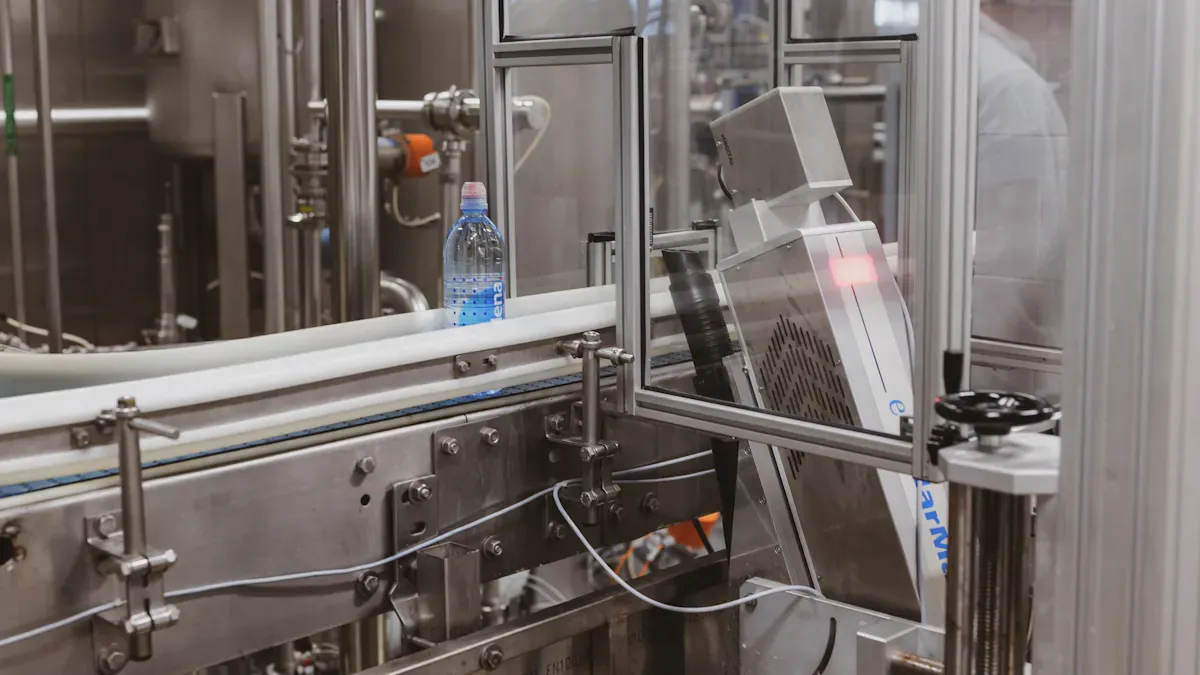
Ang Plastic Compounding nag-customize sa base resins nga adunay mga additives, paghimo sa mga materyales nga gipahaum alang sa piho nga mga aplikasyon. Ang pelletizing nagbag-o niining mga compound nga materyales ngadto sa uniporme nga mga pellet, andam alang sa episyente nga paggamit sa ubos. Ang mga tiggama ug mga inhenyero nga nakasabut sa kalainan tali sa matag proseso makapauswag sa kahusayan ug masiguro ang kalidad sa produkto.
Ang bag-o nga datos sa merkado nagpakita nga ang global nga kantidad sa merkado alang sa kini nga mga teknolohiya maabot $82 bilyon pinaagi sa 2025 ug $182 bilyon pinaagi sa 2035, gimaneho sa pagtubo sa mga sektor sa automotive ug packaging.
| Proseso | Epekto sa Epekto | Epekto sa Kalidad sa Produkto |
|---|---|---|
| Pagsagol | Mga materyales sa mananahi, nagpalambo sa performance, makapamenos sa gasto | Makapahimo sa mas maayo nga pagkontrol sa kalidad |
| Pag-pelletize | Naghatag makanunayon nga porma sa materyal alang sa pagproseso | Gisiguro ang pagkaparehas sa kalidad sa katapusan nga produkto |
Key Takeaways
- Ang plastic compounding nag-customize sa base resins nga adunay mga additives aron makahimo og mga materyales alang sa piho nga gamit.
- Ang pelletizing nag-usab sa mga compound nga materyales ngadto sa uniporme nga mga pellets alang sa sayon nga pagproseso ug pagdumala.
- Ang pagsabut sa mga kalainan tali sa compounding ug pelletizing makatabang sa mga tiggama nga mapauswag ang kahusayan ug kalidad sa produkto.
- Ang pagsagol naglakip sa pagsagol, pagkatunaw, ug extruding nga mga materyales aron makab-ot ang gitinguha nga mga kabtangan.
- Ang pelletizing nagpunting sa paghimo sa makanunayon nga mga gidak-on sa pellet, nga hinungdanon alang sa kasaligan nga paghimo.
- Ang pagkontrol sa kalidad hinungdanon sa duha nga mga proseso aron masiguro nga ang katapusan nga mga produkto nakakab-ot sa mga sumbanan sa industriya.
- Ang compounding ug pelletizing adunay importante nga papel sa mga sektor sama sa automotive, elektroniko, ug pag-atiman sa panglawas.
- Ang pagpili sa husto nga proseso nagdepende sa materyal nga mga kinaiya, panginahanglan sa produksyon, ug mga konsiderasyon sa gasto.
Mga Kahulugan ug Mga Kalainan
Plastic Compounding Gihubit
Plastic compounding nagtumong sa proseso sa pagsagol sa mga polimer nga adunay mga additives, mga filler, ug mga reinforcement aron mabag-o ug mapalambo ang pisikal ug kemikal nga mga kabtangan sa materyal. Ang mga sumbanan sa industriya naghubit niini nga proseso isip usa ka paagi sa pagpahaom sa usa ka polimer aron maapil niini ang tanang gusto nga mga bahin sa usa ka materyal.. Gigamit sa mga tiggama ang plastic compounding aron mapauswag ang kalidad sa produkto, pagpakunhod sa gasto, ug pagdugang sa pagka-produktibo. Ang proseso kasagaran naglakip sa pagtunaw, pagsagol, ug extrusion aron makab-ot ang usa ka uniporme nga pagsabwag sa mga sangkap.
Ang usa ka halapad nga sagol ug mga additives adunay papel sa pagsagol sa plastik:
- Masterbatch: Usa ka konsentradong pagsagol sa mga pigment ug mga additives sulod sa usa ka carrier resin, pagsiguro nga parehas ang pagkatibulaag.
- Mga antioxidant: Paglikay sa polymer degradation gikan sa kainit ug oxygen, pagpadayon sa kalig-on ug pagka-flexible.
- Mga UV Stabilizer: Panalipdi ang mga polymer nga gigamit sa gawas pinaagi sa pagsuyop o pagwagtang sa makadaot nga ultraviolet radiation.
- Flame Retardant: Pagpugong o paglangan sa paghimo sa siga, labi ka importante sa electronics ug construction.
- Mga pangkolor: Tugoti ang pagpili sa kolor sa mga compound nga plastik.
- Kusog ug Flexibility Modifiers: Pagkab-ot sa piho nga mekanikal nga mga kabtangan.
- Antimicrobial Additives: Pagpugong sa pagtubo sa kagaw, importante alang sa medikal nga mga produkto.
- Mga tigpuno: Sama sa talc, bildo nga lanot, ug calcium carbonate, pagpalambo sa kusog, pagpakunhod sa gasto, ug pagpauswag sa resistensya sa kainit.
- Mga Pagpauswag sa Pagganap: Ipasibo ang mga kabtangan sama sa thermal stability, kakulang sa siga, ug UV resistensya.
Kini nga proseso makapahimo sa mga tiggama sa paghimo og mga materyales nga adunay tukma nga mga kinaiya alang sa gikinahanglan nga mga aplikasyon.
Plastic Pelletizing Defined
Ang plastic pelletizing usa ka proseso nga nag-convert sa hilaw o gi-recycle nga plastik ngadto sa gamay, uniporme nga mga pellets. Kini nga pagbag-o kinahanglanon alang sa episyente nga paggama ug pag-recycle. Ang plastik nga pelletizer ang mga kinabig gilimpyohan ug kasagaran giputol o tinunaw nga plastik ngadto sa uniporme nga mga pellets, nga unya gipaila pag-usab sa mga proseso sa paggama. Gitubag sa pelletization ang mga hagit sama sa dili patas nga pagpakaon ug pagdumala sa materyal, gihimo kini nga hinungdanon sa mga sektor sama sa automotive ug packaging diin ang kalidad sa produkto kritikal.
| Matang sa Ebidensya | Mga Detalye |
|---|---|
| Hilaw nga Materyal | Nagkalainlain nga klase sa plastik, lakip ang polyethylene (PE) ug polypropylene (Si PP) |
| Mga output | Ang mga plastik nga pellets nga gihimo pinaagi sa pagtunaw, pagpabugnaw, ug mga proseso sa pagputol |
Ang pelletization nagpauswag sa kaepektibo sa produksiyon sa plastik ug gitugotan ang paghimo sa mga espesyalista nga plastik samtang gipadayon ang kadali sa pagdumala..
Pangunang Kalainan Kinatibuk-ang Pagtan-aw
Talaan sa Pagtandi
| Aspekto | Plastic Compounding | Plastic Pelletizing |
|---|---|---|
| Pangunang Katuyoan | Gibag-o ang komposisyon ug mga kabtangan sa polimer | Nag-convert sa materyal ngadto sa uniporme nga porma sa pellet |
| Pangunang mga Lakang | Pagsagol, pagkatunaw, pagsagol, extrusion | Natunaw, pagpabugnaw, pagputol |
| Kasagaran nga mga Additives | Mga tigpuno, mga koloran, mga stabilizer, performance enhancers | Dili kasagaran nga idugang sa panahon sa pelletizing |
| Output | Nahiangay nga plastik nga materyal (mahimong sa lain-laing mga porma) | Uniporme nga mga pellets |
| Aplikasyon | Direkta nga paggamit sa mga produkto o dugang nga pagproseso | Gigamit alang sa paghulma, extrusion, o transportasyon |
Summary Points
- Pagsagol sa plastik nagtutok sa pag-usab sa komposisyon sa plastik pinaagi sa pagsagol sa lainlaing mga sangkap, nga makaapekto sa pisikal nga mga kabtangan niini.
- Ang plastic pelletizing nag-convert sa compound nga plastic ngadto sa uniporme nga mga pellets, nag-una nga nabalaka sa pisikal nga porma alang sa kasayon sa paggamit sa manufacturing.
- Ang mga compound nga plastik mahimong direktang maporma nga mga produkto, samtang ang mga pelletized nga plastik kasagarang gigamit alang sa dugang nga pagproseso.
- Ang duha nga mga proseso adunay hinungdanon nga papel sa modernong paggama, apan gitubag nila ang lainlaing mga panginahanglan sa sulod sa kadena sa produksiyon.
Tip: Ang pagsabut sa kalainan tali niini nga mga proseso makatabang sa mga tiggama sa pagpili sa husto nga pamaagi alang sa ilang piho nga aplikasyon, pagsiguro sa labing maayo nga performance ug efficiency.
Proseso sa Pagsagol sa Plastic

Mga Lakang sa Proseso
Ang plastic compounding nagbag-o sa hilaw nga materyales ngadto sa high-performance nga mga plastik pinaagi sa sunod-sunod nga tukma nga mga lakang. Nagsugod ang mga tiggama pinaagi sa pagtipig sa mga hilaw nga materyales sama sa resin, mga additives, ug mga filler sa mga bag, dagkong mga bag, o silos. Ang pneumatic o mekanikal nga mga sistema dayon ihatud kini nga mga materyales sa lugar sa pagproseso. Gipakaon sa mga operator ang mga materyales sa press barrel, bisan sa padayon o sa mga batch. Ang proseso sa pagsagol nagpadayon sa pagtunaw ug pagsagol, diin ang polymer ug mga additives nagsagol aron makab-ot ang pagkaparehas. Ang katapusan nga yugto naglakip sa pagporma, pagpabugnaw, ug pagputol sa produkto, gisundan sa higpit nga pagkontrol sa kalidad.
| Lakang | Deskripsyon |
|---|---|
| 1 | Pagtipig sa hilaw nga materyal sa mga bag, dagkong mga bag, ug silos |
| 2 | Pneumatic o mekanikal nga materyal nga conveying system |
| 3 | Materyal nga feed sa press barrel (padayon / walay hunong nga pagpuno) |
| 4 | Ang yugto sa pagtunaw ug pagsagol |
| 5 | Katapusan nga produkto ug kontrol |
Nota: Ang Insight Polymers naggamit sa paspas nga pagbag-o ug espesyal nga pag-compound aron maghatud sa naandan nga mga solusyon sa pagsagol sa plastik, pag-optimize sa matag lakang alang sa kahusayan ug kalidad.
Kagamitan nga Gigamit
Ang mga pasilidad sa pagsagol sa plastik nagsalig sa mga advanced nga kagamitan aron masiguro ang makanunayon nga mga sangputanan. Ang mga extruder nagtakda sa dagan sa pagproseso ug adunay hinungdanon nga papel sa pagtunaw ug pagsagol. Continuous mixers work alongside extruders to handle materials like acrylics, nylons, ug PVC. Mixing systems prepare additive pre-blends, while dosing systems guarantee precise ingredient ratios. Material handling technologies, such as rotary feeders and diverter valves, support the smooth distribution and dosing of bulk materials. Integrated compounding lines combine these systems, allowing for flexible production rates and configurations. Insight Polymers utilizes internal twin-screw extrusion pilot assets to conduct small development batch trials, enabling efficient screening of product and processing parameters.
Types of Compounding
Plastic compounding encompasses several approaches, each tailored to specific application needs. Manufacturers may add colorants to enhance appearance or stabilizers to improve heat and UV resistance. Ang mga flame retardant nagdugang sa kaluwasan, ilabina sa construction ug electronics. Ang mga modifier sa epekto nagpadako sa pagkagahi, samtang ang mga filler ug reinforcements nag-adjust sa gasto, pagkagahi, o kusog. Ang custom formulated compounds mahimo usab nga maglakip sa antimicrobial agents alang sa medikal nga mga produkto o UV enhancers alang sa gawas nga paggamit. Ang Insight Polymers nag-espesyalisar sa polymer compounding solutions nga nagtubag sa talagsaon nga mga tumong sa performance, nagtanyag sa masterbatch concentrates ug custom plastic compounding para sa injection molding, mga lanot, mga pelikula, ug additive manufacturing.
- Pagpili sa kolor alang sa aesthetics
- Mga pormulasyon nga luwas sa pagkaon alang sa pagputos
- Fire retardants alang sa pagtukod
- Pag-adjust sa kusog ug pagka-flexible alang sa piho nga mga panginahanglanon sa produkto
- Antimicrobial properties alang sa healthcare
- Gipauswag ang pagtugot sa UV alang sa kalig-on sa gawas
Kini nga komprehensibo nga pamaagi nagsiguro nga ang matag polymer compounding solution nagtagbo sa mga gipangayo sa modernong paghimo.
Materyal nga Estado
Ang pagsagol sa plastik naglangkit sa daghang mga kahimtang sa materyal samtang ang mga hilaw nga sangkap nahimo nga mga compound nga adunay taas nga performance. Ang proseso magsugod sa solid resins, mga additives, ug mga filler. Gipakaon sa mga operator kini nga mga materyales sa sistema sa compounding, diin sila nagpabilin sa usa ka granular o powder nga porma. Samtang nag-uswag ang proseso, ang extruder nagpainit ug nagtunaw sa sagol, pagkabig niini ngadto sa usa ka viscous, tinunaw nga kahimtang. Kining tinunaw nga timpla nagtugot sa bug-os nga pagsagol ug pagsabwag sa tanang sangkap.
Kung nahuman na ang homogenization, ang materyal mogawas sa extruder. Niini nga yugto, mahimo kini nga daghang mga porma depende sa aplikasyon. Ang ubang mga tiggama nagpabugnaw ug nagputol sa extrudate ngadto sa mga pellets, samtang ang uban makahimo og mga strands, mga palid, o direkta nga gihulma nga mga porma. Ang katapusan nga kahimtang-kon pellet, strand, o sheet—nagdepende sa mga kinahanglanon sa pagproseso sa ubos. Pananglitan, Ang Insight Polymers kanunay nga naghatud sa naandan nga plastic compounding sa pellet form para sa dali nga pagdumala ug makanunayon nga pagpakaon sa injection molding o extrusion nga mga linya.
Ang katakus sa pagkontrol sa mga estado sa materyal sa tibuuk nga proseso nagsiguro nga ang katapusan nga produkto nakakab-ot sa higpit nga pamatasan sa pasundayag. Kini nga pagka-flexible nagsuporta sa usa ka halapad nga mga aplikasyon, gikan sa mga piyesa sa awto hangtod sa mga medikal nga aparato, ug makahimo sa paspas nga pagpahiangay sa mga panginahanglanon sa kustomer.
Pagkontrol sa Kalidad
Ang pagkontrol sa kalidad mao ang kinauyokan sa matag malampuson nga operasyon sa pagsagol sa plastik. Ang mga tiggama nagsalig sa mga advanced nga awtomatikong sistema sa pagkontrol aron mapadayon makanunayon nga mga kinaiya sa pellet sa panahon sa extrusion. Kini nga mga sistema nagmonitor ug nag-adjust sa mga parameter sa pagproseso sa tinuud nga oras, pagsiguro nga ang tinunaw nga sagol magpabilin nga homogenized. Ingong resulta, Ang mga pigment ug mga additives parehas nga nagkatibulaag, paghimo og uniporme nga masterbatch compound.
Gigamit sa mga operator ang daghang praktikal nga mga pamaagi aron mapamatud-an ang pagkamakanunayon sa produkto. Ang pamaagi sa pagbalhin sa tubig naghatag ug kasaligang paagi sa pagsukod sa densidad sa salog sa tindahan. Kini nga teknik naglakip sa pagsukod sa inisyal nga lebel sa tubig, pagtimbang sa sample, ug pagkalkula sa densidad base sa gibalhin nga gidaghanon. Gipauswag niini ang katukma sa pagporma, makapugong sa pag-usik sa materyal, ug nagsiguro sa makanunayon nga gibug-aton sa produkto. Kini nga mga benepisyo nagsuporta sa mas maayo nga pagkontrol sa gasto ug pagkunhod sa mga isyu sa kalidad sa produksiyon.
Ang usa ka komprehensibo nga programa sa pagkontrol sa kalidad naglakip sa usa ka serye sa mga pagsulay:
- Ang mga pagsulay sa pagpares sa kolor naggamit ug mga spectrophotometer aron masusi ang mga kalainan sa kolor ug masiguro ang pagkamakanunayon sa biswal.
- Ang mga pagsulay sa kalig-on sa thermal nagpamatuod sa paglahutay sa pigment sa mga temperatura sa paghulma.
- Dispersion tests confirm even additive distribution through microscopic observation.
- Mechanical performance tests review tensile strength and impact resistance.
Insight Polymers integrates these quality control measures into every batch, ensuring that their polymer compounding solutions deliver reliable performance. This commitment to quality supports industries that demand precision, such as automotive, elektroniko, ug pag-atiman sa panglawas.
Tip: Consistent quality control not only enhances product reliability but also strengthens customer trust in custom plastic compounding services.
Plastic Pelletizing Process
Mga Lakang sa Proseso
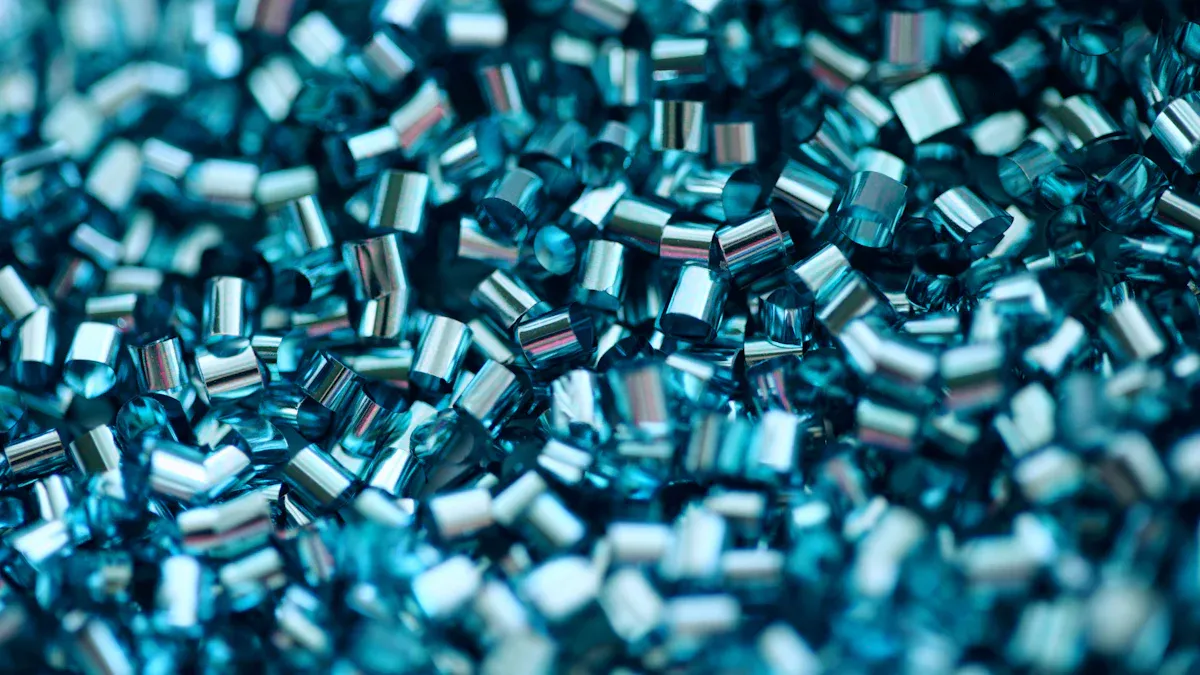
Plastic pelletizing transforms raw or recycled resin into uniform pellets through a series of well-defined steps. Operators begin by sorting plastic waste according to polymer type, kolor, and contamination level. They then shred the sorted plastics into smaller flakes, nga nagpauswag sa kahusayan sa paghugas. Human sa paghugas, ang limpyo nga mga tipik mobalhin sa yugto sa pagtunaw, diin sila gipainit ug gi-extruded. Ang tinunaw nga plastik moagi sa usa ka filter aron makuha ang bisan unsang nahabilin nga mga hugaw. Samtang ang nasala nga matunaw mogawas pinaagi sa usa ka plato nga mamatay, nagporma kini og padayon nga mga hilo. Kini nga mga hilo moagi sa paspas nga pagpabugnaw sa usa ka kaligoanan sa tubig o sistema sa pagpabugnaw sa hangin, pag-stabilize sa ilang istruktura. Sa kataposan, ang gipabugnaw nga mga hilo giputol sa mga pellets, nga andam na alang sa downstream manufacturing.
Ang episyente nga pelletizing nagsiguro sa makanunayon nga gidak-on ug kalidad sa pellet, nga kritikal alang sa kasaligan nga pagproseso sa paghulma ug mga aplikasyon sa extrusion.
Kagamitan nga Gigamit
Ang mga operasyon sa pelletizing nagsalig sa espesyal nga makinarya aron makab-ot ang taas nga throughput ug makanunayon nga mga sangputanan. Ang mga strand pelletizer nagdumala sa extrusion sa tinunaw nga plastik ngadto sa mga hilo ug putlon kini ngadto sa mga pellets. Underwater pelletizers cut the molten plastic directly under water, which instantly cools and solidifies the pellets. Cold pelletizers produce pellets from hot extrudate without using water cooling. Each machine type supports different process requirements and material characteristics. Operators select equipment based on the type of resin, the presence of additives, and the desired pellet properties.
- Mga strand pelletizer: Cut extruded strands into uniform pellets.
- Mga pelletizer sa ilawom sa tubig: Cut and cool pellets simultaneously in a water chamber.
- Cold pelletizers: Produce pellets without water, suitable for heat-sensitive materials.
Pelletizing Technology Types
Manufacturers use several pelletizing technologies, each offering unique advantages in efficiency and output quality. Strand pelletizing works best for clean, stable materials and delivers high output quality. Ang water-ring pelletizing nagputol sa tinunaw nga plastik sa nawong sa mamatay ug gipabugnaw kini sa usa ka singsing sa tubig nga naglibot, nga nagpauswag sa kahusayan. Ang underwater pelletizing nagputol sa mga pellets sa usa ka water chamber, pagsiguro sa uniporme nga pagpabugnaw ug taas kaayo nga kalidad sa output.
| Teknolohiya sa Pelletizing | Deskripsyon | Episyente | Kalidad sa Output |
|---|---|---|---|
| Mga Strand Pelletizer | Guntinga ang mga pellets sa mga strand ug angay alang sa limpyo nga mga materyales. | Kasarangan | Taas |
| Die-Face Pelletizers | Ilakip ang ilawom sa tubig ug mga sistema sa singsing sa tubig, paghatag paspas nga pagpabugnaw. | Taas | Taas kaayo |
Gipili sa mga operator ang angay nga teknolohiya base sa klase sa resin, the presence of additives, ug ang gikinahanglan nga mga kinaiya sa pellet. Ang husto nga pagpili nagsiguro nga ang mga pellets nakakab-ot sa higpit nga kalidad nga mga sumbanan alang sa pagproseso sa ubos.
Materyal nga Estado
Ang pelletizing nagbag-o sa mga plastik pinaagi sa daghang lahi nga kahimtang sa materyal. Nagsugod ang proseso sa solidong plastik nga feedstock, nga mahimong maglakip sa virgin resin, gi-recycle nga mga tipik, o pag-usab. Ang mga operator nagkarga niini nga mga materyales sa mga hopper o feeder. Ang materyal dayon mosulod sa extruder, diin ang kainit ug mekanikal nga puwersa nag-usab sa solid nga mga partikulo ngadto sa usa ka tinunaw nga kahimtang. Kining tinunaw nga plastik moagos pinaagi sa extruder barrel, pagsiguro sa hingpit nga pagsagol ug homogenization.
Samtang ang tinunaw nga masa mogawas sa extruder, kini moagi sa usa ka die plate. Niini nga yugto, ang materyal nagporma padayon nga mga strand o mga tinulo, depende sa teknolohiya sa pelletizing. Sa strand pelletizing, ang tinunaw nga plastik mogawas ingon kadugay, samag spaghetti nga mga hilo. Kini nga mga strand moagi sa usa ka cooling system, kasagaran usa ka kaligoanan sa tubig, nga nagpalig-on sa materyal nga paspas. Sa dihang gipabugnaw, ang solidified strands mosulod sa usa ka cutting chamber, diin ang nagtuyok nga mga kutsilyo giputol kini sa mga uniporme nga pellets.
Uban pang mga pamaagi sa pelletizing, sama sa ilawom sa tubig o water-ring system, putla dayon ang tinunaw nga plastik samtang kini mogawas sa die. Ang mga pellets mobugnaw ug molig-on halos diha-diha dayon sa palibot sa tubig. Ang katapusan nga produkto naglangkob sa gamay, dasok nga mga pellets nga adunay makanunayon nga gidak-on ug porma. Kini nga mga pellets dali nga kuptan, transportasyon, ug ipakaon ngadto sa downstream manufacturing nga mga proseso.
Tip: Ang pagkontrol sa matag kahimtang sa materyal sa panahon sa pelletizing nagsiguro nga ang katapusan nga mga pellets makatagbo sa higpit nga kalidad ug mga sumbanan sa pasundayag.
Pagkontrol sa Kalidad
Ang pagkontrol sa kalidad sa pelletizing adunay hinungdanon nga papel sa pagpadayon sa pagkaparehas ug kaputli sa pellet. Gipatuman sa mga operator ang daghang mga protocol sa tibuuk nga proseso aron masiguro ang taas nga kalidad nga output:
- Pre-sorting ug paghugas kuhaa ang mga kontaminante ug dili target nga mga materyales. Ang automated sorting system ug washing lines makatabang nga makab-ot ang limpyo nga feedstock.
- Ang pagpauga ug pag-decontamination makawagtang sa kaumog ug mga hugaw. Ang taas nga temperatura nga pagpa-uga ug paglimpyo sa vacuum nag-andam sa materyal alang sa extrusion.
- Ang extrusion ug pelletization nagtunaw sa mga purified flakes o resin ngadto sa uniporme nga mga pellets. Ang twin-screw extruders naghatag og maayo nga pagsagol ug pagkamakanunayon.
- Ang vacuum degassing nagtangtang sa mga gas ug dali nga mga compound ubos sa taas nga mga kondisyon sa vacuum. Kini nga lakang makapugong sa mga depekto ug makapauswag sa kalidad sa pellet.
- Crystallization ug solid-state polymerization (SSP) pagpalambo sa intrinsic viscosity sa pipila ka mga polymers, sama sa PET. Kini nga mga lakang nagsiguro nga ang mga pellets nakakab-ot sa mga kinahanglanon nga piho sa aplikasyon.
Gibantayan sa mga operator ang gidak-on sa pellet, porma, ug kolor sa tibuok proseso. Gigamit nila ang mga sieves, biswal nga inspeksyon, ug mga automated nga sensor aron makit-an ang bisan unsang mga pagtipas. Ang makanunayon nga pagkontrol sa kalidad makapamenos sa basura, nagpauswag sa kahusayan sa proseso, ug naggarantiya nga ang mga pellets makahimo nga kasaligan sa paghulma, extrusion, o uban pang mga aplikasyon.
Nota: Ang kasaligan nga pagkontrol sa kalidad sa pelletizing nagsuporta sa mga tiggama sa paghimo og mga produkto nga adunay taas nga pasundayag alang sa nangayo nga mga industriya.
Mga aplikasyon
Mga Aplikasyon sa Compound
Plastic compounding enables manufacturers to create materials with properties tailored for demanding sectors. The following table highlights common industry uses:
| Sector | Mga aplikasyon |
|---|---|
| Automotive | Lightweight materials, heat-resistant plastics, impact-resistant polymers |
| Electronics | Flame-retardant compounds, thermally conductive plastics, anti-static materials |
| Mga Produkto sa Konsyumer | Durable plastics, food-safe materials, UV-resistant compounds |
| Mga Aplikasyon sa Industriya | Chemical-resistant polymers, reinforced plastics, abrasion-resistant materials |
Automotive
Automotive manufacturers rely on advanced compounds for lightweighting and structural integrity. High-performance plastic compounds replace metal in interior panels, mga bumper, and under-the-hood components. These materials offer comparable strength and thermal performance, which improves fuel efficiency and safety. Insight Polymers delivers custom compounding for injection molding, enabling rapid prototyping and production of automotive parts that meet strict industry standards.
Electronics
Electronics producers use specialty compounds for housings, mga konektor, and insulators. Flame-retardant and thermally conductive plastics protect sensitive components from heat and electrical hazards. Anti-static materials prevent damage from static discharge. Insight Polymers supports electronics manufacturers with masterbatch concentrates that enhance safety and performance in consumer devices and renewable energy systems.
Medikal
Medical device manufacturers require compounds with precise mechanical and chemical properties. Custom formulations provide antimicrobial protection and biocompatibility for diagnostic equipment and surgical tools. Insight Polymers develops specialty compounds for fibers and films used in medical packaging and devices, pagsiguro sa pagsunod sa mga regulasyon sa pag-atiman sa panglawas.
Mga Aplikasyon sa Pelletizing
Ang pelletizing nag-usab sa hilaw o gi-recycle nga mga plastik ngadto sa uniporme nga mga pellet, pagsuporta sa usa ka halapad nga mga proseso sa paggama.
Paghulma & Extrusion
Ang mga pellets nagsilbi nga standard feedstock alang sa paghulma ug extrusion. Ang ilang makanunayon nga gidak-on ug porma nagsiguro sa kasaligan nga operasyon sa makina ug kalidad sa produkto. Gigamit sa mga tiggama ang mga pellets sa paghimo adlaw-adlaw nga gamit nga mga produkto sama sa mga basurahan, mga hanger, ug mga kaldero sa bulak, ingon man usab sa mga butang sa industriya sama sa mga pallets ug automotive interior base nga mga materyales.
Pag-recycle
Ang pelletizing adunay hinungdanon nga papel sa pag-recycle. Uri sa mga operator, giputol, ug matunaw ang mga basura nga plastik, unya re-extrude ug pelletize kini ngadto sa taas nga kalidad, reusable nga mga pellets. Kini nga proseso nagsira sa loop sa plastic lifecycle, nagtugot sa mga tiggama sa pagpaila pag-usab sa recycled nga materyal ngadto sa bag-ong mga produkto. Applications include construction materials like plastic lumber and municipal covers.
By turning plastic waste into a consistent raw material, pelletizing helps close the loop in the plastic lifecycle.
Bulk Handling
Large-scale manufacturers benefit from pelletizing in bulk handling and logistics. The process includes material intake, sorting, shredding, extrusion, pelletizing, ug packaging. Uniform pellets simplify storage, transportasyon, and return shipping, supporting efficient supply chains. Manufacturers can ship pellets back for reuse or send them to third parties for new product applications.
Insight Polymers’ expertise in custom compounding and pelletizing supports diverse applications, from injection molding and additive manufacturing to sustainable recycling initiatives.
Process Selection
Factors to Consider
Manufacturers must evaluate several factors when selecting the right process for their production needs. These considerations help ensure that the chosen method aligns with both operational goals and product requirements:
- Material characteristics play a central role. Understanding the physical and chemical properties of input materials determines compatibility with custom plastic compounding or pelletizing.
- Throughput requirements must match the capacity of the pelletizer and the upstream extrusion system. This alignment prevents bottlenecks and maximizes efficiency.
- Pellet quality requirements depend on end-user specifications. Precision in pellet size and shape supports consistent downstream processing.
- Operational environment and available utilities influence system selection. Facilities must support the demands of the chosen process.
- Maintenance and ease of use affect long-term productivity. Machines that require less maintenance and offer higher availability reduce downtime.
- Cost considerations and return on investment guide decision-making. Evaluating total ownership costs, including operating expenses and potential product loss, ensures financial sustainability.
- Companies often require components with exceptional durability. Design flexibility remains essential for meeting unique application needs. Cost efficiency continues to influence the choice of manufacturing methods.
Pagsabot sa unique mechanical properties, kemikal nga pagsukol, and processing characteristics of different plastics is vital. These factors directly impact durability, gasto efficiency, and compliance with industry standards.
Pagtuon sa Kaso
| Lugar sa Aplikasyon | Evidence of Success | Outcome Description |
|---|---|---|
| Resin Manufacturing and Polymerization | Increased output by 40% with underwater pelletizing system. | Effective for continuous production of consistent pellets. |
| Compounding and Masterbatch Production | Improved color pellet performance in customer processes using underwater systems. | Ideal for color concentrates and filled compounds. |
| Recycling and Reclaim Operations | Customized system for PET bottle recycling to handle changing materials. | Strand systems for consistent scrap; underwater for mixed materials. |
Manufacturers in the medical sector have achieved low extractables profiles in blood set tubing by selecting TPE or DEHP-free PVC. Autoclavable device components benefit from TPE compounds, which resist embrittlement during repeated sterilization. Full batch genealogy ensures traceability of all components, supporting quality assurance in medical device manufacturing.
Mga hagit & Mga solusyon
Manufacturers often encounter challenges during implementation. Addressing these issues quickly ensures consistent quality and operational efficiency:
- Irregular pellet size and shape can occur. Operators adjust die temperature, inspect cutting blades, and set the correct blade gap to resolve this.
- Reduced throughput or machine jamming may disrupt production. Purging die holes, ensuring consistent material flow, and monitoring feed section components help maintain steady operation.
- Overheating of the machine or motor poses risks. Checking cooling systems, inspecting for excessive friction, and ensuring proper cutter speed prevent damage.
- Poor pellet quality affects downstream performance. Verifying temperature profiles, implementing strict material handling, and pre-drying hygroscopic materials improve results.
By applying these solutions, companies can optimize their polymer compounding solutions and maintain high standards in custom plastic compounding and extrusion processes.
Pelletizing Technology Trends
Advances in Compounding
Recent advances in compounding have transformed how manufacturers approach material design and production. Companies now use recycled resins and bio-based polymers to pagpakunhod sa basura and support sustainability. They rejuvenate old plastic streams, restoring their properties and extending their lifecycle. Advanced compounding techniques allow plastics to replace metals and ceramics in many applications, improving efficiency and reducing costs.
Manufacturers benefit from several key developments:
- Flexibility in creating components without traditional dies or tooling.
- Cost-effective solutions for prototyping and short-run production.
- Enhanced mechanical strength and durability in finished parts.
- Integration of nanotechnology to improve material properties.
- Adoption of Industry 4.0 technologies for better process control and customization.
These innovations enable the use of a wide range of additives, including those that improve conductivity, pagpugong sa kalayo, and structural strength. The focus on sustainable and recyclable materials continues to drive the evolution of compounding processes.
Innovations in Pelletizing
Pelletizing technology has seen significant improvements, especially in quality control and operational efficiency. Leading manufacturers have adopted advanced filtration systems that use multiple filtration stages with finer mesh sizes. This approach removes contaminants and ensures superior pellet quality, protecting downstream equipment.
| Tipo sa Kabag-ohan | Deskripsyon |
|---|---|
| Advanced Filtration Systems | Multiple filtration stages for cleaner pellets and equipment protection. |
| Intelligent Control Systems | Real-time monitoring and predictive maintenance via touchscreen interfaces. |
| Dynamic Preconditioning Unit | Single-stage preparation of plastics for extrusion, preserving material properties. |
| IoT and AI Integration | Predictive maintenance and real-time adjustments for improved efficiency and lower costs. |
Dynamic preconditioning units combine several steps into one, preparing plastics for extrusion while maintaining high end-product quality. Intelligent control systems provide operators with real-time data, allowing quick adjustments to the process. IoT and AI integration further enhance pelletizing by enabling predictive maintenance and reducing downtime.
Pagpadayon
Sustainability initiatives have become central to the development of both compounding and pelletizing technology. Companies like LyondellBasell focus on improving the quality of mechanical plastic recycling through research and development. Their efforts ensure that recycled materials meet strict safety and performance standards. Primex demonstrates a commitment to sustainability by operating an in-house recycling facility. This facility processes post-industrial and post-consumer materials through collection, sorting, shredding, washing, ug pelletizing. The result is high-quality recycled resin suitable for manufacturing.
Manufacturers now prioritize the use of sustainable additives and recyclable materials in their processes. They design pelletizing systems to handle a variety of recycled plastics, supporting closed-loop recycling and reducing environmental impact. These trends reflect a broader industry shift toward responsible production and resource conservation.
Tip: Embracing new pelletizing technology and sustainable practices helps manufacturers stay competitive while meeting environmental goals.
Manufacturers rely on both processes for different application needs. Plastic compounding creates materials with specific properties, while pelletizing prepares those materials for efficient use. Selecting the right process ensures each application meets quality and performance goals.
- Evaluate the requirements of each application before choosing a process.
- Consult industry experts for guidance on complex applications.
For more information on custom solutions, manufacturers can contact Insight Polymers or review technical resources.
FAQ
What is the main difference between plastic compounding and pelletizing?
Plastic compounding changes the properties of plastics by mixing resins with additives. Pelletizing shapes these materials into uniform pellets for easy processing. Each process serves a unique role in manufacturing.
When should a manufacturer choose custom plastic compounding?
Manufacturers select custom plastic compounding when they need materials with specific properties, such as flame resistance or enhanced strength. Insight Polymers offers rapid, tailored solutions for these requirements.
Can pelletizing improve recycled plastic quality?
Oo. Pelletizing cleans, natunaw, and reforms recycled plastics into uniform pellets. This process removes contaminants and improves consistency, making recycled materials suitable for new products.
What equipment does Insight Polymers use for compounding?
Insight Polymers uses twin-screw extruders, advanced mixers, and precise dosing systems. These tools allow for efficient blending and rapid development of custom compounds.
How do manufacturers ensure quality during compounding?
Manufacturers use real-time monitoring, color matching, and mechanical testing. They check density and dispersion to guarantee consistent results. Quality control remains essential for reliable performance.
Are compounded pellets ready for injection molding?
Oo. Compounded pellets from Insight Polymers are designed for direct use in injection molding, extrusion, ug additive manufacturing. Their uniformity ensures smooth processing and high-quality finished parts.
What industries benefit most from these processes?
Automotive, elektroniko, medikal, and packaging industries rely on compounding and pelletizing. These sectors demand materials with precise properties and consistent quality.