

Aportacions clau
- Demand is strong and stable. The global plastic extrusion market was valued at roughly USD 79 mil milions en 2023 amb un creixement constant previst (Recerca Grand View, 2023), so when I vet a custom plastic extrusion factory, I treat capacity and lead-time reliability as non-negotiable rather than assumed.
- Match the polymer to the application before anything else. En la meva experiència, most quoting friction disappears once you know whether you need rigid PVC extrusion, flexible TPE or TPU seals, structural ABS or polycarbonate, chemical-resistant HDPE or LDPE, high-temperature PEEK, or nylon and acrylic profiles. PVC remains among the most widely extruded polymers due to cost and versatility (PlasticsEurope, 2023).
- Certifications signal real capability. Busco ISO 9001, still the most widely adopted quality management certification among manufacturers globally (ISO Survey of Certifications, 2022), i ISO 13485 per extrusió de grau mèdic (Organització Internacional per a la Normalització, 2016).
- El compliment depèn del vostre mercat i ús final. En funció del producte, Confirmo UL 94 classificació d'inflamabilitat (Solucions UL, 2023), ARRIBA (ECHA, 2023) i RoHS (Comissió Europea, 2023) per a mercaderies amb destinació a la UE, i els requisits de contacte amb aliments de la FDA per a peces extruïdes de qualitat alimentària (EUA. FDA, 2023).
- Insistir en els preus detallats, no “contacta amb nosaltres.” Un fabricant d'extrusió de plàstic de confiança desenvoluparà eines i matrius d'extrusió, cost del material, velocitat d'execució, i serveis de fabricació secundària perquè pugueu modelar una veritable economia per part i obtenir un pressupost d'extrusió de plàstic defendible.
- Disseny precoç per a la fabricabilitat. Parlo de toleràncies d'extrusió realistes, gruix de paret, i opcions de coextrusió durant el disseny del perfil de plàstic, perquè agafar-los abans de fer eines estalvia la majoria de diners en extrusió de perfils personalitzats.
- Compareu el cost total de l'aterratge, no el preu de l'adhesiu. Domestic versus overseas is rarely obvious once you factor freight, deures, temps de lliurament, and quality risk into the comparison for custom plastic profiles and tubing.
- Plan the path from prototype to production. I favor a plastic extrusion company that supports extrusion prototyping and low volume plastic extrusion, then scales cleanly to full runs of extruded plastic parts, custom seals, i juntes.
- Sustainability is increasingly practical. Recycled plastics can reduce environmental impact while meeting many non-critical application requirements (EUA. EPA, 2023), which is worth raising with any supplier during specification.
What Is a Custom Plastic Extrusion Factory?

When I describe a custom plastic extrusion factory to buyers, I frame it as a manufacturing partner built around a single principle: forcing molten thermoplastic through a purpose-built die to create a continuous profile with a consistent cross-section. Unlike a supplier that sells from a catalog of stock shapes, a true custom shop engineers tooling to your drawing. That distinction matters more than most procurement teams expect, and it shapes everything from lead time to unit economics.
Defining Custom Extrusion and Continuous-Profile Manufacturing
Custom profile extrusion is a continuous process. The machine never produces a discrete “part” the way a molding press ejects one component per cycle. Instead, it produces a running length of material, cut or coiled to whatever specification you need. És per això que sempre dic als clients que l'extrusió és fonamentalment una geometria que es repeteix al llarg d'una longitud: una junta de finestra, un canal de marc de panells solars, o un tub de catèter mèdic comparteixen aquest ADN continu. L'extrusió continua sent un dels mètodes de processament de plàstics de major volum, representa una gran part de la conversió de termoplàstics en pes (Associació de la indústria del plàstic, 2023), i el mercat global d'extrusió de plàstic es va valorar aproximadament en USD 79 mil milions en 2023 amb un creixement constant previst (Recerca Grand View, 2023).
Tipus de productes que produeix una botiga personalitzada
En la meva experiència, la gamma de productes des d'un fabricant d'extrusió de plàstic capaç s'agrupa a un grapat de famílies:
- Perfils: Formes sòlides o buides com ara guarnicions, protectors de vora, i canals estructurals, sovint en extrusió de PVC rígid o ABS.
- Tubs: Tubs de plàstic personalitzats per a la transferència de fluids, protecció del cable, o lliurament mèdic, produït en materials des de HDPE fins a PEEK.
- Segells i juntes: Juntes i juntes personalitzades, freqüentment en TPE o PVC flexible, utilitzat per a la impermeabilització i l'aïllament de vibracions.
- Canals i retalls: Canals en U, Ranures en T, i guarnicions decoratives en policarbonat o acrílic per a il·luminació i senyalització.
- Perfils coextruïts: Coextrusió multimaterial que combina, per exemple, un substrat rígid amb un llavi de segellat suau en una sola passada.
Indústries ateses i casos d'ús típics
L'amplitud de les peces de plàstic extrusionat és el que fa que aquest sector sigui resistent. Veig regularment la construcció d'alimentació d'extrusió de perfils personalitzats (sistemes de finestres i portes), transport (retalls de vora i conducte de filferro), dispositius mèdics (tubs i catèters que requereixen extrusió de grau mèdic), electrodomèstics, accessoris de venda al detall, i maquinari d'energies renovables. Els EUA. la indústria del plàstic ocupa més 900,000 treballadors de tota la cadena de subministrament de la fabricació (Associació de la indústria del plàstic, 2023), and a meaningful portion of that footprint supports extrusion and its downstream secondary fabrication services.
How a Job-Shop Factory Differs From a Stock-Profile Supplier
This is the most common point of confusion I clarify during vetting. A stock-profile supplier ships existing shapes with no tooling investment on your side, which is fast and cheap but constrains your design. A custom job shop, by contrast, cuts a new die to your cross-section, controls the resin blend, and dials in tolerances specific to your application. You pay for tooling once, then benefit from a profile that fits your product exactly. When engineers ask me which route to take, my answer hinges on whether an off-the-shelf shape can meet the functional and dimensional requirements. If it cannot, una fàbrica d'extrusió de plàstic personalitzada és l'opció honesta.
Com funciona el procés d'extrusió de plàstic

Entendre el procés ajuda els compradors a escriure millors especificacions i fer preguntes més clares durant una cotització d'extrusió de plàstic. Passo els clients a través d'ell com una seqüència lineal: el que entra com a pellets surt com a acabat, perfil controlat dimensionalment. Cada etapa introdueix variables que afecten la qualitat, així que tracte tota la línia com un sistema integrat en lloc d'un conjunt de màquines aïllades.
Assecat de resina, Alimentació, i la fusió al barril de l'extrusora
Tot comença amb la selecció i preparació de la resina. Materials higroscòpics com el policarbonat, niló, i TPU s'han d'assecar abans del processament, o la humitat atrapada provocarà esquerdes, buits, and weak profiles. From the hopper, pellets feed into a heated barrel where a rotating screw conveys, compresses, and melts the polymer through a combination of barrel heat and shear. PVC is among the most produced and widely extruded polymers due to its cost and versatility (PlasticsEurope, 2023), which is why I see it dominate construction profiles, though polypropylene, LDPE, and HDPE each own their niches. Temperature profiling along the barrel is where thermoplastic extrusion quality is won or lost.
Forcing Melt Through the Custom Die to Form the Cross-Section
The molten polymer is then forced through the die, the single most important piece of extrusion tooling. The die opening approximates the desired cross-section, but I emphasize the word “approximates” deliberately: polymer swells and relaxes as it exits, de manera que el disseny té en compte el comportament del material, no només la geometria objectiu. És precisament per això que el disseny de perfils de plàstic i l'enginyeria de matrius són inseparables, i per què mor la coextrusió, que fusionen dos o més corrents de fusió, comandar pressupostos d'eines més alts.
Refrigeració, Calibració, i passos de mida
Immediatament després de la mort, el perfil suau entra en refrigeració i calibratge. Els tancs de mida al buit o els accessoris de calibratge mantenen la secció transversal segons les especificacions mentre els banys d'aigua o la refrigeració per aire solidifiquen la forma. En la meva experiència, aquesta etapa regula fins a quin punt poden ser realistes les toleràncies d'extrusió. Els perfils rígids es calibren de manera més previsible que l'extrusió de plàstic flexible, i les formes buides exigeixen un control acurat del buit per evitar el col·lapse.
Estirant, Tall, i enrotllar el perfil acabat
Un tirador (traçat) dibuixa el perfil a través de la línia a una velocitat controlada amb precisió, i la velocitat de la línia relativa a la velocitat de sortida és el que afina el gruix de la paret. Aigües avall, el perfil es talla a la llargada amb una serra o un ganivet o s'enrotlla si és un tub de plàstic personalitzat flexible. Serveis secundaris de fabricació com ara punxonat, perforació, impressió, o els muntatges de fabricació sovint segueixen, i recomano planificar-los aviat perquè influeixen en l'acumulació de tolerància.
Extrusió personalitzada vs modelat per injecció: Diferències clau
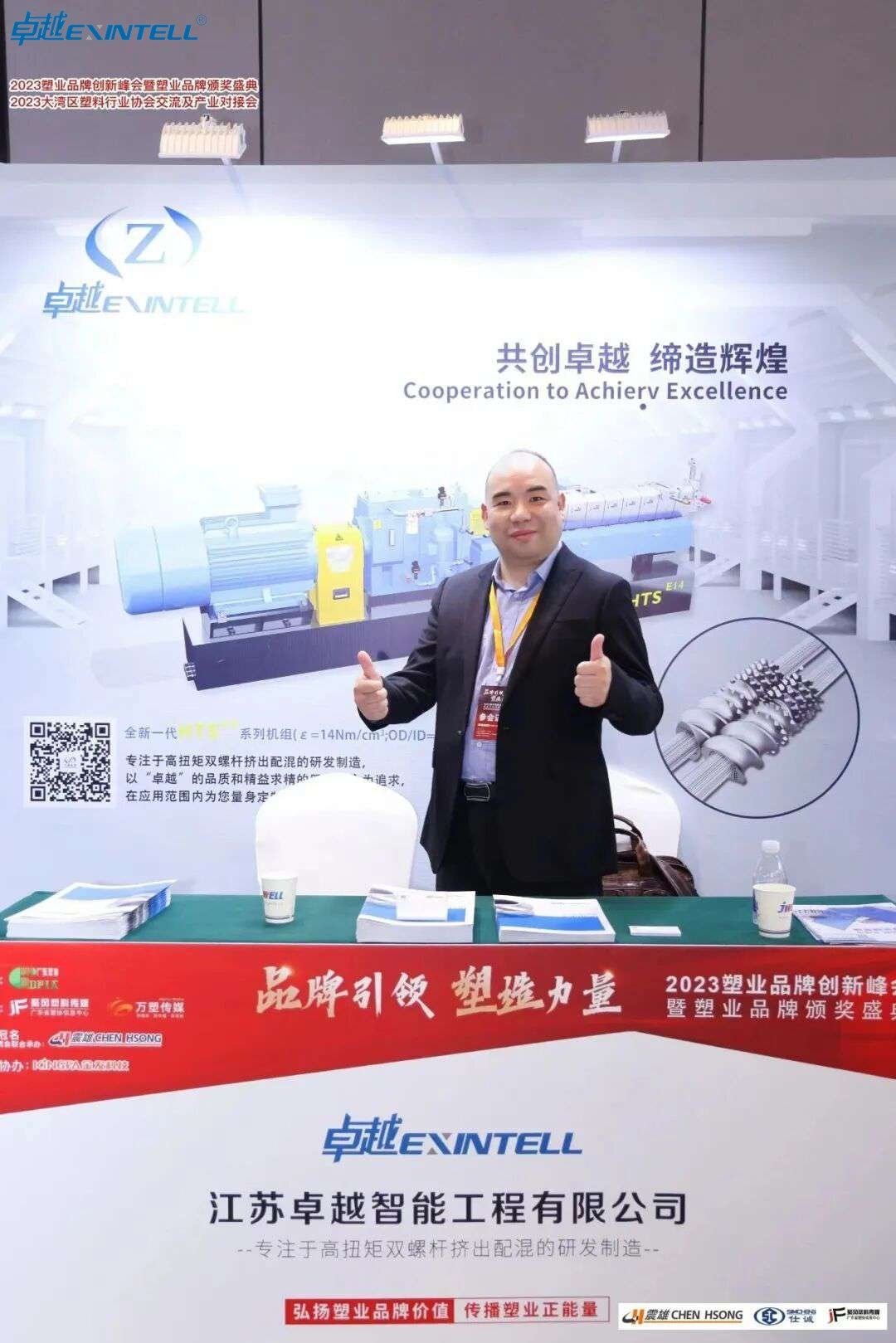
Els compradors sovint em demanen que compare aquests dos processos, i la resposta honesta és que resolen diferents problemes. Mai no en poso un com universalment millor. La decisió es redueix a la geometria, volum, i estructura de costos. A continuació exposo com avaluo les compensacions, then summarize them in a table you can share with your team.
Continuous Profiles vs Discrete Molded Parts
The defining difference is output form. Extrusion produces a continuous length with a uniform cross-section, while injection molding produces discrete, three-dimensional parts with complex features like bosses, ribs, and threads. If your part has a constant profile along one axis, extrusion is almost always the more economical route. If it has features that vary in all three dimensions, molding is the natural fit.
Tooling Cost and Complexity Comparison
This is where the cost gap is starkest, and where I push back on vague “contact us for pricing” answers. Extrusion dies are relatively simple and affordable to build and modify. Injection molds are precision, eines de diverses cavitats que poden costar un ordre de magnitud més i trigar més a produir-se. Per extrusió de plàstic de baix volum i prototipat per extrusió, que la diferència econòmica de les eines és decisiva: Puc validar un perfil personalitzat a una fracció del cost del motlle, després escala.
Geometries més adequades i equilibri de volum
La meva regla general: trieu l'extrusió durant molt de temps, seccions transversals uniformes i motllura per a riques característiques, parts autònomes. En volum, El baix cost d'eines de l'extrusió la fa favorable en una àmplia gamma, especialment en quantitats més baixes on predominaria l'amortització del motlle. L'eficiència per peça de l'emmotllament només brilla en volums molt elevats que justifiquen la inversió en eines.
|
Factor |
Extrusió personalitzada |
Emmotllament per injecció |
|---|---|---|
|
Formulari de sortida |
Perfil continu, secció transversal uniforme |
Parts 3D discretes |
|
Cost de l'eina |
De baix a moderat (mor) |
Alt (motlles de precisió) |
|
Temps de lliurament de l'eina |
Més curt |
Més llarg |
|
Millor geometria |
Secció transversal constant (tubs, canals, segells, retalls) |
Característiques complexes (caps, fils, ribs) |
|
Ajust de baix volum |
Fort, ideal per fer prototips |
Feble, alta amortització d'eines |
|
Ajust de gran volum |
Fort per als perfils |
Fort per a parts discretes |
|
Materials típics |
PVC, ABS, HDPE, LDPE, polipropilè, TPE, policarbonat |
ABS, niló, policarbonat, polipropilè |
|
Controlador de costos |
Velocitat de línia i rendiment de material |
Temps de cicle i cavitació |
|
Factor |
Extrusió personalitzada |
Emmotllament per injecció |
|---|---|---|
|
Formulari de sortida |
Perfil continu, secció transversal uniforme |
Parts 3D discretes |
|
Cost de l'eina |
De baix a moderat (mor) |
Alt (motlles de precisió) |
|
Temps de lliurament de l'eina |
Més curt |
Més llarg |
|
Millor geometria |
Secció transversal constant (tubs, canals, segells, retalls) |
Característiques complexes (caps, fils, ribs) |
|
Ajust de baix volum |
Fort, ideal per fer prototips |
Feble, alta amortització d'eines |
|
Ajust de gran volum |
Fort per als perfils |
Fort per a parts discretes |
|
Materials típics |
PVC, ABS, HDPE, LDPE, polipropilè, TPE, policarbonat |
ABS, niló, policarbonat, polipropilè |
|
Controlador de costos |
Velocitat de línia i rendiment de material |
Temps de cicle i cavitació |
Quan un projecte es troba al límit, Miro el cost total d'aterratge durant la vida útil de producció esperada en lloc del preu unitari sol. A la majoria de les aplicacions de perfil que he citat, el baix llindar d'eines d'una empresa d'extrusió de plàstic personalitzada guanya tant en velocitat de mercat com en risc financer, és per això que l'extrusió continua sent una part tan gran de la conversió de termoplàstics en pes (Associació de la indústria del plàstic, 2023).
Materials comuns utilitzats en extrusió de plàstic personalitzada
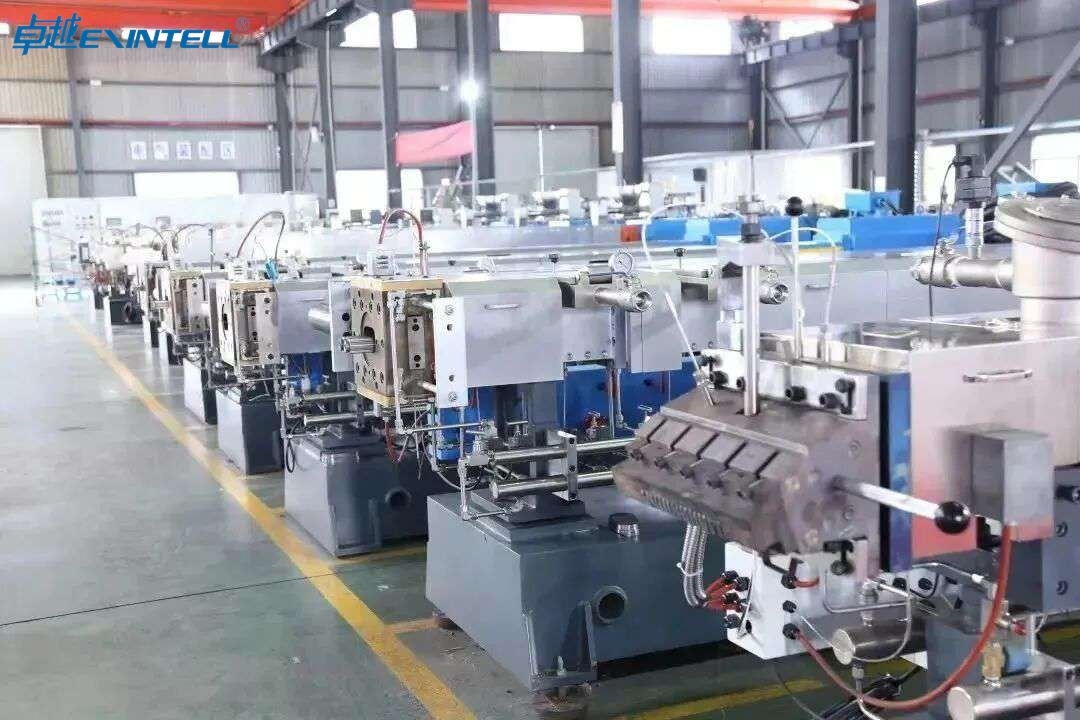
When a client hands me a drawing and asks what it should be made of, I never start with the polymer. I start with the job the part has to do. Over the years I have learned that material selection is where most extrusion projects quietly succeed or fail, long before a die is ever cut. The good news is that the field of custom profile extrusion runs on a manageable set of workhorse resins, and once you understand how they group, the choices become far less intimidating.
Commodity Resins: The Everyday Workhorses
Most of the extruded plastic parts I quote fall into the commodity tier, and for good reason. These resins are inexpensive, widely available, and process predictably, which keeps both tooling and per-foot costs down. Mens Recycled Plastic Clothing
- PVC — My default for rigid profiles, retallar, and custom plastic tubing that needs stiffness at a low price. PVC is among the most produced and widely extruded polymers precisely because it balances cost and versatility (PlasticsEurope, 2023). It also accepts flexibilizers well, so I can specify rigid PVC extrusion for structural work or a soft, flexible plastic extrusion for gaskets from essentially the same chemistry.
- Polietilè (PE) — Both HDPE and LDPE show up constantly. I reach for HDPE when I need chemical resistance and toughness in things like liner profiles, and LDPE when I want flexibility and low moisture absorption.
- Polipropilè (PP) — A strong choice for living hinges, chemical containment, and parts that see repeated flexing. Funciona lleuger i resisteix la majoria de dissolvents.
- ABS — Quan un client vol un perfil rígid i net, superfície pintable i bona resistència a l'impacte a temperatura ambient, L'ABS es guanya el seu lloc. És una elecció freqüent per als retalls de consumidors i electrodomèstics.
Enginyeria i Resines d'Alt Rendiment
Un cop l'aplicació exigeix més, calor, càrrega, estabilitat dimensional, o pedigrí regulador, Pujo l'escala. Aquestes resines costen més i poden ser menys indulgents a la línia, però resolen problemes que els plàstics bàsics no poden.
- Policarbonat — El meu favorit per a perfils clars o tintats que han de sobreviure a l'impacte. Combina la claredat òptica amb la duresa genuïna, per això l'especifico per a lents d'il·luminació i perfils de vidre protector.
- Niló (poliamida) — L'excel·lent resistència al desgast i la resistència mecànica fan que el niló sigui un ajust natural per als perfils estructurals, portar tires, i guies de baixa fricció.
- PEEK —Aquesta és la part superior de la gamma. Quan una part s'enfronta a altes temperatures contínues, productes químics agressius, o requisits mèdics i aeroespacials, PEEK ofereix, tot i que té un preu superior i exigeix un control estricte del procés.
- Acrílic — Per a la millor claredat òptica i una rigidesa, acabat brillant, L'acrílic és difícil de superar a la senyalització i als perfils de visualització, sempre que les càrregues d'impacte siguin modestes.
Elastòmers flexibles i opcions de duròmetre dual
Alguns dels treballs més interessants que faig inclouen peces que s'han de doblegar, segell, o adherència. Els elastòmers termoplàstics obren aquesta porta.
- TPE — Una família versàtil per a segells i juntes personalitzades, burletes, i vores suaus al tacte. Es processa com un termoplàstic però es comporta com el cautxú.
- TPU — Quan necessito resistència a l'abrasió i tenacitat en una peça flexible, TPU outperforms most alternatives, which is why it appears in hoses and protective tubing.
Here is where co-extrusion changes the conversation. Using dual-durometer co-extruded profiles, I can run a rigid PVC backbone and a soft TPE sealing lip in a single pass, bonding them as they exit the die. That eliminates a secondary assembly step and produces a cleaner, more durable part. Whenever a customer describes a rigid channel that also needs a flexible seal, I raise thermoplastic extrusion with co-extrusion early, because it usually reshapes the whole design.
How to Choose the Right Material for Your Profile
Selecting a resin is an exercise in honest trade-offs. En la meva experiència, the projects that stay on budget are the ones where we define requirements precisely before anyone falls in love with a particular polymer. I work through a consistent set of questions with every client, and I will walk you through the same framework.
Match Material Properties to Application Requirements
I start by separating the requirements into three buckets, because a resin rarely wins on all of them at once.
Necessitats mecàniques
How much load, impacte, and flexing will the part see? A structural custom plastic profile that supports weight points me toward nylon or rigid PVC, while a part that must survive drops leans toward polycarbonate or ABS. If it needs to bend repeatedly without cracking, polypropylene or a TPE is the smarter call.
Thermal Needs
I ask for the maximum continuous service temperature, not just the peak. Commodity resins soften early; PVC and PE are comfortable in ambient and mildly warm conditions but fail near heat sources. When operating temperatures climb, I move to polycarbonate, niló, o, for the extreme end, PEEK.
Chemical Resistance Needs
Exposure to solvents, olis, fuels, or cleaning agents narrows the field quickly. HDPE and polypropylene shrug off most chemicals, which is why they dominate industrial containment profiles, while ABS and polycarbonate are more vulnerable and need careful vetting.
Environmental and Durability Factors
Two questions save clients from expensive field failures. Primer, will the part live outdoors? Unstabilized plastics chalk, yellow, and embrittle under sustained UV exposure, so for outdoor profiles I specify UV-stabilized grades or inherently stable resins and confirm the expected service life up front. Segon, does the application involve fire risk? Flammability is not optional in electrical and building products. UL 94 is the standard used to classify the flammability of plastic materials for parts and components (Solucions UL, 2023), and I match the required rating, such as UL 94 V-0, to a resin grade that carries it rather than assuming a base polymer qualifies.
Regulatory Requirements
Compliance is where I see the most costly late-stage Plastic Recycling Wholesale surprises, so I raise it before design freeze.
- Food contact — The FDA regulates food-contact substances, including plastics used in food-grade extruded products (EUA. Administració d'Aliments i Medicaments, 2023), so food and beverage applications require documented compliant resins.
- Electronics — RoHS restricts the use of specific hazardous substances in electrical and electronic products (Comissió Europea, 2023), i el reglament REACH més ampli regula el registre i l'ús segur de substàncies químiques en productes venuts a la UE (Agència Europea de Substàncies Químiques, 2023).
- Medicina — L'extrusió de grau mèdic normalment combina una resina biocompatible amb un proveïdor amb ISO 13485 certificació (Organització Internacional per a la Normalització, 2016).
- Inflamabilitat - Llistes UL, com s'ha indicat més amunt, per a components elèctrics i de construcció.
Compensacions de cost i rendiment
Cada augment de rendiment té un cost, i part de la meva feina és evitar l'especificació excessiva. No totes les parts necessiten PEEK. També recordo als clients que els plàstics reciclats poden reduir l'impacte ambiental alhora que compleixen molts requisits d'aplicació no crítics (EUA. Agència de Protecció del Medi Ambient, 2023), la qual cosa els converteix en una autèntica opció per als no estructurals, perfils no regulats. The table below summarizes how I weigh the common resins across the factors that actually drive selection.
| Material | Categoria | Relative Cost | Max Service Temp | Resistència química | Outdoor/UV | Typical Profile Use |
|---|---|---|---|---|---|---|
| PVC (rigid) | Commodity | Baixa | Low–Moderate | Bé | Good with additives | Retallar, canals, custom plastic tubing |
| HDPE | Commodity | Baixa | Moderat | Excel·lent | Bé | Chemical liners, tough profiles |
| LDPE | Commodity | Baixa | Baixa | Bé | Moderat | Flexible tubing, low-load parts |
| Polipropilè | Commodity | Baixa | Moderat | Excel·lent | Poor without stabilizer | Frontisses vives, containment |
| ABS | Commodity | Low–Mid | Moderat | Fira | Poor | Rigid trim, paintable parts |
| Policarbonat | Enginyeria | Mid | Alt | Fira | Good with UV grade | Clear impact profiles, lenses |
| Niló | Enginyeria | Mid | Alt | Bé | Moderat | Wear strips, structural guides |
| Acrílic | Enginyeria | Mid | Moderat | Fira | Excel·lent | Senyalització, display profiles |
| PEEK | High-performance | Molt alt | Molt alt | Excel·lent | Excel·lent | Medicina, aeroespacial, harsh service |
| TPE / TPU | Elastomer | Mid | Moderat | Bé | Grade-dependent | Juntes i juntes personalitzades, dual-durometer lips |
| Material | Categoria | Relative Cost | Max Service Temp | Resistència química | Outdoor/UV | Typical Profile Use |
|---|---|---|---|---|---|---|
| PVC (rigid) | Commodity | Baixa | Low–Moderate | Bé | Good with additives | Retallar, canals, custom plastic tubing |
| HDPE | Commodity | Baixa | Moderat | Excel·lent | Bé | Chemical liners, tough profiles |
| LDPE | Commodity | Baixa | Baixa | Bé | Moderat | Flexible tubing, low-load parts |
| Polipropilè | Commodity | Baixa | Moderat | Excel·lent | Poor without stabilizer | Frontisses vives, containment |
| ABS | Commodity | Low–Mid | Moderat | Fira | Poor | Rigid trim, paintable parts |
| Policarbonat | Enginyeria | Mid | Alt | Fira | Good with UV grade | Clear impact profiles, lenses |
| Niló | Enginyeria | Mid | Alt | Bé | Moderat | Wear strips, structural guides |
| Acrílic | Enginyeria | Mid | Moderat | Fira | Excel·lent | Senyalització, display profiles |
| PEEK | High-performance | Molt alt | Molt alt | Excel·lent | Excel·lent | Medicina, aeroespacial, harsh service |
| TPE / TPU | Elastomer | Mid | Moderat | Bé | Grade-dependent | Juntes i juntes personalitzades, dual-durometer lips |
Ratings above are directional guidance drawn from typical extrusion grades; specific compounded formulations vary, so I always confirm properties against a supplier data sheet before committing.
Understanding Extrusion Tooling and Die Costs
Nothing surprises first-time buyers more than tooling. They come expecting to pay per foot and discover that the profile has to be born from a custom-cut die first. Because the plastic extrusion market was valued at approximately USD 79 mil milions en 2023 amb un creixement constant previst (Recerca Grand View, 2023), there is a mature supply base for tooling, but pricing still varies widely with complexity. Let me demystify what you are actually paying for.
What an Extrusion Die Is and How It’s Made
An extrusion die is a precisely machined steel plate, sometimes a small stack of plates, with an opening cut to the cross-section of your profile. Molten resin is forced through that opening, takes its shape, and is then cooled and pulled to length. La raó per la qual un dau costa diners és que la seva obertura mai és una simple còpia de la peça acabada. El plàstic s'infla i es relaxa quan surt, així que els meus fabricants d'eines distorsionen deliberadament la geometria de la matriu per compensar, a continuació, perfeccioneu-lo mitjançant proves. Aquesta sintonia iterativa, no només el mecanitzat en brut, és el que estàs comprant. Les eines d'extrusió i matrius per a perfils coextrusionats són encara més complexos, perquè han de fusionar dos corrents de fusió netament.
Els costos d'eines típics oscil·len per complexitat
Crec en les xifres detallades més que en una vaga “contact us for pricing,” Així que aquí hi ha intervals realistes que veig per a una matriu de perfil d'una sola cavitat a Amèrica del Nord. Tracteu-los com a figures de planificació; Les cotitzacions finals depenen del material, tolerància, i tarifa de botiga.
- Perfils senzills (tub rodó o quadrat, tira bàsica, canal obert): aproximadament USD 1,500 a USD 4,000.
- Perfils moderats (formes de diverses cames, funcions de fixació, toleràncies més estrictes): aproximadament USD 4,000 a USD 8,000.
- Complex profiles (hollow multi-chamber, thin walls, encapsulated features): aproximadament USD 8,000 a USD 15,000.
- Co-extrusion or dual-durometer tooling: often USD 12,000 and up, because it requires additional flow tooling and more tuning.
Prototype tooling is a separate, lighter-weight path. For extrusion prototyping and low volume plastic extrusion, some shops offer soft or modular tooling at a fraction of production cost so you can validate a design before investing in a hardened die.
One-Time Tooling vs Recurring Run Costs
The cleanest way I know to explain extrusion economics is to split your quote into two lines. The first is the one-time tooling charge above, an upfront investment tied to the geometry, not the quantity. The second is the recurring run cost: the per-foot or per-pound price you pay each time you order, driven by resin cost, velocitat de línia, scrap rate, and any secondary fabrication services such as cutting, punxada, or printing. Because tooling is amortized across every foot you eventually order, low volumes carry a high effective cost per part, while production volumes spread the die charge thin. When I prepare a plastic extrusion quote, I show both lines separately so you can see exactly where your money goes and model your break-even honestly.
Tooling Ownership, Storage, and Reuse Policies
This is the clause buyers most often overlook, and it matters. Before I place an order with any plastic extrusion manufacturer, I confirm three things in writing:
- Ownership — Do you own the die outright after paying for it, or does the supplier retain title? If you pay the full tooling charge, Demano la propietat documentada del client perquè pugueu moure l'eina si la relació canvia.
- Storage — Les botigues de renom emmagatzemen el vostre dau sense cap càrrec entre tirades, però alguns imposen tarifes o eines de ferralla després d'un període d'inactivitat. Obteniu el període de retenció per escrit.
- Reutilització i transferència — Confirmeu que el dau es pot reutilitzar per a comandes repetides indefinidament i, críticament, que es pot alliberar o transferir a una altra empresa d'extrusió de plàstic si mai necessiteu una segona font.
Aclarir la propietat per endavant protegeix la inversió que heu fet i preserva el vostre palanquejament. Un proveïdor confiat en la seva feina no tindrà cap problema a posar aquests termes en paper, i segons la meva experiència, aquesta voluntat és en si mateix un senyal útil d'una parella que val la pena mantenir.
A Transparent Breakdown of Custom Extrusion Costs
When I ask a prospective customer what frustrates them most about sourcing extruded plastic parts, the answer is almost always the same: pricing feels like a black box. Too many quotes arrive as a single lump sum with no explanation of what drives the number. En la meva experiència, a good plastic extrusion manufacturer should be willing to unbundle the cost so you can see exactly where your money goes. I break every custom profile extrusion project into three components, then account for the extras that quietly inflate a quote.
The Three Core Cost Components
Every extrusion quote I write rests on three pillars: eines, material, and processing. Comprendre el pes relatiu de cadascun t'ajuda a decidir on negociar i on deixar prou bé sol.
Eines
La matriu d'extrusió és un cost de capital únic. Un perfil rodó senzill en extrusió de PVC rígid pot utilitzar una matriu a les quatre figures baixes, mentre que un complex perfil coextruït amb múltiples duròmetres i una geometria interna ajustada pot ser diverses vegades més alt. Els accessoris de calibratge i dimensionament s'afegeixen a aquesta xifra. Sempre considero les eines com una inversió amortitzada: en una llarga sèrie de producció, l'impacte per peu de la matriu es redueix cap a insignificant, és per això que les eines d'extrusió i les matrius rarament tenen sentit escatimar per a una peça que planegeu executar durant anys.
Material
La resina és el cost recurrent que escala directament amb el volum. Polímers bàsics com el PVC, HDPE, LDPE, i el polipropilè es troben a l'extrem assequible, que és part del motiu pel qual el PVC es troba entre els polímers més produïts i més extruïts pel seu cost i versatilitat (PlasticsEurope, 2023). Les resines d'enginyeria i especialitats mouen l'agulla bruscament cap amunt. Policarbonat, ABS, niló, TPE, i TPU comporten primes significatives, i el PEEK d'alt rendiment pot costar moltes vegades més per lliura que un grau de mercaderia. L'acrílic es troba al mig per a aplicacions òptiques. Colorants, Estabilitzadors UV, i additius ignífugs que compleixen estàndards com UL 94 (Solucions UL, 2023) cadascun afegeix un cost incremental.
Tramitació
El processament cobreix el temps de la màquina, laboral, energia, i ferralla. Les velocitats de línia més ràpides redueixen el cost de processament per peu, però parets gruixudes, toleràncies estretes, i les geometries difícils frenen la línia i l'eleven. L'extrusió continua sent un dels mètodes de processament de plàstics de major volum, representa una gran part de la conversió de termoplàstics en pes (Associació de la indústria del plàstic), de manera que l'eficiència de processament és on una empresa experimentada d'extrusió de plàstic es guanya.
Com el volum configura els preus per peu
The single largest driver of your unit price is annual volume, because it dictates how tooling amortizes and how much setup time you absorb per foot. Setup, purge, and first-article inspection are fixed costs incurred every time we start a run. Spread across 500 peus, they dominate the price. Spread across 50,000 peus, they nearly vanish. The illustrative table below reflects the pattern I see across typical custom plastic profiles; treat it as directional rather than a fixed rate sheet, since resin selection and profile complexity shift the absolute numbers.
| Annual volume | Tooling amortization per foot | Setup impact per foot | Relative unit price |
|---|---|---|---|
| 500 ft (prototype) | Alt | Alt | Baseline ×3–4 |
| 5,000 ft (low volume) | Moderat | Moderat | Baseline ×1.6–2 |
| 25,000 ft (mid volume) | Baixa | Baixa | Baseline ×1.1–1.3 |
| 100,000+ ft (producció) | Negligible | Negligible | Línia de base |
| Annual volume | Tooling amortization per foot | Setup impact per foot | Relative unit price |
|---|---|---|---|
| 500 ft (prototype) | Alt | Alt | Baseline ×3–4 |
| 5,000 ft (low volume) | Moderat | Moderat | Baseline ×1.6–2 |
| 25,000 ft (mid volume) | Baixa | Baixa | Baseline ×1.1–1.3 |
| 100,000+ ft (producció) | Negligible | Negligible | Línia de base |
El contingut que comparteixo amb els clients que fan prototips d'extrusió és senzill: espereu que els preus dels prototips semblin alarmants per peu, i jutjar la veritable economia només un cop modeleu el volum de producció.
Addició de costos d'operació secundària
La longitud extruïda que surt de la matriu sovint no és la part acabada. Els serveis de fabricació secundària afegeixen un cost real que pertany a la vostra cotització, no en una factura sorpresa. Els sumadors comuns que detallo inclouen el tall a la longitud i el serrat de tolerància estreta, perforació i entallament de forats, perforació, impressió o ratlles, estampació en calent, abocament i envasat en tubs de plàstic personalitzats, soldadura per ultrasons, muntatge, i embalatge personalitzat. Cada operació introdueix la seva pròpia mà d'obra, fixació, i taxa de ferralla. Quan sol·liciteu segells i juntes personalitzats, Els passos de tall de cantonada i d'unió sovint costen més que l'extrusió pròpiament dita a volums baixos.
On solen aparèixer els costos ocults
Al llarg dels anys he après exactament on s'estan saltant els pressupostos. Primer, mercaderies i estibaments en perfils llargs o fràgils: una peça lleugera encara pot ser cara d'enviar perquè consumeix volum, no pes. Segon, compres mínimes de resina per a compostos i colors personalitzats, on pagueu per un lot complet encara que la vostra carrera utilitzi una fracció. Tercer, subsidi de ferralla i posada en marxa, que és material real que financeu. Quart, mà d'obra d'inspecció i certificació per a treballs regulats, com ara l'extrusió de grau mèdic segons ISO 13485 (Organització Internacional per a la Normalització, 2016), o documentació per a REACH (ECHA, 2023) i RoHS (Comissió Europea, 2023) compliment. Marqueu cadascuna d'aquestes línies per endavant, perquè una cotització d'extrusió de plàstic que els amaga no és realment més barata, és menys honest.
Quantitats mínimes de comanda i planificació de volums
Nearly every conversation about extruded plastic parts eventually reaches the minimum order quantity, and it is often the point where a promising project stalls. I find it helps to explain why MOQs exist before we negotiate around them, because the reasoning reveals where flexibility actually lives.
Why MOQs Exist in Extrusion
L'extrusió és un procés continu, not a discrete one. Every run demands the same startup sequence regardless of length: mounting the die, heating the barrel to temperature, purging the previous material, dialing in dimensions against the calibration tooling, and running scrap until the profile stabilizes. That startup consumes machine time and material whether you order 200 feet or 20,000. The MOQ is how a plastic extrusion manufacturer ensures a run is long enough to justify that fixed setup burden. It is an economic threshold, not an arbitrary barrier.
Typical Minimum Run Lengths and Weights
A la pràctica, I see MOQs expressed two ways. For simpler commodity profiles, minimums are often stated by weight, commonly in the range of a few hundred pounds of resin per run, which reflects the lot economics of the material. For dimension-driven parts, minimums are stated in linear feet, frequently landing somewhere between 1,000 i 5,000 feet for a standard profile. Specialty resins such as PEEK or medical-grade compounds carry higher effective minimums because the material lots themselves are large and costly. These figures are typical starting points; complexity, tooling status, and resin all move them.
Equilibrar el cost de manteniment de l'inventari amb els estalvis de configuració
Aquí hi ha una autèntica tensió, i mai pretenc el contrari. La comanda en lots grans redueix el preu per peu diluint el cost de configuració, però lliga capital i espai de magatzem en productes acabats que poden romandre durant mesos. La comanda petita manté l'inventari baix però paga la penalització de configuració repetidament. La resposta correcta depèn del vostre cost de transport, la seva estabilitat de la demanda, i consideracions sobre la vida útil del polímer. Normalment modelo el punt d'encreuament explícitament: amb quina freqüència d'execució els estalvis de configuració d'un lot més gran superen el cost d'emmagatzemar l'inventari addicional? Per estable, productes d'alt rendiment, les matemàtiques afavoreixen tirades més grans. Per a productes volàtils o de cicle de vida curt, les tirades més petites i freqüents guanyen malgrat el cost unitari més elevat.
Blanket Orders and Scheduled Releases
For low volume plastic extrusion buyers who cannot absorb a full production batch at once, blanket orders are the tool I recommend most often. Under a blanket order, you commit to a total annual quantity that qualifies for volume pricing, then take delivery in scheduled releases sized to your actual consumption. We run the material efficiently in economical batches, warehouse it, and ship against your call-offs. You capture near-production pricing while keeping your own inventory footprint modest. It is the cleanest way I know to reconcile a supplier’s need for run length with a buyer’s need for cash-flow discipline, and it is a standard offering from any serious plastic extrusion company.
Achievable Tolerances in Plastic Extrusion
Tolerance expectations cause more friction between designers and extruders than almost any other topic. Engineers frequently arrive with drawings dimensioned as if the part were machined, and I have to reset expectations early. Extrusion is a thermoforming process where hot polymer is pushed through a die and then cooled, sized, and pulled. The material shrinks, relaxes, and moves as it solidifies, and those physics set the realistic limits on precision.
Standard Versus Tight Tolerance Ranges
Rather than promise machining-grade numbers, I work from published commercial and precision tolerance bands that reflect what extrusion genuinely delivers. Les toleràncies comercials estàndard són adequades i econòmiques per a la majoria de perfils de plàstic personalitzats. Es poden aconseguir toleràncies estrictes en dimensions seleccionades, però requereixen millors eines, control més estricte del procés, mesura en línia, i de vegades mida secundària, tot això augmenta els costos. La taula resumeix els rangs pràctics als quals cito, amb valors expressats com a desviació típica per a una mida determinada.
| Tipus de dimensió | Tolerància estàndard | Tolerància estreta | Notes |
|---|---|---|---|
| Gruix de paret | ±0,005 a ±0,010 polzades | ±0,003 polzades | Les parets més gruixudes mantenen la tolerància millor que les seccions molt primes |
| Amplada/alçada total (rigid) | ±0,010 a ±0,020 polzades | ±0,005 polzades | El PVC rígid i l'ABS mantenen les dimensions de manera més previsible |
| Amplada/alçada total (flexible) | ±0,020 a ±0,030 polzades | ±0,010 polzades | El TPE i el PVC flexible es mouen més després de la matriu |
| Angles | ±2° | ±1° | Les cantonades afilades són més difícils de subjectar que les amb ràdio |
| Tipus de dimensió | Tolerància estàndard | Tolerància estreta | Notes |
|---|---|---|---|
| Gruix de paret | ±0,005 a ±0,010 polzades | ±0,003 polzades | Les parets més gruixudes mantenen la tolerància millor que les seccions molt primes |
| Amplada/alçada total (rigid) | ±0,010 a ±0,020 polzades | ±0,005 polzades | El PVC rígid i l'ABS mantenen les dimensions de manera més previsible |
| Amplada/alçada total (flexible) | ±0,020 a ±0,030 polzades | ±0,010 polzades | El TPE i el PVC flexible es mouen més després de la matriu |
| Angles | ±2° | ±1° | Les cantonades afilades són més difícils de subjectar que les amb ràdio |
Les presento com a orientació d'enginyeria, no promeses de màrqueting. Qualsevol proveïdor de serveis d'extrusió de plàstic de bona reputació hauria d'estar disposat a revisar el vostre perfil específic i confirmar què es pot aconseguir abans de comprometre's amb un dibuix..
Factors que afecten l'estabilitat dimensional
Diverses variables regulen la força amb què un perfil manté la seva forma. La selecció del material importa primer: polímers cristal·lins com HDPE, polipropilè, i el niló es contrau de manera més i menys previsible que els polímers amorfs com l'ABS, policarbonat, i acrílic, que fa que les famílies amorfes siguin més fàcils d'aguantar. Temperatura de fusió, velocitat de línia, velocitat de refredament, i la consistència del tirador influeixen en les dimensions finals. Les condicions ambientals i la relaxació posterior a l'extrusió també tenen un paper important, since some materials continue to change slightly for hours after leaving the line. Consistent process control is what separates a capable custom profile extrusion supplier from an inconsistent one.
How Wall Thickness and Geometry Influence Precision
Geometry is destiny in extrusion. Uniform wall thickness cools evenly and holds dimensions well; abrupt transitions between thick and thin sections cool at different rates, inducing warpage, sink, and dimensional drift. I coach designers toward balanced walls, generous internal radii, and symmetry wherever the function allows. Hollow profiles and custom plastic tubing require internal air pressure and mandrels to hold shape, adding another variable to control. In thermoplastic extrusion, the closer your cross-section approaches uniform wall thickness and gentle curves, com més ajustades i barates seran les toleràncies que puc oferir. La coextrusió de dos materials en un perfil afegeix capacitat, però també afegeix interfícies que s'han de gestionar per a la consistència dimensional.
Quan s'han d'especificar dimensions crítiques versus dimensions de referència
L'hàbit més valuós que puc ensenyar a un comprador és distingir les dimensions crítiques de les dimensions de referència al dibuix. Una dimensió crítica és aquella que s'ha de controlar perquè s'aparella amb una altra part, segella contra una superfície, o afecta la funció. Una dimensió de referència només descriu el perfil sense necessitat d'un control estricte. Quan cada dimensió es tolerà estrictament, El cost augmenta generalment i la inspecció alenteix el lliurament sense cap guany funcional. Quan identifiqueu les dues o tres dimensions que realment importen i deixeu que la resta suri amb una tolerància estàndard, concentrem l'esforç d'eines i processos exactament on compta. Aquella pràctica única, més que cap altre, manté una cotització d'extrusió de plàstic realista tot protegint l'ajust i la funció de la qual depèn la vostra aplicació.
Disseny per a la fabricabilitat: Encertar el teu perfil
En la meva experiència, el principal conductor de ferralla, retard, i els sobrecosts en l'extrusió de perfils personalitzats és un dibuix que ignora com es comporta realment el polímer fos quan surt de la matriu i es refreda. Una peça que sembli neta en CAD es pot deformar, sink, o inclinar-se en el moment que toca el bany refredant. Dissenyar per a la fabricació no es tracta de comprometre la vostra intenció; es tracta de donar forma al perfil perquè la física de l'extrusió de termoplàstics funcioni al teu favor. Quan avaluo un proveïdor de fàbrica d'extrusió de plàstic personalitzada, Busco enginyers que retrocedeixin la meva geometria aviat en lloc de citar el que els dono.
Manteniment d'un gruix de paret uniforme
El gruix uniforme de la paret és el primer principi que aplico a qualsevol perfil de plàstic personalitzat. Les regions gruixudes i primes de la mateixa secció transversal es refreden a diferents ritmes, i aquesta contracció diferencial treu la peça fora de forma. Les zones gruixudes es mantenen foses més temps, després es contrau i creeu marques d'enfonsament o buits interns, mentre que les parets primes es col·loquen ràpidament i es bloquegen a l'estrès. El meu objectiu és mantenir el gruix de la paret aproximadament 10 a 15 percentatge d'un valor nominal en tot el perfil. On una característica funcional realment necessita més massa, L'elimino o fusiono la transició en lloc de deixar un pas brusc. Aquesta disciplina és important en totes les resinas que especifiqui, des de l'extrusió de PVC rígid fins a l'extrusió de plàstic flexible en TPE.
Utilitzant radis generosos i evitant cantonades afilades
Les cantonades internes afilades concentren l'estrès i interrompen el flux de fusió, i són notòriament difícils d'omplir de manera consistent mitjançant eines d'extrusió i matrius. Els substitueixo per radis generosos allà on ho permet la funció, normalment un radi intern d'almenys la meitat del gruix de la paret adjacent. Les cantonades arrodonides s'omplen de manera més uniforme, fred de manera més previsible, i produir una peça de plàstic extruït més resistent en servei. També allarga la vida de la matriu, que redueix silenciosament el cost d'eines a llarg termini. Quan un client insisteix en un tall de ganivet per al segellat o l'estètica, I flag it as a feature that will tighten achievable extrusion tolerances and raise the price.
Designing Hollow Sections That Cool Evenly
Hollow profiles and custom plastic tubing introduce a second cooling surface on the inside, which complicates thermal balance. A hollow section that is dimensionally lopsided will cool unevenly and bow along its length. I keep the walls surrounding a hollow chamber as consistent as possible and, for multi-lumen or complex chambered profiles, I discuss internal air pressure and vacuum sizing with the factory. These process controls hold the bore geometry while the outer surface sets. The takeaway is simple: symmetry in the drawing translates directly into straightness on the production line.
Collaborating with the Factory’s Engineers Early
El millor estalvi de costos en el disseny de perfils de plàstic es produeix abans de tallar la matriu. Aporto els enginyers de processos del fabricant a la conversa durant el concepte, no després d'haver congelat la geometria. Coneixen la seva velocitat de línia, el seu maquinari de calibratge, i les peculiaritats del grau de polímer específic. Un intercanvi de deu minuts sobre un radi o una transició de paret pot eliminar una revisió d'eines que d'altra manera costaria milers i afegiria setmanes. L'extrusió és un dels mètodes de processament de plàstics de major volum, representa una gran part de la conversió de termoplàstics en pes (Associació de la indústria del plàstic), el que significa que el coneixement del procés col·lectiu dins d'una bona fàbrica és profund. Tracto aquest coneixement com un recurs de disseny, ni una idea posterior.
Perfils de coextrusió i multimaterial
When a single resin cannot satisfy every requirement in one cross-section, co-extrusion becomes the tool I reach for. It lets me combine materials with different properties into a single, integrated profile in one continuous operation, which is often more elegant and more economical than assembling separate parts downstream. Plastic Compound Wholesale
How Co-Extrusion Combines Multiple Resins in One Profile
In co-extrusion, two or more extruders feed distinct polymer streams into a shared die, where they merge and bond while still molten. The result is a co-extruded profile with regions of different color, duresa, cost, or performance, formed simultaneously. I use this approach to place an expensive, high-performance material only where it is functionally needed while backing it with a lower-cost substrate. És una manera pràctica de controlar la despesa del material sense sacrificar les propietats que importen a la superfície de treball.
Combinacions rígid-flexibles i duròmetre dual
La sol·licitud més habitual que gestione és una combinació rígida-flexible, sovint anomenat duròmetre dual. Una columna vertebral estructural rígida de PVC rígid, ABS, o policarbonat porta la càrrega, mentre que una secció suau de TPE o TPU proporciona una superfície de segellat o agafada compatible. Aquesta combinació ofereix una peça que es munta fermament però que segella suaument, quelcom que cap duròmetre pot aconseguir. La conversa del disseny se centra en la geometria de la interfície i en l'elecció de duròmetres que es comporten de manera previsible sota la compressió que demana l'aplicació..
Aplicacions comuns: Foques, Talls, i Més
Veig que la coextrusió s'aplica amb més freqüència en segells i juntes personalitzats, burletes, retalls de vora, i perfils de vidre. A window seal might pair a rigid mounting leg with a flexible bulb that compresses against glass. Automotive and appliance trims combine a structural core with a soft-touch or decorative outer layer. These are exactly the parts where a bonded multi-material profile outperforms a mechanically assembled equivalent in both cost and reliability.
Adhesion and Material Compatibility Considerations
Not every pair of polymers bonds well in the melt, and this is where I lean hardest on the manufacturer’s materials expertise. Chemical compatibility, melt temperatures, and viscosity matching all govern whether the interface holds under flexing and temperature cycling. Some combinations bond directly; others need a tie layer or a specifically formulated grade to achieve adhesion. I confirm compatibility with sample runs before committing to tooling, because an interface that peels in service is a failure no downstream inspection can fully catch. The table below summarizes the trade-offs I weigh across common approaches.
| Approach | Materials típics | Relative tooling cost | Aplicacions més adients | Key design concern |
|---|---|---|---|---|
| Single-material extrusion | PVC, HDPE, polipropilè, ABS | Lowest | Framing, tubs, structural trims | Uniform wall thickness |
| Coextrusió (color/cap layer) | Base resin + UV or cosmetic cap | Moderat | Weatherable exterior profiles | Layer thickness control |
| Dual durometer (rigid-flexible) | Rigid PVC or PP + TPE/TPU | Més alt | Foques, juntes, glazing, retalls | Melt adhesion at interface |
| Co-extrusion with tie layer | Dissimilar resins + bonding layer | El més alt | Barrier and specialty profiles | Compatibility and bond durability |
| Approach | Materials típics | Relative tooling cost | Aplicacions més adients | Key design concern |
|---|---|---|---|---|
| Single-material extrusion | PVC, HDPE, polipropilè, ABS | Lowest | Framing, tubs, structural trims | Uniform wall thickness |
| Coextrusió (color/cap layer) | Base resin + UV or cosmetic cap | Moderat | Weatherable exterior profiles | Layer thickness control |
| Dual durometer (rigid-flexible) | Rigid PVC or PP + TPE/TPU | Més alt | Foques, juntes, glazing, retalls | Melt adhesion at interface |
| Co-extrusion with tie layer | Dissimilar resins + bonding layer | El més alt | Barrier and specialty profiles | Compatibility and bond durability |
Costs are relative and directional; I always request a specific plastic extrusion quote, because tooling complexity and cavity count shift the numbers considerably.
Secondary Operations and Value-Added Services
Extrusion produces a continuous shape, but rarely a finished component. Secondary fabrication services turn that continuous profile into a part ready to install, and a capable plastic extrusion company folds these operations into a single workflow. In my sourcing decisions, in-house secondary capability is a strong differentiator because it collapses lead time and eliminates the coordination overhead of shipping semi-finished stock to a separate shop.
Cutting to Length, Notching, Punching, and Drilling
The most routine secondary operations are cut-to-length, entallament, punxada, and drilling. Precise cutting delivers parts at the exact dimension I specify with clean, square ends. Notching and punching add slots, cutouts, and mounting features, while drilling places holes for fasteners or fluid paths. When these run in line or immediately after extrusion, the factory maintains tighter positional accuracy than I would achieve by outsourcing to a downstream vendor.
In-Line Printing, Labeling, and Hole Placement
Many products need markings, and I prefer to have them applied during production. In-line printing adds part numbers, brand marks, measurement graduations, or safety text directly onto the profile as it runs. Labeling and precise hole placement can be integrated into the same pass, which guarantees registration between printed features and physical features. This is especially valuable for regulated products where traceability markings must appear consistently on every unit.
Assemblea, Bonding, and Packaging
Higher-value factories go further, offering assembly, vinculació, and packaging as part of the deliverable. That can mean inserting gaskets, bonding end caps, joining components into a subassembly, or kitting and packaging parts to my specification so they arrive ready for my own line. Each of these services removes a step I would otherwise own, and it shifts responsibility for that step to the party best equipped to control it.
How These Services Reduce Your Downstream Steps
The strategic value of bundled plastic extrusion services is total-cost reduction, not just convenience. Every operation I keep inside the extrusion supplier is a handoff I remove from my own process: menys inventari en trànsit, menys comandes de compra, menys portes de qualitat per gestionar, i un temps de lliurament general més curt. Per extrusió de plàstic de baix volum i prototipat per extrusió, aquesta consolidació és sovint la diferència entre un projecte manejable i un maldecap logístic. El mercat global d'extrusió de plàstic es va valorar aproximadament en USD 79 mil milions en 2023 amb un creixement constant previst (Recerca Grand View, 2023), i bona part de la pressió competitiva en aquest mercat empeny els fabricants a oferir exactament aquest tipus d'integrats, servei de valor afegit. Quan comparo un fabricant de fàbrica d'extrusió de plàstic personalitzada que s'atura al perfil amb un que ofereix un acabat, part empaquetada, el segon gairebé sempre guanya el cost aterrat, fins i tot quan el preu per peça sembla més alt al paper.
Prototipatge abans de comprometre's amb la producció completa
Whenever I engage a new custom plastic extrusion factory, I treat prototyping as the single most valuable phase of the whole engagement. It is far cheaper to discover a wall-thickness problem or a dimensional drift on a short sample run than to find it after committing to a full production order. En la meva experiència, the projects that skip meaningful prototyping are the ones that end up with scrapped inventory, delayed launches, and strained supplier relationships. A disciplined prototype-to-production roadmap protects both your budget and your timeline.
The Value of Sample Runs and Soft Tooling
Soft tooling, sometimes called prototype or bridge tooling, lets me validate a custom profile design without the expense of a fully hardened production die. For custom profile extrusion, a soft aluminum die or a simplified steel insert produces representative extruded plastic parts at a fraction of the cost. I use these early samples to confirm that the material behaves as expected, whether I am working with rigid PVC extrusion, extrusió de plàstic flexible, or a more demanding polymer like polycarbonate or PEEK. When I need co-extruded profiles that bond a rigid substrate to a soft TPE or TPU sealing lip, sample runs are essential because the interface between two materials rarely behaves perfectly on the first attempt.
Iterating on Fit, Finish, and Tolerances
L'extrusió és un procés continu, and small changes in die design, refredament, and line speed shift the final geometry. I plan for at least one or two iteration cycles on fit, finish, and extrusion tolerances before I sign off. Durant aquesta etapa comprovo com el perfil s'associa amb els components adjacents, si l'acabat superficial compleix els requisits cosmètics, i si la secció transversal té una dimensió al llarg del recorregut. Materials com HDPE, LDPE, i el polipropilè es redueixen de manera diferent a mesura que es refreden, així que sempre demano al fabricant d'extrusió de plàstic que documenti els supòsits de contracció incorporats a la matriu. Per a treballs de tolerància estreta en niló o acrílic, Demano dades mesurades de la mostra en lloc d'acceptar una garantia verbal.
Aprovació de les mostres del primer article
La mostra del primer article és la porta formal entre desenvolupament i producció. Abans d'aprovar-ho, Vull un informe dimensional contra el dibuix, certificació del material, i una mostra física que puc inspeccionar i, si escau, instal·lar en el muntatge. La meva regla és senzilla: res no passa a una producció completa fins que el primer article és signat per escrit per ambdues parts. Aquesta signatura es converteix en l'estàndard de referència per a cada lot posterior, que és molt important per a la traçabilitat i la resolució de disputes més endavant.
Escala del prototip al volum de producció
Un cop aprovat el primer article, L'escalat és una qüestió de transferir el procés validat a eines de producció endurides i confirmar que la qualitat es manté al volum.. La velocitat de la línia augmenta, la refrigeració està ajustada per al rendiment, i la fàbrica normalment executa un lot de qualificació curt abans de comprometre's amb la quantitat completa. Pregunto a l'empresa d'extrusió de plàstic com gestionen la transició d'eines suaus a dures, perquè un canvi de matriu pot reintroduir la variació dimensional. Per a programes d'extrusió de plàstic de baix volum, I sometimes keep production on bridge tooling indefinitely when the annual quantity does not justify a hardened die, and I have found reputable suppliers willing to discuss that tradeoff openly rather than pushing tooling I do not need.
Temps d'execució: Eines, Sampling, and Production
Lead time is where expectations most often collide with reality, so I map the entire timeline at the quoting stage rather than after the purchase order lands. A realistic plan accounts for three distinct phases: tooling fabrication, sample and approval cycles, and the production run itself. Each phase has its own risk profile, and compressing one usually pushes cost or quality onto another.
Typical Tooling Fabrication Timelines
Les eines i matrius d'extrusió són molt més ràpids de produir que els motlles d'injecció, que és un dels avantatges poc apreciats de l'extrusió termoplàstica. Una matriu senzilla d'un sol material sovint s'ajunta en un parell de setmanes, mentre que les eines complexes de coextrusió o els perfils amb una geometria interna ajustada poden trigar més temps. La taula següent reflecteix els intervals que veig normalment quan demano un pressupost d'extrusió de plàstic en diferents tipus de perfil; les xifres reals varien segons la càrrega de treball de la fàbrica i la complexitat de la geometria.
| Perfil / Tipus de programa | Fabricació d'eines | Sampling & Aprovació | Cicle de producció (típic) |
|---|---|---|---|
| Perfil simple d'un sol material (p. ex., extrusió de PVC rígid) | 1-3 setmanes | 1-2 setmanes | 2-4 setmanes |
| Tubs de plàstic personalitzats (HDPE, LDPE, niló) | 2-4 setmanes | 1-3 setmanes | 2-5 setmanes |
| Perfils coextruïts / segells i juntes personalitzats (TPE, TPU) | 3-6 setmanes | 2-4 setmanes | 3-6 setmanes |
| Extrusió de grau d'enginyeria o de grau mèdic (PEEK, policarbonat) | 4-8 setmanes | 3-6 setmanes | 4-8 setmanes |
| Perfil / Tipus de programa | Fabricació d'eines | Sampling & Aprovació | Cicle de producció (típic) |
|---|---|---|---|
| Perfil simple d'un sol material (p. ex., extrusió de PVC rígid) | 1-3 setmanes | 1-2 setmanes | 2-4 setmanes |
| Tubs de plàstic personalitzats (HDPE, LDPE, niló) | 2-4 setmanes | 1-3 setmanes | 2-5 setmanes |
| Perfils coextruïts / segells i juntes personalitzats (TPE, TPU) | 3-6 setmanes | 2-4 setmanes | 3-6 setmanes |
| Extrusió de grau d'enginyeria o de grau mèdic (PEEK, policarbonat) | 4-8 setmanes | 3-6 setmanes | 4-8 setmanes |
Tracto aquests com a intervals de planificació, no garanteix. Programes que requereixen serveis de fabricació secundaris, com ara el tall, punxada, perforació, o la impressió afegeix temps aigües avall, i ho incorpora a la programació des del principi.
Cicles de mostra i aprovació
El cicle d'aprovació és sovint la fase menys previsible perquè depèn tant de la fàbrica com de la meva velocitat de revisió interna. Cada iteració d'ajust o acabat pot afegir un cicle complet, així que intento consolidar els comentaris i proporcionar criteris d'acceptació clars per endavant. Quan explico les toleràncies d'extrusió i les expectatives cosmètiques a la primera revisió, Normalment estalvio una ronda sencera d'anada i tornada.
Programació de la producció
Les línies d'extrusió estan programades en blocs, i els canvis de material costen el temps de configuració. Una fàbrica que utilitzi un gran volum d'un polímer comú com el polipropilè farà la vostra comanda de manera diferent que una que configura una sèrie especialitzada de PEEK. Pregunto directament on es troba la meva feina a la cua i si la data citada suposa que la línia ja està configurada per al meu material.
Planificació de pics de demanda i reordres
Com que l'extrusió és un dels mètodes de processament de plàstics de major volum i representa una gran part de la conversió de termoplàstics en pes (Associació de la indústria del plàstic, 2023), la capacitat sol estar disponible, però no sempre a la meva línia de temps. Per protegir-se dels pics de demanda, Negocio una comanda general amb llançaments programats, mantenir un estoc de seguretat de materials de plom llarg, i confirmeu per escrit el termini de reordenació. Això és més important per als segells i juntes personalitzats i altres components on un esgotament pot aturar una línia de muntatge aigües avall.
Certificacions i compliment a buscar
Les certificacions em diuen si un fabricant d'extrusió de plàstic ha construït sistemes repetibles al voltant de la qualitat, i les marques de conformitat em diuen si el material i la peça són legals i segurs per al meu mercat final. Verifico tots dos abans de fer la primera comanda, perquè la modificació del compliment després de la producció és car i de vegades impossible. El mercat global d'extrusió de plàstic es va valorar aproximadament en USD 79 mil milions en 2023 amb un creixement constant previst (Recerca Grand View, 2023), i en un mercat tan gran, els proveïdors creïbles són els que poden documentar els seus sistemes en lloc de simplement afirmar-los.
ISO 9001 Gestió de la qualitat i ISO 13485 per a Medicina
ISO 9001 és la meva expectativa bàsica per a qualsevol empresa seriosa d'extrusió de plàstic. Continua sent la certificació de gestió de qualitat més àmpliament adoptada entre els fabricants a nivell mundial (ISO Survey of Certifications, 2022), i els seus senyals de presència documenten el control del procés, procediments d'acció correctiva, i un manteniment coherent de registres. Per a qualsevol extrusió de grau mèdic, Necessito ISO 13485, que afegeix els requisits de qualitat específics del dispositiu mèdic a la part superior d'un sistema de gestió de la qualitat (Organització Internacional per a la Normalització, 2016). Si un proveïdor que produeix peces de plàstic extruït per a una aplicació mèdica no pot mostrar ISO 13485, No procedeixo, independentment del preu.
RoHS, ARRIBA, i Compliment de materials
Per a qualsevol cosa destinada a productes elèctrics o electrònics, El compliment de RoHS no és negociable perquè restringeix substàncies perilloses específiques en aquests productes (Comissió Europea, 2023). Si venc a la Unió Europea, També confirmo el compliment de REACH, que regula el registre i l'ús segur de les substàncies químiques en els productes (Agència Europea de Substàncies Químiques, 2023). Aquests requisits configuren la selecció de material de manera precoç: influeixen en quins graus d'ABS, PVC, o niló puc especificar, i són molt més barats de dissenyar-los en l'etapa de cotització que de corregir-los més tard.
Aprovacions d'inflamabilitat UL i de contacte amb aliments de la FDA
Quan el rendiment d'inflamabilitat és important, Especifico una UL 94 qualificació, la norma utilitzada per classificar la inflamabilitat dels materials plàstics per a peces i components (Solucions UL, 2023). Això és comú per a tancaments i perfils en conjunts elèctrics. Per a qualsevol aplicació de qualitat alimentària, Confirmo que el plàstic compleix els requisits de la FDA, ja que la FDA regula les substàncies en contacte amb els aliments, inclosos els plàstics utilitzats en productes extrusats de qualitat alimentària (EUA. Administració d'Aliments i Medicaments, 2023). Materials com certs graus de HDPE, polipropilè, i l'acrílic s'escullen sovint per a treballs en contacte amb aliments precisament perquè els graus compatibles estan disponibles fàcilment.
Expectatives de documentació i traçabilitat
Les certificacions signifiquen poc sense documentació que les avala, així que defineixo les expectatives de traçabilitat en el contracte de compra. Com a mínim demano certificats de conformitat material, traçabilitat de lot i lot lligada al primer article aprovat, Informes d'inspecció dimensional, i un procés documentat per gestionar la no conformitat. Quan incorporo contingut reciclat, que pot reduir l'impacte ambiental alhora que compleix molts requisits d'aplicació no crítics (EUA. Agència de Protecció del Medi Ambient, 2023), Sol·licito documentació del percentatge de reciclatge i la seva procedència per poder justificar qualsevol afirmació de sostenibilitat. En la meva experiència, a supplier who provides this documentation without being chased is one I can build a long-term relationship with.
How to Vet and Evaluate a Custom Extrusion Factory
When I evaluate a custom plastic extrusion factory, I treat the decision less like a purchase and more like the start of a multi-year partnership. Tooling investment, material qualification, and process tuning all compound over time, so switching suppliers midstream is expensive and disruptive. Below is the framework I use, refined across dozens of sourcing projects for extruded plastic parts ranging from rigid PVC extrusion to medical grade extrusion.
Reviewing Capabilities and Equipment Lists
I start by asking for a plain equipment list: number of extrusion lines, screw diameters, tonnage, and the polymers each line is qualified to run. A shop that runs mostly polypropylene and HDPE commodity profiles may not be tooled or trained for engineering resins like polycarbonate, niló, PEEK, o TPU. I also confirm whether the factory offers co-extrusion, because co-extruded profiles (rigid core with a flexible TPE seal, per exemple) require multiple coordinated extruders and more sophisticated die design.
Capability depth matters as much as breadth. I want to see that a plastic extrusion manufacturer handles its own extrusion tooling and dies in-house or through a tightly managed partner. In-house die shops iterate faster during extrusion prototyping and correct dimensional drift without waiting weeks for an outside vendor. I also ask about secondary fabrication services such as cutting, perforació, punxada, impressió, and assembly, since consolidating those steps under one roof reduces handling errors and total cost.
Assessing Quality Control Processes and Inspection
Certifications give me a baseline. ISO 9001 remains the most widely adopted quality management certification among manufacturers globally (ISO Survey of Certifications, 2022), so I treat its absence as a red flag for anything beyond low-stakes commodity work. For regulated applications, I look for domain-specific certification: medical device manufacturing, including extruded components, commonly requires ISO 13485 (Organització Internacional per a la Normalització, 2016). I also confirm relevant material and compliance standards for the end use, such as UL 94 classificació d'inflamabilitat (Solucions UL, 2023), RoHS for electronics (Comissió Europea, 2023), REACH for goods sold in the EU (ECHA, 2023), and FDA food-contact compliance for food-grade profiles (EUA. FDA, 2023).
Beyond the paperwork, I ask how quality is actually measured. Good factories describe in-process checks (dimensional gauging at set intervals), first-article inspection against the print, statistical process control on critical extrusion tolerances, and documented corrective-action procedures. I request a sample inspection report to see whether they measure what my drawing calls out or only what is convenient.
Checking References and Sample Parts
References in a comparable industry tell me whether a plastic extrusion company can hold my tolerances and volumes, not just someone’s. I ask for two or three customers with similar materials and part complexity. I also request sample parts, ideally from a recent production run, and I measure them myself. Consistent wall thickness, clean surface finish, rectitud, and accurate profile geometry reveal more about day-to-day process control than any brochure.
Comunicació, Responsiveness, and Engineering Support
En la meva experiència, the difference between a smooth program and a painful one is engineering support. I want a supplier that pushes back with realistic design-for-manufacturability feedback: flagging thin walls that will sag, sharp corners that trap stress, or tolerances tighter than extrusion can economically hold. A factory that quietly accepts an unmanufacturable drawing will deliver problems later. I also gauge responsiveness during the quoting phase, because reply speed and clarity before I have spent a dollar are the best predictor of communication after the purchase order lands.
A Copyable Vetting Checklist
- Equipment list with line count, screw sizes, and qualified polymers (PVC, ABS, policarbonat, HDPE, LDPE, polipropilè, TPE, TPU, niló, acrílic, PEEK)
- Capacitat de coextrusió i eines d'extrusió i matrius internes
- ISO 9001 com a línia de base; ISO 13485 o certificació específica de l'aplicació quan sigui necessari
- Inspecció documentada en procés, SPC, i informes del primer article
- Dues o més referències rellevants més peces de mostres físiques per mesurar
- Comentaris escrits de DFM sobre el meu dibuix i una discussió clara sobre la tolerància
- Contacte d'enginyeria nomenat i un temps de resposta demostrat sota 48 hores
- Serveis de fabricació secundària i camí d'escala del prototip a la producció
Proveïdors d'extrusió nacionals i estrangers
La pregunta nacional versus estranger rarament té una resposta universal. Ho decideixo per programa, ponderar el preu unitari amb el cost total aterrat, risc de temps de lliurament, exposició a la propietat intel·lectual, i quanta col·laboració en enginyeria demana la peça. Els EUA. la indústria del plàstic ocupa més 900,000 treballadors de tota la cadena de subministrament de la fabricació (Associació de la indústria del plàstic, 2023), so domestic capacity for custom profile extrusion is deep, but overseas suppliers can be compelling on high-volume, stable designs.
Unit Price vs Total Landed Cost
The single most common mistake I see is comparing quoted unit prices in isolation. A lower overseas piece price often narrows or reverses once I add ocean freight, deures, corretatge duaner, transport interior, currency risk, and the carrying cost of larger safety stock. I always build the comparison on total landed cost per usable part, including scrap and expedite risk, rather than the number on the quote line.
Lead Time, Shipping, and Logistics Risk
Domestic suppliers typically deliver in days to a couple of weeks and let me react quickly to demand swings or engineering changes. Overseas sourcing adds weeks of transit plus port and customs variability, which forces higher inventory and makes last-minute design revisions costly. For products with volatile demand or frequent revisions, that logistics tail can erase any piece-price advantage.
IP Protection and Communication Ease
For proprietary custom plastic profiles or novel co-extruded designs, I weigh IP protection heavily. Enforcing tooling ownership and design confidentiality is generally more straightforward domestically. Time-zone overlap and shared language also speed the tight engineering dialogue that prototyping and low volume plastic extrusion demand, whereas a 12-hour gap can turn a one-hour clarification into a two-day round trip.
When Each Option Makes Sense
| Factor | Domestic supplier | Overseas supplier |
|---|---|---|
| Unit price | Més alt | Often lower at volume |
| Cost total aterrat | More predictable | Variable after freight, deures, inventari |
| Temps d'execució | Days to ~2 weeks | Several weeks including transit |
| Logistics risk | Baixa | Més alt (port, customs, currency) |
| Engineering collaboration | Fast, same time zone | Més lent, time-zone dependent |
| Protecció IP | Generally stronger | Requires careful contracting |
| El millor ajust | Prototyping, low volume, frequent revisions, regulated parts | High volume, stable design, cost-driven programs |
| Factor | Domestic supplier | Overseas supplier |
|---|---|---|
| Unit price | Més alt | Often lower at volume |
| Cost total aterrat | More predictable | Variable after freight, deures, inventari |
| Temps d'execució | Days to ~2 weeks | Several weeks including transit |
| Logistics risk | Baixa | Més alt (port, customs, currency) |
| Engineering collaboration | Fast, same time zone | Més lent, time-zone dependent |
| Protecció IP | Generally stronger | Requires careful contracting |
| El millor ajust | Prototyping, low volume, frequent revisions, regulated parts | High volume, stable design, cost-driven programs |
In practice I lean domestic for extrusion prototyping, medical grade extrusion, custom seals and gaskets with tight tolerances, and any product still evolving. I consider overseas when a design is frozen, volumes are large and steady, and the total landed cost genuinely wins after every hidden cost is counted. Many mature programs land on a hybrid: domestic for prototyping and rapid-turn orders, overseas for high-volume steady runs.
How to Request an Accurate Quote
A precise plastic extrusion quote depends almost entirely on the quality of the information I provide. Vague requests produce padded, non-comparable numbers. When I give a factory a complete package, I get tighter pricing, faster turnaround, and fewer surprises after tooling is cut.
Information the Factory Needs to Quote Precisely
Com a mínim, I supply the polymer and grade (per exemple, rigid PVC, ABS, HDPE, polipropilè, or a flexible TPE), the annual and per-release volumes, the cut length or continuous coil requirement, any color or UL 94 flammability requirement, and the compliance standards the part must meet (RoHS, ARRIBA, FDA food-contact, as applicable). I also state whether I need secondary fabrication services and what packaging the parts require.
Providing Drawings, Samples, and Material Specs
I include a dimensioned drawing showing the profile geometry, wall thicknesses, and critical dimensions with their tolerances. Marking which tolerances are critical versus reference matters, because extrusion holds some features tighter than others, and demanding uniform tight extrusion tolerances inflates cost unnecessarily. If I have a physical sample or a competitor’s part, I send it; a reference sample resolves ambiguity faster than any note. For material, I specify the resin, any required additives (Estabilitzadors UV, retardants de flama), and whether recycled content is acceptable, which can lower cost and environmental impact for non-critical applications (EUA. EPA, 2023).
Accepted File Formats and Specification Details
Most plastic extrusion services accept 2D profile drawings as PDF and DXF, and 3D geometry as STEP or IGES. I provide the 2D cross-section with full dimensioning as the primary source of truth and add a STEP file when the geometry is complex. I also list surface finish, any printing or masking, tolerance callouts, and the applicable revision number so the factory and I are working from the same document.
Comparing Quotes Apples-to-Apples
To compare a custom plastic extrusion factory fairly, I insist on itemized quotes rather than a single lump sum. I want tooling and die cost separated from piece price, quantitat mínima de comanda, lead time for first articles and for production, and any charges for secondary operations, setup, or packaging. Transparent, itemized breakdowns let me normalize competing bids and spot where one supplier has buried cost in tooling while another loads the piece price.
I build a simple side-by-side table: tooling cost, piece price at my target volume, MOQ, first-article lead time, termini de producció, and compliance coverage. When every quote lists the same line items Proveïdor d'extrusores de doble cargol against the same drawing revision and volume, the comparison becomes genuinely apples-to-apples, and the best-value supplier for my extruded plastic parts becomes obvious rather than guesswork.
Strategies to Reduce Custom Extrusion Costs
En la meva experiència, the biggest cost drivers in custom profile extrusion are decided long before a single pellet melts. They are locked in during design review. When I work with buyers to bring down the price of extruded plastic parts, I focus on four levers that consistently move the number without compromising the part’s job.
Simplify Profile Geometry
Complex geometry is expensive geometry. Thin walls next to thick sections cool at different rates, which invites warping and drives up scrap. Sharp internal corners concentrate stress and complicate the die. When I simplify a plastic profile design, I aim for uniform wall thickness, generous radii, and symmetry wherever the application allows. A cleaner cross-section shortens die development, stabilizes the line, and tightens extrusion tolerances. Every unnecessary undercut or hollow chamber you remove is money saved across the entire production run.
Consolidate Multiple Parts Into One Profile
Part consolidation is one of the most underused cost strategies I see. If two or three components are assembled after molding or fabrication, ask whether a single co-extruded profile can replace them. Co-extrusion lets me combine a rigid PVC extrusion substrate with a flexible TPE sealing lip in one pass, eliminating a secondary bonding step. Consolidating parts reduces tooling count, assembly labor, and inventory complexity. I have seen a three-piece assembly collapse into one co-extruded profile and cut unit cost by double digits.
Choose Cost-Effective Materials Without Sacrificing Function
Material selection is where buyers often overspend. Not every part needs polycarbonate or PEEK. PVC remains among the most produced and widely extruded polymers precisely because it balances cost and versatility (PlasticsEurope, 2023). For structural profiles, HDPE or polypropylene frequently deliver the required stiffness at a fraction of engineering-resin cost. I reserve premium materials like polycarbonate, niló, or PEEK for applications with genuine thermal, optical, or chemical demands. Matching the resin to the actual duty cycle, rather than the worst imaginable case, is the honest path to a lower plastic extrusion quote.
Order in Economical Batch Sizes
Extrusion rewards volume. Setup, purge, and die trials are largely fixed costs spread across the run, so the per-foot price drops as quantity climbs. That said, I never advise overordering just to hit a price break. Instead, I help buyers find the batch size where amortized setup and inventory carrying cost reach their combined minimum. For teams still validating a design, low volume plastic extrusion and extrusion prototyping keep early spend disciplined before committing to a hardened production die.
| Cost Lever | Typical Relative Unit-Cost Impact | Primary Mechanism |
|---|---|---|
| Simplify geometry (uniform walls, radii) | 5–15% reduction | Lower scrap, faster line speed, simpler die |
| Consolidate parts via co-extrusion | 10–25% reduction | Fewer tools, less assembly labor |
| Right-size the resin (p. ex., HDPE vs. policarbonat) | 15–40% reduction | Lower material cost per pound |
| Increase batch to optimal run length | 10–30% reduction | Amortized setup and tooling cost |
| Cost Lever | Typical Relative Unit-Cost Impact | Primary Mechanism |
|---|---|---|
| Simplify geometry (uniform walls, radii) | 5–15% reduction | Lower scrap, faster line speed, simpler die |
| Consolidate parts via co-extrusion | 10–25% reduction | Fewer tools, less assembly labor |
| Right-size the resin (p. ex., HDPE vs. policarbonat) | 15–40% reduction | Lower material cost per pound |
| Increase batch to optimal run length | 10–30% reduction | Amortized setup and tooling cost |
These ranges are directional, no garanteix. I share them so buyers can reason about tradeoffs rather than accept an opaque “contact us for pricing” wall. The reliable pattern is that geometry and material decisions compound, so addressing them together yields the strongest result.
Sustainable and Recycled Material Options
Sustainability has moved from a nice-to-have to a purchasing criterion in most of the RFQs I review. The encouraging reality is that thoughtful material substitution rarely forces a painful compromise, provided you match the recycled or bio-based option to the application honestly.
Post-Consumer and Post-Industrial Recycled Resins
Plastic Extrusion Factory Manufacturer Recycled plastics can reduce environmental impact while meeting many non-critical application requirements (EUA. Agència de Protecció del Medi Ambient, 2023). I distinguish between two streams. Post-industrial recycled resin comes from clean manufacturing offcuts and offers highly consistent properties, making it my default recommendation for structural or hidden profiles. Post-consumer recycled resin carries a stronger sustainability story but more variability, so I qualify it carefully for cosmetic or load-bearing parts. HDPE, LDPE, and polypropylene recycle particularly well and are common choices for construction and industrial extruded parts.
Bio-Based and Recyclable Material Choices
Beyond recycled content, buyers increasingly ask about bio-based feedstocks and end-of-life recyclability. Mono-material design helps here. A profile built from a single polymer family recycles far more easily than a multi-resin composite, so I weigh the convenience of co-extruded rigid-and-flexible constructions against downstream recyclability. When a customer prioritizes a circular story, I steer toward recyclable thermoplastics and avoid additives that contaminate the recycling stream.
Balancing Sustainability With Performance
The engineering discipline is refusing to pretend every green option fits every part. Recycled resin can shift color consistency, impact strength, and UV stability. For flexible plastic extrusion such as custom seals and gaskets, I validate that recycled TPE or TPU still meets compression-set targets before I approve it. For demanding medical grade extrusion or high-temperature service, virgin engineering resins like nylon, policarbonat, or PEEK usually remain the responsible choice. Good sustainability practice is targeted, not universal.
Certifications and Buyer Expectations
Regulatory alignment is inseparable from material selection. A la UE, the REACH regulation governs the registration and safe use of chemical substances in products (Agència Europea de Substàncies Químiques, 2023), while RoHS restricts specific hazardous substances in electrical and electronic products (Comissió Europea, 2023). For food-contact profiles, the FDA regulates the plastics used in food-grade extruded products (EUA. Administració d'Aliments i Medicaments, 2023). And where flammability matters, UL 94 classifies the flammability of plastic materials for parts and components (Solucions UL, 2023). When I evaluate a plastic extrusion manufacturer, I confirm they can document compliance against the specific standards a buyer’s market demands, because a sustainability claim without traceable certification carries little weight in a serious procurement process.
Aplicacions de la indústria: Medicina, Automoció, i Més
Custom plastic extrusion services touch a remarkable breadth of industries. L'extrusió és un dels mètodes de processament de plàstics de major volum, representa una gran part de la conversió de termoplàstics en pes (Associació de la indústria del plàstic), and the U.S. plastics industry alone employs over 900,000 treballadors de tota la cadena de subministrament de la fabricació (Associació de la indústria del plàstic, 2023). El mercat global d'extrusió de plàstic es va valorar aproximadament en USD 79 mil milions en 2023, with steady projected growth through the decade (Recerca Grand View, 2023). Here is how I see that demand distribute across the sectors I work with most.
Medical Tubing and Device Components
Medical work is the most demanding extrusion environment I operate in. Custom plastic tubing for catheters, drug delivery, and fluid management requires tight dimensional control, biocompatible resins, and validated processes. Medical device manufacturing, including extruded components, commonly requires ISO 13485 certificació (Organització Internacional per a la Normalització, 2016). I select materials such as medical-grade TPU, niló, and polycarbonate for these applications, and I hold the extrusion tolerances far tighter than in general industrial work. This is a domain where medical grade extrusion capability separates a specialized plastic extrusion company from a general-purpose shop.
Automotive Seals, Talls, and Channels
Automotive programs lean heavily on co-extruded profiles that pair a rigid backbone with a flexible sealing element. Weatherstrip seals, window channels, retalls de vora, and body-side moldings all rely on this combination, often marrying rigid PVC or a stiff substrate with a soft TPE lip in a single pass. These parts must survive temperature swings, UV exposure, and years of mechanical cycling, so I specify UV-stabilized formulations and validate compression set on every custom seal and gasket design before production release.
Construcció i Productes de Construcció
Construction is one of the largest consumers of extruded plastic parts by volume. Window and door profiles, weather seals, protectors de vora, wire raceways, and decking components are typically extruded from rigid PVC, HDPE, or ABS for their weather resistance and cost efficiency. Because these products often run in long, high-volume batches, they benefit most directly from the geometry-simplification and batch-sizing strategies I described earlier. Recycled resin also finds a natural home here, since many building profiles tolerate the property variation that recycled feedstock introduces.
Retail Displays, Lighting Diffusers, and Appliances
Consumer-facing applications prize appearance and light management. For retail displays and point-of-purchase fixtures, I use acrylic and clear polycarbonate to achieve optical clarity and impact resistance. Lighting diffusers depend on precisely engineered co-extruded profiles that combine a clear body with a diffusing layer to spread LED output evenly. Appliance components, from trim strips to gaskets, blend ABS, polipropilè, and TPE for the right mix of rigidity, finish, and sealing. Across all of these, secondary fabrication services such as cutting, punxada, perforació, and printing turn a raw extruded length into a finished, ready-to-assemble part. This is where a capable custom profile extrusion partner adds value well beyond the die.
Signs of a Reliable vs Low-Quality Extrusion Partner
After years of sourcing extruded plastic parts, I have learned that the quality of a supplier reveals itself long before the first production run. The way a plastic extrusion manufacturer handles your initial quote, your sample request, and your hardest technical questions tells you almost everything you need to know. Below I share the specific signals I watch for, framed as a practical comparison you can copy into your own vetting process.
Red Flags in Quoting and Communication
The quoting stage is my first diagnostic. A reliable plastic extrusion company returns an itemized plastic extrusion quote that separates tooling from per-unit pricing, states the assumed material grade, and notes the quantity break points. When I instead receive a single lump-sum number with no breakdown, or a “contact us for pricing” wall that never resolves into specifics, I treat it as a warning. Vague quoting usually foreshadows vague accountability later.
Communication cadence matters just as much. I expect a technical contact who can discuss custom profile extrusion in engineering terms, not a sales rep who forwards every question to an unnamed shop floor. Slow, evasive, or inconsistent answers during courtship rarely improve once a purchase order is signed.
Consistency in Sample Quality
Any shop can produce one good sample. What I care about is repeatability across a sample lot. When I evaluate custom plastic profiles, I request several pieces pulled from different points in a trial run and measure them myself. Reliable partners deliver dimensionally consistent extruded plastic parts with clean surfaces, stable wall thickness, and no drift in color or gloss. Low-quality suppliers send one hand-finished showpiece that the production line can never reproduce.
Transparency About Tolerances and Limitations
En la meva experiència, honesty about extrusion tolerances is the single strongest predictor of a good long-term relationship. L'extrusió és un procés continu, so it cannot hold the tight tolerances of injection molding on every dimension. A trustworthy plastic extrusion manufacturer will tell me plainly which features are controllable to a few thousandths of an inch and which will vary more, then offer design-for-manufacturability guidance to relax non-critical dimensions. A supplier who promises to hold impossibly tight tolerances on a flexible plastic extrusion profile is either inexperienced or willing to mislead.
Documented Processes and Warranty Policies
Documentation separates a hobbyist shop from a mature plastic extrusion company. ISO 9001 remains the most widely adopted quality management certification among manufacturers globally (ISO Survey of Certifications, 2022), and I look for it as a baseline. For regulated work, I expect the relevant supporting standards — ISO 13485 per extrusió de grau mèdic (Organització Internacional per a la Normalització, 2016), UL 94 flammability classification for electrical enclosures and components (Solucions UL, 2023), and material compliance under REACH (Agència Europea de Substàncies Químiques, 2023), RoHS (Comissió Europea, 2023), or FDA food-contact rules (EUA. Administració d'Aliments i Medicaments, 2023) si escau. Alongside certifications, I want written inspection procedures, traçabilitat dels materials, and a clear warranty and non-conformance policy before I commit.
Reliable vs Low-Quality Partner: A Quick Comparison
| Evaluation Area | Reliable Extrusion Partner | Low-Quality Extrusion Partner |
|---|---|---|
| Quoting | Itemized: eines, per-unit, material grade, quantity breaks | Lump sum or “contact us,” no breakdown |
| Comunicació | Direct technical contact, prompt engineering answers | Sales-only, slow or evasive on specifics |
| Samples | Consistent across a lot, measurable, repetible | One hand-finished showpiece |
| Toleràncies | Honest limits plus DFM guidance | Promises unrealistic precision |
| Documentation | ISO 9001, traçabilitat, written warranty policy | No certifications, informal or absent warranty |
| Evaluation Area | Reliable Extrusion Partner | Low-Quality Extrusion Partner |
|---|---|---|
| Quoting | Itemized: eines, per-unit, material grade, quantity breaks | Lump sum or “contact us,” no breakdown |
| Comunicació | Direct technical contact, prompt engineering answers | Sales-only, slow or evasive on specifics |
| Samples | Consistent across a lot, measurable, repetible | One hand-finished showpiece |
| Toleràncies | Honest limits plus DFM guidance | Promises unrealistic precision |
| Documentation | ISO 9001, traçabilitat, written warranty policy | No certifications, informal or absent warranty |
Preguntes freqüents
These are the questions buyers ask me most often when scoping a project. I have kept each answer brief and practical so you can use this section as a quick reference during supplier conversations.
How much does custom plastic extrusion cost?
Cost splits into two parts: one-time extrusion tooling and dies, and recurring per-unit price. Simple profile dies are relatively affordable, while complex or co-extruded profiles and tight-tolerance work cost more. Per-unit price depends on resin choice, gruix de paret, rendiment, and secondary fabrication services. I always ask for these line items separately so I can model total cost across volumes rather than accept a single blended figure.
What is a typical MOQ for custom profile extrusion?
Minimum order quantity varies widely. Many shops set MOQs by weight or linear footage to justify a die setup and material purge. Some plastic extrusion services specialize in low volume plastic extrusion and extrusion prototyping, which is where I start when validating a design before scaling.
What lead times should I expect?
Wholesale Twin-Screw Extruder For a new profile, tooling typically drives the timeline. Budget several weeks for die fabrication and sampling, then a shorter recurring window for production runs once the die is proven. Reorders of an existing custom profile are far faster.
How do I choose the right material?
Match the polymer to the environment and function. Rigid PVC extrusion suits low-cost structural and building profiles; PVC is among the most produced and widely extruded polymers due to cost and versatility (PlasticsEurope, 2023). ABS and polycarbonate offer impact strength, HDPE and LDPE handle chemical resistance and flexibility, polypropylene balances cost and fatigue resistance, TPE and TPU serve custom seals and gaskets and flexible tubing, nylon adds wear resistance, acrylic provides clarity, and PEEK covers extreme temperature and chemical demands. I choose based on mechanical load, temperatura, exposició química, and any regulatory requirement.
What tolerances can extrusion actually hold?
Extrusion holds looser tolerances than molding because the profile is drawn continuously and cools progressively. Wall thickness and overall width can be controlled well, but I plan for more variation on unsupported or thin features. The right partner will provide realistic tolerance bands per dimension and suggest design changes that improve consistency.
Domestic vs overseas: which is better?
It depends on total landed cost, not unit price alone. Overseas suppliers may quote lower per-unit rates, but freight, deures, temps de lliurament, minimum orders, and communication overhead can erode the savings. For time-sensitive, tight-tolerance, or regulated custom plastic tubing, I often favor domestic sourcing; for high-volume, cost-driven commodity profiles, overseas can win. I evaluate both against the full delivered cost.
What certifications should my supplier hold?
ISO 9001 is my baseline for quality management. For medical grade extrusion I require ISO 13485, and for electrical applications I confirm UL 94 classificacions d'inflamabilitat. Depending on the market, I also verify REACH, RoHS, or FDA food-contact compliance. Recycled plastics can reduce environmental impact while meeting many non-critical application requirements (EUA. Agència de Protecció del Medi Ambient, 2023), which is worth exploring where specs allow.
What are the most common mistakes buyers make?
The recurring ones I see are over-specifying tolerances that extrusion cannot economically hold, skipping a proper sample-lot review, ignoring tooling amortization when comparing quotes, and failing to plan the prototype-to-production scaling path. Addressing these early prevents expensive surprises later.
What Is a Custom Plastic Extrusion Factory and Why It Matters for B2B Buyers
Having covered how to vet suppliers and answered the questions I hear most, I want to close by grounding the term itself. Understanding what a custom plastic extrusion factory does — and why it matters commercially — helps you buy with confidence.
Definition
A Custom Plastic Extrusion Factory is a manufacturer that melts thermoplastic resin and forces it through a custom-designed die to produce continuous profiles in a cross-sectional shape you specify. The process, thermoplastic extrusion, yields long lengths of extruded plastic parts — tubing, canals, retallar, segells, and structural profiles — that are cut to size and often finished through secondary fabrication services. Co-extrusion lets a factory combine two or more materials in a single pass, producing co-extruded profiles such as a rigid PVC body with a soft TPE seal.
Market Context
This is a large and growing sector. El mercat global d'extrusió de plàstic es va valorar aproximadament en USD 79 mil milions en 2023 with steady projected growth through the decade (Recerca Grand View, 2023). Extrusion is also one of the highest-volume plastics processing methods, representa una gran part de la conversió de termoplàstics en pes (Associació de la indústria del plàstic). The broader U.S. la indústria del plàstic ocupa més 900,000 treballadors de tota la cadena de subministrament de la fabricació (Associació de la indústria del plàstic, 2023), which speaks to the depth of capacity and expertise available to buyers.
Key Applications
Custom profile extrusion reaches nearly every industry. In construction I see rigid PVC extrusion used for window frames, retallar, and edging. In automotive and appliances, flexible plastic extrusion supplies custom seals and gaskets in TPE and TPU. Medical device makers rely on precision custom plastic tubing produced under ISO 13485. Electronics use extruded housings and channels rated to UL 94, while acrylic and polycarbonate serve signage and lighting where clarity matters.
Why It Matters for B2B Buyers
For a B2B buyer, the value of the right plastic extrusion company is not just a part — it is predictable cost, qualitat constant, and a partner who can carry you from extrusion prototyping through full production. When you choose a factory that quotes transparently, states realistic tolerances, holds the certifications your market demands, and documents its processes, you reduce risk across your entire supply chain. That is why the vetting steps and quick references above are worth the effort: they turn a commodity purchase into a durable sourcing decision.
What Is Custom Plastic Extrusion and How Does the Process Work
Before I evaluate any vendor, I make sure the people around the table understand the process we are buying. Custom plastic extrusion is a continuous manufacturing method: thermoplastic pellets are fed through a hopper into a heated barrel, melted and homogenized by a rotating screw, then forced through a shaped die that gives the material its cross-sectional profile. What emerges is a continuous extrudate that is cooled, calibrated, pulled, and cut to length. Because the die defines the shape, the same line can produce custom plastic profiles, custom plastic tubing, or intricate co-extruded profiles simply by changing tooling.
Extrusion earns its place in most industrial supply chains through sheer throughput. It is one of the highest-volume plastics processing methods, representa una gran part de la conversió de termoplàstics en pes (Associació de la indústria del plàstic). That volume advantage is why I default to extrusion whenever a part has a constant cross-section and a meaningful annual quantity.
The Core Stages of Thermoplastic Extrusion
En la meva experiència, understanding five stages is enough to have a credible conversation with any plastic extrusion manufacturer:
- Feeding and melting: Resin pellets enter the barrel where heat and screw shear reduce them to a uniform melt.
- Die forming: The molten polymer is pushed through extrusion tooling and dies that establish the profile geometry.
- Calibration and cooling: Vacuum sizing and water baths lock in dimensions and set extrusion tolerances.
- Haul-off: A puller controls line speed, which directly affects wall thickness and consistency.
- Cutting and secondary work: Parts are cut to length, then routed to secondary fabrication services such as drilling, entallament, or tipping.
Co-Extrusion and Material Selection
Co-extrusion combines two or more polymers in a single profile, which lets me pair a rigid substrate with a soft sealing lip, or a UV-stable cap layer over a lower-cost core. This is how most custom seals and gaskets are produced. Material choice drives everything downstream, and the polymer families I specify most often include:
- PVC — among the most produced and widely extruded polymers due to cost and versatility (PlasticsEurope, 2023), used for both rigid PVC extrusion and flexible plastic extrusion.
- ABS i policarbonat — chosen for impact resistance and dimensional stability.
- HDPE i LDPE — the workhorses for tubing, pipe, and chemically resistant profiles.
- polipropilè — a lightweight, fatigue-resistant option for living hinges and packaging.
- TPE i TPU — flexible elastomers for grips, segells, and overmold-style co-extrusions.
- PEEK i niló — high-performance choices for thermal and mechanical demands.
- acrílic — selected when optical clarity matters.
For sustainability-driven programs, I remind buyers that recycled plastics can reduce environmental impact while meeting many non-critical application requirements (EUA. EPA, 2023). That gives you a lever to lower both cost and carbon footprint on parts that do not require virgin resin.
How to Choose the Right Custom Plastic Extrusion Factory Supplier
Choosing a supplier is a risk-management exercise as much as a sourcing decision. El mercat global d'extrusió de plàstic es va valorar aproximadament en USD 79 mil milions en 2023 amb un creixement constant previst (Recerca Grand View, 2023), so you have no shortage of options. The challenge is separating a capable partner from a shop that merely quotes low. Below is the framework I use, along with the red flags that have saved me from bad contracts.
Vendor Evaluation Criteria
I weigh candidates against a consistent set of dimensions rather than reacting to whichever price lands first. The criteria that carry the most weight:
- Certificacions: ISO 9001 remains the most widely adopted quality management certification among manufacturers globally (ISO Survey of Certifications, 2022). For medical work, insist on ISO 13485, which is commonly required for extruded medical components (ISO, 2016).
- Material and compliance expertise: A serious plastic extrusion company can speak fluently about UL 94 classificació d'inflamabilitat (Solucions UL, 2023), RoHS restrictions on hazardous substances (Comissió Europea, 2023), REACH chemical registration for EU-bound goods (ECHA, 2023), and FDA food-contact requirements for food-grade parts (FDA, 2023).
- Tooling capability: In-house die design and maintenance shortens lead times and gives you control over extrusion prototyping.
- Tolerance realism: A trustworthy partner will push back on unachievable extrusion tolerances rather than quietly accepting a drawing they cannot hit.
- Volume fit: Some shops thrive on low volume plastic extrusion and prototypes; others need long runs to be economical. Match the shop to your program stage.
Red Flags I Watch For
A polished website is not evidence of capability. These signals consistently correlate with trouble:
- Refusal to provide an itemized plastic extrusion quote, hiding everything behind “contact us for pricing.”
- No documented quality plan, first-article inspection, or SPC data.
- Vague answers on design-for-manufacturability, especially around wall thickness and corner radii.
- No willingness to sign an NDA or discuss IP ownership of extrusion tooling and dies.
- Unrealistically fast lead times with no capacity data to back them up.
Transparent Cost Breakdown
One competitor gap I see everywhere is opaque pricing. I ask every vendor to itemize the following so I can compare apples to apples for extruded plastic parts:
- Tooling/die charge (one-time), including revisions.
- Material cost per pound, tied to a named resin grade.
- Machine rate and line speed, which determine per-foot conversion cost.
- Operacions secundàries i embalatge.
- Minimum order quantity and setup fees per run.
When a plastic extrusion services provider gives you these numbers openly, you can model total cost accurately and negotiate from a position of understanding rather than guesswork.
Due Diligence Checklist
Here is the copyable checklist I run before awarding custom profile extrusion work. Feel free to adapt it to your program:
- ☐ Verify current ISO 9001 (i ISO 13485 if medical-grade extrusion) certificats.
- ☐ Request three references in your industry and actually call them.
- ☐ Review a sample first-article inspection report and PPAP-style documentation.
- ☐ Confirm material traceability and access to certificates of compliance.
- ☐ Ask for a written statement on tooling ownership and storage.
- ☐ Tour the facility or request a live video walkthrough of the line.
- ☐ Get an itemized quote with tooling, material, and per-unit costs separated.
- ☐ Confirm capacity headroom for your projected growth.
- ☐ Validate compliance coverage: UL 94, RoHS, ARRIBA, FDA as applicable.
- ☐ Clarify the prototype-to-production scaling path and any re-tooling costs.
How to Find a Reliable Custom Plastic Extrusion Factory in the US
The domestic supply base is deep. Els EUA. la indústria del plàstic ocupa més 900,000 treballadors de tota la cadena de subministrament de la fabricació (Associació de la indústria del plàstic, 2023), which means you can usually find a qualified Custom Plastic Extrusion Factory supplier within a reasonable shipping radius. The question I get most often is not whether domestic capacity exists, but how it compares with overseas options once every cost is on the table.
Where I Start My Search
I avoid generic listing sites that reward whoever pays the most for placement. Instead I lean on:
- Industry associations and their verified member directories.
- Trade shows where I can see extruded samples and talk to engineers directly.
- Referrals from peers running similar custom plastic profiles.
- Technical case studies that demonstrate a plastic extrusion manufacturer’s tolerance and material range.
Domestic vs. Ultramar: Total Landed Cost
An honest comparison looks past the unit price to total landed cost. The table below reflects the tradeoffs I weigh on a typical custom profile extrusion program. Treat the figures as directional planning ranges, not quotes.
| Factor | Domèstic (EUA) Proveïdor | Overseas Supplier |
|---|---|---|
| Unit piece price | Més alt | Abaix |
| Temps de lliurament de l'eina | 2-5 setmanes (típic) | 4–10 weeks (típic) |
| Shipping and logistics | Baixa, days in transit | Alt, weeks in transit plus duties |
| Minimum order quantity | More flexible, better for low volume | Often high to justify freight |
| IP and quality oversight | Easier, same time zone | Harder, requires audits |
| Best fit for | Prototyping, rapid iteration, regulated parts | Stable, high-volume, cost-driven runs |
| Factor | Domèstic (EUA) Proveïdor | Overseas Supplier |
|---|---|---|
| Unit piece price | Més alt | Abaix |
| Temps de lliurament de l'eina | 2-5 setmanes (típic) | 4–10 weeks (típic) |
| Shipping and logistics | Baixa, days in transit | Alt, weeks in transit plus duties |
| Minimum order quantity | More flexible, better for low volume | Often high to justify freight |
| IP and quality oversight | Easier, same time zone | Harder, requires audits |
| Best fit for | Prototyping, rapid iteration, regulated parts | Stable, high-volume, cost-driven runs |
La meva regla general: for extrusion prototyping, regulated products, and programs where design still changes, domestic wins on responsiveness and total risk. For mature, high-volume products with frozen designs, overseas can be justified once freight, deures, carrying cost, and quality-oversight travel are added back in.
Practical Tips for Vetting a US Factory
A few habits have consistently improved my outcomes when qualifying a plastic extrusion company:
- Send a real drawing, not a concept. You learn more from how a shop critiques your plastic profile design than from any sales pitch.
- Ask for a sample run. A short qualification run surfaces tolerance and surface-finish issues before you commit to production.
- Map the scaling path early. Confirm what changes between prototype tooling and production tooling so the quote you approve today survives contact with volume tomorrow.
- Match specialization to need. A shop strong in flexible plastic extrusion and TPE seals may not be your best choice for rigid PVC extrusion, and vice versa.
Fiabilitat, en la meva experiència, is not something a factory claims. It is something you verify through documentation, referències, and a sample part in your hand. Run the checklist, insist on itemized pricing, and let the total landed cost, not the headline unit price, guide the final decision.
Difference between custom plastic extrusion and injection molding
When buyers ask me which process fits their part, I start by explaining that extrusion and injection molding solve fundamentally different geometric problems. Extrusion pushes molten thermoplastic through a shaped die to produce a continuous profile with a constant cross-section, which we then cut to length. Injection molding forces resin into a closed cavity to form a discrete three-dimensional part with variable geometry. En la meva experiència, that single distinction (constant cross-section versus fully three-dimensional shape) determines the right choice more often than any cost calculation does.
Key considerations when choosing a process
If your part is a length of custom plastic tubing, a window seal, a channel, or any co-extruded profile with the same shape from end to end, extrusion is almost always the correct route. Extrusion tooling and dies are comparatively inexpensive because they shape a two-dimensional outline rather than a complete cavity. Injection molds, by contrast, are precision multi-plate tools that can cost tens of thousands of dollars, but they excel at parts with bosses, ribs, fils, and enclosed volumes that no die can produce.
Material behavior matters too. Both processes handle common thermoplastics such as PVC, ABS, policarbonat, HDPE, LDPE, polipropilè, TPE, TPU, niló, acrílic, and even high-performance PEEK. That said, extrusion favors polymers with stable melt strength that hold a profile as they cool, which is why rigid PVC extrusion and flexible plastic extrusion are both so common. Injection molding tolerates a wider viscosity range because the mold constrains the material completely.
Industry context
L'extrusió és un dels mètodes de processament de plàstics de major volum, representa una gran part de la conversió de termoplàstics en pes (Associació de la indústria del plàstic, 2023). The broader plastic extrusion market was valued at approximately USD 79 mil milions en 2023 amb un creixement constant previst (Recerca Grand View, 2023). PVC remains among the most produced and widely extruded polymers because of its cost and versatility (PlasticsEurope, 2023). Those figures tell me that when a design can be made as a profile, extrusion is usually the economically dominant answer.
Practical tips
Before committing, I run a simple test with clients: slice the part mentally along its length. If every cross-section is identical, specify custom profile extrusion. If the cross-section changes, or the part encloses a cavity, plan for injection molding. For hybrid designs, I often recommend an extruded base profile finished with secondary fabrication services such as punching, entallament, or machining, which delivers much of the flexibility of molding at a fraction of the tooling cost.
Cost of custom plastic extrusion for low-volume production
Low-volume buyers are frequently told to “contact us for pricing,” and I understand why that frustrates people trying to budget a project. So I prefer to break the numbers down honestly. The cost of extruded plastic parts at low volume comes from four buckets: eines, setup, material and run time, and secondary operations. Understanding each one lets you predict a plastic extrusion quote before you ever send an inquiry.
Where the money goes
Extrusion tooling and dies are the first cost. A single-profile die typically runs from a few hundred to a few thousand dollars depending on complexity, toleràncies, and whether the profile is a co-extruded design with multiple materials. This is dramatically lower than injection tooling, which is exactly why low volume plastic extrusion stays viable. Setup charges cover die installation, purging, and dialing in dimensions to hit your extrusion tolerances, and they are usually a fixed fee per run regardless of quantity.
Material cost scales with weight and resin grade. Commodity PVC and polypropylene sit at the low end; engineering grades like polycarbonate and nylon cost more; specialty medical-grade extrusion resins and PEEK sit at the top. Secondary fabrication services (cutting to length, perforació, impressió, assembling custom seals and gaskets) add per-part labor.
Illustrative cost breakdown
The table below shows representative ranges I use for planning conversations. Treat these as directional order-of-magnitude figures rather than quotes, since geometry, tolerància, and resin choice move every line significantly.
| Cost component | Prototip (under 500 ft) | Low volume (500–5,000 ft) | Scaling to production (5,000+ ft) |
|---|---|---|---|
| Tooling and dies (one-time) | $500–$3,500 | $1,500–$5,000 | $3,000–$10,000+ |
| Setup and purge (per run) | $300–$800 | $300–$800 | Amortized across volume |
| Material and run cost | Highest per unit | Moderate per unit | Lowest per unit |
| Operacions secundàries | Often manual | Semi-automated | Automated/inline |
| Effective per-foot price trend | Premium | Declining | Best unit economics |
| Cost component | Prototip (under 500 ft) | Low volume (500–5,000 ft) | Scaling to production (5,000+ ft) |
|---|---|---|---|
| Tooling and dies (one-time) | $500–$3,500 | $1,500–$5,000 | $3,000–$10,000+ |
| Setup and purge (per run) | $300–$800 | $300–$800 | Amortized across volume |
| Material and run cost | Highest per unit | Moderate per unit | Lowest per unit |
| Operacions secundàries | Often manual | Semi-automated | Automated/inline |
| Effective per-foot price trend | Premium | Declining | Best unit economics |
Practical tips for controlling low-volume cost
Two levers move the total more than any negotiation. Primer, loosen tolerances wherever the application allows; tight extrusion tolerances demand more setup time and higher scrap, so I only specify them where the fit genuinely requires it. Segon, consolidate secondary work. Asking a plastic extrusion manufacturer to cut, notch, and print in a single pass keeps handling costs down. For non-critical applications, recycled plastics can reduce both cost and environmental impact while still meeting requirements (EUA. Agència de Protecció del Medi Ambient, 2023).
Domestic versus overseas total landed cost
Overseas quotes often look cheaper on the per-foot line, but I always coach buyers to calculate total landed cost: unit price plus freight, deures, tooling shipment, quality risk, and lead-time carrying cost. For low-volume and prototype work, a domestic plastic extrusion company frequently wins on total cost once you account for faster iteration and lower minimum order quantities. For large steady production, overseas can pull ahead. The honest answer depends on volume and how much design churn you expect.
How to get a quote from a plastic extrusion manufacturer
A good quote is only as good as the information behind it. The single most common reason I see quotes come back vague or padded is an incomplete request. When you give a plastic extrusion company a complete package, you get a firm price and a realistic lead time instead of a placeholder. Here is the exact information I assemble before requesting extrusion services.
Key considerations: what to include in your RFQ
- Profile drawing: A dimensioned cross-section of your custom plastic profiles, ideally as a 2D CAD file (DXF or PDF), with the critical dimensions clearly flagged.
- Toleràncies: Call out which dimensions are critical and which are reference. Realistic tolerances directly control cost.
- Material and grade: Specify the polymer (for example rigid PVC, ABS, policarbonat, HDPE, or a TPE/TPU for flexible plastic extrusion) and any required certifications.
- Quantity and cadence: Total footage plus whether it is a one-time prototype or a recurring release schedule.
- Cut length and secondary operations: Any drilling, punxada, impressió, or assembly for extruded plastic parts.
- Compliance requirements: Inflamabilitat, química, and food-contact standards where relevant.
Compliance and certification prompts
Naming the standards up front prevents rework. ISO 9001 remains the most widely adopted quality management certification among manufacturers globally (ISO Survey of Certifications, 2022), and medical-grade extrusion commonly requires ISO 13485 (Organització Internacional per a la Normalització, 2016). Depending on your market, you may also need UL 94 classificació d'inflamabilitat (Solucions UL, 2023), REACH compliance for the EU (Agència Europea de Substàncies Químiques, 2023), RoHS for electrical and electronic products (Comissió Europea, 2023), or FDA food-contact clearance (EUA. Administració d'Aliments i Medicaments, 2023). I list every applicable standard in the RFQ so the supplier can confirm capability before quoting.
Practical tips for a faster, more accurate quote
I request an itemized breakdown rather than a single number, so tooling, setup, per-foot price, and secondary operations are separated. That transparency lets me compare a Custom Plastic Extrusion Factory supplier against alternatives on equal terms and spot where costs are negotiable. I also ask for a sample or short prototyping run before committing to production tooling, because extrusion prototyping surfaces plastic profile design issues, such as wall-thickness draw-down, that a drawing alone will not reveal.
Industry context and a scaling roadmap
Els EUA. la indústria del plàstic ocupa més 900,000 treballadors de tota la cadena de subministrament de la fabricació (Associació de la indústria del plàstic, 2023), which means capable suppliers are not scarce, and you can afford to be selective. When I vet a plastic extrusion manufacturer, I confirm relevant certifications, request references in my industry, and evaluate responsiveness during the quoting process itself, since it predicts how they will communicate during production. From there, I map a clear prototype-to-production path: validate the profile with a small run, lock tolerances and material, then release volume against a tooling investment that amortizes as quantities grow. That staged approach keeps early spend low while positioning the program for the best unit economics once demand is proven.
Bringing It All Together: Choosing the Right Partner
After walking through tooling, materials, toleràncies, and total landed cost, I want to leave you with the mindset I bring to every sourcing decision. Selecting a custom plastic extrusion factory is less about finding the lowest quote and more about finding a plastic extrusion manufacturer whose engineering discipline matches the demands of your application. En la meva experiència, the suppliers that survive an initial cost comparison but fail during production almost always fall short on the same fundamentals: unclear tolerance commitments, thin documentation, and no honest conversation about design-for-manufacturability.
The market context supports a patient, quality-first approach. El mercat global d'extrusió de plàstic es va valorar aproximadament en USD 79 mil milions en 2023 and is projected to grow steadily through the decade (Recerca Grand View, 2023), which means capable partners have both the volume and the incentive to invest in process control. That growth also means more entrants competing for your business, so your ability to vet a plastic extrusion company rigorously is your best defense against costly mistakes.
Whichever polymer your part calls for — rigid PVC extrusion for structural profiles, flexible plastic extrusion for custom seals and gaskets, or engineering resins like polycarbonate, niló, or PEEK for demanding thermal and mechanical loads — the right factory will speak fluently about material trade-offs before you ask. I look for partners who can discuss ABS versus HDPE for impact resistance, when TPE or TPU makes sense for overmolded or co-extruded profiles, and how acrylic or LDPE behaves under UV exposure. That fluency signals genuine extrusion expertise rather than order-taking.
Certifications remain a practical shortcut for narrowing your shortlist. ISO 9001 is still the most widely adopted quality management certification among manufacturers globally (ISO Survey of Certifications, 2022), and for medical grade extrusion you should expect ISO 13485 (Organització Internacional per a la Normalització, 2016). If your product ships into regulated markets, confirm compliance with UL 94 flammability classifications (Solucions UL, 2023), ARRIBA (Agència Europea de Substàncies Químiques, 2023), RoHS (Comissió Europea, 2023), and FDA food-contact requirements (EUA. Administració d'Aliments i Medicaments, 2023) as applicable. These are not checkboxes; they are evidence of a factory’s process maturity.
Finalment, remember that the relationship extends well past the first purchase order. The strongest partners support extrusion prototyping, offer realistic low volume plastic extrusion runs, and provide a clear prototype-to-production scaling roadmap so you are not re-sourcing the moment demand grows. That continuity, backed by a skilled workforce — the U.S. plastics industry alone employs over 900,000 workers across the supply chain (Associació de la indústria del plàstic, 2023) — is what separates a vendor from a genuine manufacturing ally.
Expert Insight
| Key Point | Explanation |
|---|---|
| Vet process control before price | A low plastic extrusion quote means little if the factory cannot hold documented extrusion tolerances. I prioritize suppliers who share their inspection methods and tooling-and-dies maintenance practices, because consistent quality lowers total cost far more than a small unit-price discount. |
| Match material to regulation early | Choosing polymers like PVC, polipropilè, or PEEK should happen alongside compliance planning for UL 94, ARRIBA, RoHS, or FDA food-contact rules. Aligning material and regulation upfront prevents expensive redesigns after tooling is cut. |
| Weigh total landed cost, no el preu de l'adhesiu | Domestic and overseas suppliers each carry hidden costs — freight, deures, risc de temps de lliurament, and communication overhead. I compare the fully loaded landed cost and factor in the value of design collaboration when deciding where to place custom profile extrusion work. |
| Key Point | Explanation |
|---|---|
| Vet process control before price | A low plastic extrusion quote means little if the factory cannot hold documented extrusion tolerances. I prioritize suppliers who share their inspection methods and tooling-and-dies maintenance practices, because consistent quality lowers total cost far more than a small unit-price discount. |
| Match material to regulation early | Choosing polymers like PVC, polipropilè, or PEEK should happen alongside compliance planning for UL 94, ARRIBA, RoHS, or FDA food-contact rules. Aligning material and regulation upfront prevents expensive redesigns after tooling is cut. |
| Weigh total landed cost, no el preu de l'adhesiu | Domestic and overseas suppliers each carry hidden costs — freight, deures, risc de temps de lliurament, and communication overhead. I compare the fully loaded landed cost and factor in the value of design collaboration when deciding where to place custom profile extrusion work. |
Actionable Sourcing Tips for B2B Buyers
- Request an itemized quote. Ask any prospective plastic extrusion manufacturer to break out tooling, material, per-foot or per-part pricing, and secondary fabrication services separately, so you can compare offers on equal terms instead of accepting a single bundled figure.
- Confirm tolerance capability in writing. Have the factory state achievable extrusion tolerances for your specific profile geometry and material, and clarify how they measure and document conformance on extruded plastic parts.
- Validate certifications against your end market. Verify ISO 9001 com a línia de base, and require ISO 13485 for medical grade extrusion or the relevant UL, ARRIBA, RoHS, and FDA credentials for your application before committing.
- Order a prototype run first. Use extrusion prototyping and low volume plastic extrusion to test fit, finish, and dimensional stability on custom plastic profiles before authorizing full production tooling.
- Discuss design-for-manufacturability upfront. Share your drawings early and invite feedback on wall thickness, corner radii, and co-extruded profiles; a strong partner will improve your plastic profile design rather than simply quoting it as drawn.
- Compare total landed cost across regions. Weigh domestic and overseas custom profile extrusion options on freight, deures, temps de lliurament, i comunicació, and consider recycled material where suitable for non-critical parts (EUA. Agència de Protecció del Medi Ambient, 2023).
PMF
How do I choose a reliable custom plastic extrusion supplier?
En la meva experiència, the strongest signal of a reliable plastic extrusion manufacturer is not the sales pitch but the questions they ask me. A capable partner interrogates my drawings, flags impractical wall transitions, and proposes design-for-manufacturability changes before quoting. I evaluate five things in order: relevant material experience (whether I need rigid PVC extrusion, flexible TPE seals, or medical grade extrusion), documented quality systems, in-house tooling capability, secondary fabrication services, and references from customers in my industry. I also request a plant tour or video walkthrough. A transparent plastic extrusion company will show me its extrusion lines and inspection area without hesitation.
What is the real cost versus quality tradeoff in plastic extrusion?
The tradeoff is rarely cheap-versus-good. It is usually tolerance-versus-price. Tighter extrusion tolerances, cosmetic surface requirements, and demanding materials like polycarbonate or PEEK all raise unit cost because they slow line speed and increase scrap. My advice is to specify tolerances that the application actually needs rather than defaulting to the tightest band. Loosening a non-critical dimension by a few thousandths of an inch can cut cost meaningfully with zero functional penalty. I treat quality as a set of specific, measurable requirements, not a vague premium tier, so I only pay for the precision that earns its keep.
How much does custom extrusion tooling cost?
For a straightforward single-cavity profile die, I typically see extrusion tooling and dies priced from roughly USD 1,500 a USD 5,000. Complex profiles, co-extruded profiles combining two materials, or tight-tolerance parts with calibration and cooling fixtures can push tooling toward USD 8,000 a USD 15,000 or more. Tooling is a one-time investment amortized across production, so I evaluate it against projected annual volume rather than as a standalone expense. Beware quotes that hide this line item; a die is unavoidable for custom profile extrusion, and a supplier that buries it in unit price is not being transparent.
What is the minimum order quantity for custom extrusion?
MOQ varies widely by shop and material. Larger plants often set minimums of several hundred to a few thousand pounds per run because line setup and purge consume material and time. For extrusion prototyping and low volume plastic extrusion, I look for suppliers that specialize in short runs and prototype tooling; some will accept 100 a 500 feet for validation work. When I anticipate scaling, I negotiate MOQ and tooling terms up front so the prototype-to-production path is defined before I commit.
How long does custom plastic extrusion take from quote to delivery?
A realistic timeline for a new custom plastic profile runs like this: quote in 2 a 5 dies laborables, tooling design and fabrication in 3 a 6 setmanes, first-article samples in 1 a 2 weeks after tooling, then production lead time of 2 a 4 weeks once the sample is approved. So a first order of extruded plastic parts commonly lands 8 a 12 weeks from a signed quote. Reorders using existing tooling are far faster, sovint 2 a 3 setmanes. Common polymers such as PVC, ABS, HDPE, LDPE, and polypropylene move quickest because material is readily stocked; specialty resins like PEEK or specific TPU grades can add procurement time.
What tolerances can plastic extrusion achieve?
Thermoplastic extrusion is a continuous process, so tolerances are looser than injection molding. For typical custom plastic tubing and profiles, I plan for dimensional tolerances in the range of ±0.005 to ±0.015 inch on controlled dimensions, with wall thickness and overall size holding tighter than free-standing legs or open sections. Flexible materials hold looser tolerances than rigid ones because they distort during cooling. If I need precision beyond this, I add downstream calibration tooling or secondary fabrication, both of which raise cost. Setting achievable tolerances early is the single best way to avoid quoting surprises.
Which certifications should an extrusion factory have?
The baseline I expect is ISO 9001, which remains the most widely adopted quality management certification among manufacturers globally (ISO Survey of Certifications, 2022). For regulated work I look further: ISO 13485 per extrusió de grau mèdic (Organització Internacional per a la Normalització, 2016), FDA compliance for food-contact plastics (EUA. Administració d'Aliments i Medicaments, 2023), and material-level standards such as UL 94 classificació d'inflamabilitat (Solucions UL, 2023). If I sell into the EU, I confirm REACH (Agència Europea de Substàncies Químiques, 2023) i RoHS (Comissió Europea, 2023) compliment. I always ask for current certificates and, si escau, material test reports rather than accepting verbal assurances.
How do I design a profile that is cheap to extrude, and can I get samples first?
The cheapest profiles to extrude share a few traits: uniform wall thickness, generous internal and external radii, symmetry that helps the material cool evenly, and no unsupported thin legs that whip or warp. I avoid abrupt thick-to-thin transitions, which cause sink and dimensional drift. Consolidating features so a single co-extrusion replaces an assembly can also cut total cost. On samples, the answer is almost always yes and I insist on it. A reputable plastic extrusion manufacturer provides first-article samples from production tooling before a full run so I can verify fit, finish, and tolerances. I treat sample approval as a formal gate and never authorize full production until the extruded parts pass my inspection.
References
- El mercat global d'extrusió de plàstic es va valorar aproximadament en USD 79 mil milions en 2023 amb un creixement constant previst — Recerca Grand View (2023)
- ISO 9001 remains the most widely adopted quality management certification among manufacturers globally — ISO Survey of Certifications (2022)
- Medical device manufacturing, including extruded components, commonly requires ISO 13485 certificació — Organització Internacional per a la Normalització (2016)
- Els EUA. la indústria del plàstic ocupa més 900,000 treballadors de tota la cadena de subministrament de la fabricació — Associació de la indústria del plàstic (2023)
- UL 94 is the standard used to classify the flammability of plastic materials for parts and components — Solucions UL (2023)
- REACH regulation governs the registration and safe use of chemical substances in products sold in the EU — Agència Europea de Substàncies Químiques (ECHA) (2023)
- FDA regulates food-contact substances, including plastics used in food-grade extruded products — EUA. Administració d'Aliments i Medicaments (2023)
- Recycled plastics can reduce environmental impact while meeting many non-critical application requirements — EUA. Agència de Protecció del Medi Ambient (2023)
- PVC is among the most produced and widely extruded polymers due to cost and versatility — PlasticsEurope (2023)
- RoHS restricts the use of specific hazardous substances in electrical and electronic products — Comissió Europea (2023)