What Is a Plastic Pelletizer Factory and How Does It Operate
Sadržaj
What Is a Plastic Pelletizer Factory and How Does It Operate
A plastic pelletizer factory gets raw or recycled plastic. It changes the plastic into small, even resin pellets. These pellets are used to make many plastic things you use daily. The factory process makes plastic easier to move and use again. Making pellets helps recycling and makes factories work better.
Key Takeaways
A plastic pelletizer factory changes raw or recycled plastic into small pellets. These pellets are all the same size. This makes it easier to reuse and recycle plastic.
The pelletizing process has many steps. Prvo, workers clean the plastic. Then, they melt it. Sledeći, they push it through a machine. After that, they cool it. Last, they cut it into pellets. This makes sure the pellets are good for making new things.
Recycling plastic in pelletizer factories helps the environment. It also saves energy. This is good for both nature and the economy.
Buying things made from recycled pellets helps cut down on waste. It also supports good habits for the planet. This makes a good difference for the Earth.
Knowing aboutdifferent pelletizing systemsis helpful. Strand and underwater pelletizing are two types. This helps you pick the best way for your plastic needs.
Plastic Pelletizer Factory Overview
What Is a Plastic Pelletizer Factory
A plastic pelletizer factoryis a place that changes plastic. It takes plastic waste or raw plastic and turns it into small pellets. The factory does this by followingseveral steps.
Prvo, workers clean the plastic. Then they dry it and grind it into small pieces.
Sledeći, the plastic goes into a melting chamber. Heaters or extruders melt the plastic.
The melted plastic is pushed through a die. This makes long strands.
The strands cool down and are cut into pellets.
The pellets are cooled and dried again.
At the end, the pellets are packed for storage or shipping.
Factories also use recycled things likePE/PP film, rigid flakes, PET, EPS foam, and meltblown nonwovens. You need to wash and sort these before putting them in the machine.
The plastic pelletizing machine has a hopper that moves the plastic into the melting chamber. The machine heats the plastic until it melts. You will see the plastic change from hard pieces to a thick liquid. This step gets the plastic ready for the next part of the process.
Napomena: Clean and dry plastic helps you make better pellets.
Extrusion and Cooling
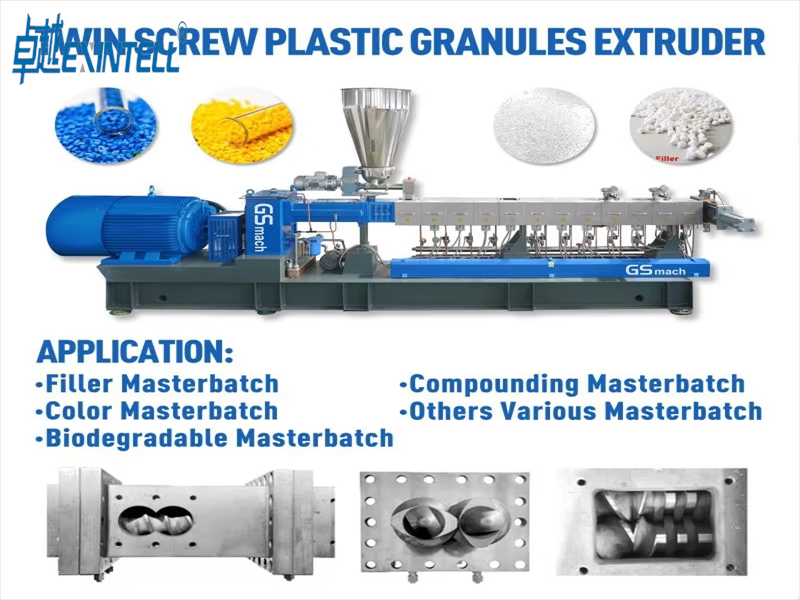
After the plastic melts, you push it through an extruder. The extruder mixes and shapes the melted plastic. A screw inside the barrel moves the plastic forward. The plastic goes through a die head and turns into long strands.
Here is a table that shows the main machines used for extrusion and cooling:
Machinery Type
Opis
Ekstruder
Heats and mixes the plastic. It gets the plastic ready for shaping and cutting. It has a feeding system, bure, vijak, die head, and cooling system.
Sistem za hlađenje
Zadržava oblik peleta i uklanja vodu. Ovo štiti materijal tokom izrade peleta.
Sistem hlađenja je veoma važan. Za hlađenje pramenova možete koristiti vodene kupke ili krevete hlađene zrakom. Modul za hlađenje ima kućište, vodosnabdijevanje, i sistem pražnjenja. Hlađenje sprečava da se pramenovi slepe ili promene oblik. Nakon ovoga, dobijate jake i ujednačene pelete.
Peletiranje i sakupljanje
Ohlađene pramenove sečete na male pelete sa sistemom za sečenje. Mašina za peletiranje reže pramenove na jednake komade. Sakupljate pelete i sušite ih kako biste se riješili vode.
Slijedite ove korake da napravite pelete:
Pripremite sirovu ili recikliranu plastiku i pomiješajte je.
You use these pellets to make new products. The pelletizing process helps recycle plasticand makes materials for many industries. The plastic pelletizing machine lets you control the quality and size of the pellets. You make sure the pellets are ready for factories and easy to move.
Savjet: If you want better pellets, check the drying and cooling steps closely.
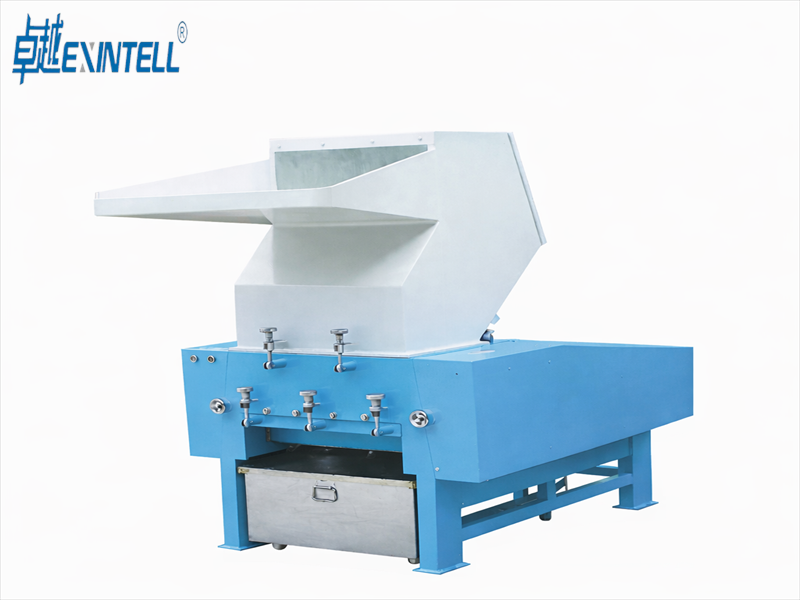
Prvo, crushers or shredders break plastic waste into small pieces. This makes the plastic easier to handle.
Sledeći, washing lines clean the shredded plastic. These machines remove dirt and other things.
You sort the plastic by type and quality. Some factories use machines with sensors for sorting.
The cleaned plastic goes into a drying system. Dry plastic makes better pellets.
You put the dry plastic into a plastic recycling machine, like advopužni ekstruder. This machine melts and mixes the plastic well.
The melted plastic goes to a pelletizing machine. Here, you cut the plastic into small, even pellets.
Cooling systems, like water baths or air beds, help the pellets keep their shape. They stop the pellets from sticking together.
Conveyors and other machines move the pellets to storage or packaging.
Napomena: Each step in recycling helps you get good pellets, even if the plastic waste comes from different places.
Factories check the pellets with quality control. They sort and clean the raw materials. They control color and watch the machines as they work. You can see these steps in many modern recycling plants.
Environmental Benefits
Recycling in plastic pelletizer factories gives you many environmental benefits:
Podržavate kompanije koje žele da zaštite životnu sredinu i mudro koriste resurse.
Proizvođači takođe dobijaju ekonomske koristi. Korištenje recikliranih peleta košta manje od kupovine nove smole. Pomaže kompanijama da postignu svoje ciljeve održivosti i pokazuje da im je stalo do planete.
Ekonomska korist
Opis
Uštede troškova
Manje trošite na materijale kada koristite reciklirane pelete.
Ekološke prednosti
Pomažete u smanjenju plastičnog otpada i podržavate zelenu praksu.
Usklađivanje održivosti
Podržavate dugoročne ciljeve za čistiji svijet.
Savjet: Kada odaberete proizvode od recikliranog peleta, pomažete u recikliranju i zaštiti zemlje za buduće generacije.
Vrste sistema za peletiranje plastike
Strand Pelletizing
Peletiranje pramenova je uobičajeno u fabrikama plastike. Ovaj sistem koristi zrak za hlađenje plastičnih niti prije rezanja. Guraš rastopljenu plastiku kroz kalup. The strands cool down in the air. Then, knives cut the strands into small, even pellets. The pelletizer has both still and moving knives. The pellets are round and smooth. Special technology keeps the pellets the same size. It also checks the temperature to help make good pellets.
Strand pelletizing is used for making polymers and recycling. It helps make even pellets from melted plastic. This system works with both a plastic pelletizer and a plastic granulator machine.
Used in plastics factories
Makes polymers
Helps with recycling
Underwater Pelletizing
Underwater pelletizing makes very good pellets. The plastic is cut underwater, koji drži sve u redu. Ova metoda radi s mnogim vrstama rastopljene plastike. Možete kontrolirati toplinu, protok, i lako pritiska. Peletizator može rezati na različite načine, tako da imate izbora.
Dobijate bolje pelete, manje otpada, i brži rad. Lako je koristiti mašine za ovaj sistem. Podvodno peletiranje je dobro za velike fabrike plastike.
Die-Face peletiziranje
Die-face peletiranje radi za mnoge plastike. Pelete se seku tačno na licu matrice, često sa vodenim prstenovima. Ovaj sistem se brzo pokreće i ne treba mu mnogo pomoći radnika. It keeps running without the strands breaking. It is easy and cheap to fix.
Factories think about cost and how hard the system is to use. Water ring pelletizingcosts more at first, but makes lots of pellets and little dust. Underwater pelletizing costs more and makes more dust.
Tehnologija peletiranja
Početni trošak
Operativna složenost
Fleksibilnost materijala
Strand Pelletizing
Niže
Lako
Works with many
Underwater Pelletizing
Više
Harder
Works with some
Peletiranje vodenim prstenom
Više
Harder
Works with some
Savjet: Pick a pelletizer system by looking at the plastic type, how much you want to make, kvalitet peleta, where you work, how easy it is to fix, i trošak.
You use a plastic pelletizer that fits your needs. Each system is good for different jobs. Knowing how a plastic pelletizing machine works helps you pick the right one.
You can watch how aplastic pelletizer factorychanges plastic waste into useful pellets. This helps recycling and lets you help the environment. These factories are important because they make good materials for new things. The machines in these factories work fast and make less waste. Government lawsand help make recycling simpler and better. As more businesses need plastic, these factories will matter more for a cleaner world.
FAQ
What is plastic pelletizing?
Plastic pelletizing changes plastic into small pellets. You can use raw or recycled plastic for this. The process makes it easier to move and reuse plastic. Pelletizing helps factories workfaster. It also helps with recycling.
Why is pelletization important in recycling?
Pelletization turns old plastic into new pellets. You can use these pellets to make new things. Ovo pomaže da plastika ostane u upotrebi i smanjuje otpad. Takođe pomaže u zaustavljanju zagađenja plastikom.
Kako fabrika plastičnih peletera podržava zatvoreni proces recikliranja?
Fabrika plastičnih peletera pomaže da se recikliranje odvija u petlji. Fabrika uzima otpadnu plastiku i čisti je. Then, pretvara plastiku u pelete. Ove pelete se mogu koristiti iznova i iznova. Ovo štiti plastiku od deponija.
Koje vrste plastike možete koristiti u tehnologiji peletiranja?
U tehnologiji peletiranja možete koristiti mnoge plastike. Neke uobičajene vrste su polietilen, polipropilen, i PET. Upotreba različite plastike pomaže da se više reciklira i napravi manje otpada.
Kako plastično peletiranje pomaže okolišu?
Peletiranje plastike pomaže stvaranjem manjeg otpada. Štedi energiju i koristi manje nove plastike. Ovaj proces smanjuje zagađenje i pomaže prirodi da ostane čista.