

Twin Screw Rubber Extruder Supplier: Definitivni B2B izvori & Trgovački vodič za
Nabavka pouzdanog twin screw rubber extruder supplier has become one of the most strategically important decisions for rubber product manufacturers operating across the United States and European Union. As global supply chains recalibrate in response to shifting tariff regimes, pooštravanje ekoloških propisa, and accelerating demand for high-performance rubber compounds, the choice of extruder partner directly impacts production throughput, compound quality, and long-term profitability. This guide delivers a data-driven analysis of the current trade landscape for rubber extrusion machinery, identifies the top sourcing opportunities and pitfalls, and provides actionable intelligence for procurement teams evaluating a twin screw rubber extruder manufacturer, fabrika, or wholesale channel in.
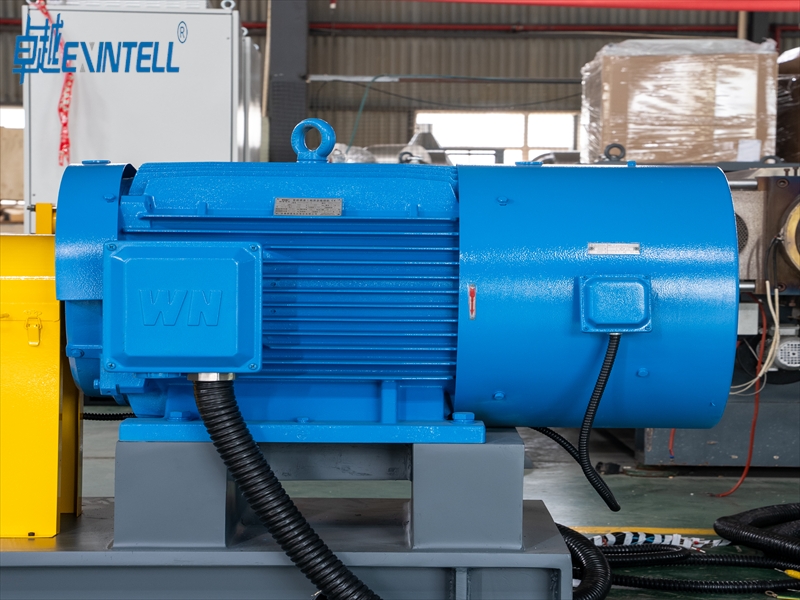
Industrial manufacturing facility with heavy machinery used for rubber processing and extrusion operations
Understanding the Twin Screw Rubber Extruder: Why It Matters for Modern Rubber Processing
A twin screw rubber extruder uses two intermeshing or co-rotating screws inside a barrel to mix, spoj, and shape rubber materials with far greater precision than single-screw alternatives. The technology delivers superior dispersive and distributive mixing, tighter temperature control, and the ability to process highly filled or heat-sensitive compounds without degradation. For manufacturers producing automotive seals, industrial hoses, tire treads, medical-grade tubing, or construction profiles, the twin screw platform is increasingly non-negotiable.
The global rubber processing machinery market was valued at approximately USD 4.8 milijardi u 2024 i predviđa se da će dostići USD 6.3 milijardi po 2029, raste na CAGR od oko 5.6%, prema podacima koje je objavio MarketsandMarkets. Twin screw extruders represent the fastest-growing segment within that market, driven by demand for continuous mixing processes that replace traditional batch-style Banbury mixers. This shift is particularly pronounced in the EU and North America, where labor costs and energy efficiency mandates favor automated, continuous-flow production lines.
When evaluating a twin screw rubber extruder supplier, buyers must assess screw geometry options (co-rotating vs. counter-rotating, intermeshing vs. non-intermeshing), barrel length-to-diameter ratios, torque density, throughput capacity, and the supplier's ability to customize configurations for specific rubber formulations. The best suppliers offer application engineering support, pilot-line testing, and aftermarket parts availability — factors that separate a genuine manufacturing partner from a commodity reseller.
Trade Policy Landscape for Rubber Machinery in
Tariff Environment and Recent Developments
The transatlantic trade relationship for industrial machinery, including rubber extrusion equipment classified under HS code 8477 (mašine za obradu gume ili plastike), has undergone significant turbulence since early. The United States Trade Representative (USTR) confirmed in April that a baseline 10% tariff applies to most EU-origin machinery imports, with sector-specific reciprocal tariffs reaching 20% for certain categories, as reported by the Uprava za međunarodnu trgovinu (ITA). The EU responded with counter-tariffs on select US goods, though capital equipment has largely been shielded from the most aggressive retaliatory measures.
For B2B buyers sourcing a twin screw rubber extruder factory in China or Southeast Asia for re-export to the US, the picture is more complex. US tariffs on Chinese-origin machinery now stand at 145% in aggregate (combining Section 301, Sekcija 232, and reciprocal tariff layers), effectively pricing most Chinese extruder manufacturers out of the direct US import channel. This has created a significant opportunity for EU-based and domestically manufactured equipment, as well as for Chinese suppliers who have established manufacturing or final-assembly operations in tariff-advantaged jurisdictions such as Vietnam, Mexico, or Turkey.
The EU's Carbon Border Adjustment Mechanism (CBAM), which entered its transitional reporting phase in October 2023 i kreće se ka punoj implementaciji do 2026, adds another layer. While CBAM primarily targets raw materials (čelika, aluminijum, cement), the embedded carbon in machinery components — particularly steel-intensive extruder barrels and screws — will increasingly factor into total landed cost calculations for EU importers. Podaci iz European Commission's Directorate-General for Trade indicates that machinery importers should begin tracking Scope 3 emissions in their supply chains now to avoid compliance disruptions. Extruded Polystyrene Vs Polyisocyanurate
Trade Agreements and Preferential Access
Vijeće za trgovinu i tehnologiju (TTC), while not a free trade agreement, has facilitated mutual recognition of certain industrial standards and conformity assessments. For rubber extrusion machinery, this means that equipment certified to EU Machinery Directive 2006/42/EC standards is increasingly accepted by US buyers without redundant testing, reducing time-to-deployment. The Američka privredna komora has advocated for a formal mutual recognition agreement (MRA) for industrial machinery, which would further streamline transatlantic procurement.
For suppliers based in countries with preferential trade agreements — such as South Korea (KORUS FTA with the US; EU-Koreja FTA), Japan (EU-Japan EPA), or Mexico (USMCA) — the tariff differential creates a meaningful competitive advantage. A twin screw rubber extruder wholesale operation based in Mexico, na primjer, can ship to both the US (duty-free under USMCA rules of origin) i EU (under the EU-Mexico Global Agreement modernization) with significantly lower landed costs than a comparable Chinese supplier.

Large container port with cargo ships and cranes representing international B2B trade logistics for industrial machinery
Pokretači potražnje na tržištu: Why B2B Buyers Need Twin Screw Extruders Now
Several converging trends are accelerating demand for twin screw rubber extrusion technology across the US and EU markets:
Električno vozilo (EV) Manufacturing: The EV transition is reshaping rubber compound requirements. Battery sealing gaskets, thermal management hoses, lightweight EPDM weatherstrips, and high-voltage cable insulation all require precisely compounded rubber that twin screw extruders deliver more consistently than batch processes. The International Energy Agency (IEA) reported that global EV sales exceeded 17 million units in 2024, with the EU and US accounting for roughly 40% of that volume. Every EV on the road contains 30-50% more specialty rubber components by weight than a comparable internal combustion vehicle.
Sustainability and Recycled Rubber Processing: EU regulations under the Circular Economy Action Plan are pushing manufacturers to incorporate recycled rubber (devulcanized crumb rubber, reclaimed EPDM) into new products. Twin screw extruders excel at processing these inconsistent feedstocks because the intermeshing screw design provides intensive mixing that homogenizes variable particle sizes and contamination levels. A twin screw rubber extruder manufacturer that offers devulcanization-ready configurations is positioned to capture significant market share.
Medical and Pharmaceutical Rubber: Post-pandemic investment in domestic medical device manufacturing in both the US (supported by the CHIPS and Science Act's broader reshoring incentives) i EU (under the European Health Union framework) is driving demand for cleanroom-grade silicone and rubber extrusion lines. Twin screw systems with enclosed, purged barrel designs meet FDA 21 CFR and EU MDR requirements more readily than open-architecture alternatives.
How to Evaluate a Twin Screw Rubber Extruder Supplier: Key Criteria for B2B Procurement
Procurement teams evaluating a twin screw rubber extruder supplier should structure their assessment around these critical dimensions:
Technical Capability and Customization
The best suppliers offer modular screw and barrel configurations that can be tailored to specific rubber compounds. Ask whether the supplier provides screw element libraries (kneading blocks, conveying elements, mixing elements) that can be reconfigured without purchasing an entirely new screw set. Suppliers with in-house metallurgy capabilities — offering wear-resistant coatings like tungsten carbide or Stellite overlays — deliver longer service life in abrasive compound applications.
Manufacturing Footprint and Lead Times
A twin screw rubber extruder factory with vertically integrated manufacturing (in-house CNC machining, heat treatment, and assembly) typically delivers lead times of 12-16 sedmice, u poređenju sa 20-28 weeks for suppliers that outsource critical machining operations. In the current trade environment, buyers should also verify where final assembly occurs, as country-of-origin rules determine applicable tariff rates.
Aftermarket Support and Total Cost of Ownership
The purchase price of a twin screw extruder represents only 35-45% of the 10-year total cost of ownership. Spare parts availability, field service response times, remote diagnostics capability, and screw/barrel refurbishment programs are where the real cost differentiation emerges. A twin screw rubber extruder wholesale channel may offer lower upfront pricing but often lacks the aftermarket infrastructure that OEM suppliers provide.
Certifications and Compliance
For US-bound equipment, verify UL listing or NRTL certification for electrical components, OSHA compliance for guarding and safety interlocks, and compatibility with NEC/NFPA electrical codes. For EU-bound equipment, CE oznaka prema Direktivi o mašinama, ATEX certification (if processing in potentially explosive atmospheres), and compliance with EN ISO 12100 risk assessment standards are mandatory. Suppliers who hold ISO 9001:2015 i ISO 14001:2015 certifications demonstrate systematic quality and environmental management.

Engineer inspecting industrial machinery controls in a modern manufacturing plant representing quality assurance in B2B equip
B2B trgovinske prilike: Where the Growth Is for Twin Screw Rubber Extruder Suppliers
The intersection of trade policy shifts and technology demand creates distinct opportunities for different supplier archetypes:
EU-Based Manufacturers Selling to the US: Despite the 10-20% tariff headwind, Evropski proizvođači dvopužnih ekstrudera (concentrated in Germany, Italija, i Austriju) benefit from a strong reputation for precision engineering, established service networks in North America, and the ability to offer turnkey production lines that include upstream feeding systems and downstream cooling/cutting equipment. The tariff cost is often absorbed or offset by the productivity premium that European equipment delivers. German machinery exports to the US in the rubber and plastics processing category exceeded EUR 1.2 milijardi u 2024, prema Destatis (German Federal Statistical Office). Sprite Extruder Creality
Chinese Manufacturers with Offshore Assembly: Several major Chinese twin screw extruder manufacturers have established assembly or manufacturing operations in Vietnam, Indija, and Mexico to circumvent US tariffs. Za B2B kupce, the key due diligence question is whether sufficient value-add occurs in the third country to satisfy rules of origin requirements. Carina i granična zaštita SAD (CBP) has increased scrutiny of transshipment arrangements, and penalties for misclassification are severe.
Domestic US Manufacturers: The reshoring trend, supported by Section 48D advanced manufacturing tax credits and Department of Commerce grants, is enabling a small but growing number of US-based twin screw extruder manufacturers to compete on total cost of ownership. Proximity eliminates import duties, reduces shipping costs and lead times, and simplifies warranty service. Međutim, the US manufacturing base for this equipment category remains thin compared to Europe and Asia.
Geographic and Policy Advantages in Rubber Machinery Trade
The US and EU together represent the world's largest integrated market for advanced industrial machinery, with combined GDP exceeding USD 40 triliona. Several structural advantages make this trade corridor particularly favorable for twin screw rubber extruder commerce:
Regulatory Convergence: The US and EU share broadly compatible industrial safety, električni, and environmental standards. Equipment designed for one market requires relatively minor modifications for the other, unlike machinery destined for markets with divergent standards (npr., certain ASEAN or African markets). This reduces engineering costs for suppliers serving both markets.
Finansijska infrastruktura: Transatlantic trade benefits from deep, liquid trade finance markets. Letters of credit, export credit agency (ECA) guarantees (from institutions like the US Ex-Im Bank and Euler Hermes in Germany), and established escrow mechanisms reduce counterparty risk for high-value capital equipment transactions that typically range from USD 250,000 u USD 2 million per extruder line.
Sample Extruder Soil Logistics Maturity: The North Atlantic shipping corridor is among the most efficient in the world. Transit times from major EU ports (Rotterdam, Hamburg, Antwerpen) to US East Coast ports (Newark, Savannah, Charleston) average 10-14 dana, with reliable ro-ro and container services. Inland logistics in both markets are well-developed, with specialized heavy machinery transport providers offering door-to-door service. Podaci iz Lučka uprava Roterdama shows that machinery and equipment volumes on transatlantic routes increased 7.3% godine u Q1.
Zaštita intelektualne svojine: I SAD i EU održavaju snažne režime primjene intelektualne svojine, which is critical for twin screw extruder suppliers whose competitive advantage often resides in proprietary screw geometry designs, barrel liner compositions, and control system algorithms. Suppliers are more willing to share detailed technical specifications and application know-how with buyers in jurisdictions where their IP is protected.

Aerial view of a major European port with container terminals illustrating transatlantic B2B trade logistics infrastructure
Case Studies Enterprises Navigating the Twin Screw Extruder Supply Chain
Slučaj 1: German Manufacturer Expands US Market Share Despite Tariffs
A mid-sized German twin screw rubber extruder manufacturer (godišnji prihod oko eura 80 miliona) faced the prospect of losing US market share when reciprocal tariffs took effect in early. Rather than absorb the full tariff cost or pass it to customers, the company adopted a hybrid strategy. It established a final assembly and testing facility in South Carolina, importing semi-finished components (bačve, mjenjači) from Germany and completing assembly, calibration, and quality certification domestically. This approach reduced the dutiable value by approximately 40% (since only components, not finished machines, crossed the border) and qualified the finished equipment as US-origin for customers who required domestic sourcing for government-funded projects.
The company reported that US orders increased 18% in Q1 compared to Q1 2024, driven partly by competitors' inability to match the tariff mitigation strategy and partly by the enhanced service capability that a local facility provides. The South Carolina operation Extrusion Machine Manufacturer now employs 35 technicians and engineers, with plans to expand to 60 by year-end. This case illustrates how a twin screw rubber extruder manufacturer can convert trade policy disruption into competitive advantage through strategic localization.
Slučaj 2: US Tire Component Producer Sources from Italian Supplier via Framework Agreement
A major US-based tire component manufacturer needed to replace aging single-screw extrusion lines with twin screw systems capable of processing silica-rich tire tread compounds (required for EU tire labeling compliance on exported tires). After evaluating suppliers from China, Taiwan, Japan, and Europe, the company selected an Italian twin screw rubber extruder supplier based on three factors: (1) the Italian supplier's proven track record with silica compound processing, (2) a framework agreement structure that locked in pricing for five extruder lines over three years, hedging against further tariff increases, i (3) the supplier's willingness to station a resident application engineer at the US plant for the first six months of operation.
The total investment exceeded USD 8 miliona, with the tariff component adding approximately USD 1.2 miliona. Međutim, the productivity gains — 22% higher throughput and 15% reduction in compound scrap rate compared to the previous single-screw lines — delivered payback in under 18 mjeseci. The framework agreement also included a technology upgrade clause, ensuring access to the supplier's next-generation screw designs at preferential pricing.
Slučaj 3: Chinese Supplier Pivots to Mexico-Based Assembly for USMCA Compliance
A large Chinese rubber machinery manufacturer, facing effective tariff rates of 145% on direct US exports, invested USD 12 million in a manufacturing facility in Monterrey, Mexico. The facility performs barrel boring, screw element manufacturing, final assembly, and testing — sufficient value-add to qualify for USMCA preferential treatment. The company now ships twin screw rubber extruders to US customers duty-free, while also serving the growing Mexican rubber processing market (Mexico's automotive rubber components sector grew 11% in 2024, per INEGI podaci).
The Mexico operation sources approximately 60% of components from China and 40% from Mexican and US suppliers, meeting USMCA regional value content thresholds. Lead times to US customers dropped from 16-20 sedmice (ex-China, including ocean freight) to 6-8 sedmice, a significant competitive advantage in a market where production downtime costs can exceed USD 50,000 per day for large rubber manufacturers.

Modern factory floor with automated machinery and robotic systems representing advanced manufacturing capabilities of B2B equ
Prognoza trgovinskih trendova: What to Expect in the Next 1-2 Mjeseci (jul-avgust )
Na osnovu trenutnih putanja politike, tržišne podatke, i industrijske inteligencije, the following trends are likely to shape the twin screw rubber extruder supplier landscape in the near term:
Tariff Negotiations May Yield Temporary Relief: The US and EU are reportedly in advanced discussions on a limited tariff reduction package focused on industrial machinery and capital equipment. Sources cited by the Journal of Commerce in late May suggest that a 90-day tariff suspension on HS 8477 machinery could be announced as early as July, contingent on broader trade package negotiations. B2B buyers with pending purchase orders should monitor this closely, as even a temporary suspension could save 10-20% on landed costs.
Raw Material Costs Will Pressure Extruder Pricing: Tool steel prices (critical for screw and barrel manufacturing) have risen 8-12% od januara, driven by EU anti-dumping duties on Chinese steel and supply constraints from Ukrainian steelmakers. Twin screw extruder suppliers are expected to implement 3-5% price increases in Q3. Buyers who can commit to orders before July may lock in current pricing.
Demand Surge from EV Battery Sealing Applications: Multiple major EV battery gigafactory projects in the US (supported by Inflation Reduction Act incentives) i ja (under the European Battery Alliance) are entering the equipment procurement phase. These facilities require Dobavljači ekstruzije plastike specialized twin screw extrusion lines for battery cell sealing gaskets and thermal interface materials. Suppliers with proven battery-grade rubber processing capabilities will see order backlogs extend, potentially pushing lead times beyond 20 weeks by late Q3. Wholesale Plastic Tube Extrusion
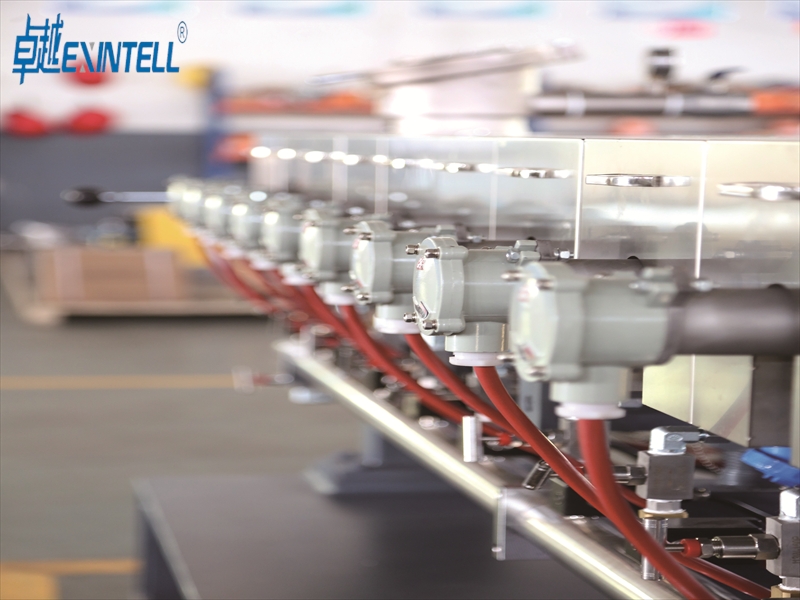
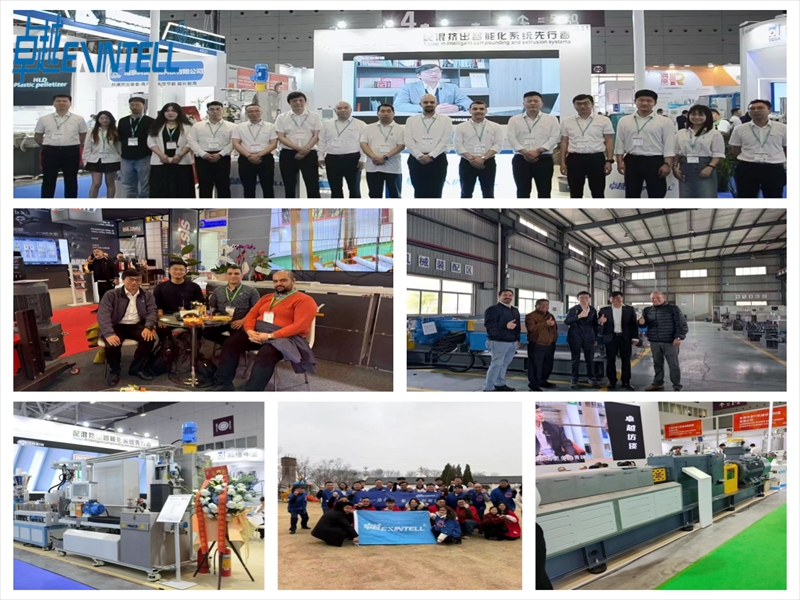
Increased Scrutiny on Country-of-Origin Claims: US CBP has signaled enhanced enforcement of rules of origin for machinery imports routed through third countries. Suppliers and buyers should ensure that documentation (bills of materials, manufacturing records, value-add calculations) is audit-ready. The penalty for incorrect country-of-origin declarations can reach 4x the unpaid duty amount.
Veleprodaja dvopužnih ekstrudera Platforme za digitalnu nabavku postaju sve popularnije: B2B platforms specializing in industrial machinery (such as DirectIndustry, ThomasNet, and Alibaba's industrial channel) are reporting increased traffic for twin screw extruder searches. Međutim, for capital equipment purchases of this complexity and value, these platforms primarily serve as discovery tools — the actual procurement process still requires direct supplier engagement, factory audits, and negotiated contracts. Buhler Extruders
The Role of Safety Footwear in Rubber Extrusion Facilities: Zaštita radnika u B2B proizvodnom okruženju
Operating a twin screw rubber extruder involves significant workplace hazards that make proper safety footwear not just advisable but legally mandated in both US and EU jurisdictions. Understanding the connection between rubber processing environments and foot protection is essential for any B2B operation running extrusion equipment.
Why Rubber Extrusion Facilities Demand Superior Foot Protection
Twin screw rubber extrusion operations present a unique combination of foot hazards. Heavy extruder components — barrels weighing 500-2,000 kg, vijčani elementi, matrice, and gearbox assemblies — are routinely moved during maintenance and changeover operations. A dropped screw element can deliver crushing forces exceeding 10,000 Newtons to an unprotected foot. Beyond impact hazards, rubber processing facilities expose workers to:
Heat exposure: Extruder barrels operate at temperatures of 80-180°C depending on the rubber compound. Molten rubber spillage, hot die components, and radiant heat from barrel surfaces create burn risks for feet positioned near the extrusion line. Zaštitna obuća sa đonom otpornim na toplotu (ocijenjeno na 300°C kontaktna toplota po EN ISO 20345:2022 HRO standard) je bitno.
Hemijska izloženost: Rubber compounding involves processing oils, vulcanization accelerators (sulfenamides, thiurams), antioksidansi, and solvents. Spills and splashes are common during material handling and cleaning operations. Safety boots with chemical-resistant uppers and soles (tested per EN 13832 for chemical resistance) prevent dermal absorption of hazardous substances through the feet.
Opasnost od klizanja: Processing oils, release agents, and rubber dust create slippery floor conditions. The Uprava za sigurnost i zdravlje na radu (OSHA) reports that slips, trips, and falls account for 25% of all workplace injuries in manufacturing environments. Sigurnosna obuća sa potplatima s oznakom SRC (otpornost na klizanje na keramičkim i čeličnim površinama) significantly reduces this risk.
Opasnosti od kompresije: Forklifts and overhead cranes used to move extruder components, rubber bales, and finished product create rollover and compression risks. Metatarzalni štitnici (meeting ASTM F2413 Mt/75 in the US or EN ISO 20345 with metatarsal protection in the EU) protect the vulnerable bones on the top of the foot.

Ft5 Extruder Skipping Industrial safety boots with steel toe caps 3Dpany Extruder and slip-resistant soles designed for manufacturing and factory floor environment
Regulatory Requirements: US and EU Standards for Safety Footwear
U Sjedinjenim Državama, OSHA's General Duty Clause (Sekcija 5(a)(1)) and specific standards under 29 CFR 1910.136 require employers to ensure that workers in manufacturing environments wear protective footwear when there is a danger of foot injuries from falling or rolling objects, predmeti koji probijaju taban, ili opasnosti od električne energije. The applicable performance standard is ASTM F2413, which defines impact resistance (I/75 = 75 stopa-pounds), otpornost na kompresiju (C/75 = 2,500 funti), i opcione ocjene za zaštitu metatarzala, electrical hazard resistance, otpornost na probijanje, and static dissipation. Plastic Extrusion Machine Supplier
U Evropskoj uniji, the governing standard is EN ISO 20345:2022 for safety footwear (with toe protection rated to 200 Joules impact and 15 kN kompresija). The standard defines classification levels from SB (basic) through S7 (highest protection, including waterproofing, ankle protection, i otpornost na bušenje). For rubber extrusion facilities, S3 or S5 rated footwear is typically the minimum requirement, pruža zaštitu prstiju, otpornost na prodor, antistatička svojstva, apsorpcija energije u peti, and water resistance.
B2B manufacturers operating twin screw rubber extruders in both US and EU facilities face the practical challenge of sourcing safety footwear that meets both ASTM F2413 and EN ISO 20345 standardima. Dual-certified footwear is available from several global manufacturers and simplifies procurement for multinational operations.
Selecting the Right Safety Footwear for Rubber Processing Workers
For workers operating and maintaining twin screw rubber extruders, the optimal safety footwear specification includes:
Composite or steel toe caps: Both materials meet the 200J/15kN protection threshold. Kompozitne kapice za prste (stakloplastike, karbonska vlakna, ili kevlar) are lighter and do not conduct heat or cold, making them preferable in temperature-variable extrusion environments. Steel toe caps offer a slimmer profile and marginally higher crush resistance at extreme loads.
Potplat otporan na toplinu: Nitrile rubber outsoles rated to 300°C contact heat (HRO) are standard for rubber processing environments. Workers who routinely step on or near hot surfaces (die areas, curing zones) should consider HI-rated (toplotna izolacija) footwear that also insulates the foot from conducted heat through the sole.
Anti-static or ESD properties: Rubber processing can generate significant static charge, particularly when handling carbon black-filled compounds. Anti-static footwear (resistance between 100 kΩ i 1,000 MΩ) dissipates charge safely, reducing the risk of static discharge that could ignite volatile compound ingredients or damage sensitive electronic control systems on modern extruders.
Ankle support and stability: Workers performing maintenance on twin screw extruders often work on elevated platforms, ladders, and uneven surfaces around the extrusion line. Mid-cut or high-cut safety boots with structured ankle support reduce the incidence of sprains and provide better stability than low-cut safety shoes.
Plastic Extrusion Suppliers Supplier Srednji potplat otporan na probijanje: Metal shavings from screw and barrel wear, wire fragments from rubber bale strapping, and sharp-edged rubber trim can penetrate standard shoe soles. A puncture-resistant plate (čelika ili tekstila, rated to 1,100 N per EN ISO 20345 P standard) prevents these penetration injuries.
The Business Case for Investing in Quality Safety Footwear
Izvan usklađenosti sa propisima, there is a compelling financial case for B2B manufacturers to invest in high-quality safety footwear programs. The Američki biro za statistiku rada (BLS) reports that foot injuries in manufacturing result in an average of 8 izgubljenih radnih dana po incidentu, with direct costs (medicinski tretman, radnici' kompenzacija) averaging USD 9,000-12,000 per injury. Indirektni troškovi (prekid proizvodnje, overtime for replacement workers, administrative burden) typically multiply the direct cost by a factor of 3-5x.
For a rubber extrusion facility operating twin screw extruders with 50-100 proizvodni radnici, even a modest reduction in foot injury incidence — od, say, 4 incidents per year to 1 — generates annual savings of USD 100,000-200,000 in total injury costs. Against a safety footwear program cost of USD 150-300 per worker per year (for high-quality, dual-certified boots replaced annually), the return on investment is immediate and substantial.
European data tells a similar story. The European Agency for Safety and Health at Work (EU-OSHA) estimates that workplace foot injuries cost EU employers an average of EUR 8,500 per incident in direct costs, with the manufacturing sector accounting for a disproportionate share of severe foot injuries. EU employers also face potential fines under national implementations of the Framework Directive 89/391/EEC if PPE programs are found inadequate during labor inspections.
Progressive B2B manufacturers are now integrating safety footwear procurement into their overall equipment investment strategy. When purchasing a new twin screw rubber extruder line, the total project budget should include not only the machine, instalacija, and training costs but also the PPE upgrades (uključujući zaštitnu obuću) required to safely operate and maintain the new equipment. This holistic approach ensures that the productivity gains from new extrusion technology are not eroded by preventable workplace injuries.
Workers wearing protective safety equipment including safety boots in an industrial manufacturing environment
Supplier Landscape: Leading Twin Screw Rubber Extruder Manufacturers by Region
The global supplier landscape for twin screw rubber extruders is concentrated in several key manufacturing regions, each with distinct strengths:
Njemačka i Austrija: Home to several of the world's most technically advanced extruder manufacturers, with deep expertise in co-rotating twin screw designs for rubber compounding. German suppliers are known for precision engineering, extensive application laboratories, and strong aftermarket networks. Price points are typically 30-50% higher than Asian alternatives, but total cost of ownership over a 15-20 year machine life is often lower due to superior durability and parts availability.
Italija: Italian manufacturers offer a strong balance of technical capability and competitive pricing, with particular strength in downstream extrusion systems (hlađenje, cutting, coiling) that integrate with twin screw extruders. Italy's rubber machinery cluster in the Lombardy and Veneto regions benefits from proximity to major European tire and automotive rubber manufacturers.
Kina: Chinese twin screw rubber extruder factories have made significant quality improvements over the past decade, with several manufacturers now offering equipment that meets CE and UL standards. Price competitiveness remains the primary advantage, with Chinese equipment typically priced 40-60% below European equivalents. Međutim, the tariff environment has complicated direct US sales, pushing Chinese suppliers toward third-country assembly strategies as described in the case studies above.
Japan: Japanese manufacturers are recognized