How Different Types of Plastic Pelletizer Systems Compare
Sadržaj
How Different Types of Plastic Pelletizer Systems Compare
When I face the challenge of selecting a plastic pelletizer for a new production line, I ask myself which system will truly optimize my operation. The main plastic pelletizer systems—underwater, water-ring, and strand—each offer unique strengths. I consider several factors before making a choice:
Manufacturer’s technical strength and industry reputation
Performanse, cost, kvalitet peleta, and application suitability shape my final decision.
Key Takeaways
Underwater pelletizers deliver high output and produce uniform, round pellets, making them ideal for large-scale, continuous production.
Water-ring pelletizers offer a compact, easy-to-maintain solution with good pellet quality, suited for medium-scale recycling and film processing.
Strand pelletizersprovide a cost-effective, versatile option for smaller operations and recycling many types of plastics, though pellet quality is less consistent.
Choosing the right pelletizerdepends on your production volume, material types, budget, and maintenance capacity to ensure efficient and reliable operation.
Regular maintenance, proper material matching, and evaluating long-term costs help optimize pelletizer performance and support sustainable plastic recycling.
Plastic Pelletizer Systems Overview
What Is a Plastic Pelletizer
I often rely on a plastic pelletizer totransform raw or recycled plasticinto uniform pellets. This process plays a vital role in recycling and compounding industries. When I use a plastic pelletizer system, I can convert waste plastic into reusable pellets. These pellets return to the manufacturing process, which helps my operation reduce waste and recycle internal scrap efficiently.
Pelletizing systems (strand, die-face cutting, underwater)
Each pelletizer system uses these components in unique ways to achieve specific results.
Key Differences
I compare the main types of plastic pelletizer systems based on their operation and output. The table below summarizestheir strengths and best use cases:
Pelletizing System
Benefits
Best Use Case
Strand Pelletizing
Works well with high melting materials
Recycling high melting index materials
Water-ring Pelletizing
Simple to use, stabilan, easy to maintain
Processing films, raffia, regrind
Underwater Pelletizing
Handles large jobs, makes even pellets
Large-scale polymer production
This overview helps me match the right plastic pelletizer system to my production needs.
Podvodni sistem peletiranja
How Underwater Pelletizers Work
When I operate an underwater pelletizer, I start by feeding molten polymer through a die plate. The die sits submerged in a water chamber. As the polymer exits the die, rotating knives cut the strands into pellets immediately. The water cools and transports the pellets away from the cutting area. I use a centrifugal dryer to separate water from the finished pellets before packaging or further processing. This method creates uniform pellets and supports continuous production. I rely on this system forhigh-output operationsand when I need consistent pellet quality.
I can process a wide range of polymers, including materials with low melt strength.
The system produces smooth, uniform pellets with minimal dust.
I achieve high throughput, which suits large-scale manufacturing.
The closed water system helps control temperature and reduces thermal degradation.
I find the process efficient for both virgin polymer production and recycling applications.
Savjet: I often recommend underwater pelletizing when I need to handle sticky or heat-sensitive materials that might not work well with a strand pelletizing system.
Limitations of Underwater Systems
Despite the benefits, I encounter some challenges with underwater pelletizers:
Temperature variations sometimes cause die faces to bow, which affects alignment and pellet quality.
Different materials require specific die specifications. If I use the wrong die, I see poor pellet shape and excessive fines.
I address these issues by performing regular maintenance and choosing the right die for each material. I also monitor temperature closely to prevent alignment problems. While underwater systems offer many advantages, I always weigh these limitations before making a final decision.
Water-Ring Pelletizer System
How Water-Ring Pelletizers Work
When I operate a water-ring pelletizing system, I start by feeding molten polymer through a die plate. The polymer strands exit the die and immediately encounter a rotating knife. The knife cuts the strands into pellets right at the die face. Water sprays onto the cutting area, forming a ring around the die. This water cools the pellets and carries them away from the cutting chamber. I use a centrifugal dryer to separate the water from the pellets before packaging. The process runs continuously and suits many types of polymers. Oslanjam se na ovaj sistem kada mi treba balans između efikasnosti i jednostavnosti.
Prednosti sistema vodenih prstenova
Više volim sistem peletiranja vodenog prstena iz nekoliko razloga:
Smatram da je sistem lak za rukovanje i održavanje.
Kompaktan dizajn štedi prostor u mom objektu.
Proces proizvodi stabilne veličine peleta uz minimalnu količinu prašine.
Mogu se brzo prebacivati između različitih materijala.
Sistem peletiranja vodenog prstena dobro radi za film, raffia, i ponovo brusiti materijale.
Napomena: Često preporučujem ovaj sistem za male i srednje operacije. Dobro se uklapa sa linijama za reciklažu koje rukuju raznim sirovinama.
Ograničenja sistema vodenih prstenova
Uprkos svojim prednostima, sistem peletiranja vodenog prstena ima neke nedostatke. Primećujem to kvaliteta peleta može varirati ako se promijeni protok vode ili brzina noža. The system may struggle with sticky or low melt-strength polymers. I sometimes see uneven cooling, which affects pellet shape. Maintenance becomes important because worn knives or clogged water rings reduce efficiency. I address these issues by monitoring the process closely and scheduling regular maintenance.
Ograničenje
Impact on Production
Variable pellet quality
Inconsistent product output
Difficulty with sticky materials
Reduced throughput
Maintenance needs
Increased downtime
I always weigh these factors when choosing a plastic pelletizer for my operation. The water-ring pelletizing system offers a practical solution for many applications, especially in recycling, but I must consider its limitations before making a final decision.
Strand Pelletizer System
How Strand Pelletizers Work
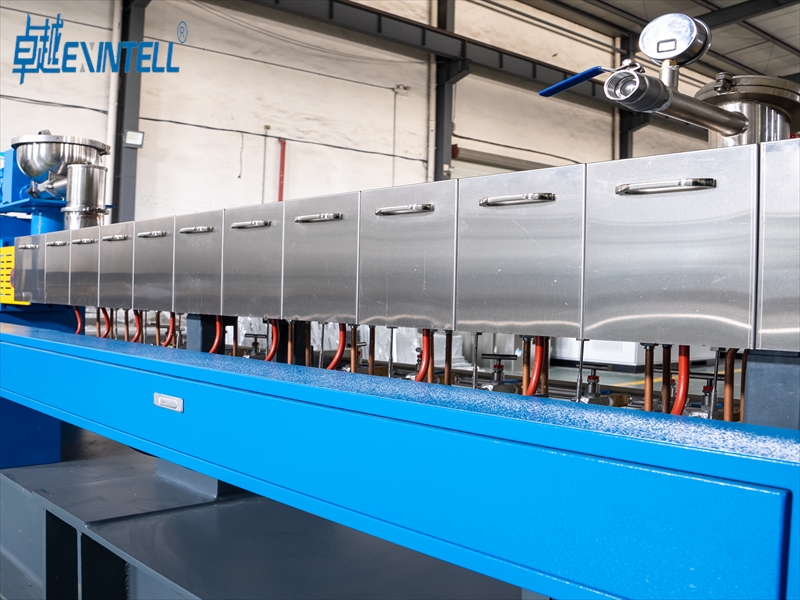
When I operate a strand pelletizer, I follow a straightforward process that delivers consistent results. I start by melting the plastic material in the extruder. The molten plastic then forms into continuous strands as it exits the die. I guide these strands through a water bath, which cools them rapidly. Once cooled, the strands move into the cutting chamber, where rotating knives slice them into uniform pellets. This sequence ensures that the final pellets meet the quality standards required for further processing.
The main steps in the strand pelletizing system include:
I often choose a strand pelletizer for its versatility and environmental benefits. The system supports my recycling efforts by transforming plastic waste into a consistent raw material. This approach reduces landfill waste and conserves valuable resources, which aligns with the principles of a circular economy. I can process a variety of polymers, such as HDPE, LDPE, and PET, each with unique advantages. Na primjer, pelletized HDPE becomes new bottles, cijevi, or plastic lumber due to its toughness. LDPE pelletizing allows me to convert post-consumer films into usable raw materials. PET’s low melting point makes it energy-efficient to process, and recycled PET pellets find new life in fibers for clothing and packaging.
It transforms plastic waste into a consistent raw material, closing the loop in the plastic lifecycle.
HDPE, when pelletized, is used to create new bottles, cijevi, and plastic lumber due to its toughness and chemical resistance.
LDPE pelletizing converts post-consumer films into usable raw materials for new products.
PET’s low melting point makes it energy-efficient to process, and recycled PET pellets are utilized in fibers for clothing and packaging.
Limitations of Strand Systems
While the strand pelletizing system offers many advantages, I also face several operational challenges. Price volatilitycan affect my raw material costs and energy expenses, making it difficult to manage margins. I must navigate supply chain fragmentation, which introduces unpredictability in procurement and inventory. Regulatory compliance costs continue to rise as environmental standards tighten. I also see intense competitive pressures from low-cost producers and new technologies. Technological disruption requires me to invest in new equipment to stay competitive. Innovation bottlenecks can slow my adoption of new materials and processes. High entry barriers, such as capital requirements and regulatory approvals, concentrate market power among established players.
Challenge
Opis
Price Volatility
Fluctuating raw material costs and energy prices complicate margin management and long-term pricing strategies.
Supply Chain Fragmentation
Regional disparities and transportation bottlenecks introduce unpredictability into procurement and inventory management, leading to increased costs and delays.
Regulatory Compliance Costs
Rising compliance costs due to tightening environmental standards necessitate significant capital expenditure and process adaptations.
Intenzivni konkurentski pritisci
Ulazak niskobudžetnih proizvođača i tehnoloških inovatora smanjuje marže i pokreće potrebu za kontinuiranim inovacijama.
Tehnološki poremećaj
Napredak u alternativnim metodama peletiranja ugrožava postojeću opremu, zahtijevaju značajna ulaganja da bi ostali konkurentni.
Uska grla inovacija
Sporo usvajanje novih materijala i poboljšanja procesa ograničava diferencijaciju i potencijal rasta, posebno u segmentima visokih performansi.
Ulazne barijere
Visoki kapitalni zahtjevi i stroga regulatorna odobrenja ograničavaju nove učesnike, koncentriranje tržišne moći među etabliranim igračima i intenziviranje pritisaka konkurencije.
Rješavam ove izazove tako što sam informiran o trendovima u industriji i ulažući u poboljšanja procesa. Ovaj pristup mi pomaže da održim pouzdanost i efikasnost mojih operacija peletiranja plastike.
Poređenje sistema za plastične peletere
Performanse i efikasnost
Kada procijenim performanse i efikasnost svakog sistema za peletiranje, Fokusiram se na brzinu protoka i potrošnju energije. Podvodni sistemi za peletiranje isporučuju najveća propusnost. Mogu preraditi nekoliko tona na sat sa jednom mašinom, koji čini ovaj sistem idealno za velike operacije. Sistemi za peletiranje s vodenim prstenom također nude snažne performanse, posebno za poliolefine i reciklirane materijale. Njihov kompaktan dizajn i efikasno hlađenje pomažu mi da postignem odličnu energetsku efikasnost. Sistemi za peletiranje u pramenovima pružaju umjereni protok. Primjećujem da lomljenje niti može ograničiti kapacitet, and the energy efficiency is only medium compared to the other two systems.
Pelletizer System
Propusnost / Capacity
Energetska efikasnost
Strand Pelletizing
Umjereno; limited by strand breakage
Srednje
Water Ring Pelletizing
Umjereno; efficient for many polymers
Odlično
Underwater Pelletizing
Visoko; several tons per hour possible
Odlično
Napomena: I choose underwater pelletizing when I need maximum output and energy savings. For moderate production, water-ring systems balance efficiency and capacity. Strand systems suit smaller or specialized runs.
Cost and Maintenance
Cost and maintenance play a major role in my decision. Strand pelletizing systems have the lowest initial investment. I find them simple to operate and maintain, which reduces my long-term expenses. Underwater and water-ring pelletizing systems require higher startup costs. Their advanced technology and complex design increase operational complexity. Trošim više vremena i resursa na održavanje ovih sistema, posebno pri rukovanju različitim polimerima ili čestim promjenama materijala.
Tehnologija peletiranja
Početni trošak
Operativna složenost
Fleksibilnost materijala
Strand Pelletizing
Niže
Jednostavno
Visoko
Underwater Pelletizing
Više
Kompleks
Umjereno
Peletiranje vodenim prstenom
Više
Kompleks
Umjereno
Često preporučujem peletiranje niti za operacije sa malim budžetom ili kada je jednostavnost prioritet. Kada su mi potrebne napredne funkcije ili veći učinak, Prihvatam veće troškove podvodnih ili vodenih prstenastih sistema.
Kvalitet peleta
Kvalitet peleta utječe na daljnju obradu i konzistentnost proizvoda. Podvodni sistemi za peletiranje proizvode sferične pelete visoke konzistencije. Ovi peleti dobro teče i smanjuju prašinu, što koristi mojim procesima mešanja i oblikovanja. Sistemi za peletiranje s vodenim prstenom stvaraju blago spljoštene pelete. Kvalitet ostaje dobar, ali vidim manje konzistentnosti u poređenju sa podvodnim sistemima. Sistemi za peletiranje u lancima stvaraju cilindrične pelete. Primjećujem više prašine i sitnica, što može uticati na ukupnu kvalitetu i zahtijevati dodatne korake čišćenja.
Podvodno peletiranje: Spherical, visoko konzistentne pelete; najbolje karakteristike protoka.
Peletiranje vodenim prstenom: Blago spljošten, dobar kvalitet, umjerene konzistencije.
Peletiranje pramenova: Cilindrične, više prašine i finoće, niža konzistencija.
Savjet: Odabirem podvodno peletiranje kada su ujednačenost i protok peleta kritični. Za manje zahtjevne aplikacije, sistemi vodenog prstena ili užeta mogu biti dovoljni.
Pogodnost aplikacije
Svaki sistem peletiranja usklađujem sa specifičnim aplikacijama na osnovu njihovih prednosti. Podvodni peletizatori se odlikuju velikom snagom, kontinuirana prerada polimera. Koristim ih za mešanje velikih razmera i specijalne polimere. Sistemi za peletiranje vodenim prstenom dobro rade za poliolefine i reciklirane materijale. Njihova svestranost podržava niz aplikacija za recikliranje. Sistemi za peletiranje pruga nude visoku fleksibilnost materijala. Prerađujem širok izbor polimera, uključujući i one sa visokom čvrstoćom taljenja, i često koristim ovaj sistem za manje serije ili kada treba da minimiziram troškove.
Podvodni peletizatori: Najbolje za visoku snagu, continuous production, i specijalnih polimera.
Sistemi za peletiranje vodenog prstena: Idealan za poliolefine, recikliranih materijala, i umjereni obim proizvodnje.
Sistemi za peletiranje pramenova: Pogodno za materijale visoke čvrstoće topljenja, fleksibilan za mnoge polimere, i isplativ za manje operacije.
Uvijek razmatram specifične potrebe svog rada prije nego što odaberem sistem za peletiranje. Na primjer, ako se fokusiram na reciklažu i moram obraditi mnoge vrste materijala, peletiranje pramenova daje mi fleksibilnost koja mi je potrebna. Kada mi je potrebna velika propusnost i vrhunski kvalitet peleta, Oslanjam se na podvodno peletiranje.
Isticanje razlika: Strand vs. Underwater Pelletizing
Najznačajnije razlike između sistema za peletiranje i podvodnog peletiranja pojavljuju se u performansama, cost, i kvalitet peleta. Ponude za peletiranje pramenova niži početni troškovi i jednostavan rad. Mogu obraditi širok spektar materijala, ali prihvatam umjerenu propusnost i više prašine u konačnom proizvodu. Podvodno peletiranje zahtijeva veća ulaganja i složeniji rad. Zauzvrat, Postižem najveću propusnost, odlična energetska efikasnost, i najkonzistentniji kvalitet peleta. Moj izbor zavisi od toga da li dajem prioritet troškovima i fleksibilnosti ili ujednačenosti proizvodnje i peleta.
Odabir sistema za peletiranje plastike
Procjena proizvodnih potreba
Kada odaberem peletizator, Uvijek počinjem tako što definiram svoje proizvodne zahtjeve. Postavljam sebi nekoliko ključnih pitanja:
What types of plastics will I process?
How much material do I need to pelletize each hour or day?
Will my production volume increase in the future?
Do I need to switch between different materials often?
I calculate my current and projected throughput. This step helps me avoid under-sizing or over-investing in equipment. For high-output operations, I lean toward underwater pelletizing systems because they handle large volumes efficiently. For smaller or more flexible production, strand or water-ring systems often fit better.
I also consider the maintenance needs and blade durability. Easy access for cleaning and blade changes reduces downtime. I check if the pelletizer offers robust cutter assemblies, especially when I plan to process abrasive or filled compounds.
Kompatibilnost materijala
Material compatibility plays a critical role in my decision. Different polymers behavein unique ways during processing. Na primjer, PE, PP, PET, and filled composites each require specific pelletizer features. I look for these factors:
High-viscosity materials need pelletizers with higher torque gearmotors and reinforced cutter assemblies.
Abrasive filled compounds demand die plates and cutters made from durable materials, such as carbide-tipped blades.
Some pelletizers handle sticky or low melt-strength materials better than others.
I always match the pelletizer design to the materials I plan to process. This approach prevents excessive wear, reduces downtime, and ensures consistent pellet quality. When I focus on recycling, I choose a system that can handle a wide range of feedstocks, including post-consumer and post-industrial plastics.
Budget Considerations
Budžet ostaje glavni faktor u mom procesu odabira. Gledam dalje od početne cijene i uzimam u obzir ukupne troškove vlasništva. Mnogi proizvođači griješe fokusirajući se samo na kupovnu cijenu. Izbjegavam ovo analiziranje dugoročnih troškova, kao što je potrošnja energije, održavanje, i rezervne dijelove.
Značajno niže početne kapitalne investicije; mehanički jednostavnija oprema.
Underwater Pelletizing
Veće početne investicije zahvaljujući precizno projektovanim komponentama; kompaktniji otisak.
Uzimam u obzir i operativne troškove. Podvodni i vodeni sistemi mogu koštati više unaprijed, ali njihova automatizacija i efikasnost mogu s vremenom smanjiti troškove rada i energije. Uvijek provjeravam akreditive proizvođača i certifikate kvaliteta. Reliable after-sales support and spare parts availability protect my investment and minimize downtime.
Savjet: I conduct factory audits and equipment testing before making a final decision. This step helps me avoid costly mistakes.
Other Practical Factors
Several practical considerations influence my final choice. I evaluate space requirements, operator skill level, and automation needs. The table below summarizes these factors for each pelletizer type:
Faktor
Strand Pelletizer
Water-Ring Pelletizer (WRP)
Underwater Pelletizer (UWP)
Space Requirements
Large footprint due to cooling trough and drying sections
Compact footprint
Relatively compact footprint
Operator Skill Level
Labor intensive; requires more manual intervention and attention, especially during start-up and strand breakage
Medium to high automation; less manual labor needed
High automation; complex operation requiring skilled operators
Maintenance Complexity
Umjereno; potrebna promjena noža i čišćenje
Umjereno; održavanje vodenog prstena i rezača
Složenije; Održavanje matrice i komore za sečenje može biti izazovno
Nivo automatizacije
Niža automatizacija
Medium to high automation
High automation
Dodatna razmatranja
Potencijal za lomljenje niti i sitne čestice/prašinu ako se ne održava dobro
Materijalna ograničenja (npr., nije idealno za ljepljive materijale)
Veći početni trošak i složen rad
Razmatram ograničenja radnog prostora, osetljivost na buku, i zahtjevi za kontrolu prašine. Također analiziram energetsku efikasnost i operativne troškove. Nikada ne zanemarujem podršku nakon prodaje ili dostupnost rezervnih dijelova. Ovi faktori osiguravaju nesmetan rad i dugoročnu pouzdanost.
Napomena: Koristim kontrolnu listu da vodim svoju odluku:
Definirajte materijale i forme za obradu.
Izračunajte potrebe za propusnošću.
Procijenite održavanje i zamjenu oštrice.
Razmotrite radni prostor i automatizaciju.
Analizirajte dugoročne troškove.
Procijenite podršku proizvođača.
By following this structured approach, I select the plastic pelletizer system that best matches my production goals, material needs, i budžet. This method helps me avoid common pitfalls and ensures my operation runs efficiently for years to come.
I compare plastic pelletizer systems by their strengths and suitability for plastic film, reciklaža, and mechanical recycling. The table below highlights their advantagesfor sustainability and the circular economy:
System
Snage
Suitability
Strand
Versatile, cost-effective
Small jobs, recycling lines
Water-ring
Compact, good pellet surface
Efficient plastic reprocessing system, film production
Underwater
Uniform pellets, high automation
Large factories, tough materials
Understanding these differences helps me optimize my recycling operation. I always evaluate material needs, production goals, and process stability before choosing a system.
Fokusiram se na izdržljivost i energetsku efikasnost za dugoročni uspjeh.
Preporučujem da pažljivo procijenite svoje zahtjeve kako biste osigurali da najbolje odgovara vašem radu.
FAQ
Koja je glavna razlika između pramenova i podvodnog peletiranja?
Najveću razliku vidim u obliku peleta i složenosti sistema. Strand peletizatori prave cilindrične pelete i koriste jednostavan proces. Podvodni peletizatori stvaraju okrugle pelete i zahtijevaju napredniju opremu.
Kako da odaberem pravi peletizator za recikliranu plastiku?
Uvijek provjeravam vrstu materijala, nivo kontaminacije, i izlazne potrebe. Peletizatori sa pramenovima dobro rade za miješane materijale ili materijale visokog rasta. Sistemi vodenih prstenova efikasno obrađuju filmove i ponovo bruse. Podvodni sistemi su čisti, reciklaža velikog obima.
Koliko često trebam održavati svoj peletizator?
Ja jednom sedmično pregledam svoj peletizator da li je istrošen i usklađen. Planiram izmjenu oštrica i čišćenje mjesečno. Za podvodne sisteme, Češće provjeravam ploče i noževe zbog veće složenosti.
Može li jedan peletizator podnijeti sve vrste plastike?
Po mom iskustvu, nijedan peletizator ne odgovara svakoj plastici. Usklađujem sistem sa snagom topljenja polimera, lepljivost, i kontaminacije. Za najbolje rezultate konsultujem se sa proizvođačem.