

একটি প্লাস্টিকের পেলিটাইজার কীভাবে কাজ করে 2026
একটি প্লাস্টিকের পেলেটাইজার প্লাস্টিক বর্জ্য বা কাঁচামালকে রূপান্তরিত করে ইউনিফর্ম পেলেট সু-সংজ্ঞায়িত পদক্ষেপের একটি সিরিজের মাধ্যমে. আপনি খাওয়ানো দিয়ে শুরু করুন, যেখানে প্লাস্টিক মেশিনে প্রবেশ করে. সিস্টেম উপাদান গলে, অমেধ্য ফিল্টার আউট, এবং অবিচ্ছিন্ন স্ট্র্যান্ড গঠন করার জন্য একটি ডাই মাধ্যমে এটি push করে. ঠাণ্ডা strands দৃঢ়, এবং তারপর একটি ঘূর্ণায়মান ছুরি তাদের সুনির্দিষ্ট ছোরা কেটে দেয়. প্রতিটি পর্যায় চূড়ান্ত গুণমান এবং ধারাবাহিকতাকে আকার দেয়.
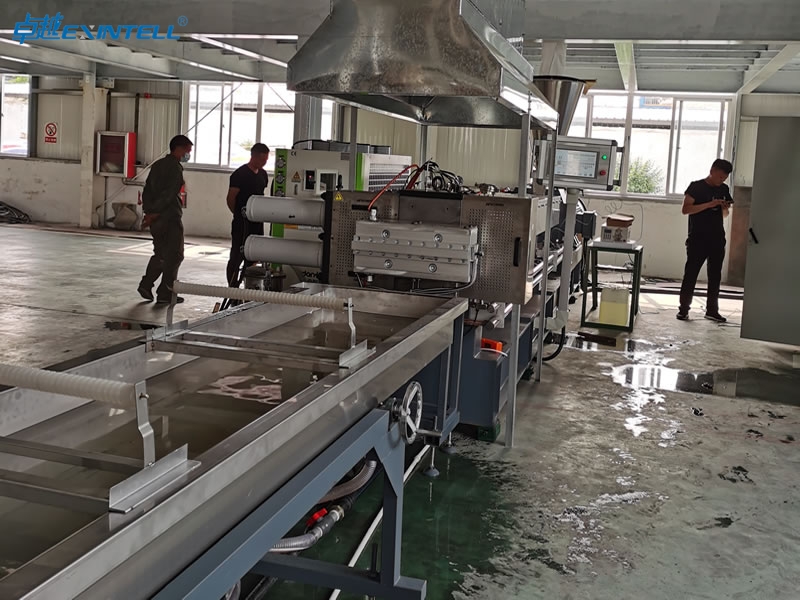
|
ধাপ |
বর্ণনা |
|---|---|
|
খাওয়ানো |
প্লাস্টিক বর্জ্য একটি হপার মাধ্যমে মেশিনে প্রবর্তিত হয়, যার মধ্যে রয়েছে বিভিন্ন ধরনের প্লাস্টিক. |
|
গলে যাওয়া |
প্লাস্টিক উত্তপ্ত হয় এবং এক্সট্রুডারে সমানভাবে গলে যায়, পরবর্তী পর্যায়ের জন্য এটি প্রস্তুত করা হচ্ছে. |
|
এক্সট্রুডিং |
গলিত প্লাস্টিক একটি ডাই মাধ্যমে strands তৈরি করতে বাধ্য করা হয়, পেলেট আকৃতি এবং আকার নির্ধারণ. |
|
কুলিং |
strands ঠান্ডা হয়, solidifying them for cutting. |
|
Cutting |
Cooled strands are cut into uniform pellets by a rotating knife, adjustable for specific applications. |
মূল গ্রহণ
-
Plastic pelletizers transform waste into uniform pellets through a series of steps: খাওয়ানো, গলে যাওয়া, filtering, extruding, শীতল, এবং কাটা.
-
Consistent feeding and precise temperature control are crucial for achieving high-quality pellets and preventing defects.
-
Different types of pelletizers, such as strand and underwater, cater to various materials and production needs, impacting pellet shape and quality.
-
Effective filtration of molten plastic removes impurities, ensuring smooth and uniform pellets while protecting equipment.
-
Cooling methods, including water ring and underwater cooling, significantly affect pellet quality and production efficiency.
-
Regular maintenance and monitoring of equipment help prevent common issues like uneven feeding and clogged filters.
-
Quality control measures, including proper sampling and screening, ensure that pellets meet industry standards and maintain consistency.
-
Proper packaging and storage of pellets protect them from moisture and contamination, ensuring they remain high-quality for future use.
Plastic Pelletizer Process Overview
What Is a Plastic Pelletizer
You use a plastic pelletizer to transform raw plastic or recycled material into granules with precise sizes and shapes. This machine controls temperature, চাপ, and rotational speed to produce consistent results. The plastic pelletizing machine cuts extruded plastic into individual granules, providing a standardized size for further processing. You rely on this equipment to manage the integrity, পৃষ্ঠ বৈশিষ্ট্য, এবং প্রতিটি কণার আকার. প্লাস্টিক গ্রানুলেটরের কাজের নীতিতে প্লাস্টিক গলানো জড়িত, ফিল্টারিং অমেধ্য, এবং ইউনিটের অভ্যন্তরে অবস্থার যত্নশীল ব্যবস্থাপনার মাধ্যমে অভিন্ন ছত্রাক তৈরি করা.
-
এক্সট্রুড প্লাস্টিককে পৃথক কণিকাগুলিতে কেটে দেয়.
-
উত্পাদন আরও প্রক্রিয়াকরণের জন্য একটি সামঞ্জস্যপূর্ণ আকার প্রদান করে.
-
গলিত প্লাস্টিকের ক্রমাগত স্ট্র্যান্ডগুলিকে গ্রানুলে রূপান্তরিত করে অভিন্ন আকারের.
-
ইনজেকশন ছাঁচনির্মাণ এবং ফিল্ম এক্সট্রুশনের জন্য একটি প্রমিত কাঁচামাল হিসাবে কাজ করে.
Pelletizing প্রধান পদক্ষেপ
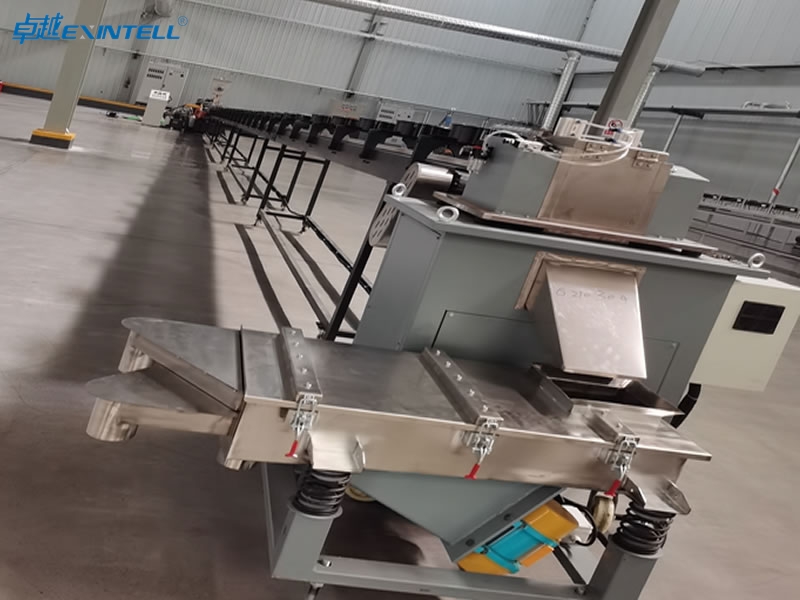
আপনি একটি সিরিজ অনুসরণ করুন একটি প্লাস্টিকের পেলেটাইজার চালানোর সময় পদক্ষেপ. প্রতিটি পর্যায় চূড়ান্ত পণ্যের গুণমান এবং ধারাবাহিকতাকে আকার দেয়. এখানে একটি সাধারণ কর্মপ্রবাহ:
-
খাওয়ানো & প্রাক-চিকিৎসা: আপনি একটি ফড়িং বা ফিডার মাধ্যমে কাঁচামাল প্রবর্তন. প্রাক-চিকিত্সা বাল্ক ঘনত্ব বৃদ্ধি করে এবং গলানোর জন্য উপাদান প্রস্তুত করে.
-
গলে যাওয়া & plastic forming: You apply heat and shear using an extruder. This step achieves a uniform flux and prepares the plastic for filtration.
-
Melt filters: You filter the molten plastic to remove contaminants. Clean material ensures high-quality pellets.
-
Die extrusion & cutting: You form the filtered melt into pellets using a die and cutting mechanism.
-
কুলিং & feed: You cool the pellets and then dry or store them for future use.
টিপ: Consistent feeding and precise temperature control help you achieve uniform pellet size and prevent defects.
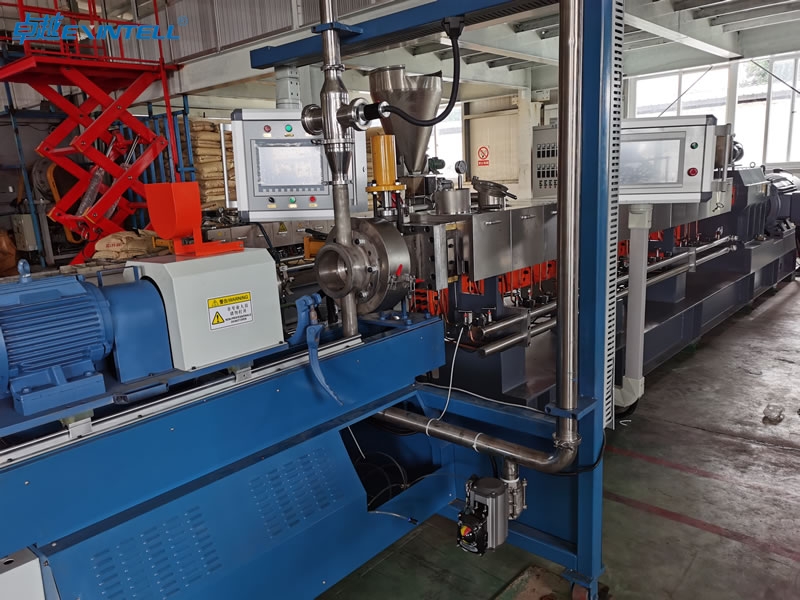
You can select from several types of pelletizing equipment, each suited for different materials and shapes. The table below shows common options:
|
Pelletizer প্রকার |
Best For |
পেলেট আকৃতি |
Relative Cost |
|---|---|---|---|
|
পিই, পিপি, PS — clean feedstock |
নলাকার |
কম |
|
|
পিইটি, পিএ, ইঞ্জিনিয়ারিং প্লাস্টিক |
গোলাকার |
উচ্চ |
|
|
Water-ring pelletizer |
পিই, PP — moderate contamination |
Lenticular/spherical |
মাঝারি |
Why Pelletizing Matters
Pelletizing plays a critical role in recycling and manufacturing. You convert molten recycled plastic into uniform pellets, which you can store, transport, and reprocess like virgin resin. This transformation allows recycled materials to re-enter the manufacturing cycle efficiently. You benefit from easier handling and improved mixing during production. The end product supports the circular economy for plastics by supplying reclaimed material.
-
Pelletization makes plastic feedstocks easier and more efficient to handle.
-
It ensures consistent results during mixing and forming.
-
The process supplies the entire circular economy for plastics with reclaimed material.
You face several challenges during pelletizing. বৃক্ষের উচ্চ আর্দ্রতা দরিদ্র যান্ত্রিক কর্মক্ষমতা এবং উপাদান ক্ষতি হতে পারে. আর্দ্রতা কমানোর জন্য আপনার কার্যকর শুকানোর ব্যবস্থা এবং সঠিক সরঞ্জাম নির্বাচন প্রয়োজন. অসামঞ্জস্যপূর্ণ পেলেট আকার প্রায়ই অনুপযুক্ত খাওয়ানো প্রক্রিয়ার ফলে. আপনি সুনির্দিষ্ট ফিডিং সিস্টেম ব্যবহার করে এটি সমাধান করুন. যন্ত্রের পছন্দ, যেমন নির্ভুল-ইঞ্জিনিয়ারযুক্ত ব্লেড সহ একটি দানাদার, সরাসরি উত্পাদিত ছুরির গুণমানকে প্রভাবিত করে.
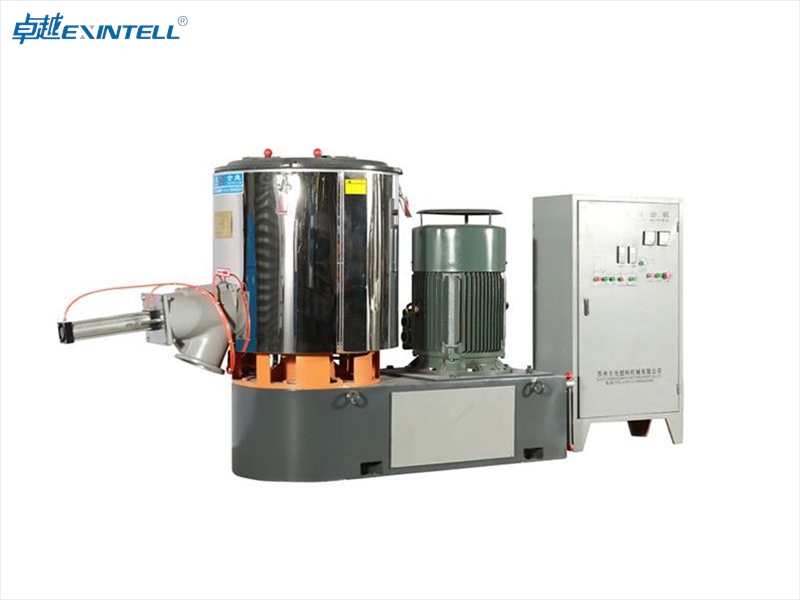
এছাড়াও আপনি প্রযুক্তিগত অগ্রগতি দেখতে 2026. মধ্যে L/D অনুপাত সহ একক-স্ক্রু এক্সট্রুডার 32:1 এবং 38:1 সাধারণ. ট্যান্ডেম কনফিগারেশন ডিগ্যাসিং এবং পরিস্রাবণকে সর্বাধিক করে তোলে. ক্রমাগত স্ক্রিন পরিবর্তনকারীরা উৎপাদন বন্ধ না করেই ফিল্টার পরিবর্তনের অনুমতি দেয়. বাইমেটালিক প্রযুক্তি স্থায়িত্ব বাড়ায়, এবং সহ-ঘূর্ণায়মান সমান্তরাল টুইন স্ক্রু এক্সট্রুডারগুলি দক্ষ দূষক অপসারণের প্রস্তাব দেয়. আন্ডারওয়াটার পেলেটাইজার ইউনিফর্ম তৈরি করে, dust-free pellets and command higher resale prices.
|
প্রযুক্তি |
বর্ণনা |
Benefits |
|---|---|---|
|
Bimetallic Technology |
Advanced materials enhance durability |
Increases durability by 3-5 times |
|
Co-rotating Parallel Twin Screw |
Positive displacement, self-cleaning functions |
Efficient removal of contaminants |
|
আন্ডারওয়াটার পেলিটাইজার |
Produces uniform, dust-free pellets |
Higher resale price, ideal for engineering plastics |
You can achieve throughput capacities ranging from 80 kg/hr to over 1,000 কেজি/ঘণ্টা, depending on the machine type and configuration. Energy-efficient lines save between $30,000-$80,000 per year compared to less efficient models. ইন 2026, specific energy consumption for plastic pelletizers ranges from 0.25-0.35 kWh/কেজি, with best-in-class configurations achieving as low as 0.20-0.30 kWh/কেজি.
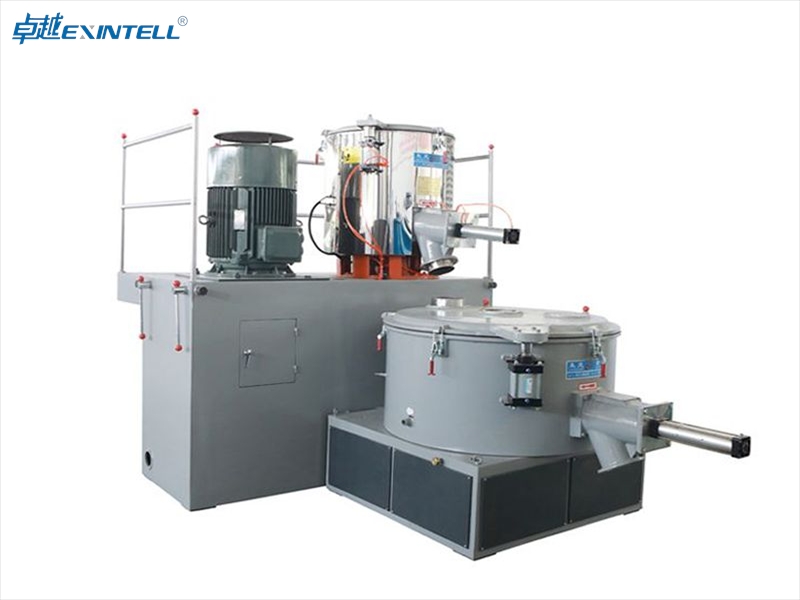
দ্রষ্টব্য: Multi-layer standardization and new screw designs help you process bio-plastics and non-critical profiles more effectively.
You rely on the plastic granulator and granulator technology to produce uniform pellets that meet industry standards. The process ensures you have reliable feedstock for manufacturing and recycling, supporting both efficiency and sustainability.
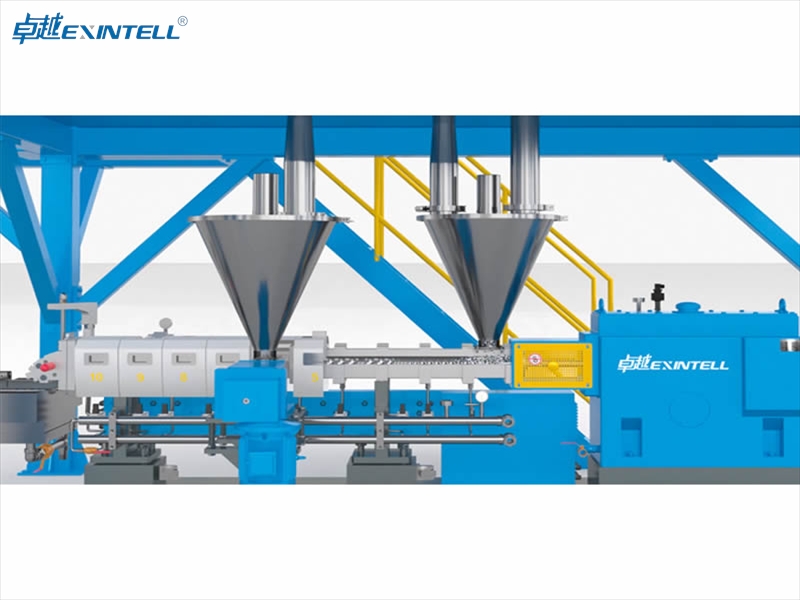
Plastic Feeding
Input Materials
You start the pelletizing process by selecting the right input materials. You can use plastic waste, virgin plastic, or a mix of both. Before you feed these materials into the plastic pelletizer, you need to prepare them carefully. Here is a typical preparation workflow:
-
Plastic Preparation: You wash and shred recycled plastic to remove dirt and contaminants. You may also melt the material if needed. Virgin plastic often comes as flakes or granules, ready for processing.
-
গলে যাওয়া এবং এক্সট্রুশন: You heat the prepared plastic in the plastic pelletizing machine. The extruder melts the material and pushes it forward.
-
Cutting: You use rotating blades or a granulator to cut the molten plastic into small pieces.
-
কুলিং: You cool the pellets using air, জল, or both.
-
Drying and Screening: You dry the cooled pellets and screen them to ensure uniform size and quality.
You must pay attention to the cleanliness and size of the input materials. Clean, well-prepared plastic waste helps you avoid defects and improves the quality of the pellets.
Feeding Mechanisms
You rely on efficient feeding mechanisms to move plastic into the pelletizing system. Two main methods help you achieve steady and controlled feeding.
ফড়িং
You use a hopper to load plastic waste or virgin material into the plastic pelletizer. The hopper holds the material and releases it at a controlled rate. You can adjust the flow to match the capacity of the plastic pelletizing machine. Hoppers often include sensors that monitor material levels and prevent blockages.
Conveyors
You use conveyors to transport plastic from storage to the hopper or directly into the pelletizer. Conveyors provide a steady stream of material and reduce manual handling. You can choose belt, screw, or vibrating conveyors based on the type and size of plastic. Conveyors help you maintain a consistent feed rate and minimize interruptions.
টিপ: You should check the feeding system regularly to prevent jams and ensure smooth operation.
Consistent Feeding Importance
You need consistent feeding to produce high-quality pellets. Steady feeding ensures uniform size, আকৃতি, and moisture content. If you allow variations in feeding, you risk creating pellets with surface defects or voids. Moisture fluctuations can cause loss of mechanical strength and even equipment failures. Unstable pellet quality makes it harder for you to sell or use the pellets in commercial applications.
-
Inconsistent pellet size can lead to surface defects and voids.
-
Variations in moisture content can cause loss of mechanical strength and equipment failures.
-
Unstable pellet quality can hinder acceptance in commercial applications.
You control moisture content by maintaining steady feeding. This step is essential for achieving maximum product quality. If you ignore feeding consistency, you may face downstream processing problems, such as surface defects and structural deficiencies. You rely on the plastic granulator and granulator technology to help you achieve uniform feeding and pellet quality.
Melting and Filtration
Extruder Barrel and Screw
You rely on the extruder barrel and screw to transform plastic waste or raw material into a smooth, uniform melt. The screw rotates inside the heated barrel, pushing the plastic forward. As the screw turns, it creates mechanical action and shear heat. This process melts the plastic efficiently. External heaters on the barrel add more heat, ensuring the material reaches the right temperature for pelletizing. Shear heat from the screw often supplies a significant part of the energy needed for melting.
Here is a quick overview of how these components work together:
|
কম্পোনেন্ট |
Function |
|---|---|
|
Screw |
যান্ত্রিক ক্রিয়া এবং শিয়ার তাপের মাধ্যমে প্লাস্টিককে একটি অভিন্ন গলে রূপান্তরিত করে. |
|
পিপা |
প্লাস্টিক গরম করে এবং কম্প্যাক্ট করে, পুঙ্খানুপুঙ্খভাবে গলে যাওয়া এবং ডাই হেডকে খাওয়ানো নিশ্চিত করা. |
সামঞ্জস্যপূর্ণভাবে কাজ করার জন্য আপনার স্ক্রু এবং ব্যারেল উভয়ই প্রয়োজন. যদি উভয় অংশ ব্যর্থ হয়, প্লাস্টিকের পেলেটাইজার সামঞ্জস্যপূর্ণ ছত্রাক তৈরি করতে পারে না.
তাপমাত্রা নিয়ন্ত্রণ
গলে যাওয়ার পর্যায়ে আপনাকে অবশ্যই তাপমাত্রা সাবধানে নিয়ন্ত্রণ করতে হবে. তাপমাত্রা সরাসরি প্রভাবিত করে যে প্লাস্টিক কতটা গলছে এবং এক্সট্রুশন সিস্টেমের মধ্য দিয়ে প্রবাহিত হয়. সঠিক তাপমাত্রা সেটিংস আপনাকে মসৃণ উপাদান প্রবাহ এবং স্থিতিশীল অর্জন করতে সহায়তা করে, উচ্চ ফলন এক্সট্রুশন. যদি আপনি তাপমাত্রা খুব কম সেট করেন, প্লাস্টিক সমানভাবে গলে নাও হতে পারে. এটি অত্যধিক সান্দ্রতা এবং দুর্বল প্লাস্টিকাইজেশনের দিকে পরিচালিত করে. আপনি যদি খুব বেশি তাপমাত্রা সেট করেন, প্লাস্টিক ক্ষয় করতে পারে. এটি ভঙ্গুর বৃক্ষের সৃষ্টি করে এবং তাদের যান্ত্রিক শক্তি হ্রাস করে.
-
Temperature influences plastic plasticization, flowability, and the properties of the final pellets.
-
Correct temperature ensures stable operation and high-quality output.
-
Low temperatures cause uneven melting and high viscosity.
-
High temperatures risk thermal degradation and weak pellets.
টিপ: Always monitor the temperature zones along the barrel to maintain optimal melting conditions.
Filtration Before Pelletizing
Before you move to the extrusion stage, you must filter the molten plastic. Filtration removes impurities such as dirt, metal fragments, or unmelted particles. Clean melt is essential for producing high-quality pellets. You use fine mesh screens or filter packs in the plastic pelletizing machine to trap contaminants. This step protects the die and cutting system from damage. এটি নিশ্চিত করে যে পেলেটগুলির একটি মসৃণ পৃষ্ঠ এবং অভিন্ন কাঠামো রয়েছে.
আপনি নিয়মিত ফিল্টার চেক এবং প্রতিস্থাপন করা উচিত. আটকানো ফিল্টার প্রবাহ কমাতে পারে এবং এক্সট্রুশন সিস্টেমে চাপ তৈরি করতে পারে. সামঞ্জস্যপূর্ণ পরিস্রাবণ প্যালেটাইজিং প্রক্রিয়ার সামগ্রিক দক্ষতাকে সমর্থন করে. আপনি আরও ভাল ফলাফল পাবেন এবং আপনার সমাপ্ত পেলেটগুলিতে কম ত্রুটি পাবেন.
দ্রষ্টব্য: কার্যকর পরিস্রাবণ আপনার প্লাস্টিক গ্রানুলেটর এবং গ্রানুলেটর ব্লেডের জীবনকাল প্রসারিত করে.
ডাই প্লেটের মাধ্যমে এক্সট্রুশন
ডাই প্লেট ফাংশন
যখন গলিত প্লাস্টিক ডাই প্লেটে আসে তখন আপনি প্লাস্টিক পেলেটাইজার প্রক্রিয়ার একটি জটিল পর্যায়ে পৌঁছে যান. ডাই প্লেট একটি নির্ভুল টুল হিসাবে কাজ করে যা গলিত উপাদানকে স্ট্র্যান্ডে আকার দেয়. আপনি প্রতিটি স্ট্র্যান্ডের প্রাথমিক আকার এবং আকৃতি নির্ধারণ করতে এই উপাদানটির উপর নির্ভর করেন, যা পরবর্তীতে পেলেটে পরিণত হয়. ডাই প্লেটের নকশা সরাসরি আপনার আউটপুটের গুণমান এবং সামঞ্জস্যকে প্রভাবিত করে.
এখানে একটি দ্রুত ওভারভিউ আছে কী ডাই প্লেটের বৈশিষ্ট্য:
|
বৈশিষ্ট্য |
বর্ণনা |
|---|---|
|
Function |
গলিত পলিমার বের করে দেয় ছিদ্রের মাধ্যমে প্যালেটের মাত্রা নির্ধারণ করতে |
|
গর্ত আকার পরিসীমা |
থেকে সাধারণত রেঞ্জ 2.5 থেকে 4 ব্যাস মিমি |
|
গর্ত সংখ্যা |
সাধারণত মধ্যে 200 থেকে 800 গর্ত |
|
গুণমানের উপর প্রভাব |
নকশা চূড়ান্ত প্যালেট বৈশিষ্ট্য প্রভাবিত করে, আকার এবং আকৃতি সহ |
স্ট্র্যান্ডের বেধ নিয়ন্ত্রণ করতে আপনি গর্তের ব্যাস এবং কনফিগারেশন সামঞ্জস্য করতে পারেন. ছোট ছিদ্রগুলি পাতলা স্ট্র্যান্ড এবং ছোট ছোট ছুরি তৈরি করে. বৃহত্তর গর্তগুলি মোটা স্ট্র্যান্ড এবং বৃহত্তর ছুরি দেয়. ডাই প্লেট নিশ্চিত করে যে এক্সট্রুশন সিস্টেম ছেড়ে যাওয়া প্রতিটি স্ট্র্যান্ড আপনার পছন্দসই বৈশিষ্ট্যের সাথে মেলে.
চাপ এবং পেলেট আকৃতি
গলিত প্লাস্টিক ডাই প্লেটের মধ্য দিয়ে যাওয়ার সময় আপনাকে অবশ্যই সঠিক চাপ বজায় রাখতে হবে. The extrusion system uses pressure to push the material evenly through each hole. Consistent pressure prevents irregularities in strand thickness and helps you achieve uniform pellet size. If the pressure drops or spikes, you may see defects such as uneven shapes or air pockets in the pellets.
The shape of each pellet depends on the die plate design and the pressure applied during extrusion. You can select different hole shapes and arrangements to create cylindrical, spherical, or lenticular pellets. The right combination of pressure and die plate design gives you control over the final appearance and performance of your product.
Shaping the Strands
You have several methods for shaping plastic strands before cutting them into pellets. Each method offers unique benefits for different applications. পদ্ধতির পছন্দ গুণমানকে প্রভাবিত করে, খরচ, এবং আপনার pellets এর ধারাবাহিকতা.
|
পদ্ধতি |
বর্ণনা |
Pellet গুণমান উপর প্রভাব |
|---|---|---|
|
strands মধ্যে প্লাস্টিক extrudes, তারপর তাদের pellets মধ্যে কাটা. |
ছোট ব্যাচের জন্য খরচ কার্যকর, কিন্তু গুণমান ভিন্ন হতে পারে. |
|
|
জলের নিচে strands কাটা, যা ঠান্ডা করে এবং গুণমান বজায় রাখে. |
কার্যকরী শীতলকরণের কারণে উচ্চ মানের পেলেট তৈরি করে. |
|
|
জল-রিং সিস্টেম |
ঠান্ডা এবং strands কাটা একটি জল রিং ব্যবহার করে. |
খরচ-দক্ষ হওয়ার সময় ভাল মানের নিশ্চিত করে. |
আপনি প্লাস্টিকের বর্জ্যের ছোট ব্যাচের জন্য স্ট্র্যান্ড পেলেটাইজিং ব্যবহার করতে পারেন, যেহেতু এটি একটি সহজ এবং সাশ্রয়ী মূল্যের পদ্ধতির প্রস্তাব করে. যখন আপনার মসৃণ পৃষ্ঠতলের সাথে উচ্চ-মানের পেলেটের প্রয়োজন হয় তখন পানির নিচের হট-ফেস কাটিং ভাল কাজ করে. জল-রিং সিস্টেম ভারসাম্য খরচ এবং গুণমান, অনেক ধরনের প্লাস্টিকের জন্য উপযুক্ত করে তোলে.
প্রক্রিয়াটি শেষ করতে আপনি প্লাস্টিকের দানাদার এবং দানাদার প্রযুক্তির উপর নির্ভর করেন. আকৃতি এবং ঠান্ডা পরে, সিস্টেমটি স্ট্র্যান্ডগুলিকে ইউনিফর্ম পেলেটগুলিতে কেটে দেয়. এই ধাপটি গলে যাওয়া থেকে সমাপ্ত পণ্যে রূপান্তর সম্পন্ন করে, প্যাকেজিং বা আরও প্রক্রিয়াকরণের জন্য প্রস্তুত.
টিপ: স্থিতিশীল চাপ এবং তাপমাত্রার জন্য সর্বদা এক্সট্রুশন সিস্টেম নিরীক্ষণ করুন. এটি আপনাকে সামঞ্জস্যপূর্ণ পেলেট গুণমান বজায় রাখতে এবং ডাউনটাইম কমাতে সহায়তা করে.
কুলিং পদ্ধতি
এক্সট্রুশন পর্যায় পরে, you must গরম strands ঠান্ডা দ্রুত শক্ত ছোরা গঠন করে. আপনার বেছে নেওয়া শীতল করার পদ্ধতিটি প্যালেটের গুণমানকে প্রভাবিত করে, শক্তি ব্যবহার, এবং উত্পাদন গতি. আপনি জল রিং কুলিং থেকে নির্বাচন করতে পারেন, পানির নিচে শীতল করা, বা এয়ার কুলিং, আপনার উপাদান এবং উত্পাদন প্রয়োজনের উপর নির্ভর করে.
জল রিং কুলিং
আপনি প্রায়ই polyolefins এবং polystyrene জন্য জল রিং কুলিং ব্যবহার. এই পদ্ধতিতে, you direct a ring of water around the die face. The water cools and solidifies the strands as they exit, then a cutter chops them into pellets. This system works well for many standard plastics and offers a compact design.
Here is a summary of the main advantages and disadvantages:
|
Advantages |
Disadvantages |
|---|---|
|
Not suitable for sticky or thick materials |
|
|
Produces visually appealing pellets |
Requires close monitoring of water |
|
Compact system with lower costs |
Limited material compatibility |
|
Handles changes in melt temperature and pressure well |
Lower production capacity compared to underwater systems |
|
Space-efficient and easy to control |
Limited to specific materials |
|
Cost-effective for budget-conscious companies |
Not effective for materials that heat up or stick together |
|
উচ্চ উৎপাদন চাহিদা হ্যান্ডেল করতে পারে না |
|
|
বাজেট ব্যবস্থাপনার জন্য ভালো |
পলিওলিফিন এবং পলিস্টাইরিনের মতো নির্দিষ্ট কিছু উপকরণে সীমাবদ্ধ |
আপনি যদি স্থান-সংরক্ষণ চান তবে আপনার জলের রিং কুলিং বেছে নেওয়া উচিত, স্ট্যান্ডার্ড উপকরণের জন্য বাজেট-বান্ধব সমাধান. আঠালো বা পুরু প্লাস্টিকের সমস্যা রোধ করতে আপনাকে অবশ্যই জলের ব্যবস্থা নিবিড়ভাবে পর্যবেক্ষণ করতে হবে.
আন্ডারওয়াটার কুলিং
আপনি জলের নিচে শীতল সঙ্গে উচ্চ মানের ছুরি অর্জন করতে পারেন. এই পদ্ধতিতে, আপনি একটি জল চেম্বারে সরাসরি strands কাটা. জল তাত্ক্ষণিকভাবে বৃক্ষগুলিকে ঠান্ডা করে এবং শক্ত করে, যা একটি মসৃণ পৃষ্ঠ এবং অভিন্ন আকারের দিকে নিয়ে যায়. আপনি ক্রমাগত অপারেশন এবং উচ্চ আউটপুট হার থেকে উপকৃত হন.
-
আন্ডারওয়াটার পেলেটাইজাররা ন্যূনতম জরিমানা এবং ধূলিকণা সহ অভিন্ন পেলেট তৈরি করে.
-
দ্রুত দৃঢ়করণ প্রক্রিয়া সামঞ্জস্যপূর্ণ আকৃতি এবং আকার নিশ্চিত করে.
-
পৌঁছাতে পারবেন উচ্চ উত্পাদন হার due to efficient cooling and solidification.
-
Compared to air-cooled systems, underwater cooling uses less energy because water transfers heat more efficiently.
You should consider underwater cooling if you need top-quality pellets and high production capacity. This method works well for demanding applications and advanced materials.
এয়ার কুলিং
You may select air cooling for materials that react poorly to moisture, such as biodegradable plastics like PLA or PBAT. Air cooling uses fans or blowers to cool the strands as they exit the die. This method eliminates the need for drying systems, which can simplify your process.
|
অ্যাপ্লিকেশন |
Limitations |
|---|---|
|
Not suitable for all types of materials |
|
|
Used for biodegradable materials (পিএলএ, PBAT) |
Limited cooling efficiency compared to water cooling |
|
Eliminates the need for drying systems |
Potentially higher energy costs |
You should use air cooling if you process moisture-sensitive materials or want to avoid extra drying steps. You may face higher energy costs and slower cooling compared to water-based methods.
টিপ: Always match your cooling method to your material and production goals. The right choice helps you avoid defects and maintain the quality of your pellets.
You rely on the granulator to complete the process after cooling. The granulator cuts the solidified strands into uniform pellets, ready for packaging or further use. Efficient cooling ensures that the melting and cutting stages produce high-quality pellets from your plastic waste.
Pelletizing and Cutting
Knife Cutting Mechanism
আপনি ছুরি কাটার পদ্ধতির উপর নির্ভর করেন শীতল প্লাস্টিকের স্ট্র্যান্ডগুলিকে সমাপ্ত পেলটে রূপান্তরিত করতে. সিস্টেমটি বিশেষায়িত ছুরিগুলি ডাই ফেসের কাছাকাছি রাখে, যেখানে strands প্রস্থান. দ মেল্ট টু কাট জানালা এখানে একটি গুরুত্বপূর্ণ ভূমিকা পালন করে. আপনি যদি ডাই এবং ব্লেডের মধ্যে খুব কম সময় দেন, আপনি মিসশেপেন পেলেট দেখতে পারেন. অত্যধিক সময় ফ্র্যাকচার এবং জরিমানা হতে পারে, যা সামগ্রিক মান কমিয়ে দেয়. Pelletizing ছুরি বিভিন্ন আকার আসে, যেমন সোজা, তির্যক, বা ভি আকৃতির, এবং প্রতিটি একটি নির্দিষ্ট ধরনের পেলেটাইজারের জন্য উপযুক্ত. নির্মাতারা এই ছুরিগুলির জন্য উচ্চ-কার্বন ইস্পাত বা টুল ইস্পাত ব্যবহার করে, যা স্থায়িত্ব বাড়ায়. কাটার মধ্যে নির্ভুলতা অপরিহার্য, অনেক ছুরি শক্ত সহনশীলতার জন্য সিএনসি-মেশিনযুক্ত. তাপ চিকিত্সা এবং আবরণ আরও ব্লেডের আয়ু বাড়ায় এবং কর্মক্ষমতা উন্নত করে.
-
মেল্ট-টু-কাট উইন্ডো নির্ধারণ করে pellet shape and quality.
-
Knife material and shape affect durability and cutting precision.
-
Proper timing prevents defects and ensures consistent results.
Achieving Uniform Pellets
You want every pellet to have the same size and shape. To achieve this, you must control several process variables during cutting. Adjusting the feed rate, disc angle, and disc speed lets you fine-tune pellet size. For smaller pellets, you increase the feed rate and disc angle, feed closer to the three or four o’clock position, and raise the disc speed. For larger pellets, you decrease the feed rate and disc angle, feed closer to the seven o’clock position, and lower the disc speed. These adjustments help you maintain uniformity and avoid defects.
টিপ: Monitor your process controls closely. ফিড বা গতিতে ছোট পরিবর্তনগুলি পেলেট মানের একটি বড় পার্থক্য করতে পারে.
আপনাকে নিশ্চিত করতে হবে যে গ্রানুলেটরটি মসৃণভাবে কাজ করে. সামঞ্জস্যপূর্ণ অপারেশন আপনাকে ন্যূনতম বৈচিত্র্যের সাথে ছোট ছোট ছোট ছোট ছোট ছোট ছোট ছোট ছোট ছোট ছোট ছোট ছোট ছোট ছোট ছোট অংশে কাটাতে সাহায্য করে, উচ্চ মানের আউটপুট সমর্থন করে.
Pelletizer কাটার প্রকার
আপনি বেশ কয়েকটি থেকে চয়ন করতে পারেন পেলেটাইজার কাটার প্রকার, প্রতিটি নির্দিষ্ট উপকরণ এবং উত্পাদন প্রয়োজনের জন্য ডিজাইন করা হয়েছে. কাটার টাইপ গুলি আকৃতি প্রভাবিত করে, থ্রুপুট, and moisture content. এখানে একটি তুলনা:
|
টাইপ |
পেলেট আকৃতি |
উপযুক্ত উপকরণ |
থ্রুপুট (কেজি/ঘণ্টা) |
অবশিষ্ট আর্দ্রতা (%) |
|---|---|---|---|---|
|
স্ট্র্যান্ড |
নলাকার |
থার্মোপ্লাস্টিক (পিপি, পিই, ABS, পিএস) |
100-2,000 |
<1% |
|
পানির নিচে |
গোলাকার |
সমস্ত পলিমার |
500-3,000+ |
<0.05% |
|
জলের রিং |
লেন্টিকুলার |
পিই, পিপি, পিসি, পিএস |
200-1,500 |
<0.5% |
স্ট্র্যান্ড পেলেটাইজিং শীতল করার জন্য একটি জল স্নান ব্যবহার করে এবং অবিচ্ছিন্ন স্ট্র্যান্ডের জন্য ভাল কাজ করে. আন্ডারওয়াটার পেলেটাইজাররা দ্রুত ঠাণ্ডা করার মাধ্যমে গলিত প্লাস্টিককে সরাসরি ছত্রাকগুলিতে কেটে দেয়, আপনাকে আকার এবং আকৃতির উপর আরও ভাল নিয়ন্ত্রণ দেয়. Water ring systems offer a balance between cost and quality, producing lenticular pellets suitable for many applications.
You select the right cutter based on your material, desired pellet characteristics, and production goals. This choice ensures your pellets meet industry standards and customer requirements.
Pellet Collection and Finishing
Drying and Screening
You must ensure that pellets are dry and free from unwanted materials before packaging. Moisture control is critical because wet pellets can lead to product degradation and issues during storage. After cooling, you monitor moisture content to optimize the process. You use screening equipment to separate well-formed pellets from fines and debris. Screening also removes stones, প্লাস্টিক, metals, and other hard materials that could damage your equipment. A stone trap helps you eliminate hard materials, while magnets pick up metals. You rely on these steps to maintain pellet quality and protect your machinery.
-
Monitor moisture content after cooling.
-
Use screening equipment to remove fines and debris.
-
Employ stone traps and magnets to eliminate hard materials and metals.
-
Separate well-formed pellets from defective ones before packaging.
টিপ: Regular screening and drying help you avoid packaging low-quality products and extend the lifespan of your granulator.
মান নিয়ন্ত্রণ
You need to implement quality control measures to ensure product consistency. Sampling plays a crucial role in achieving good pellet quality. You must use proper procedures and equipment to minimize sampling errors. Samples should represent the entire batch, so you avoid skewed results. You process samples correctly before laboratory analysis to get accurate data.
এখানে একটি ধাপে ধাপে চেকলিস্ট রয়েছে মান নিয়ন্ত্রণের জন্য:
-
ল্যাবের সাথে পুনঃচেক করে পরীক্ষার সঠিকতা যাচাই করুন.
-
গৃহীত নমুনা প্রতিনিধিত্ব নিশ্চিত করুন.
-
একাধিক পুষ্টির মাত্রা নিয়ন্ত্রণের বাইরে থাকলে তদন্ত করুন.
-
নিশ্চিত করুন যে নিয়মিত ক্রু উত্পাদনের সময় মিলটি পরিচালনা করেছিল.
-
ইনভেন্টরি রেকর্ডে অসঙ্গতি পরীক্ষা করুন.
-
নিশ্চিত করুন স্কেল এবং মিটারিং ডিভাইস সঠিকভাবে সমন্বয় করা হয়েছে.
-
সমস্যাগুলির জন্য উপাদান এবং সমাপ্ত-ফিড বিনগুলি পরিদর্শন করুন.
-
সঠিকতার জন্য মিশ্রণের সময়গুলি পুনরায় মূল্যায়ন করুন.
-
ঘাটতিগুলির জন্য উপাদান পরীক্ষা মান পর্যালোচনা করুন.
ফিনিশড-ফিড অ্যাসেস একটি চূড়ান্ত মূল্যায়ন প্রদান করে উত্পাদনের সময় আপনি কতটা ভাল মান নিয়ন্ত্রণ করেছেন. আপনি নিয়মিত নমুনা করা উচিত, যেমন প্রতি সপ্তাহে একবার বা প্রতি 100 টন উৎপাদন, সামঞ্জস্যপূর্ণ গুণমান বজায় রাখার জন্য.
দ্রষ্টব্য: সামঞ্জস্যপূর্ণ নমুনা এবং সঠিক প্রক্রিয়াকরণ আপনাকে শিল্পের মান পূরণ করে এমন ছুরি সরবরাহ করতে সহায়তা করে.
প্যাকেজিং
আপনি দক্ষতার সাথে প্যাকেজিং করে চালান বা স্টোরেজের জন্য ছোটরা প্রস্তুত করেন. আপনি ব্যাগ ভর্তি স্বয়ংক্রিয় সিস্টেম ব্যবহার করুন, বিন, বা পাত্রে. প্যাকেজিং আর্দ্রতা থেকে pellets রক্ষা করে, দূষণ, এবং যান্ত্রিক ক্ষতি. আপনি ব্যাচ তথ্য সহ প্রতিটি প্যাকেজ লেবেল, উৎপাদন তারিখ, এবং গুণমান ডেটা. এই পদক্ষেপটি আপনাকে ইনভেন্টরি ট্র্যাক করতে এবং ট্রেসেবিলিটি নিশ্চিত করতে সহায়তা করে. আপনি একটি শুকনো মধ্যে প্যাকেজ pellets সংরক্ষণ করুন, ব্যবহার না হওয়া পর্যন্ত তাদের গুণমান সংরক্ষণের জন্য পরিষ্কার এলাকা.
-
দক্ষতার জন্য স্বয়ংক্রিয় প্যাকেজিং সিস্টেম ব্যবহার করুন.
-
ট্রেসেবিলিটি এবং মানের নিশ্চয়তার জন্য প্যাকেজ লেবেল করুন.
-
বৃক্ষ শুকিয়ে সংরক্ষণ করুন, অবক্ষয় রোধ করার জন্য পরিষ্কার শর্ত.
কলআউট: সঠিক প্যাকেজিং এবং স্টোরেজ গ্যারান্টি যে আপনার ছুরিগুলি উচ্চ-মানের এবং উত্পাদন বা পুনর্ব্যবহার করার জন্য প্রস্তুত থাকবে.
আপনি প্রতিটি পর্যায় অনুসরণ করে প্লাস্টিককে বৃন্তে রূপান্তর করুন: খাওয়ানো, গলে যাওয়া, filtering, extruding, শীতল, এবং কাটা. এই প্রক্রিয়াটি আপনাকে উত্পাদন এবং পুনর্ব্যবহার করার জন্য অভিন্ন ছুরি দেয়.
-
আধুনিক পেলেটাইজার আপনাকে সাহায্য করে পর্যন্ত সংরক্ষণ করুন 30% উপকরণের উপর এবং নতুন প্লাস্টিকের প্রয়োজনীয়তা হ্রাস করুন.
-
আপনি বর্জ্য পুনর্ব্যবহার করতে এবং প্লাস্টিককে ল্যান্ডফিল থেকে দূরে রাখতে একটি দানাদার ব্যবহার করে একটি বৃত্তাকার অর্থনীতিকে সমর্থন করেন.
-
এই মেশিন নিম্ন পরিবেশগত প্রভাব এবং ভবিষ্যতের জন্য সম্পদ সংরক্ষণ করুন.
কীভাবে এই প্রযুক্তি প্লাস্টিককে সকলের জন্য আরও টেকসই এবং দক্ষ করে তোলে তার প্রশংসা করুন৷.
FAQ
আপনি একটি pletizer মধ্যে প্লাস্টিক কি ধরনের প্রক্রিয়া করতে পারেন?
আপনি বেশিরভাগ থার্মোপ্লাস্টিক প্রক্রিয়া করতে পারেন, পলিথিন সহ (পিই), পলিপ্রোপিলিন (পিপি), পলিস্টাইরিন (পিএস), এবং পিইটি. কিছু মেশিন ইঞ্জিনিয়ারিং প্লাস্টিক এবং বায়োডিগ্রেডেবল উপকরণও পরিচালনা করে. সর্বদা শুরু করার আগে আপনার পেলেটাইজারের সামঞ্জস্যতা পরীক্ষা করুন.
আপনি কিভাবে পেলেট আকারের সামঞ্জস্য বজায় রাখবেন?
আপনি ফিড রেট সামঞ্জস্য করে পেলেট আকার নিয়ন্ত্রণ করেন, ডাই প্লেট ডিজাইন, এবং কাটিয়া গতি. নিয়মিত পর্যবেক্ষণ এবং সরঞ্জাম ক্রমাঙ্কন আপনাকে অভিন্ন ছত্রাক অর্জন করতে সহায়তা করে. সামঞ্জস্যপূর্ণ ইনপুট উপাদান এছাড়াও ফলাফল উন্নত.
গলিত প্লাস্টিক ফিল্টার করতে হবে কেন??
পরিস্রাবণ ময়লা মত দূষিত অপসারণ, ধাতু, or unmelted particles. পরিষ্কার দ্রবীভূত করা আপনার সরঞ্জাম রক্ষা করে এবং উচ্চ মানের ছুরি নিশ্চিত করে. আপনি নিয়মিত ফিল্টার প্রতিস্থাপন করা উচিত দক্ষতা বজায় রাখা.
স্ট্র্যান্ড এবং আন্ডারওয়াটার পেলেটাইজিংয়ের মধ্যে পার্থক্য কী??
স্ট্র্যান্ড পেলেটাইজিং ডাই থেকে প্রস্থান করার পরে শীতল স্ট্র্যান্ডগুলিকে কেটে দেয়. আন্ডারওয়াটার পেলেটাইজিং গলিত প্লাস্টিককে সরাসরি পানিতে কেটে দেয়, মসৃণ উত্পাদন, আরো ইউনিফর্ম pellets. আন্ডারওয়াটার সিস্টেমগুলি উচ্চ-আউটপুট এবং বিশেষ প্লাস্টিকের জন্য উপযুক্ত.
কিভাবে আপনি সমাপ্ত ছুরি মধ্যে আর্দ্রতা কমাতে?
আপনি ঠান্ডা করার পরে শুকানোর সিস্টেম ব্যবহার করুন. এয়ার ছুরি, সেন্ট্রিফিউগাল ড্রায়ার, বা তরলযুক্ত বিছানা ড্রায়ার পৃষ্ঠের আর্দ্রতা অপসারণ করে. Proper drying prevents pellet degradation and improves storage life.
Can you recycle mixed plastic waste in a pelletizer?
You can process mixed plastics, but you may see lower pellet quality. Sorting and pre-treating materials improve results. Some advanced pelletizers handle blends better than others.
How do you troubleshoot common pelletizer problems?
টিপ: Check for uneven feeding, clogged filters, or incorrect temperature settings. Inspect knives for wear. Regular maintenance and monitoring help you solve most issues quickly.