

মূল গ্রহণ
-
প্লাস্টিক extruders রূপান্তর একটি ধাপে ধাপে প্রক্রিয়ার মাধ্যমে সমাপ্ত পণ্যগুলিতে কাঁচা প্লাস্টিকের গুলি.
-
একটি প্লাস্টিক এক্সট্রুডারের মূল ফাংশন গরম করা অন্তর্ভুক্ত, মিশ্রণ, চাপ দেওয়া, গঠন, এবং উপাদান ঠান্ডা.
-
সঠিক থার্মোপ্লাস্টিক নির্বাচন করা পছন্দসই পণ্য বৈশিষ্ট্য এবং অ্যাপ্লিকেশন অর্জনের জন্য অত্যন্ত গুরুত্বপূর্ণ.
-
এক্সট্রুশনের সময় তাপমাত্রা এবং চাপের যথাযথ পর্যবেক্ষণ সামঞ্জস্যপূর্ণ গুণমান নিশ্চিত করে এবং ত্রুটিগুলি প্রতিরোধ করে.
-
Cooling methods significantly affect the final product's strength and appearance; প্রতিটি অ্যাপ্লিকেশনের জন্য সঠিক পদ্ধতি নির্বাচন করুন.
-
ডাউনস্ট্রিম প্রসেসিং ধাপ যেমন কাটিং এবং শেপিং এক্সট্রুড পণ্যের মান এবং ব্যবহারযোগ্যতা বাড়ায়.
-
ডাই এবং হপারের মতো উপাদানগুলির নিয়মিত রক্ষণাবেক্ষণ দক্ষ অপারেশন এবং পণ্যের গুণমানের জন্য অপরিহার্য.
-
Understanding the advantages and challenges of প্লাস্টিক এক্সট্রুশন helps optimize production and meet industry demands.
Plastic Extruder Basics
What Is a Plastic Extruder
I rely on a প্লাস্টিক এক্সট্রুডার every day in my manufacturing process. This machine plays a central role in transforming raw plastic into usable products. I feed plastic pellets into the extruder, which heats and melts them. The machine then pushes the molten plastic through a die, creating a continuous shape. This process allows me to produce pipes, শীট, ছায়াছবি, and other items efficiently.
A plastic extruder stands out as a crucial piece of equipment in industrial manufacturing. It operates by forcing melted plastic through a fixed outlet, shaping it into a desired form. I see how this method ensures consistency and quality in every batch. The extrusion process uses high pressure to move the material, which then cools and solidifies. This approach highlights the efficiency and practicality of the extruder in my daily work.
টিপ: I always check the temperature and pressure settings on my plastic extruder to maintain product quality.
Key Functions
I focus on several key functions when I operate a plastic extruder. Each function matters for industrial applications because it affects the final product’s quality and performance.
-
Heating and Melting: I use the extruder to heat plastic pellets until they melt. This step is vital for creating a uniform material.
-
মেশানো: The machine mixes the molten plastic, ensuring even distribution of additives and colorants.
-
Pressurization: I rely on the extruder to apply pressure, which helps shape the material and remove air bubbles.
-
Shaping: The die gives the plastic its final shape, whether I need pipes, ছায়াছবি, প্রোফাইল, or cable sheaths.
-
কুলিং: After shaping, I cool the product to solidify it and lock in its form.
I use different thermoplastics in my extruder, আবেদনের উপর নির্ভর করে. যেমন, polyethylene works well for films and packaging because of its flexibility and strength. Polypropylene suits automotive parts due to its high melting point. Polyvinyl chloride is ideal for construction pipes and profiles because it is durable. Polystyrene is perfect for consumer goods since it is rigid and clear.
I see the impact of these functions across many industries:
-
নির্মাণ
-
প্যাকেজিং
-
Electronics and electrical appliances
-
মোটরগাড়ি
-
Medical care
I produce a variety of products with my plastic extruder, যেমন:
-
পাইপ
-
Extruder Frame Wholesale Anodized Extruded Aluminum Films
-
Profiles
-
Cable sheaths
-
Medical consumables
I understand that mastering these functions helps me deliver reliable results for industrial clients. I always monitor each stage to ensure efficiency and consistency.
How Does a Plastic Extruder Work
Feeding Material
I always start the plastic extrusion process by feeding raw material into the extruder. I use plastic pellets or granules, which I pour into the hopper at the top of the machine. The hopper acts as a storage bin and ensures a steady flow of material into the barrel. I select the right type of plastic based on the product I want to make. যেমন, I might choose পলিভিনাইল ক্লোরাইড for pipes or polyethylene for films and tubing. The table below shows some common materials I use and their main characteristics:
|
Material Type |
Characteristics and Applications |
|---|---|
|
পলিভিনাইল ক্লোরাইড (পিভিসি) |
শক্তিশালী, versatile, resistant to moisture, রাসায়নিক, and UV radiation; used in construction and industrial settings. |
|
পলিথিন (পিই) |
লাইটওয়েট, নমনীয়, excellent impact resistance; used for films, প্লাস্টিকের ব্যাগ, পাত্রে, and flexible tubing. |
|
ASA (Acrylonitrile Styrene Acrylate) |
Superior UV and chemical resistance; used in outdoor applications like roofing and façade panels. |
|
লাইটওয়েট, নমনীয়; suitable for food packaging, medical products, and hollow formwork systems. |
I make sure the material is clean and dry before I load it. Moisture or contaminants can cause defects in the final product. Once the pellets enter the barrel, the plastic extrusion process begins in earnest.
Melting and Mixing
After feeding, I focus on melting the plastic and mixing it thoroughly. The barrel contains a rotating screw that pushes the pellets forward. As the material moves, heaters along the barrel raise the temperature. I monitor the temperature closely because each type of plastic melts at a different range. যেমন, I set the barrel to 160-200°C for LDPE, 180-230°C for HDPE, and 150-185°C for PVC. The table below shows typical melting temperatures for common thermoplastics:
|
Thermoplastic |
Melting Temperature (°গ) |
|---|---|
|
এলডিপিই |
160-200 |
|
এইচডিপিই |
180-230 |
|
পিপি |
200-260 |
|
পিভিসি |
150-185 |
|
নাইলন |
230-290 |
As the screw rotates, it compresses and homogenizes the molten plastic. I rely on উপাদান মেশানো inside the screw to break down clusters and distribute additives evenly. This step is critical for the profile extrusion process because it ensures the final product has a uniform color and texture. Proper mixing also prevents material waste and defects. I always check that the temperature and pressure remain stable during this stage. If the material does not melt evenly, the extrusion process can produce weak or inconsistent products.
টিপ: I always use the right screw design and mixing elements for each material to achieve the best results in the plastic extrusion process.
Shaping with the Die
Once the plastic is fully melted and mixed, I move to the shaping stage. The molten plastic passes through screens and breaker plates that filter out contaminants and create back pressure. This step helps me maintain a smooth and consistent flow. পরবর্তী, the material enters the die, which is the final shaping tool in the extrusion process.
The die determines the cross-sectional shape of the extruded product. I select the die based on the product I want to make. যেমন, I use flat or sheet dies for films and sheets, annular or ring dies for pipes and tubing, and custom profile dies for window frames or weatherstripping. The table below lists common die types and the products they create:
|
Die Type |
বর্ণনা |
Products Created |
|---|---|---|
|
Flat/sheet dies |
Coat-hanger design distributes melt across a wide slot. |
Sheet, film, and coating applications |
|
Annular/ring dies |
Melt flows around a mandrel, forming a hollow profile. |
Pipe and tubing |
|
Profile dies |
Custom-designed for specific cross-sections. |
জানালার ফ্রেম, ওয়েদারস্ট্রিপিং, প্রান্ত ছাঁটা |
|
Blown film dies |
Annular dies with air injection to inflate the melt into a bubble. |
Thin film production |
I pay close attention to die design because it affects the thickness, width, and surface quality of the final product. In the profile extrusion process, the die must create a uniform flow to avoid warping or internal stresses. I often adjust the die temperature and pressure to fine-tune the shaping. যখন দেখি গলিত প্লাস্টিক ডাই দিয়ে বের হচ্ছে, আমি জানি পণ্যটি চূড়ান্ত রূপ নিচ্ছে.
মাস্টারব্যাচ এক্সট্রুডার সরবরাহকারী দ্রষ্টব্য: ডাই হল প্লাস্টিক এক্সট্রুশন প্রক্রিয়ার হৃদয়. একটি ভালভাবে ডিজাইন করা ডাই সুসংগত গুণমান এবং সুনির্দিষ্ট মাত্রা নিশ্চিত করে. এক্সট্রুডার গরম রাখে
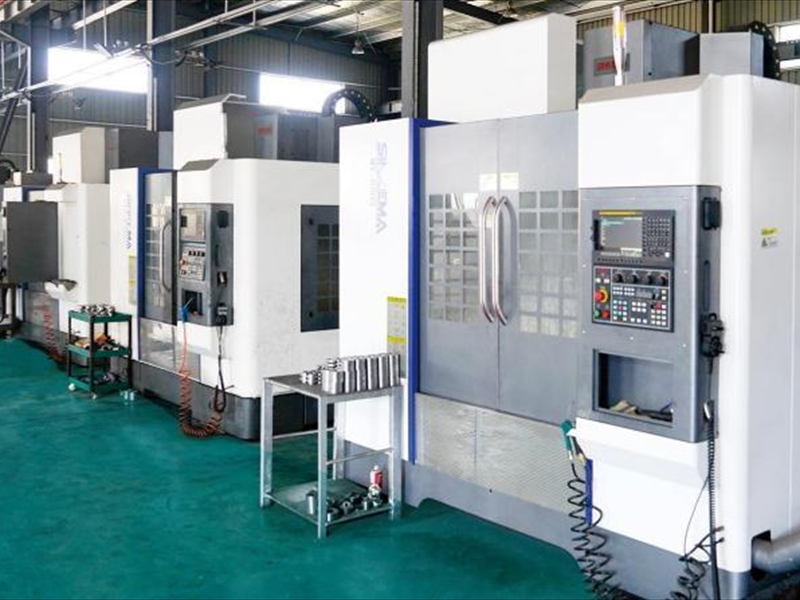
এই পদক্ষেপগুলি অনুসরণ করে—খাওয়ানোর উপাদান, প্লাস্টিক গলে, মিশ্রণ, এবং গঠন—আমি কাঁচা গুলিকে তৈরি পণ্যে রূপান্তরিত করি. প্লাস্টিক এক্সট্রুডার আমাকে প্রক্রিয়াটির প্রতিটি পর্যায়ে নিয়ন্ত্রণ করতে দেয়, উপাদান নির্বাচন থেকে চূড়ান্ত আকারে. এই ধাপে ধাপে পদ্ধতি যেকোন শিল্প সেটিংয়ে উচ্চ-মানের আইটেম উৎপাদনের জন্য অপরিহার্য.
কুলিং এবং সলিডিফাইং
প্লাস্টিক ছেড়ে যাওয়ার পর ডাই, আমি এক্সট্রুডেটকে এর আকারে লক করার জন্য এবং ত্রুটিগুলি প্রতিরোধ করার উপর ফোকাস করি. এই পর্যায়টি গুরুত্বপূর্ণ কারণ আমি যেভাবে পণ্যটিকে ঠান্ডা করি তার শক্তি এবং চেহারাকে প্রভাবিত করে. আমি প্লাস্টিক ঠান্ডা এবং দৃঢ় করার জন্য বিভিন্ন পদ্ধতি ব্যবহার করি, পণ্য এবং উত্পাদন গতির উপর নির্ভর করে.
-
ক্যালিব্রেটিং
-
এয়ার কুলিং
-
চূড়ান্ত কুলিং
-
উন্নত কৌশল (ঠাণ্ডা রোলার, ভ্যাকুয়াম কুলিং)
আমি প্রায়ই quenching সঙ্গে শুরু. এই পদ্ধতিটি প্লাস্টিকের বাইরের স্তরকে দ্রুত ঠান্ডা করে কারণ এটি এক্সট্রুশন হেড থেকে বেরিয়ে যায়. আমি এই পদক্ষেপের জন্য বায়ু বা জল স্প্রে ব্যবহার করি. দ্রুত ঠাণ্ডা প্রাথমিক আকৃতি সেট করতে সাহায্য করে এবং পণ্যটিকে বিকৃত করা থেকে আটকায়. অনেক প্রোফাইল এবং পাইপ জন্য, আমি ক্যালিব্রেটর ব্যবহার করি. এই ডিভাইসগুলি আকৃতিকে স্থিতিশীল করে এবং নিয়ন্ত্রিত শীতল করার জন্য জল-ভরা ট্যাঙ্কগুলি অন্তর্ভুক্ত করে. ক্যালিব্রেটরগুলি আমাকে অভ্যন্তরীণ চাপ এড়াতে সাহায্য করে এবং পণ্যটি সোজা থাকে তা নিশ্চিত করে.
যখন আমার সুনির্দিষ্ট তাপমাত্রা নিয়ন্ত্রণের প্রয়োজন হয়, আমি উন্নত কৌশল চালু. ঠাণ্ডা রোলার এবং ভ্যাকুয়াম কুলিং আমাকে দ্রুত এবং এমনকি ঠান্ডা দেয়, which is important for high-speed production or special applications. I always choose the method that matches the product’s requirements.
টিপ: I monitor the cooling rate closely. If I cool the plastic too fast, I can trap internal stresses. If I cool it too slowly, I risk warping or uneven surfaces.
The cooling method I choose affects the final properties of the product. The table below shows how different cooling rates change the mechanical properties:
|
কুলিং পদ্ধতি |
Effect on Mechanical Properties |
|---|---|
|
Rapid Water Cooling |
Can trap internal stresses, weakening thicker products over time. |
|
Slower Air Screw Extruder Factory কুলিং Parallel Twin Screw Factory |
Promotes uniform crystallization, enhancing strength and reducing warping risks. |
I always balance speed and quality to get the best results for my industrial clients.
Downstream Processing
Once the product is solid, I move to downstream processing. This stage adds value and prepares the product for its final use. I follow a series of steps to finish the extruded plastic:
-
কাটিং: I use a high-speed cutter to slice the continuous strand into set lengths. Accurate cutting is important for assembly and appearance.
-
Shaping: I may run the product through a shaping machine. This step improves the look and ensures the dimensions are correct.
-
শুকানো: I use industrial dryers, such as multi-layer belt dryers or microwave dryers, to remove any moisture from the product.
After these main steps, I often add finishing touches. I might print information or branding on the product. মাঝে মাঝে, I punch holes, bell the ends, or coil the product for easier transport. এই অতিরিক্ত পদক্ষেপগুলি আমাকে নির্দিষ্ট গ্রাহকের চাহিদা পূরণ করতে এবং পণ্যটিকে আরও উপযোগী করতে সাহায্য করে.
দ্রষ্টব্য: ডাউনস্ট্রিম প্রসেস কাটিং এবং মুদ্রণের মত এক্সট্রুড প্লাস্টিক পণ্যের মান উন্নত. তারা সঠিক আকার নিশ্চিত করে, ভাল চেহারা, এবং বাজারের জন্য প্রস্তুতি.
সাবধানে কুলিং এবং ডাউনস্ট্রিম প্রক্রিয়াকরণ পরিচালনা করে, আমি উচ্চ মানের সরবরাহ করি, বিস্তৃত শিল্প অ্যাপ্লিকেশনের জন্য নির্ভরযোগ্য পণ্য.
প্লাস্টিক এক্সট্রুডার উপাদান
ফড়িং
আমি সবসময় আমার কাজ শুরু ফড়িং. এই উপাদানটি প্লাস্টিকের এক্সট্রুডারের শীর্ষে বসে এবং কাঁচা প্লাস্টিকের বড়ি বা দানা সংরক্ষণ করে. ফড়িং একটি স্থির হারে ব্যারেলে উপাদান খাওয়ায়. এটি পরিষ্কার এবং শুকনো থাকে তা নিশ্চিত করতে আমি নিয়মিত হপার পরীক্ষা করি. কিছু মডেল শুকানোর ফাংশন অন্তর্ভুক্ত, যা আমাকে প্লাস্টিকের গুণমান বজায় রাখতে সাহায্য করে. আর্দ্রতা ত্রুটি সৃষ্টি করতে পারে, so I rely on the hopper to keep the material in good condition. I select the right hopper size based on the production volume. For high-output jobs, I use larger hoppers to avoid frequent refilling.
টিপ: I inspect the hopper before every shift. Clean and dry material ensures smooth extrusion and prevents blockages.
Barrel and Screw
দ barrel and screw form the core of the extruder. The barrel provides a heated space for the plastic pellets. I monitor the barrel temperature to match the melting point of the material. The screw sits inside the barrel and rotates to move the plastic forward. As the screw turns, it conveys, melts, and mixes the material. I adjust the screw speed to control the output rate. Faster speeds increase production but can cause overheating. I choose the screw design based on the type of plastic and the product requirements.
The design of the barrel and screw affects efficiency. I look at parameters like the L/D ratio (দৈর্ঘ্য থেকে ব্যাস), কম্প্রেশন অনুপাত, ফ্লাইট গভীরতা, and screw speed. For most jobs, I use a screw with a 30:1 এল/ডি অনুপাত. This gives me enough time for melting and mixing. Compression ratios between 3:1 এবং 3.5:1 work well for polyethylene. Deeper flight channels allow higher throughput, but I balance this with melting efficiency. I avoid running the screw too fast, since excessive speed can degrade the polymer.
|
কম্পোনেন্ট |
Function |
|---|---|
|
Screw |
Conveys, plasticizes, and pressurizes raw materials. |
|
পিপা |
Provides storage and heating space, ensuring durability and stability. |
I select barrier screws for jobs that need better melting consistency. This choice helps me achieve uniform mixing before the material reaches the die.
Heaters
Heaters play a vital role in the plastic extruder. I rely on them to melt the plastic pellets as they move through the barrel. The heaters wrap around the barrel and provide precise temperature control. I set the temperature based on the type of plastic. যেমন, I use lower temperatures for PVC and higher settings for nylon. Consistent heating prevents defects and ensures uniform plasticization.
I monitor the heaters throughout the process. If the temperature fluctuates, I risk uneven melting or overheating. I use temperature control systems to manage heating and cooling. These systems help me maintain the right balance, so the plastic flows smoothly toward the die. সঠিক হিটার ব্যবস্থাপনা পণ্যের গুণমান উন্নত করে এবং বর্জ্য হ্রাস করে.
দ্রষ্টব্য: নির্ভরযোগ্য হিটার এবং তাপমাত্রা নিয়ন্ত্রণ ব্যবস্থা এক্সট্রুশন প্রক্রিয়া স্থিতিশীল রাখে. উৎপাদন সমস্যা এড়াতে আমি সর্বদা এই উপাদানগুলি পরীক্ষা করি.
মরা
আমি যখন আমার প্লাস্টিক এক্সট্রুডারটি পরিচালনা করি তখন আমি সবসময় ডাইটির প্রতি গভীর মনোযোগ দেই. ডাই গলিত প্লাস্টিককে চূড়ান্ত পণ্যে রূপ দেয়. আমি জানি যে পাইপ তৈরির জন্য সঠিক ডাই বেছে নেওয়া অপরিহার্য, শীট, প্রোফাইল, বা সঠিক মাত্রা সহ ছায়াছবি.
আমি প্রতিটি উত্পাদন চালানোর আগে ডাই পরিদর্শন করে শুরু করি. আমি পরিধানের কোনো চিহ্ন খুঁজছি, বিল্ডআপ, বা ক্ষতি. একটি পরিষ্কার ডাই প্লাস্টিকের একটি মসৃণ প্রবাহ নিশ্চিত করে এবং ত্রুটিগুলি প্রতিরোধ করে. আমি ডাই চ্যানেল এবং পৃষ্ঠতল পরিষ্কার করার জন্য বিশেষ সরঞ্জাম ব্যবহার করি. আমি যদি কোন স্ক্র্যাচ বা ব্লকেজ দেখতে পাই, আমি অবিলম্বে তাদের সম্বোধন করি.
যখন আমি এক্সট্রুডার সেট আপ করি, I align the die carefully with the barrel. Proper alignment prevents uneven flow and reduces the risk of warping. I tighten the bolts evenly to avoid leaks. I also check the die temperature settings. Each type of plastic requires a specific temperature range for optimal flow. I adjust the die heaters to match the material I am using.
During production, I monitor the pressure at the die. If the pressure rises too high, I know there may be a blockage or contamination. I stop the machine and inspect the die if I notice any irregularities in the extruded product. Consistent pressure helps me maintain uniform thickness and surface quality.
I often switch between different dies depending on the product. যেমন, I use a flat die for making sheets and a ring die for pipes. I store each die in a clean, dry place to prevent rust and damage. I label each die clearly so I can find the right one quickly.
টিপ: I always preheat the die before starting production. This step prevents cold spots and ensures a steady flow of molten plastic.
Here is a quick checklist I follow for die maintenance:
-
Inspect for wear and buildup before each run.
-
Clean channels and surfaces with proper tools.
-
Align and secure the die to the barrel.
-
Set the correct temperature for the material.
-
Monitor pressure and product quality during operation.
-
Store dies properly after use.
এই পদক্ষেপগুলি অনুসরণ করে, I keep my extrusion process efficient and my products consistent. The die is a critical component that directly affects the quality of everything I produce.
Types of Plastic Extruders
Single-Screw Extruder
I often use a single-screw extruder সহজবোধ্য প্লাস্টিক প্রক্রিয়াকরণ কাজের জন্য. এই মেশিনের ব্যারেলের ভিতরে একটি ঘূর্ণায়মান স্ক্রু রয়েছে. আমি এটি গলানোর জন্য নির্ভরযোগ্য বলে মনে করি, মিশ্রণ, এবং বেশিরভাগ থার্মোপ্লাস্টিককে আকার দেয়. যখন আমি পাইপ উত্পাদন করতে চাই, ছায়াছবি, বা সামঞ্জস্যপূর্ণ মানের সঙ্গে শীট, আমি এই ধরনের নির্বাচন. আমি উপাদান মেলে স্ক্রু গতি এবং তাপমাত্রা সামঞ্জস্য. একক-স্ক্রু ডিজাইন আমাকে মৌলিক মিশ্রণ এবং স্থির আউটপুট দেয়. আমি এটি ব্যবহার করি যখন আমার অনেক সংযোজন মিশ্রিত করার বা জটিল রেসিপি পরিচালনা করার প্রয়োজন হয় না.
টুইন-স্ক্রু এক্সট্রুডার
যখন আমি আরও ভাল মিশ্রণ এবং আরো নিয়ন্ত্রণ প্রয়োজন, আমি একটি সুইচ টুইন-স্ক্রু এক্সট্রুডার. এই মেশিন দুটি স্ক্রু ব্যবহার করে যা একসাথে ঘোরে. আমি ফিলার দিয়ে উপকরণ প্রক্রিয়া করতে পারি, colorants, বা এমনকি প্রতিক্রিয়াশীল রাসায়নিক. টুইন-স্ক্রু ডিজাইন আমাকে মিশ্রিত করতে দেয়, যৌগ, এমনকি এক্সট্রুশনের সময় রাসায়নিক বিক্রিয়াও চালায়. আমি এটি উন্নত অ্যাপ্লিকেশনের জন্য ব্যবহার করি, যেমন বিশেষ যৌগ বা উচ্চ-কর্মক্ষমতা প্লাস্টিক তৈরি. নীচের সারণী দেখায় কিভাবে একক-স্ক্রু এবং টুইন-স্ক্রু এক্সট্রুডার তুলনা করে শিল্প কর্মক্ষমতা মধ্যে:
|
বৈশিষ্ট্য |
একক-স্ক্রু এক্সট্রুডার |
টুইন-স্ক্রু এক্সট্রুডার |
|---|---|---|
|
স্ক্রু ব্যাস |
20 মিমি থেকে 300 মিমি |
16 মিমি থেকে 245 মিমি |
|
এল/ডি অনুপাত |
20:1 থেকে 30:1 |
25:1 থেকে 48:1 |
|
স্ক্রু গতি |
20 থেকে 250 RPM |
50 থেকে 1,200 RPM |
|
আউটপুট হার |
10 কেজি/ঘন্টা থেকে 1,000 কেজি/ঘণ্টা |
1 কেজি/ঘন্টা থেকে 15,000 কেজি/ঘণ্টা |
|
ব্যারেল তাপমাত্রা |
20°গ থেকে 300°গ |
400 পর্যন্ত পরিবেষ্টিত°গ |
|
মিশ্রণ ক্ষমতা |
মৌলিক মিশ্রণ |
উচ্চতর মিশ্রণ |
|
টর্ক ক্ষমতা |
N/A |
200 Nm থেকে 10,000 Nm |
|
অ্যাপ্লিকেশন |
সোজা পলিমার প্রক্রিয়াকরণ |
চক্রবৃদ্ধি, মিশ্রন, প্রতিক্রিয়াশীল এক্সট্রুশন |
কোন প্রকল্পের জন্য কোন এক্সট্রুডার ব্যবহার করার সিদ্ধান্ত নেওয়ার সময় আমি এই টেবিলটি দেখি. যদি আমি উচ্চ আউটপুট বা উন্নত মিশ্রণ প্রয়োজন, আমি টুইন-স্ক্রু মডেল বাছাই করি.
বিশেষ এক্সট্রুডার
মাঝে মাঝে, আমার ক্লায়েন্টদের অনন্য আকার বা বিশেষ উপকরণ প্রয়োজন. আমি এই কাজের জন্য বিশেষ এক্সট্রুডার ব্যবহার করি. এই মেশিনগুলি বিভিন্ন সুবিধা প্রদান করে:
-
নকশা নমনীয়তা: আমি জটিল আকার এবং সুনির্দিষ্ট মাত্রা তৈরি করতে পারি কাস্টম অ্যাপ্লিকেশনের জন্য.
-
উপাদান বহুমুখিতা: আমি স্থায়িত্ব এবং কর্মক্ষমতা উন্নত করতে বিভিন্ন প্লাস্টিক এবং সংযোজন ব্যবহার করি.
-
উন্নত কর্মক্ষমতা: আমি সর্বোত্তম ফলাফল নিশ্চিত করতে নির্দিষ্ট পরিবেশের জন্য মেশিনটি তৈরি করি.
-
খরচ দক্ষতা: আমি বর্জ্য হ্রাস করি এবং অতিরিক্ত মেশিনিং এড়াই, যা উৎপাদন খরচ কমায়.
-
নান্দনিক বিকল্প: আমি ব্র্যান্ডিং চাহিদা মেটাতে রঙ এবং ফিনিশের সাথে মেলে.
যখন স্ট্যান্ডার্ড মেশিন প্রয়োজনীয়তা পূরণ করতে পারে না তখন আমি একটি বিশেষ এক্সট্রুডার বেছে নিই. এই পদ্ধতি আমাকে চ্যালেঞ্জিং প্রকল্পের জন্য কাস্টম সমাধান প্রদান করতে সাহায্য করে.
প্লাস্টিক এক্সট্রুশন উপকরণ
সাধারণ থার্মোপ্লাস্টিক
যখন আমি প্লাস্টিক এক্সট্রুশন জন্য উপকরণ নির্বাচন, আমি সবসময় থার্মোপ্লাস্টিক দিয়ে শুরু করি. এই উপকরণগুলি উত্তপ্ত হলে নরম হয় এবং ঠান্ডা হলে শক্ত হয়, যা তাদের পুনরাবৃত্তি প্রক্রিয়াকরণের জন্য আদর্শ করে তোলে. আমি পণ্যের প্রয়োজনীয়তার উপর ভিত্তি করে সঠিক থার্মোপ্লাস্টিক নির্বাচন করি, যেমন শক্তি, নমনীয়তা, বা রাসায়নিক প্রতিরোধের.
এখানে সবচেয়ে সাধারণ থার্মোপ্লাস্টিকগুলি রয়েছে যা আমি শিল্প এক্সট্রুশন এবং তাদের মূল বৈশিষ্ট্যগুলিতে ব্যবহার করি:
-
পলিভিনাইল ক্লোরাইড (পিভিসি): আমি এর শক্তি এবং বহুমুখিতা জন্য PVC এর উপর নির্ভর করি. এটি আর্দ্রতা প্রতিরোধ করে, রাসায়নিক, and UV radiation, তাই আমি পাইপের জন্য এটি ব্যবহার করি, উইন্ডো প্রোফাইল, এবং তারের নিরোধক.
-
পলিথিন (পিই): আমার যখন হালকা এবং নমনীয় উপাদানের প্রয়োজন হয় তখন আমি PE বেছে নিই. এটি চমৎকার প্রভাব প্রতিরোধের এবং রাসায়নিক স্থিতিশীলতা প্রদান করে, এটি চলচ্চিত্রের জন্য নিখুঁত করা, পাত্রে, এবং পাইপ.
-
পলিপ্রোপিলিন (পিপি): আমি এমন পণ্যগুলির জন্য পিপি ব্যবহার করি যেগুলির কঠোরতা এবং ক্লান্তি প্রতিরোধের প্রয়োজন৷. এটি রাসায়নিক এবং স্ট্রেস পর্যন্ত দাঁড়ায়, তাই আমি প্রায়ই এটি স্বয়ংচালিত যন্ত্রাংশ এবং পুনরায় ব্যবহারযোগ্য পাত্রের জন্য নির্বাচন করি.
-
পলিস্টাইরিন (পিএস): আমি এর দৃঢ়তা এবং স্বচ্ছতার জন্য পিএস-এর কাছে ফিরে যাই. এটি সহজেই ছাঁচ হয়ে যায় এবং প্যাকেজিংয়ের জন্য ভাল কাজ করে, নিষ্পত্তিযোগ্য কাটলারি, এবং পরীক্ষাগার সামগ্রী.
-
নাইলন: যখন আমার উচ্চ শক্তি-থেকে-ওজন অনুপাতের প্রয়োজন হয় তখন আমি নাইলন বাছাই করি. এটি উচ্চ-তাপমাত্রা পরিবেশে ভাল কাজ করে এবং ন্যায্য রাসায়নিক প্রতিরোধের প্রস্তাব দেয়. I use it for gears, বিয়ারিং, and industrial parts.
-
ABS (অ্যাক্রিলোনিট্রাইল বুটাডিন স্টাইরিন): I select ABS for its toughness and impact resistance. It is harder than pure polystyrene and works well for automotive trim, enclosures, এবং ভোগ্যপণ্য.
-
পিএলএ (Polylactic Acid): I use PLA for applications that require a biodegradable option. It comes from renewable resources like corn starch and has a low melting point, which suits packaging and disposable products.
-
পিইটিজি (Polyethylene Terephthalate Glycol): I choose PETG when I need a balance of strength and ease of processing. It resists chemicals and warping, so I use it for bottles, চিকিৎসা ডিভাইস, and food containers.
টিপ: I always match the thermoplastic’s properties to the product’s end use. This step ensures durability and performance.
Additives and Fillers
I often need to modify the properties of my extruded plastic products. To do this, I blend in additives and fillers during the extrusion process. These ingredients help me meet specific industry standards and customer requirements.
-
স্টেবিলাইজার: I add stabilizers to improve heat and UV resistance. This keeps products from degrading in harsh environments.
-
Color Pigments: I use pigments to achieve the exact color my client wants. This step also helps with branding and product identification.
-
Flame Retardants: I include flame retardants for products that must meet fire safety regulations, such as electrical components or building materials.
-
ফিলার: I add fillers like calcium carbonate or glass fibers to enhance mechanical strength, reduce cost, or change the product’s weight.
The careful blending of these additives and fillers lets me optimize the extrusion process. I can improve mechanical properties, adjust appearance, and ensure the final product meets all specifications.
দ্রষ্টব্য: I always test new formulations before full-scale production. This practice helps me avoid defects and ensures consistent quality.
By understanding both the base thermoplastics and the role of additives, I can produce extruded products that perform reliably in any industrial application.
Extrusion Applications in Industry
Industrial Uses
আমি ব্যবহার করি plastic extrusion every day to meet the demands of many industries. This process gives me the flexibility to create products that solve real-world problems. I start by selecting the right material and adjusting my machine for the job. I know that each application requires a specific approach, so I always match the extrusion process to the end use.
Here is a table that shows how I apply extrusion in different industrial sectors:
|
Application Type |
বর্ণনা |
|---|---|
|
Pipes and Tubing |
I produce water supply lines, sewage pipes, and irrigation tubing using materials like PVC and HDPE. |
|
Profiles and Structural Components |
I make window frames and door seals that improve energy efficiency and durability in construction. |
|
Plastic Films and Sheets |
I create packaging films and agricultural covers that offer flexibility and UV protection. |
|
Electrical and Automotive Components |
I manufacture wire coatings and automotive trims that enhance safety and fuel efficiency. |
|
Other Specialized Uses |
I extrude medical tubing and 3D printing filaments for specialized applications in healthcare and manufacturing. |
I always adjust the extrusion process to fit the requirements of each industry. যেমন, আমি মেডিকেল টিউবিংয়ের জন্য কঠোর সহনশীলতা ব্যবহার করি এবং নির্মাণ প্রোফাইলের জন্য স্থায়িত্বের উপর ফোকাস করি. চূড়ান্ত পণ্য কঠোর মান পূরণ করে তা নিশ্চিত করতে আমি প্রতিটি পদক্ষেপ নিরীক্ষণ করি.
টিপ: আমি প্রতিটি এক্সট্রুশন রানের বিস্তারিত রেকর্ড রাখি. এটি আমাকে সমস্যার সমাধান করতে এবং ভবিষ্যতের প্রকল্পগুলির জন্য গুণমান উন্নত করতে সহায়তা করে.
সাধারণ পণ্য
আমি ব্যবহার করি এবং উত্পাদিত অনেক পণ্যে প্লাস্টিক এক্সট্রুশনের ফলাফল দেখি. প্রক্রিয়াটি আমাকে সামঞ্জস্যপূর্ণ গুণমান এবং সুনির্দিষ্ট মাত্রা সহ আইটেম তৈরি করতে দেয়. এখানে আমি এক্সট্রুশন ব্যবহার করে তৈরি করা সবচেয়ে সাধারণ কিছু পণ্য:
-
নদীর গভীরতানির্ণয় জন্য পাইপ এবং টিউবিং, সেচ, এবং শিল্প ব্যবস্থা
-
প্যাকেজিং জন্য প্লাস্টিকের ছায়াছবি এবং শীট, কৃষি, এবং প্রতিরক্ষামূলক কভার
-
বৈদ্যুতিক এবং স্বয়ংচালিত উপাদান যেমন তারের নিরোধক এবং ড্যাশবোর্ড ট্রিম
-
তরল বিতরণ এবং অস্ত্রোপচার ডিভাইসের জন্য মেডিকেল টিউবিং
-
3D printing filaments for rapid prototyping and manufacturing
-
Furniture edges that protect surfaces and add style
-
Decorative strips for appliances, vehicles, and building interiors
I follow a step-by-step process for each product. I start by choosing the right thermoplastic and setting up the extruder. I monitor the temperature, চাপ, and speed throughout the extrusion. I use the correct die to shape the product and select the best cooling method to lock in the form. I finish with downstream processing, such as cutting, মুদ্রণ, or coiling, to prepare the product for use.
Plastic extrusion gives me the ability to respond quickly to new market demands. I can switch between products by changing the die and adjusting the process parameters. This flexibility helps me serve a wide range of industries and deliver reliable solutions.
দ্রষ্টব্য: I always test new products before full production. This ensures that the extrusion process produces consistent and high-quality results.
Advantages and Limitations
Key Benefits
When I use plastic extrusion in my daily work, I see many advantages that help me deliver quality products efficiently. I rely on this process because it supports continuous and scalable production. I can run my extruder for long periods with minimal downtime, which is perfect for large orders. This approach keeps my workflow steady and predictable.
I also appreciate the cost efficiency of plastic extrusion. I recycle leftover materials and reduce waste, which lowers my production costs. I optimize the use of raw materials and keep expenses under control. Design flexibility stands out as another major benefit. I can create a wide range of shapes and sizes, from simple tubes to complex profiles. This flexibility lets me meet different customer needs without changing my core equipment.
Consistent quality is important in my work. The extrusion process gives me uniform material flow and precise dimensions. I can meet tight tolerances, which is essential for industries like automotive and medical. I also value the compatibility with many thermoplastics. I switch between materials like PVC, পিই, and PP to match the requirements of each project. Modern extruders allow me to integrate automation and smart systems. I use sensors and controls to improve accuracy and efficiency.
Here is a table that summarizes the main benefits I experience with plastic extrusion:
|
সুবিধা |
বর্ণনা |
|---|---|
|
Continuous and Scalable Production |
High output rates with minimal downtime, ideal for large-volume jobs. |
|
Less waste and lower costs by recycling leftover materials. |
|
|
নকশা নমনীয়তা |
Wide range of shapes and dimensions for various needs. |
|
Consistent Quality and Repeatability |
Uniform material flow and exact specifications for tight tolerances. |
|
Compatibility with Many Materials |
Handles various thermoplastics for better performance and durability. |
|
Integration with Automation |
Improved accuracy and efficiency through smart technology. |
টিপ: I always monitor my process parameters to maintain these benefits and avoid unexpected issues.
Common Challenges
While I enjoy many advantages, I also face challenges with plastic extrusion. Selecting the right material is critical. Each plastic has unique properties that affect how it melts and flows. If I choose the wrong material, I risk poor extrudability and product defects.
Quality control requires constant attention. I watch for variations in dimensions and surface defects, which can result from changes in temperature or pressure. Environmental concerns also play a role in my work. The extrusion process uses a lot of energy and can generate waste. I focus on recycling and energy efficiency to reduce my impact.
Achieving tight dimensional tolerances is not always easy. Plastics shrink as they cool, which can cause warping if I do not manage the cooling process carefully. Startup waste is another issue. When I begin a new run, গলিত প্রবাহ স্থিতিশীল না হওয়া পর্যন্ত এবং ডাই সঠিকভাবে সারিবদ্ধ না হওয়া পর্যন্ত আমি প্রায়শই স্ক্র্যাপ তৈরি করি.
উপাদান সামঞ্জস্য সমস্যা সৃষ্টি করতে পারে, বিশেষ করে যখন আমি বিভিন্ন পলিমার মিশ্রিত করি. কিছু উপকরণ ভালভাবে মিশ্রিত হয় না, দুর্বল দাগ বা ফেজ বিচ্ছেদ নেতৃস্থানীয়. সরঞ্জাম রক্ষণাবেক্ষণ অপরিহার্য. ক্রমাগত অপারেশন স্ক্রু নিচে পরেন এবং মারা যায়, তাই আমি দূষণ এবং বিল্ডআপ প্রতিরোধ করার জন্য নিয়মিত চেক শিডিউল করি.
ডাই ডিজাইন এক্সট্রুশন প্রক্রিয়ার স্থায়িত্বকে প্রভাবিত করে. অসম গলিত সান্দ্রতা ডাই ফুলে যাওয়া বা রুক্ষ পৃষ্ঠের মতো ত্রুটির কারণ হতে পারে. থার্মোপ্লাস্টিক তাপমাত্রা পরিবর্তনের জন্য সংবেদনশীল. আমি অবক্ষয় বা দুর্বল প্রবাহ এড়াতে সুনির্দিষ্ট তাপ নিয়ন্ত্রণ ব্যবহার করি.
এখানে আমি আমার দৈনন্দিন কাজের প্রধান চ্যালেঞ্জগুলিকে সম্বোধন করি:
-
উপাদান সীমাবদ্ধতা: আমাকে প্রতিটি কাজের জন্য সঠিক বৈশিষ্ট্য সহ প্লাস্টিক নির্বাচন করতে হবে.
-
মান নিয়ন্ত্রণের সমস্যা: I monitor for defects and adjust parameters as needed.
-
Environmental concerns: I recycle and use energy-efficient practices.
-
মাত্রিক সহনশীলতা: I manage cooling to prevent warping.
-
Startup waste: I minimize scrap during setup.
-
Material compatibility: I test blends before full production.
-
Equipment maintenance: I clean and inspect my extruder regularly.
-
Die design: I fine-tune the die for stable flow.
-
Thermal sensitivity: I control temperature to protect the material.
দ্রষ্টব্য: I keep detailed records and follow a strict maintenance schedule to overcome these challenges and keep my extrusion line running smoothly.
I follow a clear process with my plastic extruder: feed, melt, আকৃতি, cool, and finish. I check each component to keep production efficient. I know that choosing the right extruder and material impacts texture, consistency, and product quality. বিভিন্ন উপকরণ আর্দ্রতার সাথে যোগাযোগ করে, তাপমাত্রা, এবং অনন্য উপায়ে যান্ত্রিক শিয়ার.
-
এক্সট্রুডার পছন্দ এবং উপাদান পণ্য টেক্সচার এবং গুণমান প্রভাবিত করে.
-
আর্দ্রতার মাত্রা, ব্যারেল জোন, এবং স্ক্রু RPM পছন্দসই ফলাফলের জন্য চাবিকাঠি.
অনেক উপকার দেখছি, কিন্তু আমি সবসময় প্রক্রিয়া পরামিতি বিবেচনা করি. এক্সট্রুশন অপ্টিমাইজ করতে প্রস্তুত যারা জন্য, আমি এই পদক্ষেপ সুপারিশ:
|
বর্ণনা |
|
|---|---|
|
সেন্সর স্তর দিয়ে শুরু করুন |
উত্তম অপারেটরের প্রতিক্রিয়ার জন্য তাপমাত্রা এবং চাপ পর্যবেক্ষণ সহ রেট্রোফিট এক্সট্রুশন লাইন. |
|
শক্তি-দক্ষ সরঞ্জাম মূল্যায়ন |
ড্রাইভ সিস্টেম বিবেচনা করুন, পর্যবেক্ষণ, এবং একটি ইউনিফাইড মূলধন সিদ্ধান্ত হিসাবে রক্ষণাবেক্ষণ. |
|
দ্রুত সরবরাহকারীদের নিযুক্ত করুন |
ইঞ্জিনিয়ারড পলিমারের স্পেসিফিকেশন চূড়ান্ত করার আগে উপাদান পরীক্ষা এবং যোগ্যতা নিয়ে আলোচনা করুন. |
FAQ
প্লাস্টিকের এক্সট্রুডারে আমি কী উপকরণ ব্যবহার করতে পারি?
আমি পিভিসি মত থার্মোপ্লাস্টিক নির্বাচন করি, পিই, পিপি, এবং ABS. আমি পণ্যের প্রয়োজনীয়তার উপর ভিত্তি করে উপাদান নির্বাচন করি. এক্সট্রুশন প্রক্রিয়া শুরু করার আগে আমি সর্বদা সামঞ্জস্য এবং গলনাঙ্ক পরীক্ষা করি.
আমি কীভাবে পণ্যের মান বজায় রাখতে পারি?
আমি তাপমাত্রা নিরীক্ষণ করি, চাপ, and screw speed. আমি ডাই পরিদর্শন করি এবং নিয়মিত ফড়িং পরিষ্কার করি. আমি প্রতিটি রানের বিস্তারিত রেকর্ড রাখি. সামঞ্জস্যপূর্ণ সেটিংস আমাকে নির্ভরযোগ্য ফলাফল পেতে সাহায্য করে.
এক্সট্রুশনের সময় আমি কি অবশিষ্ট প্লাস্টিক পুনর্ব্যবহার করতে পারি??
আমি স্ক্র্যাপ উপাদান পুনরায় ফড়িং মধ্যে খাওয়ানো দ্বারা পুনর্ব্যবহৃত. আমি দূষণ এবং শুষ্কতা জন্য পরীক্ষা. রিসাইক্লিং আমাকে বর্জ্য কমাতে এবং উৎপাদন খরচ কমাতে সাহায্য করে.
প্লাস্টিক এক্সট্রুশন প্রধান পদক্ষেপ কি কি?
আমি এই পদক্ষেপগুলি অনুসরণ করি: কাঁচামাল খাওয়ান, গলে এবং মিশ্রিত করুন, ডাই সঙ্গে আকৃতি, ঠান্ডা এবং দৃঢ় করা, এবং ডাউনস্ট্রিম প্রক্রিয়াকরণের সাথে শেষ করুন. প্রতিটি ধাপে সতর্ক পর্যবেক্ষণ প্রয়োজন.
আমি কিভাবে আমার আবেদনের জন্য সঠিক এক্সট্রুডার নির্বাচন করব?
আমি উপাদান বিবেচনা, পণ্য আকৃতি, এবং উত্পাদনের পরিমাণ. আমি মৌলিক কাজের জন্য একক-স্ক্রু এক্সট্রুডার এবং উন্নত মিশ্রণের জন্য টুইন-স্ক্রু মডেল নির্বাচন করি. স্পেশালিটি এক্সট্রুডারগুলি কাস্টম আকারের জন্য উপযুক্ত.
প্লাস্টিকের এক্সট্রুশন পরিষেবাগুলিতে আমার কী সন্ধান করা উচিত?
আমি দক্ষতা খুঁজছি, নির্ভরযোগ্য সরঞ্জাম, এবং মান নিয়ন্ত্রণ. আমি পরীক্ষা করি যে প্রদানকারী উপাদান পরীক্ষা এবং কাস্টম ডাই ডিজাইন অফার করে কিনা. আমি পুরো প্রকল্প জুড়ে স্পষ্ট যোগাযোগ এবং সমর্থনকে মূল্য দিই.
আমি কিভাবে এক্সট্রুড পণ্যের ত্রুটিগুলি সমাধান করতে পারি?
আমি আর্দ্রতা বা দূষণের জন্য উপাদান পরিদর্শন করি. আমি তাপমাত্রা এবং চাপ সেটিংস সামঞ্জস্য করি. আমি ব্লকেজ জন্য ডাই চেক. আমি ত্রুটির কারণ খুঁজে বের করতে প্রক্রিয়া রেকর্ড পর্যালোচনা করি.
চিকিৎসা পণ্য জন্য উপযুক্ত প্লাস্টিক এক্সট্রুশন?
আমি মেডিকেল টিউবিং এবং ভোগ্য সামগ্রী তৈরি করতে প্লাস্টিক এক্সট্রুশন ব্যবহার করি. আমি মেডিকেল-গ্রেড সামগ্রী নির্বাচন করি এবং কঠোর মানের মান অনুসরণ করি. আমি নিরাপত্তা এবং কর্মক্ষমতা নিশ্চিত করতে প্রতিটি পদক্ষেপ নিরীক্ষণ করি.


ফিলার মাস্টারব্যাচ এক্সট্রুডার মেশিন: Manuf এর জন্য সম্পূর্ণ B2B ট্রেড গাইড… · ফিলার মাস্টারব্যাচ এক্সট্রুশন মেশিন: মনুর জন্য সম্পূর্ণ B2B ট্রেড গাইড… · ফিলার মাস্টারব্যাচ এক্সট্রুশন মেশিন: মানুষের জন্য সম্পূর্ণ B2B ট্রেড গাইড…