

Ключови изводи
- Според моя опит, the fastest way to save money and headaches is knowing what you’re buying from: a real Plastic Pelletizer Factory engineers and tests its own machines, while a trading company resells them. I always confirm which one I’m dealing with before requesting a quote.
- Match the pelletizing method to your material. Water strand and water ring pelletizing are the standard options for PP and PE streams, while underwater pelletizers suit higher-throughput compounding — the choice directly affects pellet size uniformity and output (Plastic Pelletizing Machine, 2024, yjplasticextruder.com).
- Prices track specifications, not a fixed sticker. A PP/PE masterbatch twin screw machine lists around US $42,000, PVC conical twin screw lines near US $25,000, and pet-food extruders run US $25,000–$80,000 per set (Произведено в Китай.com, 2024). I use these as anchors, then map cost to screw configuration and capacity.
- Supply is concentrated. HiSupplier lists 1,569 twin screw extruder products sourced mainly from Shandong, Джъдзян, and Jiangsu (HiSupplier.com, 2024), which makes regional clustering a practical starting point for a shortlist.
- The secondary market is large and worth screening. край 74,000 wholesale used twin screw extruder products are listed (Произведено в Китай.com, 2024), and vetted used compounding and pelletizing equipment can cut capital cost when the seller documents condition (Arlington Machinery, 2024).
- Certifications are non-negotiable in my vetting. I look for CE, ISO 9001, УЛ, GMP, and SA8000 depending on end use (Произведено в Китай.com, 2024) — UL matters most for US electrical compliance.
- Confirm the machine handles your polymer. Quality plastic pellet making machines are built to extrude, готино, and dice PP, HDPE, LDPE, and LLDPE recycling streams (recycle-plant.com, 2024); PET recycling typically needs a purpose-built extruder, so I verify that separately.
- Budget for total cost of ownership, not just the invoice. For US buyers I factor in Incoterms, тарифи, freight, spare die plates and cutters, and expected downtime — these often shift the real ROI more than the base price does.
What Is a Plastic Pelletizer Factory?
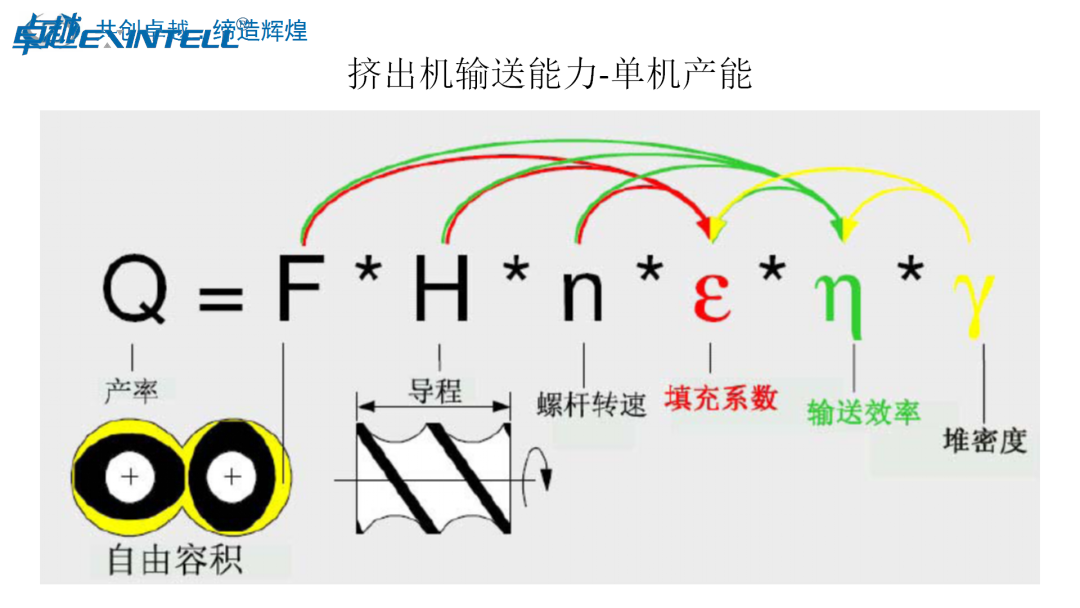
When I evaluate a supplier for a client, I start by clarifying what a plastic pelletizer factory actually is, because the term gets used loosely across marketplaces. Според моя опит, a genuine factory is a facility that designs, инженери, assembles, and tests complete pelletizing systems in-house rather than reselling machines it never touched. That distinction matters: the same integrated approach defines its close cousin, the extrusion factory, which “designs, инженери, assembles, and tests extrusion systems used in plastics compounding, храна, фармация, and chemical industries” (What Is A Twin Screw Extruder Factory – B2B Guide, 2024). A pelletizer factory applies that discipline specifically to turning molten or reclaimed polymer into uniform granules.
Industries These Factories Serve
The customer base is broader than most first-time buyers assume. I regularly see the same factories supplying recycling operations, compounding houses, masterbatch producers, and even food and pharmaceutical processors. Recycling accounts for a large share, since plastic pelletizers “transform waste plastics into small, uniform pellets used to make bottles, контейнери, тръби, and automotive parts” (Kehao Plastic Machinery, 2024). Masterbatch and compounding buyers, by contrast, care more about dispersion quality and color consistency, while food and pharma buyers prioritize hygienic design and GMP-grade documentation.
Why Factories Sell Complete Lines, Not Standalone Units
One thing I stress to buyers: most reputable factories quote a full pelletizing line, not a bare pelletizer head. A working line pairs a plastic extrusion machine with feeding, филтриране, cooling, and cutting stages, plus controls that synchronize them. Chinese factories in particular “offer broad extruder and pelletizer product lines including twin, triple, two-stage, and single screw machines plus underwater pelletizers” (China laboratory twin screw extruder factory catalog, 2024). Selling the line as a system reduces integration risk for the buyer, because a mismatched cutter or undersized cooling bath will bottleneck the entire operation regardless of how good the extruder is.
Where the Factories Concentrate and Who Buys From Them
Global supply is geographically clustered. HiSupplier alone “lists 1,569 twin screw extruder products, with supply concentrated in Shandong, Джъдзян, and Jiangsu” (HiSupplier.com, 2024), the three Chinese provinces that dominate the polymer compounding equipment trade. The secondary market is equally active, с “над 74,000 wholesale used twin screw extruder products” available (Произведено в Китай.com, 2024). US buyers I work with typically fall into two camps: recyclers seeking cost-competitive capacity, and compounders who need custom extrusion solutions matched to a specific resin and throughput target.
How the Plastic Pelletizing Process Works
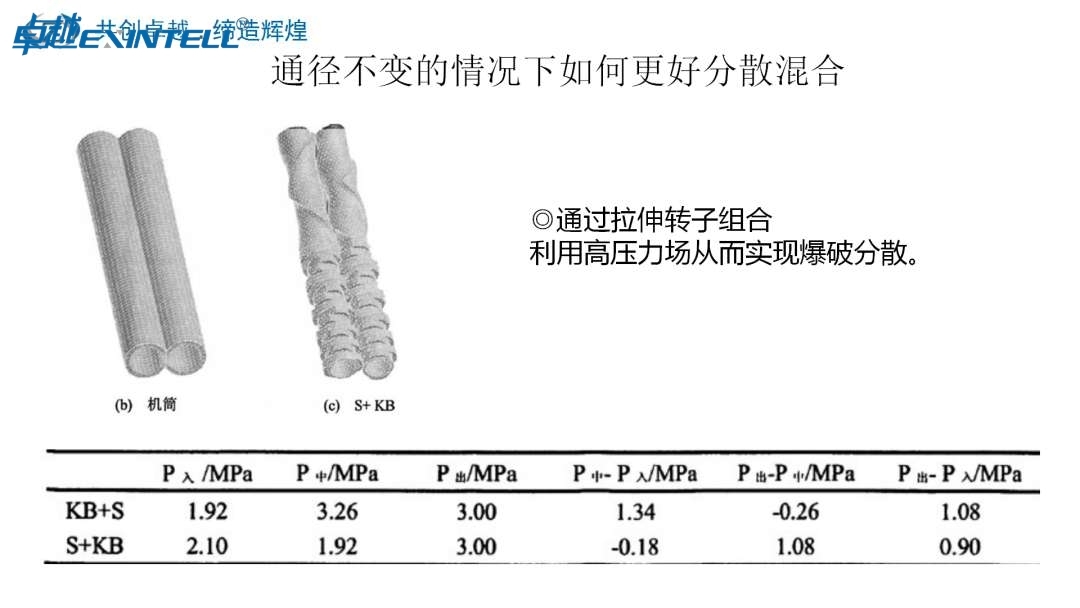
Understanding the process helps me write sharper specifications, so I walk buyers through it stage by stage. Every pelletizing line follows the same fundamental sequence, whether it runs virgin PP or a contaminated post-consumer PE stream.
Feeding, Melting, and Homogenizing
Extruder Model The line begins at the feed throat, where resin, regrind, or additives enter the barrel. Inside, the extruder screw configuration does the real work. On a twin screw extruder, intermeshing screws generate the shear and mixing that homogenize the melt, which is why compounders and masterbatch producers favor them for dispersion-critical work. A single screw extruder is simpler and often sufficient for straightforward recycling. This melt extrusion stage determines whether the polymer arrives at the die fully melted and uniform in temperature, a prerequisite for consistent pellets downstream.
Filtration and Degassing
Screw Extruder Machine Suppliers Before the melt reaches the die, it passes through a screen changer that traps unmelted particles, char, and foreign contaminants, which matters enormously when processing recycled feedstock. Two-stage extruders add vacuum degassing to pull out volatiles, влага, and trapped air. In my experience this step is the difference between a clean recycled plastic pellet and one riddled with voids that fail quality checks at the customer’s end.
Die Extrusion, Охлаждане, and Cutting
The homogenized melt is forced through a die plate, then cooled and cut into pellets. The specific mechanics vary by pelletizer type, but the goal is constant: uniform granules at high throughput. Machines built for recycling are designed for “extruding, cooling, and dicing PP, HDPE, LDPE, and LLDPE recycling streams” (Plastic Pellet Making Machine for PP LDPE HDPE Recycling, 2024). Whether cooling happens in a water bath, a water ring, or a submerged cutting chamber, the die plate and cutter geometry sets the final pellet dimensions.
Why Pellet Uniformity Matters
I always tie the process back to why uniformity is worth paying for. Consistent pellet size stabilizes feeding on the customer’s downstream injection or blow-molding machines, keeps melt behavior predictable, and reduces scrap. Poor pellet size uniformity, by contrast, causes feed surging, uneven melting, and off-spec parts. That is why matching the pelletizer type to the product is not a cosmetic choice, it directly affects the buyer’s own yield.
Types of Plastic Pelletizers Factories Produce
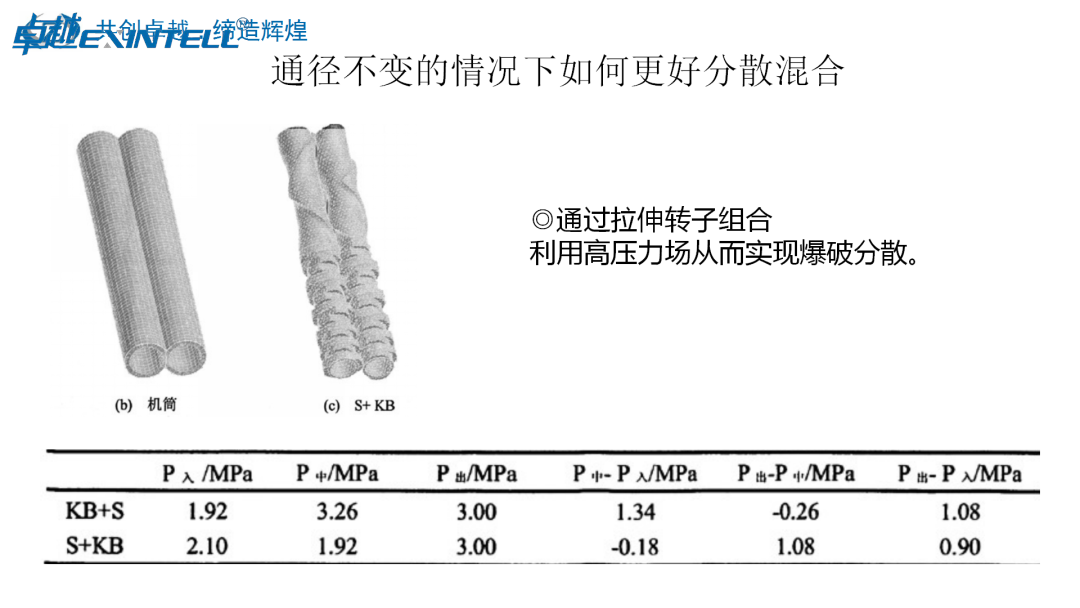
Factories generally offer three pelletizing methods, and choosing well “significantly affects facility output, качество на продукта, and profitability” (Arlington Machinery, 2024). Below I break down each type and how I match it to a buyer’s product and volume.
Strand (Water Strand) Pelletizers
In a strand pelletizer, the die extrudes continuous strands that pass through a cooling water bath, are dried, and then chopped by a rotating cutter. I recommend water strand systems for compounders and masterbatch producers running low-to-medium volumes, where frequent product changeovers and easy inspection outweigh the need for maximum throughput. Water strand pelletizing is one of the two “standard offered methods for plastic granulation” (Plastic Pelletizing Machine, 2024), and its relatively simple operation keeps maintenance accessible.
Underwater / Die-Face Pelletizers
For high-throughput continuous production, I point buyers toward underwater pelletizers, sometimes called die-face cutters. Here the cutter sits directly against the die face inside a water chamber, slicing pellets the instant polymer exits. This design produces spherical, highly uniform pellets at large volumes with minimal operator intervention, which is why it dominates virgin resin plants and large recycling lines. The trade-off is higher capital cost and more demanding maintenance on the cutter and die.
Water Ring Pelletizers
The water ring pelletizer occupies the middle ground. Pellets are cut at the die face and thrown into a rotating ring of cooling water, giving throughput closer to an underwater system at a lower price and complexity than full die-face equipment. It is the other standard granulation method factories offer (Plastic Pelletizing Machine, 2024), and I often suggest it to recyclers who have outgrown a strand line but do not need underwater capacity yet.
How to Match Pelletizer Type to Product and Volume
The right choice comes down to resin, volume, и бюджет. The table below reflects the guidance I give buyers, with indicative pricing drawn from current marketplace listings so specifications map to real cost rather than a static figure.
|
Тип пелетизатор |
Best-Fit Application |
Typical Volume |
Pellet Uniformity |
Indicative Price (marketplace) |
|---|---|---|---|---|
|
Strand (water strand) |
Комбиниране, мастербач, frequent changeovers |
Low to medium |
добре, cylindrical |
PP/PE masterbatch twin screw line ~US $42,000/piece |
|
Water ring |
Mid-volume recycling, PP/PE reprocessing |
Medium to high |
Very good, near-spherical |
Conical twin screw (PVC) ~US $25,000/set |
|
Underwater / die-face |
Virgin resin, large-scale continuous recycling |
високо |
Отлично, spherical |
Food/high-spec twin screw ~US $25,000–$80,000/set |
|
Тип пелетизатор |
Best-Fit Application |
Typical Volume |
Pellet Uniformity |
Indicative Price (marketplace) |
|---|---|---|---|---|
|
Strand (water strand) |
Комбиниране, мастербач, frequent changeovers |
Low to medium |
добре, cylindrical |
PP/PE masterbatch twin screw line ~US $42,000/piece |
|
Water ring |
Mid-volume recycling, PP/PE reprocessing |
Medium to high |
Very good, near-spherical |
Conical twin screw (PVC) ~US $25,000/set |
|
Underwater / die-face |
Virgin resin, large-scale continuous recycling |
високо |
Отлично, spherical |
Food/high-spec twin screw ~US $25,000–$80,000/set |
Price ranges above are drawn from Made-in-China.com wholesale listings (2024): a PP/PE masterbatch twin screw machine at US $42,000 per piece, conical twin screw extruders for PVC pipe near US $25,000 per set, and twin screw extruders for food production between US $25,000 и $80,000 per set. I treat these as anchors, not quotes, because final price tracks screw size, пропускателна способност, автоматизация, и сертифициране. As a practical rule, I size the pelletizer to peak sustained volume, then confirm the resin fit, since a line dialed in for HDPE will behave differently on LLDPE or PET without adjustment. For buyers weighing new versus used, the active secondary market means viable options exist at both ends, though I always factor spares availability and service coverage into the decision (Arlington Machinery, 2024).
Strand Pelletizer vs Water Ring vs Underwater Pelletizer
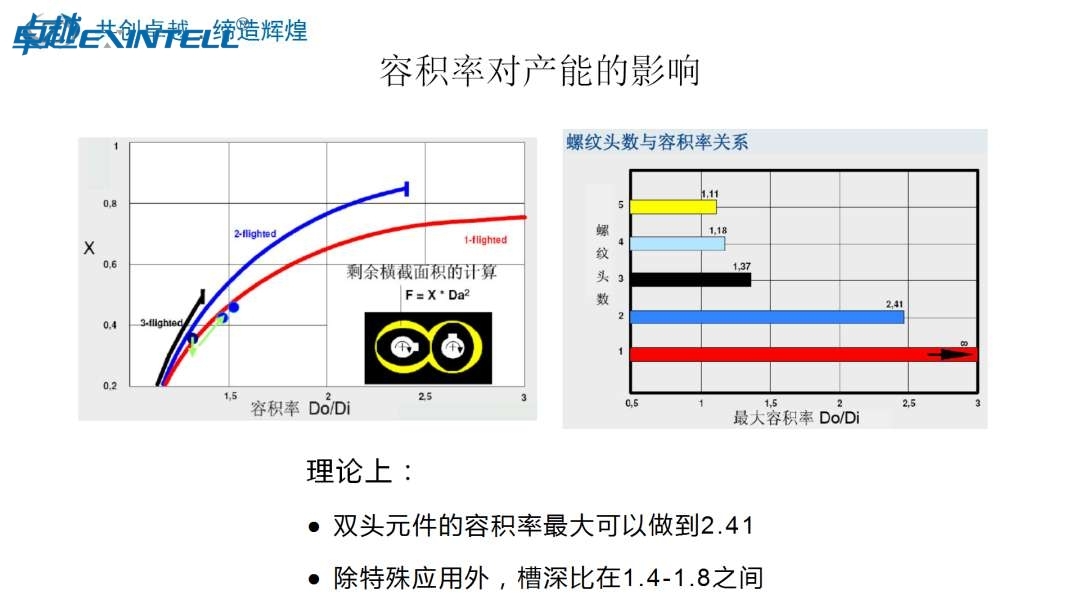
When I evaluate a plastic pelletizer factory for a client, the first technical decision I push to the front is which cutting method the line will use. Strand, воден пръстен, and underwater pelletizing each solve the same problem, turning a molten polymer stream into uniform pellets, but they cool and cut in fundamentally different ways. Those differences ripple into pellet quality, генериране на прах, operator workload, and ultimately the total cost of ownership. Water ring and water strand pelletizing are both standard granulation methods offered across the market, and I treat the underwater option as the premium tier for high-throughput and shape-sensitive work (Plastic Pelletizing Machine, 2024).
How Cooling and Cutting Differ Across the Three Methods
Strand pelletizing sends melt through a die into thin strands that travel across a cooling water bath, get dried, and then feed into a cutter that dices them into cylindrical pellets. The cut happens after the polymer has solidified, so the material is cool and stable at the moment of cutting. Plastic pellet making machines built around this logic are designed specifically for extruding, cooling, and dicing PP, HDPE, LDPE, and LLDPE recycling streams (Plastic Pellet Making Machine for PP LDPE HDPE Recycling, 2024).
Water ring pelletizing cuts the melt at the die face while a rotating ring of water washes the freshly cut pellets away and cools them in one motion. Underwater pelletizing goes further: the die plate and cutter sit fully submerged in a temperature-controlled water chamber, so the polymer is cut while still hot and instantly quenched. Според моя опит, that submerged cut is what gives underwater systems their signature spherical, low-stress pellet, and it is why the die plate and cutter assembly deserves close scrutiny during any factory audit.
Пелетна форма, Consistency, and Dust Generation
Shape follows the cut. Strand systems produce cylindrical pellets, water ring systems produce a lens or teardrop shape, and underwater systems produce near-spherical pellets with the best pellet size uniformity of the three. Dust is the practical differentiator I watch for on the plant floor. Because underwater and water ring methods cut and cool simultaneously, they generate far less fines than a dry-cut process would. Strand cutting can produce more dust if strands are brittle or the cutter is dull, though a well-maintained strand line keeps this well within spec.
Maintenance and Operator Skill Requirements
Skill demand scales with complexity. A strand pelletizer is the most forgiving to run and the easiest to thread up after a break, which is why I recommend it to teams new to pelletizing. Water ring systems reduce the manual threading burden but add water management. Underwater pelletizers demand the most from operators and maintenance staff: die plate temperature control, cutter blade wear, and water-chamber sealing all need disciplined attention. I always ask a prospective supplier how they train buyers on die and cutter changeovers, because that is where downtime hides.
Comparison Table and Best-Fit Scenarios
| Attribute | Странд пелетизатор | Water Ring Pelletizer | Подводен пелетизатор |
|---|---|---|---|
| Cutting point | After cooling (solid strand) | At die face, ring-cooled | At die face, fully submerged |
| Pellet shape | Цилиндрична | Lens / teardrop | Near-spherical |
| Dust / fines | Low to moderate | ниско | Very low |
| Operator skill | Entry level | Intermediate | Разширено |
| Best fit | Рециклиране, moderate output, mixed streams | Filled compounds, mid-range throughput | Висока производителност, мастербач, shape-critical grades |
| Attribute | Странд пелетизатор | Water Ring Pelletizer | Подводен пелетизатор |
|---|---|---|---|
| Cutting point | After cooling (solid strand) | At die face, ring-cooled | At die face, fully submerged |
| Pellet shape | Цилиндрична | Lens / teardrop | Near-spherical |
| Dust / fines | Low to moderate | ниско | Very low |
| Operator skill | Entry level | Intermediate | Разширено |
| Best fit | Рециклиране, moderate output, mixed streams | Filled compounds, mid-range throughput | Висока производителност, мастербач, shape-critical grades |
My rule of thumb: choose strand for flexible recycling of PP, PE, and HDPE where simplicity matters; choose water ring for filled or moderately abrasive compounds; and choose underwater when volume, pellet consistency, or premium product quality justifies the added complexity. Choosing the right pelletizer type significantly affects facility output, качество на продукта, and profitability, and a healthy used-equipment market means you can validate a configuration before committing to new capital (Used Compounding And Pelletizing Equipment For Sale, Arlington Machinery, 2024). See this recycling machine reference for how these methods map onto specific resin streams.
Pelletizer vs Extruder: Understanding the Relationship
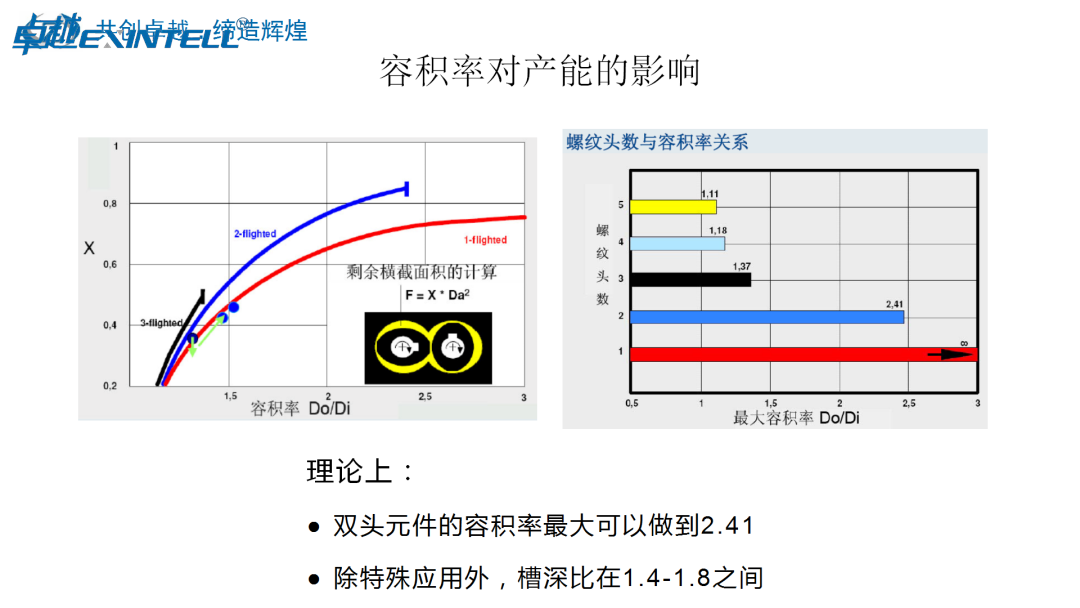
Buyers frequently ask me whether they need an extruder or a pelletizer, and my answer is that the question sets up a false choice. The two are complementary machines that almost always ship as one integrated system. Understanding the division of labor between them clarifies both your specification and your budget.
The Extruder Melts and Conveys; the Pelletizer Cuts and Forms
The extruder is the heart of melt extrusion. Its screw or screws rotate inside a heated barrel to melt the resin, homogenize any additives, build pressure, and convey the molten polymer toward the die. The pelletizer takes over at that die, cooling the extrudate and cutting it into the finished granule. In short, the plastic extrusion machine handles thermal and mechanical processing, while the pelletizer handles forming. Treating them as a single value chain, rather than two isolated purchases, is how I keep specifications coherent.
Why They Are Usually Sold and Configured Together
A pelletizer is only as good as the melt feeding it, and an extruder producing off-spec melt cannot be rescued by a downstream cutter. That interdependence is why factories engineer and test them as matched systems. A twin screw extruder factory designs, инженери, assembles, and tests complete extrusion systems used across plastics compounding, храна, фармация, and chemical industries (What Is A Twin Screw Extruder Factory – B2B Guide, 2024). When I audit a supplier, I want evidence they run the extruder and pelletizer together on the test floor with a representative material, not just individual component checks.
Two-Stage and Compounding Line Configurations
Line architecture is where the relationship becomes concrete. A single-stage line does everything in one pass. A two-stage extruder uses a primary extruder for melting and mixing and a secondary extruder for degassing, pressure building, and gentle conveying to the die, which protects heat-sensitive or heavily filled materials. Full compounding lines add side feeders, gravimetric dosing, and vacuum venting so polymer compounding equipment can incorporate fillers, colors, and reinforcements precisely. China-based factories commonly offer broad product lines spanning twin, triple, two-stage, and single screw machines plus underwater pelletizers, so a single supplier can often configure the whole pelletizing line for you (China laboratory twin screw extruder factory catalog, 2024).
What This Means for Your Purchase Decision
Because the machines are coupled, I always map price to specification at the system level rather than pricing an extruder and a pelletizer separately. A PP/PE masterbatch twin screw machine is listed around US $42,000 per piece, and that figure reflects the extruder-plus-pelletizer configuration rather than a bare barrel (Произведено в Китай.com, 2024). When you compare quotes, confirm exactly which downstream components, cooling water bath, cutter, сушилня, и контроли, are inside the number.
Twin Screw vs Single Screw Systems for Pelletizing
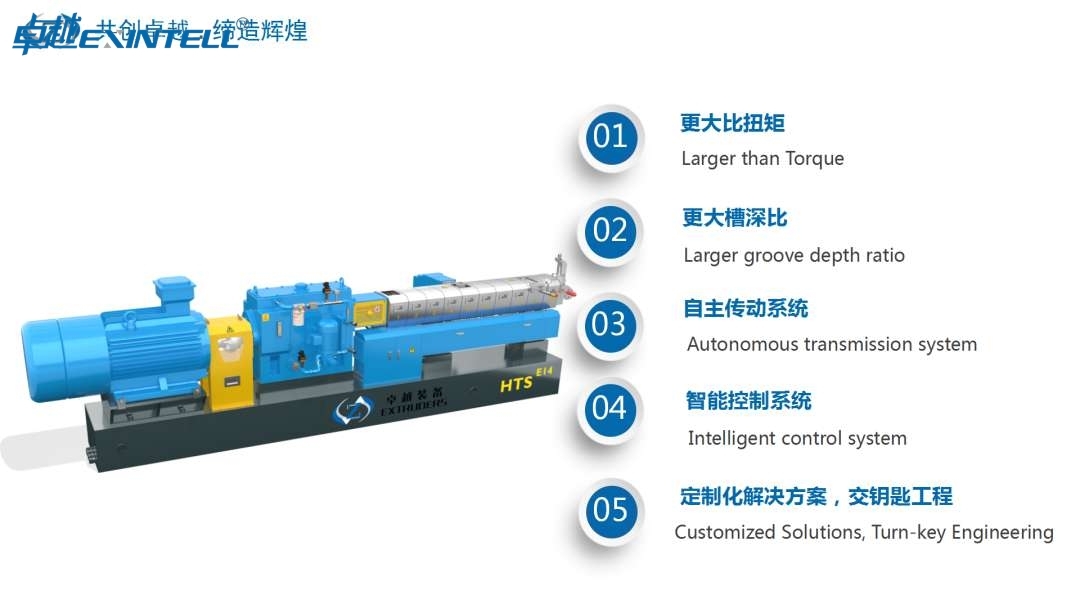
The screw configuration is the single most consequential engineering choice in a pelletizing line, and it is where I spend the most time with buyers. Twin screw and single screw architectures serve genuinely different jobs, and matching the right one to your material and output goals prevents expensive mismatches later.
Component Parts: Screw Elements, Barrels, Shafts, and Side Feeders
Both systems share a common vocabulary. Screw elements are the modular segments, предаване, месене, and mixing, that thread onto the shafts. The barrel encloses the screws and carries the heating and cooling zones. Shafts transmit torque, and side feeders introduce fillers or reinforcements partway down the barrel. On a twin screw machine these elements are highly configurable, which is what gives the extruder screw configuration its flexibility. On a single screw, the geometry is largely fixed, which trades adaptability for simplicity and lower cost.
Intermeshing Twin Screws for Mixing and Compounding
Twin screw extruders use two intermeshing screws that continuously wipe each other, producing the intensive distributive and dispersive mixing that compounding demands. This is the architecture I specify for masterbatch, запълнени съединения, and reactive processing, because the intermeshing screws give tight control over residence time and shear. It is also the workhorse for engineered materials and PET recycling, where a masterbatch extruder or PET recycling extruder must homogenize additives thoroughly.
Single Screw Strengths for Simpler Recycling Tasks
A single screw extruder shines when the job is straightforward: melting and conveying a clean, single-resin stream. For recycling PP, HDPE, LDPE, and LLDPE into recycled plastic pellets, a single screw plastic granulator often delivers the throughput at a fraction of the capital and maintenance cost. Според моя опит, buyers reprocessing their own uniform scrap rarely need the mixing power of a twin screw, and the simpler machine keeps operator skill requirements and spare-parts complexity low.
Triple Screw and Specialty Configurations
Beyond the two mainstream options, factory catalogs include triple screw and other specialty designs for niche mixing, обезвъздушаване, or dedicated pipe extrusion. Conical twin screw extruders for PVC pipe, for example, are listed at approximately US $25,000 per set, reflecting a purpose-built geometry rather than a general-purpose compounder (Произведено в Китай.com, 2024). I treat these specialty units as material-specific tools; they excel at their intended job but are rarely the right general-purpose choice.
Matching Screw Design to Material and Output Goals
My selection framework comes down to two questions: how much mixing does the material need, and how much throughput do you require? High mixing demand or additive incorporation points to twin screw. Simple remelting of clean streams points to single screw. Output targets then set the screw diameter and line size. The table below summarizes how I steer that decision.
| Criterion | Единичен винт | Двоен винт (Intermeshing) |
|---|---|---|
| Primary strength | Melting and conveying | Mixing and compounding |
| Ideal materials | Clean single-resin recycling (ПП, HDPE, LDPE, LLDPE) | Masterbatch, запълнени съединения, PET, reactive systems |
| Configurability | Fixed geometry | Modular screw elements and side feeders |
| Capital and maintenance | По-ниска | По-високо |
| Typical price signal | Entry-level recycling lines | ~US $42,000 for a PP/PE masterbatch system |
| Criterion | Единичен винт | Двоен винт (Intermeshing) |
|---|---|---|
| Primary strength | Melting and conveying | Mixing and compounding |
| Ideal materials | Clean single-resin recycling (ПП, HDPE, LDPE, LLDPE) | Masterbatch, запълнени съединения, PET, reactive systems |
| Configurability | Fixed geometry | Modular screw elements and side feeders |
| Capital and maintenance | По-ниска | По-високо |
| Typical price signal | Entry-level recycling lines | ~US $42,000 for a PP/PE masterbatch system |
The market backs up how central these choices are. HiSupplier lists 1,569 twin screw extruder products with supply concentrated in Shandong, Джъдзян, and Jiangsu, giving US buyers real leverage to match screw design to their exact material and output goals (HiSupplier.com twin screw extruder directory, 2024). For a broader view of how compounding and pelletizing equipment is specified and traded, на Arlington Machinery compounding and pelletizing inventory is a useful reference point.
Matching Machines to Materials: ПП, PE, PET, PBAT, and More
In my experience sourcing equipment from a plastic pelletizer factory, the single biggest mistake buyers make is treating pelletizing lines as interchangeable. They are not. The resin you process dictates the screw configuration, the cooling method, the die plate and cutter design, and the pretreatment you need upstream. Before I ask any supplier about price, I define the material first. That discipline saves months of rework and prevents buying a machine that physically cannot deliver the pellet size uniformity a downstream buyer expects.
ПП, HDPE, LDPE, and LLDPE Recycling Lines
Polyolefins are the workhorse of plastic recycling, and most general-purpose lines are built around them. Plastic pellet making machines in this category are designed for extruding, cooling, and dicing PP, HDPE, LDPE, and LLDPE recycling streams (Plastic Pellet Making Machine for PP LDPE HDPE Recycling, 2024). For these materials I typically specify a single screw extruder or a two-stage extruder paired with either water ring or water strand pelletizing, both of which are standard granulation methods across the industry (Plastic Pelletizing Machine, 2024).
The practical differences matter. LDPE and LLDPE films are low-density and often contaminated with moisture and ink, so I favor a strand pelletizer with a generous cooling water bath and a robust degassing zone. Rigid HDPE and PP flakes tolerate a water ring pelletizer well and run at higher throughput. If a supplier tries to sell one screw geometry for all four resins without discussion, that is a signal to slow down.
PET Recycling Extruders and Moisture Handling
PET is where inexperienced buyers get burned. Unlike polyolefins, PET is hygroscopic and hydrolyzes at melt temperature if residual moisture is present, which collapses intrinsic viscosity and produces brittle, off-spec recycled plastic pellets. A PET recycling extruder is not just a resin swap on a PP line. It requires crystallization and drying upstream, aggressive vacuum devolatilization during melt extrusion, and often a twin screw extruder for better mixing and moisture stripping. When I scope a PET line, I treat moisture handling as a non-negotiable line item, not an accessory.
PBAT and Bioplastic Pelletizing Considerations
PBAT and other compostable bioplastics behave differently again. They are heat-sensitive with a narrow processing window, and they tend to be sticky at the cutter. For these I lean toward an underwater pelletizer, which cuts pellets directly at the die face in a temperature-controlled water stream and minimizes thermal history. Gentle, precise temperature control across the extruder screw configuration protects the polymer and keeps pellet size uniformity within spec. If your product roadmap includes bioplastics, confirm the factory has actually run PBAT, not just polyolefins on similar hardware.
PVC, WPC, and Filler Masterbatch Requirements
PVC, wood-plastic composites, and highly filled masterbatch push the line toward intermeshing screws and corrosion-resistant, wear-resistant metallurgy. PVC is thermally unstable and evolves corrosive gases, so conical twin screw machines are common here; conical twin screw extruders for PVC pipe are listed at approximately US $25,000 per set (Произведено в Китай.com, 2024). Пълнител мастербач, with heavy calcium carbonate or titanium dioxide loading, abrades screws and barrels quickly, so I always ask about barrel liner hardness and whether the die plate and cutter are rated for the abrasive load. A polymer compounding equipment line built for clean polyolefin will not survive long on 70% filled masterbatch.
Pelletizer Machine Price: What Actually Drives the Cost
Buyers ask me for a price before they give me a spec, and I understand the instinct. But a static list price tells you almost nothing. In my experience the same headline number can hide a two-to-one difference in real value once you map price to specification. Here is how I break down what actually moves the cost when buying from a Plastic Pelletizer Factory.
Capacity in kg/h Is the Primary Price Driver
Production line capacity, measured in kilograms per hour, dominates the quote more than any other single variable. A line rated at 150 kg/h and one rated at 1,000 kg/h differ in motor size, диаметър на винта, скоростна кутия, cooling capacity, and cutter throughput. When I compare bids, I normalize every quote to a cost-per-kg/h figure. It is the fastest way to see whether a low sticker price simply reflects a smaller machine rather than a better deal.
Screw Type, Автоматизация, and Control System Impact
After capacity, screw architecture is the next big lever. A single screw extruder is the least expensive option and fine for straightforward polyolefin recycling. A twin screw extruder with intermeshing screws costs more but delivers superior mixing for masterbatch and moisture removal for PET. Automation adds real money: PLC control with recipe storage, automatic screen changers, gravimetric feeding, and pellet size monitoring all raise the price and lower the labor cost per ton. I decide how much automation to buy based on labor rates and volume, not on what looks impressive in a brochure.
Representative Price Ranges From Wholesale Listings
Public wholesale listings give useful anchors, provided you read them against specification. From current Made-in-China.com data (2024): a PP/PE pelletizer masterbatch twin screw machine is listed at US $42,000 per piece; conical twin screw extruders for PVC pipe run about US $25,000 per set; and twin screw extruders configured for pet food production span US $25,000 към $80,000 per set depending on size and options. The table below maps those anchors to typical use.
| Configuration | Typical material | Screw type | Representative price |
|---|---|---|---|
| Conical PVC pipe extruder | PVC | Conical twin screw | ~US $25,000 / set |
| Masterbatch pelletizer | ПП / PE | Twin screw | САЩ $42,000 / piece |
| Комбиниране / food-grade extruder | Various compounds | Twin screw | US $25,000–$80,000 / set |
| Configuration | Typical material | Screw type | Representative price |
|---|---|---|---|
| Conical PVC pipe extruder | PVC | Conical twin screw | ~US $25,000 / set |
| Masterbatch pelletizer | ПП / PE | Twin screw | САЩ $42,000 / piece |
| Комбиниране / food-grade extruder | Various compounds | Twin screw | US $25,000–$80,000 / set |
Treat these as starting points. The right question is not “what does it cost” but “what capacity, screw type, and automation does that number include.”
Total Cost of Ownership Beyond the Purchase Price
The purchase price is the part everyone sees and the part that matters least over a machine’s life. My total cost of ownership model includes spare wear parts (винтове, бъчви, die plate and cutter blades), energy consumption per ton, water and cooling load, expected downtime, and the cost and lead time of service support from the supplier. A cheaper machine that idles for two weeks waiting on a screw from overseas can erase its entire price advantage in a single outage. I always ask for a recommended spares list and a written service response commitment before I sign.
New vs Used Plastic Pelletizing Equipment
The secondary market for pelletizing equipment is deep and active. край 74,000 wholesale used twin screw extruder products are listed on Made-in-China.com alone (2024), and specialist dealers maintain their own inventory. Choosing the right pelletizer type significantly affects facility output, качество на продукта, and profitability, and used inventory is genuinely available for buyers who know what to look for (Arlington Machinery, 2024). The question is when refurbished makes sense and when the premium for new is justified.
Cost Savings and Risks of Refurbished Machines
A quality refurbished line can cost 40% към 60% less than new and ship far faster, which is a strong argument when capital is tight or you need capacity quickly. The risk is that wear on the screw and barrel is invisible from the outside and directly determines mixing quality and output. A worn screw drops throughput, degrades pellet size uniformity, and raises energy use. Buying used without verifying wear is buying a number, not a machine. I only recommend used when I can inspect the core melt extrusion components or trust a dealer’s documented refurbishment.
What to Inspect on Used Compounding and Pelletizing Lines
My used-line inspection checklist is deliberate:
- Screw and barrel wear: measure clearance and check flight land condition, since this governs output and mixing.
- Die plate and cutter: inspect for erosion and confirm blade replacement availability.
- Gearbox and motor: listen and check for backlash, oil condition, and bearing noise under load.
- Система за контрол: verify the PLC still boots, holds recipes, and has available parts, not an orphaned obsolete platform.
- Cooling water bath and pump: check for corrosion, scale, and leaks.
- Документация: original spec sheet, run hours, prior processed materials (a machine run on abrasive filler wears faster).
If I cannot inspect in person, I insist on a video walkthrough under power and, ideally, a short trial run. Plastic Extruder Manufacturer Manufacturer
When Buying New From a Factory Is Worth the Premium
New is worth the premium in specific situations. If you need a warranty, a customized extrusion solution, a specific screw configuration for PET or bioplastics, or guaranteed spare-parts continuity for a decade, buy new from a factory. A twin screw extruder factory designs, инженери, assembles, and tests extrusion systems for plastics compounding and adjacent industries (What Is A Twin Screw Extruder Factory – B2B Guide, 2024), and that engineering support is exactly what you are paying for. For a first line, a regulated end market, or any application where downtime is expensive, the certainty new equipment provides usually pays for itself.
Sources for Reliable Used Inventory
For used inventory I work from three channels. Established North American dealers such as Arlington Machinery carry vetted compounding and pelletizing lines with condition documentation (Used Compounding and Pelletizing Equipment for Sale, 2024), which lowers inspection risk. Global marketplaces like Made-in-China.com and HiSupplier list large volumes, with supply concentrated in Shandong, Джъдзян, and Jiangsu (HiSupplier.com, 2024) — strong on price, but you own the vetting. And factory refurbishment programs let you buy a rebuilt machine backed by the original manufacturer. Whichever channel you choose, apply the same inspection discipline; a listing is a lead, not a guarantee. For a technical primer on machine types before you shop, на plastic pellet making machine overview (2024) is a useful reference.
Certifications and Standards to Verify
Before I release a single dollar to any supplier, I treat certification as the entry ticket rather than a bonus. When I evaluate a Plastic Pelletizer Factory, the paperwork tells me whether the equipment will clear US customs, satisfy my insurer, and survive an OSHA walkthrough. According to Made-in-China.com certification filters (2024), the credentials that surface most often across extruder and pelletizer suppliers are CE, ISO 9001, УЛ, GMP, and SA8000. Each one answers a different question, so I read them as a set rather than treating any single mark as proof of quality.
CE Marking for Safety and EU-Aligned Design
CE marking is not a US requirement, but I still ask for it. Според моя опит, a factory that engineers to the CE machinery directive has already built guarding, аварийни спирания, and documented risk assessments into the design. That discipline carries over to any market. If I ever resell or relocate a pelletizing line into Europe, the CE file saves me a costly retrofit. I request the Declaration of Conformity and the technical file references, not just a logo on a brochure.
ISO 9001 Системи за управление на качеството
ISO 9001 tells me the factory has a repeatable process behind the product. It does not certify that a specific twin screw extruder is good, so I never confuse it with a performance rating. What it gives me is traceability: material certificates for the screw and barrel steel, calibration records for the test bench, and corrective-action logs when a build fails inspection. I ask to see the certificate number and verify it against the issuing registrar, because an expired or fabricated ISO claim is a fast way to disqualify a supplier.
UL and Electrical Safety Approvals for US Use
This is the credential US buyers overlook most often, and it burns them at commissioning. Chinese factories frequently build to 380V/50Hz with control components that lack UL or CSA recognition. If the panel is not built to UL 508A and the components are not NRTL-listed, my local electrical inspector can refuse to energize the machine. I specify UL-listed contactors, drives, and enclosures in the purchase order, and I confirm the factory can supply a 480V/60Hz configuration for North American plants. When a supplier cannot do this, I budget for a domestic panel rebuild before I sign.
GMP for Pharma and Food Applications
If the pelletizing line touches food, храна за домашни любимци, or pharmaceutical feedstock, GMP relevance moves from optional to mandatory. Twin screw extruders serve compounding, храна, фармация, and chemical industries (What Is A Twin Screw Extruder Factory – B2B Guide, 2024), and each of those downstream uses carries its own hygienic-design expectations. For food and pharma work I look for sanitary contact surfaces, clean-in-place capability, and documentation that supports FDA-compliant material contact. A factory that already builds GMP-oriented machines will understand these requirements without a long explanation.
How I Cross-Check a Certificate
Logos are cheap to copy, so I verify. I match the certificate number to the registrar or notified body database, confirm the scope actually covers extrusion machinery, and check that the issue and expiry dates are current. When a factory hesitates to share a machine-readable certificate or points me to a generic image, I treat that as a red flag and escalate my audit.
Factory vs Trading Company vs Marketplace
Where I buy shapes price, персонализиране, and the quality of support I get three years later when a die plate wears out. The market gives me three channels, and each behaves differently. Marketplaces demonstrate the scale of supply: над 74,000 wholesale used twin screw extruder products are listed on Made-in-China.com (2024), HiSupplier.com lists 1,569 twin screw extruder products concentrated in Shandong, Джъдзян, and Jiangsu (2024), and China-based factories offer broad lines spanning twin, triple, two-stage, and single screw machines plus underwater pelletizers (China laboratory twin screw extruder factory catalog, 2024). That breadth is useful, but it also hides resellers among genuine manufacturers.
How to Tell a Real Manufacturer from a Reseller
A true Plastic Pelletizer Factory designs, инженери, assembles, and tests its own extrusion systems (What Is A Twin Screw Extruder Factory – B2B Guide, 2024). A trading company brokers someone else’s output. I separate the two with a short set of probes. I ask for the manufacturing license and the physical plant address, then request a live video walkthrough of the machine shop and assembly floor. I ask engineering questions a broker cannot answer, such as the L/D ratio range they machine, their intermeshing screw element inventory, and how they configure the screw for a specific polymer. I also ask for the export license under their own name. A reseller can quote a price; only the maker can talk in depth about extruder screw configuration and melt extrusion behavior.
Verifying R&D and Production Capacity
Capacity claims are easy to inflate, so I look for evidence. I ask how many pelletizing lines the factory ships per month, whether it runs its own test bench for factory acceptance testing, and how many engineers sit in R&D versus sales. I request reference installations in North America and, when the order justifies it, I commission a third-party audit. A factory with real R&D can propose custom extrusion solutions; a shell operation will only echo my specification back to me.
Pros and Cons of Buying Through Made-in-China Style Platforms
Platforms are excellent for discovery and price benchmarking, less reliable for accountability. The advantage is reach and transparency on going rates. The disadvantage is that listing quality varies and after-sales support often evaporates once payment clears. I use marketplaces to build a shortlist, then move the qualified suppliers off-platform into a direct relationship with a proper contract before I place a deposit.
Channel Comparison
| Фактор | Direct Factory | Trading Company | Online Marketplace |
|---|---|---|---|
| Unit price | Lowest; no middle margin | По-високо; broker markup added | Benchmark visible; final price negotiated |
| Персонализиране (OEM/ODM) | Full; controls the build | Ограничен; relays requests | Varies by listed seller |
| Technical support | Direct to engineers | Indirect; slower turnaround | Inconsistent post-sale |
| Spare parts and service | Source of record for parts | Dependent on the underlying maker | Often unsupported |
| Best use | Long-run production lines | Small mixed orders, one contact | Discovery and price research |
| Фактор | Direct Factory | Trading Company | Online Marketplace |
|---|---|---|---|
| Unit price | Lowest; no middle margin | По-високо; broker markup added | Benchmark visible; final price negotiated |
| Персонализиране (OEM/ODM) | Full; controls the build | Ограничен; relays requests | Varies by listed seller |
| Technical support | Direct to engineers | Indirect; slower turnaround | Inconsistent post-sale |
| Spare parts and service | Source of record for parts | Dependent on the underlying maker | Often unsupported |
| Best use | Long-run production lines | Small mixed orders, one contact | Discovery and price research |
My rule is simple: for a capital pelletizing line I want to run for a decade, I buy factory-direct so the party that built the die plate and cutter is the same party I call for a replacement.
OEM and ODM Customization Options
The reason I favor a genuine manufacturer becomes clearest here. A plastic pellet making machine has to be matched to the exact polymer stream it will process, whether that is PP, HDPE, LDPE, or LLDPE recycling material (Plastic Pellet Making Machine for PP LDPE HDPE Recycling, 2024). Off-the-shelf rarely fits a real plant, so I lean on OEM and ODM programs to get pellet size uniformity and throughput that match my process.
OEM vs ODM: Two Different Deals
I keep the distinction precise. Under OEM (own-brand) arrangements, I supply the design intent or brand and the factory builds to it, which suits private-label resellers and integrators who put their own plate on the machine. Under ODM, the factory owns the base design and adapts it to my requirements, which suits buyers who want proven engineering with targeted changes. For most US buyers sourcing a first line, ODM strikes the better balance between customization and de-risked engineering.
Custom Screw Configurations for Specific Polymers
Screw design is where a compounding line succeeds or fails. Intermeshing twin screws with the right mixing, предаване, and shearing elements determine melt quality for a given resin, and a rigid PVC pipe compound behaves nothing like a filled PP masterbatch. I specify the screw configuration against my actual formulation, including fillers and additive loading, and I ask the factory to model the L/D ratio and barrel zones accordingly. This is also where the factory-versus-reseller test pays off, because only the maker can genuinely tailor the extruder screw configuration.
Pelletizing Method and Downstream Add-Ons
Customization extends past the screw. Water ring and water strand pelletizing are the standard granulation methods on offer (Plastic Pelletizing Machine, 2024), and the choice affects pellet shape, cooling load, и поддръжка. For clean, free-flowing pellets on many resins I favor an underwater pelletizer; for straightforward recycling streams a strand pelletizer with a cooling water bath is often more economical. I match the die plate, cutter, and cooling stage to the polymer and the target output.
Automation and Computerized Control Add-Ons
I ask about PLC control, recipe storage, gravimetric feeding, and remote diagnostics. Computerized control tightens pellet size uniformity, reduces operator error, and lets my team save and recall settings per formulation. For US installations I again insist on UL-listed control components and a 480V/60Hz build so the automation package does not stall at inspection.
How Customization Affects Lead Time and Price
Every custom element trades cost or time for fit, and I map that explicitly rather than reacting to a static list price. Marketplace listings give me a useful baseline: a PP/PE pelletizer masterbatch twin screw machine is listed at about US $42,000 per piece, conical twin screw extruders for PVC pipe at roughly US $25,000 per set, and twin screw extruders for pet food production between US $25,000 и $80,000 per set (Made-in-China.com wholesale used twin screw extruder listings, 2024). From that base, a custom screw set, a specialized pelletizing method, and an automation package each add cost and typically extend lead time by weeks. Choosing the right pelletizer type significantly affects facility output, качество на продукта, and profitability (Used Compounding And Pelletizing Equipment For Sale, 2024), so I treat these add-ons as investments measured against total cost of ownership, not line-item expenses. When budget is tight, the active secondary market for used equipment can be a reasonable bridge, provided the core screw geometry still fits my polymer.
My approach is to write the specification first, then request a price-to-specification breakdown from the factory so I can see exactly what each customization costs in dollars and in schedule. That transparency, more than any headline price, is what protects my project’s return.
How to Evaluate a Plastic Pelletizer Supplier
When I vet a plastic pelletizer factory, I treat the sales conversation as the least reliable data point. Marketing decks are easy to produce; verifiable throughput, real reference installations, and documented service history are not. Below is the framework I use to separate a genuine manufacturer from a trading company reselling someone else’s machine.
Assessing Throughput Claims and Reference Installations
Rated capacity means little without context. A supplier that quotes “500 кг/ч” should be able to tell me the polymer, the screw configuration, the moisture content of the feed, and whether that number reflects virgin resin or a contaminated recycling stream. Според моя опит, throughput drops 20 към 40 percent when you move from clean PP or PE pellets to post-consumer PET or LDPE film. I ask for two things: a spec sheet that ties the rating to a defined material and pellet size, and contact details for at least two reference installations running comparable output. If a factory cannot produce a single customer who will take a call, I treat the throughput figure as aspirational.
The market is large enough that references should be easy to supply. HiSupplier lists 1,569 twin screw extruder products with supply concentrated in Shandong, Джъдзян, and Jiangsu (HiSupplier.com twin screw extruder directory, 2024), and Made-in-China.com shows over 74,000 wholesale used twin screw extruder listings (Made-in-China.com used equipment marketplace, 2024). A supplier operating at real scale in an active market has installed base to point to.
Reviewing Certifications, Warranties, and Service Scope
Certifications are a baseline filter, not a guarantee, but their absence is a strong negative signal. Common factory credentials include CE, ISO 9001, УЛ, GMP, and SA8000 (Made-in-China.com certification filters, 2024). For a US buyer, CE marking on electrical components and a valid ISO 9001 quality-management certificate are the minimum I expect. I request the certificate PDFs with issuing-body numbers and verify at least one against the registrar’s database rather than accepting a logo on a brochure.
On warranties, I read the scope, not just the term. А “12-month warranty” that excludes the die plate, cutter, винтове, and barrel excludes the components most likely to fail. I want the warranty to name covered assemblies explicitly and to state whether it covers parts only or parts plus labor and shipping. I also confirm what the service scope includes: въвеждане в експлоатация, обучение на оператори, дистанционна диагностика, and whether the factory has English-speaking engineers who can support a US time zone.
Checking Spare-Parts Availability and Response Times
A pelletizing line is only as productive as its uptime, and uptime depends on how fast you can replace a worn cutter or a cracked die plate. Before I commit, I ask the supplier to quote lead times and prices for the top five wear items and to confirm whether those parts are stocked or built to order. A four-week manufacturing lead time on a cutter blade, plus ocean freight, can mean two months of lost production. I favor suppliers who either hold critical spares in inventory or can source interchangeable components from standard vendors.
Factory Versus Trading Company Versus Marketplace
Understanding who you are actually buying from shapes price, accountability, и подкрепа. China-based factories commonly offer broad product lines spanning twin, triple, two-stage, and single screw machines plus underwater pelletizers (China laboratory twin screw extruder factory catalog, 2024), which is one signal of genuine manufacturing depth. The table below maps the three sourcing channels against the criteria that matter most to a US buyer.
| Criterion | Direct factory (manufacturer) | Trading company | Online marketplace listing |
|---|---|---|---|
| Price transparency | Ties price to spec; custom quotes | Marked up 10–25% over factory | Static list price, spec often vague |
| Technical support | Direct access to engineers | Intermediary relays questions | Limited or none post-sale |
| Spare-parts sourcing | OEM parts from source | Depends on factory relationship | Buyer sources independently |
| МАЗНИНИ / sample runs | On-site testing available | Arranged through factory | Rarely offered |
| Warranty accountability | Direct, single point | Shared, can be disputed | Often buyer’s risk |
| Criterion | Direct factory (manufacturer) | Trading company | Online marketplace listing |
|---|---|---|---|
| Price transparency | Ties price to spec; custom quotes | Marked up 10–25% over factory | Static list price, spec often vague |
| Technical support | Direct access to engineers | Intermediary relays questions | Limited or none post-sale |
| Spare-parts sourcing | OEM parts from source | Depends on factory relationship | Buyer sources independently |
| МАЗНИНИ / sample runs | On-site testing available | Arranged through factory | Rarely offered |
| Warranty accountability | Direct, single point | Shared, can be disputed | Often buyer’s risk |
For a machine as service-intensive as a plastic extrusion machine, I lean toward direct factory relationships. The marginal savings from a marketplace deal rarely offset the cost of a stalled pelletizing line with no one accountable for the die plate and cutter.
A Practical Factory-Audit Checklist
Whether I audit on-site or over a live video walkthrough, I work from a fixed checklist so I compare suppliers on the same terms. The goal is to confirm that the factory can actually build, test, and support the machine I am buying, not just quote it.
Business License, Категория, и Р&D Capability Checks
I start with the legal foundation. I ask for the business license and confirm that its registered business scope includes manufacturing extrusion or plastic machinery, not just trading. A twin screw extruder factory that designs, инженери, assembles, and tests extrusion systems for compounding, храна, фармация, and chemical applications carries an operating profile very different from a broker (What Is A Twin Screw Extruder Factory – B2B Guide, 2024). I look for evidence of R&D capability: an in-house design team, CAD drawings of screw configurations, and a machine shop that cuts its own screws and barrels rather than outsourcing every component.
On-Site or Virtual Audit Points to Confirm Capacity
On the floor, I confirm the things a brochure cannot fake. I want to see machines in various stages of assembly, a QC area with test equipment, and finished lines undergoing runoff. During a virtual audit I ask the guide to walk the full length of a production line and to open control cabinets so I can inspect wiring quality and the brand of PLCs, drives, and heaters. I count active work cells against the stated headcount and monthly output. If a factory claims to ship a dozen pelletizing lines a month but the floor holds two machines, the numbers do not reconcile.
- Assembly floor with multiple lines in progress, matching stated capacity
- Dedicated QC and testing bay with calibrated instruments
- In-house machining of screws, бъчви, and die plates
- Component brands visible in control cabinets (двигатели, drives, сензори)
- Raw-material and finished-goods inventory consistent with throughput claims
- Water strand and water ring pelletizing capability if your process needs it (Plastic Pelletizing Machine, 2024)
Документация: Certificates, Test Reports, Drawings
A capable factory keeps a paper trail. I request certificate copies, prior factory acceptance test reports for similar machines, and general-arrangement drawings for the model I am ordering. Drawings matter for a US installation because they let my Lab Scale Extruder facilities team confirm footprint, utility loads, and cooling water bath connections before the machine leaves the port. If a supplier cannot produce a dimensioned drawing and an electrical schematic, integration surprises are almost guaranteed.
Red Flags That Signal an Unreliable Supplier
Certain patterns tell me to walk away regardless of price. A refusal to allow any audit, on-site or virtual, is the clearest. So is a quote that omits the polymer and pellet size the rating is based on, since that usually means the number is theoretical. Other warning signs: no named reference customers, warranties that exclude all wear components, prices dramatically below the market band with no explanation, and reluctance to put technical answers in writing. When I see prices well under the range for a given machine class, I ask why. For context, PP/PE masterbatch twin screw machines list around US $42,000 per piece and conical twin screw extruders for PVC pipe around US $25,000 per set (Made-in-China.com wholesale used twin screw extruder listings, 2024). A quote far below those levels for equivalent specs deserves scrutiny, not celebration.
Контрол на качеството, МАЗНИНИ, and Machine Testing
The single most important protection in a pelletizer purchase is a well-run factory acceptance test before the machine ships. Once a line clears customs in the US, resolving a defect becomes exponentially more expensive. FAT is where I confirm the machine performs to contract while the supplier still has full accountability and full access to their own floor.
Factory Acceptance Testing Before Shipment
I write FAT terms into the purchase order rather than treating them as a courtesy. The contract specifies the test material, target throughput, acceptable pellet size range, run duration, and pass/fail criteria, along with the right to witness in person or by live video. I insist the test uses my actual feedstock, or a representative equivalent, because a machine tuned on virgin PP will behave differently on recycled HDPE or contaminated LDPE film. Melt extrusion behavior, screen-pack pressure, and cutter load all shift with the material.
Verifying Output Rate, Pellet Size, and Stability
During the run I measure three things. Първо, sustained output rate over a defined period, not a peak reading, weighed against the contracted figure. Второ, pellet size uniformity, sampled at intervals and screened to confirm the fraction within tolerance. трето, process stability: I watch melt temperature, motor amperage, and die pressure hold steady across the run rather than drifting. A machine that hits target output for five minutes and then surges is not production-ready. This matters because pellet uniformity and consistent output directly drive downstream product quality and profitability (Used Compounding And Pelletizing Equipment For Sale, Arlington Machinery, 2024).
Inspection of Critical Wear Components
Before and after the test run, I inspect the components that determine service life and pellet quality. Plastic pellet making machines are built to extrude, готино, and dice PP, HDPE, LDPE, and LLDPE recycling streams (Plastic Pellet Making Machine for PP LDPE HDPE Recycling, recycle-plant.com, 2024), and each stage has a wear point I check:
- Die plate and cutter: flatness of the die face, sharpness and clearance of the blades, evidence of uneven wear that would produce tails or fines
- Screws and barrel: surface condition of intermeshing screws, matched screw configuration to the datasheet, no scoring in the barrel bore
- Cooling water bath and rings: uniform cooling, no clogging in a water ring pelletizer, correct water strand tension for a strand pelletizer
- Screen changer and heaters: even heat zones, functioning thermocouples, no dead zones that cause degradation
For an underwater pelletizer I pay particular attention to cutter-to-die contact and water temperature control, since both govern pellet shape and the risk of freeze-off.
Documenting Results to Protect Your Order
Testing only protects me if it is documented. I require a signed FAT report that records the test material, measured throughput, pellet size distribution, the process readings over the run, and photos of the inspected wear components. I tie the final payment milestone to a passed and signed FAT so there is a clear, contractual consequence if the machine underperforms. This documentation becomes the reference standard for the site acceptance test after installation and the baseline for any warranty claim. Според моя опит, a rigorous FAT report is the cheapest insurance a buyer can hold on a plastic pelletizer purchase, and it is the record that turns a warranty promise into an enforceable obligation.
MOQ, Време за доставка, and Payment Terms
When I move a project from quotation to purchase order, three commercial variables decide whether the deal is workable: минимално количество за поръчка, lead time, and the payment structure. Capital extrusion equipment behaves nothing like consumable goods, so I treat these terms as engineering constraints rather than boilerplate. Getting them right protects both cash flow and the delivery schedule I have promised my own operations team.
Single-Line Versus Bulk Order Expectations
For most US buyers, а “minimum order” is effectively a single pelletizing line. Unlike commodity components, a plastic extrusion machine is built to a specification, so factories rarely impose the multi-unit MOQs you see on smaller SKUs. Според моя опит, one configured line — extruder, die plate and cutter, cooling water bath, and downstream drying and classification — is a perfectly normal standalone order.
Bulk expectations change the conversation. When I buy two or more matched lines, or add a masterbatch extruder alongside a recycling line, I use the volume as leverage for better unit pricing, priority in the build queue, and bundled spares. A PP/PE pelletizer masterbatch twin screw machine listed at US $42,000 per piece (Made-in-China.com wholesale listings, 2024) is a useful anchor, but I never accept a static list price on a multi-line deal — I map price to the exact screw configuration, пропускателна способност, and automation level I need.
Production and Shipping Lead-Time Planning
I plan lead time in two distinct phases. Production lead time covers fabrication, монтаж, and factory acceptance testing; shipping lead time covers ocean freight, customs, and inland drayage to my facility. Conflating the two is the most common scheduling mistake I see.
| Phase | Typical duration | What I confirm in writing |
|---|---|---|
| Engineering and drawing approval | 2–4 weeks | Screw geometry, дизайн на матрицата, utility specs |
| Fabrication and assembly | 8–14 weeks | Milestone photos, component brands |
| Factory acceptance test (МАЗНИНИ) | 1–2 weeks | Recorded throughput and pellet size uniformity |
| Ocean freight and customs | 4–8 weeks | Incoterms, port of entry, broker readiness |
| Inland delivery and rigging | 1–2 weeks | Rigging crew, dock or crane access |
| Phase | Typical duration | What I confirm in writing |
|---|---|---|
| Engineering and drawing approval | 2–4 weeks | Screw geometry, дизайн на матрицата, utility specs |
| Fabrication and assembly | 8–14 weeks | Milestone photos, component brands |
| Factory acceptance test (МАЗНИНИ) | 1–2 weeks | Recorded throughput and pellet size uniformity |
| Ocean freight and customs | 4–8 weeks | Incoterms, port of entry, broker readiness |
| Inland delivery and rigging | 1–2 weeks | Rigging crew, dock or crane access |
These ranges are directional, not guarantees. I ask each Plastic Pelletizer Factory supplier for their own committed dates against these phases and tie milestone payments to them.
Deposit, Balance, and Escrow Structures
The conventional structure is a deposit against the balance: often 30% on order and 70% преди изпращане. I resist paying the full balance on a documents-only basis. Вместо това, I negotiate the balance in tranches tied to verifiable milestones — for example, 30% депозит, 40% on successful FAT, и 30% after arrival or commissioning sign-off.
For larger capital purchases, I use an escrow arrangement or a documentary letter of credit so funds release only when defined conditions are met. On a first-time relationship with an unfamiliar manufacturer, escrow is the single most effective tool I have for aligning incentives without straining the factory’s working capital.
Protecting Cash Flow on Large Capital Purchases
A pelletizing line is a six-figure commitment once freight, duties, and installation are included, so I manage the outflow deliberately. Milestone-based payments spread the exposure across the build. I also weigh equipment financing or leasing against a cash purchase, because preserving liquidity often matters more than the marginal interest cost. Where budgets are tight, a quality used line from a reputable dealer — pet food twin screw extruders, for instance, run US $25,000–$80,000 per set (Произведено в Китай.com, 2024) — can free capital for installation and spares.
Importing a Pelletizing Line into the US
Importing heavy machinery is where a sound purchase can quietly erode if I neglect the trade mechanics. The equipment cost is only part of the landed cost, and the difference between a smooth clearance and a stalled container usually comes down to preparation. I treat import planning as a parallel workstream that starts the day I place the order, not the week the ship arrives.
Tariffs and Duty Classification
Every plastic extrusion machine enters under a Harmonized Tariff Schedule (HTS) код, and that classification drives the duty rate. Extrusion and pelletizing equipment generally falls within the machinery chapters, but the correct subheading depends on the machine’s function and configuration. I have a licensed customs broker confirm the HTS code before shipment, because a misclassification can trigger reassessment, penalties, and delays. I also check for any additional Section 301 duties that may apply to goods of Chinese origin, since these can materially change the landed cost.
Incoterms: Who Bears Freight and Risk
Incoterms define exactly where cost and risk transfer between the factory and me, so I never leave them ambiguous on the contract.
- EXW (Ex Works): I take responsibility from the factory gate. Maximum control, maximum burden.
- FOB (Free On Board): The factory delivers to the origin port; I own ocean freight, осигуряване, and everything after. This is my usual choice because it balances control with simplicity.
- CIF (цена, Insurance, Freight): The seller arranges freight and insurance to the destination port; risk still transfers at origin.
- DDP (Delivered Duty Paid): The seller handles nearly everything, including duties. Convenient, but I scrutinize the markup baked into the quote.
My rule is to match the Incoterm to my logistics competence. If I have Plastic Recycling Extruder Machine For Sale Manufacturer a reliable freight forwarder, FOB gives me the best cost visibility.
Heavy-Machinery Logistics and Rigging
A pelletizing line is heavy, tall, and awkward to move. I plan the last mile as carefully as the ocean leg: container destuffing, forklift or crane capacity, door and aisle clearances, and floor loading at the installation point. I book a professional rigging crew in advance rather than improvising on delivery day, because damage during offloading is both expensive and hard to attribute. Confirming that my dock, or a nearby crane point, can handle the crated weight is a five-minute check that prevents a very bad afternoon.
Customs Documentation and Compliance
Clearance depends on complete, accurate paperwork. I make sure the commercial invoice, опаковъчен лист, товарителница, and any certificates of origin match one another exactly — mismatches are a leading cause of holds. Where the equipment carries certifications such as CE or UL (common factory certifications include CE, ISO 9001, УЛ, GMP, and SA8000, per Made-in-China.com, 2024), I keep that documentation on file for compliance and for my own electrical inspection. I engage my broker early so entry is filed before the vessel arrives and demurrage never becomes an issue.
Монтаж, Въвеждане в експлоатация, and Operator Training
Delivery is a milestone, not the finish line. The value of a Plastic Pelletizer Factory manufacturer relationship shows up during installation and the first weeks of production, when a well-supported startup separates a line that hits its rated throughput quickly from one that limps along producing off-spec pellets. I budget time, utilities, and attention for this phase deliberately.
Utility, Footprint, and Power Requirements
Before the crate arrives, I confirm the site can actually run the machine. That means verifying electrical supply (напрежение, phase, and amperage — imported lines often assume specifications that differ from US service), cooling water flow and temperature for the water bath, compressed air, and adequate ventilation for melt extrusion. I lay out the footprint to allow clearance around the extruder screw, die plate and cutter, and downstream conveying, plus safe operator movement. Mapping utilities to the factory’s spec sheet ahead of time is the cheapest insurance against a delayed startup.
On-Site Versus Remote Commissioning Support
Commissioning can be delivered on-site or remotely, and each has a place.
- On-site commissioning: A factory technician oversees mechanical alignment, electrical connection, and the first production runs in person. I prefer this for a first line or a complex two-stage extruder, and I confirm who covers the engineer’s travel, visa, and per-diem costs in the contract.
- Remote commissioning: Guided startup over video with a local electrician executing on-site. Lower cost and faster to schedule, and increasingly capable for a straightforward strand or water ring pelletizer where my team has prior experience.
Whichever I choose, I insist on a documented commissioning checklist and a signed acceptance record that ties back to the FAT results.
Training Operators for Consistent Pellet Quality
Consistent output is an operator skill as much as a machine capability. During commissioning I have the factory technician train my team on the variables that govern pellet size uniformity: melt temperature profiles, скорост на винта, cutter speed relative to throughput, cooling water bath conditions, and die maintenance. For recycling streams — PP, HDPE, LDPE, and LLDPE — I make sure operators understand how feedstock variability shifts those settings so they can hold quality as the material changes. Well-trained operators catch drift before it becomes scrap.
Ramp-Up to Rated Throughput
I treat the climb to rated capacity as a controlled process, not a switch. The line starts at a conservative rate, stabilizes pellet quality, and then steps up while I monitor motor load, melt pressure, and cut quality at each level. Reaching nameplate throughput typically takes days to a few weeks depending on material complexity and crew experience. I document the settings that produce good pellets at each rate so my operators have a repeatable recipe — that record becomes the foundation for the total cost of ownership case, because stable, in-spec production is what turns a capital purchase into a profitable asset.
Резервни части, Service, and Minimizing Downtime
Once a line is running, the purchase price stops being the number that matters most. Според моя опит, the operators who protect their margins are the ones who plan for wear before it happens. A pelletizing line is a chain of consumable contact surfaces, and every one of them degrades under heat, налягане, and abrasion. Recycled feedstock accelerates that wear because contamination and filler content grind against metal far more aggressively than virgin resin.
Common wear parts and how they fail
Four component groups drive most of my maintenance budget on any plastic extrusion machine:
- Screws. On a twin screw extruder, the intermeshing screws and their individual segments wear at the flight edges. Abrasive fillers like glass fiber or calcium carbonate can cut screw life dramatically. A worn extruder screw configuration loses conveying efficiency and melt homogeneity before it ever fails outright.
- Barrels. Barrel liners erode in the same high-shear zones as the screws. Because barrel replacement is expensive and slow, I treat barrel wear monitoring as a leading indicator, not a reactive fix.
- Die plates and cutters. The die plate and cutter assembly determines pellet size uniformity. On underwater pelletizer and water ring pelletizer systems, cutter blades and the die face see constant contact; dull blades produce tails, fines, and irregular granules.
- Screen packs and filters. Cheap to stock, quick to change, and the single most common cause of avoidable pressure spikes.
Building a critical-spares inventory
My rule is to keep on hand any part whose lead time from Asia exceeds the downtime cost of stocking it. For most US buyers importing from concentrated supply regions like Shandong, Джъдзян, and Jiangsu — where HiSupplier catalogs roughly 1,569 twin screw extruder products (HiSupplier.com twin screw extruder directory, 2024) — replacement screws and barrels can take weeks to ship. That makes a modest critical-spares kit cheaper than a single stalled production week. I stock at least one full set of cutter blades, a spare die plate, a screen-pack supply for several months, уплътнения, термодвойки, and a heater band or two.
Service-level agreements and lead times
Before I sign a purchase order, I negotiate the service terms in writing. The questions I insist on answering:
- What is the guaranteed lead time for wear parts, and does the factory hold them in stock or manufacture to order?
- Are spare parts standardized, or are screws and dies proprietary to that manufacturer?
- Is remote commissioning and troubleshooting support included, and in what time zone?
- What is the warranty scope, and does it survive the use of third-party spares?
Because a genuine factory designs, инженери, assembles, and tests its own extrusion systems (What Is A Twin Screw Extruder Factory – B2B Guide, 2024, exintellmach.com), it can usually supply matched spares faster and more reliably than a trading company reselling someone else’s machine. That is one of the strongest practical arguments for buying direct.
Preventive maintenance scheduling
I run maintenance on a tiered calendar rather than waiting for failure. Daily checks cover water bath temperature, cutter sound, and pellet appearance. Weekly work covers screen changes and torque logging. Quarterly, I pull and measure screw and barrel clearances to trend wear. This discipline is what keeps unplanned downtime rare, and it costs a fraction of an emergency rebuild.
Пропускателна способност, Energy Use, and Return on Investment
The right machine is the one sized to the production plan, not the one with the biggest headline capacity. I have watched buyers oversize a pelletizing line, then run it half-empty while paying full energy and maintenance costs. Sizing capacity honestly to projected demand is the first ROI decision, and it happens before any money changes hands.
Sizing capacity to your production plan
I start from annual output targets, subtract realistic uptime (planned maintenance, changeovers, feedstock variability), and only then look at nameplate throughput in kilograms per hour. A machine rated well above steady demand wastes capital; one rated at exactly demand leaves no margin for growth or downtime. I aim for enough headroom to absorb variability without carrying idle capacity year-round.
Energy consumption as a recurring cost
Melt extrusion is energy-intensive. Barrel heaters, drive motors, охладителни системи, and pelletizing water pumps run continuously, and over a machine’s life the electricity bill often rivals or exceeds the purchase price. When I compare quotes, I ask for installed motor power and specific energy consumption per kilogram of throughput, then model that against local industrial power rates. A cheaper machine that draws more power per pellet can lose money every hour it runs.
Estimating payback for a recycling or compounding line
Payback is straightforward arithmetic once you have the inputs. My model looks like this:
- Revenue per unit. The market price of recycled plastic pellets or compounded material, less feedstock and additive cost, gives contribution margin per kilogram.
- Annual output. Realistic throughput times operating hours.
- Recurring costs. Energy, labor, износващи се части, и поддръжка.
- Payback period. Total landed capital cost divided by annual net contribution.
The table below shows how upfront cost, capacity class, and typical application map together across the machine types I encounter. Prices are drawn from current marketplace listings and should be read as configuration-dependent starting points, not fixed quotes.
| Machine / configuration | Typical application | Indicative price | Notes on ROI profile |
|---|---|---|---|
| Конусен двушнеков екструдер | PVC pipe profile production | ~US $25,000 per set | Lower entry cost; application-specific, less flexible |
| Twin screw extruder (храна за домашни любимци) | Food extrusion / храна за домашни любимци | US $25,000–$80,000 per set | Wide range reflects capacity and automation level |
| PP/PE masterbatch twin screw | Masterbatch and compounding | ~US $42,000 per piece | Mid-tier; strong fit for polymer compounding equipment |
| Recycling pellet making machine | ПП, HDPE, LDPE, LLDPE recycling | Configuration-dependent | Payback driven by feedstock cost and pellet resale margin |
| Machine / configuration | Typical application | Indicative price | Notes on ROI profile |
|---|---|---|---|
| Конусен двушнеков екструдер | PVC pipe profile production | ~US $25,000 per set | Lower entry cost; application-specific, less flexible |
| Twin screw extruder (храна за домашни любимци) | Food extrusion / храна за домашни любимци | US $25,000–$80,000 per set | Wide range reflects capacity and automation level |
| PP/PE masterbatch twin screw | Masterbatch and compounding | ~US $42,000 per piece | Mid-tier; strong fit for polymer compounding equipment |
| Recycling pellet making machine | ПП, HDPE, LDPE, LLDPE recycling | Configuration-dependent | Payback driven by feedstock cost and pellet resale margin |
Price data: Made-in-China.com wholesale used twin screw extruder listings (2024). Recycling machines are designed to extrude, готино, and dice PP, HDPE, LDPE, and LLDPE streams (Plastic Pellet Making Machine for PP LDPE HDPE Recycling, 2024, recycle-plant.com).
Balancing upfront cost against long-term output
An active secondary market — Made-in-China.com alone lists more than 74,000 wholesale used twin screw extruder products (2024) — makes it tempting to chase the lowest sticker price. I resist that. A used or bargain machine with unknown wear on screws, бъчви, and dies can carry hidden refurbishment and downtime costs that erase the savings. The right comparison is total cost of ownership over the payback horizon: capital plus energy plus spares plus expected downtime. When I run that math, a slightly higher upfront price from a factory that supports the machine usually wins.
Can You DIY a Plastic Pelletizer?
I get this question often, usually from startups trying to prove a concept on a tight budget. The honest answer is that a DIY build can demonstrate the principle of melt extrusion, but it rarely produces material a commercial buyer will accept. Understanding why saves a lot of wasted effort.
Why hobby-scale builds rarely meet commercial needs
A pelletizing line is a coordinated system: a heated barrel with a precisely matched screw, controlled melt pressure, a die plate sized for consistent flow, a cutter synchronized to output, and a cooling water bath tuned to the polymer. Homemade rigs almost always compromise on the screw geometry and temperature control, and those two factors govern melt homogeneity. Without them, pellet size uniformity collapses, and inconsistent granules cause dosing and processing problems downstream. Commercial customers buying recycled plastic pellets expect tight tolerances that improvised equipment cannot hold.
Safety, последователност, and throughput limitations
Three limits define the ceiling on any garage build:
- Safety. Extruders combine high heat with high pressure. An unengineered barrel or a die that lacks a proper rupture and pressure-relief design is a genuine hazard. This is the risk I take most seriously, because a blocked die can build dangerous pressure quickly.
- Consistency. Manual temperature control and unregulated feed produce batch-to-batch variation that makes the output hard to sell.
- Пропускателна способност. Hobby builds measure output in grams per hour, not the kilograms per hour a business needs to be viable.
When lab-scale factory units make more sense
For R&г, formulation trials, or small-batch validation, I steer people toward a purpose-built lab-scale machine rather than a homemade one. Factories catalog compact laboratory twin screw extruders alongside their production lines and offer broad ranges including twin, triple, two-stage, and single screw machines plus underwater pelletizers (China laboratory twin screw extruder factory catalog, 2024, zextrusion.com). A lab unit gives you controlled, repeatable results and a data path that scales cleanly to a production machine — something a one-off build cannot provide.
Risks of unengineered pressure and heat systems
My closing view is simple. The savings from a DIY pelletizer are illusory once you account for safety exposure, rejected material, and the throughput gap. Because choosing the right pelletizer type significantly affects facility output, качество на продукта, and profitability, and used inventory is readily available (Used Compounding And Pelletizing Equipment For Sale, 2024, Arlington Machinery), even budget-constrained buyers have better options than building from scratch. A properly engineered lab or entry-level factory unit protects your people and your reputation, and that is worth far more than the cost it saves.
Brand and Benchmarking: MAAG and Comparable Factories
When I benchmark a pelletizing purchase, I start with the premium names because they set the reference points for what the technology can do at its best. Brands like MAAG have earned their reputation on tight pellet size uniformity, robust die plate and cutter engineering, and consistent long-run performance in demanding compounding applications. I treat those machines as the performance ceiling, then ask a more practical question: how much of that ceiling does my actual process require, and what am I willing to pay for the last increment of it?
What the Premium Price Actually Buys
Според моя опит, the premium you pay for a top-tier brand buys three concrete things. Първо, metallurgical quality in wear parts, винтове, and cutter blades that extends service intervals under abrasive loads. Второ, controls and process consistency that hold pellet dimensions within tighter tolerances across shifts. трето, a mature global service network that shortens response time when something fails. Those are real advantages. What the premium does not automatically buy is a better fit for a mid-volume recycling stream that tolerates slightly wider pellet variance, and that distinction matters when the price gap can be substantial.
How Specialized China Factories Compare on Cost and Lead Time
Specialized China factories compete hard on both acquisition cost and configuration breadth. Catalogs from these suppliers routinely span twin screw, triple screw, two-stage, and single screw machines alongside underwater pelletizers, so a buyer can source a full pelletizing line from one manufacturer (China laboratory twin screw extruder factory catalog, 2024, https://www.zextrusion.com). Published list prices give a useful anchor: a PP/PE masterbatch twin screw machine is listed at roughly US $42,000 per piece, conical twin screw extruders for PVC pipe near US $25,000 per set, and pet-food twin screw lines between US $25,000 и $80,000 per set (Made-in-China.com wholesale listings, 2024, https://www.made-in-china.com). Supply is concentrated in Shandong, Джъдзян, and Jiangsu, where HiSupplier alone lists 1,569 twin screw extruder products (HiSupplier.com directory, 2024, https://www.hisupplier.com).
Choosing Based on Total Value, Not Brand Alone
I make the decision on total value rather than the logo on the cabinet. That means mapping price to specification and then adding the full cost of ownership: spare screws and barrels, cutter refurbishment, expected downtime, and service response. A premium unit with a longer wear life and faster support may win on total cost in a 24/7 abrasive operation. A specialized factory build often wins on a mid-volume recycling line where the capital saving funds a full set of spares and still comes in below the premium price. The table below shows how I frame that comparison.
| Sourcing Path | Typical Capital Cost | Pellet Size Uniformity | Lead Time | Service Network | Best Fit |
|---|---|---|---|---|---|
| Premium brand (e.g., MAAG-class) | Highest | Tightest tolerances | По-дълго, quota-driven | Mature global support | High-value compounding, 24/7 abrasive duty |
| Specialized China factory | US $25,000–$80,000 per set (Произведено в Китай.com, 2024) | добре, application-dependent | Умерен, direct from maker | Regional; varies by factory | Mid-volume recycling, custom lines |
| Trading company / marketplace | Variable markup | Depends on sourced unit | Fastest for stock items | Limited technical depth | Commodity units, buyers without audit capacity |
| Sourcing Path | Typical Capital Cost | Pellet Size Uniformity | Lead Time | Service Network | Best Fit |
|---|---|---|---|---|---|
| Premium brand (e.g., MAAG-class) | Highest | Tightest tolerances | По-дълго, quota-driven | Mature global support | High-value compounding, 24/7 abrasive duty |
| Specialized China factory | US $25,000–$80,000 per set (Произведено в Китай.com, 2024) | добре, application-dependent | Умерен, direct from maker | Regional; varies by factory | Mid-volume recycling, custom lines |
| Trading company / marketplace | Variable markup | Depends on sourced unit | Fastest for stock items | Limited technical depth | Commodity units, buyers without audit capacity |
My rule is simple: use the premium brand as the benchmark for what good looks like, then verify whether a specialized manufacturer meets your process tolerances at a lower total cost before you pay for the badge.
Common Pelletizing Problems and How Factories Solve Them
Most of the pelletizing complaints I hear trace back to a short list of recurring issues. Understanding the mechanism behind each one tells you which factory capabilities actually matter, and it is where responsive supplier support pays for itself.
Inconsistent Pellet Size and Cutter Wear
Inconsistent pellet size is usually a symptom rather than a root cause. In strand and water ring systems, it points to uneven melt flow across the die plate, worn cutter blades, or a cooling water bath that is not stabilizing strand diameter before the cut. A good factory diagnoses this by checking blade-to-die clearance, melt pressure uniformity, and screw configuration rather than simply replacing parts. Because water ring and water strand pelletizing are standard offered methods for plastic granulation (Plastic Pelletizing Machine, 2024, https://www.yjplasticextruder.com/plastic-pelletizing-machine/), a capable manufacturer can advise which method holds size best for your polymer before you commit.
Moisture, Degassing, and Contamination Issues
Moisture and volatiles cause voids, splay, and weak pellets, and they are especially punishing on recycled feedstock. The fix lives in the extruder: adequate venting, vacuum degassing zones, and in some cases a two-stage extruder that separates melting from devolatilization. Contamination from mixed streams calls for melt filtration ahead of the die. When I evaluate a supplier, I ask specifically how their screw configuration and venting handle wet or dirty recycled input, because plastic pellet making machines built for PP, HDPE, LDPE, and LLDPE recycling must manage exactly these conditions (Plastic Pellet Making Machine for PP LDPE HDPE Recycling, 2024, https://www.recycle-plant.com/plastic-pellet-making-machine-2.html).
Screw and Barrel Wear from Abrasive Fillers
Abrasive fillers such as glass, талк, and calcium carbonate erode screws and barrels, and that wear quietly degrades output and pellet quality long before a failure. This is where premium metallurgy earns its keep, but specialized factories address it too through bimetallic barrels, nitrided or tool-steel screw elements, and honest wear-life estimates. I always ask for the wear-part material spec and expected service interval at my filler loading, then price a spares package accordingly.
How Good Factory Support Shortens Troubleshooting
The difference between a two-hour fix and a two-day outage is almost always support quality. A factory that engineers, assembles, and tests its own extrusion systems can interpret a symptom over a video call and ship the right part first time (What Is A Twin Screw Extruder Factory, 2024, https://www.exintellmach.com). That is why I weight remote diagnostic capability, spare-part stocking, and documented screw configurations heavily in supplier selection. Good support does not just fix problems faster; it prevents the misdiagnosis that turns a cutter adjustment into an unnecessary screw replacement.
Често задавани въпроси
Where can I find pelletizer machines for sale, and what are typical prices?
You have three main channels: direct factory purchase, trading companies, and equipment marketplaces. Marketplaces show an active market with over 74,000 wholesale used twin screw extruder listings (Произведено в Китай.com, 2024, https://www.made-in-china.com), and used compounding and pelletizing inventory is also available through North American dealers (Arlington Machinery, 2024, https://www.arlingtonmachinery.com/plastic-extruder/pl.sl.3.0/compounding-pelletizing/). As a price anchor, PP/PE masterbatch twin screw machines list around US $42,000, PVC conical units near US $25,000 per set, and pet-food lines from US $25,000 към $80,000 per set (Произведено в Китай.com, 2024). Treat these as starting points and price to your exact specification.
What is the best pelletizer type for recycled PP and PE?
For recycled PP and PE, I usually recommend a water strand or water ring pelletizer paired with a properly vented single or twin screw extruder. These streams carry moisture and contamination, so venting and melt filtration matter more than raw throughput. Machines purpose-built for PP, HDPE, LDPE, and LLDPE recycling handle the extruding, cooling, and dicing sequence these polymers need (Plastic Pellet Making Machine, 2024, https://www.recycle-plant.com/plastic-pellet-making-machine-2.html). Underwater pelletizing is worth considering at higher volumes where pellet shape and dust control justify the added complexity.
Do wood or biomass pelletizers differ from plastic units?
да, substantially. Wood and biomass pelletizers use a die-and-roller compression mechanism that presses dry fiber through a ring or flat die, with no melt phase. Plastic pelletizers rely on melt extrusion followed by cutting and cooling in a water bath. The two are not interchangeable, and a supplier that quotes a biomass machine for a plastic recycling line has misread the requirement. Confirm the equipment is a plastic extrusion machine with a die plate and cutter, not a compression pellet mill.
How do I choose the right factory rather than just the cheapest quote?
I run every candidate through a short vetting framework: confirm they are a manufacturer rather than a trading company, verify relevant certifications, and request wear-part specs and screw configurations for my material. Common factory certifications include CE, ISO 9001, УЛ, GMP, and SA8000 (Произведено в Китай.com, 2024, https://www.made-in-china.com). I also ask for reference installations running my polymer and filler loading, since a factory that engineers and tests its own systems will answer those questions specifically rather than generically.
What total cost of ownership should I budget beyond the machine price?
The sticker price is only the beginning. I budget for spare screws and barrels, cutter blade refurbishment, melt filter screens, expected downtime, and service response time. On abrasive filler applications, wear parts can dominate multi-year cost. A slightly more expensive machine with longer wear life and faster support often delivers a lower total cost of ownership, which is why I model spares and downtime before comparing quotes rather than after.
How long do delivery and commissioning usually take?
For a standard configuration from a specialized China factory, I plan on roughly 8 към 16 weeks for build and shipping, with premium brands often running longer due to production queues. Commissioning and startup on-site typically add one to three weeks depending on line complexity and operator training. За купувачи от САЩ, I build in additional time for ocean freight, митническо освобождаване, and any applicable tariffs, and I confirm Incoterms early so responsibility for freight and duties is unambiguous. Marketplace stock units can ship faster, but factory-built lines to your specification are worth the wait when quality and support are the priority.
What Is a Plastic Pelletizer Factory and Why It Matters for B2B Buyers
When I evaluate sourcing decisions for procurement teams, I start by defining what a plastic pelletizer factory actually is, because the label gets applied loosely across the market. Според моя опит, a genuine factory designs, инженери, assembles, and tests complete extrusion and pelletizing systems in-house rather than reselling machines it never built. A comparable pattern holds in adjacent equipment categories: a twin screw extruder factory “designs, инженери, assembles, and tests extrusion systems used in plastics compounding, храна, фармация, and chemical industries” (What Is A Twin Screw Extruder Factory – B2B Guide, 2024). That vertical integration is the distinction I care about most, because it determines who is accountable when a die plate wears out or a screw configuration underperforms.
Definition: What the Factory Actually Builds
A plastic pelletizer factory produces the machinery that converts molten or reclaimed polymer into uniform pellets. The core process is straightforward in principle: melt extrusion pushes material through a die, a cooling water bath solidifies it, and a cutter dices it into granules. In practice, the equipment spans several categories. Chinese and international factories commonly offer “twin, triple, two-stage, and single screw machines plus underwater pelletizers” (China laboratory twin screw extruder factory catalog, 2024). Alongside those, I typically see strand pelletizers and water ring pelletizers, since “water ring and water strand pelletizing are standard offered methods for plastic granulation” (Plastic Pelletizing Machine, 2024).
Market Context: An Active, Concentrated Supply Base
The supply market is large and geographically concentrated, which matters for buyers weighing lead times and travel for audits. HiSupplier “lists 1,569 twin screw extruder products, with supply concentrated in Shandong, Джъдзян, and Jiangsu” (HiSupplier.com twin screw extruder directory, 2024). The secondary market is even deeper: “над 74,000 wholesale used twin screw extruder products are available, indicating an active secondary market” (Made-in-China.com used equipment marketplace, 2024). I read that volume as both an opportunity and a risk. There is abundant inventory, but the sheer number of listings makes it easy to mistake a trading company or marketplace reseller for an actual manufacturer.
Key Applications: Where the Pellets Go
The reason this equipment matters commercially is the end product. Plastic pelletizers “transform waste plastics into small, uniform pellets used to make bottles, контейнери, тръби, and automotive parts” (Топ 10 plastic pelletizer Factory in the world, 2024). On the recycling side, plastic pellet making machines are “designed for extruding, cooling, and dicing PP, HDPE, LDPE, and LLDPE recycling streams” (Plastic Pellet Making Machine for PP LDPE HDPE Recycling, 2024). For buyers running masterbatch, смесване, or PET recycling operations, the polymer you process dictates the machine type. A PET recycling extruder has different drying and shear demands than a PVC line, and matching the extruder screw configuration to your resin is where uniform pellet size and profitability are won or lost.
How to Choose the Right Plastic Pelletizer Factory Supplier
Choosing a supplier is where most of the risk concentrates, and it is also where competitor guides tend to go quiet. I want to give you a buyer-side framework rather than a static price list, because “choosing the right pelletizer type significantly affects facility output, качество на продукта, and profitability” (Used Compounding And Pelletizing Equipment For Sale, 2024). Below is the process I use.
Vendor Evaluation: Factory vs. Trading Company vs. Marketplace
The first question I ask any prospective supplier is who owns the production. The three channels behave very differently on price, accountability, и поддръжка след продажбата.
| Channel | Who they are | Price transparency | After-sales & spares | Best fit for |
|---|---|---|---|---|
| Direct factory (manufacturer) | Designs, builds, and tests machines in-house | Quotes mapped to specifications; customization possible | Direct engineering access; genuine OEM parts | Buyers needing custom extrusion solutions and long-term service |
| Trading company | Broker sourcing from multiple factories | Markup layered on factory price; limited spec control | Indirect; depends on relationship with the actual maker | Buyers ordering standard, off-the-shelf lines |
| Marketplace / used inventory | Aggregated new and used listings | Listed prices, e.g., PP/PE masterbatch twin screw at US $42,000/piece | Променлива; often as-is for used equipment | Budget-driven buyers accepting refurbishment risk |
| Channel | Who they are | Price transparency | After-sales & spares | Best fit for |
|---|---|---|---|---|
| Direct factory (manufacturer) | Designs, builds, and tests machines in-house | Quotes mapped to specifications; customization possible | Direct engineering access; genuine OEM parts | Buyers needing custom extrusion solutions and long-term service |
| Trading company | Broker sourcing from multiple factories | Markup layered on factory price; limited spec control | Indirect; depends on relationship with the actual maker | Buyers ordering standard, off-the-shelf lines |
| Marketplace / used inventory | Aggregated new and used listings | Listed prices, e.g., PP/PE masterbatch twin screw at US $42,000/piece | Променлива; often as-is for used equipment | Budget-driven buyers accepting refurbishment risk |
The listed price above comes from a “PP/PE pelletizer masterbatch twin screw machine listed at US $42,000 per piece” (Made-in-China.com wholesale used twin screw extruder listings, 2024). I treat marketplace figures as anchors, not final costs.
Price-to-Specification Mapping
Static list prices mislead buyers because the same category spans a wide range based on capacity and application. Twin screw extruders for pet food production, for example, са “listed between US $25,000 и $80,000 per set,” while conical twin screw extruders for PVC pipe run “approximately US $25,000 per set” (Made-in-China.com wholesale used twin screw extruder listings, 2024). Rather than asking “what does it cost,” I ask suppliers to tie every quote to throughput, диаметър на винта, intermeshing screw design, and target pellet size uniformity. If a vendor cannot map price to specification, that is a signal in itself.
Red Flags I Watch For
- No verifiable factory address, or a refusal to permit a virtual or on-site audit.
- Certifications claimed but never documented. Common legitimate marks include “CE, ISO 9001, УЛ, GMP, and SA8000” (Made-in-China.com certification filters, 2024); ask for the actual certificate numbers.
- Quotes with no throughput figures, no test protocol, and no spare parts list.
- А “manufacturer” whose catalog spans dozens of unrelated product families, which often signals a trading company.
- Reluctance to discuss Incoterms, US import tariffs, or logistics responsibility.
Due Diligence Checklist
- Confirm in-house design and assembly, ideally with a factory acceptance test (МАЗНИНИ) you can witness by video.
- Request certificate copies for CE, ISO 9001, and UL, then verify numbers with the issuing body.
- Ask for three reference customers running comparable resins and capacities.
- Get a written spare parts and lead-time schedule for the die plate, cutter, and screws.
- Clarify Incoterms (I favor FOB or CIF for first orders) and confirm HS codes for accurate US duty estimation.
- Require a sample pellet run on your resin to validate melt extrusion quality and pellet size uniformity.
Обща цена на притежание
The purchase price is rarely the largest number. Според моя опит, spares, service response time, downtime, and energy consumption dominate a five-year total cost of ownership. A cheaper polymer compounding equipment line that idles for weeks awaiting a cutter from overseas can erase its savings in a single quarter. I ask suppliers to quantify mean time to repair and to hold critical wear parts in a US or regional warehouse where possible.
What Is a Plastic Pelletizer Factory and What Does It Produce
To close the loop, I want to consolidate exactly what these factories output and how the machine types differ, because the terminology confuses even experienced procurement staff. A plastic pelletizer factory is a manufacturer of the complete pelletizing line: the plastic extrusion machine, the cooling water bath, the die plate and cutter, and the downstream handling that turns polymer into recycled plastic pellets or virgin compound.
Key Considerations by Machine Type
Twin Screw vs. Едношнекови екструдери
A twin screw extruder uses intermeshing screws that give strong mixing and shear control, which suits masterbatch, смесване, and reactive processing. A single screw extruder is simpler and often more economical for straightforward reprocessing of a single, clean resin stream. Two-stage extruders add venting for moisture-sensitive materials like PET.
Pelletizer Cutting Methods
The three methods I encounter most are the strand pelletizer, the water ring pelletizer, and the underwater pelletizer. Strand and water ring approaches are standard, cost-effective choices for many PP, PE, HDPE, LDPE, and LLDPE streams. Underwater pelletizing produces very uniform, low-dust pellets and is often my recommendation for high-throughput or high-value polymer lines where consistency drives downstream quality.
Practical Tips
- Match the machine to the resin first, then to throughput. A PVC line and a PET recycling extruder are not interchangeable regardless of price.
- Insist on a sample run. Pellet size uniformity on your own material tells you more than any brochure.
- Budget for spares up front, especially die plates, cutters, и винтови елементи, which are consumable.
- Treat marketplace and wholesale plastic machinery prices as reference points, then negotiate against a documented specification.
Industry Context
The broader picture is a mature, globally distributed supply base with deep new and used inventory, concentrated manufacturing in Chinese provinces, and a strong pull from recycling and circular-economy demand. As one industry overview frames it, pelletizers are the machines that turn waste plastics into the feedstock for bottles, контейнери, тръби, and automotive parts (Топ 10 plastic pelletizer Factory in the world, 2024). За купувачи от САЩ, the practical implication is that abundant supply rewards disciplined vetting: the framework, checklist, and total-cost lens above are what separate a durable sourcing decision from a low-price gamble. For further technical grounding, I point teams to overviews of plastic pellet making machines for PP, LDPE, and HDPE recycling and to available used compounding and pelletizing equipment listings to benchmark specifications against real market inventory.
How does a plastic pelletizing process work end to end
When I walk a buyer through a pelletizing line for the first time, I describe it as a controlled sequence of five stages, each of which determines a piece of your final pellet quality. A plastic pellet making machine does not simply “chop plastic.” It melts, homogenizes, форми, cools, and dices a polymer stream into uniform granules that a downstream processor can meter reliably. Understanding that chain end to end is what lets you match a machine to a resin and a target output instead of buying on price alone.
The five core stages
In practice, the flow I audit on the factory floor looks like this:
- Feeding and dosing. Regrind, virgin resin, or masterbatch enters the throat, often through a force feeder or gravimetric dosing unit. Consistent feed is the first defense against pellet size variation.
- Melt extrusion. The extruder screw configuration conveys, compresses, and melts the material through shear and barrel heat. Intermeshing screws on a twin screw extruder give you the mixing energy that compounding and masterbatch work demands; a single screw extruder is simpler and well suited to clean, uniform recycling streams.
- Filtration and die. A screen changer removes contaminants before the melt reaches the die plate and cutter. Die hole geometry sets strand diameter and, ultimately, pellet dimension.
- Охлаждане. Depending on the method, the polymer is cooled in a cooling water bath, a water ring, or a water box. Cooling rate affects crystallinity and how cleanly the pellet cuts.
- Cutting and drying. Rotating knives dice the strand or die face into pellets, which are then dewatered, dried, and classified. Pellet size uniformity is measured here.
Key considerations
The resin dictates almost everything upstream. Plastic pellet making machines are commonly designed to extrude, готино, and dice PP, HDPE, LDPE, and LLDPE recycling streams (Plastic Pellet Making Machine for PP LDPE HDPE Recycling, 2024), and each of those behaves differently at the die. LDPE and LLDPE tend to be tacky and reward gentler cooling; HDPE and PP cut cleanly once crystallized; PET and PVC bring moisture sensitivity and thermal-stability constraints that push you toward specific screw and drying setups. I ask suppliers to state the target throughput per resin, not a single headline number, because production line capacity for a soft LDPE stream rarely matches the same machine’s rated output on rigid HDPE.
Practical tips
Ask the factory to run your actual material, not a house resin, during the factory acceptance test. Confirm melt-pressure stability, watch for die-hole freeze-off, and pull a pellet sample for sieve analysis. Според моя опит, a consistent melt-extrusion profile at the die is the single best predictor of whether a line will hold spec once it ships and gets installed under a US buyer’s utilities and ambient conditions.
Industry context
The reason this end-to-end view matters commercially is that pelletizers turn waste plastics into small, uniform pellets used to make bottles, контейнери, тръби, and automotive parts (Топ 10 plastic pelletizer Factory, Kehao Plastic Machinery, 2024). Your customer’s part quality traces directly back to how well each of these five stages was tuned at the factory before the machine ever left the floor.
Difference between a plastic pelletizer and a plastic extruder
Buyers frequently use “extruder” и “pelletizer” interchangeably in RFQs, and that ambiguity causes scope problems during quoting. I keep the distinction simple: the extruder makes the melt, and the pelletizer turns that melt into finished granules. In most compounding and recycling installations you are actually buying a pelletizing line where the extruder is one subsystem feeding the pelletizer.
Where the roles diverge
A plastic extrusion machine is the melting and conveying engine. A twin screw extruder factory typically designs, инженери, assembles, and tests extrusion systems used in plastics compounding, храна, фармация, and chemical industries (What Is A Twin Screw Extruder Factory – B2B Guide, 2024). The extruder can terminate in many ways: a sheet die, a pipe die, a profile die, or a pelletizing die. The pelletizer is specifically the cooling-and-cutting section that produces recycled plastic pellets or compounded granules. So a plastic granulator or granules making machine is a downstream device, while an extruder is a platform that may or may not feed one.
Key considerations
Confirm exactly what is inside the price. When I see a listing such as a PP/PE pelletizer masterbatch twin screw machine at roughly US $42,000 per piece (Произведено в Китай.com, 2024), I ask whether that figure covers only the extruder, or the full line including die plate and cutter, cooling water bath, сушилня, and control cabinet. Scope, not sticker, drives your total cost.
| Attribute | Plastic extruder | Plastic pelletizer |
|---|---|---|
| Primary function | Melt, смесете, and convey polymer | Cool and cut melt into uniform pellets |
| Core components | Винт(s), barrel, нагреватели, drive, feeder | Охладителна система, die plate and cutter, knives, сушилня |
| Изход | Homogenized melt stream | Finished granules / recycled plastic pellets |
| Typical variants | Twin screw, single screw, two-stage extruder | Strand, underwater, воден пръстен, die face |
| Bought standalone? | Often, for sheet/pipe/profile lines | Usually as part of a pelletizing line |
| Attribute | Plastic extruder | Plastic pelletizer |
|---|---|---|
| Primary function | Melt, смесете, and convey polymer | Cool and cut melt into uniform pellets |
| Core components | Винт(s), barrel, нагреватели, drive, feeder | Охладителна система, die plate and cutter, knives, сушилня |
| Изход | Homogenized melt stream | Finished granules / recycled plastic pellets |
| Typical variants | Twin screw, single screw, two-stage extruder | Strand, underwater, воден пръстен, die face |
| Bought standalone? | Often, for sheet/pipe/profile lines | Usually as part of a pelletizing line |
Practical tips
Write your RFQ around the finished pellet, not the machine label. Specify resin, throughput in kg/h, target pellet dimension, and required pellet size uniformity, then let the supplier propose the extruder-plus-pelletizer combination. This avoids the common trap of receiving a competitively priced extruder that quietly excludes the pelletizing back end.
Industry context
Chinese suppliers commonly present both together, offering broad extruder and pelletizer product lines including twin, triple, two-stage, and single screw machines plus underwater pelletizers (China laboratory twin screw extruder factory catalog, 2024). That bundling is convenient, but it makes disciplined scope definition more important, not less.
Types of plastic pelletizers (strand, underwater, воден пръстен, die face)
Choosing the pelletizer type is one of the highest-leverage decisions in a sourcing project. The right choice significantly affects facility output, качество на продукта, and profitability (Arlington Machinery, Used Compounding and Pelletizing Equipment, 2024). Below is how I frame the four mainstream methods for US buyers, along with where each earns its keep. Water ring and water strand pelletizing are both standard offered methods for plastic granulation (Plastic Pelletizing Machine, yjplasticextruder.com, 2024), so most factories can quote more than one — which means you should specify the one you actually want. Twin Screw Extruder Barrel
Пелетизатор на нишки
The melt exits the die as continuous strands, passes through a cooling water bath, is dewatered, then fed into a cutting chamber. It is mechanically straightforward, forgiving to maintain, and produces excellent pellet size uniformity for a wide range of PP, PE, и инженерни смоли. I recommend it as the default for compounding and general recycling where operators can thread strands and manage a water bath.
Подводен пелетизатор
Cutting happens directly at the die face while submerged, with pellets carried away by a water stream and dried. Underwater pelletizers deliver dust-free, near-spherical pellets at high throughput and are the go-to for large-volume PE and PET recycling extruder lines. The tradeoff is higher capital cost and more sensitive die and knife maintenance, so I only steer buyers here when volume justifies the complexity.
Water ring pelletizer
Also a die-face method, but pellets are thrown into a rotating ring of water on the cutting chamber wall rather than a full underwater flow. It sits between strand and underwater systems in cost and complexity, and handles many polyolefins and masterbatch extruder applications well. It is a practical middle option when you want die-face cutting without full underwater system overhead.
Die face (hot face) pelletizer
Cutting occurs at the die face with air cooling or minimal water, which suits highly filled compounds and some adhesives that do not tolerate a long water contact. Pellet shape can be less uniform than strand cutting, so I match it to applications where the material chemistry, not appearance, drives the decision.
Key considerations
Map type to resin and volume before you compare prices. Underwater and water ring systems reward high, steady throughput; strand systems reward flexibility and easy changeover across recycled plastic pellets of varying quality. For moisture-sensitive PET or heat-sensitive PVC, the cooling and drying subsystem deserves as much scrutiny as the cutter itself.
Practical tips
Because factories can quote several methods, I require each proposal to state the pelletizer type explicitly and to include a pellet sample from that exact configuration. I also check the secondary market before committing: над 74,000 wholesale used twin screw extruder products are listed, indicating an active resale market (Произведено в Китай.com, 2024), which gives you both a price benchmark and an exit option if your product mix changes.
Industry context
Pricing varies widely with type and application, which is why I map price to specification rather than trusting a single list figure. For reference points across polymer compounding equipment, conical twin screw extruders for PVC pipe are listed at roughly US $25,000 per set, twin screw extruders for pet food run between US $25,000 и $80,000 per set, and a PP/PE masterbatch machine appears near US $42,000 per piece (Произведено в Китай.com, 2024). Supply is also concentrated: one directory lists 1,569 twin screw extruder products with sourcing centered in Shandong, Джъдзян, and Jiangsu (HiSupplier.com, 2024), so comparing several regional factories on the same pelletizer type is realistic. For deeper method-by-method detail, I point buyers to a supplier reference such as the plastic pelletizing machine overview и на used compounding and pelletizing equipment listings to calibrate expectations before requesting quotes.
Bringing Your Sourcing Strategy Together
Choosing a plastic pelletizer factory is less about finding the lowest sticker price and more about matching machine architecture to your material stream, throughput targets, and long-term service needs. Throughout this guide I have argued that the right partner depends on what you actually run: a twin screw extruder for demanding masterbatch and compounding work, a single screw extruder for straightforward recycling of PP and PE, and a pelletizing method (underwater pelletizer, strand pelletizer, or water ring pelletizer) chosen for the pellet size uniformity your downstream process requires. Water ring and water strand pelletizing remain the two standard granulation methods offered across the market (Plastic Pelletizing Machine, 2024, yjplasticextruder.com), and the difference between them shows up directly in your finished pellet quality.
In my experience the buyers who avoid costly mistakes treat the purchase as a total cost of ownership decision rather than a single transaction. A conical twin screw line for PVC pipe near US $25,000 per set and a pet food twin screw system priced between US $25,000 и $80,000 per set illustrate how widely quotes swing with specification (Произведено в Китай.com, 2024, made-in-china.com). The number that matters is the loaded cost: spares, service response, downtime risk, and the years of production line capacity you expect to run. Verify a factory rather than a trading company, confirm certifications such as CE, ISO 9001, and UL (Made-in-China.com certification filters, 2024), and map US import factors like tariffs and Incoterms into your landed cost before you sign anything.
Whether you buy new or explore the active secondary market of over 74,000 wholesale used extruder listings (Произведено в Китай.com, 2024), the same discipline applies. Get your material specification, пропускателна способност, and pellet geometry documented first, then let those requirements drive the conversation with any Plastic Pelletizer Factory supplier or manufacturer you evaluate.
Expert Insight
| Key Point | Explanation |
|---|---|
| Match the machine to the material, not the brochure | Twin screw extruders suit compounding and masterbatch work, while single screw extruders handle basic PP, PE, HDPE, and LDPE recycling. Pelletizer type (underwater, strand, or water ring) drives pellet size uniformity, so specify your polymer and output before comparing quotes. |
| Price only means something against specification | Listings range from roughly US $25,000 for a conical twin screw PVC line to US $80,000 for pet food systems (Произведено в Китай.com, 2024). A static list price tells you little; ask suppliers to map cost to screw configuration, capacity, and pelletizing method. |
| Verify the factory, then verify the total cost | Confirm you are dealing with a manufacturer rather than a reseller, check CE, ISO 9001, и UL сертификати (Произведено в Китай.com, 2024), and factor spares, обслужване, тарифи, and Incoterms into landed cost and ROI. |
| Key Point | Explanation |
|---|---|
| Match the machine to the material, not the brochure | Twin screw extruders suit compounding and masterbatch work, while single screw extruders handle basic PP, PE, HDPE, and LDPE recycling. Pelletizer type (underwater, strand, or water ring) drives pellet size uniformity, so specify your polymer and output before comparing quotes. |
| Price only means something against specification | Listings range from roughly US $25,000 for a conical twin screw PVC line to US $80,000 for pet food systems (Произведено в Китай.com, 2024). A static list price tells you little; ask suppliers to map cost to screw configuration, capacity, and pelletizing method. |
| Verify the factory, then verify the total cost | Confirm you are dealing with a manufacturer rather than a reseller, check CE, ISO 9001, и UL сертификати (Произведено в Китай.com, 2024), and factor spares, обслужване, тарифи, and Incoterms into landed cost and ROI. |
Actionable Sourcing Tips for B2B Buyers
- Write your specification first: define resin type (HDPE, LDPE, LLDPE, PET, PVC, or masterbatch), target throughput, and required pellet geometry before requesting quotes, so every vendor prices the same scope.
- Confirm you are buying from a factory, not a trading company, by asking to see the production floor, die plate and cutter tooling, and in-house extruder assembly and testing capability.
- Request certification documentation up front. CE, ISO 9001, and UL are common baselines (Произведено в Китай.com, 2024), and GMP or SA8000 matter if you serve food or pharma streams.
- Build a landed-cost model that includes tariffs, Incoterms, ocean freight, и монтаж, rather than comparing ex-works prices alone.
- Оценете общата цена на притежание: наличие на резервни части, screw and die replacement intervals, service response time, and expected downtime over the machine’s life.
- Consider the used market as a benchmark. With over 74,000 wholesale used extruder listings available (Произведено в Китай.com, 2024), refurbished lines can validate fair pricing even if you ultimately buy new.
ЧЗВ
Where can I find plastic pelletizer machines for sale, and what does the pelletizing process actually involve?
When buyers ask me where to source a plastic pellet making machine, I point them to three distinct channels: direct-from-factory purchasing, established trading companies, and B2B marketplaces such as Made-in-China.com, which currently lists over 74,000 wholesale used twin screw extruder products alone (Произведено в Китай.com, 2024). The pelletizing process itself is straightforward to describe but demanding to execute well. A plastic extrusion machine melts your feedstock through a heated barrel, forces the melt extrusion through a die plate, cools the output in a water bath or air stream, then dices it into uniform granules. Water ring and water strand pelletizing are the two standard methods offered for plastic granulation (yjplasticextruder.com, 2024). The channel you choose matters: a factory gives you control over screw configuration and after-sales service, while a marketplace gives you speed and price comparison at the cost of direct accountability.
What is a realistic plastic pelletizing machine price for my capacity?
I always steer buyers away from static price lists toward price-to-specification mapping, because a headline number tells you almost nothing. As a reference range: a PP/PE masterbatch twin screw machine is listed around US $42,000 per piece, conical twin screw extruders for PVC pipe run near US $25,000 per set, and application-specific twin screw lines for pet food fall between US $25,000 и $80,000 per set (Произведено в Китай.com, 2024). Your actual Plastic Pelletizer Factory price depends on throughput, screw type, intermeshing screw design, automation level, and cooling configuration. Според моя опит, the machine is only the visible portion of total cost of ownership. Factor in spare die plates and cutters, screw wear parts, service response time, and downtime risk, and budget for those from day one rather than discovering them in year two.
Is a DIY plastic pelletizer a viable option for a business?
For hobbyists processing a few kilograms, a DIY plastic pelletizer can work. For any commercial operation, I advise against it. Homemade granules making machines rarely achieve the pellet size uniformity that downstream molders and compounders require, and inconsistent pellets translate directly into rejected batches and lost customers. A proper plastic pellet making machine is engineered for extruding, cooling, and dicing PP, HDPE, LDPE, and LLDPE recycling streams at stable output (recycle-plant.com, 2024). The gap between a workshop build and a production-grade pelletizing line is not just capacity; it is repeatability, safety compliance, and the ability to hold spec across shifts. If margins matter, buy purpose-built equipment.
What is the difference between a strand pelletizer, an underwater pelletizer, and a water ring pelletizer?
These three approaches define most of the market. A strand pelletizer (also called a plastic strand pelletizer) pulls cooled strands from the die through a water bath and feeds them into a rotating cutter, which gives you excellent size uniformity and easy inspection. An underwater pelletizer cuts the melt directly at the die face beneath circulating water, which suits high volumes and heat-sensitive polymers. A water ring pelletizer sits between the two, cutting at the die face with a water curtain for cooling. China-based factories commonly offer twin, triple, two-stage, and single screw machines plus underwater pelletizers within a single catalog (zextrusion.com, 2024). Choosing the right type significantly affects facility output, качество на продукта, and profitability (Arlington Machinery, 2024), so I match the pelletizer to the polymer and volume, not to whichever unit is cheapest.
Can I use a wood pelletizer machine for plastic, and where does MAAG fit in?
не. A wood pelletizer machine uses a die-and-roller press to compress dry biomass, a fundamentally different mechanism from the melt-and-cut process plastics require. If your feedstock is polymer, you need a plastic-specific pelletizing line, full stop. On the premium end, MAAG is a well-known name in high-performance pelletizing and melt-processing systems, frequently cited as a quality benchmark for demanding applications like PET recycling extruders and masterbatch extruders. I mention MAAG to clients as a reference point for what top-tier engineering looks like, then we decide whether their throughput and quality tolerances justify that tier or whether a well-vetted mid-market factory delivers sufficient value.
How do I choose a reliable plastic pelletizer supplier?
This is the question that protects your capital, so I use a structured vetting framework rather than gut feel. Първо, confirm you are dealing with an actual manufacturer, not a trading company relabeling someone else’s equipment; a genuine Plastic Pelletizer Factory designs, инженери, assembles, and tests its extrusion systems in-house (exintellmach.com, 2024). Второ, verify certifications: common and meaningful ones include CE, ISO 9001, УЛ, GMP, and SA8000 (Произведено в Китай.com, 2024). трето, check geographic concentration and track record; supply is heavily clustered in Shandong, Джъдзян, and Jiangsu, with directories like HiSupplier listing 1,569 twin screw extruder products (HiSupplier.com, 2024). My audit checklist then covers a live factory tour or video walkthrough, a witnessed run test on your polymer, documented spare-parts availability, reference customers in your region, and clear Incoterms. The single most common mistake I see is skipping the run test and trusting brochure specs.
What is the cost versus quality tradeoff when sourcing a pelletizer overseas?
Overseas sourcing, particularly from China, can cut equipment cost substantially, but the tradeoff is real and worth naming plainly. Lower unit price often comes with longer lead times, variable build quality between suppliers, and slower parts logistics that can turn a two-day repair into a two-week shutdown. Според моя опит, the buyers who win offshore are the ones who invest upfront in verification: they pay for third-party inspection, insist on a witnessed acceptance test, and negotiate a stocked spares package as part of the contract. The buyers who lose are the ones optimizing purely for the lowest quote. Treat the price gap as a budget for risk mitigation, not pure savings, and the overseas route becomes a sound strategy rather than a gamble.
What US import factors should I plan for before buying?
За купувачи от САЩ, landed cost is where sourcing plans succeed or fail, and it is a gap most competitor guides ignore entirely. Before I approve a purchase, I confirm the Incoterms explicitly, because the difference between EXW, FOB, and DDP shifts thousands of dollars and significant liability onto or off your books. I check the current tariff classification for the machinery under the relevant HTS code, since duty rates on industrial extrusion equipment change and directly affect ROI. Then I plan logistics: ocean freight timing, port handling, inland delivery, and rigging for what is often a multi-ton pelletizing line. Building these into your total cost of ownership model, alongside the machine price and spares, gives you an honest breakeven timeline instead of a pleasant purchase price followed by unpleasant surprises.
Референции
- A twin screw extruder factory designs, инженери, assembles, and tests extrusion systems used in plastics compounding, храна, фармация, and chemical industries — What Is A Twin Screw Extruder Factory – B2B Guide (2024)
- China-based factories offer broad extruder and pelletizer product lines including twin, triple, two-stage, and single screw machines plus underwater pelletizers — China laboratory twin screw extruder factory catalog (2024)
- A PP/PE pelletizer masterbatch twin screw machine is listed at US $42,000 per piece — Made-in-China.com wholesale used twin screw extruder listings (2024)
- Twin screw extruders for pet food production are listed between US $25,000 и $80,000 per set — Made-in-China.com wholesale used twin screw extruder listings (2024)
- край 74,000 wholesale used twin screw extruder products are available, indicating an active secondary market — Made-in-China.com used equipment marketplace (2024)
- HiSupplier lists 1,569 twin screw extruder products, with supply concentrated in Shandong, Джъдзян, and Jiangsu — HiSupplier.com twin screw extruder directory (2024)
- Common factory certifications include CE, ISO 9001, УЛ, GMP, and SA8000 — Made-in-China.com certification filters (2024)
- Plastic pellet making machines are designed for extruding, cooling, and dicing PP, HDPE, LDPE, and LLDPE recycling streams — Plastic Pellet Making Machine for PP LDPE HDPE Recycling (2024)
- Water ring and water strand pelletizing are standard offered methods for plastic granulation — Plastic Pelletizing Machine (2024)
- Choosing the right pelletizer type significantly affects facility output, качество на продукта, and profitability, and used inventory is available — Used Compounding And Pelletizing Equipment For Sale (2024)