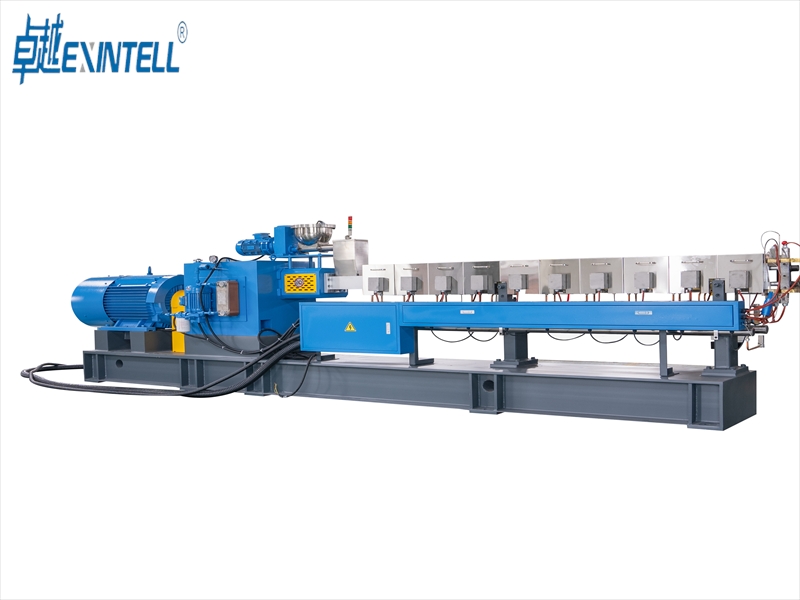
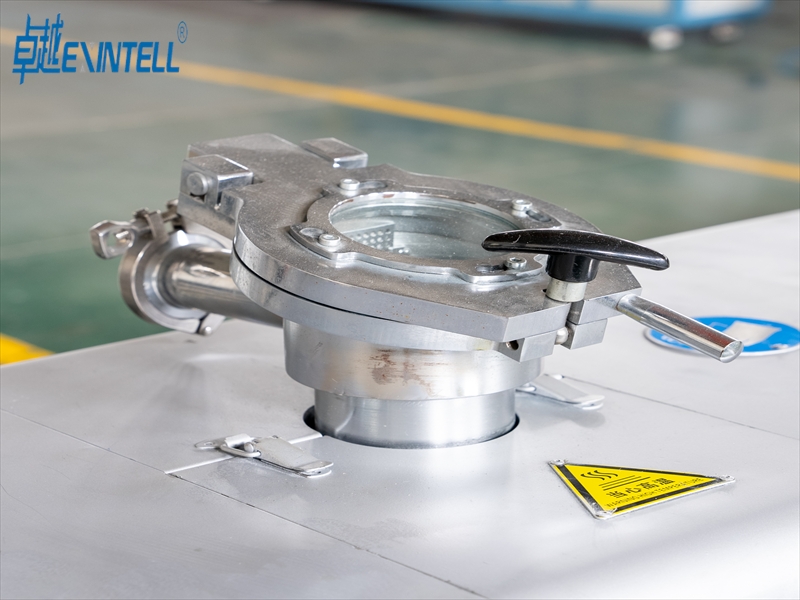
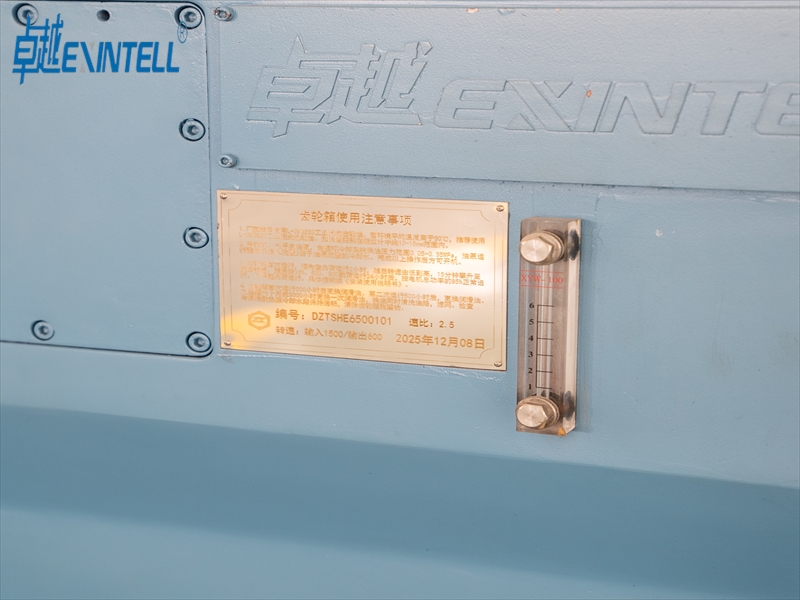
Efficient plastic pelletizer machine selection shapes the success of your plastic recycling operation. Һәр тип пеллетизатор төрлө материалдар менән эш итә, мәҫәлән, ПЭТ ., HDPE, йәки ПП, һәм үҙенсәлекле етештереү масштабтарына һәм бюджеттарына тура килә. Ҡасан һеҙ дөрөҫ система тап килгән һеҙҙең утилләштереү пластмасса, you increase throughput and reduce downtime. You also boost profitability since recycled plastic often costs less to process than new material. Uniform pellets improve product quality, command higher prices, and lower transport costs due to their bulk density.
Төп ҡабул итеүҙәр
Select the right pelletizer typebased on the plastic material you recycle. Different machines work best with specific plastics like PET, HDPE, йәки ПП.
Consider your production scale when choosing a pelletizer. Small operations may benefit from simpler machines, while larger plants need high-capacity systems.
Evaluate automation features. Machines with more automation reduce manual work but may require skilled operators for maintenance.
Match your budget with themachine’s capabilities. Budget-friendly options are available for small businesses, while high-end systems offer advanced features for larger operations.
Regular maintenance is crucial for optimal performance. Follow the manufacturer’s schedule to keep your pelletizer running smoothly and extend its lifespan.
Types of Plastic Pelletizer Machines
When you choose a plastic pelletizer machine, you need to understand the main types and how they work. Each type fits different recycling needs and materials. The table below shows the maintypes of plastic pelletizerand their basic operating principles:
Һыу йөҙөклө пеллетлаштырыу системаһы үлем йөҙөндә пластикты ҡырҡа, then cools the pellets with a ring of water. This method gives you uniform pellets and prevents strand breakage. You get excellent cooling and a compact layout. Water-ring pelletizing systems work best for soft or low-viscosity plastics like PE, ПП, and PS. They run automatically and need little operator attention. Әммә, they do not suit sticky or heat-sensitive materials.
Ос: Choose a water-ring pelletizing system if you want consistent pellet shape and easy operation for polyolefins.
Underwater Pelletizer Machine
An underwater pelletizer cuts plastic melt directly in warm water. This process creates smooth, түңәрәк гранулалар. You can use this system forpost-consumer recycling, тултырылған берләшмәләр, and foam recycling. Underwater pelletizers handle materials like EPS, XPS, and ETPU. They offer high capacity and work well for specialty applications.
Air-Cooled Pelletizer System
Air-cooled pelletizers use air instead of water to cool and solidify pellets. You can use them for materials that do not tolerate water, such as some engineering plastics. Air-cooled systems are simple and require less maintenance. They suit small to medium production scales.
Specialty Pelletizer Machines
Specialty pelletizer machines serve niche recycling needs. They offer features like high output, energy savings, and user-friendly controls. You get reliable operation, easy cleaning, and compliance with safety standards. Specialty machines help you recycle unique materials and reduce costs.
Single-Screw vs. Twin-Screw, Single-Stage vs. Double-Stage
Single-screw extruders suit basic recycling and work with many materials. Twin-screw extruders give you better mixing and higher output. Double-stage systems handle more complex or contaminated plastics. You should match the system to your material and production needs.
Comparing Plastic Pelletizer Systems
Operation and Ease of Use
When you compare different pelletizer systems, you notice clear differences in how you operate them and the level of automation they offer. Some machines use advanced controls and automation, while others rely more on manual adjustments. The table below highlights the mainuser interface featuresand automation capabilities for the most common systems:
Тип
User Interface Features
Automation Capabilities
Underwater
Specialized die plate, water-filled cutting chamber
Extensive automation with PLC controls for critical functions
Water-ring
Uses a ring of water, durable die faces and knives
Automated control systems for pressure and cutting speed
Strand
Cost-effective for changing materials, easy maintenance
Limited automation compared to underwater systems
Underwater pelletizers give you high pellet uniformity and reliable production.
Water-ring systems keep pellet sizes consistent with durable components.
Advanced models let you monitor and adjust settings in real time for better efficiency.
If you want a system that needs less operator intervention, you should consider underwater or water-ring types. Strand pelletizers are easier to maintain and switch between materials, but you will need to do more manual work.
Start-Up and Maintenance
Start-up and maintenance routines can affect your daily operations and costs. Each pelletizer system has unique requirements:
Water-based systems require ongoing water filtration and temperature control.
Machines with easy blade access and die cleaning help you reduce downtime.
More automation means you spend less time on manual tasks, but you need higher technical skills for troubleshooting.
If you run a small operation, you may prefer strand pelletizers for their simple design and lower cost. For larger or more automated lines, underwater systems offer speed but require skilled staff.
Пропускной способность үлсәй, күпме материал һеҙҙең пластик пеллетизатор машинаһы билдәле бер ваҡытта эшкәртә ала .. Һеҙгә кәрәк, тип һайларға системаһы, һеҙҙең маҡсаттарға тап килгән ҡайтанан эшкәртергә ., бәләкәй магазинды алып барһаң да, ҙур сәнәғәт заводын алып барһаң да.
Бер винтлы грануляторҙар таҙа өсөн яҡшы эшләй, сорттарға айырылған пластмассалар һәм араһында эшкәртә ала 200 һәм 2,000 сәғәтенә кг. Игеҙәк винтовой грануляторҙар ҡатмарлыраҡ йәки бысранған материалдар менән эш итә һәм 100-ҙән ашып китә ала. 3,000 сәғәтенә кг. Түбәндәге диаграммала типик . үткәреүсәнлек диапазондары төрлө машина типтары өсөн:
You should match the machine size to your output needs.
The cooling method—water, һауа, or cold—also affects which materials you can process and your final pellet quality.
By understanding these differences, you can select the right pelletizer for your plastic recycling operation and maximize your efficiency.
Budget-Friendly vs. High-End Plastic Pelletizer Machines
Features of Budget-Friendly Machines
You may want a plastic pelletizer machine that fits a tight budget. Budget-friendly machines offer simple construction and basic controls. These machines often use manual adjustments and have fewer automation features. You can see the main features and their impact inthe table below:
You can start with a budget-friendly pelletizer for small recycling projects. As your operation grows, you may upgrade to a high-end system for greater output and flexibility.
Choosing the Right Plastic Pelletizer Machine
Assessing Material Types
You should start by identifying the types of plastics you plan to process. Each plastic pelletizer machine works best with certain materials. Мәҫәлән, ЙОРТ ХАЙУАНЫ, HDPE, and PP have different melting points and moisture sensitivities. The table below compareshow common pelletizing methods handle various plastics:
Бер этаплы системалар бәләкәй партияларға яраҡлы һәм түбәнерәк сығымдар. Double-stage systems fit large-scale production and offer better consistency. Always align your choice with your recycling goals.
Balancing Cost and Performance
You can balance cost and performance by using smart strategies. Schedule production during off-peak hours to save on electricity. Use high-efficiency motors and load balancing features to cut energy costs. Batch scheduling and just-in-time processing reduce waste during startup and idle times.
Ос: A European packaging companyimproved their efficient plastic reprocessing system by choosing the right pelletizing system. They saw a 22% reduction in film thickness variation and an 18% increase in speed. A furniture manufacturer in China used a pelletizer to reprocess plastic materials waste, cutting raw material costs by 35%.
When you match the right system to your needs, Һеҙ ышаныслы пластик ҡайтанан эшкәртергә операция төҙөйһөгөҙ.
Һеҙ материал сифатын яҡшыртыу һәм эҙмә-эҙлеклелек менән пеллетизатор машинаһы. Был аҙым һеҙгә берҙәм гранулалар булдырырға ярҙам итә ., был аҫҡы ағымда эшкәртергә еңеләйтә һәм ҡайтанан эшкәртелгән пластмассалар ҡиммәтен арттыра.
How do I choose the right pelletizer for my recycling operation?
You should consider your material type, етештереү масштабы, һәм бюджет. Match the machine’s features to your needs. Consult with equipment experts to ensure you select the best fit for your recycling goals.
Can one pelletizer handle all types of plastics?
Most pelletizers work best with specific plastics. You need to check the machine’s compatibility with your material stream. Some advanced systems process a wider range, but you should always confirm before purchasing.
How often should I maintain my pelletizer machine?
You should follow the manufacturer’s maintenance schedule. Regular cleaning and blade checks keep your machine running smoothly. Preventive maintenance reduces downtime and extends equipment life.