

آلة الكريات ذات الخيوط أو آلة الكريات تحت الماء المناسبة لعمليتك
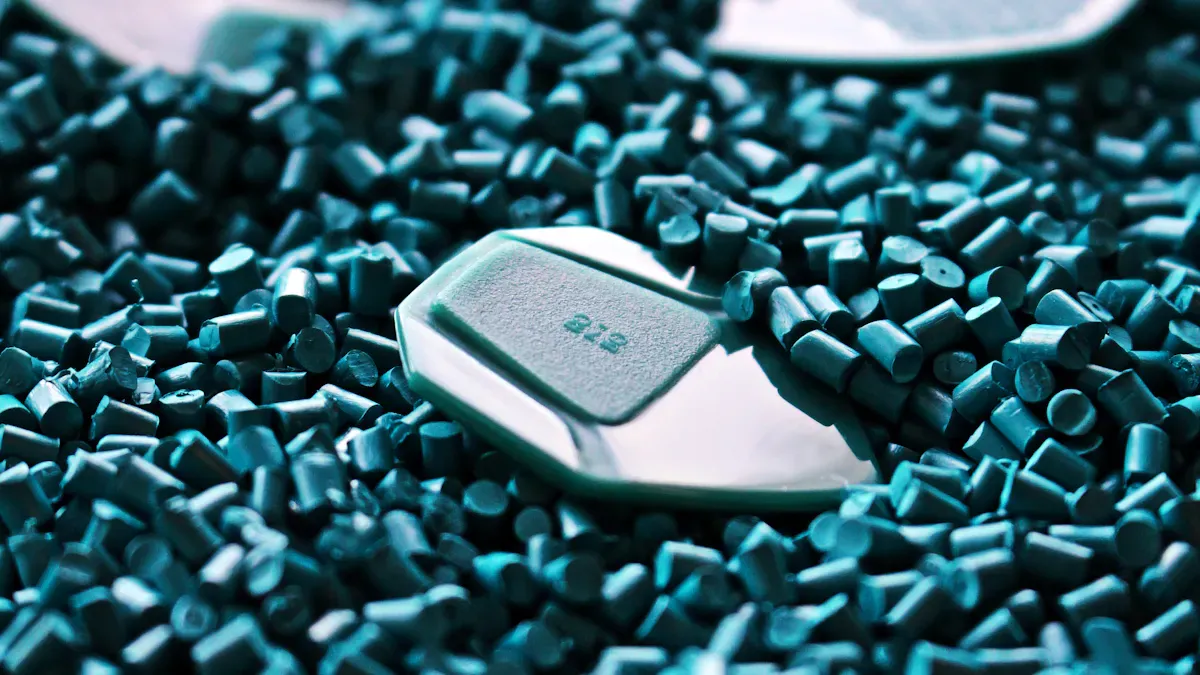
تختلف أنظمة التكوير ستراند وتحت الماء في طرق التبريد والقطع, حجم الإنتاج, وجودة الحبيبات. تعمل الكريات الشريطية على تبريد خيوط البوليمر في حوض الماء, بينما تقوم وحدات التكوير تحت الماء بتقطيع الكريات مغمورة بالكامل, إنتاج كريات موحدة للغاية والتعامل مع إنتاجية أعلى.
للبوليمرات عالية اللزوجة, تستوعب أنظمة التكوير تحت الماء ما يصل الى 70,000 رطل / ساعة ومعظم أنواع البوليمر, كما هو موضح أدناه:
| نوع النظام | حجم الإنتاج | توافق المواد |
|---|---|---|
| التكوير تحت الماء | حتى 70,000 رطل / ساعة | معظم البوليمرات |
| ستراند التكوير | حتى 44,000 رطل / ساعة | عامل, التحديات مع المواد منخفضة اللزوجة |
النظر في نوع المادة, تلوث, الإنتاجية, وجودة الحبيبات عند اختيار آلة التكوير.
الوجبات السريعة الرئيسية
- تعمل الكريات على تبريد خيوط البوليمر في الماء, بينما تقطع الكريات تحت الماء الكريات المغمورة في الماء, التأثير على جودة الحبيبات وحجم الإنتاج.
- يمكن للكريات تحت الماء التعامل مع ما يصل إلى 70,000 رطل / ساعة, مما يجعلها مثالية للبوليمرات عالية اللزوجة والإنتاج على نطاق واسع.
- اختر الكريات تحت الماء للتطبيقات التي تحتاج إلى زي موحد, الكريات الكروية مع الحد الأدنى من الغبار; تنتج الكريات الجديلة كريات أسطوانية ولكنها تولد المزيد من الغبار.
- تعتبر الصيانة أبسط بالنسبة للكريات بسبب تصميمها الجاف, بينما تتطلب الأنظمة تحت الماء تنظيفًا أكثر تعقيدًا بسبب التعرض للماء.
- النظر في التوافق المادي: تعمل الأنظمة تحت الماء مع مجموعة واسعة من البوليمرات, بما في ذلك المواد عالية اللزوجة والملوثة.
- تقييم احتياجات الإنتاج: تعد الكريات ذات الجدائل أفضل لإجراء تغييرات المواد بشكل متكرر, بينما تتفوق الأنظمة تحت الماء في الاستمرارية, عمليات عالية الانتاج.
- تقييم التكاليف بعناية: underwater pelletizers have higher initial and operating expenses, but may offer long-term savings in high-volume environments.
- Use the selection checklist to align your pelletizer choice with your specific material, الإنتاجية, and budget requirements.
Pelletizer Comparison Overview
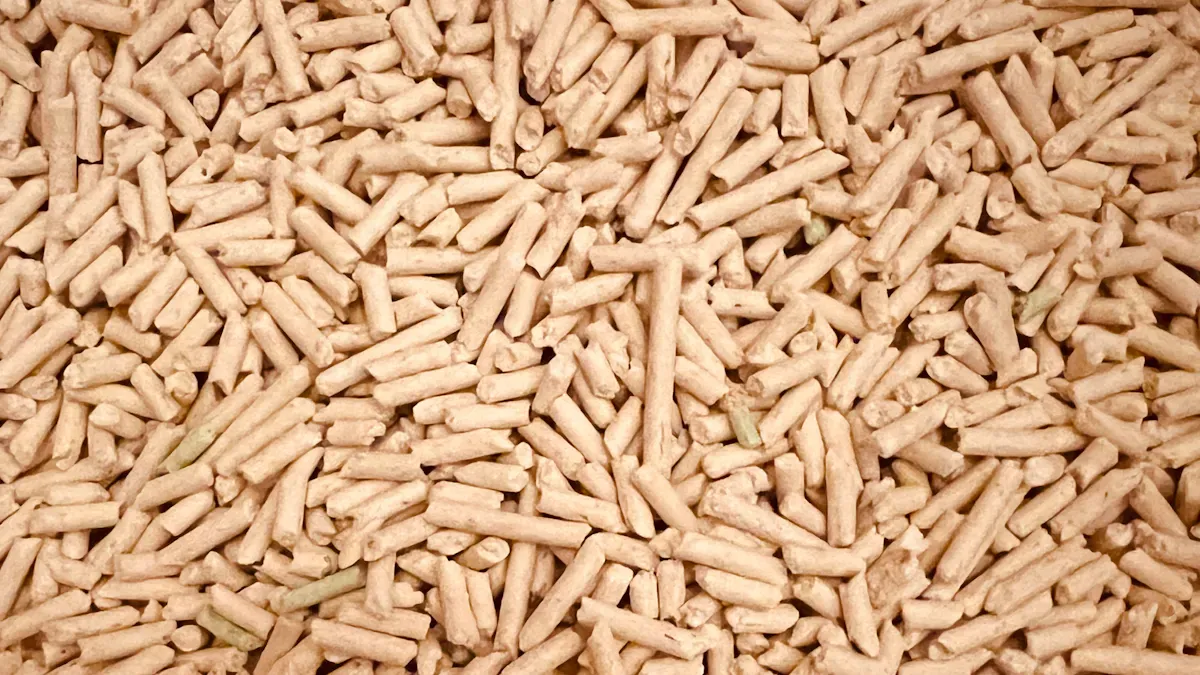
Strand vs Underwater Pelletizer Table
Selecting the right pelletizer for your process requires a clear understanding of how each system performs across critical metrics. The table below provides a side-by-side comparison of strand and underwater pelletizers, focusing on pellet shape, size variation, dust generation, حجم الإنتاج, والتوافق المادي.
| متري | التكوير تحت الماء | ستراند التكوير |
|---|---|---|
| شكل بيليه | كروية | أسطواني |
| اختلاف الحجم | < ±5% | < ±10-15% |
| Dust Generation | Less | More |
| حجم الإنتاج | حتى 70,000 رطل / ساعة | حتى 44,000 رطل / ساعة |
| توافق المواد | معظم البوليمرات | عامل, التحديات مع المواد منخفضة اللزوجة |
نصيحة: For applications demanding highly uniform pellets and minimal dust, underwater pelletizer systems often deliver superior results.
Key Metrics Compared
When evaluating pelletizer options, manufacturers should consider several key aspects:
- جودة الحبيبات: Underwater pelletizer units produce highly uniform, spherical pellets with minimal dust due to rapid water cooling. Strand pelletizer systems generate cylindrical pellets, but tend to create more dust and fines, which can impact downstream processing.
- متطلبات الصيانة: Underwater pelletizer equipment involves more complex components and water exposure, leading to higher maintenance needs. Strand pelletizer machines feature a simpler, dry design, making them easier and faster to maintain.
- توافق المواد: Underwater pelletizer technology handles a wide range of polymers, including high-viscosity and specialty materials. Strand pelletizer systems work well with most plastics, but may struggle with low-viscosity or sticky polymers.
- كفاءة الإنتاج: Underwater pelletizer lines support continuous, high-output operation, making them ideal for large-scale production. Strand pelletizer setups often operate in batches and typically offer lower throughput.
- اعتبارات التكلفة: Underwater pelletizer systems require a higher initial investment and ongoing maintenance costs. Strand pelletizer solutions are generally more cost-effective for smaller operations or frequent material changes.
Manufacturers in industries such as automotive, التعبئة والتغليف, and electronics should match their process requirements to the strengths of each pelletizer type. The right choice depends on the desired pellet quality, نوع المادة, حجم الإنتاج, and operational budget.
How Each Pelletizer Works
Strand Pelletizer Process
التبريد والقطع
Strand pelletizer systems operate by transforming molten polymer into cylindrical pellets. The process begins with feeding material into the compactor using a belt conveyor. The feeding speed can be adjusted, and metal detection is often included to prevent contamination. Rotary blades inside the compactor shred and heat the material, densifying it before it enters the extruder screw. The extruder melts the polymer, and a vacuum system removes impurities. Once the polymer is fully melted, it moves to the die head. هنا, the molten strands are cut and cooled in a water ring, which eliminates the need for manual strand handling. The water ring ensures rapid cooling and helps maintain pellet shape.
ملحوظة: The water ring cooling method in strand pelletizer systems is efficient for most engineering plastics, but may struggle with sticky or low-viscosity polymers.
Equipment Layout
The equipment layout for a strand pelletizer typically includes several key components:
- Compactor with adjustable feeding and metal detection
- Single-screw extruder with vacuum degassing
- Die head for strand formation
- Water ring for cooling and pelletizing
- Conveyor system for pellet collection
This layout supports straightforward maintenance and quick material changeovers. The dry design reduces downtime and simplifies cleaning. Operators can easily access the compactor and extruder for routine inspections.
Underwater Pelletizer Process
In-Water Cutting and Cooling
The underwater pelletizer process is designed for high-volume and high-viscosity polymer production. The operation starts with sorting materials to separate recyclable plastics from non-recyclables. بعد الفرز, the materials are washed to remove contaminants and then dried to prepare them for melting. The dried plastics are melted to form a homogeneous polymer melt. The molten polymer is then fed directly into a water chamber. Inside this chamber, the pelletizer cuts the polymer into pellets while fully submerged. The underwater environment provides rapid cooling, resulting in highly uniform, spherical pellets. This method minimizes dust and fines, making it ideal for applications requiring strict pellet quality.
نصيحة: Underwater pelletizer systems excel in processing contaminated feedstocks and specialty polymers due to their robust cooling and cutting capabilities.
System Setup
The typical underwater pelletizer setup includes:
- Sorting and washing units for material preparation
- Drying equipment to ensure optimal melt quality
- Extruder for melting and homogenizing the polymer
- Water chamber with integrated cutting head
- Pellet collection and drying system
This configuration supports continuous processing and high throughput. The underwater cutting head operates within the water chamber, allowing for precise pellet formation and rapid cooling. Maintenance is more complex due to water exposure and system integration, but the benefits in pellet quality and production volume are significant.
Key Differences in Pelletizer Selection
Process Suitability
Throughput and Flexibility
Pelletizer selection depends heavily on throughput requirements and operational flexibility. Manufacturers must evaluate the scale of their processing needs and the types of polymers involved. ويلخص الجدول التالي القدرة الإنتاجية for different pelletizer types:
| نوع الكريات | القدرة الإنتاجية |
|---|---|
| ستراند الكريات | منخفضة إلى متوسطة |
| Water-Ring Pelletizer | متوسطة إلى عالية |
| بيليه تحت الماء | High to Very High |
Strand pelletizers handle low to medium throughput and offer versatility for various polymers, including heat-sensitive materials. Water-ring pelletizers support medium to high throughput, reaching عن 11,000 جنيه في الساعة. Underwater pelletizer systems excel in high to very high throughput scenarios, تجهيز ما يصل إلى 70,000 جنيه في الساعة. These systems are ideal for challenging polymers such as PET, السلطة الفلسطينية, تي بي يو, and bioplastics.
ملحوظة: For large-scale production and demanding polymers, underwater pelletizer units provide unmatched throughput and continuous operation.
Material Changeover
Frequent material changeover is a critical consideration for many processors. Strand pelletizer systems feature a straightforward, تصميم جاف يسمح بالتنظيف السريع والتغييرات السريعة. يمكن للمشغلين التبديل بين المواد بأقل وقت توقف, صنع الكريات المناسبة للمنشآت التي تعالج أنواعًا متعددة من البوليمر أو تتطلب تغييرات متكررة على دفعات.
أنظمة الكريات تحت الماء, في حين تقدم إنتاجية متفوقة, تتضمن إجراءات تنظيف أكثر تعقيدًا بسبب التعرض للماء ورؤوس القطع المتكاملة. يستغرق تغيير المواد وقتًا أطول, وبروتوكولات التنظيف المتخصصة ضرورية لمنع التلوث, خاصة عند التبديل بين البوليمرات ذات الخصائص المختلفة.
توافق المواد
اللزوجة والتلوث
يؤثر توافق المواد على أداء آلة التكوير وصيانتها. تعمل الكريات الجديلة بشكل جيد مع معظم المواد البلاستيكية ولكنها قد تواجه صعوبة مع البوليمرات اللزجة أو منخفضة اللزوجة. Underwater pelletizer systems handle a broader range of viscosities, including high-viscosity and specialty polymers.
Contamination management is essential in both systems. Proper die-to-blade alignment prevents contamination from fines and dust. Contaminated materials can degrade die surfaces, increasing maintenance needs. Underwater pelletizer units are robust against contamination, especially when processing recycled or specialty feedstocks. Cleaning protocols for polymers like PVC and TPEs must be followed to maintain pellet quality and prevent system degradation.
أنواع البوليمر
The compatibility of pelletizer systems with various polymer types is outlined below:
| نوع المادة | Compatibility |
|---|---|
| Polyolefins | ص, بي |
| هندسة البلاستيك | ABS, تي بي يو, TPE, السلطة الفلسطينية |
| Biodegradable Plastics | جيش التحرير الشعبى الصينى, PBAT, PHA, starch-based polymers |
| إنتاج ماسترباتش | Color masterbatch, حشو ماستر, إضافات |
| Chemical and Resin Prod. | Hot-melt adhesives, اللدائن, البوليمرات التفاعلية |
| مواد ذات جودة عالية لمؤسسات التمويل الأصغر | مناسبة لأنظمة الكريات تحت الماء |
تعتبر الكريات ذات الجدائل متعددة الاستخدامات للبولي أوليفينات والبلاستيك الهندسي. تستوعب أنظمة الكريات تحت الماء نطاقًا أوسع, بما في ذلك المواد البلاستيكية القابلة للتحلل, إنتاج ماستر, والمواد عالية التمويل الأصغر التي لا يمكن تكويرها باستخدام أنظمة حبلا أو حلقات مائية.
جودة الحبيبات
توحيد الحجم والشكل
تؤثر جودة الحبيبات على المعالجة النهائية وأداء المنتج النهائي. تنتج أنظمة التكوير تحت الماء درجة عالية من التجانس, الكريات الكروية مع اختلاف الحجم عادة أقل من ±5%. تولد الكريات الجديلة كريات أسطوانية مع اختلاف في الحجم يصل إلى ±10-15%. يعد التوحيد أمرًا بالغ الأهمية للتطبيقات التي تتطلب تدفقًا ثابتًا للكريات والحد الأدنى من الغبار.
نصيحة: اختر أنظمة التكوير تحت الماء للتطبيقات التي تتطلب حجمًا صارمًا للكريات وتوحيدًا للشكل.
تأثير المعالجة النهائية
يؤثر شكل الحبيبات وجودتها على كفاءة المعالجة النهائية. تتدفق الكريات الكروية من الأنظمة تحت الماء بسلاسة في معدات النقل والتغذية الهوائية. يؤدي تقليل توليد الغبار إلى تقليل التلوث والتآكل في الآلات النهائية. قد تنتج الكريات الأسطوانية من الكريات ذات الخيوط المزيد من الغرامات, التأثير على عمليات الترشيح والتركيب.
يجب على الشركات المصنعة تقييم مدى تأثير جودة الحبيبات على الخطوات اللاحقة, مثل النتوء, صب, أو المزج. يضمن اختيار آلة التكوير المناسبة الأداء الأمثل طوال سلسلة الإنتاج.
الصيانة والتشغيل
التنظيف والتوقف
يعد التنظيف الروتيني وتقليل وقت التوقف عن العمل من العوامل الحاسمة في اختيار آلة التكوير. Strand pelletizer systems feature a straightforward, dry design. يمكن للمشغلين الوصول إلى المكونات الرئيسية بسرعة, مما يسمح بالتنظيف السريع بين عمليات الإنتاج. يقلل هذا التصميم من خطر التلوث المتبادل عند تبديل المواد. تتطلب معظم وحدات تكوير الخيوط التفكيك الأساسي فقط للتنظيف, كما أن عدم وجود الماء في منطقة القطع يبسط عملية الصيانة.
تقدم أنظمة التكوير تحت الماء سيناريو مختلفًا. يوفر دمج الماء في غرفة القطع متطلبات تنظيف إضافية. التعرض للمياه يمكن أن يؤدي إلى تراكم المعادن, تآكل, أو النمو الميكروبي إذا لم تتم إدارته بشكل صحيح. يجب على المشغلين اتباع بروتوكولات التنظيف الصارمة للحفاظ على نظافة النظام ومنع تلوث الكريات. غالبًا ما يستغرق تنظيف رأس القطع تحت الماء ونظام تدوير المياه وقتًا أطول وقد يتطلب أدوات أو مواد كيميائية متخصصة. عادة ما يكون وقت التوقف عن الصيانة أطول مع معدات التكوير تحت الماء, especially during material changeovers or when processing sticky polymers.
ملحوظة: Facilities that require frequent material changes or rapid cleaning cycles often prefer strand pelletizer systems due to their ease of maintenance and reduced downtime.
System Complexity
System complexity directly impacts operator training, استكشاف الأخطاء وإصلاحها, والموثوقية على المدى الطويل. Strand pelletizer machines use a simple mechanical layout. Most operators can learn to run and maintain these systems with minimal training. Fewer moving parts and a dry environment reduce the likelihood of mechanical failure.
Underwater pelletizer systems are more complex. These units combine extrusion, water management, and in-water cutting in a single integrated process. Operators must monitor water temperature, flow rate, and pelletizer blade condition. Automated controls and sensors are common, لكنها تضيف إلى منحنى التعلم. غالبًا ما يتطلب استكشاف أخطاء أنظمة التكوير تحت الماء وإصلاحها معرفة متخصصة ودعمًا فنيًا. يمكن أن يؤدي تعقيد هذه الأنظمة إلى زيادة خطر التوقف غير المخطط له إذا لم يتم إدارته بواسطة موظفين ذوي خبرة.
نصيحة: تعتبر أنظمة التكوير الأبسط مثالية للمنشآت التي بها عدد محدود من الموظفين الفنيين أو حيث تكون سهولة التشغيل أولوية.
عوامل التكلفة
الاستثمار الأولي
يختلف الاستثمار الأولي لنظام التكوير بشكل كبير بناءً على متطلبات التكنولوجيا والإنتاج. عادةً ما تكون وحدات التكوير ستراند ذات تكلفة أولية أقل. تصميمهم البسيط, مكونات أقل, والحد الأدنى من احتياجات إدارة المياه يجعلها في متناول العمليات الصغيرة والمتوسطة الحجم. التثبيت واضح ومباشر, and most facilities can integrate strand pelletizer equipment without major infrastructure changes.
Underwater pelletizer systems require a higher initial investment. These systems include advanced water handling, automated controls, and robust cutting mechanisms. The need for specialized installation and integration with existing processing lines can further increase costs. لكن, the higher investment often pays off in large-scale operations where throughput and pellet quality are critical.
| نوع الكريات | Typical Initial Investment | تعقيد التثبيت |
|---|---|---|
| ستراند الكريات | Low to Moderate | بسيط |
| بيليه تحت الماء | عالي | معقد |
ملحوظة: Consider both current and future production needs when evaluating initial investment. A higher upfront cost may deliver long-term savings in high-volume environments.
Operating Expenses
Operating expenses include maintenance, استهلاك الطاقة, water usage, وقطع الغيار. Strand pelletizer systems offer lower ongoing costs. Their dry operation reduces water and energy consumption. Maintenance is less intensive, and spare parts are typically less expensive.
Underwater pelletizer systems incur higher operating expenses. Continuous water circulation, filtration, and drying increase utility costs. Maintenance is more frequent due to water exposure and the complexity of the cutting mechanism. Replacement parts for underwater pelletizer units can be costly, especially for specialized blades or seals. Facilities must also account for water treatment and disposal, which adds to the total cost of ownership.
نصيحة: Calculate total cost of ownership, not just initial price, when selecting a pelletizer. Higher operating expenses can offset the benefits of increased throughput if not managed carefully.
تطبيقات آلة التكوير والحبيبات تحت الماء
تطبيقات الكريات ستراند
تخدم أنظمة التكوير ستراند مجموعة واسعة من الصناعات بسبب تنوعها وتشغيلها المباشر. تعتبر هذه الآلات ذات قيمة خاصة في البيئات التي تكون فيها تغييرات المواد المتكررة وسهولة الصيانة من الأولويات.
هندسة البلاستيك
تستخدم الكريات ستراند على نطاق واسع في صناعة البلاستيك الهندسي. يقومون بمعالجة مواد مثل مادة البولي بروبيلين, البولي ايثيلين, والمركبات المقواة بالألياف الزجاجية. هذه المواد البلاستيكية شائعة في السيارات, كهربائي, وتصنيع السلع الاستهلاكية.
| نوع البلاستيك الهندسي | وصف |
|---|---|
| مادة البولي بروبيلين (ص) | تستخدم على نطاق واسع في الكريات الجافة للمعالجة. |
| البولي ايثيلين (بي) | تتم معالجتها عادة باستخدام الكريات حبلا. |
| عززت الألياف الزجاجية | تتم معالجتها بشكل متكرر باستخدام الكريات. |
تحافظ الكريات الجديلة على جودة الحبيبات لهذه المواد, دعم المعالجة النهائية المتسقة.
المواد المعاد تدويرها
مصانع إعادة تدوير البلاستيك الاعتماد على أنظمة الكريات لتحويل نفايات ما بعد الاستهلاك وما بعد الصناعة إلى كريات قابلة لإعادة الاستخدام. تتعامل هذه الأنظمة مع مجموعة متنوعة من المواد البلاستيكية المعاد تدويرها, مما يجعلها ضرورية لعمليات إعادة تدوير النفايات. يسمح التصميم الجاف للكريات بالتنظيف الفعال, وهو أمر مهم عند التبديل بين المواد المعاد تدويرها المختلفة.
يضاعف
تستخدم مرافق التركيب الكريات لمزج البوليمرات مع المواد المضافة, الحشو, أو الملونات. يتم استخدام الكريات الناتجة في الفيلم, ملزمة, ومعالجة الألياف, وكذلك في عمليات الحقن والنفخ.
| نوع التطبيق |
|---|
| مصانع إعادة تدوير البلاستيك |
| تركيب وتصنيع البلاستيك |
| فيلم, ملزمة, ومعالجة الألياف |
| عمليات الحقن والنفخ |
توفر الكريات ذات الجدائل المرونة لخطوط التركيب التي تتطلب تغييرات متكررة في الصياغة.
تطبيقات الكريات تحت الماء
تم تصميم أنظمة التكوير تحت الماء للبيئات عالية الأداء. تتفوق هذه الآلات في التطبيقات التي يتم فيها توحيد الحبيبات, إنتاجية عالية, والقدرة على التعامل مع المواد الصعبة أمر بالغ الأهمية.
البوليمرات عالية اللزوجة
تنتج تقنية التكوير تحت الماء كريات موحدة للغاية مع الحد الأدنى من اختلاف الحجم والشكل. هذه القدرة مهمة بشكل خاص للبوليمرات عالية اللزوجة, حيث قد تواجه عملية تكوير الخيوط التقليدية صعوبة في الاتساق وكسر الخيوط. تضمن عملية القطع والتبريد تحت الماء تكوين حبيبات موثوقة, حتى مع المواد الصعبة.
- ينتج التكوير تحت الماء كريات موحدة للغاية مع الحد الأدنى من اختلاف الحجم والشكل, مما يجعلها مفيدة ل مواد عالية اللزوجة.
- قد تواجه عملية تكوير الخيوط تحديات في الحفاظ على الاتساق والجودة عند معالجة البوليمرات عالية اللزوجة بسبب عملية بدء التشغيل اليدوية وإمكانية كسر الخيوط.
المواد الأولية الملوثة
أنظمة الكريات تحت الماء قوية ضد التلوث. يقومون بمعالجة المواد الأولية المعاد تدويرها والمتخصصة بمستويات عالية من الشوائب. تساعد غرفة المياه المدمجة ورأس القطع على إدارة الملوثات, تقليل مخاطر الغرامات وتحسين جودة الحبيبات. وهذا يجعل الكريات تحت الماء مناسبة لإعادة تدوير النفايات وتطبيقات تكوير البلاستيك القابل للتحلل.
إنتاج كبير الحجم
يختار المصنعون أنظمة التكوير تحت الماء لخطوط الإنتاج كبيرة الحجم. تدعم هذه الآلات التشغيل المستمر ويمكنها معالجة ما يصل إلى 70,000 جنيه في الساعة. The underwater environment enables rapid cooling, which is essential for maintaining pellet quality at large scales.
أمثلة الصناعة
Pelletizer selection depends on the specific needs of each industry. Both strand and underwater pelletizer systems play important roles in modern manufacturing.
السيارات
Automotive suppliers use strand pelletizers for engineering plastics and glass fiber reinforced compounds. These pellets are used in interior components, under-the-hood parts, and exterior trim. Underwater pelletizer systems support the production of specialty polymers and recycled materials for lightweight and sustainable automotive parts.
التعبئة والتغليف
ال packaging industry is the leading sector for underwater pelletizer systems. These machines produce high-quality, consistent pellets for both flexible and rigid packaging materials. Underwater pelletizers enable the recycling of plastics into uniform pellets, supporting sustainable packaging and circular economy initiatives. They are used to produce recycled plastic pellets for injection molding, قذف, and blow molding—processes that are crucial for creating new packaging products.
Recycled plastic pellets from underwater pelletizer systems are also used in the manufacturing of packaging materials, قطع غيار السيارات, and everyday items. This versatility highlights the importance of underwater pelletizers in the packaging sector.
إلكترونيات
Electronics manufacturers require precise pellet quality for components such as housings, الموصلات, and insulation. Strand pelletizers process engineering plastics for these applications. Underwater pelletizer systems handle specialty polymers and high-volume production, دعم طلب صناعة الإلكترونيات على مواد متسقة وموثوقة.
ملحوظة: يعتمد الاختيار بين أنظمة التكوير والحبيبات تحت الماء على نوع المادة, مستوى التلوث, وحجم الإنتاج. يجب على الشركات المصنعة تقييم متطلبات العملية الخاصة بهم لاختيار جهاز التكوير الأكثر ملاءمة لتطبيقهم.
دليل اختيار الكريات
يتطلب اختيار جهاز التكوير المناسب لعمليتك اتباع نهج منظم. يوفر هذا الدليل أ قائمة مرجعية عملية ومخطط انسيابي للقرار لمساعدتك في مواءمة اختيار المعدات الخاصة بك مع أهداف الإنتاج الخاصة بك.
قائمة التحقق من الاختيار
يضمن التقييم المنهجي أن جهاز التكوير الخاص بك يتوافق مع احتياجاتك المادية والتشغيلية. استخدم قائمة المراجعة التالية لتوجيه قرارك:
تقييم المواد
- حدد نوع البوليمر الذي تخطط لمعالجته (على سبيل المثال, حيوان أليف, البولي إثيلين عالي الكثافة, البولي إثيلين المنخفض الكثافة, البلاستيك الهندسي).
- تقييم مستويات التلوث في المواد الأولية الخاصة بك. قد يتطلب التلوث العالي تنظيفًا قويًا أو تكوينات متخصصة.
- فكر فيما إذا كان طلبك يتضمن مواد متخصصة, مثل تلك المستخدمة في تكوير البلاستيك القابل للتحلل.
حجم الإنتاج
- تقدير الإنتاجية المطلوبة. غالبًا ما تستفيد العمليات كبيرة الحجم من الأنظمة تحت الماء نظرًا لتشغيلها المستمر وقدراتها.
- حدد ما إذا كان إنتاجك يعتمد على الدفعات أم مستمرًا. تتفوق الكريات تحت الماء بشكل مستمر, بيئات واسعة النطاق.
احتياجات جودة الحبيبات
- تحديد شكل بيليه المطلوب وتوحيد الحجم. الكريات الكروية من الأنظمة تحت الماء توفر اتساقًا فائقًا.
- قم بتقييم أهمية التحكم في الغبار والدقائق في عملية المعالجة النهائية.
- مراجعة تصميم الشفرة والمواد, حيث تعمل الشفرات الحادة والمتينة على تحسين دقة القطع وجودة الحبيبات.
ميزانية
- احسب ميزانيتك المتاحة للاستثمار الأولي ونفقات التشغيل المستمرة.
- عامل في الصيانة, طاقة, واستخدام المياه. عادةً ما تكون تكلفة الأنظمة تحت الماء أعلى ولكنها توفر إنتاجية وجودة أكبر للكريات.
نصيحة: تعد الصيانة وسهولة الاستخدام أمرًا بالغ الأهمية بالنسبة للمرافق التي تشهد تغييرات مادية متكررة أو عدد محدود من الموظفين الفنيين.
مخطط انسيابي للقرار
تلخص الجداول التالية نقاط القرار الرئيسية عند الاختيار بين أنظمة الحبيبات وأنظمة التكوير تحت الماء:
| نوع الكريات | أفضل ل | شكل بيليه | التكلفة النسبية |
|---|---|---|---|
| ستراند الحبيبات | بي, ص, ملاحظة: المواد الخام النظيفة | أسطواني | قليل |
| بيليه تحت الماء | حيوان أليف, السلطة الفلسطينية, البلاستيك الهندسي | كروية | عالي |
| عامل | وصف |
|---|---|
| نوع المادة | مواد مختلفة (حيوان أليف, البولي إثيلين عالي الكثافة, البولي إثيلين المنخفض الكثافة) لديهم تحديات واحتياجات فريدة فيما يتعلق بالمعالجة. |
| مستوى التلوث | يعد التحكم في التلوث أمرًا بالغ الأهمية للحفاظ على استقرار المعالجة وجودة الكريات. |
| Configuration Requirements | Specific configurations are needed based on the type of material and contamination present. |
ملحوظة: Underwater pelletizer systems are preferred for high-viscosity polymers, contaminated feedstocks, and applications requiring strict pellet uniformity. Strand pelletizers remain a cost-effective choice for clean, standard materials and frequent changeovers.
By following this checklist and reviewing the decision tables, you can confidently select the pelletizer that aligns with your processing requirements, whether you focus on high-volume underwater production or flexible strand operations.
Choosing between strand and underwater systems depends on your process needs. Underwater solutions deliver high throughput, حبيبات موحدة, and handle challenging materials. Strand systems offer easier maintenance and faster changeovers. Use the جدول المقارنة أدناه لتقييم العلامات التجارية والقدرات:
| العلامة التجارية/النموذج | السعة القصوى (كجم/ساعة) | قوة (كيلوواط) | المواد المطبقة | السعر المرجعي (دولار أمريكي) |
|---|---|---|---|---|
| سلسلة كوبيريون ZSK | 2000 | 250 | البلاستيك الهندسي, بي / ب | 150,000-300,000 |
| وينتيك | 800 | 90 | على الفيلم, النفايات الزراعية | 45,000-65,000 |
| المحبب الاقتصادي المحلي | 300 | 55 | بولي كلوريد الفينيل, ABS | 15,000-25,000 |
النظر في هذه العوامل:
- نوع من البلاستيك
- الإنتاجية المطلوبة
- نوعية الحبيبات المطلوبة
- الاحتياجات التشغيلية
للتطبيقات المعقدة تحت الماء, استشر الموردين أو الخبراء الفنيين لضمان الاختيار الصحيح لآلة التكوير.
التعليمات
ما هو الفرق الرئيسي بين الكريات حبلا وتحت الماء?
تقطع الكريات الجديلة وتبرد خيوط البوليمر خارج القالب, بينما تقوم الكريات تحت الماء بقطع الكريات مباشرة في الماء. توفر الأنظمة تحت الماء كريات أكثر تجانسًا وإنتاجية أعلى.
أي آلة تكوير أفضل لتغييرات المواد المتكررة?
تسمح الكريات ذات الجدائل بتنظيف أسرع وتغييرات أسهل للمواد. تصميمها الجاف يقلل من وقت التوقف عن العمل, making them ideal for operations that switch materials often.
Can underwater pelletizers handle recycled or contaminated materials?
نعم. Underwater pelletizers process contaminated or recycled feedstocks efficiently. Their robust water-based system manages impurities and maintains pellet quality.
How does pellet shape affect downstream processing?
Spherical pellets from underwater systems flow smoothly in pneumatic conveyors and feeders. Cylindrical pellets from strand systems may generate more dust, which can impact equipment and product quality.
Are underwater pelletizers more expensive to operate?
Operating costs for underwater pelletizers are higher. These systems require more water, طاقة, والصيانة. Facilities must also manage water treatment and specialized spare parts.
What types of polymers work best with strand pelletizers?
تعمل الكريات ذات الجدائل بشكل جيد مع البولي أوليفينات, البلاستيك الهندسي, والمواد الأولية النظيفة. قد يعانون من البوليمرات اللزجة أو منخفضة اللزوجة.
كيف أختار آلة التكوير المناسبة لعمليتي؟?
تقييم نوع المواد الخاصة بك, الإنتاجية المطلوبة, احتياجات جودة الحبيبات, والميزانية. استخدم قائمة الاختيار واستشر الموردين بشأن المتطلبات المعقدة.