

ለሂደትዎ ትክክል የሆነው ስትራንድ ፔሌዘር ወይም የውሃ ውስጥ ፔሌዘር
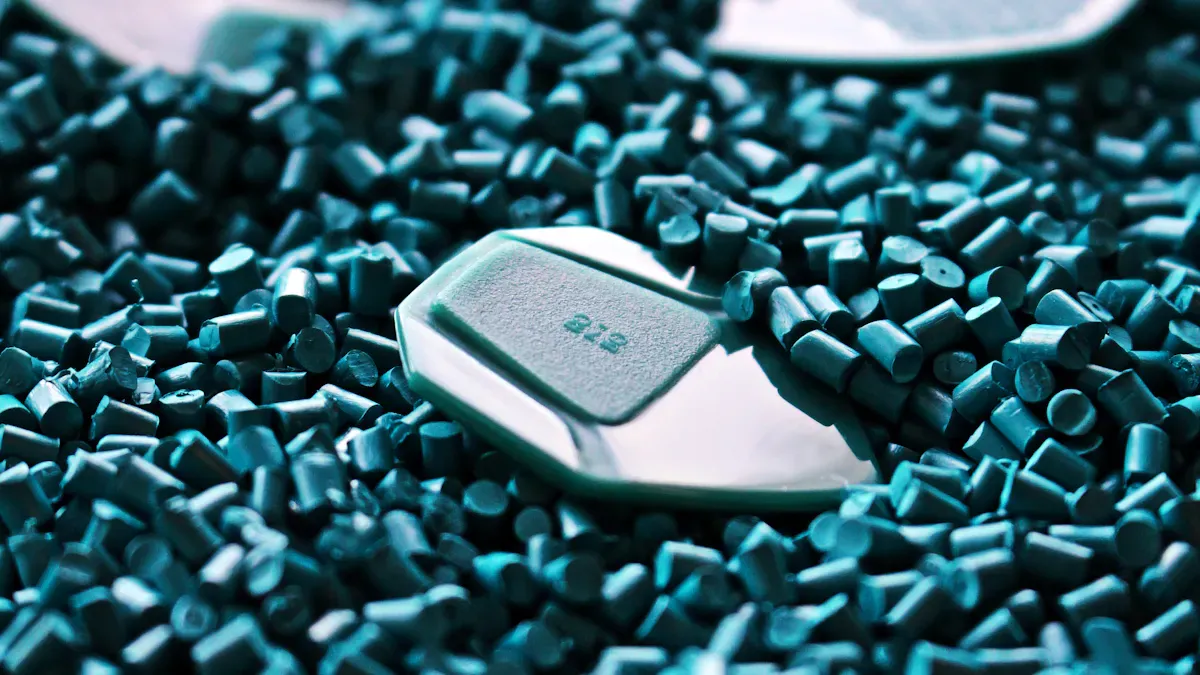
Strand and Underwater Pelletizer systems differ in cooling and cutting methods, የምርት ልኬት, and pellet quality. Strand pelletizers cool polymer strands in a water trough, while Underwater Pelletizer units cut pellets fully submerged, በጣም ተመሳሳይ የሆኑ እንክብሎችን በማምረት እና ከፍተኛ የፍጆታ ፍጆታዎችን አያያዝ.
ለከፍተኛ viscosity ፖሊመሮች, Underwater Pelletizer systems accommodate እስከ 70,000 ፓውንድ በሰዓት and most polymer types, ከታች እንደሚታየው:
| የስርዓት አይነት | የምርት መጠን | የቁሳቁስ ተኳሃኝነት |
|---|---|---|
| የውሃ ውስጥ ፔሌቲንግ | እስከ 70,000 ፓውንድ በሰዓት | Most polymers |
| Strand Pelletizing | እስከ 44,000 ፓውንድ በሰዓት | ተለዋዋጭ, challenges with low-viscosity materials |
Consider material type, contamination, የማስተላለፊያ ዘዴ, and pellet quality when choosing a pelletizer.
ቁልፍ መቀበያዎች
- Strand pelletizers cool polymer strands in water, while underwater pelletizers cut pellets submerged in water, affecting pellet quality and production scale.
- የውሃ ውስጥ ፔሌቴዘር እስከ ማስተናገድ ይችላሉ 70,000 ፓውንድ በሰዓት, ለከፍተኛ- viscosity ፖሊመሮች እና ለትላልቅ ምርቶች ተስማሚ እንዲሆኑ ማድረግ.
- ዩኒፎርም ለሚፈልጉ መተግበሪያዎች የውሃ ውስጥ ፔሌቴዘርን ይምረጡ, ሉላዊ እንክብሎች በትንሹ አቧራ; strand pelletizers ሲሊንደሪክ እንክብሎችን ያመርታሉ ነገር ግን የበለጠ አቧራ ያመነጫሉ።.
- በደረቅ ዲዛይናቸው ምክንያት ጥገና ለ strand pelletizers ቀላል ነው, የውሃ ውስጥ ስርዓቶች በውሃ መጋለጥ ምክንያት የበለጠ ውስብስብ ጽዳት ያስፈልጋቸዋል.
- የቁሳቁስን ተኳሃኝነት ግምት ውስጥ ያስገቡ: የውኃ ውስጥ ስርዓቶች ከብዙ ፖሊመሮች ጋር ይሠራሉ, ከፍተኛ viscosity እና የተበከሉ ቁሳቁሶችን ጨምሮ.
- የምርት ፍላጎቶችን ይገምግሙ: strand pelletizers በተደጋጋሚ ቁሳዊ ለውጦች የተሻለ ናቸው, የውሃ ውስጥ ስርዓቶች በተከታታይ የተሻሉ ሲሆኑ, ከፍተኛ-ውጤት ስራዎች.
- ወጪዎችን በጥንቃቄ ይገምግሙ: የውሃ ውስጥ ፔሌተሮች ከፍተኛ የመጀመሪያ እና የሥራ ማስኬጃ ወጪዎች አሏቸው, but may offer long-term savings in high-volume environments.
- Use the selection checklist to align your pelletizer choice with your specific material, የማስተላለፊያ ዘዴ, and budget requirements.
Pelletizer Comparison Overview
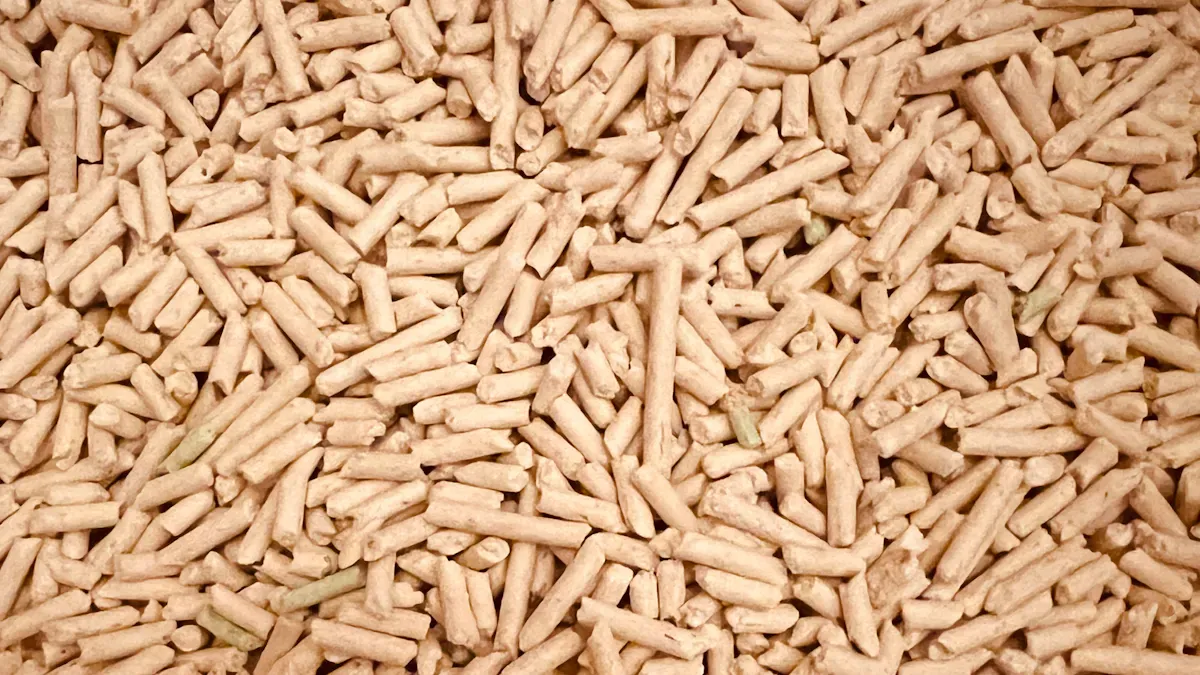
Strand vs Underwater Pelletizer Table
Selecting the right pelletizer for your process requires a clear understanding of how each system performs across critical metrics. The table below provides a side-by-side comparison of strand and underwater pelletizers, focusing on pellet shape, size variation, dust generation, production volume, እና ቁሳዊ ተኳሃኝነት.
| መለኪያ | የውሃ ውስጥ ፔሌቲንግ | Strand Pelletizing |
|---|---|---|
| የፔሌት ቅርጽ | ሉላዊ | ሲሊንደራዊ |
| Size Variation | < ±5% | < ±10-15% |
| Dust Generation | Less | More |
| የምርት መጠን | እስከ 70,000 ፓውንድ በሰዓት | እስከ 44,000 ፓውንድ በሰዓት |
| የቁሳቁስ ተኳሃኝነት | Most polymers | ተለዋዋጭ, challenges with low-viscosity materials |
ጠቃሚ ምክር: For applications demanding highly uniform pellets and minimal dust, underwater pelletizer systems often deliver superior results.
Key Metrics Compared
When evaluating pelletizer options, manufacturers should consider several key aspects:
- የፔሌት ጥራት: Underwater pelletizer units produce highly uniform, spherical pellets with minimal dust due to rapid water cooling. Strand pelletizer systems generate cylindrical pellets, but tend to create more dust and fines, which can impact downstream processing.
- Maintenance Requirements: Underwater pelletizer equipment involves more complex components and water exposure, leading to higher maintenance needs. Strand pelletizer machines feature a simpler, dry design, making them easier and faster to maintain.
- የቁሳቁስ ተኳሃኝነት: Underwater pelletizer technology handles a wide range of polymers, including high-viscosity and specialty materials. Strand pelletizer systems work well with most plastics, but may struggle with low-viscosity or sticky polymers.
- የምርት ውጤታማነት: Underwater pelletizer lines support continuous, high-output operation, making them ideal for large-scale production. Strand pelletizer setups often operate in batches and typically offer lower throughput.
- የወጪ ግምት: Underwater pelletizer systems require a higher initial investment and ongoing maintenance costs. Strand pelletizer solutions are generally more cost-effective for smaller operations or frequent material changes.
Manufacturers in industries such as automotive, ማሸግ, and electronics should match their process requirements to the strengths of each pelletizer type. The right choice depends on the desired pellet quality, የቁሳቁስ ዓይነት, production volume, and operational budget.
How Each Pelletizer Works
Strand Pelletizer Process
Cooling and Cutting
Strand pelletizer systems operate by transforming molten polymer into cylindrical pellets. ሂደቱ የሚጀምረው ቀበቶ ማጓጓዣን በመጠቀም ቁሳቁሶችን ወደ ኮምፓተር በመመገብ ነው. የአመጋገብ ፍጥነት ማስተካከል ይቻላል, እና ብረትን መለየት ብዙውን ጊዜ ብክለትን ለመከላከል ይካተታል. በኮምፓክተሩ ውስጥ የሚሽከረከሩ ቢላዎች ቁሳቁሱን ቆርጠው ያሞቁታል።, ወደ extruder screw ውስጥ ከመግባቱ በፊት ማደንዘዝ. ኤክስትራክተሩ ፖሊመርን ይቀልጣል, እና የቫኩም ሲስተም ቆሻሻን ያስወግዳል. ፖሊመር ሙሉ በሙሉ ከተቀለቀ በኋላ, ወደ ሙት ጭንቅላት ይንቀሳቀሳል. እዚህ, የቀለጠው ክሮች ተቆርጠው ይቀዘቅዛሉ ሀ የውሃ ቀለበት, በእጅ የክርን አያያዝን የሚያስወግድ. የውሃ ቀለበት በፍጥነት ማቀዝቀዝ እና የፔሌት ቅርጽን ለመጠበቅ ይረዳል.
ማስታወሻ: በ strand pelletizer ስርዓቶች ውስጥ ያለው የውሃ ቀለበት ማቀዝቀዣ ዘዴ ለአብዛኛዎቹ የምህንድስና ፕላስቲኮች ቀልጣፋ ነው።, ነገር ግን ከተጣበቁ ወይም ዝቅተኛ- viscosity ፖሊመሮች ጋር ሊታገል ይችላል.
የመሳሪያዎች አቀማመጥ
The equipment layout for a strand pelletizer typically includes several key components:
- Compactor with adjustable feeding and metal detection
- Single-screw extruder with vacuum degassing
- Die head for strand formation
- Water ring for cooling and pelletizing
- Conveyor system for pellet collection
This layout supports straightforward maintenance and quick material changeovers. The dry design reduces downtime and simplifies cleaning. Operators can easily access the compactor and extruder for routine inspections.
Underwater Pelletizer Process
In-Water Cutting and Cooling
The underwater pelletizer process is designed for high-volume and high-viscosity polymer production. The operation starts with sorting materials to separate recyclable plastics from non-recyclables. After sorting, ቁሳቁሶቹ ታጥበው ብክለትን ለማስወገድ እና ከዚያም ለማቅለጥ ለማዘጋጀት ይደርቃሉ. የደረቁ ፕላስቲኮች ተመሳሳይነት ያለው ፖሊመር ማቅለጥ እንዲፈጠር ይቀልጣሉ. የቀለጠው ፖሊመር በቀጥታ ወደ የውሃ ክፍል ውስጥ ይመገባል. በዚህ ክፍል ውስጥ, ፔሊዘር ፖሊመርን ወደ እንክብሎች ቆርጦ ሙሉ በሙሉ በውኃ ውስጥ ሲገባ. የውሃ ውስጥ አከባቢ ፈጣን ቅዝቃዜን ይሰጣል, ከፍተኛ ዩኒፎርም ያስከትላል, ሉላዊ እንክብሎች. ይህ ዘዴ አቧራ እና ቅጣቶችን ይቀንሳል, ጥብቅ የፔሌት ጥራት ለሚፈልጉ መተግበሪያዎች ተስማሚ ያደርገዋል.
ጠቃሚ ምክር: የውሃ ውስጥ ፔሌዘር ሲስተም በጠንካራ የማቀዝቀዝ እና የመቁረጥ ችሎታቸው የተበከሉ መኖዎችን እና ልዩ ፖሊመሮችን በማዘጋጀት ረገድ የላቀ ነው።.
የስርዓት ማዋቀር
የተለመደው የውሃ ውስጥ ፔሌትዘር ማቀናበር ያካትታል:
- ለቁስ ዝግጅት ክፍሎችን መደርደር እና ማጠብ
- ጥሩ የማቅለጫ ጥራትን ለማረጋገጥ መሳሪያዎችን ማድረቅ
- Extruder for melting and homogenizing the polymer
- Water chamber with integrated cutting head
- Pellet collection and drying system
This configuration supports continuous processing and high throughput. The underwater cutting head operates within the water chamber, allowing for precise pellet formation and rapid cooling. Maintenance is more complex due to water exposure and system integration, but the benefits in pellet quality and production volume are significant.
Key Differences in Pelletizer Selection
Process Suitability
Throughput and Flexibility
Pelletizer selection depends heavily on throughput requirements and operational flexibility. Manufacturers must evaluate the scale of their processing needs and the types of polymers involved. የሚከተለው ሰንጠረዥ ጠቅለል አድርጎ ያቀርባል የማስተላለፍ አቅም for different pelletizer types:
| Pelletizer አይነት | Throughput Capacity |
|---|---|
| Strand Pelletizer | ከዝቅተኛ እስከ መካከለኛ |
| የውሃ-ሪንግ ፔሌዘር | ከመካከለኛ እስከ ከፍተኛ |
| የውሃ ውስጥ Pelletizer | ከፍተኛ ወደ ከፍተኛ |
Strand pelletizers ከዝቅተኛ እስከ መካከለኛ ፍሰትን ይይዛሉ እና ለተለያዩ ፖሊመሮች ሁለገብነት ይሰጣሉ, ሙቀትን የሚነኩ ቁሳቁሶችን ጨምሮ. የውሃ-ቀለበት pelletizers ከመካከለኛ እስከ ከፍተኛ መጠን ይደግፋሉ, መድረስ ስለ 11,000 ፓውንድ በሰዓት. የውሃ ውስጥ የፔሌትዘር ስርዓቶች ከከፍተኛ እስከ በጣም ከፍተኛ የውጤት ሁኔታዎች ውስጥ የተሻሉ ናቸው።, ማቀነባበር እስከ 70,000 ፓውንድ በሰዓት. እነዚህ ስርዓቶች እንደ PET ላሉ ፖሊመሮች ፈታኝ ናቸው, ፒ.ኤ, TPU, እና ባዮፕላስቲክ.
ማስታወሻ: ለትልቅ ምርት እና ተፈላጊ ፖሊመሮች, የውሃ ውስጥ pelletizer አሃዶች ወደር የሌለው ፍሰት እና ቀጣይነት ያለው ክወና ይሰጣሉ.
የቁሳቁስ ለውጥ
ተደጋጋሚ የቁሳቁስ ለውጥ ለብዙ ማቀነባበሪያዎች ወሳኝ ግምት ነው. Strand pelletizer ሲስተሞች ቀጥተኛ ባህሪ አላቸው።, ፈጣን ጽዳት እና ፈጣን ለውጦችን የሚፈቅድ ደረቅ ንድፍ. Operators can switch between materials with minimal downtime, making strand pelletizers suitable for facilities that process multiple polymer types or require frequent batch changes.
Underwater pelletizer systems, while offering superior throughput, involve more complex cleaning procedures due to water exposure and integrated cutting heads. Material changeover takes longer, and specialized cleaning protocols are necessary to prevent contamination, especially when switching between polymers with different properties.
የቁሳቁስ ተኳሃኝነት
Viscosity and Contamination
Material compatibility influences pelletizer performance and maintenance. Strand pelletizers work well with most plastics but may struggle with sticky or low-viscosity polymers. Underwater pelletizer systems handle a broader range of viscosities, including high-viscosity and specialty polymers.
Contamination management is essential in both systems. Proper die-to-blade alignment prevents contamination from fines and dust. Contaminated materials can degrade die surfaces, increasing maintenance needs. Underwater pelletizer units are robust against contamination, especially when processing recycled or specialty feedstocks. Cleaning protocols for polymers like PVC and TPEs must be followed to maintain pellet quality and prevent system degradation.
ፖሊመር ዓይነቶች
The compatibility of pelletizer systems with various polymer types is outlined below:
| የቁሳቁስ አይነት | Compatibility |
|---|---|
| Polyolefins | ፒ.ፒ, ፒ.ኢ |
| የምህንድስና ፕላስቲክ | ኤቢኤስ, TPU, TPE, ፒ.ኤ |
| Biodegradable Plastics | PLA, PBAT, PHA, starch-based polymers |
| Masterbatch Production | Color masterbatch, filler masterbatch, ተጨማሪዎች |
| Chemical and Resin Prod. | Hot-melt adhesives, elastomers, reactive polymers |
| High-MFI Materials | Suitable for underwater pelletizer systems |
Strand pelletizers ለፖሊዮሌፊኖች እና ለኢንጂነሪንግ ፕላስቲኮች ሁለገብ ናቸው።. የውሃ ውስጥ የፔሌትዘር ስርዓቶች ሰፋ ያለ ቦታን ያስተናግዳሉ።, ሊበላሹ የሚችሉ ፕላስቲኮችን ጨምሮ, masterbatch ምርት, እና ከፍተኛ-ኤምኤፍአይ ቁሶች በ strand ወይም water-ring systems በመጠቀም ሊሰበሩ አይችሉም.
የፔሌት ጥራት
የመጠን እና የቅርጽ ተመሳሳይነት
የፔሌት ጥራት የታችኛው ተፋሰስ ሂደት እና የመጨረሻውን የምርት አፈጻጸም ላይ ተጽዕኖ ያሳድራል።. የውሃ ውስጥ የፔሌትዘር ዘዴዎች በጣም ተመሳሳይ የሆነ ምርት ይፈጥራሉ, ክብ ቅርጽ ያላቸው እንክብሎች የመጠን ልዩነት በተለምዶ ከ± 5% ያነሰ. Strand pelletizers እስከ ± 10-15% የሚደርስ ልዩነት ያላቸው ሲሊንደሪክ እንክብሎችን ያመነጫሉ.. ወጥነት ያለው የፔሌት ፍሰት እና አነስተኛ አቧራ ለሚፈልጉ መተግበሪያዎች ዩኒፎርም ወሳኝ ነው።.
ጠቃሚ ምክር: ጥብቅ የፔሌት መጠን እና ተመሳሳይነት ቅርፅ ለሚጠይቁ መተግበሪያዎች የውሃ ውስጥ ፔሌዘር ሲስተም ይምረጡ.
የታችኛው ተፋሰስ ሂደት ተጽእኖ
Pellet shape and quality affect downstream processing efficiency. Spherical pellets from underwater systems flow smoothly in pneumatic conveying and feeding equipment. Reduced dust generation minimizes contamination and wear in downstream machinery. Cylindrical pellets from strand pelletizers may produce more fines, impacting filtration and compounding processes.
Manufacturers must assess how pellet quality influences subsequent steps, እንደ ማስወጣት, molding, or blending. Selecting the right pelletizer ensures optimal performance throughout the production chain.
Maintenance and Operation
Cleaning and Downtime
Routine cleaning and minimizing downtime are critical factors in pelletizer selection. Strand pelletizer ሲስተሞች ቀጥተኛ ባህሪ አላቸው።, dry design. Operators can access key components quickly, which allows for fast cleaning between production runs. This design reduces the risk of cross-contamination when switching materials. Most strand pelletizer units require only basic disassembly for cleaning, and the absence of water in the cutting area simplifies maintenance.
Underwater pelletizer systems present a different scenario. The integration of water in the cutting chamber introduces additional cleaning requirements. Water exposure can lead to mineral buildup, ዝገት, or microbial growth if not managed properly. Operators must follow strict cleaning protocols to maintain system hygiene and prevent contamination of pellets. Cleaning the underwater cutting head and water circulation system often takes more time and may require specialized tools or chemicals. Downtime for maintenance is typically longer with underwater pelletizer equipment, በተለይም የቁሳቁስ ለውጥ በሚደረግበት ጊዜ ወይም ተለጣፊ ፖሊመሮችን በሚሰራበት ጊዜ.
ማስታወሻ: ተደጋጋሚ የቁሳቁስ ለውጦች ወይም ፈጣን የጽዳት ዑደቶች የሚያስፈልጋቸው ፋሲሊቲዎች በእንክብካቤ ቀላልነታቸው እና የእረፍት ጊዜያቸው በመቀነሱ ብዙ ጊዜ የስትሮንድ ፔሌዘር ሲስተምን ይመርጣሉ።.
የስርዓት ውስብስብነት
የስርዓት ውስብስብነት የኦፕሬተር ስልጠናን በቀጥታ ይነካል, መላ መፈለግ, እና የረጅም ጊዜ አስተማማኝነት. Strand pelletizer ማሽኖች ቀላል ሜካኒካል አቀማመጥ ይጠቀማሉ. አብዛኛዎቹ ኦፕሬተሮች እነዚህን ስርዓቶች በትንሹ ስልጠና ማሄድ እና ማቆየት ሊማሩ ይችላሉ።. ጥቂት የሚንቀሳቀሱ ክፍሎች እና ደረቅ አካባቢ የሜካኒካዊ ብልሽት እድልን ይቀንሳሉ.
የውሃ ውስጥ የፔሌትዘር ስርዓቶች የበለጠ ውስብስብ ናቸው. እነዚህ ክፍሎች extrusion ያዋህዳል, የውሃ አስተዳደር, እና በአንድ የተቀናጀ ሂደት ውስጥ በውሃ ውስጥ መቁረጥ. ኦፕሬተሮች የውሃውን ሙቀት መከታተል አለባቸው, ፍሰት መጠን, እና pelletizer ምላጭ ሁኔታ. Automated controls and sensors are common, but they add to the learning curve. Troubleshooting underwater pelletizer systems often requires specialized knowledge and technical support. The complexity of these systems can increase the risk of unplanned downtime if not managed by experienced personnel.
ጠቃሚ ምክር: Simpler strand pelletizer systems are ideal for facilities with limited technical staff or where ease of operation is a priority.
የወጪ ምክንያቶች
የመጀመሪያ ኢንቨስትመንት
The initial investment for a pelletizer system varies significantly based on technology and production requirements. Strand pelletizer units generally have a lower upfront cost. Their simple design, fewer components, and minimal water management needs make them accessible for small to medium-sized operations. Installation is straightforward, and most facilities can integrate strand pelletizer equipment without major infrastructure changes.
Underwater pelletizer systems require a higher initial investment. These systems include advanced water handling, automated controls, and robust cutting mechanisms. The need for specialized installation and integration with existing processing lines can further increase costs. ቢሆንም, the higher investment often pays off in large-scale operations where throughput and pellet quality are critical.
| Pelletizer አይነት | Typical Initial Investment | Installation Complexity |
|---|---|---|
| Strand Pelletizer | Low to Moderate | ቀላል |
| የውሃ ውስጥ Pelletizer | ከፍተኛ | ውስብስብ |
ማስታወሻ: Consider both current and future production needs when evaluating initial investment. A higher upfront cost may deliver long-term savings in high-volume environments.
Operating Expenses
Operating expenses include maintenance, የኃይል ፍጆታ, water usage, and spare parts. Strand pelletizer systems offer lower ongoing costs. Their dry operation reduces water and energy consumption. Maintenance is less intensive, and spare parts are typically less expensive.
Underwater pelletizer systems incur higher operating expenses. Continuous water circulation, filtration, and drying increase utility costs. Maintenance is more frequent due to water exposure and the complexity of the cutting mechanism. Replacement parts for underwater pelletizer units can be costly, especially for specialized blades or seals. Facilities must also account for water treatment and disposal, which adds to the total cost of ownership.
ጠቃሚ ምክር: Calculate total cost of ownership, የመጀመሪያ ዋጋ ብቻ አይደለም, when selecting a pelletizer. Higher operating expenses can offset the benefits of increased throughput if not managed carefully.
Underwater Pelletizer and Strand Pelletizer Applications
Strand Pelletizer Applications
Strand pelletizer systems serve a wide range of industries due to their versatility and straightforward operation. These machines are especially valuable in environments where frequent material changes and easy maintenance are priorities.
የምህንድስና ፕላስቲክ
Strand pelletizers are widely used for engineering plastics. They process materials such as polypropylene, ፖሊ polyethylene, and glass fiber reinforced compounds. These plastics are common in automotive, electrical, and consumer goods manufacturing.
| Engineering Plastic Type | መግለጫ |
|---|---|
| ፖሊፕሮፒሊን (ፒ.ፒ) | Widely used in dry strand pelletizers for processing. |
| ፖሊ polyethylene (ፒ.ኢ) | Commonly processed using strand pelletizers. |
| Glass Fiber Reinforced | Frequently processed with strand pelletizers. |
Strand pelletizers maintain pellet quality for these materials, ወጥነት ያለው የታችኛው ተፋሰስ ሂደትን መደገፍ.
እንደገና ጥቅም ላይ የዋሉ ቁሳቁሶች
የፕላስቲክ መልሶ ጥቅም ላይ የሚውሉ ተክሎች የድህረ-ሸማቾችን እና ከኢንዱስትሪ በኋላ ያለውን ቆሻሻ ወደ ዳግመኛ ጥቅም ላይ በሚውሉ እንክብሎች ለመቀየር በስትራንድ ፔሌዘር ሲስተም ላይ ይተማመኑ. እነዚህ ስርዓቶች የተለያዩ እንደገና ጥቅም ላይ የዋሉ ፕላስቲኮችን ይይዛሉ, ለቆሻሻ መልሶ ጥቅም ላይ ማዋል ስራዎች አስፈላጊ እንዲሆኑ ማድረግ. የ strand pelletizers ደረቅ ንድፍ በብቃት ለማጽዳት ያስችላል, በተለያዩ እንደገና ጥቅም ላይ በሚውሉ ቁሳቁሶች መካከል በሚቀያየርበት ጊዜ አስፈላጊ የሆነው.
ውህድ
ፖሊመሮችን ከተጨማሪዎች ጋር ለማዋሃድ የማዋሃድ ፋሲሊቲዎች ስትራንድ ፔሌዘር ይጠቀማሉ, መሙያዎች, ወይም ማቅለሚያዎች. የተገኙት እንክብሎች በፊልም ውስጥ ጥቅም ላይ ይውላሉ, ሉህ, እና ፋይበር ማቀነባበሪያ, እንዲሁም በመርፌ እና በመቅረጽ ስራዎች ውስጥ.
| የመተግበሪያ ዓይነት |
|---|
| የፕላስቲክ መልሶ ጥቅም ላይ የሚውሉ ተክሎች |
| የፕላስቲክ ውህደት እና ማምረት |
| ፊልም, ሉህ, እና ፋይበር ማቀነባበሪያ |
| የመርፌ እና የመንፋት ስራዎች |
Strand pelletizers offer flexibility for compounding lines that require frequent formulation changes.
Underwater Pelletizer Applications
Underwater pelletizer systems are designed for high-performance environments. These machines excel in applications where pellet uniformity, high throughput, and the ability to handle challenging materials are critical.
High-Viscosity Polymers
Underwater pelletizer technology produces highly uniform pellets with minimal size and shape variation. This capability is especially important for high-viscosity polymers, where traditional strand pelletizing may struggle with consistency and strand breakage. The underwater cutting and cooling process ensures reliable pellet formation, even with demanding materials.
- Underwater pelletizing produces highly uniform pellets with minimal size and shape variation, making it advantageous for high-viscosity materials.
- Strand pelletizing may face challenges in maintaining consistency and quality when processing high-viscosity polymers due to its manual start-up process and potential for strand breakage.
Contaminated Feedstocks
Underwater pelletizer systems are robust against contamination. They process recycled and specialty feedstocks with high impurity levels. The integrated water chamber and cutting head help manage contaminants, reducing the risk of fines and improving pellet quality. This makes underwater pelletizers suitable for waste recycling and biodegradable plastic pelletizing applications.
High-Volume Production
Manufacturers choose underwater pelletizer systems for high-volume production lines. These machines support continuous operation and can process up to 70,000 ፓውንድ በሰዓት. የውሃ ውስጥ አካባቢ በፍጥነት ማቀዝቀዝ ያስችላል, በትላልቅ መጠኖች ውስጥ የፔሌት ጥራትን ለመጠበቅ አስፈላጊ የሆነው.
የኢንዱስትሪ ምሳሌዎች
Pelletizer ምርጫ በእያንዳንዱ ኢንዱስትሪ ልዩ ፍላጎቶች ላይ የተመሰረተ ነው. በዘመናዊ ማምረቻ ውስጥ ሁለቱም የክር እና የውሃ ውስጥ pelletizer ስርዓቶች ጠቃሚ ሚና ይጫወታሉ.
አውቶሞቲቭ
አውቶሞቲቭ አቅራቢዎች ለኢንጂነሪንግ ፕላስቲኮች እና ለመስታወት ፋይበር የተጠናከረ ውህዶች የስትሮንድ ፔሌዘር ይጠቀማሉ. እነዚህ እንክብሎች በውስጣዊ አካላት ውስጥ ጥቅም ላይ ይውላሉ, በመከለያ ስር ክፍሎች, እና ውጫዊ ጌጥ. የውሃ ውስጥ ፔሌዘር ሲስተም ለቀላል እና ለዘላቂ አውቶሞቲቭ ክፍሎች ልዩ ፖሊመሮችን እና እንደገና ጥቅም ላይ የዋሉ ቁሳቁሶችን ለማምረት ይደግፋሉ.
ማሸግ
የ የማሸጊያ ኢንዱስትሪ የውሃ ውስጥ pelletizer ስርዓቶች ግንባር ዘርፍ ነው. እነዚህ ማሽኖች ከፍተኛ ጥራት ያላቸው ናቸው, ለሁለቱም ተለዋዋጭ እና ጠንካራ የማሸጊያ እቃዎች ወጥነት ያላቸው እንክብሎች. Underwater pelletizers enable the recycling of plastics into uniform pellets, supporting sustainable packaging and circular economy initiatives. They are used to produce recycled plastic pellets for injection molding, ማስወጣት, and blow molding—processes that are crucial for creating new packaging products.
Recycled plastic pellets from underwater pelletizer systems are also used in the manufacturing of packaging materials, አውቶሞቲቭ ክፍሎች, and everyday items. This versatility highlights the importance of underwater pelletizers in the packaging sector.
ኤሌክትሮኒክስ
Electronics manufacturers require precise pellet quality for components such as housings, ማገናኛዎች, and insulation. Strand pelletizers process engineering plastics for these applications. Underwater pelletizer systems handle specialty polymers and high-volume production, የኤሌክትሮኒክስ ኢንዱስትሪን ተከታታይ እና አስተማማኝ ቁሳቁሶችን ፍላጎት መደገፍ.
ማስታወሻ: በክር እና በውሃ ውስጥ ባለው የፔሌትዘር ስርዓት መካከል ያለው ምርጫ እንደ ቁሳቁስ አይነት ይወሰናል, የብክለት ደረጃ, እና የምርት ልኬት. አምራቾች ለትግበራቸው በጣም ተስማሚ የሆነውን ፔሌታይዘር ለመምረጥ የሂደታቸውን መስፈርቶች መገምገም አለባቸው.
Pelletizer ምርጫ መመሪያ
ለኦፕሬሽንዎ ትክክለኛውን ፔሌዘር መምረጥ የተቀናጀ አካሄድ ይጠይቃል. ይህ መመሪያ ሀ ተግባራዊ ዝርዝር እና የመሳሪያ ምርጫዎን ከምርት ግቦችዎ ጋር ለማስማማት የሚያግዝዎት የውሳኔ ፍሰት ገበታ.
የምርጫ ማረጋገጫ ዝርዝር
ስልታዊ ግምገማ የእርስዎ pelletizer ከእርስዎ ቁሳዊ እና የአሠራር ፍላጎቶች ጋር የሚጣጣም መሆኑን ያረጋግጣል. ውሳኔዎን ለመምራት የሚከተለውን የማረጋገጫ ዝርዝር ይጠቀሙ:
የቁሳቁስ ግምገማ
- ለማስኬድ ያቀዱትን የፖሊመር አይነት ይለዩ (ለምሳሌ., ፔት, HDPE, LDPE, የምህንድስና ፕላስቲኮች).
- በእርስዎ መጋቢ ውስጥ የብክለት ደረጃዎችን ይገምግሙ. ከፍተኛ ብክለት ጠንካራ ጽዳት ወይም ልዩ አወቃቀሮችን ሊፈልግ ይችላል።.
- ማመልከቻዎ ልዩ ቁሳቁሶችን የሚያካትት ከሆነ ግምት ውስጥ ያስገቡ, እንደ ባዮዲዳሬድድ ፕላስቲክ ፔሌትሊንግ ውስጥ ጥቅም ላይ የሚውሉት.
የምርት መጠን
- የሚፈለገውን መጠን ይገምቱ. ከፍተኛ መጠን ያላቸው ክዋኔዎች በተከታታይ አሠራራቸው እና አቅማቸው ምክንያት ብዙውን ጊዜ የውኃ ውስጥ ስርዓቶች ይጠቀማሉ.
- ምርትዎ በቡድን ላይ የተመሰረተ ወይም ቀጣይ መሆኑን ይወስኑ. የውሃ ውስጥ pelletizers ያለማቋረጥ የላቀ, መጠነ ሰፊ አካባቢዎች.
የፔሌት ጥራት ፍላጎቶች
- የሚፈለገውን የፔሌት ቅርጽ እና መጠን ተመሳሳይነት ይግለጹ. ከውሃ ስር ያሉ ሉላዊ እንክብሎች የላቀ ወጥነት ይሰጣሉ.
- ለታችኛው ተፋሰስ ሂደትዎ የአቧራ እና የቅጣት ቁጥጥር አስፈላጊነትን ይገምግሙ.
- ግምገማ ምላጭ ንድፍ እና ቁሳቁስ, ስለታም እና የሚበረክት ቢላዎች የመቁረጥ ትክክለኛነትን እና የፔሌት ጥራትን ያሻሽላሉ.
በጀት
- Calculate your available budget for initial investment and ongoing operating expenses.
- Factor in maintenance, ጉልበት, and water usage. Underwater systems typically have higher costs but deliver greater throughput and pellet quality.
ጠቃሚ ምክር: Maintenance and ease of use are critical for facilities with frequent material changes or limited technical staff.
Decision Flowchart
The following tables summarize the main decision points when selecting between strand and underwater pelletizer systems:
| Pelletizer አይነት | ምርጥ ለ | የፔሌት ቅርጽ | Relative Cost |
|---|---|---|---|
| Strand pelletizer | ፒ.ኢ, ፒ.ፒ, PS — clean feedstock | ሲሊንደራዊ | ዝቅተኛ |
| Underwater pelletizer | ፔት, ፒ.ኤ, የምህንድስና ፕላስቲኮች | ሉላዊ | ከፍተኛ |
| ምክንያት | መግለጫ |
|---|---|
| የቁሳቁስ አይነት | Different materials (ፔት, HDPE, LDPE) have unique challenges and needs regarding processing. |
| የብክለት ደረጃ | Contamination control is crucial for maintaining processing stability and quality of pellets. |
| Configuration Requirements | አሁን ባለው የቁስ አይነት እና ብክለት ላይ በመመስረት የተወሰኑ ውቅሮች ያስፈልጋሉ።. |
ማስታወሻ: የውሃ ውስጥ የፔሌትዘር ስርዓቶች ለከፍተኛ- viscosity ፖሊመሮች ይመረጣሉ, የተበከሉ መኖዎች, እና ጥብቅ የፔሌት ተመሳሳይነት የሚጠይቁ ማመልከቻዎች. Strand pelletizers ለጽዳት ወጪ ቆጣቢ ምርጫ ሆነው ይቆያሉ።, መደበኛ ቁሳቁሶች እና ተደጋጋሚ ለውጦች.
ይህንን ዝርዝር በመከተል እና በመገምገም የውሳኔ ሠንጠረዦች, ከሂደቱ መስፈርቶች ጋር የሚስማማውን pelletizer በእርግጠኝነት መምረጥ ይችላሉ።, ከፍተኛ መጠን ባለው የውሃ ውስጥ ምርት ላይ ወይም በተለዋዋጭ የክርክር ስራዎች ላይ ያተኩሩ.
በክር እና በውሃ ውስጥ ስርዓቶች መካከል መምረጥ በእርስዎ ሂደት ፍላጎቶች ላይ የተመሰረተ ነው. የውሃ ውስጥ መፍትሄዎች ከፍተኛ ፍሰት ይሰጣሉ, ወጥ እንክብሎች, እና ፈታኝ ቁሳቁሶችን ይቆጣጠሩ. የ Strand ስርዓቶች ቀላል ጥገና እና ፈጣን ለውጦችን ያቀርባሉ. የሚለውን ተጠቀም የንጽጽር ሰንጠረዥ below to evaluate brands and capacities:
| Brand/Model | Maximum capacity (ኪግ / ሰ) | Power (kW) | Applicable Materials | Reference price (USD) |
|---|---|---|---|---|
| Coperion ZSK Series | 2000 | 250 | Engineering plastics, PE/PP | 150,000-300,000 |
| Wintech | 800 | 90 | PE film, agricultural waste | 45,000-65,000 |
| Domestic economic granulator | 300 | 55 | PVC, ኤቢኤስ | 15,000-25,000 |
Consider these factors:
- Type of plastic
- Required throughput
- Desired pellet quality
- Operational needs
For complex underwater applications, consult suppliers or technical experts to ensure the right pelletizer choice.
የሚጠየቁ ጥያቄዎች
What is the main difference between strand and underwater pelletizers?
Strand pelletizers cut and cool polymer strands outside the die, while underwater pelletizers cut pellets directly in water. Underwater systems deliver more uniform pellets and higher throughput.
Which pelletizer is better for frequent material changes?
Strand pelletizers allow faster cleaning and easier material changeovers. Their dry design reduces downtime, making them ideal for operations that switch materials often.
Can underwater pelletizers handle recycled or contaminated materials?
አዎ. Underwater pelletizers process contaminated or recycled feedstocks efficiently. Their robust water-based system manages impurities and maintains pellet quality.
How does pellet shape affect downstream processing?
Spherical pellets from underwater systems flow smoothly in pneumatic conveyors and feeders. Cylindrical pellets from strand systems may generate more dust, which can impact equipment and product quality.
Are underwater pelletizers more expensive to operate?
Operating costs for underwater pelletizers are higher. These systems require more water, ጉልበት, and maintenance. Facilities must also manage water treatment and specialized spare parts.
What types of polymers work best with strand pelletizers?
Strand pelletizers perform well with polyolefins, የምህንድስና ፕላስቲኮች, and clean feedstocks. They may struggle with sticky or low-viscosity polymers.
How do I choose the right pelletizer for my process?
Assess your material type, required throughput, pellet quality needs, እና በጀት. Use the selection checklist and consult with suppliers for complex requirements.