

ከዘመናዊው ማምረቻ ጋር ሲነፃፀሩ የፕላስቲክ ውህድ እና ፔሊቲዚንግ
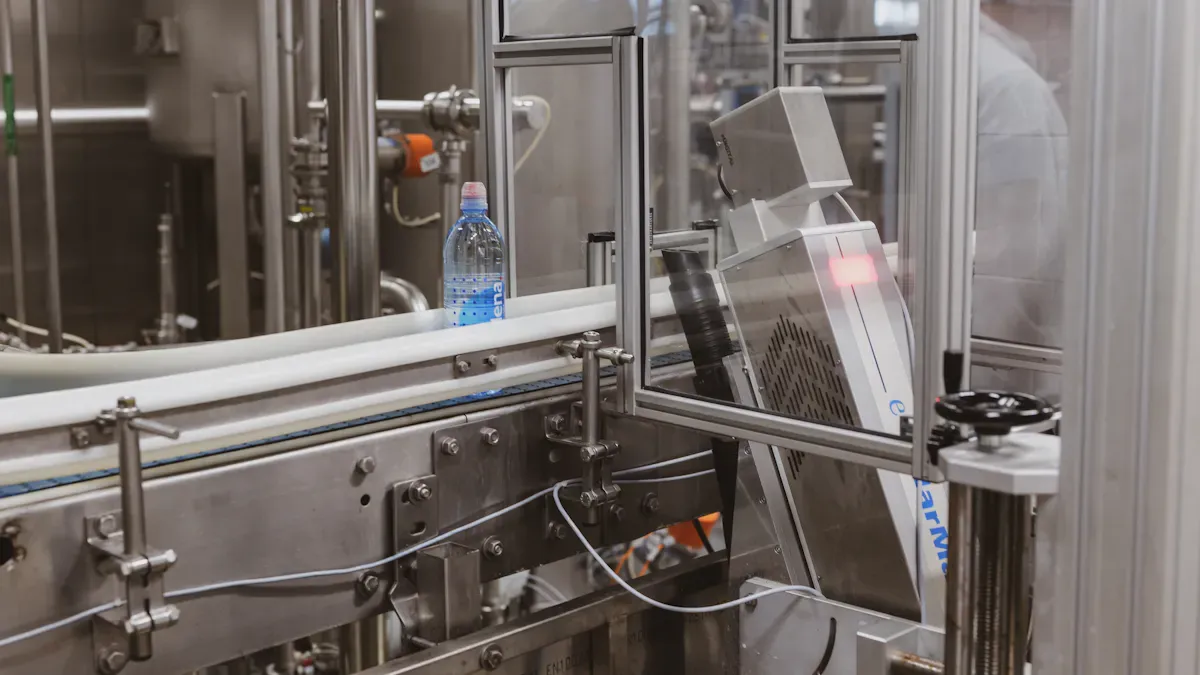
የፕላስቲክ ውህድ የመሠረት ሙጫዎችን ከተጨማሪዎች ጋር ያበጃል።, ለተወሰኑ ትግበራዎች የተዘጋጁ ቁሳቁሶችን መፍጠር. ፔሊዚንግ እነዚህን የተዋሃዱ ቁሶች ወደ ተመሳሳይ እንክብሎች ይቀይራቸዋል, ለታችኛው ተፋሰስ ቀልጣፋ ለመጠቀም ዝግጁ. በእያንዳንዱ ሂደት መካከል ያለውን ልዩነት የሚረዱ አምራቾች እና መሐንዲሶች ውጤታማነትን ከፍ ማድረግ እና የምርት ጥራትን ማረጋገጥ ይችላሉ።.
የእነዚህ ቴክኖሎጂዎች የአለም ገበያ ዋጋ እንደሚደርስ የቅርብ ጊዜ የገበያ መረጃ ያሳያል $82 ቢሊዮን በ 2025 እና $182 ቢሊዮን በ 2035, በአውቶሞቲቭ እና በማሸጊያ ዘርፎች እድገት የሚመራ.
| ሂደት | የውጤታማነት ተፅእኖ | የምርት ጥራት ተጽእኖ |
|---|---|---|
| ውህድ | የልብስ ስፌት, አፈጻጸምን ያሻሽላል, ወጪን ይቀንሳል | የተሻለ የጥራት ቁጥጥርን ያስችላል |
| ፔሌቲንግ | ለማቀነባበር ወጥ የሆነ የቁሳቁስ ቅጽ ያቀርባል | በመጨረሻው የምርት ጥራት ላይ ተመሳሳይነት ያረጋግጣል |
ቁልፍ መቀበያዎች
- የፕላስቲክ ውህድ ለተወሰኑ አጠቃቀሞች ቁሳቁሶችን ለመፍጠር የመሠረት ሙጫዎችን ከተጨማሪዎች ጋር ያበጃል።.
- Pelletizing ለቀላል ሂደት እና አያያዝ የተዋሃዱ ቁሳቁሶችን ወደ ወጥ እንክብሎች ይለውጣል.
- በማዋሃድ እና በፔሌትዲንግ መካከል ያለውን ልዩነት መረዳት አምራቾች ቅልጥፍናን እና የምርት ጥራትን እንዲያሻሽሉ ይረዳል.
- ማደባለቅ ድብልቅን ያካትታል, ማቅለጥ, እና ተፈላጊ ንብረቶችን ለማግኘት ቁሳቁሶችን ማውጣት.
- ፔሌቲንግ ወጥነት ያላቸው የፔሌት መጠኖችን በመፍጠር ላይ ያተኩራል, ለታማኝ ማምረት ወሳኝ የሆነው.
- የመጨረሻዎቹ ምርቶች የኢንዱስትሪ መስፈርቶችን የሚያሟሉ መሆናቸውን ለማረጋገጥ በሁለቱም ሂደቶች የጥራት ቁጥጥር አስፈላጊ ነው።.
- እንደ አውቶሞቲቭ ባሉ ሴክተሮች ውስጥ ሁለቱም ማጣመር እና ፔሌቲንግ ወሳኝ ሚና ይጫወታሉ, ኤሌክትሮኒክስ, እና የጤና እንክብካቤ.
- ትክክለኛውን ሂደት መምረጥ በቁሳዊ ባህሪያት ላይ የተመሰረተ ነው, የምርት ፍላጎቶች, እና ወጪ ግምት.
ፍቺዎች እና ልዩነቶች
Plastic Compounding Defined
Plastic compounding refers to the process of mixing polymers with additives, መሙያዎች, and reinforcements to modify and enhance the physical and chemical properties of the material. Industry standards define this process as a method to tailor a polymer so that it includes all desired features in a single material. Manufacturers use plastic compounding to improve product quality, reduce costs, and increase productivity. The process typically involves melting, blending, and extrusion to achieve a uniform dispersion of components.
A wide range of ingredients and additives play a role in plastic compounding:
- Masterbatch: A concentrated mix of pigments and additives within a carrier resin, ensuring even dispersion.
- Antioxidants: Prevent polymer degradation from heat and oxygen, maintaining strength and flexibility.
- UV Stabilizers: Protect polymers used outdoors by absorbing or dissipating harmful ultraviolet radiation.
- Flame Retardants: Inhibit or delay flame production, especially important in electronics and construction.
- ቀለም ሰሪዎች: Allow for color selection in compounded plastics.
- Strength and Flexibility Modifiers: Achieve specific mechanical properties.
- Antimicrobial Additives: Inhibit germ growth, important for medical products.
- Fillers: Such as talc, glass fiber, and calcium carbonate, improve strength, reduce costs, and enhance heat resistance.
- Performance Enhancers: Tailor properties like thermal stability, የእሳት ነበልባል መዘግየት, and UV resistance.
This process enables manufacturers to create materials with precise characteristics for demanding applications.
Plastic Pelletizing Defined
Plastic pelletizing is a process that converts raw or recycled plastic into small, ወጥ እንክብሎች. ይህ ለውጥ ቅልጥፍናን ለማምረት እና እንደገና ጥቅም ላይ ለማዋል አስፈላጊ ነው. የፕላስቲክ ፔሌዘር ንፁህ እና ብዙ ጊዜ የተቆራረጡ ይለወጣል ወይም የቀለጠ ፕላስቲክ ወደ ወጥ እንክብሎች, ከዚያም ወደ ማምረት ሂደቶች የሚገቡት. ፔሌቴሽን እንደ ወጣ ገባ መመገብ እና የቁሳቁስ አያያዝን የመሳሰሉ ተግዳሮቶችን ይፈታል።, የምርት ጥራት ወሳኝ በሆነባቸው እንደ አውቶሞቲቭ እና ማሸጊያ ባሉ ዘርፎች ውስጥ አስፈላጊ ያደርገዋል.
| የማስረጃ አይነት | ዝርዝሮች |
|---|---|
| ጥሬ እቃዎች | የተለያዩ የፕላስቲክ ዓይነቶች, ፖሊ polyethylene ጨምሮ (ፒ.ኢ) እና ፖሊፕፐሊንሊን (ፒ.ፒ) |
| ውጤቶች | በማቅለጥ የተሠሩ የፕላስቲክ እንክብሎች, ማቀዝቀዝ, እና የመቁረጥ ሂደቶች |
Pelletization የፕላስቲክ ምርትን ውጤታማነት ያሻሽላል እና ቀላል አያያዝን በመጠበቅ ልዩ ፕላስቲኮችን ለመፍጠር ያስችላል።.
የቁልፍ ልዩነቶች አጠቃላይ እይታ
የንጽጽር ሰንጠረዥ
| ገጽታ | የፕላስቲክ ድብልቅ | የፕላስቲክ ፔሌቲንግ |
|---|---|---|
| ዋና ዓላማ | የፖሊሜር ቅንብርን እና ባህሪያትን ይለውጣል | Converts material into uniform pellet form |
| Key Steps | ማደባለቅ, ማቅለጥ, blending, ማስወጣት | ማቅለጥ, ማቀዝቀዝ, cutting |
| Typical Additives | Fillers, ማቅለሚያዎች, ማረጋጊያዎች, performance enhancers | Not typically added during pelletizing |
| ውፅዓት | Customized plastic material (can be in various forms) | Uniform pellets |
| መተግበሪያ | Direct use in products or further processing | Used for molding, ማስወጣት, or transport |
Summary Points
- Plastic compounding focuses on altering the composition of the plastic by blending various ingredients, which affects its physical properties.
- Plastic pelletizing converts compounded plastic into uniform pellets, primarily concerned with the physical form for ease of use in manufacturing.
- Compounded plastics can be directly shaped into products, while pelletized plastics are typically used for further processing.
- Both processes play a critical role in modern manufacturing, but they address different needs within the production chain.
ጠቃሚ ምክር: Understanding the distinction between these processes helps manufacturers select the right approach for their specific application, ensuring optimal performance and efficiency.
Plastic Compounding Process

Process Steps
Plastic compounding transforms raw materials into high-performance plastics through a series of precise steps. Manufacturers begin by storing raw materials such as resin, ተጨማሪዎች, and fillers in bags, big bags, or silos. Pneumatic or mechanical systems then convey these materials to the processing area. Operators feed the materials into the press barrel, either continuously or in batches. The compounding process continues with melting and mixing, where the polymer and additives blend to achieve uniformity. The final stage involves shaping, ማቀዝቀዝ, and cutting the product, followed by rigorous quality control.
| ደረጃ | መግለጫ |
|---|---|
| 1 | Raw material storage in bags, big bags, and silos |
| 2 | Pneumatic or mechanical material conveying system |
| 3 | Material feed to the press barrel (continuous/discontinuous filling) |
| 4 | Melting and mixing phase |
| 5 | Final product and control |
ማስታወሻ: Insight Polymers leverages rapid turnaround and specialty compounding to deliver custom plastic compounding solutions, optimizing each step for efficiency and quality.
Equipment Used
Plastic compounding facilities rely on advanced equipment to ensure consistent results. Extruders set the pace for processing and play a central role in melting and mixing. Continuous mixers work alongside extruders to handle materials like acrylics, nylons, እና PVC. Mixing systems prepare additive pre-blends, while dosing systems guarantee precise ingredient ratios. Material handling technologies, such as rotary feeders and diverter valves, support the smooth distribution and dosing of bulk materials. Integrated compounding lines combine these systems, allowing for flexible production rates and configurations. Insight Polymers utilizes internal twin-screw extrusion pilot assets to conduct small development batch trials, enabling efficient screening of product and processing parameters.
Types of Compounding
Plastic compounding encompasses several approaches, each tailored to specific application needs. Manufacturers may add colorants to enhance appearance or stabilizers to improve heat and UV resistance. Flame retardants increase safety, especially in construction and electronics. Impact modifiers boost toughness, while fillers and reinforcements adjust cost, stiffness, or strength. Custom formulated compounds can also include antimicrobial agents for medical products or UV enhancers for outdoor use. Insight Polymers specializes in polymer compounding solutions that address unique performance objectives, offering masterbatch concentrates and custom plastic compounding for injection molding, fibers, ፊልሞች, and additive manufacturing.
- Color selection for aesthetics
- Food-safe formulations for packaging
- Fire retardants for construction
- Strength and flexibility adjustments for product-specific needs
- Antimicrobial properties for healthcare
- Enhanced UV tolerance for outdoor durability
This comprehensive approach ensures that every polymer compounding solution meets the demands of modern manufacturing.
Material States
Plastic compounding involves several material states as raw ingredients transform into high-performance compounds. The process begins with solid resins, ተጨማሪዎች, እና መሙያዎች. Operators feed these materials into the compounding system, በጥራጥሬ ወይም በዱቄት መልክ የሚቆዩበት. ሂደቱ እየገፋ ሲሄድ, ኤክስትራክተሩ ድብልቁን ይሞቃል እና ይቀልጣል, ወደ ዝልግልግ መለወጥ, የቀለጠ ሁኔታ. ይህ የቀለጠ ድብልቅ ሁሉንም አካላት በደንብ ለመደባለቅ እና ለመበተን ያስችላል.
ግብረ-ሰዶማዊነት ከተጠናቀቀ በኋላ, ቁሱ ከኤክስትራክተሩ ይወጣል. በዚህ ደረጃ, እንደ ማመልከቻው ብዙ ቅጾችን ሊወስድ ይችላል. አንዳንድ አምራቾች ያቀዘቅዙ እና ኤክስትራቱን ወደ እንክብሎች ይቁረጡ, ሌሎች ደግሞ ክሮች ማምረት ይችላሉ, አንሶላዎች, ወይም በቀጥታ የተቀረጹ ቅርጾች. የመጨረሻው ሁኔታ-ፔሌት ይሁን, ክር, ወይም ሉህ-በታችኛው የተፋሰስ ሂደት መስፈርቶች ላይ ይወሰናል. ለምሳሌ, ኢንሳይት ፖሊመሮች ብዙ ጊዜ ብጁ የፕላስቲክ ውህድ በፔሌት መልክ ያቀርባል ቀላል አያያዝ እና ተከታታይነት ያለው ምግብ በመርፌ መቅረጽ ወይም በማውጫ መስመሮች ውስጥ።.
በሂደቱ ውስጥ የቁሳቁስ ግዛቶችን የመቆጣጠር ችሎታ የመጨረሻው ምርት ጥብቅ የአፈፃፀም መስፈርቶችን ማሟላቱን ያረጋግጣል. ይህ ተለዋዋጭነት ሰፊ አፕሊኬሽኖችን ይደግፋል, ከአውቶሞቲቭ ክፍሎች ወደ የሕክምና መሳሪያዎች, እና ለደንበኛ ፍላጎቶች ፈጣን መላመድ ያስችላል.
የጥራት ቁጥጥር
የጥራት ቁጥጥር በእያንዳንዱ የተሳካ የፕላስቲክ ውህድ ስራ ዋና አካል ላይ ይቆማል. አምራቾች ለማቆየት በላቁ አውቶማቲክ ቁጥጥር ስርዓቶች ላይ ይተማመናሉ። ወጥነት ያለው የፔሌት ባህሪያት በ extrusion ጊዜ. እነዚህ ስርዓቶች የሂደት መለኪያዎችን በእውነተኛ ጊዜ ይቆጣጠራሉ እና ያስተካክላሉ, የቀለጠው ድብልቅ ተመሳሳይነት ያለው መሆኑን ማረጋገጥ. በውጤቱም, ቀለሞች እና ተጨማሪዎች በእኩል ይሰራጫሉ, ወጥ የሆነ የማስተር ባች ግቢ ማምረት.
የምርት ወጥነት ለማረጋገጥ ኦፕሬተሮች በርካታ ተግባራዊ ዘዴዎችን ይጠቀማሉ. የ የውሃ ማፈናቀል ዘዴ provides a reliable way to measure density on the shop floor. This technique involves measuring the initial water level, weighing the sample, and calculating density based on the displaced volume. It improves formulation accuracy, prevents material wastage, and ensures consistent product weight. These benefits support better cost control and reduce production quality issues.
A comprehensive quality control program includes a series of tests:
- Color matching tests use spectrophotometers to evaluate color differences and ensure visual consistency.
- Thermal stability tests validate pigment endurance at molding temperatures.
- Dispersion tests confirm even additive distribution through microscopic observation.
- Mechanical performance tests review tensile strength and impact resistance.
Insight Polymers integrates these quality control measures into every batch, ensuring that their polymer compounding solutions deliver reliable performance. This commitment to quality supports industries that demand precision, such as automotive, ኤሌክትሮኒክስ, እና የጤና እንክብካቤ.
ጠቃሚ ምክር: Consistent quality control not only enhances product reliability but also strengthens customer trust in custom plastic compounding services.
Plastic Pelletizing Process
Process Steps
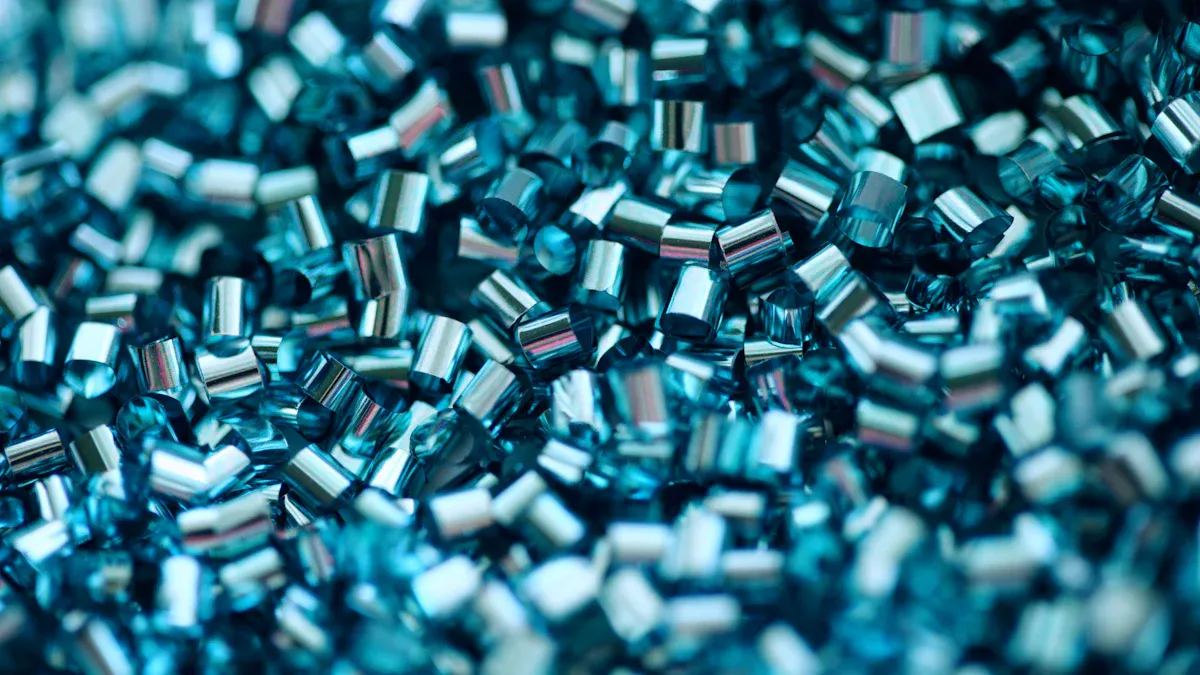
Plastic pelletizing transforms raw or recycled resin into uniform pellets through a series of well-defined steps. Operators begin by sorting plastic waste according to polymer type, ቀለም, and contamination level. They then shred the sorted plastics into smaller flakes, which improves washing efficiency. After washing, the clean flakes move to the melting stage, where they are heated and extruded. The molten plastic passes through a filter to remove any remaining impurities. As the filtered melt exits through a die plate, it forms continuous strands. These strands undergo rapid cooling in a water bath or air cooling system, stabilizing their structure. በመጨረሻ, the cooled strands are cut into pellets, which are ready for downstream manufacturing.
Efficient pelletizing ensures consistent pellet size and quality, which is critical for reliable processing in molding and extrusion applications.
Equipment Used
Pelletizing operations rely on specialized machinery to achieve high throughput and consistent results. Strand pelletizers handle the extrusion of molten plastic into strands and cut them into pellets. Underwater pelletizers cut the molten plastic directly under water, which instantly cools and solidifies the pellets. Cold pelletizers produce pellets from hot extrudate without using water cooling. Each machine type supports different process requirements and material characteristics. Operators select equipment based on the type of resin, the presence of additives, and the desired pellet properties.
- Strand pelletizers: Cut extruded strands into uniform pellets.
- Underwater pelletizers: Cut and cool pellets simultaneously in a water chamber.
- Cold pelletizers: Produce pellets without water, suitable for heat-sensitive materials.
Pelletizing Technology Types
Manufacturers use several pelletizing technologies, each offering unique advantages in efficiency and output quality. Strand pelletizing works best for clean, stable materials and delivers high output quality. Water-ring pelletizing cuts the molten plastic at the die face and cools it in a circulating water ring, which enhances efficiency. Underwater pelletizing cuts pellets in a water chamber, ensuring uniform cooling and very high output quality.
| Pelletizing Technology | መግለጫ | ቅልጥፍና | የውጤት ጥራት |
|---|---|---|---|
| Strand Pelletizers | Cut pellets in strands and are suitable for clean materials. | መጠነኛ | ከፍተኛ |
| የዳይ-ፊት ፔለቲዘርስ | Include underwater and water-ring systems, providing rapid cooling. | ከፍተኛ | በጣም ከፍተኛ |
Operators choose the appropriate technology based on the type of resin, the presence of additives, and the required pellet characteristics. The right selection ensures that pellets meet strict quality standards for downstream processing.
Material States
Pelletizing transforms plastics through several distinct material states. The process begins with solid plastic feedstock, which can include virgin resin, recycled flakes, or regrind. Operators load these materials into hoppers or feeders. The material then enters the extruder, where heat and mechanical force convert the solid particles into a molten state. This molten plastic flows through the extruder barrel, ensuring thorough mixing and homogenization.
As the molten mass exits the extruder, it passes through a die plate. በዚህ ደረጃ, the material forms continuous strands or droplets, depending on the pelletizing technology. In strand pelletizing, the molten plastic emerges as long, spaghetti-like strands. These strands move through a cooling system, often a water bath, which solidifies the material rapidly. Once cooled, the solidified strands enter a cutting chamber, where rotating knives chop them into uniform pellets.
Other pelletizing methods, such as underwater or water-ring systems, cut the molten plastic immediately as it exits the die. The pellets cool and solidify almost instantly in the water environment. የመጨረሻው ምርት አነስተኛ መጠን ያለው ነው, ወጥነት ያለው መጠን እና ቅርፅ ያላቸው ጥቅጥቅ ያሉ እንክብሎች. እነዚህ እንክብሎች ለመያዝ ቀላል ናቸው, ማጓጓዝ, እና ወደ ታች የማምረት ሂደቶች ይመገቡ.
ጠቃሚ ምክር: በፔሊንግ ወቅት እያንዳንዱን የቁሳቁስ ሁኔታ መቆጣጠር የመጨረሻዎቹ እንክብሎች ጥብቅ የጥራት እና የአፈጻጸም ደረጃዎችን እንደሚያሟሉ ያረጋግጣል.
የጥራት ቁጥጥር
የጥራት ቁጥጥር የፔሌት ወጥነት እና ንፅህናን ለመጠበቅ ወሳኝ ሚና ይጫወታል. ከፍተኛ ጥራት ያለው ምርትን ለማረጋገጥ ኦፕሬተሮች በሂደቱ ውስጥ በርካታ ፕሮቶኮሎችን ተግባራዊ ያደርጋሉ:
- ቅድመ-መደርደር እና ማጠብ ብክለትን እና ኢላማ ያልሆኑ ቁሳቁሶችን ያስወግዱ. አውቶማቲክ የመደርደር ስርዓቶች እና የማጠቢያ መስመሮች ንጹህ መኖን ለማግኘት ይረዳሉ.
- ማድረቅ እና መበከል እርጥበትን እና ቆሻሻዎችን ያስወግዳል. ከፍተኛ ሙቀት ማድረቅ እና የቫኩም ማጽዳት እቃውን ለመጥፋት ያዘጋጃሉ.
- Extrusion and pelletization melt purified flakes or resin into uniform pellets. Twin-screw extruders provide excellent mixing and consistency.
- Vacuum degassing removes gases and volatile compounds under high vacuum conditions. This step prevents defects and improves pellet quality.
- Crystallization and solid-state polymerization (SSP) enhance the intrinsic viscosity of certain polymers, such as PET. These steps ensure that the pellets meet application-specific requirements.
Operators monitor pellet size, ቅርጽ, and color throughout the process. They use sieves, visual inspection, and automated sensors to detect any deviations. Consistent quality control reduces waste, improves process efficiency, and guarantees that the pellets perform reliably in molding, ማስወጣት, or other applications.
ማስታወሻ: Reliable quality control in pelletizing supports manufacturers in producing high-performance products for demanding industries.
መተግበሪያዎች
Compounding Applications
Plastic compounding enables manufacturers to create materials with properties tailored for demanding sectors. The following table highlights common industry uses:
| Sector | መተግበሪያዎች |
|---|---|
| አውቶሞቲቭ | Lightweight materials, heat-resistant plastics, impact-resistant polymers |
| ኤሌክትሮኒክስ | Flame-retardant compounds, thermally conductive plastics, anti-static materials |
| የሸማቾች ምርቶች | Durable plastics, food-safe materials, UV-resistant compounds |
| Industrial Applications | Chemical-resistant polymers, reinforced plastics, abrasion-resistant materials |
አውቶሞቲቭ
Automotive manufacturers rely on advanced compounds for lightweighting and structural integrity. High-performance plastic compounds replace metal in interior panels, bumpers, and under-the-hood components. These materials offer comparable strength and thermal performance, የነዳጅ ቅልጥፍናን እና ደህንነትን የሚያሻሽል. ኢንሳይት ፖሊመሮች መርፌ ለመቅረጽ ብጁ ውህድ ያቀርባል, ጥብቅ የኢንዱስትሪ መመዘኛዎችን የሚያሟሉ የአውቶሞቲቭ ክፍሎች ፈጣን ፕሮቶታይፕ ማድረግ እና ማምረት.
ኤሌክትሮኒክስ
የኤሌክትሮኒክስ አምራቾች ለቤቶች ልዩ ውህዶች ይጠቀማሉ, ማገናኛዎች, እና insulators. የእሳት ነበልባል መከላከያ እና የሙቀት ማስተላለፊያ ፕላስቲኮች ስሜታዊ የሆኑ ክፍሎችን ከሙቀት እና የኤሌክትሪክ አደጋዎች ይከላከላሉ. ፀረ-ስታቲክ ቁሳቁሶች ከስታቲስቲክስ ፍሳሽ መጎዳትን ይከላከላሉ. ኢንሳይት ፖሊመሮች የኤሌክትሮኒክስ አምራቾችን በተጠቃሚ መሳሪያዎች እና በታዳሽ የኃይል ስርዓቶች ውስጥ ደህንነትን እና አፈፃፀምን በሚያሳድጉ masterbatch concentrates ይደግፋል.
ሕክምና
የሕክምና መሣሪያ አምራቾች ትክክለኛ ሜካኒካል እና ኬሚካላዊ ባህሪያት ያላቸው ውህዶች ያስፈልጋቸዋል. ብጁ ቀመሮች ለምርመራ መሳሪያዎች እና ለቀዶ ጥገና መሳሪያዎች የፀረ-ተህዋሲያን ጥበቃ እና ባዮኬሚካላዊነት ይሰጣሉ. Insight Polymers develops specialty compounds for fibers and films used in medical packaging and devices, ensuring compliance with healthcare regulations.
Pelletizing Applications
Pelletizing transforms raw or recycled plastics into uniform pellets, supporting a wide range of manufacturing processes.
Molding & ማስወጣት
Pellets serve as the standard feedstock for molding and extrusion. Their consistent size and shape ensure reliable machine operation and product quality. Manufacturers use pellets to produce daily-use products such as trash bins, hangers, and flower pots, as well as industrial items like pallets and automotive interior base materials.
እንደገና ጥቅም ላይ ማዋል
Pelletizing plays a vital role in recycling. Operators sort, shred, and melt plastic waste, then re-extrude and pelletize it into high-quality, reusable pellets. This process closes the loop in the plastic lifecycle, አምራቾች እንደገና ጥቅም ላይ የዋሉ ቁሳቁሶችን ወደ አዲስ ምርቶች እንዲያስገቡ ያስችላቸዋል. አፕሊኬሽኖች የግንባታ ቁሳቁሶችን እንደ የፕላስቲክ እንጨት እና የማዘጋጃ ቤት ሽፋኖችን ያካትታሉ.
የፕላስቲክ ቆሻሻን ወደ አንድ ወጥ የሆነ ጥሬ ዕቃ በመቀየር, pelletizing ይረዳል በፕላስቲክ የሕይወት ዑደት ውስጥ ያለውን ዑደት ይዝጉ.
የጅምላ አያያዝ
ትልቅ ደረጃ ያላቸው አምራቾች በጅምላ አያያዝ እና ሎጅስቲክስ ውስጥ ከፔልቴሽን ይጠቀማሉ. ሂደቱ ቁሳቁስ መውሰድን ያካትታል, መደርደር, መሰባበር, ማስወጣት, pelletizing, እና ማሸግ. ዩኒፎርም እንክብሎች ማከማቻን ያቃልላሉ, ማጓጓዝ, እና መላኪያ ይመለሱ, ውጤታማ የአቅርቦት ሰንሰለቶችን መደገፍ. አምራቾች እንክብሎችን ለእንደገና ጥቅም ላይ እንዲውሉ መልሰው መላክ ወይም ለአዲስ የምርት መተግበሪያዎች ለሶስተኛ ወገኖች መላክ ይችላሉ።.
የኢንሳይት ፖሊመሮች በብጁ ማዋሃድ እና በፔሌትሊንግ ውስጥ ያለው እውቀት የተለያዩ መተግበሪያዎችን ይደግፋል, ከመርፌ መቅረጽ እና ተጨማሪ ማምረት እስከ ዘላቂ የመልሶ መጠቀሚያ ውጥኖች.
የሂደት ምርጫ
ሊታሰብባቸው የሚገቡ ሁኔታዎች
አምራቾች ለምርት ፍላጎታቸው ትክክለኛውን ሂደት ሲመርጡ በርካታ ምክንያቶችን መገምገም አለባቸው. እነዚህ ግምትዎች የተመረጠው ዘዴ ከሁለቱም የአሠራር ግቦች እና የምርት መስፈርቶች ጋር የሚጣጣም መሆኑን ለማረጋገጥ ይረዳሉ:
- የቁሳቁስ ባህሪያት ማዕከላዊ ሚና ይጫወታሉ. የግቤት ቁሳቁሶችን አካላዊ እና ኬሚካላዊ ባህሪያትን መረዳቱ ከብጁ የፕላስቲክ ውህደት ወይም ፔሌቲዚንግ ጋር ተኳሃኝነትን ይወስናል.
- የመተላለፊያ መስፈርቶች ከፔሌትዘር አቅም እና ወደ ላይ ካለው የማስወጫ ስርዓት ጋር መዛመድ አለባቸው. ይህ አሰላለፍ ማነቆዎችን ይከላከላል እና ቅልጥፍናን ይጨምራል.
- የፔሌት ጥራት መስፈርቶች በዋና ተጠቃሚ ዝርዝሮች ላይ ይወሰናሉ።. የፔሌት መጠን እና ቅርፅ ትክክለኛነት ወጥነት ያለው የታችኛው ተፋሰስ ሂደትን ይደግፋል.
- የአሠራር አካባቢ እና የሚገኙ መገልገያዎች በስርዓት ምርጫ ላይ ተጽዕኖ ያሳድራሉ. መገልገያዎች የተመረጠውን ሂደት ፍላጎቶች መደገፍ አለባቸው.
- ጥገና እና የአጠቃቀም ቀላልነት የረጅም ጊዜ ምርታማነትን ይነካል. አነስተኛ ጥገና የሚያስፈልጋቸው እና ከፍተኛ አቅርቦትን የሚያቀርቡ ማሽኖች የእረፍት ጊዜን ይቀንሳሉ.
- ወጪ ግምት እና የኢንቨስትመንት መመሪያ ውሳኔ አሰጣጥ ላይ መመለስ. አጠቃላይ የባለቤትነት ወጪዎችን መገምገም, የሥራ ማስኬጃ ወጪዎችን እና የምርት ኪሳራን ጨምሮ, የፋይናንስ ዘላቂነትን ያረጋግጣል.
- ኩባንያዎች ብዙውን ጊዜ ልዩ ጥንካሬ ያላቸውን አካላት ይፈልጋሉ. ልዩ የመተግበሪያ ፍላጎቶችን ለማሟላት የንድፍ ተለዋዋጭነት አስፈላጊ ሆኖ ይቆያል. የወጪ ቆጣቢነት በአምራች ዘዴዎች ምርጫ ላይ ተጽዕኖ ማሳደሩን ቀጥሏል.
የሚለውን መረዳት ልዩ ሜካኒካዊ ባህሪያት, የኬሚካል መቋቋም, እና የተለያዩ የፕላስቲክ ማቀነባበሪያዎች ባህሪያት አስፈላጊ ናቸው. እነዚህ ምክንያቶች በጥንካሬው ላይ ተጽዕኖ ያሳድራሉ, ወጪ ቆጣቢነት, እና የኢንዱስትሪ ደረጃዎችን ማክበር.
የጉዳይ ጥናቶች
| የመተግበሪያ አካባቢ | የስኬት ማስረጃ | Outcome Description |
|---|---|---|
| Resin Manufacturing and Polymerization | Increased output by 40% with underwater pelletizing system. | Effective for continuous production of consistent pellets. |
| Compounding and Masterbatch Production | Improved color pellet performance in customer processes using underwater systems. | Ideal for color concentrates and filled compounds. |
| Recycling and Reclaim Operations | Customized system for PET bottle recycling to handle changing materials. | Strand systems for consistent scrap; underwater for mixed materials. |
Manufacturers in the medical sector have achieved low extractables profiles in blood set tubing by selecting TPE or DEHP-free PVC. Autoclavable device components benefit from TPE compounds, which resist embrittlement during repeated sterilization. Full batch genealogy ensures traceability of all components, በሕክምና መሣሪያዎች ማምረቻ ውስጥ የጥራት ማረጋገጫን መደገፍ.
ተግዳሮቶች & መፍትሄዎች
በአተገባበር ወቅት አምራቾች ብዙ ጊዜ ችግሮች ያጋጥሟቸዋል. እነዚህን ጉዳዮች በፍጥነት መፍታት ተከታታይ ጥራት ያለው እና የአሰራር ቅልጥፍናን ያረጋግጣል:
- መደበኛ ያልሆነ የፔሌት መጠን እና ቅርፅ ሊከሰት ይችላል. ኦፕሬተሮች የሞት ሙቀትን ያስተካክላሉ, የመቁረጫ ቅጠሎችን ይፈትሹ, እና ይህንን ለመፍታት ትክክለኛውን የቢላ ክፍተት ያዘጋጁ.
- የተቀነሰ የውጤት መጠን ወይም የማሽን መጨናነቅ ምርቱን ሊያስተጓጉል ይችላል።. የሞቱ ቀዳዳዎችን ማጽዳት, ወጥ የሆነ የቁሳቁስ ፍሰት ማረጋገጥ, እና የክትትል የምግብ ክፍል ክፍሎች ቋሚ ስራን ለመጠበቅ ይረዳሉ.
- የማሽኑ ወይም የሞተር ሙቀት መጨመር አደጋዎችን ያስከትላል. የማቀዝቀዣ ስርዓቶችን መፈተሽ, ከመጠን በላይ ግጭትን መመርመር, እና ትክክለኛ የመቁረጫ ፍጥነት መጎዳትን መከላከል.
- ደካማ የፔሌት ጥራት የታችኛው ተፋሰስ አፈጻጸም ላይ ተጽዕኖ ያሳድራል።. የሙቀት መገለጫዎችን ማረጋገጥ, ጥብቅ የቁሳቁስ አያያዝን በመተግበር ላይ, and pre-drying hygroscopic materials improve results.
By applying these solutions, companies can optimize their polymer compounding solutions and maintain high standards in custom plastic compounding and extrusion processes.
Pelletizing Technology Trends
Advances in Compounding
Recent advances in compounding have transformed how manufacturers approach material design and production. Companies now use recycled resins and bio-based polymers to reduce waste and support sustainability. They rejuvenate old plastic streams, restoring their properties and extending their lifecycle. Advanced compounding techniques allow plastics to replace metals and ceramics in many applications, improving efficiency and reducing costs.
Manufacturers benefit from several key developments:
- Flexibility in creating components without traditional dies or tooling.
- ለፕሮቶታይፕ እና ለአጭር ጊዜ ምርት ወጪ ቆጣቢ መፍትሄዎች.
- በተጠናቀቁ ክፍሎች ውስጥ የተሻሻለ የሜካኒካዊ ጥንካሬ እና ዘላቂነት.
- የቁሳቁስ ባህሪያትን ለማሻሻል የናኖቴክኖሎጂ ውህደት.
- የኢንዱስትሪ ጉዲፈቻ 4.0 ቴክኖሎጂዎች ለተሻለ የሂደት ቁጥጥር እና ማበጀት.
እነዚህ ፈጠራዎች ሰፋ ያለ ተጨማሪዎችን መጠቀም ያስችላሉ, ኮንዳክሽንን የሚያሻሽሉትን ጨምሮ, የነበልባል መዘግየት, እና መዋቅራዊ ጥንካሬ. ዘላቂ እና እንደገና ጥቅም ላይ ሊውሉ በሚችሉ ቁሳቁሶች ላይ ያለው ትኩረት የማዋሃድ ሂደቶችን ዝግመተ ለውጥ ማነሳሳቱን ቀጥሏል።.
በፔሌቲዚንግ ውስጥ ፈጠራዎች
የፔሊቲንግ ቴክኖሎጂ ጉልህ ማሻሻያዎችን አሳይቷል, በተለይም በጥራት ቁጥጥር እና የአሠራር ቅልጥፍና. መሪ አምራቾች ብዙ የማጣሪያ ደረጃዎችን ከጥሩ ጥልፍልፍ መጠን ጋር የሚጠቀሙ የላቁ የማጣሪያ ስርዓቶችን ወስደዋል. ይህ አቀራረብ ብክለትን ያስወግዳል እና የላቀ የፔሌት ጥራትን ያረጋግጣል, የታችኛውን ተፋሰስ መሳሪያዎች መከላከል.
| የፈጠራ ዓይነት | መግለጫ |
|---|---|
| የላቀ የማጣሪያ ስርዓቶች | ለንጹህ እንክብሎች እና ለመሳሪያዎች ጥበቃ ብዙ የማጣሪያ ደረጃዎች. |
| ብልህ ቁጥጥር ስርዓቶች | በንክኪ ስክሪን መገናኛዎች የእውነተኛ ጊዜ ክትትል እና ትንበያ ጥገና. |
| ተለዋዋጭ ቅድመ ሁኔታ አሃድ | ለኤክስትራክሽን የፕላስቲክ ነጠላ-ደረጃ ዝግጅት, የቁሳቁስ ባህሪያትን መጠበቅ. |
| IoT እና AI ውህደት | ለተሻሻለ ቅልጥፍና እና ዝቅተኛ ወጭዎች ትንበያ ጥገና እና የእውነተኛ ጊዜ ማስተካከያዎች. |
ተለዋዋጭ ቅድመ ሁኔታ አሃዶች ብዙ ደረጃዎችን ወደ አንድ ያጣምራሉ, ከፍተኛ የምርት ጥራትን ጠብቆ ለመውጣት ፕላስቲኮችን ማዘጋጀት. የማሰብ ችሎታ ያላቸው ቁጥጥር ስርዓቶች ኦፕሬተሮችን በእውነተኛ ጊዜ ውሂብ ይሰጣሉ, በሂደቱ ላይ ፈጣን ማስተካከያዎችን መፍቀድ. IoT እና AI ውህደት ትንቢታዊ ጥገናን በማንቃት እና የመቀነስ ጊዜን በመቀነስ pelletizingን የበለጠ ያሳድጋል.
ዘላቂነት
ዘላቂነት ያለው ተነሳሽነት ለሁለቱም የማዋሃድ እና የፔሌትሊንግ ቴክኖሎጂ እድገት ዋና ማዕከል ሆነዋል. እንደ LyondellBasell ያሉ ኩባንያዎች ትኩረት ይሰጣሉ የሜካኒካል ፕላስቲክን እንደገና ጥቅም ላይ ማዋልን ማሻሻል በምርምር እና በልማት. ጥረታቸው እንደገና ጥቅም ላይ የዋሉ ቁሳቁሶች ጥብቅ የደህንነት እና የአፈፃፀም ደረጃዎችን ያሟሉ መሆናቸውን ያረጋግጣሉ. Primex አንድን በማንቀሳቀስ ለዘላቂነት ያለውን ቁርጠኝነት ያሳያል የቤት ውስጥ መልሶ ጥቅም ላይ ማዋል. ይህ ፋሲሊቲ ከኢንዱስትሪ በኋላ እና ከሸማቾች በኋላ ቁሳቁሶችን በመሰብሰብ ያስኬዳል, መደርደር, መሰባበር, ማጠብ, እና pelletizing. ውጤቱም ከፍተኛ ጥራት ያለው እንደገና ጥቅም ላይ የዋለ ሙጫ ለማምረት ተስማሚ ነው.
አምራቾች አሁን በሂደታቸው ውስጥ ዘላቂ ተጨማሪዎችን እና እንደገና ጥቅም ላይ ሊውሉ የሚችሉ ቁሳቁሶችን ለመጠቀም ቅድሚያ ይሰጣሉ. የተለያዩ ድጋሚ ጥቅም ላይ የሚውሉ ፕላስቲኮችን ለማስተናገድ የፔሌትሊንግ ሲስተም ይነድፋሉ, ዝግ ዑደትን እንደገና ጥቅም ላይ ማዋልን መደገፍ እና የአካባቢ ተፅእኖን መቀነስ. እነዚህ አዝማሚያዎች ሰፋ ያለ የኢንዱስትሪ ሽግግር ወደ ኃላፊነት የሚሰማው ምርት እና ሃብት ጥበቃን ያንፀባርቃሉ.
ጠቃሚ ምክር: አዲስ የፔሌቲዚንግ ቴክኖሎጂን እና ዘላቂ አሠራሮችን መቀበል አምራቾች የአካባቢ ግቦችን በሚያሟሉበት ጊዜ ተወዳዳሪ ሆነው እንዲቆዩ ያግዛል።.
አምራቾች በሁለቱም ሂደቶች ለተለያዩ የመተግበሪያ ፍላጎቶች ይተማመናሉ።. የፕላስቲክ ውህደት የተወሰኑ ባህሪያት ያላቸው ቁሳቁሶችን ይፈጥራል, pelletizing እነዚያን ቁሳቁሶች ለተቀላጠፈ ጥቅም ያዘጋጃል. ትክክለኛውን ሂደት መምረጥ እያንዳንዱ መተግበሪያ የጥራት እና የአፈፃፀም ግቦችን እንደሚያሟላ ያረጋግጣል.
- ሂደቱን ከመምረጥዎ በፊት የእያንዳንዱን ማመልከቻ መስፈርቶች ይገምግሙ.
- ውስብስብ መተግበሪያዎች ላይ መመሪያ ለማግኘት የኢንዱስትሪ ባለሙያዎችን አማክር.
ብጁ መፍትሄዎች ላይ ተጨማሪ መረጃ ለማግኘት, manufacturers can contact Insight Polymers or review technical resources.
የሚጠየቁ ጥያቄዎች
What is the main difference between plastic compounding and pelletizing?
Plastic compounding changes the properties of plastics by mixing resins with additives. Pelletizing shapes these materials into uniform pellets for easy processing. Each process serves a unique role in manufacturing.
When should a manufacturer choose custom plastic compounding?
Manufacturers select custom plastic compounding when they need materials with specific properties, such as flame resistance or enhanced strength. Insight Polymers offers rapid, tailored solutions for these requirements.
Can pelletizing improve recycled plastic quality?
አዎ. Pelletizing cleans, ይቀልጣል, and reforms recycled plastics into uniform pellets. This process removes contaminants and improves consistency, making recycled materials suitable for new products.
What equipment does Insight Polymers use for compounding?
Insight Polymers uses twin-screw extruders, advanced mixers, and precise dosing systems. These tools allow for efficient blending and rapid development of custom compounds.
How do manufacturers ensure quality during compounding?
Manufacturers use real-time monitoring, color matching, and mechanical testing. They check density and dispersion to guarantee consistent results. Quality control remains essential for reliable performance.
Are compounded pellets ready for injection molding?
አዎ. Compounded pellets from Insight Polymers are designed for direct use in injection molding, ማስወጣት, and additive manufacturing. Their uniformity ensures smooth processing and high-quality finished parts.
What industries benefit most from these processes?
አውቶሞቲቭ, ኤሌክትሮኒክስ, ሕክምና, እና የማሸግ ኢንዱስትሪዎች በማዋሃድ እና በፔሌቲንግ ላይ ይመረኮዛሉ. እነዚህ ዘርፎች ትክክለኛ ባህሪያት እና ወጥነት ያለው ጥራት ያላቸውን ቁሳቁሶች ይፈልጋሉ.